This post may contain affiliate links: read full affiliate disclosure.
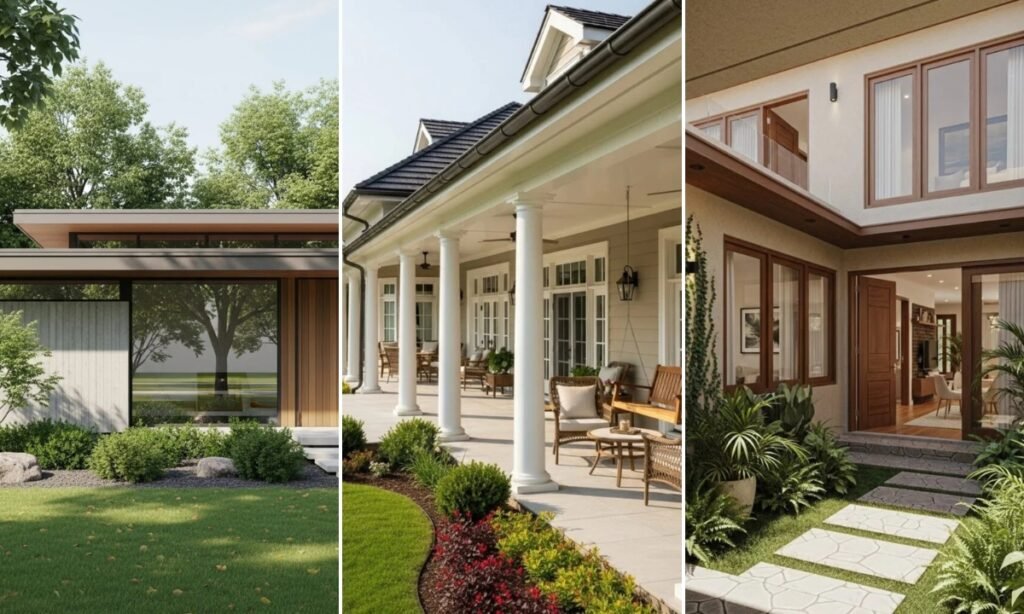
Your house front design is the first thing people notice, and it sets the tone for everything inside.
A well-planned front elevation is not just about looks it also affects privacy, light, ventilation, and how welcoming your home feels.
Whether you prefer a modern, traditional, or blended style, the right design choices can completely transform your home’s street appeal.
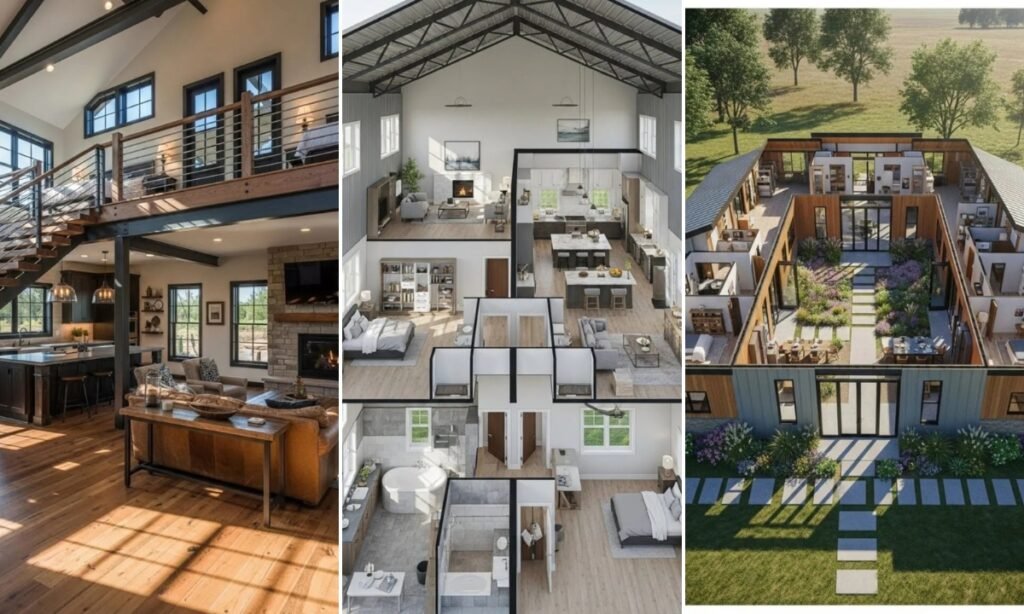
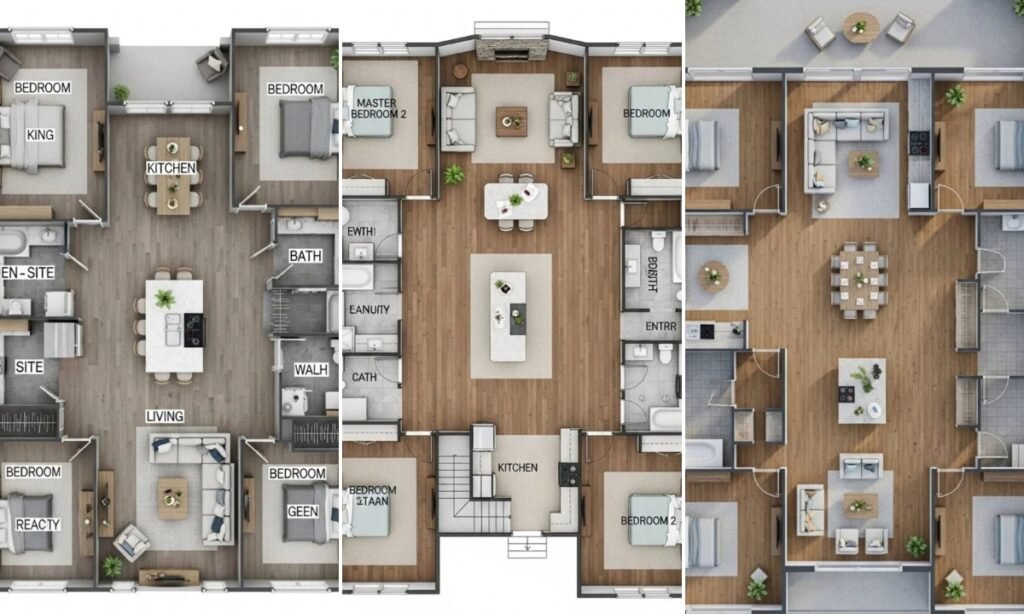
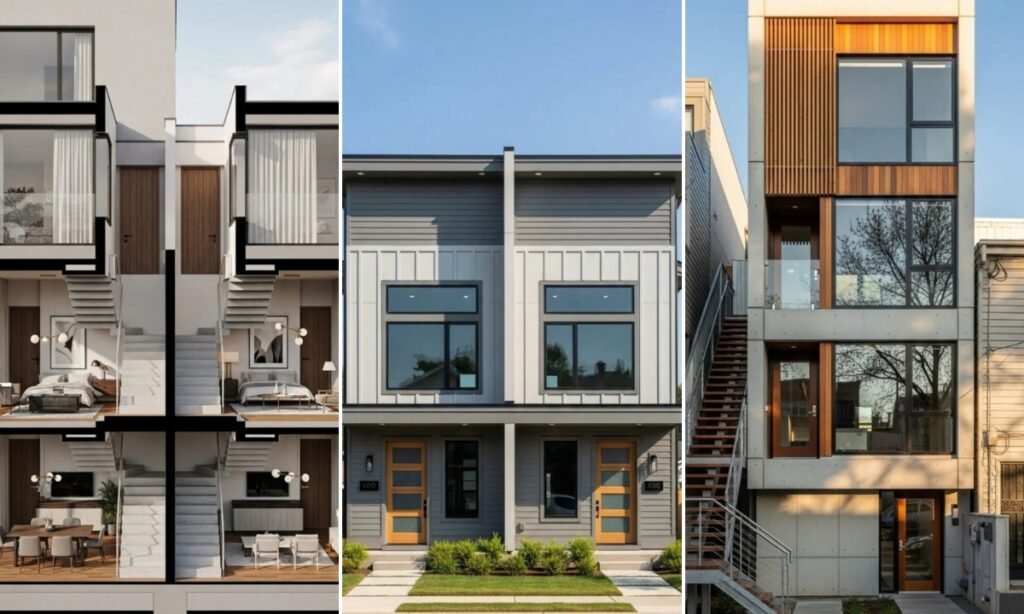
In this article, you’ll find 32 unique house front design ideas that focus on structure, materials, layout, and visual balance to help you create a front that feels stylish, practical, and timeless
Floating Canopy
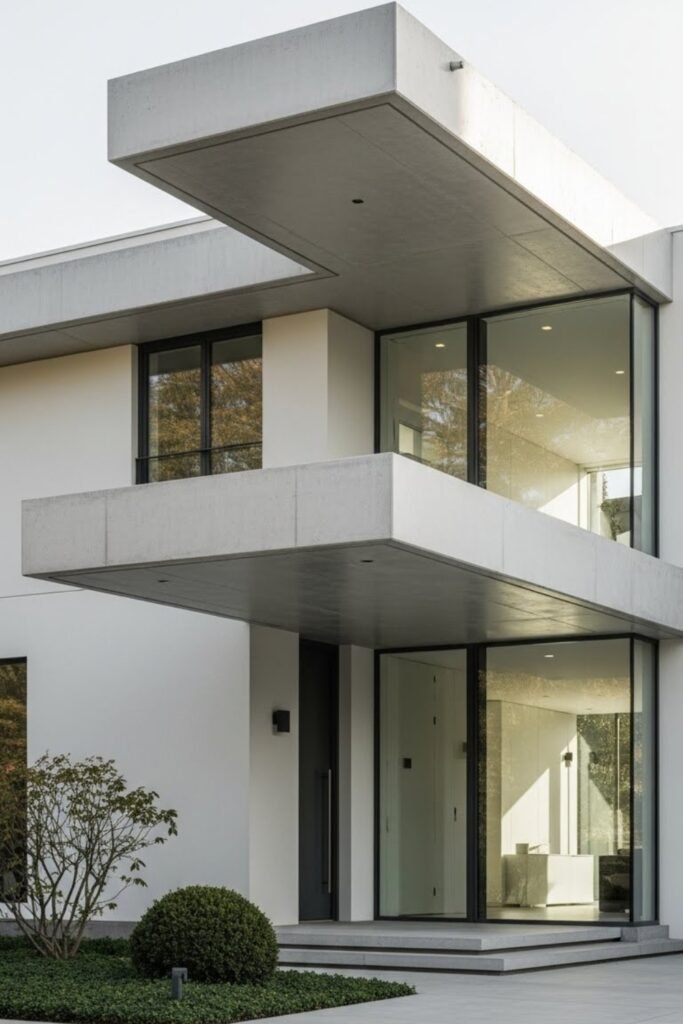
A floating canopy adds a bold architectural touch to the house front without feeling bulky. The extended slab above the entrance creates shade and depth while clearly defining the entry point.
This design suits modern homes and helps the front elevation look more structured, clean, and visually striking from the street.
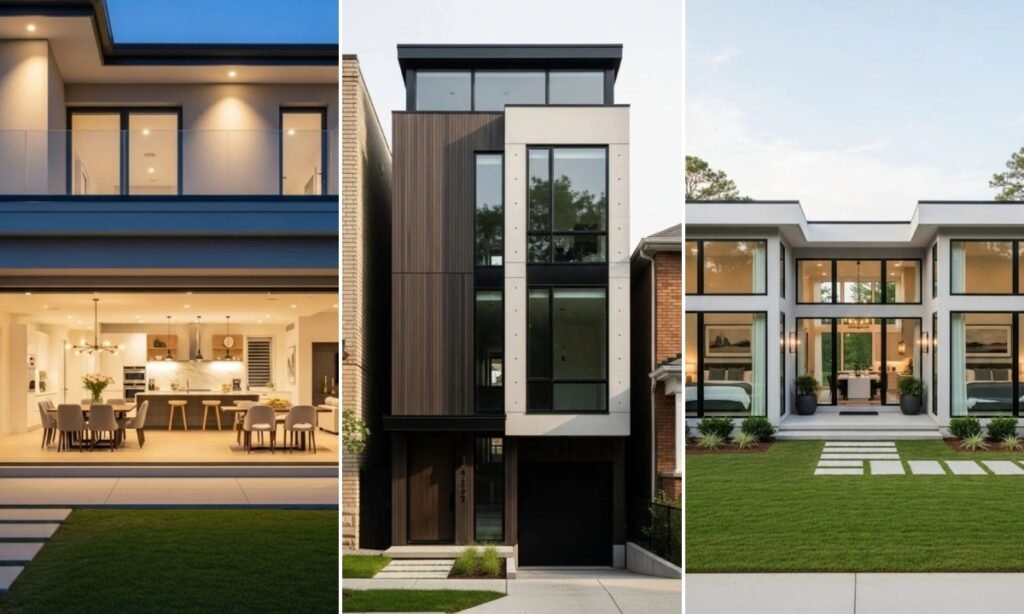
Vertical Slats
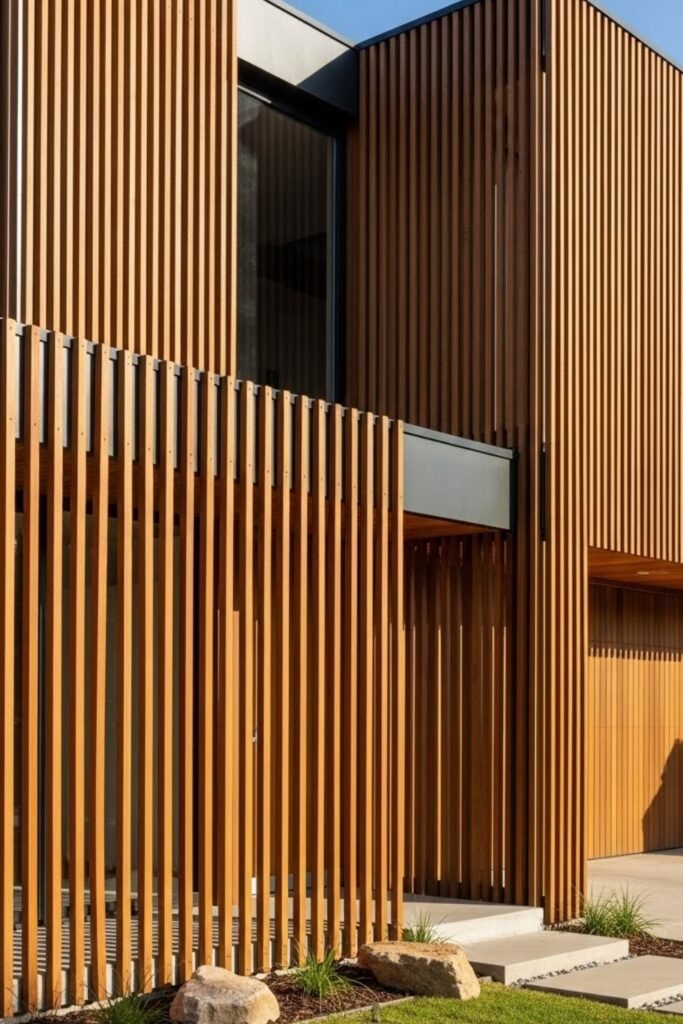
Vertical slats give the house front a taller and more refined appearance. Wood, metal, or composite slats can filter sunlight, add privacy, and create texture.
This idea works especially well for narrow or compact fronts, as the vertical lines visually stretch the facade and make it feel more balanced.
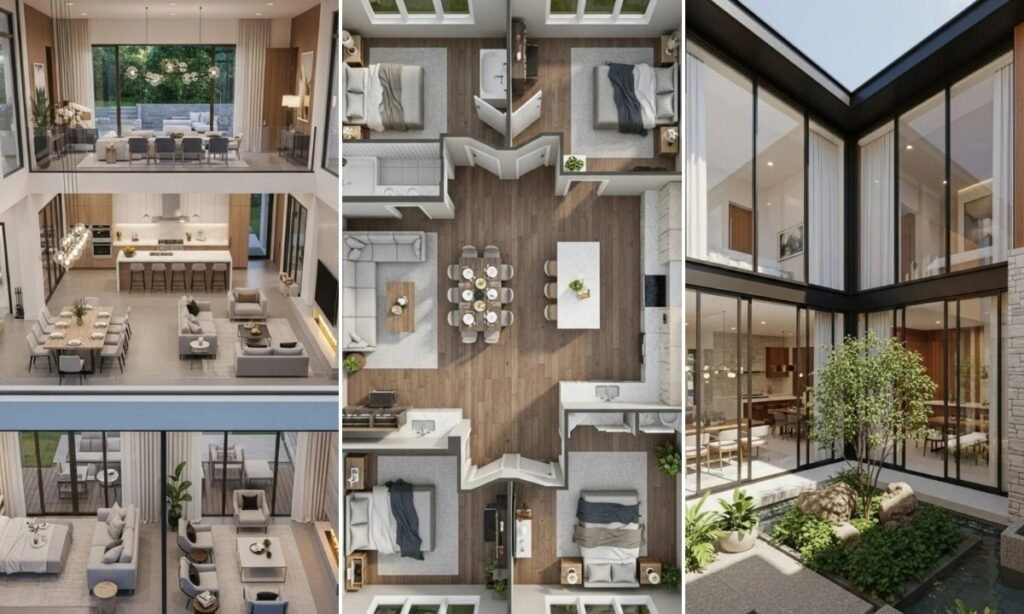
Entry Courtyard
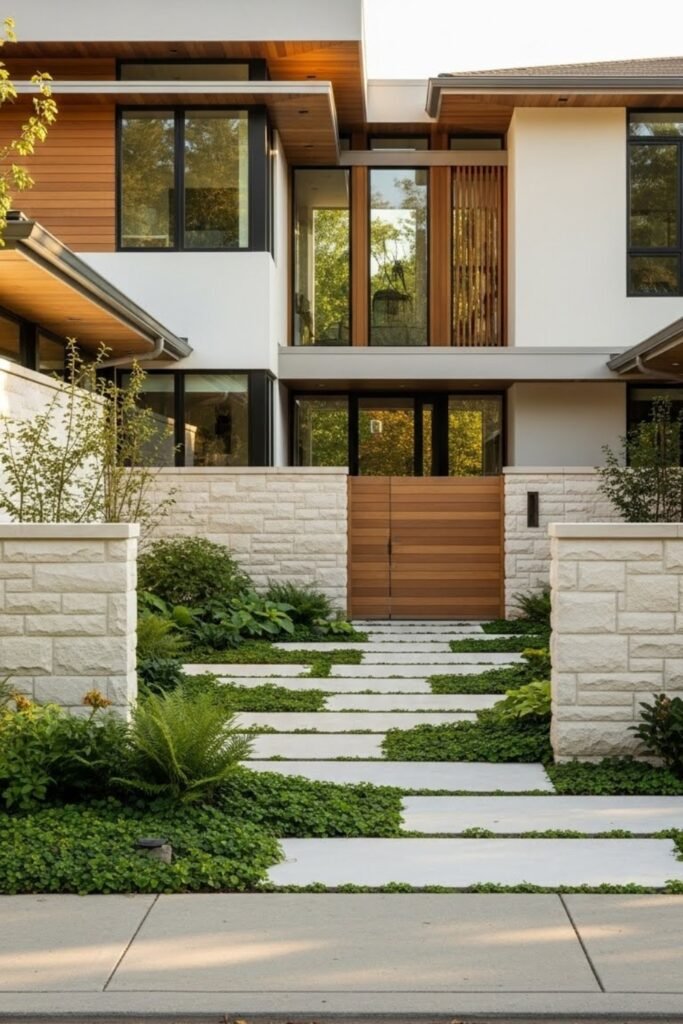
An entry courtyard separates the main door from the street, creating a calm and private approach. It can include plants, stone paving, or a small seating area.
This design improves airflow, adds depth to the front, and makes the entrance feel welcoming rather than directly exposed.
Stone Glass
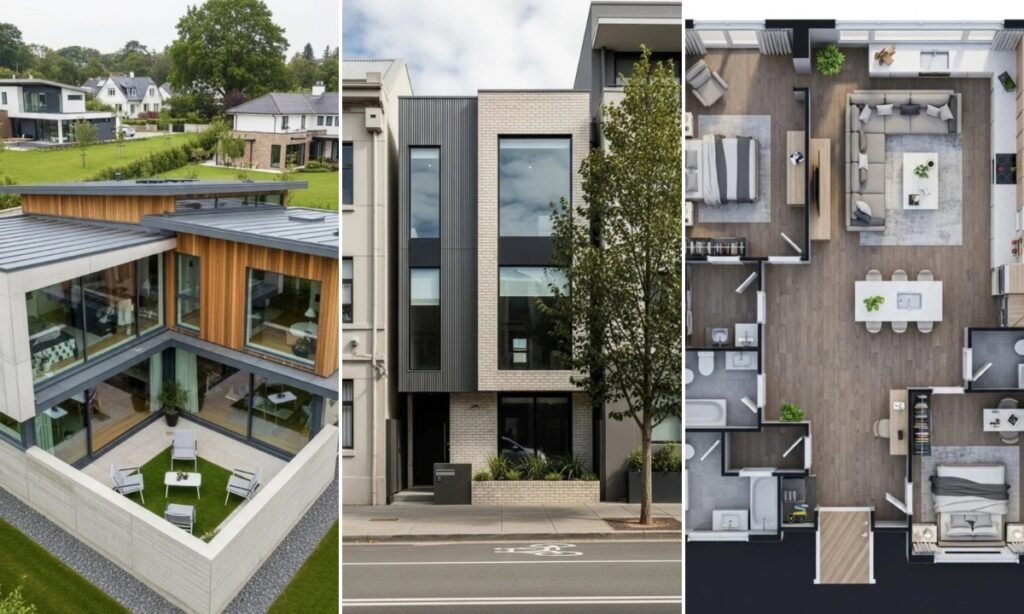
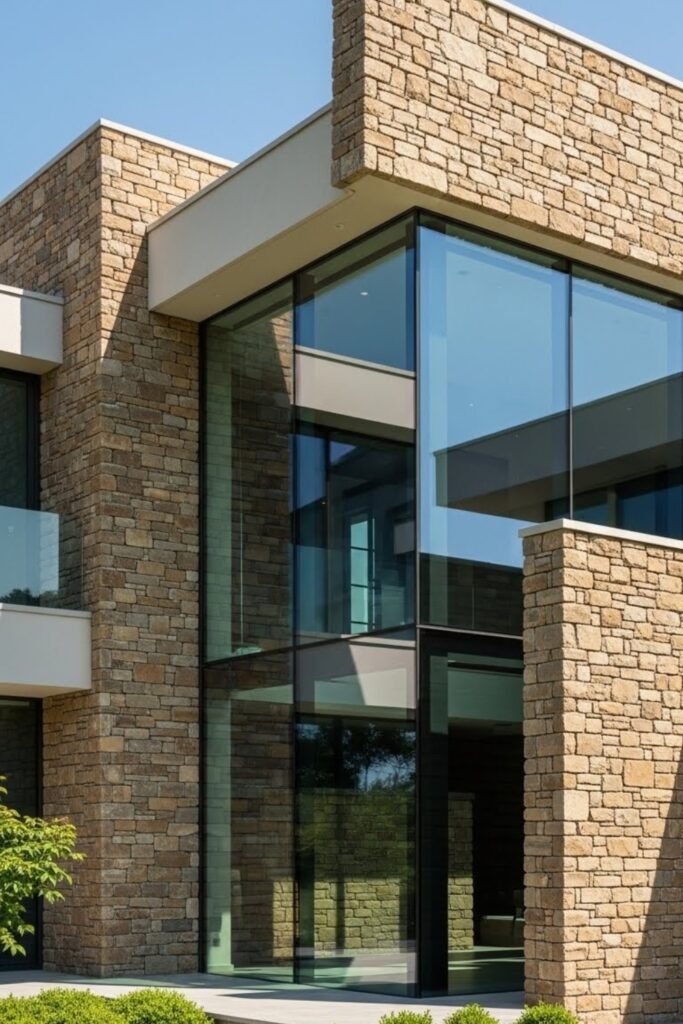
Using stone with glass creates a strong yet open house front design. Stone brings texture and durability, while glass allows light and transparency.
Together, they form a balanced facade that feels modern and elegant, making the front elevation look premium without relying on heavy decoration.
Asymmetrical Front
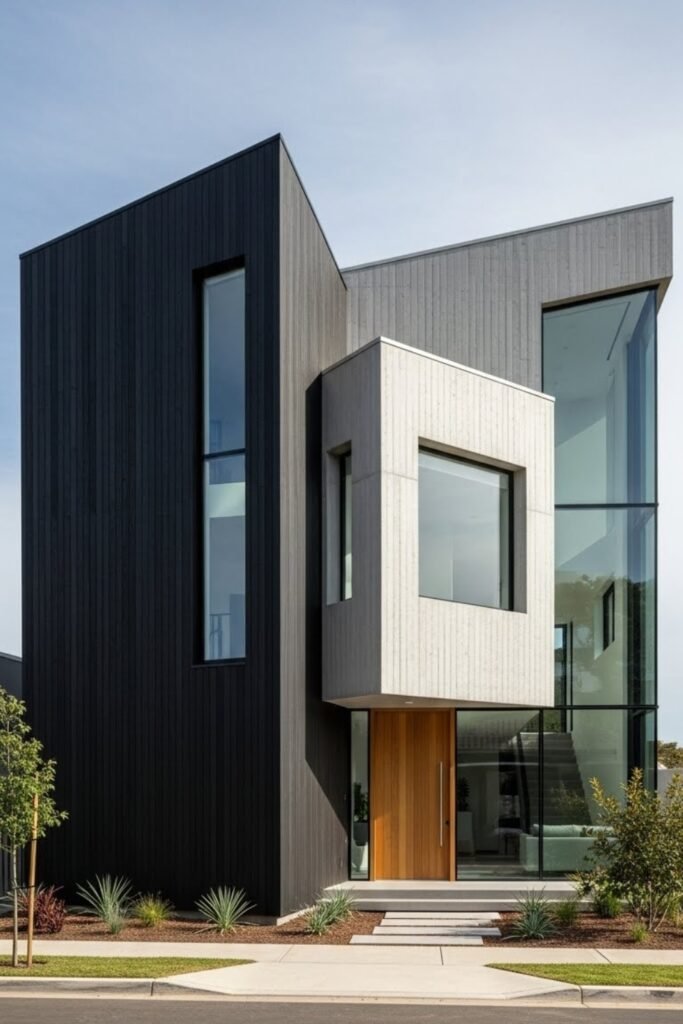
An asymmetrical front design breaks away from traditional balance and creates visual interest. Uneven window placement, offset volumes, or mixed heights make the house stand out instantly.
This approach works best for modern homes, where bold shapes and creative layouts give the facade a dynamic, designer-style appearance without adding unnecessary decoration.
Recessed Door
A recessed main door adds depth and shadow to the house front, making the entrance feel protected and intentional. The set-back entry naturally highlights the doorway while improving privacy from the street.
This design works well for both modern and contemporary homes, especially when paired with subtle lighting or textured wall finishes.
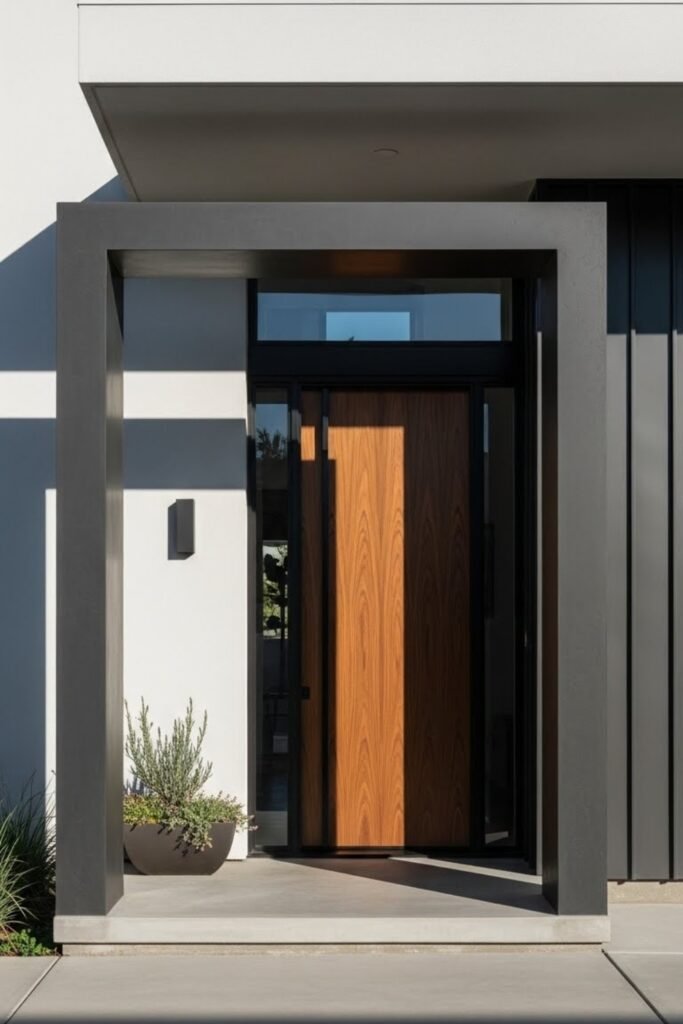
Entry Frame
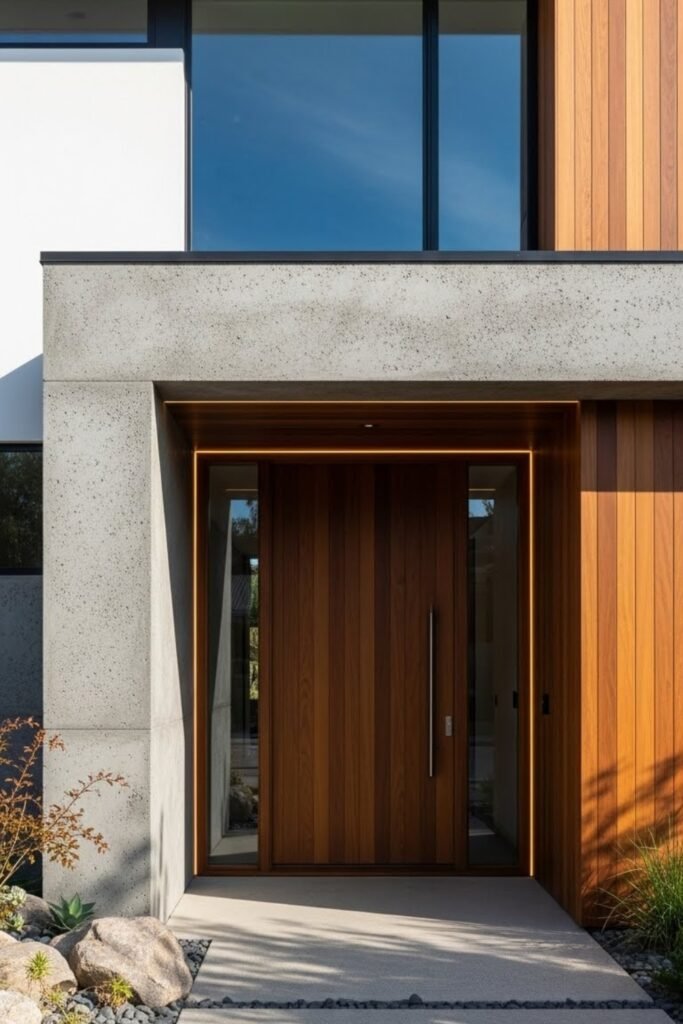
An entry frame uses a bold rectangular structure to visually outline the main door. This simple architectural move instantly creates a focal point on the facade.
Whether finished in concrete, wood, or metal, the framed entry adds depth and contrast, making the front elevation feel more defined and thoughtfully designed.
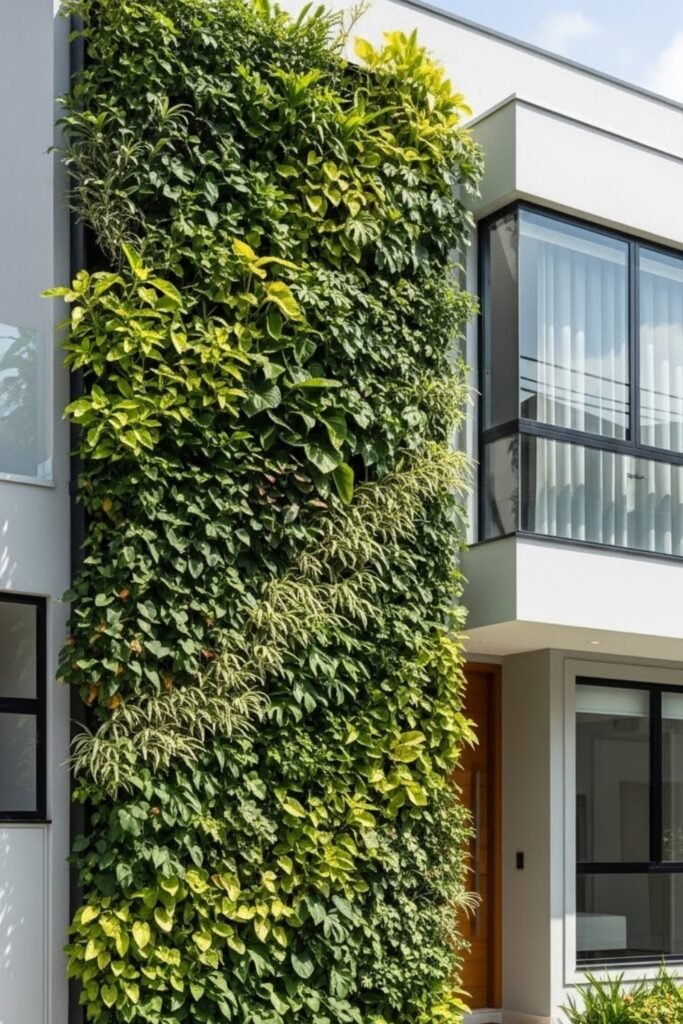
Green Wall
A green wall introduces natural elements directly into the house front design. Vertical plants soften hard surfaces while adding color and freshness to the facade.
This idea works especially well for urban homes, helping the front look lively and eco-friendly while improving visual appeal without changing the main structure
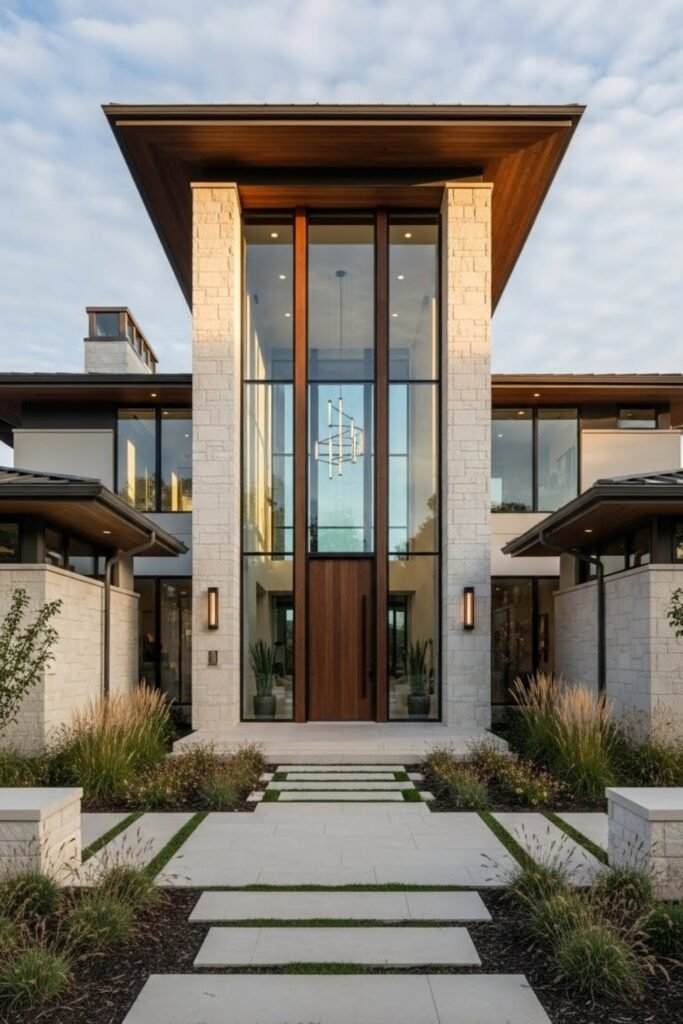
Tall Entry
A tall entry front creates a strong sense of scale and openness. The increased height around the entrance makes the house appear larger and more welcoming from the street.
This design works well for modern and luxury homes, allowing natural light to enter while giving the front elevation a grand, airy feel.
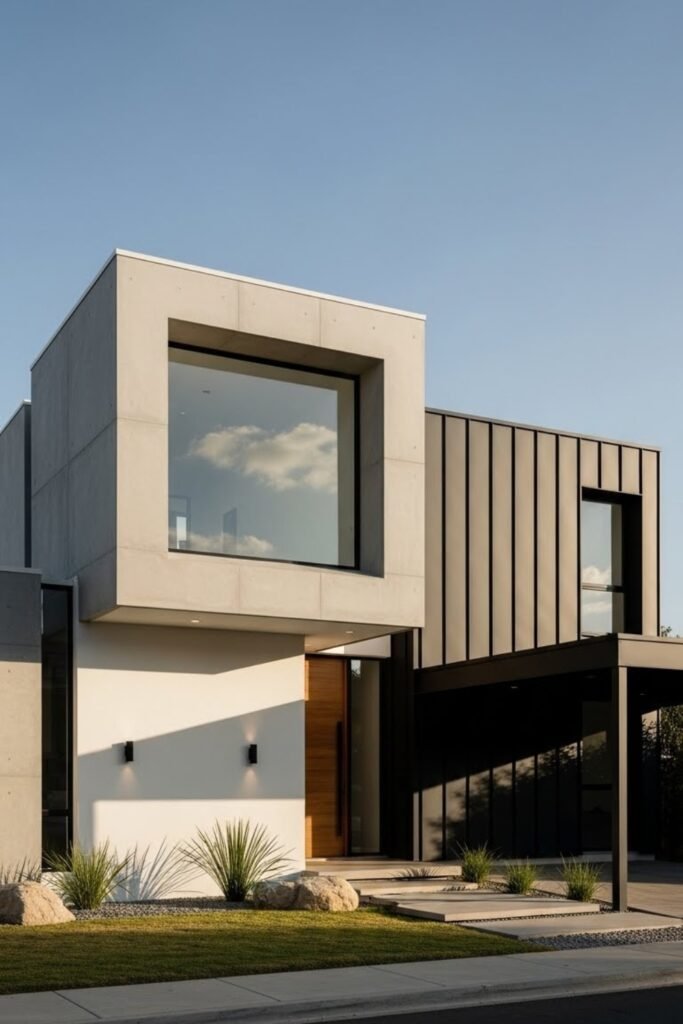
Box Design
A box-style front focuses on clean lines and simple geometric forms. Flat surfaces, sharp edges, and minimal detailing keep the facade uncluttered and modern.
This idea is ideal for homeowners who prefer a sleek, contemporary look that feels timeless and easy to maintain without extra decorative elements.
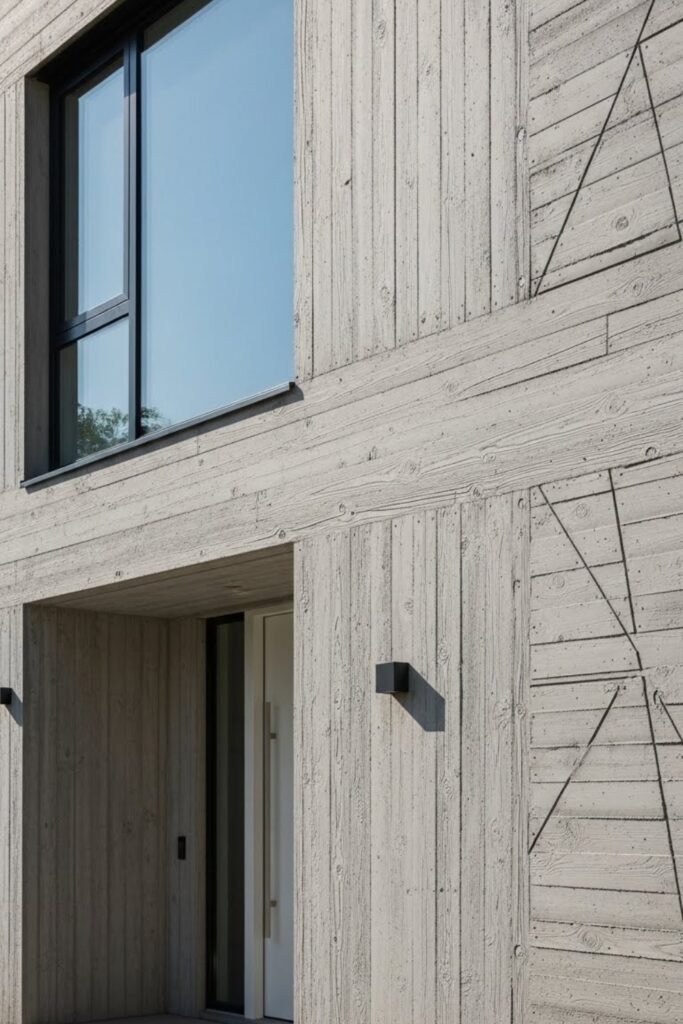
Concrete Texture
Textured concrete adds character to a house front without relying on color or ornament. Finishes like board-formed, brushed, or patterned concrete create subtle visual interest.
This design suits modern and industrial-style homes, giving the facade a bold, raw appearance while remaining durable and low maintenance.
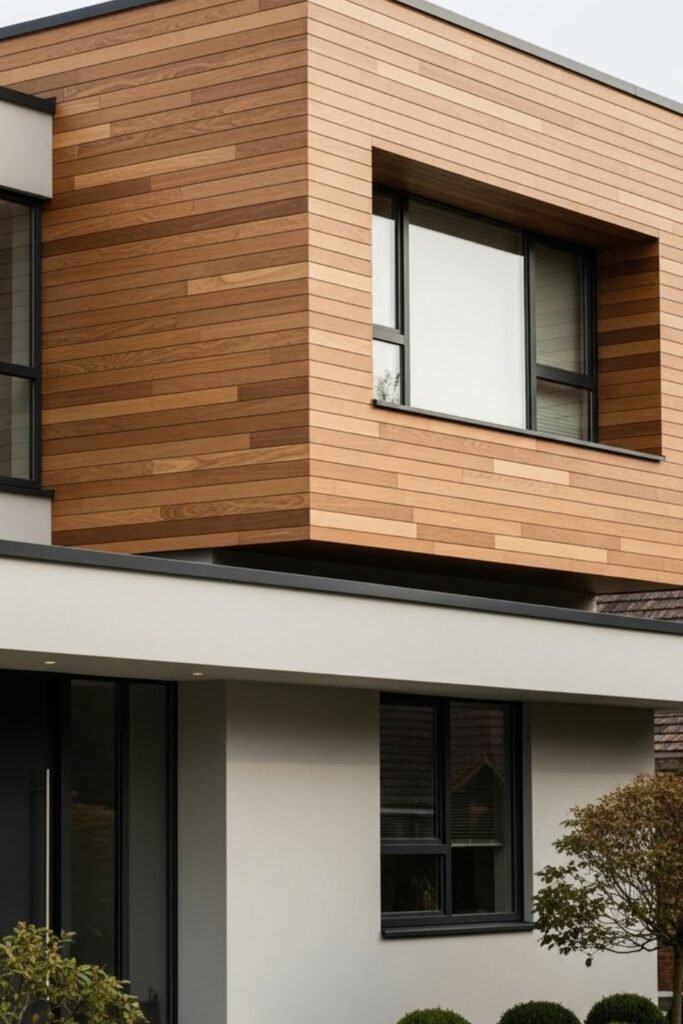
Wood Upper
A wood-clad upper level softens the overall house front design. The warm tones of wood contrast beautifully with concrete or neutral finishes below.
This idea helps balance modern architecture, making the facade feel inviting and visually layered while still maintaining a clean, contemporary look.
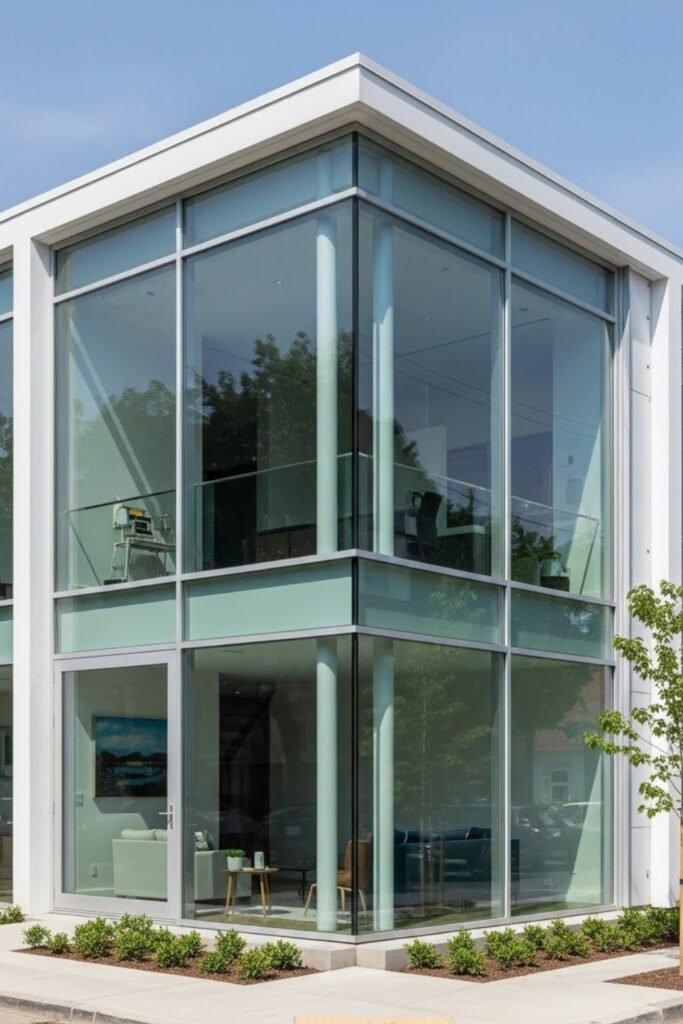
Glass Corner
A glass corner front design opens up the facade and removes visual heaviness. By using glass at the corner instead of solid walls, the house feels more open and modern.
This idea works well for contemporary homes, allowing more daylight inside while creating a striking architectural detail visible from the street
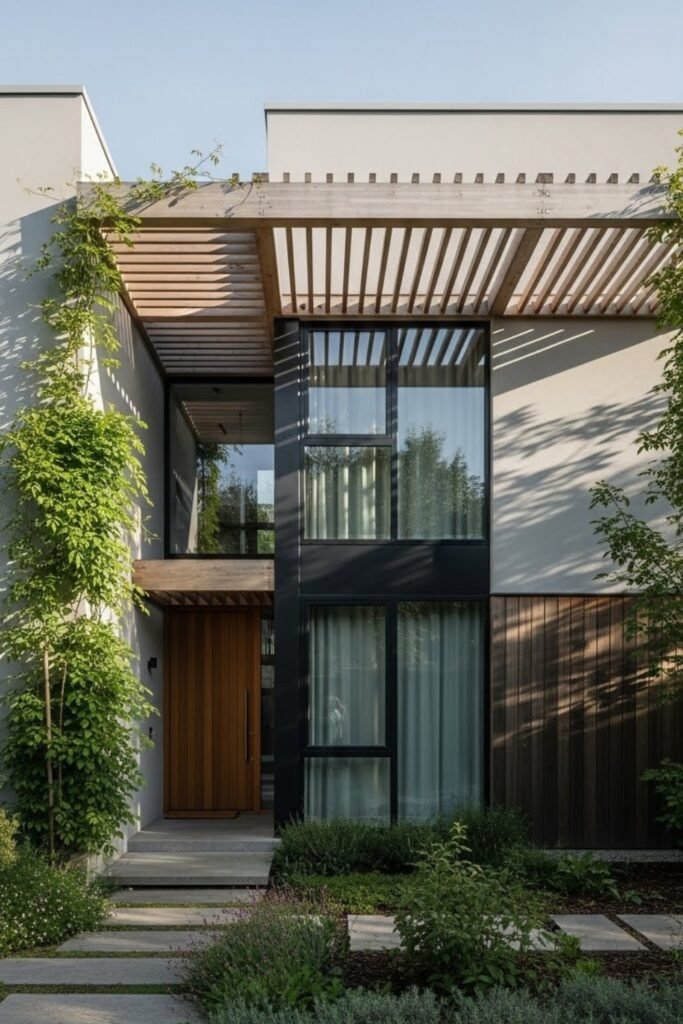
Pergola Front
A pergola-style extension adds structure and shade to the house front without fully enclosing it. The open slatted design creates visual depth and soft shadows across the facade.
This idea works well above entrances or windows, giving the front elevation a relaxed yet modern character.
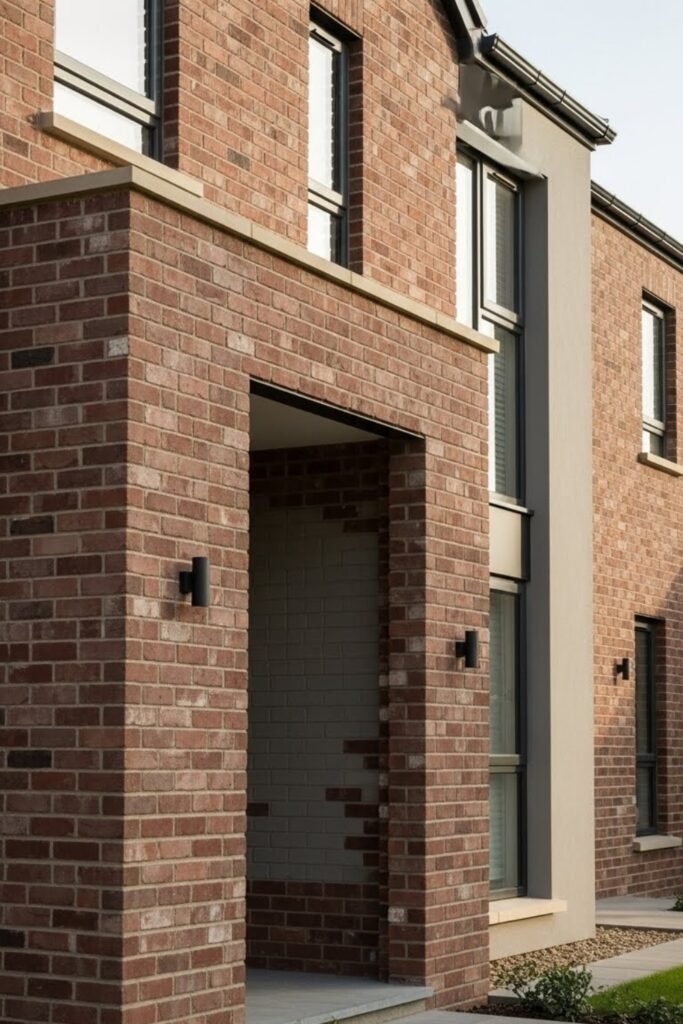
Brick Feature
A brick feature wall brings texture and warmth to the house front design. Exposed, painted, or patterned brick can act as a focal element without overwhelming the facade.
This idea suits both modern and traditional homes, adding character and durability while keeping the overall design grounded and timeless.
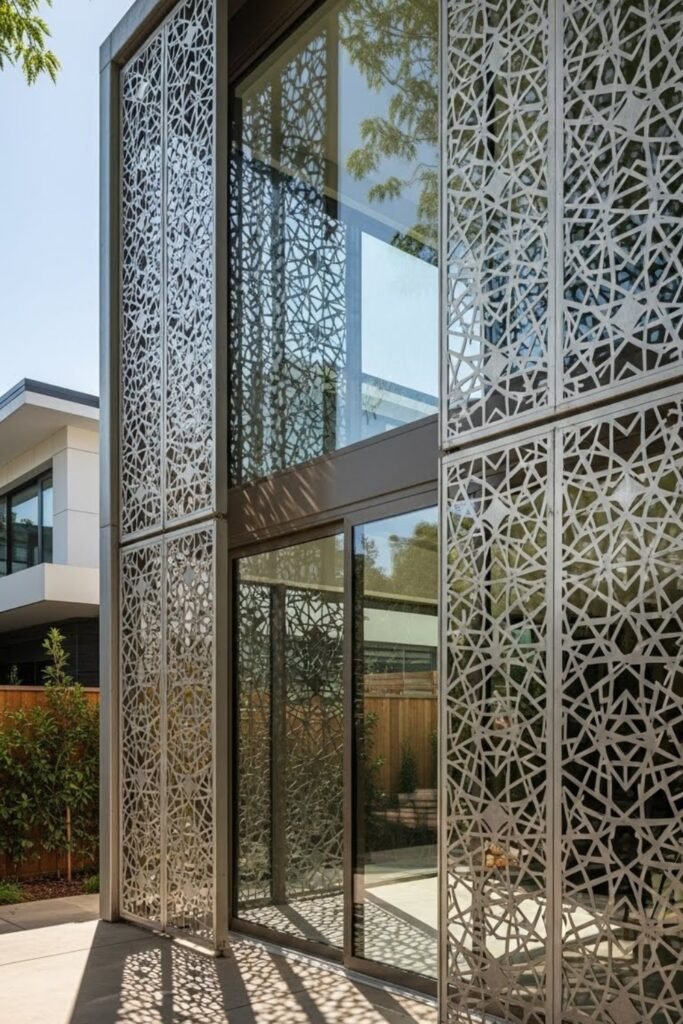
Metal Screen
Metal screens add privacy and style to a house front while allowing airflow and light. Perforated or laser-cut panels create interesting patterns that change throughout the day.
This design works especially well for urban homes, offering a modern look while reducing direct visibility from the street.
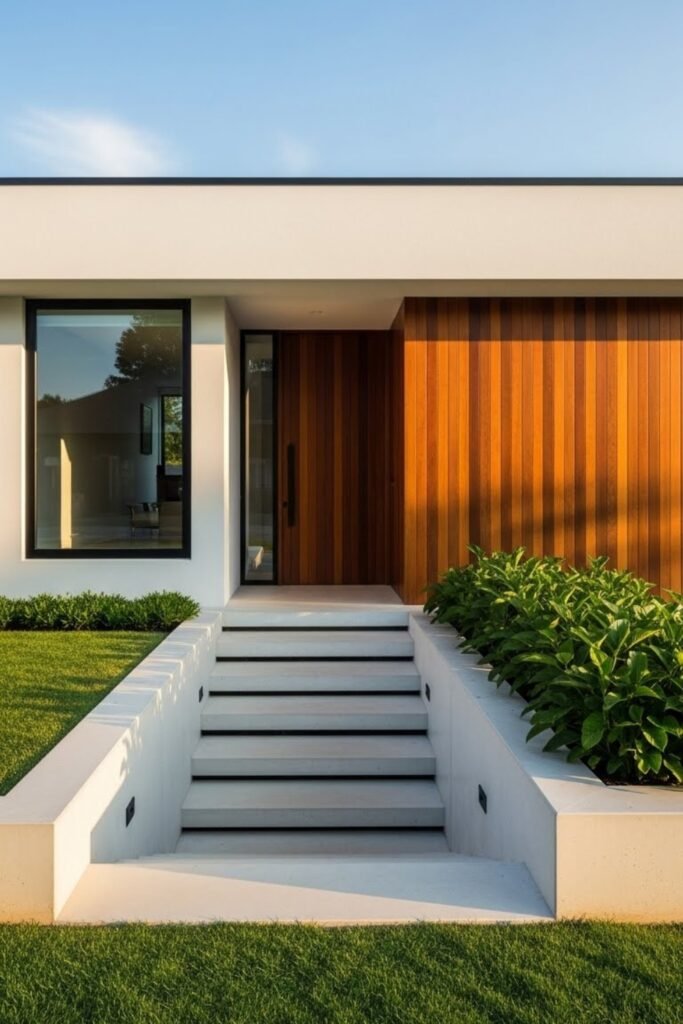
Sunken Entry
A sunken entry creates a subtle level change that adds depth to the house front. Steps leading slightly downward before the main door make the entrance feel private and intentional.
This design works well for modern homes, helping separate the entry zone from the street while adding visual interest without major structural changes.
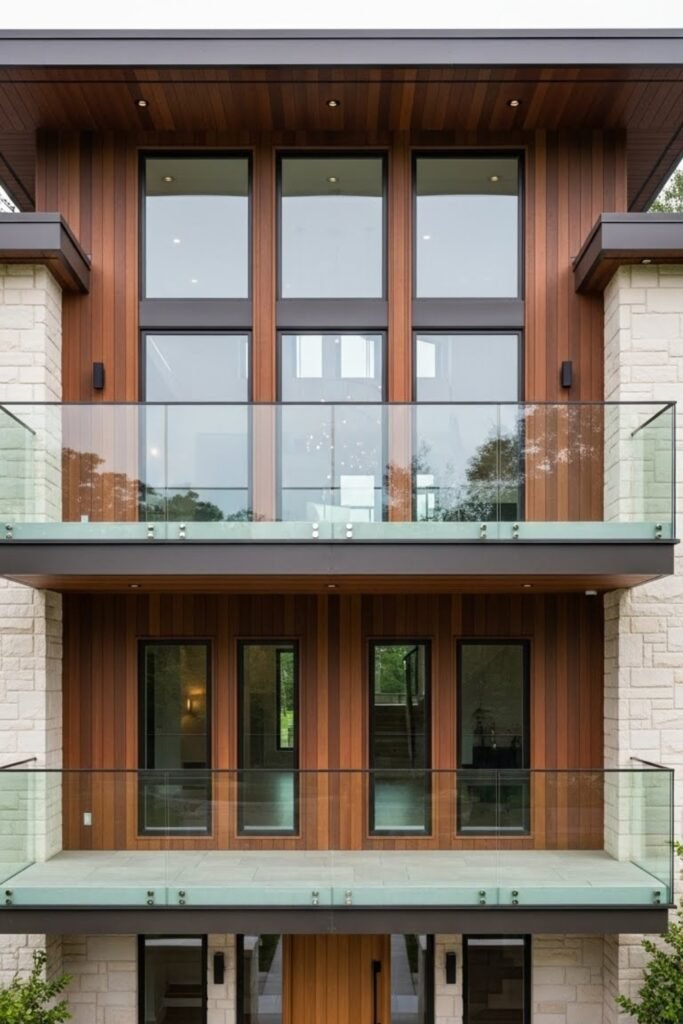
Wrap Balcony
A wraparound balcony adds openness and elegance to the front elevation. Extending across the facade, it creates strong horizontal lines and enhances outdoor use.
This idea suits larger homes and gives the front a grand, balanced look while also improving shade and ventilation for upper rooms
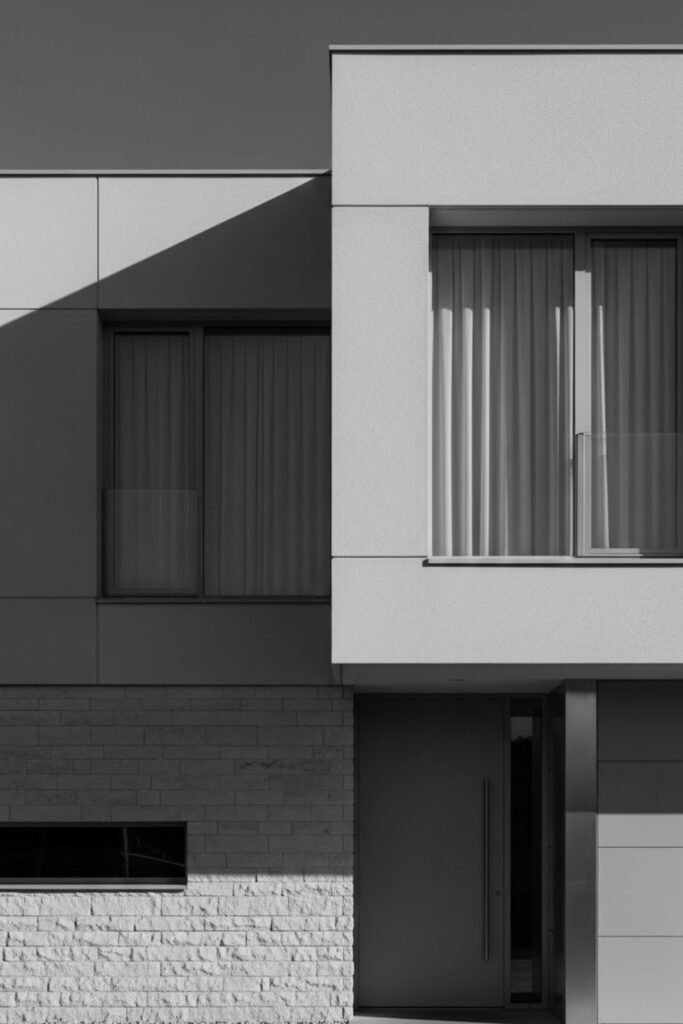
Monochrome Front
A monochrome front design uses a single color in different textures and finishes. Subtle variations in material keep the facade interesting without visual clutter.
This idea works especially well for modern homes, creating a clean, cohesive look that feels stylish and timeless from the street view.
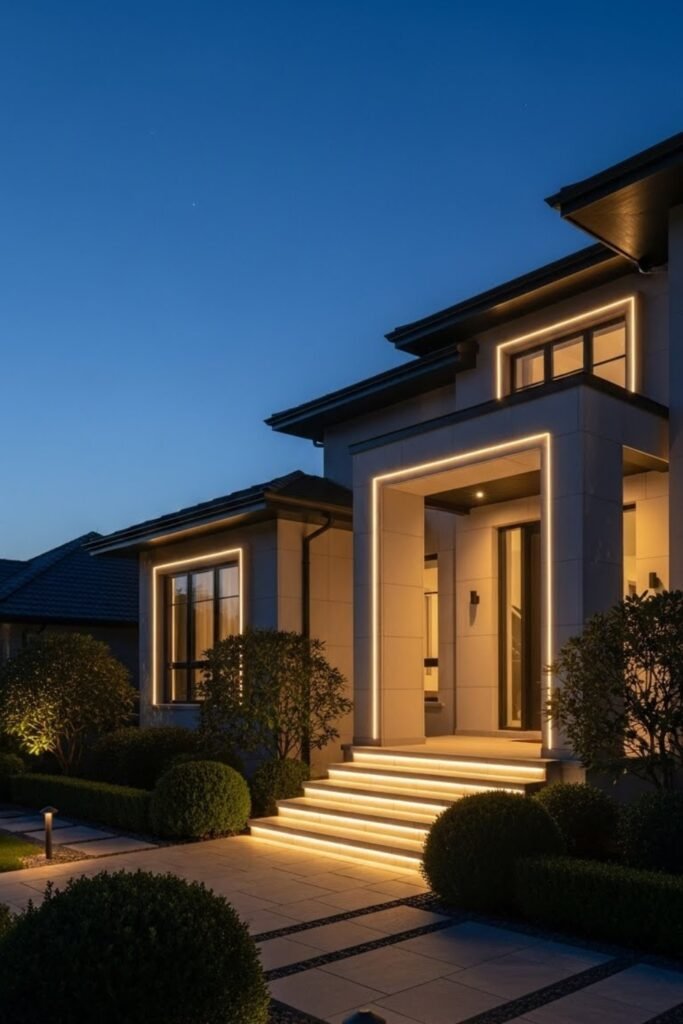
Hidden Lighting
Hidden lighting transforms the house front at night without changing its daytime appearance. LED strips placed under steps, frames, or wall edges highlight architectural lines softly.
This design adds depth, safety, and elegance, making the facade feel premium while avoiding harsh or decorative lighting fixtures.
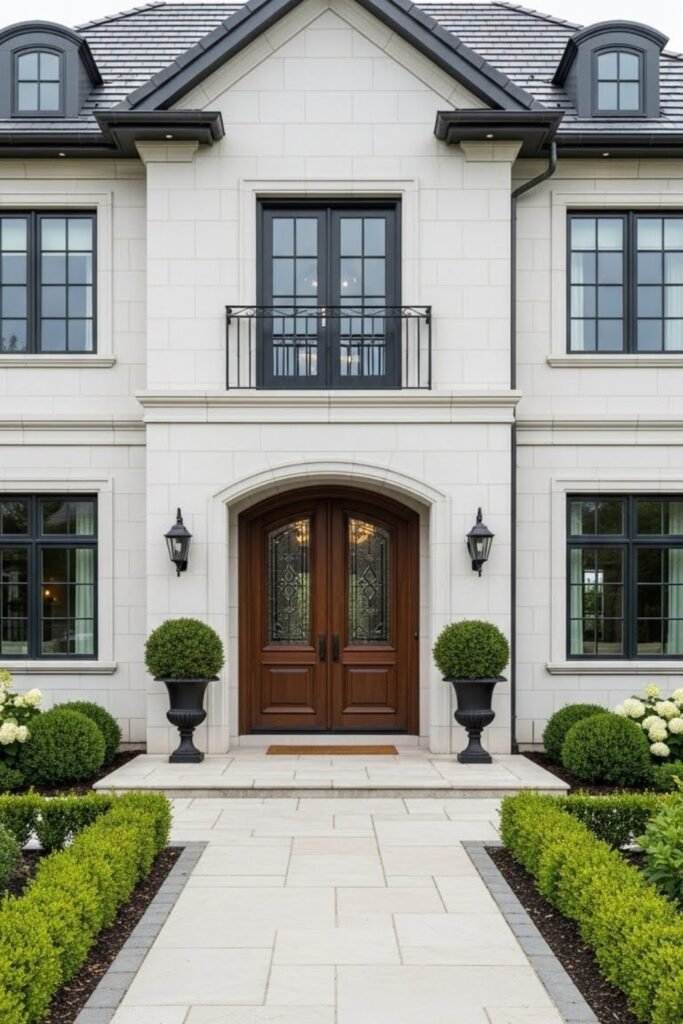
Symmetrical Front
A symmetrical front design creates a sense of order and balance. Matching windows, centered doors, and evenly spaced elements give the house a timeless appearance.
This idea works well for traditional and transitional homes, making the front elevation feel calm, formal, and visually pleasing from the street.
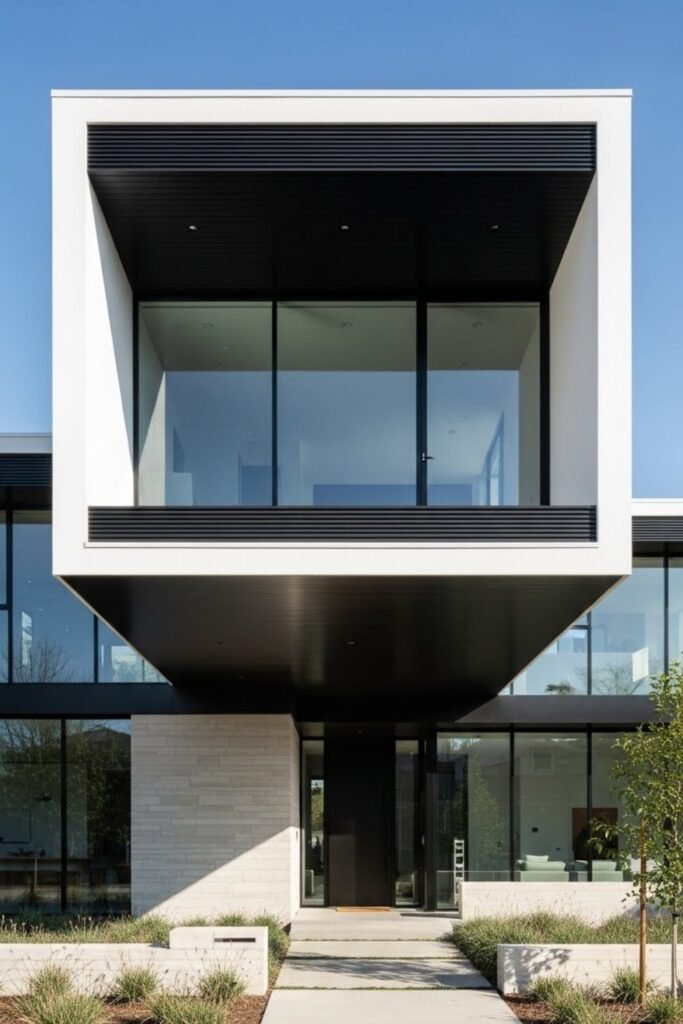
Cantilever Floor
A cantilevered upper floor extends outward without visible support, creating a bold architectural statement.
This design adds depth and shade to the house front while emphasizing modern construction techniques. It works especially well for contemporary homes that aim to stand out with clean lines and dramatic forms.
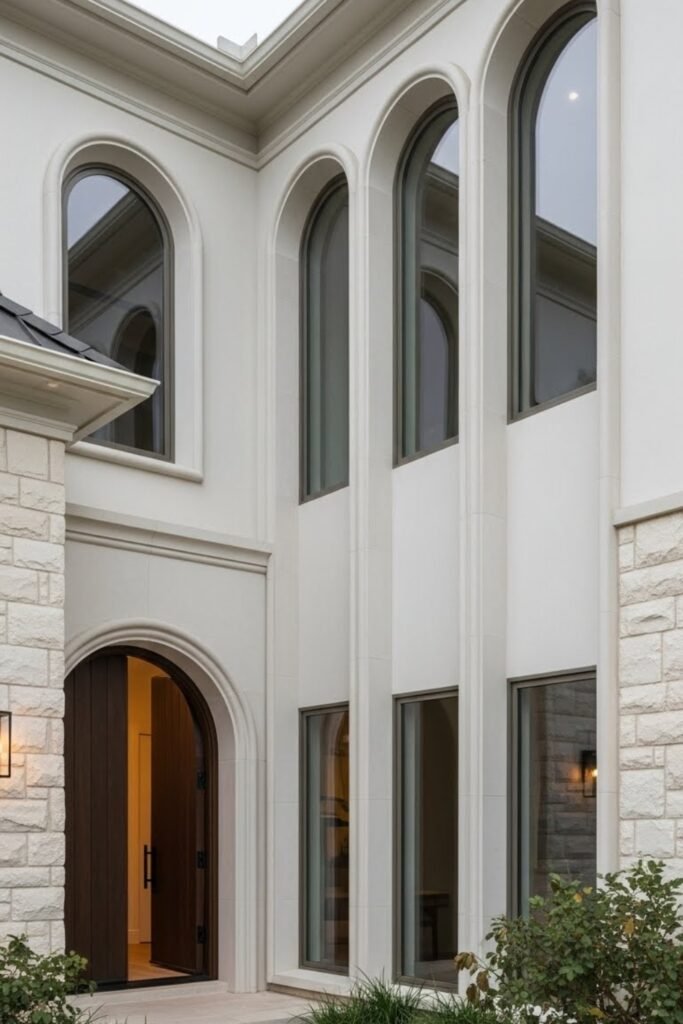
Arch Design
Arch-based front designs introduce soft curves into the facade. Arched doors or windows add character and elegance while breaking sharp lines.
This idea suits both modern and classic homes, giving the house front a distinctive identity without overwhelming the overall structure.
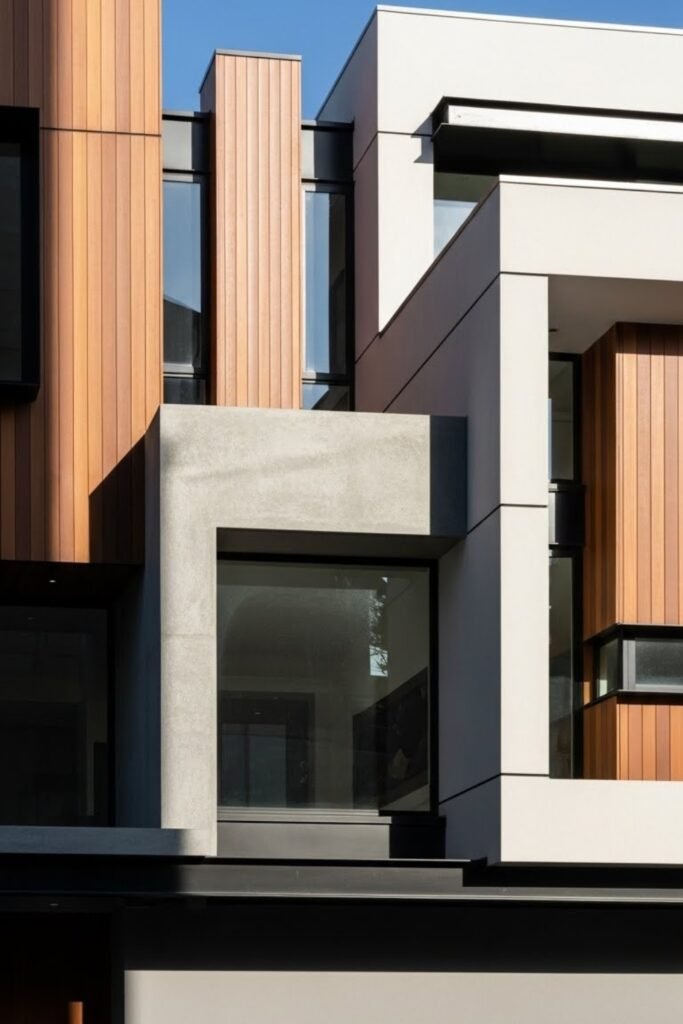
Layered Facade
A layered facade uses multiple wall planes set at different depths. These offsets create shadows and visual richness throughout the day.
This design works well for modern houses, making the front elevation more dynamic and interesting without relying on bold colors or heavy ornamentation.
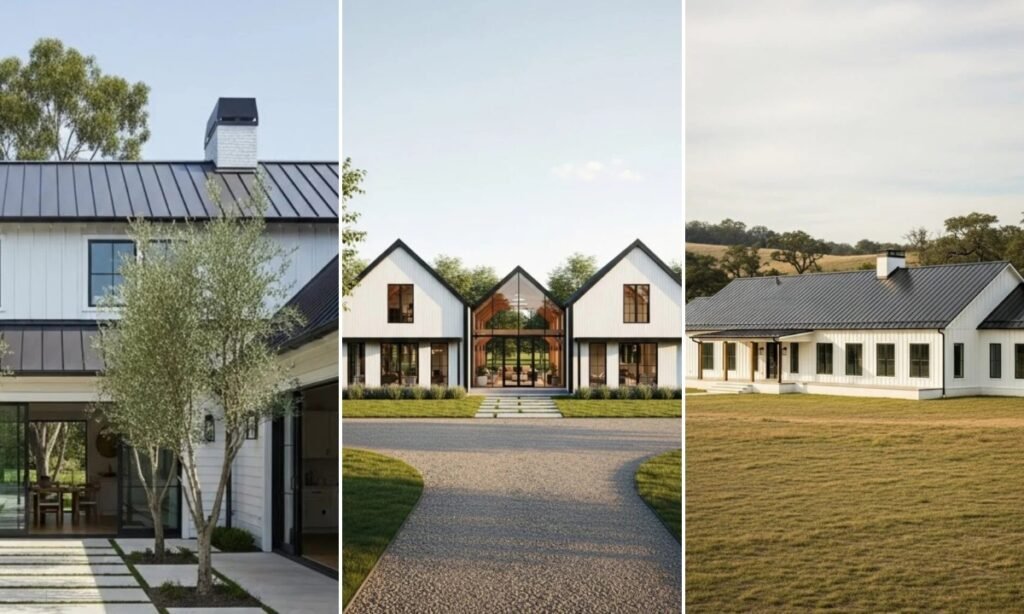
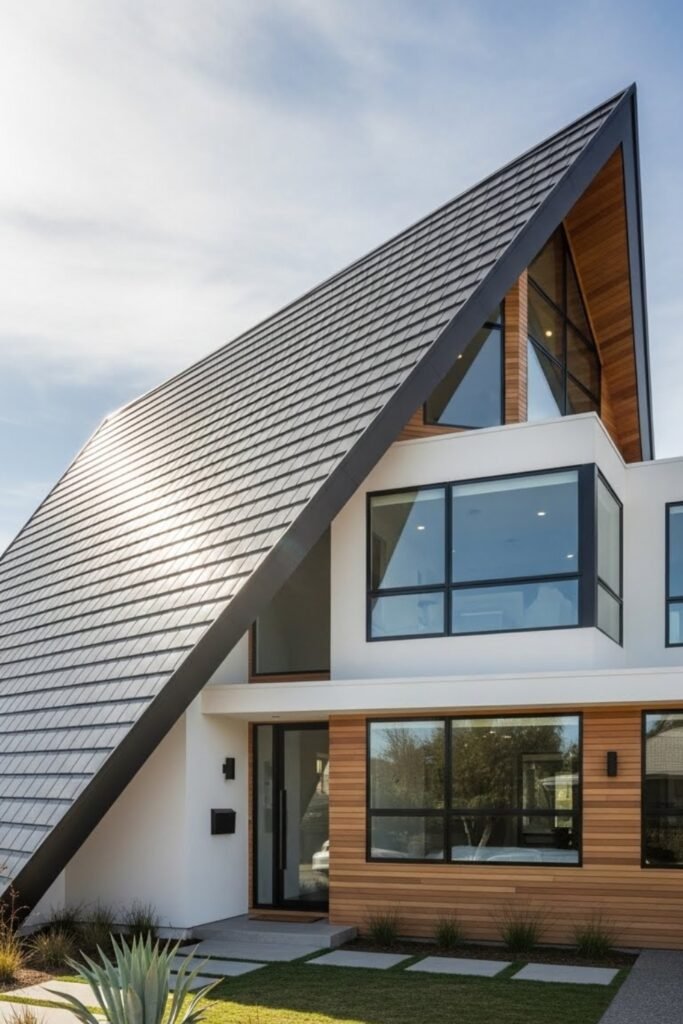
Sloped Roof
A visible sloped roof adds character and movement to the house front. Instead of hiding the roofline, this design makes it part of the facade.
It works well for modern and climate-responsive homes, helping with drainage while giving the front elevation a distinctive and architectural appearance.
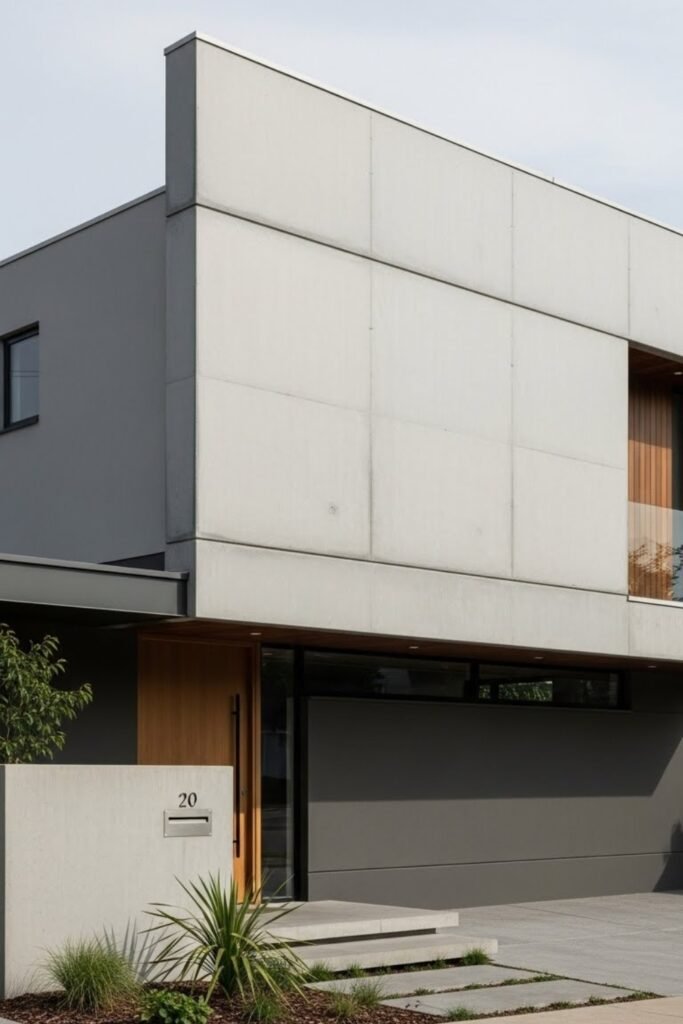
Solid Front
A solid front design limits openings toward the street, creating a strong and private facade. Large wall surfaces emphasize form and material rather than windows.
This idea suits urban homes where privacy is important, giving the house a bold, secure look while still allowing light from other sides.
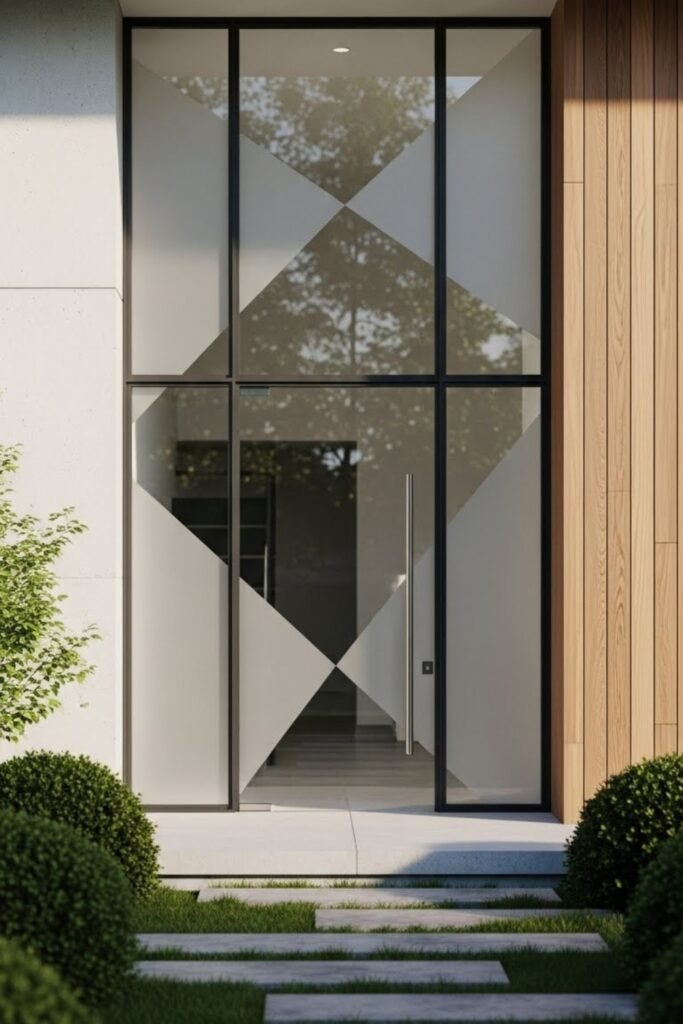
Glass Door
A glass door becomes the main visual highlight of the house front. Clear, frosted, or patterned glass adds elegance while allowing natural light into the entry space.
This design works well for modern homes, making the entrance feel open and welcoming without changing the overall structure.
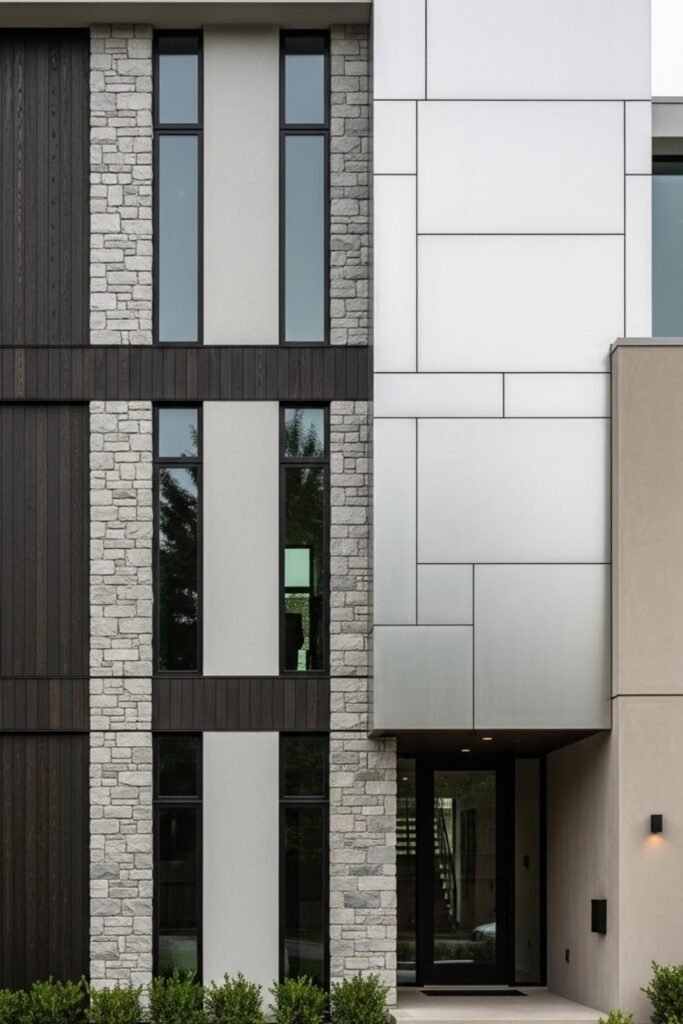
Mixed Panels
Mixed panel designs combine different materials like wood, stone, metal, or concrete in defined sections. The contrast adds depth and personality to the facade.
This idea works best when materials are limited and balanced, creating a visually rich front without making it feel cluttered.
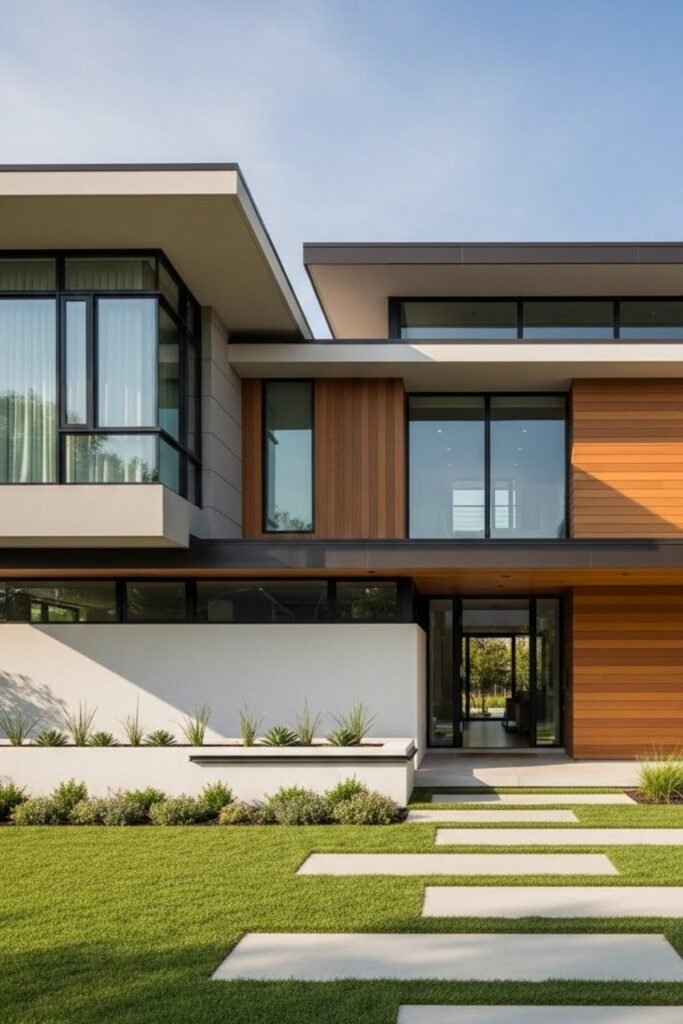
Low Profile
A low-profile front design emphasizes horizontal lines and wide proportions. This approach makes the house appear grounded and modern, especially on larger plots.
Long roof edges, wide windows, and extended walls create a calm, balanced facade that feels sleek without being overly bold.
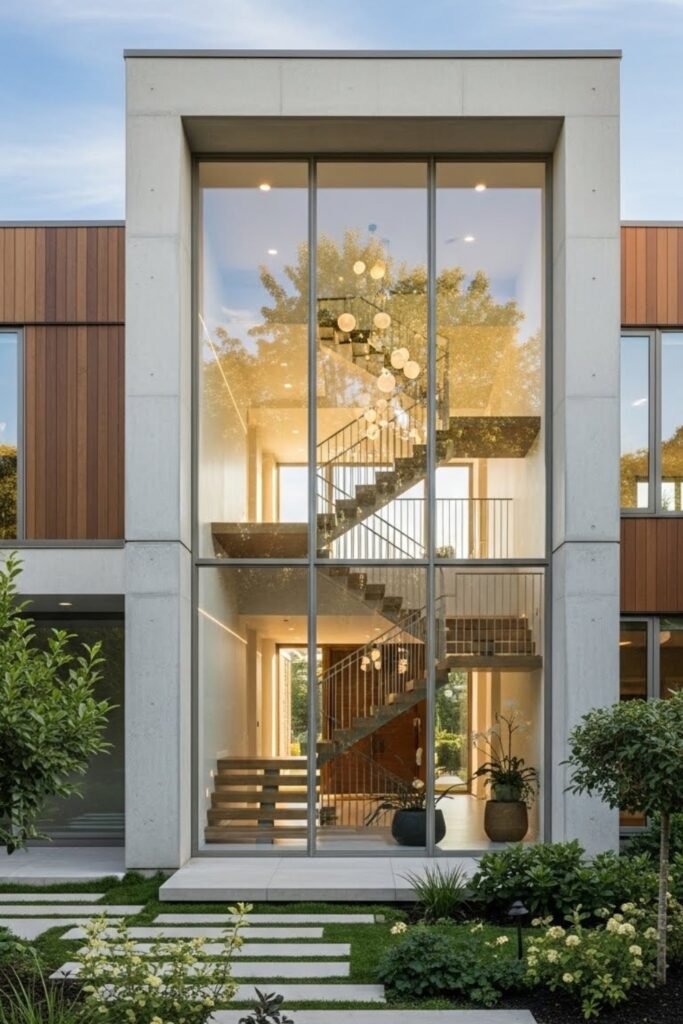
Stair View
A stair-focused front design subtly reveals the interior staircase through glass or vertical windows. This creates visual interest from the outside while keeping privacy intact.
The staircase becomes a design feature, adding depth and movement to the house front without altering the main structure.
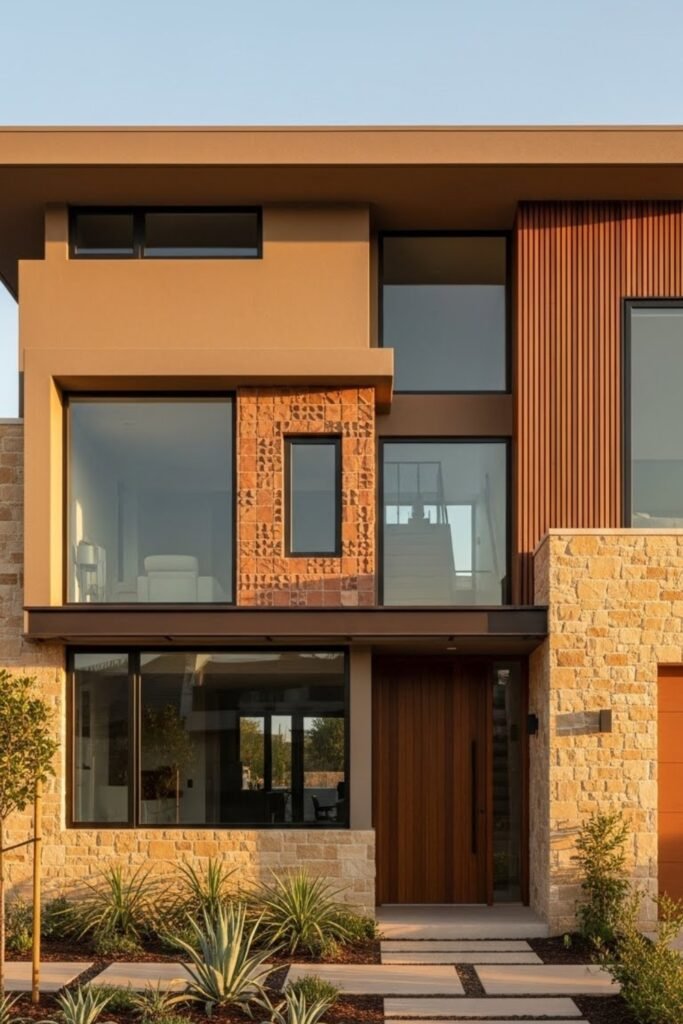
Earth Tones
Earth-tone front designs use natural shades like clay, sand, beige, and muted browns. These colors blend well with the surroundings and give the house a warm, timeless appearance.
This idea works for both modern and traditional homes, making the facade feel calm, natural, and inviting.
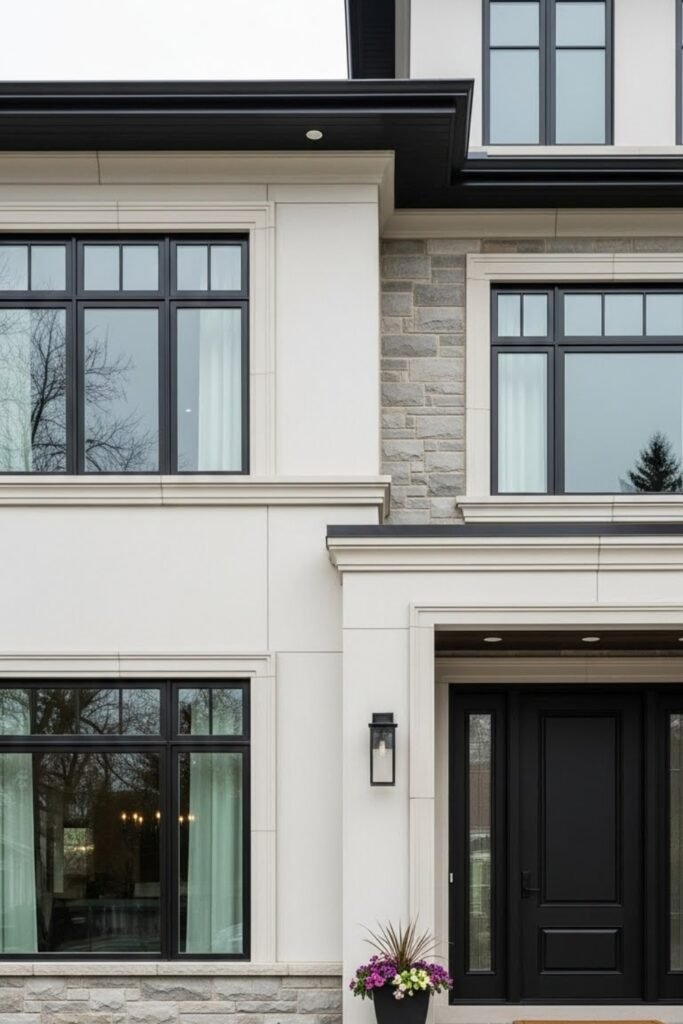
Modern Classic
A modern classic front design blends clean contemporary forms with subtle traditional details. Simple lines are paired with balanced proportions, refined materials, or soft trims.
This approach creates a timeless facade that feels elegant and fresh, avoiding trends while still looking stylish and well-designed.

Hi, my name is Ali Mehmood! I’m a passionate writer and DIY enthusiast who loves turning creative ideas into practical, hands-on projects.
I created this website to share inspiring, budget-friendly ideas that you can do yourself – whether it’s organizing your home, crafting something unique, or creating fun projects for kids and pets.
I believe DIY isn’t just a hobby – it’s a smart way to save money, reduce waste, and enjoy the satisfaction of making things with your own hands.
I’m excited to have you as part of this growing community, and I’ll continue bringing you helpful, realistic, and fun DIY ideas you can actually use.