This post may contain affiliate links: read full affiliate disclosure.
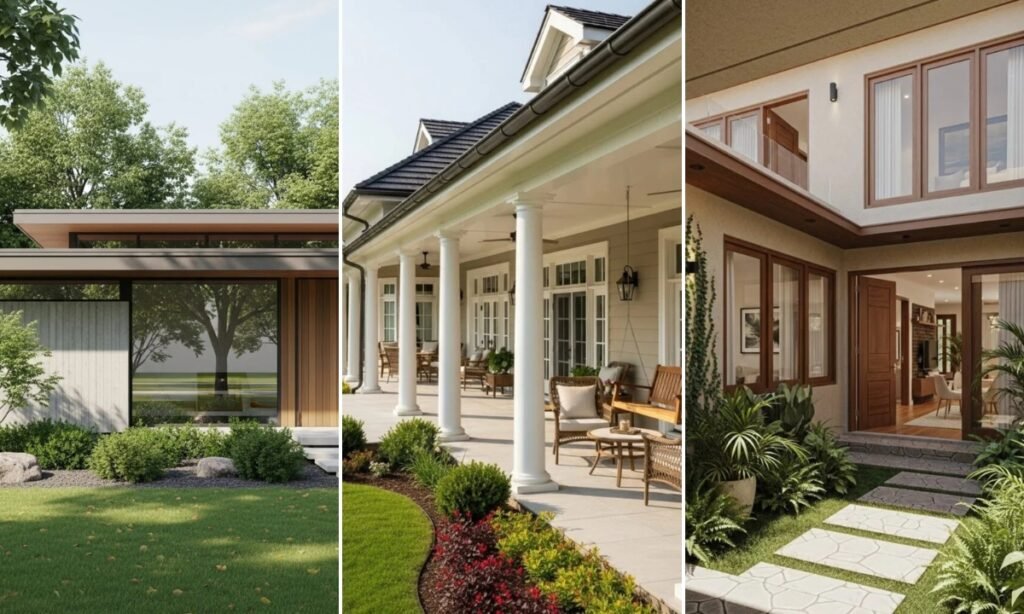
Modular homes are changing how people think about modern housing. Instead of long construction timelines and unpredictable costs, modular homes offer faster builds, controlled quality, and flexible designs that adapt to different lifestyles.
In this article, you’ll explore 31 unique modular home ideas that show how modular design can work for urban lots, rural land, and growing families.
Split-Level
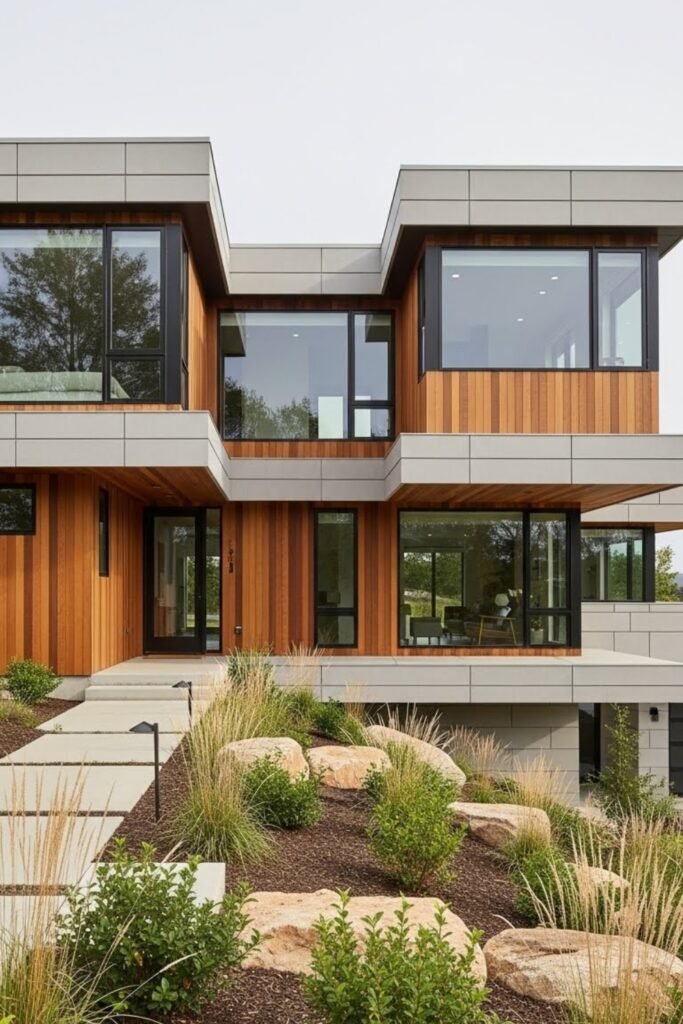
A split-level modular home uses staggered floor heights to separate spaces without increasing the footprint. Living areas, bedrooms, and work zones sit on different levels, creating privacy and visual interest.
This layout works well on sloped land and helps small modular homes feel larger while keeping construction efficient and structured.
Courtyard
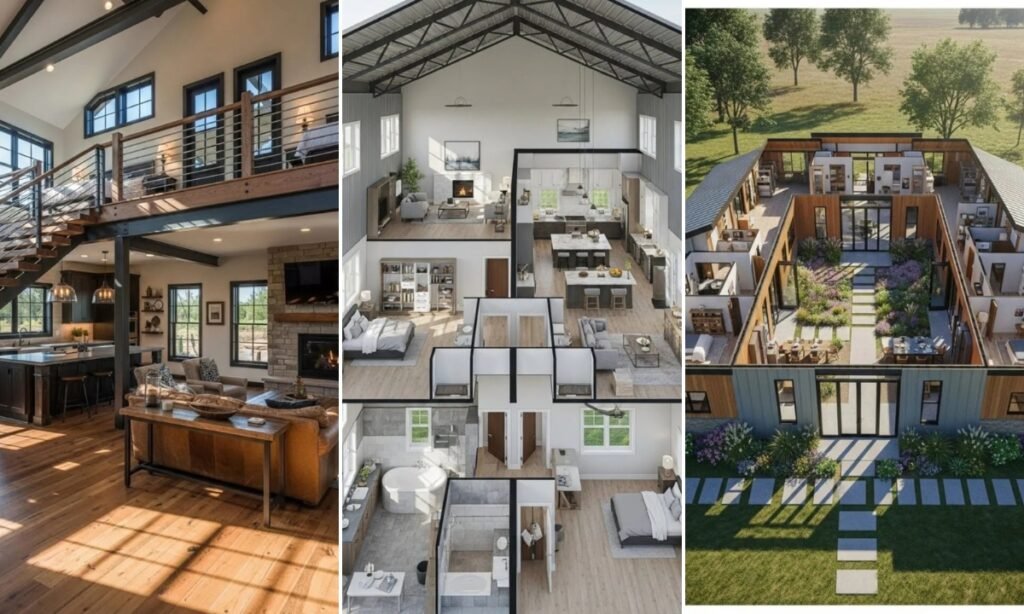
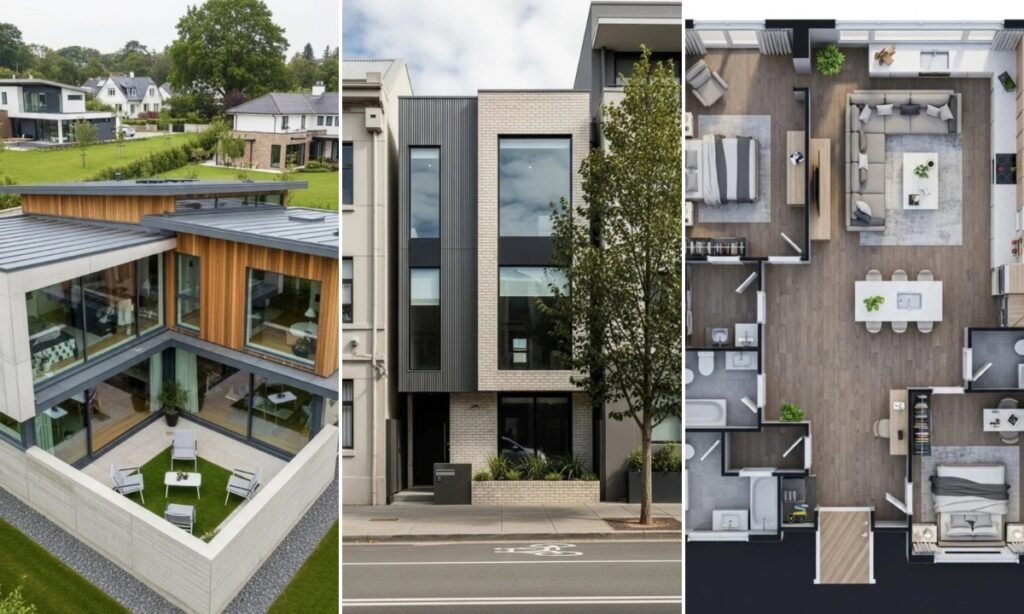
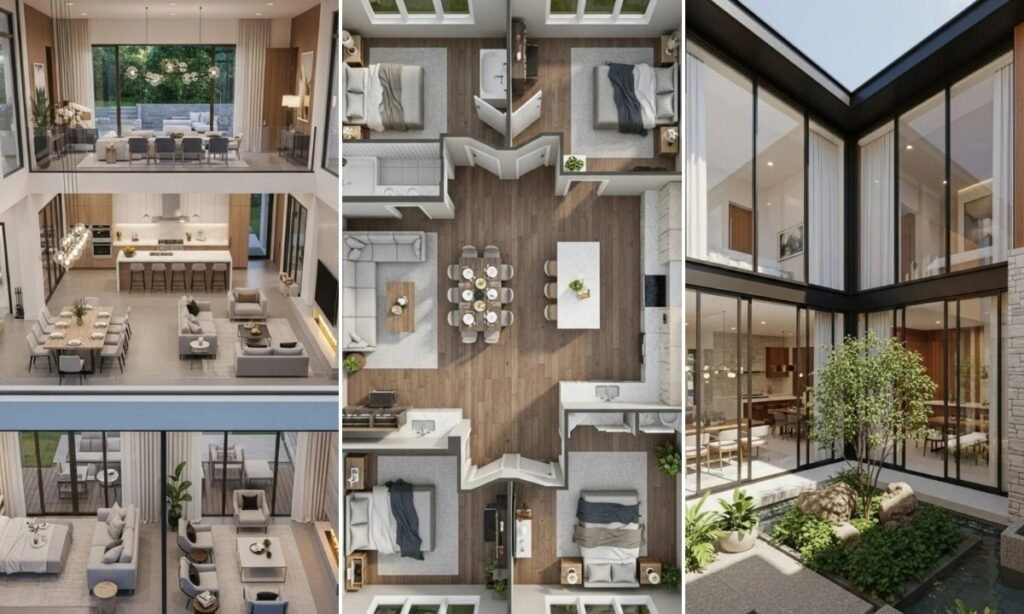
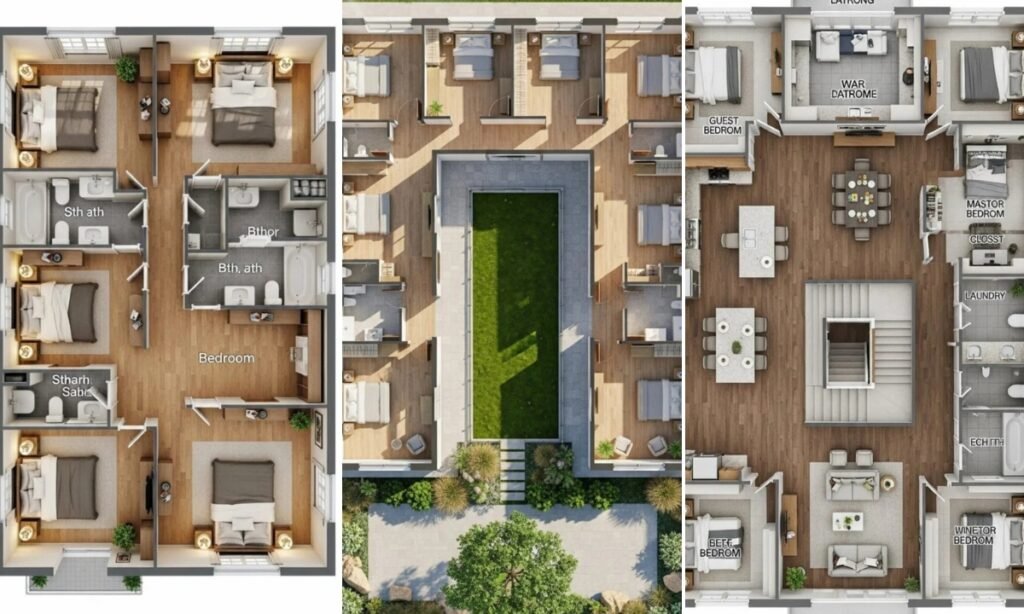
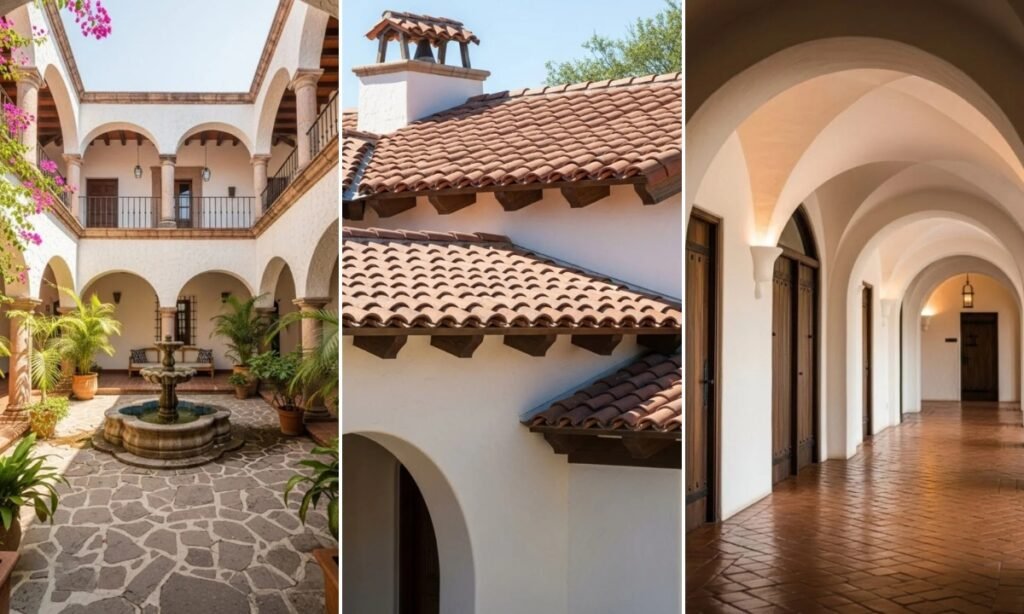
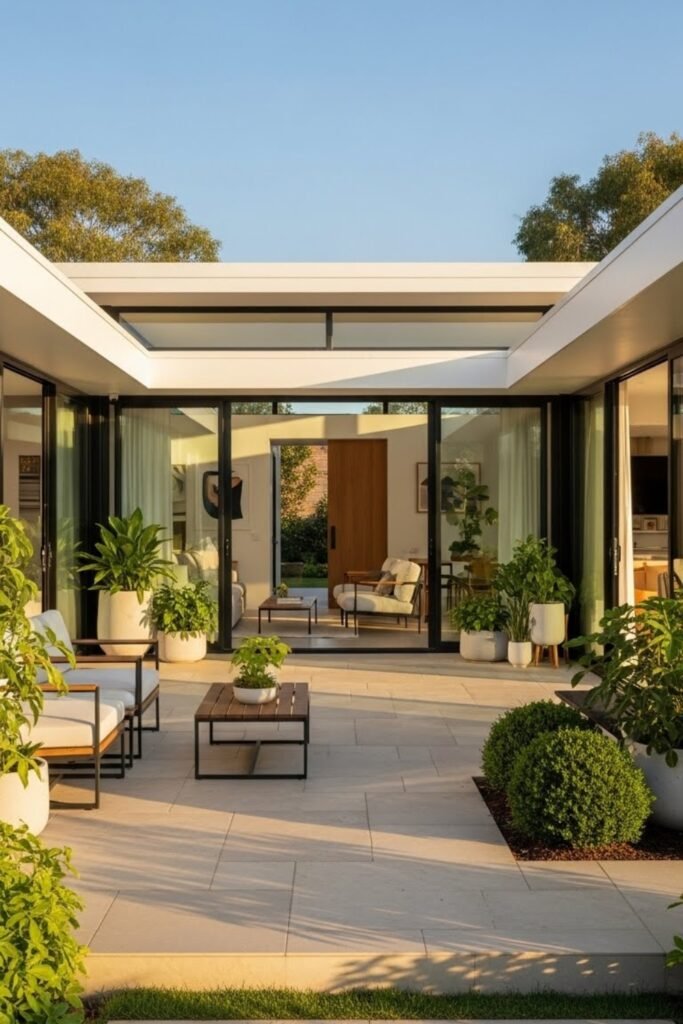
Courtyard modular homes place modules around a central open space. This design improves natural light, ventilation, and outdoor connection while maintaining privacy.
The courtyard becomes a secure outdoor living area, ideal for families, pets, or relaxing. It also allows every main room to face inward, creating a calm and balanced home layout.
Expandable
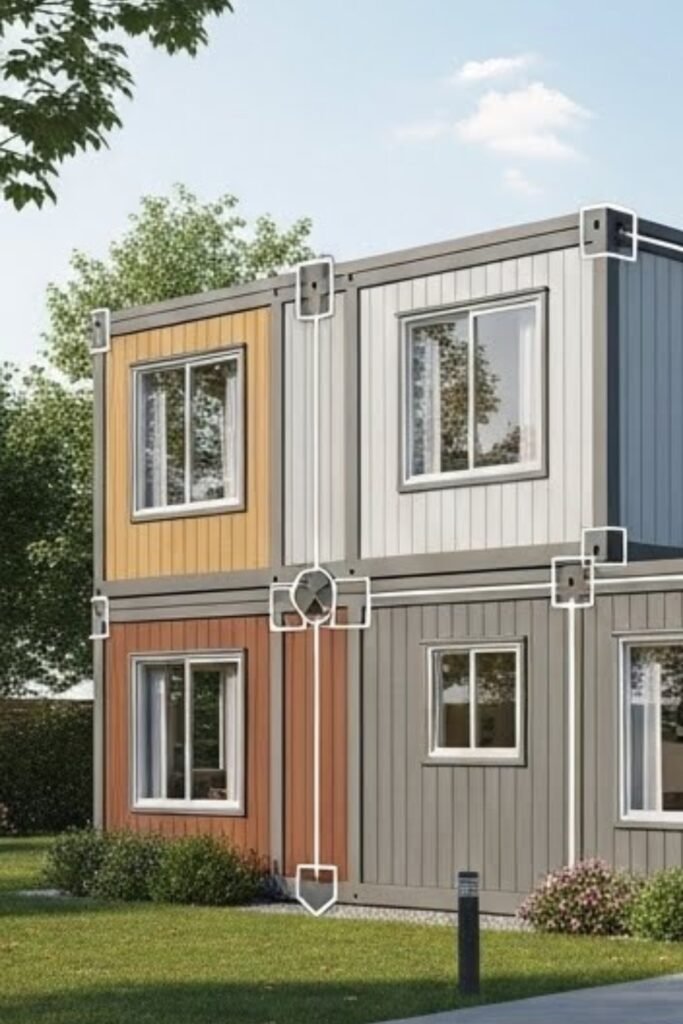
Expandable modular homes are designed to grow over time. The initial build includes core living modules, with clear connection points for future rooms.
This idea works well for growing families or budget-conscious buyers who want to start small. Expansion stays seamless because new modules match the original structure and layout.
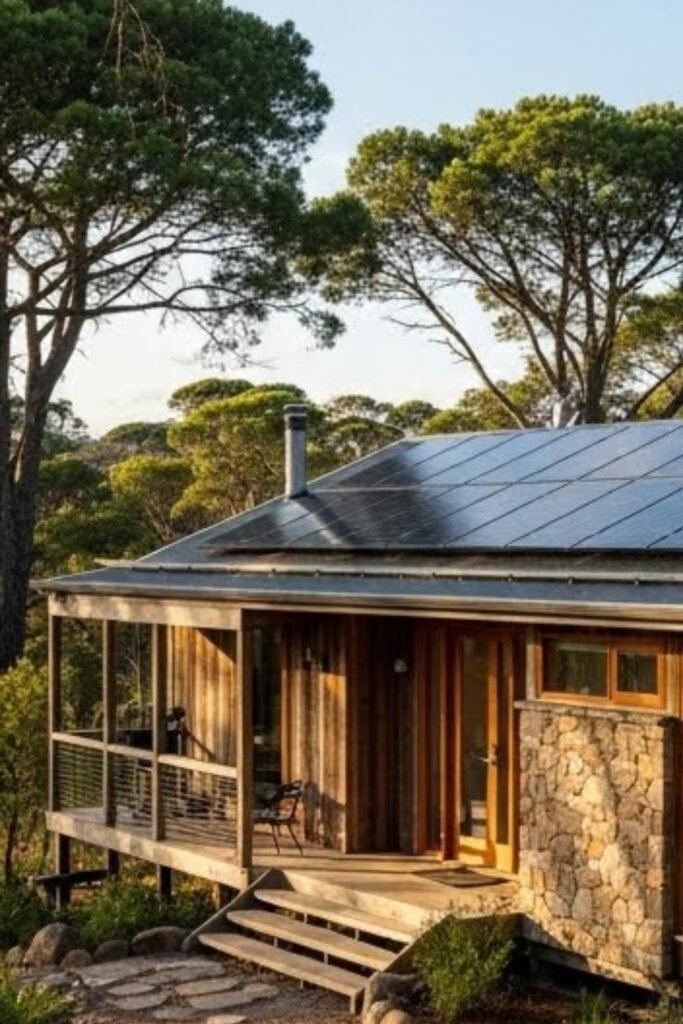
Off-Grid
Off-grid modular homes are built to operate independently from public utilities. These homes integrate solar panels, battery storage, water tanks, and efficient insulation from the start.
The modular structure makes installation faster in remote areas. This idea suits rural landowners or anyone looking for energy independence and long-term cost savings.
Narrow-Lot
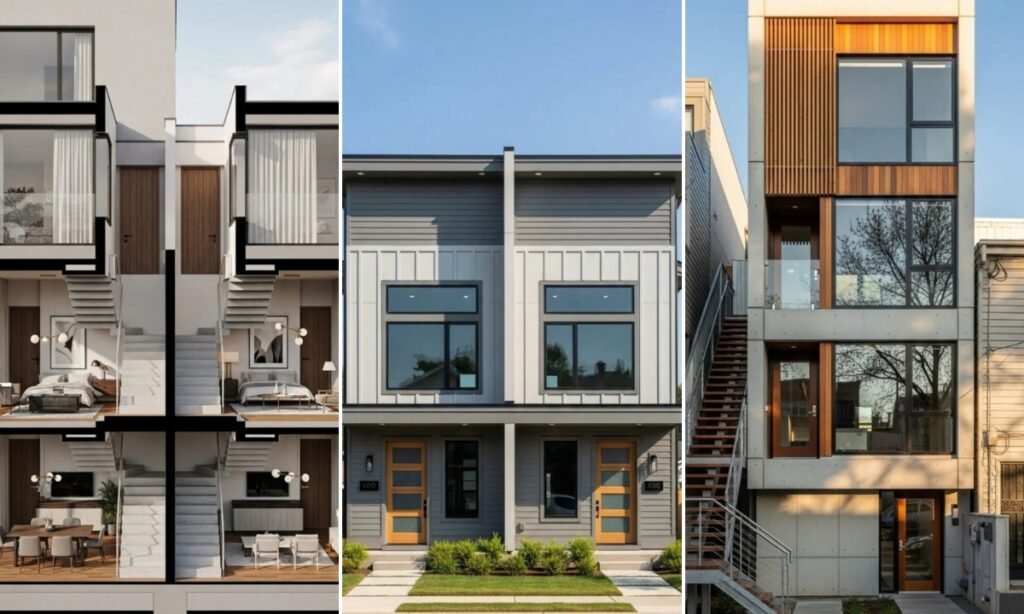
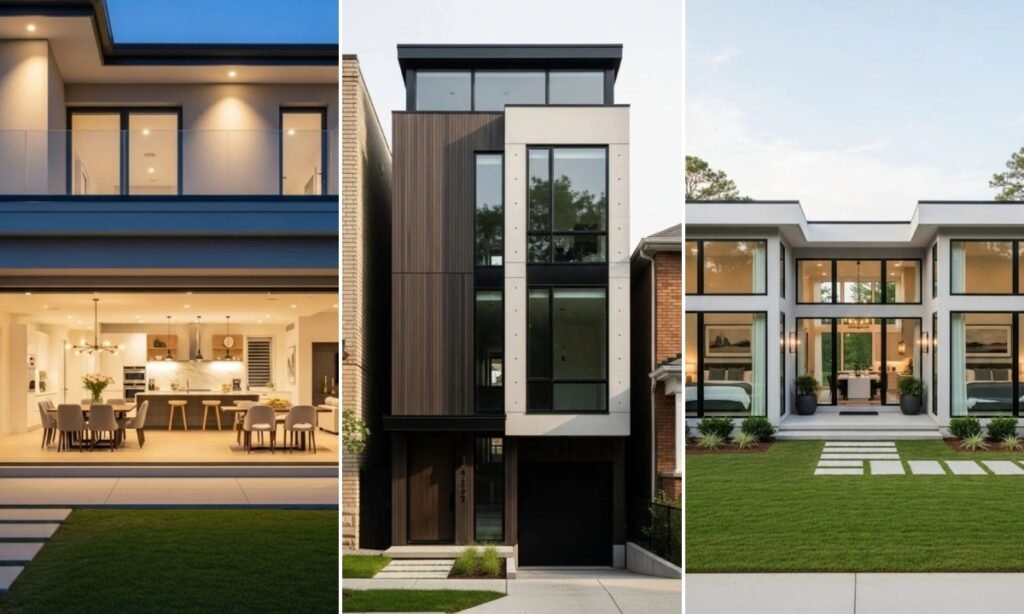
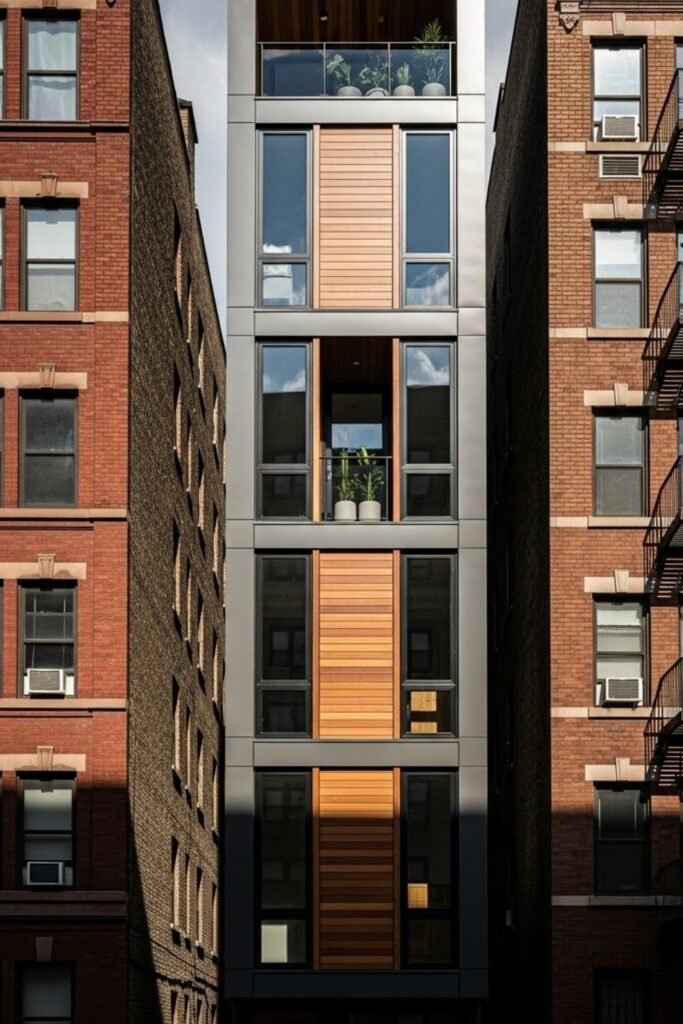
Narrow-lot modular homes are designed for tight urban plots where width is limited. The layout focuses on vertical space, smart room placement, and efficient circulation.
Large windows and open interiors prevent the home from feeling cramped. This idea works well in cities where land is expensive and zoning restrictions limit traditional home designs.
Duplex
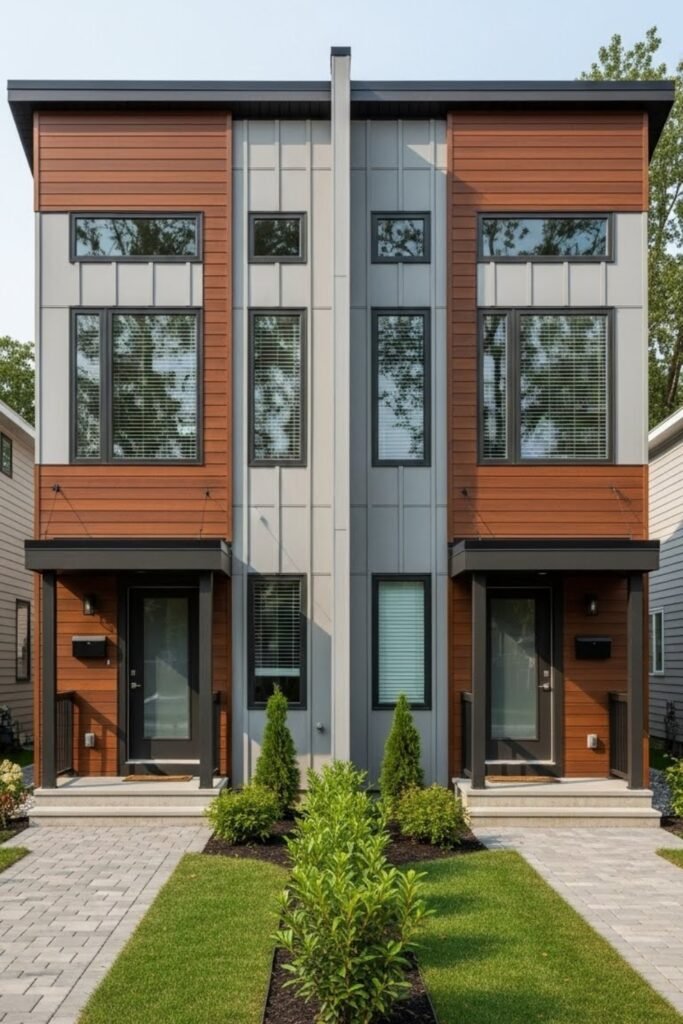
A duplex modular home contains two fully independent living units built from connected modules. Each side has its own entrance, kitchen, and utilities.
This design suits multi-family living or rental income while keeping construction faster and more cost-effective. Modular duplication also helps maintain consistent quality and reduces overall building time.
Elevated
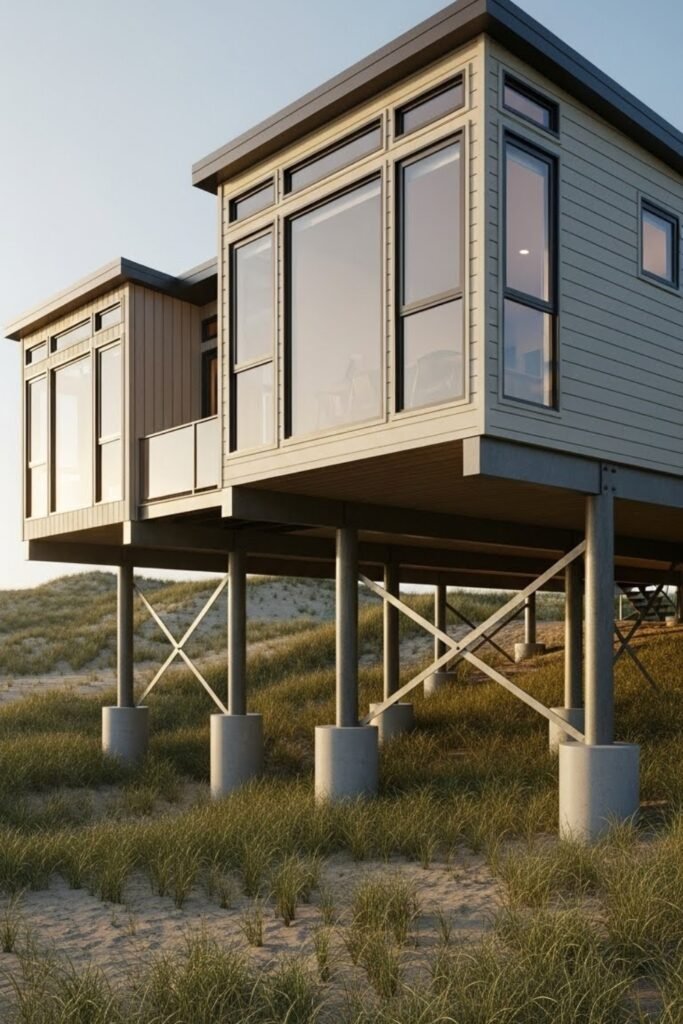
Elevated modular homes are raised on piers or stilts to protect against flooding, uneven terrain, or moisture issues. The lifted structure improves airflow under the home and allows utilities to run more easily.
This idea is especially useful in coastal, rural, or flood-prone regions where ground-level construction is risky
Open-Core
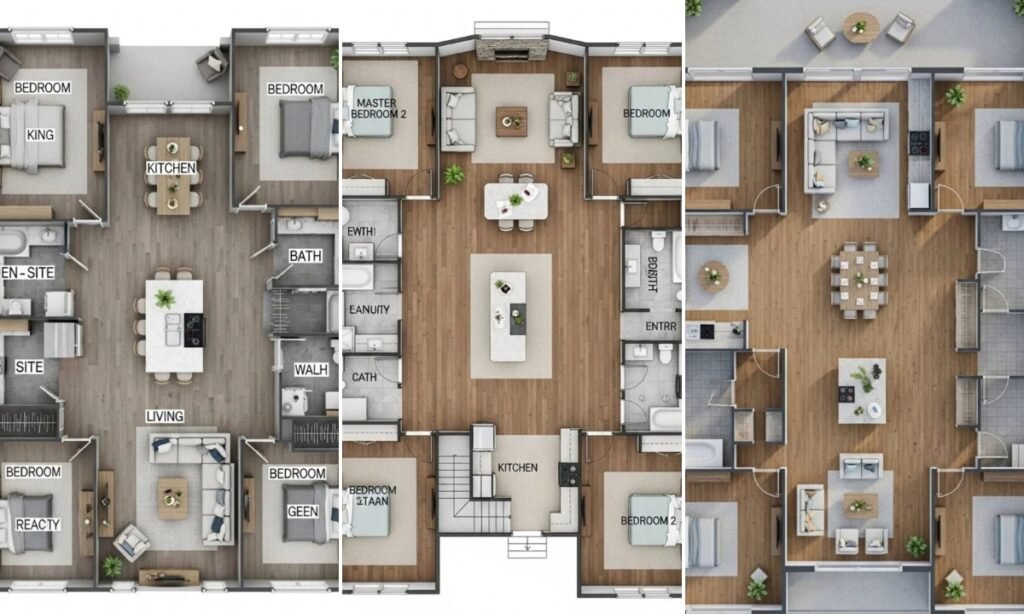
Open-core modular homes feature a central open living space surrounded by separate room modules. The core acts as the heart of the home, connecting daily activities like cooking, dining, and relaxing.
This layout improves movement, light flow, and flexibility while keeping bedrooms and private areas comfortably separated.
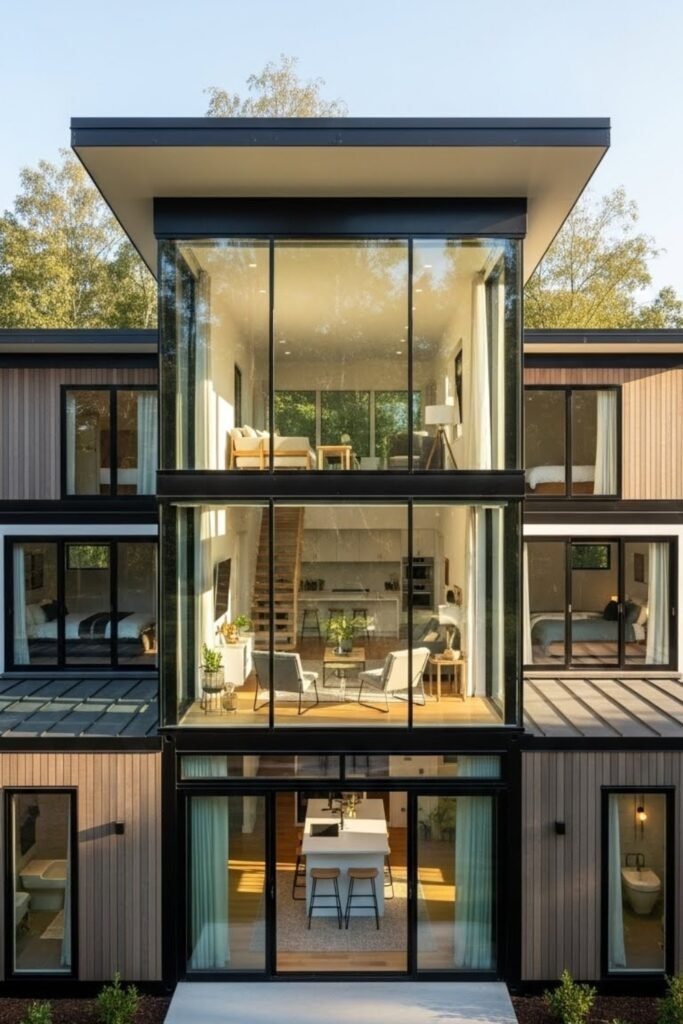
Minimalist
Minimalist modular homes focus on simple layouts, clean lines, and only essential spaces. The design avoids excess rooms and decorative features, which reduces costs and speeds up construction.
Open interiors and neutral finishes help the home feel calm and spacious. This idea suits homeowners who value function, clarity, and low-maintenance living.
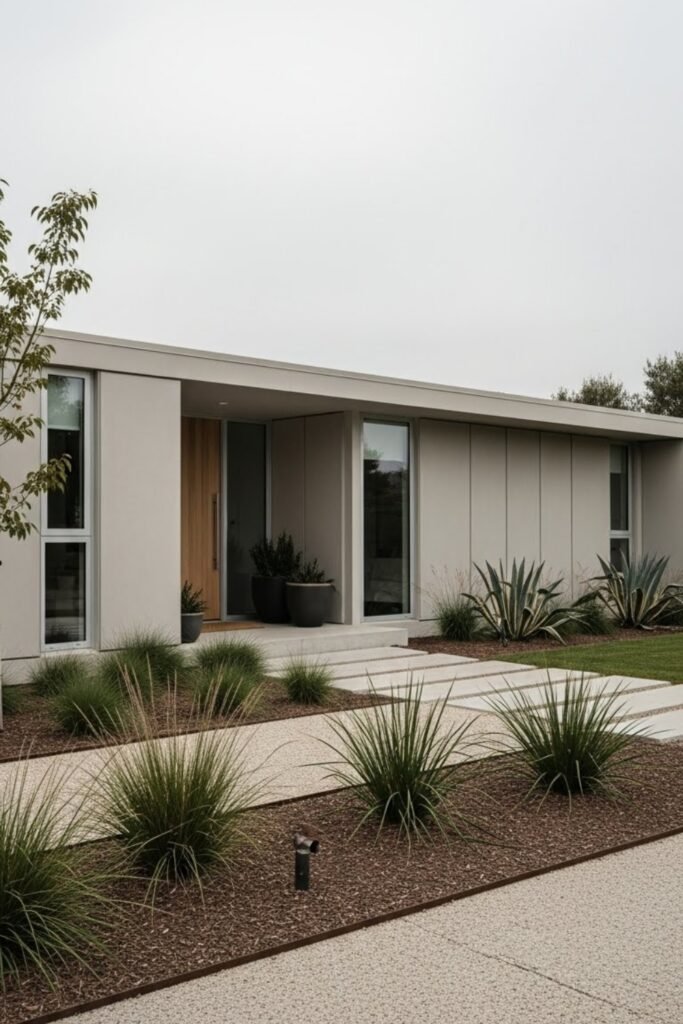
L-Shape
L-shape modular homes arrange modules at a right angle to create separation between living and private areas.
This layout increases privacy and forms a natural outdoor zone like a patio or garden corner. It also allows more windows on multiple sides, improving daylight and ventilation throughout the home.
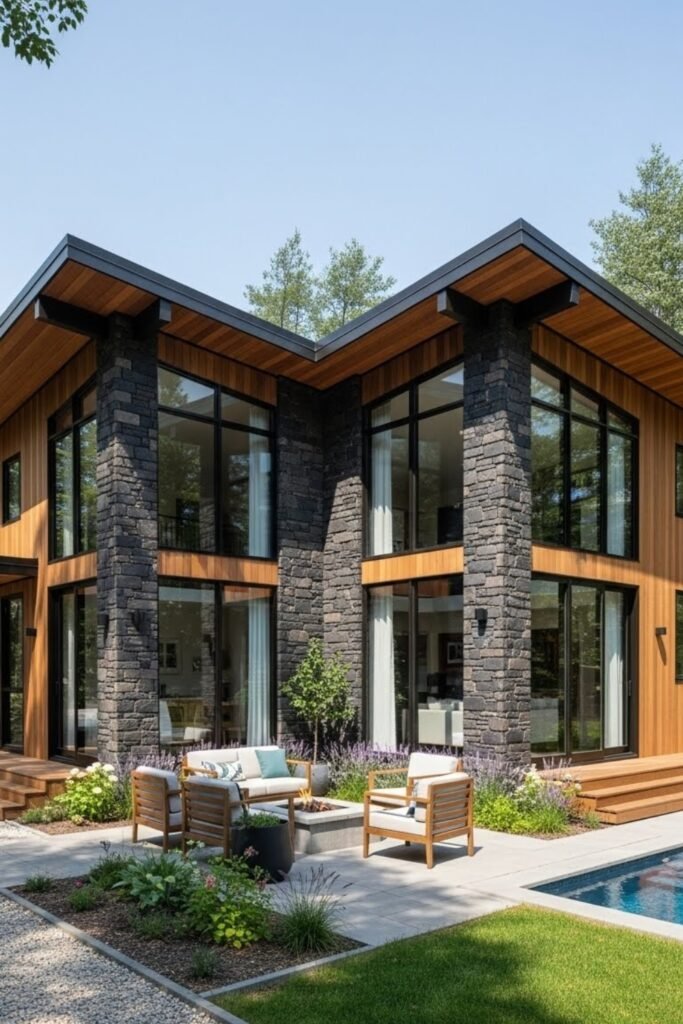
Garage-Courtyard
Garage-courtyard modular homes integrate garage modules in a way that frames a private driveway or entry court. This layout keeps vehicles visually separated from living spaces while adding architectural character.
The courtyard creates a defined entrance and can double as a secure outdoor area without expanding the home’s footprint.
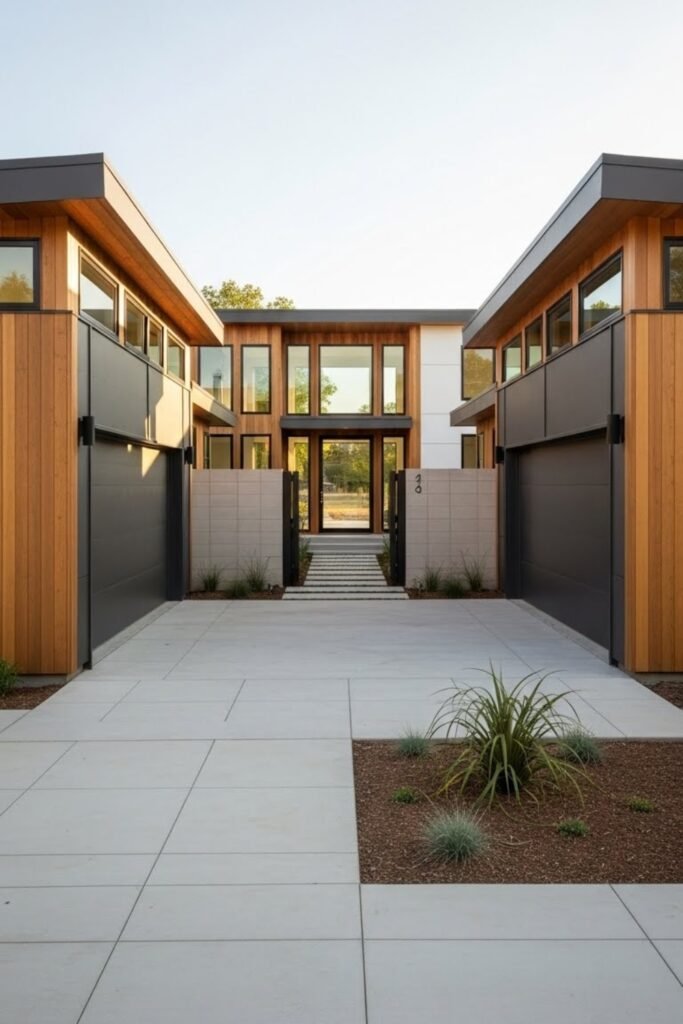
Studio
Studio modular homes use a single or compact module to combine living, sleeping, and cooking in one efficient space. Smart zoning and built-in storage prevent clutter.
This idea works well for guests, rentals, or first-time buyers looking for an affordable and quick-to-build housing option.
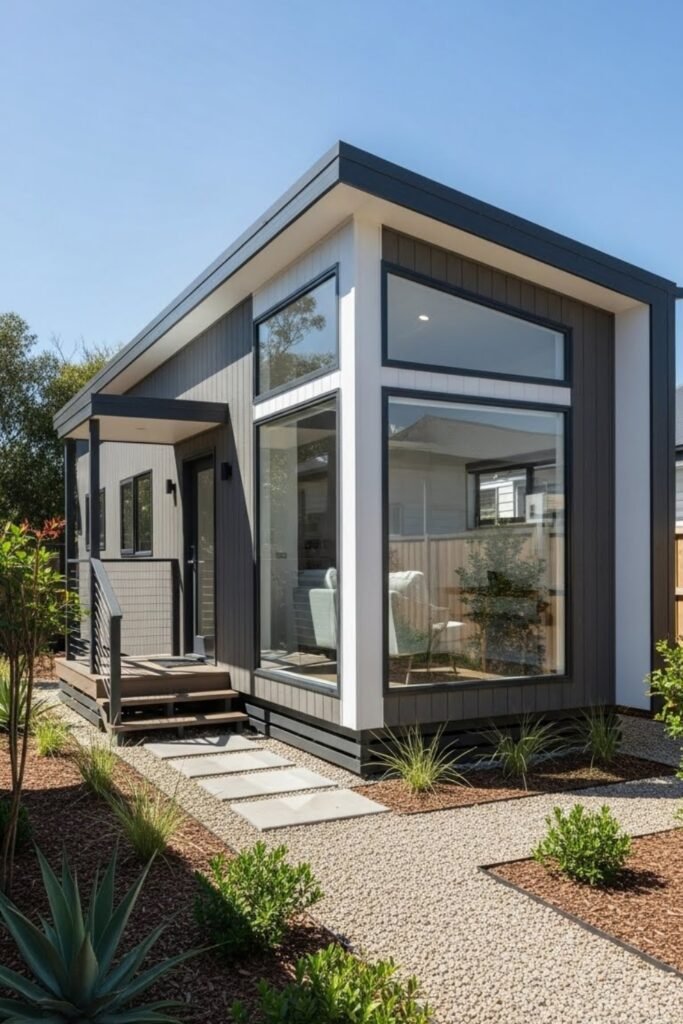
Multi-Generation
Multi-generation modular homes use separate living modules connected by shared spaces. Each module can include bedrooms, bathrooms, and small sitting areas for privacy. Common areas like kitchens and lounges bring everyone together.
This layout works well for extended families who want independence without living in completely separate houses.
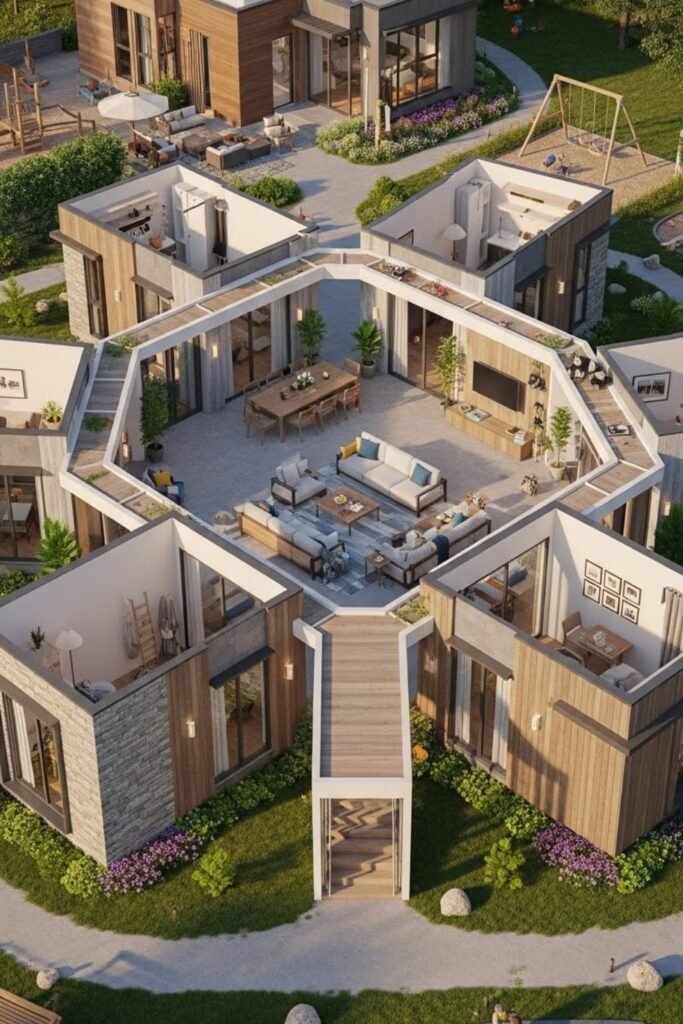
Sloped-Roof
Sloped-roof modular homes feature angled roof modules that improve drainage and enhance exterior style. The roof design helps manage rain or snow while allowing higher ceilings inside.
This idea also supports solar panel placement and adds a modern architectural profile without increasing construction complexity.
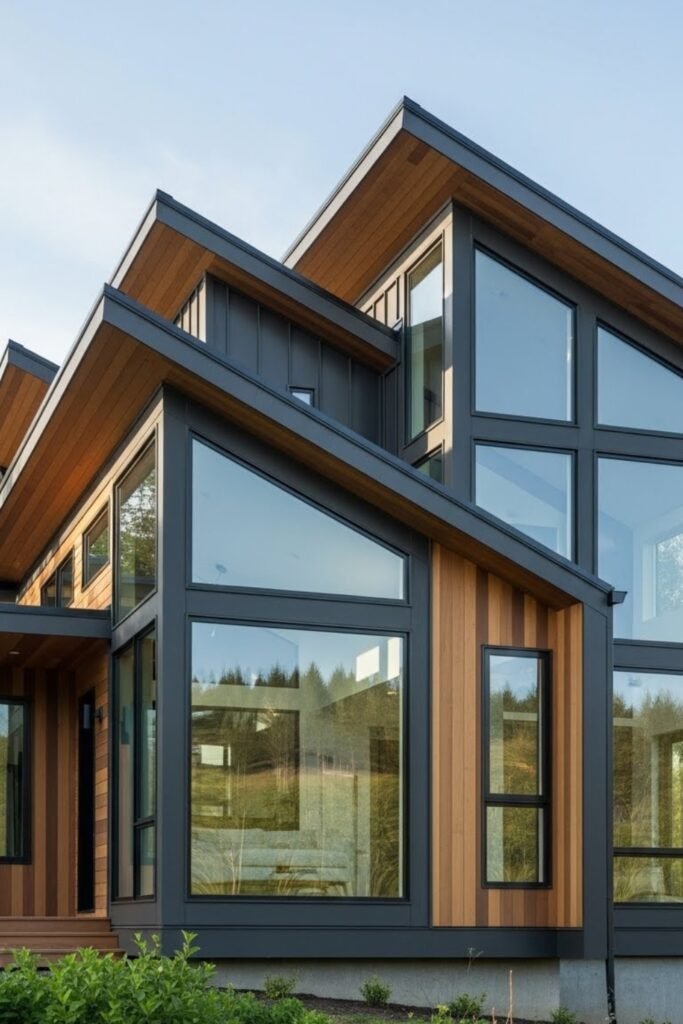
Climate-Adaptive
Climate-adaptive modular homes are designed based on local weather conditions. Insulation, ventilation, shading, and window placement are optimized for heat or cold.
This approach improves comfort and reduces energy costs year-round. Modular construction makes it easier to customize materials for different climates without redesigning the entire home.
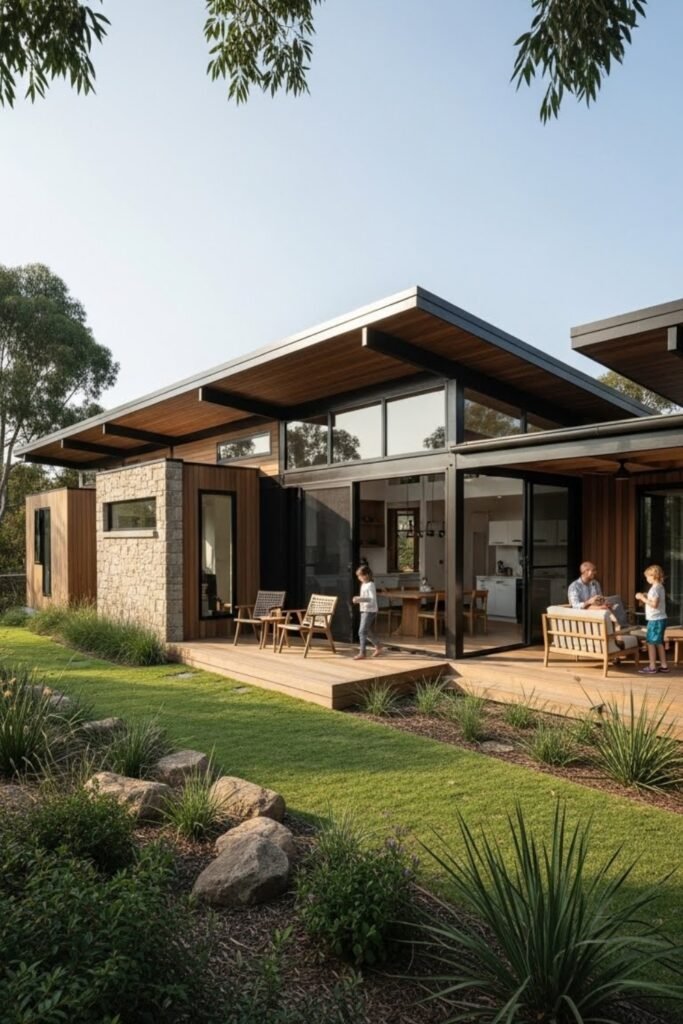
Compact Luxury
Compact luxury modular homes focus on small footprints with premium finishes. High-quality materials, smart layouts, and built-in features create a high-end feel without large square footage.
This idea appeals to homeowners who want elegance and comfort while keeping construction, maintenance, and energy costs under control.
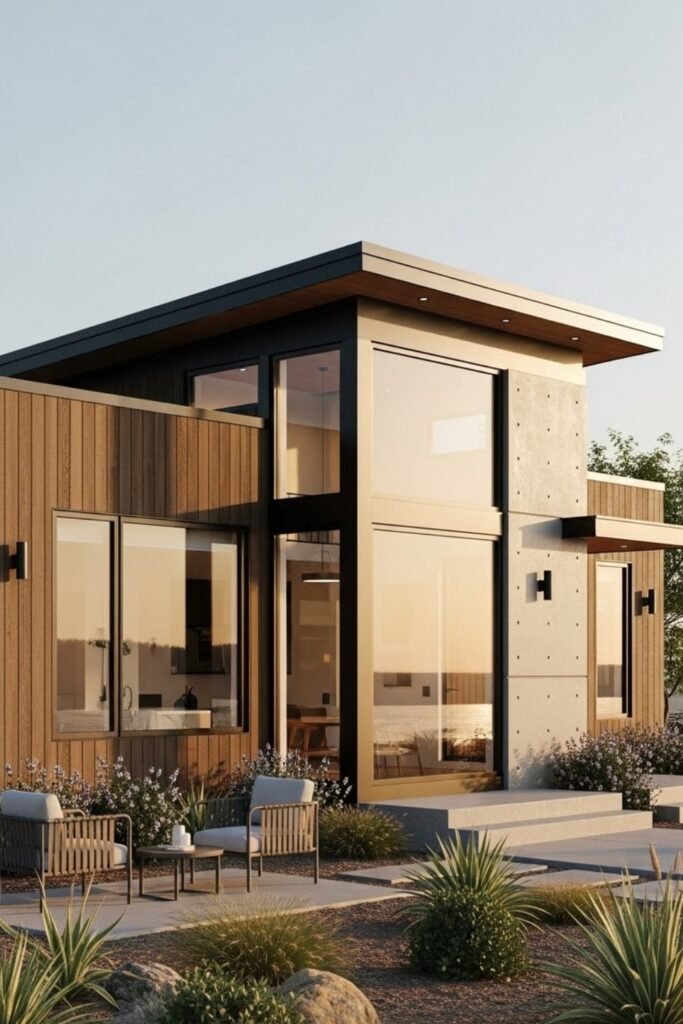
Glass-Focused
Glass-focused modular homes use large window modules to bring in natural light and outdoor views. Floor-to-ceiling windows make interiors feel open and connected to nature.
This design works especially well in scenic locations and helps reduce daytime lighting needs while giving the home a modern, airy feel.
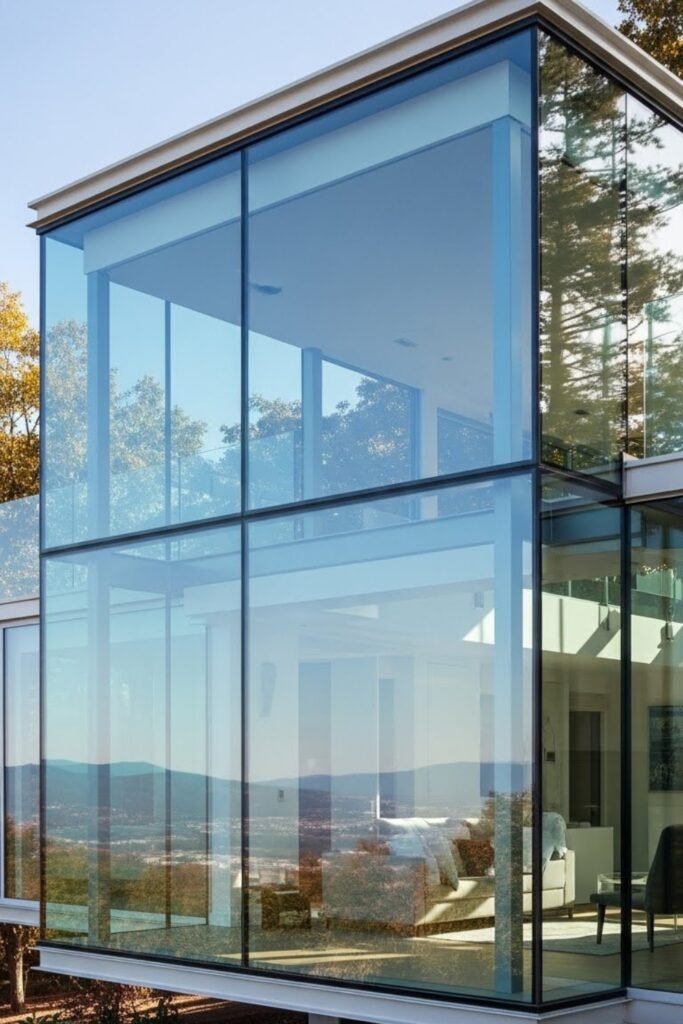
Patio
Patio modular homes include outdoor living modules that connect directly to main interior spaces. The patio becomes part of daily life rather than an add-on.
This layout improves indoor–outdoor flow and works well for warm climates, entertaining, or relaxing without increasing enclosed square footage.
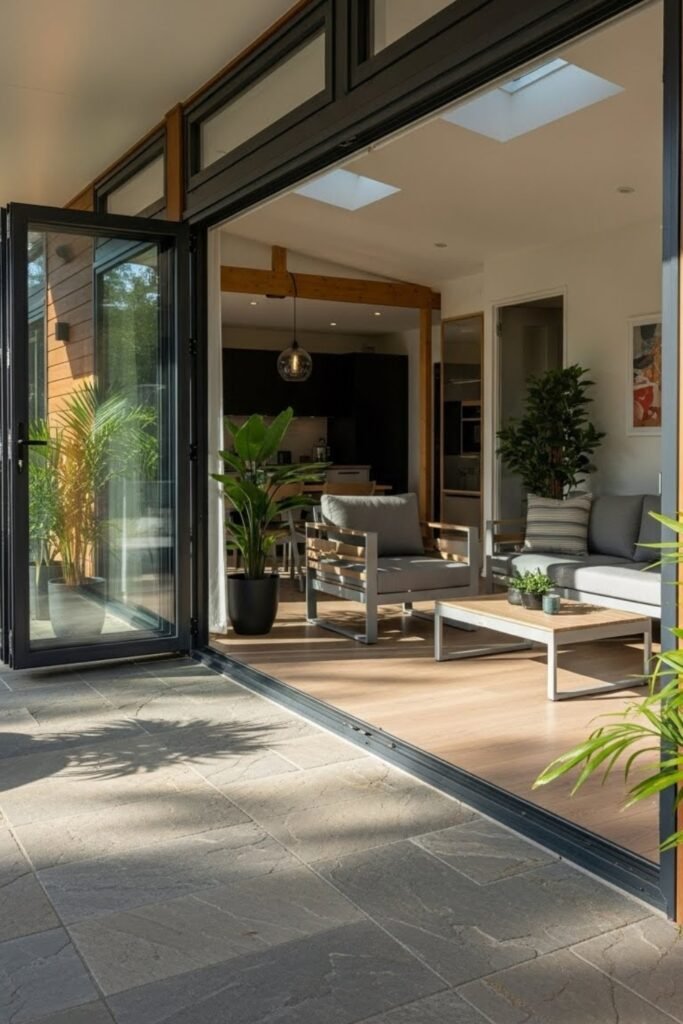
Home-Office
Home-office modular homes include a dedicated workspace module separated from main living areas. This improves focus, noise control, and work-life balance.
The office module can also double as a studio or meeting room. This idea is ideal for remote workers who need privacy without leaving home.
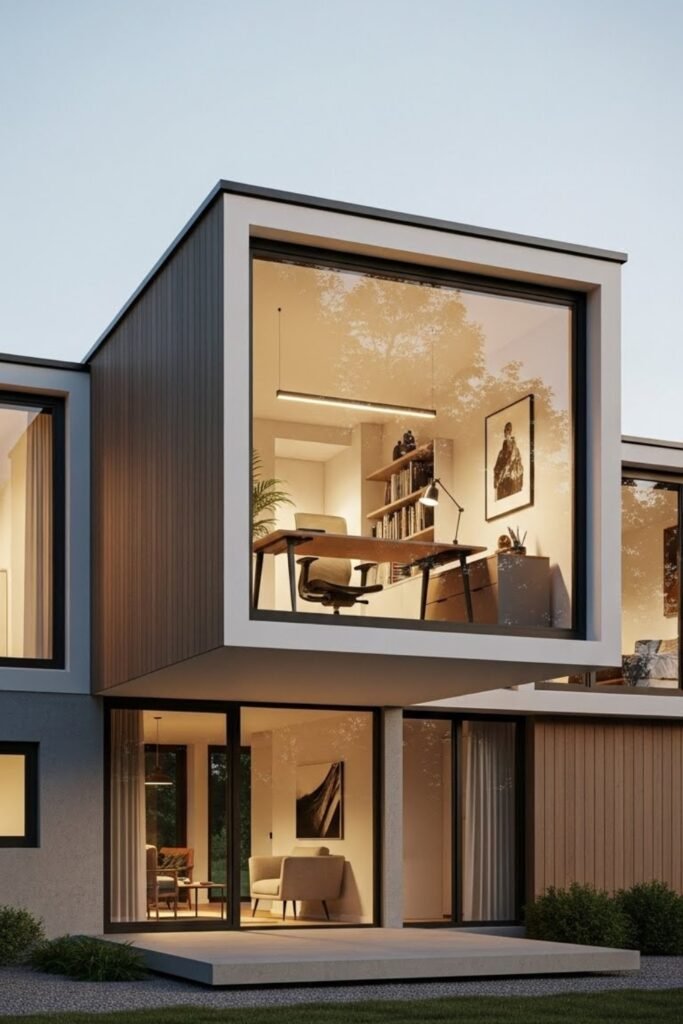
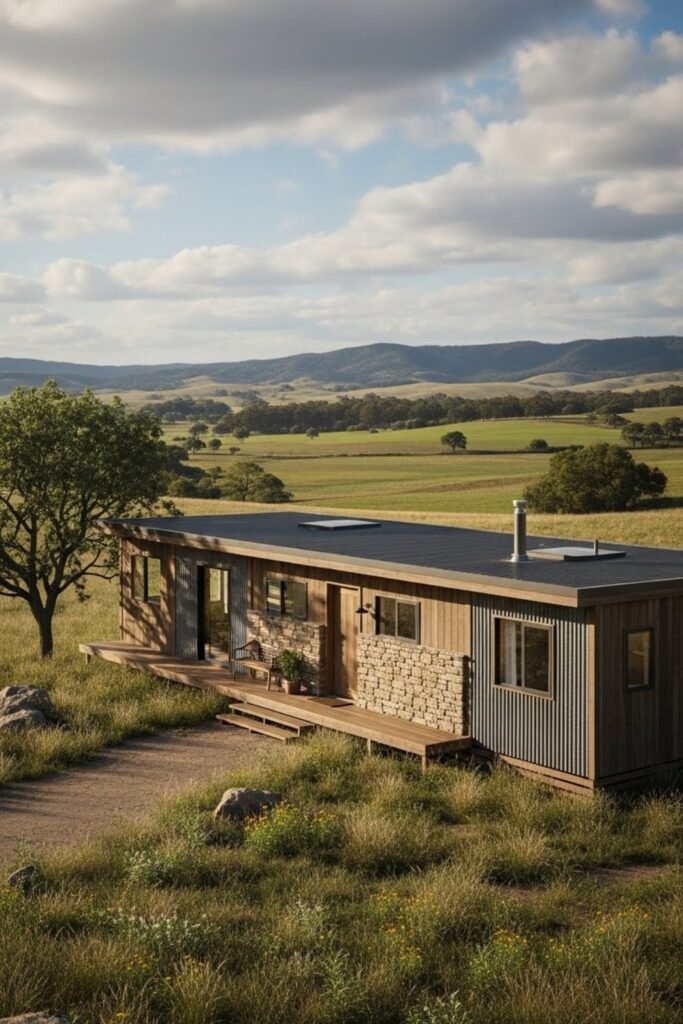
Rural Retreat
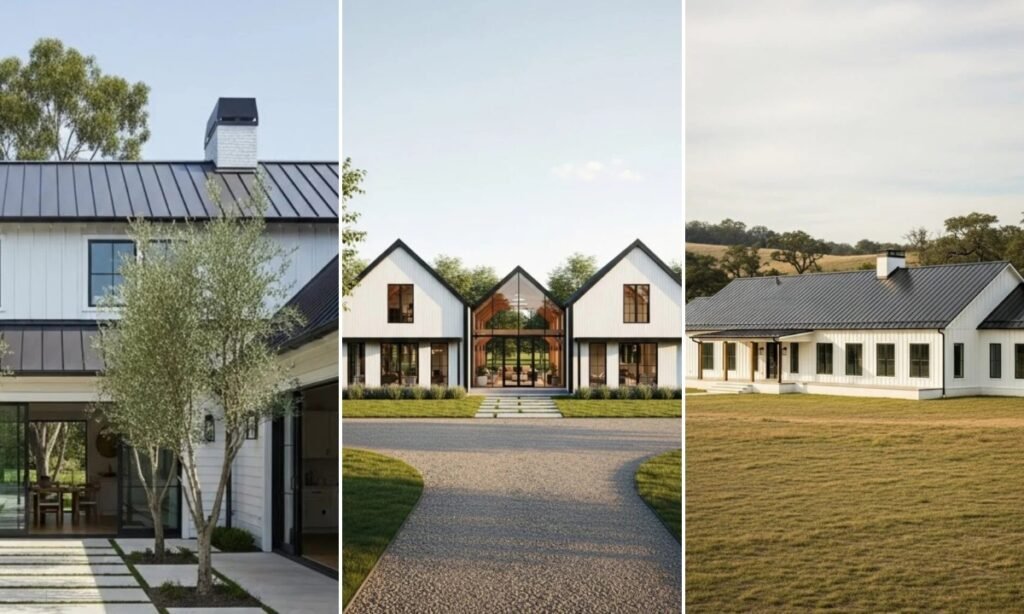
Rural retreat modular homes are designed for countryside or remote settings. The layout focuses on durability, simple forms, and efficient heating or cooling.
Large porches, practical interiors, and easy maintenance make this idea suitable for landowners who want a quiet, functional home away from urban areas.
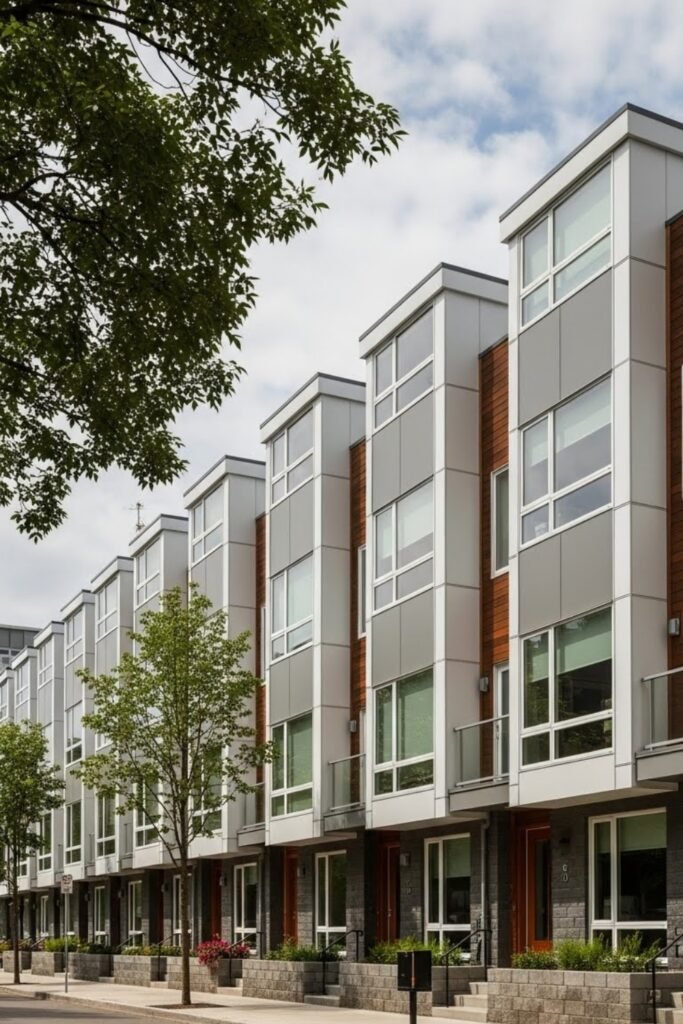
Row-Style
Row-style modular homes consist of multiple units connected side by side. Each home maintains its own entrance and layout while sharing walls to save space and construction costs.
This idea works well for urban housing projects and small developments where efficient land use and faster build time are important.
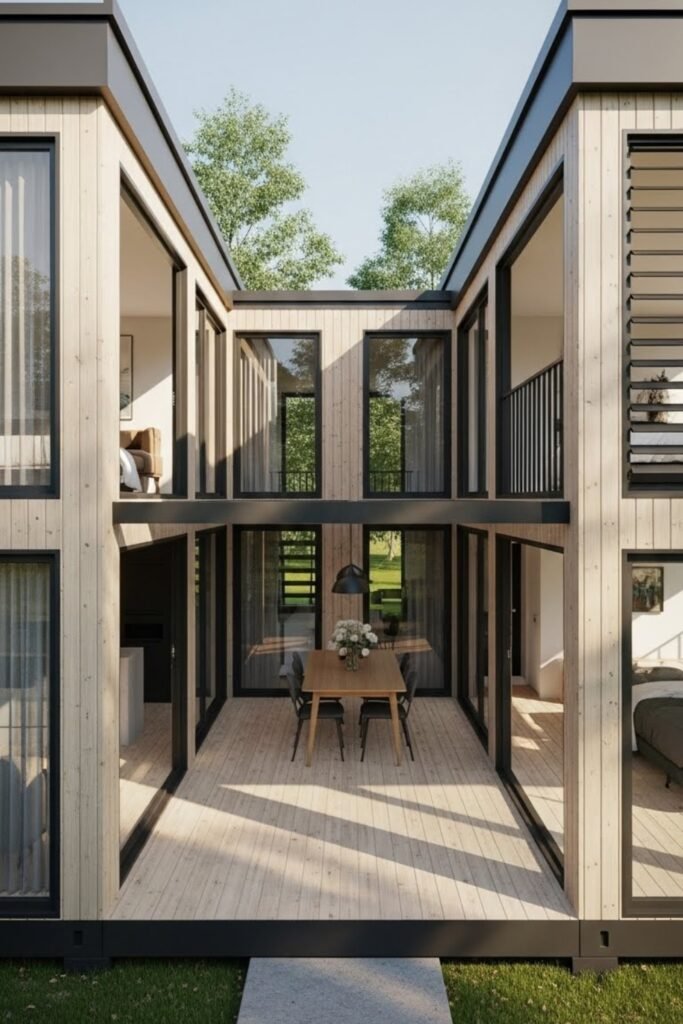
Cross-Vent
Cross-vent modular homes are designed to maximize natural airflow. Module placement and window alignment allow air to move through the home easily, improving indoor comfort.
This design reduces reliance on air conditioning and works especially well in warm climates where ventilation plays a major role in daily comfort.
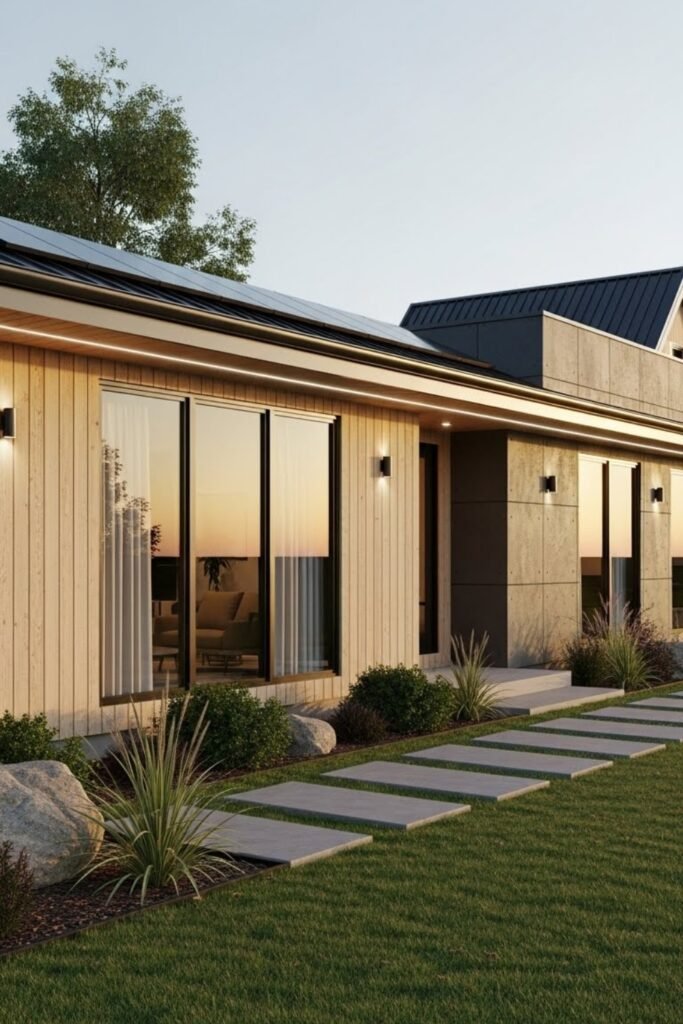
Smart
Smart modular homes come with pre-installed systems for lighting, security, climate control, and energy monitoring.
Technology is integrated during manufacturing, reducing the need for later upgrades. This idea offers convenience, better energy efficiency, and easier home management through connected devices.
Two-Story
Two-story modular homes stack modules vertically to increase living space without expanding the footprint.
This layout works well on smaller lots and allows clear separation between living and sleeping areas. Modular stacking also speeds up construction compared to traditional two-story builds.
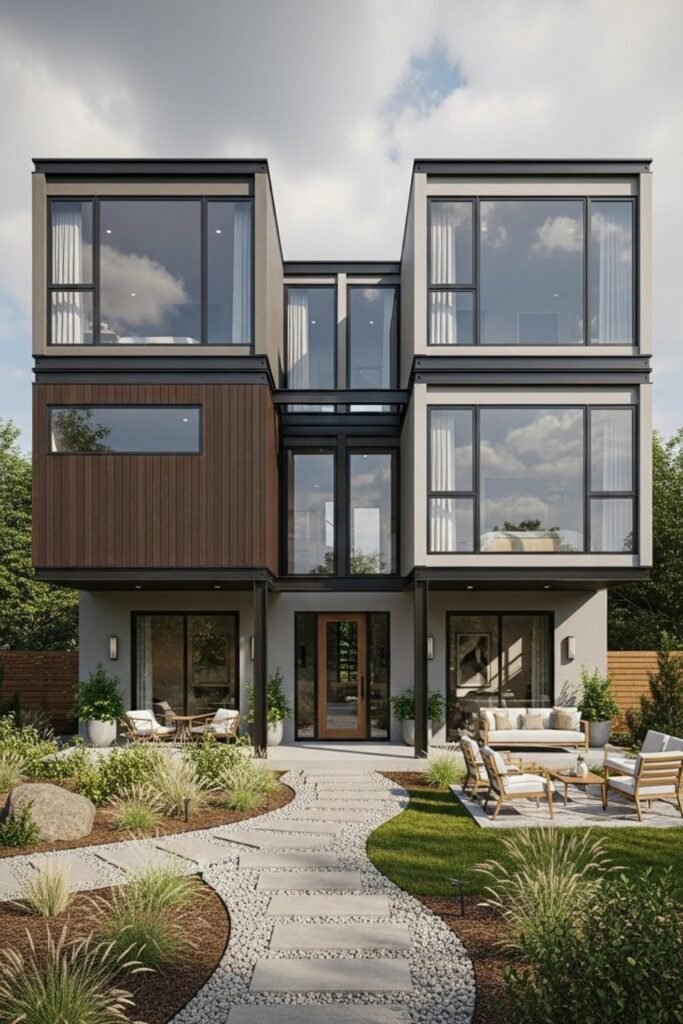
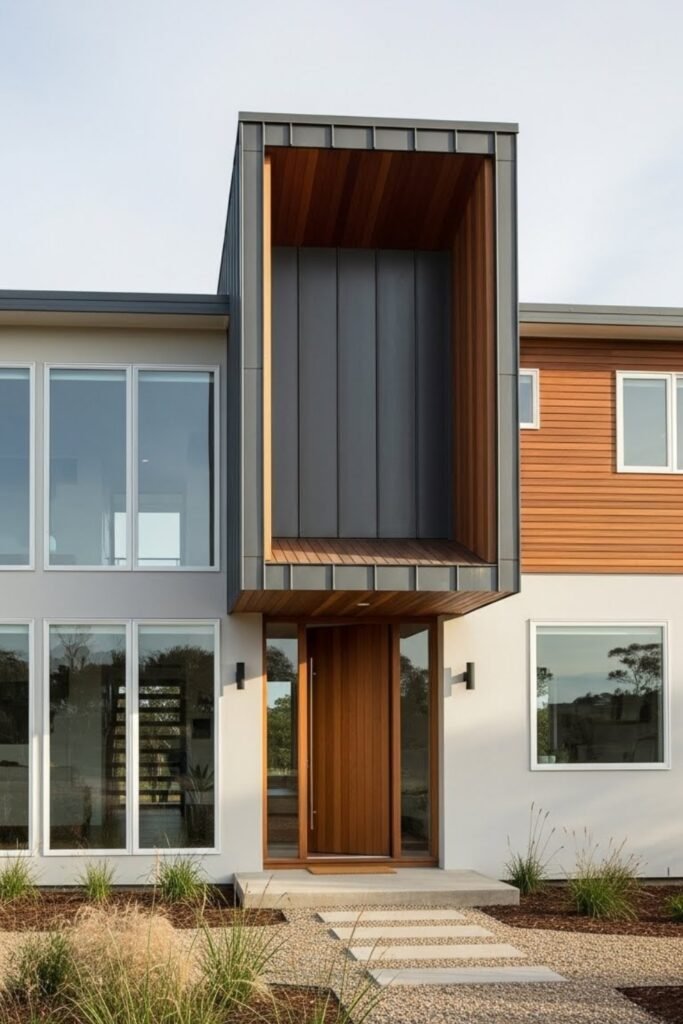
Entry-Focused
Entry-focused modular homes emphasize a strong, well-defined entrance module. This creates a clear transition from outside to inside and adds character to the exterior.
A dedicated entry improves privacy, storage, and first impressions without increasing the overall size of the home
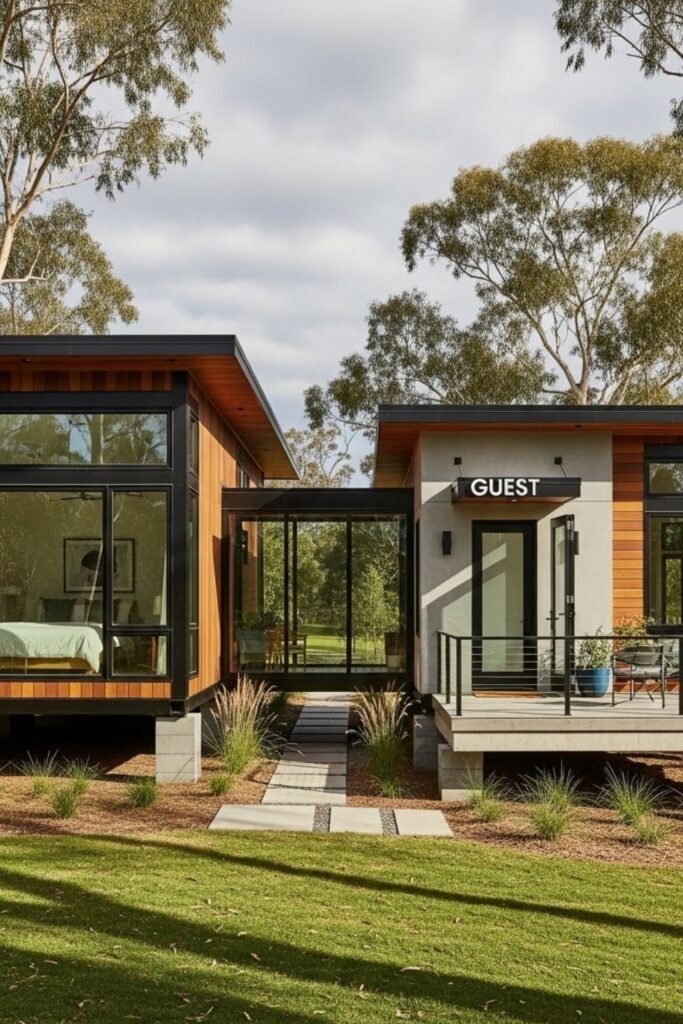
Guest Wing
Guest wing modular homes include a separate module designed specifically for visitors. This space can contain a bedroom, bathroom, and small sitting area.
The separation provides privacy for both guests and homeowners, making the home more flexible for long stays or hosting family.
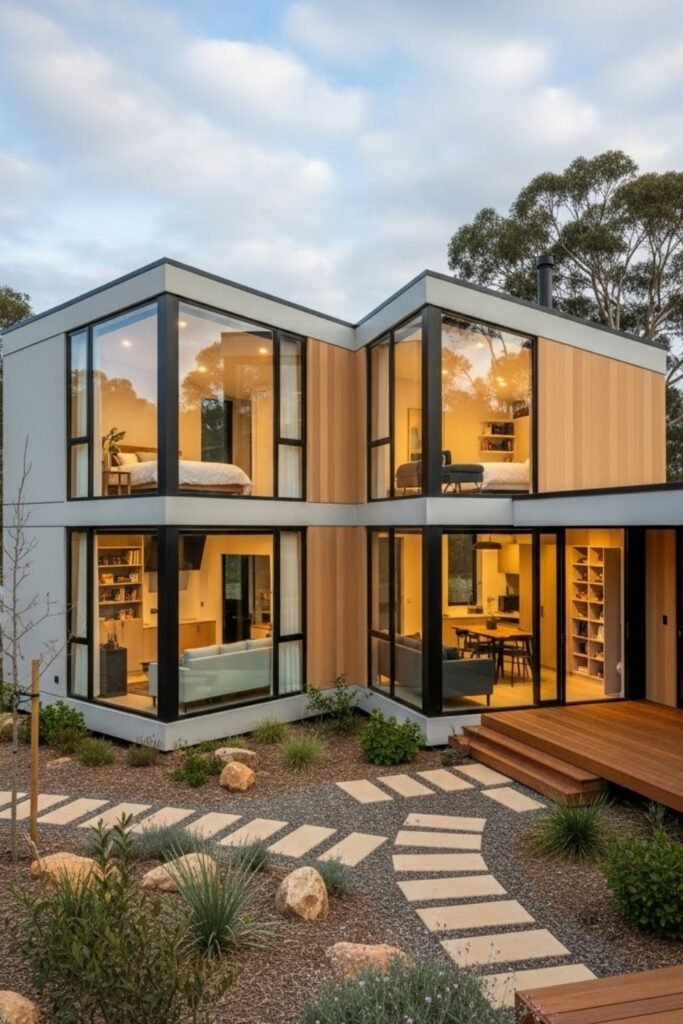
Flex-Interior
Flex-interior modular homes use adaptable room layouts that can change over time. Spaces can shift from bedrooms to offices or hobby rooms as needs evolve.
Modular planning makes these adjustments easier without major structural changes, supporting long-term use and lifestyle flexibility.
Budget-First
Budget-first modular homes prioritize affordability through efficient layouts and cost-effective materials. The focus stays on durability and function rather than unnecessary features.
This idea suits first-time buyers or anyone seeking a practical home that stays within budget while maintaining reliable construction quality.
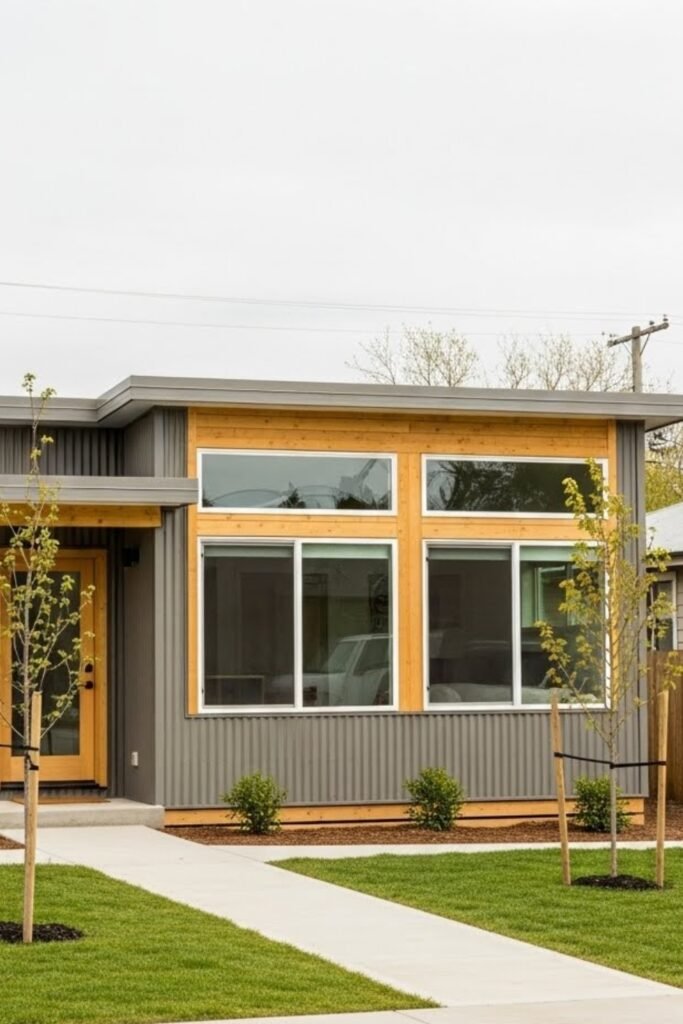
Vacation
Vacation modular homes are designed for quick setup in holiday destinations. The layout focuses on easy maintenance, open living spaces, and durability against weather exposure.
Modular construction allows faster installation in remote or seasonal locations, making this idea ideal for second homes or short-term rental properties.
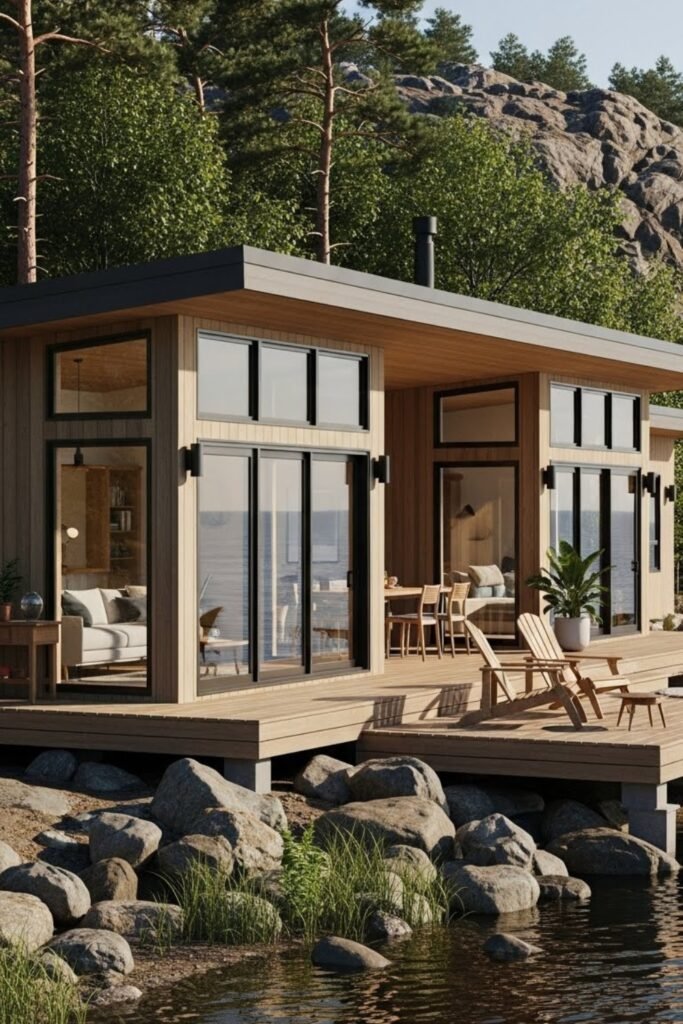
U-Shape
U-shape modular homes arrange modules around a semi-enclosed outdoor space. This layout creates privacy while still allowing natural light and airflow.
The central outdoor area works well as a patio or garden, giving the home a balanced mix of indoor comfort and outdoor living.
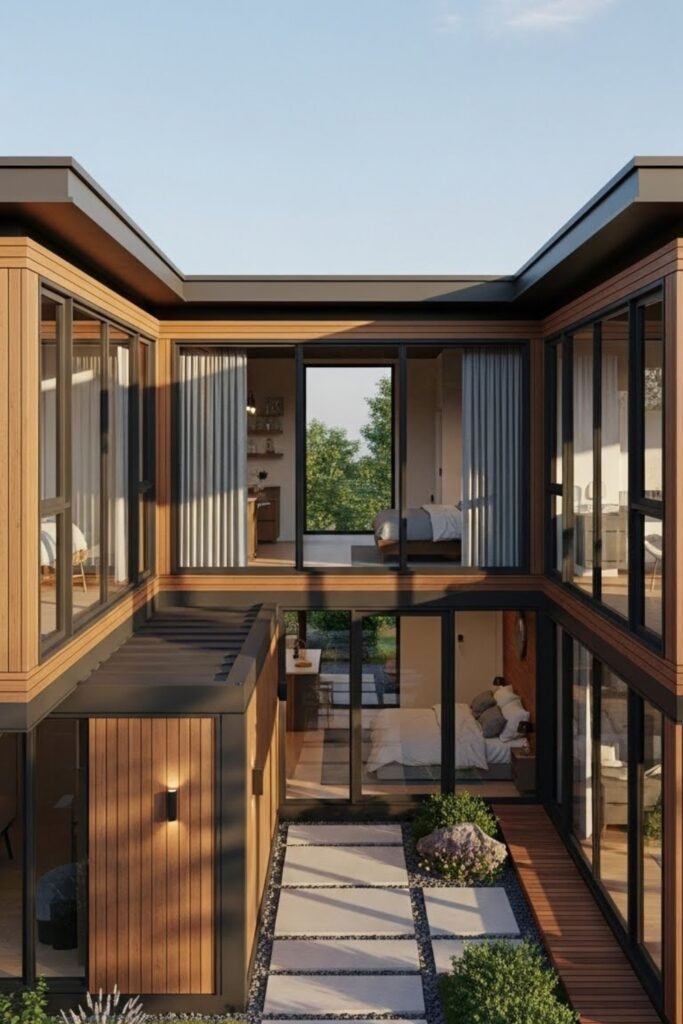
Starter
Starter modular homes are built for first-time homeowners who want affordability with upgrade potential.
The initial layout covers essential living needs, with clear options for future expansion. This idea allows buyers to enter homeownership without overspending while planning for growth later on.
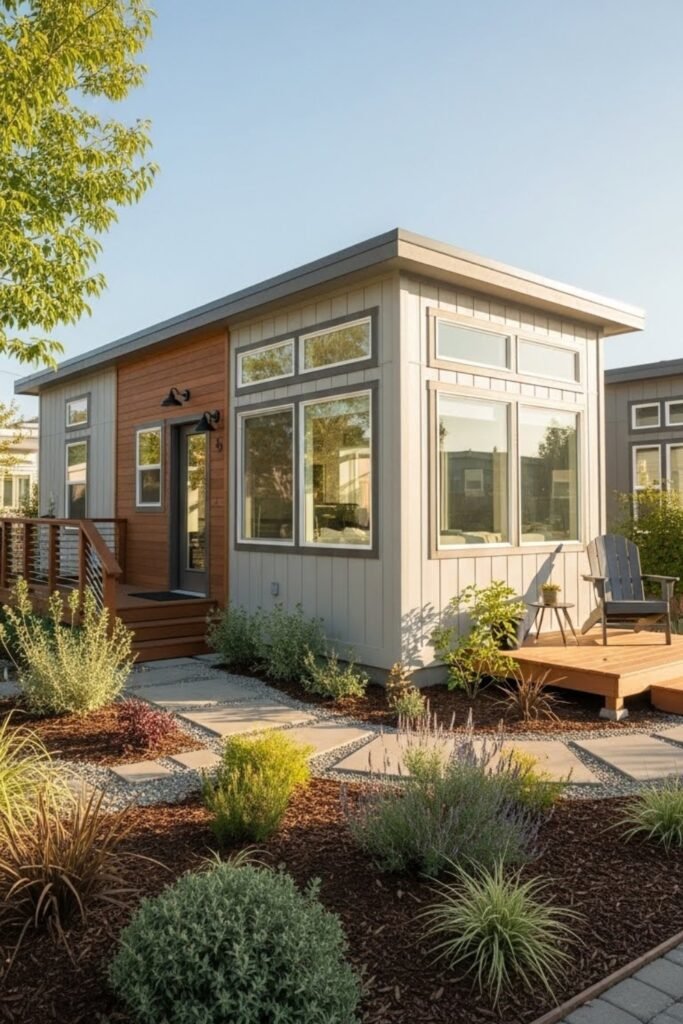

Hi, my name is Ali Mehmood! I’m a passionate writer and DIY enthusiast who loves turning creative ideas into practical, hands-on projects.
I created this website to share inspiring, budget-friendly ideas that you can do yourself – whether it’s organizing your home, crafting something unique, or creating fun projects for kids and pets.
I believe DIY isn’t just a hobby – it’s a smart way to save money, reduce waste, and enjoy the satisfaction of making things with your own hands.
I’m excited to have you as part of this growing community, and I’ll continue bringing you helpful, realistic, and fun DIY ideas you can actually use.