This post may contain affiliate links: read full affiliate disclosure.
You want to start sewing, but the moment you search online, everything feels complicated. Almost every tutorial assumes you already own a sewing machine
Understand fabric types, or know fancy stitch names. If you’ve ever closed a sewing tab thinking, “This is too much for me,” you’re not alone.
Many people give up before they stitch a single seam – not because sewing is hard, but because it’s explained the wrong way.
This guide changes that. Here, you’ll learn how to start hand sewing with nothing but a needle, thread, and confidence.
No machines. No confusion. Just simple projects that actually work and help you build real skills step by step.
Save this article for later!
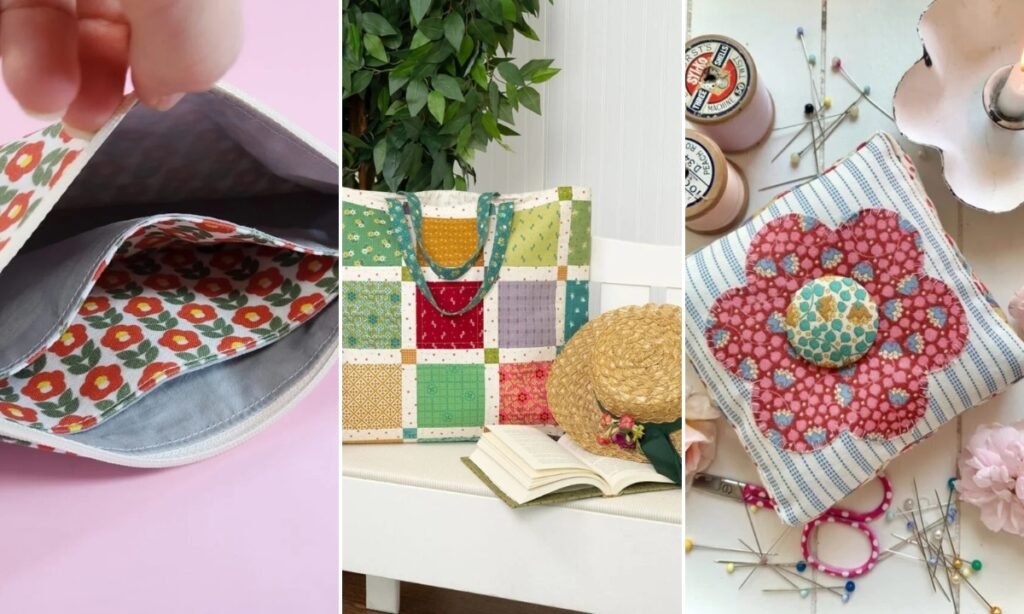
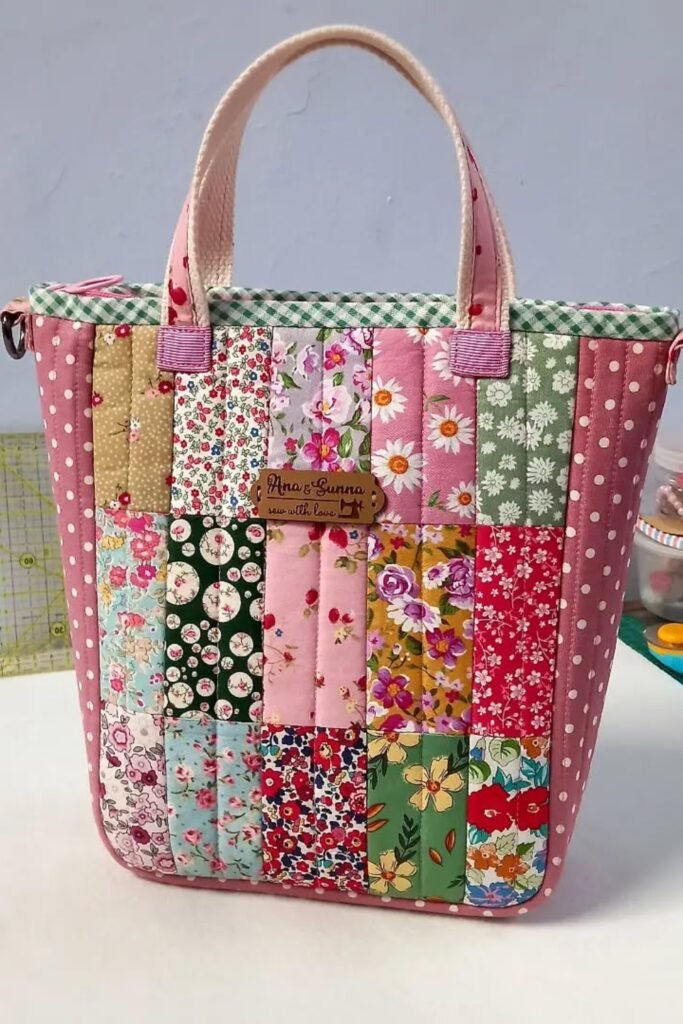
Patchwork Tote
Scrap fabric suddenly feels valuable when you stitch narrow strips into a sturdy tote front with balanced color flow.
Cotton quilting fabric controls bulk best here, allowing clean hand backstitches along each seam without wrist strain daily.
Use doubled thread for the handle attachments, since load stress concentrates at those points during regular shopping use.
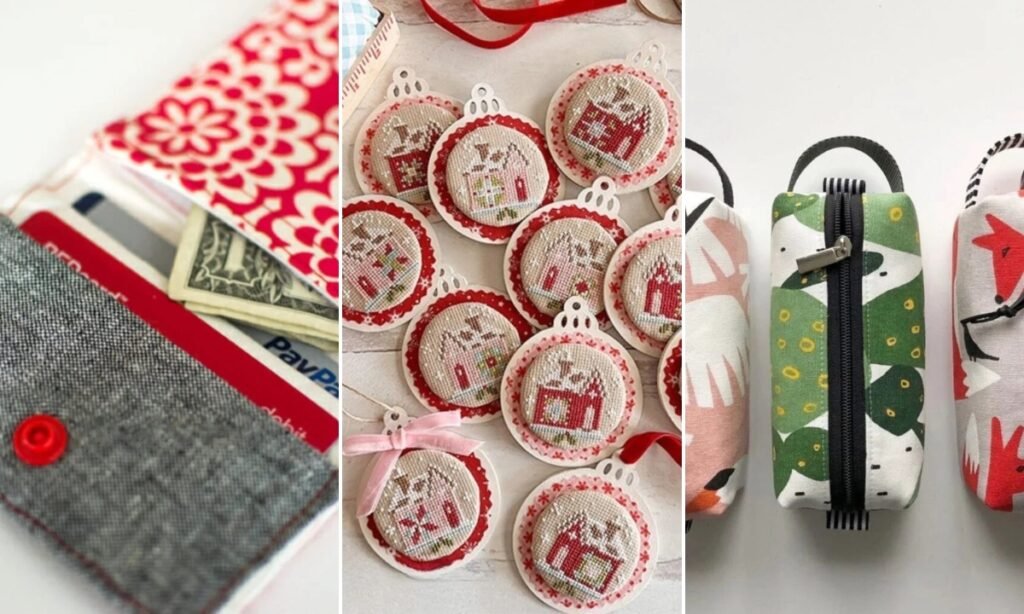
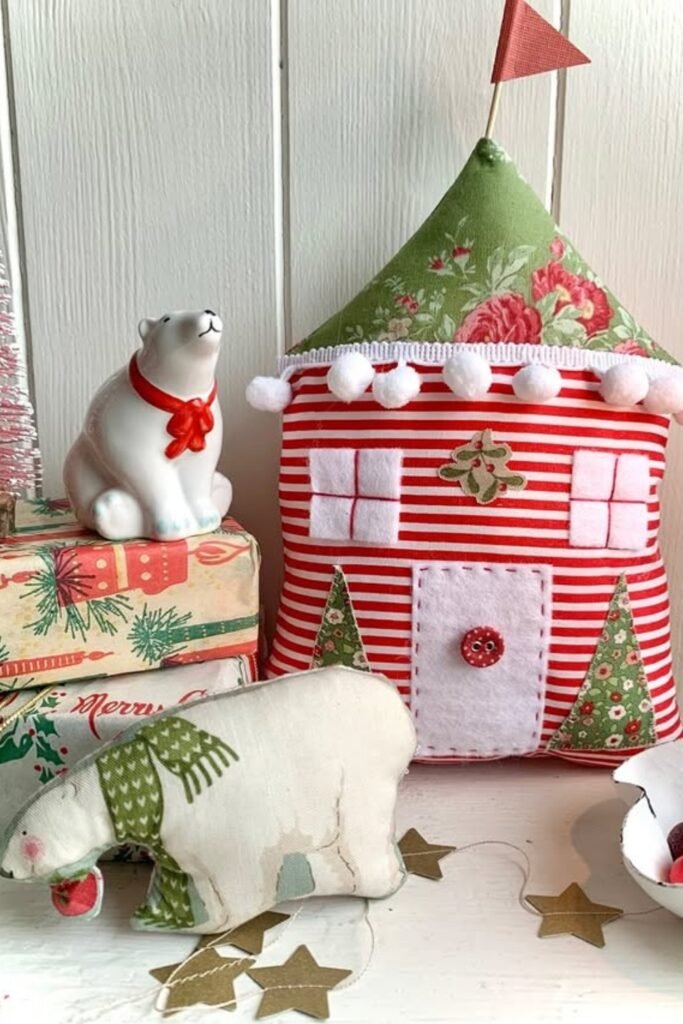
Holiday Pillow
Seasonal sewing stays meaningful when you build a small house pillow that becomes part of yearly winter decorating rituals.
Felt walls simplify edges, while striped cotton adds structure, letting beginners focus on placement rather than difficult finishing.
Button doors, pom trim, and tiny windows introduce decoration without advanced embroidery, making this ideal for slow evening stitching.
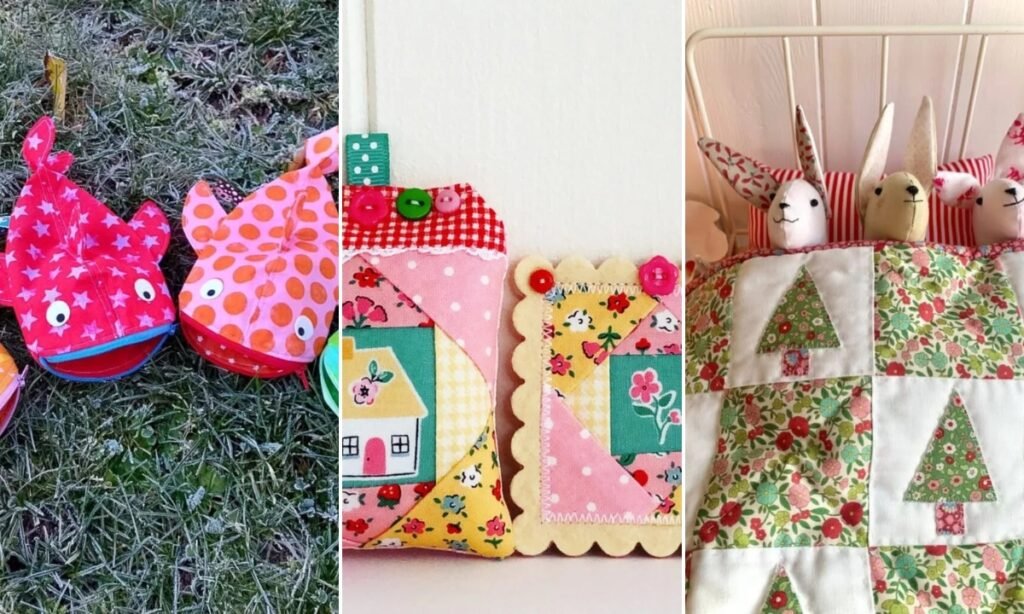
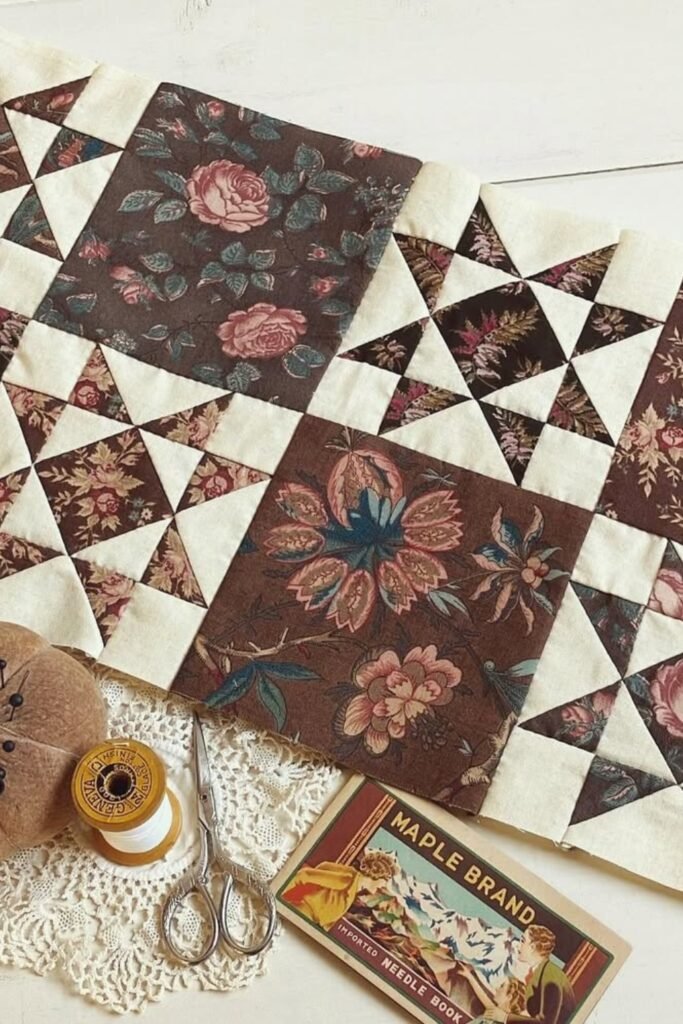
Quilt Blocks
Working on individual quilt blocks by hand turns complex patterns into manageable goals you can finish across multiple short sessions.
Consistent seam allowance matters more than speed here, so mark edges lightly and stitch slowly to maintain sharp intersections.
Press sections flat after each block completes, keeping layers obedient and avoiding puckers once everything joins together later.
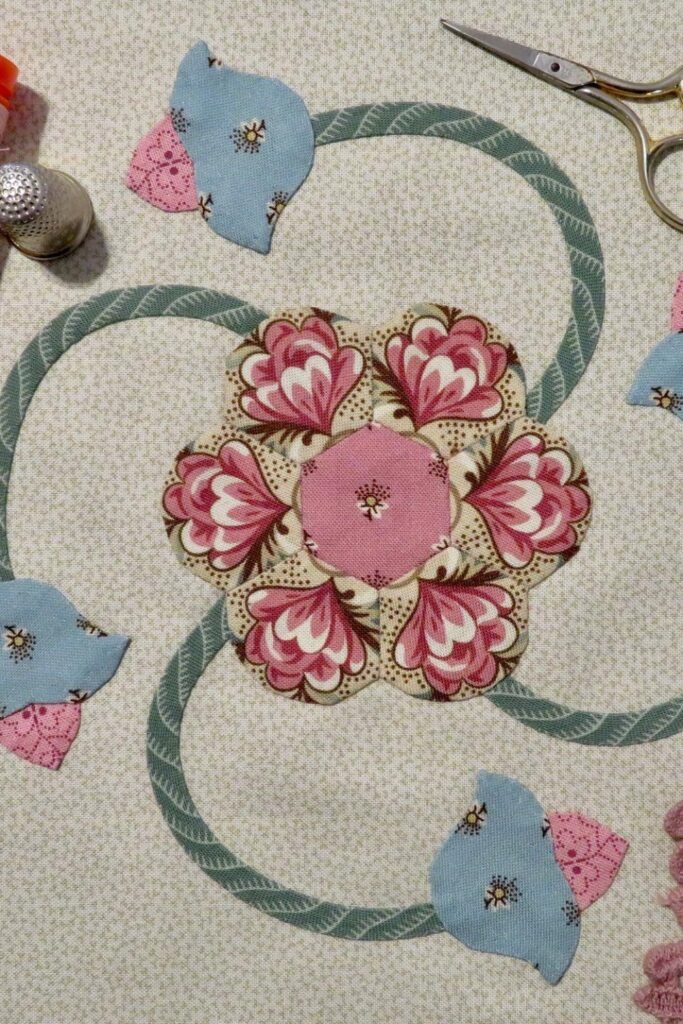
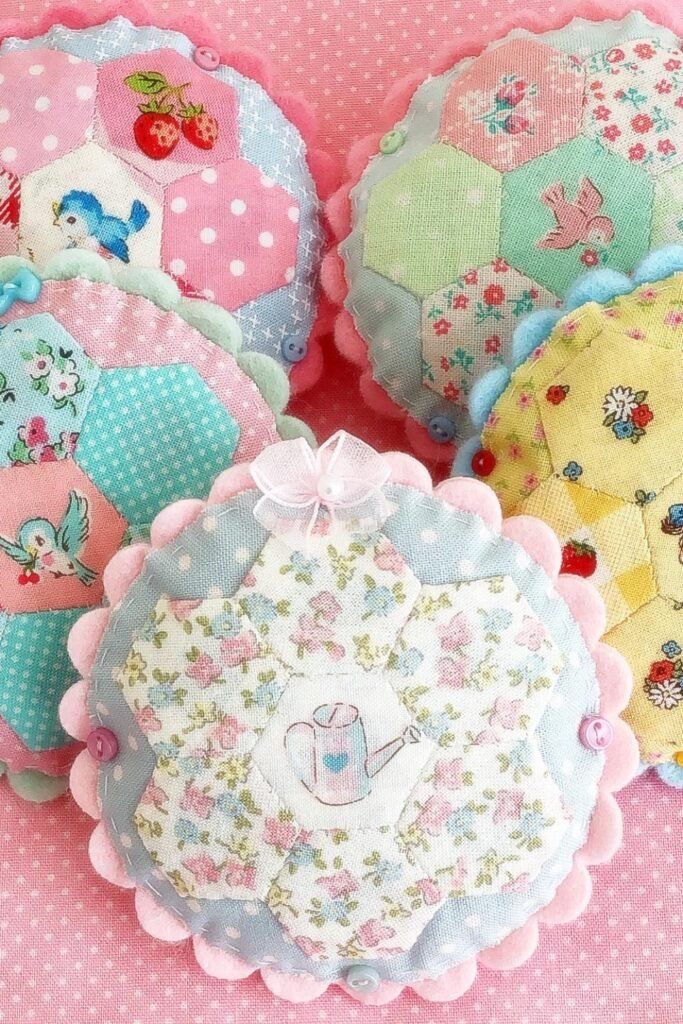
Hex Flower
Hexagon flowers reward patience because each folded edge trains your accuracy before the design slowly blooms into symmetry.
English paper piecing keeps shapes crisp, especially when cotton prints stay lightly starched during the wrapping stage process.
Once removed, whip stitches close the flower edges neatly, making these perfect for cushions, bags, or framed textile art.
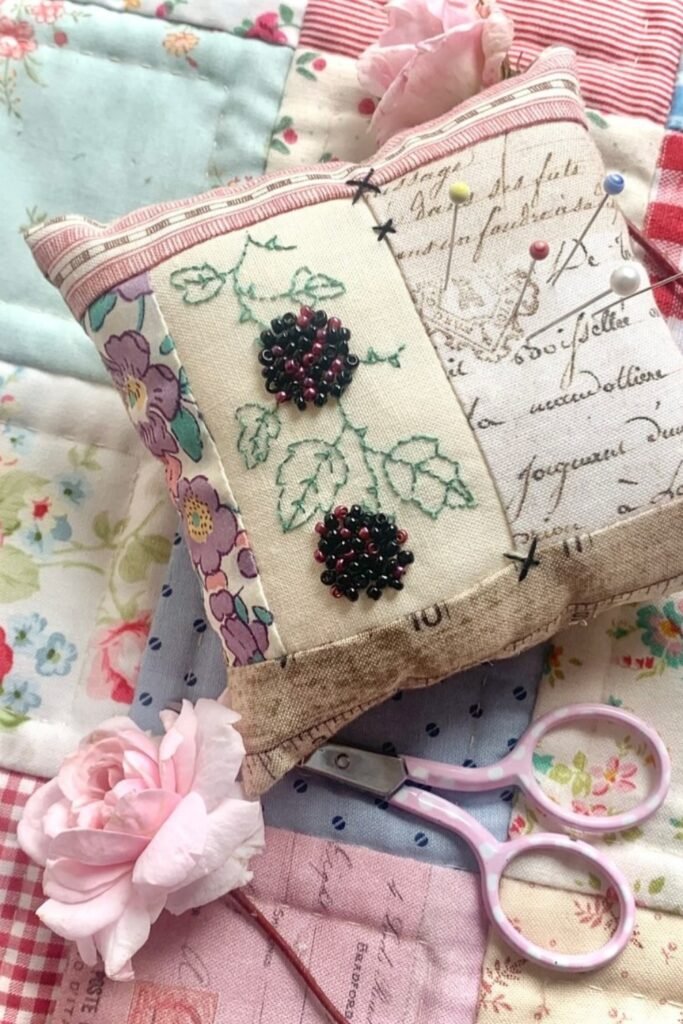
Beaded Pin
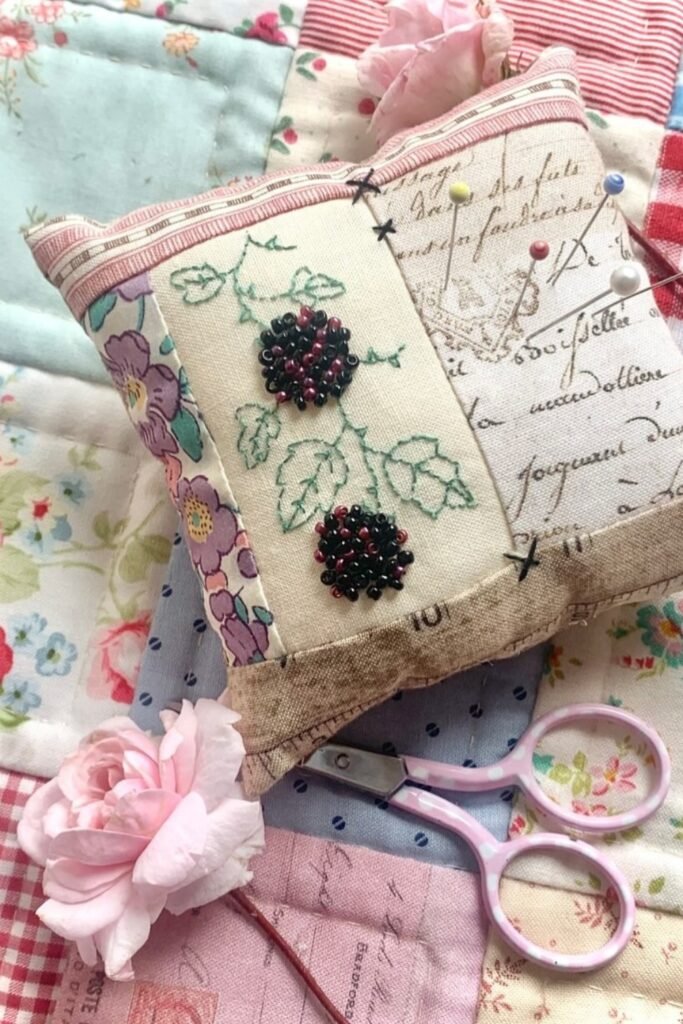
Jewelry-making meets sewing when tiny beads form raised clusters that transform a basic pincushion into a textured desk accent.
A firm woven base supports bead weight best, preventing sagging while your needle anchors each detail through layered fabric.
Keep bead spacing tight near the center, easing outward gradually so tension remains even across curved stitched sections.
Felt House
Wall decor feels more personal when stitched as a soft story scene instead of framed paper or printed canvas.
Layered felt prevents fraying and allows visible blanket stitches to double as both structure and surface decoration for texture.
Mount finished panels onto fabric boards for children’s rooms, craft corners, or seasonal rotating display walls at home.
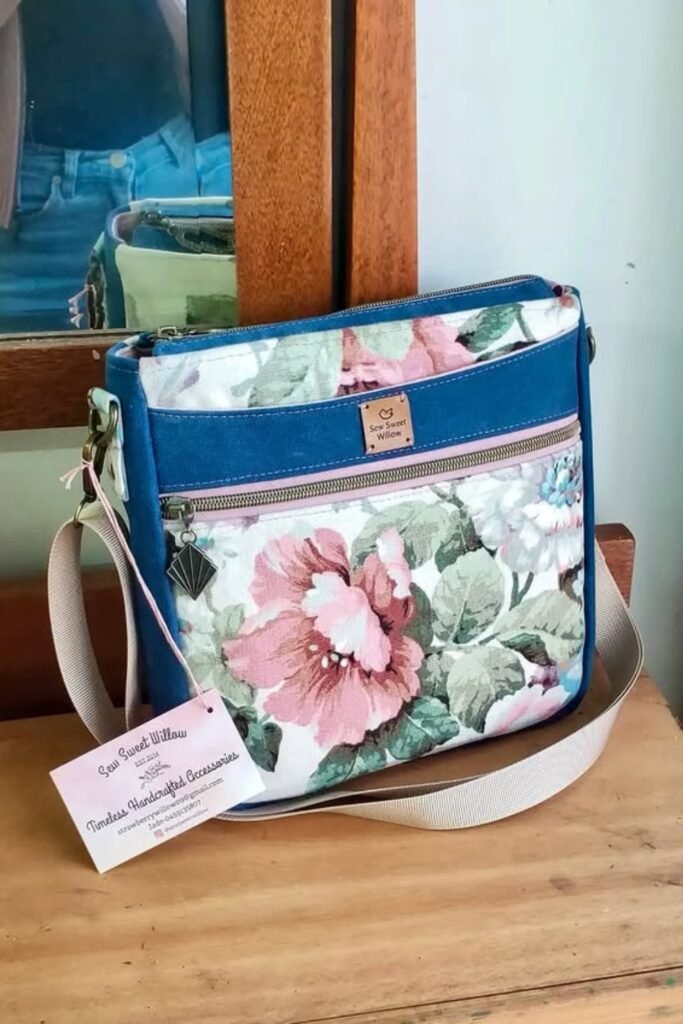
Floral Crossbody
Street-ready sewing feels rewarding when a structured crossbody carries daily essentials without slouching or collapsing at corners today.
Stabilize panels with thin fusible interfacing, then hand backstitch around zipper tape to prevent ripples along openings during assembly.
Box the base with diagonal hand seams so weight distributes evenly when the bag sits on tables surfaces.
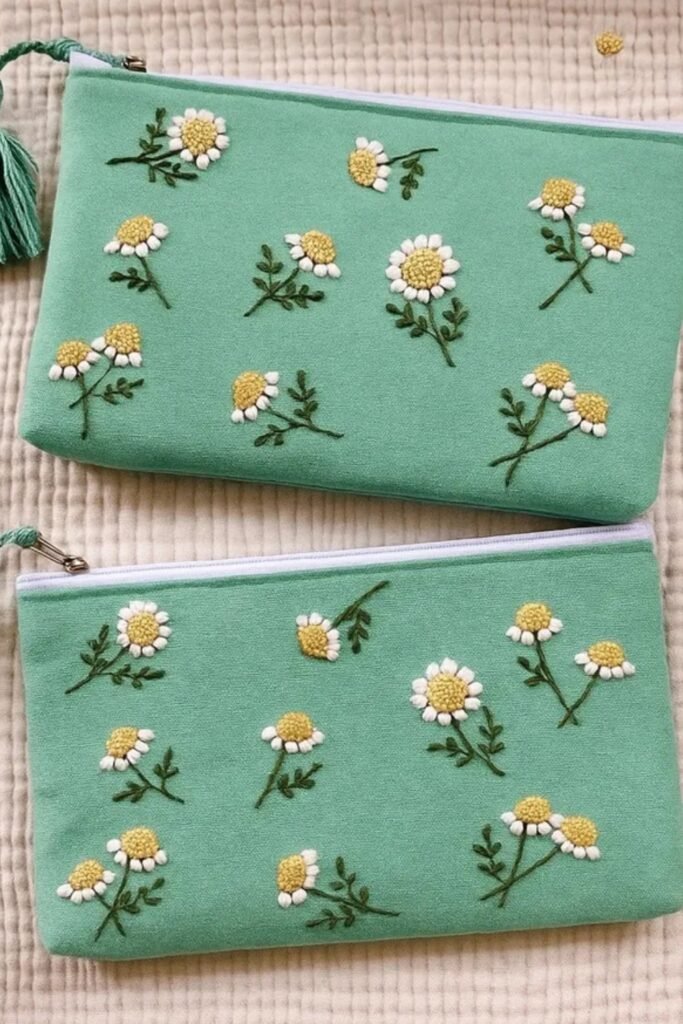
Embroidered Pouches
Soft embroidery changes a plain zipper pouch into something personal that stages small rituals like makeup touchups for daily moments.
Anchor French knots after outlining stems so blossoms rise subtly without snagging fingers during quick access inside pockets.
Use medium cotton twill for bodies, keeping stitches tight near zipper ends where stress concentrates most with daily handling.
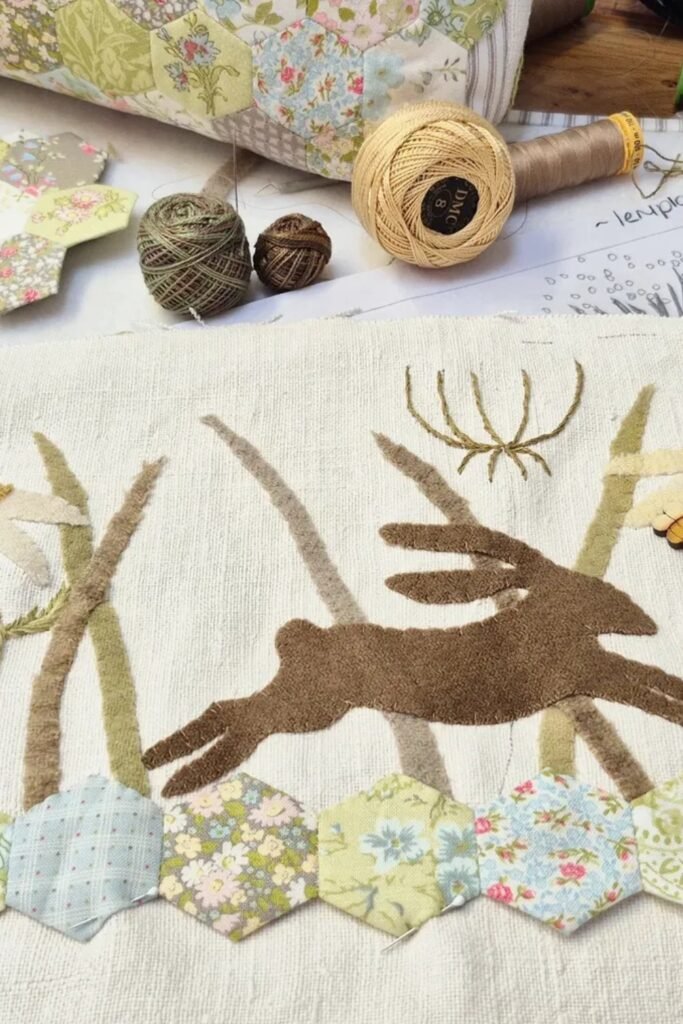
Woodland Panel
Storytelling fabrics shine when layered appliqué forms animals and grasses that feel painted yet tactile underhand along a quiet field.
Turn needle-appliqué edges with tiny whip stitches so curves stay fluid rather than faceted at points during finishing.
Frame panels into cushions or wall hangings where slow texture invites viewing closer than printed fabric from across rooms.
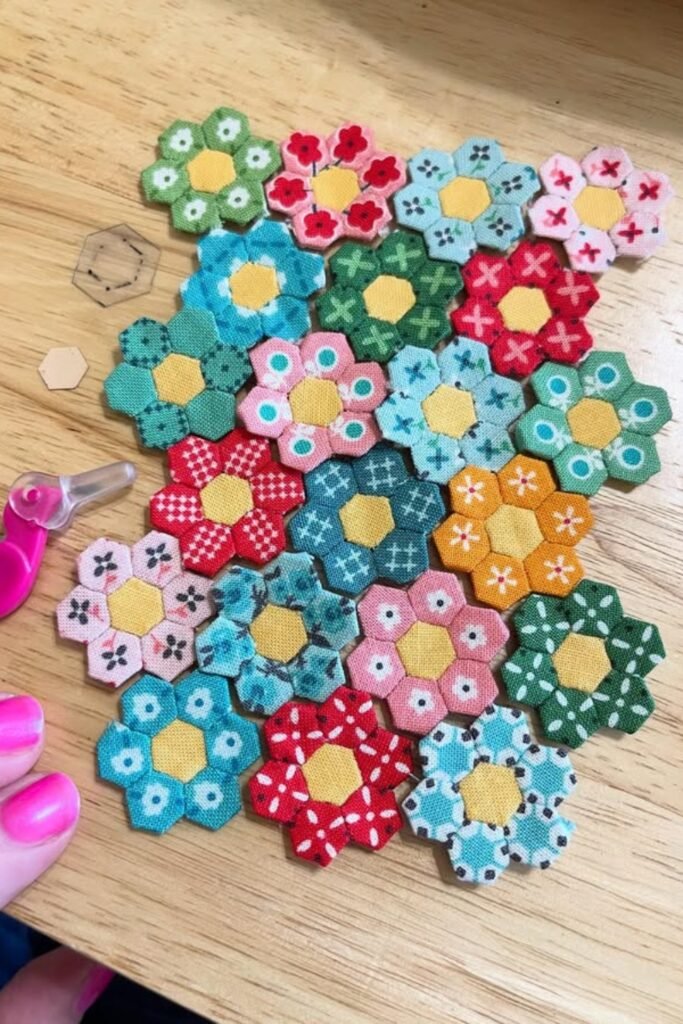
Hex Flowers
Palm-sized hex flowers encourage color play because each petal becomes independent before joining a bold cluster on small projects.
Baste over papers with long running stitches, then tighten gradually so seams align without twisting edges at the final draw.
Use these motifs as bag fronts, cushions, or sampler quilts to practice accuracy without cutting large yardage first.
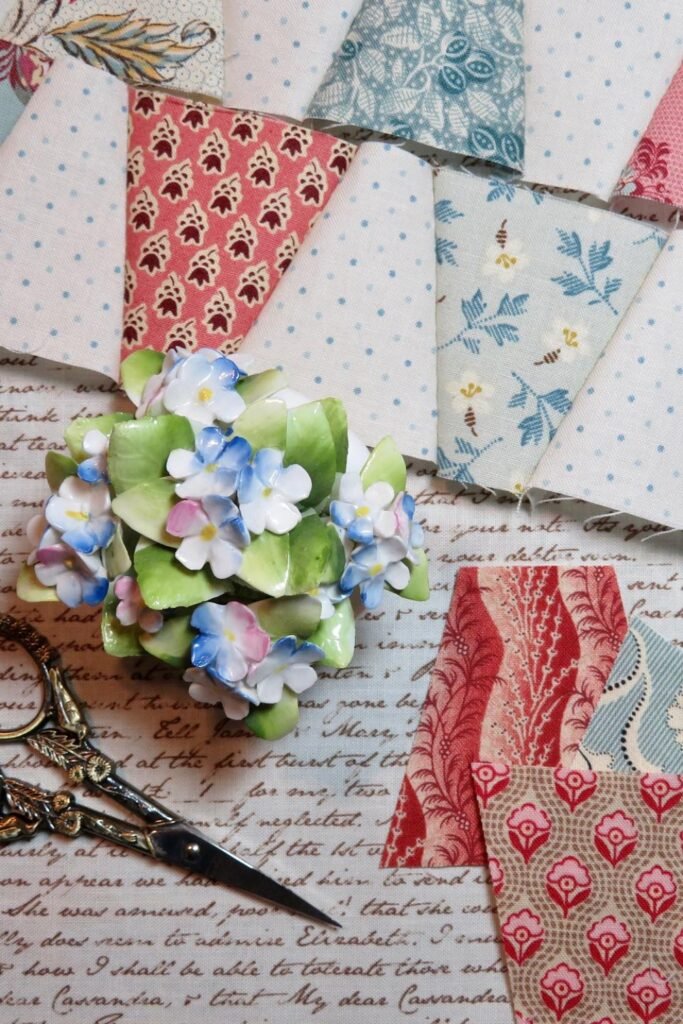
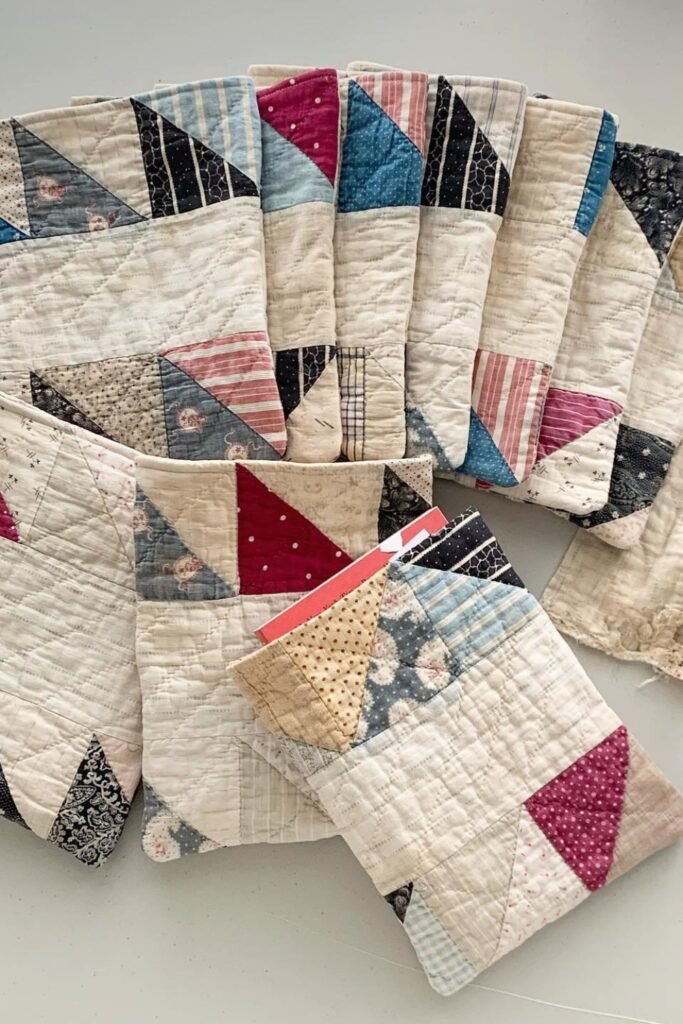
Triangle Patchwork
Sharp triangle rows transform leftover cuts into rhythmic surfaces that read complex despite simple repeated geometry on narrow runners.
Chain-piece pairs by hand with consistent backstitches, stacking finished units neatly before setting rows together for steady progress.
Press seams open often to avoid bulk buildup that fights needles when later quilting binds layers into one surface.
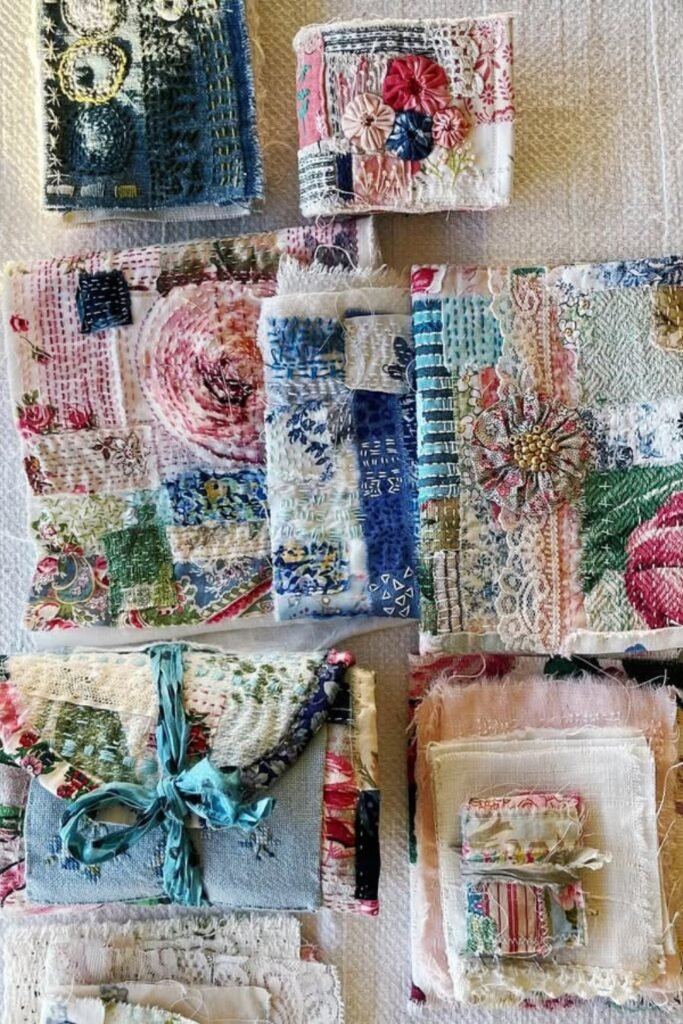
Textile Books
Tiny fabric books invite experimental stitching where every page becomes a testing ground for patterns and texture without risk.
Build signatures from layered scraps, couch decorative threads openly, and accept frayed edges as part of narrative design.
Tie bundles with soft tapes so pages flex easily while storing insights you can revisit during future projects for reference.
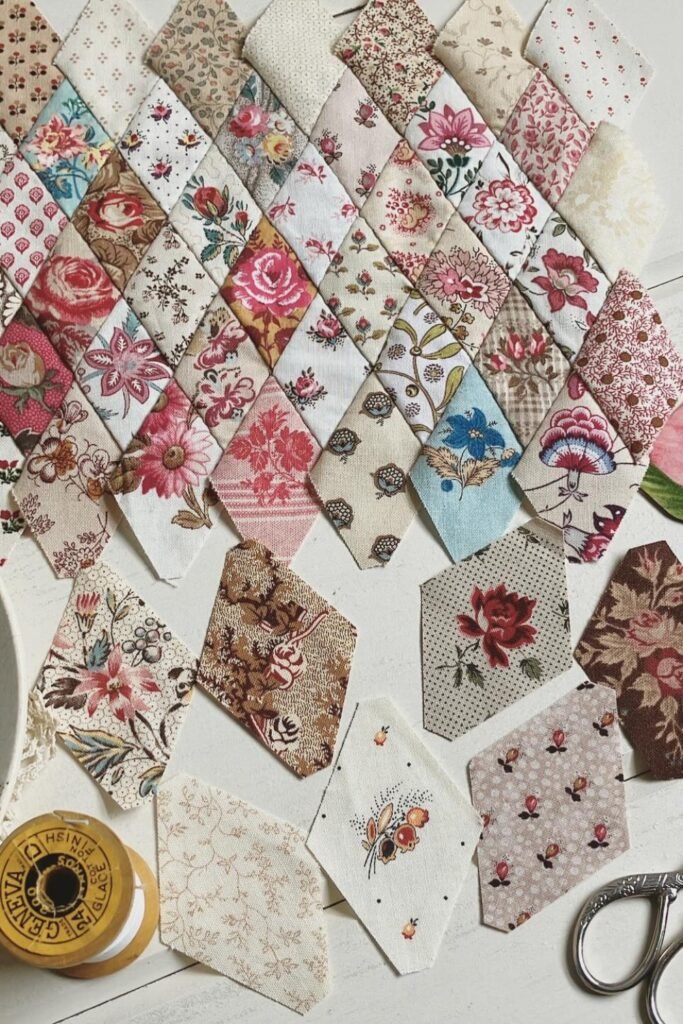
Diamond Scraps
Loose diamond scraps turn into rhythmic surfaces when you align light and dark values before committing to the final layout.
Pin each joint from the center outward, preventing rotational drift that slowly misaligns chains during longer hand assembly sessions.
Store finished units on fabric boards so direction stays consistent when returning after breaks or shifting lighting conditions today.
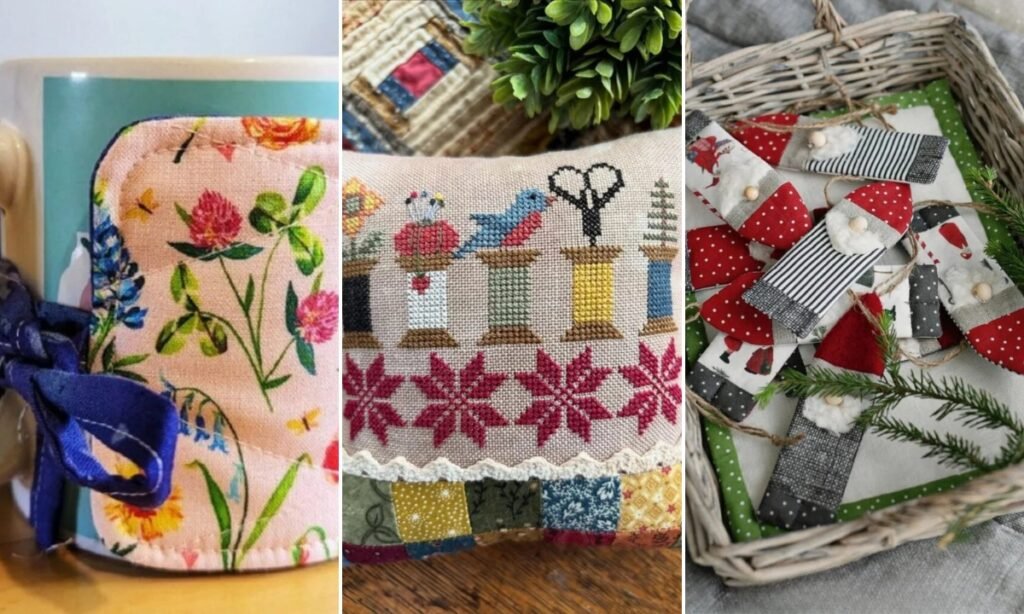
Quilted Coasters
Small quilted squares solve everyday table wear while giving scraps purpose beyond drawers and forgotten bundles at home always.
Diagonal patch blocks distribute heat evenly, reducing scorch marks that appear when mugs linger longer than expected on surfaces.
Hand quilting in tight grids firms the layers, stopping ripples that tip cups when set down quickly on counters.
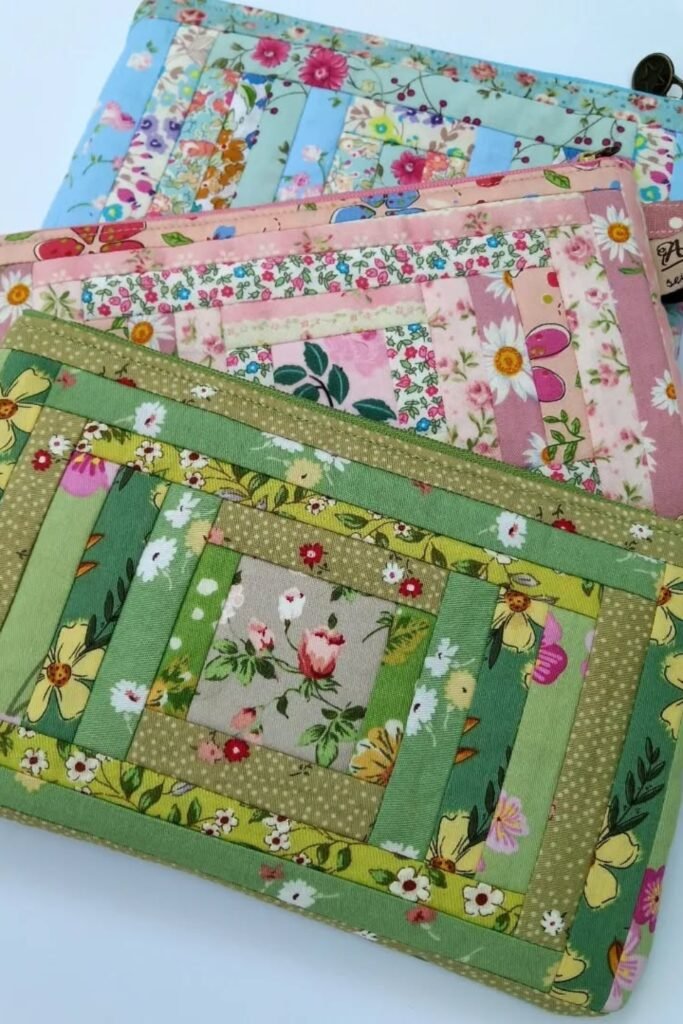
Log Cabin
Strip-built log cabin piecing controls busy florals by forcing order through repeated framing around a calm visual center point.
Press each addition immediately, keeping seam allowances flat so zipper insertion later avoids bulky resistance along edges during turning.
These panels shine as cosmetic pouches where flexible structure matters and rigid interfacing would fight curved corner shaping efforts.
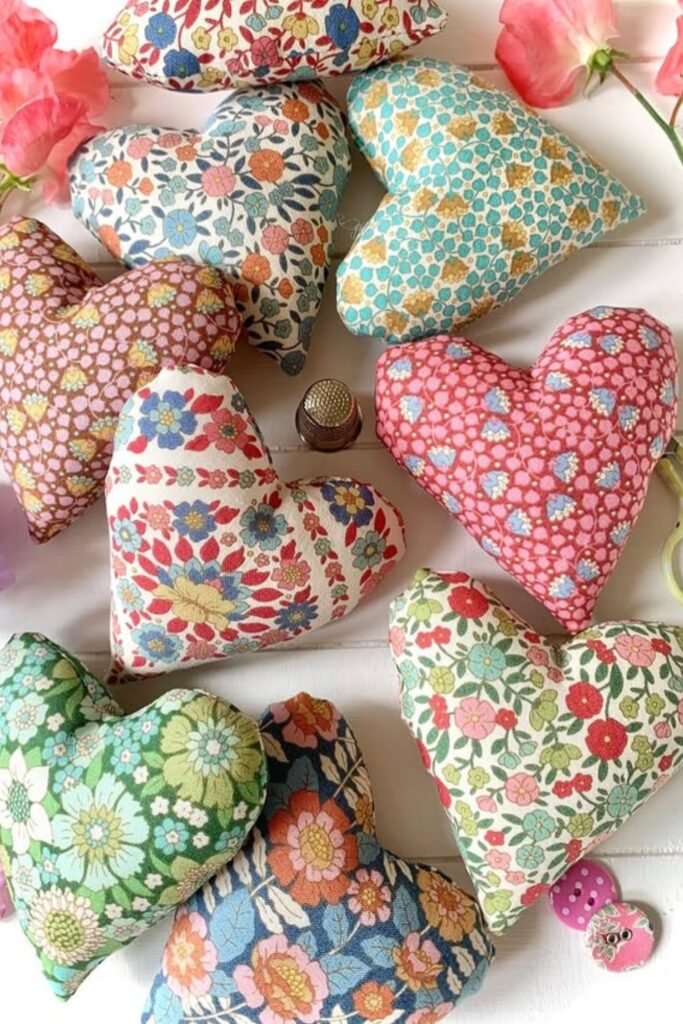
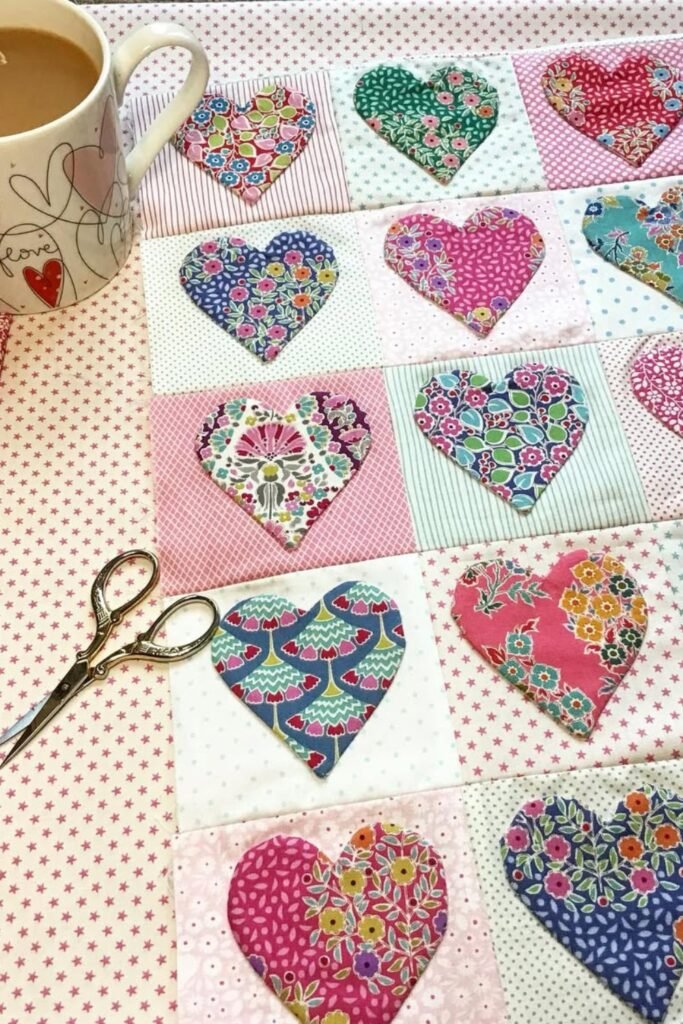
Heart Pillows
Soft heart forms rely on accurate mirrored cutting, otherwise symmetry collapses once stuffing pressure exposes uneven edges along seams.
Turning through a narrow top gap keeps curves smooth while hiding closure work later beneath decorative lace or buttons.
Weighted pellets at the base help these rest naturally on shelves instead of rolling forward after placement during styling.
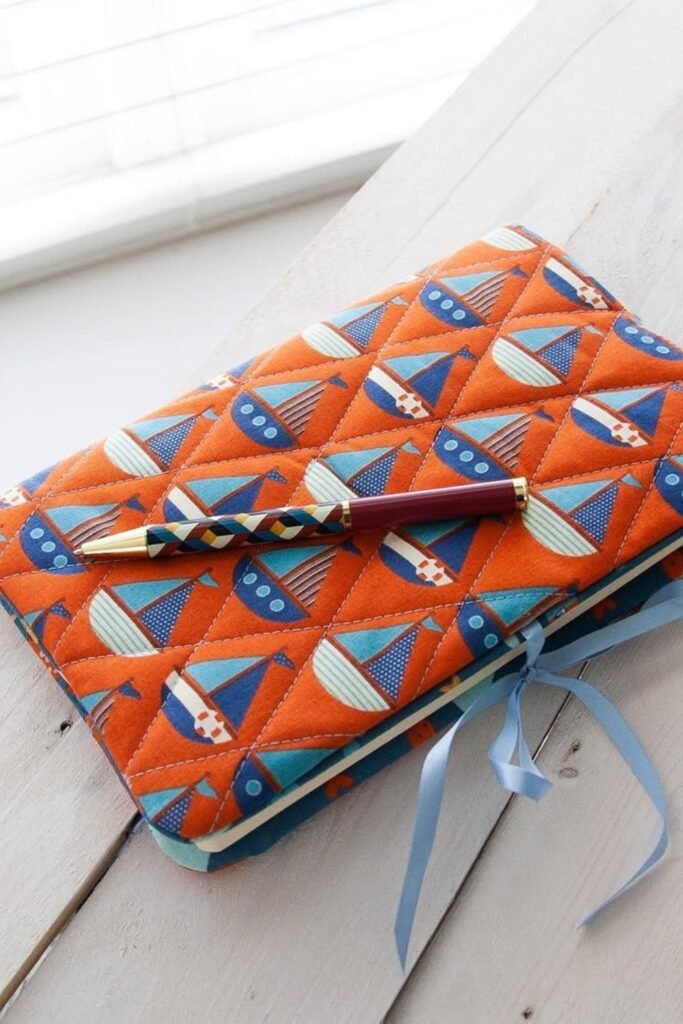
Fabric Journal
A quilted notebook cover absorbs daily friction from bags while protecting paper edges that usually curl first with use.
Diagonal stitch grids stabilize soft batting, preventing covers from sagging once elastic ties pull tension across spines during storage.
Bias-bound edges survive repeated opening cycles longer than turned seams, especially with cotton prints that soften quickly under pressure.
EPP Station
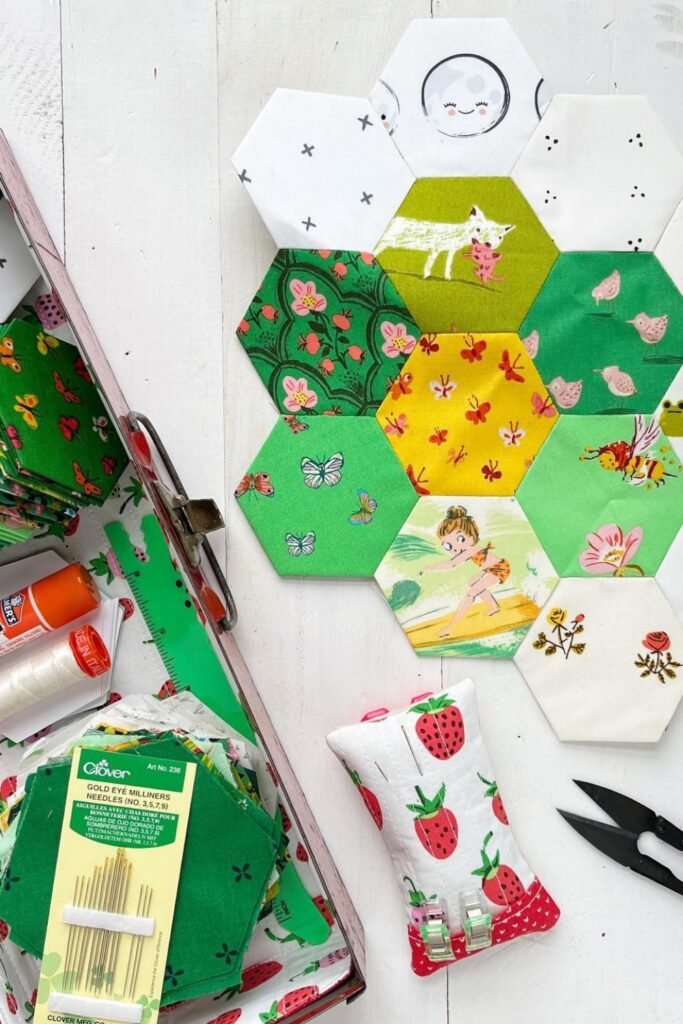
A portable English paper piecing station shortens setup friction so hexagon stitching fits into scattered minutes of spare time.
Pre-wrapped shapes stacked upright prevent edge crush, keeping folds crisp when threads tighten during final joining on larger panels.
Clip clusters onto pincushions near the dominant hand to reduce reach fatigue and maintain consistent stitch rhythm across long sessions.
Hex Flower
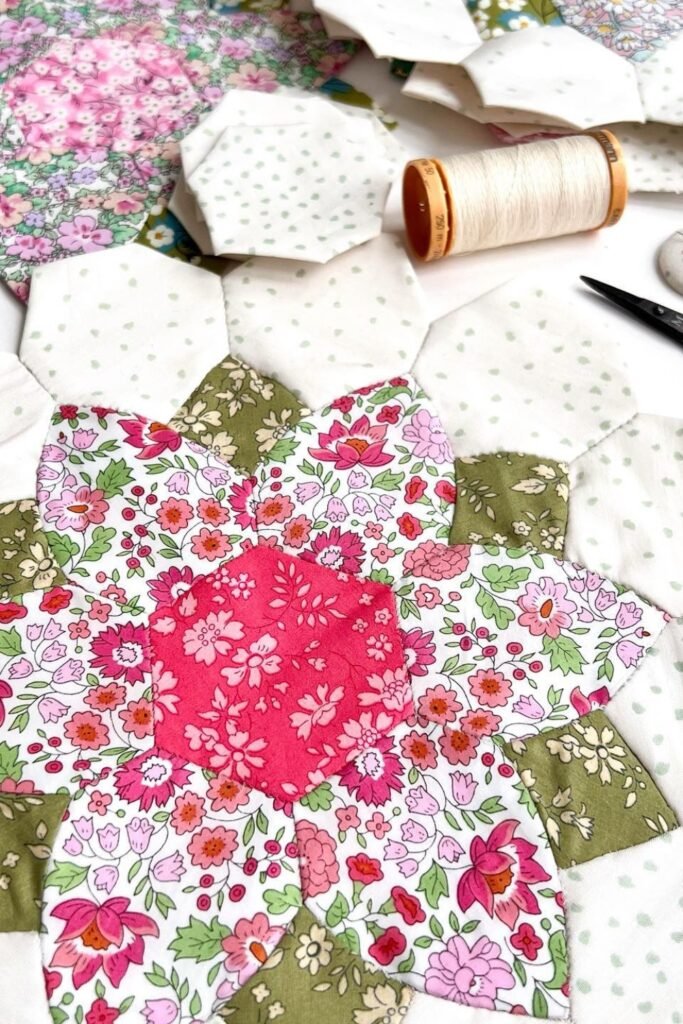
Color placement decides whether a hex flower glows or dulls, so audition petals before locking stitches permanently today carefully.
Baste through paper templates with relaxed tension, letting shapes swivel naturally until surrounding units guide alignment across the surface.
Once joined, remove papers slowly and finger press seam paths outward to keep floral symmetry crisp without ironing marks.
Button Pouch
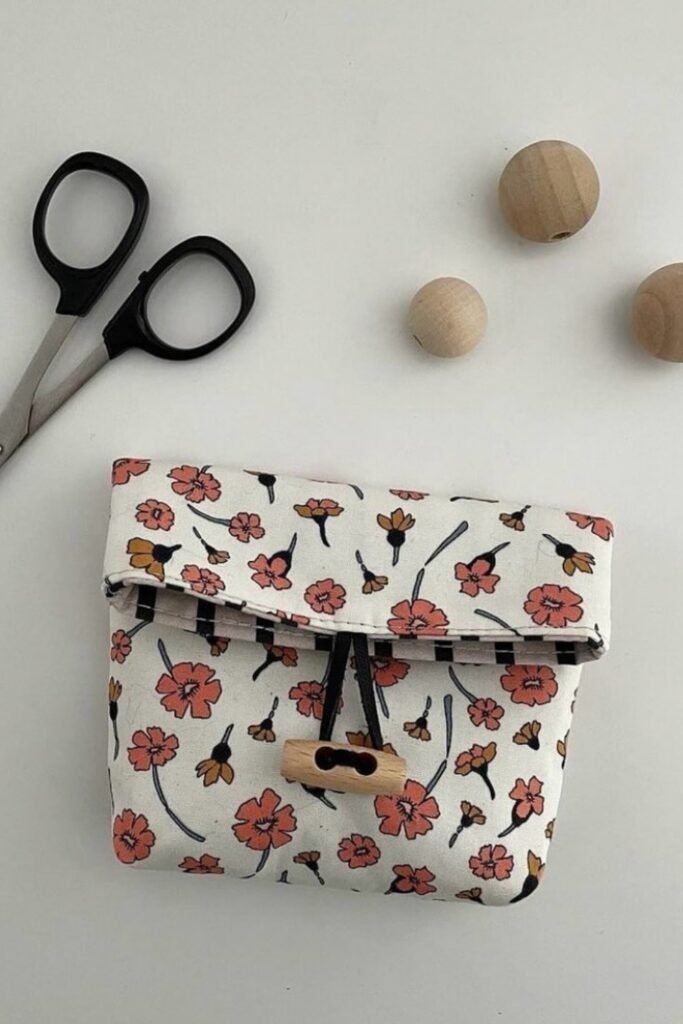
Wooden toggles add secure closure without metal hardware, making small drawstring pouches safer for scissors and needles during storage.
Box the base corners subtly so the pouch stands open on tables instead of collapsing inward while hands work.
Thread cord through doubled eyelets to prevent fraying, then finish ends with beads that act as soft motion stops.
Patch Tote
Large grid patchwork turns sentimental scraps into a durable carryall that reads calm even with wildly mixed prints inside.
Quilt through all layers before inserting straps so fabric does not stretch unevenly once weight begins to pull downward.
Reinforce handle joins with hidden X stitches inside seam allowances to keep strength invisible from the exterior surface always.
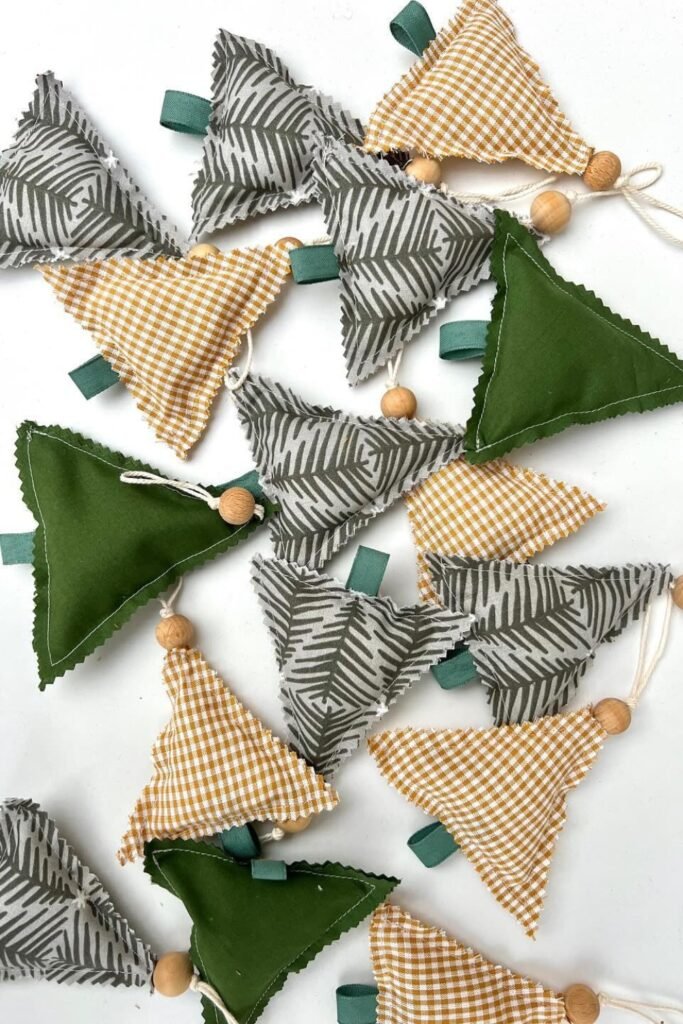
Fabric Trees
Triangular fabric trees create lightweight garlands that hang without sagging, perfect for door frames and seasonal shelves at home.
Pinking shear edges reduce fray while keeping softness, which matters when stuffed corners press against hanging cords during movement.
Alternate solid and patterned triangles to control visual rhythm so the garland reads intentional across longer spans with balance.
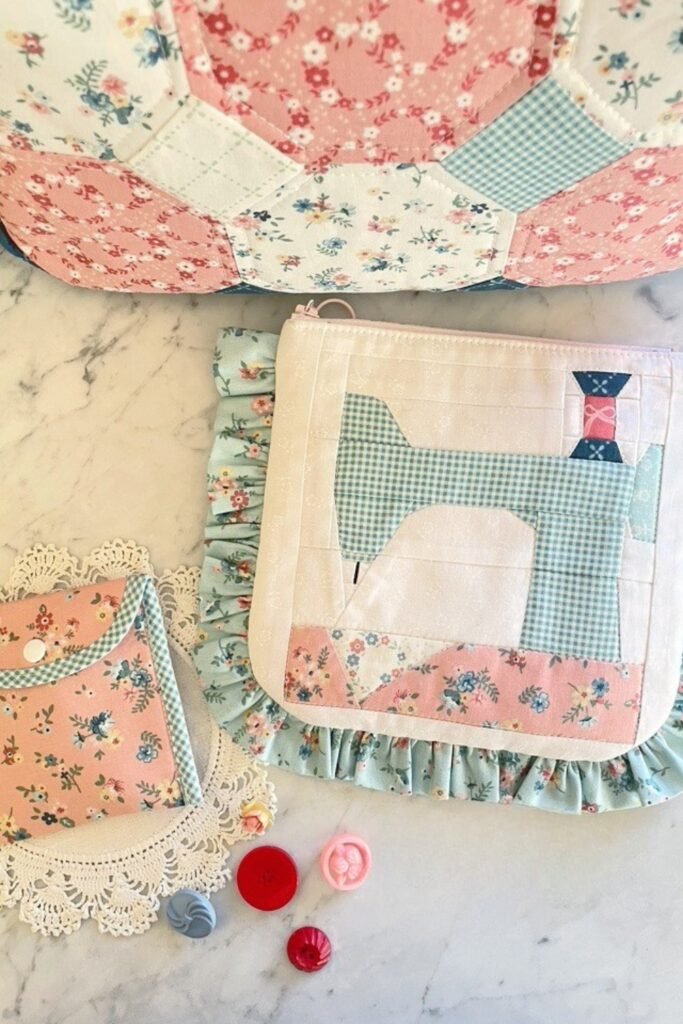
Sewing Pouch
Motif applique stitched before quilting keeps edges flat, preventing distortion when dense background stitching tightens layers beneath the surface.
Ruffled borders soften rigid shapes but demand even gathers, otherwise puckers crowd corners once zipper tape sets into place.
Stitch topstitching last with longer spacing so details remain readable instead of visually tangled around hardware during daily handling.
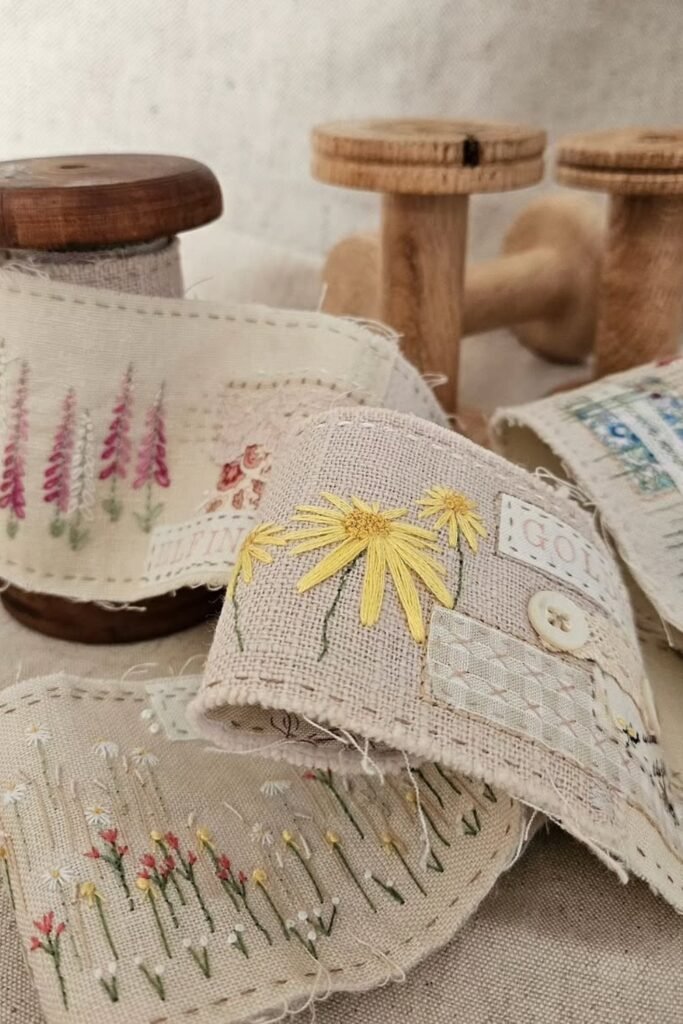
Embroidered Trim
Running embroidery directly on linen ribbon creates trims that age beautifully through repeated handling and open fabric edges naturally.
Wrap finished sections onto wide spools to prevent crease memory, which can distort stitched motifs during later application stages.
Use these as gift ties, journal bindings, or curtain accents where texture reads close rather than from across rooms.
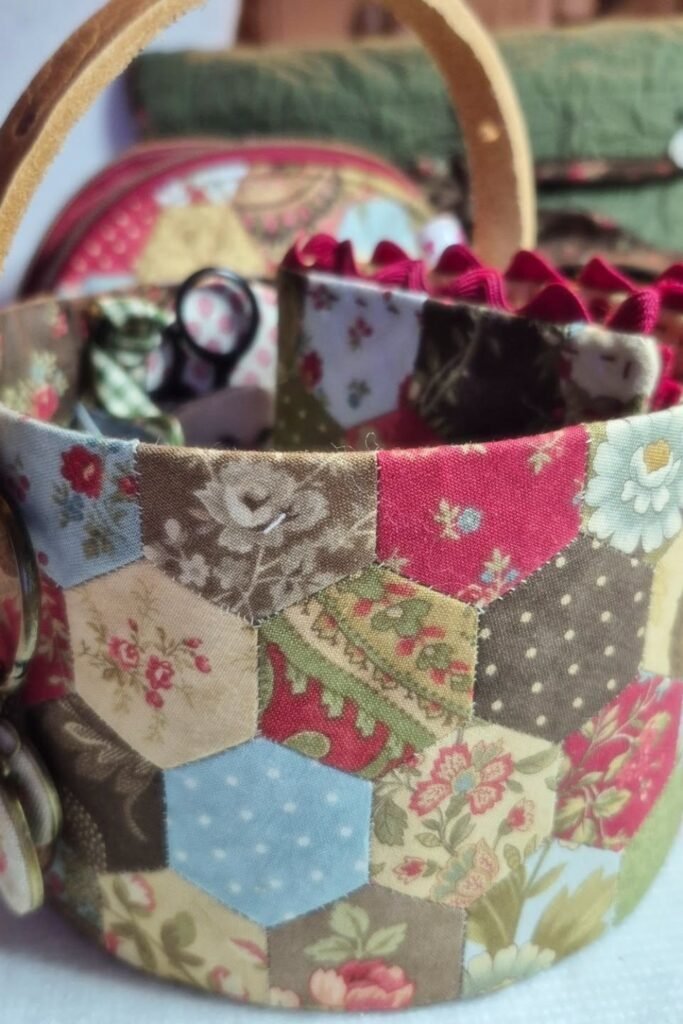
Hexagon Bloom
Small hexagon pieces turn scraps into a striking flower block that suits cushions, table toppers, and framed fabric art.
Hand stitch each edge with even whip stitches to keep corners crisp while watching shows or relaxing tonight slowly.
Join finished units gradually, press flat with fingers, then add light batting before final outline stitching around edges neatly.
Drawstring Pouch
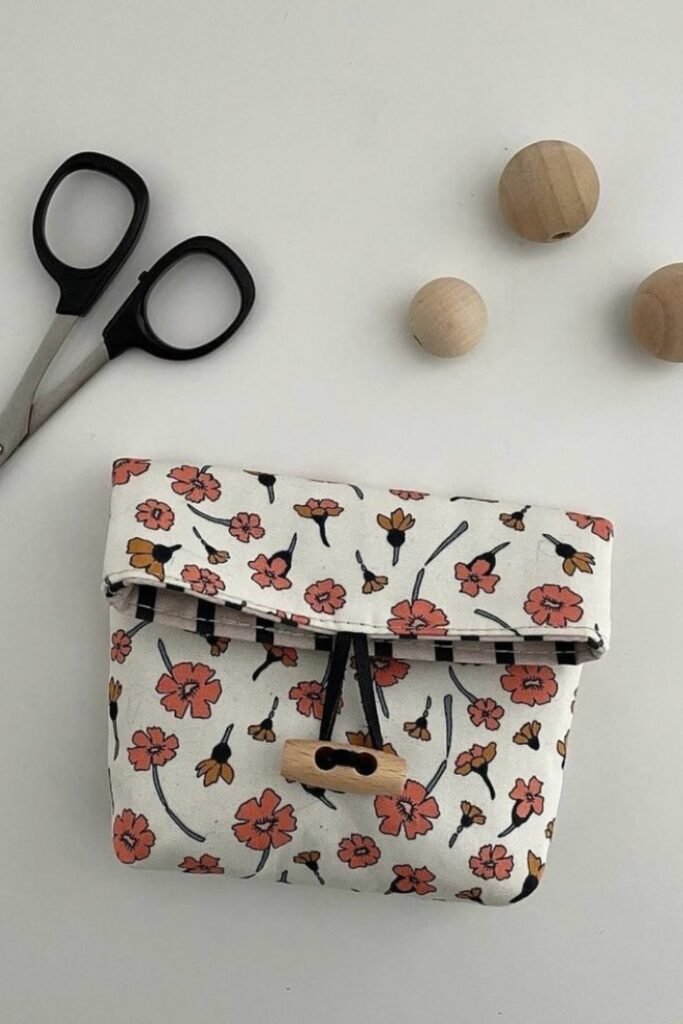
This soft cube pouch keeps travel jewelry, sewing clips, or earbuds contained without zippers or rigid hardware inside easily.
Fold the top channel carefully so cords slide smoothly instead of twisting and fighting during daily opening for you.
A single wooden toggle finishes it clean and adds weight that helps the pouch drape properly on small shelves.
Patchwork Tote
Nothing beats carrying groceries or craft supplies in a bag built from favorite fabric memories collected over many years.
Keep each square the same size so hand piecing stays predictable and seams meet without strain at the corners.
Add a lining to hide knots, then stitch straps last so weight distributes evenly across the shoulder when loaded.
Fabric Garland
Tiny triangle flags bring instant warmth to shelves, playrooms, nurseries, and seasonal party backdrops with almost no setup effort.
Stitch right sides together, turn through a small opening, then topstitch to trap ribbon loops inside each soft corner
Wood beads between flags stop bunching and give the garland a steady rhythm across wall space during long displays.

Hi, my name is Ali Mehmood! I’m a passionate writer and DIY enthusiast who loves turning creative ideas into practical, hands-on projects.
I created this website to share inspiring, budget-friendly ideas that you can do yourself – whether it’s organizing your home, crafting something unique, or creating fun projects for kids and pets.
I believe DIY isn’t just a hobby – it’s a smart way to save money, reduce waste, and enjoy the satisfaction of making things with your own hands.
I’m excited to have you as part of this growing community, and I’ll continue bringing you helpful, realistic, and fun DIY ideas you can actually use.