This post may contain affiliate links: read full affiliate disclosure.
If your entryway always looks messy because shoes pile up near the door, you’re not alone.
Most homes don’t have enough space for everyday shoes, guest shoes, boots, kids’ sneakers, and the extras we keep “just in case.” Store-bought racks usually make the problem.
Worse-they’re too wide for tight hallways, too short for boots, and never match the awkward corners where shoes actually end up.
This article solves that stress with practical DIY shoe storage ideas you can use in any home, even if you have a small entryway, no closet, a limited budget, or zero woodworking skills.
You’ll learn how to store shoes in tight spaces, hide them when you want a clean look, set up easy systems for kids, and build simple solutions that fit your exact layout.
By the end, you’ll know how to turn shoe clutter into a tidy, easy-to-maintain setup that finally works for your daily routine.
Save this article for later!
Floating Sneaker Shelves
Bright lighting transforms floating shelves into a clean display, letting every pair stand out while keeping the room feeling open and organized.
This layout fits bedrooms with limited floor space because wall-mounted boards hold sneakers securely without crowding walking areas or creating clutter.
Recreate by attaching evenly spaced shelves to studs, painting everything white for cohesion, and adding LED strips behind edges to highlight each pair.

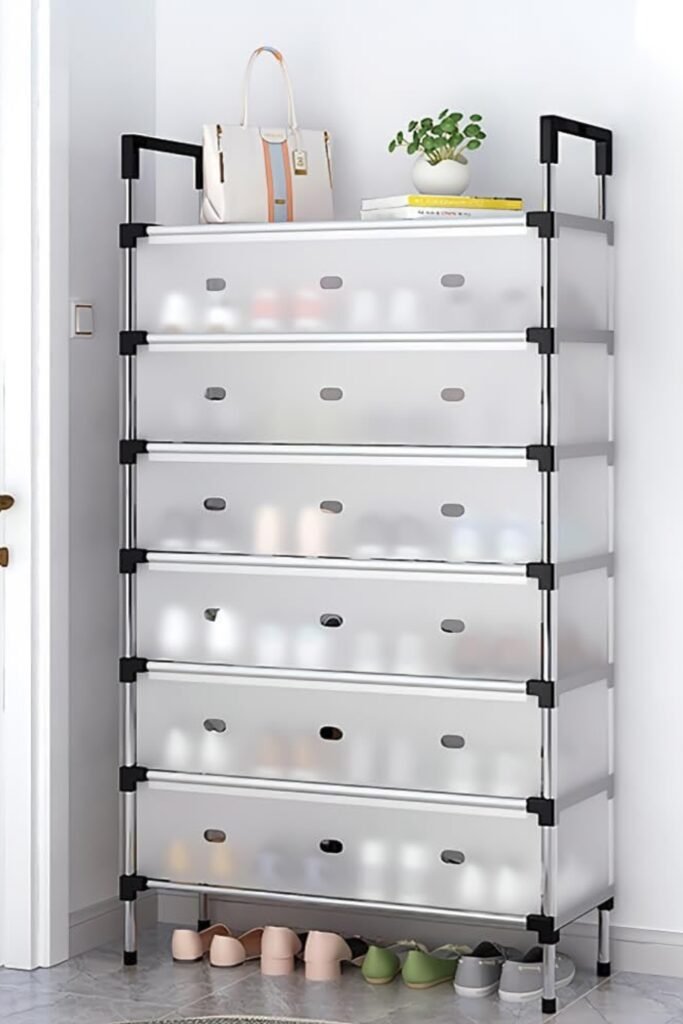
Stacked Covered Rack
A tall covered rack gives you generous storage without showing visual clutter, making it perfect for narrow corners needing closed shoe organization
Its lightweight design works well for renters because the structure assembles without drilling, offering flexibility when rearranging small entryway layouts.
Built by locking plastic panels into metal frames, adjusting heights for various footwear, and securing the base to prevent wobbling when fully loaded.
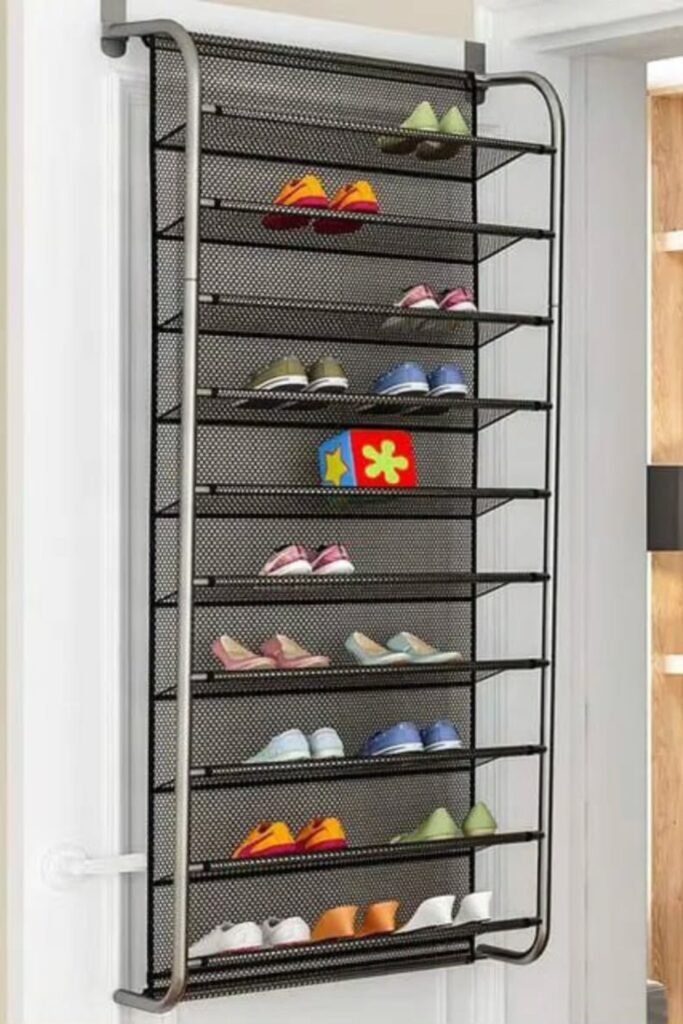
Door-Mounted Mesh Rack
A door-mounted mesh rack frees valuable floor space instantly, giving you an easy vertical solution when shoes pile near tight hallway entrances.
The breathable shelves help keep pairs dry, making this setup great for families who rotate multiple everyday shoes through a shared doorway.
Mount by sliding hooks over the door top, tightening the stabilizing bar, and ensuring the mesh frame rests flat for balanced weight support.
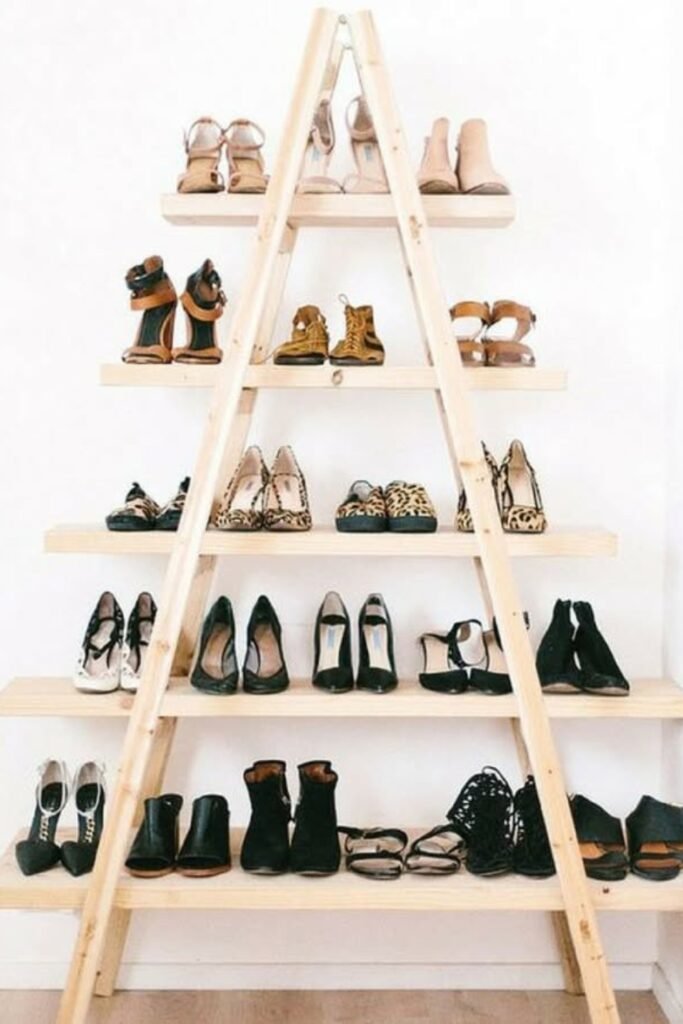
A-Frame Shoe Stand
An A-frame ladder stand offers a wide tiered layout, letting you spread out heels and flats while keeping everything visually accessible inside small rooms.
The angled sides naturally create roomy tiers, making this setup ideal for closets that need spacious horizontal shelves without bulky cabinetry.
Built by cutting matching planks, attaching them across two ladder rails, sanding edges smooth, and securing the frame to prevent shifting under weight.
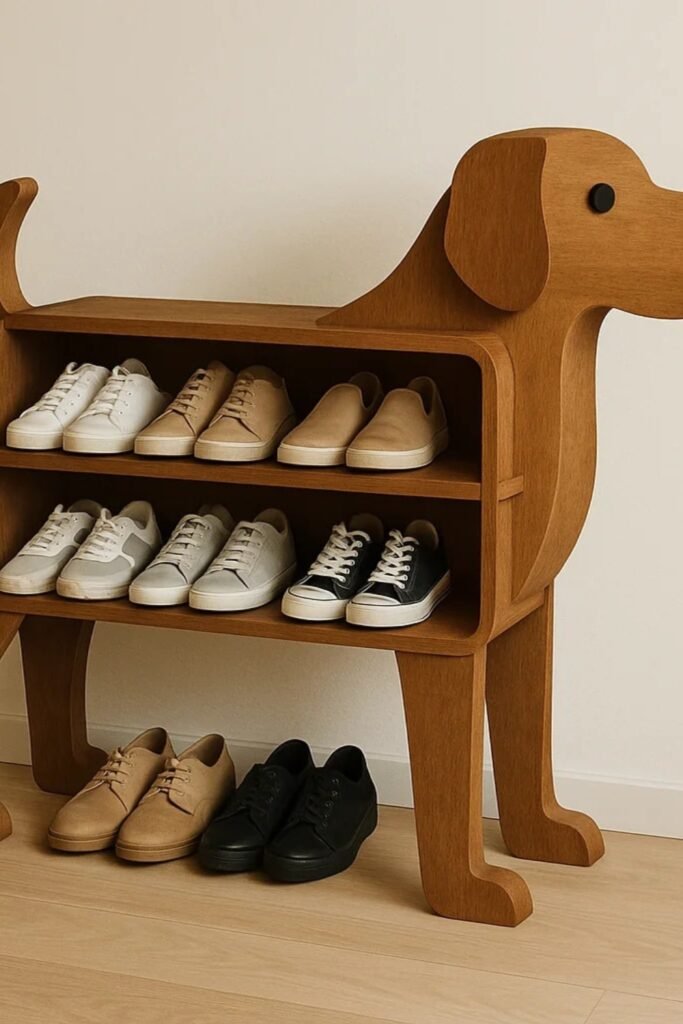
Dog-Shaped Shoe Shelf
A playful dog-shaped shelf blends decor and function, turning everyday shoe storage into a charming piece that suits family homes beautifully.
Its compact double-tier body fits several pairs without crowding walkways, making it ideal for entry corners needing lighthearted organization.
Recreate by tracing the silhouette onto plywood, cutting smooth curves, assembling interior shelves firmly, and finishing with warm stain for a polished look.
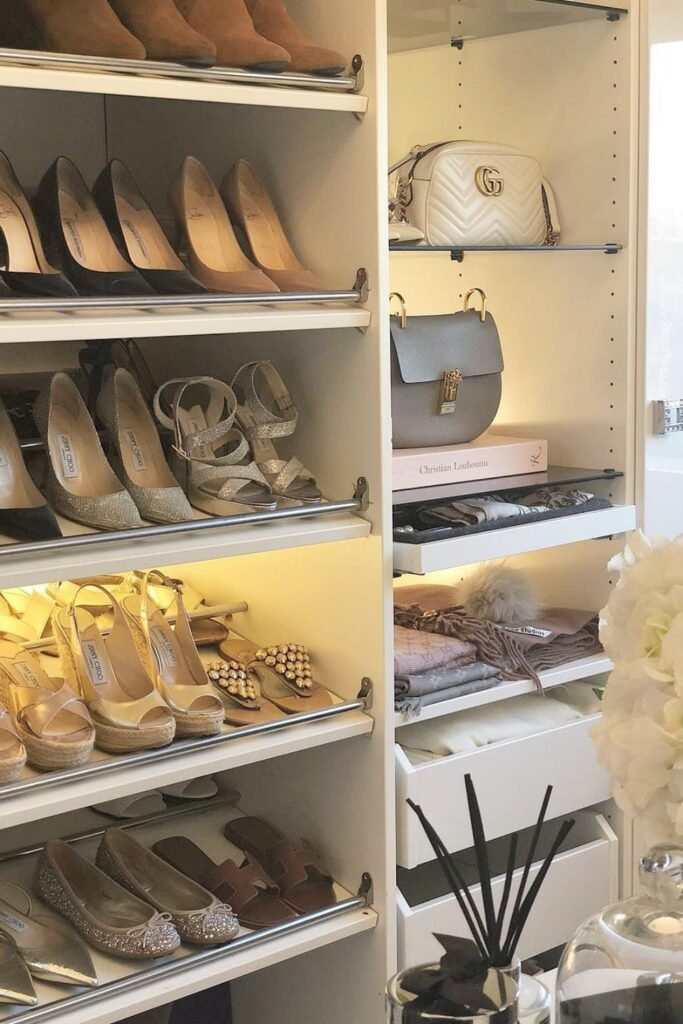
Illuminated Closet Display
Soft lighting inside a built-in closet display elevates every shoe, helping you maintain order while giving your collection boutique-style visibility.
This arrangement suits walk-in closets where shallow shelves prevent overcrowding, allowing each pair to sit neatly without stacking or sliding backward.
Install by fixing narrow boards between supports, adding small LED strips beneath each shelf, and adjusting heights carefully to match varying footwear styles.
Boutique Closet Shelves
A boutique-style shelf wall lets you organize heels and flats neatly while keeping colors visible, helping you build outfits quickly each morning.
This layout works best inside walk-in closets because shallow shelves prevent shoes from sliding backward, keeping everything lined up and easy to reach.
Recreate by installing narrow boards between tall supports, adding soft LED strips underneath each shelf, and adjusting spacing to match your entire shoe collection.
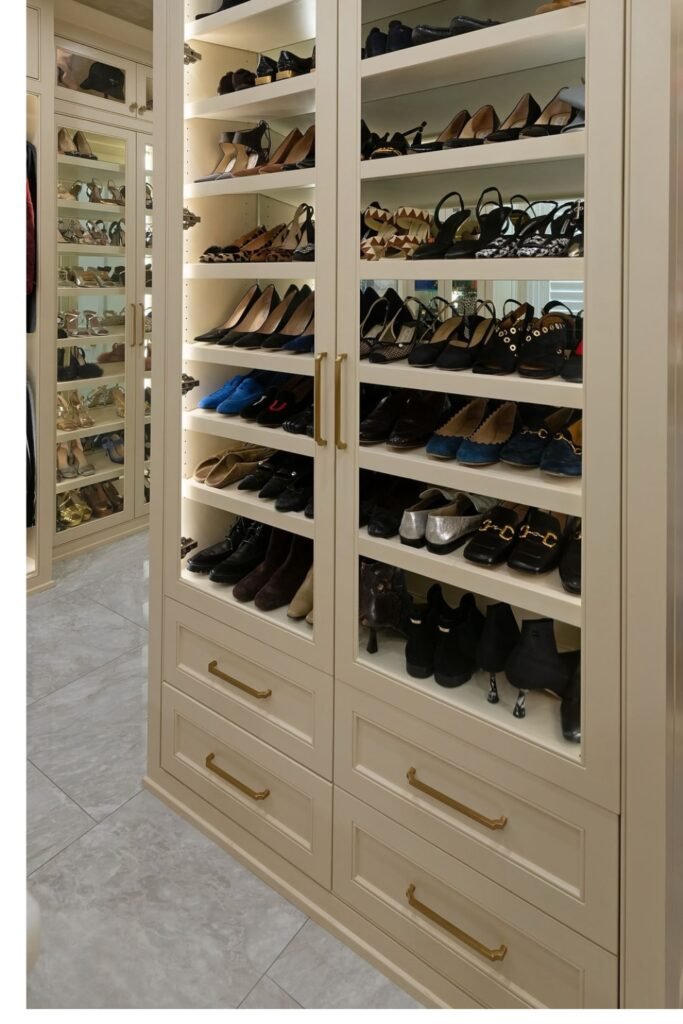
Glass Display Closet
Glass shelving gives your collection a polished showroom feel, allowing every pair to stay visible without adding heavy visual weight to the room.
This style suits large closets where you want tiered storage for heels, boots, and sneakers while maintaining a luxury boutique-inspired display.
Built by mounting thick tempered glass shelves onto metal brackets, installing spotlight LEDs overhead, and organizing shoes by color for a clean gradient look.
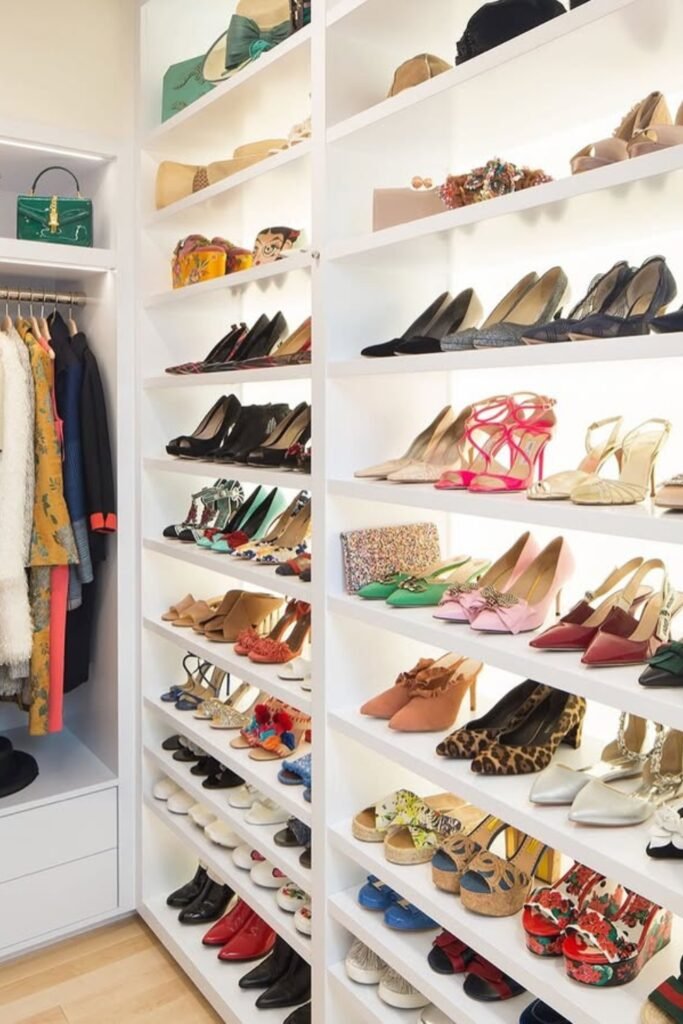
Closed Rattan Cabinet
A rattan-front shoe cabinet hides clutter instantly, giving entry areas a calm look while still offering roomy shelves for daily footwear rotation.
Its closed doors make it ideal for small apartments that need tidy storage without exposed racks filling narrow corners or blocking walking paths.
Recreate by building a slim wood frame, attaching cane-webbing doors, sanding the structure smooth, and adding interior adjustable shelves for multiple shoe heights.

Two-Level Shoe Stacker
Shoe stackers double your shelf capacity immediately, separating pairs vertically so smaller closets gain extra space without needing deeper cabinetry or additional racks.
This system is perfect for sneaker collections because each pair stays protected, elevated, and easier to locate when shelves usually get overcrowded fast.
Use by placing durable stackers across existing shelves, adjusting their height to support different shoe shapes, and labeling sections to keep everything organized.
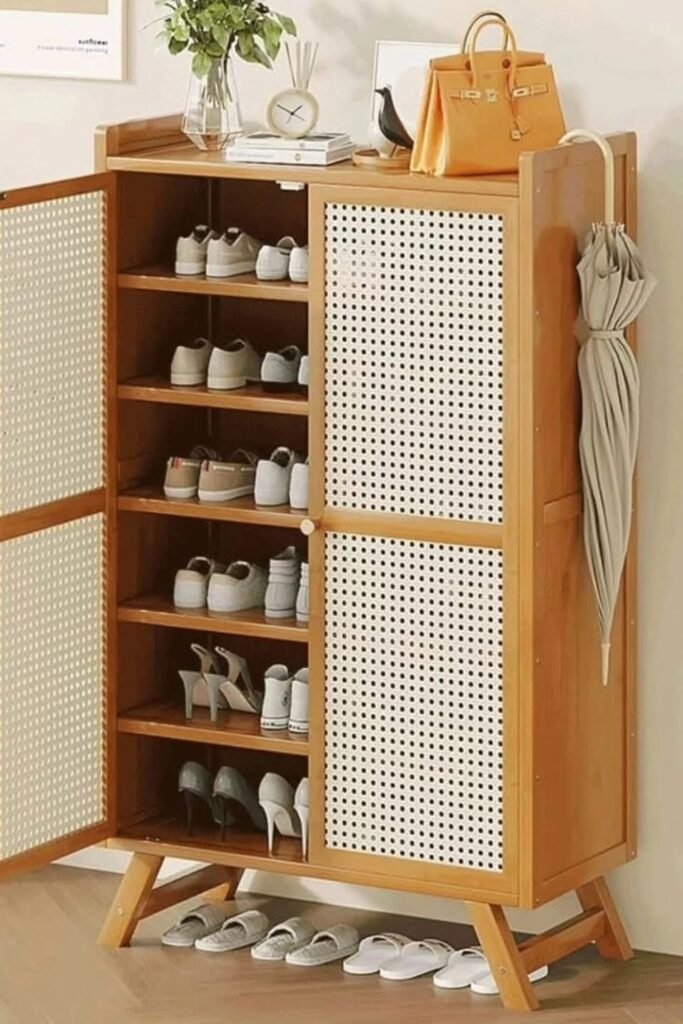
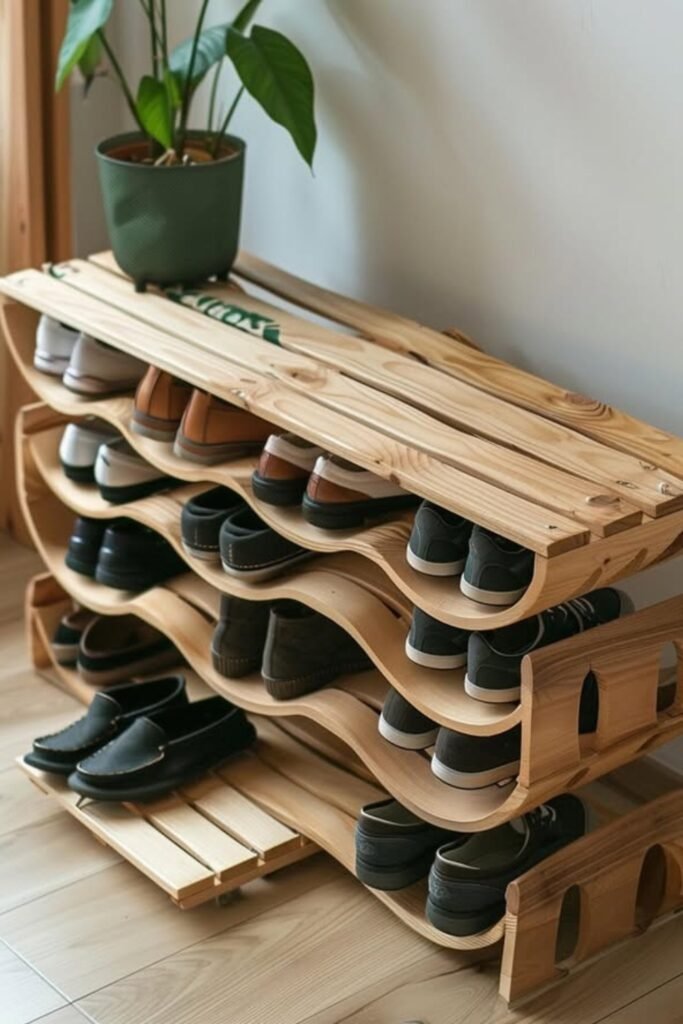
Wave-Layer Shoe Bench
A wave-layer wooden bench blends seating and storage, giving entrances a natural look while creating separated curves that hold shoes securely underneath.
Its layered layout works well in mudrooms because each wave section prevents pairs from sliding, keeping everything accessible without sacrificing walking space.
Recreate by cutting curved plywood layers, stacking them with spacers for airflow, sanding edges smooth, and topping the bench with slats for added strength.
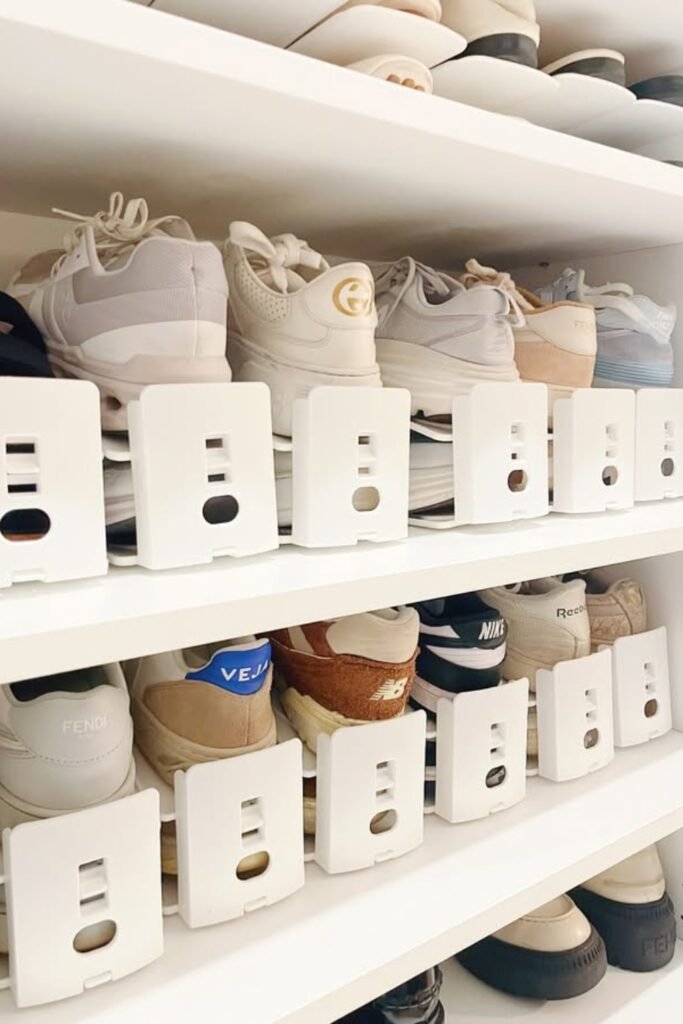
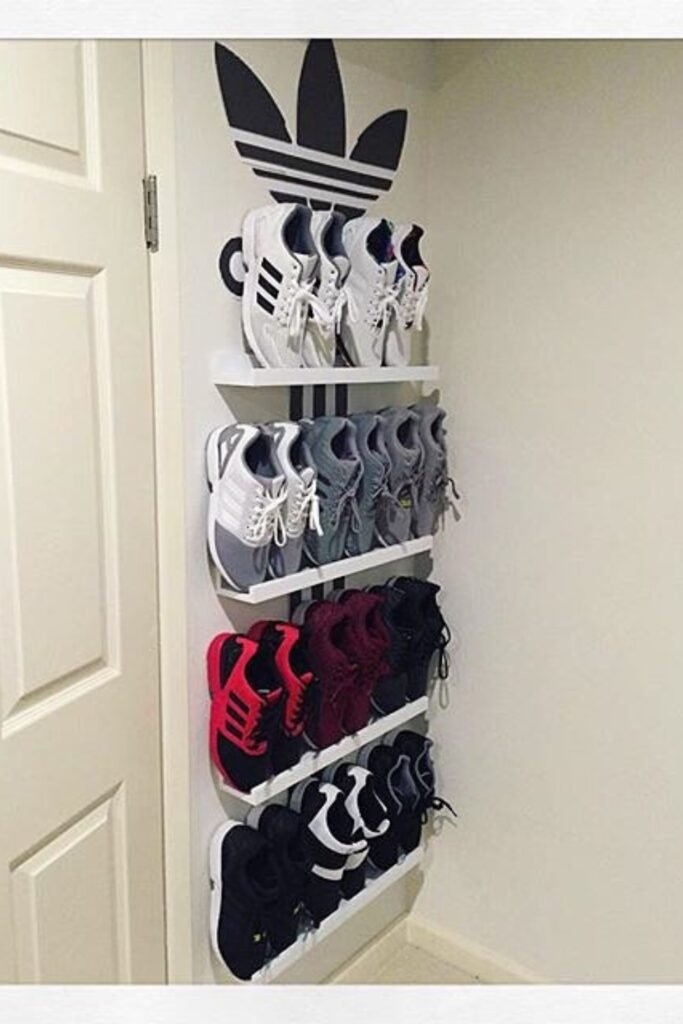
Wall-Mounted Sneaker Bars
Wall-mounted bars keep sneakers elevated and visible, making this setup a smart solution when floor space disappears in small modern apartments.
The slim rails suit athletic shoes perfectly because the soles rest securely while the wall remains open, helping the corner feel light and uncluttered.
Install by fixing sturdy metal or wooden bars horizontally, spacing each row for different shoe sizes, and aligning everything to create a clean vertical display.
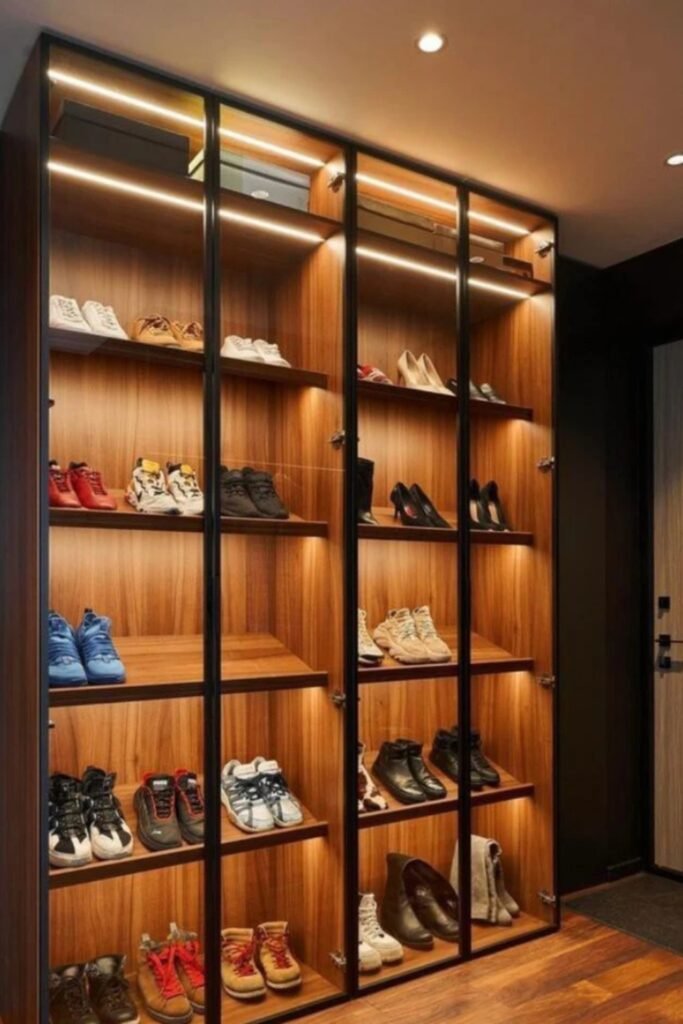
Custom-Lit Wall Cabinet
A dramatic wall cabinet gives your shoes a boutique feeling, and the warm lighting highlights every pair clearly without wasting space.
Adjustable wooden shelves help you sort sneakers, heels, and boots separately, so everything stays accessible when you leave quickly every morning.
Try this tall design beside an entryway or bedroom wall to keep shoes neat, protected, and organized while still displaying your collection beautifully.
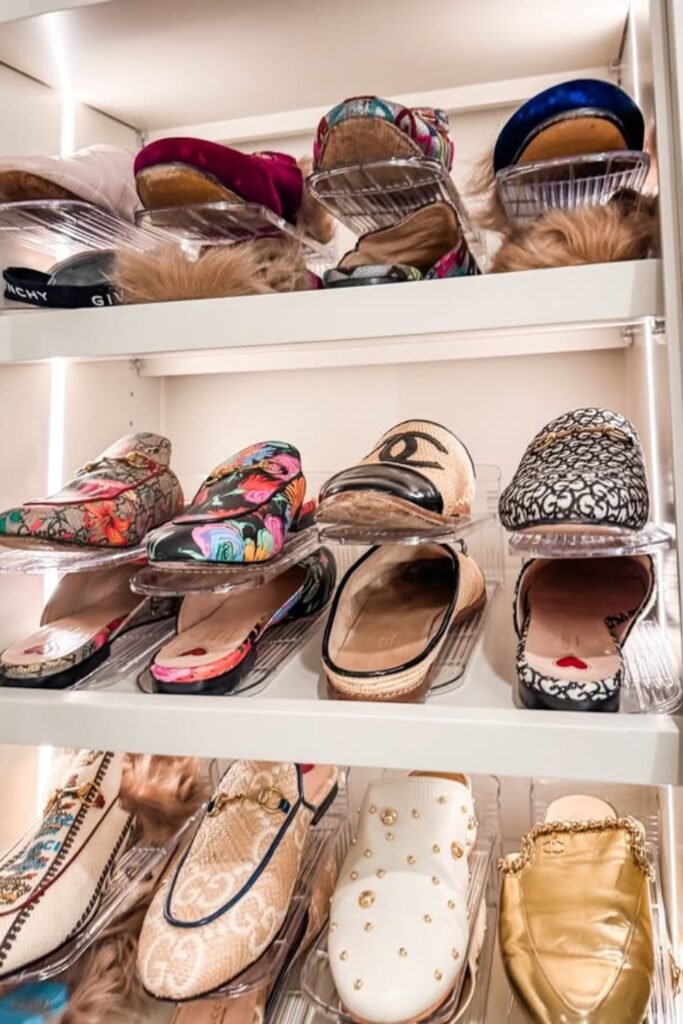
Double-Level Shoe Risers
These clear risers instantly double your shelf capacity, allowing pairs to sit forward neatly without crowding or becoming hidden behind others.
Each riser lifts the second shoe upward, which keeps shapes intact and helps you view patterns, colors, and textures at a single glance.
Use this setup in closets with limited depth to maximize every inch while maintaining a polished, evenly spaced layout that feels effortless.
Soft-Lit Closet Shelving
Soft LED strips brighten each shelf, making morning outfit choices easier because every pair stands out with clean, shadow-free visibility.
This lighting blends seamlessly with white cabinetry, giving a luxury showroom look while keeping your collection protected behind glass panels.
Perfect for larger closets needing both display and storage, especially when you want shoes, handbags, and accessories presented in one cohesive system.
Tall Modular Tower
This modular tower works well for tight corners or narrow entry spots, stacking upward instead of consuming precious walking space.
Open shelves keep airflow moving so shoes dry quickly, reducing odors and preserving materials while still looking streamlined and intentional.
Ideal for apartments where vertical storage solves clutter instantly, giving you a light, tidy solution without heavy furniture.

Color-Sorted Display Shelves
Color-sorting turns your shoe wall into a functional statement piece where every row looks tidy, intentional, and easy to scan quickly.
Each cubby holds a category, letting you group heels, sandals, and boots logically while preventing pairs from collapsing against each other.
This layout works best in bedrooms with open shelving, especially when you also store bags and accessories beside your footwear.
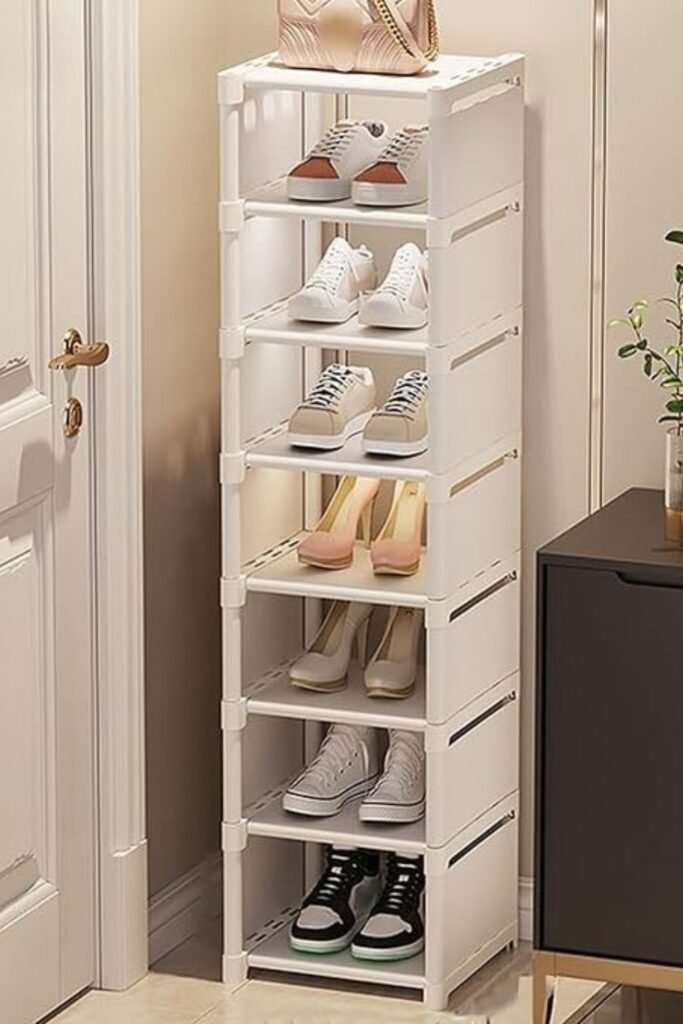
Flip-Out Bench Storage
A flip-out bench keeps shoes hidden until needed, giving you a seating spot and organized compartments in one smart structure.
Each tier rotates outward, letting you grab pairs without bending deeply or digging through piles during busy mornings.
Place this near your front door to simplify daily routines and store both sneakers and heels compactly within a clean wooden frame.
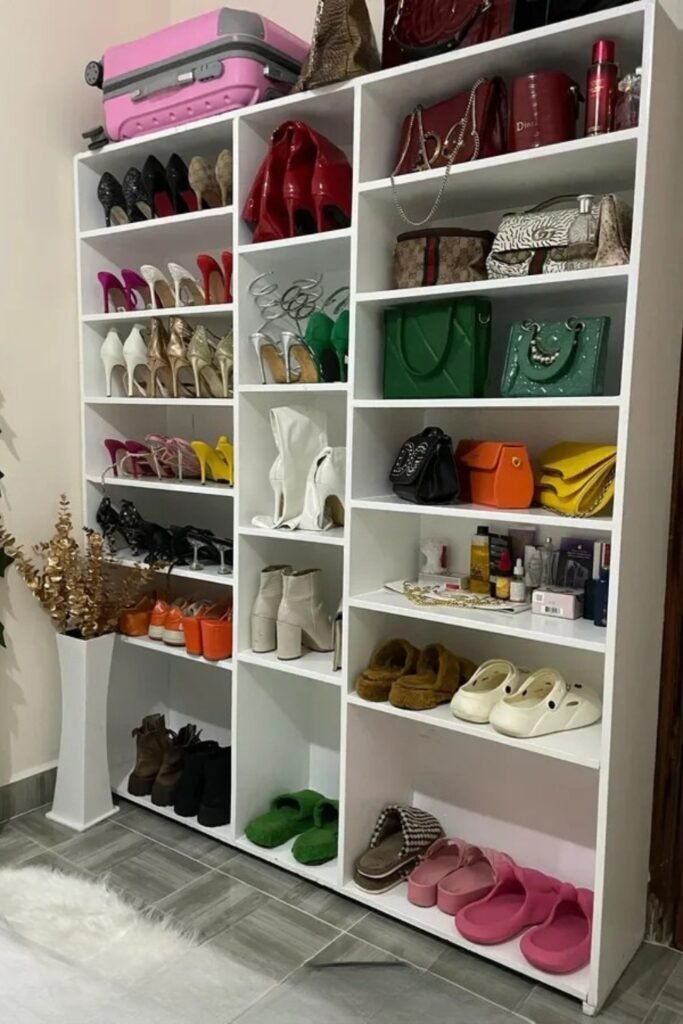
Hidden Tilt Compartments
A smart idea for anyone tired of shoes piling near the door, because these tilt-out compartments hide everything cleanly while keeping pairs easy to grab.
You can recreate this by choosing a slim cabinet and adding divided tilt panels, letting each section hold several pairs neatly inside.
This works best in entryways where you need quick access, and the closed fronts maintain a polished look without constant visual clutter.
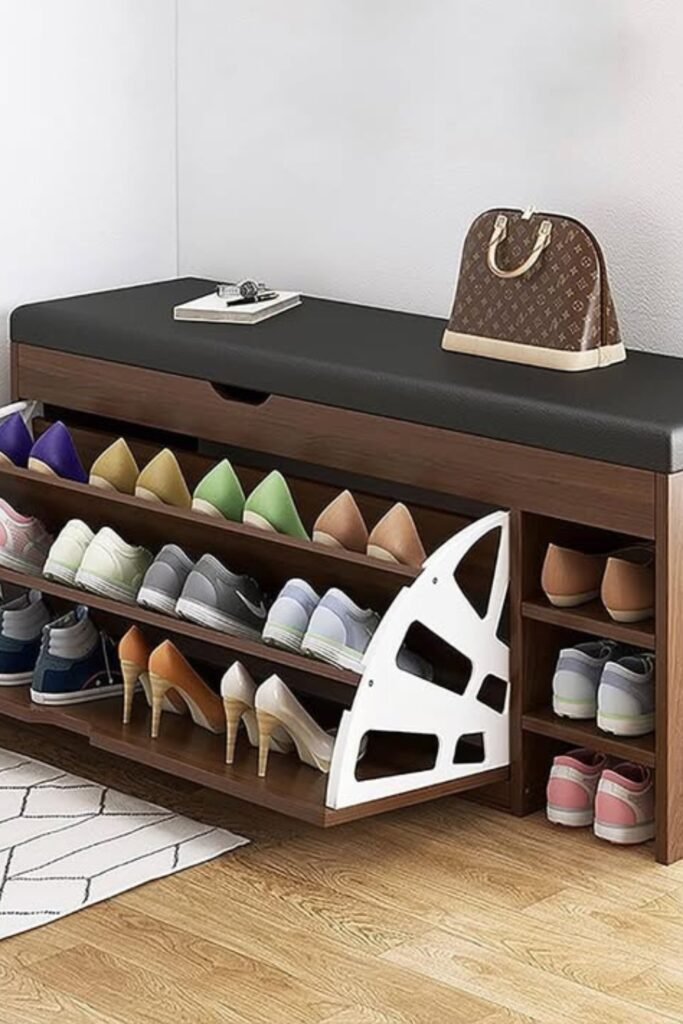
Wall-Mounted Family Station
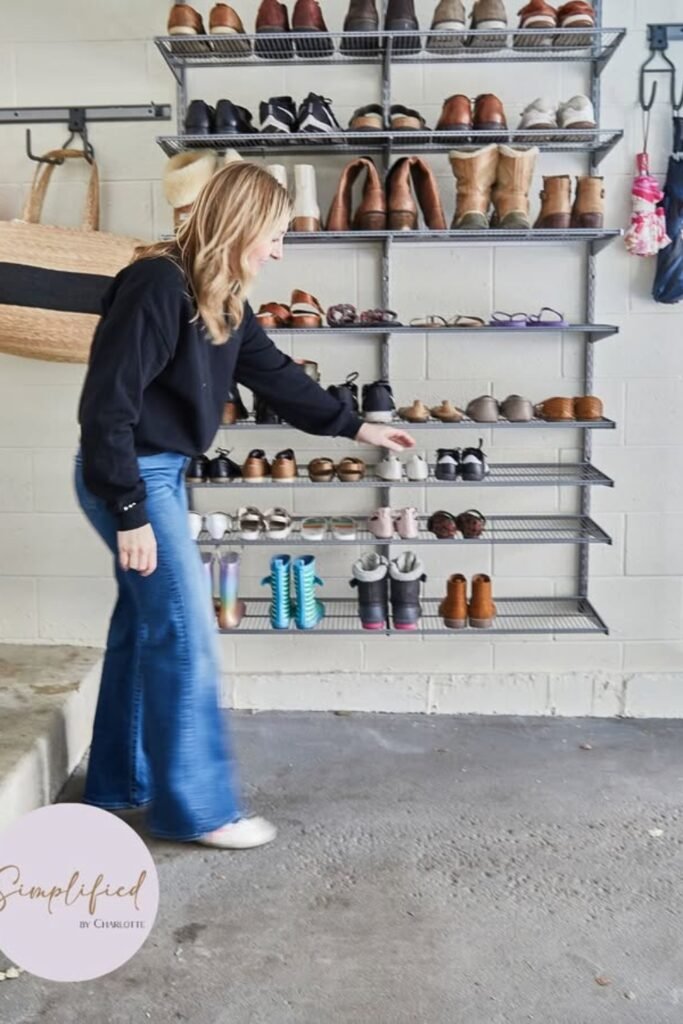
A wall system like this helps families who struggle with scattered shoes, because each shelf becomes a natural landing zone everyone can follow daily.
Install simple metal racks along one wall in your garage or mudroom, adjusting shelf heights to fit boots, sneakers, or kids’ shoes easily.
This works beautifully in high-traffic homes where you want durable storage that stays off the floor and frees walking space instantly.
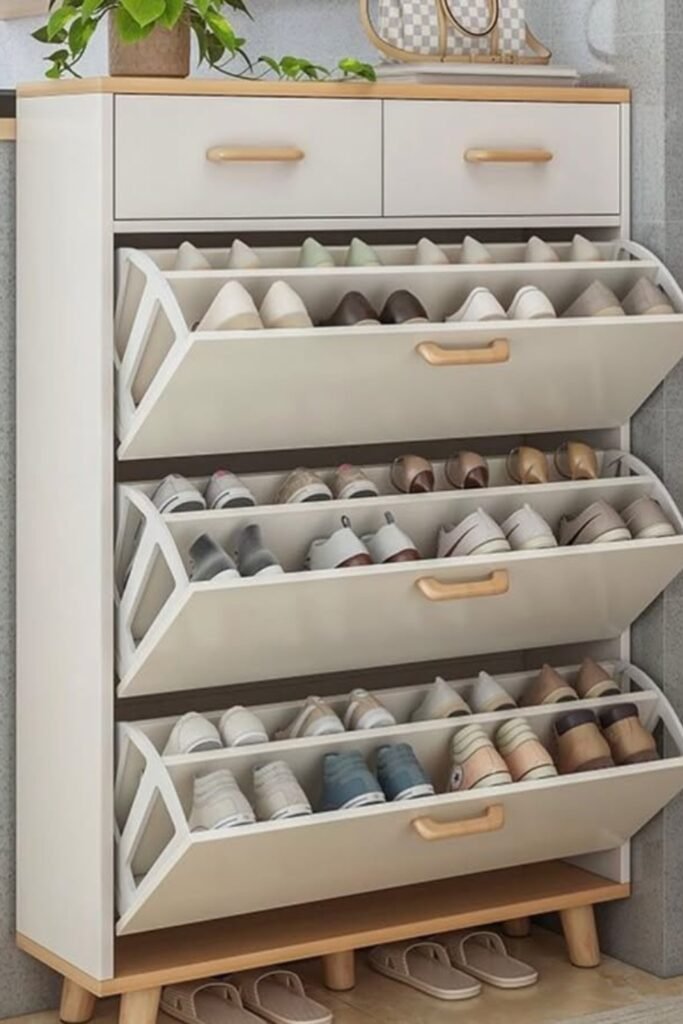
Corner Closet Display
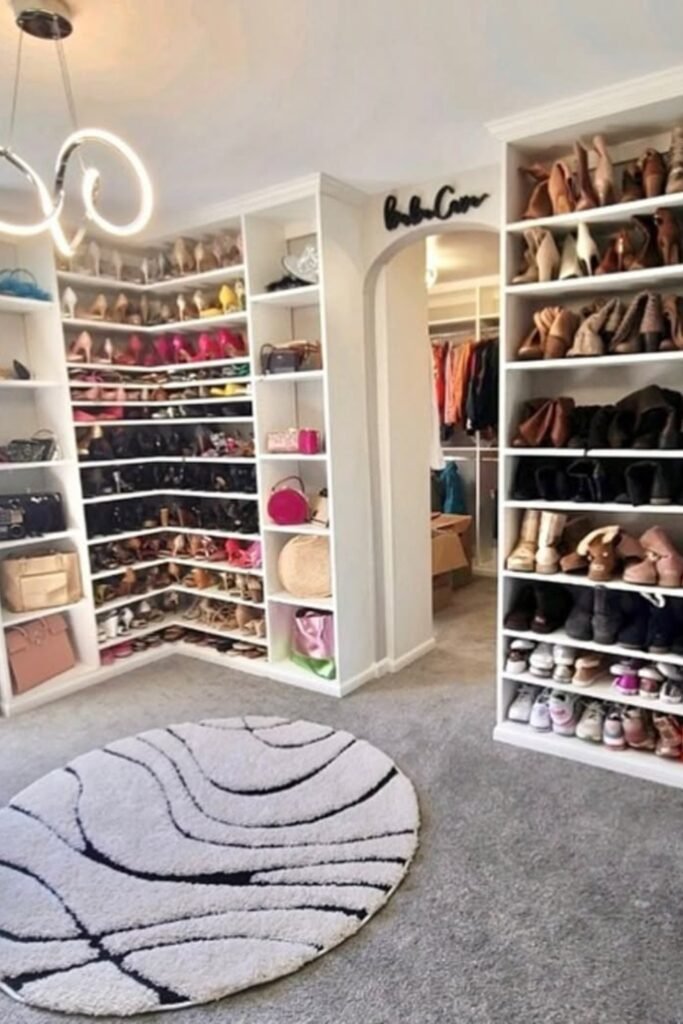
Corners often go unused, so turning one into a full shoe wall gives you extra storage without expanding your closet footprint.
Build shallow shelves that wrap the corner, keeping pairs visible and sorted by category so mornings feel quicker and more organized.
It works best in walk-in closets where you need maximum vertical space and want shoes displayed without feeling cramped or stacked.
Built-In Cabinet Tower
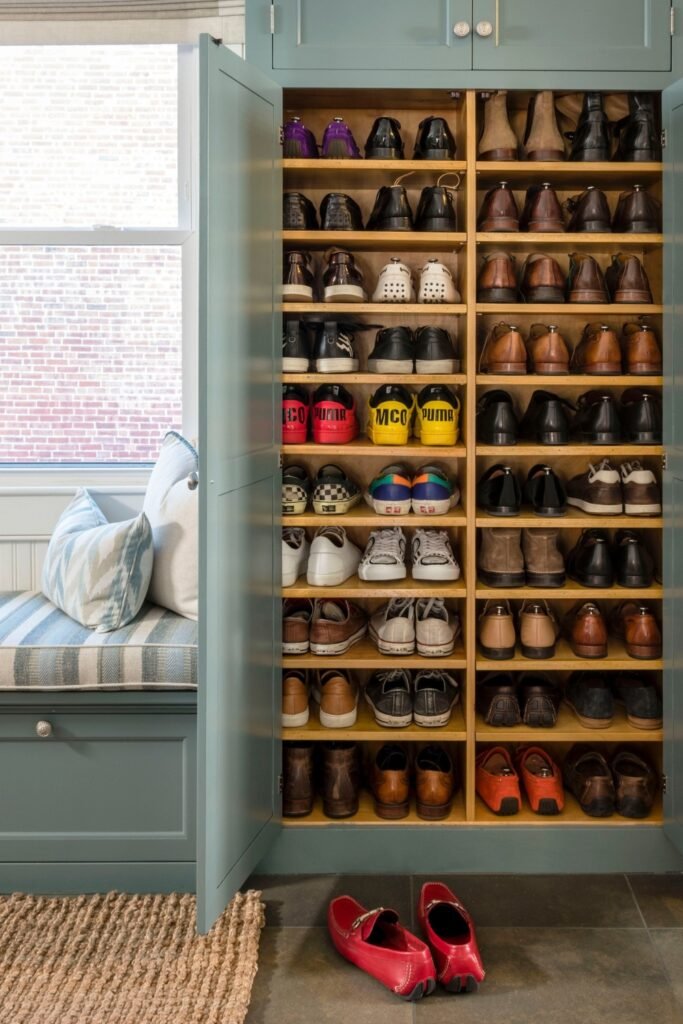
A tall enclosed cabinet like this solves the problem of dusty shoes, using narrow adjustable shelves to fit every type from sneakers to heels.
Recreate it by converting an existing cupboard into shoe storage, adding more shelves so every pair stands upright and stays protected.
It works well in hallways or mudrooms where you prefer a closed system that keeps everything hidden but still easy to access.
Under-Stair Drawer Storage
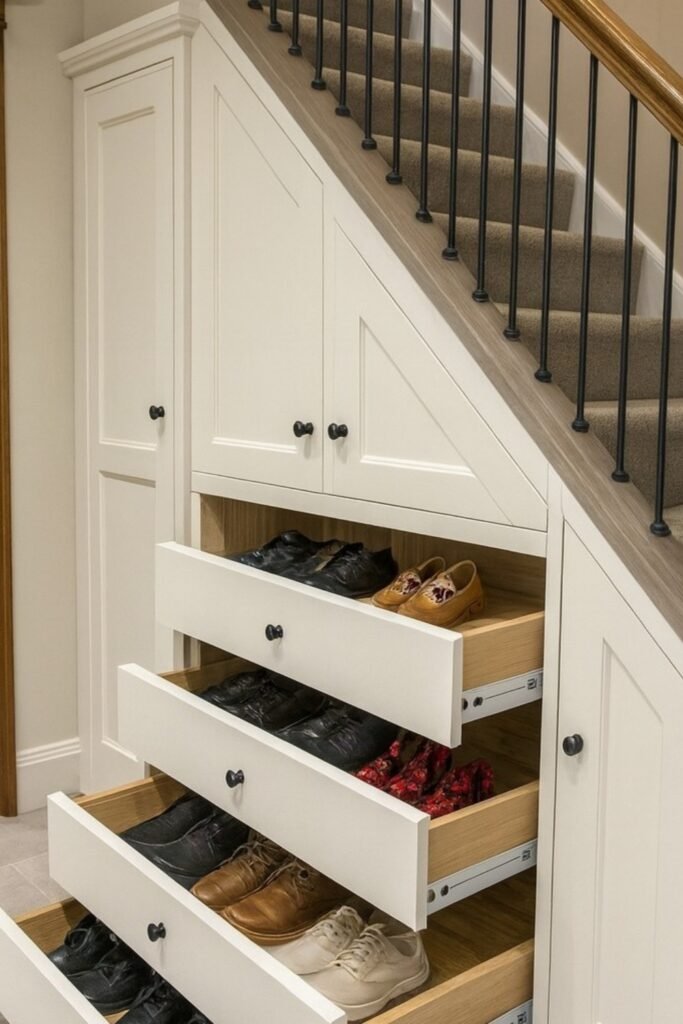
Unused stair space becomes valuable storage when turned into smooth sliding drawers that keep shoes separated and tucked away cleanly.
A carpenter can build custom drawers sized for pairs, letting you slide out full rows without bending, digging, or shifting piles around.
This setup is perfect for small homes needing hidden solutions, especially near entry points where shoes accumulate quickly without structure.
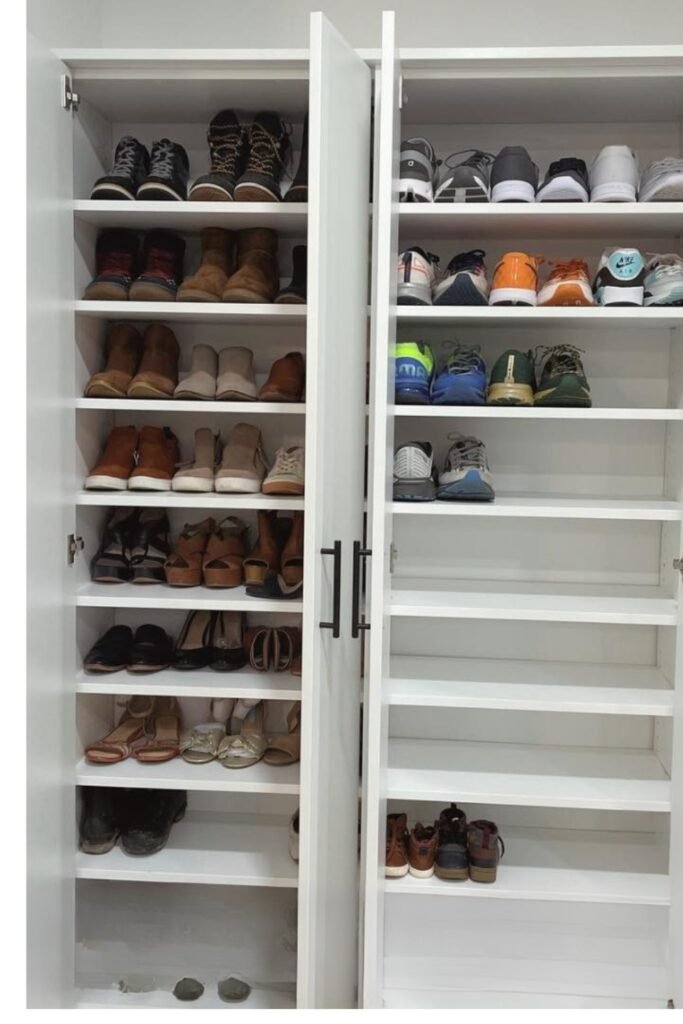
Double-Door Shoe Pantry
This double cabinet gives anyone a chance to organize by season or category, using wide shelves that hold multiple rows without overcrowding.
You can recreate it with two tall bookcases or custom cupboards, adjusting each shelf so taller boots and everyday shoes fit comfortably.
It works best in laundry rooms, mudrooms, or spare hallways where a full-height storage piece can keep the space calm and clutter-free.
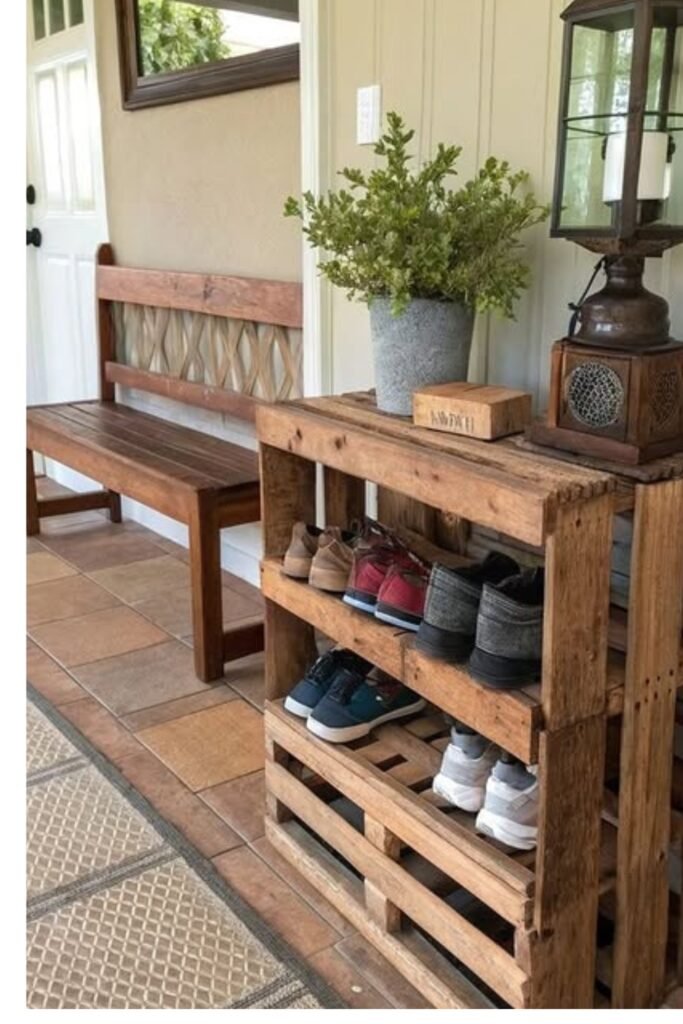
Pallet Rack Entry Spot
Crafting a spot that handles daily pairs easily becomes simple when you stack pallets into a sturdy hallway shoe station.
Short depth works perfectly in tight entryways, letting families drop off pairs quickly.
Seal the wood for smoother surfaces and add felt pads underneath to prevent floor scratches.
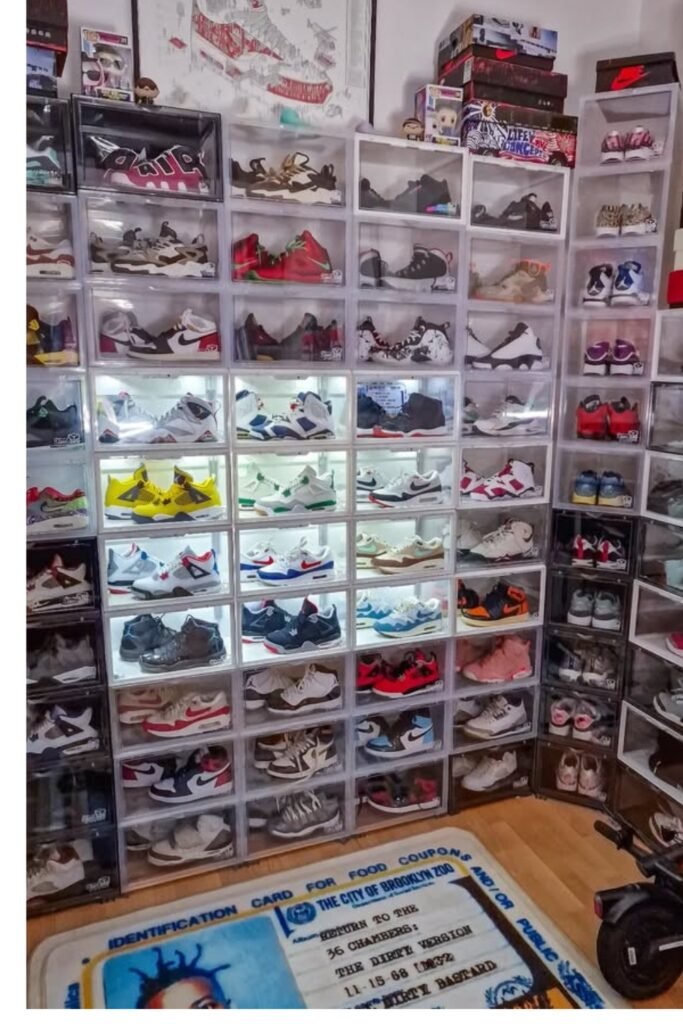
Sneaker Wall Display
Nothing beats a clean grid when you want a sneaker room that shows every pair clearly without visual clutter.
Stackable clear boxes create rows that fit any corner, keeping colors visible and dust under control.
Label each box front to speed up morning choices and maintain a polished collector-style layout.
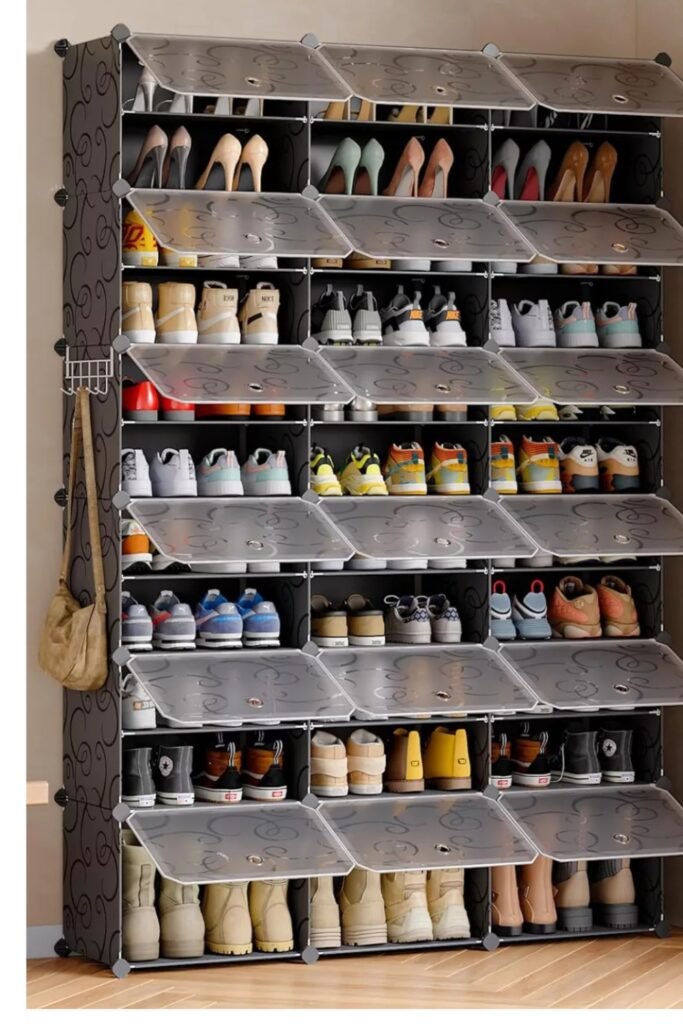
Multi-Tier Flip Cabinet
A compact cabinet with forward-tilting compartments gives tight hallways a smart way to hold many pairs invisibly.
This setup suits renters wanting storage without permanent fixtures or bulky shelves.
Choose matching handles and soft-close hinges to make each tilt panel open smoothly while keeping shoes upright.
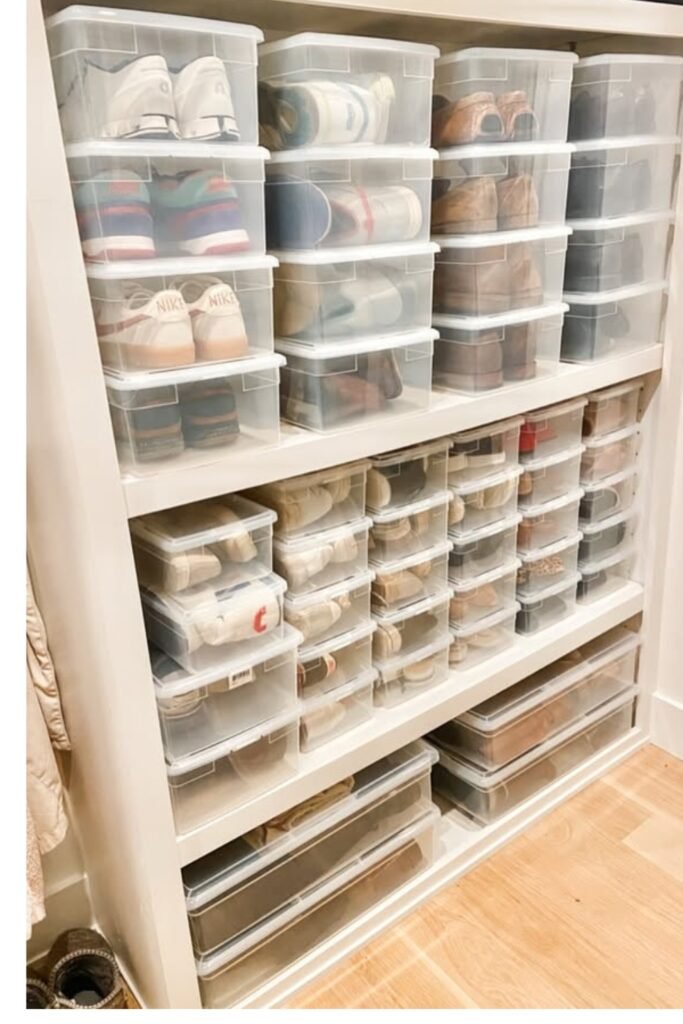
Boxed Closet System
When you need uniform order quickly, stacking transparent shoe boxes on built-in shelves delivers a clean and flexible setup.
This method works well in shared closets where everyone needs their own section.
Measure shelf depth first to ensure boxes slide easily and leave enough clearance for fast access.
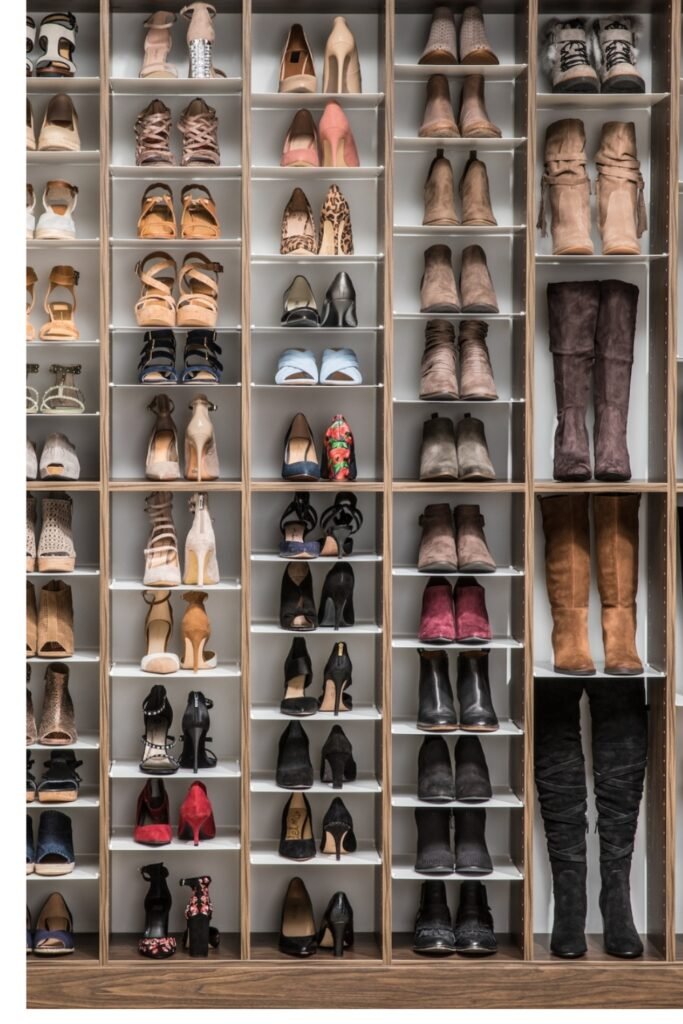
Slim Cubby Grid
A narrow cubby grid brings structure to tall closets by giving every pair its own upright slot without wasted space.
This layout suits collections with heels, boots, and sandals that need separation to hold their shape.
Adjust shelf heights based on shoe type so taller boots get deeper compartments and delicate pairs stay supported.
Cabinet Island Storage
A center-style wardrobe island offers quick reach from both sides, keeping shoes visible while blending with a luxury closet layout.
Perfect for larger dressing rooms where you want storage and pathway space together.
Use soft LED strips under each shelf to brighten darker footwear and create a boutique feeling instantly.
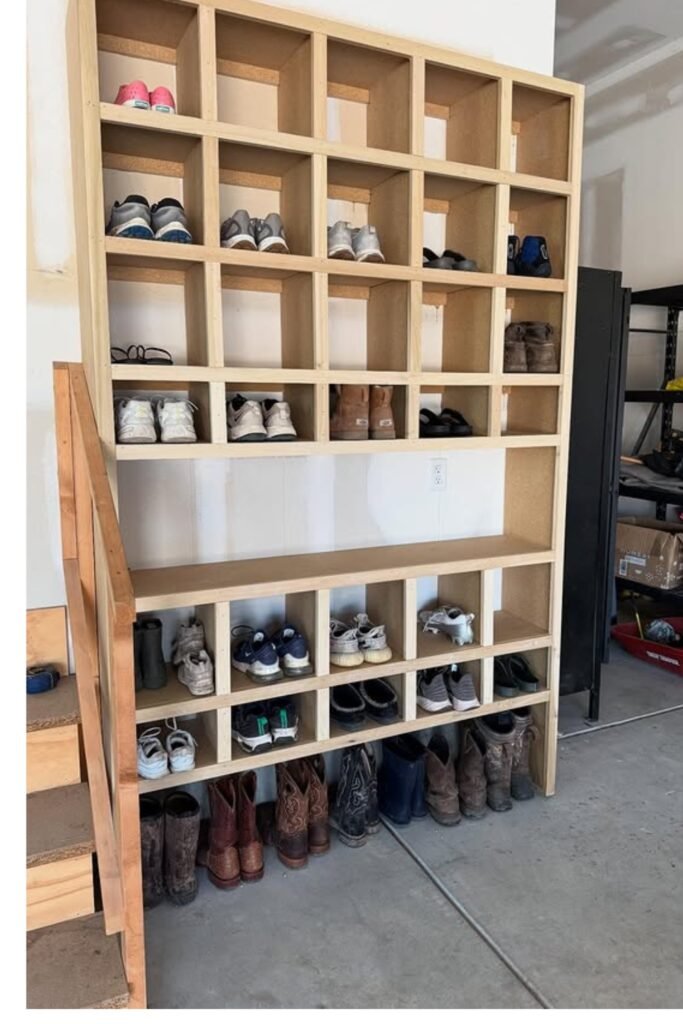
Garage Cubby Shelf
A cubby-style shelf works well when everyone needs a clear personal spot, making shoes easy to grab without digging through messy piles daily.
You can set this up in a garage by cutting equal dividers, securing them vertically, and adjusting each section to fit boots or sneakers effortlessly.
Build it using plywood sheets, screw everything tightly, sand edges smooth, and leave the bottom open for tall work boots storage.
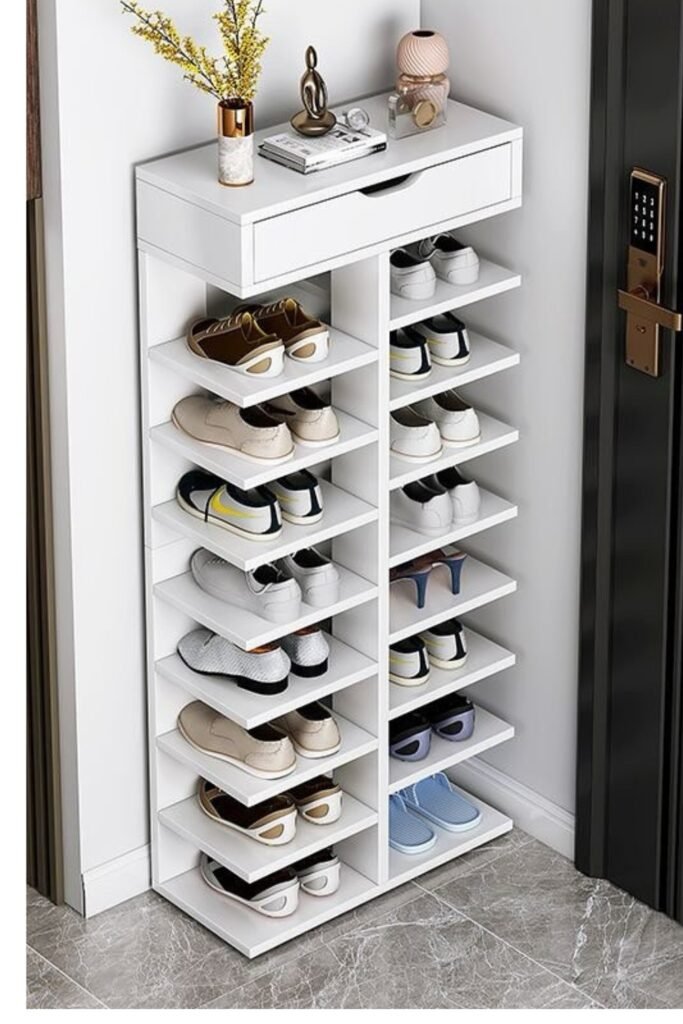
Slim Entry Shoe Tower
A slim tower helps you use narrow entry corners wisely, giving every pair its place without blocking walking space or creating clutter.
You can recreate this by cutting equal shelves, adding a center divider, and securing everything tightly to prevent tilting on compact floors.
Include a small top drawer for keys or daily items, and keep lower shelves spaced slightly taller to handle bulkier winter shoes.

Hi, my name is Ali Mehmood! I’m a passionate writer and DIY enthusiast who loves turning creative ideas into practical, hands-on projects.
I created this website to share inspiring, budget-friendly ideas that you can do yourself – whether it’s organizing your home, crafting something unique, or creating fun projects for kids and pets.
I believe DIY isn’t just a hobby – it’s a smart way to save money, reduce waste, and enjoy the satisfaction of making things with your own hands.
I’m excited to have you as part of this growing community, and I’ll continue bringing you helpful, realistic, and fun DIY ideas you can actually use.