This post may contain affiliate links: read full affiliate disclosure.
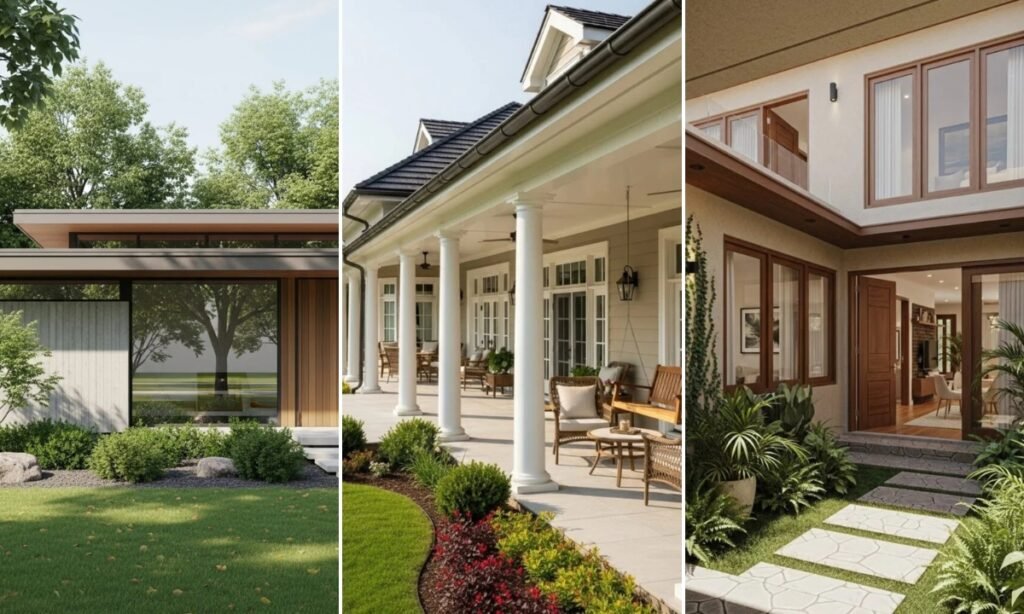
Container homes are no longer just a trend – they’ve become a smart, flexible way to build modern housing.
Made from repurposed shipping containers, these homes offer faster construction, lower costs, and creative design freedom that traditional houses often lack.
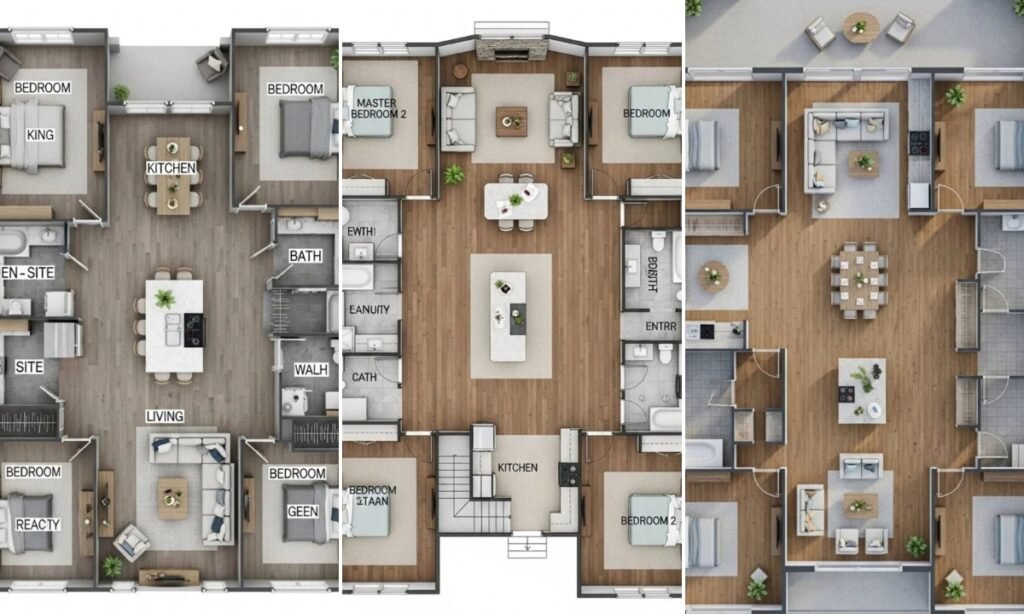
In this article, you’ll explore 33 unique container home ideas that go beyond basic designs.
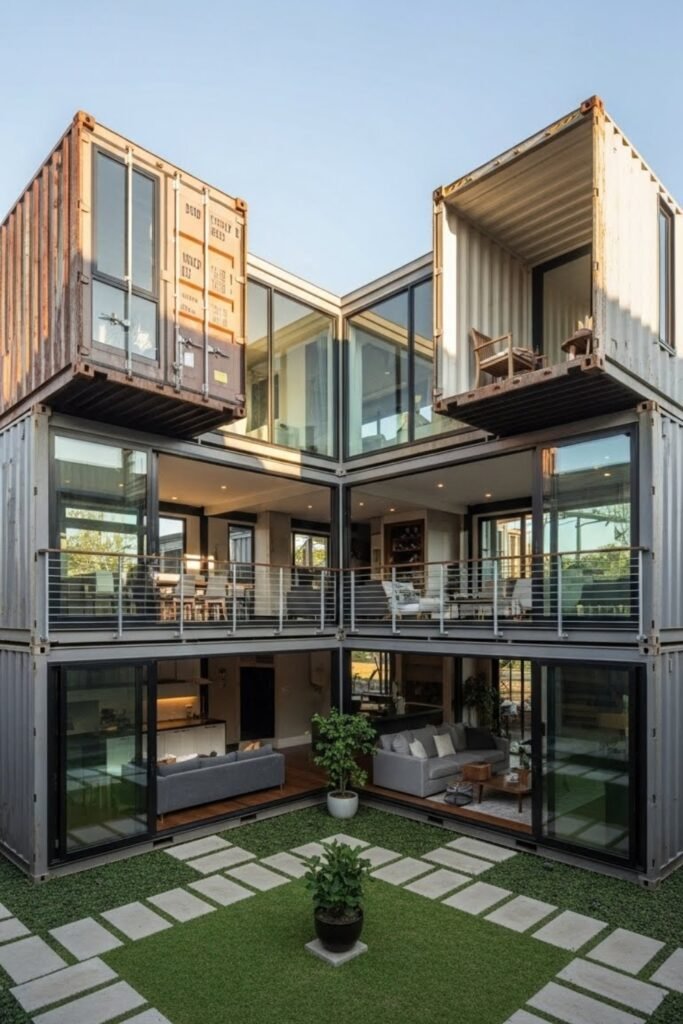
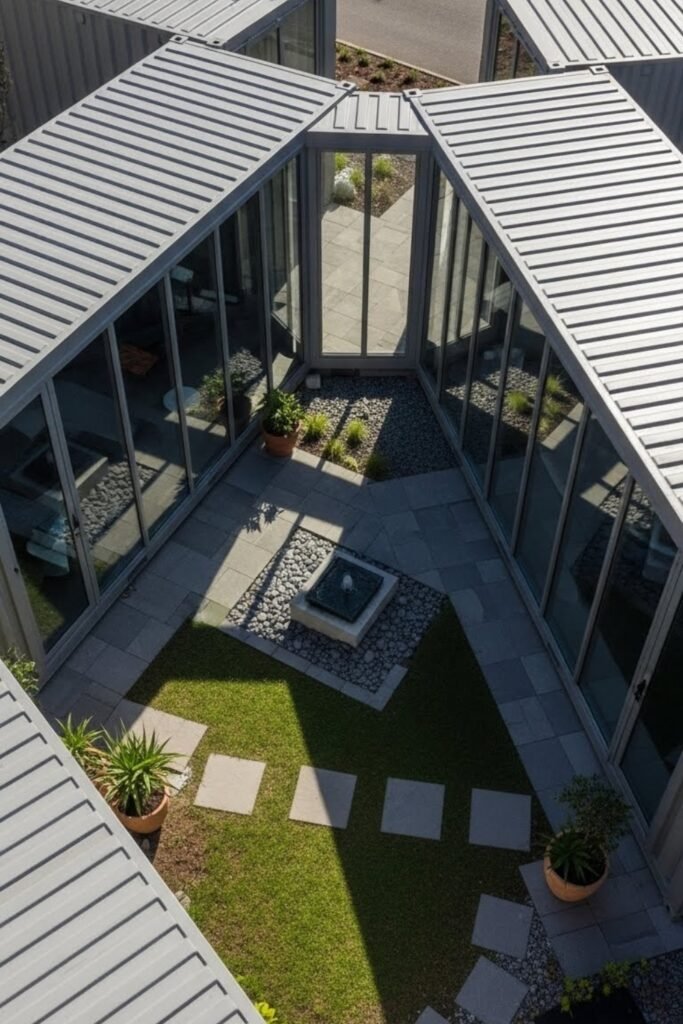
Courtyard Stack
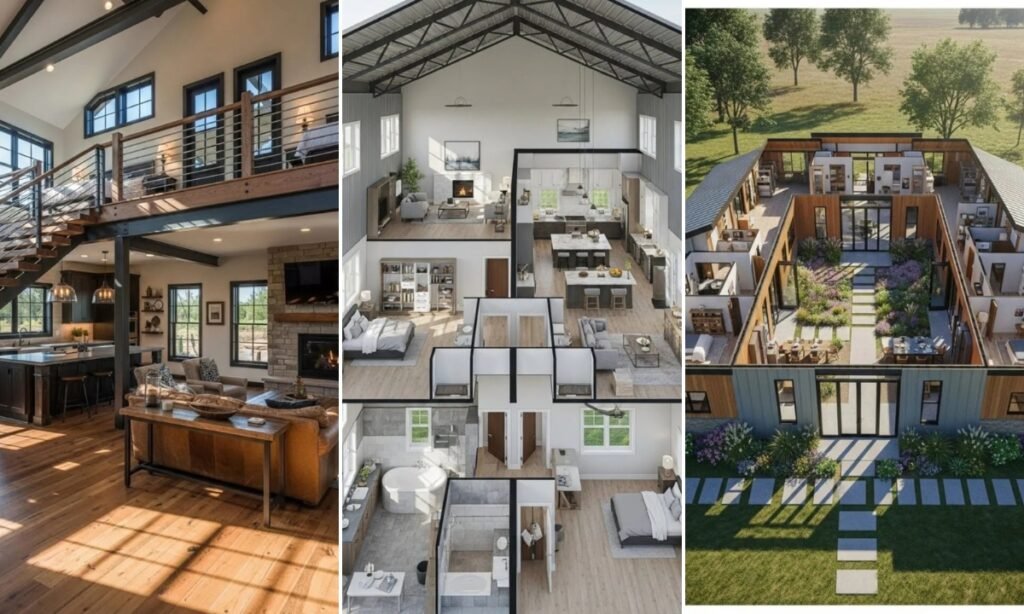
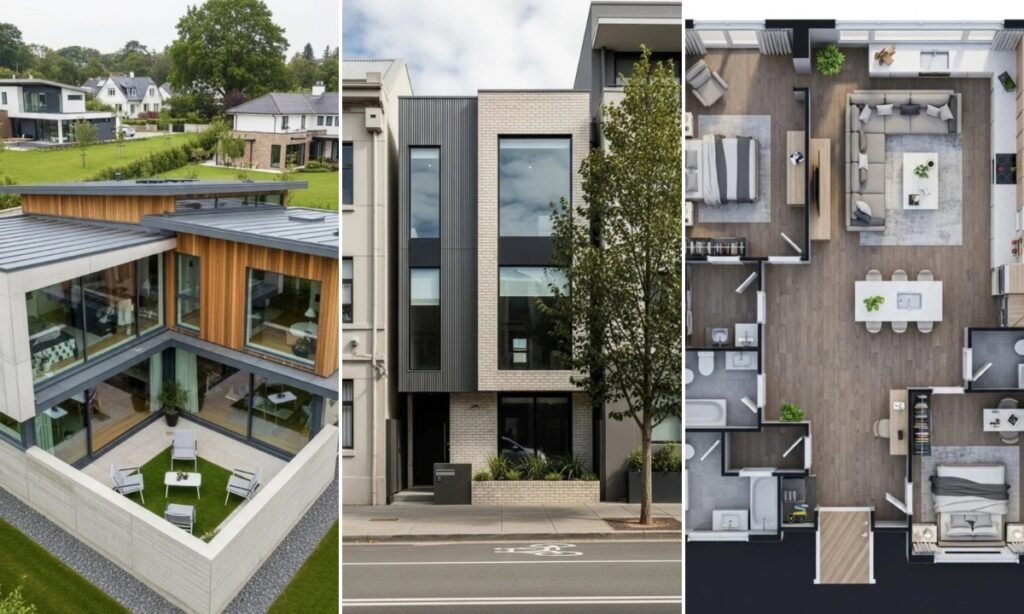
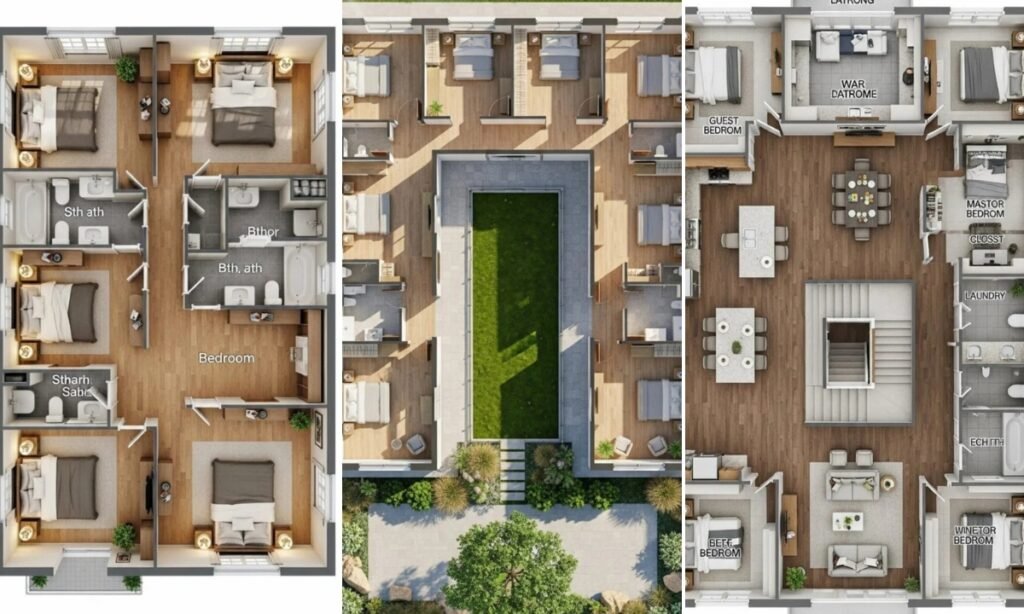
This container home wraps living spaces around a central open courtyard, creating privacy while keeping everything naturally bright. The courtyard becomes the heart of the house, improving airflow, daylight, and outdoor connection.
It works especially well in warm climates where shaded outdoor living is important and helps container homes feel more open and less boxy.
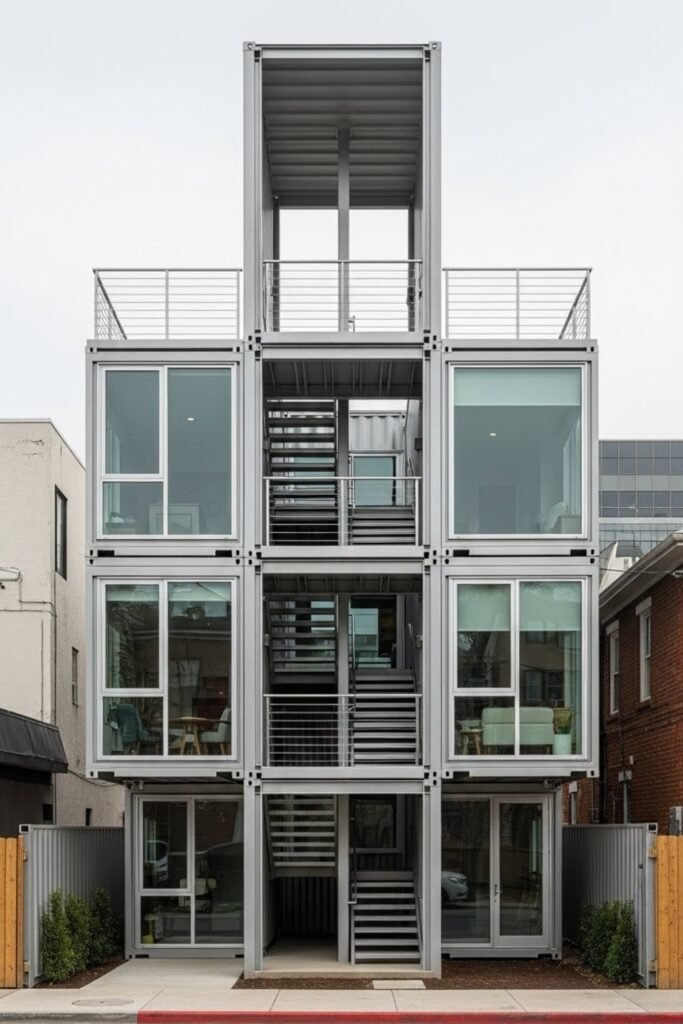
Vertical Core
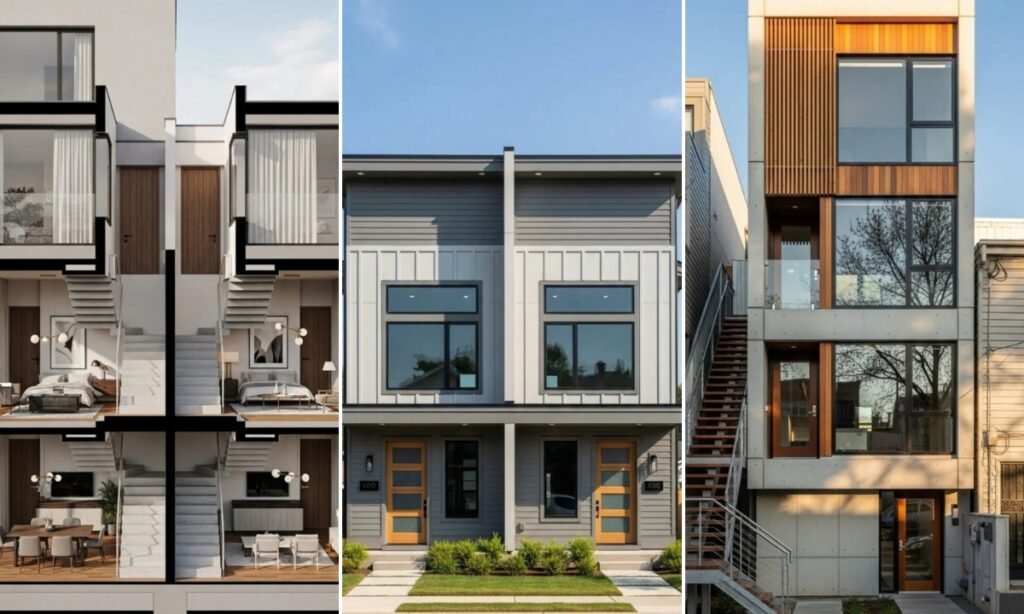
A vertical core container holds stairs, utilities, and circulation, while other containers stack and branch from it. This layout saves ground space and allows multi-story living without feeling cramped.
It’s ideal for small plots where vertical expansion is needed, and it keeps the interior layout organized and structurally efficient.
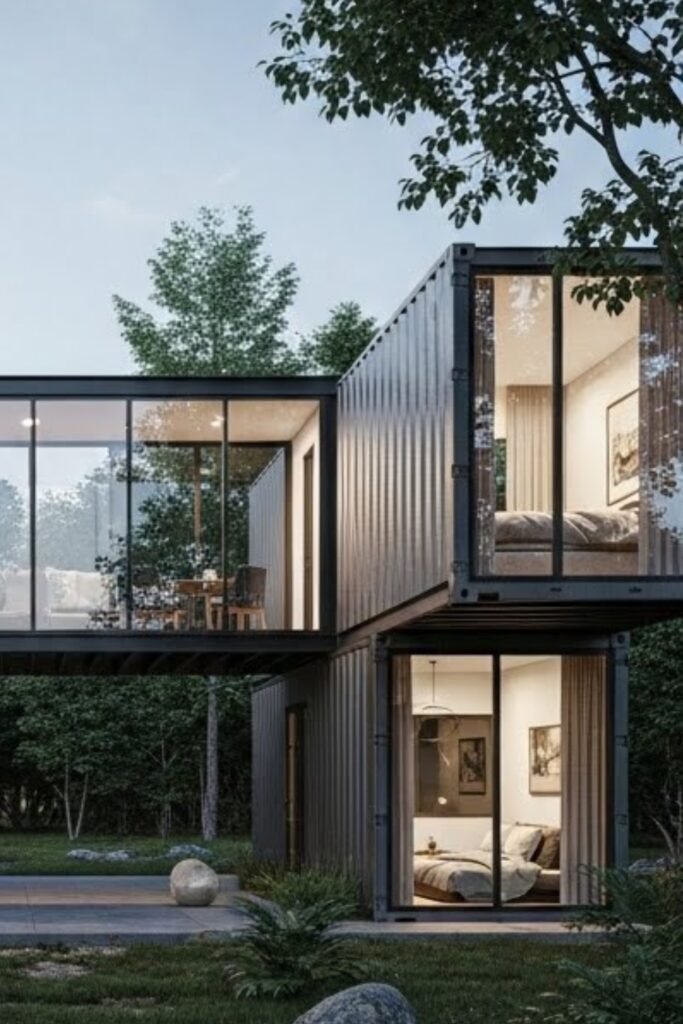
Bridge Layout
This design connects separate container blocks with a bridge-style walkway, often made of glass or steel. The open space below can be used as a garden, driveway, or seating area.
It adds visual drama and separation between private and public zones while maintaining a strong indoor–outdoor relationship.
Slope Split
Containers are stepped down a sloped site, following the natural terrain instead of flattening it. Each level gets better views, natural light, and outdoor access.
This approach reduces excavation costs and makes container homes suitable for hilly or uneven land without compromising modern design.
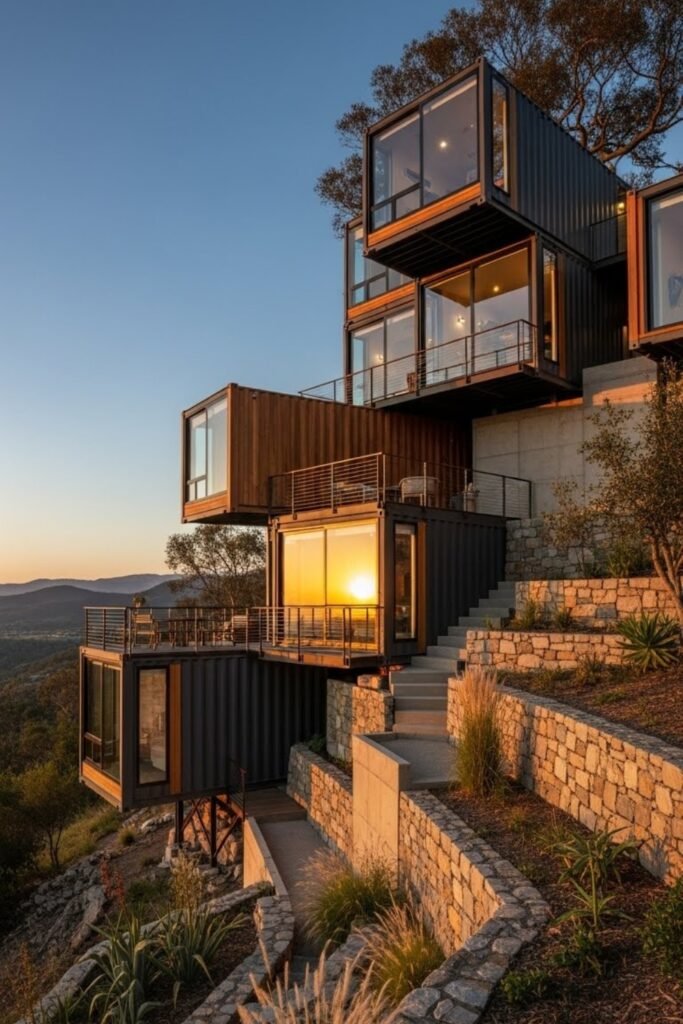
Expandable Module
This container home uses slide-out or add-on modules that allow the house to grow over time. You can start with a compact layout and add extra living or bedroom containers later.
It’s ideal for homeowners who want flexibility without rebuilding, making the home future-proof and budget-friendly.
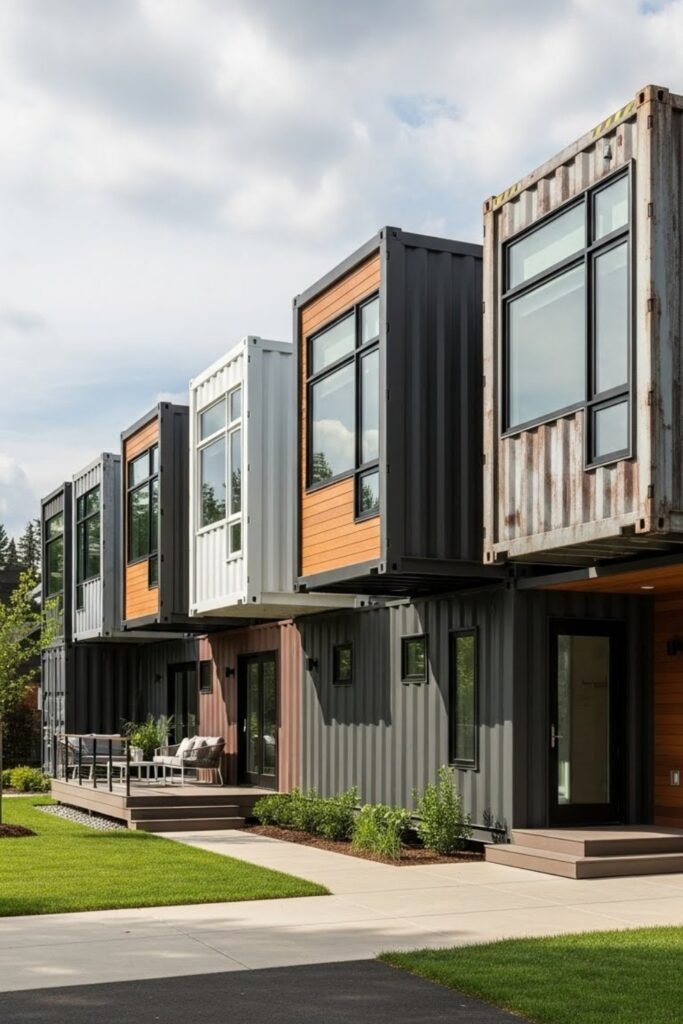
Floating Deck
Containers are lifted on columns or piers, leaving open space underneath for airflow and views. A large deck wraps around the structure, extending the living area outdoors.
This design works well in flood-prone areas or warm climates and gives the home a light, elevated appearance instead of a heavy footprint.
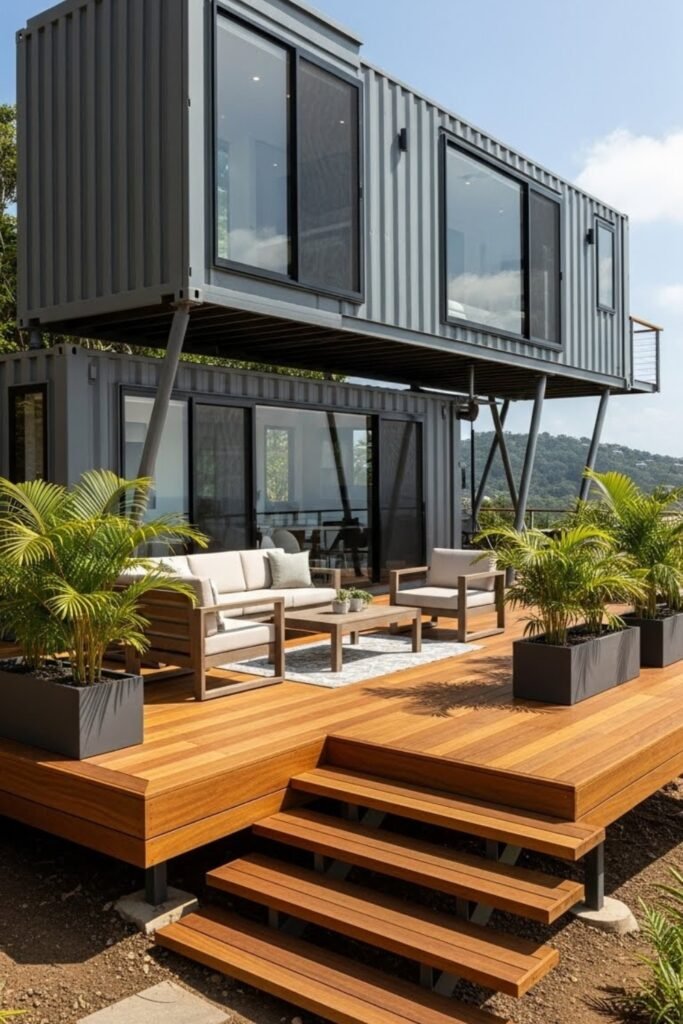
Light Atrium
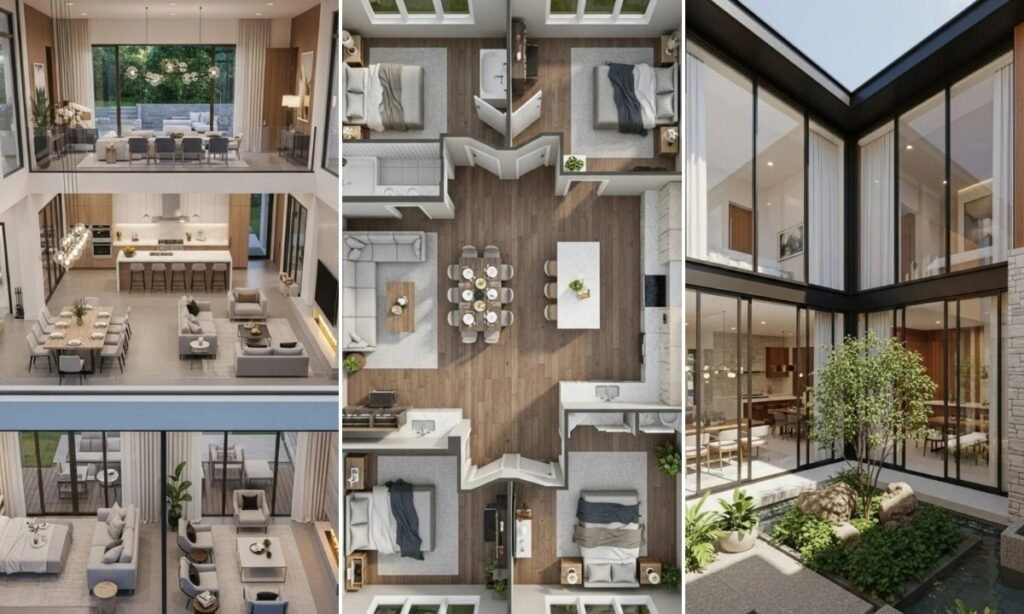
Containers are arranged around a tall interior atrium that pulls daylight deep into the home. The atrium acts as a visual focal point and improves ventilation.
It helps eliminate the dark, narrow feel container homes can have while creating a modern, open interior experience.
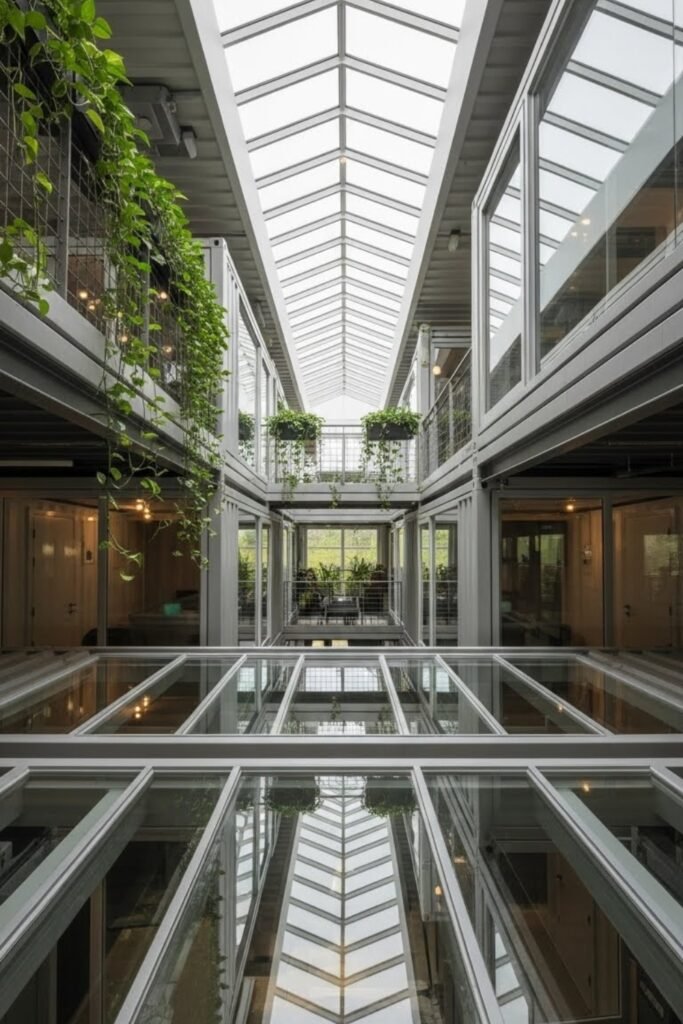
U-Shape Plan
A U-shaped container layout creates a protected outdoor zone in the center of the home. This design blocks street views while opening inward to a private garden or patio.
It’s perfect for urban or suburban settings where privacy matters without sacrificing outdoor living space.
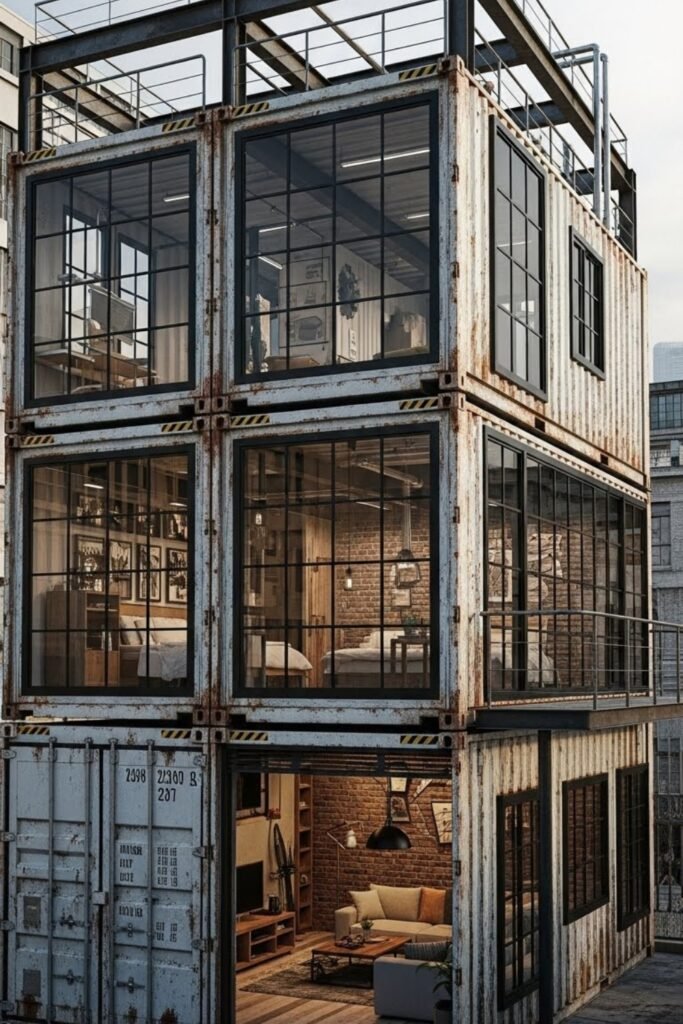
Industrial Loft
This container home embraces exposed steel, raw finishes, and open-plan interiors inspired by warehouse lofts. High ceilings and minimal partitions make the space feel larger than it is.
It’s ideal for those who like bold, urban-style living and want the container structure to remain a visible design feature
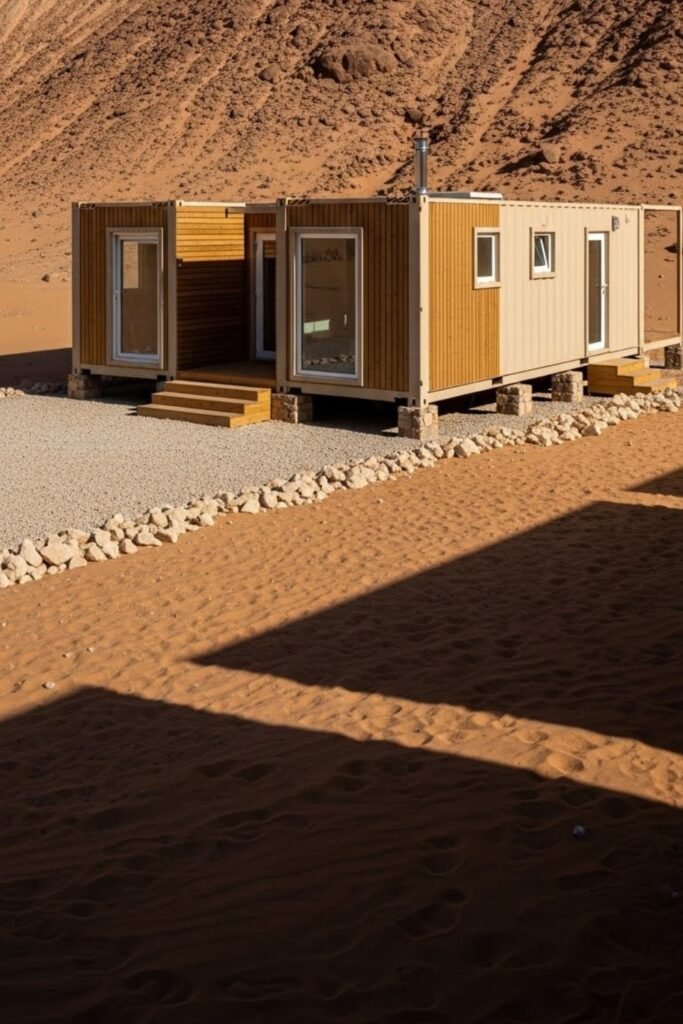
Desert Ready
Designed for extreme heat, this container home uses deep shading, narrow openings, and heat-resistant materials.
Containers are positioned to reduce direct sun exposure while promoting cross-ventilation. It’s a smart option for arid regions where temperature control and energy efficiency are critical.
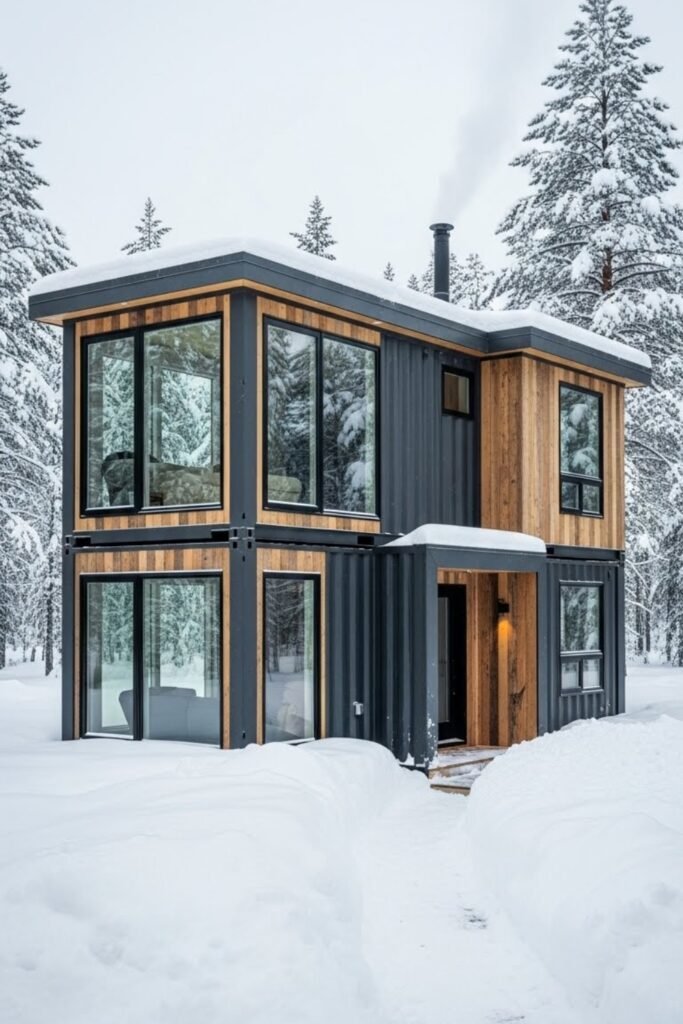
Cold Shield
This layout focuses on insulation, airtight construction, and compact heating zones. Containers are arranged to minimize exterior exposure and heat loss.
Triple-glazed windows and insulated walls help maintain warmth, making container living comfortable even in harsh winter climates.
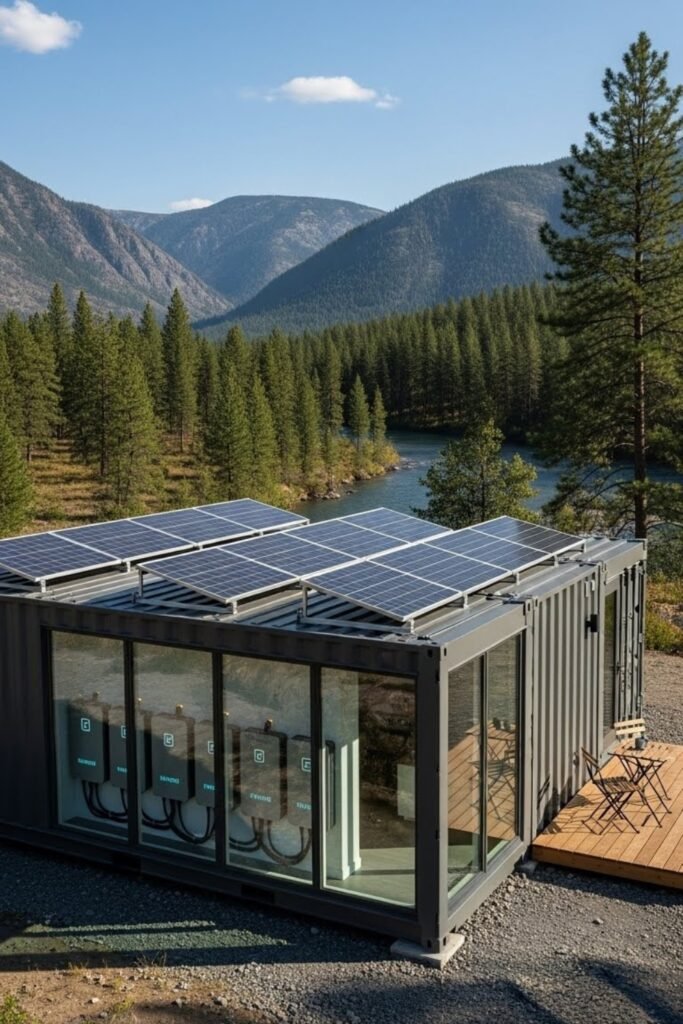
Solar Offgrid
This container home operates independently using solar panels and battery storage. Energy-efficient layouts reduce power needs, while smart systems manage electricity usage.
It’s ideal for remote locations or homeowners seeking lower utility costs and a more sustainable lifestyle.
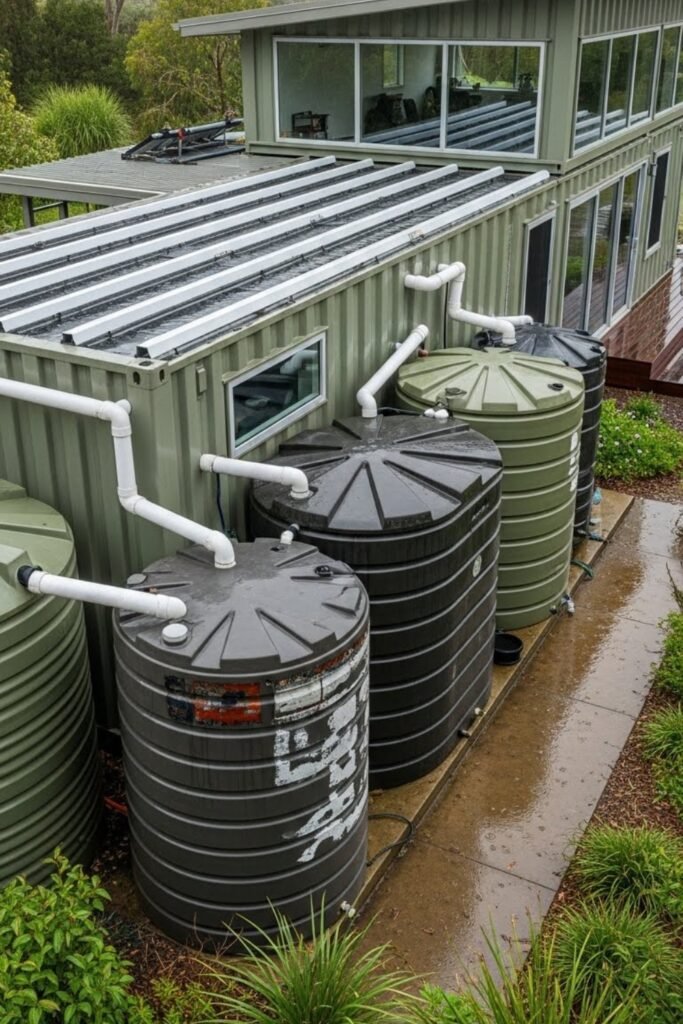
Rain Harvest
This container home integrates roof channels and storage tanks to collect rainwater for daily use.
The layout supports sustainable living by reducing dependence on external water sources. It’s especially useful in regions with seasonal rainfall and helps lower utility costs while promoting eco-friendly design.
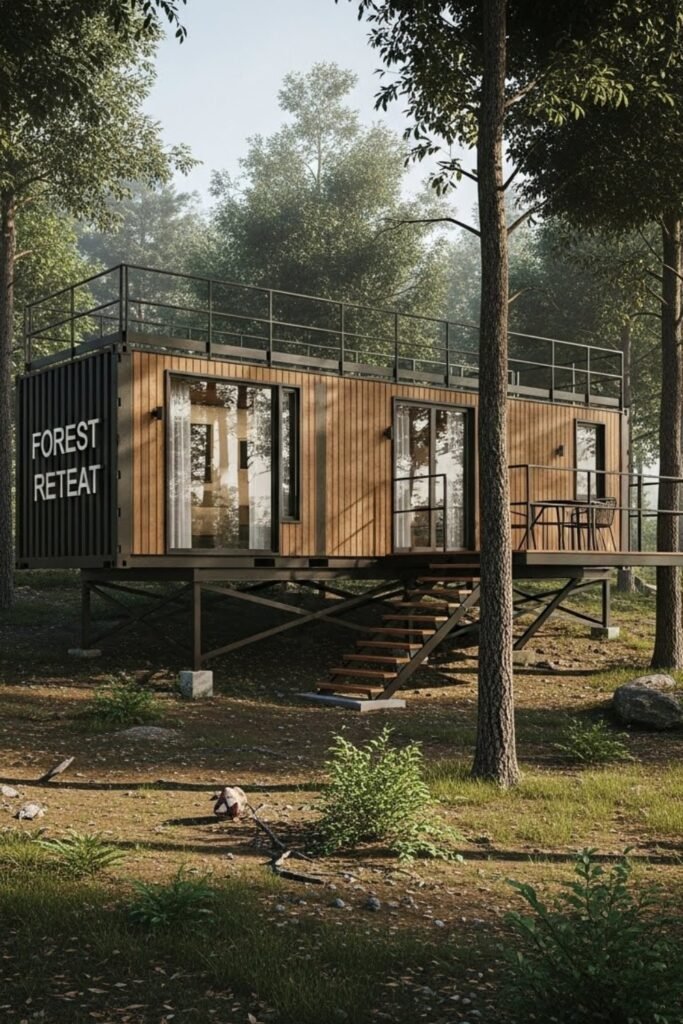
Forest Retreat
Containers are elevated and positioned to blend naturally into wooded surroundings. Large openings face the forest while the structure remains compact and discreet.
This design creates a quiet, private living space that feels connected to nature without disturbing the landscape.
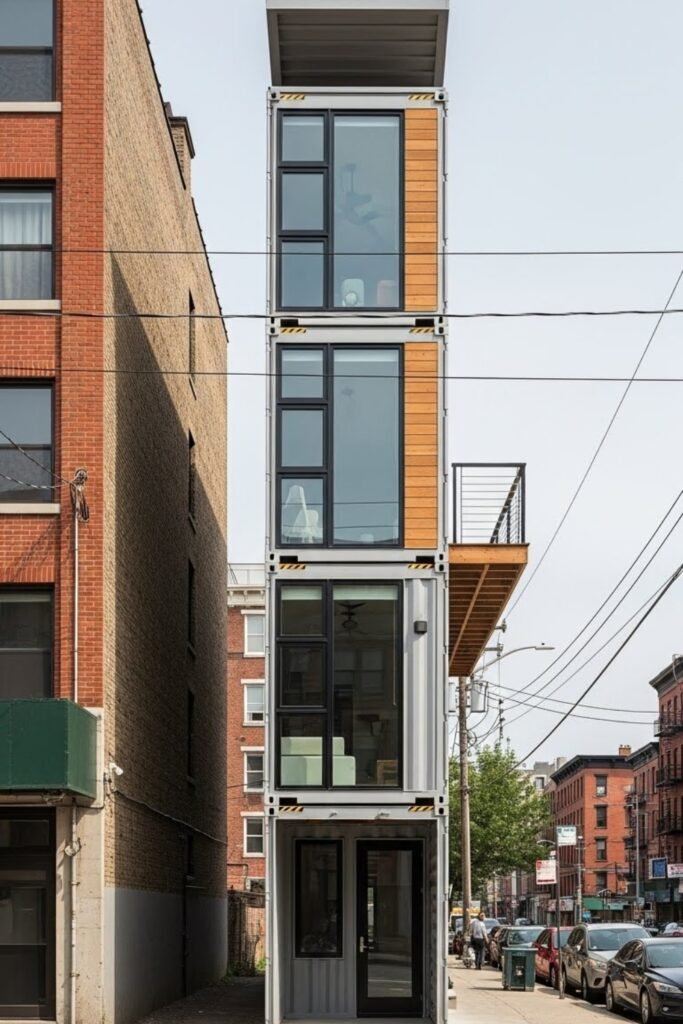
Narrow Urban
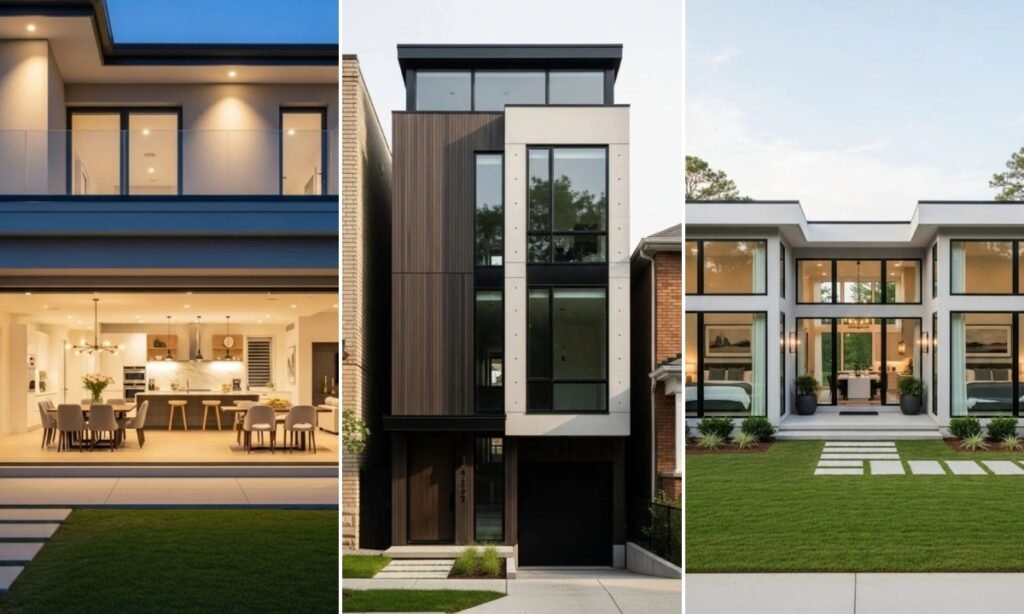
Designed for tight city plots, this container home uses a slim, linear layout to maximize usable space. Vertical stacking and smart interior planning allow comfortable living on limited land.
It’s ideal for dense urban areas where traditional homes won’t fit.
Family Compound
A family compound container home is designed for extended or multi-generation living without sacrificing privacy.
Instead of one large structure, multiple containers are arranged into separate living zones such as private bedroom units,
Shared living areas, and independent mini-suites connected by courtyards, walkways, or covered patios.
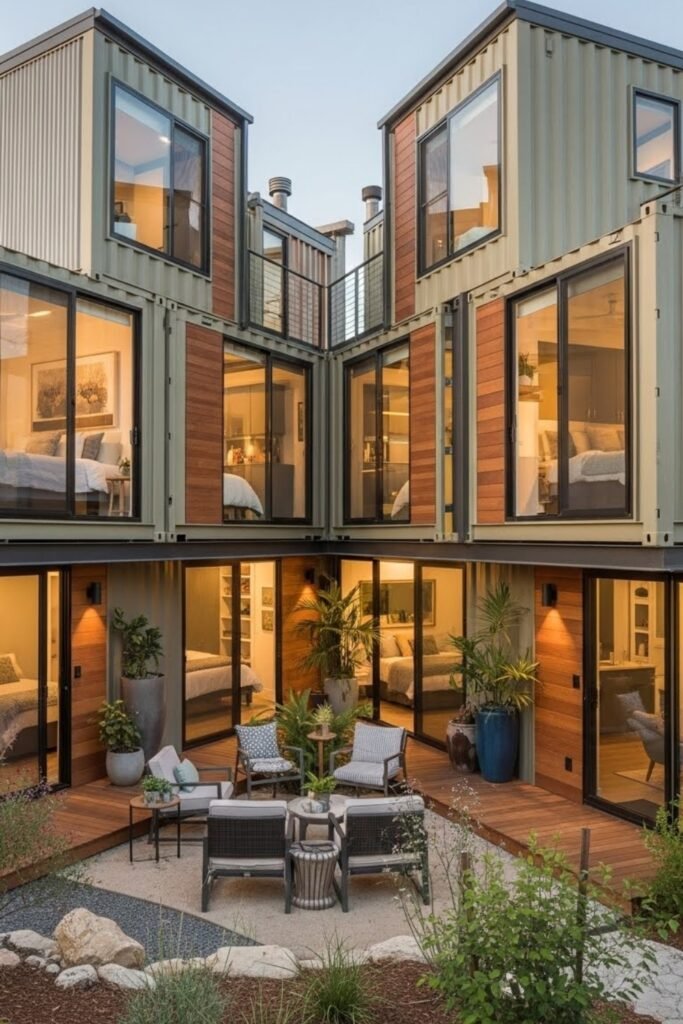
Minimal Luxury
This container home focuses on clean lines, hidden storage, and high-end finishes. Neutral colors, seamless cabinetry, and simple geometry give it a refined look without visual clutter.
It’s ideal for homeowners who want a modern, elegant home that feels calm, balanced, and intentionally designed.
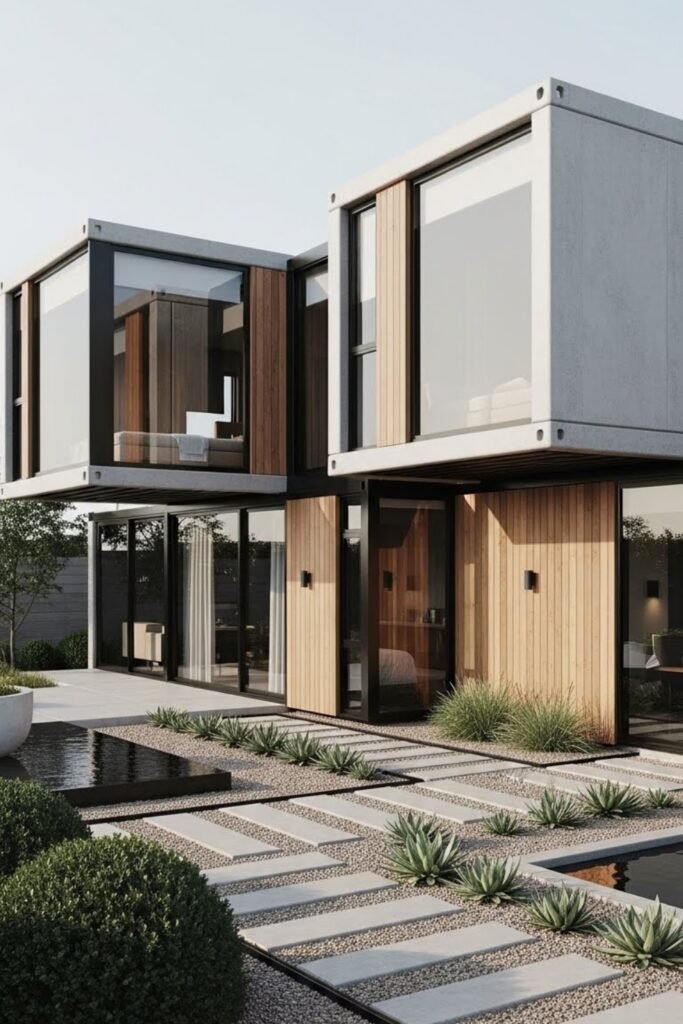
Studio Living
One container is dedicated entirely to creative work, such as art, music, or design, while others handle daily living. Large windows and open layouts support focus and inspiration.
This setup works well for creatives who want a clear separation between work and personal life.
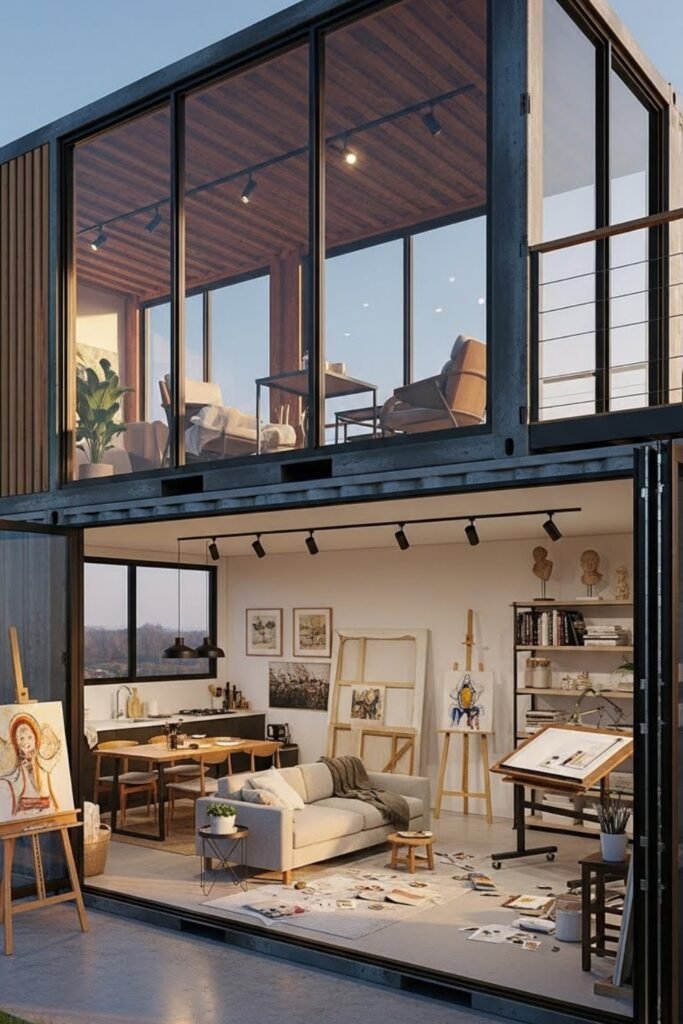
Rental Ready
Designed for durability and easy upkeep, this container home uses low-maintenance materials and simple layouts. It’s optimized for long-term renting, vacation stays, or guest use.
The design balances comfort with practicality, helping owners reduce repair costs and turnover issues.
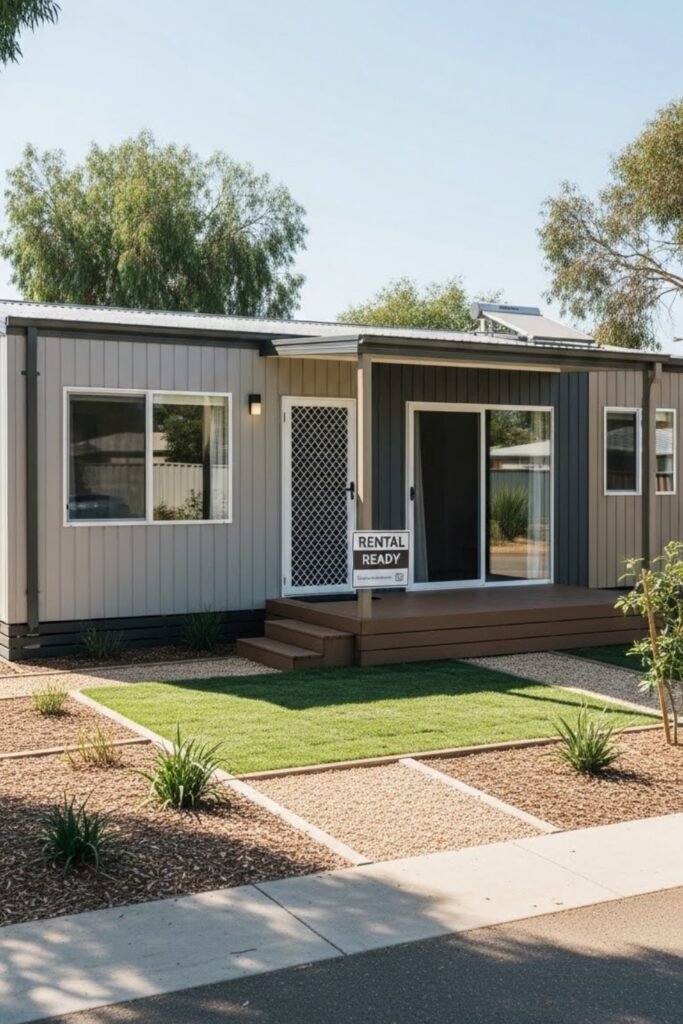
Tiny Single
This idea uses a single container to create a fully functional tiny home. Smart layouts include fold-away furniture, built-in storage, and compact utilities.
It’s perfect for minimal living, guest housing, or affordable first-time homeownership without sacrificing comfort.
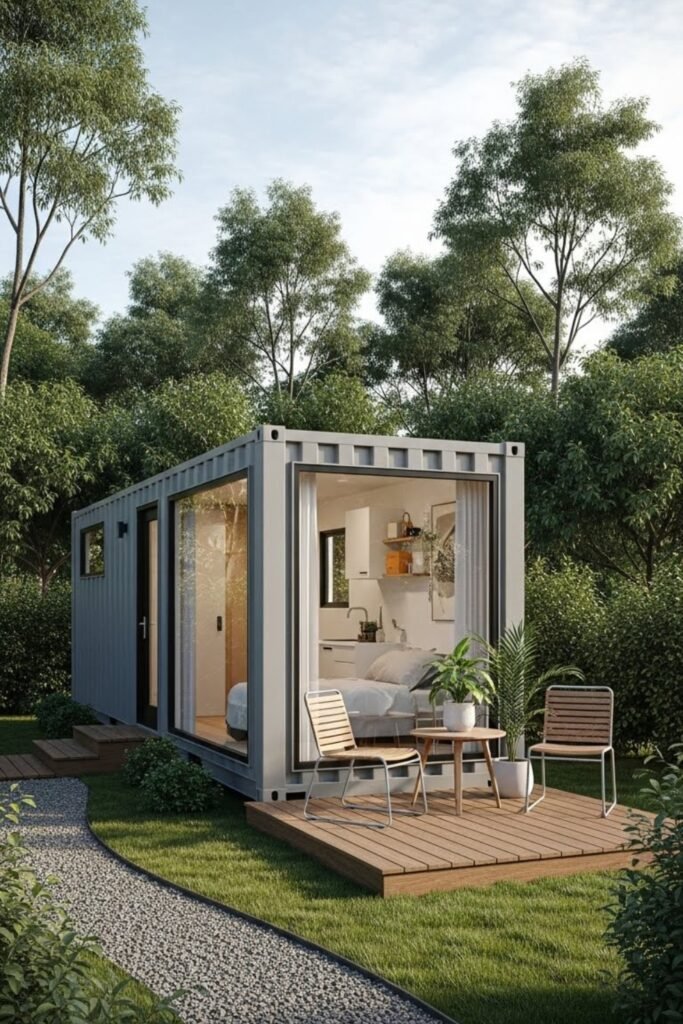
Guest Wing
This container home includes a separate guest container connected to the main living space. The guest wing offers privacy for visitors while keeping the primary home undisturbed.
It’s ideal for hosting family, short-term stays, or even creating a small rental unit without sharing daily living areas.
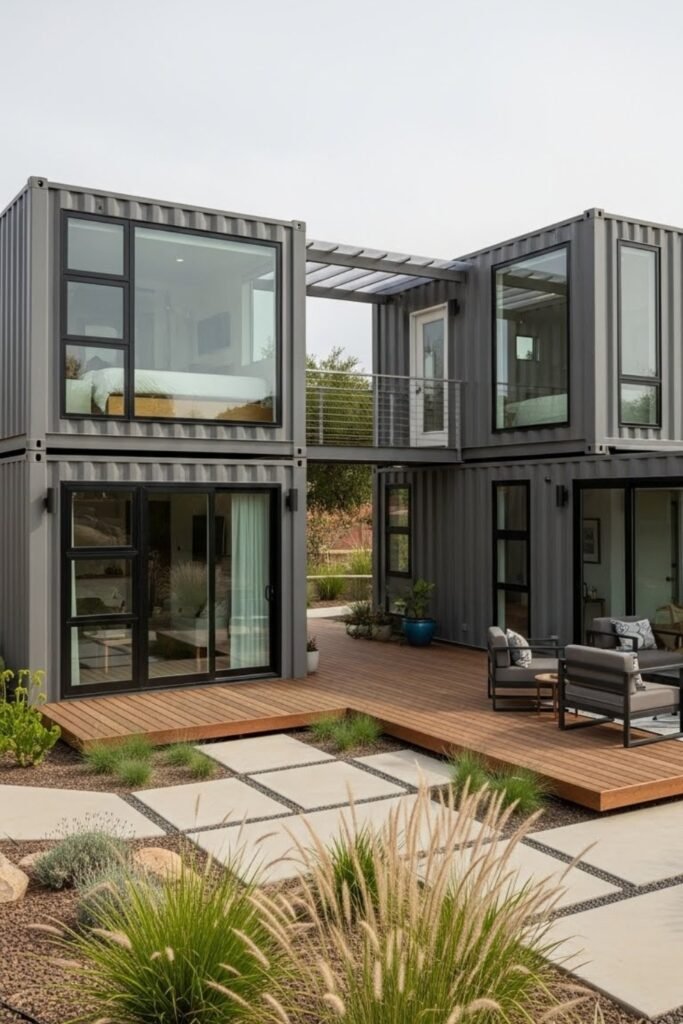
Green Roof
A planted roof system is added on top of the containers to improve insulation and reduce heat gain. This design helps regulate indoor temperatures and blends the home into its surroundings.
It’s especially useful in urban or eco-focused projects where sustainability and visual softness matter
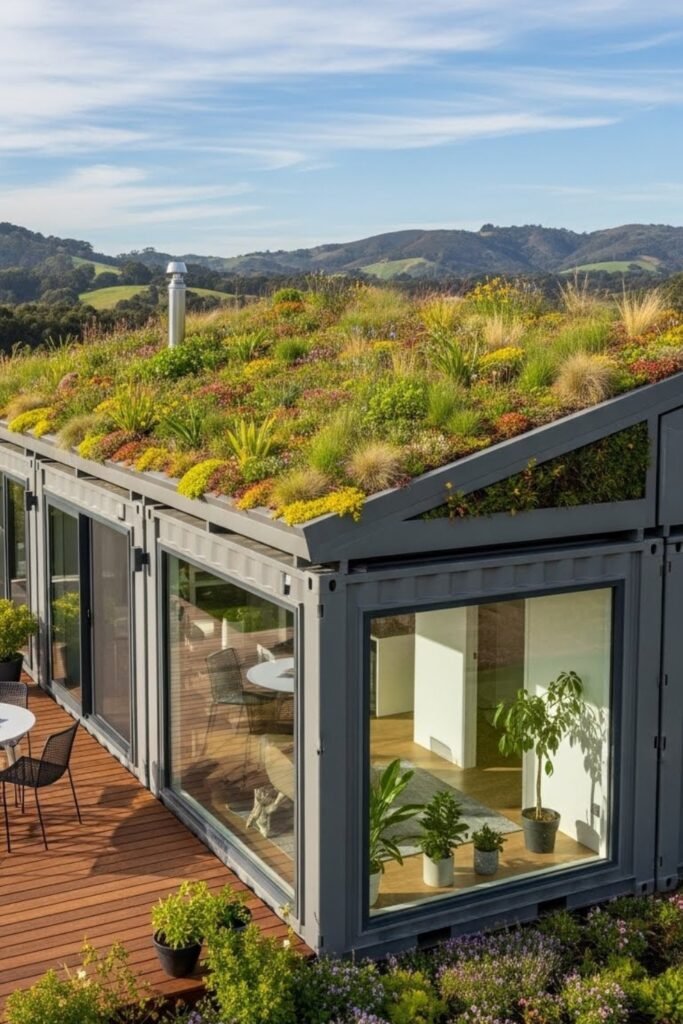
L-Outdoor
Containers are arranged in an L-shape to frame an outdoor living area. The layout naturally separates indoor and outdoor zones while maintaining strong visual flow.
It works well for patios, pools, or gardens, making outdoor space feel like a true extension of the home.
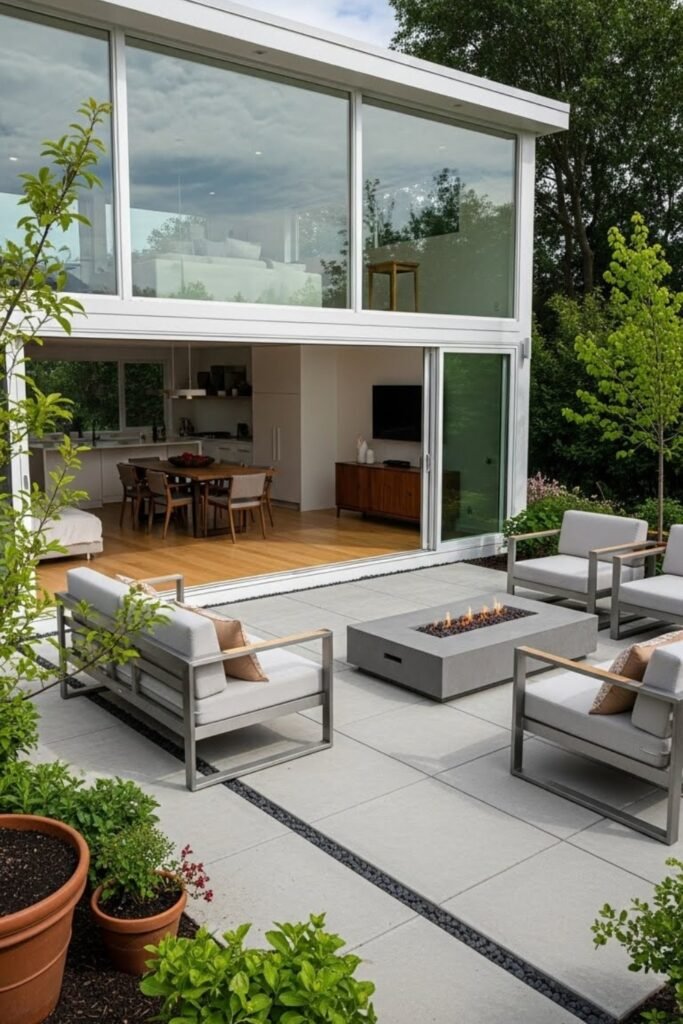
Double Height
This design removes sections between stacked containers to create a double-height living space. The added vertical openness reduces the compact feel of container homes.
It allows for tall windows, better light distribution, and a more dramatic interior atmosphere.
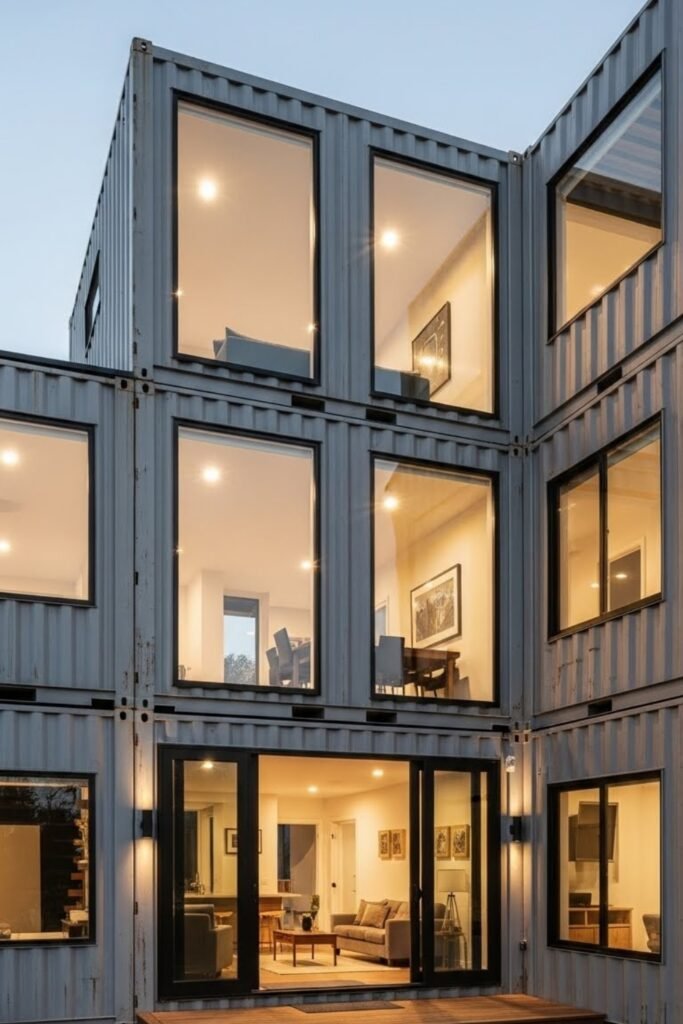
Multi Generation
This container home is planned with separate living zones for different age groups. Each section offers privacy while shared spaces encourage family connection.
It works well for families living together long-term, allowing independence without fully separating households.
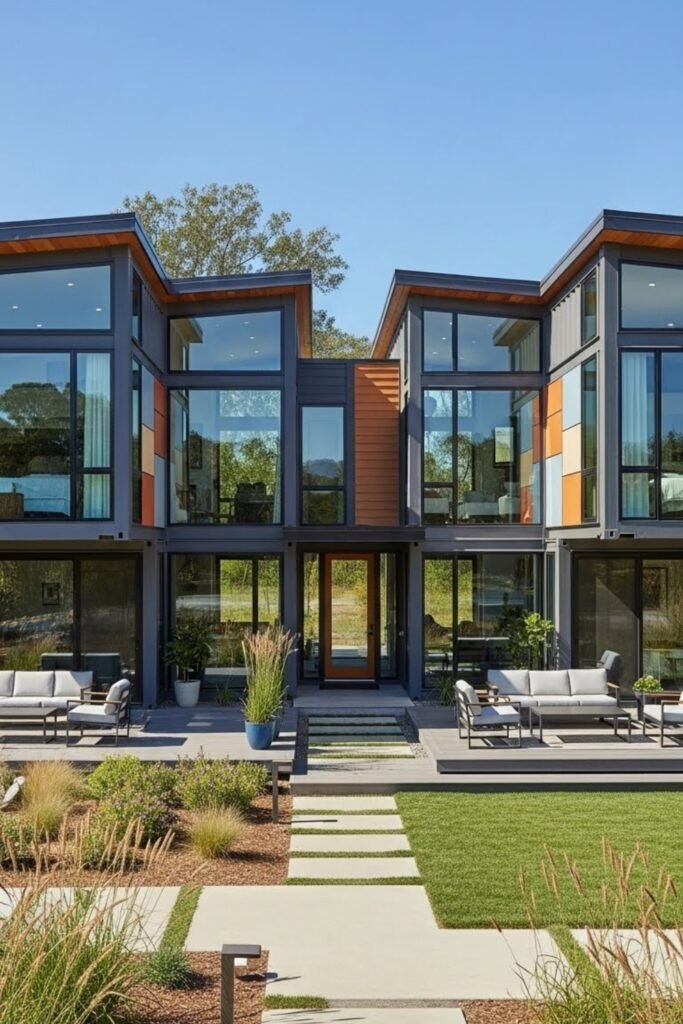
Relocatable Build
Designed to be dismantled and moved, this container home suits people who may change locations in the future.
The structure uses minimal permanent foundations and modular connections. It’s ideal for temporary land use or flexible lifestyles without committing to one site forever.
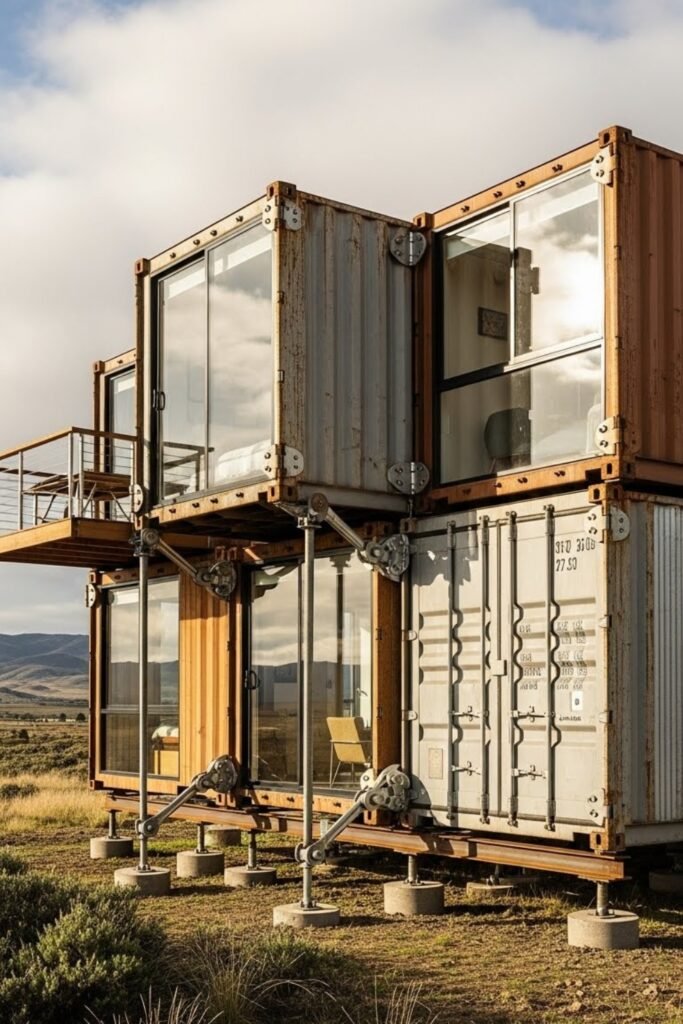
Glass Ends
One or both ends of the container are replaced with full-height glass panels. This design opens the home to views and natural light while maintaining the container structure.
It works especially well for scenic locations where the surroundings become part of the interior experience.
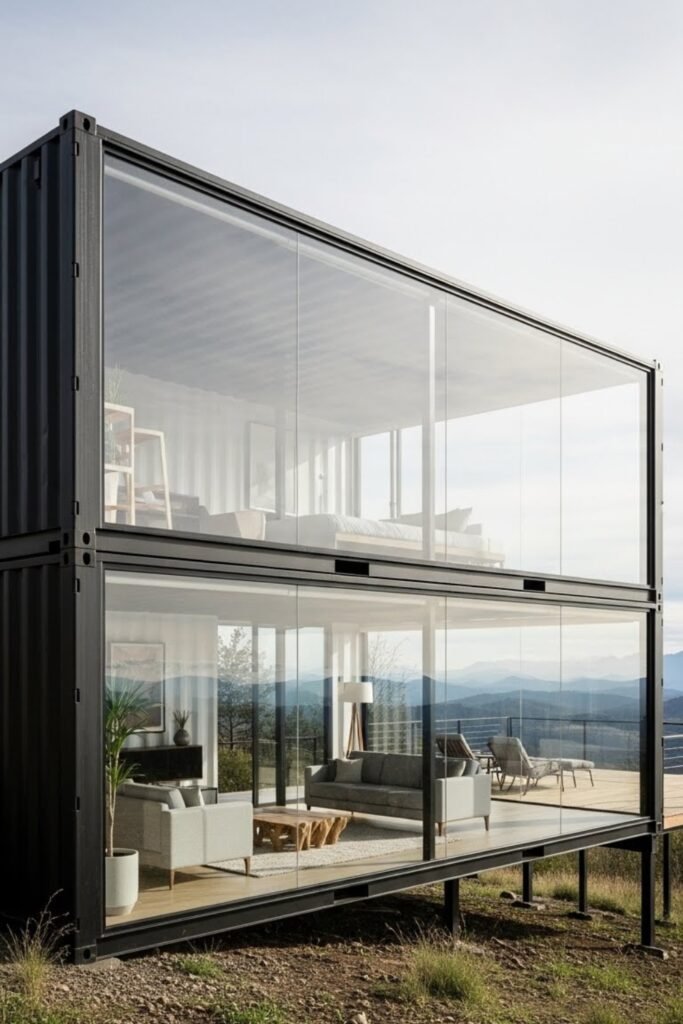
Mountain Edge
Containers are anchored securely on rocky or elevated terrain to handle uneven ground and strong winds.
The layout prioritizes views and stability while minimizing land disturbance. It’s perfect for mountainous regions where traditional construction is difficult.
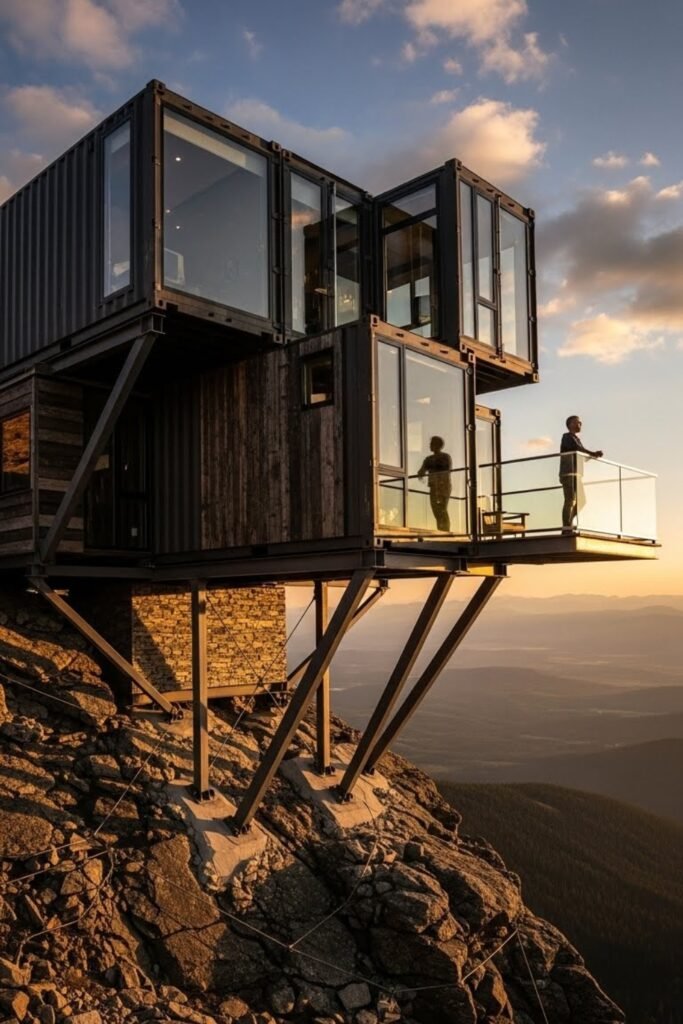
Hidden Storage
This container home is designed with storage built into walls, floors, and stairs to avoid clutter. Every inch is used efficiently without making the space feel cramped.
It’s ideal for container living where smart organization is essential to maintain a clean, open interior.
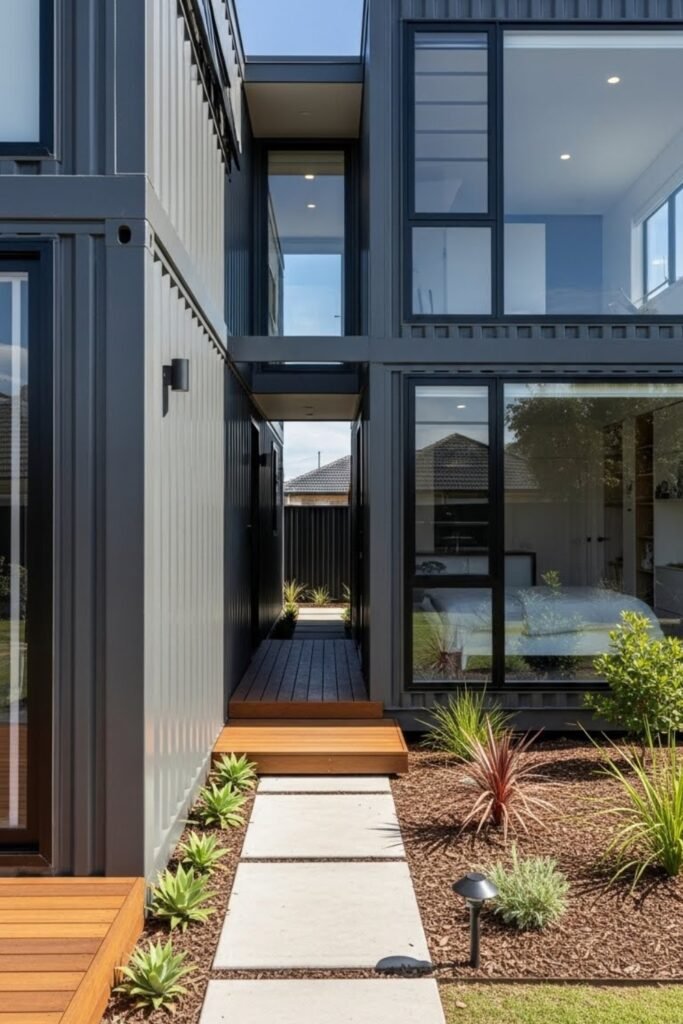
Coastal Shield
Built for coastal conditions, this design uses reinforced structures and wind-resistant layouts.
Containers are positioned to reduce wind pressure while corrosion-resistant materials protect against salty air. It’s a practical choice for seaside locations where durability matters.
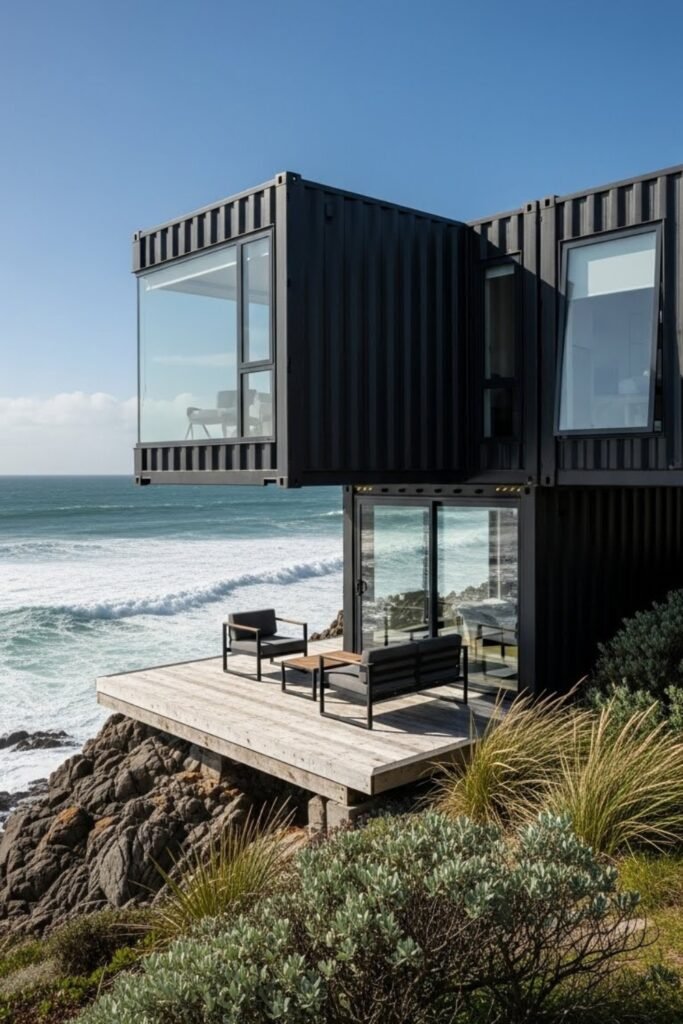
Home Office
One container is dedicated to a quiet, fully functional workspace separated from daily living areas. Sound insulation and focused layouts support productivity without distractions.
This design suits remote workers who want a clear boundary between work life and home life
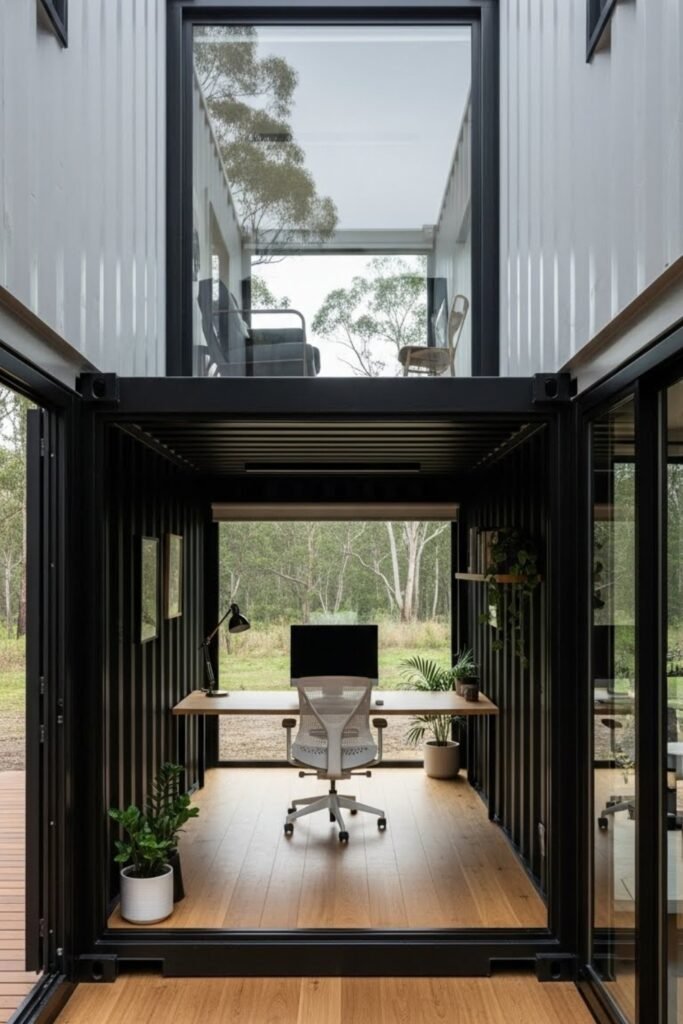
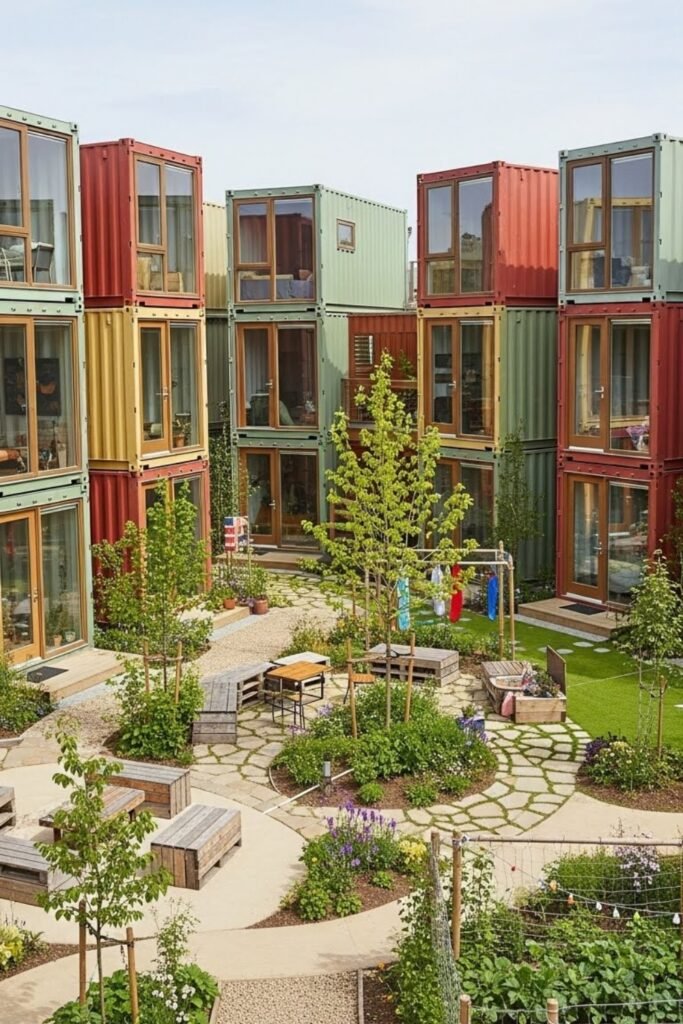
Community Cluster
Multiple container homes are arranged around shared spaces like gardens or courtyards. This layout encourages social interaction while maintaining private living units.
It works well for co-living communities, eco-villages, or shared housing developments.
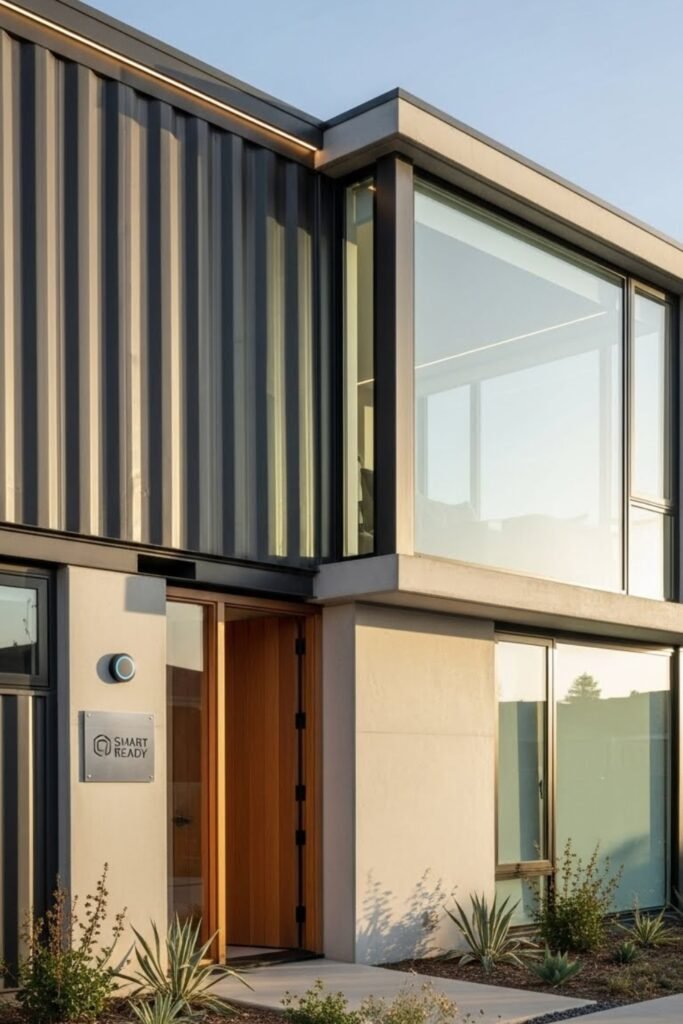
Smart Ready
This container home is designed with built-in smart systems for lighting, climate control, and security. Wiring and layouts are planned in advance to support automation without clutter.
It allows homeowners to upgrade technology over time, making the home efficient, future-ready, and easy to manage through smart devices.

Hi, my name is Ali Mehmood! I’m a passionate writer and DIY enthusiast who loves turning creative ideas into practical, hands-on projects.
I created this website to share inspiring, budget-friendly ideas that you can do yourself – whether it’s organizing your home, crafting something unique, or creating fun projects for kids and pets.
I believe DIY isn’t just a hobby – it’s a smart way to save money, reduce waste, and enjoy the satisfaction of making things with your own hands.
I’m excited to have you as part of this growing community, and I’ll continue bringing you helpful, realistic, and fun DIY ideas you can actually use.