This post may contain affiliate links: read full affiliate disclosure.
If you’ve been trying to find a desk that fits your space, budget, and style, building one yourself is the smartest move.
DIY desks let you customize size, storage, and design without paying designer prices.
Whether you need something compact or statement-worthy, in this article I’m going to share 34 DIY desk ideas to inspire your next build.
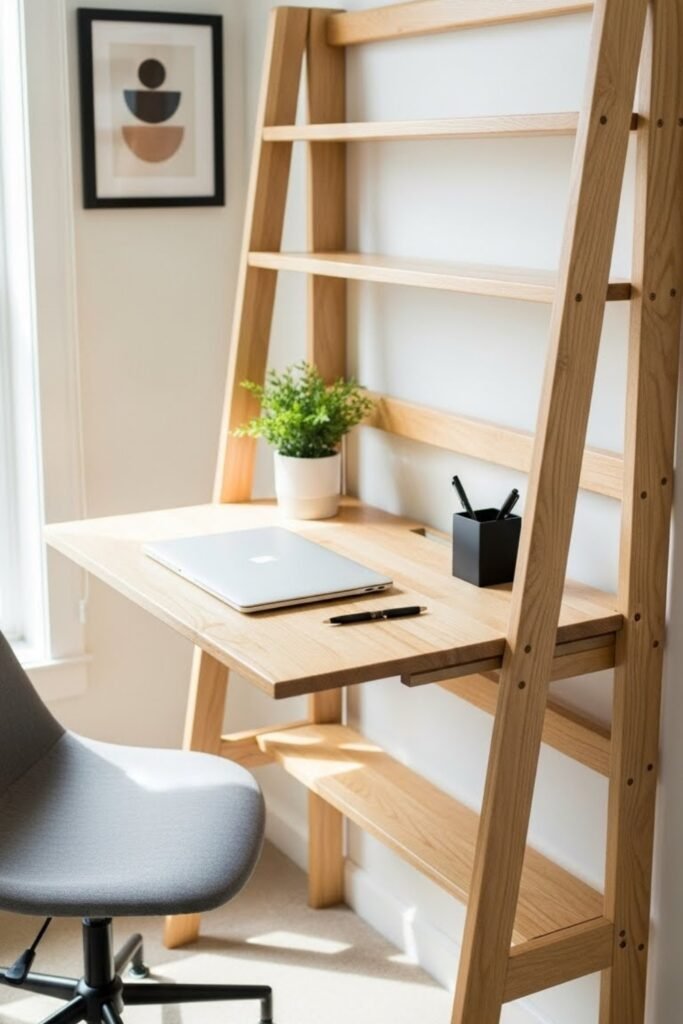
Ladder Desk
If wall space matters more than floor space, this setup makes sense right away. A ladder desk leans against the wall and uses staggered shelves to create a built-in work surface.
Add a solid plank at desk height and lighter shelves above for books or décor. It’s a smart option for bedrooms, apartments, or narrow work corners.
Floating Desk
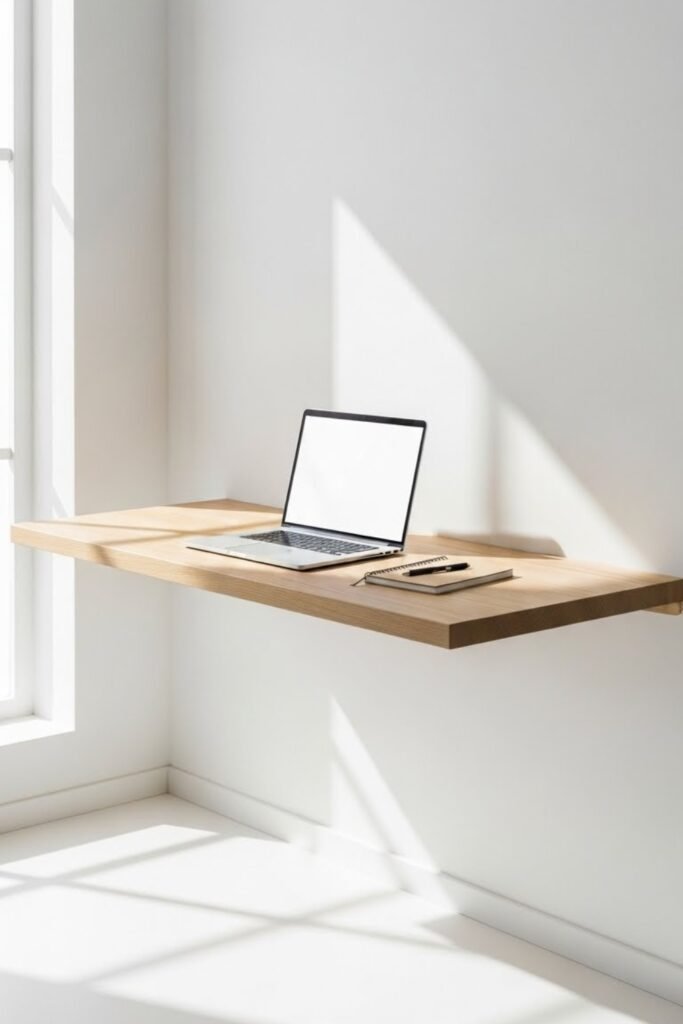
When you want the room to feel open, skip the legs completely. A floating desk mounts directly into wall studs and creates a clean, modern workspace.
You can customize the width to fit your wall and keep the area underneath clear. This works especially well in small rooms, minimalist homes, or multi-purpose spaces.
Fold Desk
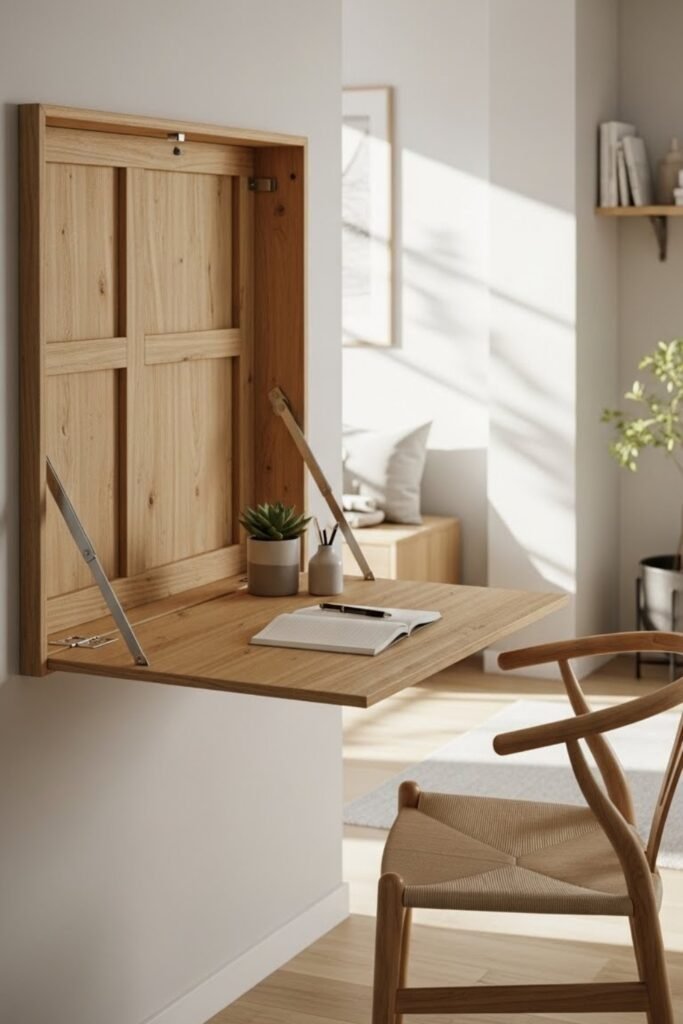
If your workspace doesn’t need to stay visible all day, this design solves that problem. A fold-down desk attaches to the wall and folds flat when not in use.
Strong hinges and support brackets keep it sturdy while working. It’s perfect for studio apartments, hallways, or guest rooms that need flexibility.
Shelf Desk
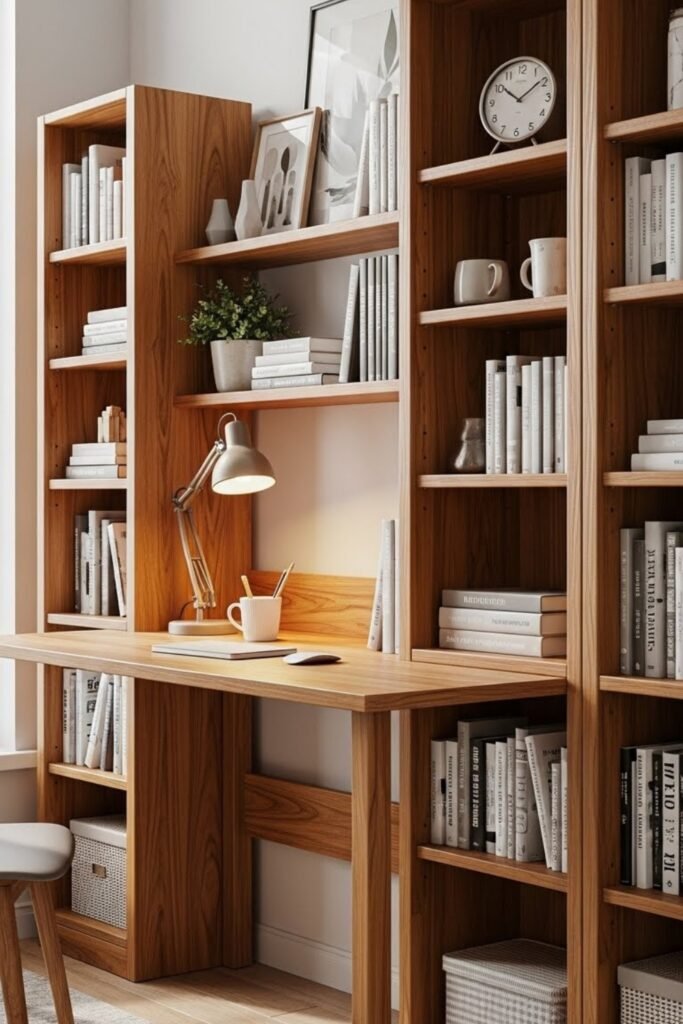
For a desk that keeps everything close, build your workspace directly into shelving. A shelf desk uses vertical shelves on one or both sides with a desk surface in between.
It helps organize books, supplies, and décor without adding extra furniture. This setup works well for students, home offices, and study corners.
Window Desk
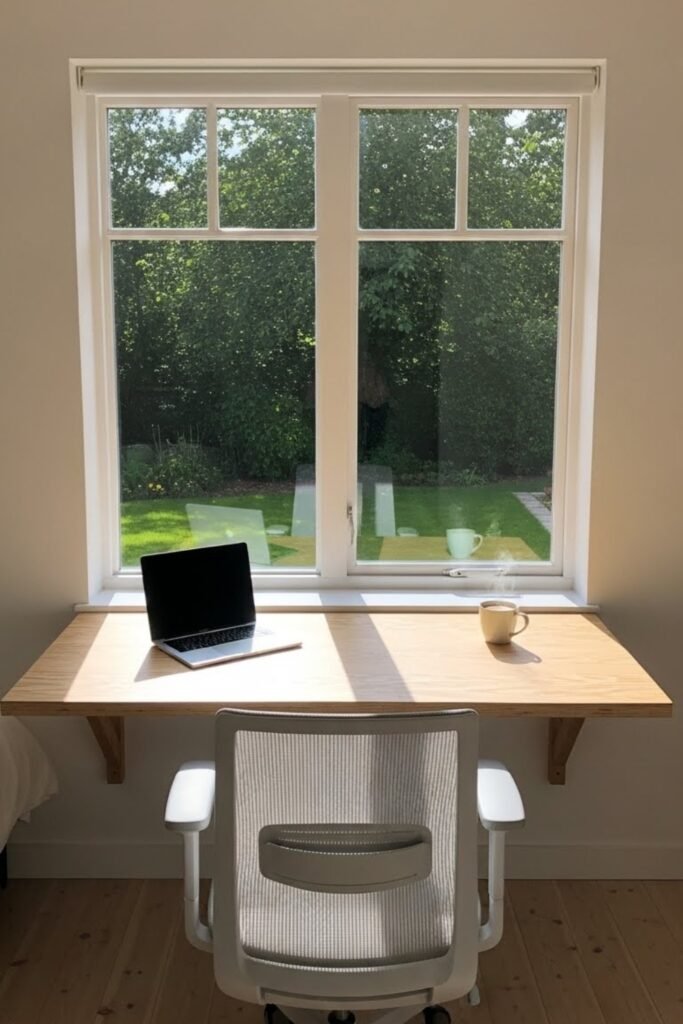
If natural light helps you stay focused, place your desk right in front of a window. A window desk uses the wall-to-wall span under the window for a simple wood top.
You get daylight while working and save space at the same time. This works beautifully in bedrooms, home offices, or small apartments that feel dark.
Corner Desk
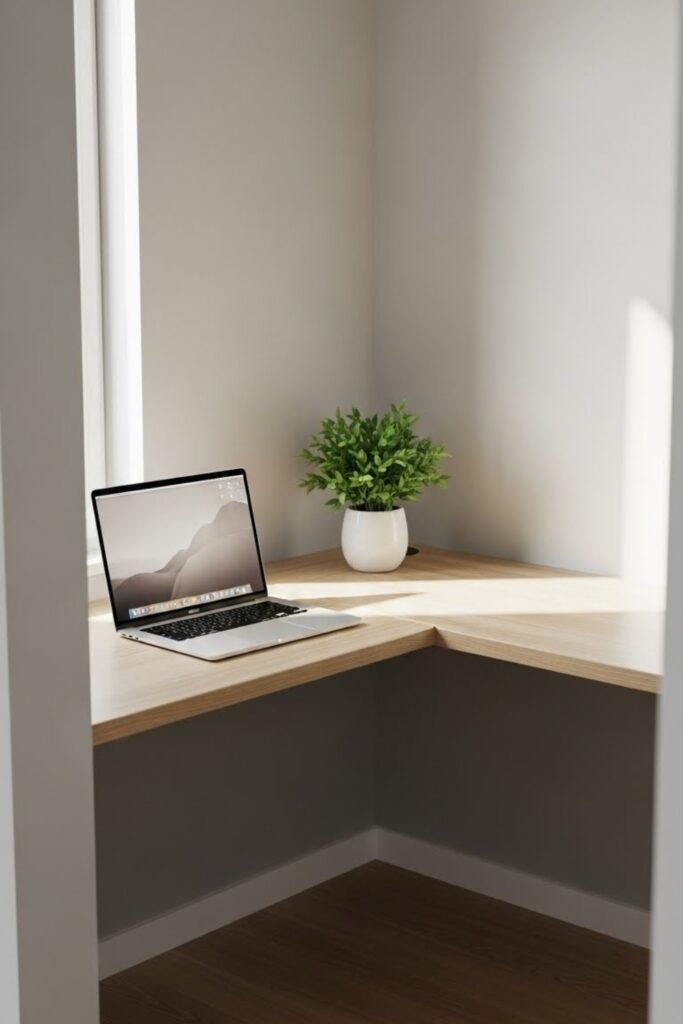
When straight walls are already full, the corner becomes your best option. A corner desk fits snugly into unused space and instantly creates a dedicated work zone.
You can use two wall-mounted supports or a simple L-shaped frame. This design is great for small rooms, kids’ study areas, or shared spaces needing efficiency.
Pipe Desk
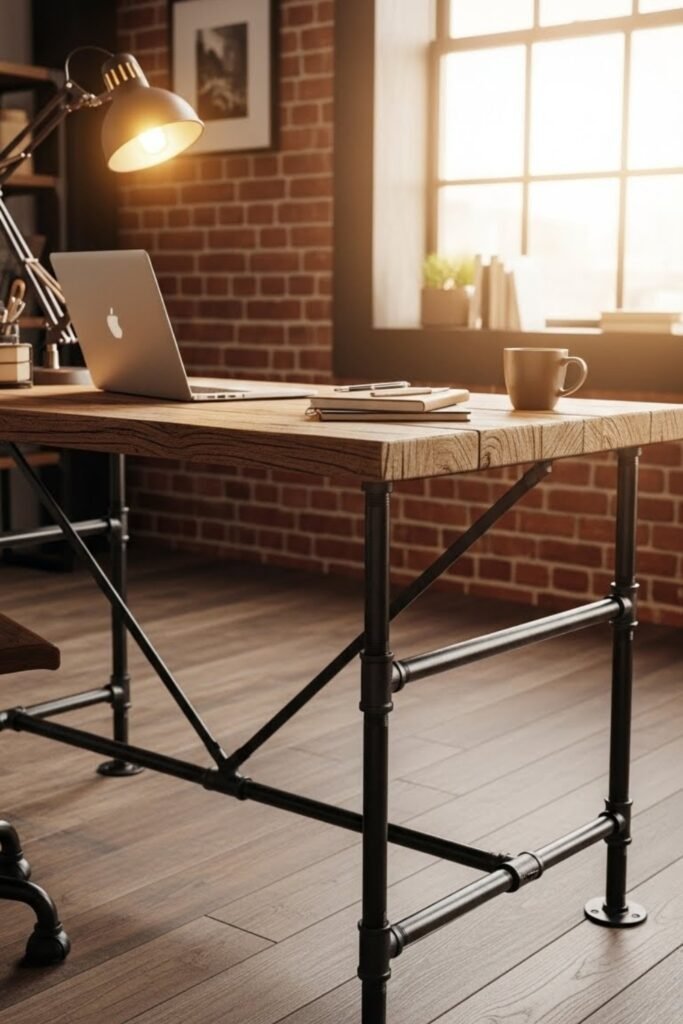
If you like bold, industrial style, metal pipes are your best friend. A pipe desk uses plumbing pipes for the base and a solid wood top for contrast.
It’s sturdy, customizable, and surprisingly easy to build. This desk works well in garages, loft-style offices, or modern homes that lean toward raw materials.
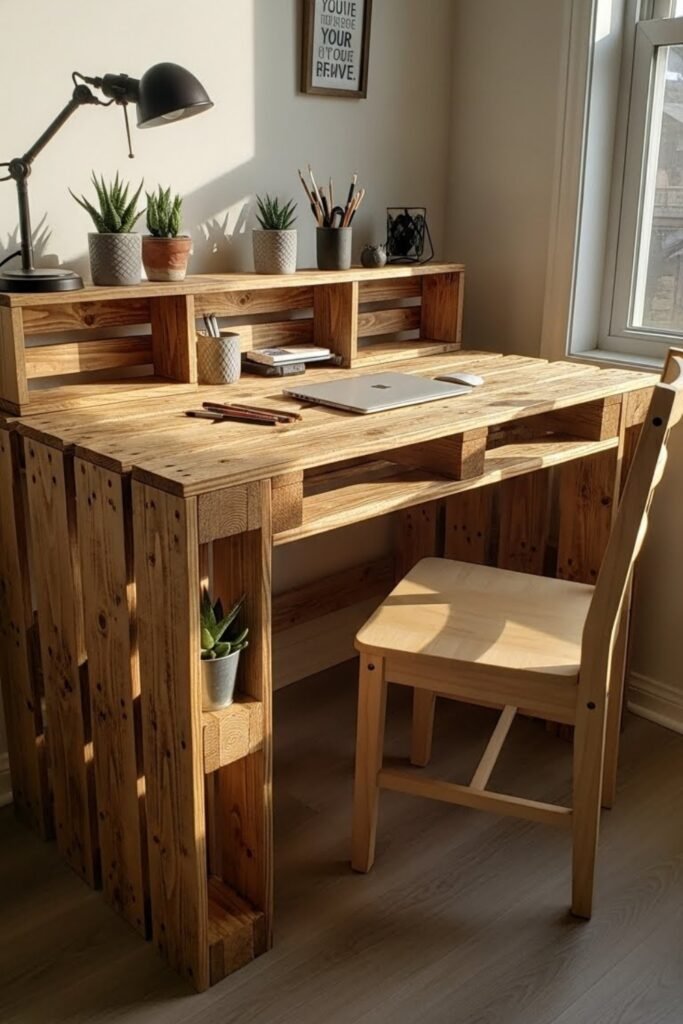
Pallet Desk
When the budget is tight, pallets can do more than you expect. A pallet desk repurposes wooden pallets into a rustic desk frame or tabletop.
Sand the surface well and seal it for durability. This idea is perfect for DIY beginners, farmhouse-style rooms, or creative spaces that don’t need a polished look.
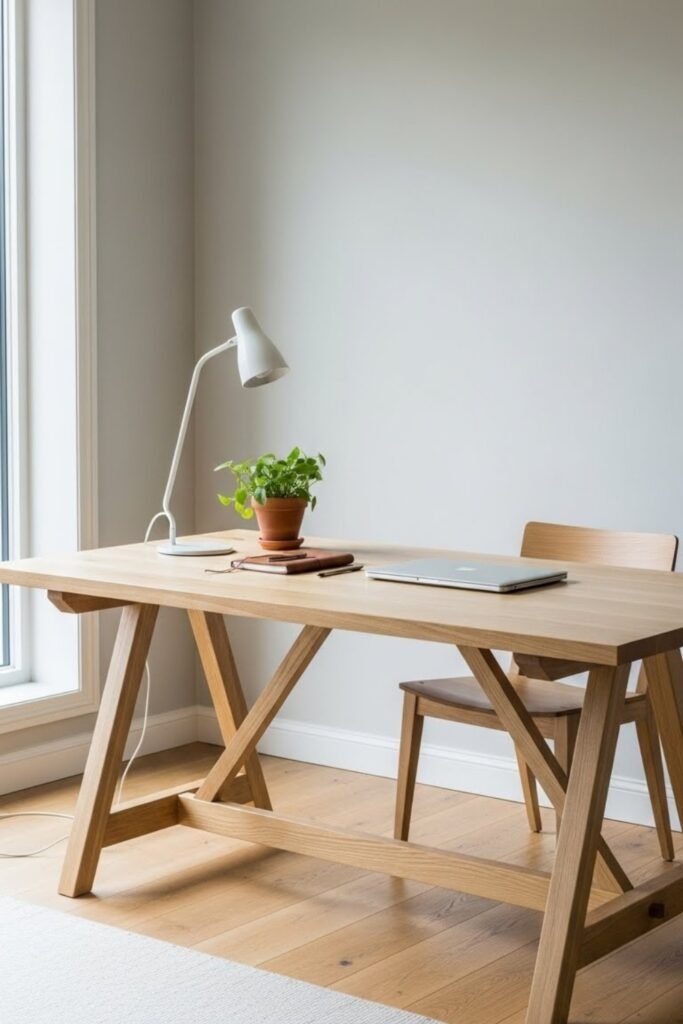
Trestle Desk
If you want something sturdy without complicated cuts, trestle legs make the build simple. This desk uses two angled supports with a thick wood top resting across them.
It’s easy to adjust the width and feels solid for daily use. Trestle desks work well in home offices, studios, or spaces where stability matters.
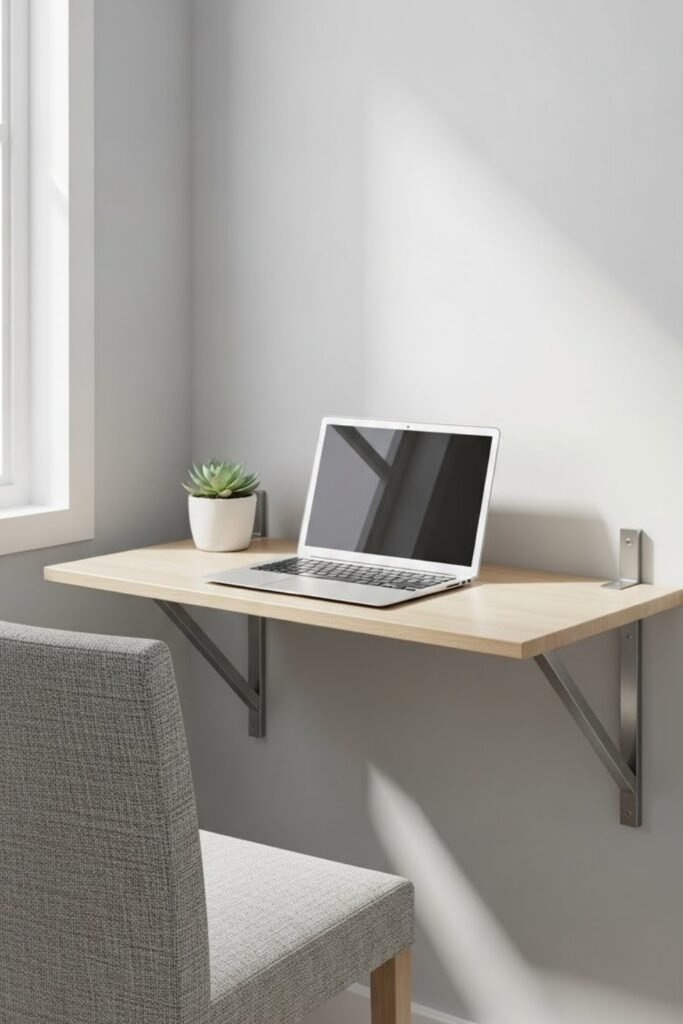
Wall Desk
When floor space is limited, mounting the desk directly to the wall changes everything. A wall desk uses brackets or a cleat system to hold a slim desktop securely.
It keeps the room feeling open and uncluttered. This idea fits perfectly in apartments, bedrooms, or multipurpose rooms needing a low-profile workspace.
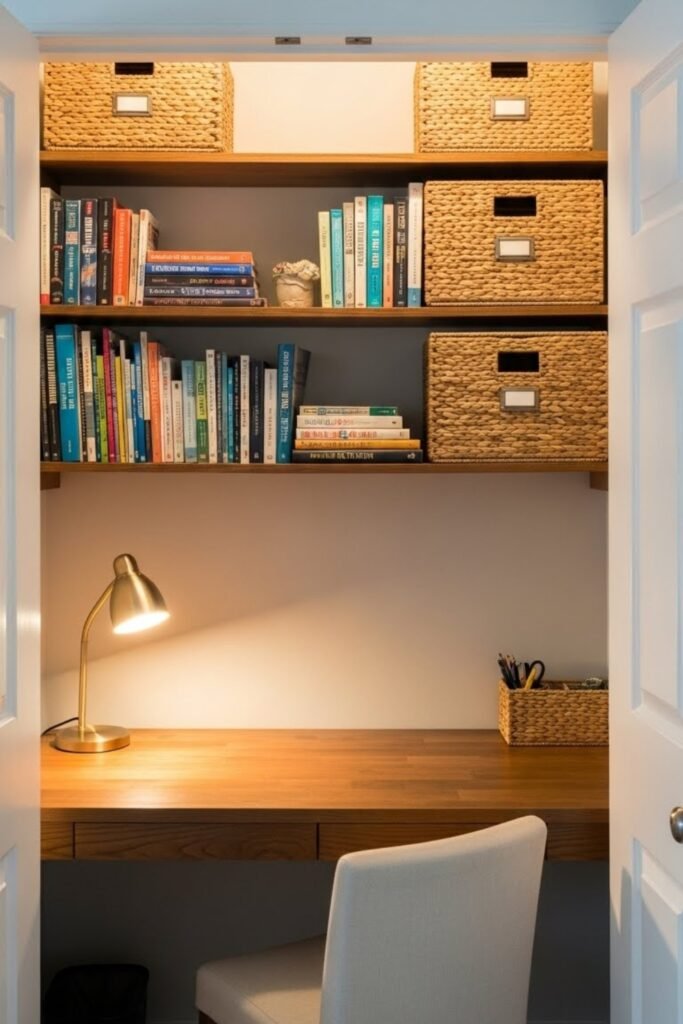
Closet Desk
If you have an unused closet, you already have the perfect desk spot. A closet desk removes the doors and adds a wood surface between the side walls.
Shelves above keep supplies organized while hiding clutter when needed. It’s a smart solution for small homes that need a quiet, dedicated workspace.
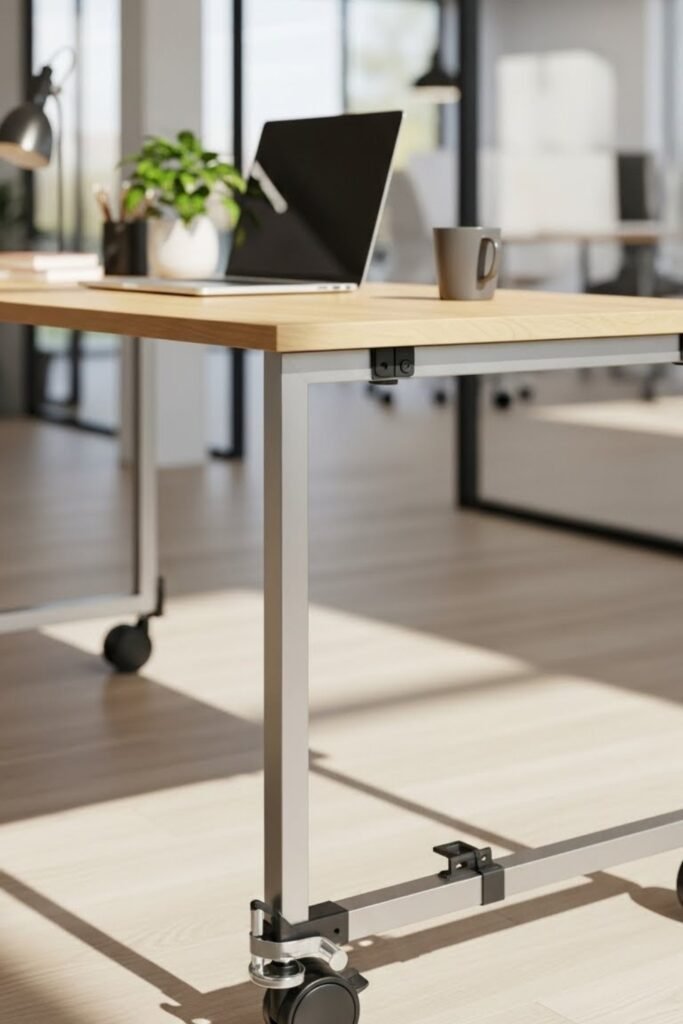
Rolling Desk
If your workspace needs to move, adding wheels solves that problem instantly. A rolling desk sits on locking casters so you can reposition it anytime.
It’s great for shared rooms, craft areas, or flexible home offices. Lock the wheels while working, then roll it away when the space is needed.
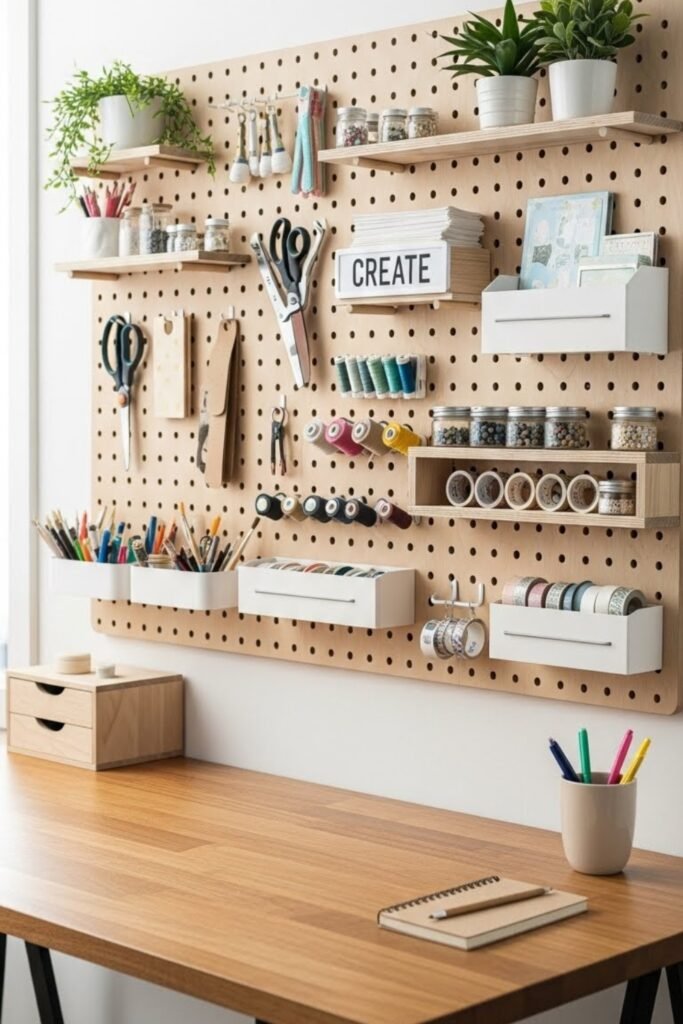
Pegboard Desk
When supplies pile up fast, vertical storage becomes essential. A pegboard desk pairs a basic desk surface with a pegboard wall for tools and accessories.
You can rearrange hooks and shelves anytime as your needs change. This setup is perfect for craft rooms, studios, or workspaces that need flexible organization.
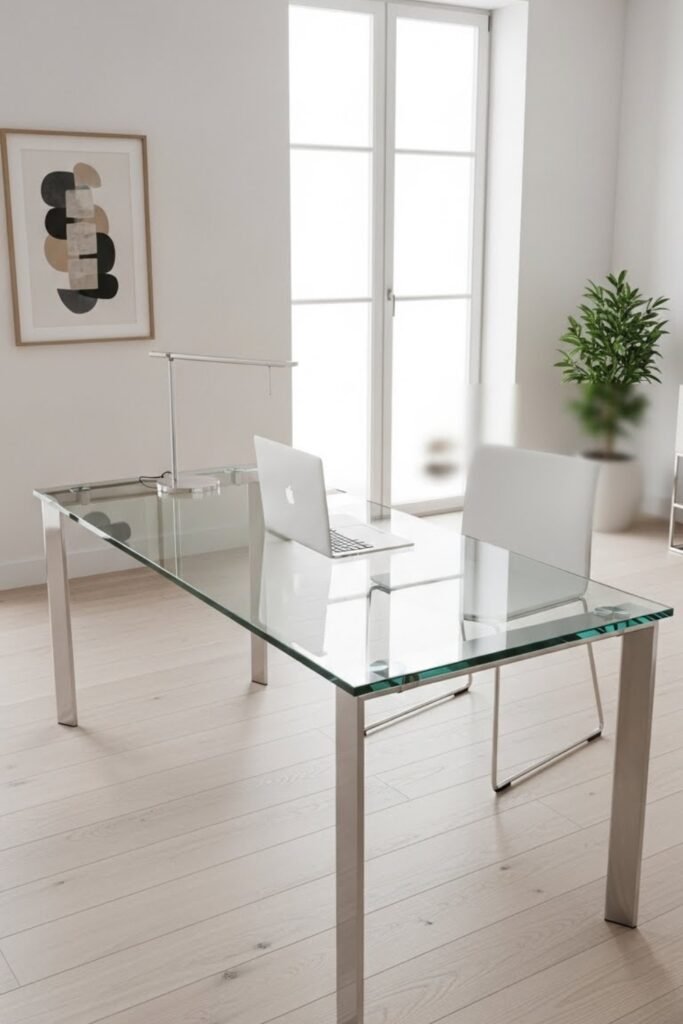
Glass Desk
If you want a desk that feels light visually, glass makes a big difference. A glass desk uses a tempered glass top on simple supports or cabinets.
It keeps the room from feeling heavy and works well in small spaces. This option fits modern interiors or rooms where you want an open look.
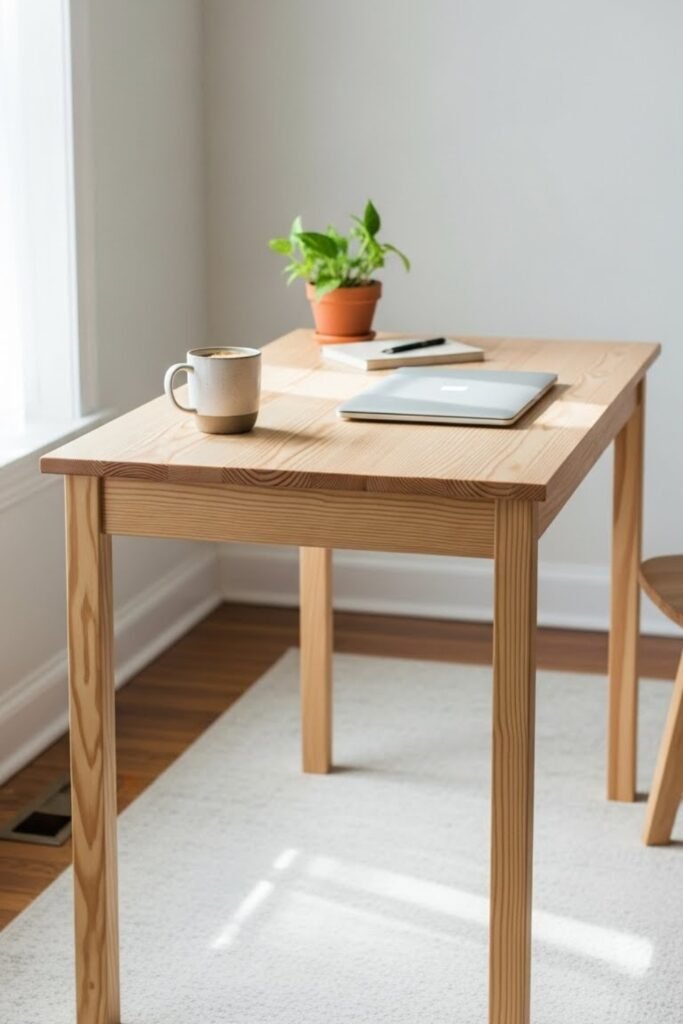
Wood Desk
Sometimes simple is the best approach. A basic wood desk uses solid planks and straightforward legs to create a clean, reliable workspace.
You can stain or paint it to match your room style. This desk idea suits home offices, kids’ rooms, or anyone wanting a timeless, no-fuss build.
Reclaimed Desk
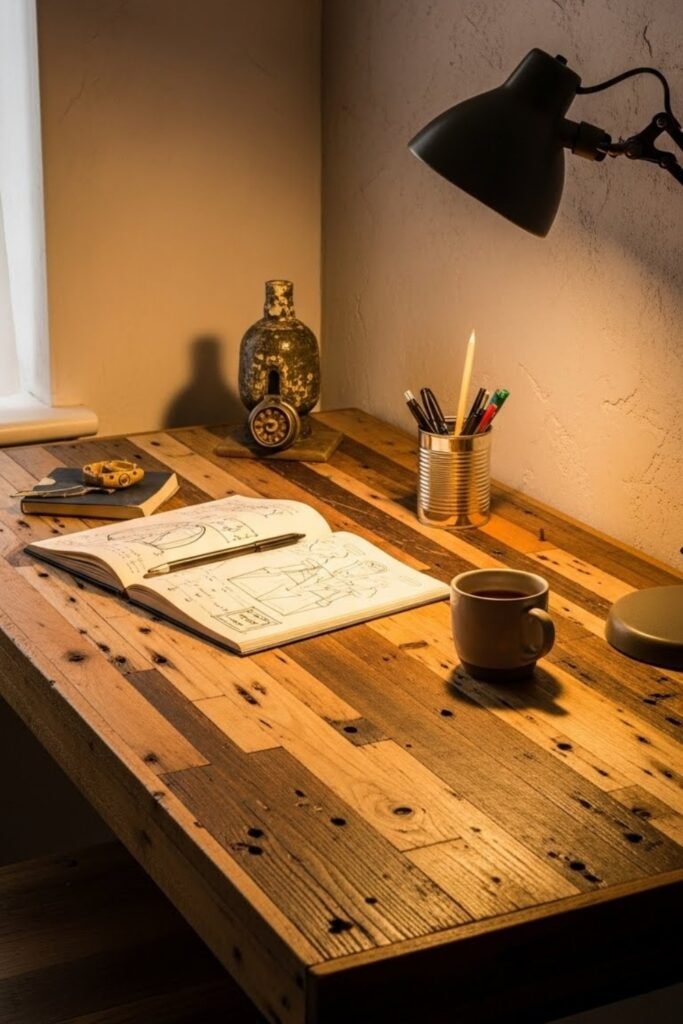
If you like pieces with character, reclaimed wood brings instant warmth. This desk uses old planks or salvaged boards to create a one-of-a-kind surface.
Sand it lightly but keep some imperfections for charm. It’s a great option for rustic homes, creative studios, or anyone who wants a desk that tells a story.
Kids Desk
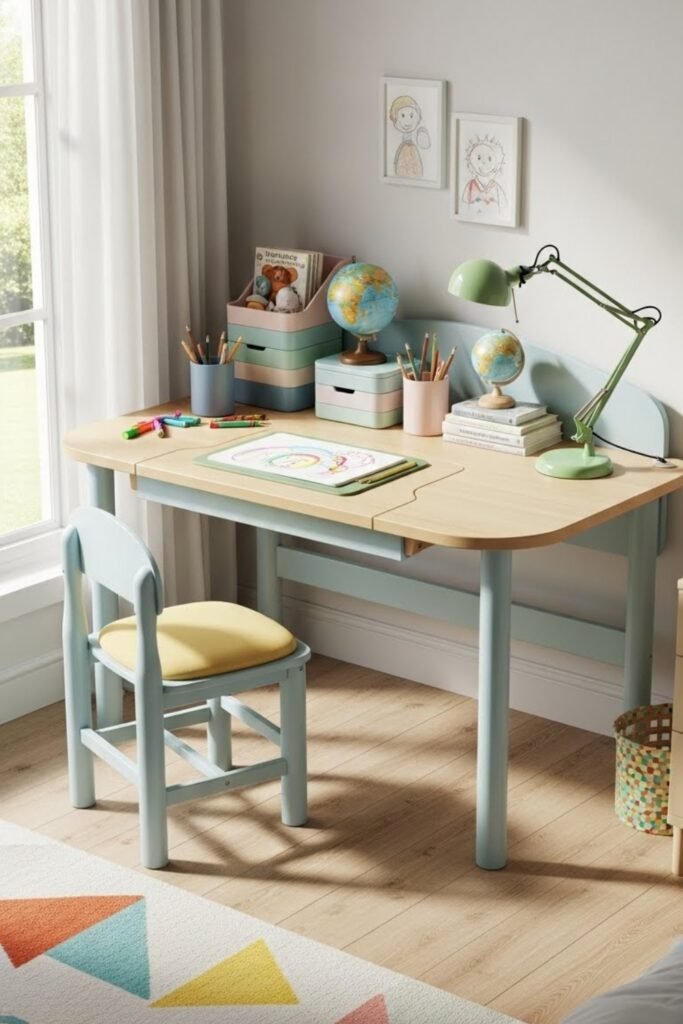
When kids need their own space, size matters first. A kids desk sits lower to the ground and uses rounded edges for safety.
You can add built-in cubbies or drawers for school supplies. This idea works well in bedrooms, playrooms, or shared family spaces where learning happens daily.
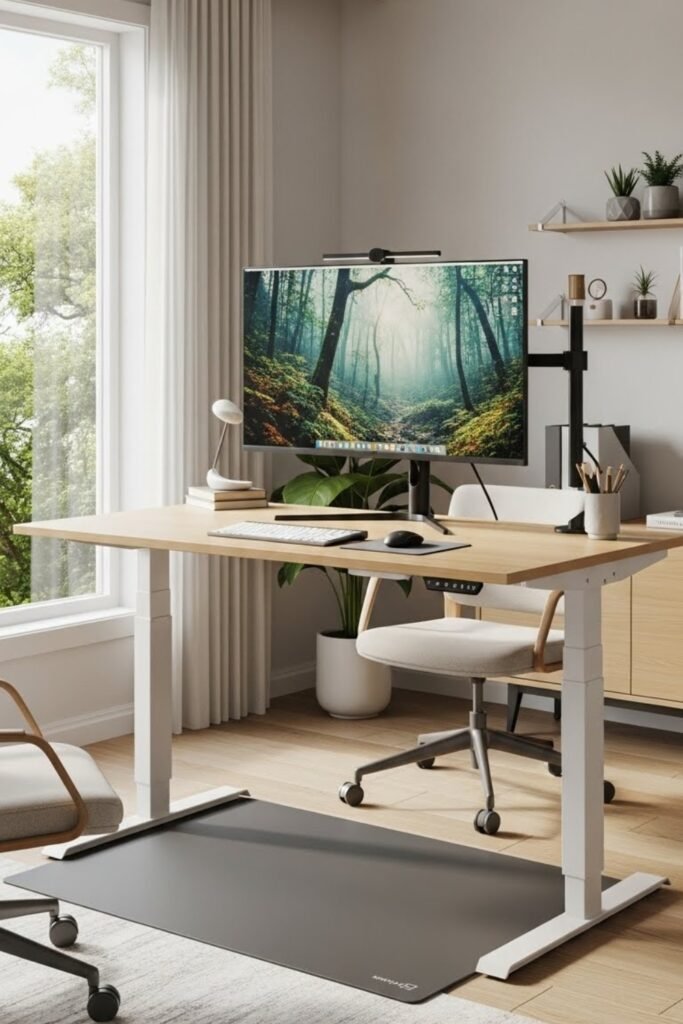
Adjustable Desk
If comfort changes throughout the day, this design adapts with you. An adjustable desk allows the height to be modified using brackets, legs, or manual mechanisms.
You can fine-tune it for sitting or light standing work. This desk is ideal for home offices where posture and flexibility really matter.
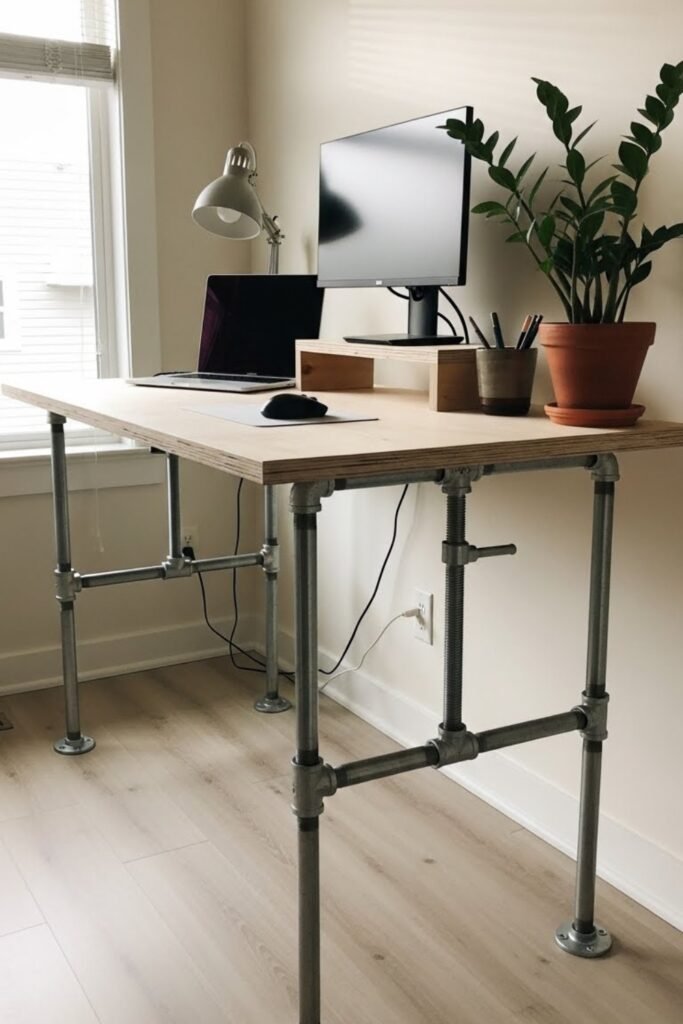
Standing Desk
When sitting all day feels exhausting, a standing desk offers a healthier option. This desk is built taller than standard height and keeps your screen at eye level.
You can add a footrest or mat for comfort. It’s perfect for home offices, creative workspaces, or productivity-focused setups.
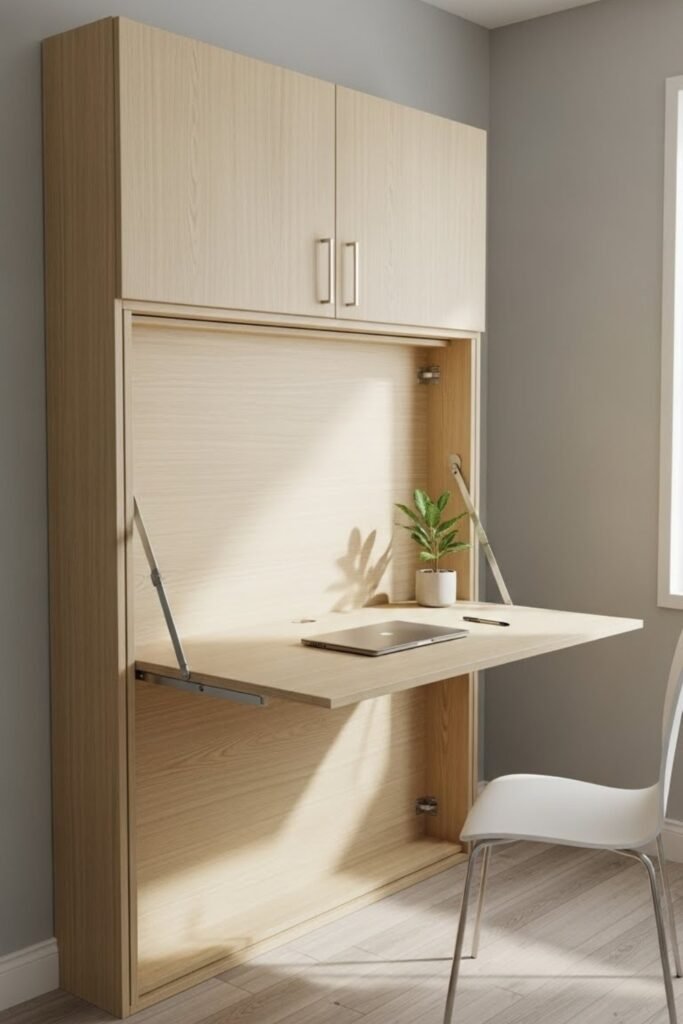
Murphy Desk
If you want a desk that disappears completely, this design does exactly that. A Murphy desk folds up into a wall cabinet when not in use, keeping the room clutter-free.
It’s ideal for bedrooms or living areas that need to stay multifunctional. Add interior shelves to store supplies neatly inside.
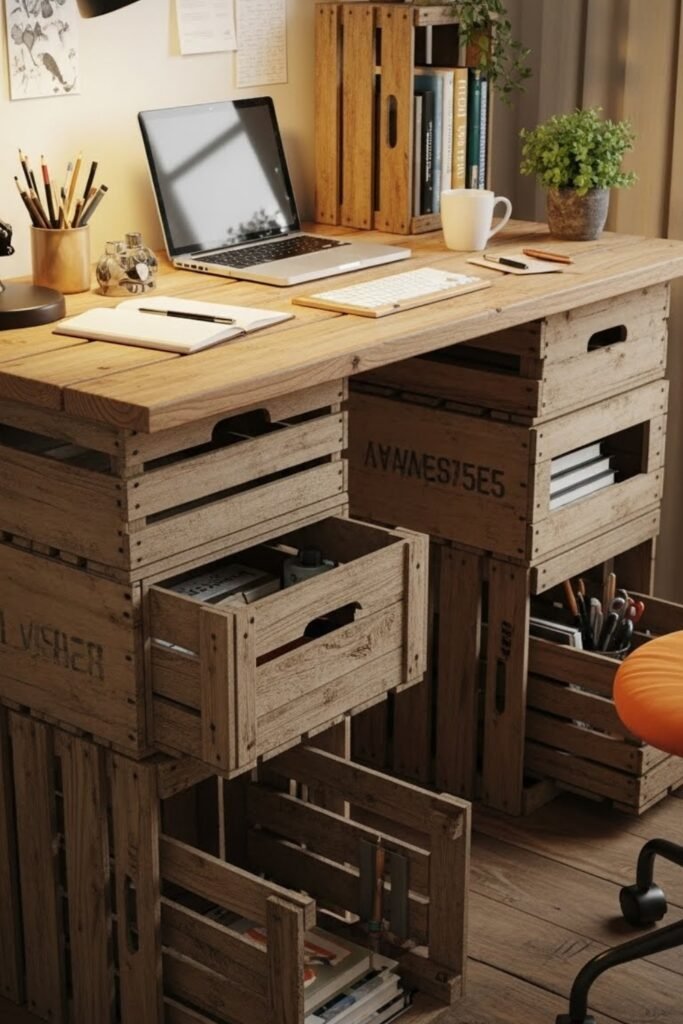
Crate Desk
When storage matters as much as the workspace, crates solve both problems. A crate desk stacks wooden crates to form the base with a solid top placed above.
You can leave them open or add bins inside. This idea works well for budget builds, craft rooms, or casual home offices.
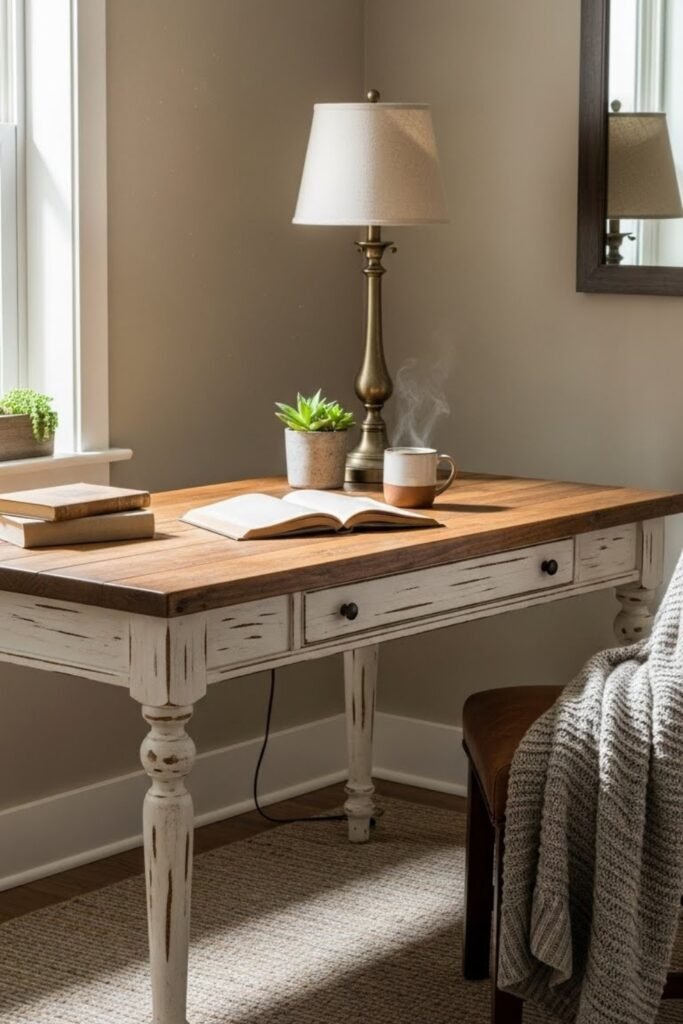
Farmhouse Desk
If your space leans cozy and warm, farmhouse style fits naturally. This desk uses thick wood, simple lines, and a slightly distressed finish.
It feels sturdy and inviting without looking bulky. Farmhouse desks work beautifully in home offices, bedrooms, or shared family workspaces.
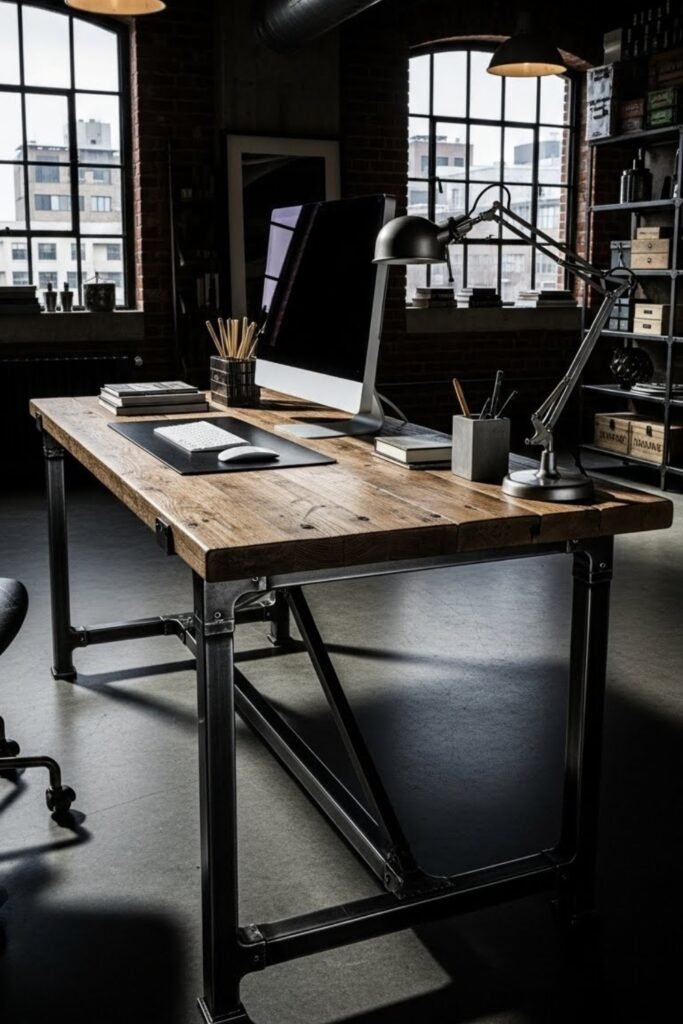
Industrial Desk
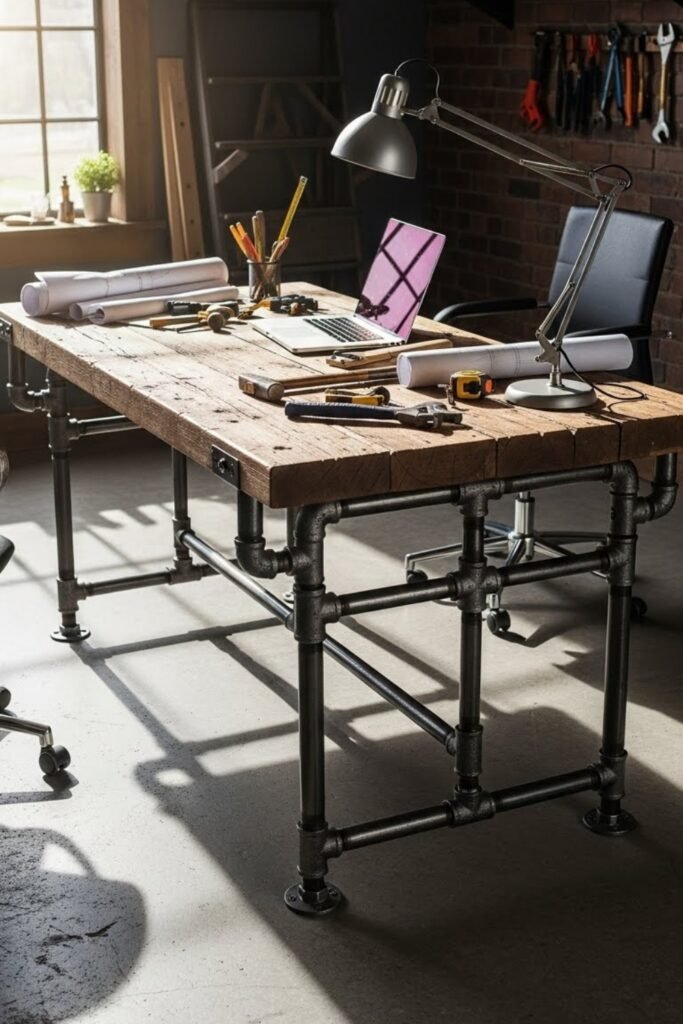
When you want a bold look, mix metal and wood confidently. An industrial desk uses steel frames or pipe legs paired with a solid wood top.
It feels strong and modern at the same time. This style fits lofts, garages, or home offices with an urban edge.
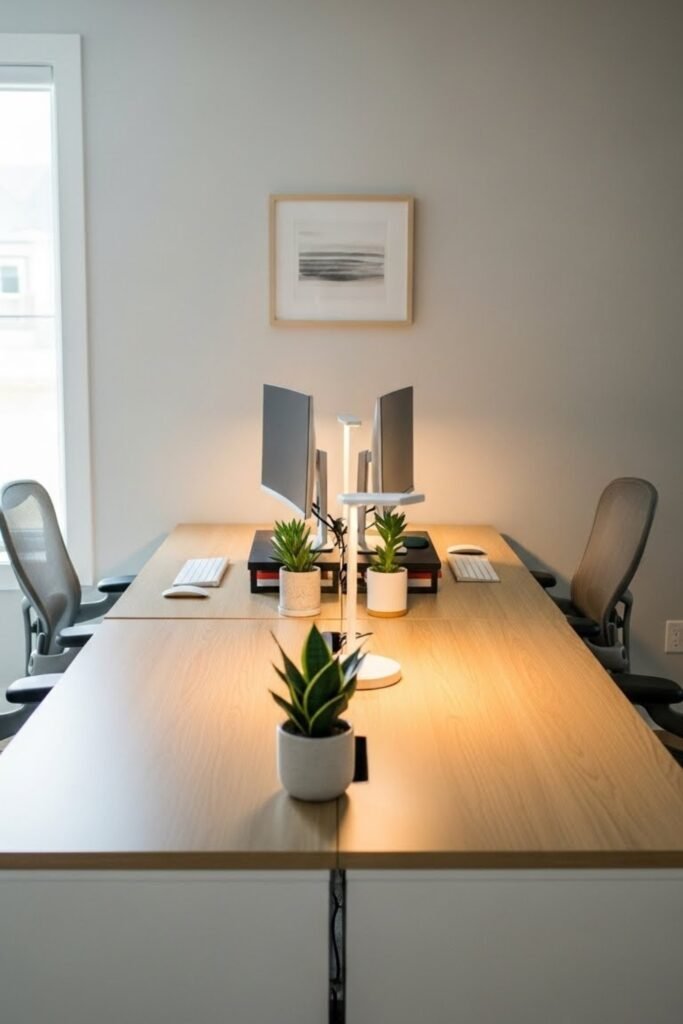
Dual Desk
If two people share one space, this setup keeps things balanced. A dual desk creates two work areas using one long surface or a divided layout.
You can add drawers or shelves in the middle for shared storage. This idea works great for couples, siblings, or home offices that need parallel productivity.
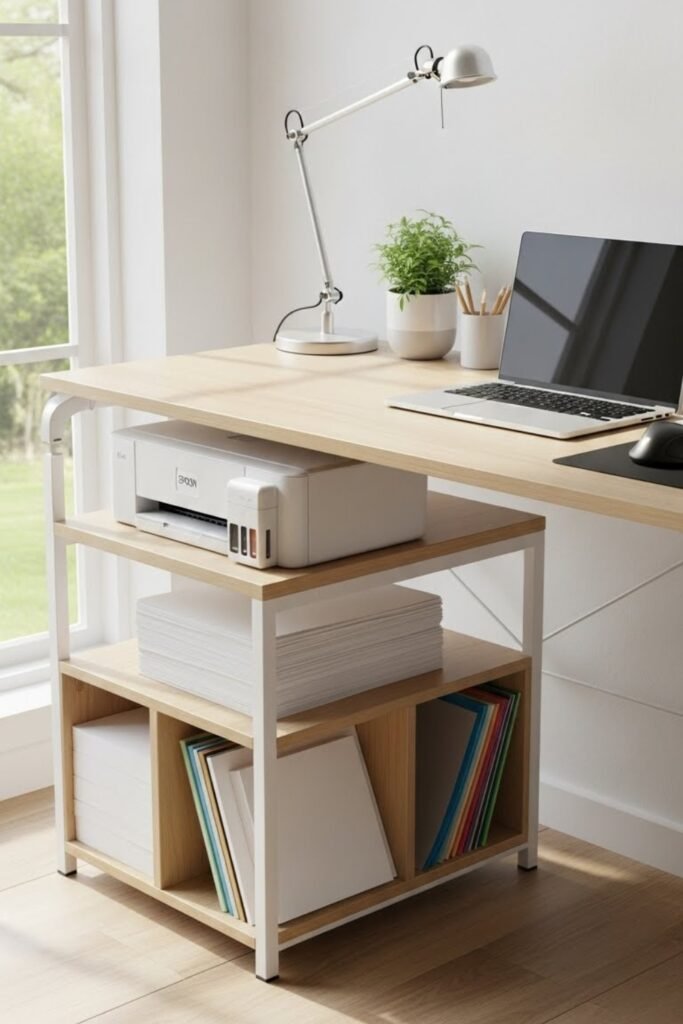
Printer Desk
When your printer eats up desk space, giving it a dedicated spot helps. A printer desk includes a lower shelf or side compartment designed specifically for printers and paper storage.
It keeps your main work surface clear and organized. This desk fits well in home offices where printing happens often.
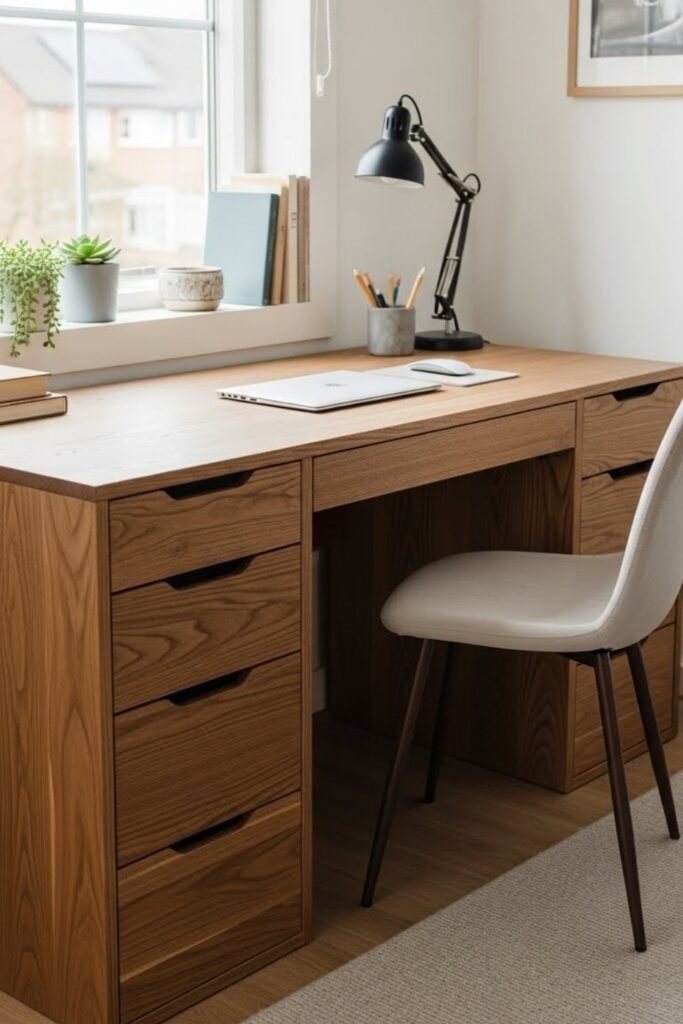
Drawer Desk
If clutter slows you down, build storage directly into the desk. A drawer desk uses built-in drawers beneath the desktop to keep supplies hidden but accessible.
You can repurpose old dressers or build custom drawers from scratch. This design is ideal for organized workspaces that need clean surfaces.
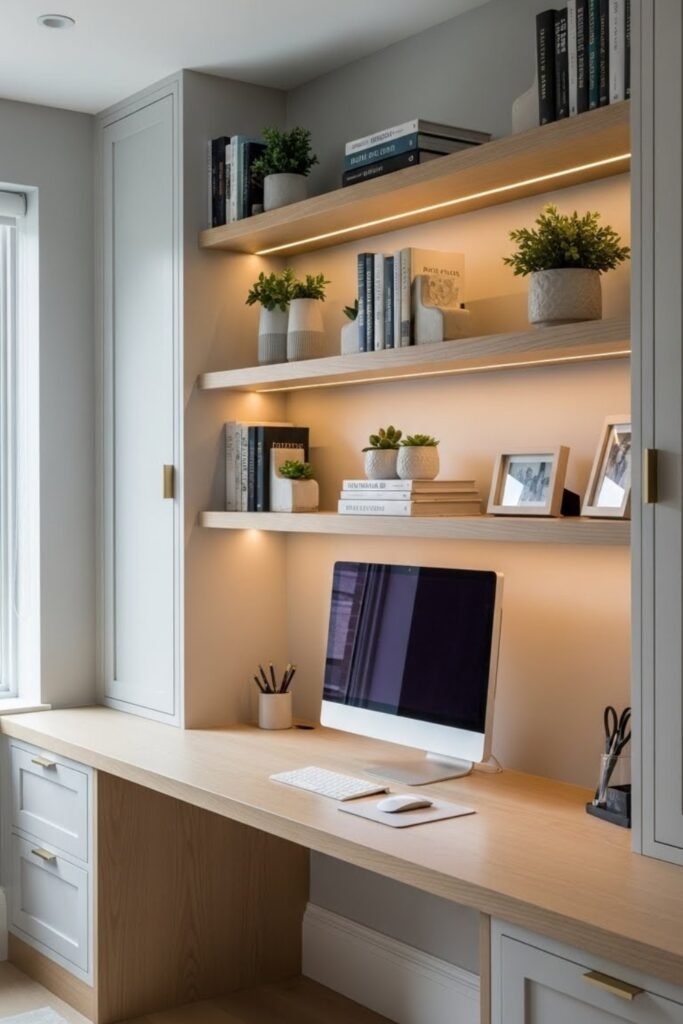
Built-In Desk
When you want something permanent, a built-in desk feels intentional. This desk is fixed between walls or cabinets and becomes part of the room’s structure.
It saves space and looks custom-made. Built-in desks work beautifully in alcoves, bedrooms, or home offices with defined wall space.
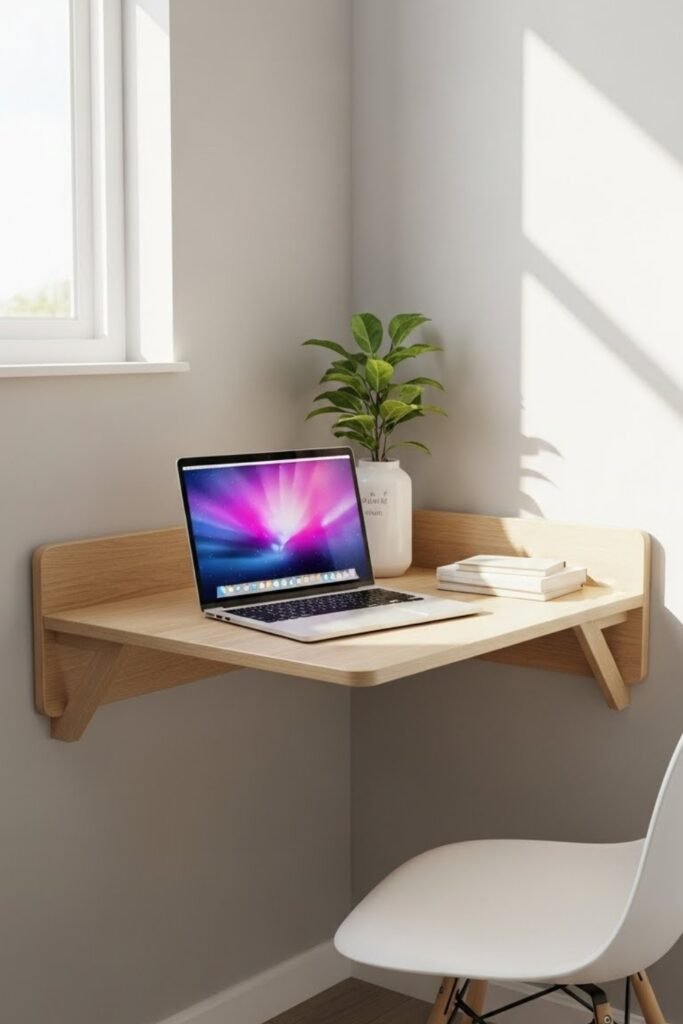
Corner Float
If a regular desk feels bulky, floating it in a corner keeps things light. A corner floating desk mounts to two walls and uses minimal support underneath.
It creates a functional workspace without eating up floor space. This design works especially well in small bedrooms, apartments, or quiet study corners.
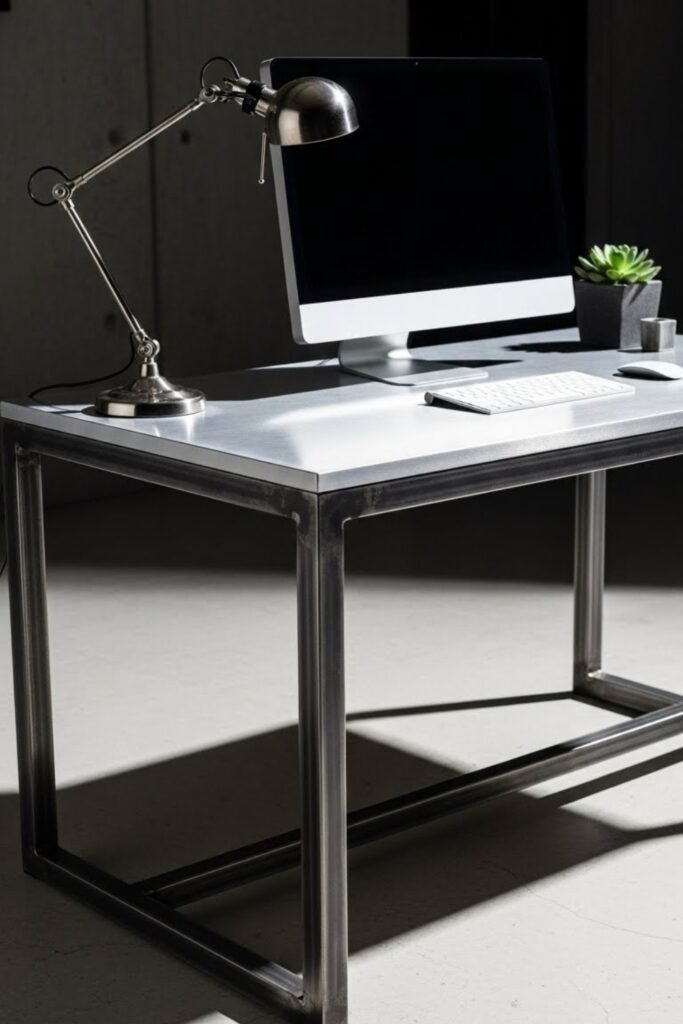
Metal Desk
When durability is your priority, metal framing delivers strength. A metal desk pairs steel or aluminum legs with a wood or laminate top.
It’s resistant to wear and easy to clean. This desk style suits workshops, modern offices, or spaces where the desk sees daily heavy use.
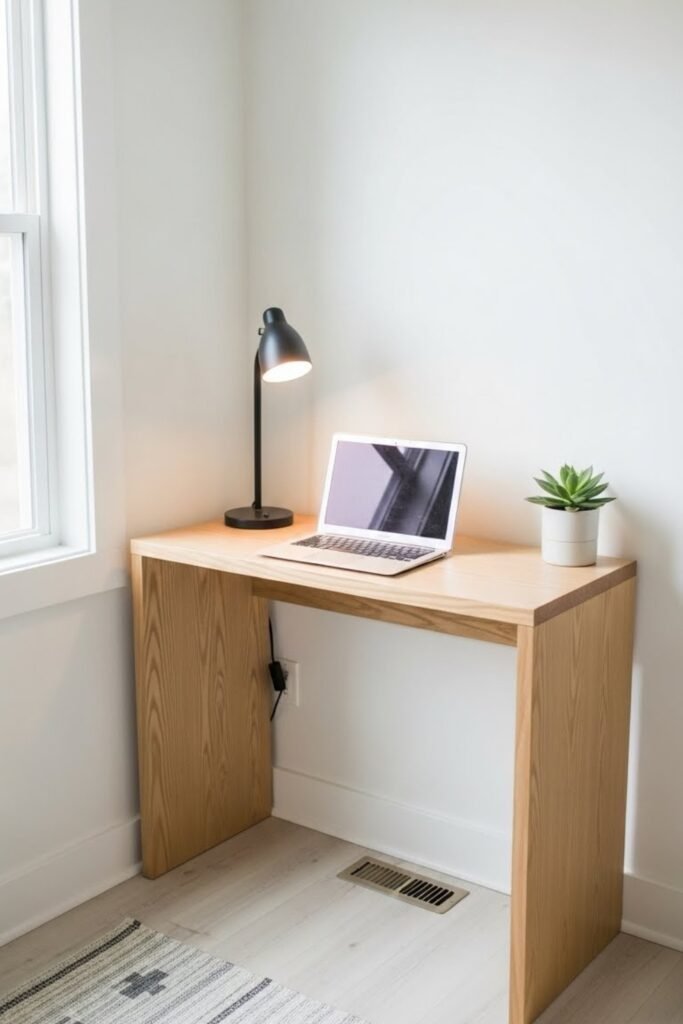
Compact Desk
If space is tight, going smaller keeps the room usable. A compact desk focuses on essentials only, with a narrow surface and slim legs.
It’s easy to tuck into bedrooms or living areas without overwhelming the layout. This idea is perfect for laptops, writing, or light work sessions.
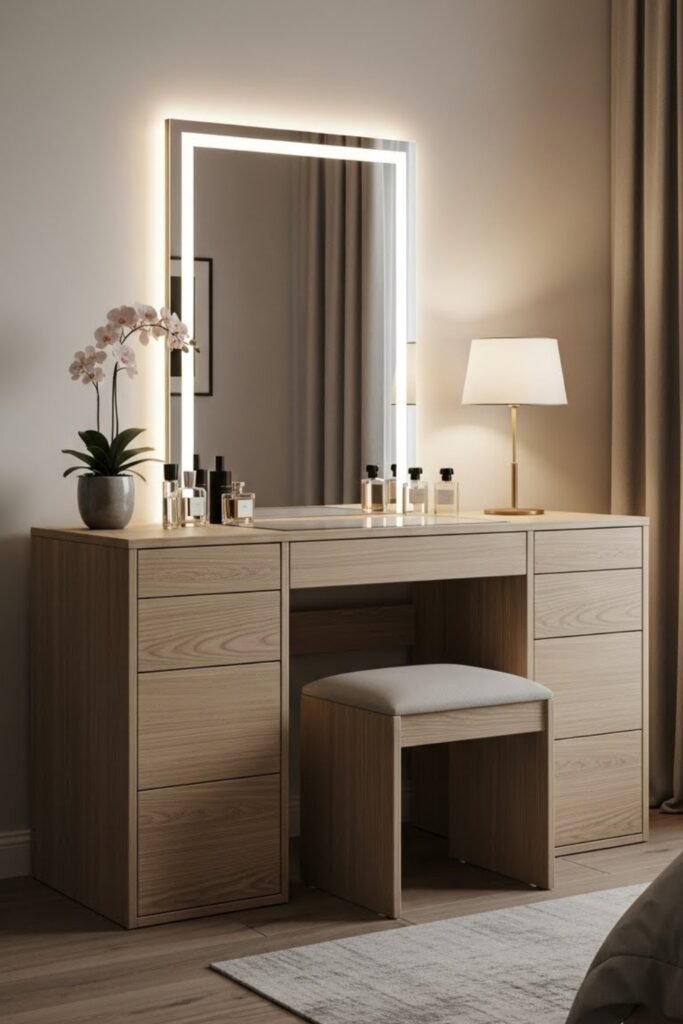
Vanity Desk
When your desk needs to multitask, combining it with a vanity makes sense. A vanity desk includes a mirror and storage for beauty tools while still offering workspace.
It’s ideal for bedrooms where space is limited. This setup works well for makeup, journaling, or casual laptop use.
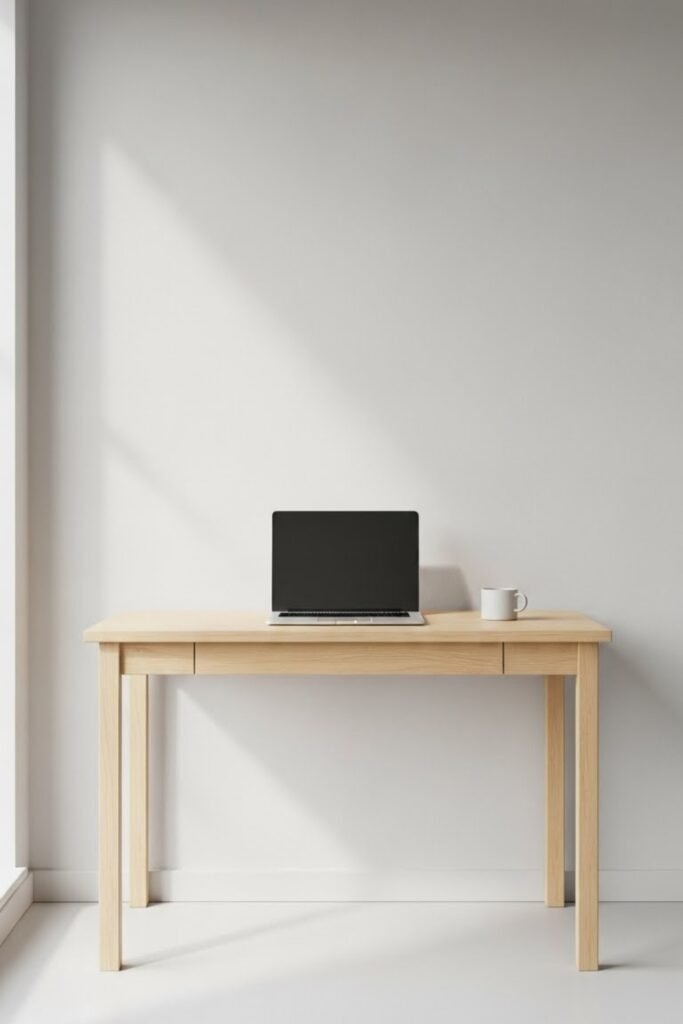
Minimal Desk
If clutter stresses you out, this desk keeps things calm. A minimal desk uses a simple wood top with clean legs and zero extras. No drawers, no shelves, just space to work.
It’s easy to build and even easier to style. This idea works best in modern homes, bedrooms, or quiet workspaces that need focus.
Glass Top
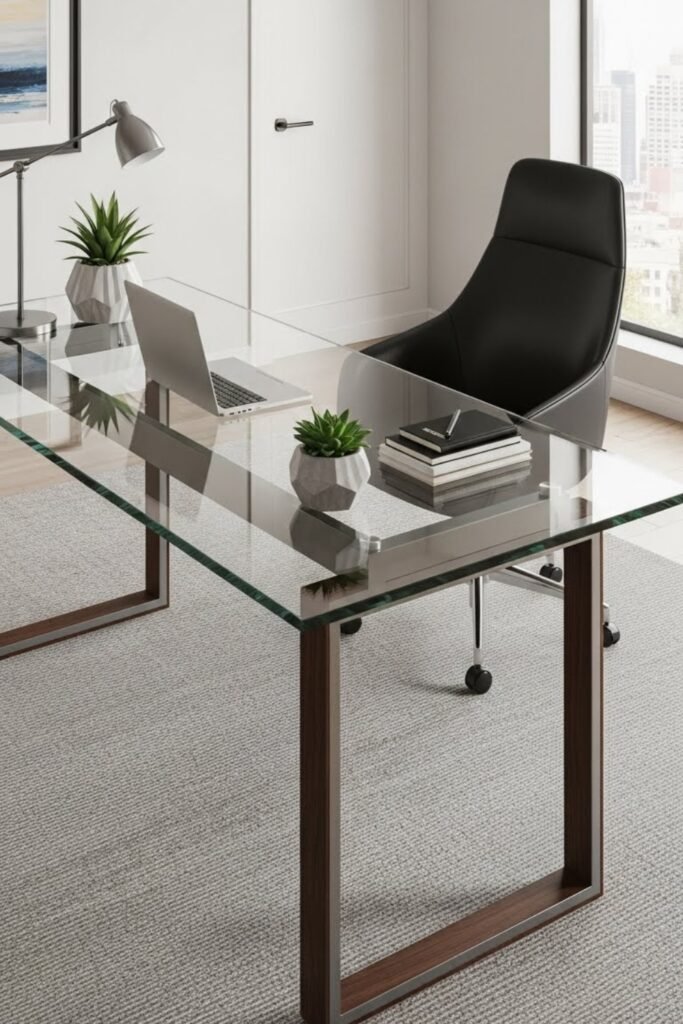
If your room already feels crowded, glass helps visually. A glass top desk uses a tempered glass surface on simple legs or cabinets.
It keeps the space open while still functioning as a full desk. This idea fits modern bedrooms, offices, or rooms where you don’t want furniture to feel heavy.
Frame Desk
If strength matters more than style details, start with a solid frame. A frame desk uses a metal or wood base with a thick top secured on top.
It’s sturdy, long-lasting, and easy to customize. This build works well in home offices, studios, or workspaces that see daily heavy use.

Hi, my name is Ali Mehmood! I’m a passionate writer and DIY enthusiast who loves turning creative ideas into practical, hands-on projects.
I created this website to share inspiring, budget-friendly ideas that you can do yourself – whether it’s organizing your home, crafting something unique, or creating fun projects for kids and pets.
I believe DIY isn’t just a hobby – it’s a smart way to save money, reduce waste, and enjoy the satisfaction of making things with your own hands.
I’m excited to have you as part of this growing community, and I’ll continue bringing you helpful, realistic, and fun DIY ideas you can actually use.