This post may contain affiliate links: read full affiliate disclosure.
Food disappears behind deep shelves, wire racks sag under canned goods, and no matter how often you organize, the space never works the way it should.
Most pantries fail not because they lack space, but because the shelving was never designed for real food storage in the first place.
That’s usually the moment people search for DIY pantry shelving. They want shelves that fit their pantry, hold real weight, and stop wasting vertical space.
But online guides often jump straight into builds without helping you decide what actually works for your layout, budget, or skill level.
This Article fixes that. You’ll learn how to plan pantry shelves that make sense, choose the right DIY method, and avoid common mistakes.
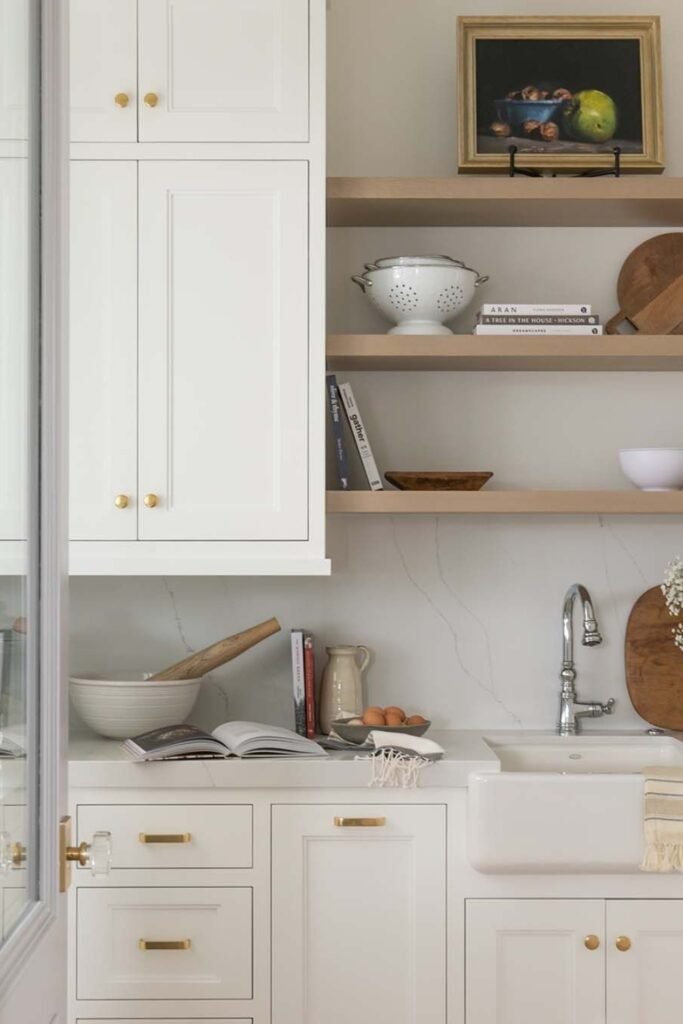
Built-In Open Pantry Shelves
Built-in open shelves work best for walk-in or butler-style pantries where visibility matters more than hiding everything behind doors.
Recreate this look using thick plywood shelves secured into studs, keeping depth moderate so everyday items stay visible.
This setup balances storage and display, making pantry shelving feel intentional while still handling daily kitchen use easily.
Tall Pull-Out Pantry Shelving
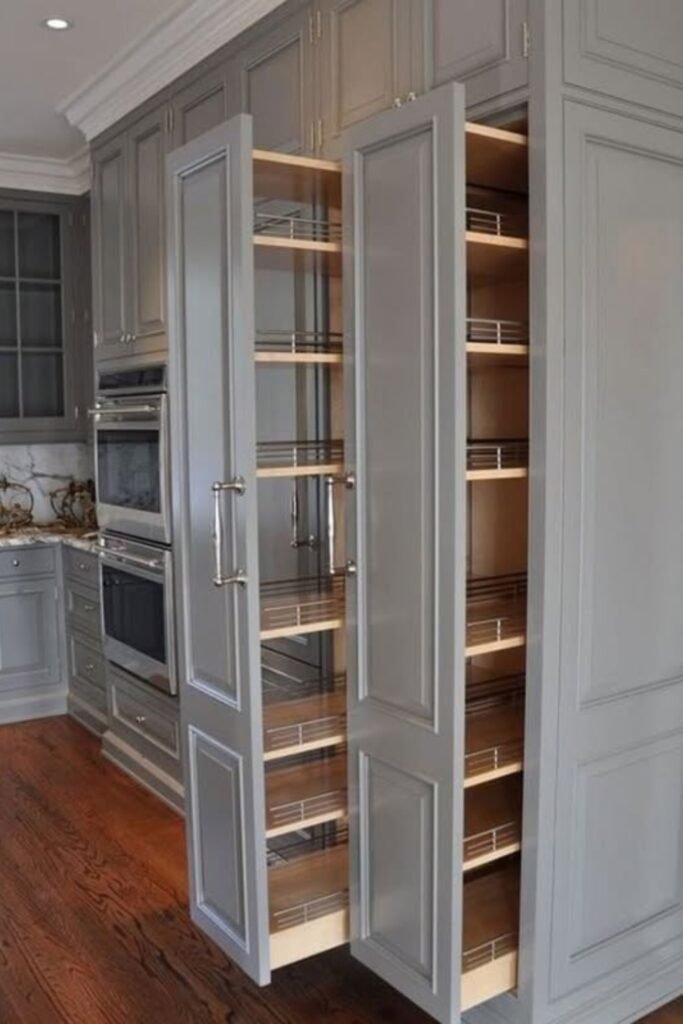
Pull-out pantry shelving solves deep cabinet problems by bringing every item forward instead of forcing you to dig.
This works best inside tall pantry cabinets where floor space is limited but vertical storage potential is high.
Use heavy-duty drawer slides and shallow trays so even canned goods stay accessible without stressing the hardware.
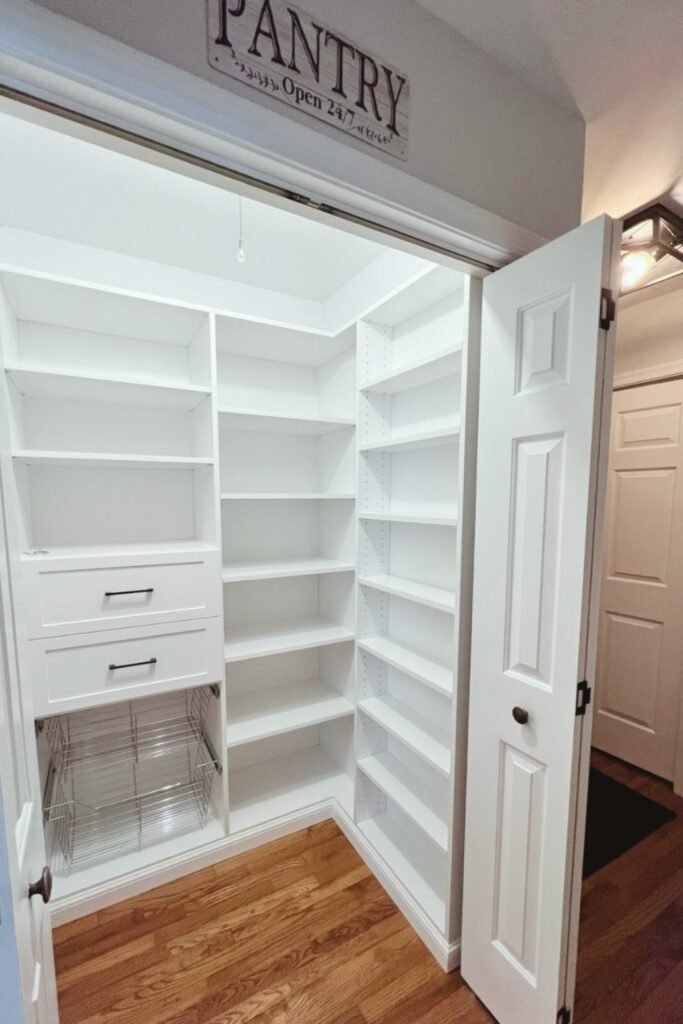
Closet Pantry Wraparound Shelves
Wraparound shelving turns a small closet pantry into usable storage by capturing corner and side wall space efficiently.
This approach works best when shelves vary in height instead of staying evenly spaced from top to bottom.
Built with adjustable shelf pins or cleats so storage adapts as grocery habits change over time.
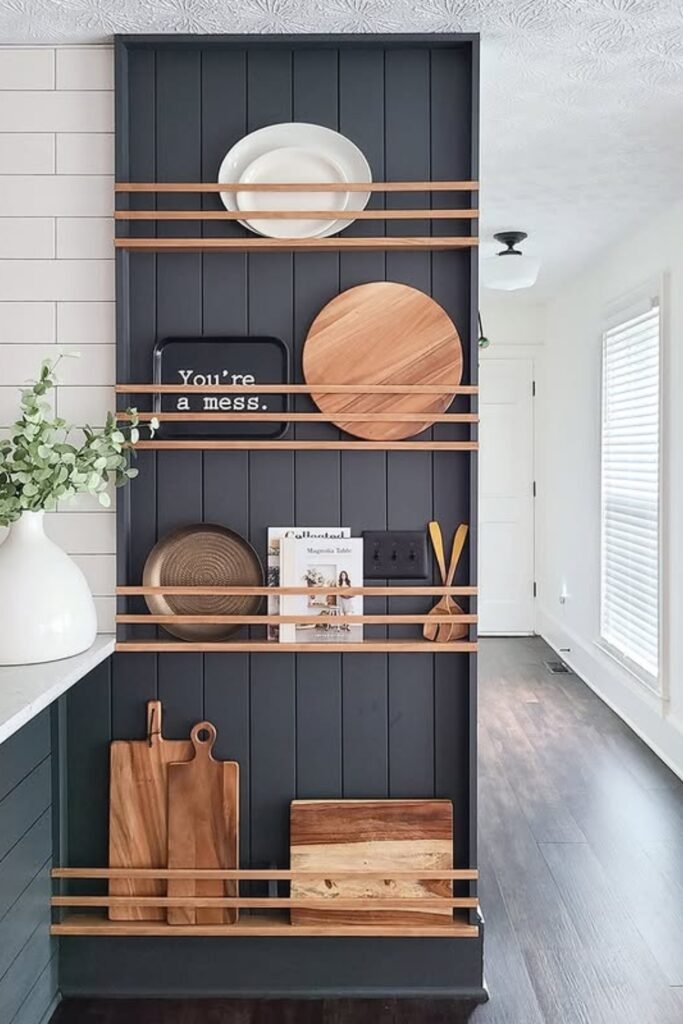
Vertical Plate Rack Pantry Wall
A vertical pantry wall with narrow rails keeps flat items upright while freeing shelf depth for other essentials.
This idea works beautifully in kitchens where pantry shelving doubles as visual separation or accent storage.
Install slim wood rails over a back panel, spacing them tightly to prevent boards from tipping forward.
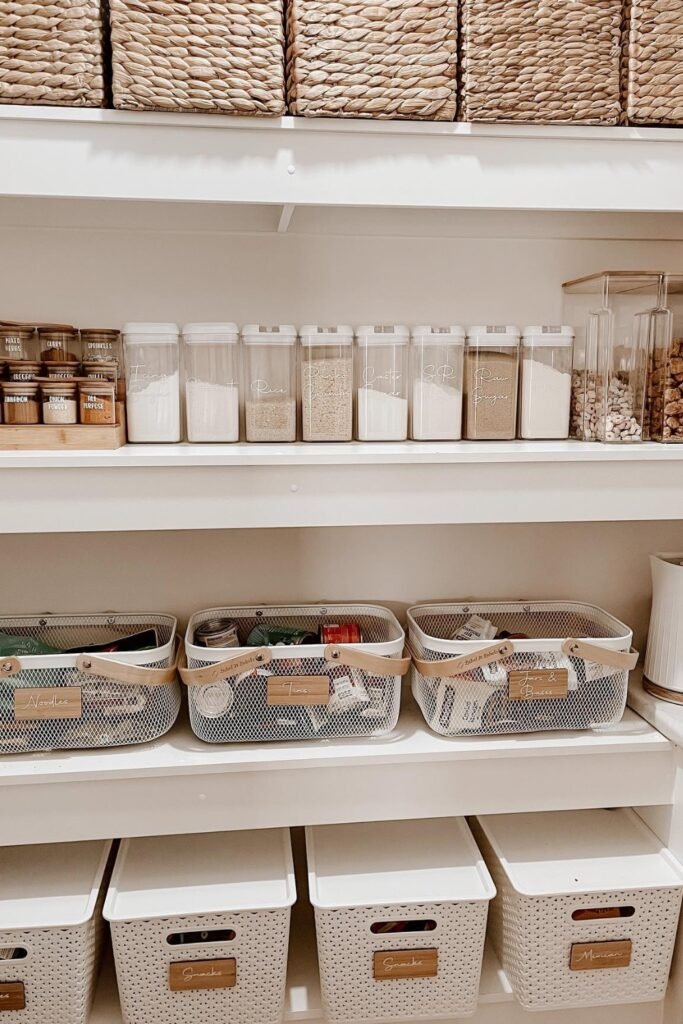
Shallow Pantry Shelf System
Shallow pantry shelves prevent food from hiding in the back, which is a common problem with standard deep shelving.
This system works best in reach-in pantries where quick access matters more than bulk storage capacity.
Keep shelf depth around twelve inches and rely on uniform containers to maximize visual order.
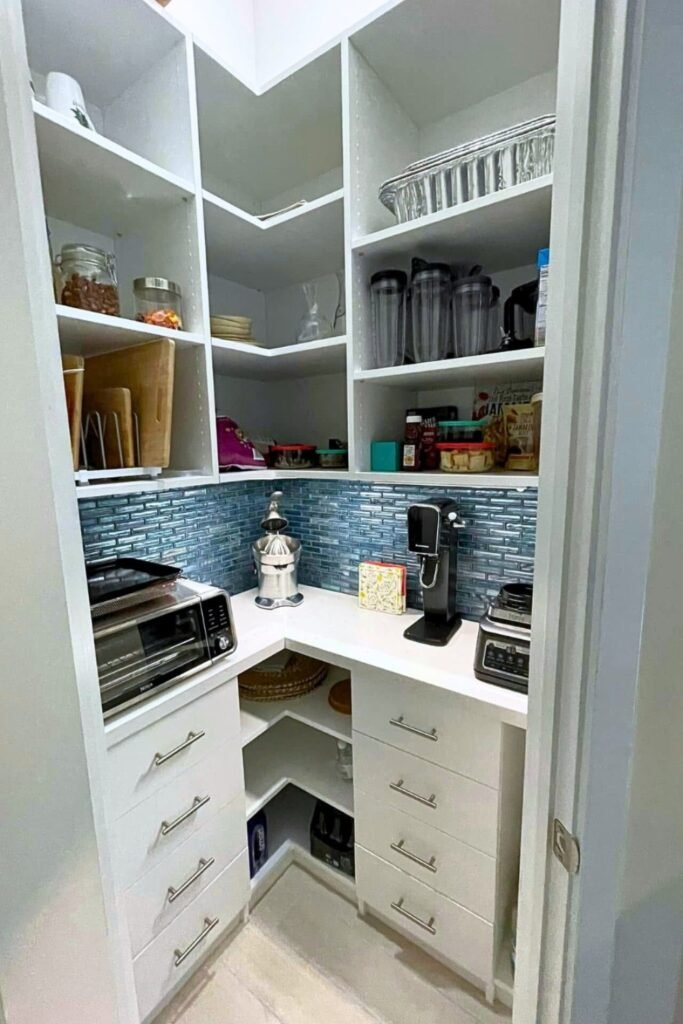
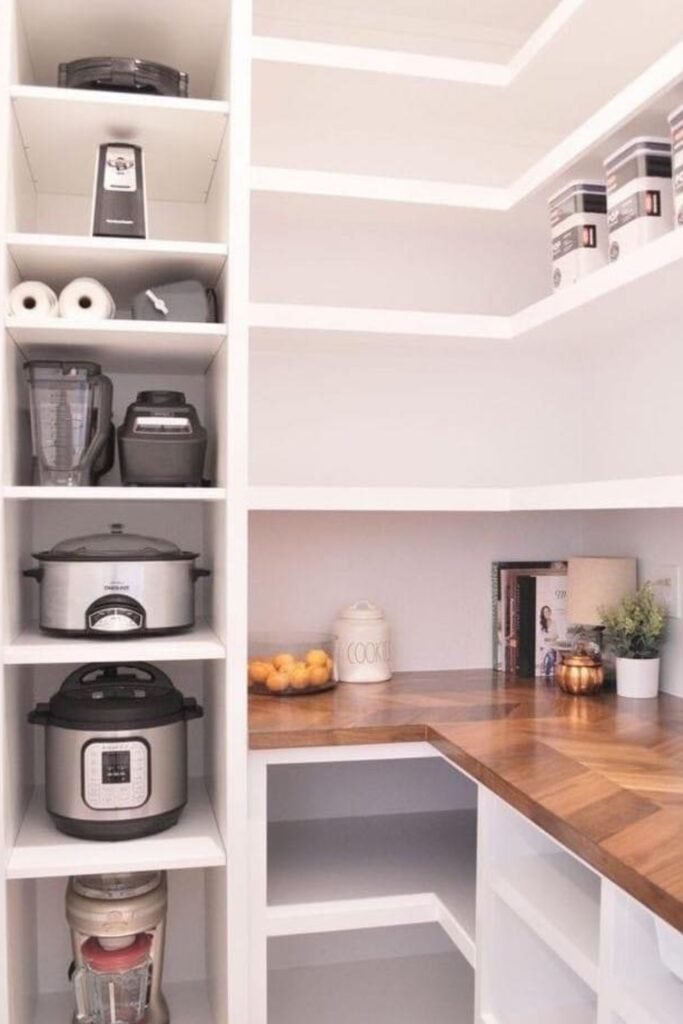
Corner Pantry Counter Shelving
Corner pantry shelving paired with a small counter creates functional zones instead of awkward dead space.
This layout works well for appliance storage, snack prep, or overflow items that need quick access.
Use L-shaped shelving with reinforced corners so weight stays supported without blocking floor movement.
Appliance Tower Shelving
Appliance towers keep bulky machines stacked vertically, freeing counter space while preventing heavy items from crowding everyday pantry shelves.
This approach works best in walk-in pantries where appliances stay accessible without dominating food storage zones visually inside.
Build tall cubbies using plywood dividers and secure shelves into studs so vibration-heavy appliances remain stable during use.
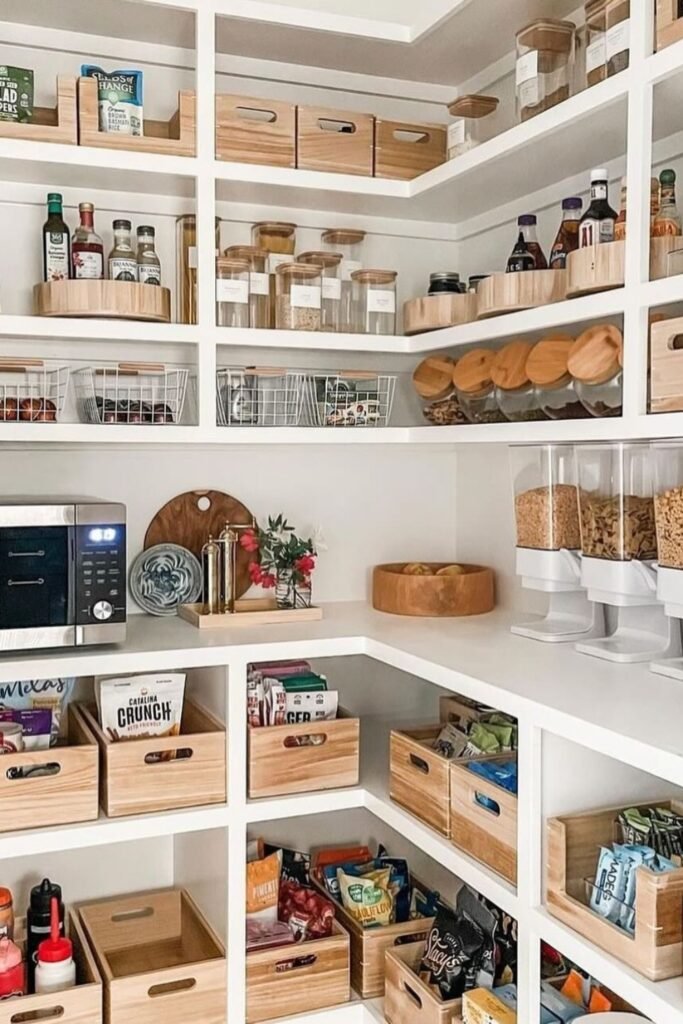
Uniform Pantry Shelf Grid
Uniform shelving combined with labeled bins creates a system where categories stay clear instead of collapsing into clutter.
This setup shines in medium to large pantries that benefit from predictable shelf heights and grouped storage habits.
Recreate it by spacing shelves consistently, then adding matching containers so visual order supports daily restocking routines easily.
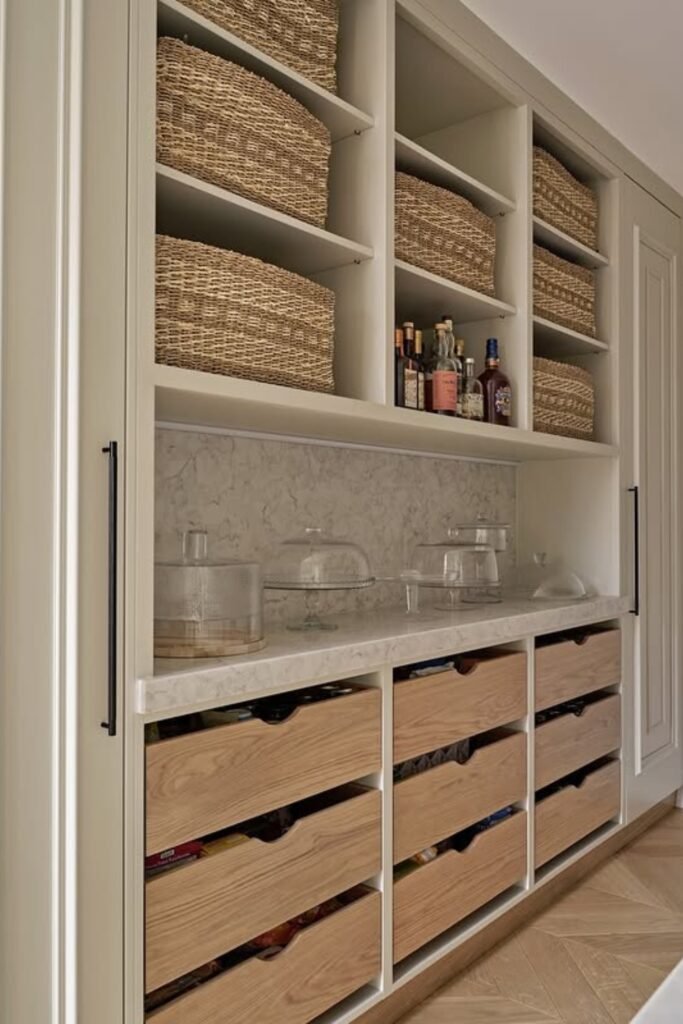
Lower Drawer Pantry Storage
Lower pantry drawers prevent deep shelves from becoming black holes where snacks disappear behind forgotten packages and cans.
This design works especially well for family pantries where quick access matters more than stacking height for kids.
Build drawer boxes on heavy-duty slides beneath fixed shelves to balance flexibility with strong weight support long-term reliability.
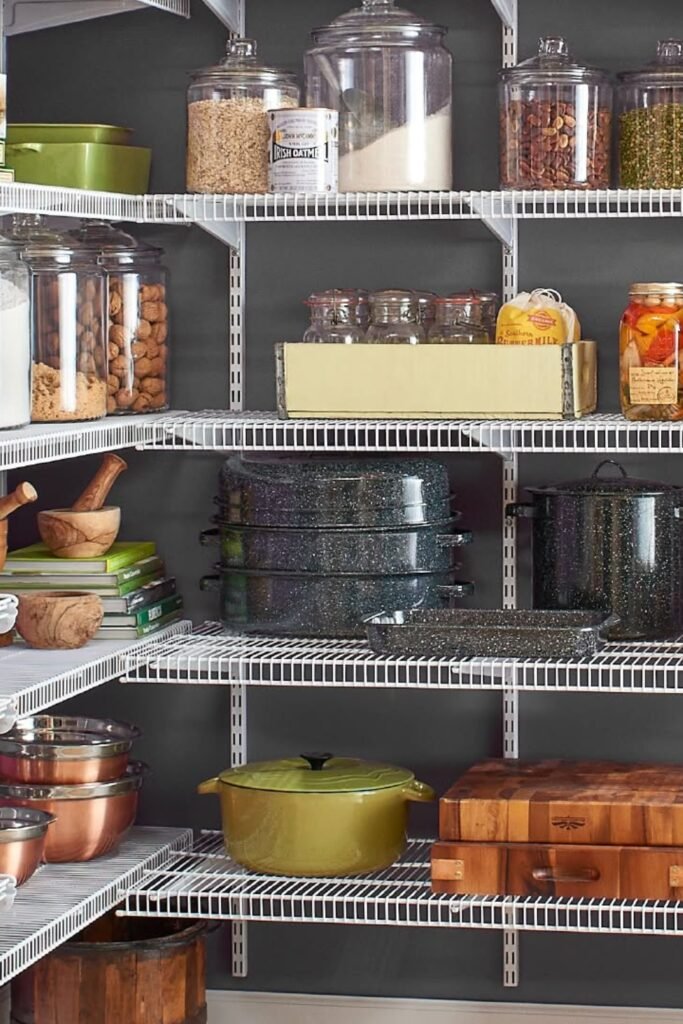
Adjustable Wire Shelf Pantry
Wire shelving remains popular because it installs fast and adjusts easily, even though depth control requires careful planning.
This approach suits rentals or utility pantries where permanent drilling feels unnecessary or restricted by landlords often rules.
Improve wire shelves by adding solid liners or front rails to stop tipping and increase everyday usability significantly.
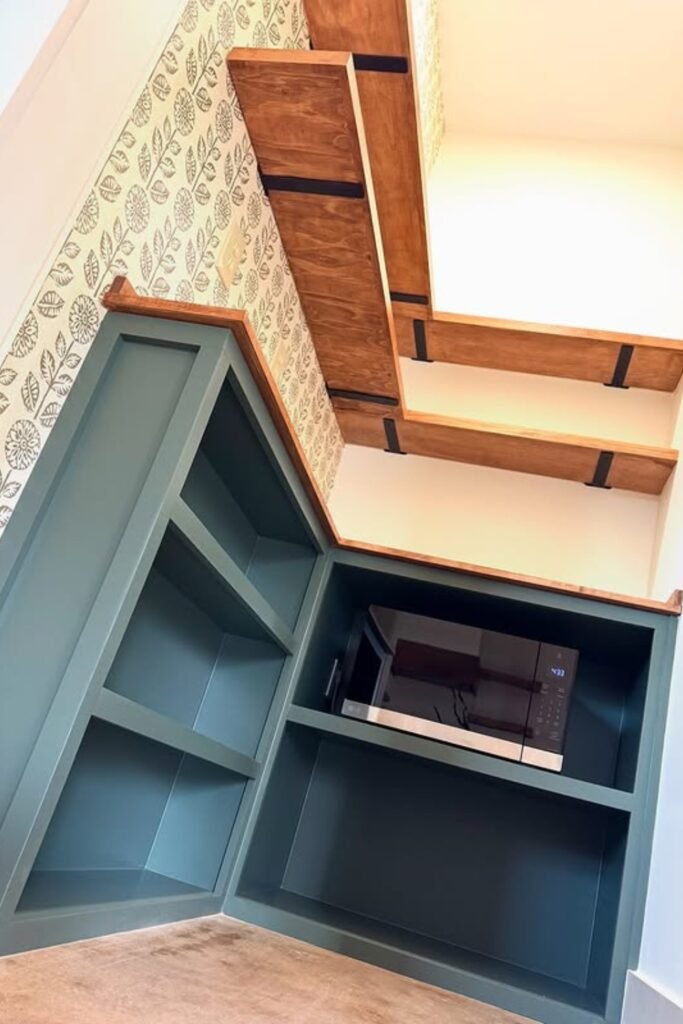
High Floating Storage Shelves
High-mounted floating shelves capture unused vertical space that most pantries ignore, perfect for overflow storage of seasonal items.
This works best in pantries with tall ceilings where reaching occasionally beats losing floor storage to bulky bins.
Anchor shelves into studs and keep depth shallow so weight stays manageable and items remain visible at all times.
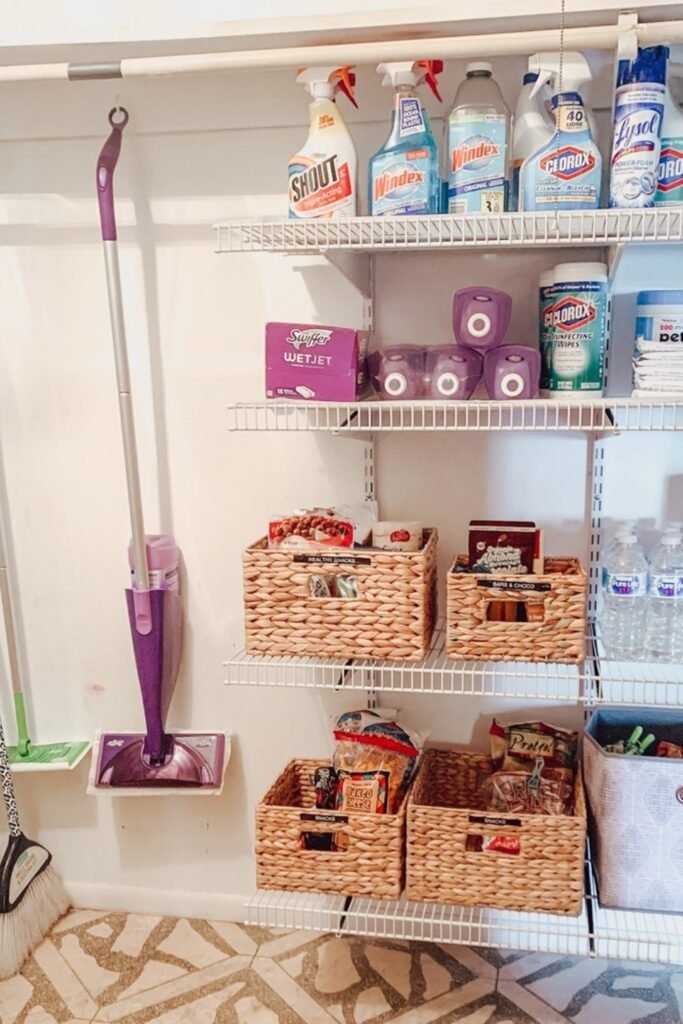
Dual-Purpose Utility Pantry Shelving
Pantry shelving can double as household storage when shelves adjust to hold cleaning supplies safely without spills happening.
This layout fits secondary pantries or laundry-adjacent spaces where food and supplies stay separated for better hygiene control.
Use adjustable standards and baskets so shelf heights shift easily as storage needs change over time without rebuilding.
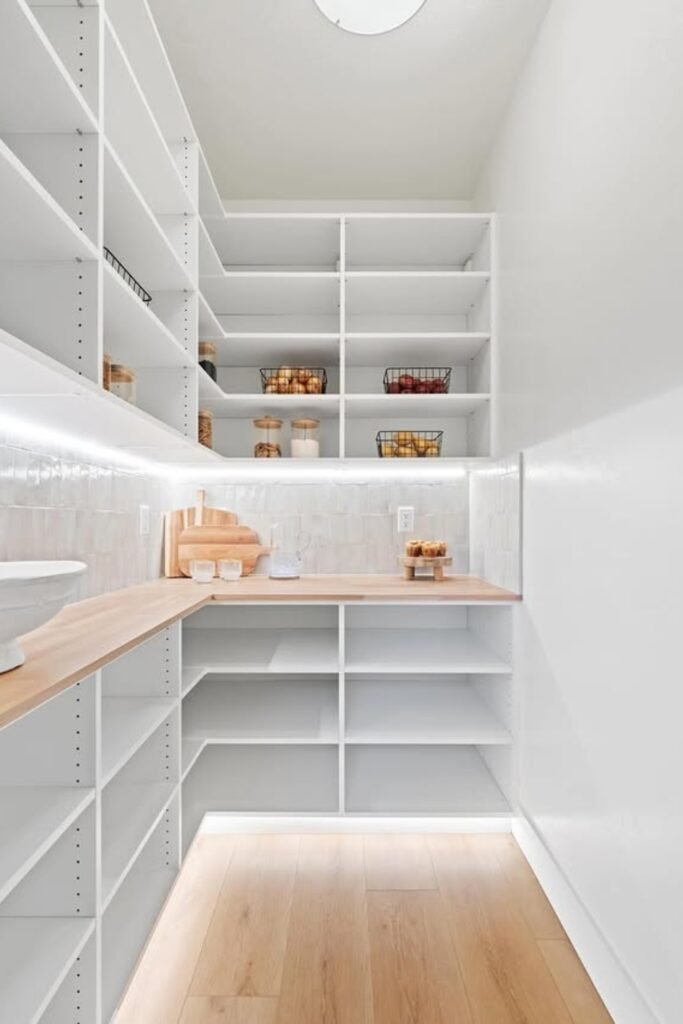
Adjustable Pantry Shelving With Work Counter
Adjustable shelving paired with a slim counter turns a pantry into a functional prep zone instead of storage-only space.
This setup works best in walk-in pantries where shelf heights change and occasional food prep happens nearby.
Use shelf standards for flexibility and add a butcher-block counter secured into side panels for strength.
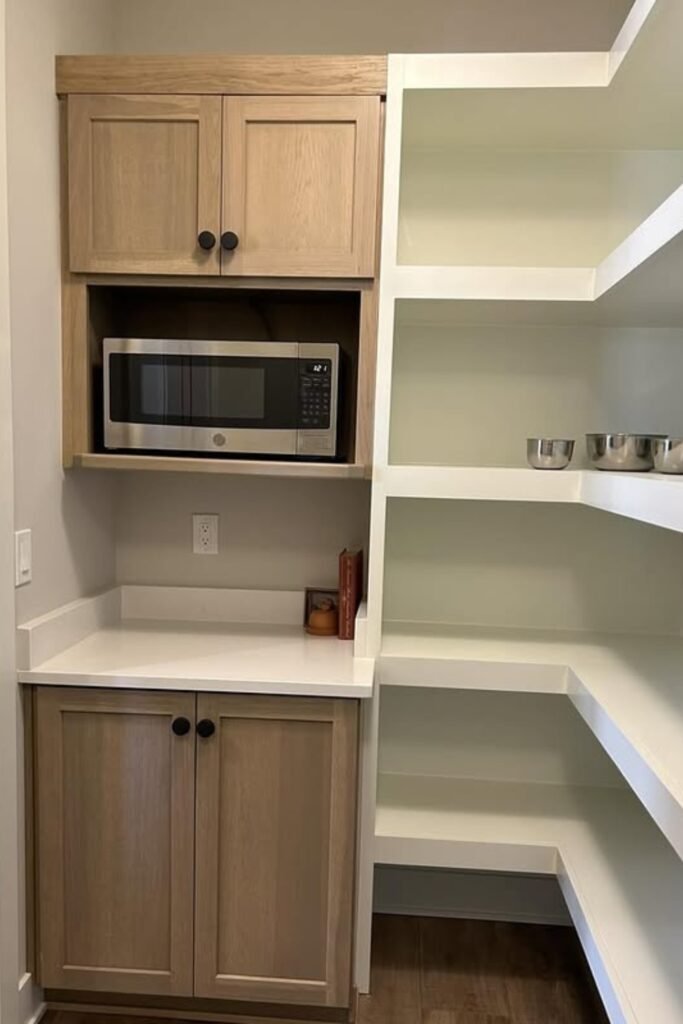
Built-In Appliance Nook Shelving
Built-in shelving with an appliance nook keeps microwaves off kitchens while still accessible during daily cooking routines.
This idea fits pantries adjacent to kitchens where electrical outlets already exist behind cabinet-style storage.
Frame appliance cubbies with plywood sides and leave ventilation gaps so heat doesn’t get trapped inside.
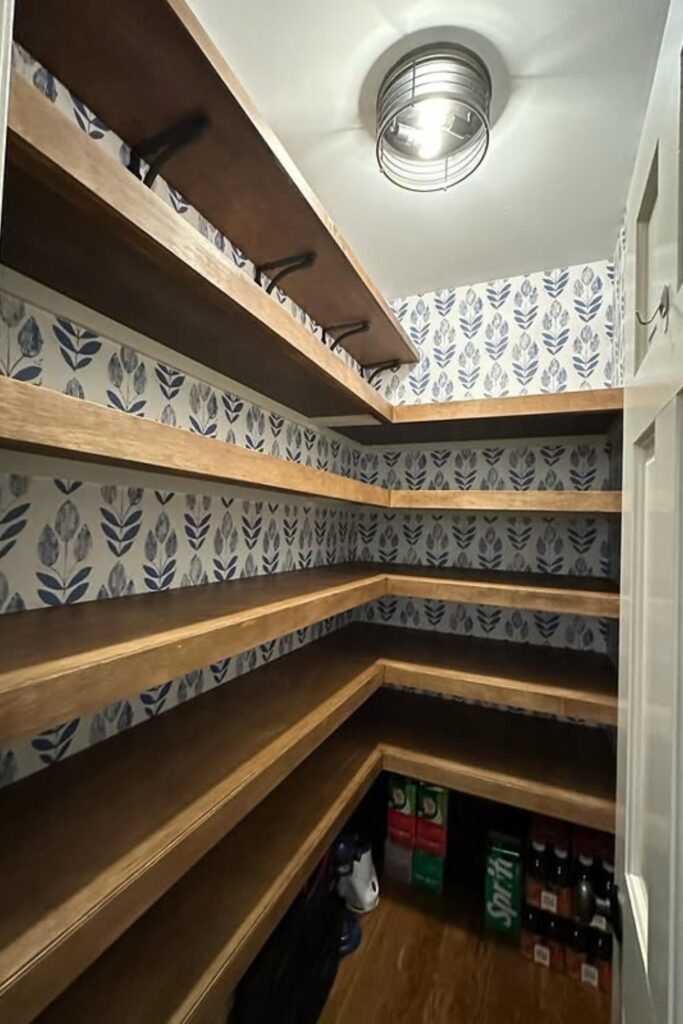
Wraparound Wood Pantry Shelves
Wraparound wood shelves maximize wall coverage, making small pantry rooms feel organized instead of boxed in
This design shines in narrow walk-in pantries where corners usually waste valuable storage potential.
Build continuous shelves using wall cleats and mitered corners to maintain strength across longer spans.
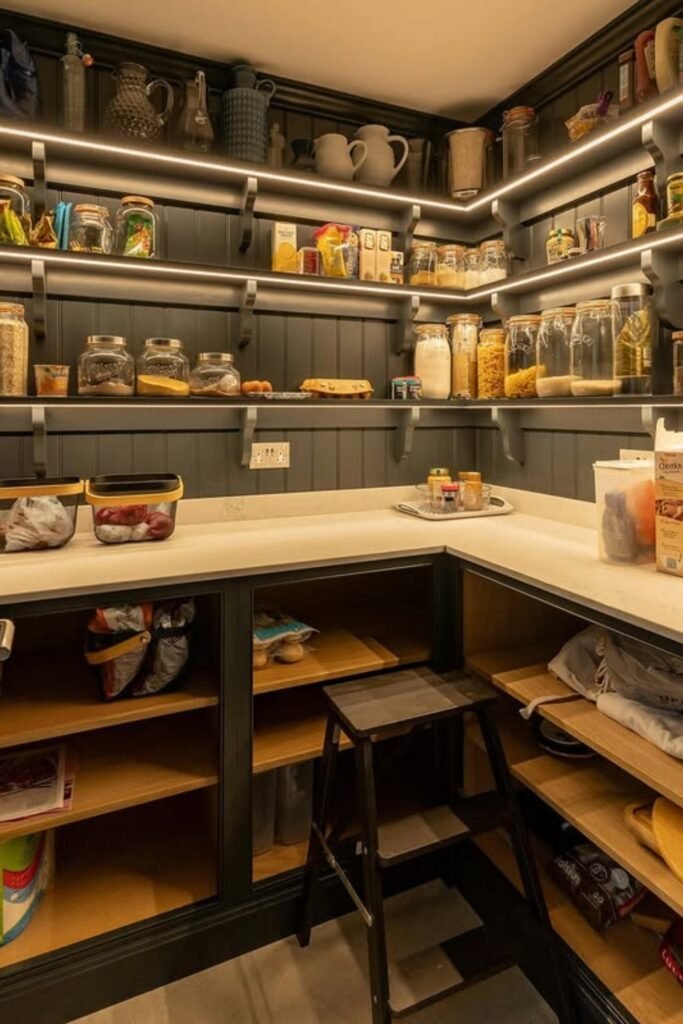
Dark Pantry Shelving With Integrated Lighting
Dark shelving combined with integrated lighting improves visibility while giving pantries a more intentional, finished look.
This approach works well in enclosed pantries where natural light is limited or completely absent.
Install LED strip lighting under shelves and use painted beadboard back panels for depth.
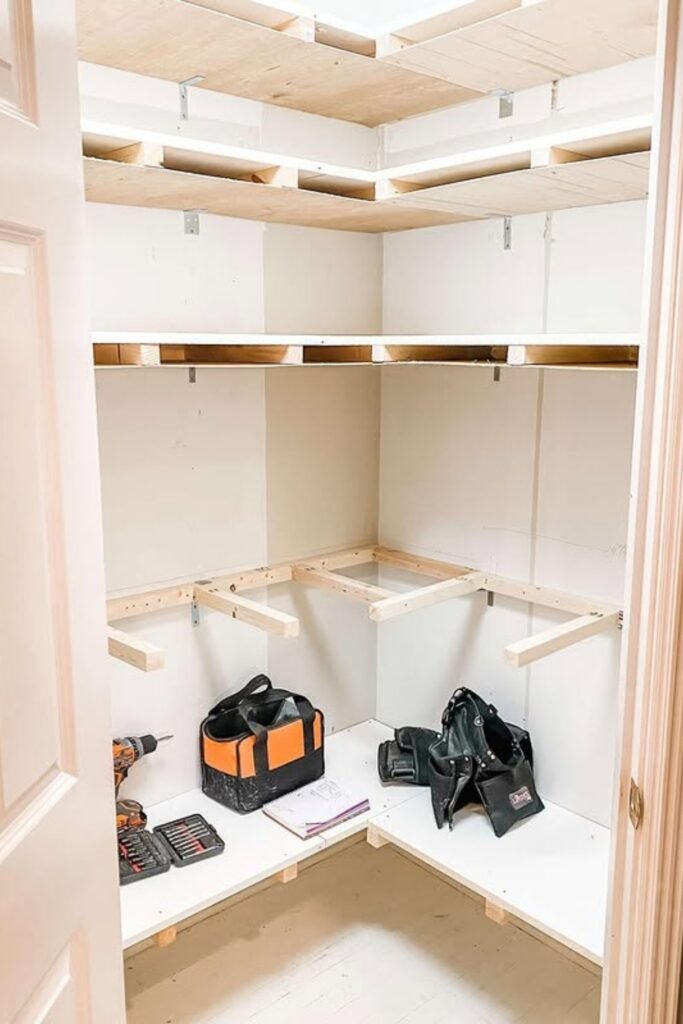
DIY Cleat-Based Pantry Shelving
Cleat-based shelving allows you to build strong pantry shelves without expensive hardware or custom cabinetry.
This method suits beginners working with closet pantries or tight budgets needing reliable weight support.
Attach horizontal cleats into studs first, then rest plywood shelves on top for long-term durability.
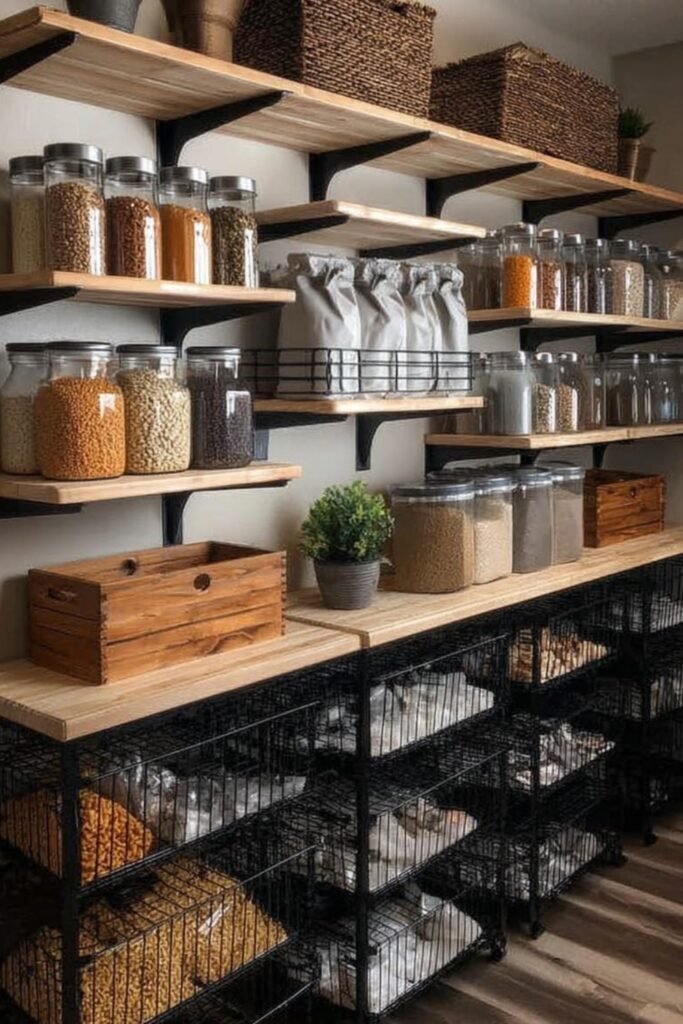
Open Shelving With Storage Baskets
Open shelving paired with baskets keeps pantry items grouped while avoiding the cluttered look loose packages create.
This setup works best in everyday family pantries where quick access matters more than visual perfection.
Use sturdy brackets for shelves and uniform baskets below to simplify restocking and organization habits.

Hi, my name is Ali Mehmood! I’m a passionate writer and DIY enthusiast who loves turning creative ideas into practical, hands-on projects.
I created this website to share inspiring, budget-friendly ideas that you can do yourself – whether it’s organizing your home, crafting something unique, or creating fun projects for kids and pets.
I believe DIY isn’t just a hobby – it’s a smart way to save money, reduce waste, and enjoy the satisfaction of making things with your own hands.
I’m excited to have you as part of this growing community, and I’ll continue bringing you helpful, realistic, and fun DIY ideas you can actually use.