This post may contain affiliate links: read full affiliate disclosure.
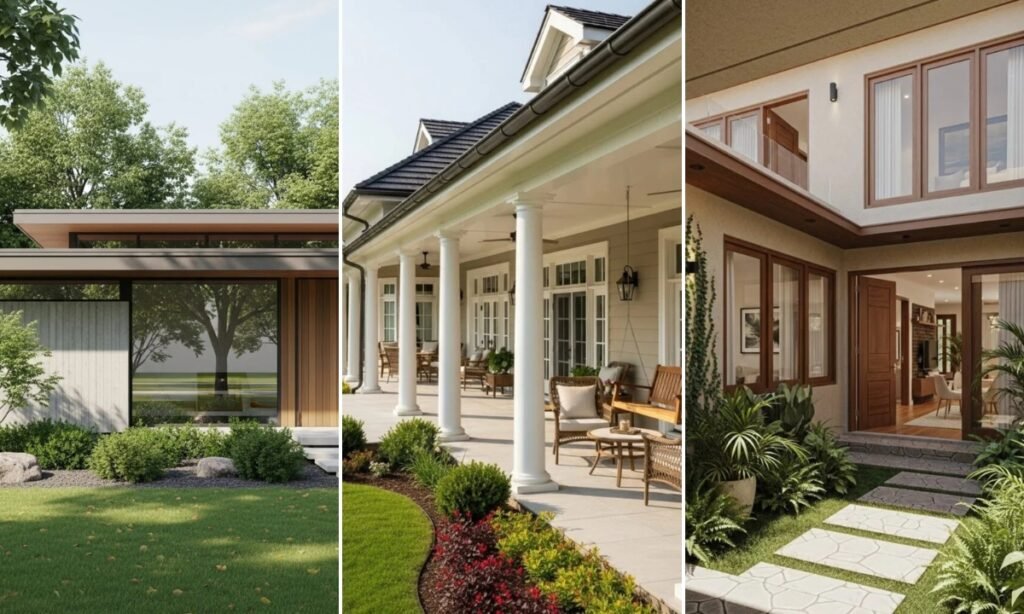
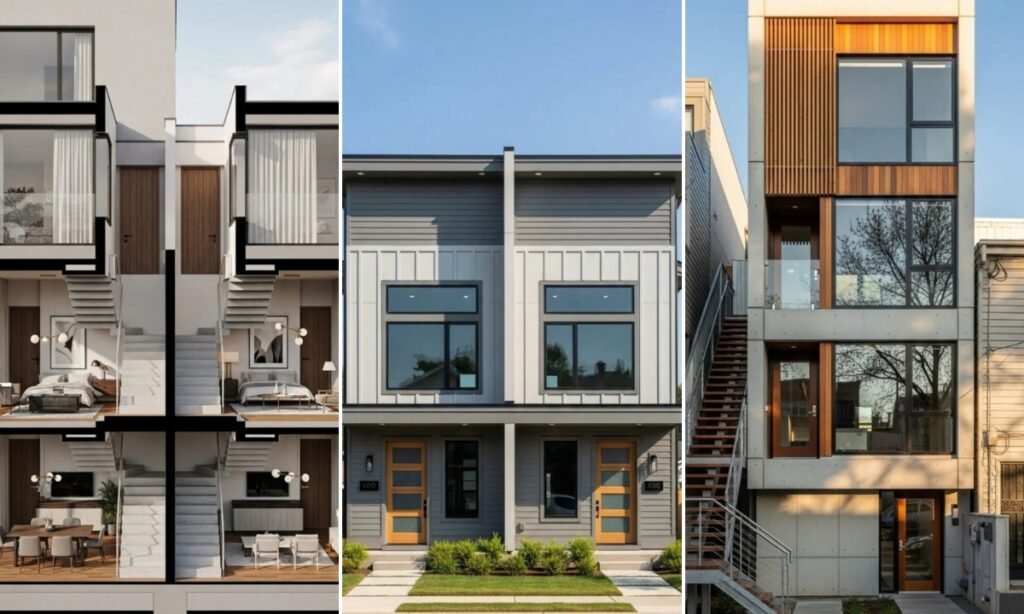
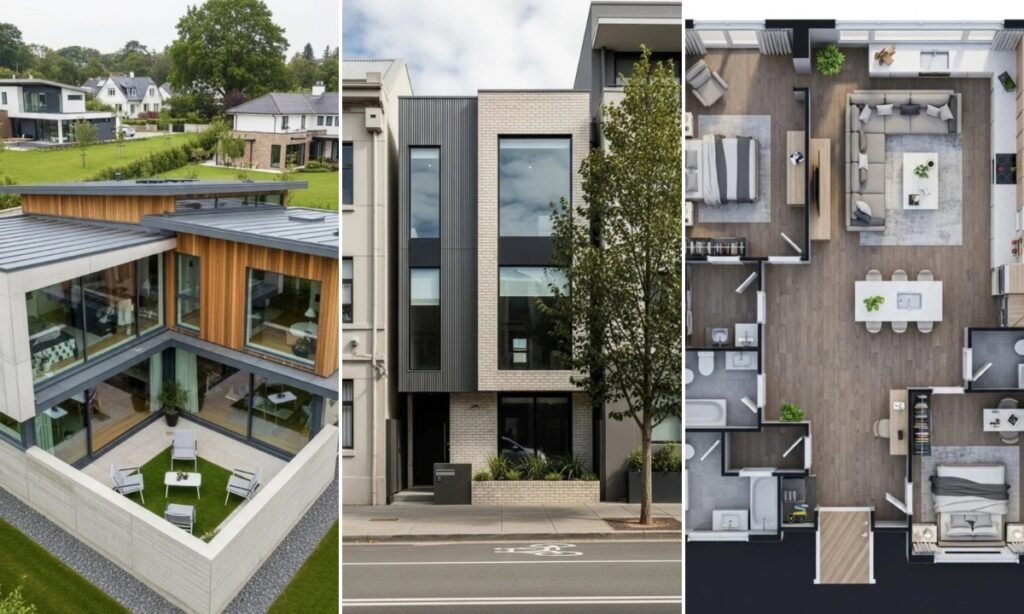
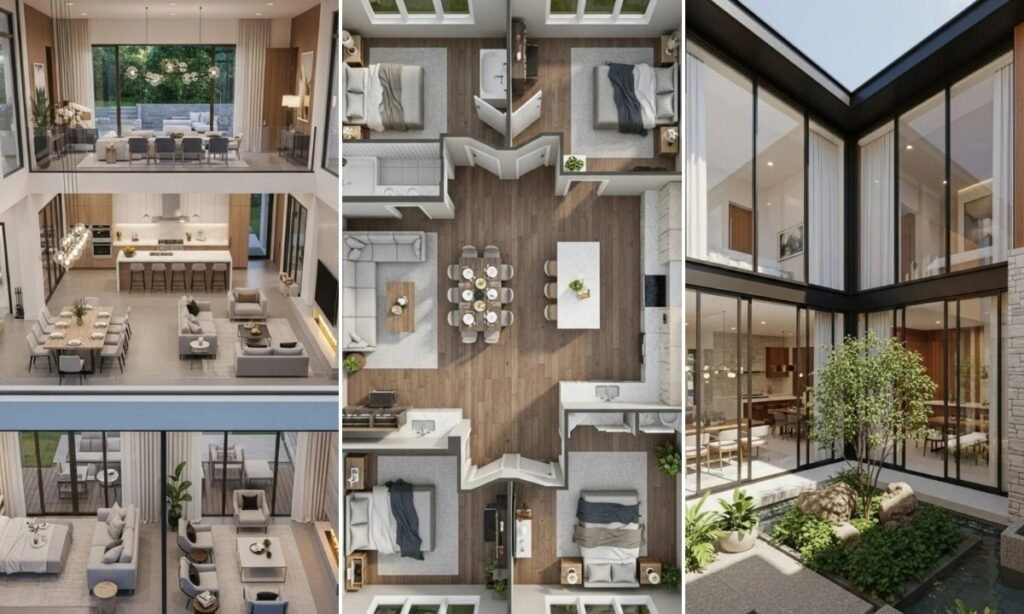
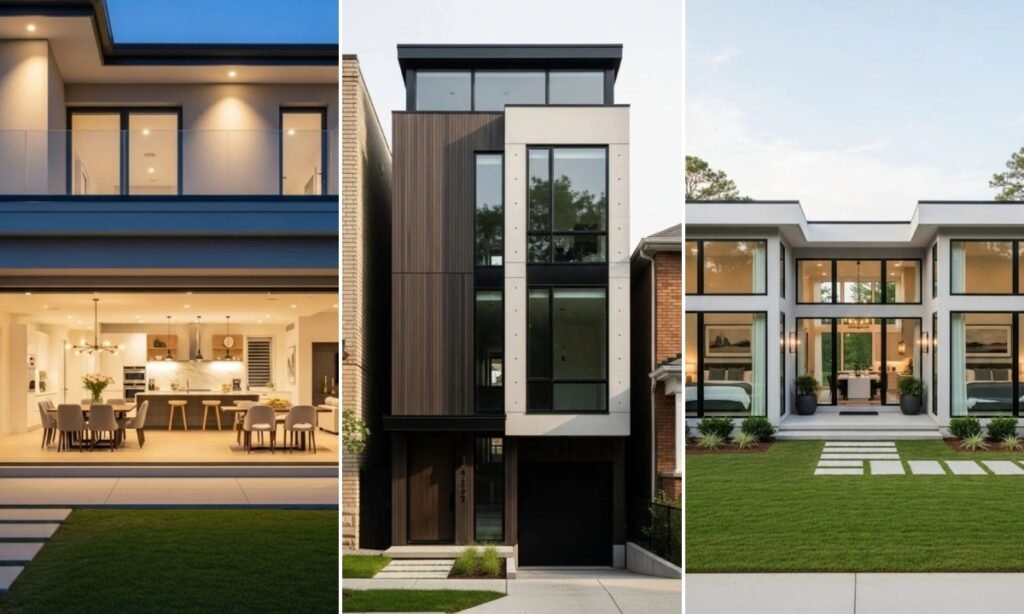
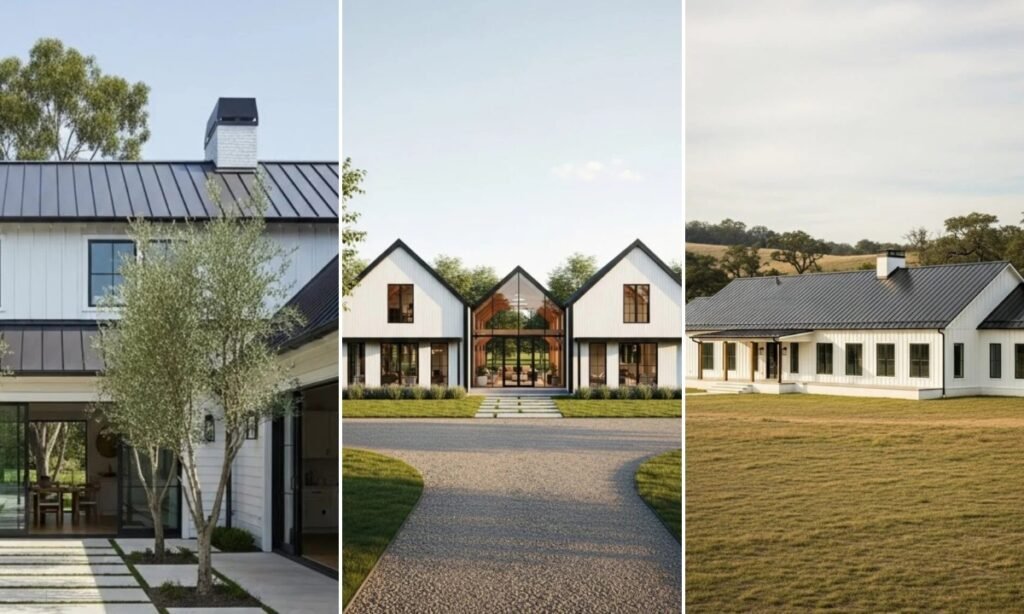
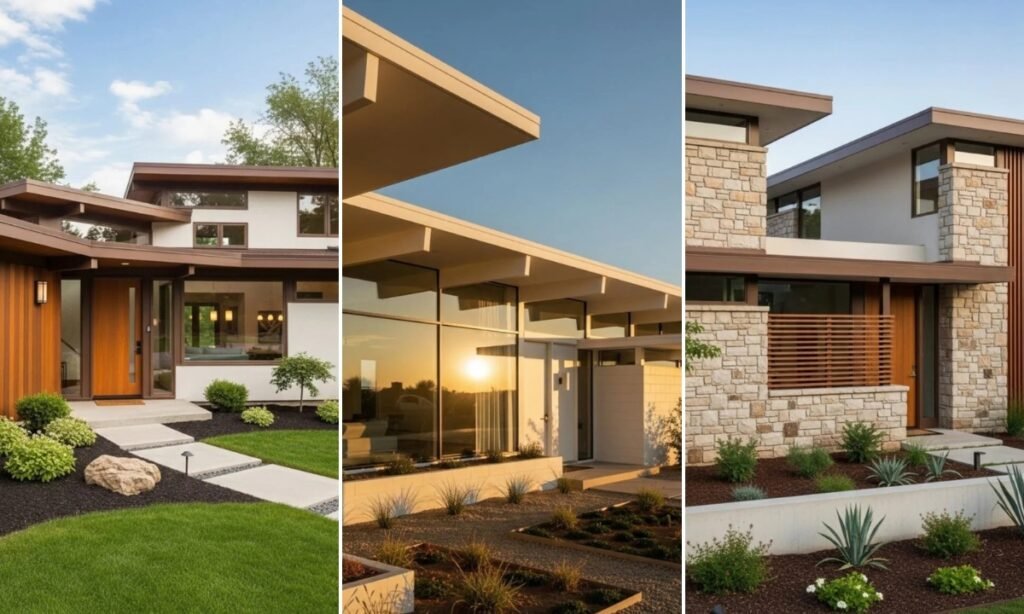
Mid-century modern house exteriors stand out for their low profiles, clean lines, and effortless connection to nature.
Instead of ornate details, this style relies on strong horizontal forms, natural materials, and thoughtful geometry.
From flat rooflines and wide windows to stone accents and open carports, every detail serves a purpose.
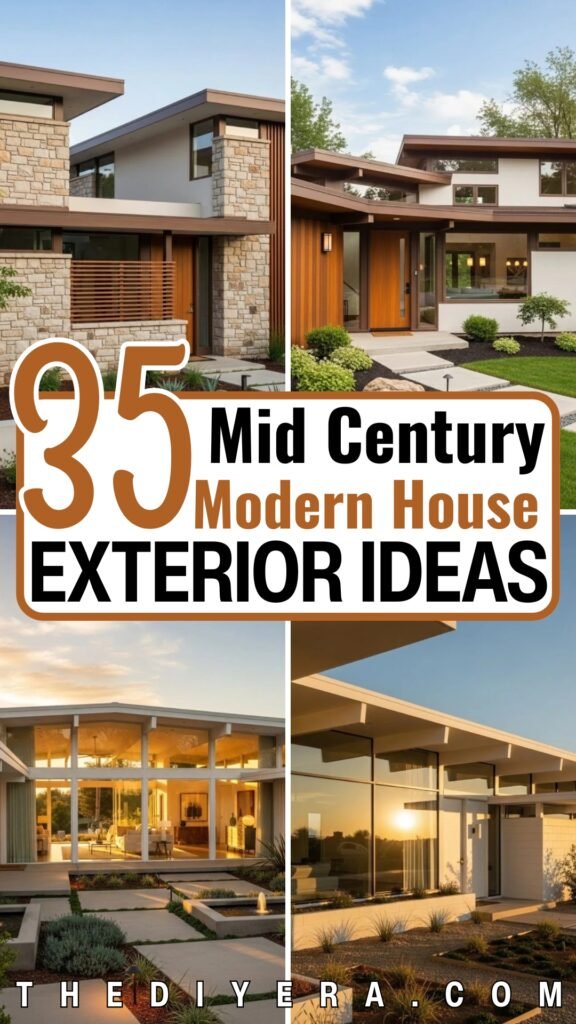
In this article, you’ll explore 35 carefully selected exterior ideas that capture the true spirit of mid-century modern design while offering practical inspiration for today’s homes.
Low Rooflines
Low rooflines are a signature of mid-century modern exteriors. The roof sits close to the ground, creating a strong horizontal feel that visually stretches the home wider.
This design helps the house blend into its surroundings and works especially well for single-story layouts, giving the exterior a calm, grounded presence.
Asymmetrical Front
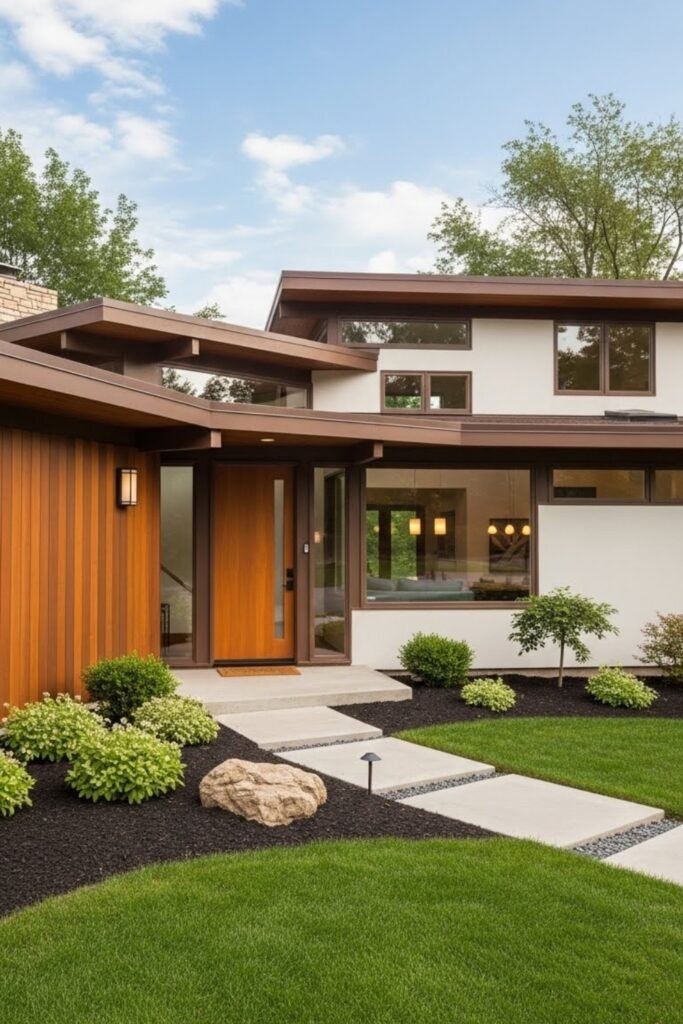
An asymmetrical front breaks away from traditional balance and adds architectural character. Windows, doors, and roof sections are intentionally offset to create visual movement.
This approach makes the exterior feel custom and design-driven, which is a core principle of mid-century modern homes.
Flat Overhangs
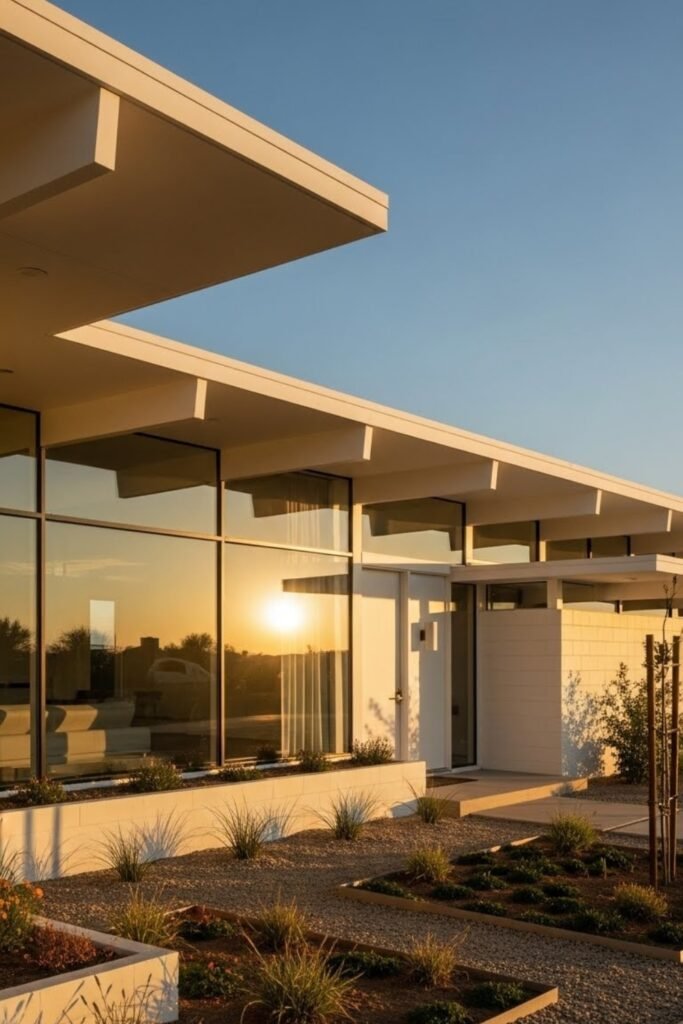
Flat roof overhangs extend outward to provide shade and depth. They protect windows from harsh sunlight while reinforcing clean horizontal lines.
These overhangs also create natural shadow patterns on the facade, adding subtle visual interest without relying on decorative details.
Clerestory Glass
Clerestory glass refers to narrow windows placed high near the roofline. They bring in daylight while maintaining privacy inside the home.
From the exterior, these windows emphasize the long, low profile that defines mid-century modern architecture.
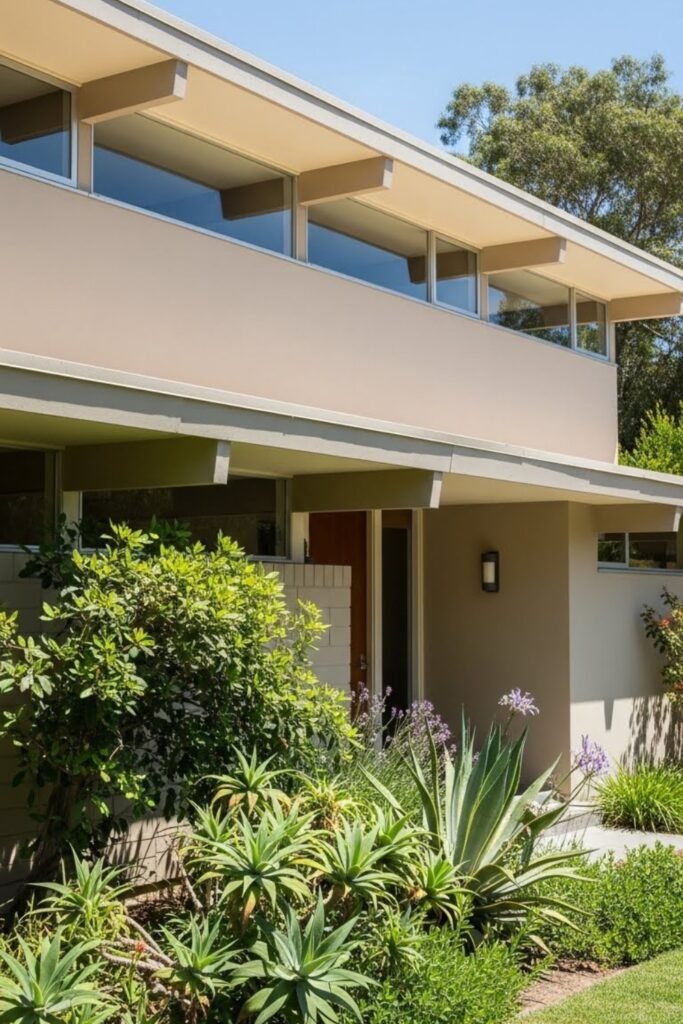
Stone Accents
Stone accents add natural texture to a mid-century modern exterior. Rough-cut or stacked stone is often used on entry walls, columns, or feature sections to balance sleek lines.
This material choice grounds the home visually and connects the structure to the landscape without making the design feel heavy or traditional.
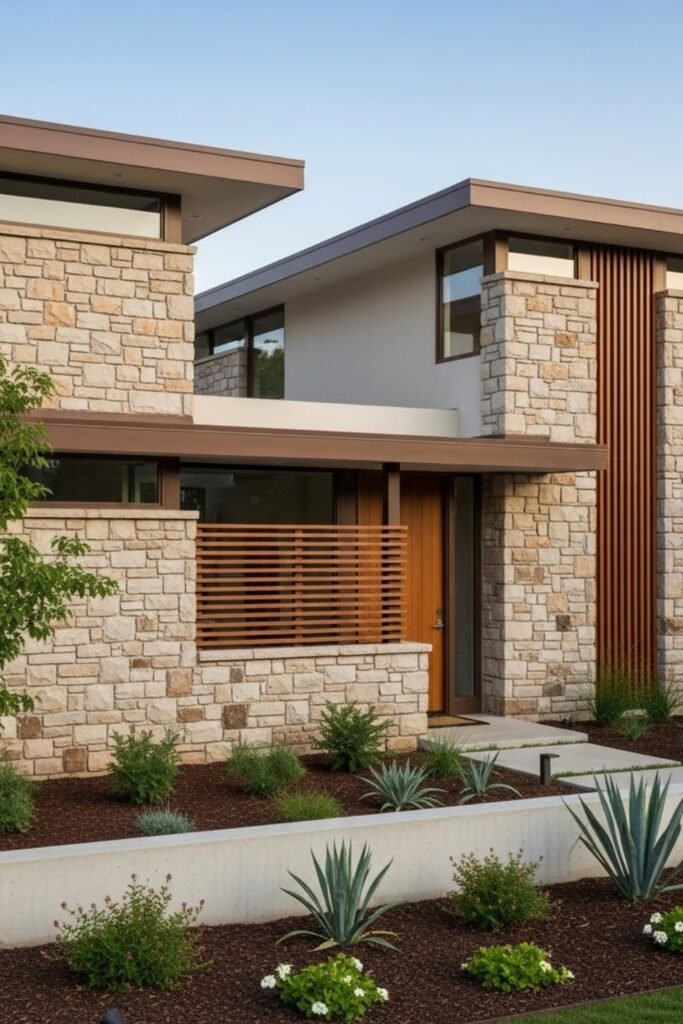
Wood Slats
Wood slats soften the clean geometry of mid-century exteriors. Vertical or horizontal slat walls add warmth while maintaining a modern feel.
They work especially well near entryways or patios, creating privacy without fully closing off the space and enhancing the home’s natural, organic look.
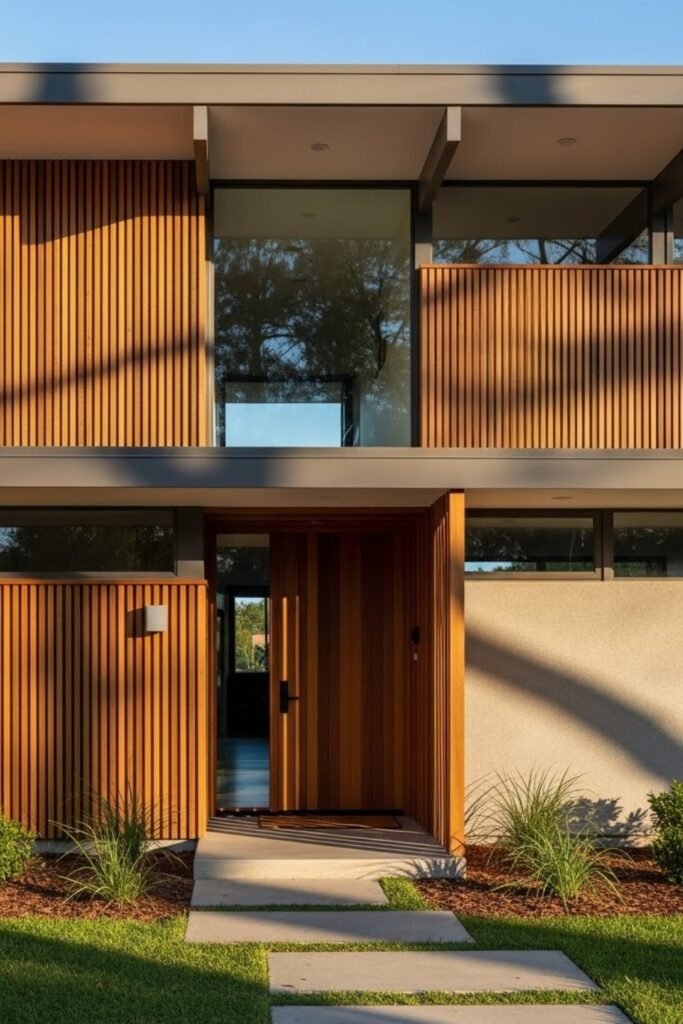
Glass Fronts
Glass-heavy front elevations create a strong indoor-outdoor connection. Large panes or continuous window walls allow natural light to flood inside while keeping the exterior visually open.
This approach highlights the mid-century emphasis on transparency and connection to nature.
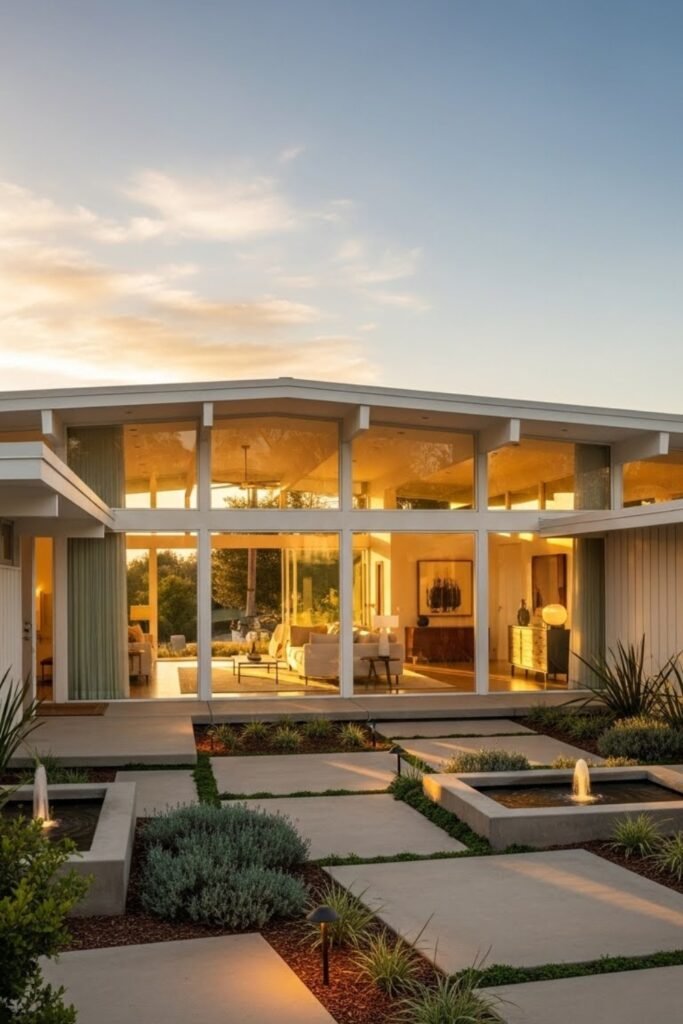
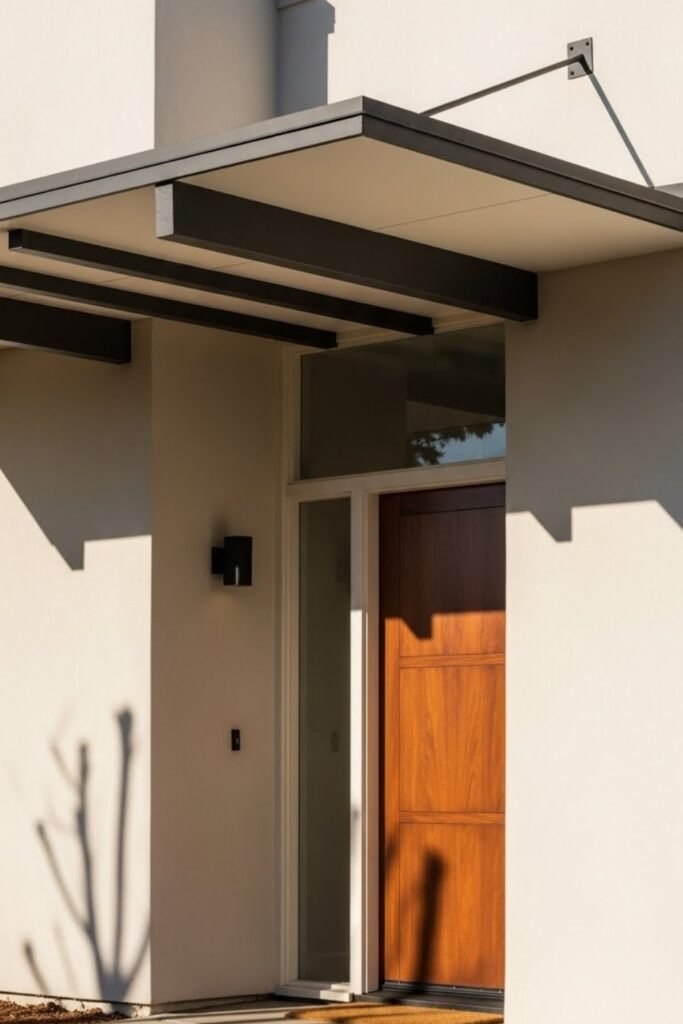
Entry Canopy
An entry canopy extends outward from the facade, often with a flat roof and minimal supports. It creates a clear focal point for the entrance while adding architectural depth.
The canopy also provides shelter and reinforces the horizontal lines typical of mid-century modern design.
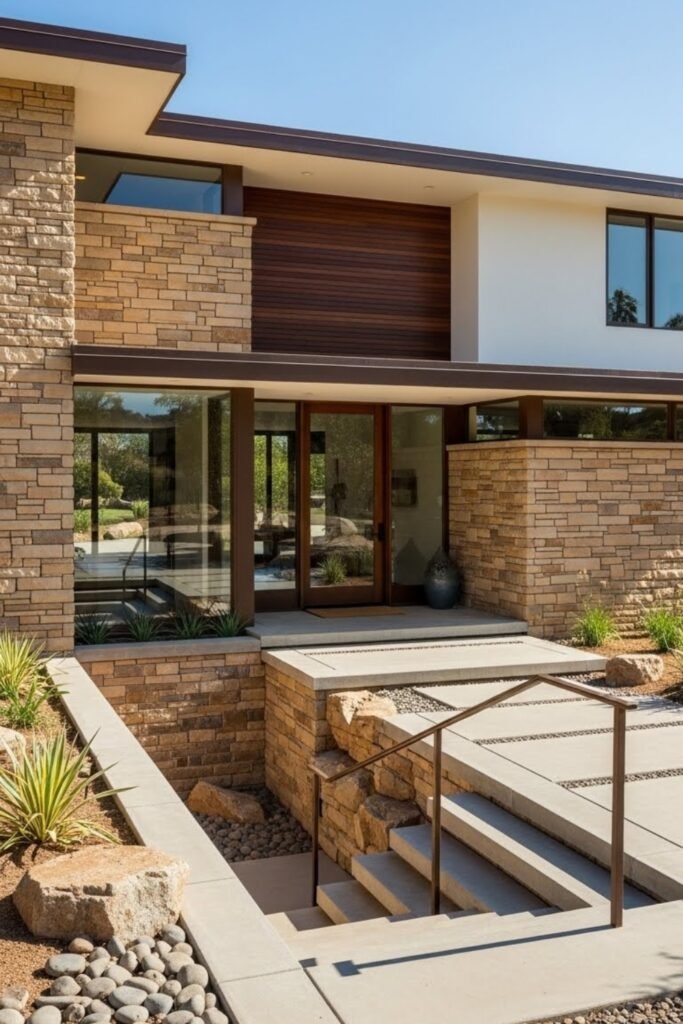
Sunken Entry
A sunken entry creates a subtle transition from outdoors to indoors. The front approach steps slightly downward, adding depth and architectural interest.
This design enhances privacy while making the entrance feel intentional and dramatic without relying on decorative elements or bold colors.
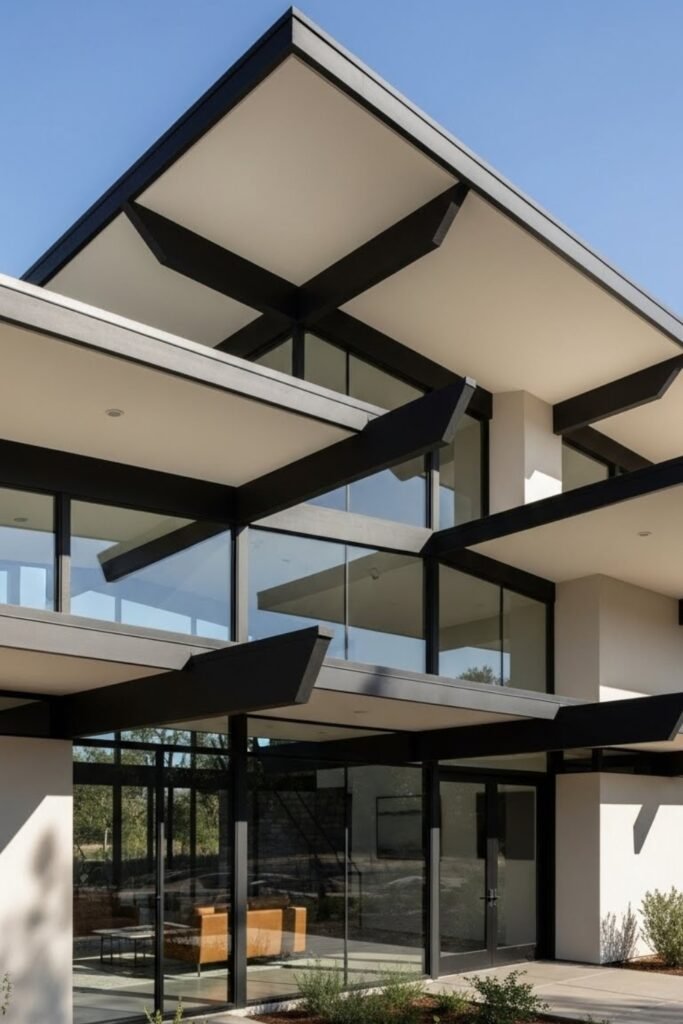
Angular Roofs
Angular roof designs introduce sharp geometry to mid-century modern exteriors. Slanted or intersecting roof planes create movement and visual tension.
This style works especially well on homes with open layouts, making the exterior feel dynamic while maintaining clean, modern lines
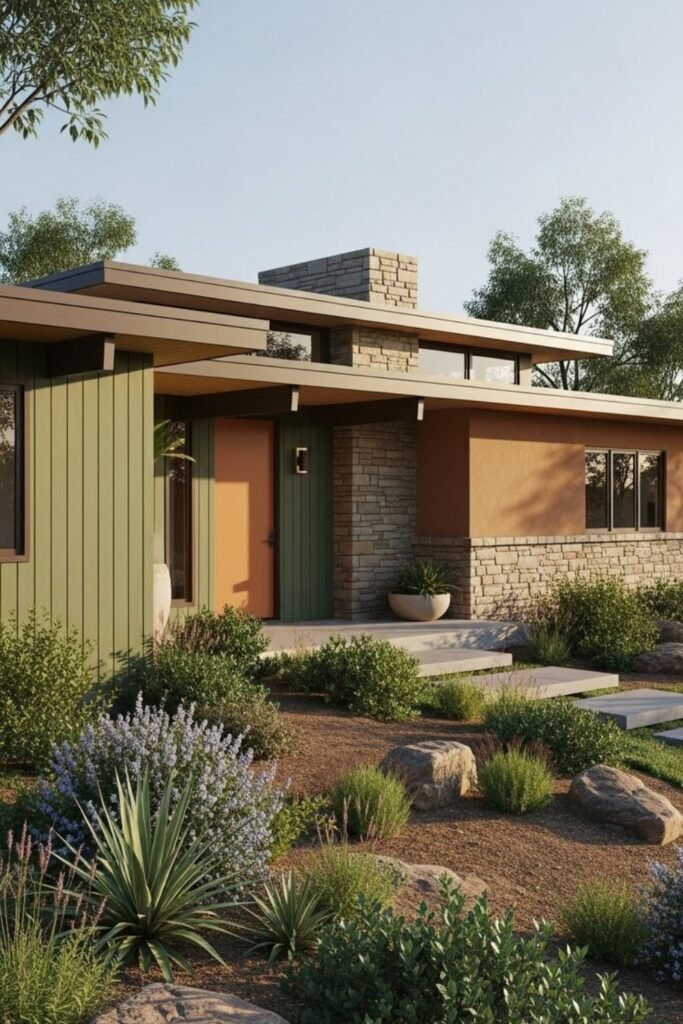
Earth Tones
Earth-tone exteriors rely on warm, muted colors inspired by nature. Shades like olive, clay, tan, and warm brown complement the architecture without overpowering it.
These colors help mid-century homes blend seamlessly into their surroundings while keeping the exterior timeless and grounded.
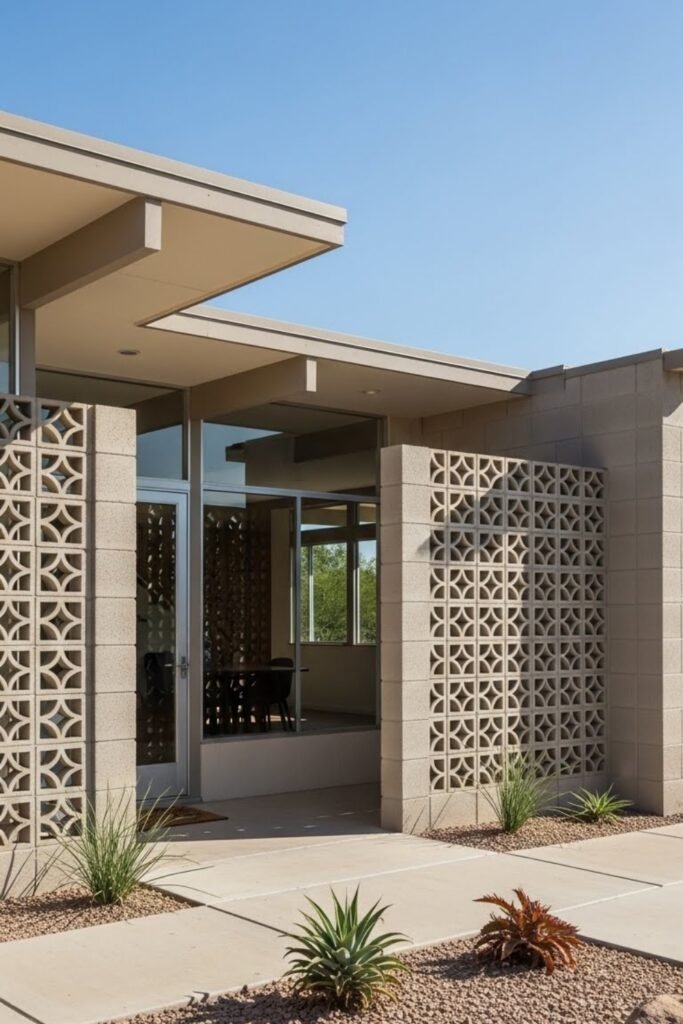
Block Walls
Concrete block walls add texture and authenticity to mid-century modern exteriors. Decorative or solid block patterns are often used for privacy screens or feature walls.
They allow airflow and light while maintaining a strong architectural presence that feels both functional and iconic.
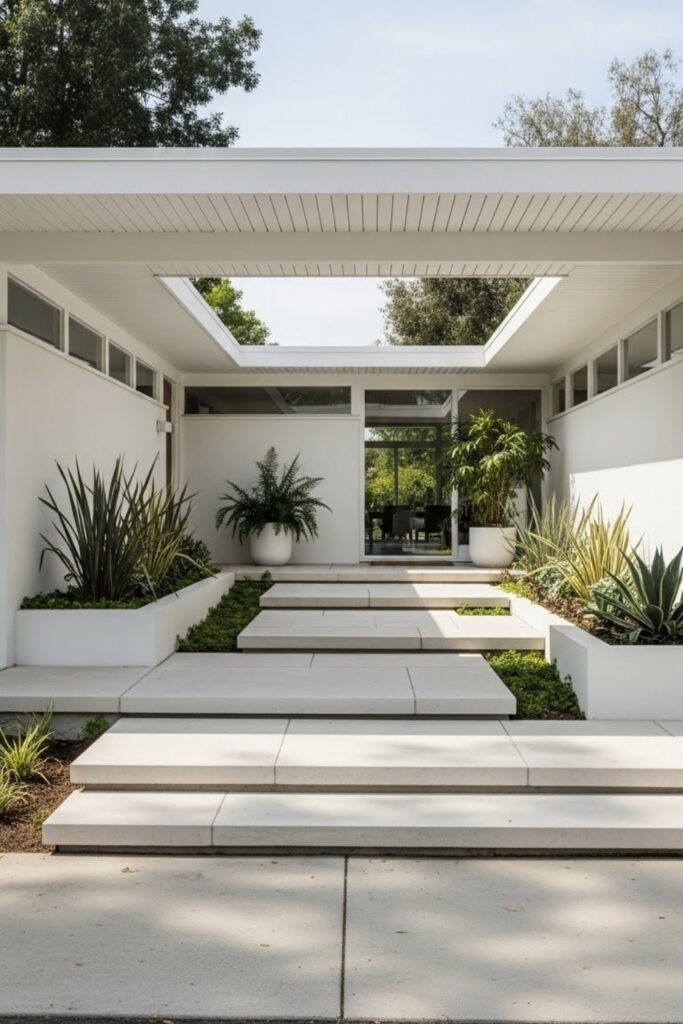
Wide Steps
Wide, low-profile steps create a smooth approach to a mid-century modern home. Instead of steep stairs, this design spreads the entry across a wider area, reinforcing horizontal lines.
It makes the entrance feel welcoming and visually connected to the rest of the exterior rather than separate or elevated
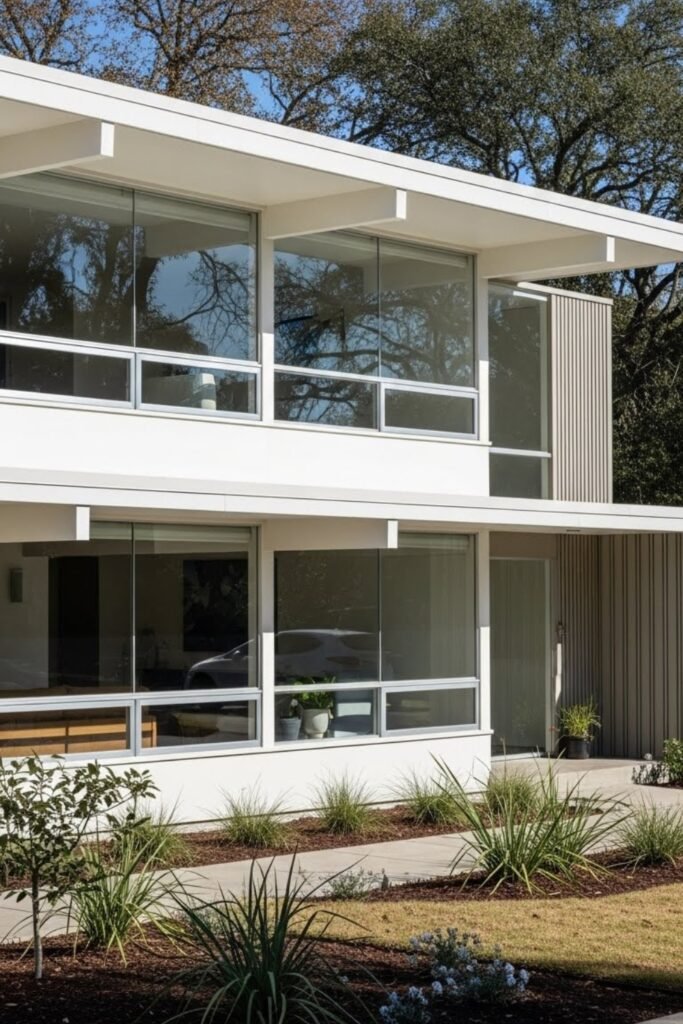
Horizontal Windows
Horizontal windows stretch across the facade and emphasize the home’s long, low structure.
These windows allow even light distribution inside while keeping the exterior sleek and uncluttered. They are a classic mid-century element that supports clean lines and visual balance.
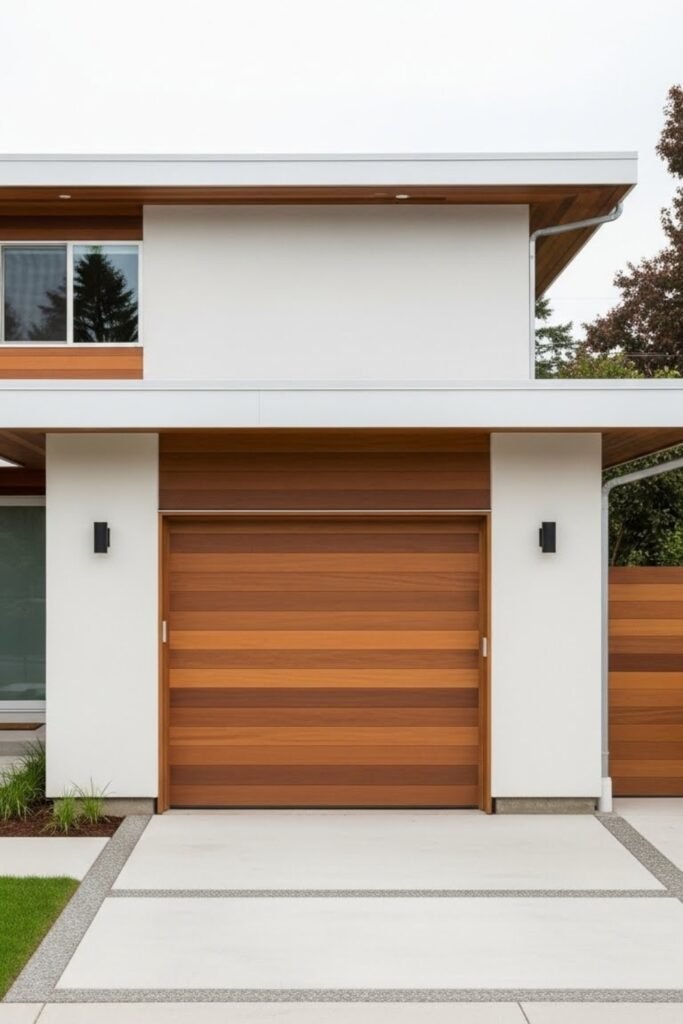
Blended Garage
A blended garage integrates seamlessly into the home’s exterior design. Materials, rooflines, and colors match the main structure so the garage doesn’t dominate the facade.
This keeps the focus on architecture rather than functionality, a key principle of mid-century modern design.
Recessed Door
A recessed front door adds depth and shadow to the exterior. Set back from the main facade, it creates a protected entry space while keeping the exterior visually clean.
This approach adds architectural interest without extra ornamentation.
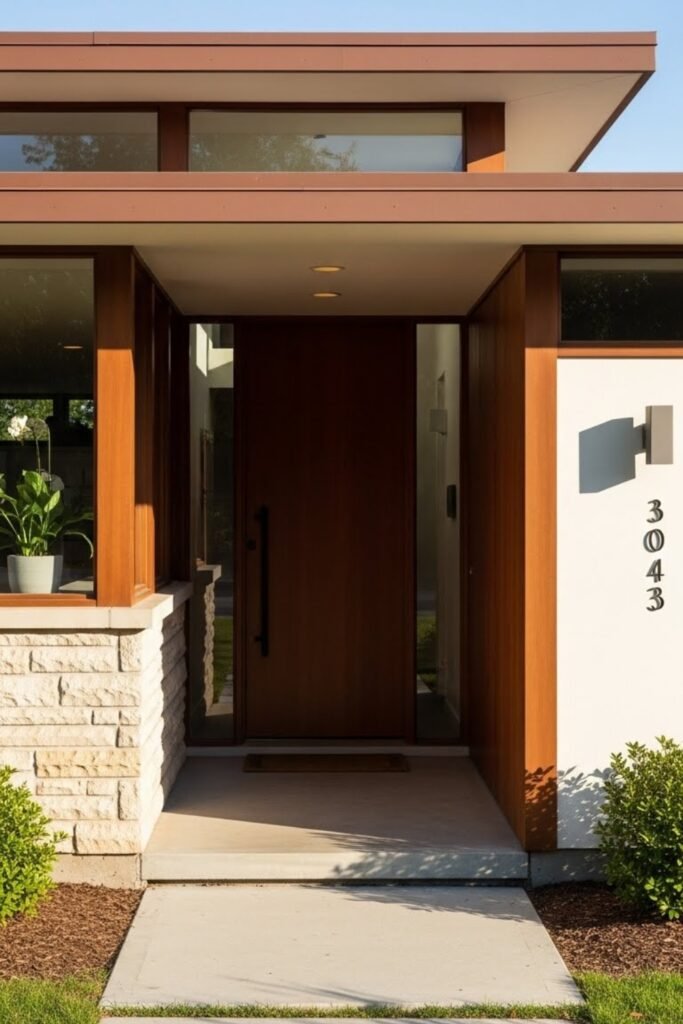
Slim Railings
Slim metal railings keep the exterior light and visually open. Thin steel or iron lines are used for entry steps, patios, or split-level edges without overpowering the design.
This minimalist approach supports the clean geometry of mid-century modern architecture while maintaining safety and structure.
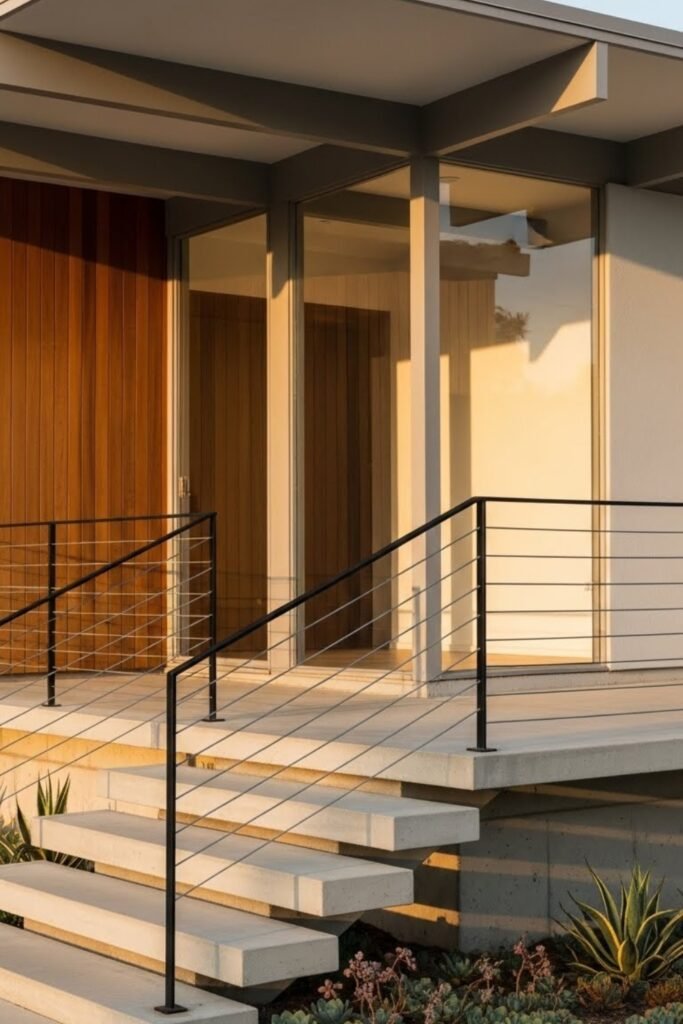
Inner Courtyard
An inner courtyard shifts the focus away from the street and toward a private outdoor space. From the exterior, this creates layered walls and intentional openings.
It adds depth to the facade while reinforcing the mid-century idea of blending living spaces with nature.
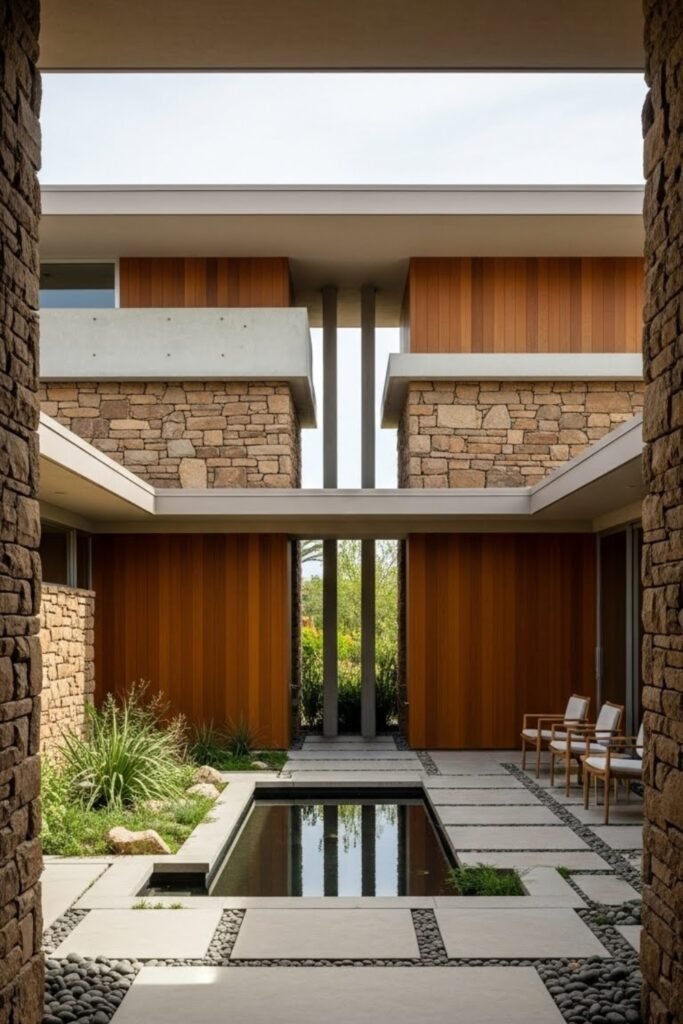
Cantilever Forms
Cantilevered forms extend parts of the home outward without visible support. These dramatic overhangs add architectural interest and showcase mid-century engineering principles.
From the exterior, they create strong shadows and a bold, forward-looking appearance.
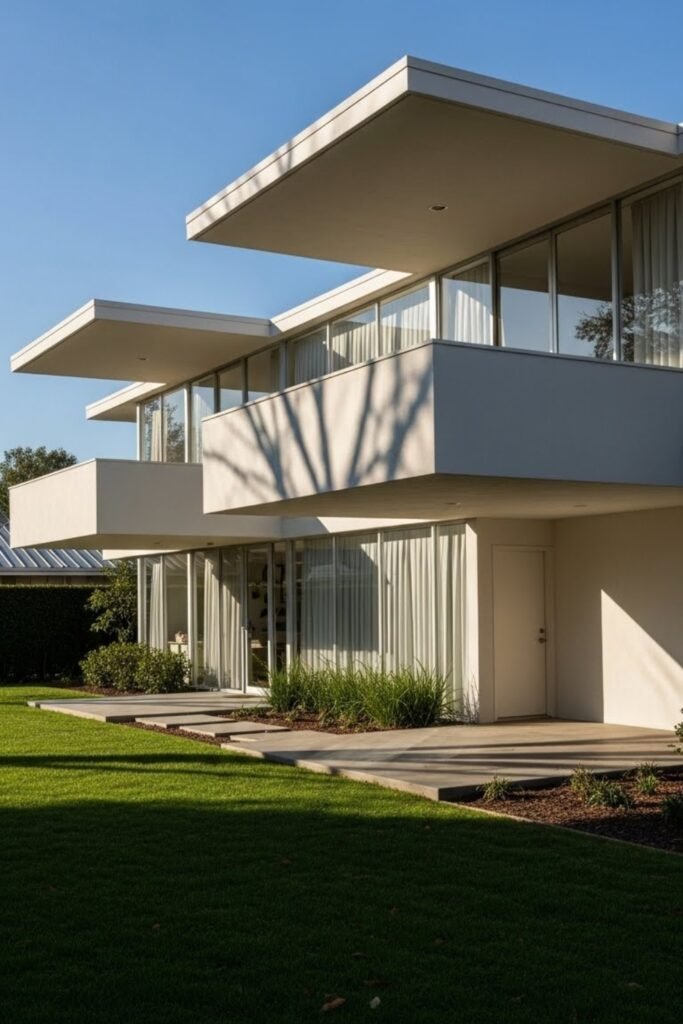
Stucco Texture
Textured stucco finishes give mid-century exteriors subtle visual depth. Smooth or lightly rough finishes work best, avoiding heavy patterns.
This material keeps the facade clean while allowing light and shadow to naturally enhance the architecture throughout the day.
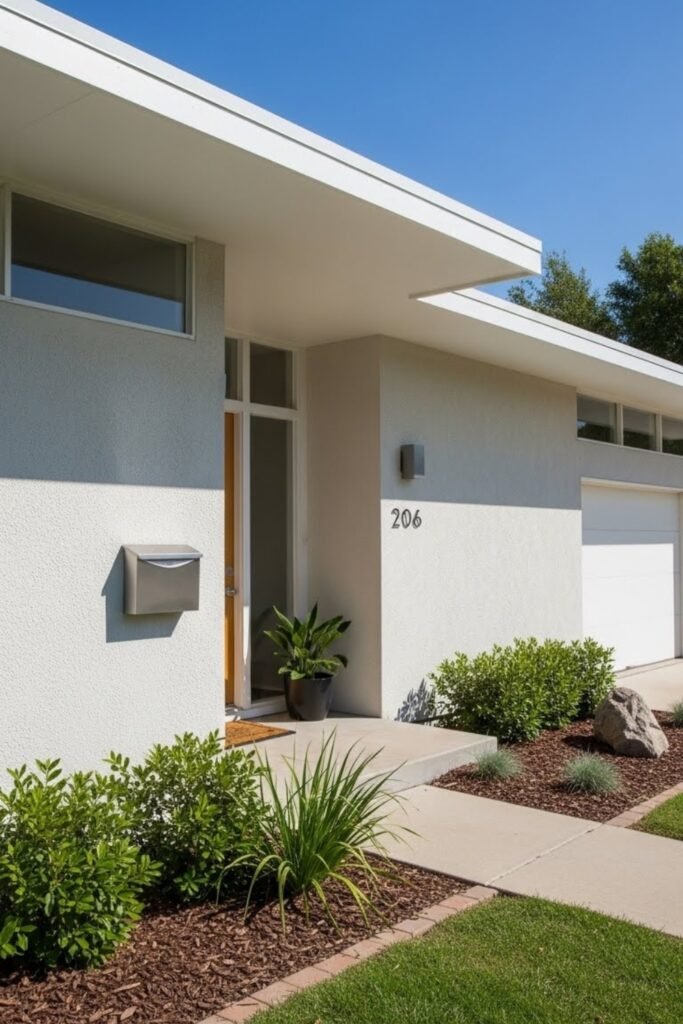
Landscape Integration
Landscape integration means the home feels designed around its surroundings. The exterior follows the land’s natural slope, existing trees, or rock features instead of clearing everything away.
This approach makes the house feel grounded and intentional, which is a core idea of mid-century modern architecture.
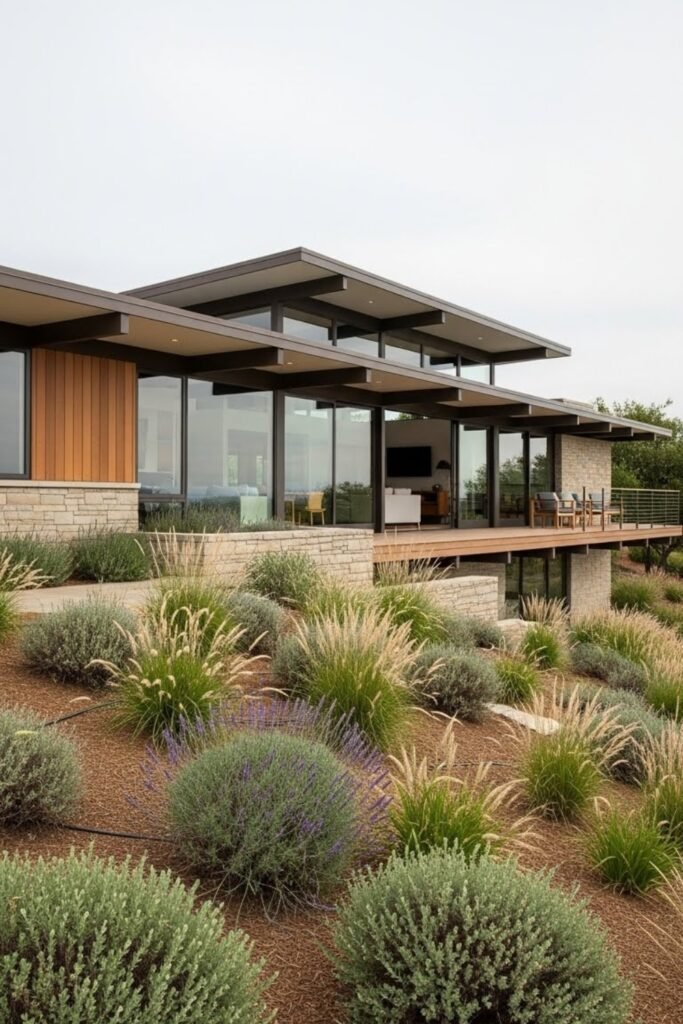
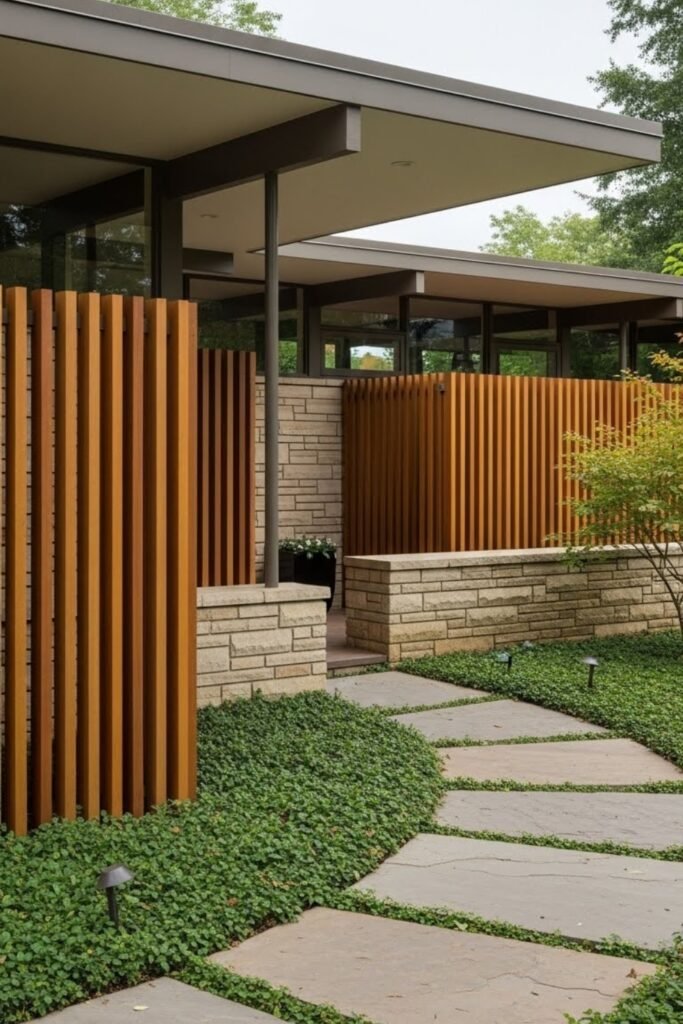
Hidden Path
A hidden path uses landscaping to partially conceal the front approach. Low walls, plants, or screens guide visitors toward the entry without revealing everything at once.
This creates a sense of discovery and privacy while keeping the exterior clean and architectural.
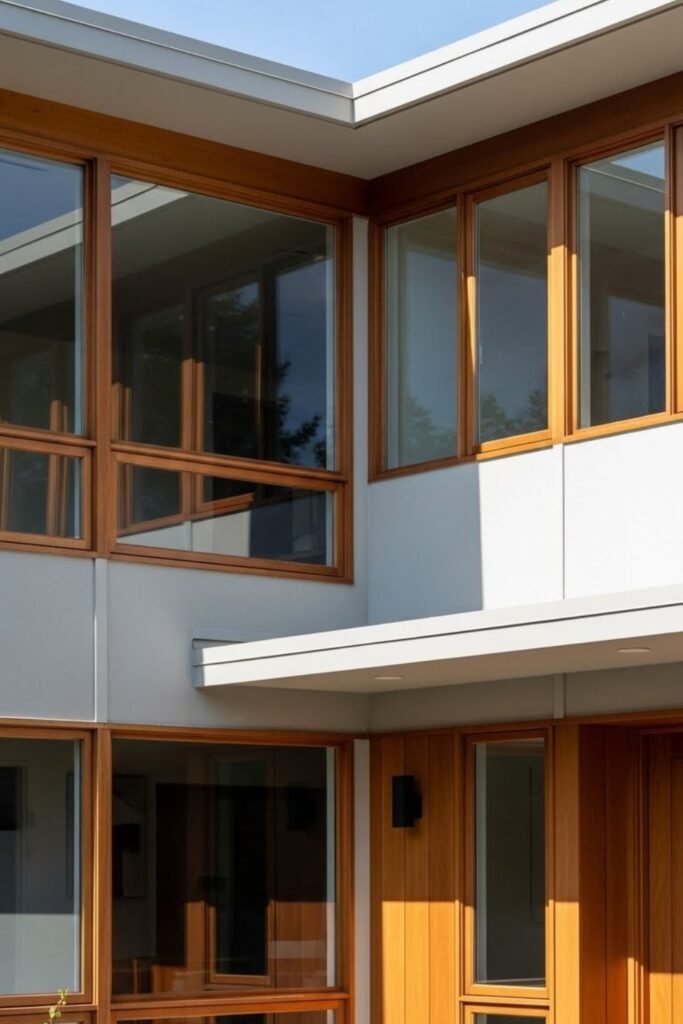
Wood Frames
Wood-framed windows add warmth and authenticity to mid-century exteriors. Natural wood tones soften glass-heavy facades and balance concrete or stucco surfaces.
From the outside, these frames reinforce the era’s emphasis on natural materials and craftsmanship.
Split Levels
Split-level exteriors show subtle height changes across the facade. Slight elevation shifts hint at interior zones while keeping the overall profile low.
This adds architectural interest without making the home feel tall or bulky.
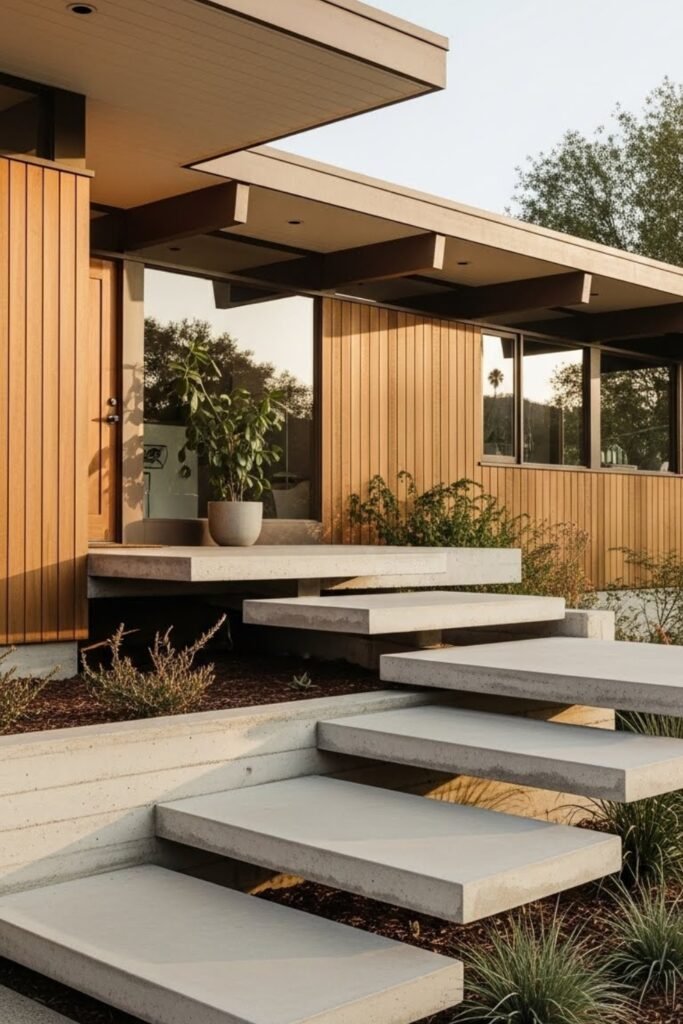
Floating Steps
Floating steps create a light, modern entry feel. Concrete or stone treads appear to hover above the ground with open space beneath.
This design reinforces clean lines while adding visual interest without extra decoration, staying true to mid-century modern simplicity.
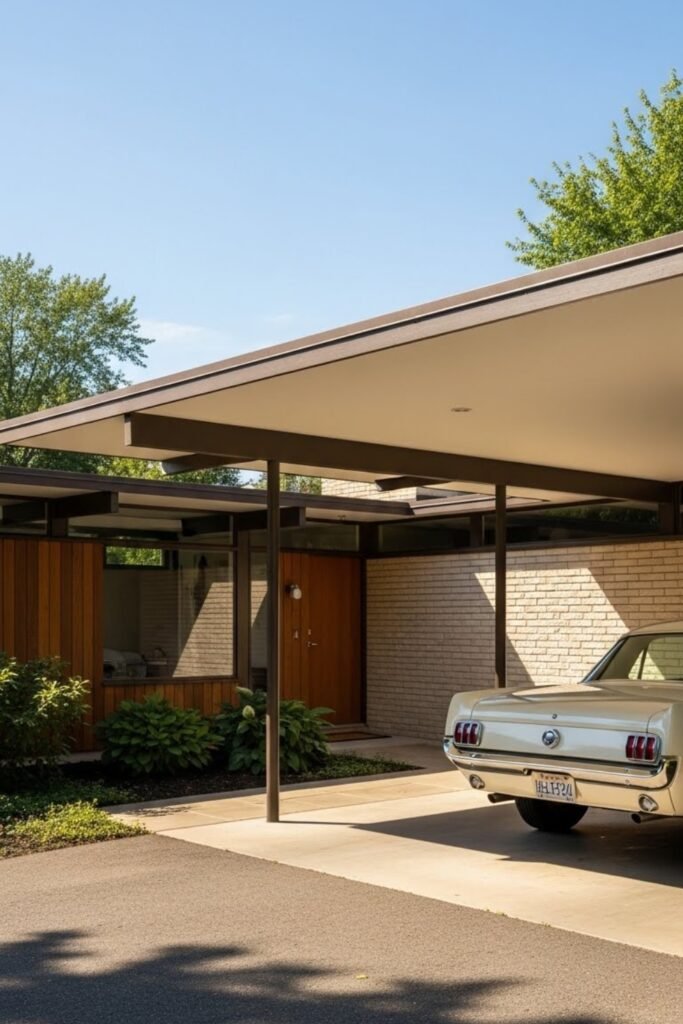
Open Carport
An open carport replaces a traditional enclosed garage. Supported by slim columns or beams, it keeps the exterior airy and functional.
This design was common in classic mid-century homes and helps maintain uninterrupted horizontal lines across the facade.
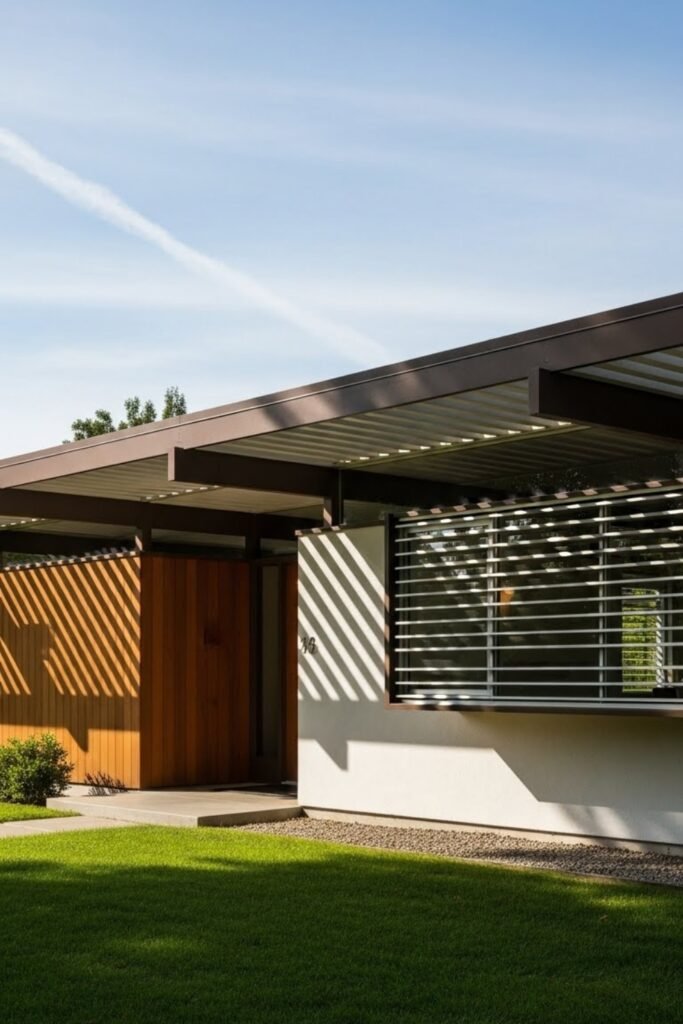
Deep Eaves
Deep eaves extend far beyond exterior walls, providing shade and protection from the elements.
They enhance the horizontal emphasis of the home while helping control sunlight. This feature also adds depth and shadow without complicating the overall design.
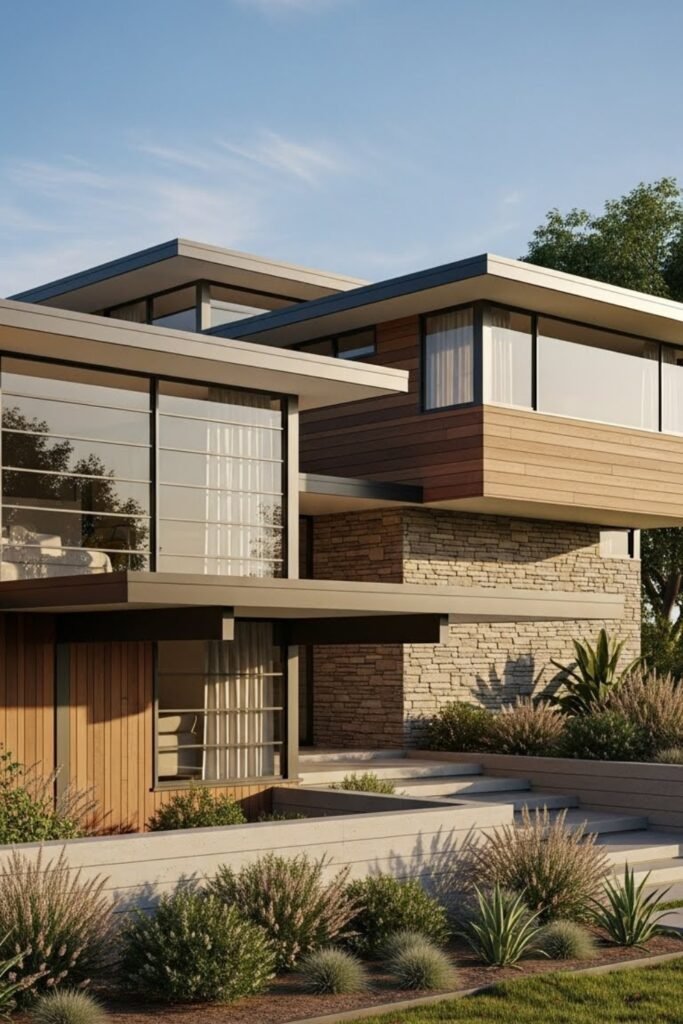
Mixed Materials
Mixed materials combine wood, stone, stucco, and concrete within one facade. The contrast adds visual richness while maintaining a cohesive look.
This layered approach reflects mid-century design’s focus on texture over ornamentation.
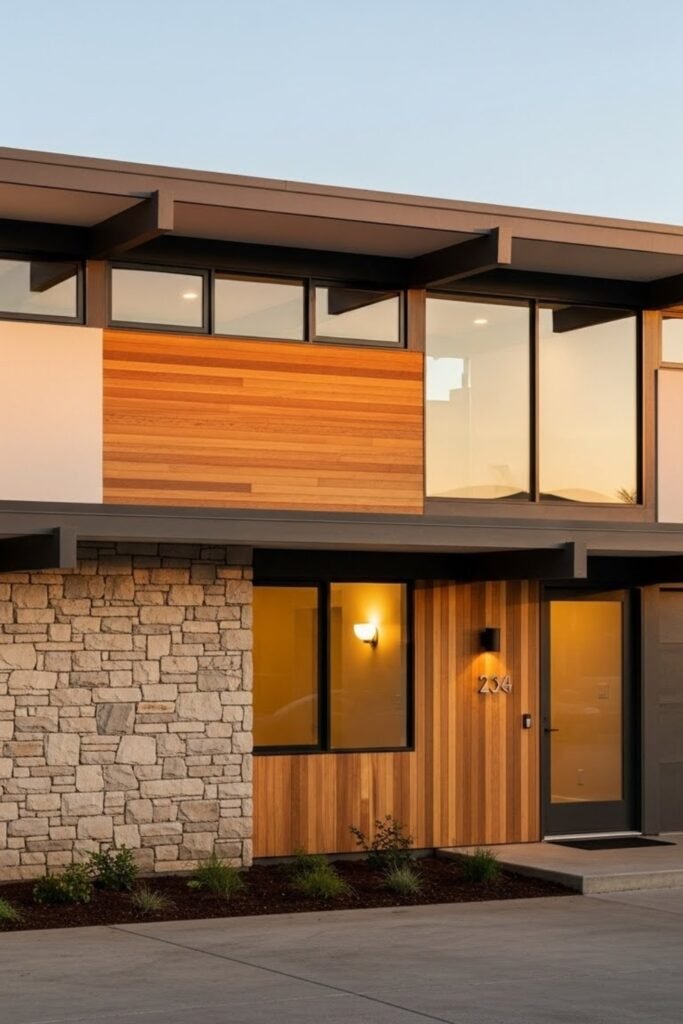
Subtle Lighting
Subtle exterior lighting keeps the focus on architecture rather than fixtures. Small wall-mounted lights or recessed uplighting highlight textures and rooflines without overpowering the facade.
This approach enhances the home’s shape at night while maintaining a clean mid-century modern look.
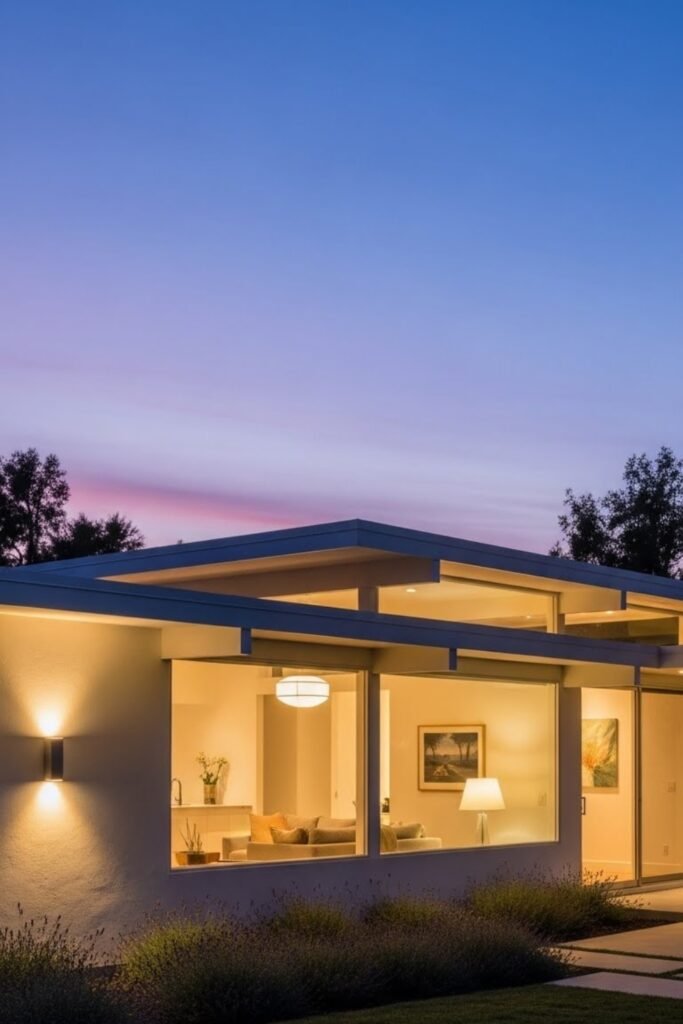
Privacy Screens
Privacy screens define outdoor spaces without enclosing them completely. Wood slats or concrete blocks create separation while allowing airflow and light.
These screens add depth and structure to the exterior while preserving the openness central to mid-century modern design.
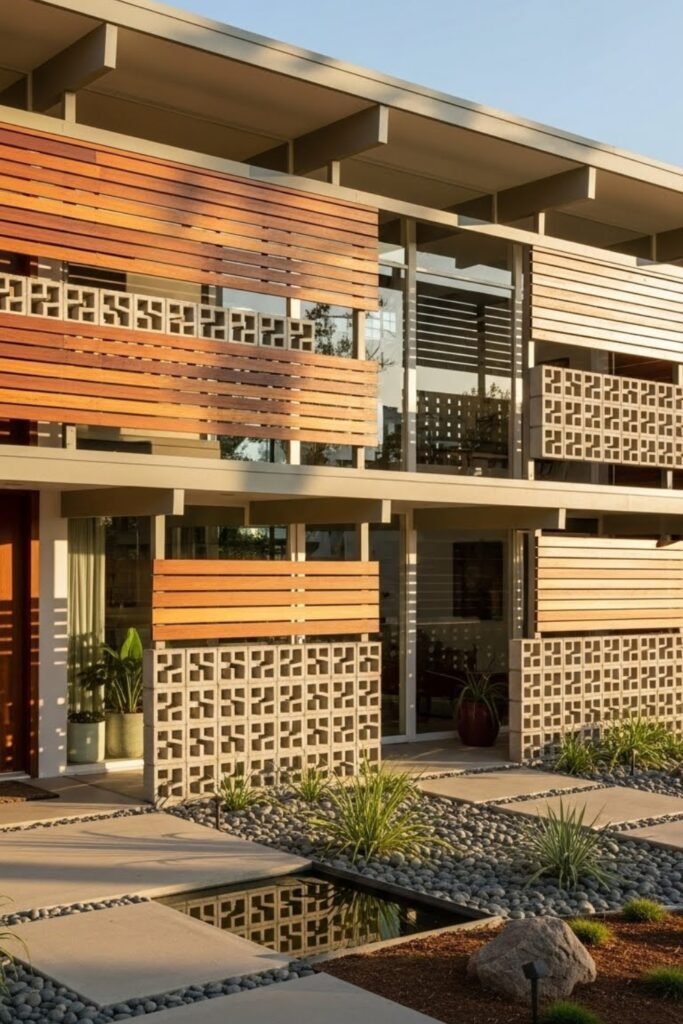
Monochrome Scheme
A monochrome exterior uses one primary color across walls, trim, and features. Variation comes from texture instead of contrast.
This keeps the design calm and cohesive while emphasizing form, lines, and materials over decoration
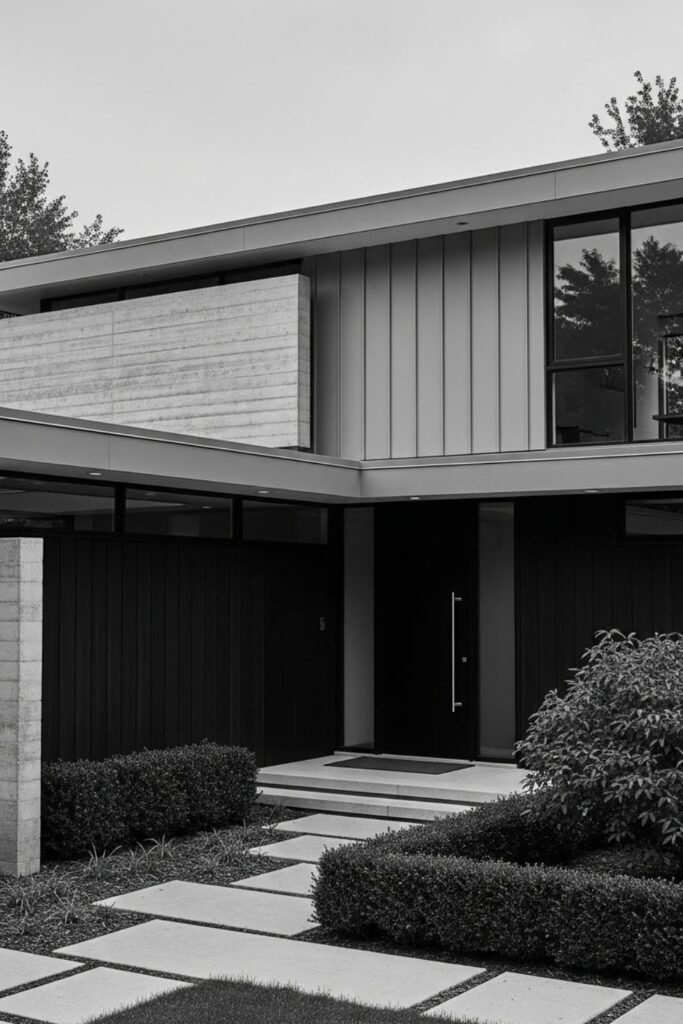
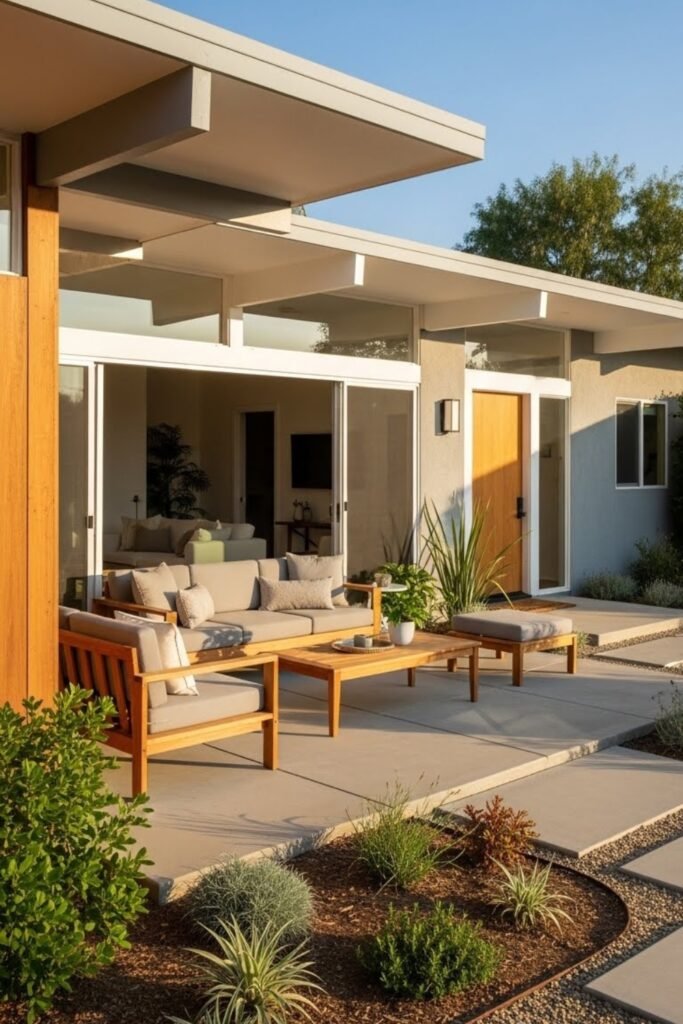
Front Patio
A front patio acts as an extension of the living space. Positioned near the entry, it encourages outdoor use while softening the facade.
This feature supports the mid-century idea of blending indoor and outdoor living without formal barriers.
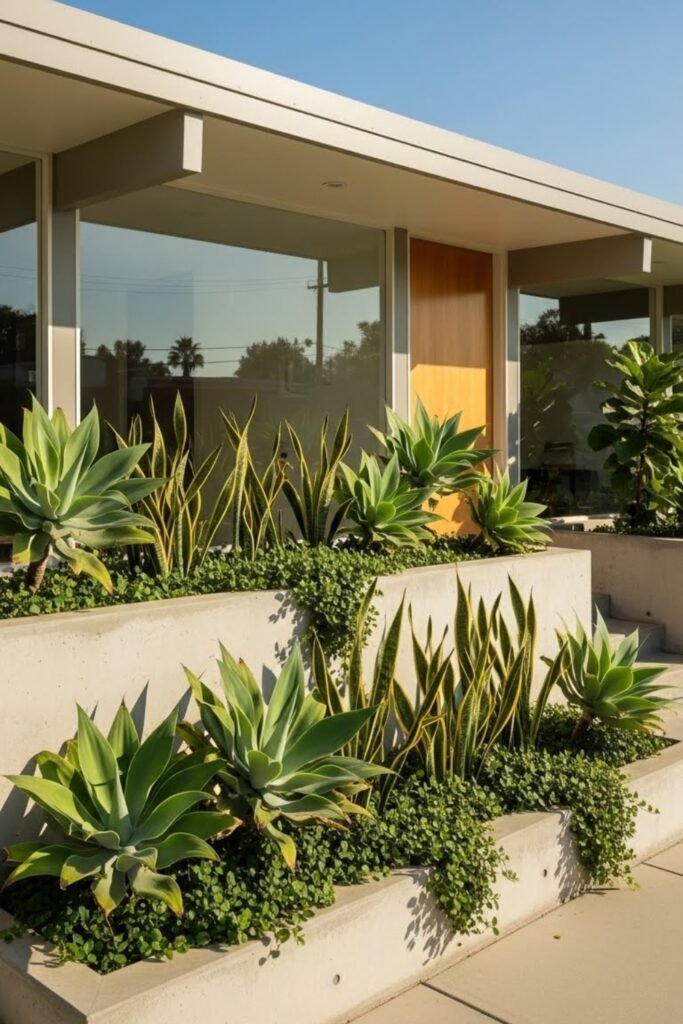
Built-In Planters
Built-in planters are integrated directly into walls, patios, or entry areas. They soften hard architectural lines and reinforce the connection to nature.
From the exterior, these planters add greenery without clutter, keeping the design clean and intentional.
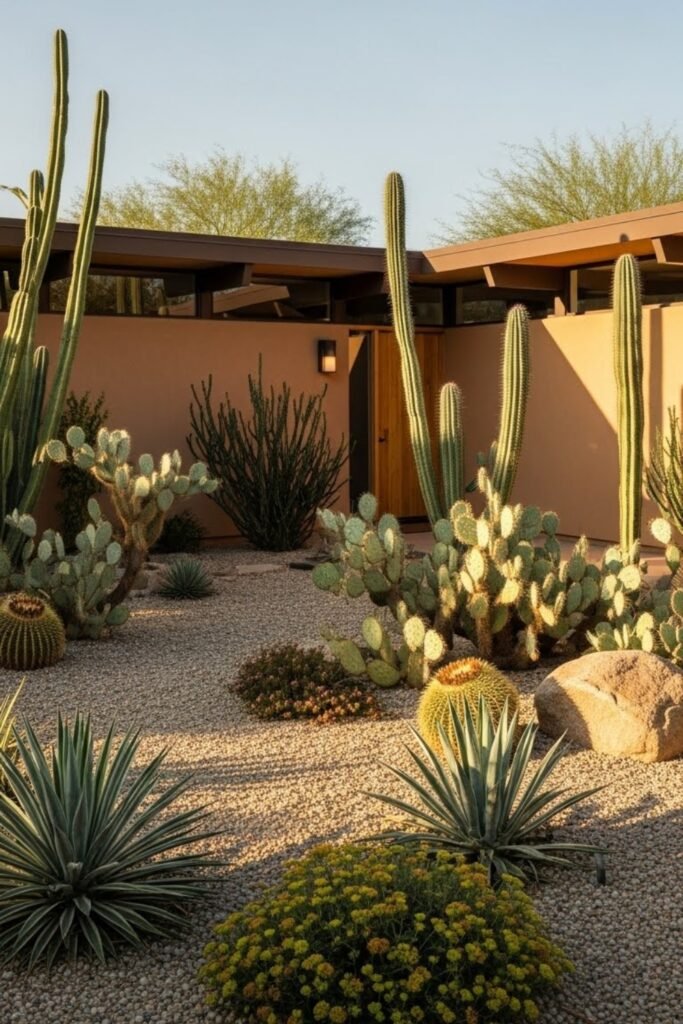
Desert Landscape
Desert landscaping pairs gravel, native plants, and low-maintenance greenery with the home’s architecture.
This approach complements the clean lines of mid-century modern exteriors while reducing water use. It also keeps the focus on form and materials rather than dense planting.
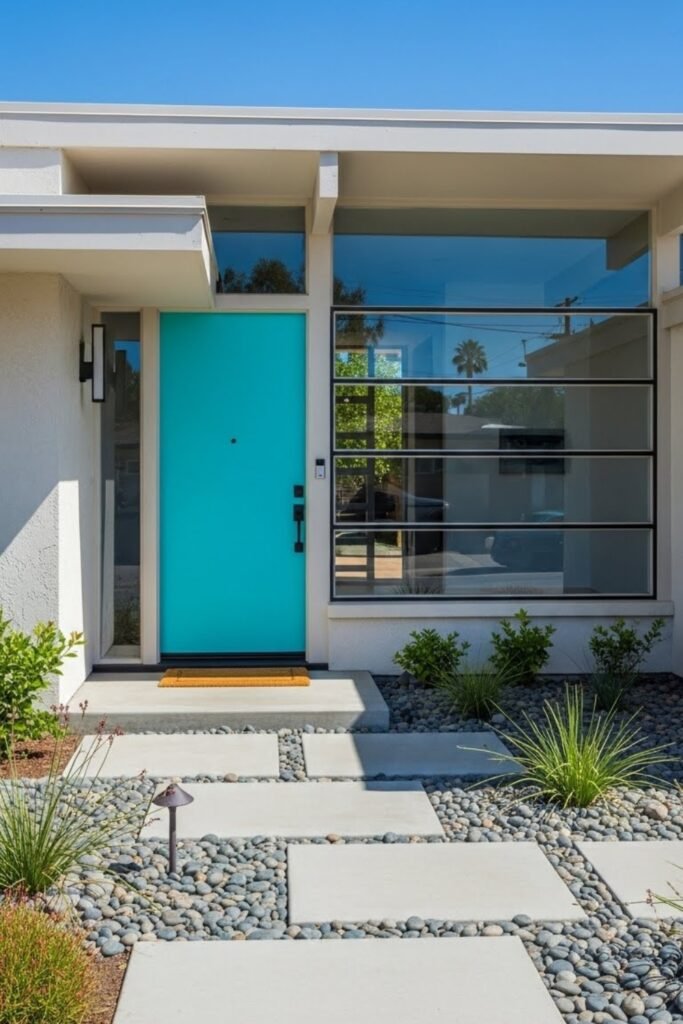
Color Accent
A color accent introduces a bold but controlled pop of color. Often used on the front door or a single wall,
Shades like teal, mustard, or burnt orange add personality without overpowering the design. This detail brings subtle retro charm to the exterior.

Hi, my name is Ali Mehmood! I’m a passionate writer and DIY enthusiast who loves turning creative ideas into practical, hands-on projects.
I created this website to share inspiring, budget-friendly ideas that you can do yourself – whether it’s organizing your home, crafting something unique, or creating fun projects for kids and pets.
I believe DIY isn’t just a hobby – it’s a smart way to save money, reduce waste, and enjoy the satisfaction of making things with your own hands.
I’m excited to have you as part of this growing community, and I’ll continue bringing you helpful, realistic, and fun DIY ideas you can actually use.