This post may contain affiliate links: read full affiliate disclosure.
Your scrap bin keeps growing, and you don’t know what to do with it anymore. Some pieces feel too small, some feel too random.
The pile keeps stealing space and energy every time you look at it. Throwing fabric away feels wasteful, but keeping it all feels just as overwhelming.
Most people want one simple thing: easy, useful projects that actually clear the scraps instead of adding more clutter.
No complicated patterns. No fancy tools. Just real ideas that match the scraps they already have. This guide gives you exactly that — how to sort your scraps, what to keep, what to finally release.
and how to turn every usable piece into something practical, pretty, or giftable. Quick wins, beginner-friendly projects, and a clearer sewing space start here.
Save this article for later!
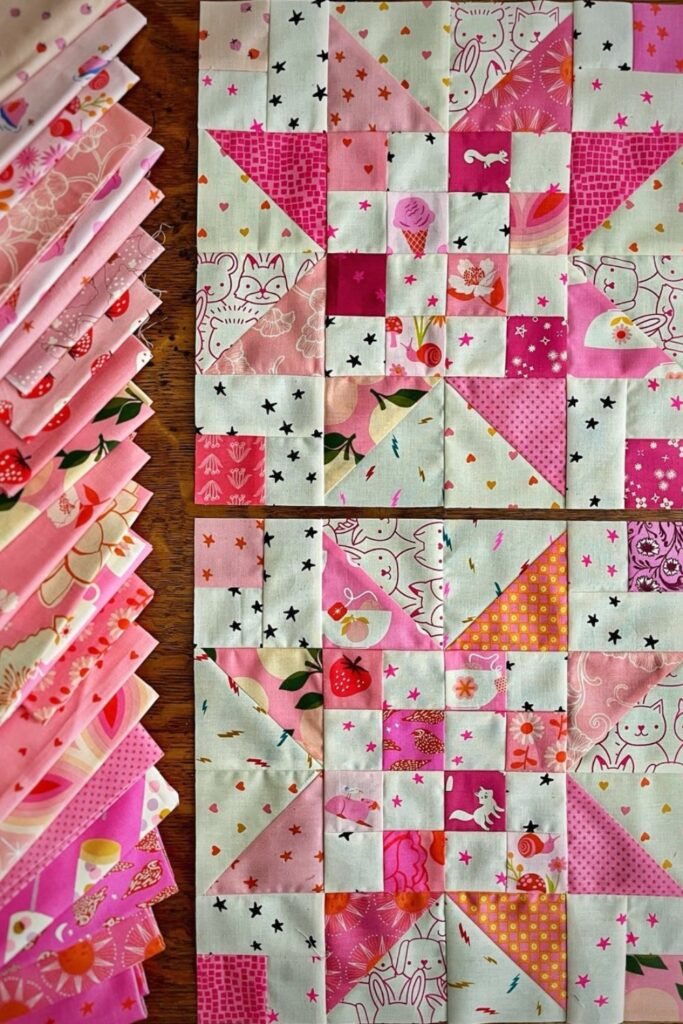
Pink Star Blocks
Those bright pink star blocks shine when you group small scraps by color value, letting each tiny square highlight its playful detail beautifully.
Try arranging the lighter prints toward the outer corners because this balance helps your star shape appear cleaner without overwhelming surrounding patchwork pieces.
Press every seam carefully for flatter joins, giving your block crisp structure that strengthens the final quilt layout consistently.
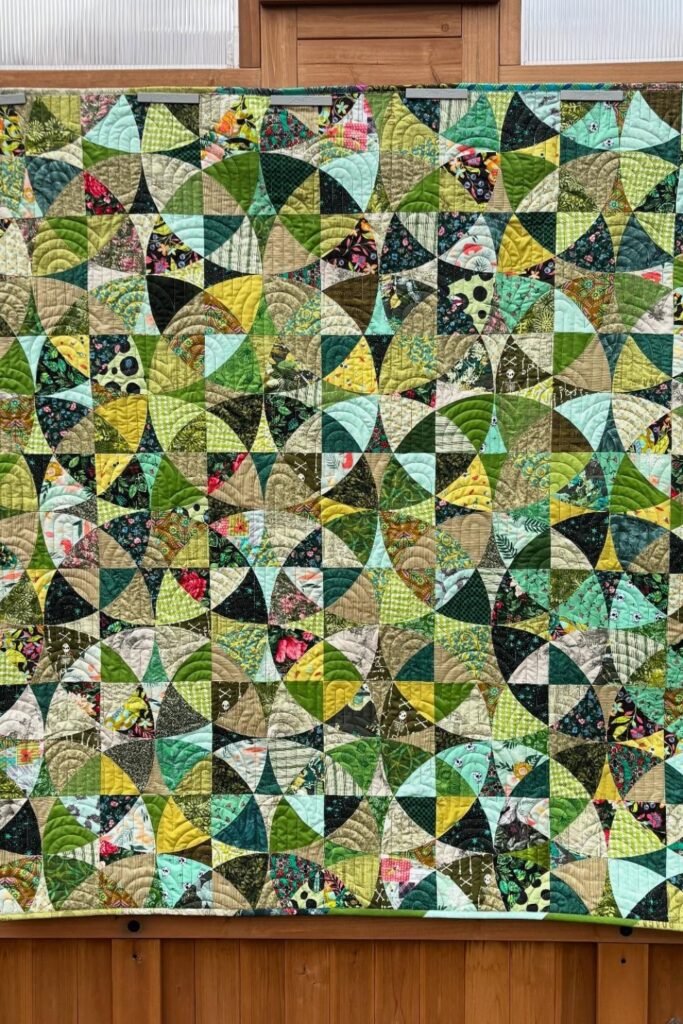
Green Curve Quilt
Curved units like these turn leftover green scraps into movement, especially when you mix light and dark tones for gentle contrast.
Sew each quarter-circle slowly, easing the curve with small stitches because steady control prevents puckering across tight corners and rounded edges.
A layout filled with repeating arcs works best for large throws, giving your finished quilt strong rhythm and modern depth throughout.
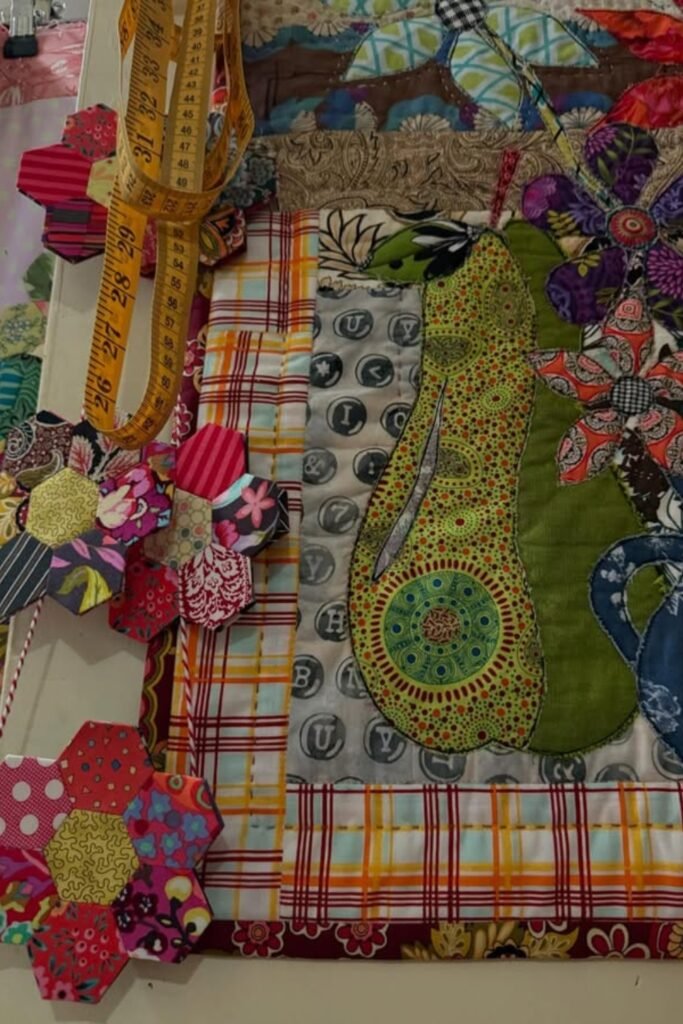
Scrappy Appliqué Border
Bold appliqué shapes stand out when surrounded by scrappy borders, especially if you combine stripes, checks, and florals for vivid handmade character.
Cut your motifs from medium scraps, fusing them first so edges stay stable while you stitch delicate curves around your chosen design.
This layered look suits wall hangings beautifully, adding colorful personality that transforms simple patchwork into something strikingly expressive.
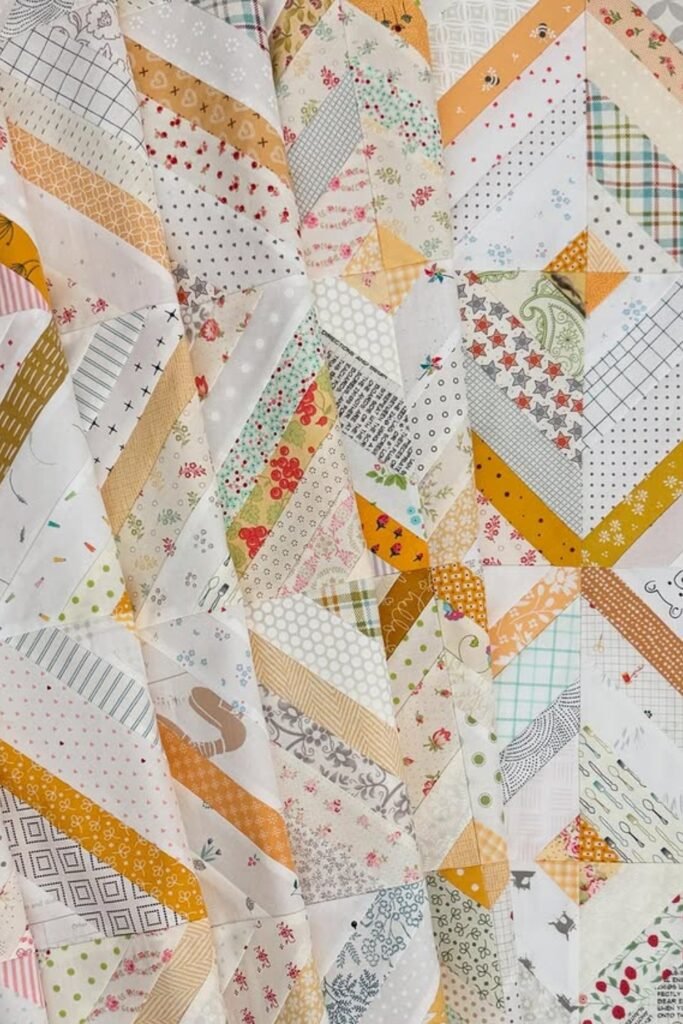
Yellow Strip Triangles
Diagonal strip blocks make perfect use of narrow scraps, especially when you alternate soft neutrals with warm yellows for gentle, glowing texture.
Sew strips onto foundation squares for straighter lines, then trim everything clean because accuracy helps each triangle meet neatly without distortion.
These blocks shine in baby quilts, keeping the overall look light while still feeling detailed through continuous shifting prints.
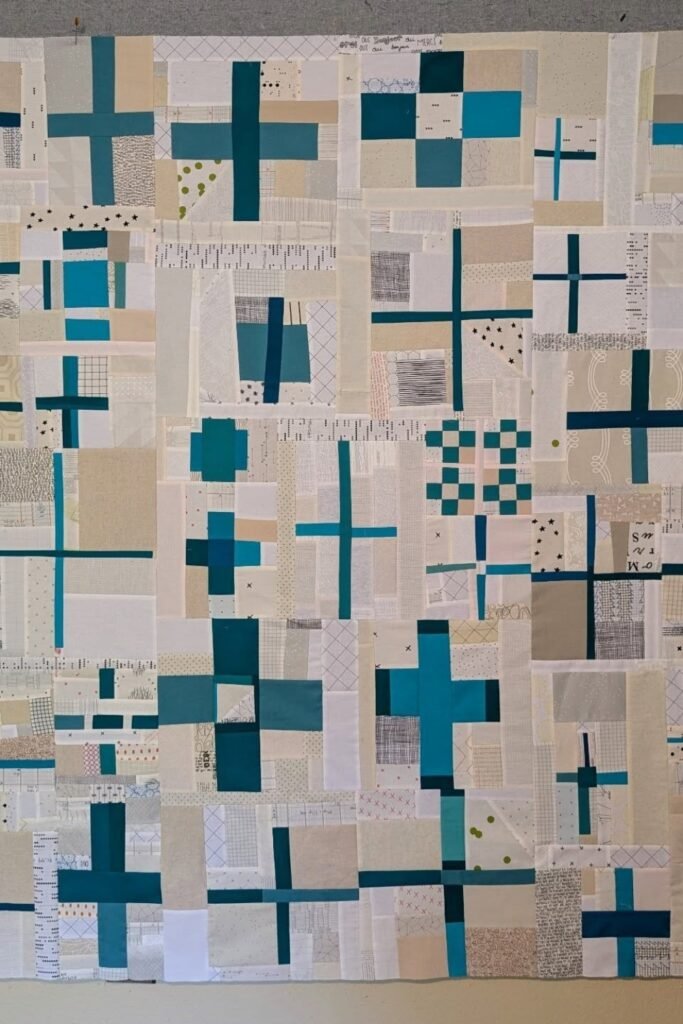
Teal Cross Quilt
Cross blocks come alive when you scatter them across low-volume backgrounds, letting each teal strip anchor the layout with confident structure.
Piece your crosses improvisationally, adjusting strip width to fit available scraps because irregular shapes create a more organic modern style.
This approach works wonderfully for large display quilts, giving your room a bold graphic piece without needing perfectly matched fabrics.
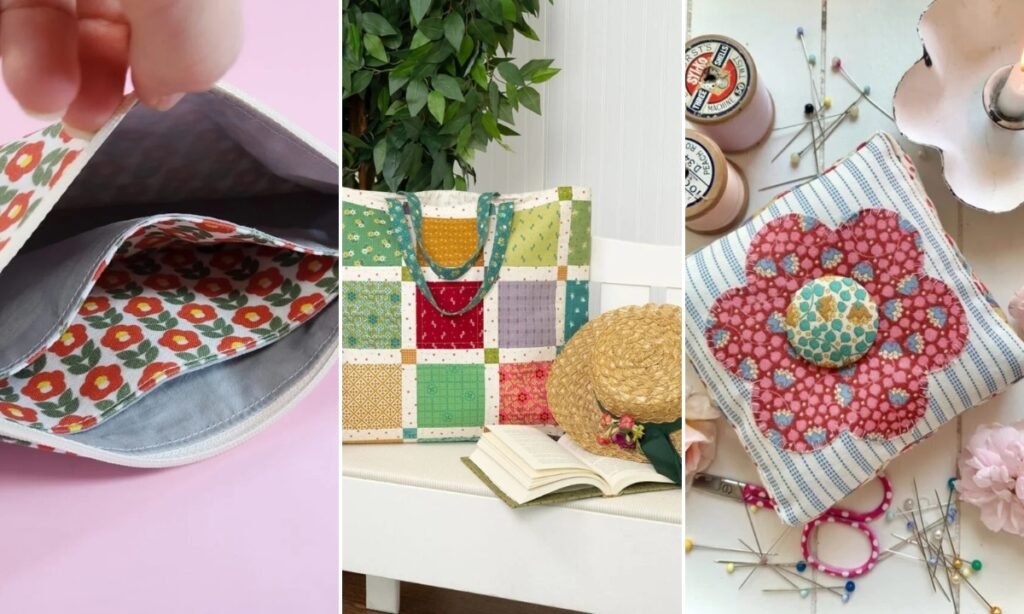
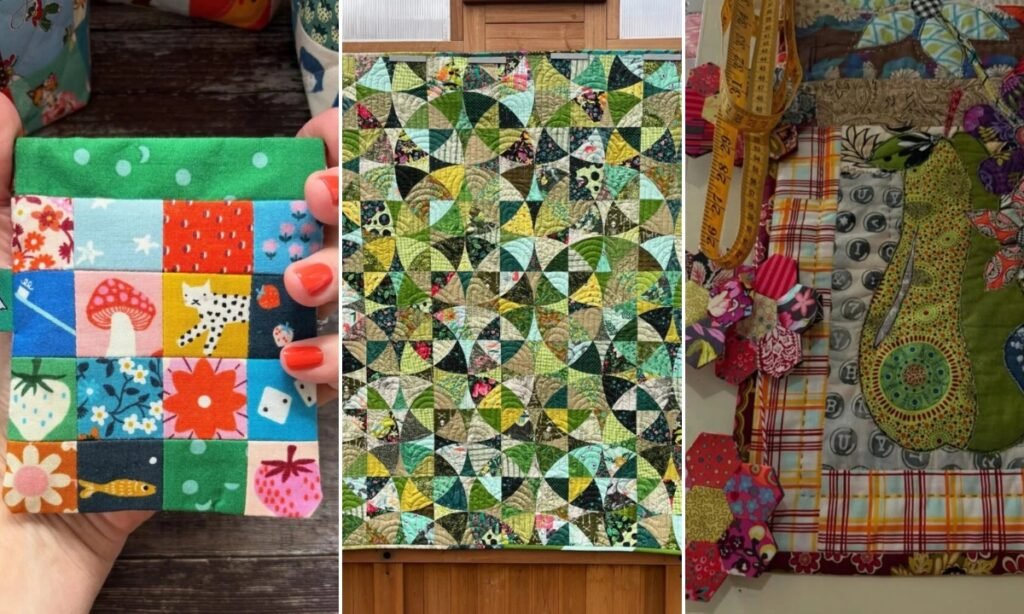
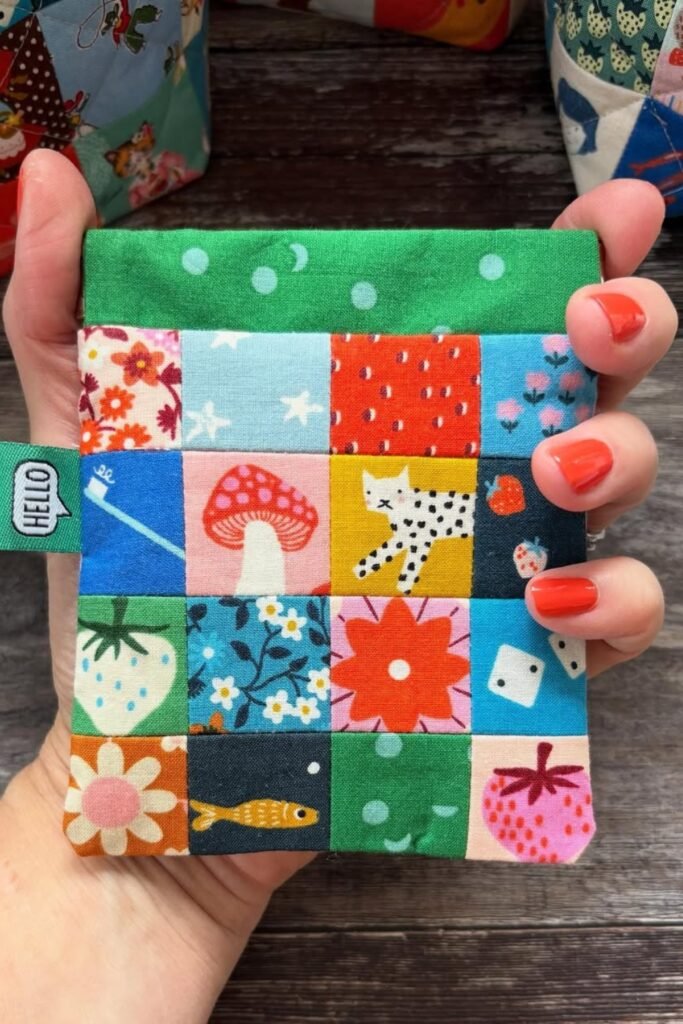
Tiny Patchwork Pouch
Those tiny squares become more eye-catching when you choose bold novelty prints, turning a simple pouch into something full of playful character.
Sew your patchwork panel first, interface it lightly for strength, then fold and stitch the sides to shape a neat everyday pouch.
This small project suits leftover charm-square trimmings perfectly, giving you something practical without requiring large coordinated fabric cuts.
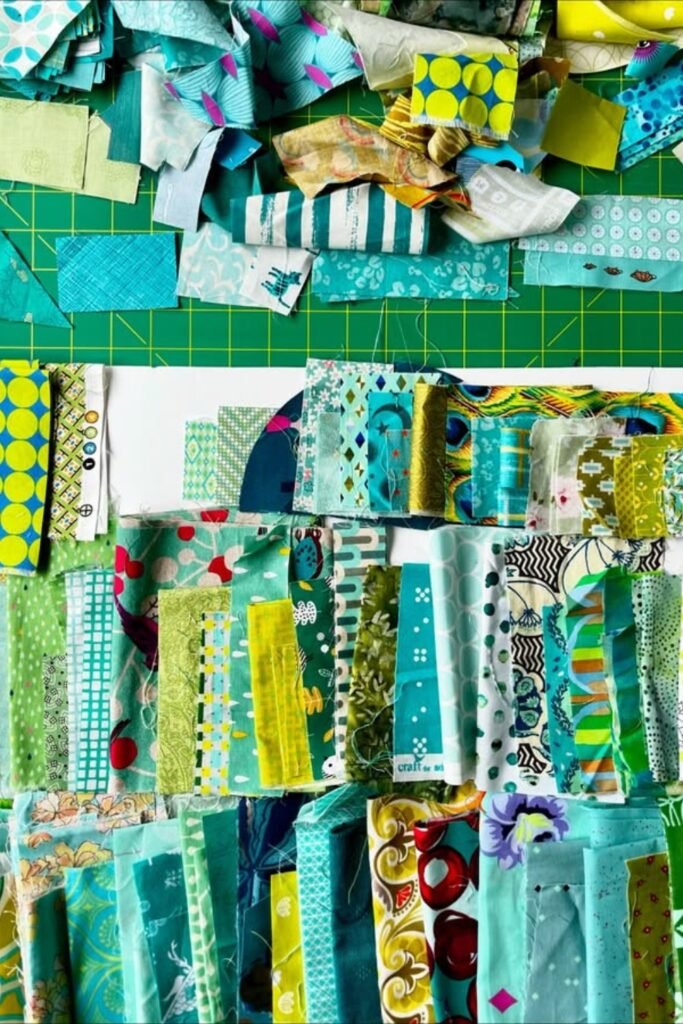
Teal Strip Panels
Color-grouped strips create a strong visual rhythm, especially when you let narrow and wide pieces alternate naturally across each foundation panel.
Sew each strip onto a long base row, trimming edges afterward because clean shaping helps your finished panels sit flatter against quilt seams.
These panels shine in scrappy quilts needing movement, giving leftover pieces coordinated structure without requiring matching prints or equal widths.
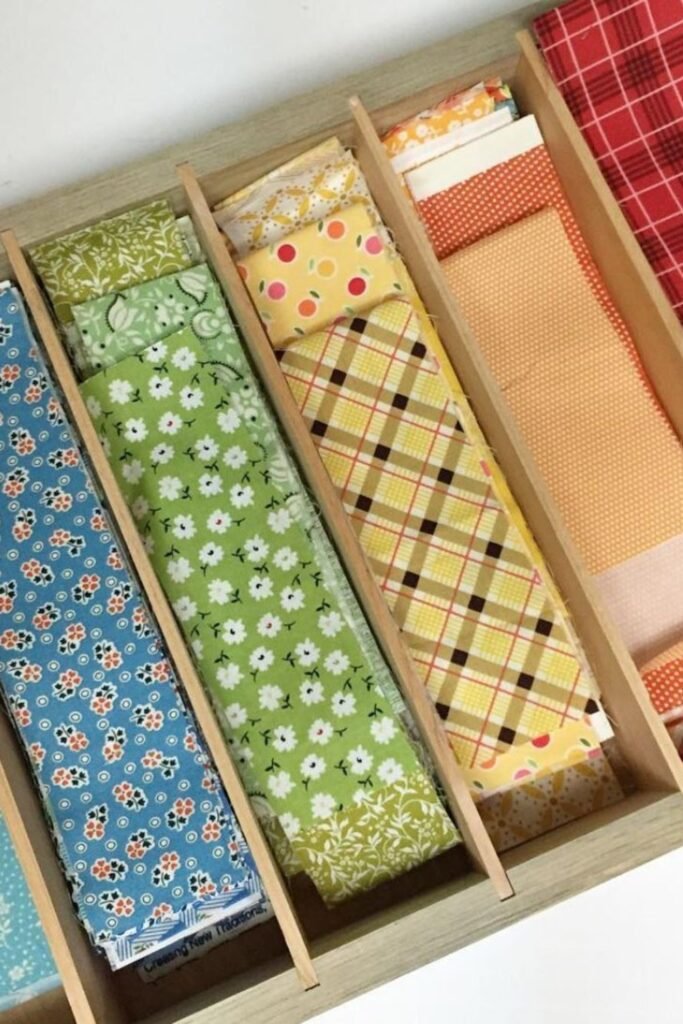
Color-Sorted Storage
Organizing scraps by color keeps your sewing flow smoother, especially when each drawer holds coordinated tones that instantly spark project ideas.
Fold strips into equal widths so pieces stack neatly, making it easier to choose matching lengths for patchwork blocks or borders quickly.
This system works well for small workspaces, helping you manage scrap volume while still keeping your favorite prints immediately accessible.
Foundation Strip Chains
Foundation strips help random scraps feel intentional, especially when you stitch small rectangles onto long paper pieces for steadier alignment throughout construction.
Place contrasting tones beside each other to increase clarity, then trim edges sharply because consistent widths keep your chain blocks looking tidy.
These long sections suit borders beautifully, giving quilts an energetic scrappy frame without asking for complex measuring or color-matching tasks.
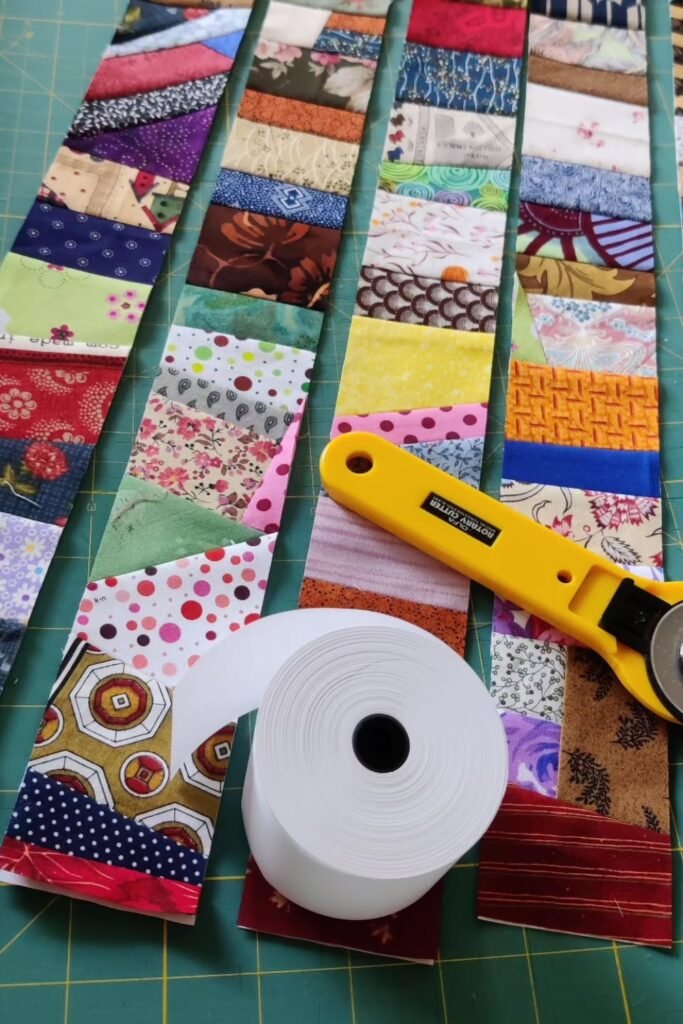
Diamond Scrap Blocks
Bright diamond blocks stand out when you combine bold center colors with softer backgrounds, letting each triangle shape show crisp angles perfectly.
Press seams open to keep intersections smooth because neat joints help your diamonds align clearly when assembling larger patchwork arrangements.
These blocks work great for table runners, giving smaller scraps a structured moment that still feels lively and effortless overall.
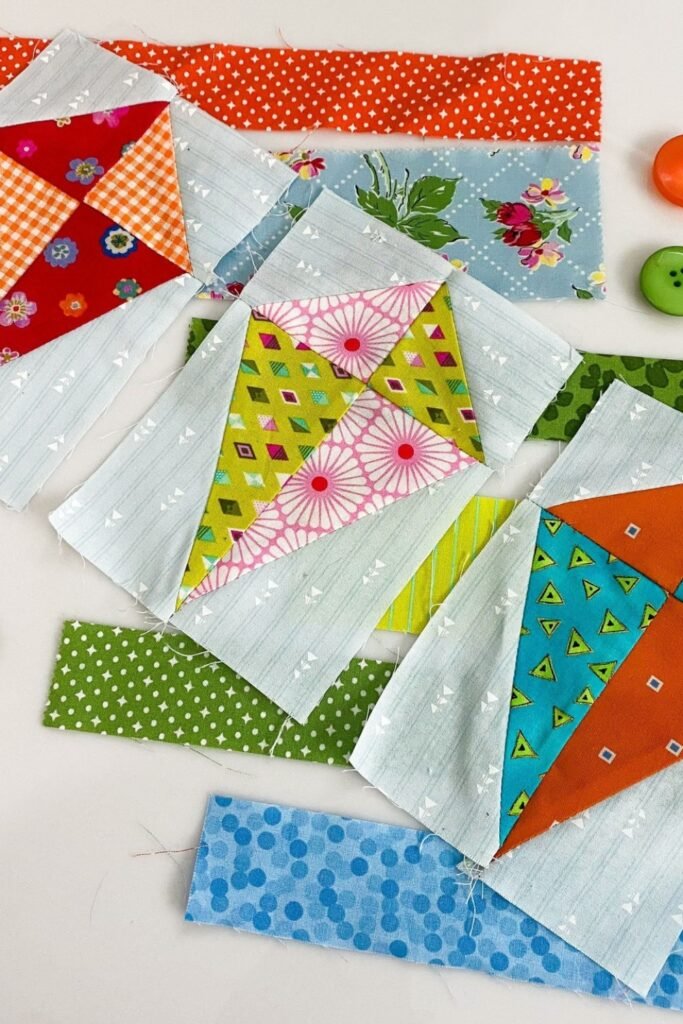
Colorwash Patch Layout
Colorwash layouts look richer when you shift blocks gradually from one shade to another, letting tiny squares blend smoothly across the entire surface.
Use consistent square sizes for easier assembly, pressing rows as you go because flatter seams make your gradient transitions appear softer visually.
This method suits large quilts beautifully, turning scrap piles into organized palettes that highlight your printed fabrics with clear intentional movement.
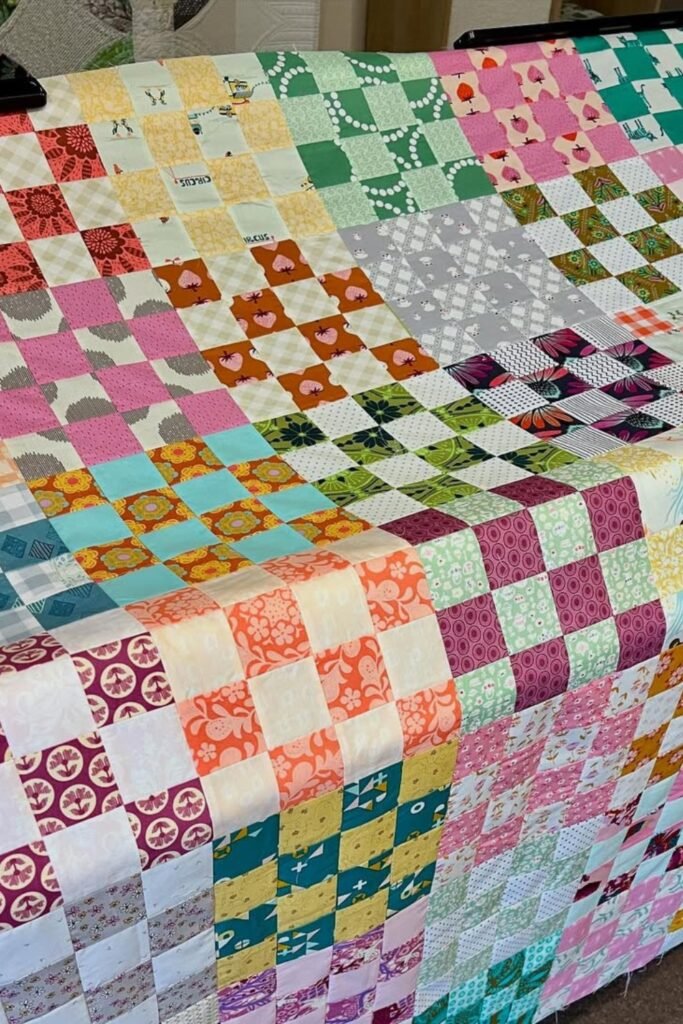
Mini Patch Panels
Small scrap panels shine when you cluster bright prints together, creating lively blocks that add cheerful personality to any larger patchwork layout.
Arrange squares loosely before sewing to check balance, then stitch rows carefully because accurate joining helps tiny prints remain visually distinct.
These panels are perfect filler blocks, giving extra structure to quilts needing colorful accents without requiring larger coordinated fabric cuts.
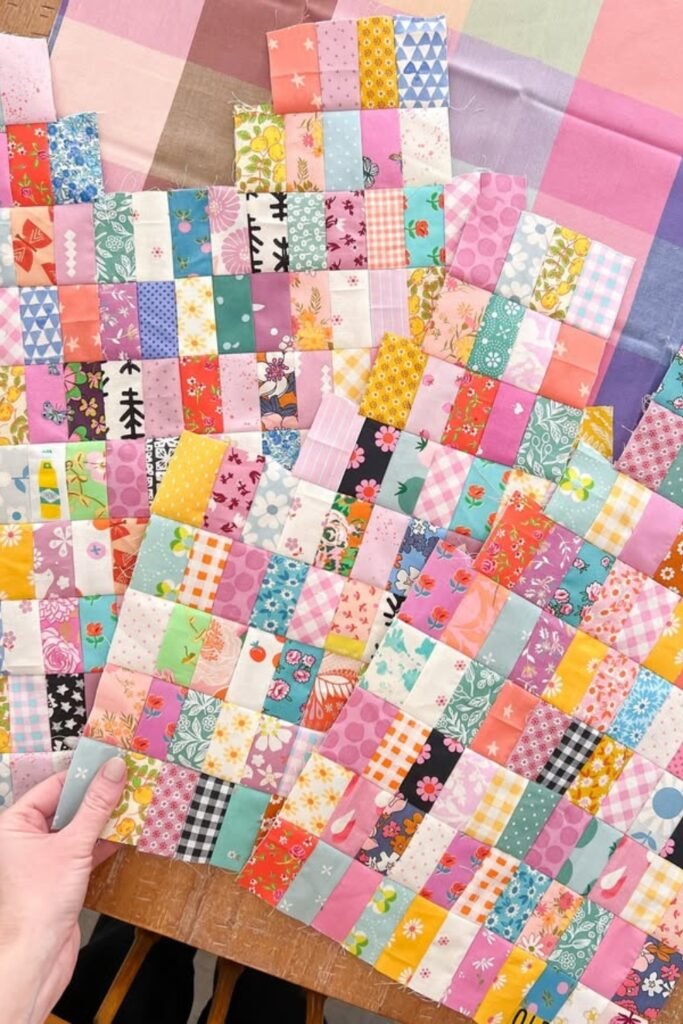
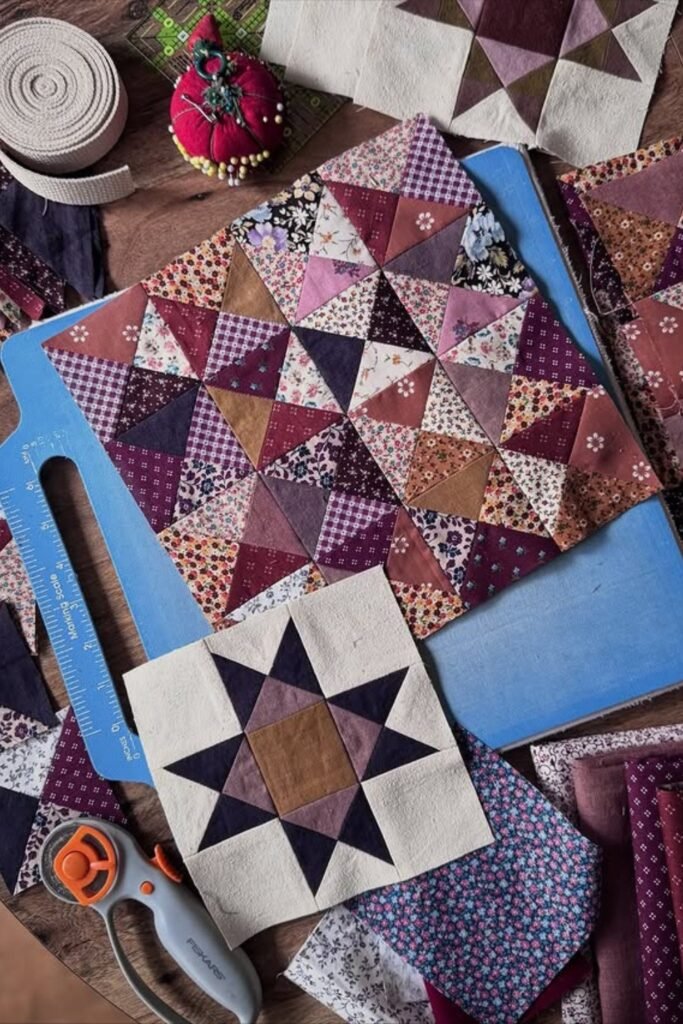
Plum Triangle Patchwork
Triangular scraps shine when you group warm plums together, letting soft florals contrast sharper solids and build naturally balanced patchwork movement.
Trim each unit carefully before joining because accurate edges help every triangle meet neatly, keeping your entire block aligned without distortion.
This layout suits cushion fronts beautifully, giving leftover prints fresh purpose while creating dense visual detail with minimal effort overall.
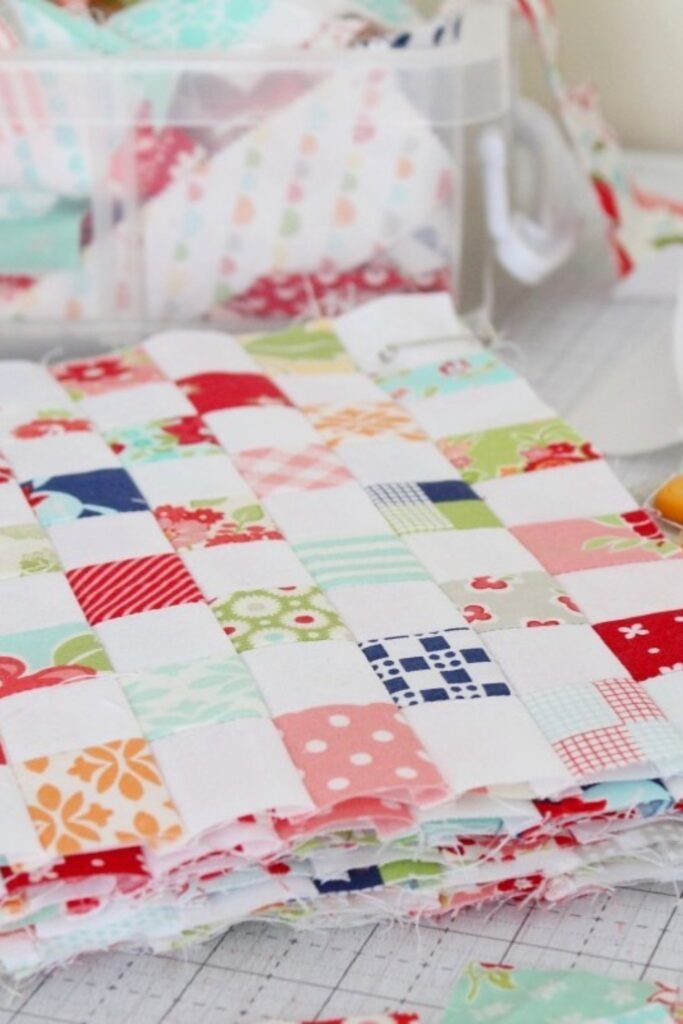
Bright Chain Panels
Chain-pieced squares work well when you mix light background strips with brighter scraps, helping your small prints stay crisp across repeated rows.
Sew long units continuously to speed construction, pressing seams to one side because consistent direction makes final intersections lie flatter.
These panels fit perfectly into quilts needing structure, giving your layout even rhythm while still keeping everything playful and scrappy.
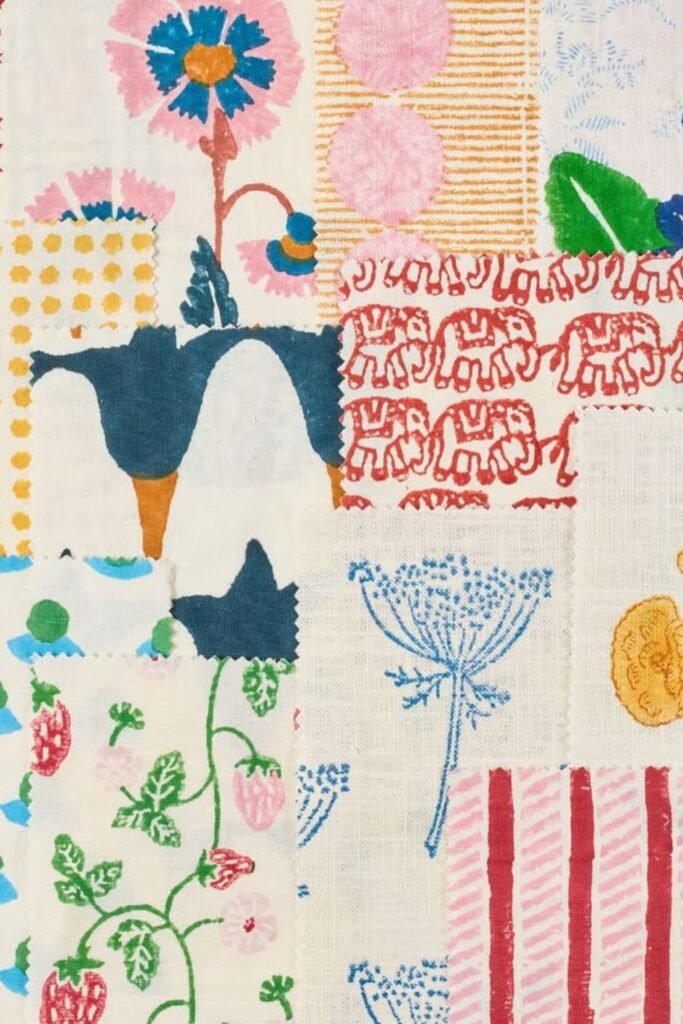
Raw-Edge Collage
Raw-edge collage blocks look charming when you overlap irregular scraps, letting novelty motifs peek through without demanding perfect patchwork precision.
Secure each piece with a zigzag stitch, easing corners gently because this technique handles uneven edges better than straight stitching alone.
This approach works nicely for art quilts, giving your leftover fabric expressive texture while highlighting bold prints through layered designs.
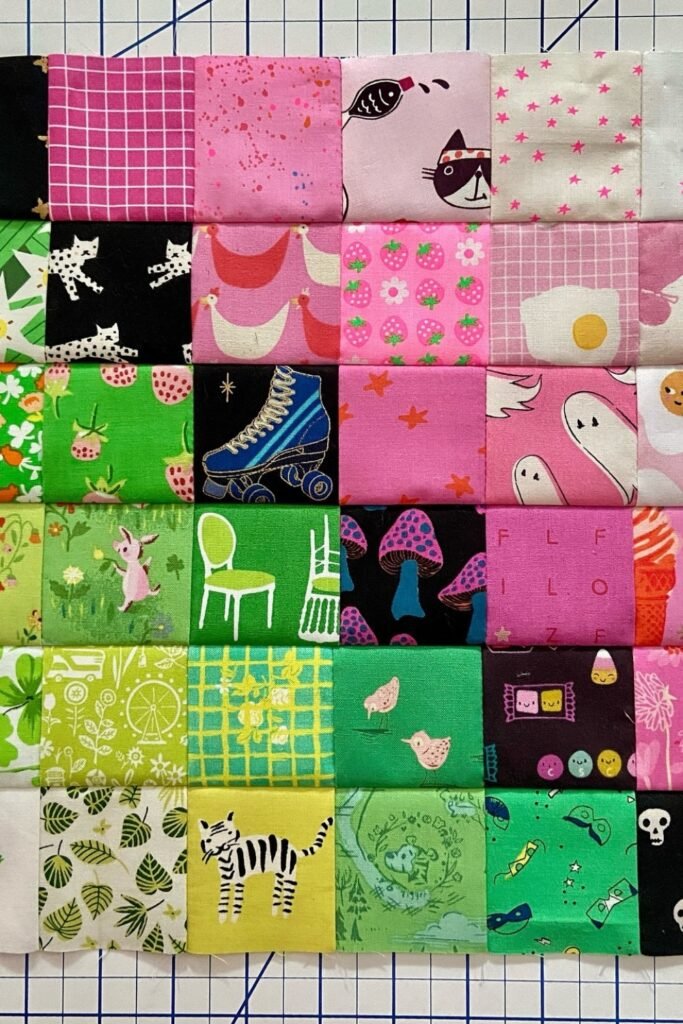
Fussy-Cut Grid
Fussy-cut squares gain impact when you arrange themed motifs together, letting bright icons anchor surrounding colors while keeping the grid feeling clean.
Press seams open for smoother rows because flatter joins help detailed prints stay visible instead of sinking into bulky intersections.
These grids suit wall hangings perfectly, showcasing favorite scraps while helping you control placement with clear structure.
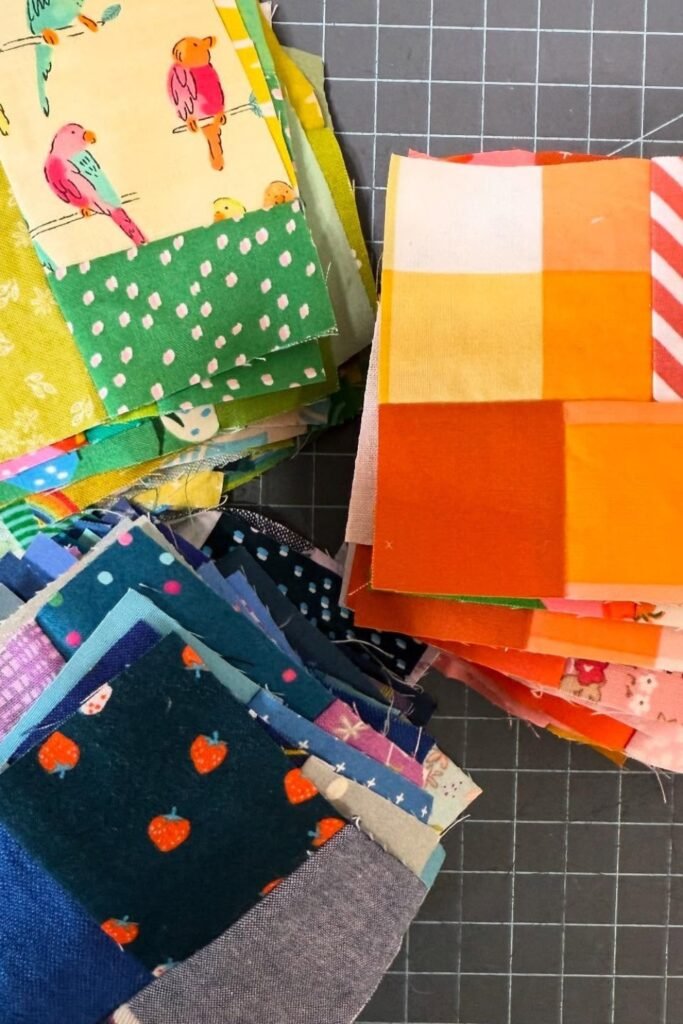
Scrap Block Stacks
Stacked blocks feel more organized when you sort scraps by temperature, pairing warm tones with cool shades to steady overall contrast.
Square pieces sew quickly, especially when you batch-trim edges because clean corners help your stacks assemble without shifting or stretching.
These little units support larger quilts well, giving you flexible fillers when layouts need color boosts or subtle transitions.
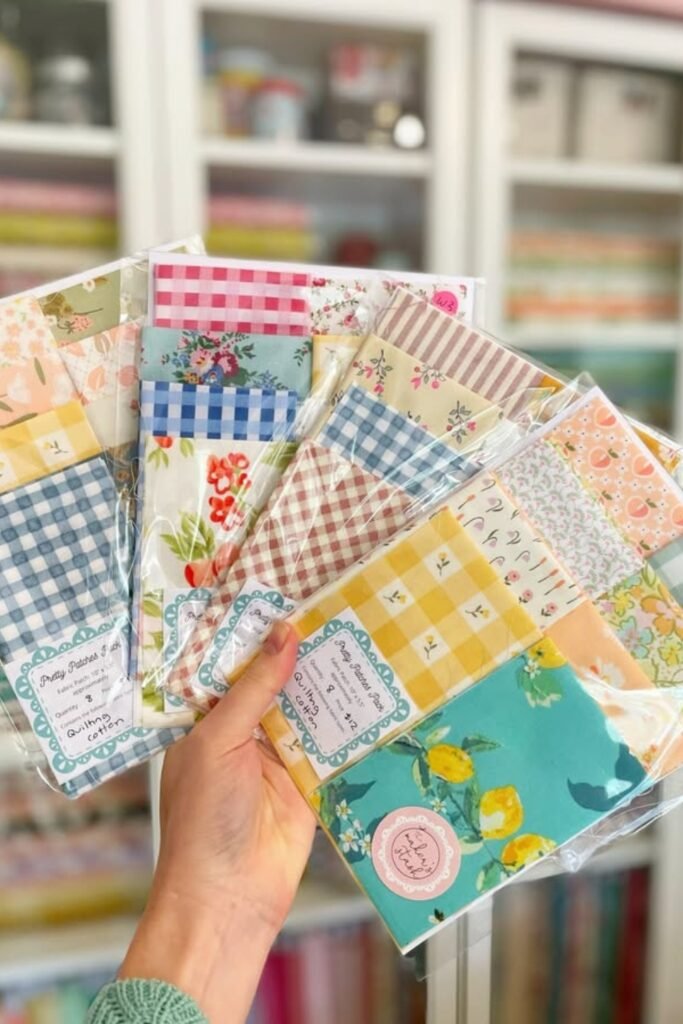
Coordinated Strip Packs
Pre-sorted scrap packs save time when you start new projects, especially when prints share scale and palette for easy mixing across blocks.
Cut strips into equal widths before storing because controlled sizing helps you piece borders, bindings, or strip sets with less planning.
These packs suit quick patchwork projects, letting you dive straight into sewing without searching endlessly through mismatched leftovers.
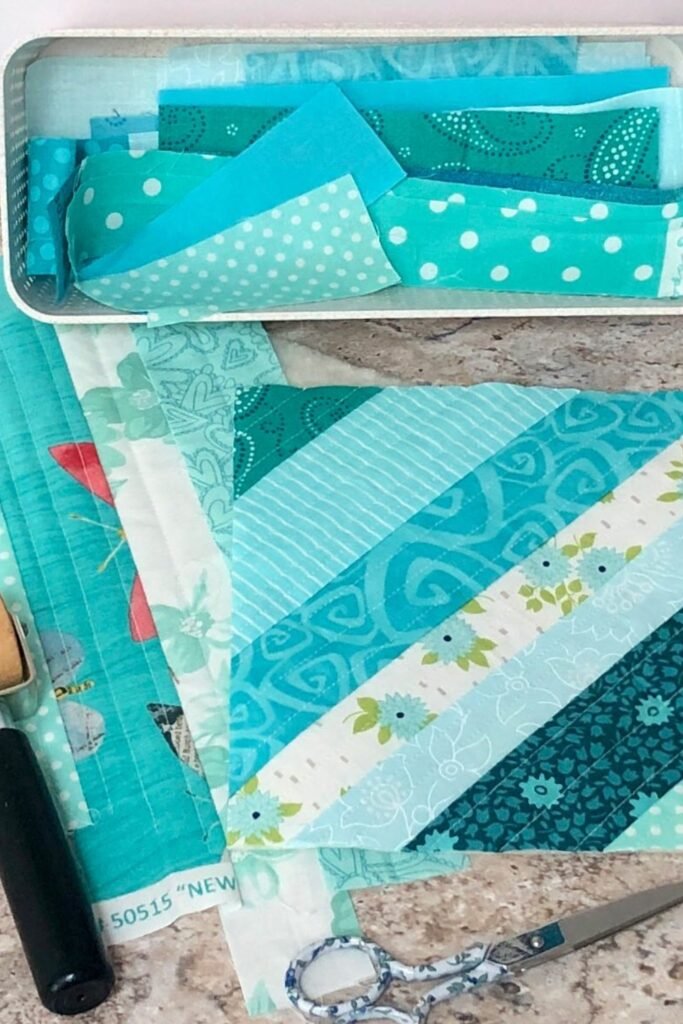
Strip Block Build
Let those leftover turquoise strips work together by sewing them onto a foundation square for clean angles and stronger structure.
This method handles even awkward lengths well because each strip anchors securely without stretching or shifting on the base.
Use these blocks for pouches or table mats where color runs look intentional and scrap variation feels naturally coordinated.
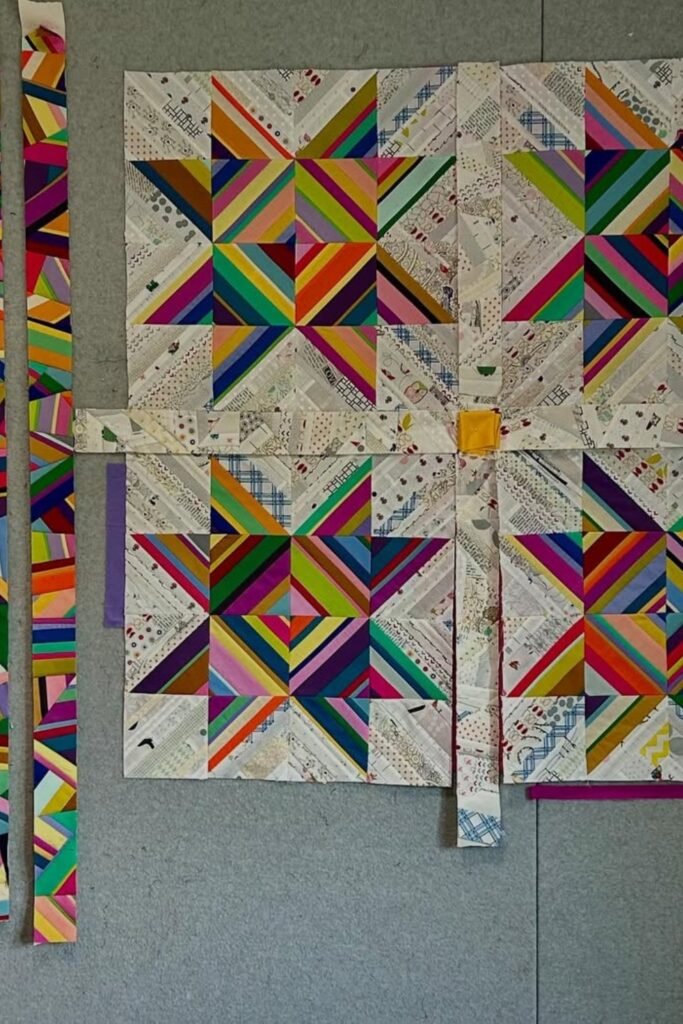
Star Strip Quilt
Bold rainbow strip units create striking star points when you join them around light low-volume backgrounds that highlight every color.
This approach helps you use long, thin scraps that never match but still look stunning when arranged inside strong geometric shapes.
Try this technique for wall quilts or statement throws where high contrast and leftover strips instantly bring depth and movement.
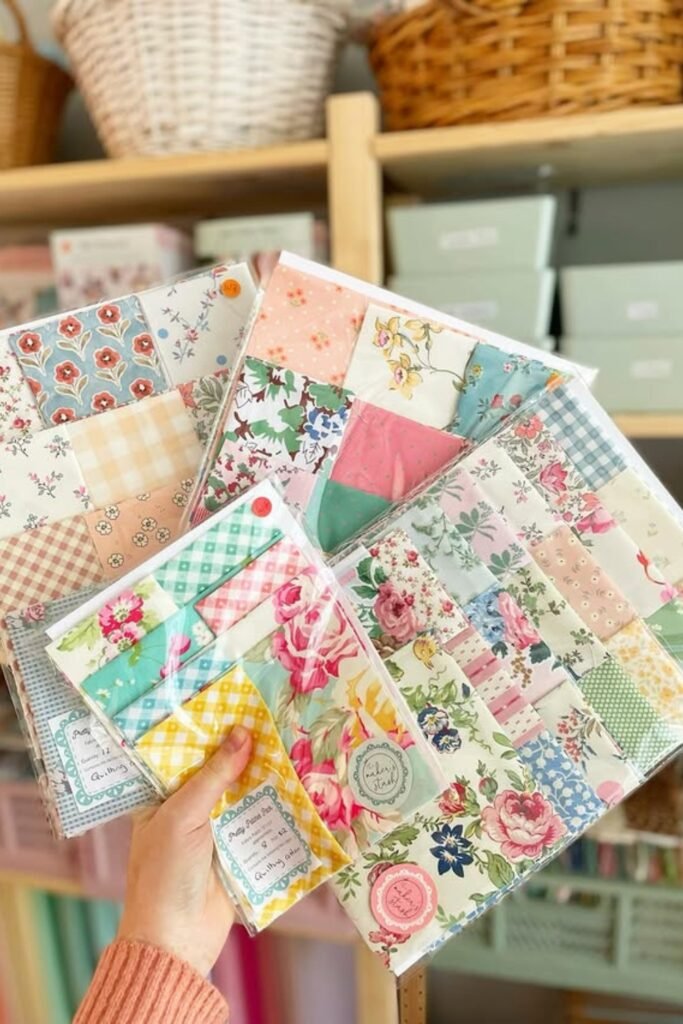
Pretty Scrap Packs
Bundle your prettiest offcuts into curated packs so you can pull coordinated pieces quickly when planning your next patchwork idea.
This works well if your scrap bin overwhelms you because grouping colors early removes decision fatigue for future sewing sessions.
Store these sets in clear envelopes so themes stay visible and your small prints remain ready for quicker block assembly.
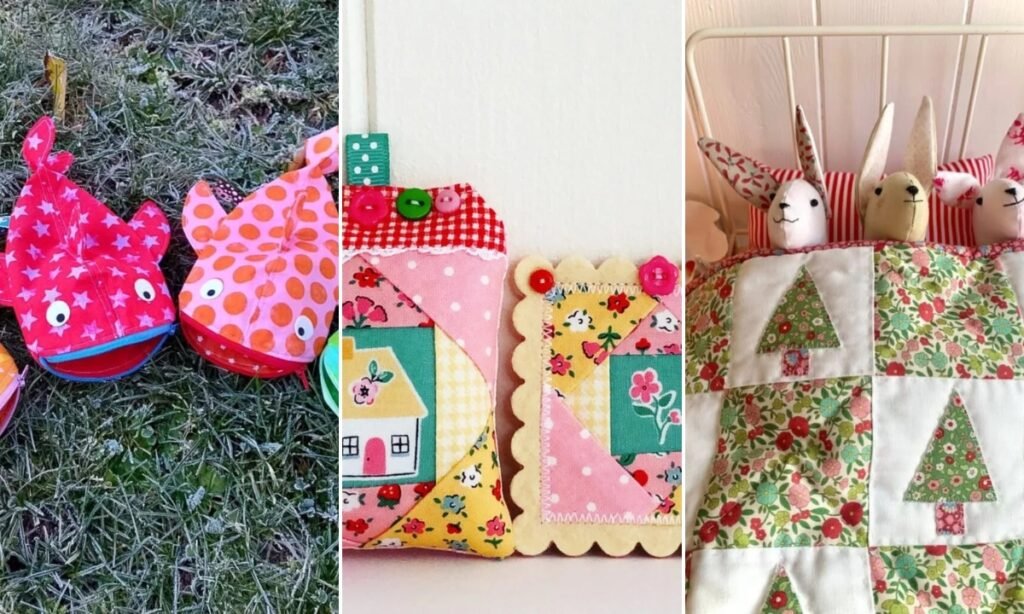
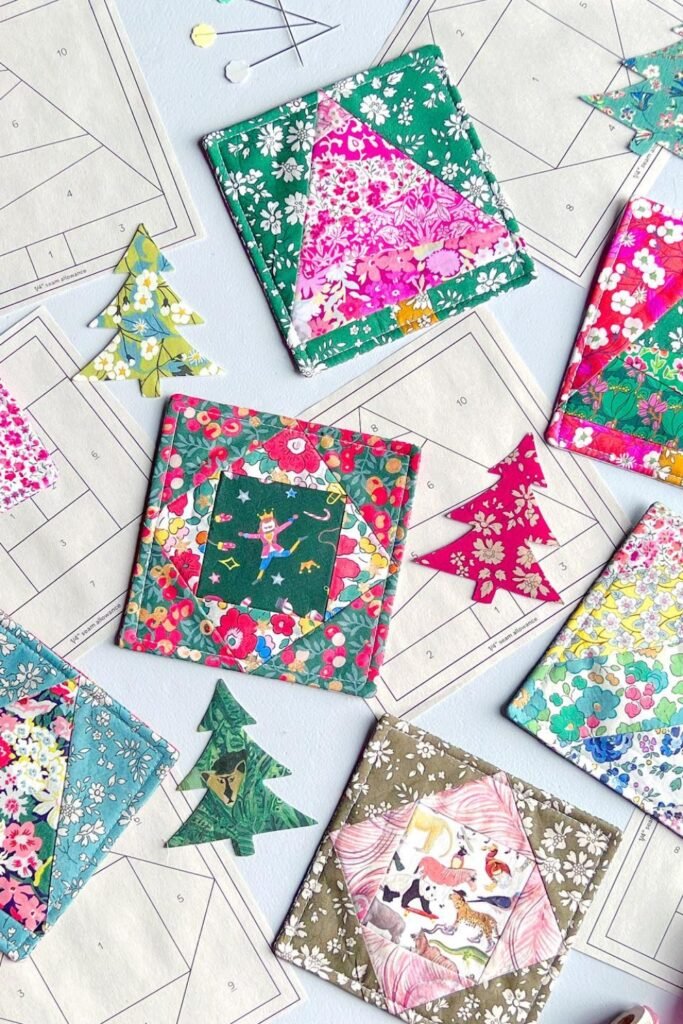
Tiny Paper Trees
Paper-pieced tree blocks handle unusually shaped scraps beautifully because each section forces small leftovers into precise, clean triangles.
This method keeps edges sharp and prevents wobbly seams, especially when you’re dealing with tiny Liberty-style florals or delicate cottons.
Use these blocks for coasters or ornaments where crisp lines and miniature patchwork instantly make seasonal projects feel polished.
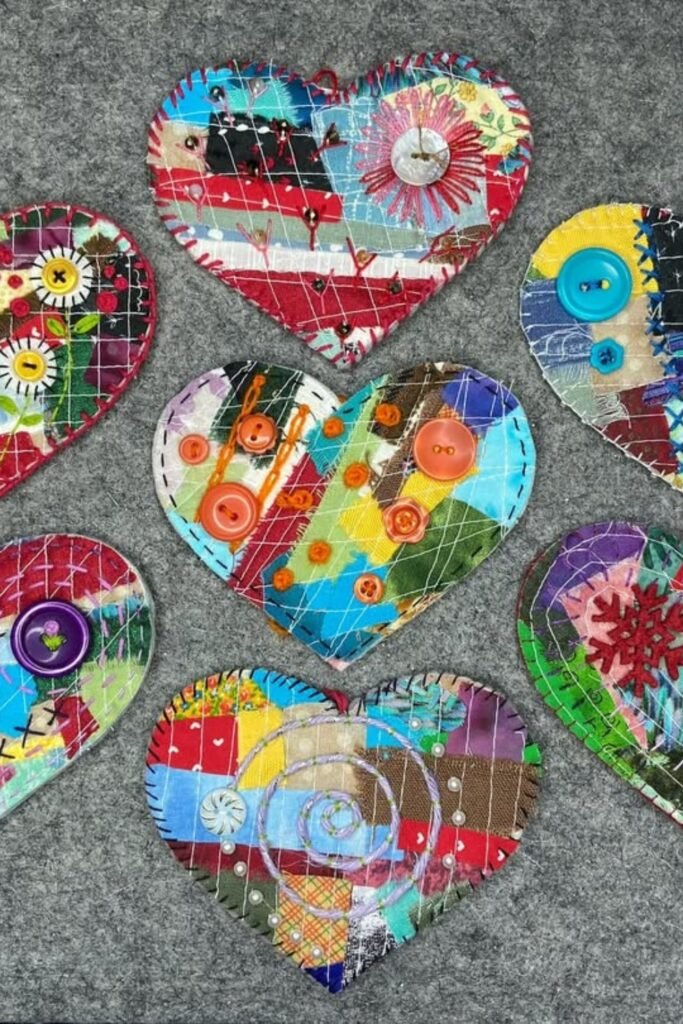
Mixed Media Hearts
Scrap appliqué hearts shine when you layer raw edges, hand stitches, and buttons to transform tiny leftover bits into textured pieces.
This playful style rescues frayed strips or thin strings because irregular shapes add charm instead of disrupting the design flow.
Use them as magnets, tags, or pocket patches where colorful stitching turns simple scraps into expressive handmade details.
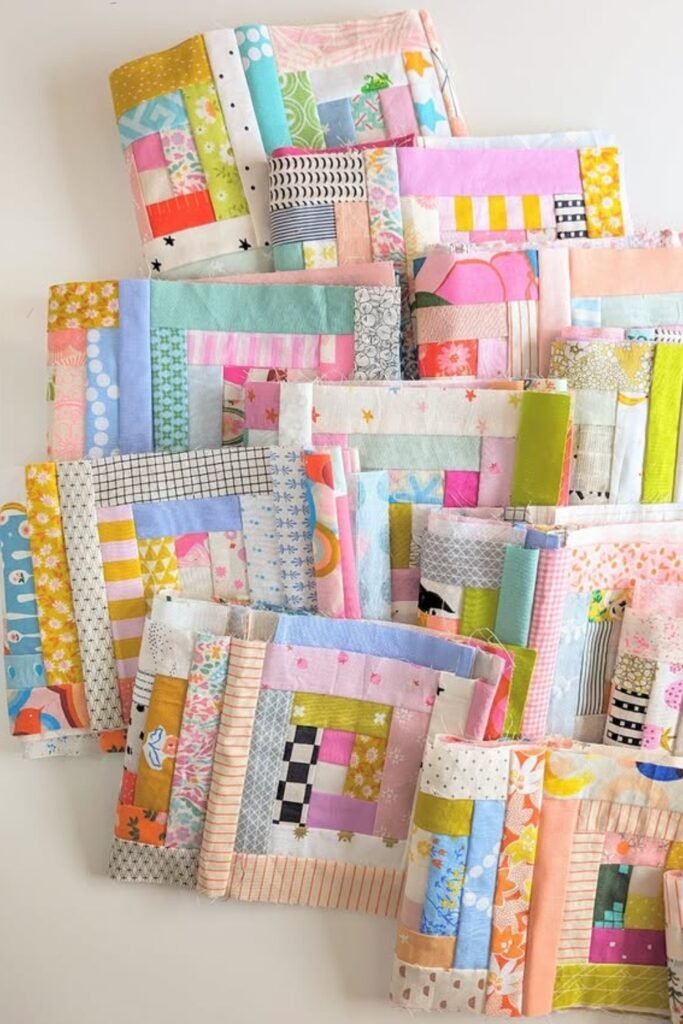
Soft Log Cabin Mix
Log cabin blocks thrive on variety, making them perfect for mismatched pastels and novelty scraps that rarely coordinate elsewhere.
Each strip builds outward in calm order, letting you control color placement without needing identical lengths or consistent fabric themes.
Use these blocks for baby quilts or pillow fronts where gentle shades and quiet structure create a soothing patchwork finish.
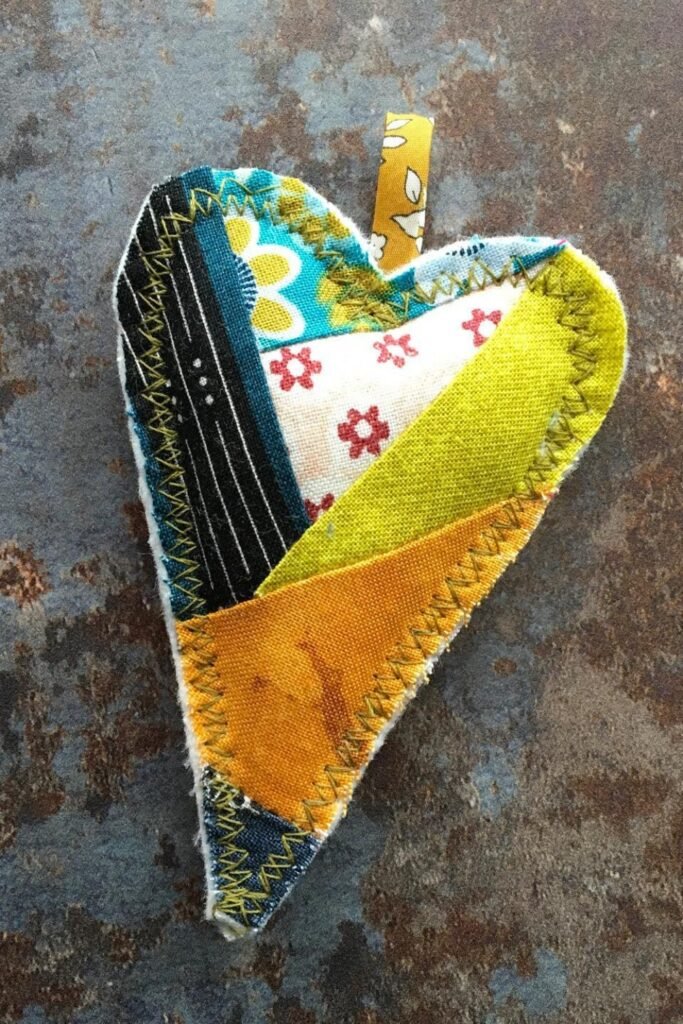
Layered Scrap Heart
Let uneven strips shine by stitching them into an angled heart that naturally highlights contrast through raw edges and zigzag seams.
This works well when you want quick gifts because the shape hides mismatched widths while showcasing your favorite bright leftovers.
Used as ornaments or gift tags where tiny fabric pops bring cheerful handmade energy.
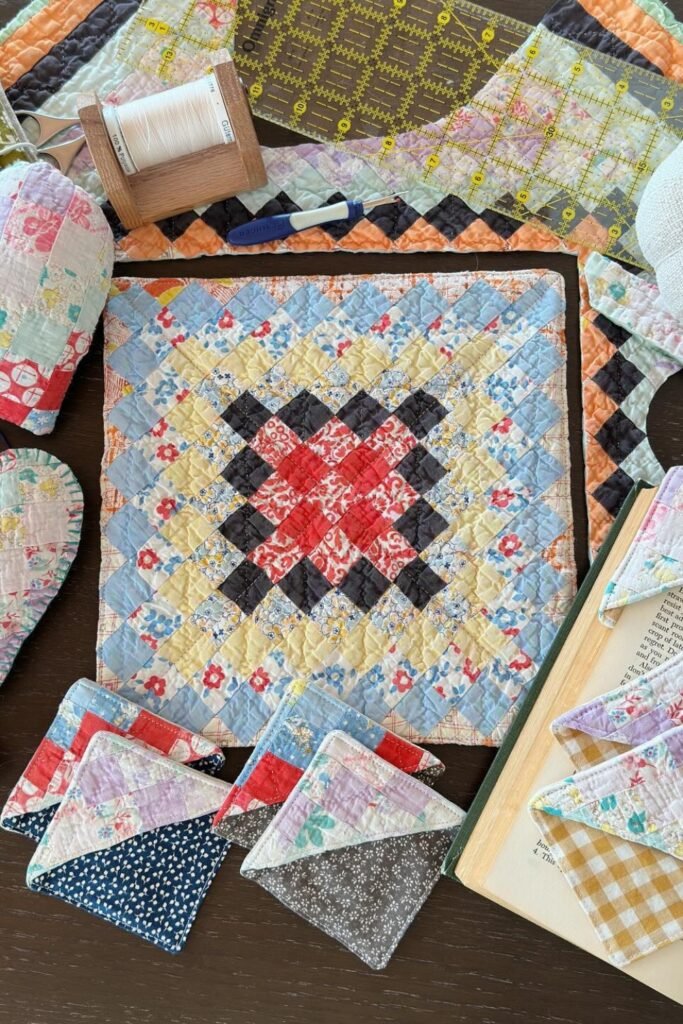
Vintage Patch Coasters
Soft vintage prints become useful again when you cut them into tiny squares and quilt them into sturdy layered coasters.
This method suits scrap bins full of florals because small patches blend gently while keeping that charming old-quilt feeling intact.
Make coordinated sets for reading corners or kitchen trays where delicate color mixes always look inviting.
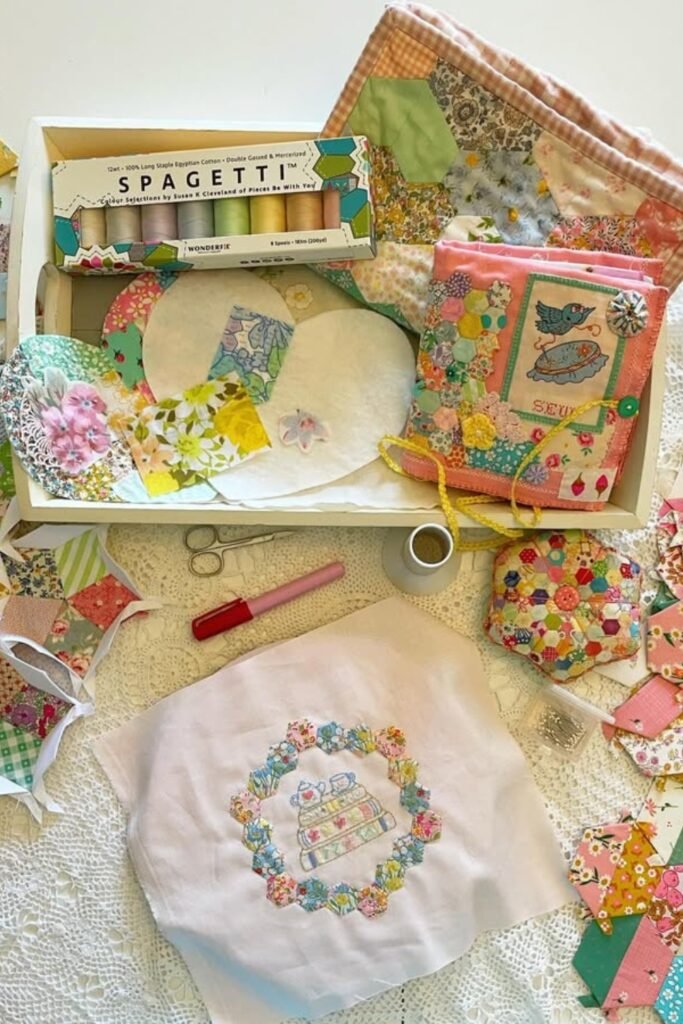
Hexie Wreath Panel
Tiny hexies create an eye-catching wreath when you appliqué them around a center motif using slow, steady hand stitching.
This approach helps you use the smallest offcuts since each hexie frame turns little prints into a detailed decorative border.
Finish as a pouch front or wall panel where soft sewing themes feel extra thoughtful.

Hi, my name is Ali Mehmood! I’m a passionate writer and DIY enthusiast who loves turning creative ideas into practical, hands-on projects.
I created this website to share inspiring, budget-friendly ideas that you can do yourself – whether it’s organizing your home, crafting something unique, or creating fun projects for kids and pets.
I believe DIY isn’t just a hobby – it’s a smart way to save money, reduce waste, and enjoy the satisfaction of making things with your own hands.
I’m excited to have you as part of this growing community, and I’ll continue bringing you helpful, realistic, and fun DIY ideas you can actually use.