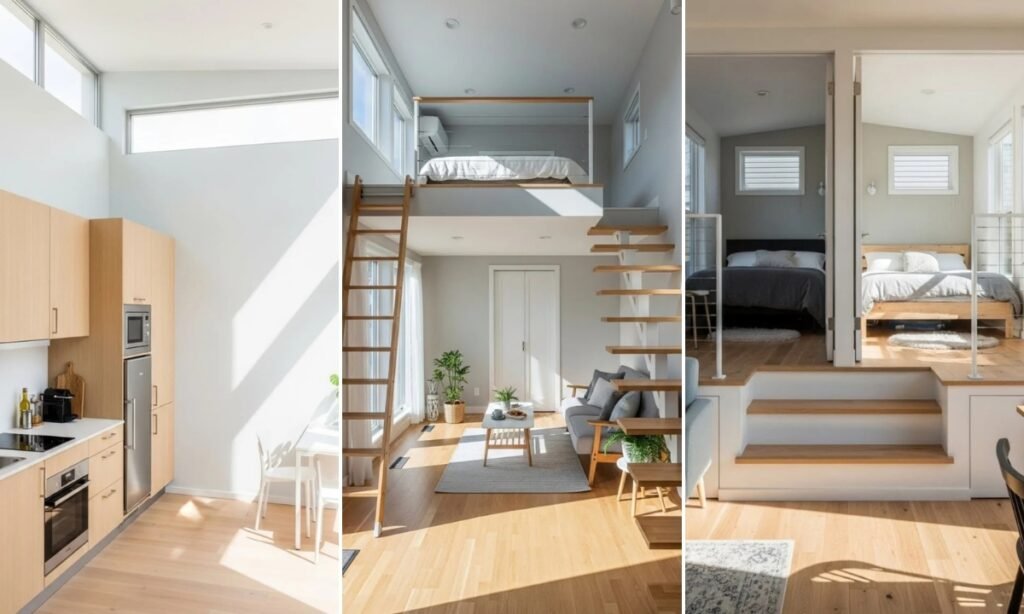
This post may contain affiliate links: read full affiliate disclosure.
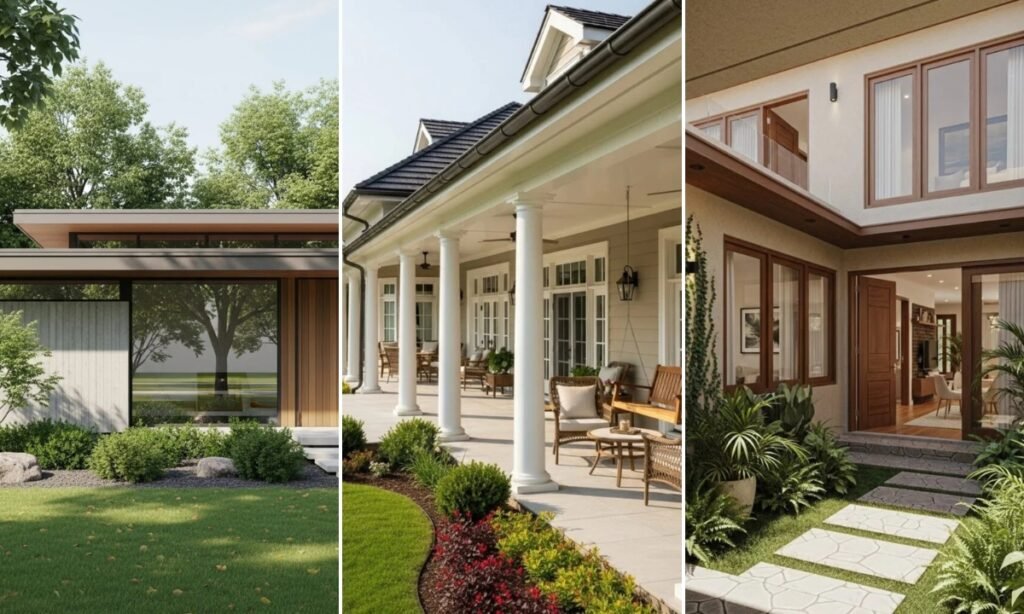
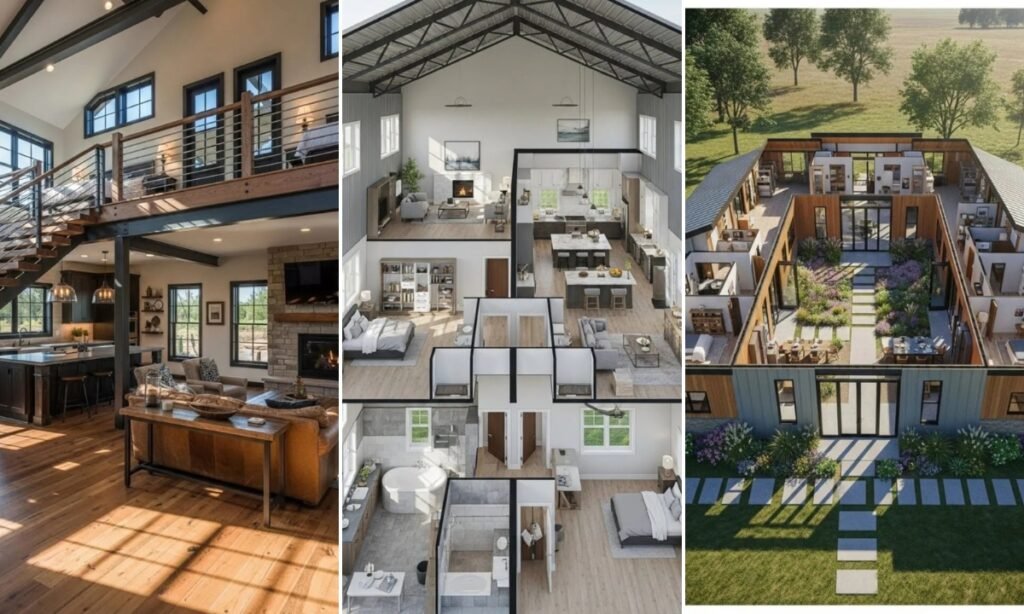
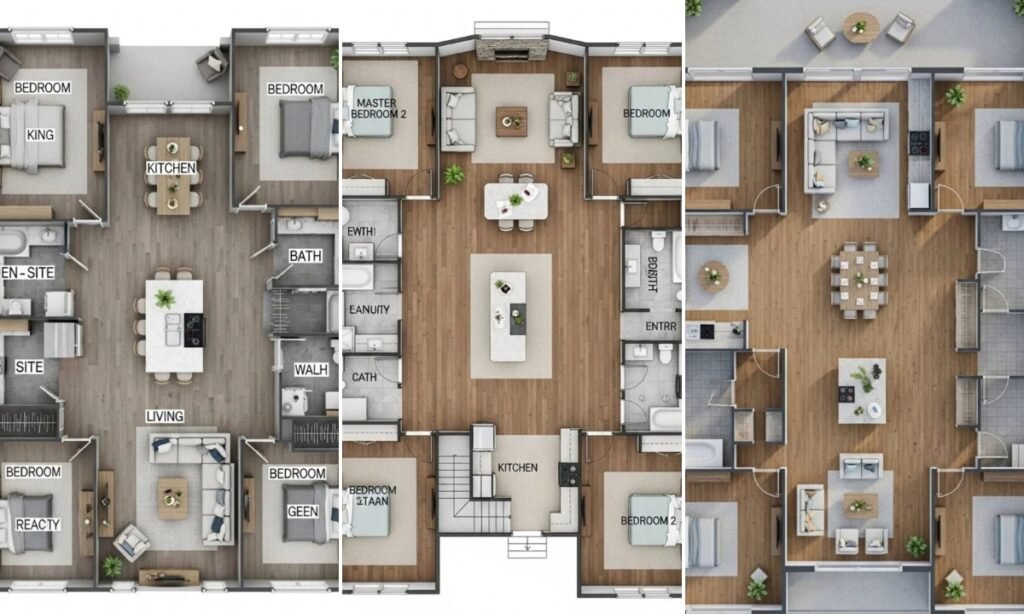
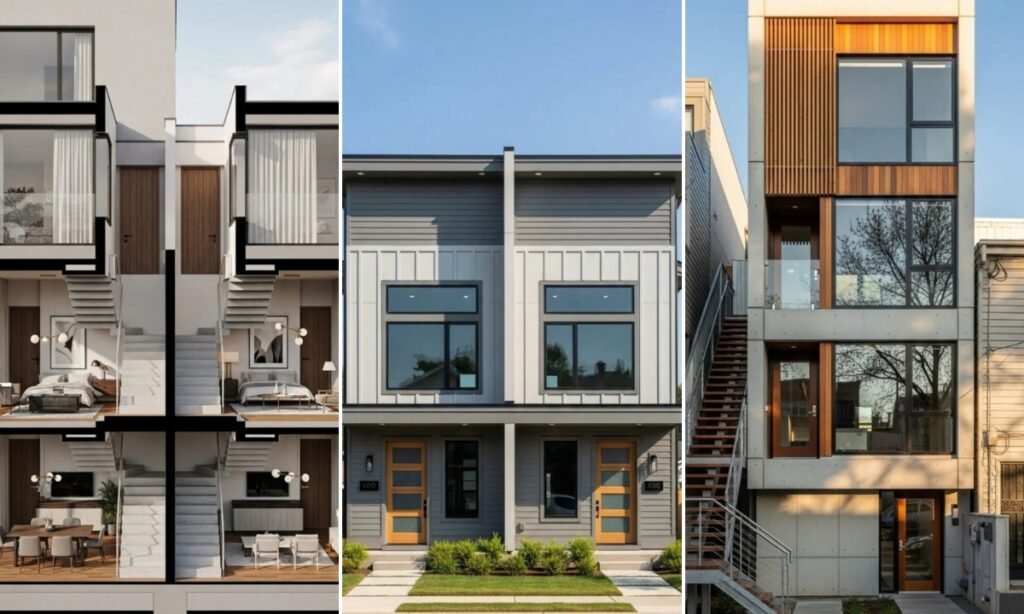
Living in a small house doesn’t mean giving up comfort, style, or smart design. In fact, smaller homes often force better decisions.
I’ve seen how the right layout, light, and storage can completely change how a space feels.
In this article, I’m sharing practical small house ideas that help you use every inch wisely without making your home feel tight or limiting,
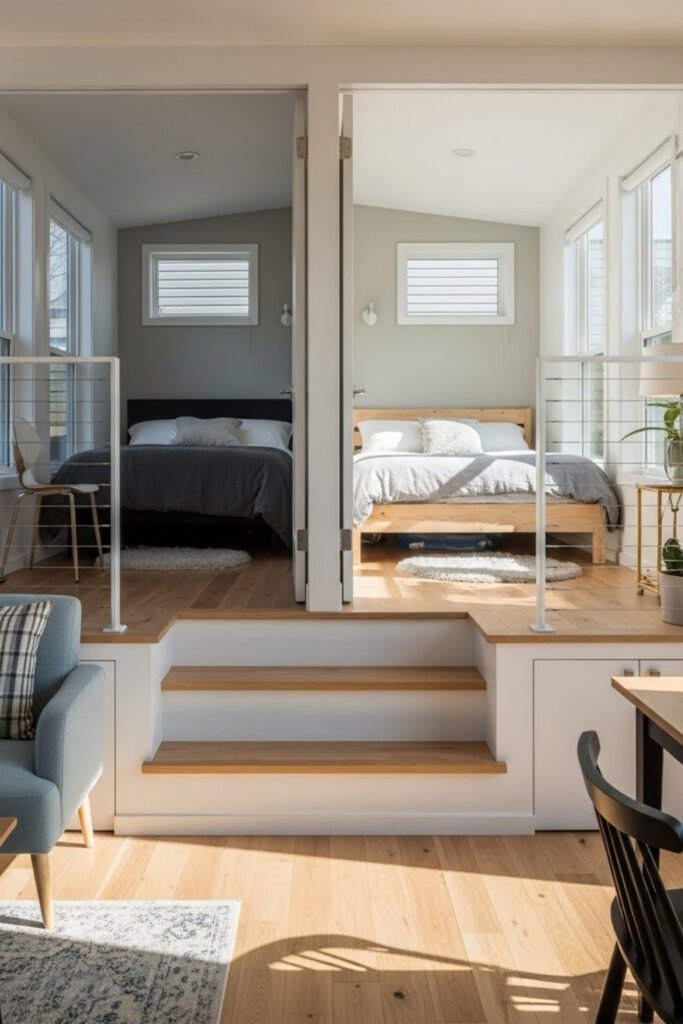
Split-Level
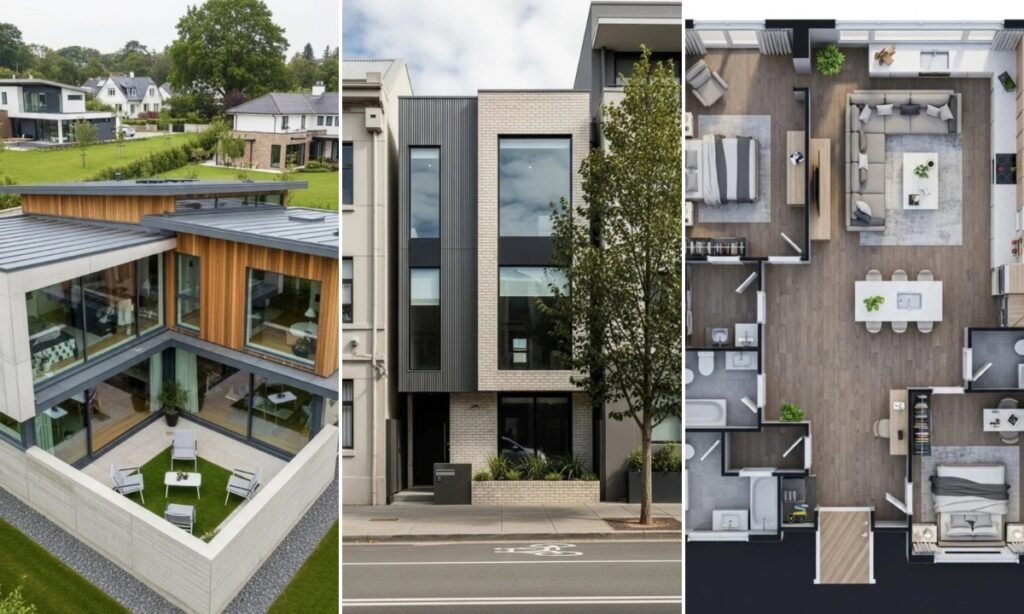
A split-level small house uses half-level changes instead of full floors to separate spaces without increasing square footage. Living, sleeping, and working zones feel distinct while staying visually connected.
This layout works especially well on slightly sloped land or narrow plots, giving the home more depth, privacy, and usable storage without making it feel boxed in.
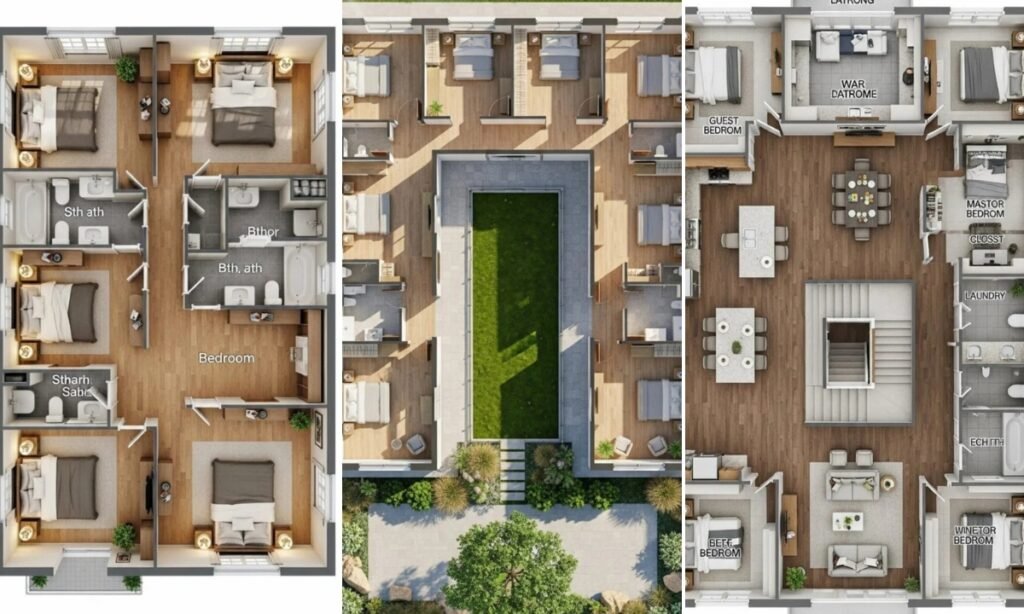
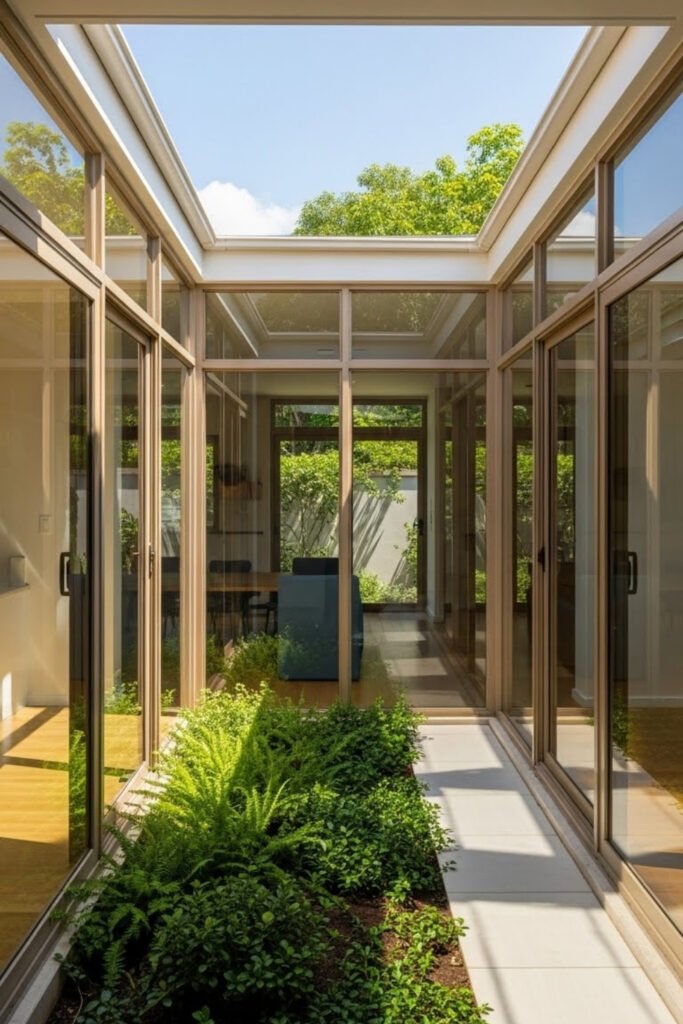
Courtyard-Centered
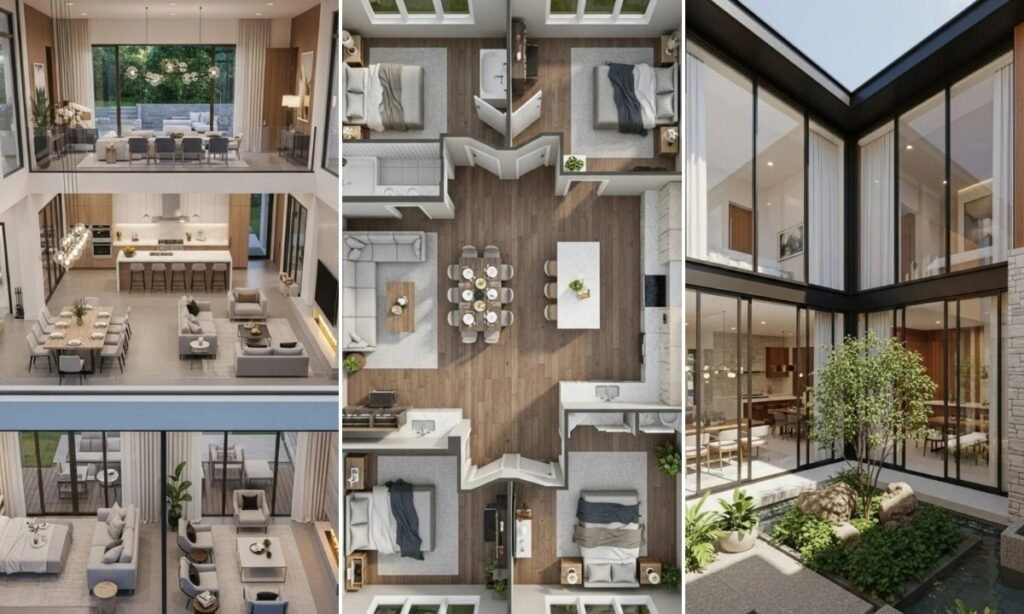
This small house design places a private courtyard at the center, letting natural light and airflow reach every room. Even with limited space, the home feels open and calm because the courtyard becomes a visual anchor.
It’s ideal for dense neighborhoods where outdoor privacy matters, and it creates a strong indoor-outdoor connection without needing a large yard.
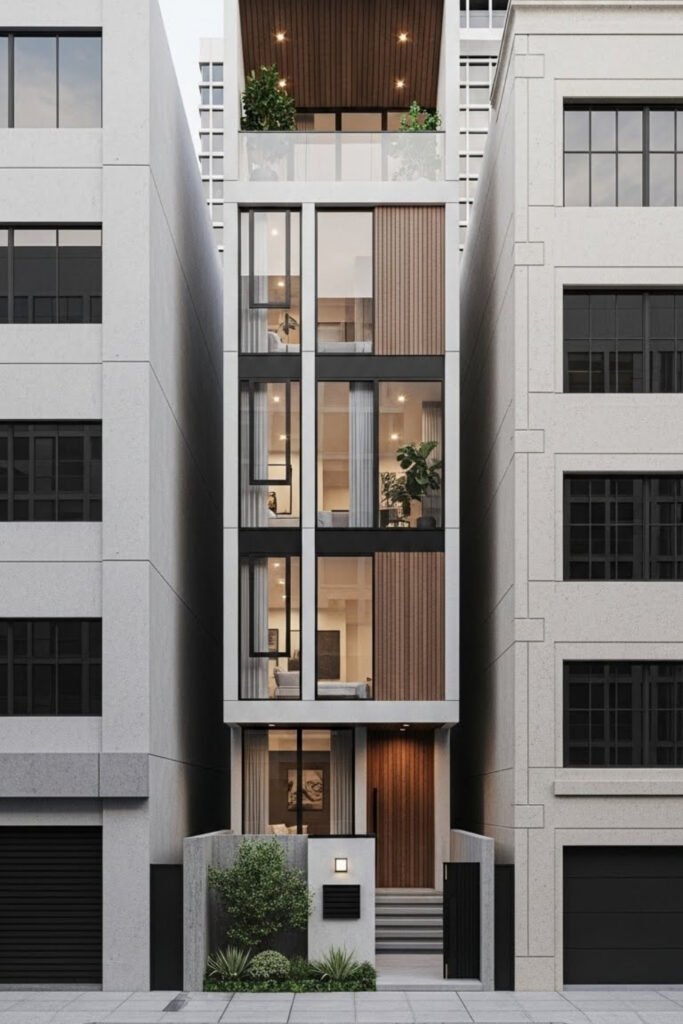
Vertical Narrow
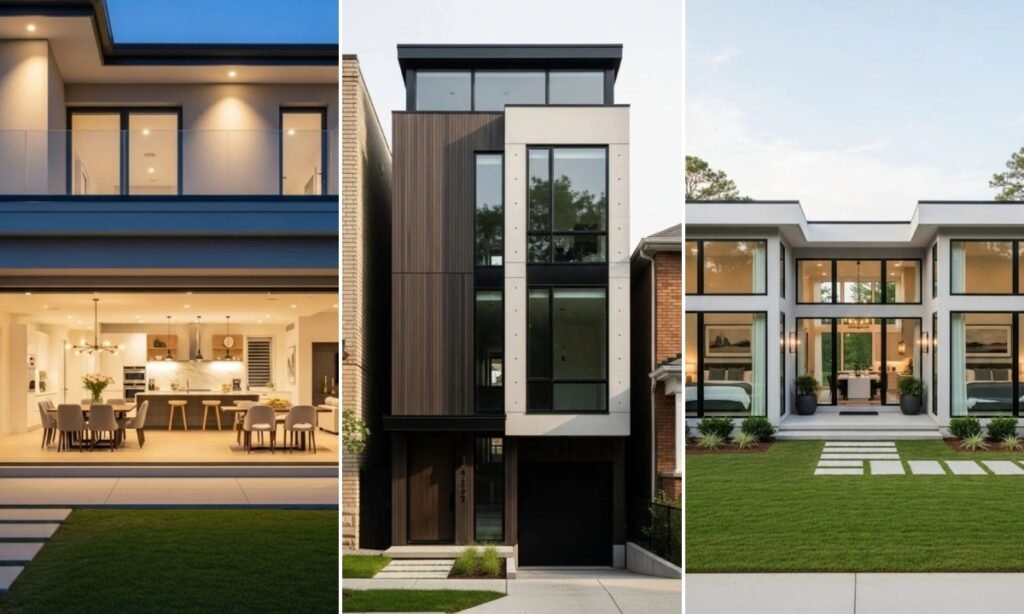
A vertical narrow house grows upward instead of outward, making it perfect for tight urban lots. Each floor serves a specific purpose—living below, sleeping above—so space feels organized, not cramped.
Large windows and open staircases prevent it from feeling tall and boxed, while the small footprint keeps construction and maintenance costs under control.
Loft-Focused
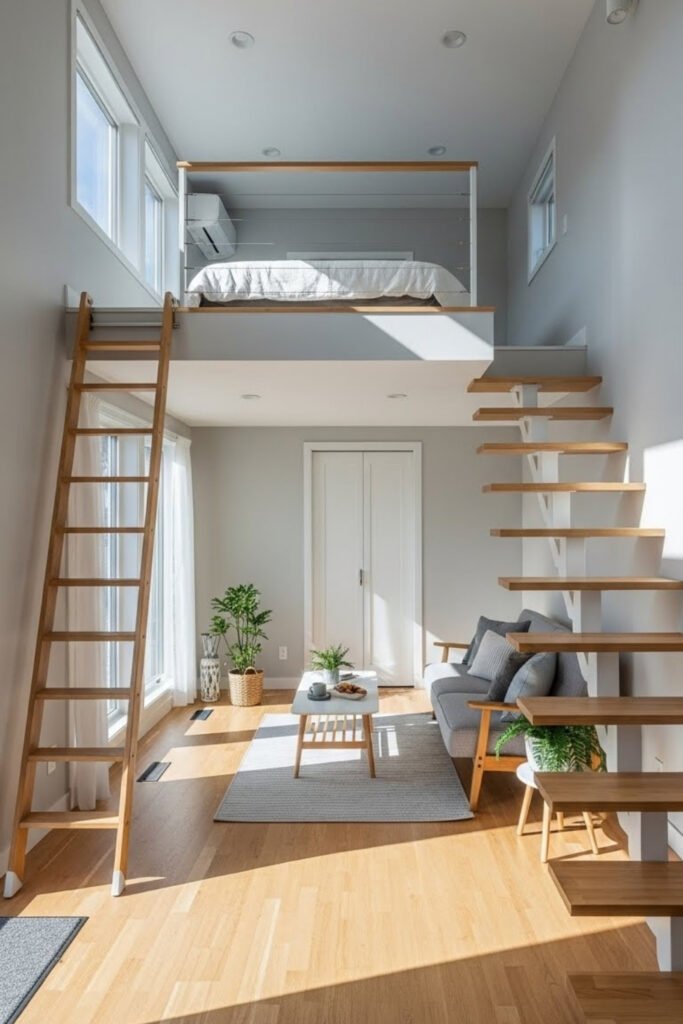
A loft-focused small house uses vertical space to add a sleeping or work area above the main living zone. This keeps the floor open and flexible while increasing usable square footage.
It works best in homes with higher ceilings, where the loft feels airy instead of tight, making the house feel larger without adding extra rooms.
Single-Wall
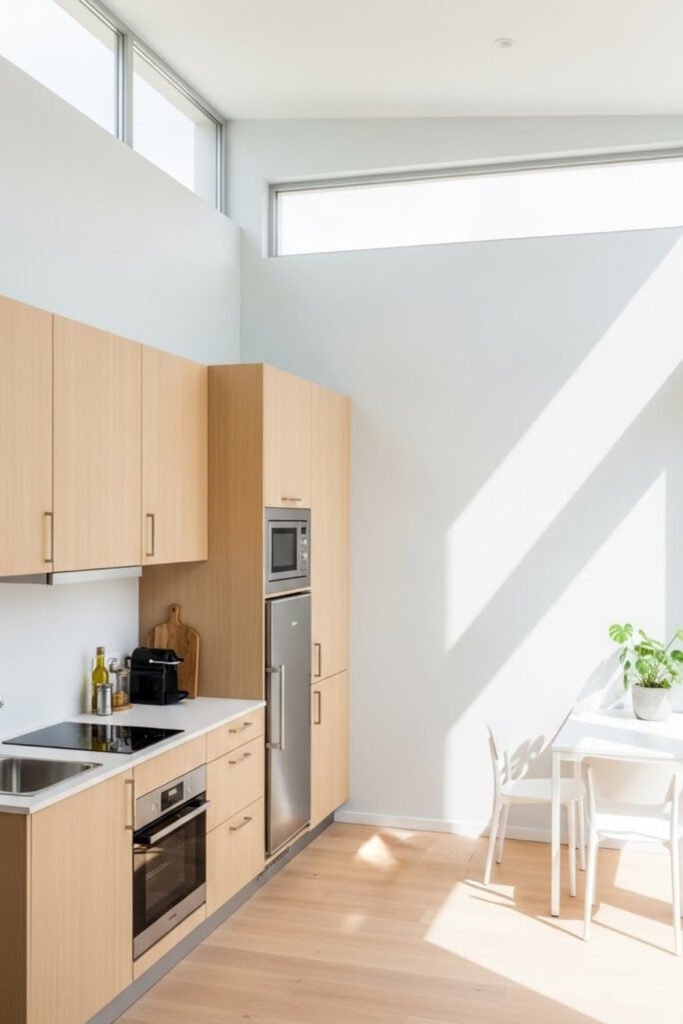
A single-wall small house places the kitchen, storage, and utilities along one continuous wall. This keeps the rest of the space open and flexible, which helps the home feel wider than it is.
It’s a smart solution for studio-style layouts or very small footprints where every inch needs to work without visual clutter.
Indoor-Outdoor
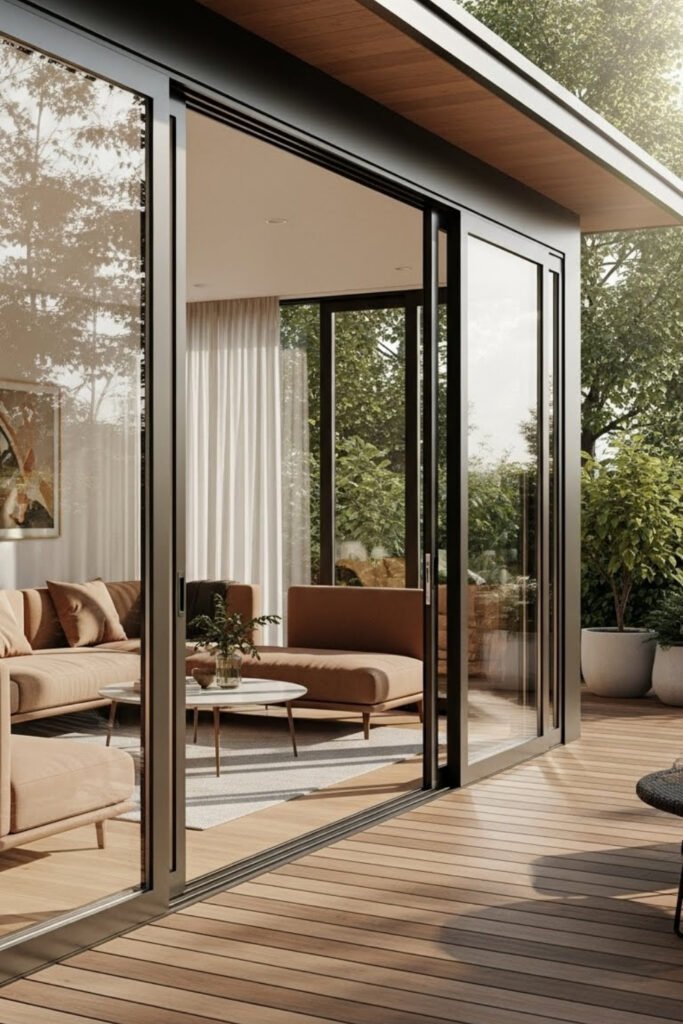
An indoor-outdoor small house blurs the boundary between inside and outside using sliding doors, patios, or decks. Even with limited square footage, opening the main living area to an outdoor zone instantly makes the home feel larger.
This idea works especially well in mild climates where outdoor living becomes part of daily life.
Sunken Living
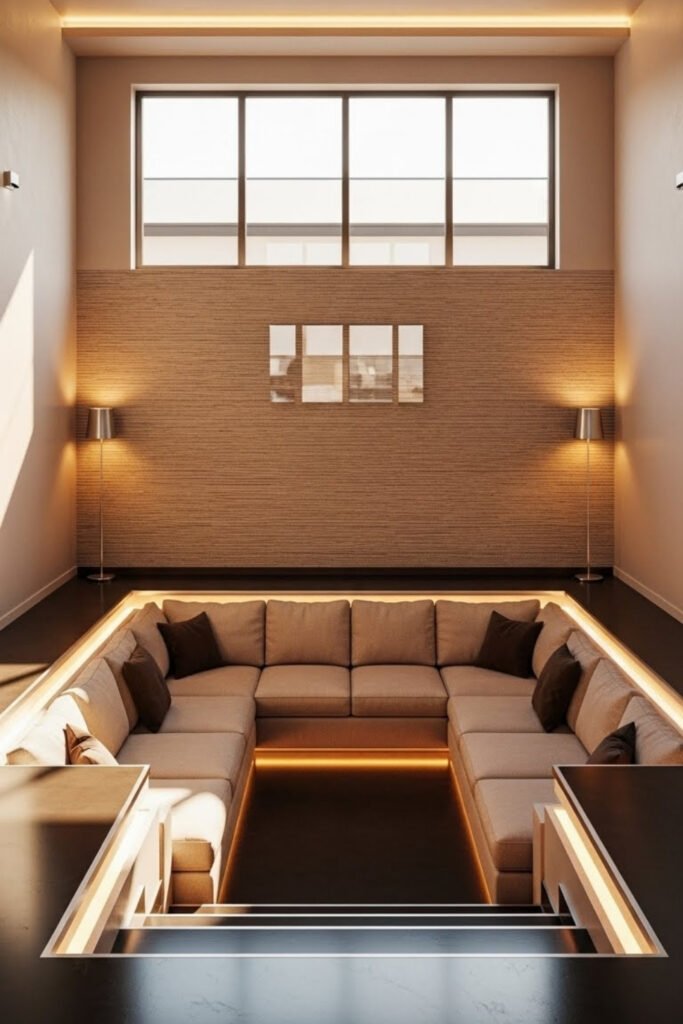
A sunken living area lowers the seating space slightly below the rest of the floor, creating separation without walls.
In a small house, this adds depth and visual interest while keeping the layout open. It helps define zones naturally and makes the ceiling feel higher, which improves the overall sense of space
Stair Storage
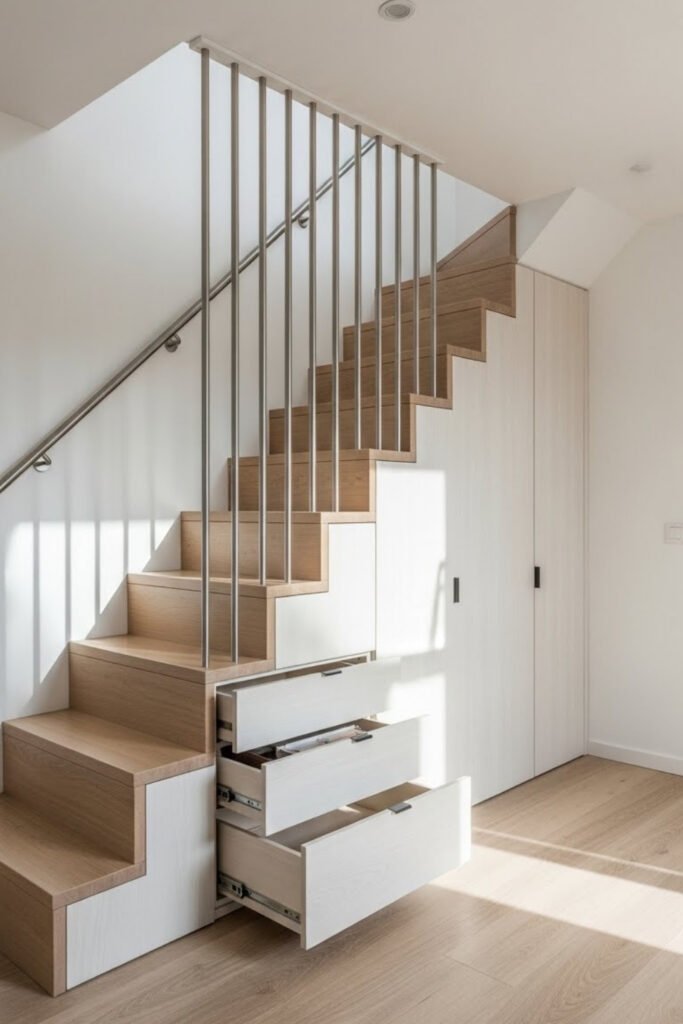
This small house idea turns the staircase into usable storage with drawers, cabinets, or shelves built directly underneath. Instead of wasting space, the stairs become a functional feature.
It’s ideal for compact homes where closets are limited, helping keep living areas clean and organized without adding extra rooms.
Glass Corner
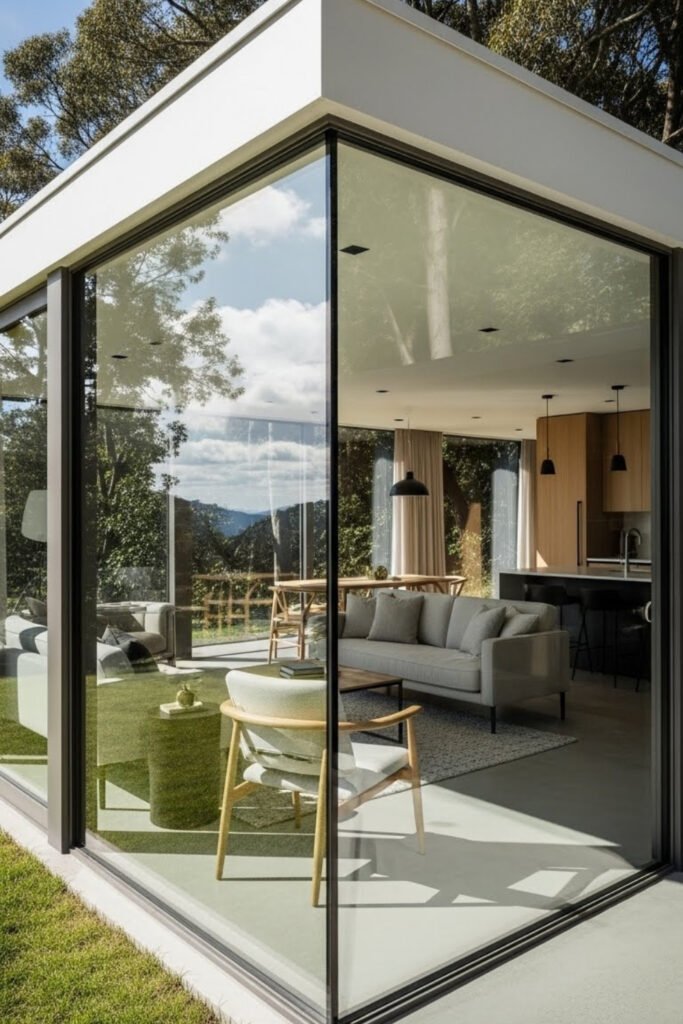
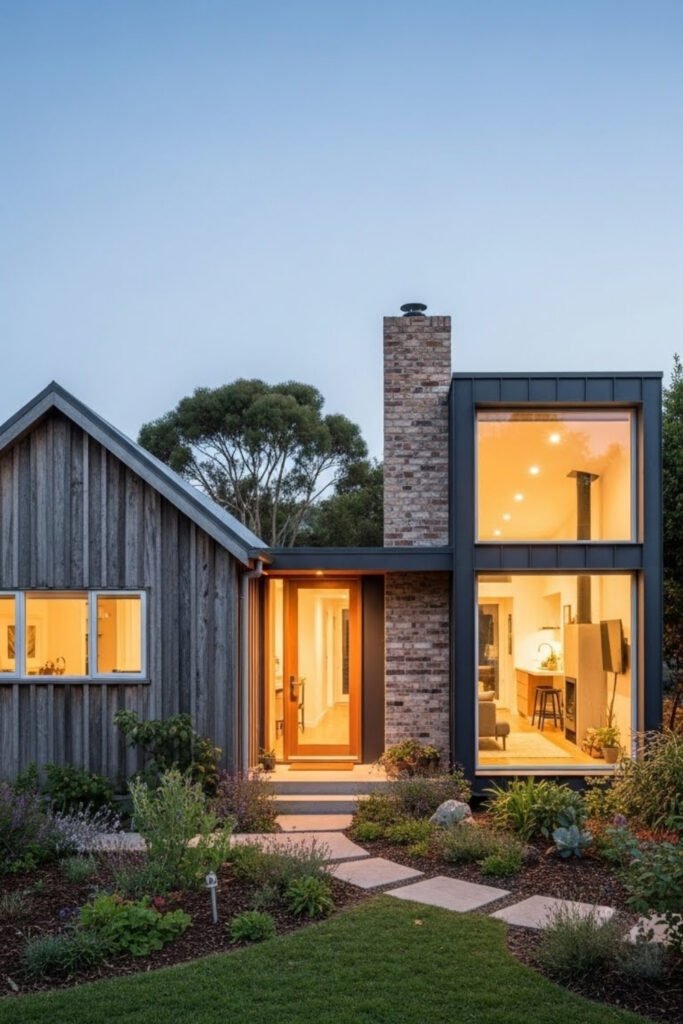
A glass corner small house replaces solid walls with floor-to-ceiling windows at the corner of the structure. This brings in maximum light and creates a wide, open view that makes the interior feel much larger.
It works especially well in scenic or private locations, turning limited square footage into a visually expansive living experience.
Open Studio
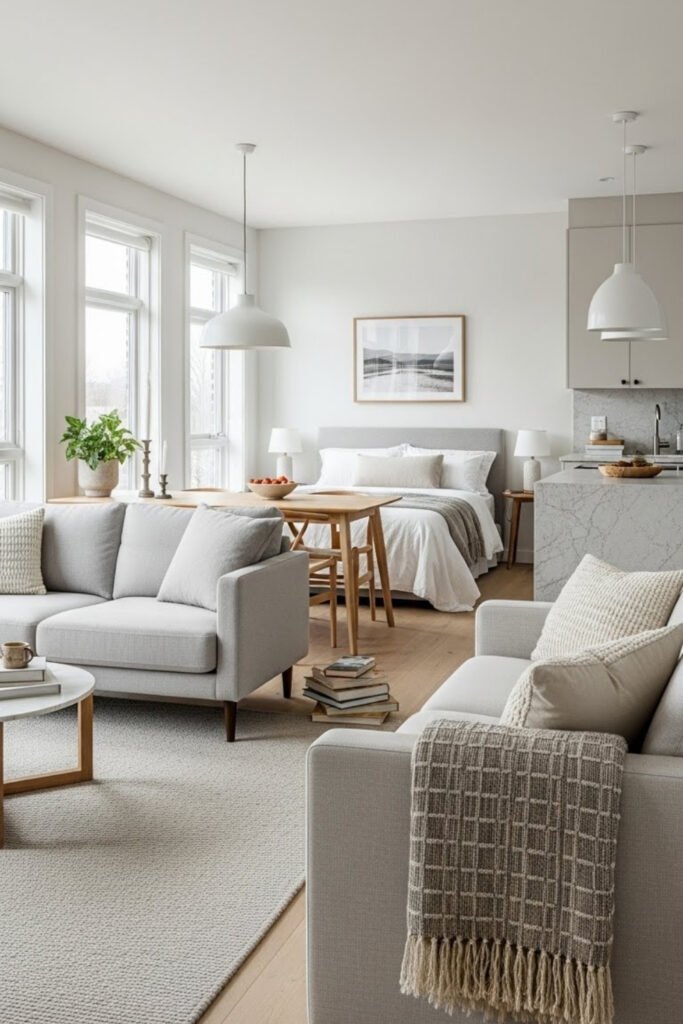
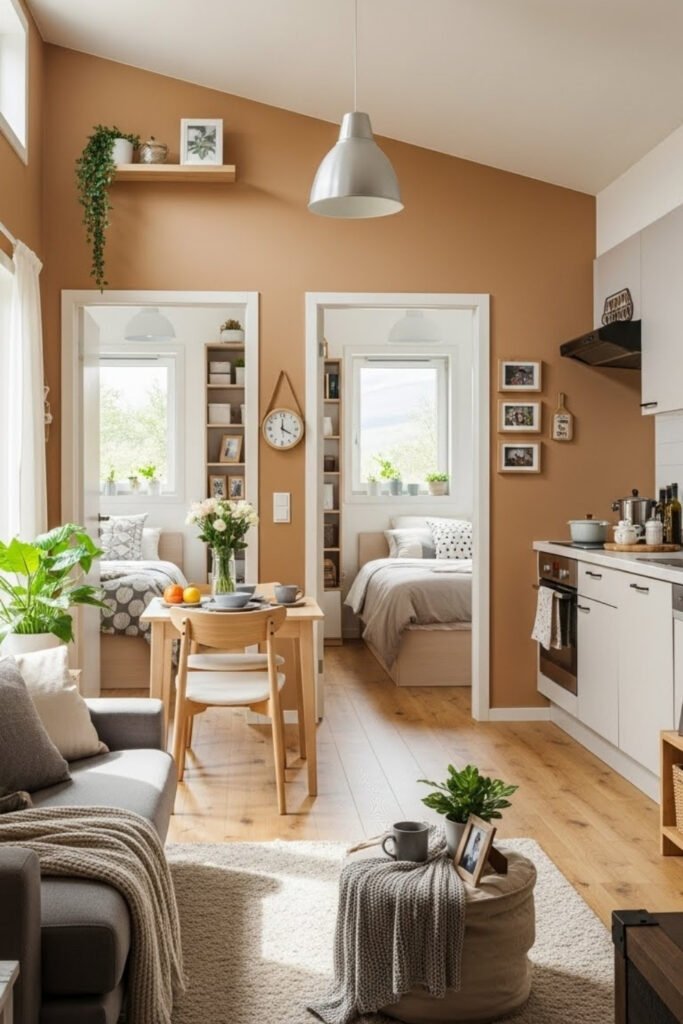
An open studio small house removes unnecessary walls so living, dining, and sleeping areas flow together. Instead of dividing space, furniture placement defines each zone.
This layout reduces visual barriers, improves light distribution, and keeps the home feeling airy, which is crucial when working with a compact footprint.
Multi-Purpose
A multi-purpose small house uses rooms that change function throughout the day. One space can act as a living room, workspace, or guest area depending on need.
This approach maximizes usability without increasing size, making it ideal for people who want flexibility without clutter or permanent room divisions.
Hidden Storage
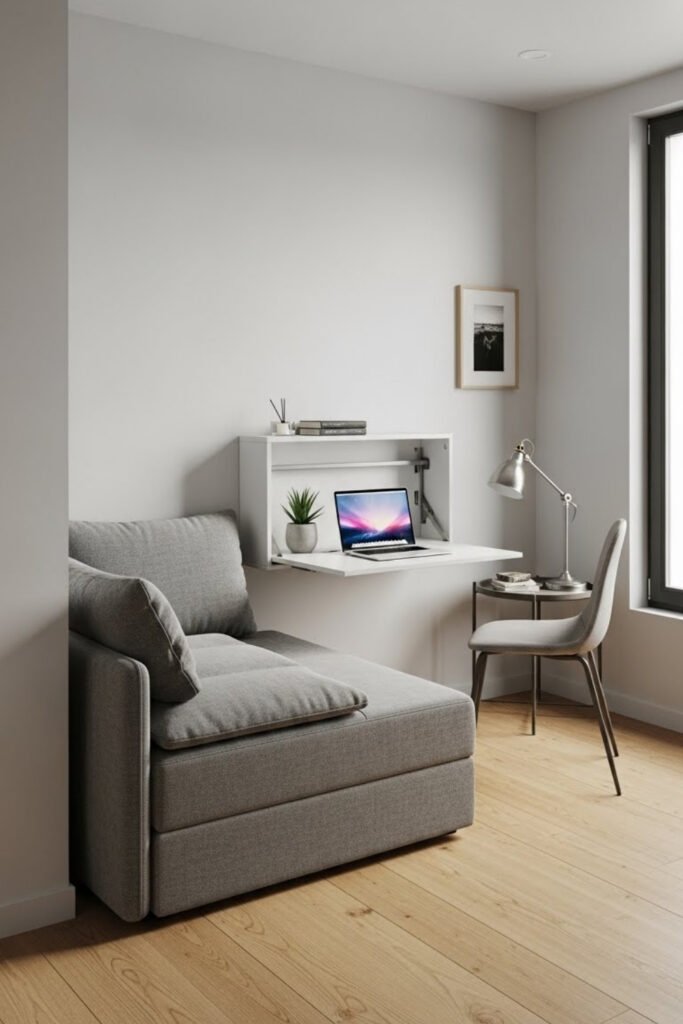
Hidden storage design focuses on building storage into walls, floors, and furniture so it disappears visually.
In a small house, this keeps the interior clean and uncluttered while still providing enough room for daily essentials. The result is a space that feels calm, organized, and larger than its actual size.
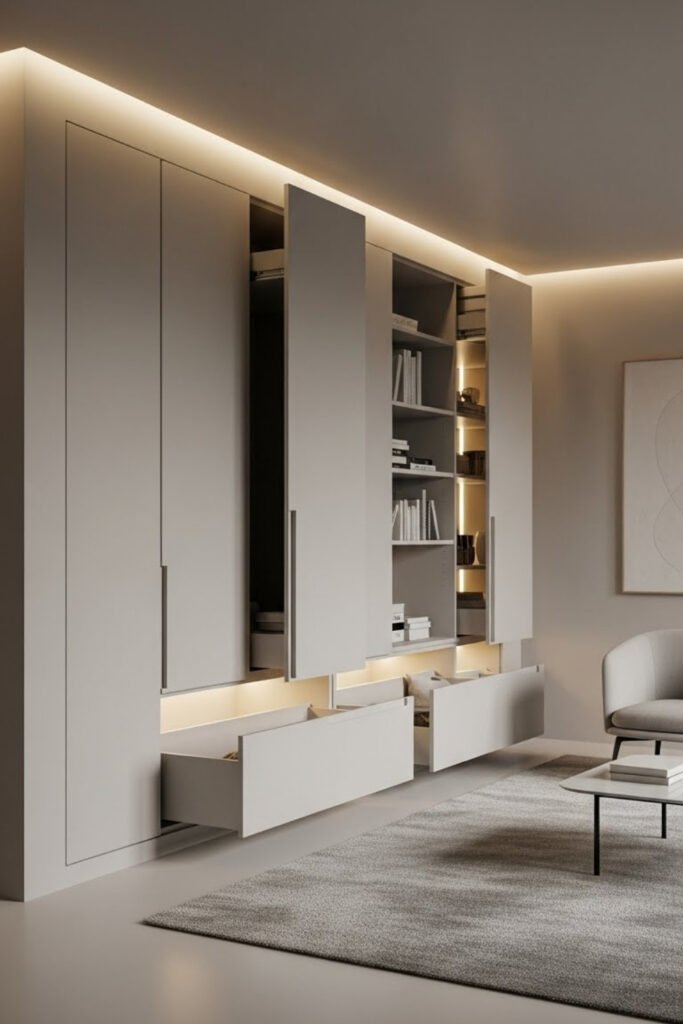
Minimalist Box
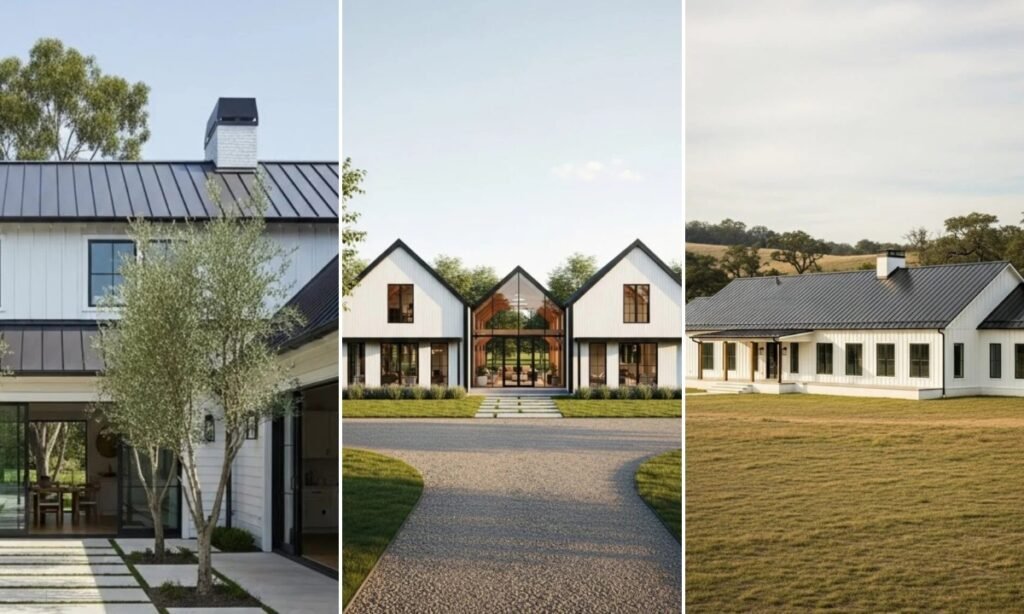
A minimalist box small house uses clean lines, simple materials, and a compact rectangular form. The lack of visual clutter helps the space feel calm and intentional.
This design works well for small lots because it’s efficient to build, easy to maintain, and allows the interior layout to stay flexible without unnecessary architectural complexity.
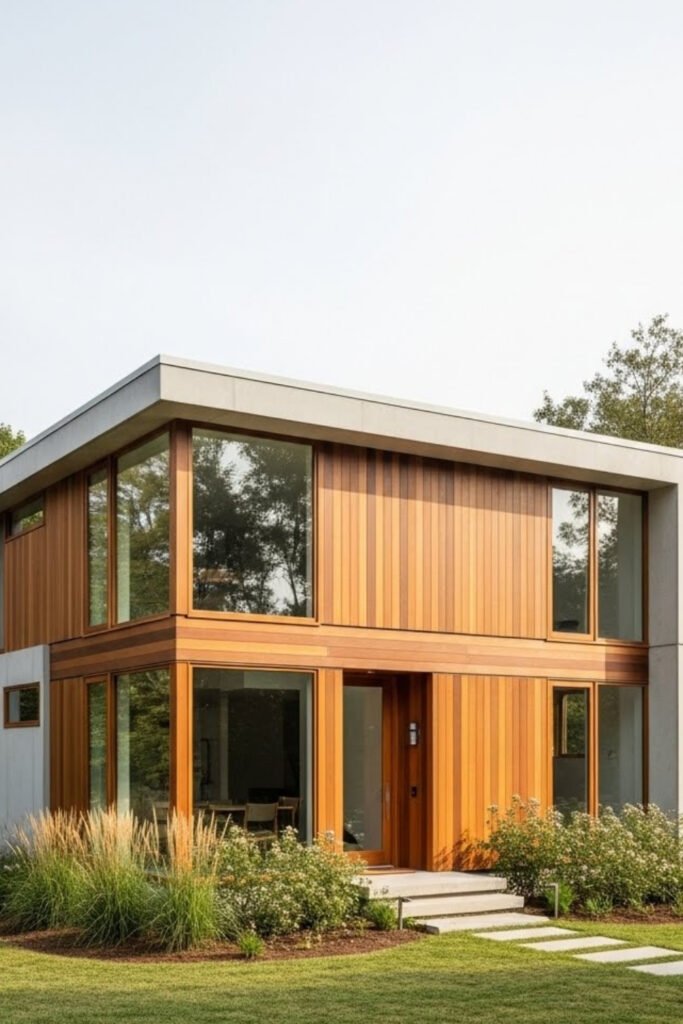
L-Shaped
An L-shaped small house wraps around a corner outdoor space, creating privacy while keeping rooms connected.
This layout allows better separation between living and sleeping areas without closing off the home. It’s especially useful for narrow or corner plots where maximizing light and outdoor access matters.
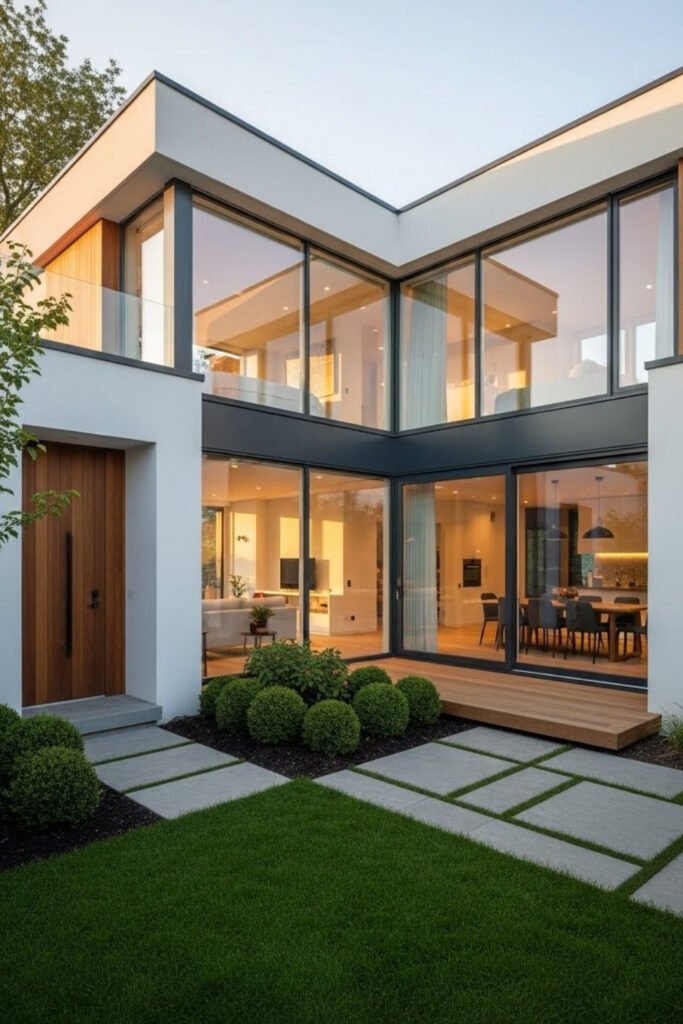
Skylight-Driven
A skylight-driven small house relies on roof openings to flood the interior with natural light. This reduces the need for large windows and helps maintain privacy on tight lots.
Bright ceilings and sunlit interiors make compact spaces feel taller, airier, and more comfortable throughout the day.
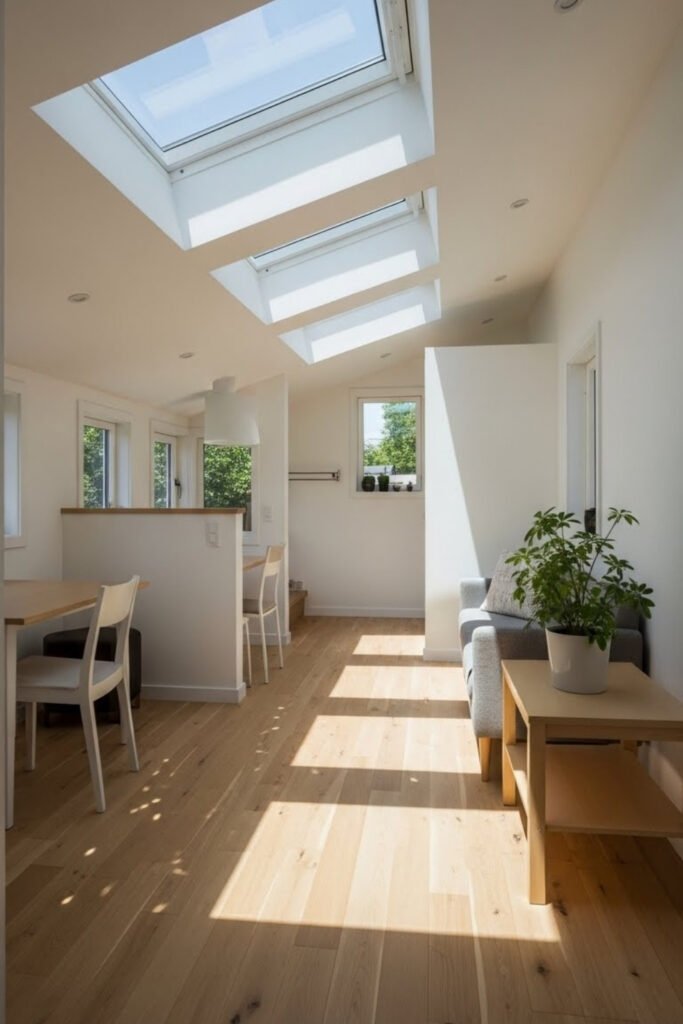
Built-In
A built-in focused small house uses custom furniture like benches, beds, and desks that are integrated into the structure. This eliminates bulky standalone pieces and frees up floor space.
Built-ins help maintain a clean layout while making every inch functional, which is essential in a small home.
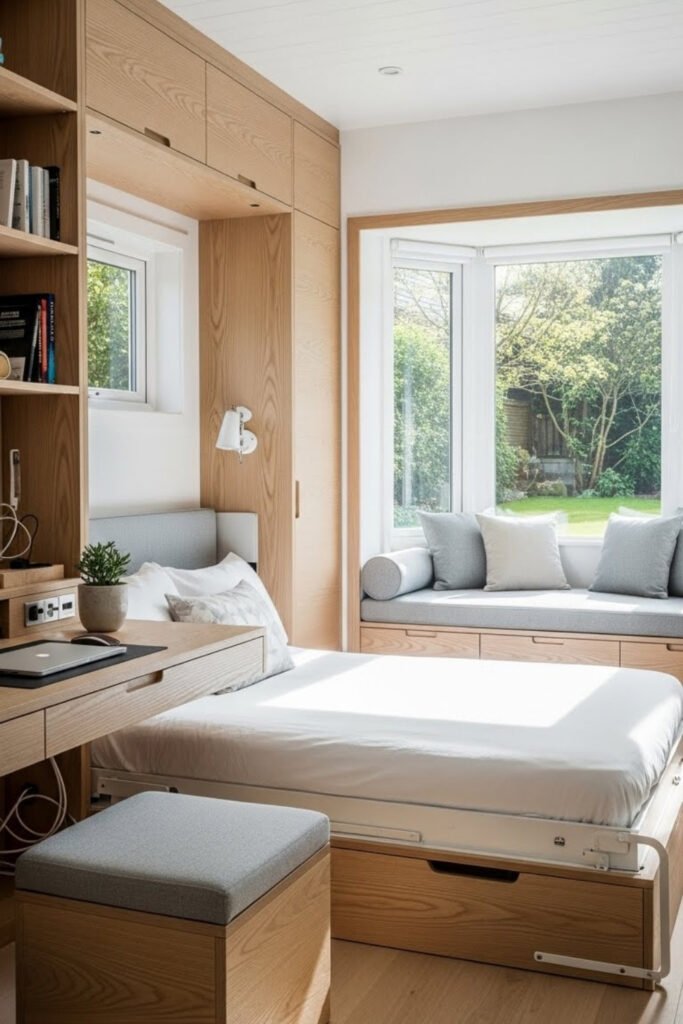
Flexible Partitions
Flexible partitions allow spaces to open or close as needed using sliding panels, folding screens, or movable walls.
In a small house, this creates privacy without permanent separation. You can adapt the layout for work, rest, or guests while keeping the home feeling open most of the time.
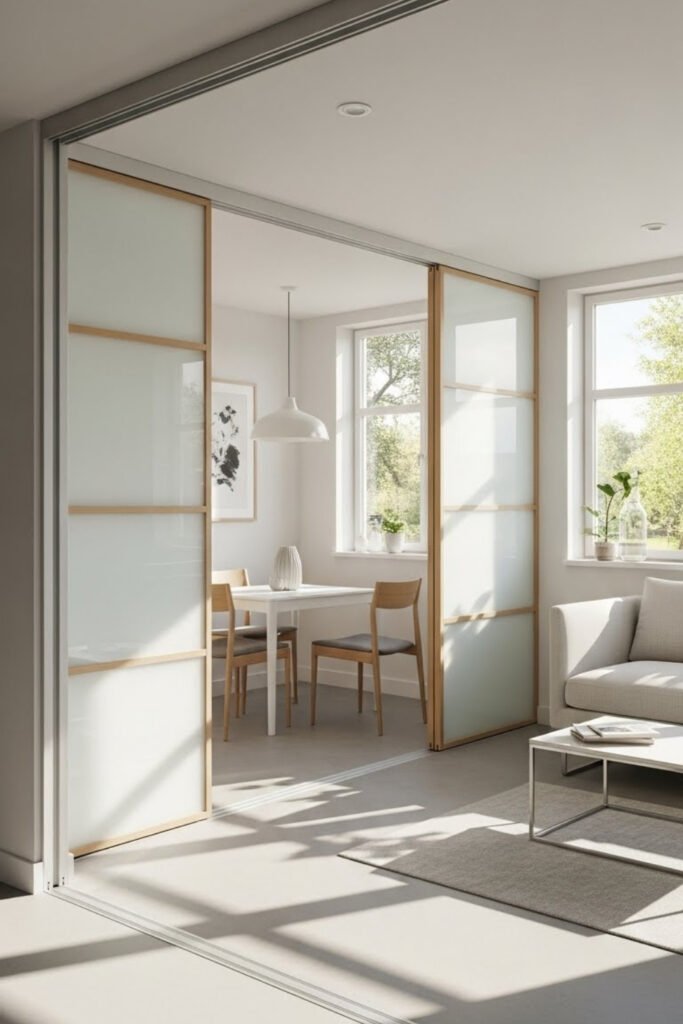
Two-Story
A two-story small house stacks spaces vertically to maximize a tiny footprint. Living areas stay on the ground floor while bedrooms move upstairs, creating clear zoning.
This layout works well on compact urban lots and helps the house feel more like a full-sized home despite limited ground space.
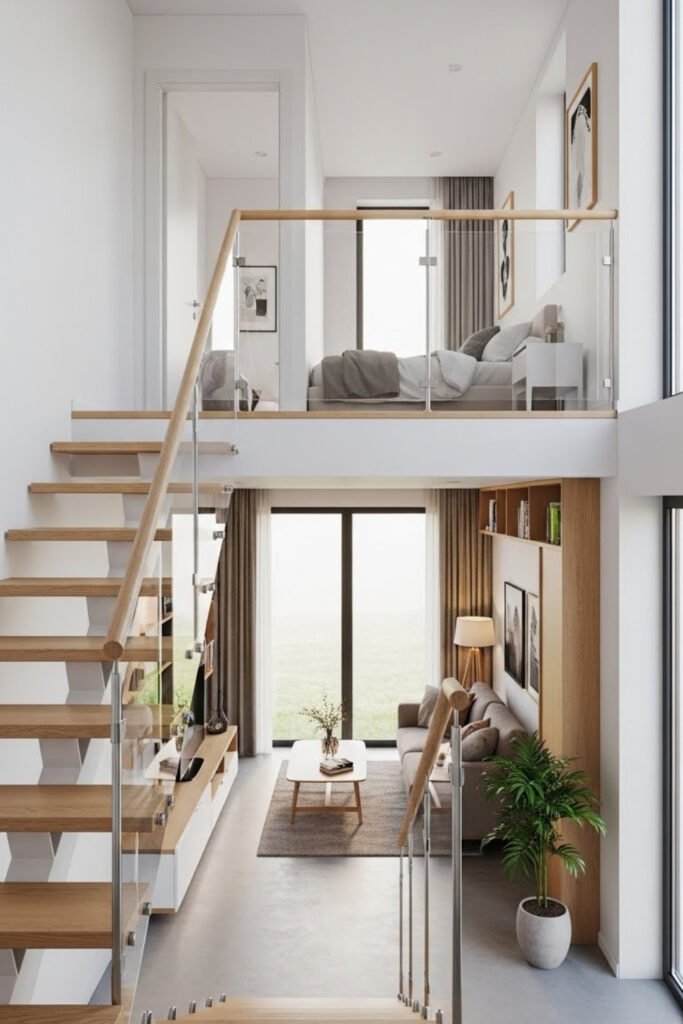
Mirror-Enhanced
A mirror-enhanced small house uses reflective surfaces to visually double the space. Strategically placed mirrors bounce light across the room and reduce the feeling of enclosure.
This approach works best in narrow or dark interiors where windows are limited but brightness is still needed.
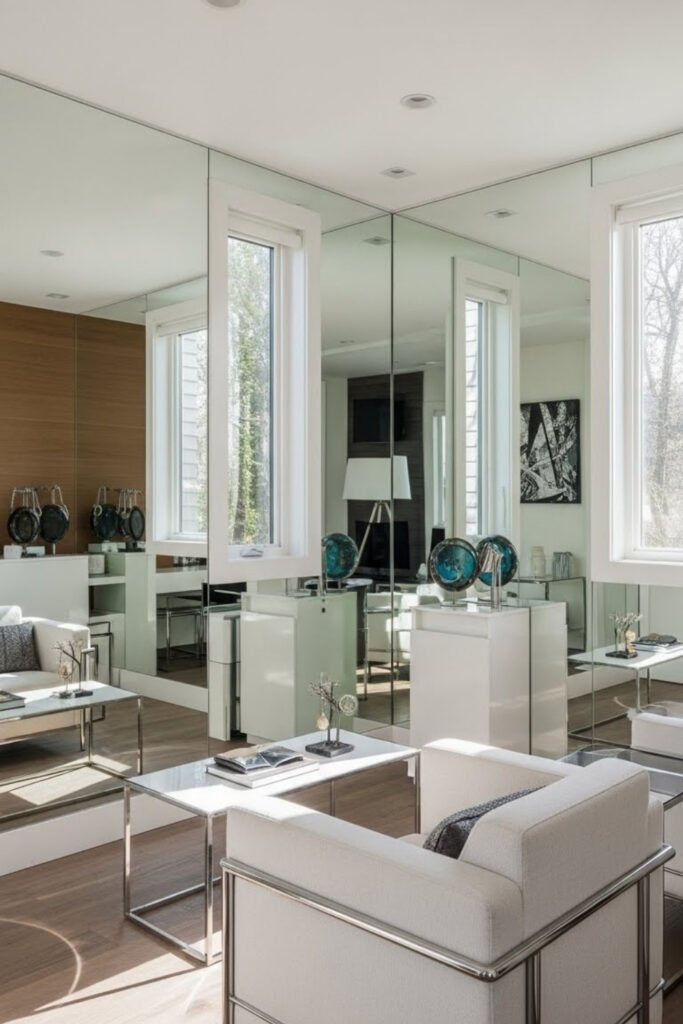
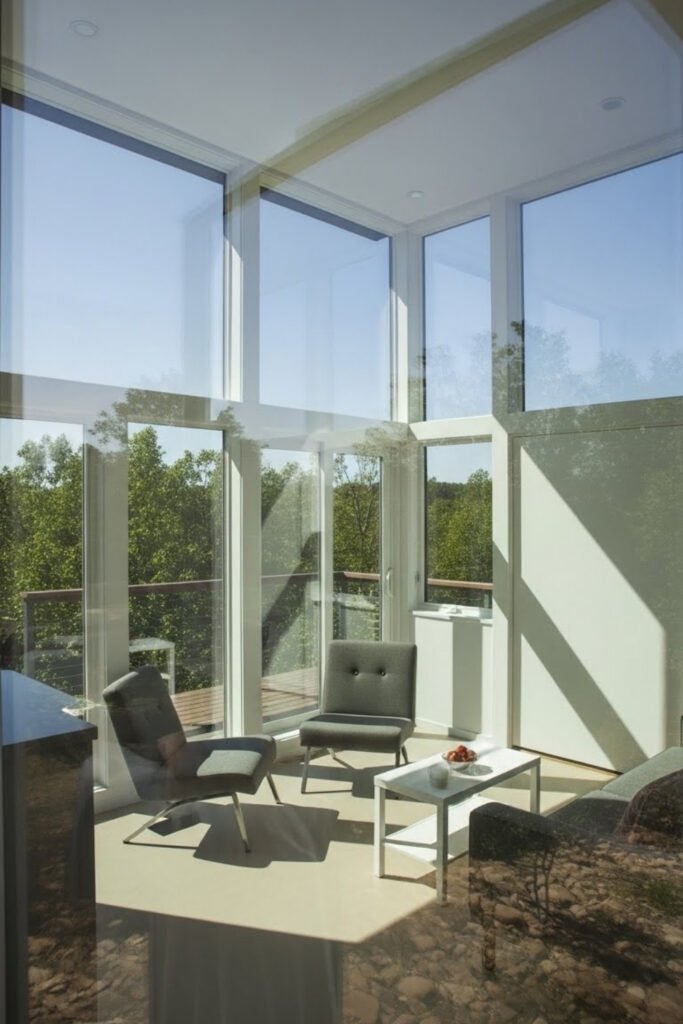
Window-Wrapped
A window-wrapped small house surrounds the living area with windows on multiple sides. Natural light enters from every angle, making the space feel open and connected to its surroundings.
This idea is ideal for private lots or scenic locations where views become part of the interior design.
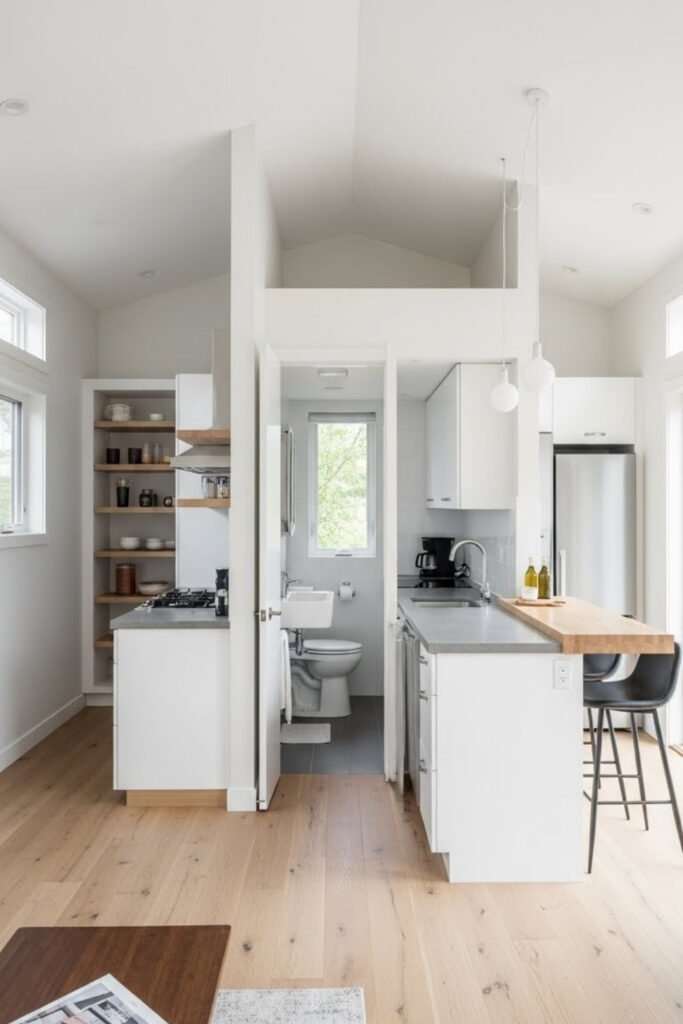
Central Core
A central core small house places the kitchen, bathroom, and storage in one compact block. This frees the outer areas for open living and sleeping zones.
By keeping utilities grouped, the layout becomes more efficient, easier to build, and less cluttered, which is ideal for tight floor plans.
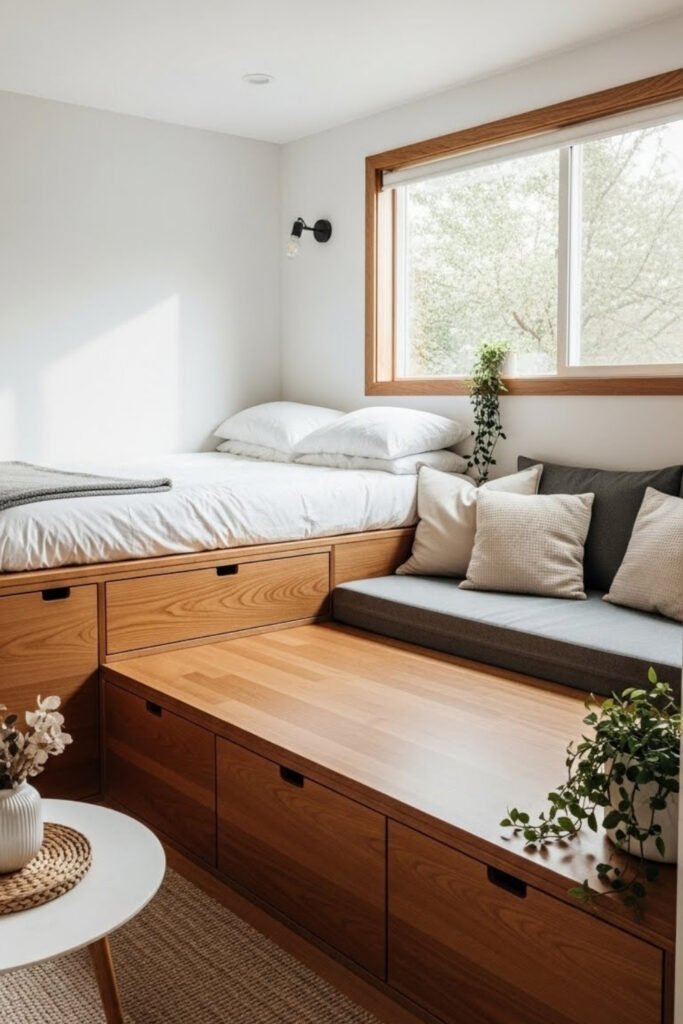
Raised Platform
A raised platform small house slightly elevates one area, such as the bed or seating zone. The height change defines space without walls and often allows storage underneath.
This adds dimension and functionality while keeping the overall layout open and visually interesting.
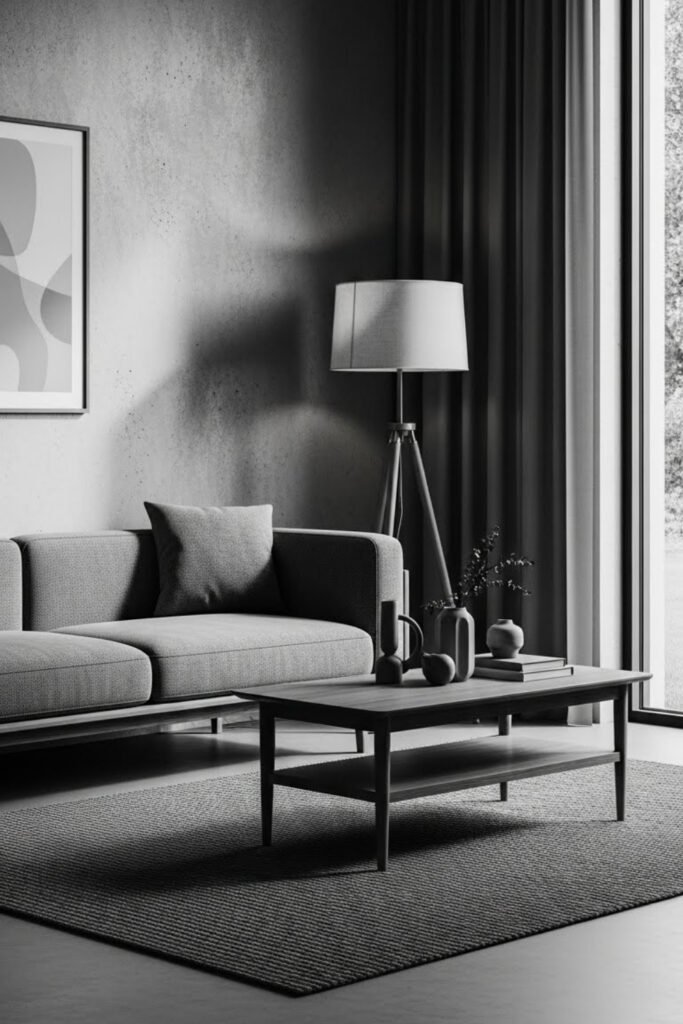
Monochrome
A monochrome small house sticks to one color family throughout the interior. This creates visual continuity, making rooms feel larger and more cohesive.
Limiting contrast reduces visual breaks, which helps compact spaces appear calmer, cleaner, and more spacious.
Compact Family
A compact family small house focuses on shared spaces while keeping private areas efficient. Smart bedroom layouts,
Shared storage, and multi-use living zones make it practical for families without feeling crowded. This idea prioritizes function and comfort over excess square footage.
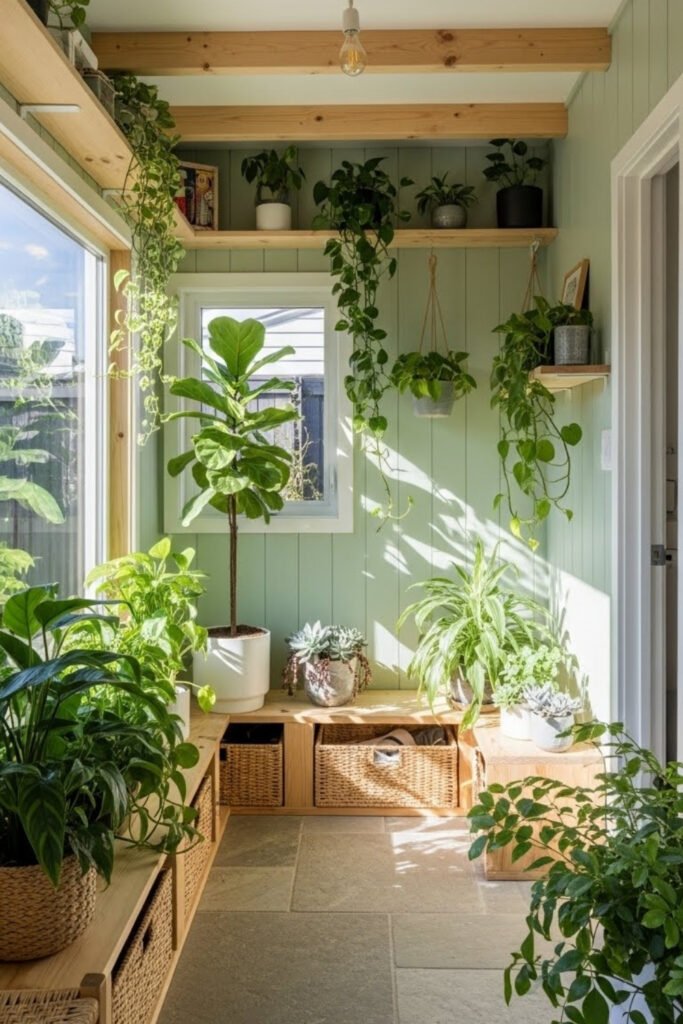
Indoor Greenery
An indoor greenery small house integrates plants into the layout through planters, green walls, or window shelves. This brings life into compact spaces and improves air quality.
Plants soften hard lines and make small interiors feel calmer and more connected to nature without taking up much floor space.
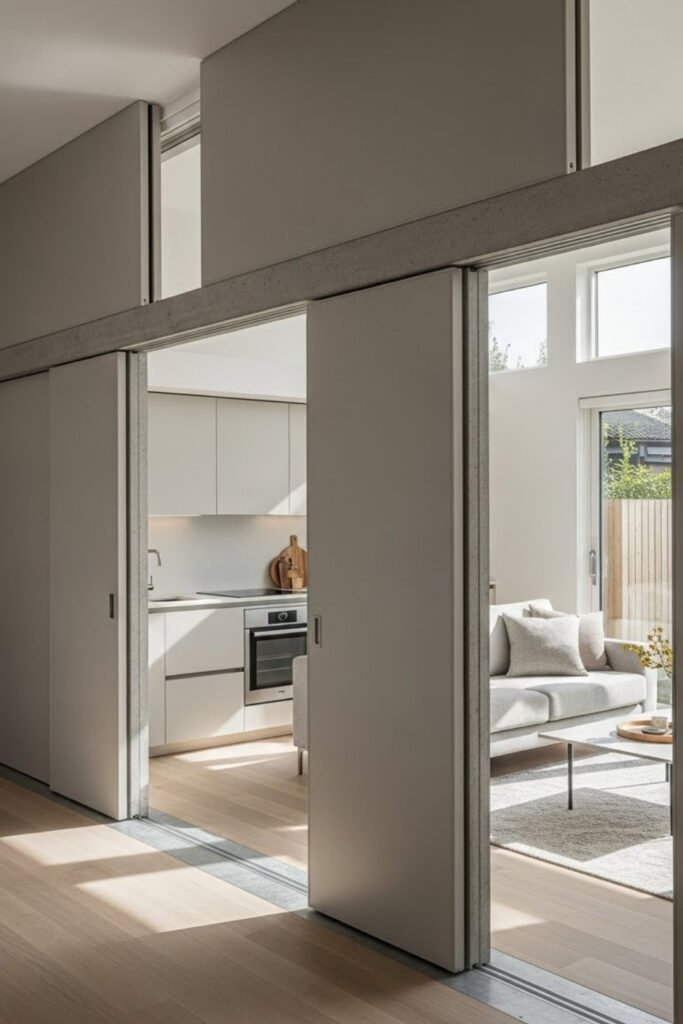
Sliding Walls
Sliding wall layouts replace fixed walls with panels that move along tracks. This allows rooms to expand or shrink as needed.
In a small house, sliding walls provide flexibility while maintaining a clean, modern look that avoids the heaviness of permanent partitions.
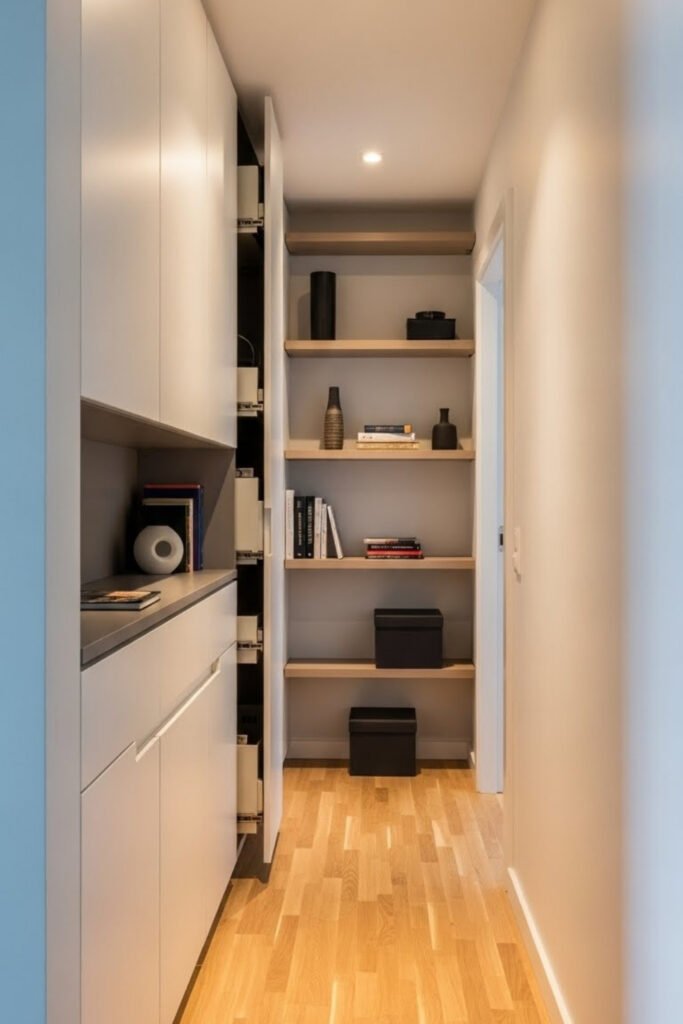
Efficient Corridor
An efficient corridor small house turns hallways into usable space with storage, desks, or display shelves. Instead of wasted square footage, circulation areas become functional.
This approach is ideal for long, narrow homes where every passage needs to serve more than one purpose.
Compact Luxury
A compact luxury small house focuses on high-quality finishes rather than size. Thoughtful materials, lighting, and details create a refined feel without extra rooms.
This idea proves that small homes can still feel premium when design choices are intentional and well-balanced.
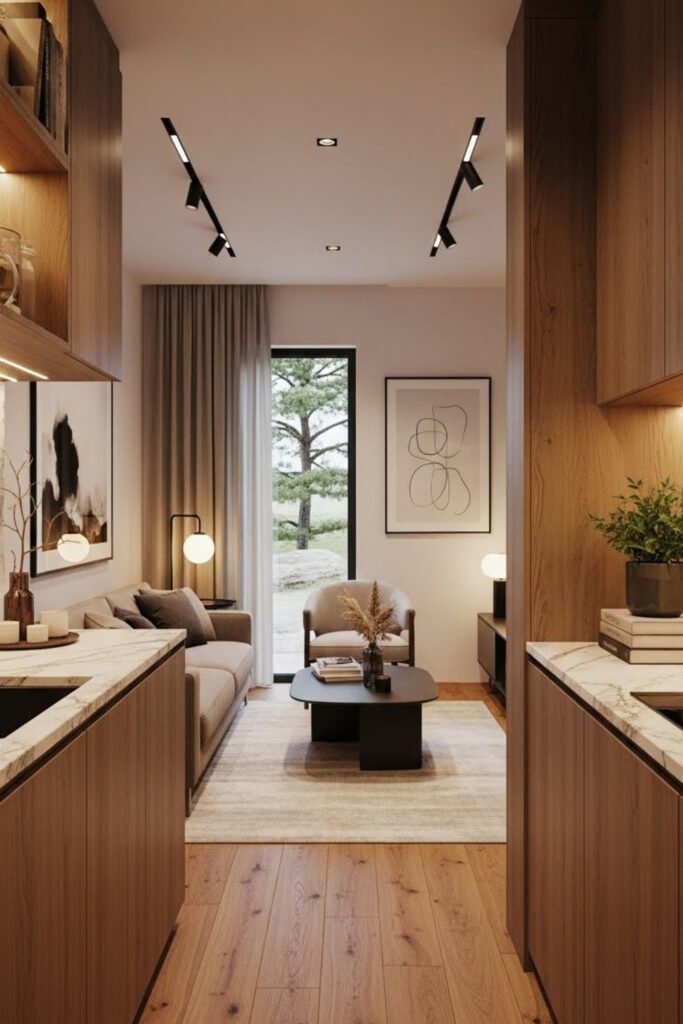
Backyard-Facing
A backyard-facing small house turns its main living areas toward a private outdoor space. Large doors or windows create a strong connection between inside and outside,
Making the home feel larger. This layout works well on deep lots where the rear yard becomes an extension of daily living
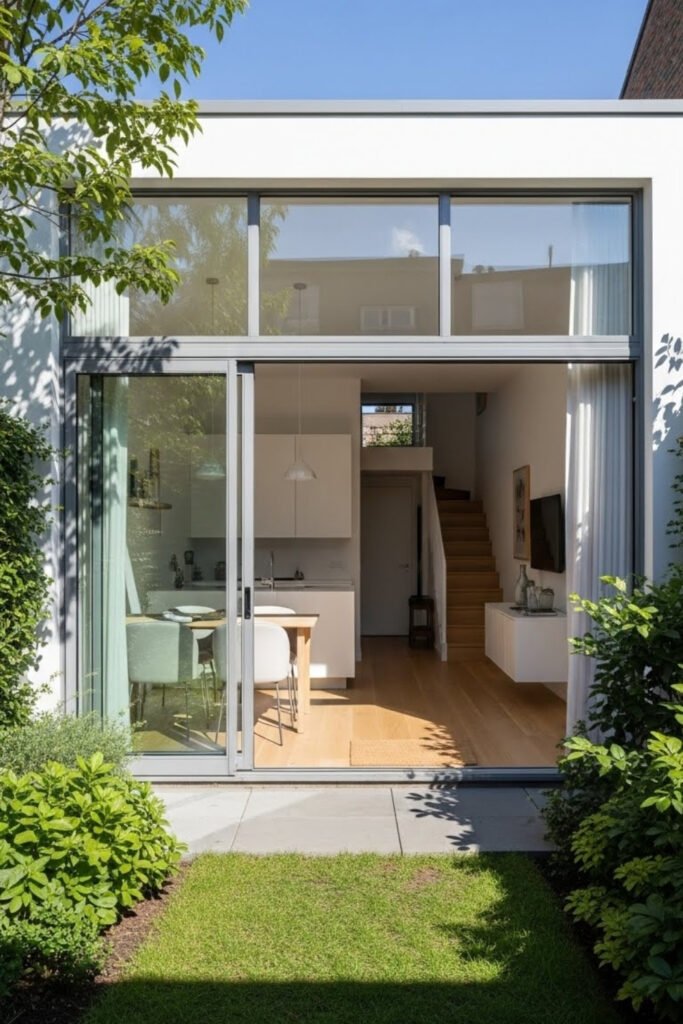
Budget-Smart
A budget-smart small house prioritizes efficient layouts, simple construction, and affordable materials. Instead of cutting comfort, it reduces wasted space and unnecessary features.
This approach makes small homes more accessible while still allowing for future upgrades as needs change.
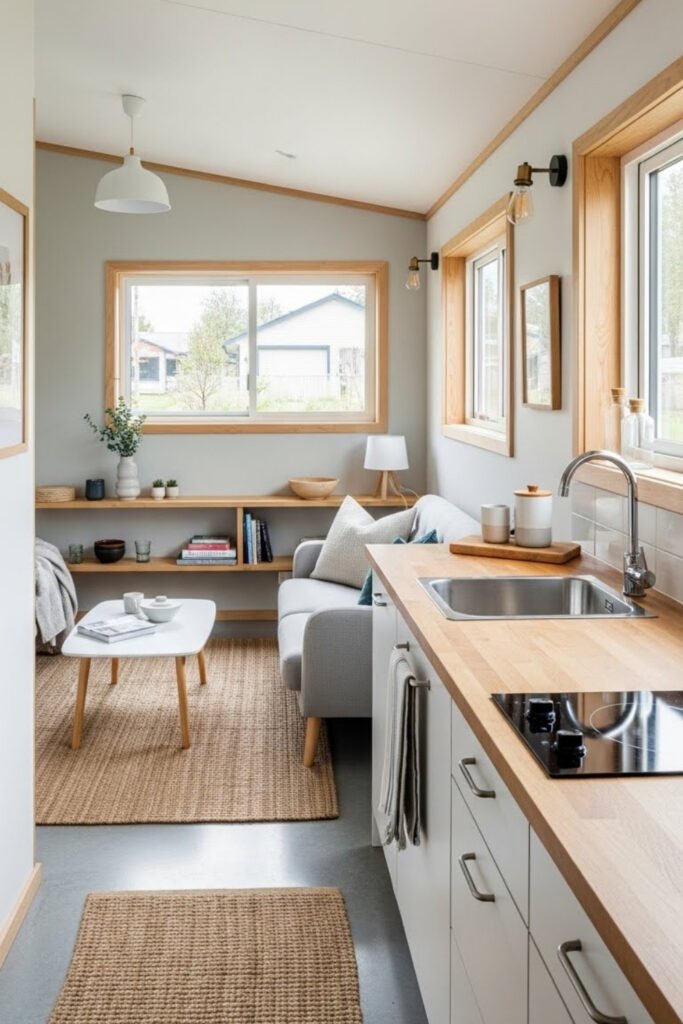
Urban Infill
An urban infill small house fits into unused or narrow city plots. Designed to respect surrounding buildings, it maximizes vertical space and light.
This idea is ideal for dense neighborhoods where land is limited but demand for functional, well-designed housing remains high
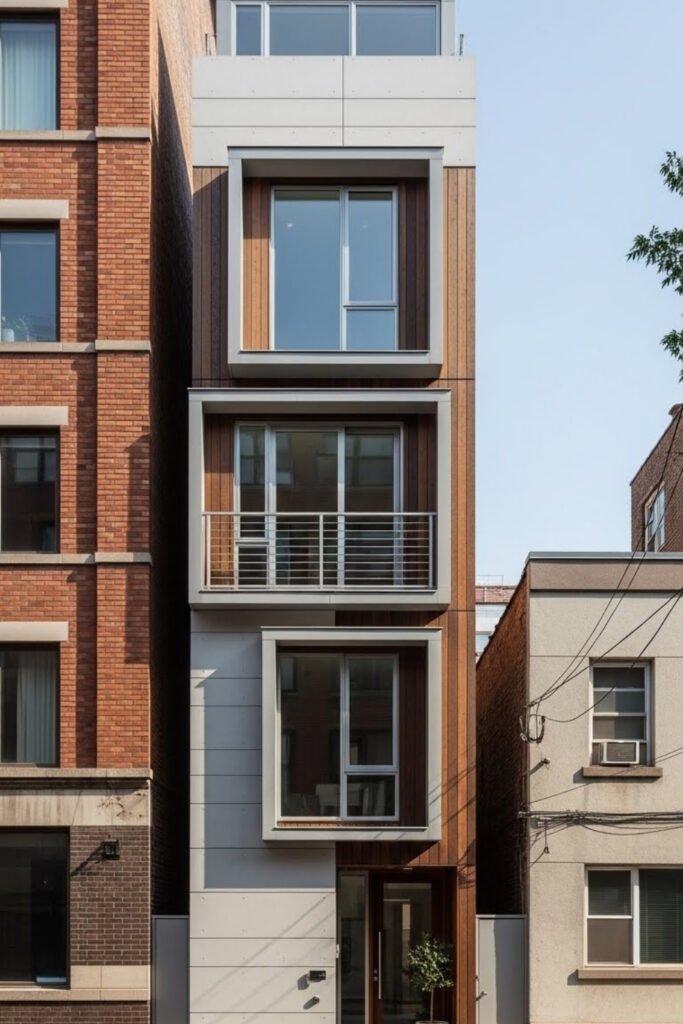
Adaptive Reuse
An adaptive reuse small house transforms an existing structure into a livable home. Old garages, sheds, or storage buildings become compact residences through smart redesign.
This approach saves materials, reduces construction costs, and creates a unique home with character and history.

Hi, my name is Ali Mehmood! I’m a passionate writer and DIY enthusiast who loves turning creative ideas into practical, hands-on projects.
I created this website to share inspiring, budget-friendly ideas that you can do yourself – whether it’s organizing your home, crafting something unique, or creating fun projects for kids and pets.
I believe DIY isn’t just a hobby – it’s a smart way to save money, reduce waste, and enjoy the satisfaction of making things with your own hands.
I’m excited to have you as part of this growing community, and I’ll continue bringing you helpful, realistic, and fun DIY ideas you can actually use.