This post may contain affiliate links: read full affiliate disclosure.
Traditional houses carry a sense of warmth, balance, and timeless beauty that modern designs often miss.
From thoughtful layouts to natural materials, these homes are built to support comfort, family living, and cultural values.
Whether you’re planning a new build or taking inspiration for design details, understanding traditional house elements can help you create a space that feels grounded and lasting.
In this article, you’ll find 24 practical traditional house ideas that focus on layout, materials, and design features that still work beautifully today.
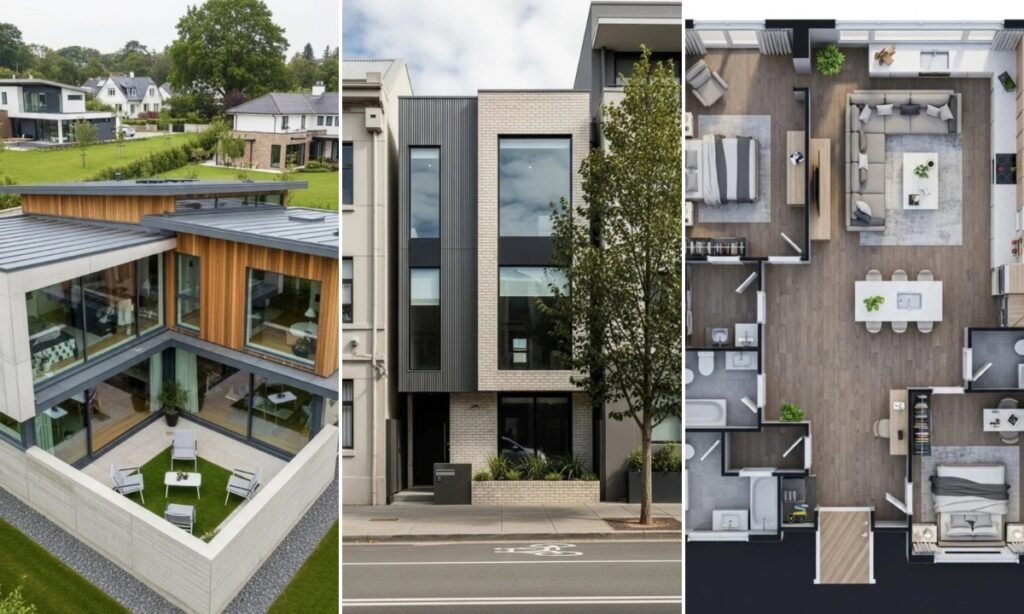
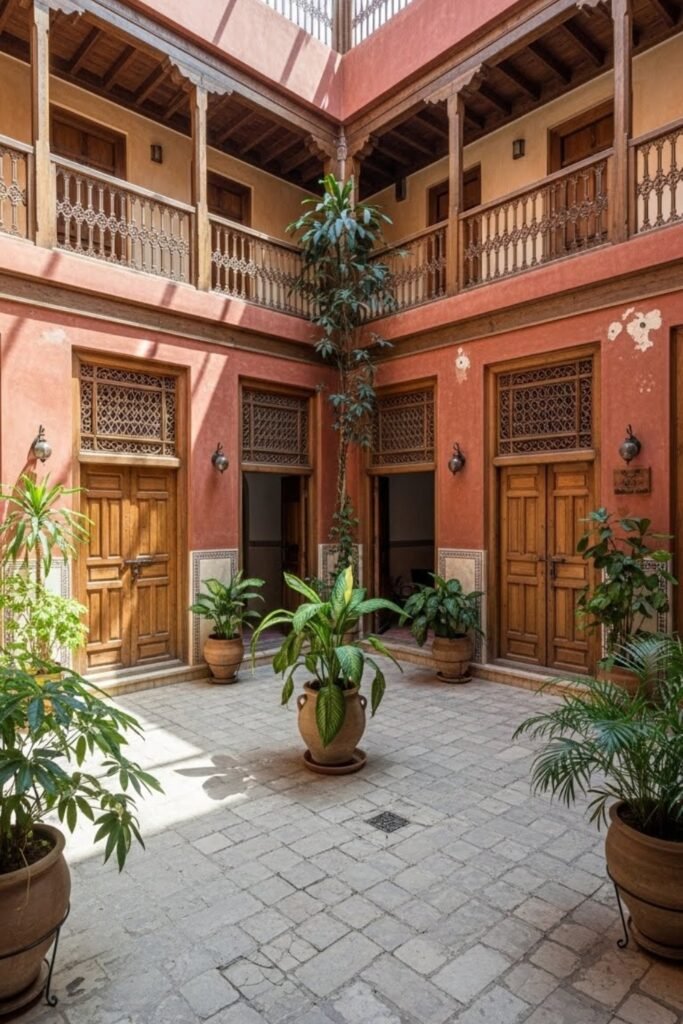
Courtyard Home
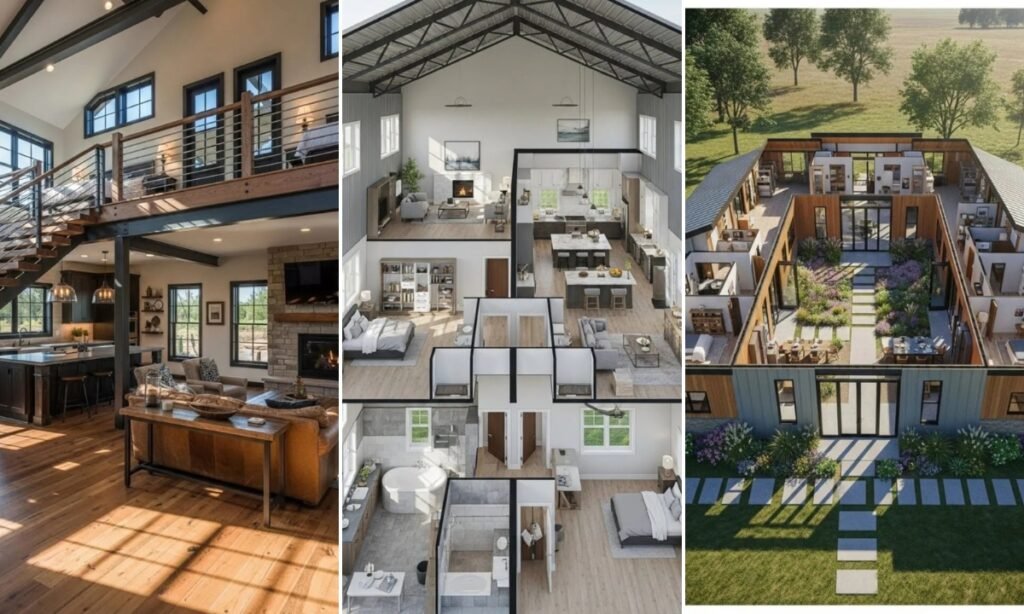
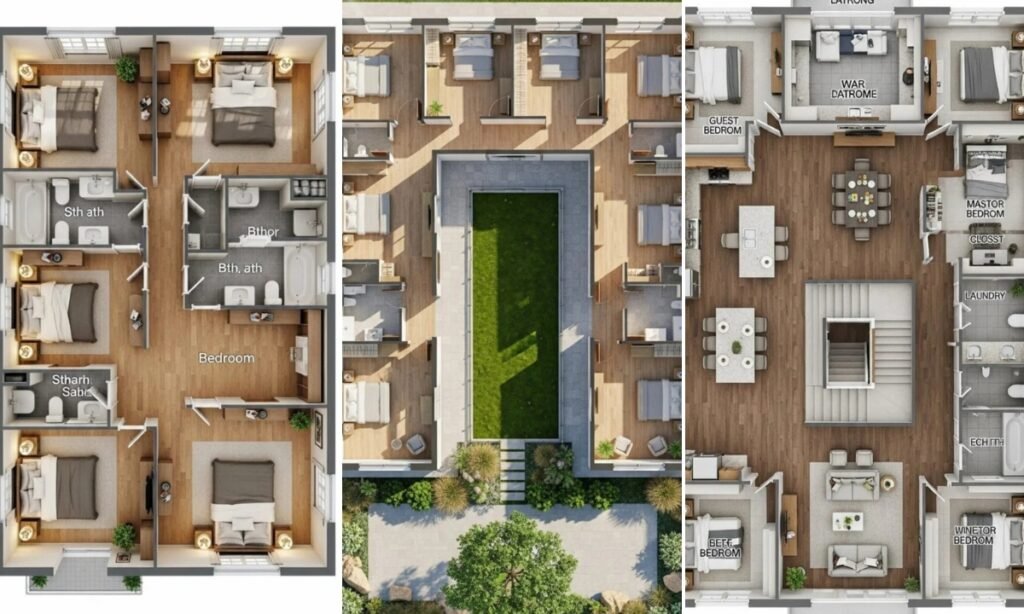
A traditional courtyard home is designed around an open central space that brings in fresh air and daylight. All major rooms face inward, creating privacy from the street while keeping the family connected.
This layout naturally cools the house in warm climates and gives the home a peaceful, balanced center.
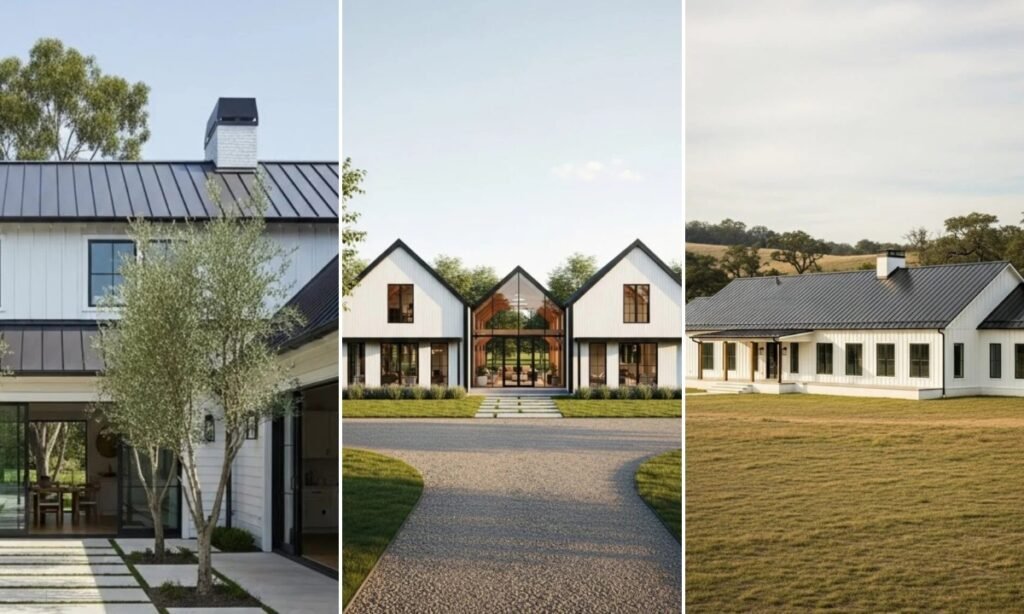
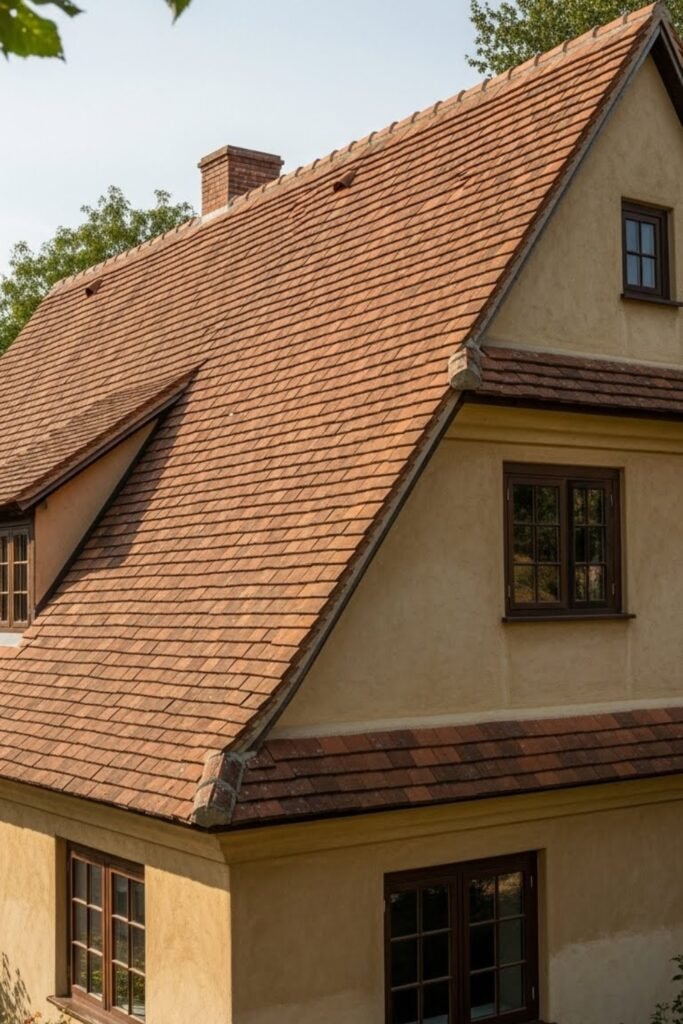
Clay Roof
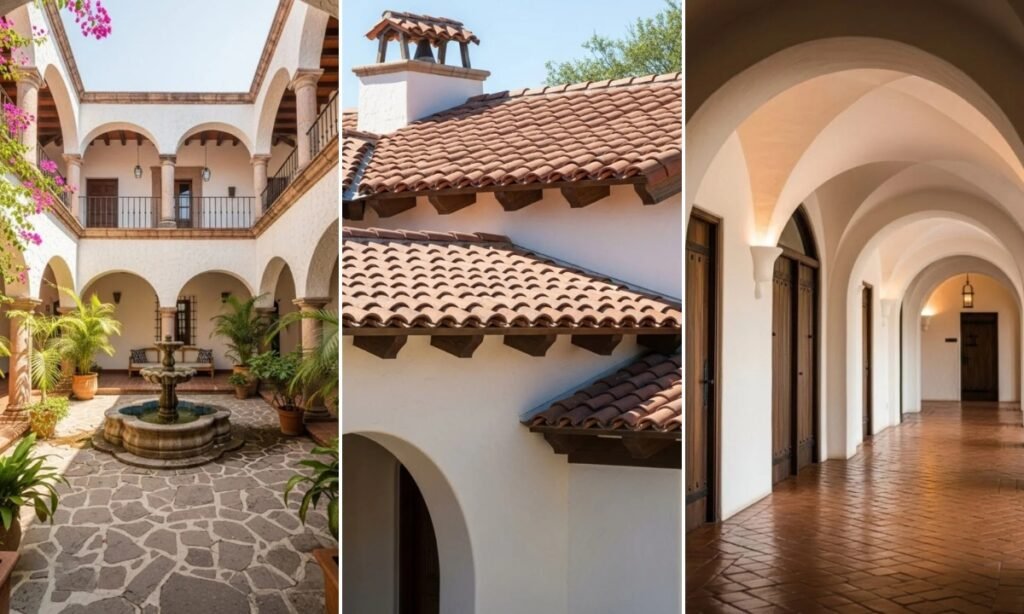
This traditional house uses a sloped roof finished with clay or terracotta tiles to manage rain and heat effectively. The angled design helps water drain quickly and keeps interiors cooler.
Clay roofs also add a timeless look that blends well with rural and heritage-style surroundings.
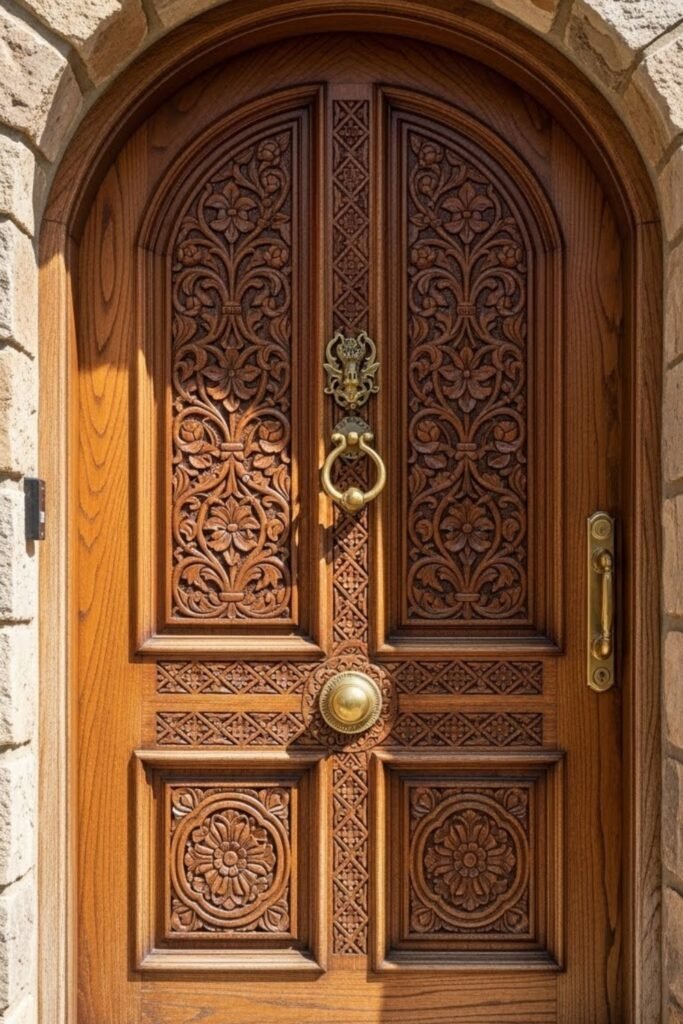
Carved Door
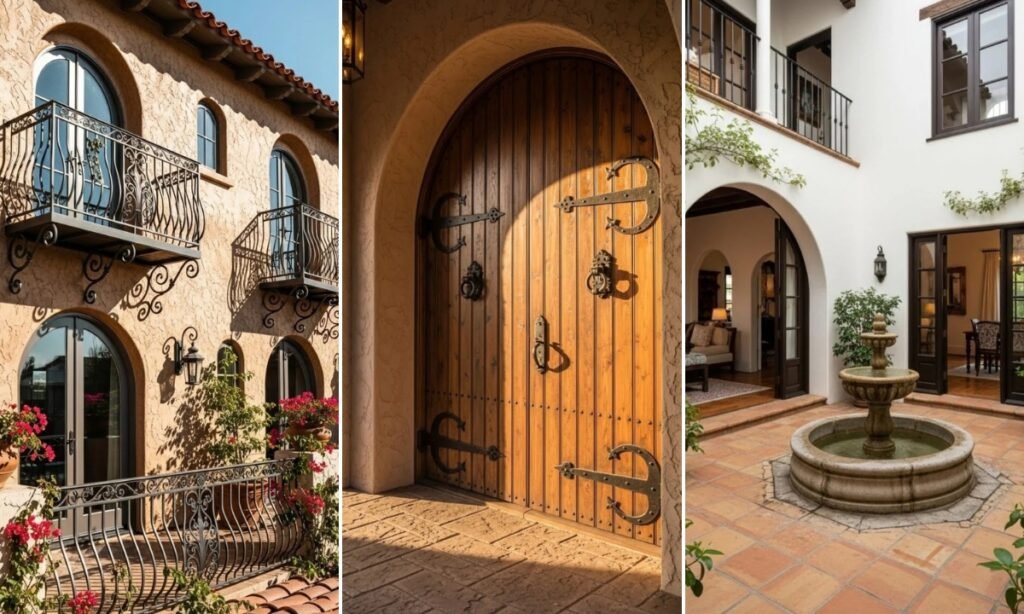
A carved wooden main door acts as the statement feature of a traditional house. Detailed patterns, cultural motifs, or floral designs add character and craftsmanship.
These solid wood doors create a strong first impression while reflecting traditional building techniques passed down through generations.
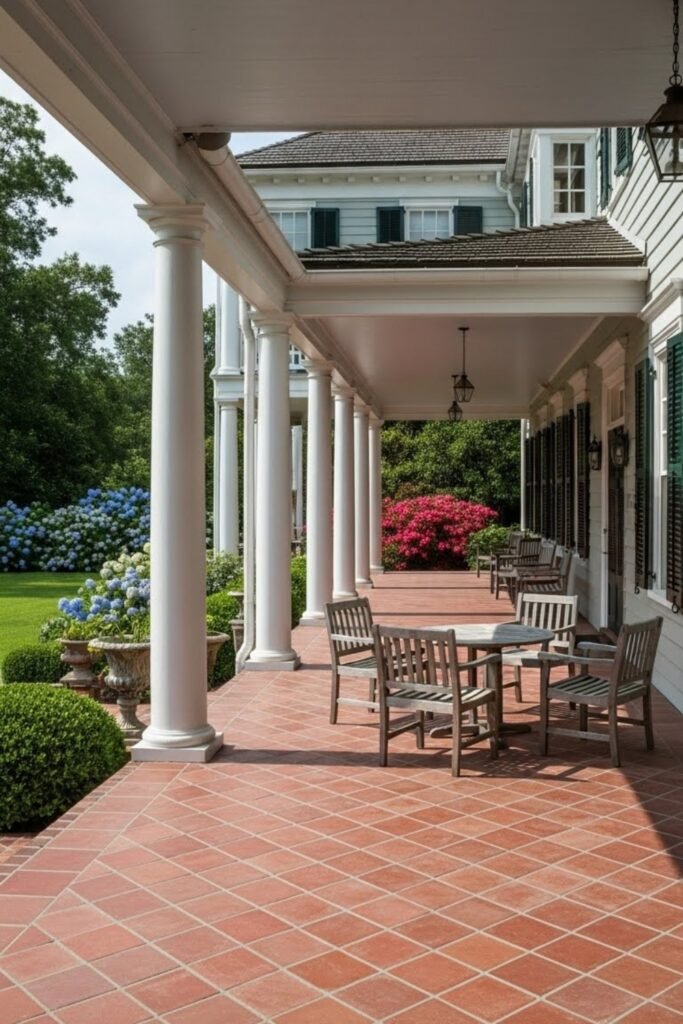
Wide Veranda
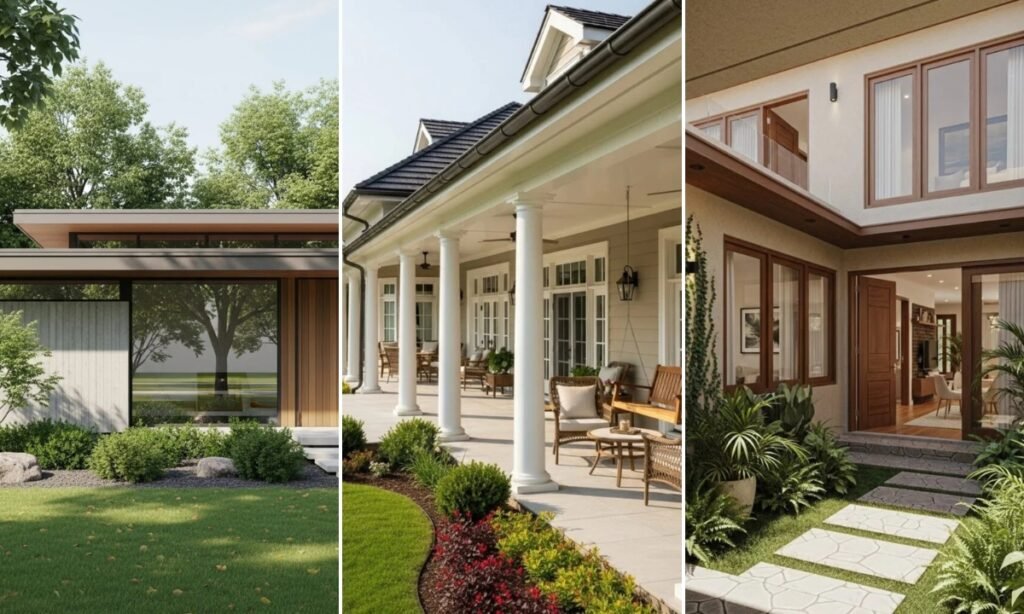
A wide veranda is a key element of traditional homes, offering a shaded space for sitting, relaxing, or welcoming guests.
Positioned at the front of the house, it protects interior rooms from direct sun and rain while encouraging everyday social interaction and outdoor living.
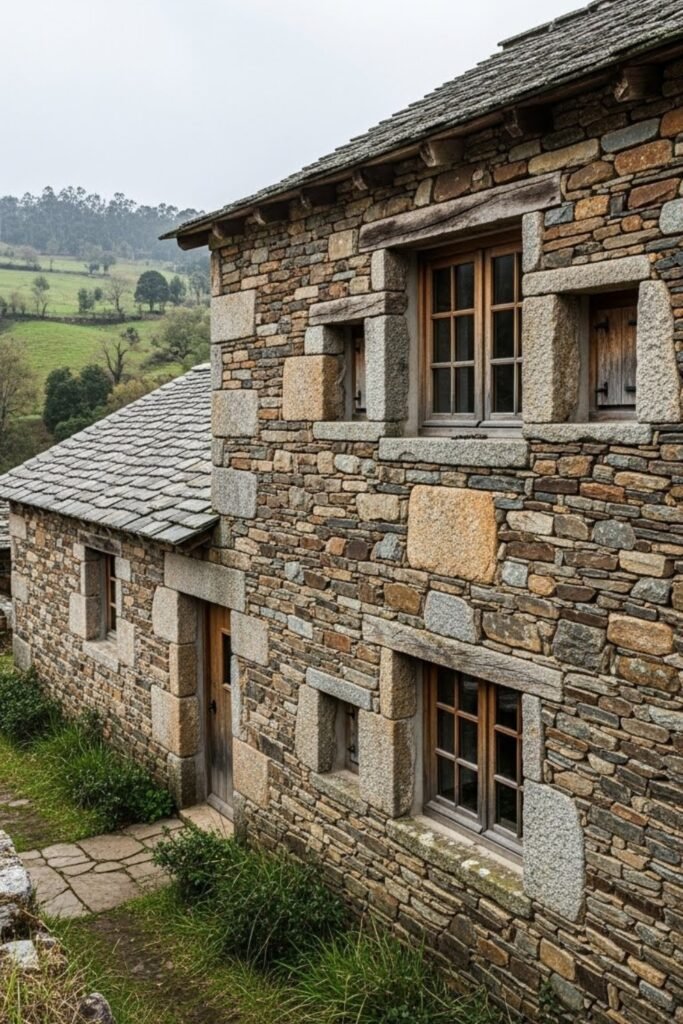
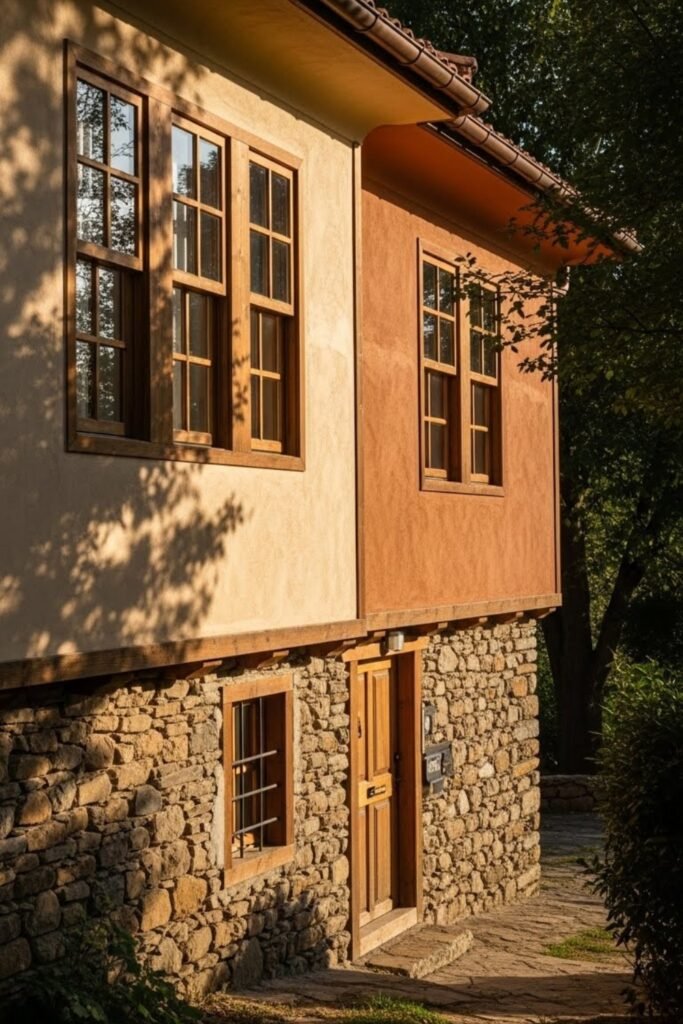
Stone Walls
Stone walls give a traditional house a strong, grounded appearance while improving natural insulation. Thick stone construction keeps interiors cooler in summer and warmer in winter.
This exterior style works especially well in rural or hillside settings and adds a sense of permanence and heritage to the overall design.
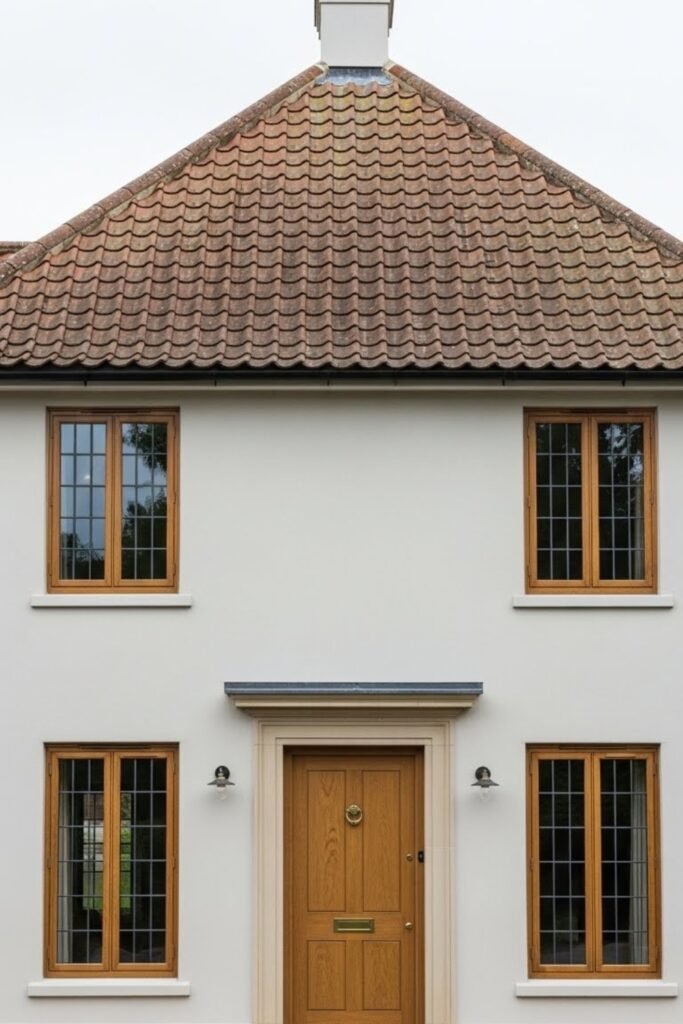
Symmetric Front
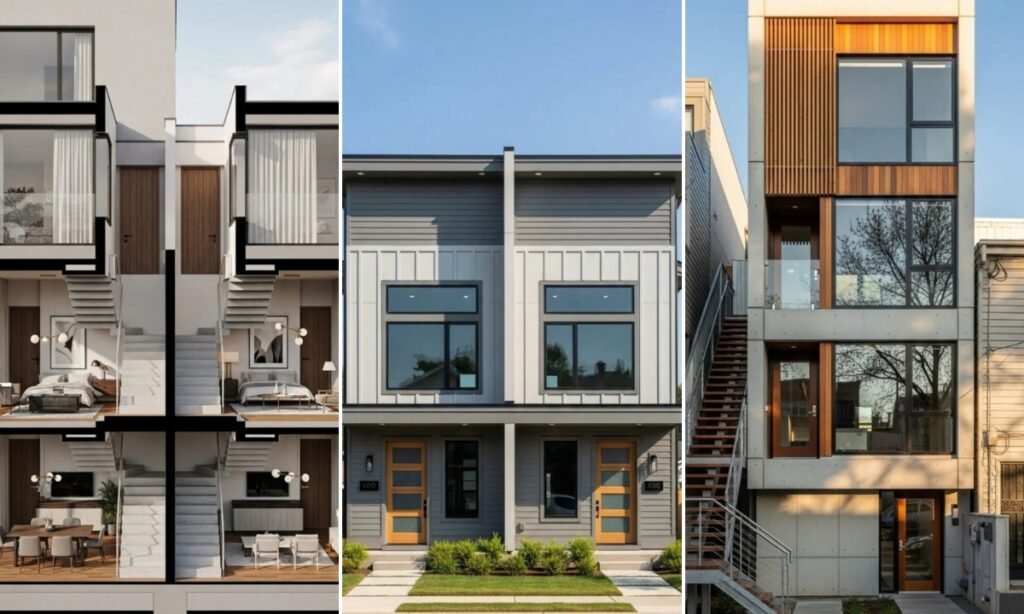
A symmetric front design uses balanced window and door placement to create a formal, traditional look.
This approach brings visual order and harmony to the exterior. It’s commonly seen in heritage homes where proportion and alignment play a major role in architectural beauty.
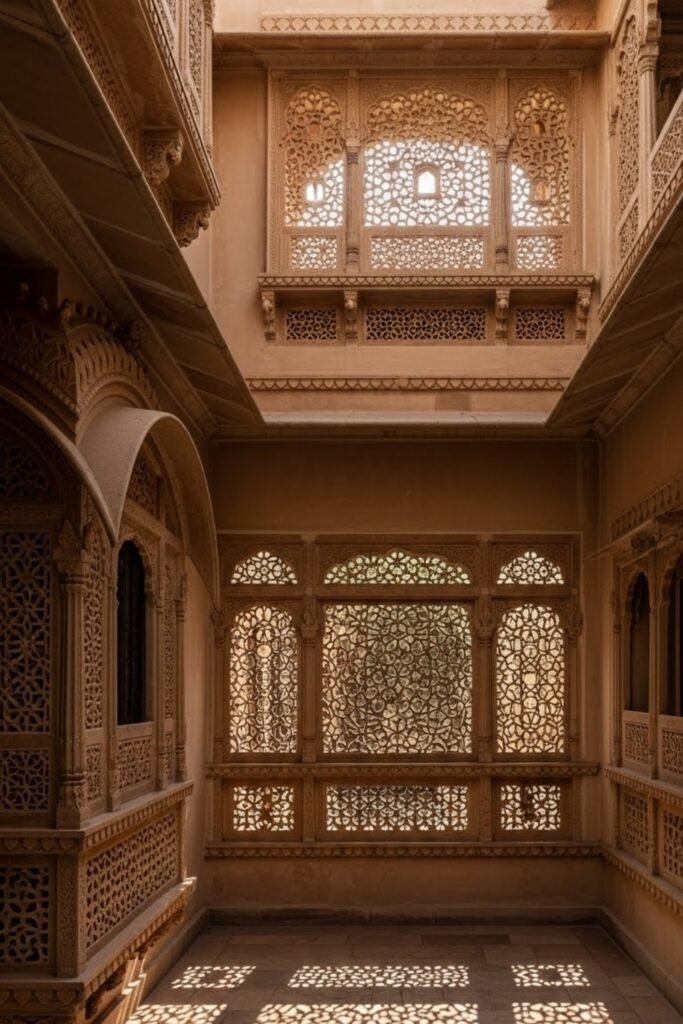
Jali Screens
Jali screens are decorative perforated panels used on windows or balconies in traditional houses.
They allow airflow and filtered light while maintaining privacy. Made from stone, wood, or metal, jali designs add intricate detail and cultural character to both interiors and exteriors.
Earth Tones
Traditional houses often rely on earth-tone colors like beige, sand, clay, and muted browns. These shades help the home blend naturally with its surroundings while creating a warm, timeless feel.
Earth tones also age well and suit traditional materials such as stone, wood, and plaster.
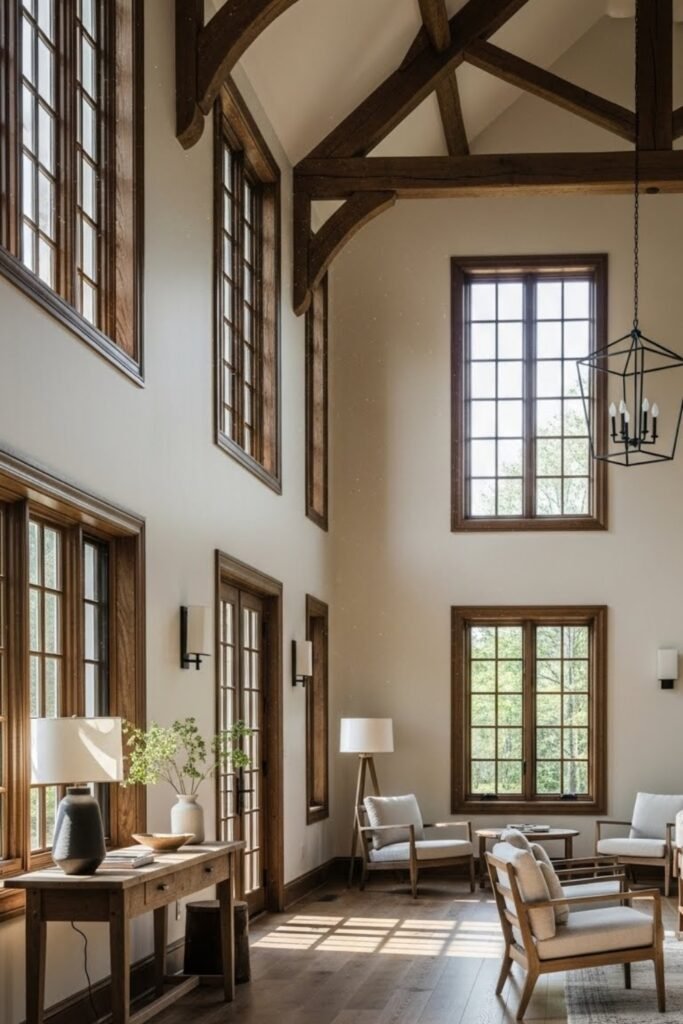
High Ceilings
High ceilings are a common feature in traditional houses, especially in warm regions. The added height allows hot air to rise, keeping living spaces cooler and more comfortable.
High ceilings also make rooms feel open and grand, creating a sense of elegance without relying on modern design elements.
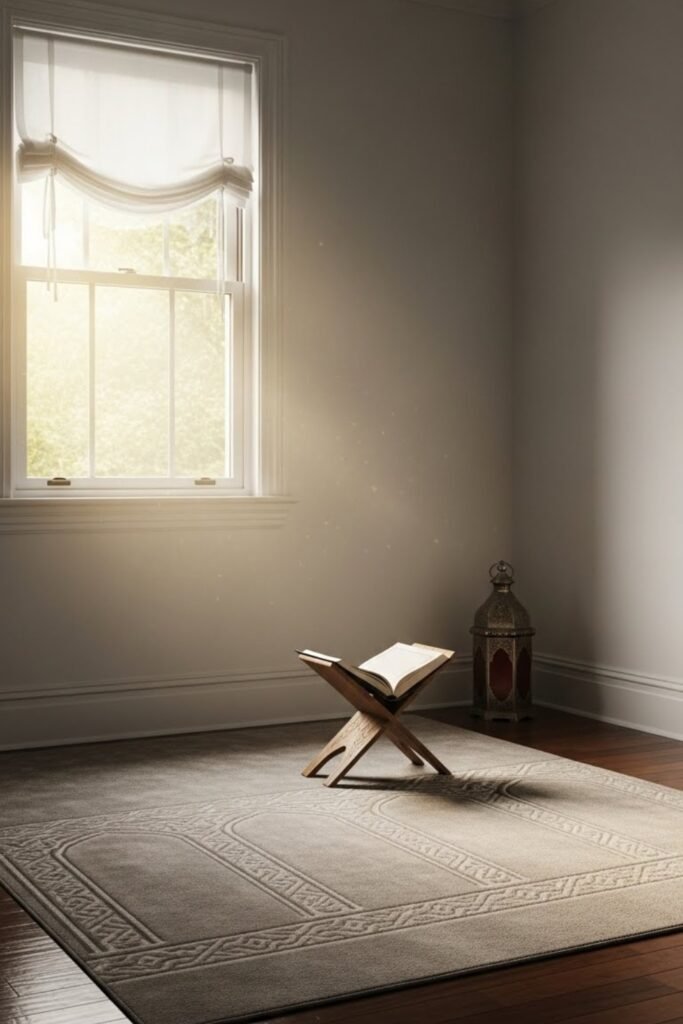
Prayer Room
A dedicated prayer room adds spiritual balance to a traditional home. Usually placed in a quiet corner, this space is designed for daily prayer or meditation.
Simple finishes, natural light, and minimal decor help create a calm and respectful atmosphere within the house.
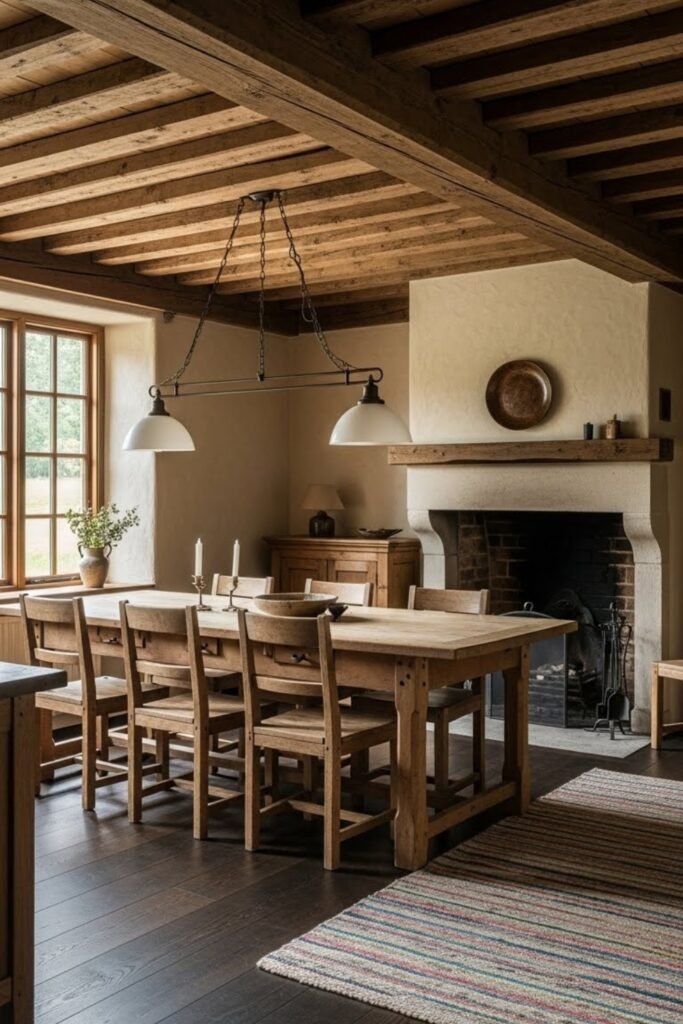
Wood Beams
Exposed wooden beams bring warmth and structure to traditional interiors. Used on ceilings or door frames, they highlight craftsmanship and natural materials.
Wooden beams also add visual depth and pair well with stone walls, lime plaster, and earth-toned finishes.
Water Feature
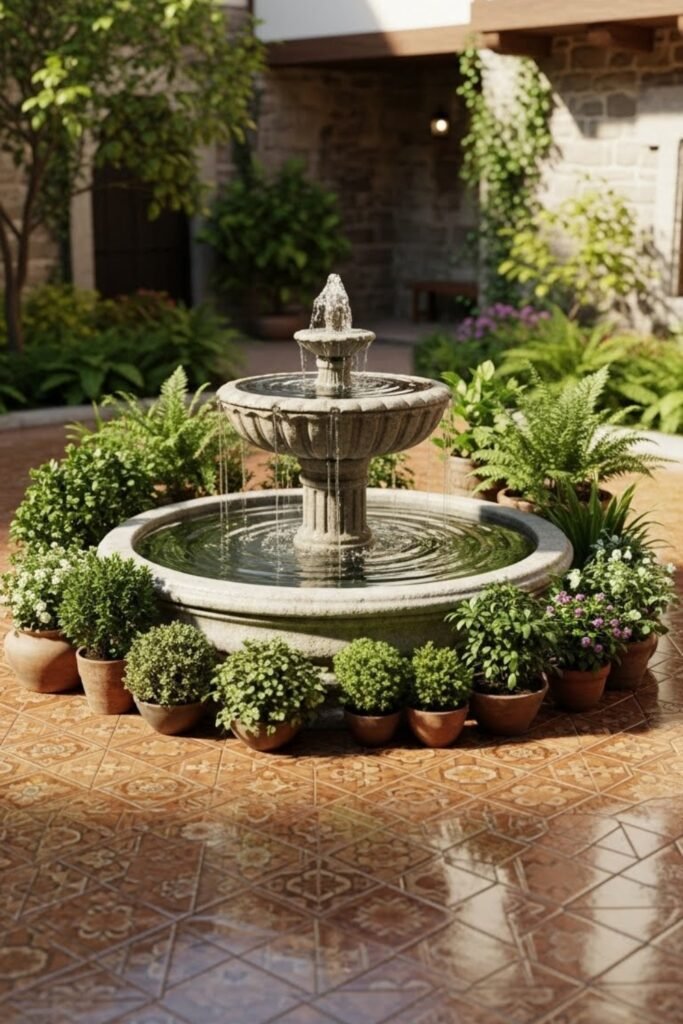
A small courtyard water feature, such as a fountain or pond, enhances the calm feeling of a traditional home.
The sound of flowing water helps cool the surrounding air and creates a relaxing environment. This element is often placed at the center of the house for balance.
Window Shutters
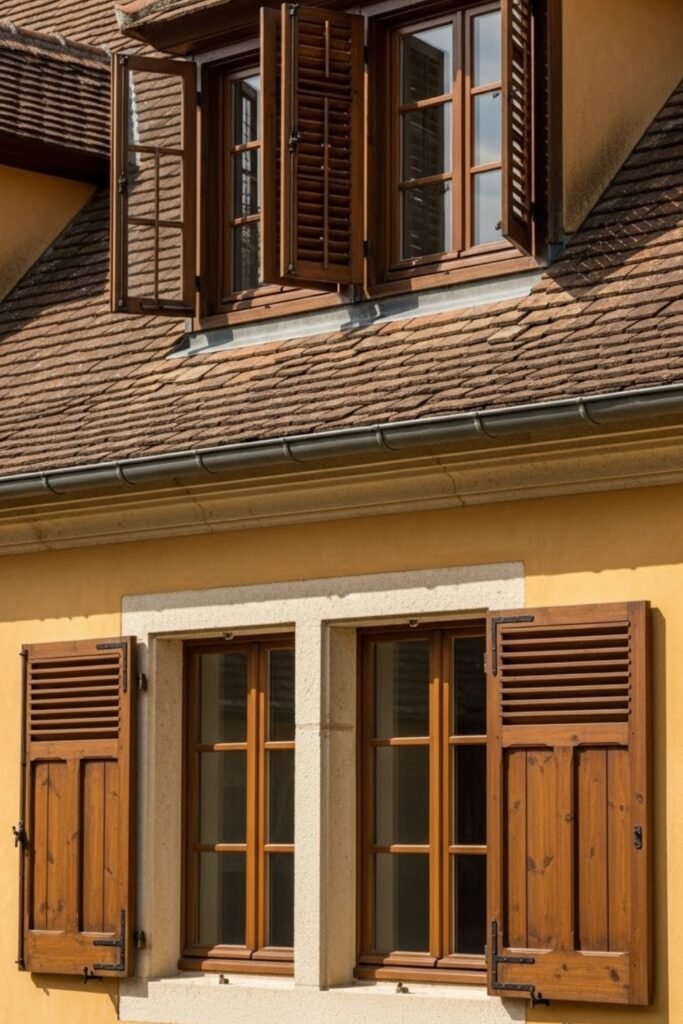
Traditional window shutters made from wood or metal add charm and practicality. They help control sunlight, improve privacy, and protect interiors during harsh weather.
Shutters also enhance the exterior character of the house, giving it a classic, lived-in appearance that suits traditional architecture.
Handmade Tiles
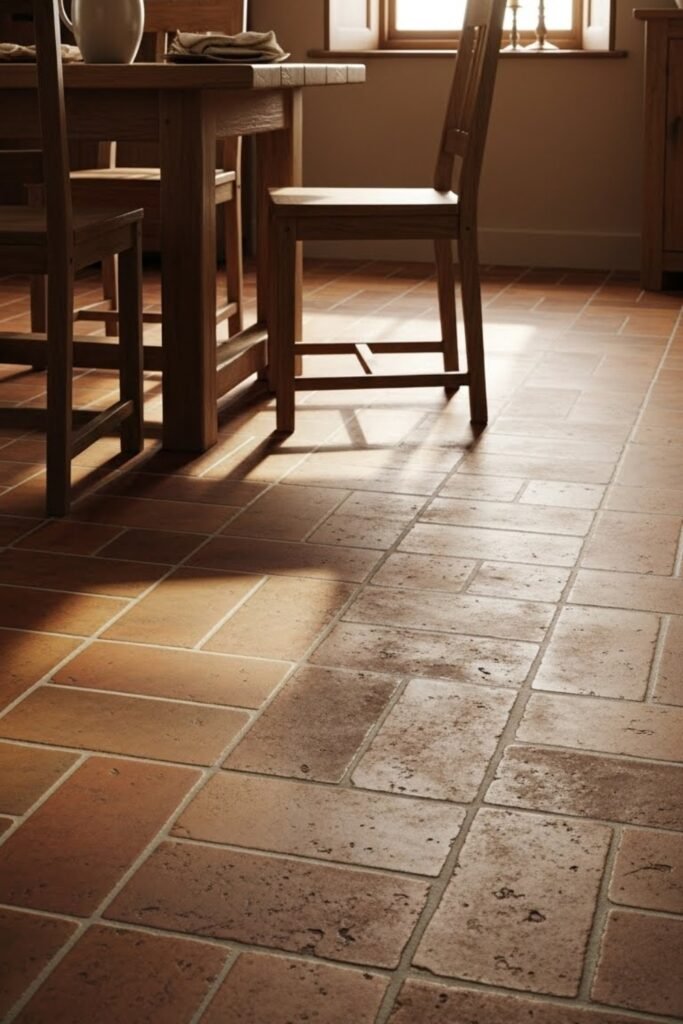
Handmade tiles bring authenticity and texture to traditional house floors. Terracotta or cement tiles with subtle patterns add warmth and durability.
These tiles age beautifully over time and help maintain a natural, grounded look that fits well with traditional interiors.
Arched Gate
An arched gate creates a strong traditional entrance to the house boundary. Often built with stone or plaster, the curved form adds elegance and heritage appeal.
This design also frames the home beautifully, making the entry feel welcoming and intentional.
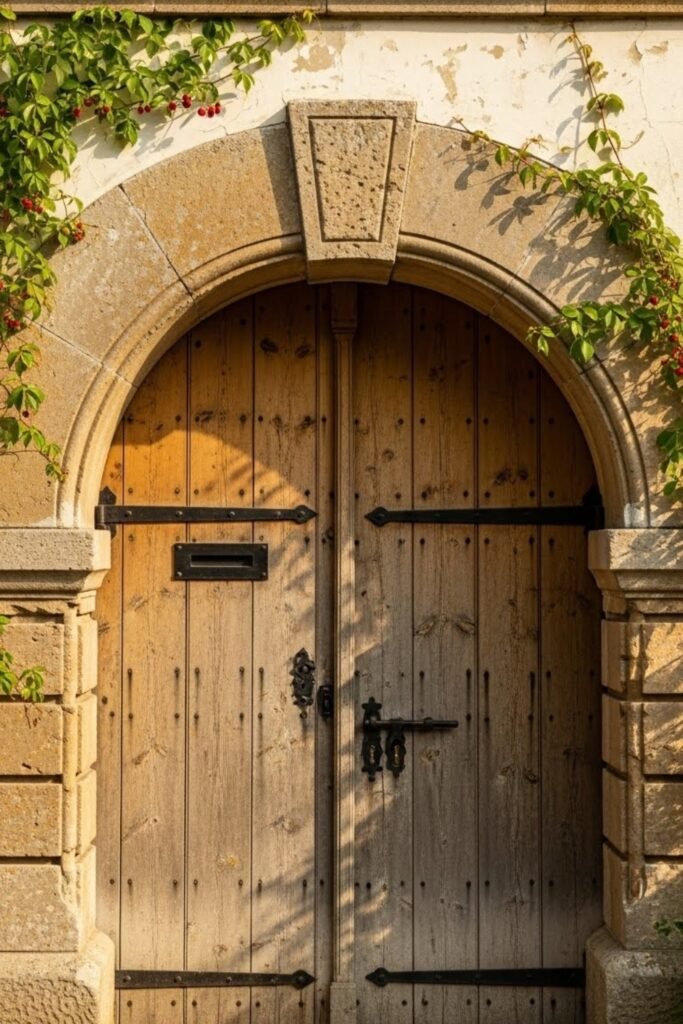
Guest Lounge
A separate guest lounge near the entrance keeps private family areas undisturbed. This traditional layout respects cultural hospitality while maintaining household privacy.
Furnished simply, the space is designed for formal conversations and receiving visitors comfortably.
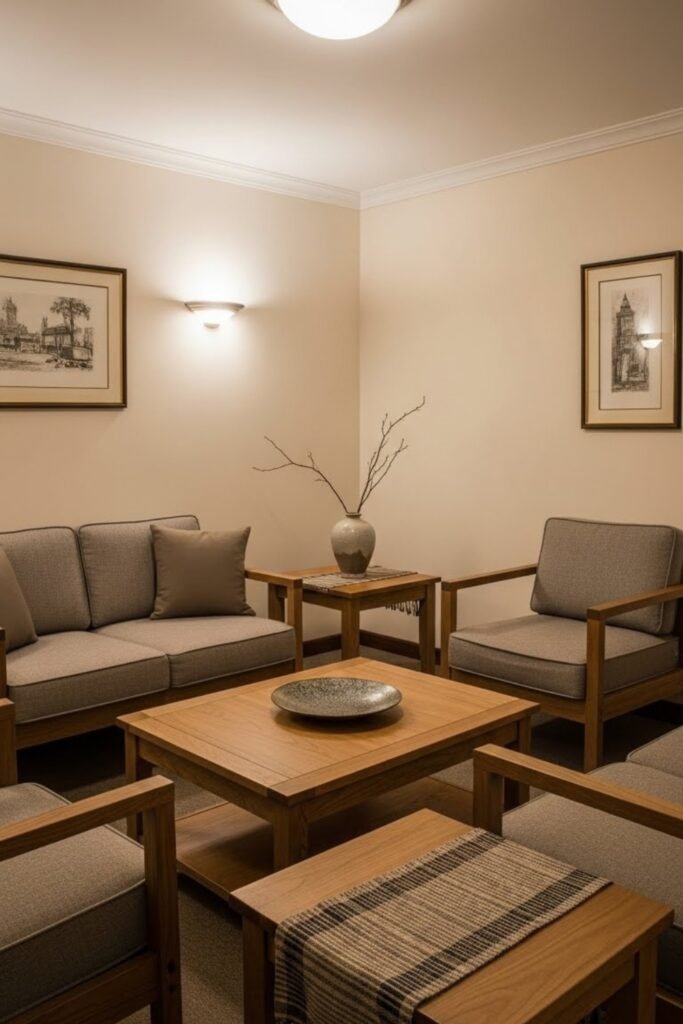
Lime Plaster
Lime plaster walls are a traditional building choice that allows walls to breathe naturally. This finish helps regulate indoor humidity and keeps rooms cooler in hot weather.
Its soft, uneven texture adds an authentic handmade feel that suits traditional homes perfectly.
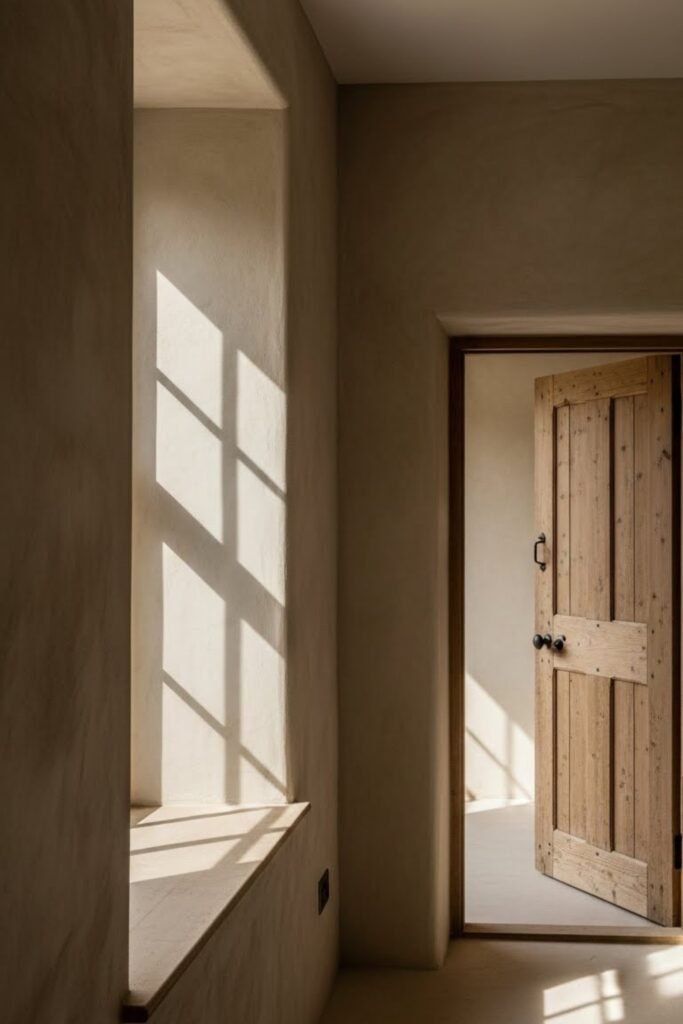
Outdoor Kitchen
A traditional outdoor kitchen separates heavy cooking from the main living areas. Usually placed near the courtyard or backyard, it improves ventilation and keeps indoor spaces fresh.
This setup works well for traditional cooking methods and everyday household use.
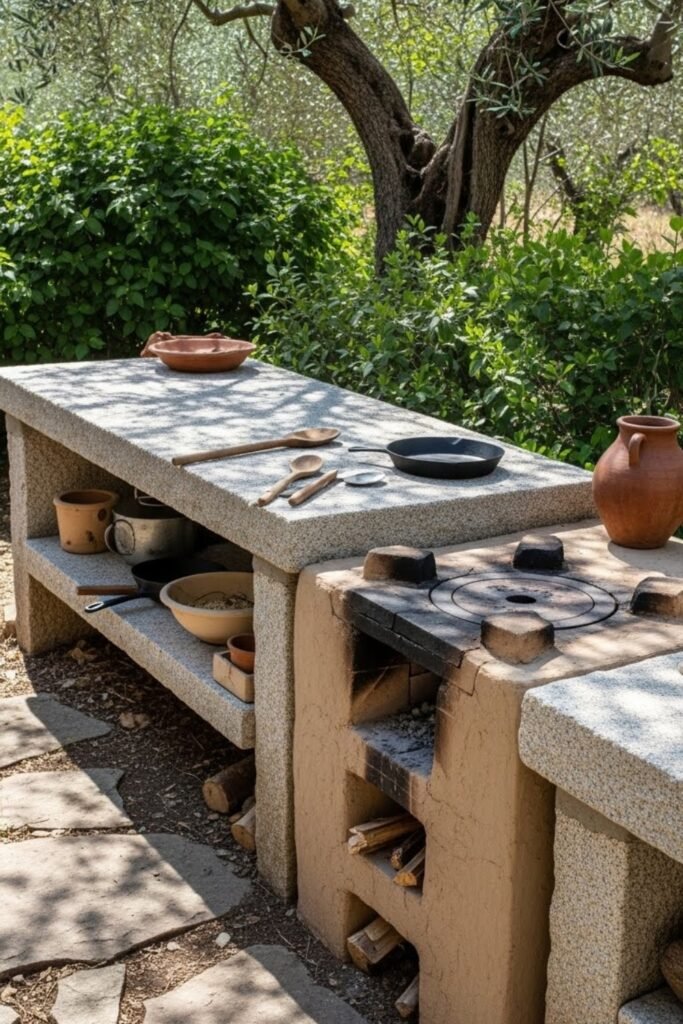
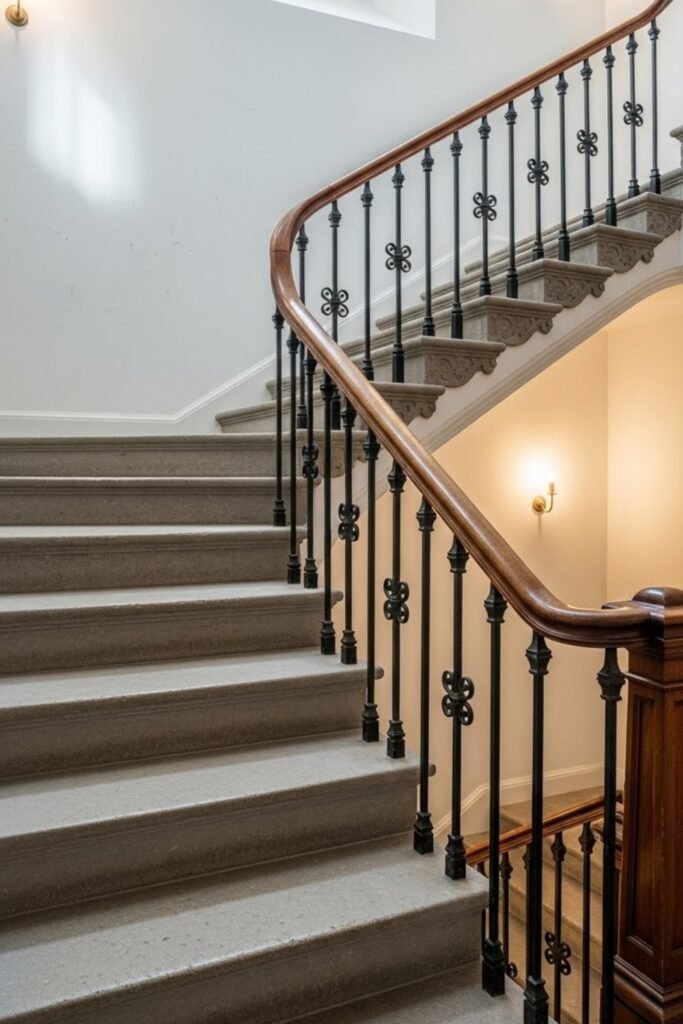
Classic Stairs
Traditional staircases often use stone steps, wooden treads, or iron railings with simple patterns. These materials make the stairs durable and visually timeless.
Positioned centrally or near the entrance, they become a functional architectural feature rather than just a connector between floors
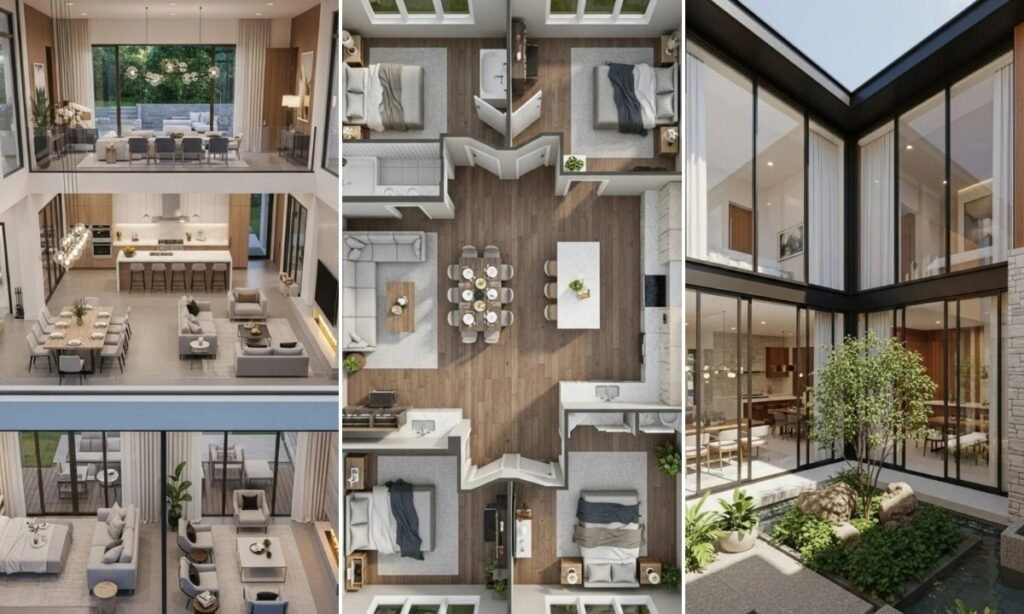
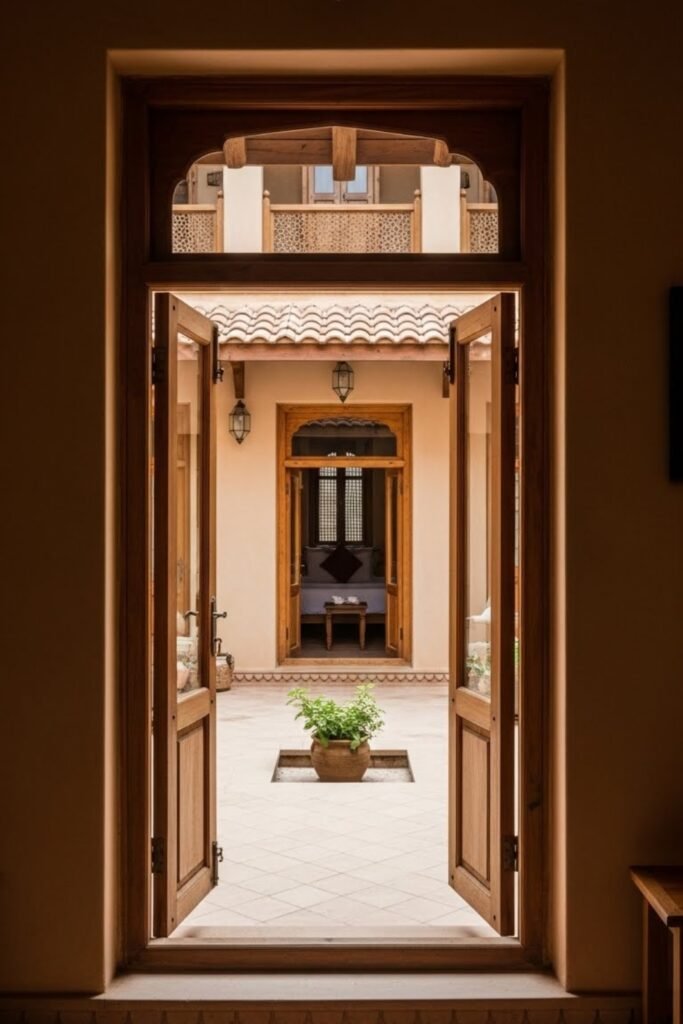
Inward Rooms
Inward-facing rooms are designed to open toward a courtyard instead of the street. This layout increases privacy while improving airflow and natural light.
It also keeps household activities focused around a shared central space, reinforcing traditional living patterns.
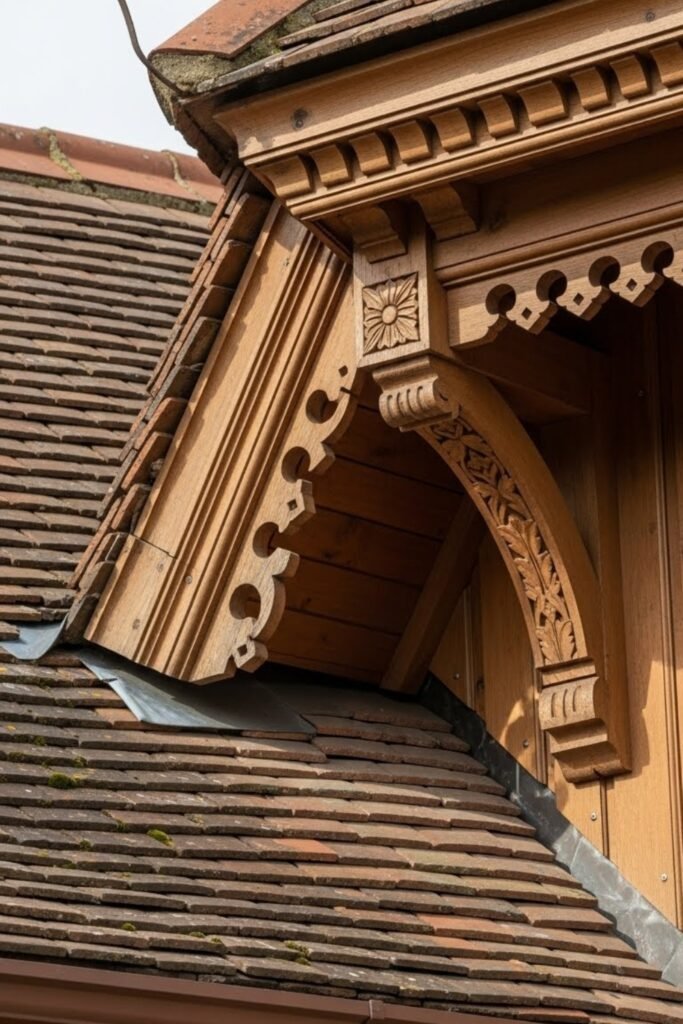
Roof Details
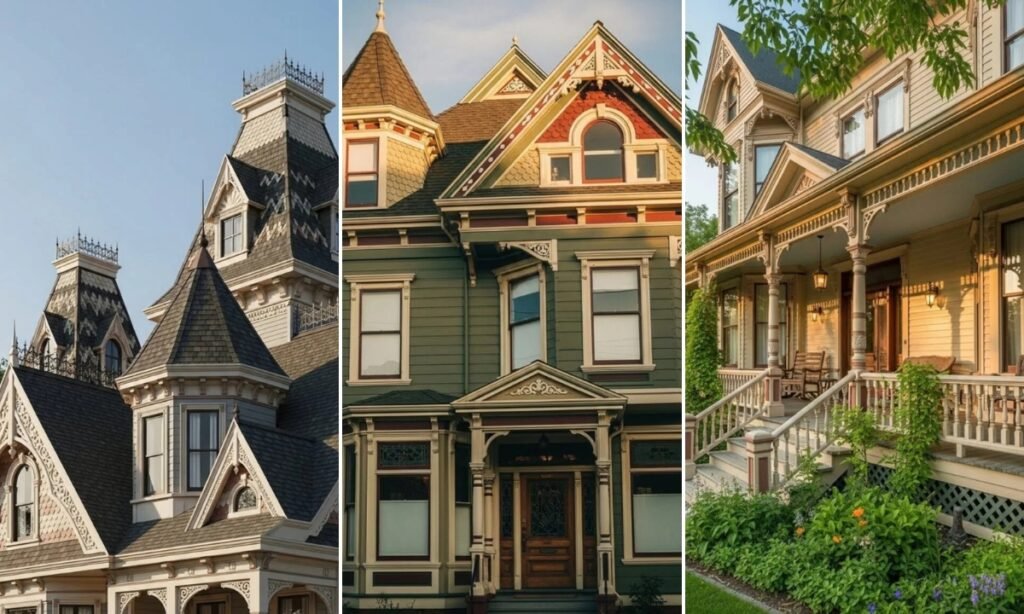
Traditional houses often feature decorative roof edges, brackets, or carved trims. These small details add depth and craftsmanship to the exterior without overpowering the design.
Roof detailing helps the home stand out subtly while staying true to traditional architectural character.
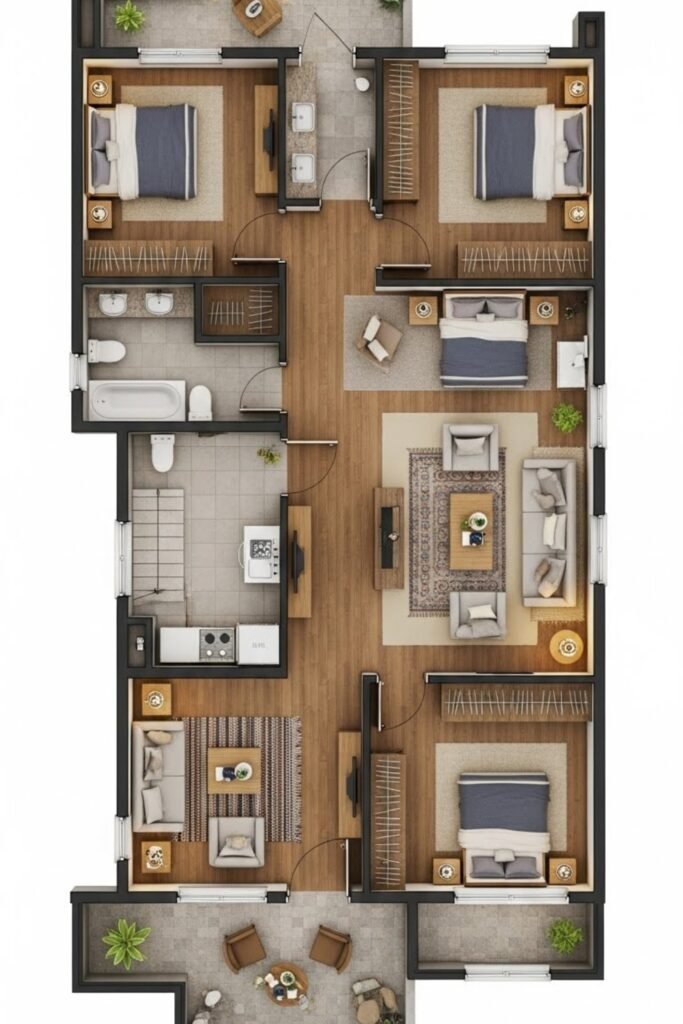
Family Zones
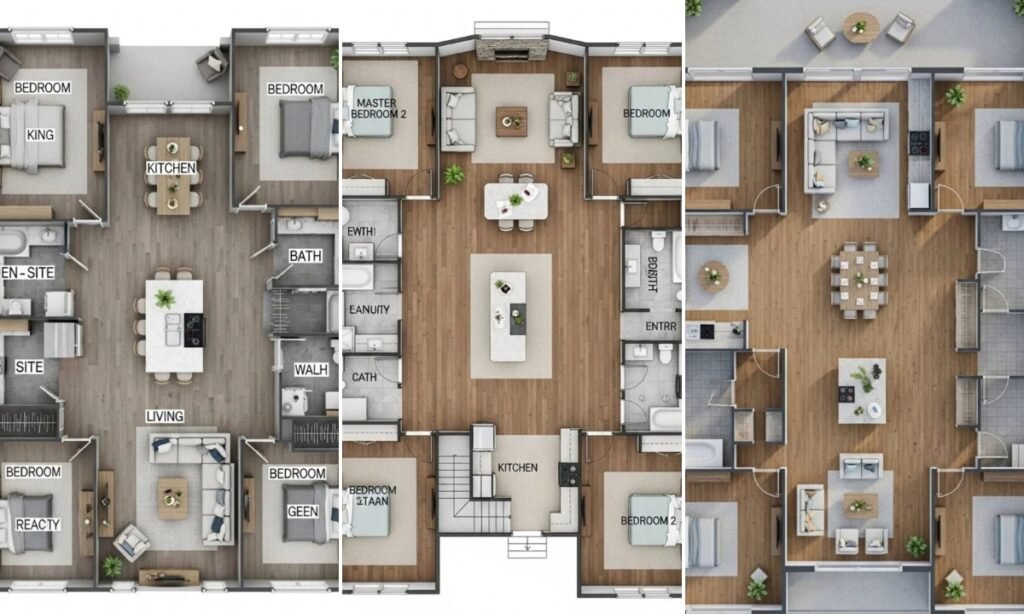
A traditional house layout often separates spaces for elders, adults, and children. This zoning supports multi-generation living while maintaining privacy and comfort.
Shared areas stay central, while bedrooms are arranged thoughtfully to respect daily routines and family structure.
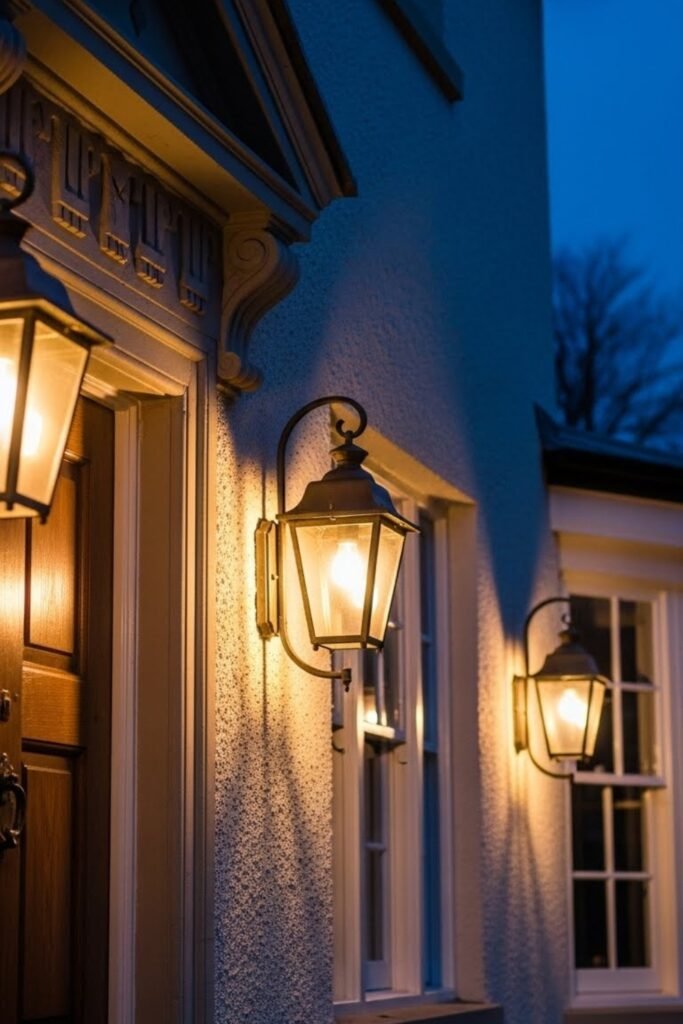
Heritage Lights
Heritage-style lighting, such as lanterns or brass fixtures, enhances the traditional atmosphere of a home.
These lights create warm illumination and complement natural materials like wood and stone. Placed at entrances or courtyards, they add both function and old-world charm
Front Garden
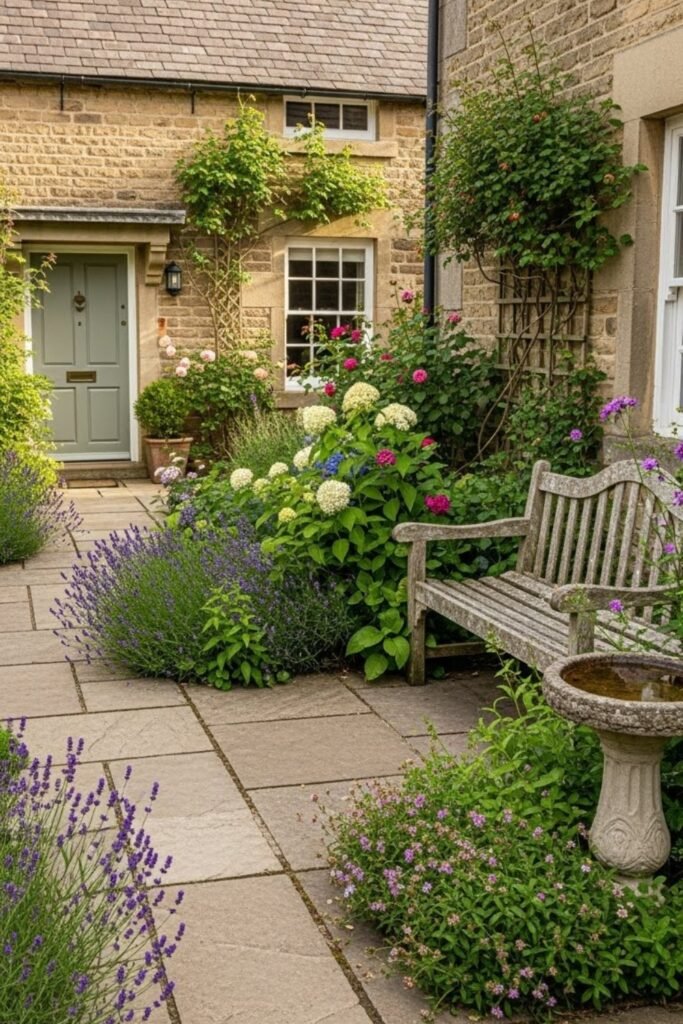
A front garden with simple plants and built-in seating adds everyday usability to a traditional house.
This space softens the exterior and provides a spot for relaxing or greeting neighbors. Natural stone or wood seating blends well with the overall traditional style.

Hi, my name is Ali Mehmood! I’m a passionate writer and DIY enthusiast who loves turning creative ideas into practical, hands-on projects.
I created this website to share inspiring, budget-friendly ideas that you can do yourself – whether it’s organizing your home, crafting something unique, or creating fun projects for kids and pets.
I believe DIY isn’t just a hobby – it’s a smart way to save money, reduce waste, and enjoy the satisfaction of making things with your own hands.
I’m excited to have you as part of this growing community, and I’ll continue bringing you helpful, realistic, and fun DIY ideas you can actually use.