This post may contain affiliate links: read full affiliate disclosure.
Italian villas have a way of feeling timeless without trying too hard. When I started exploring this style.
I realized it’s not just about arches or stone walls – it’s about how the home connects to nature, light, and daily life.
In this guide, I’m sharing Italian villa ideas that go beyond the obvious and help you understand what truly makes this style feel authentic and lasting.
Courtyard Villa
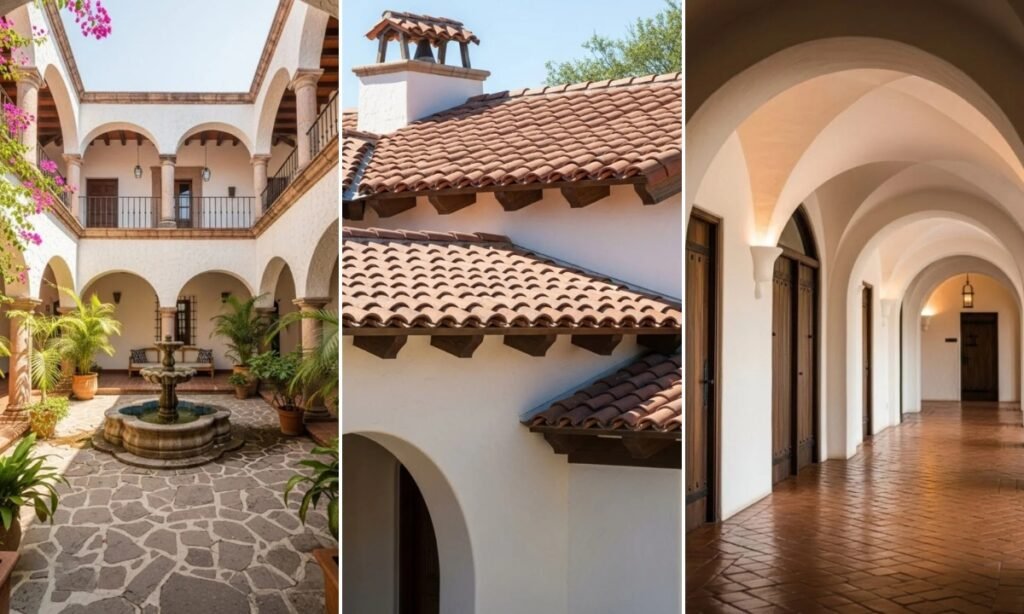
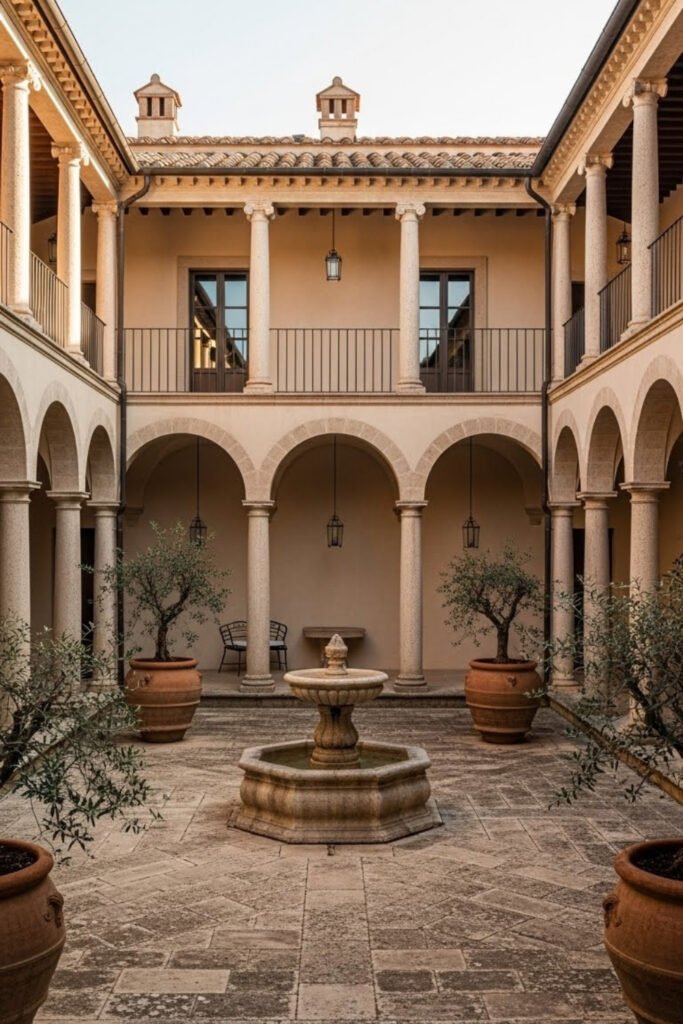
This Italian villa centers around a private courtyard that becomes the heart of daily life. Rooms open inward instead of facing the street, creating privacy, shade, and natural airflow.
Stone paving, a small fountain, and surrounding arches make the courtyard feel calm and timeless. This layout works especially well in warm climates where outdoor living is essential.
Hillside Retreat
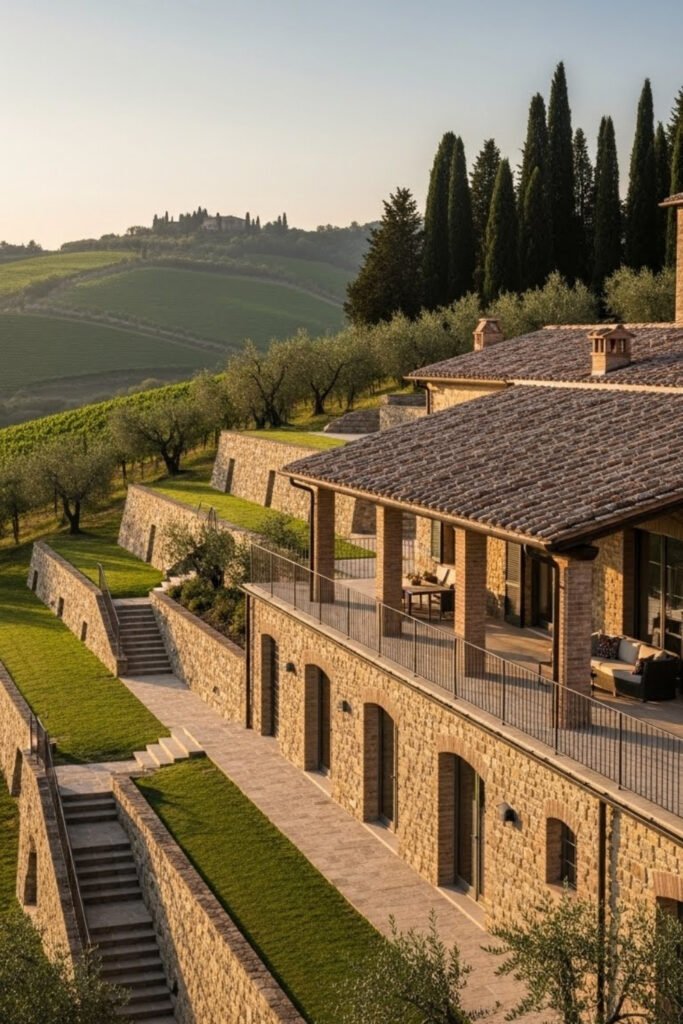
A hillside Italian villa is designed to follow the natural slope of the land rather than flatten it. Multi-level floors, stepped terraces, and panoramic balconies allow every space to capture views of vineyards or valleys.
Stone walls anchor the home into the hillside, giving it a grounded, organic feel that blends naturally with the surrounding landscape.
Lakefront Villa
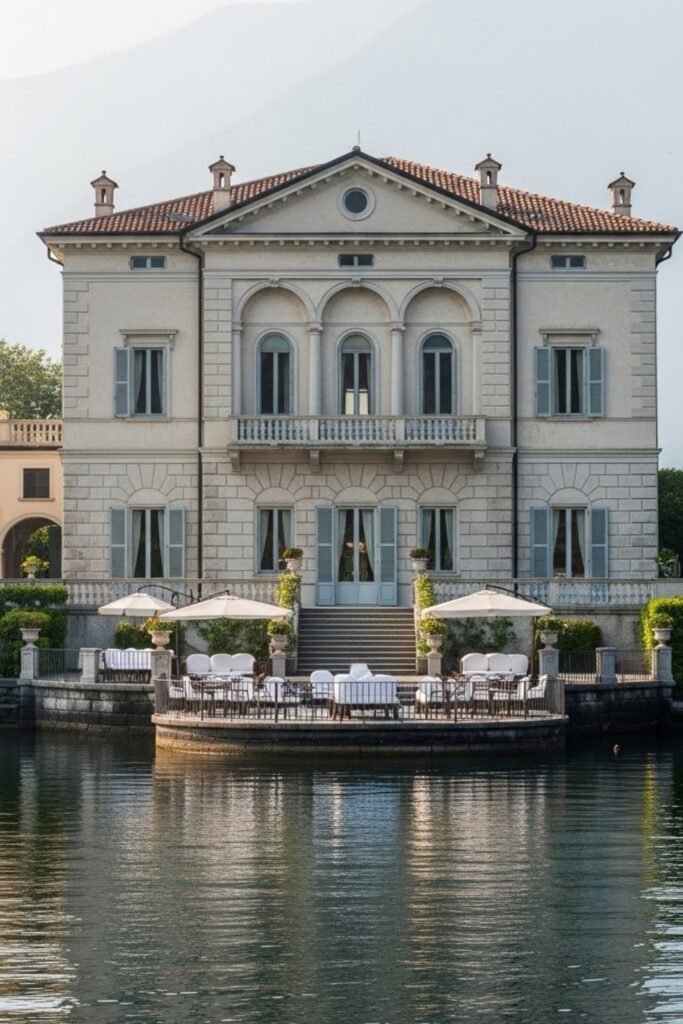
Lakefront Italian villas focus on symmetry, openness, and uninterrupted water views. Large arched windows, covered loggias, and outdoor seating areas face directly toward the lake.
Light-colored stone and subtle detailing keep the design elegant without overpowering the scenery. This style emphasizes relaxation, reflection, and a strong visual connection between indoor spaces and the water.
Olive Estate
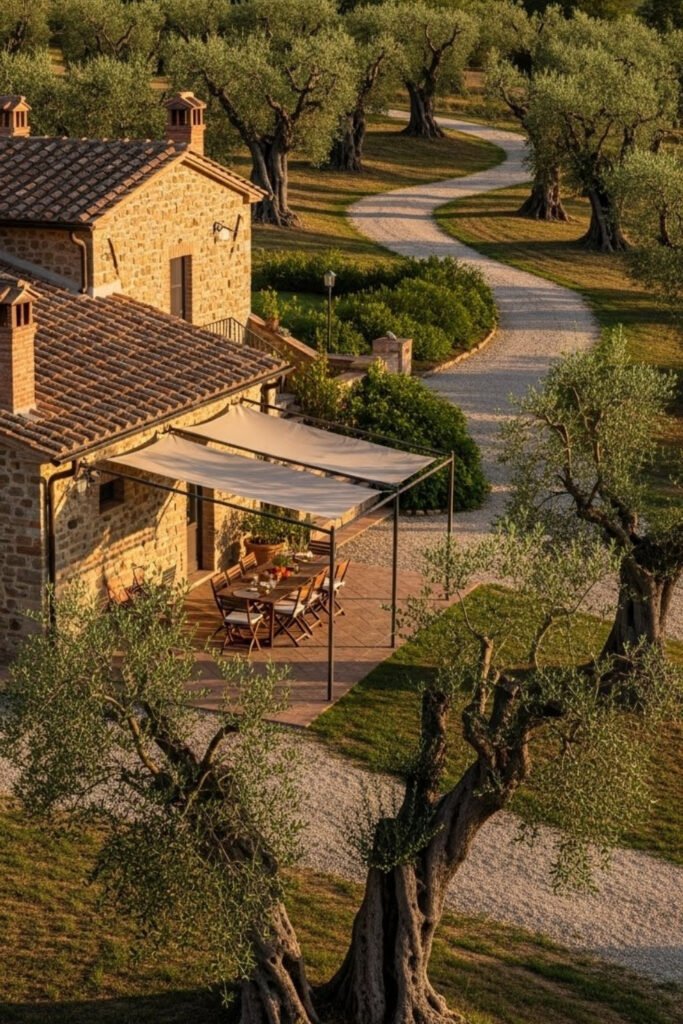
An olive estate villa is surrounded by mature olive trees and designed to feel deeply rooted in the countryside. The architecture stays simple and authentic, using stone walls, clay roof tiles, and shaded outdoor areas.
Paths weave through the trees, leading to patios and dining spaces. This villa style celebrates slow living and agricultural heritage.
Terraced Gardens
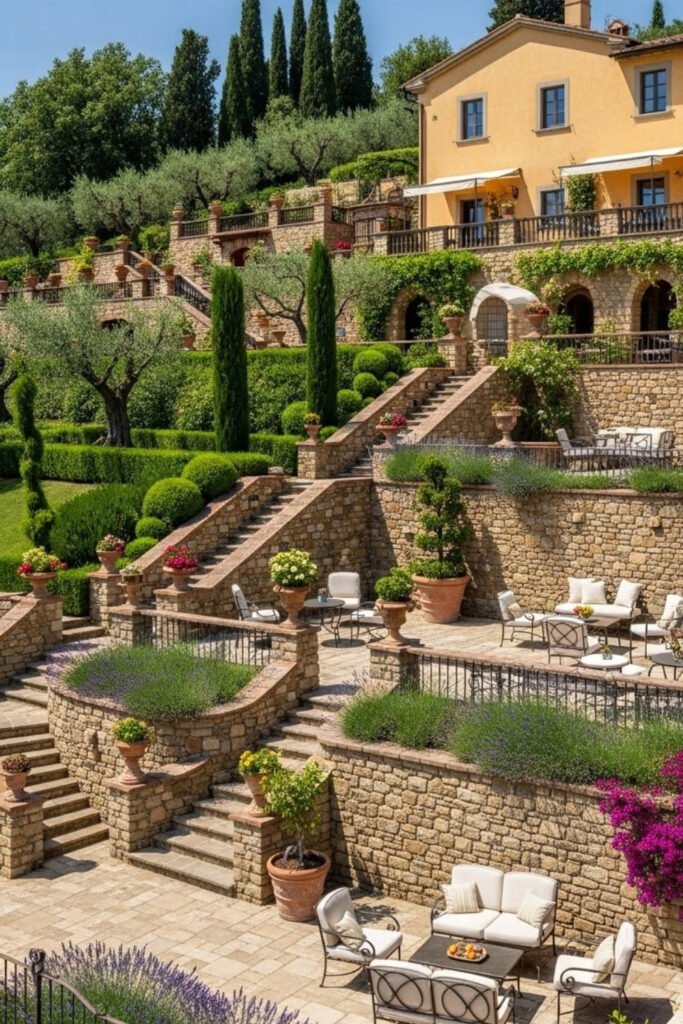
This Italian villa uses layered garden terraces that step down with the land. Each level serves a purpose—outdoor dining, lounging, or planting—connected by stone stairs.
Low walls and greenery define the spaces without blocking views. Terraced gardens make the villa feel expansive and structured while turning outdoor areas into usable living zones.
Limestone Facade
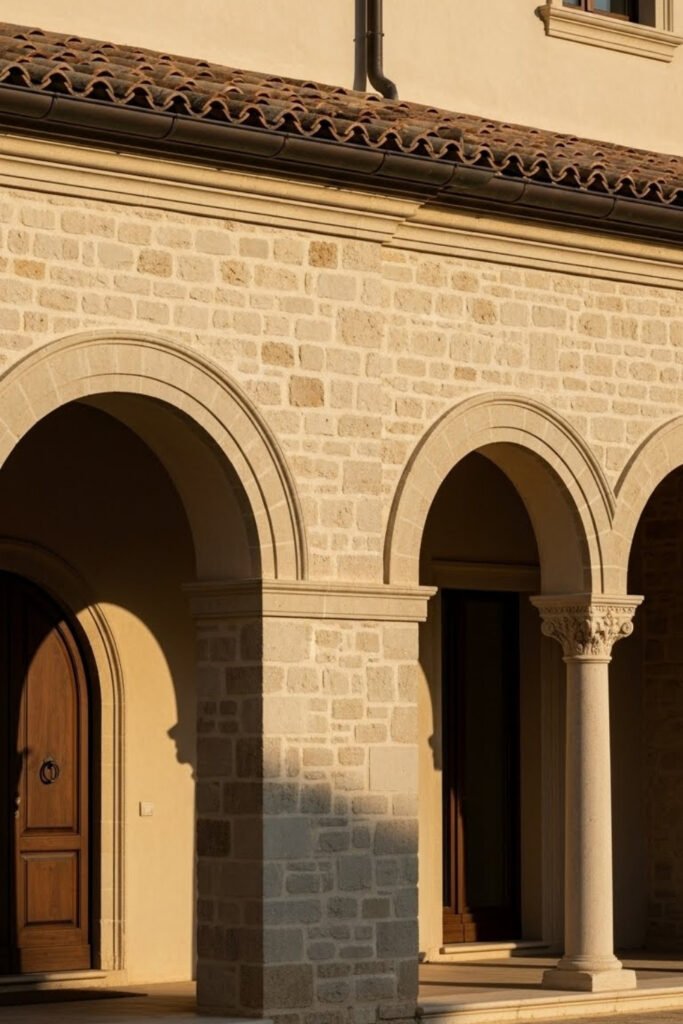
A limestone facade gives an Italian villa a soft, aged appearance that improves over time. The pale stone reflects sunlight during the day and warms in tone at sunset.
Subtle texture and natural imperfections keep the exterior from feeling polished or modern. This facade style pairs beautifully with arched openings and traditional rooflines.
Arched Loggia
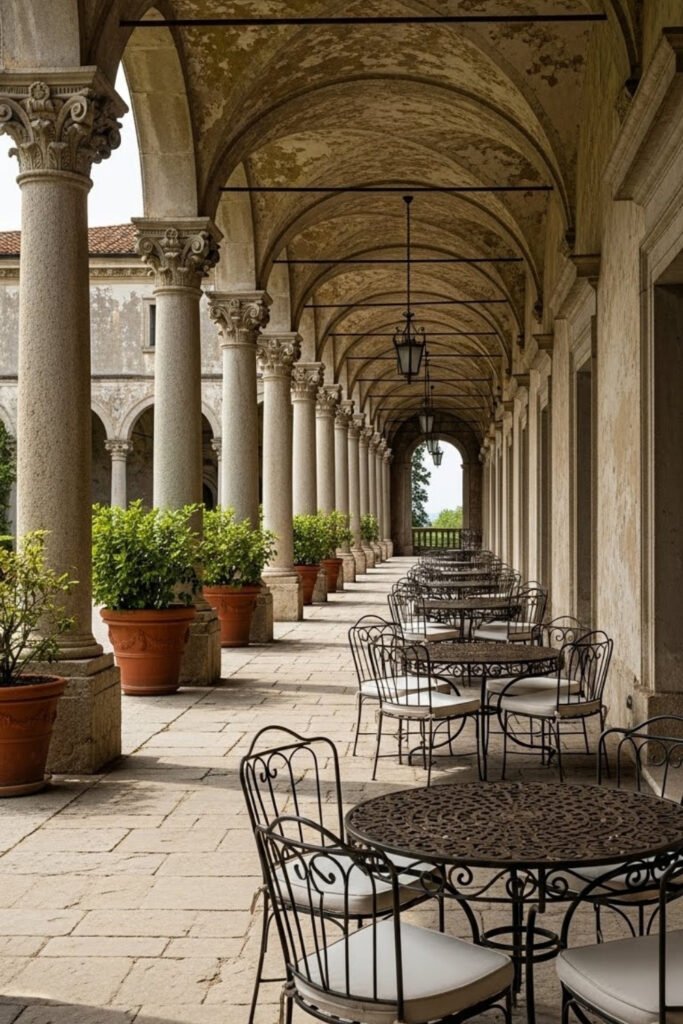
An arched loggia creates a shaded transition between the villa’s interior and exterior. It runs along the facade or courtyard, supported by stone columns and classic arches.
This space works as a sitting area, dining zone, or passageway. Loggias add rhythm and depth to the architecture while encouraging slow, relaxed movement through the home.
Vine Exterior
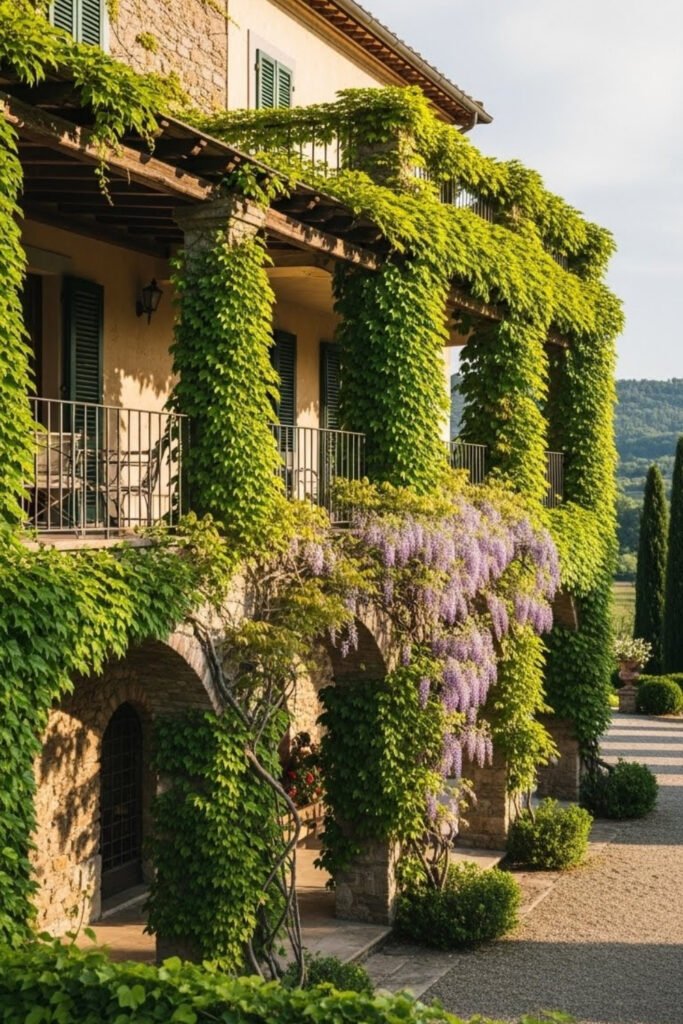
This villa style features climbing vines trained along walls, pergolas, and balconies. Over time, greenery softens the structure and blends the home into its surroundings.
Vines also provide natural shade and seasonal color changes. The look feels romantic and lived-in, making the villa appear as though it has grown naturally from the landscape.
Clay Roof
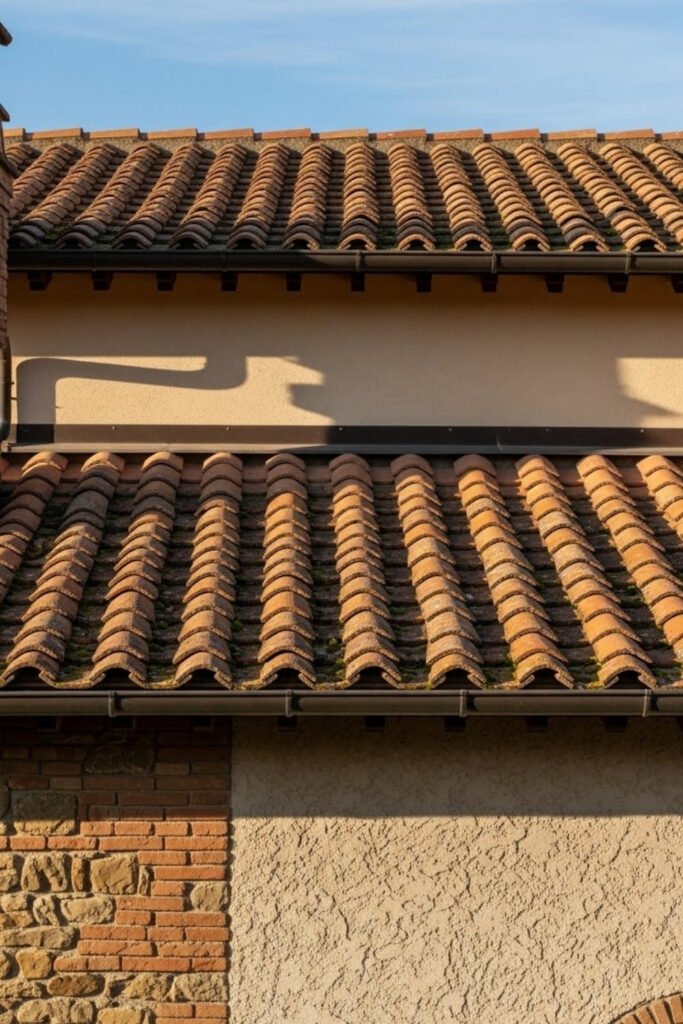
A clay roof is a defining feature of classic Italian villas. The curved terracotta tiles add texture, warmth, and instant character to the structure.
Over time, the tiles develop subtle color variation that enhances the old-world feel. This roof style also pairs naturally with stone walls and arched details, creating a cohesive and authentic exterior.
Piazza Layout
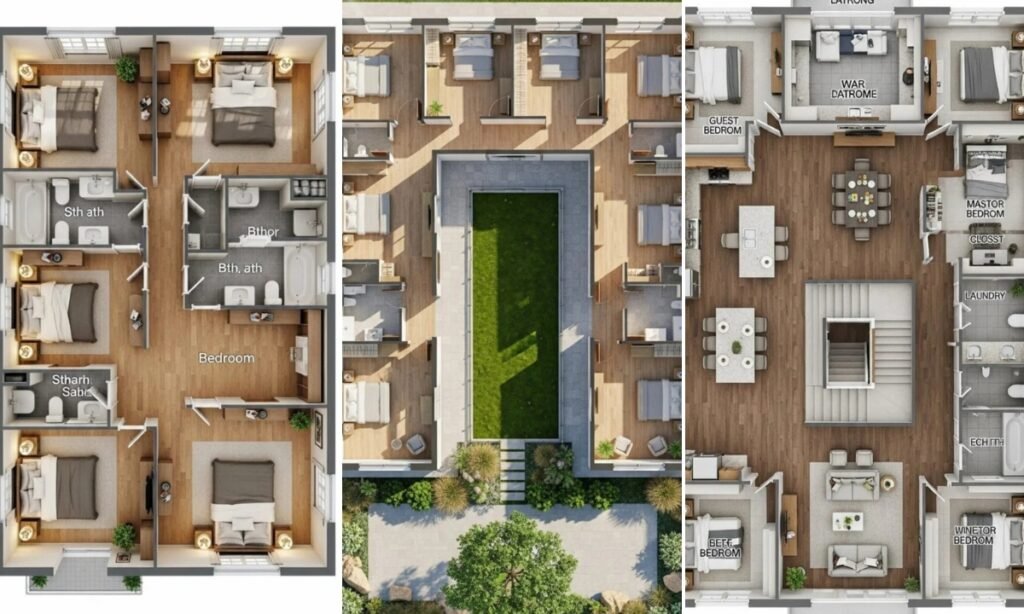
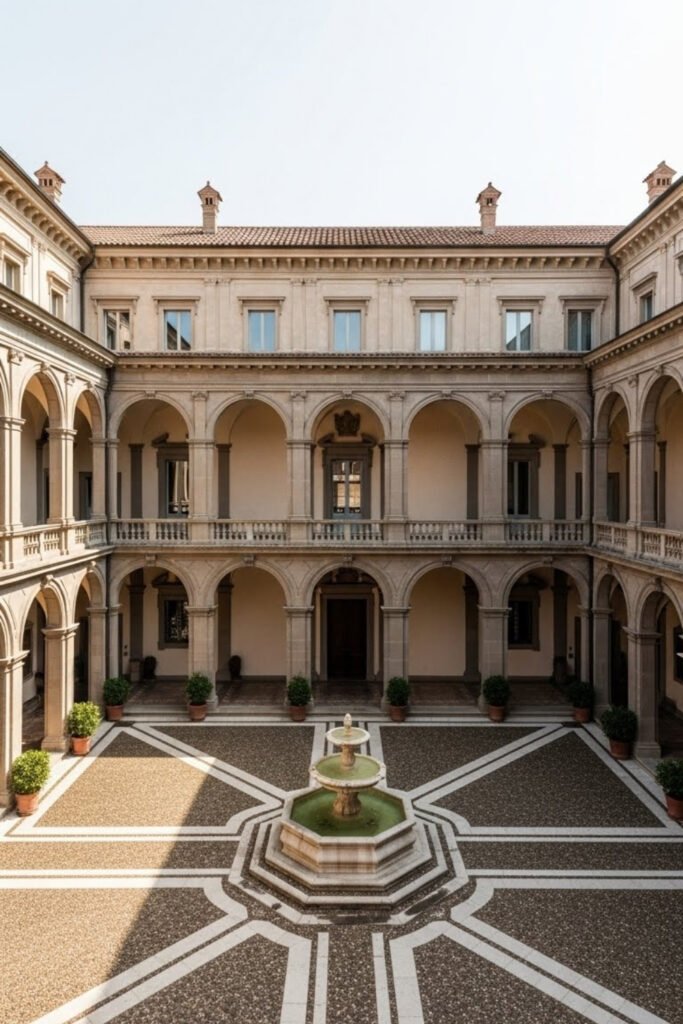
This villa design borrows from Italian town squares by creating a wide, open central space for gathering. Rooms and corridors radiate from this shared area, making movement feel communal rather than segmented.
The piazza layout works well for entertaining and family life, encouraging conversation and connection through a strong central focal point.
Farmhouse Blend
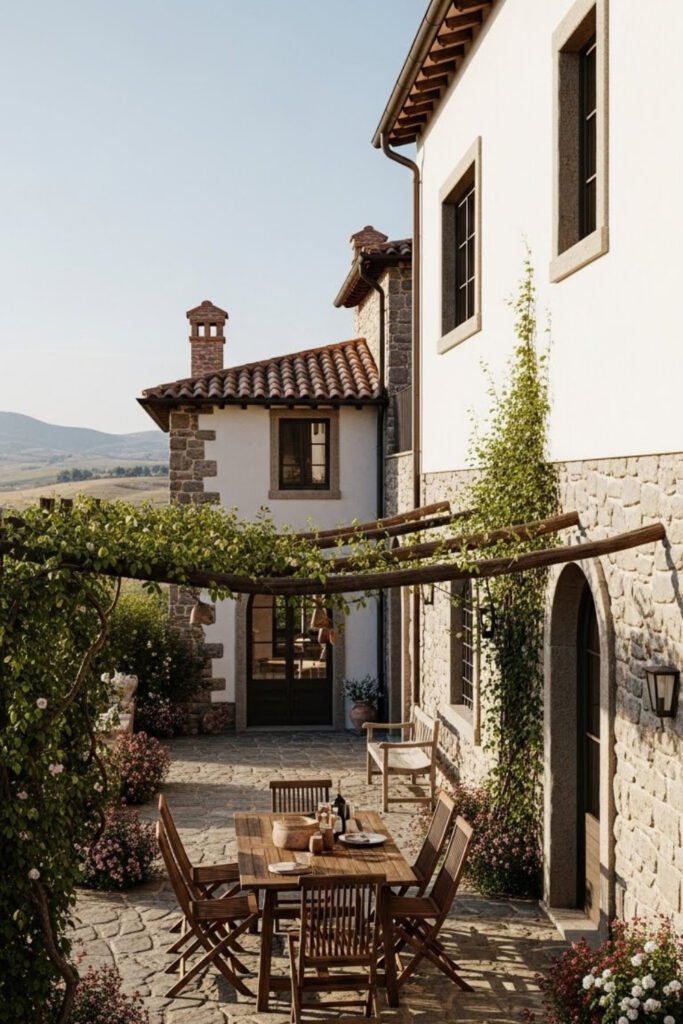
An Italian farmhouse blend combines refined villa architecture with rural simplicity. Clean lines meet rustic materials like exposed stone, wood beams, and simple plaster finishes.
The result feels elegant without being formal. This style suits countryside settings where the home needs to feel comfortable, practical, and visually connected to working land.
Grand Stairs
Grand staircases give Italian villas a sense of arrival and scale. Often positioned at the entry or courtyard, these stairs lead up to terraces or main living levels.
Wide steps, stone balustrades, and symmetrical design create a dramatic yet balanced look. The staircase becomes both a functional element and a strong architectural statement.

Open Dining
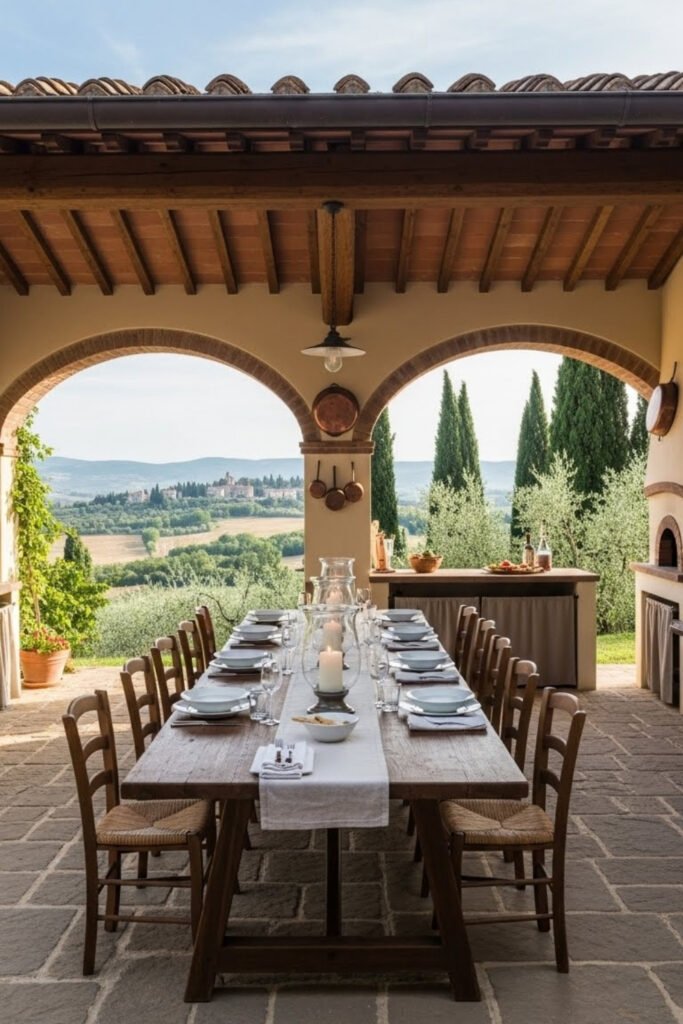
This Italian villa design prioritizes outdoor dining as a daily experience. Covered terraces or loggias sit directly beside the kitchen, allowing meals to flow outside with ease.
Long tables, stone floors, and overhead beams create a relaxed yet social setting. The focus is on shared meals, fresh air, and seamless indoor-outdoor living.
Plastered Walls
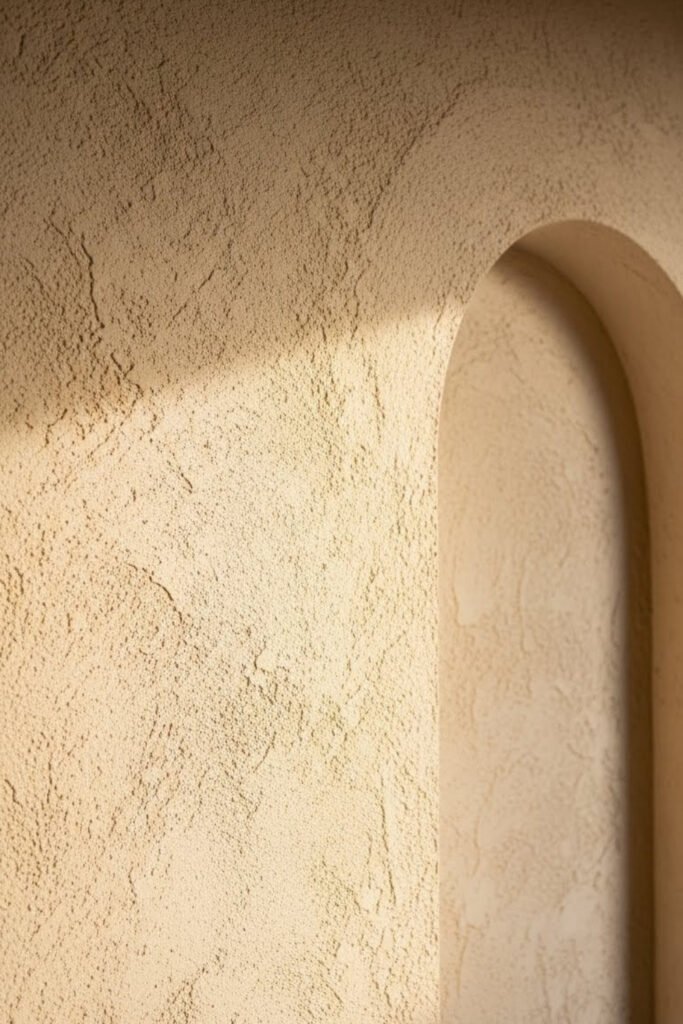
Hand-plastered walls give Italian villas their soft, imperfect character. Slight texture and natural variation prevent surfaces from feeling flat or modern. These walls reflect light gently, adding warmth to both interiors and exteriors.
Lime-based plaster also ages beautifully, developing subtle patina over time that enhances the home’s authenticity.
Shuttered Windows
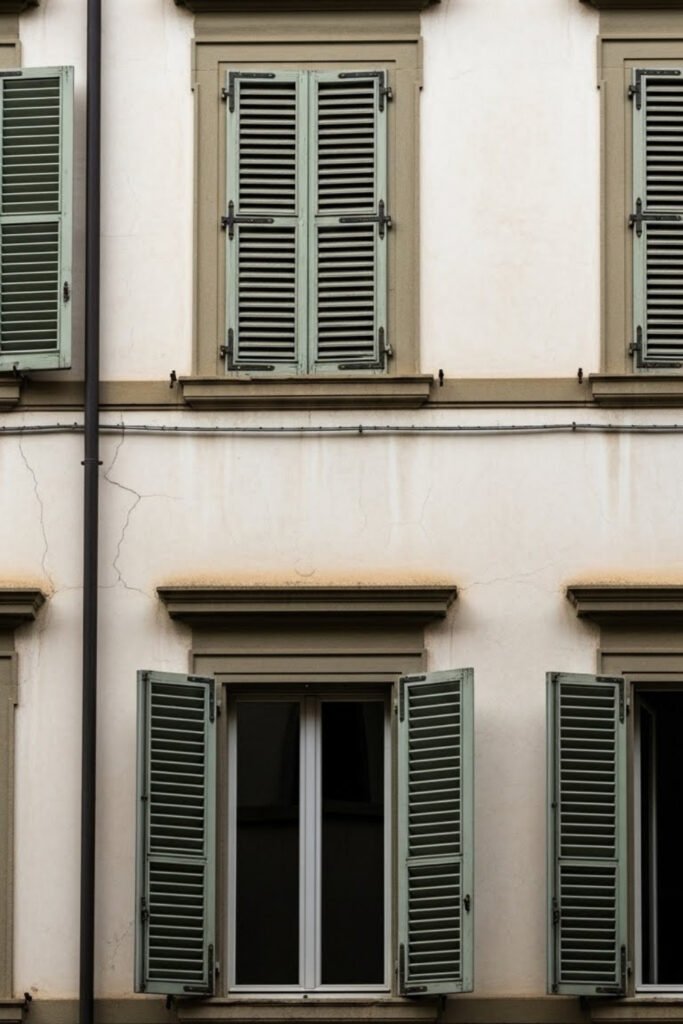
Traditional wooden shutters are both practical and decorative in Italian villas. They control sunlight, improve privacy, and add a strong visual rhythm to the facade.
Painted in muted greens, blues, or earthy tones, shutters frame windows beautifully. When opened or closed, they change the home’s appearance throughout the day.
Walled Garden
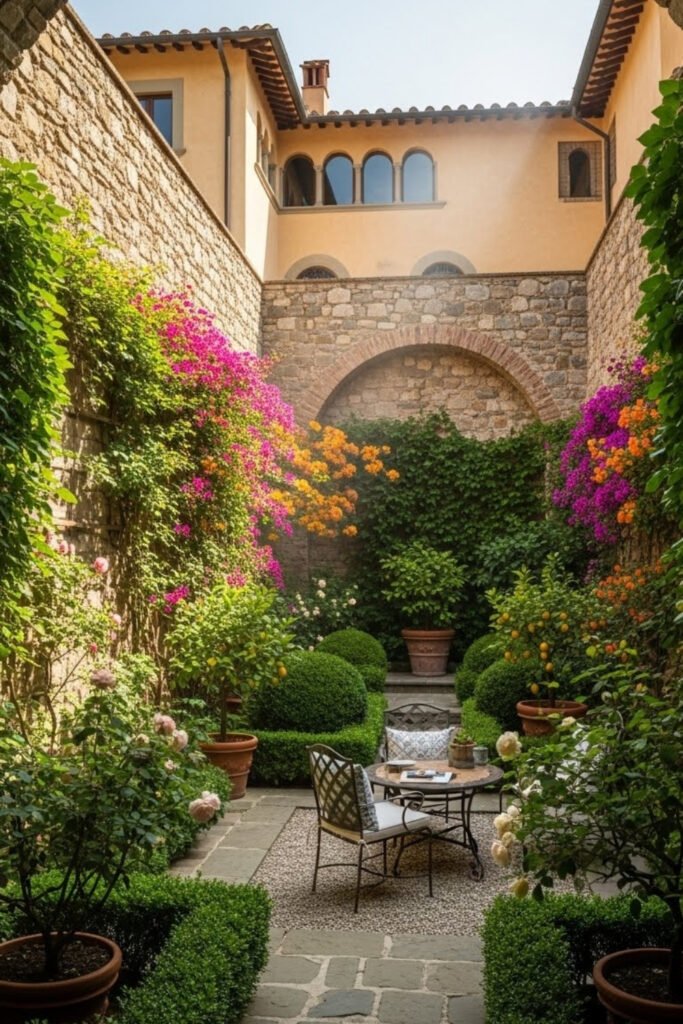
A walled garden creates a private outdoor sanctuary within the villa grounds. Stone walls block wind and noise while trapping warmth for plants.
Inside, the space feels protected and intimate, ideal for seating, herbs, or flowers. This feature adds a sense of enclosure and timeless elegance to the overall design.
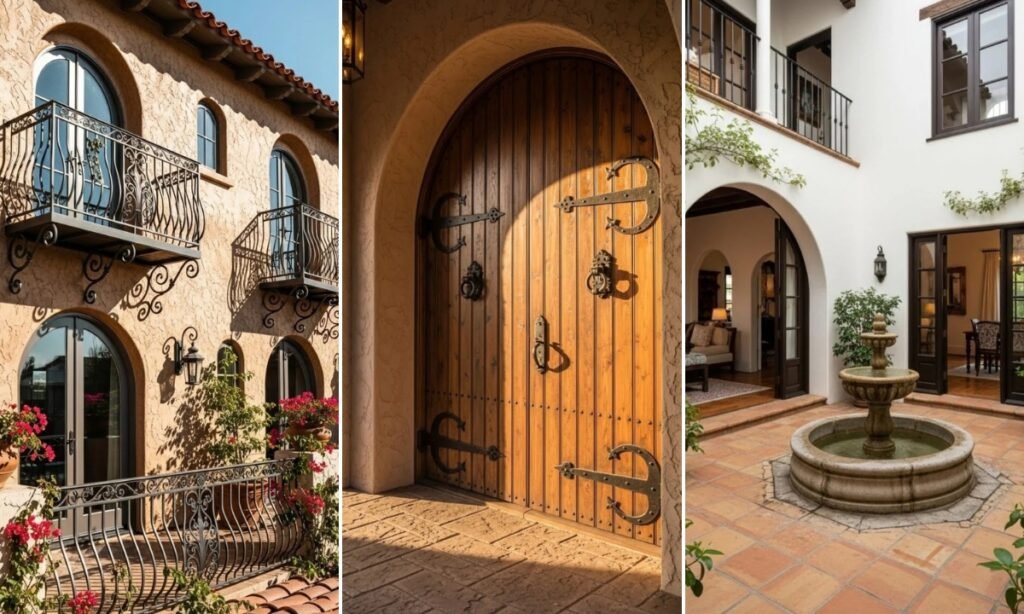
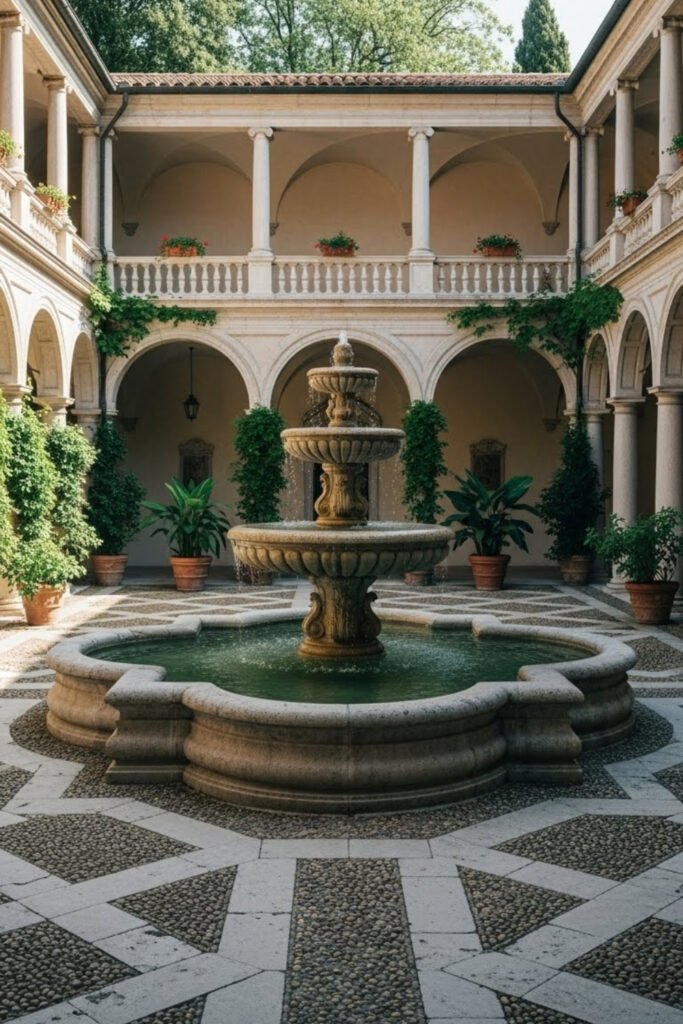
Courtyard Fountain
A central fountain adds movement and sound to an Italian villa courtyard. Water becomes a natural focal point, cooling the space and creating a calming atmosphere.
Surrounded by stone paving and greenery, the fountain enhances symmetry and balance. This feature reflects traditional Italian design where water is both decorative and functional.
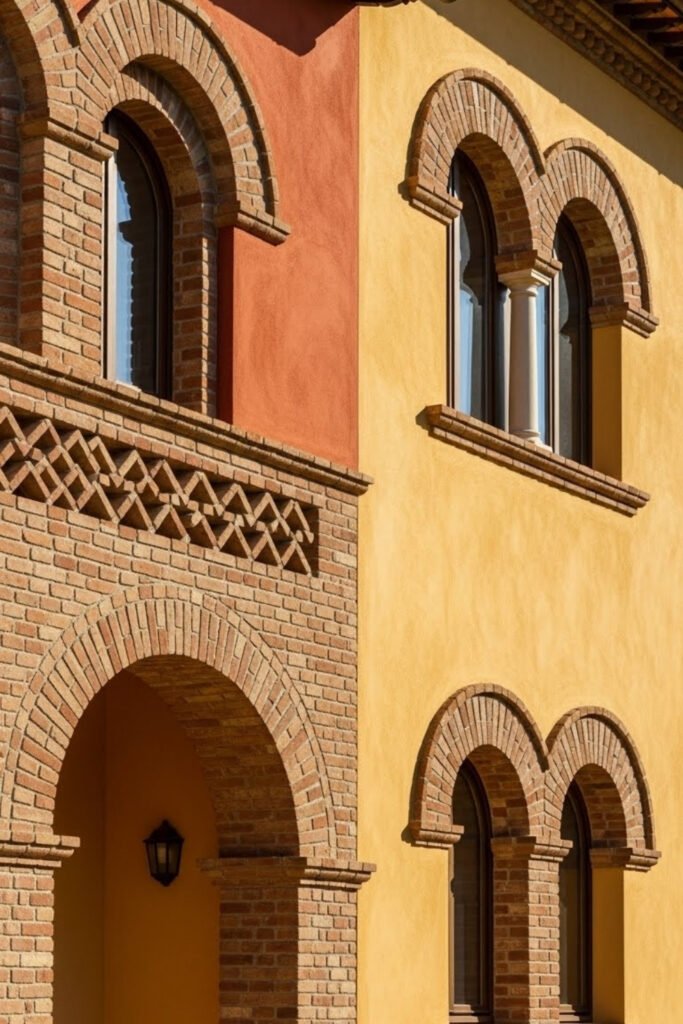
Brick Details
Tuscan-style brick details bring warmth and texture to Italian villa exteriors. Bricks are often used around arches, windows, or entryways rather than across entire walls.
Their earthy tone contrasts beautifully with plaster or stone surfaces. These subtle accents add depth without overwhelming the overall architecture.
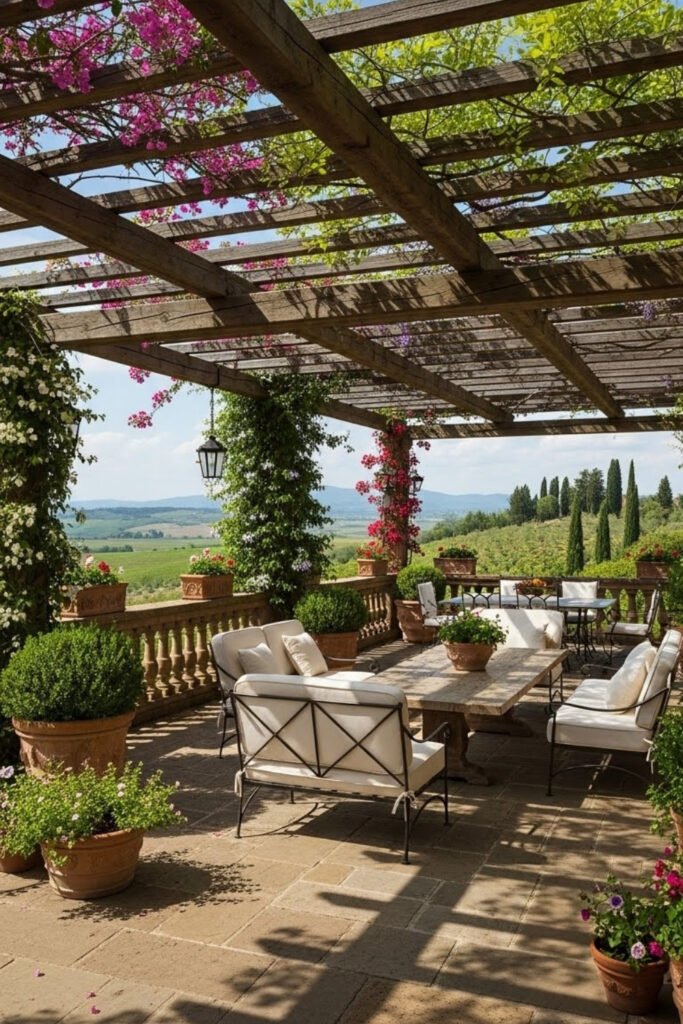
Pergola Terrace
A pergola-covered terrace extends living space while offering filtered shade. Wooden beams support climbing plants or fabric canopies, creating a comfortable outdoor retreat.
This area works well for lounging or dining, especially during warm months. Pergolas add structure to open spaces while keeping the villa visually light.
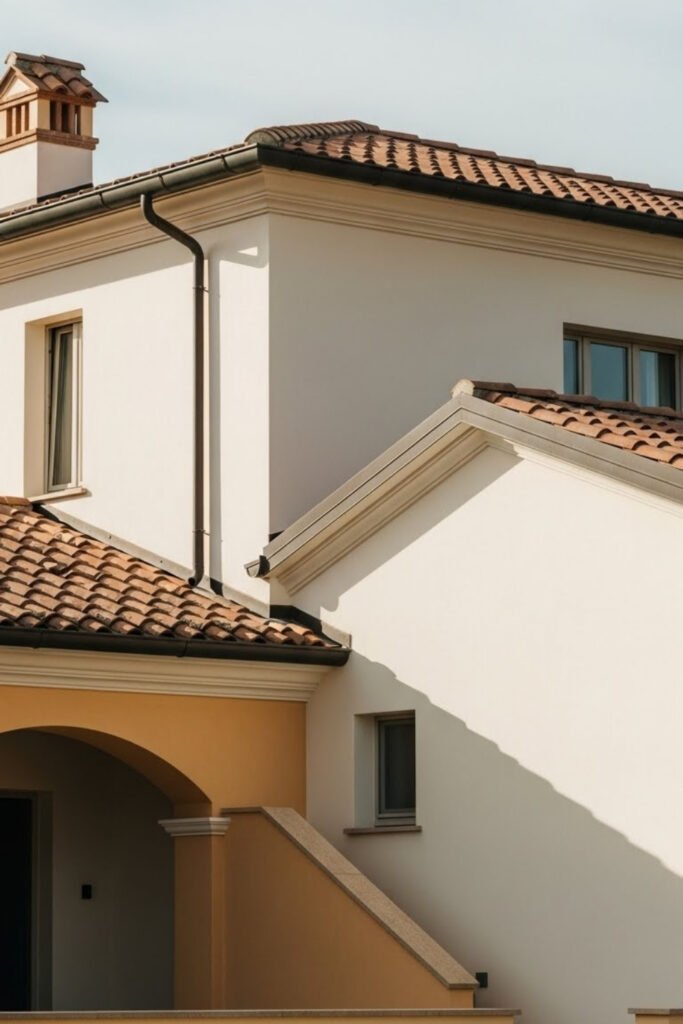
Sunwashed Colors
Italian villas often use sunwashed colors inspired by nature. Soft creams, warm beiges, muted ochres, and dusty terracotta tones help the home blend into its surroundings.
These colors reflect light gently and prevent the exterior from feeling heavy. The palette enhances the villa’s relaxed, timeless character.
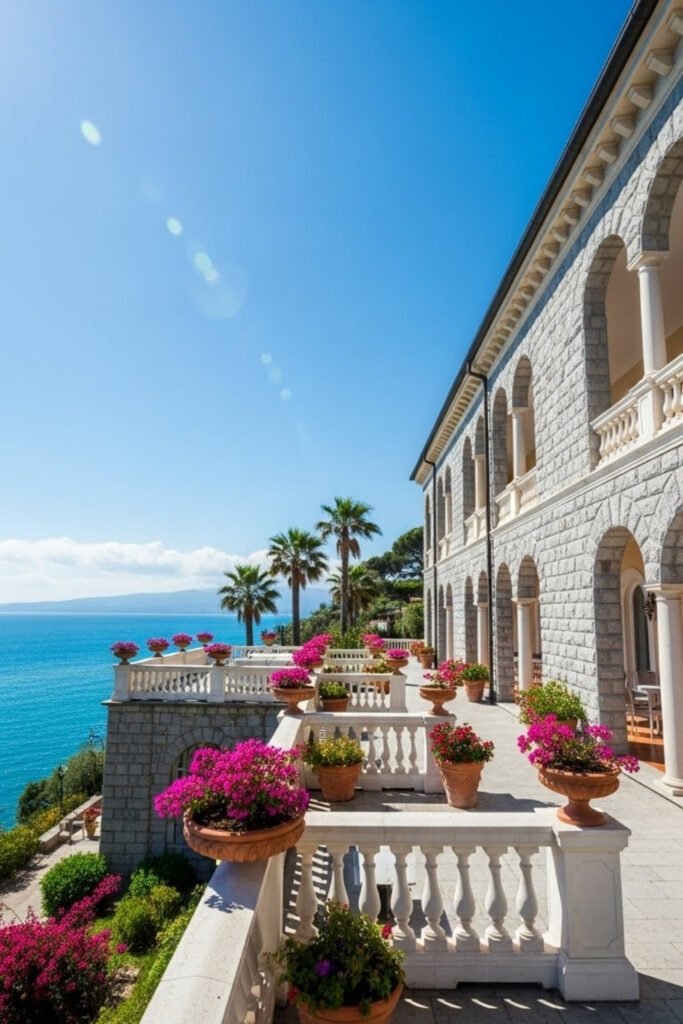
Coastal Villa
An Italian coastal villa is designed to embrace sea views and ocean breezes. Wide terraces, arched openings, and light stone finishes keep the home airy and relaxed.
The layout emphasizes openness, allowing indoor spaces to flow naturally outdoors. This villa style balances elegance with a laid-back coastal lifestyle.
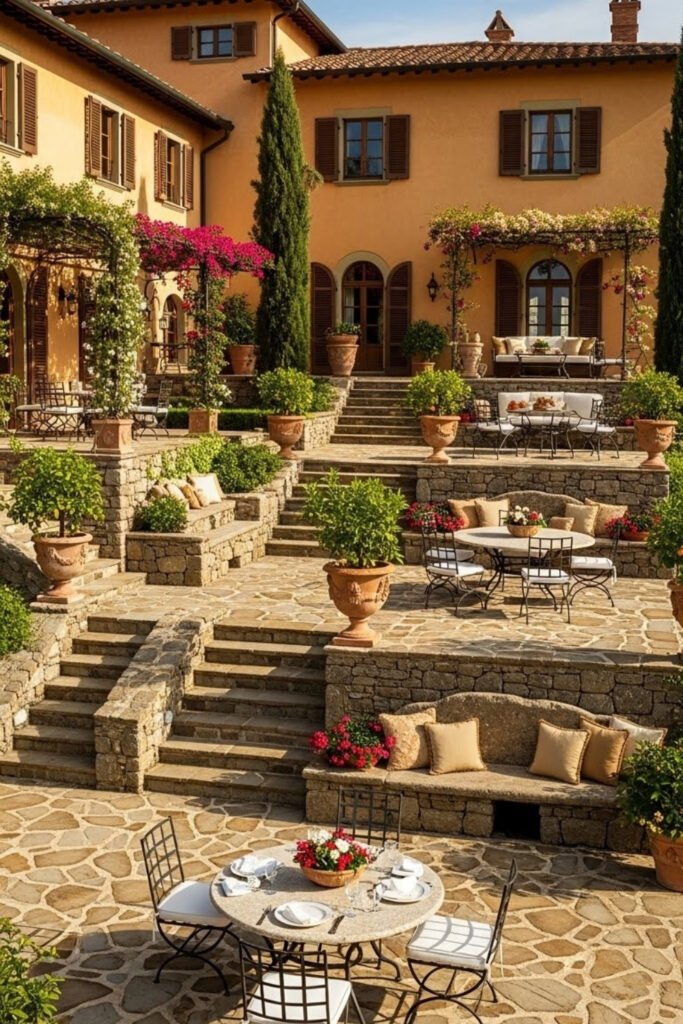
Stone Patios
Multi-level stone patios create functional outdoor zones around an Italian villa. Each patio can serve a different purpose, such as dining, lounging, or sunbathing.
Natural stone keeps the design grounded and durable. These layered spaces follow the terrain, making outdoor living feel intentional and well-integrated.
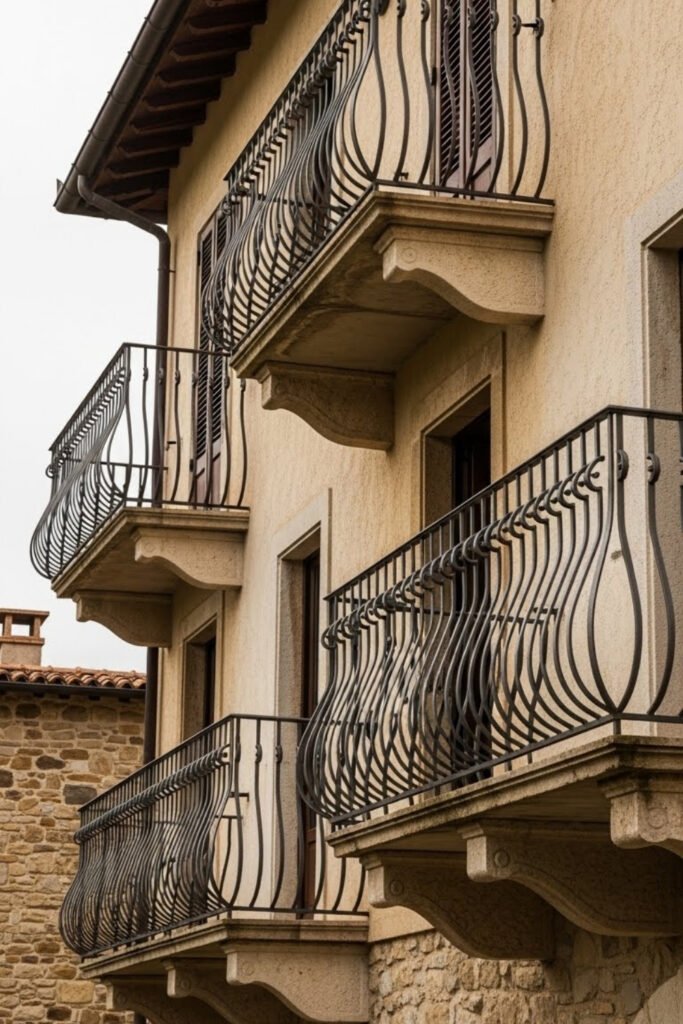
Iron Accents
Wrought iron accents add craftsmanship and detail to Italian villas. They appear in railings, balconies, gates, and window grilles. Hand-forged designs introduce subtle ornamentation without feeling excessive.
Iron elements contrast beautifully with stone and plaster, adding strength and elegance to the overall architecture.
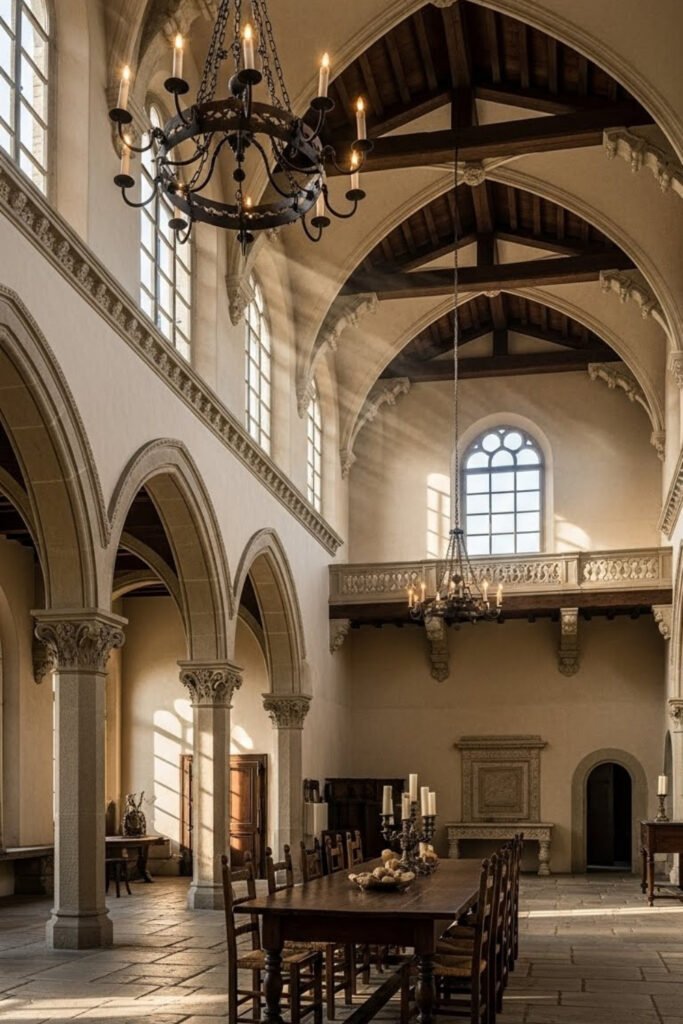
Vaulted Ceilings
Vaulted ceilings bring height and openness to Italian villa interiors. Curved or angled forms reflect traditional construction while improving airflow.
Often paired with exposed beams, these ceilings make rooms feel grand yet comfortable. The added vertical space enhances light and reinforces the villa’s timeless architectural appeal.
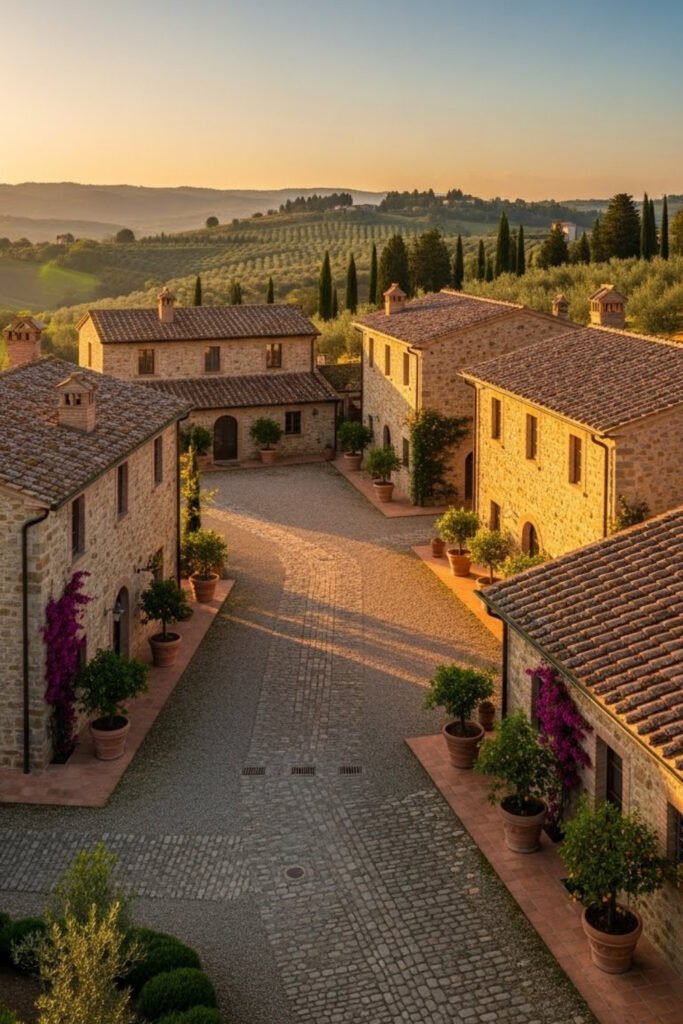
Villa Compound
An Italian villa compound includes multiple small structures grouped around shared outdoor spaces. The main house is often supported by guest quarters, studios, or service buildings.
This layout offers privacy while keeping everything connected. It reflects traditional estate living, where daily life unfolds across several buildings rather than one large structure.
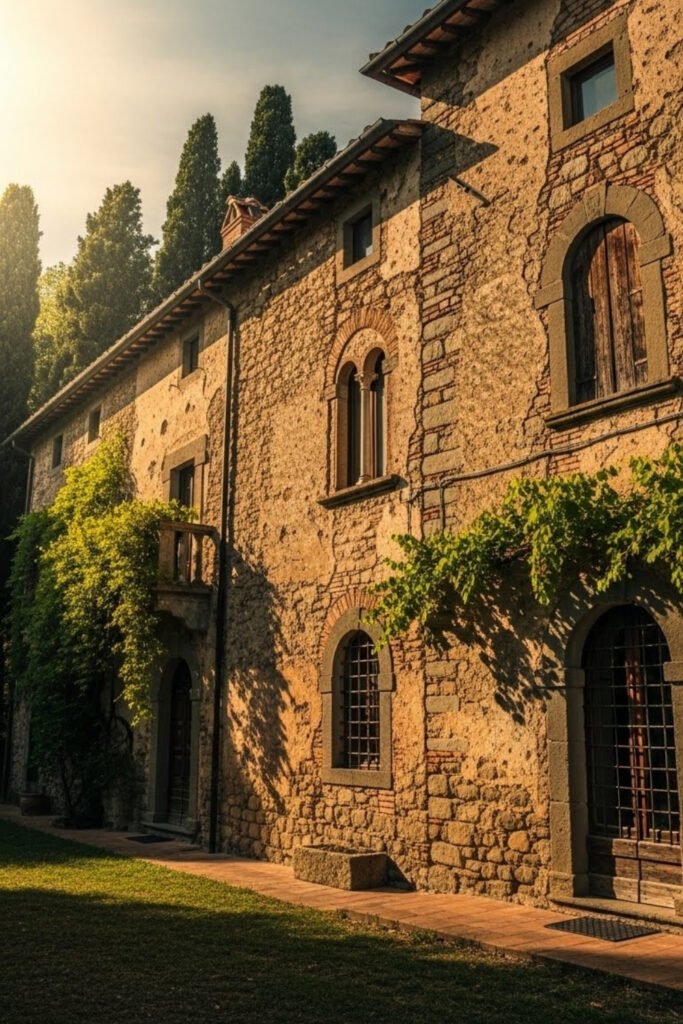
Old World
Old World Italian villas focus on history, craftsmanship, and timeless materials. Thick walls, aged stone, hand-finished details, and traditional proportions give the home lasting character.
Rather than feeling outdated, this style feels grounded and authentic. The design values longevity and atmosphere over trends, creating a villa that ages gracefully.

Hi, my name is Ali Mehmood! I’m a passionate writer and DIY enthusiast who loves turning creative ideas into practical, hands-on projects.
I created this website to share inspiring, budget-friendly ideas that you can do yourself – whether it’s organizing your home, crafting something unique, or creating fun projects for kids and pets.
I believe DIY isn’t just a hobby – it’s a smart way to save money, reduce waste, and enjoy the satisfaction of making things with your own hands.
I’m excited to have you as part of this growing community, and I’ll continue bringing you helpful, realistic, and fun DIY ideas you can actually use.