This post may contain affiliate links: read full affiliate disclosure.
Living in the mountains isn’t just about the view – it’s about how your home fits into the land around it.
I’ve put together these mountain house ideas to show different ways a home can work with slopes, weather, and scenery instead of fighting them.
Whether you want something rustic, modern, or off-grid, these ideas will help you imagine what’s possible.
Cliffside
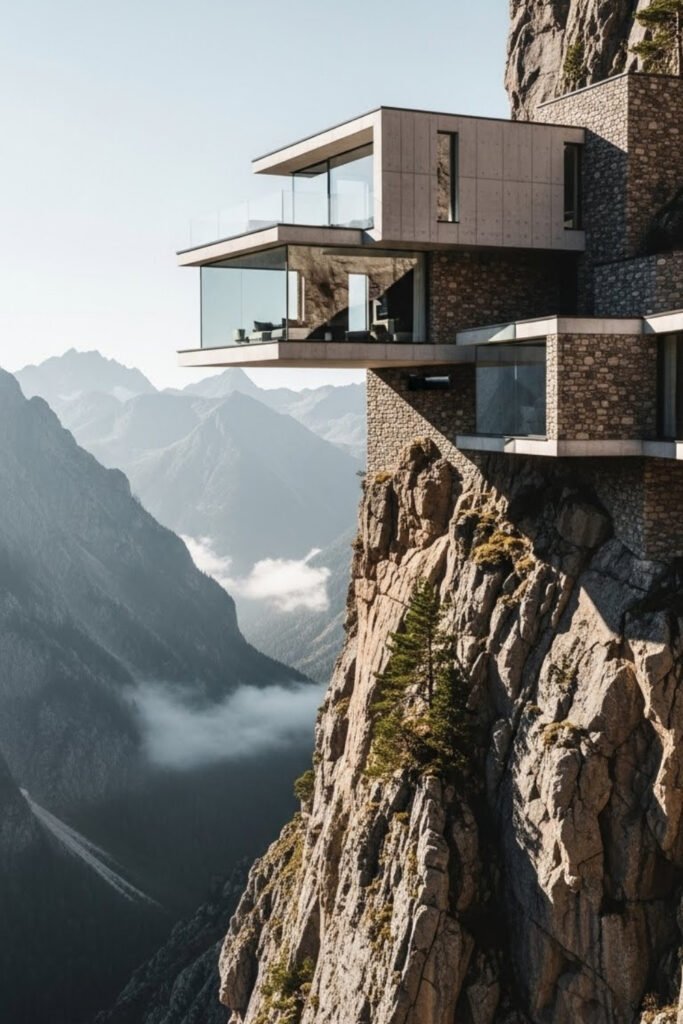
Built right on steep mountain edges, this house design maximizes dramatic views and vertical terrain. Large windows and extended decks bring the outdoors inside.
It’s ideal where flat land is limited, using reinforced foundations and smart engineering to create a safe yet breathtaking living experience that feels connected to the surrounding cliffs and sky.
Timber
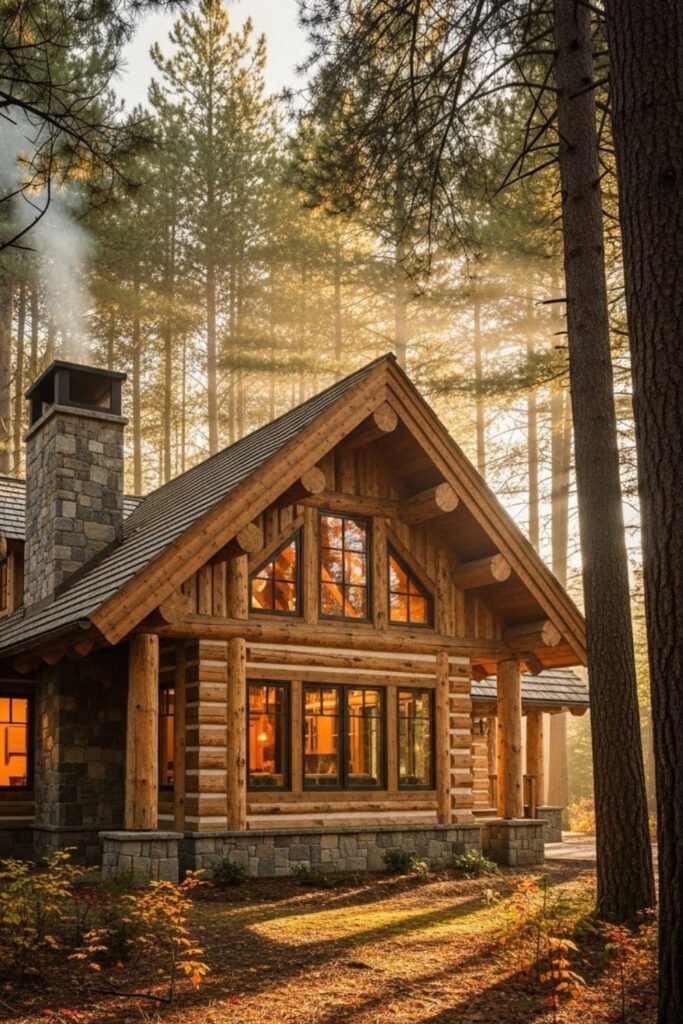
This mountain house relies on exposed wood beams, log walls, and natural finishes for warmth and character. It blends naturally with forest surroundings and works especially well in colder climates.
Thick timber construction helps with insulation, while pitched roofs and stone fireplaces add durability, comfort, and a timeless mountain cabin feel.
Glass
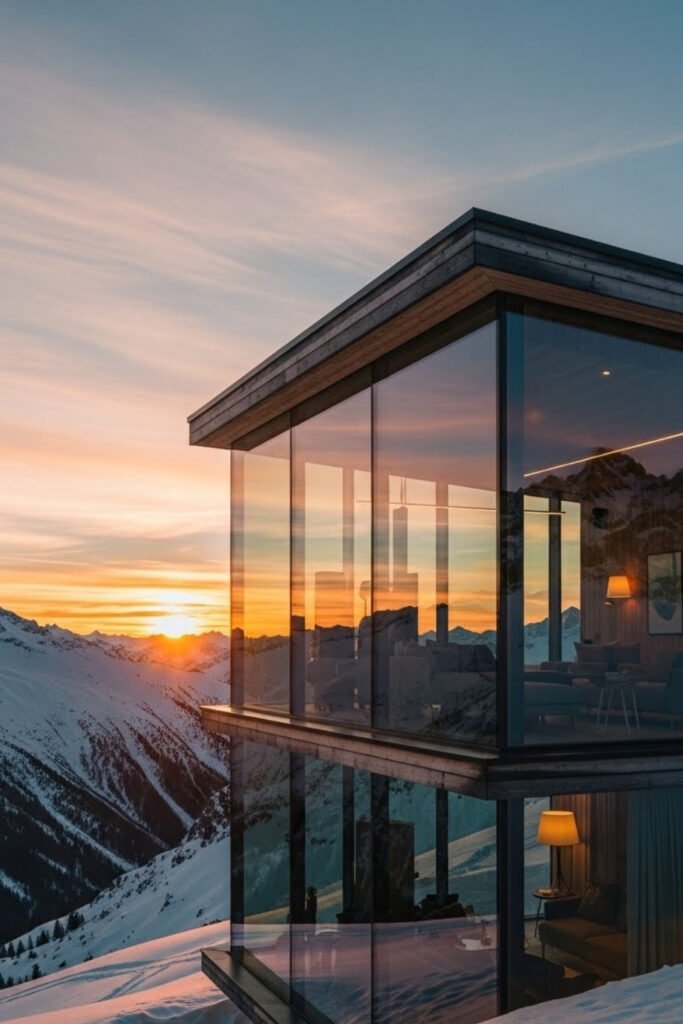
Designed to showcase the landscape, a glass mountain house uses floor-to-ceiling windows to frame panoramic views. It works best in remote locations with natural privacy.
Combining glass with wood or steel keeps the structure balanced, allowing natural light to flood the interior while still maintaining a cozy, protected atmosphere.
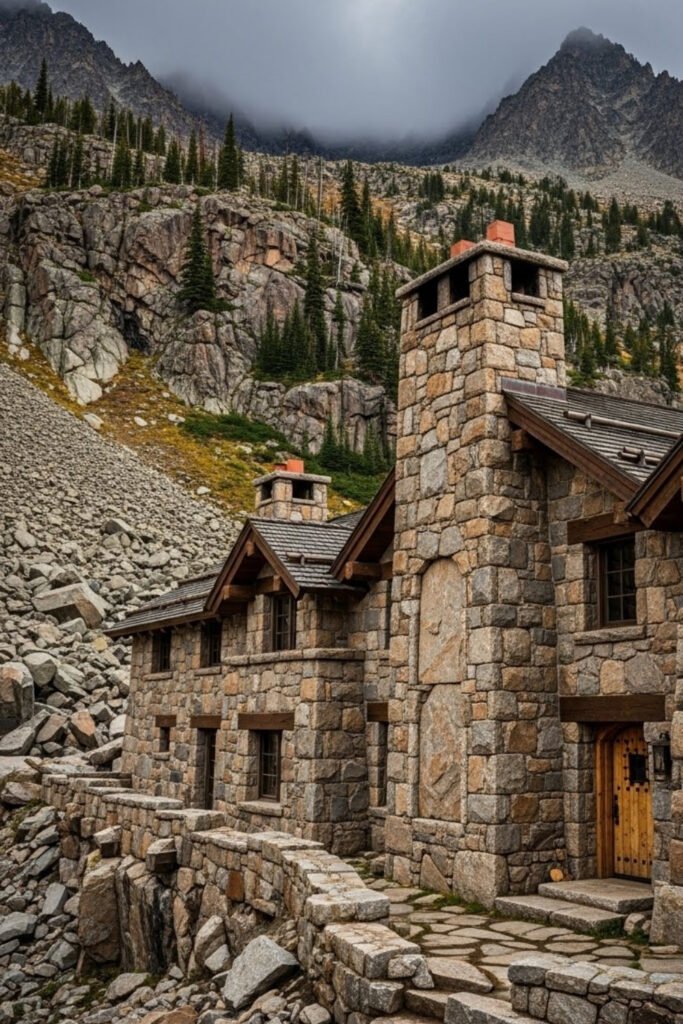
Stone
A stone mountain house feels solid, grounded, and built to last. Natural or locally sourced stone helps the home withstand harsh weather and temperature changes.
Thick walls provide insulation, while wood interiors soften the look. This design suits rugged landscapes and creates a strong connection between the home and its environment.
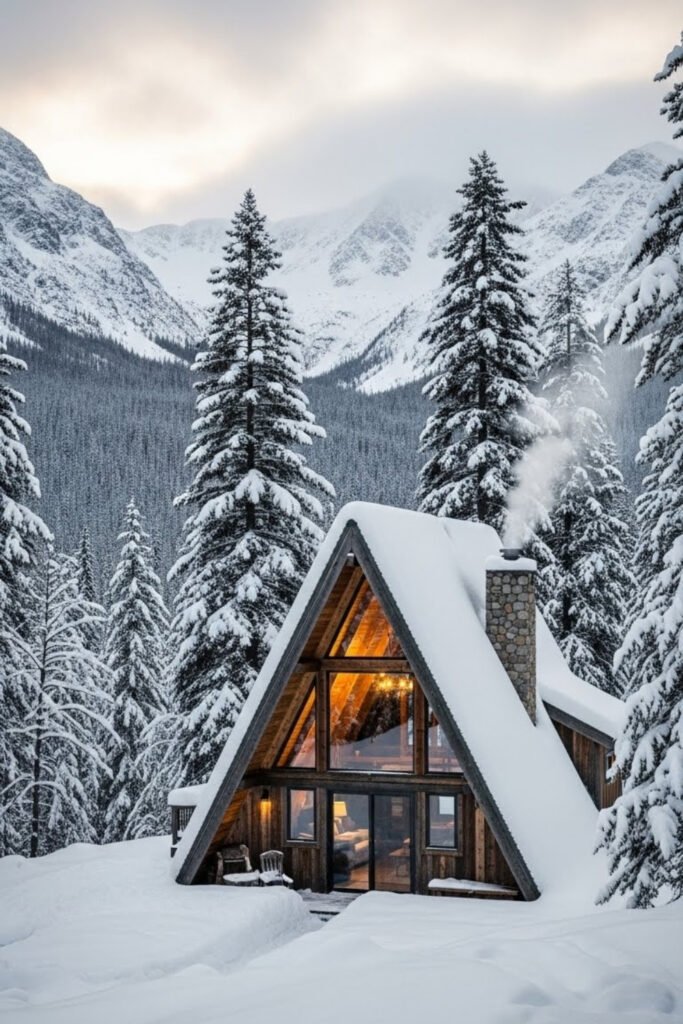
A-Frame
An A-frame mountain house uses a steep triangular roof that handles heavy snow easily. The shape creates a cozy interior while keeping construction simple and efficient.
Large front windows open up views, making it ideal for compact mountain lots. This style works especially well for vacation homes and cold, snowy regions.
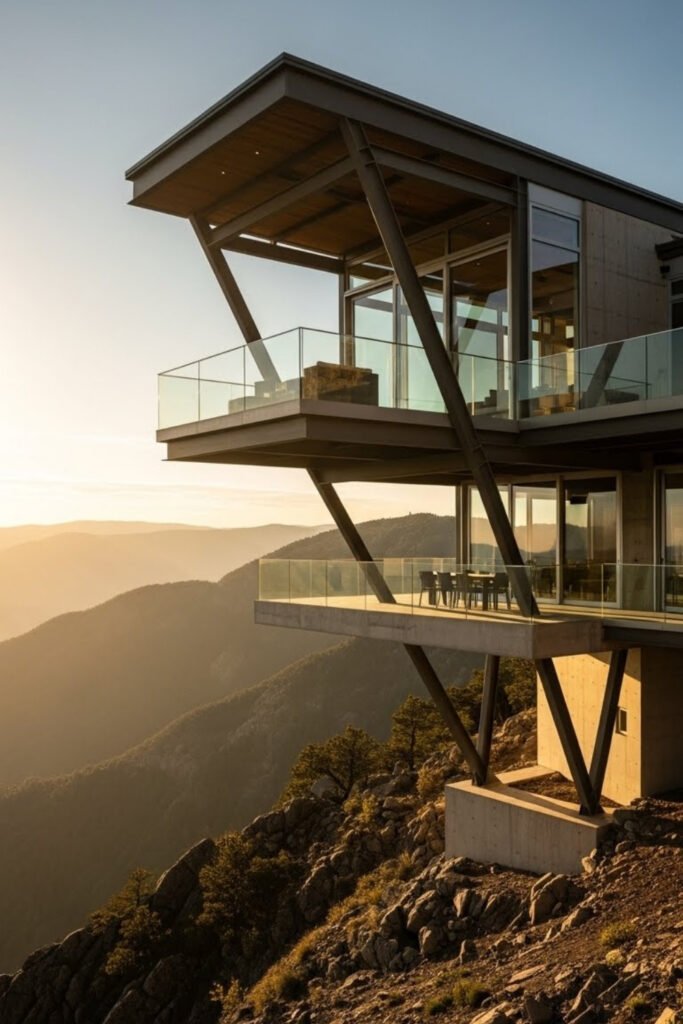
Cantilever
A cantilever mountain house extends outward over slopes or drops, creating a dramatic floating effect. It’s perfect for uneven terrain where traditional foundations are difficult.
This design maximizes views without disturbing the landscape below. Strong steel framing and careful engineering make the structure feel bold, modern, and visually striking.
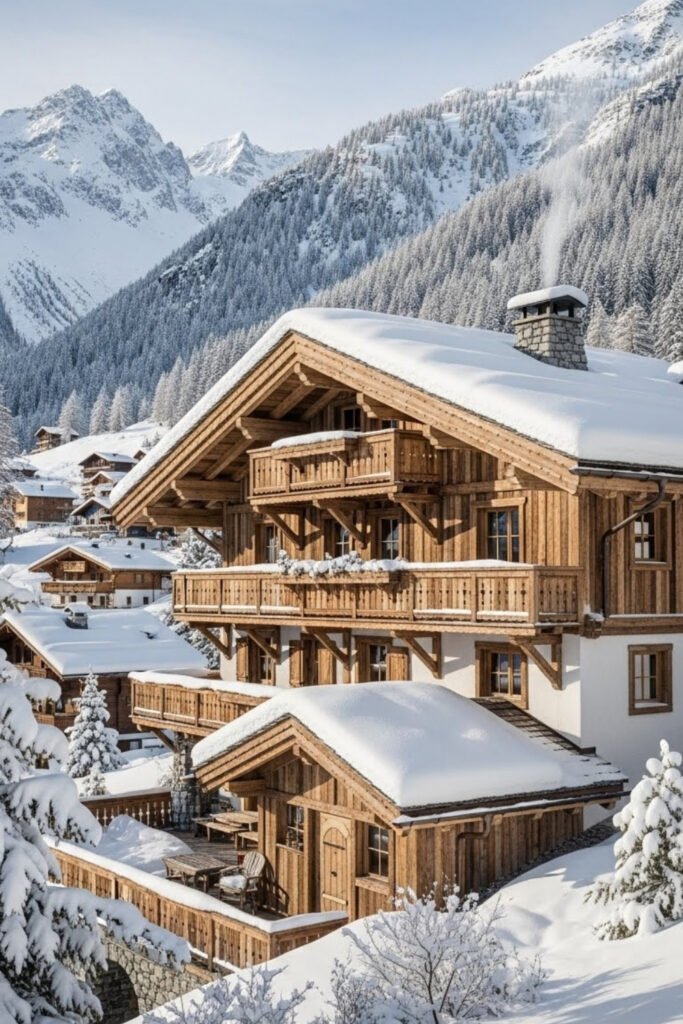
Alpine
An alpine mountain house is inspired by European mountain architecture. It features sloped roofs, wide eaves, and warm wood finishes designed for snow-heavy climates.
This style focuses on durability and comfort, often including balconies and deep windows. It’s ideal for high-altitude areas where weather protection is just as important as style.
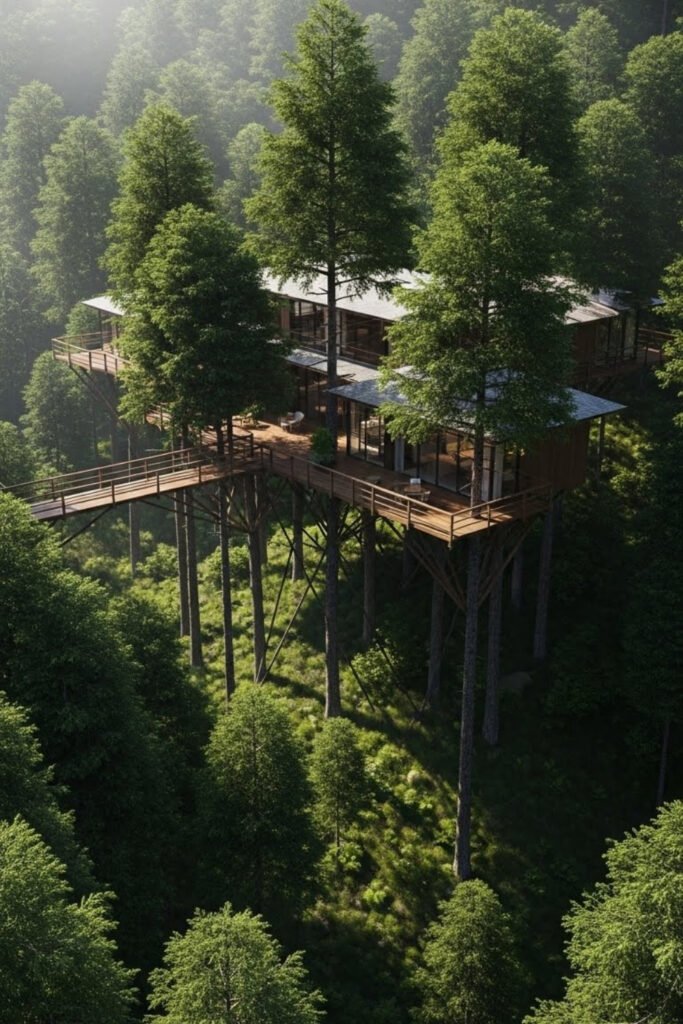
Canopy
A canopy mountain house is built among trees, often elevated to sit at treetop level. It blends into the forest rather than clearing it away.
This design works well in dense mountain woods and offers privacy and natural shade. Elevated decks and light materials help reduce impact on the surrounding land.
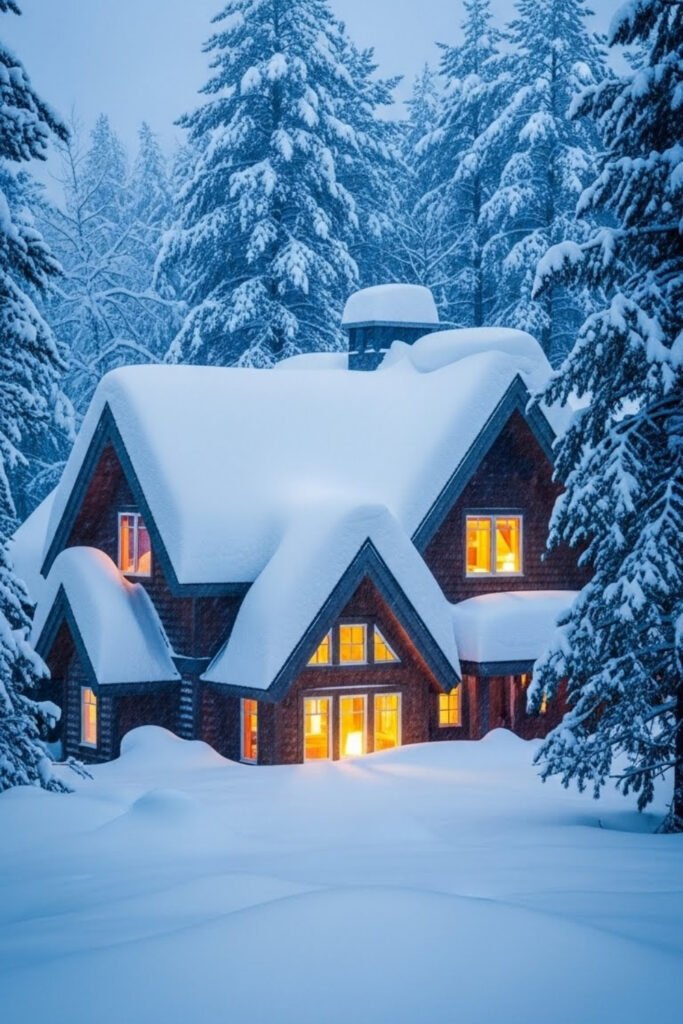
Snow
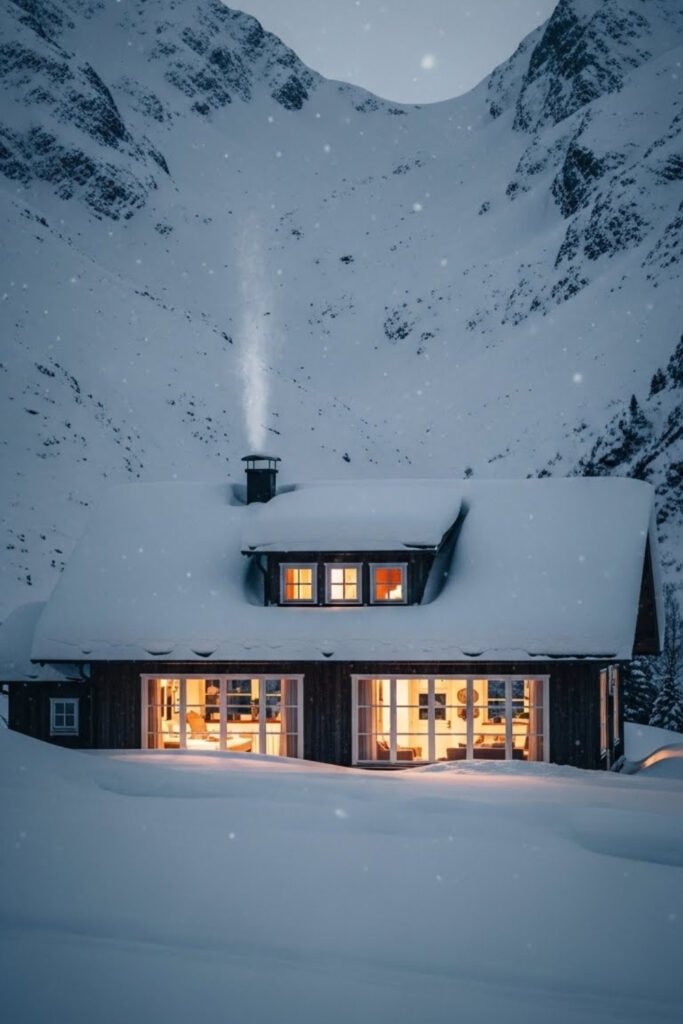
A snow-focused mountain house is designed for heavy snowfall and extreme winter conditions. Steep roofs prevent snow buildup, while deep overhangs protect walls and windows. Materials are chosen for insulation and durability.
This style prioritizes warmth, safety, and easy winter maintenance without sacrificing the classic mountain look.
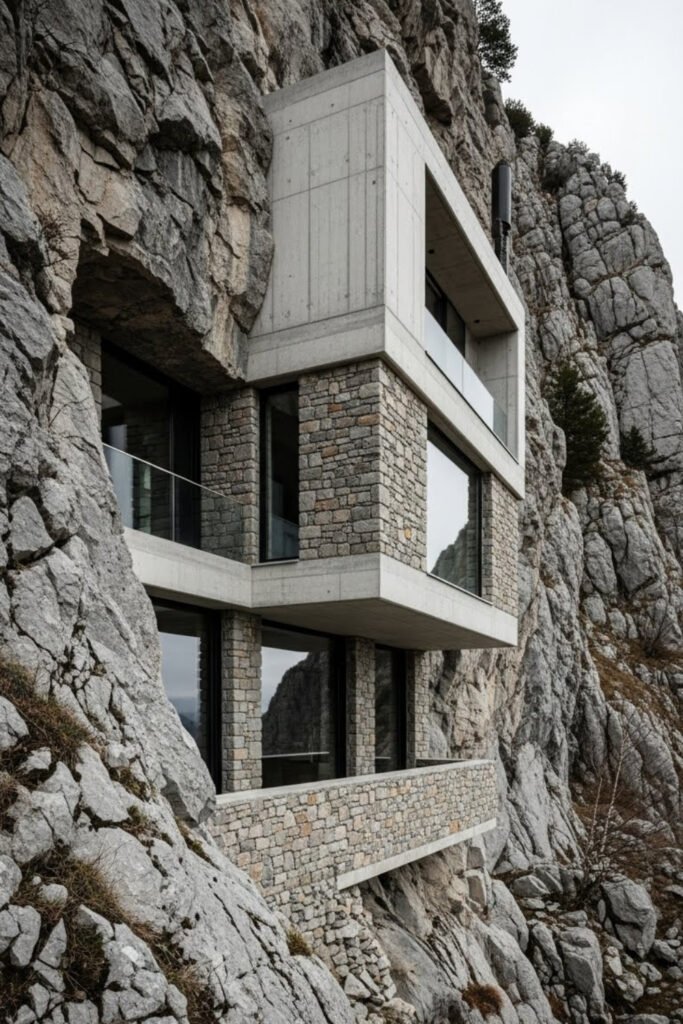
Rock
This mountain house is built directly into or against natural rock formations. Using stone and concrete, it feels anchored to the land.
The design works well in rugged terrain where excavation is limited. Natural rock walls provide insulation and weather resistance while creating a dramatic, cave-like interior experience.
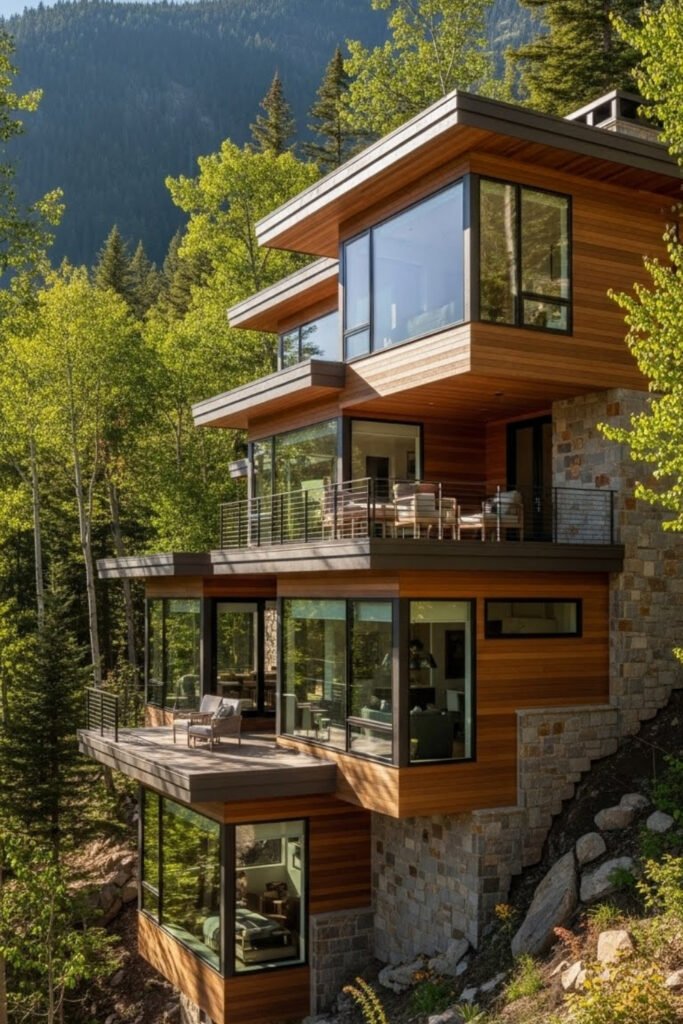
Split-Level
A split-level mountain house adapts to sloped land by stacking spaces at different heights. It reduces the need for major excavation and creates natural separation between living areas.
This layout improves views from multiple rooms and works well for families who want both openness and privacy in a mountain setting.
Valley
A valley-facing mountain house is positioned to overlook open landscapes rather than peaks. Large windows and wide terraces highlight sunrise and sunset views.
This style works best on gentle slopes and lower elevations, creating a peaceful connection to open land, rivers, or meadows while still feeling secluded.
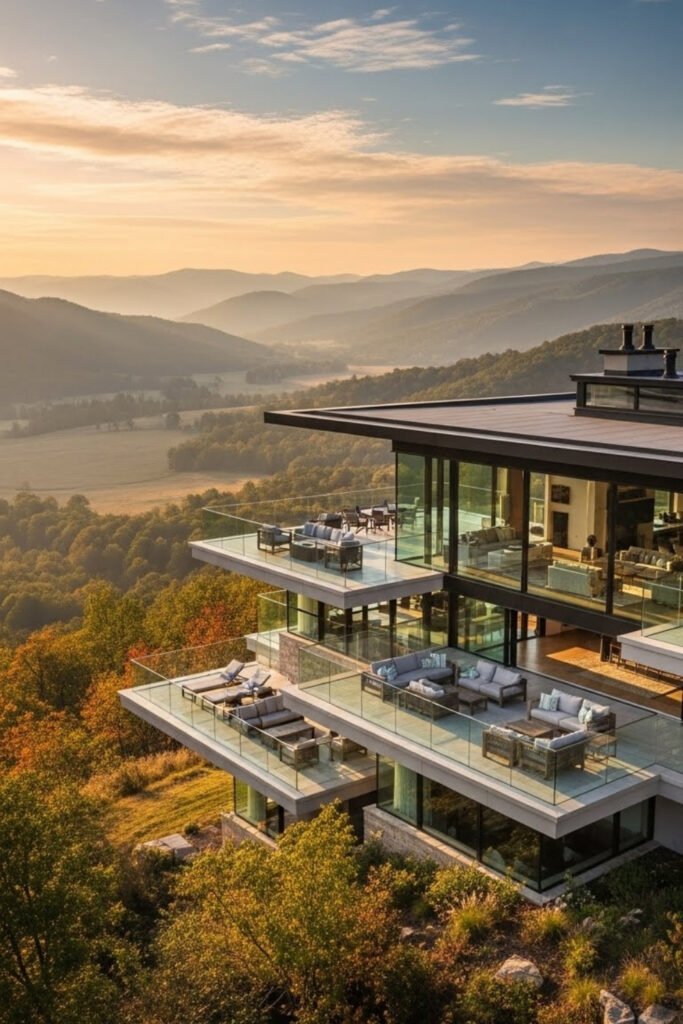
Rustic Minimal
This mountain house keeps the rustic feel but removes visual clutter. Clean lines, simple materials, and neutral tones create a calm interior while still using wood and stone.
It works well for people who love nature but prefer a modern, uncluttered lifestyle. The focus stays on views, light, and functional design.
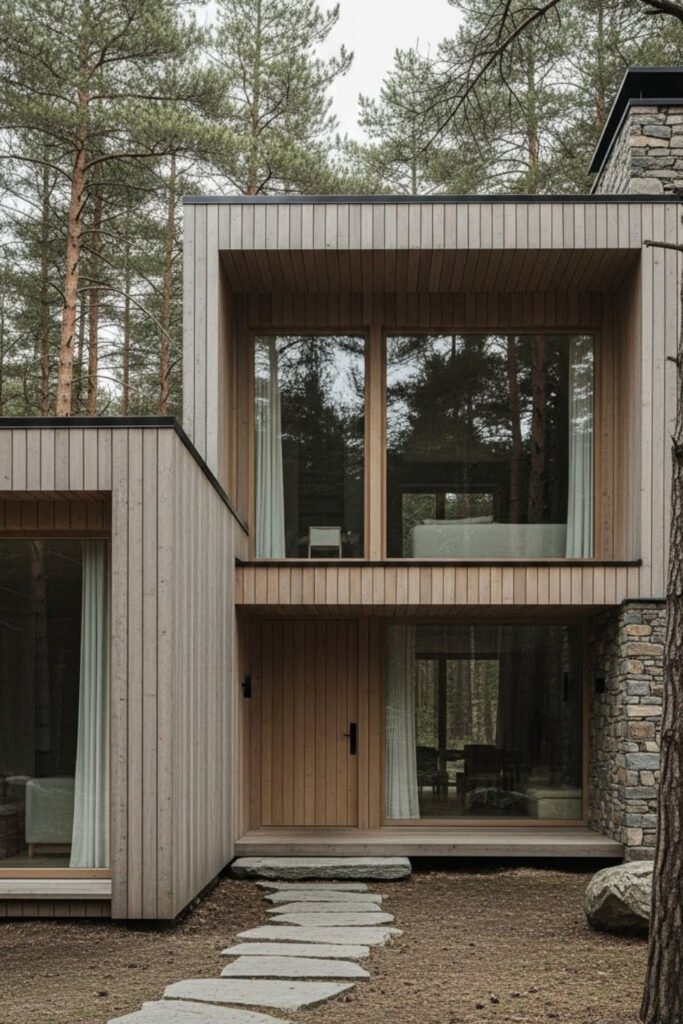
Earth-Sheltered
An earth-sheltered mountain house is partially built into the hillside for insulation and protection. Soil helps regulate indoor temperature year-round, reducing energy use.
This design blends into the landscape and works well in windy or extreme climates. Skylights and open fronts prevent the space from feeling closed or dark.
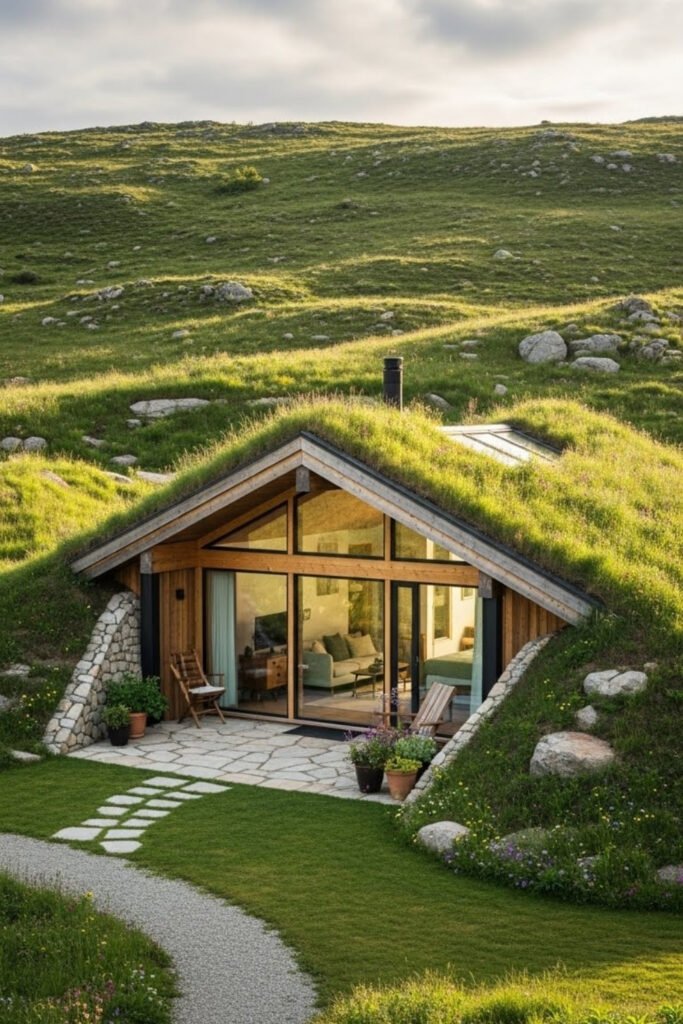
Panoramic Deck
This design centers around a wide deck that wraps around the house. The deck becomes an outdoor living space for views, gatherings, and quiet moments.
It works especially well on slopes or ridges where scenery is the main attraction. Durable materials ensure safety and longevity in changing mountain weather.
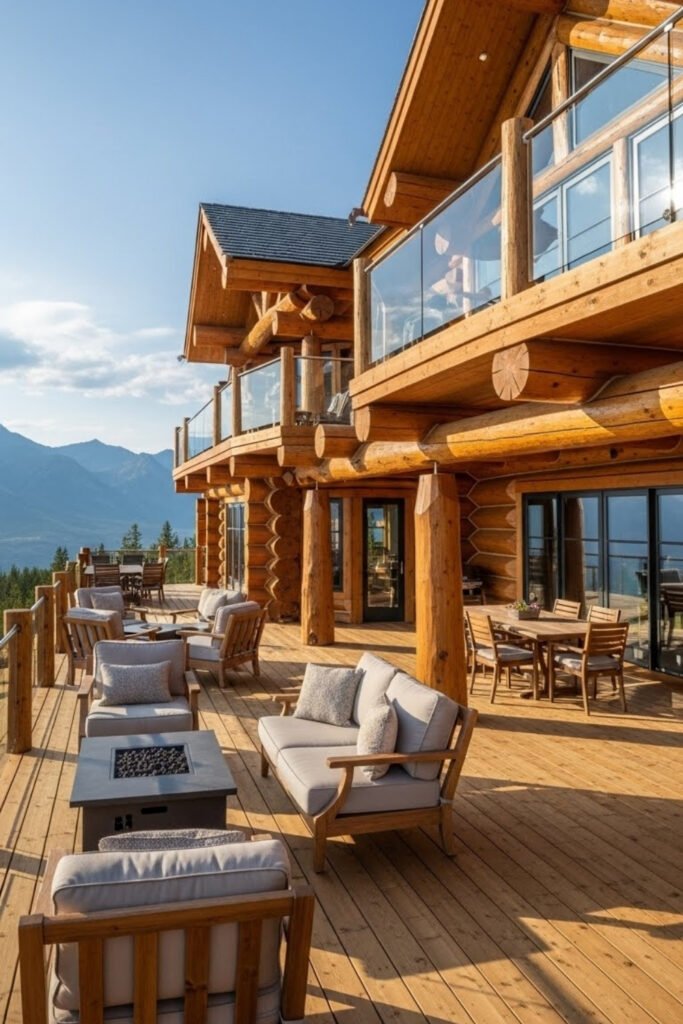
Log Luxury
A log luxury mountain house upgrades the traditional log cabin with refined finishes. Large logs create structure, while modern interiors add comfort and style.
High ceilings, stone fireplaces, and spa-style bathrooms make it feel upscale. This style suits buyers who want rustic character without sacrificing modern living standards.
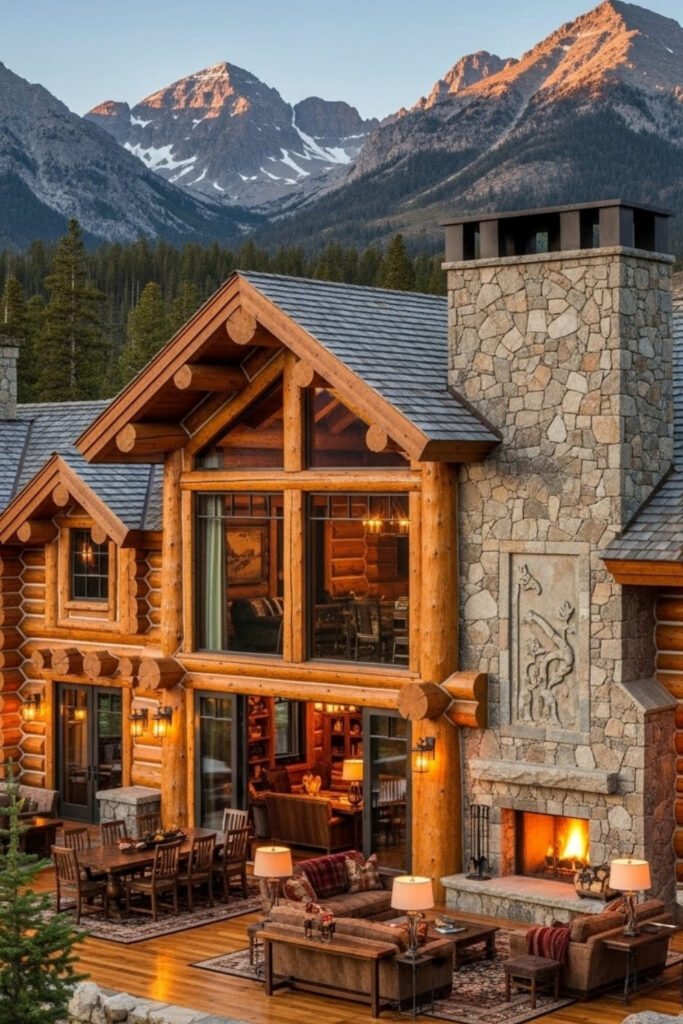
Mountain Bungalow
A mountain bungalow keeps everything on one level, making it practical and easy to live in. It works well on gently sloped sites and suits long-term living rather than just vacations.
Wide porches, large windows, and simple layouts help the home feel relaxed while still taking full advantage of mountain views.
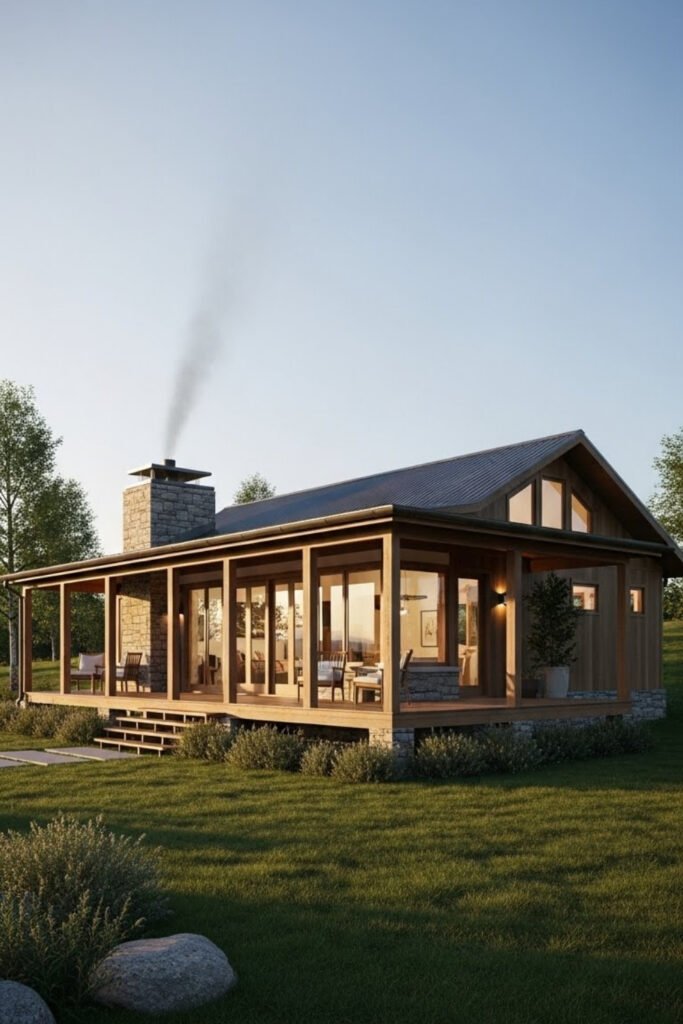
Steel Cabin
A steel cabin uses metal framing and exterior panels for strength and durability. It’s ideal for areas with harsh weather, heavy snow, or fire risk.
Steel allows for cleaner lines and modern shapes while reducing maintenance. When paired with wood interiors, the home still feels warm and balanced.
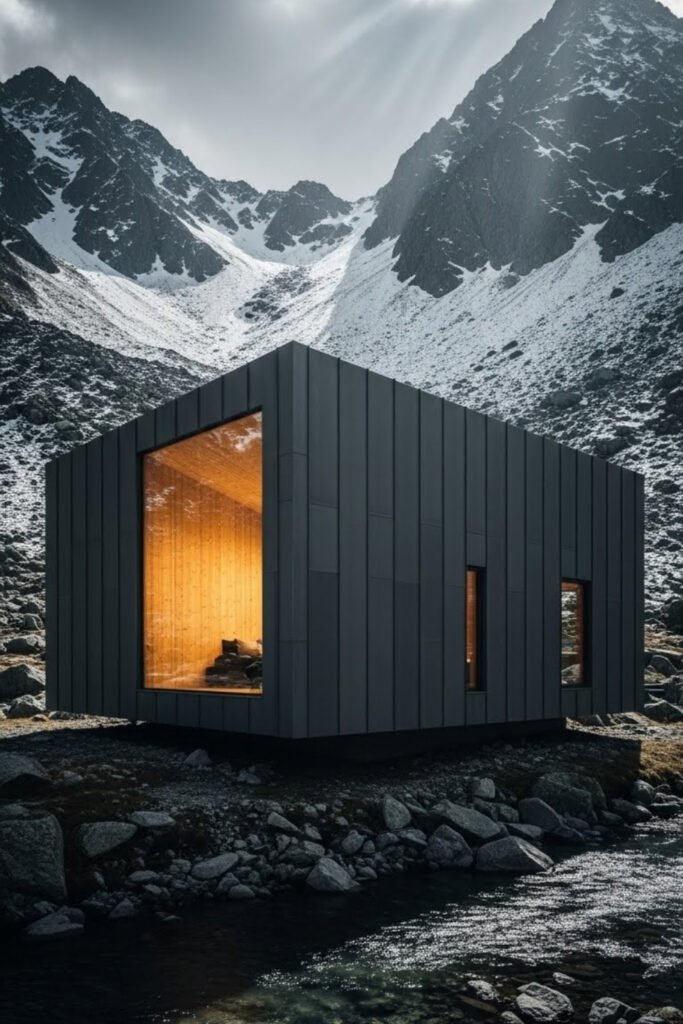
Solar Retreat
A solar retreat mountain house is designed to capture sunlight efficiently. Roof angles, window placement, and energy systems work together to reduce reliance on external power.
This design fits remote mountain locations where sustainability matters. It lowers long-term costs while keeping the home comfortable in both summer and winter.
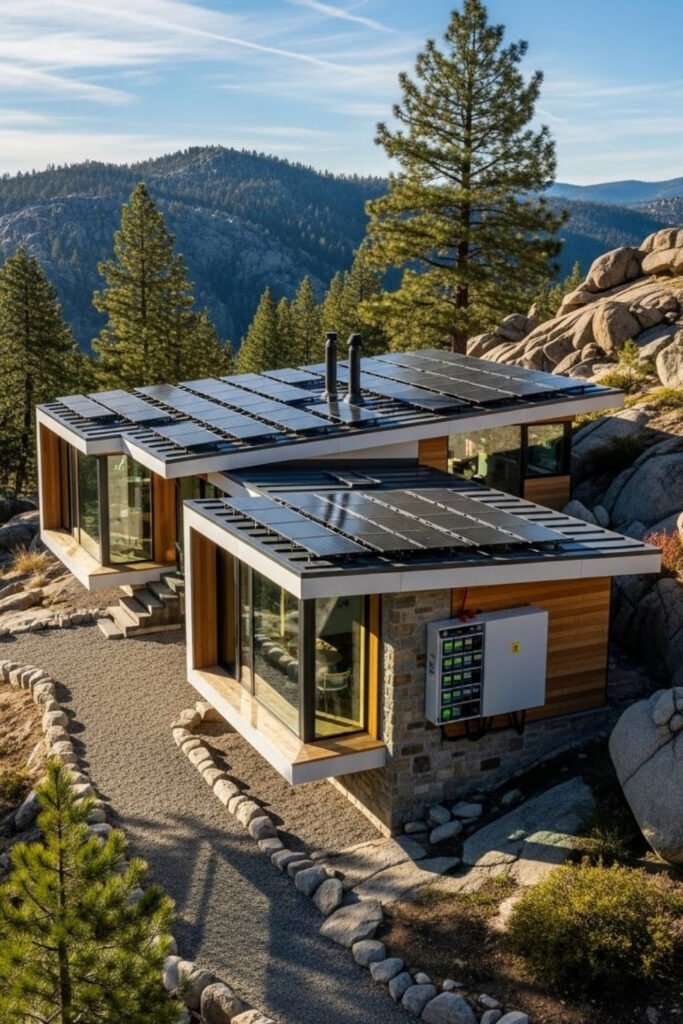
Off-Grid Lodge
An off-grid lodge is built to function without public utilities. It relies on solar power, water storage, and efficient heating systems.
This style suits remote mountain areas where isolation is part of the appeal. Smart planning ensures comfort while allowing the home to operate independently year-round.
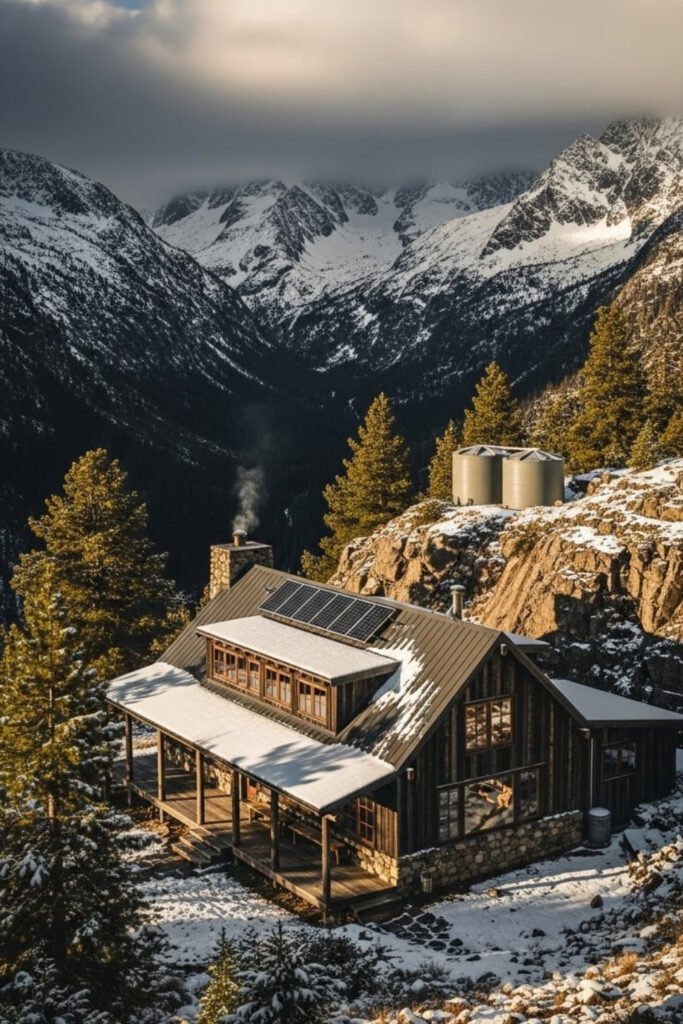
Hillside Terrace
A hillside terrace mountain house uses stepped levels and outdoor platforms to follow the natural slope. Each level opens to a different view, creating multiple outdoor living spaces.
This design reduces heavy excavation and works well on uneven land. Stone retaining walls and railings help blend the home into the hillside.
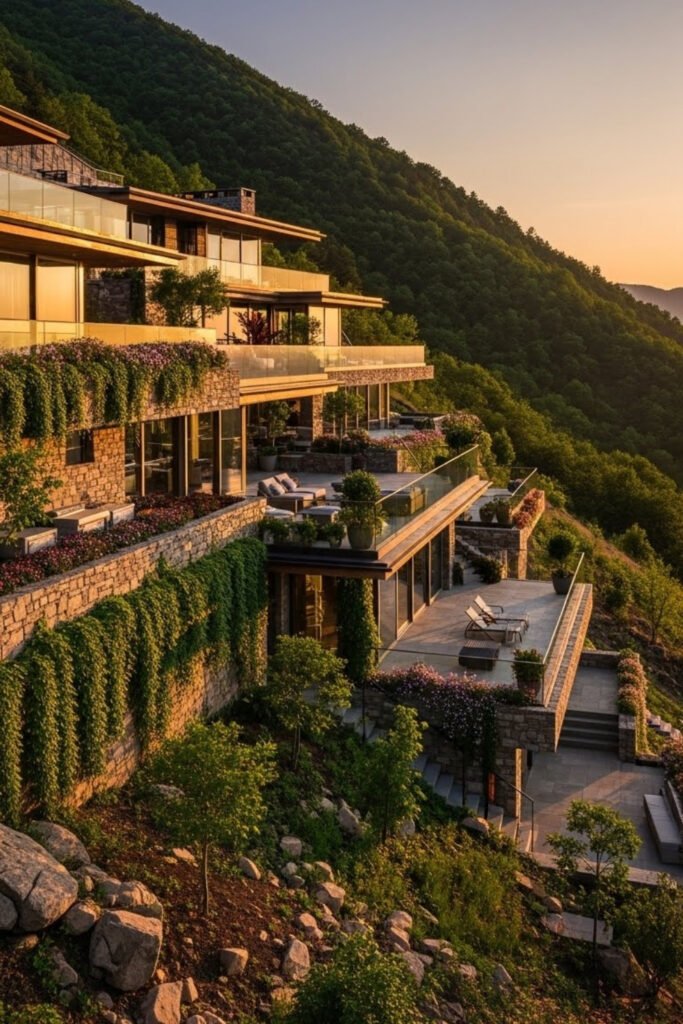
Nordic Cabin
A Nordic cabin focuses on simplicity, insulation, and efficiency. Clean shapes, light wood interiors, and minimal detailing create a calm atmosphere.
This style is perfect for cold mountain regions where warmth matters most. High-performance windows and compact layouts help retain heat while still allowing natural light inside.
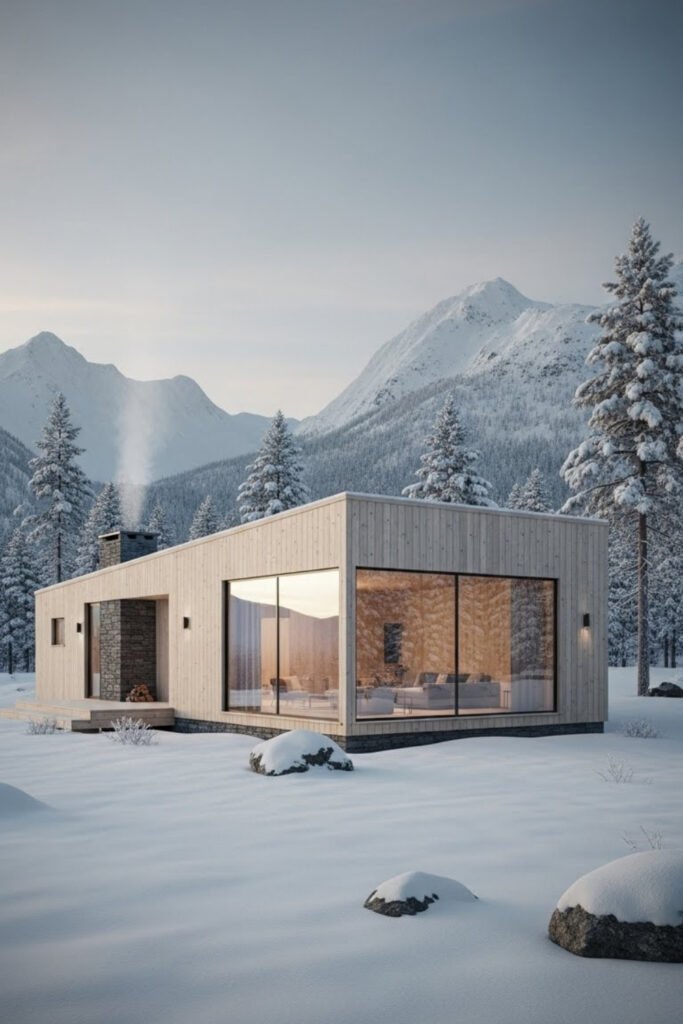
Creekside
A creekside mountain house is positioned near flowing water for a peaceful setting. Elevated foundations protect the home from moisture while keeping views open.
Natural materials help the house blend into its surroundings. This style suits quieter mountain areas where sound, scenery, and privacy are key features.
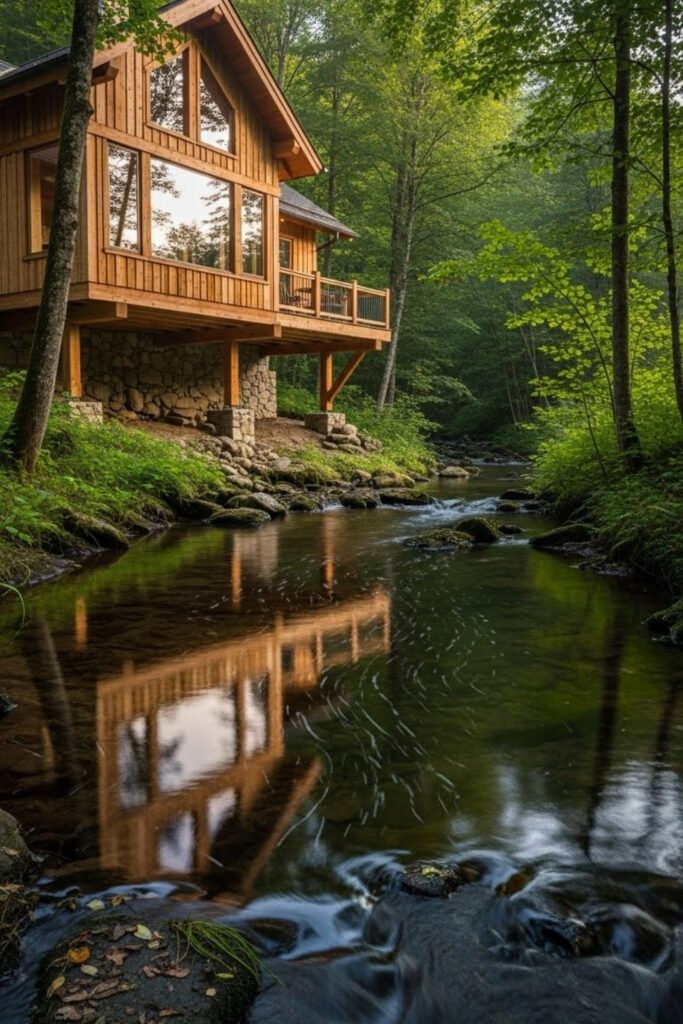
Loft Cabin
A loft cabin uses vertical space to keep the footprint small. Sleeping areas or storage are placed above the main living space, making it ideal for narrow or sloped sites.
Large windows prevent the interior from feeling tight. This design works well for vacation homes or compact mountain living.
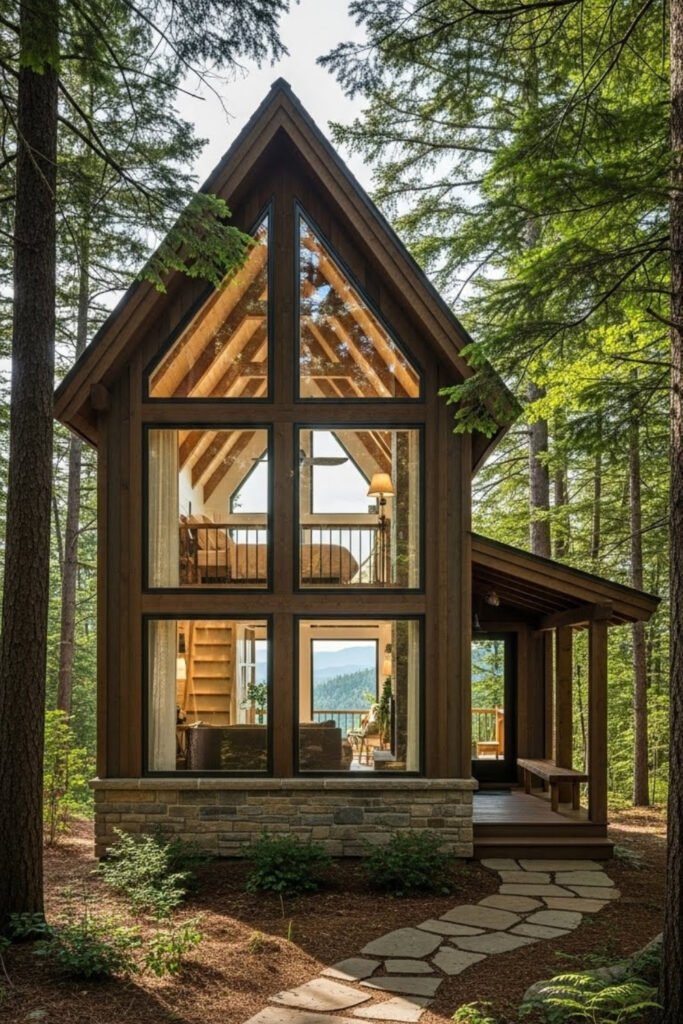
Moss Roof
A moss roof mountain house uses living greenery to blend into the landscape. The roof improves insulation, manages rainwater, and reduces visual impact. This design works best in cooler, moist mountain climates.
From a distance, the home almost disappears into nature, making it ideal for eco-focused and low-visibility builds.
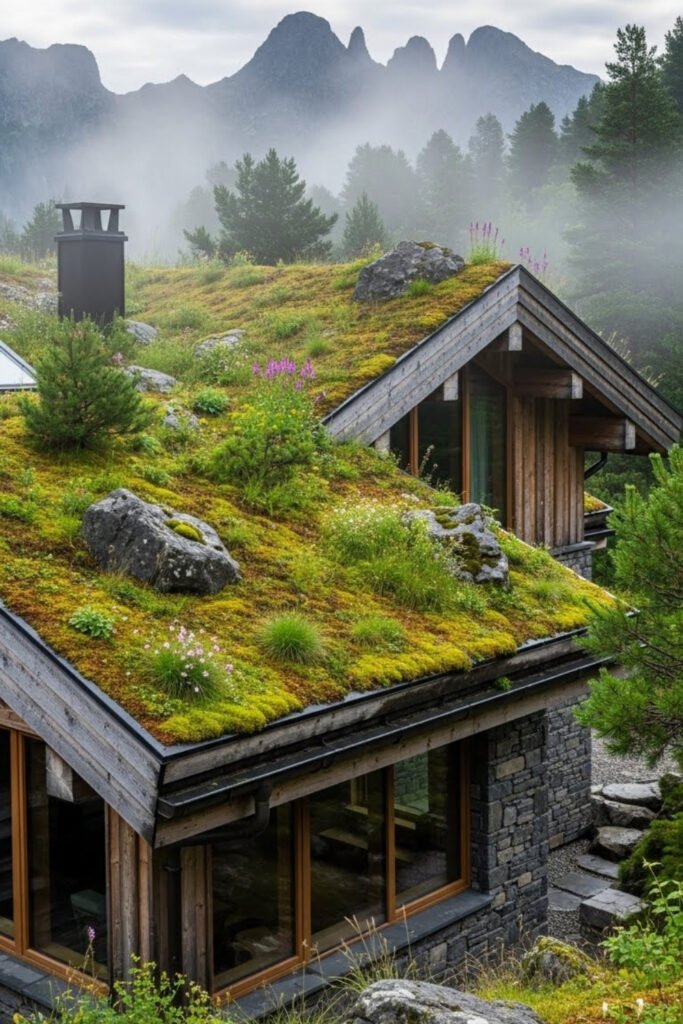
Firelookout
Inspired by historic fire towers, this mountain house sits elevated for wide visibility. Tall structures and wraparound windows provide unobstructed views.
It’s perfect for remote locations where scenery is the main attraction. Strong foundations and wind-resistant construction keep the design safe despite its exposed position.
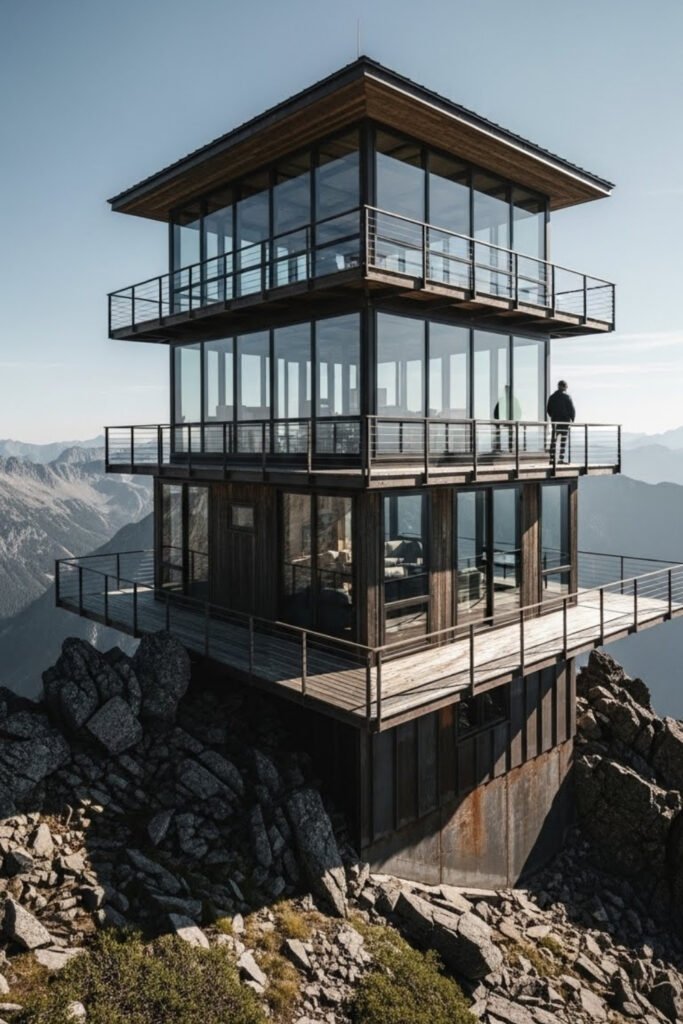
Modular Cabin
A modular cabin is built in sections and assembled on-site, reducing construction time and land disturbance. It’s ideal for hard-to-reach mountain areas.
The design allows flexibility in layout and future expansion. Modern finishes and smart planning help the home feel custom while keeping costs controlled.
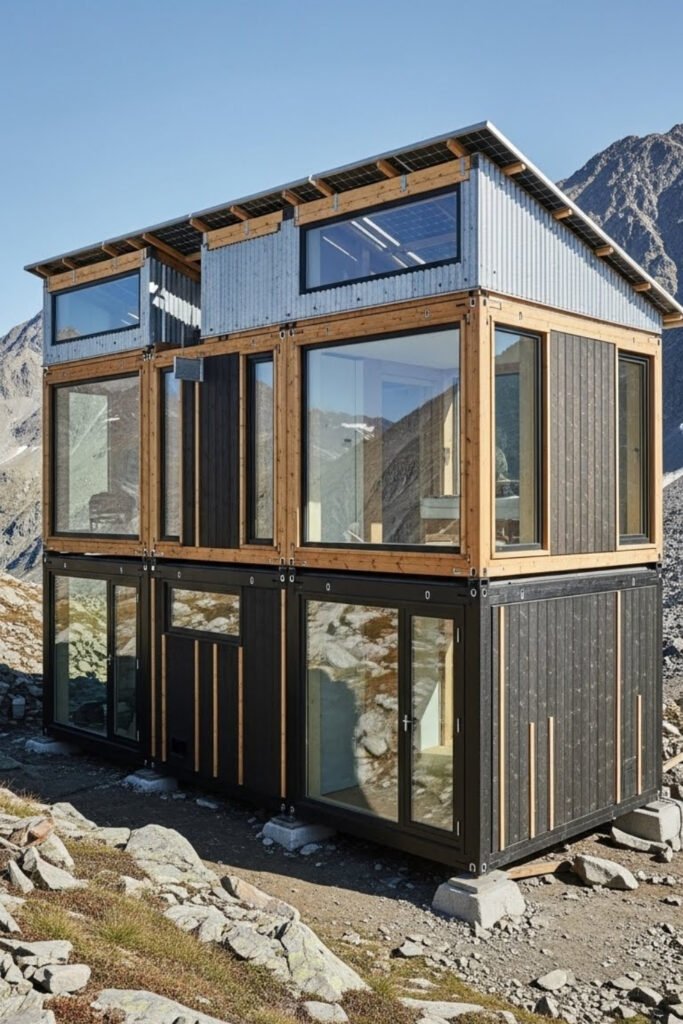
Winter Escape
A winter escape mountain house is designed for comfort during long cold seasons. Enhanced insulation, fireplaces, and snow-ready roofs create a warm interior.
This style prioritizes cozy living with views of snowy landscapes. It suits locations where winter defines daily life and outdoor access is seasonal.

Hi, my name is Ali Mehmood! I’m a passionate writer and DIY enthusiast who loves turning creative ideas into practical, hands-on projects.
I created this website to share inspiring, budget-friendly ideas that you can do yourself – whether it’s organizing your home, crafting something unique, or creating fun projects for kids and pets.
I believe DIY isn’t just a hobby – it’s a smart way to save money, reduce waste, and enjoy the satisfaction of making things with your own hands.
I’m excited to have you as part of this growing community, and I’ll continue bringing you helpful, realistic, and fun DIY ideas you can actually use.