This post may contain affiliate links: read full affiliate disclosure.
A DIY wood planter box looks simple until you start to think about all the small details that can ruin it later.
You may find a beautiful idea, but then the real questions come in. What wood should you use? Will it rot outside? Does it need drainage holes? Should you add a liner?
These are the details that matter because a planter box is not just a decorative wooden box. It has to hold wet soil, handle outdoor weather, drain extra water, and still look good after more than one season.
If you skip those parts, even the prettiest planter can turn weak, soggy, or hard to maintain.That is why these DIY wood planter box ideas are not only about inspiration.
In this article, you will find ideas that can work for patios, porches, balconies, garden corners, fence lines, and small outdoor spaces.
Let’s dive in!
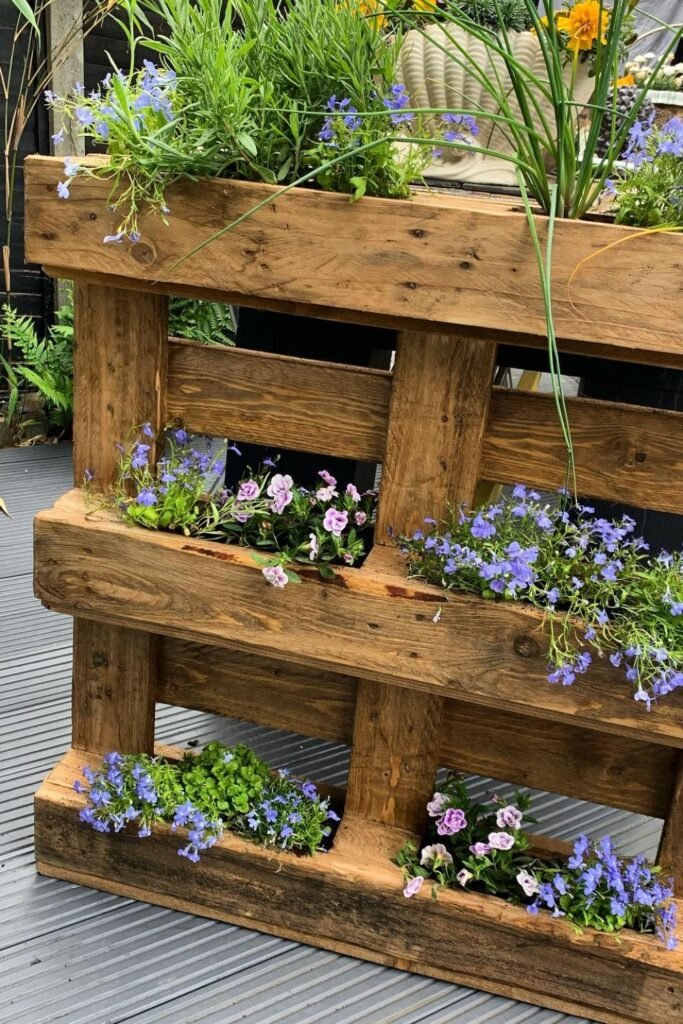
Use Pallet Tiers
A pallet-style planter gives you layered planting space without needing separate boxes, so it works well for patios, decks, or narrow garden corners outside too.
Keep the wood natural if your outdoor area already has a rustic feel, then use each opening for trailing flowers, herbs, or grasses with movement.
The different levels help the planter look full from every angle, while the open gaps stop the heavy wood frame from feeling bulky on decking.
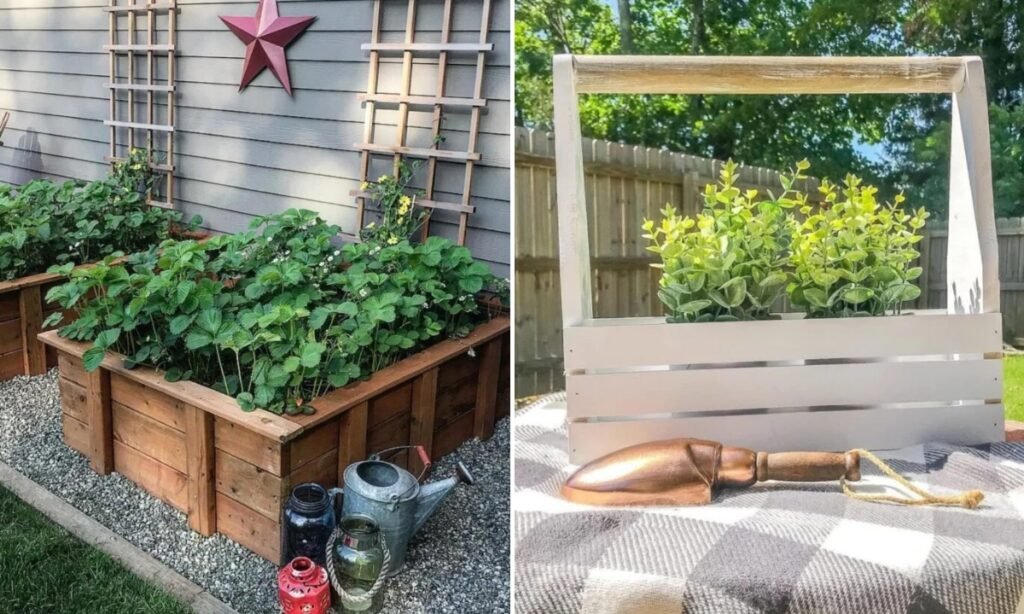
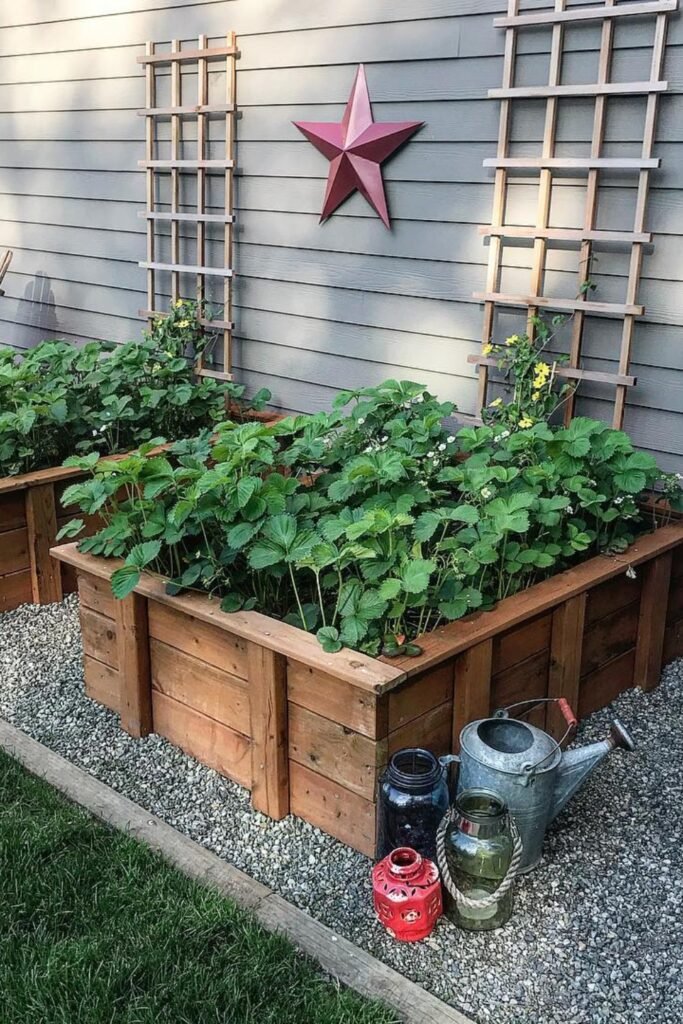
Build Garden Beds
Large wooden planter boxes make a garden edge feel cleaner, especially beside a fence, patio wall, or seating area where loose beds look messy fast.
Use deeper boxes for strawberries, herbs, or vegetables because roots need room, and the raised sides also make watering and picking much easier during summer.
Gravel around the base keeps the walkway tidy, reduces mud after watering, and makes the whole growing area feel more planned beside your home wall.
Add a Handle
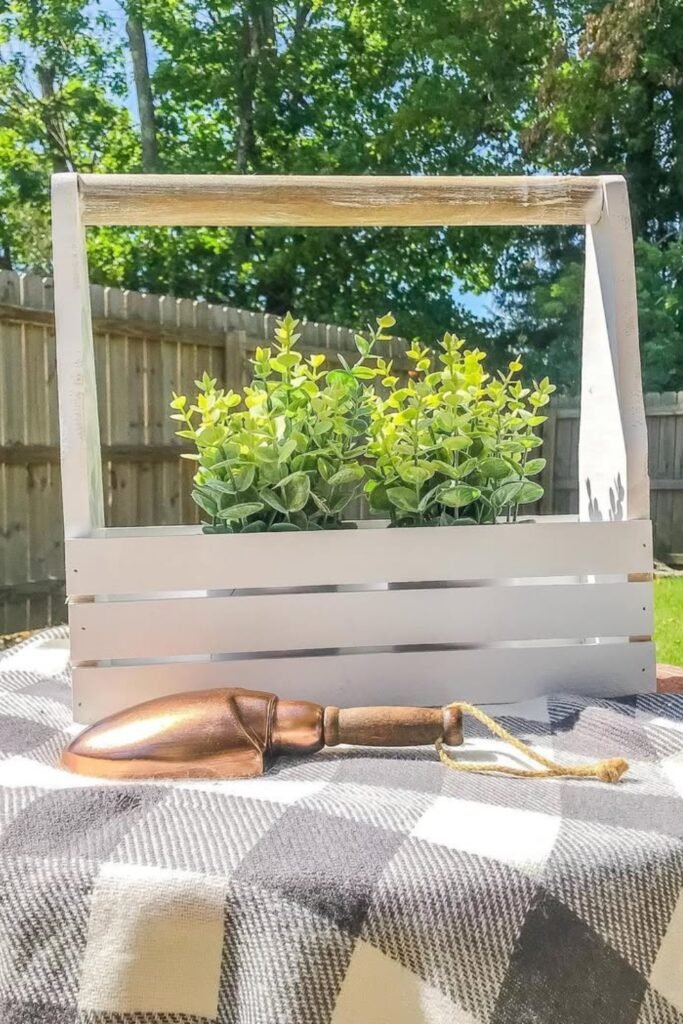
A handled wood planter works like a small garden basket, which makes it useful for herbs, seasonal flowers, or faux greenery on tables and shelves.
Paint the slatted box white if you want a farmhouse look, but leave the handle natural for a softer handmade detail above the plants inside.
Place it on porch steps, outdoor dining tables, or potting benches where a movable planter feels more practical than a heavy permanent box in summer.
Go Tall
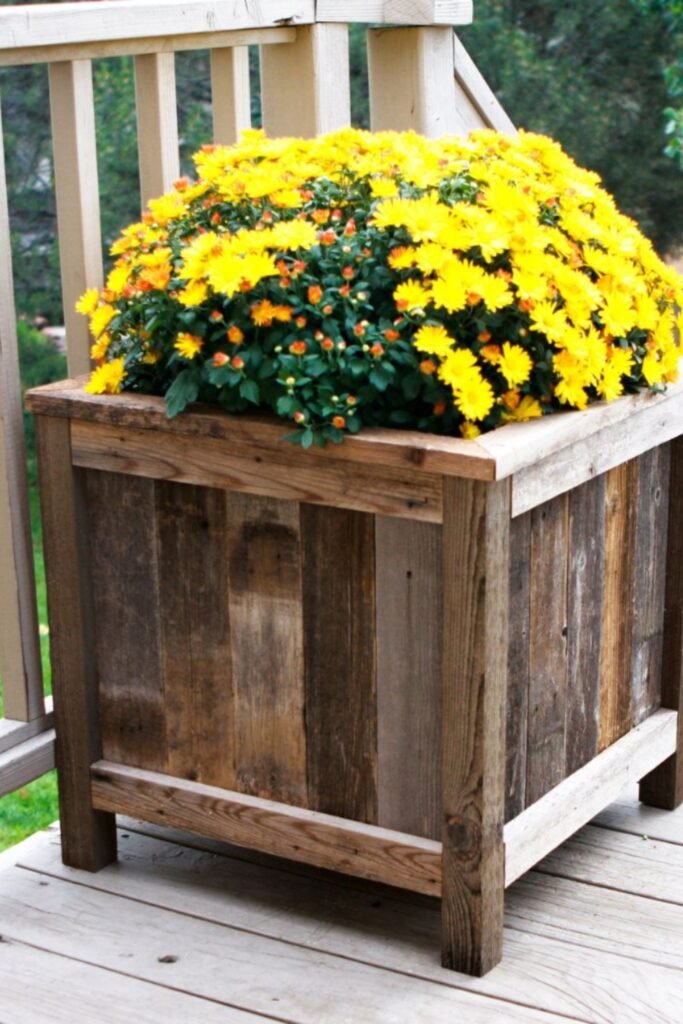
A tall wood planter gives flowers more presence, especially on a deck or porch where low pots can disappear beside railings and stairs very quickly outside.
Use one strong flower color, like yellow mums, when the wood already has a rustic texture and you want the display to feel calm overall.
The raised frame also helps with bending, so it suits entry corners, balcony railings, and small outdoor spots that need height without extra floor clutter.
Frame Porch Blooms
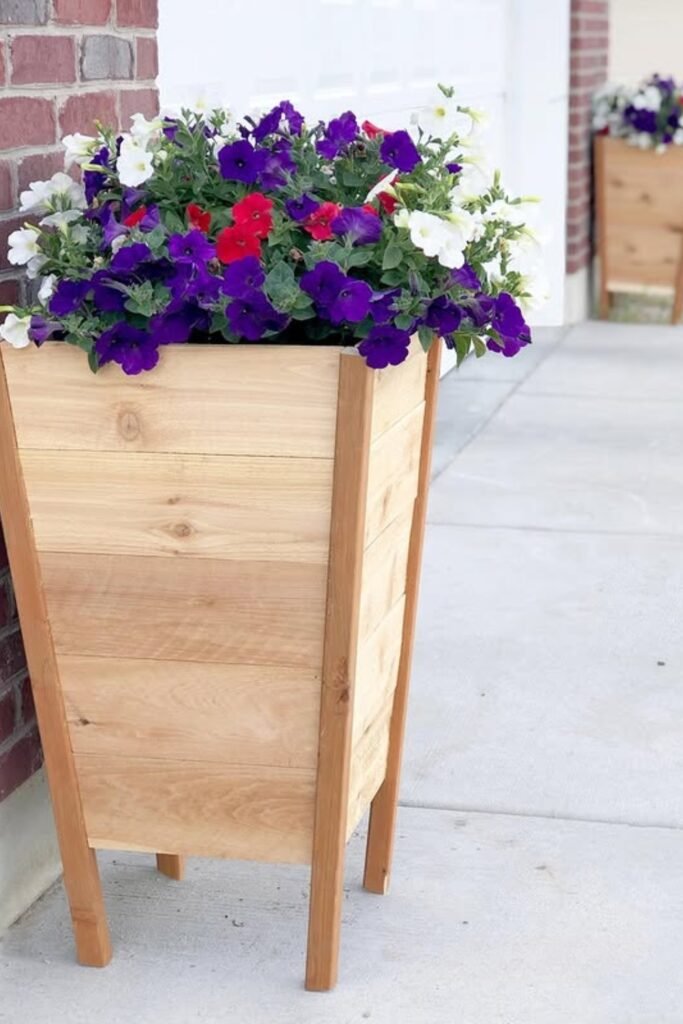
Tall porch planters are great when you want flowers to feel part of the entry instead of sitting low and hidden near the wall.
Use clean boards with slightly darker corner posts, because the contrast gives a basic wood box more shape without making the design feel overbuilt.
Fill the top with full petunias or mixed blooms, and keep the base raised so water can drain away from the porch floor.
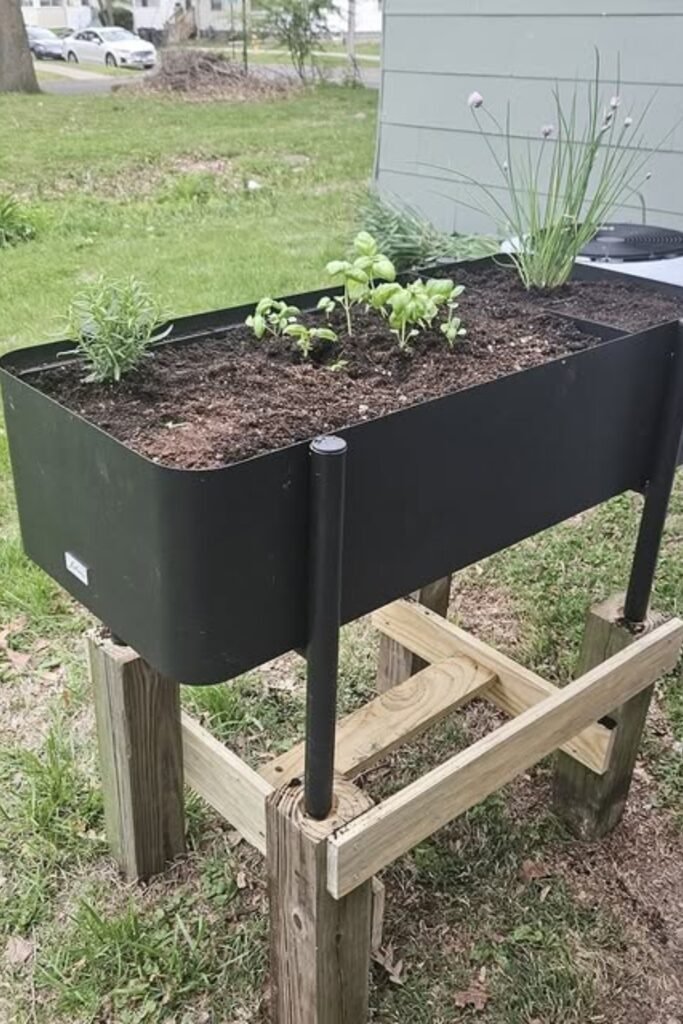
Raise Herb Beds
A raised wood stand under a metal planter can save your back, especially when you want herbs close to the kitchen or outdoor grill.
Build the support frame wide and sturdy, because wet soil gets heavy fast and thin legs can wobble once the plants start growing.
Place it near a sunny wall or side yard, then use the height for herbs you pick often instead of bending over garden beds.
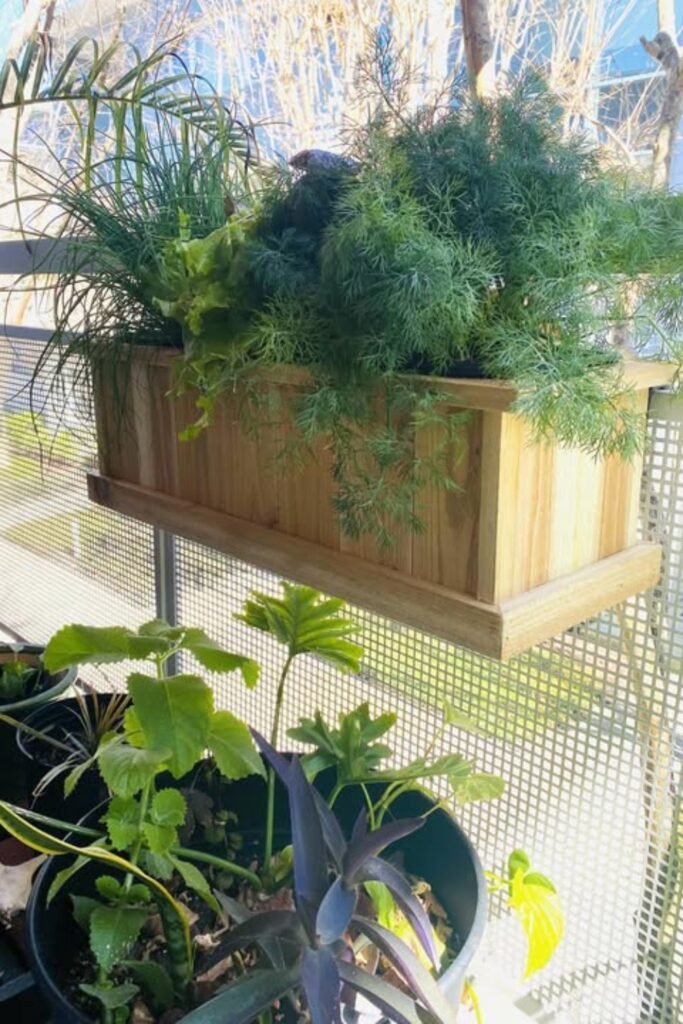
Hang Balcony Greens
Balcony planter boxes work best when floor space is already full, but you still want herbs, grasses, or soft greenery near the railing.
Secure the wooden box firmly to the rail and choose lighter plants first, so the setup stays safe without pulling too much weight forward.
Let feathery herbs spill over the front edge because that softens the box and makes a small balcony feel more garden-like.
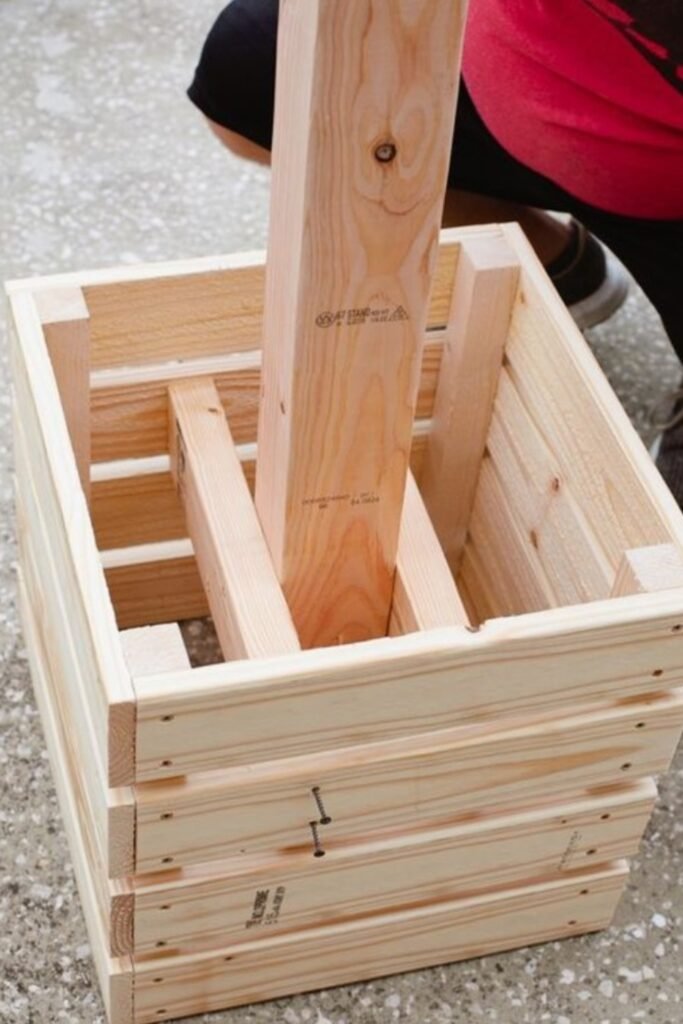
Support Tall Plants
A square wood planter with a center post is useful when you want to grow climbing plants, small trees, or flowers that need support.
Build the inside frame before adding soil, because a strong post needs support from the base instead of standing loose in wet dirt.
Keep the wood unfinished for a clean DIY look, or stain it later once you decide where the planter will sit outside.
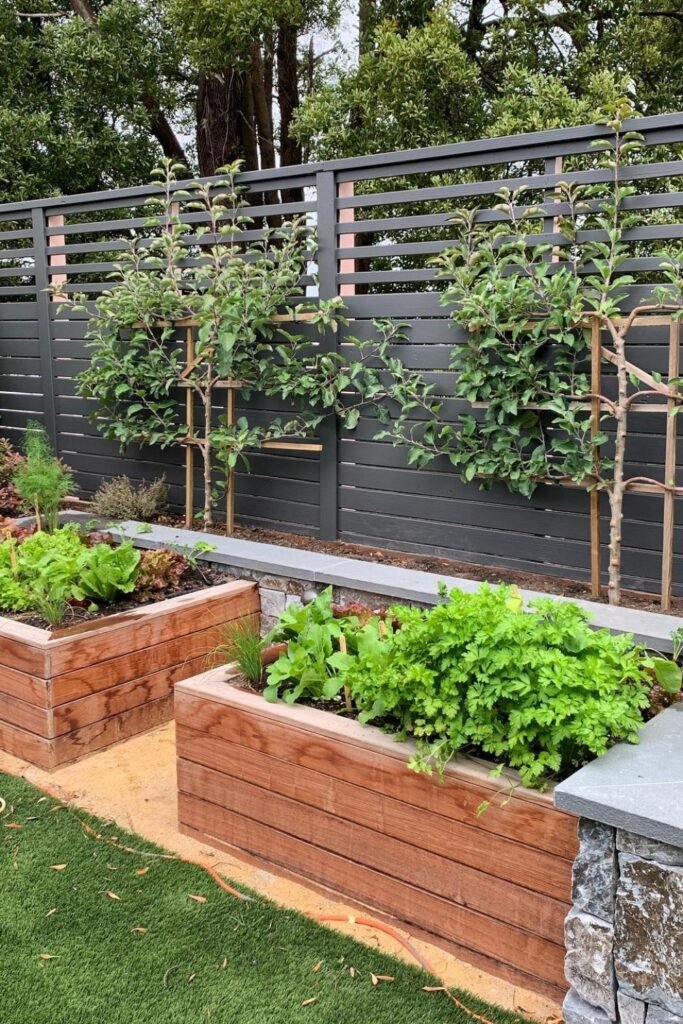
Match Raised Beds
Raised wood planter boxes can make a backyard garden feel organized, especially when vegetables, herbs, and especially trees need separate growing zones together.
Use the same wood tone across each box so the layout feels intentional, even when the plants have different heights, colors, and textures.
Place them along a fence or stone border where the boxes can frame the garden and keep loose soil away from clean lawn edges.
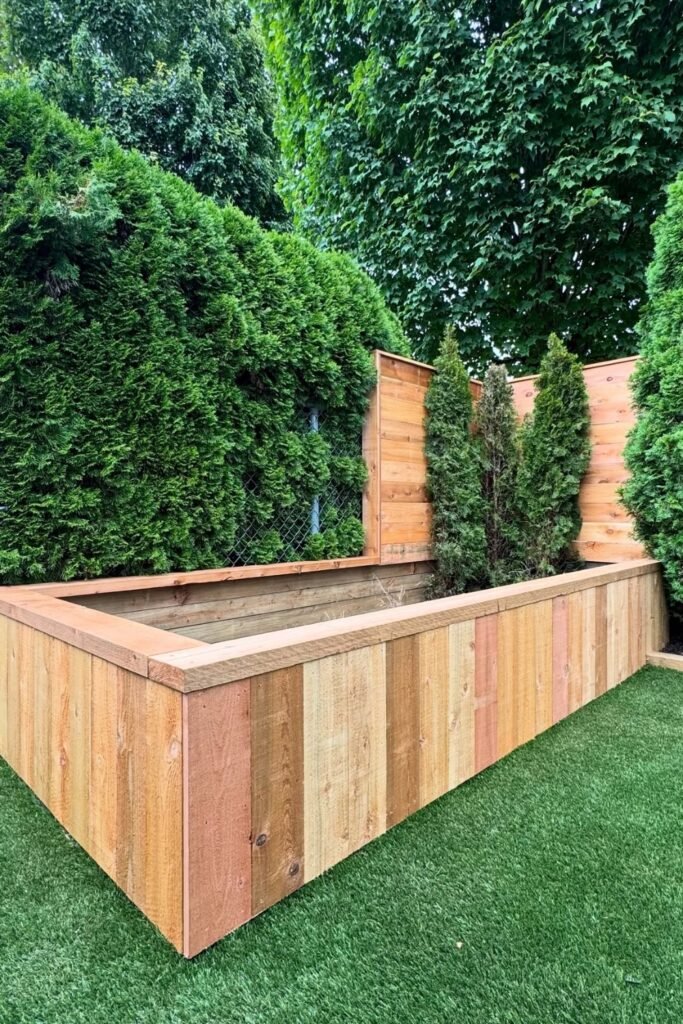
Create Privacy Planters
Long wooden planter boxes work beautifully when you want greenery to double as privacy, especially along fences, patios, or narrow backyard corners.
Build the box wide enough for tall shrubs or small trees, because privacy planting needs root space, steady soil, and stronger side support.
Keep the wood finish natural against artificial grass or hedges so the planter blends into the landscape instead of looking too heavy.
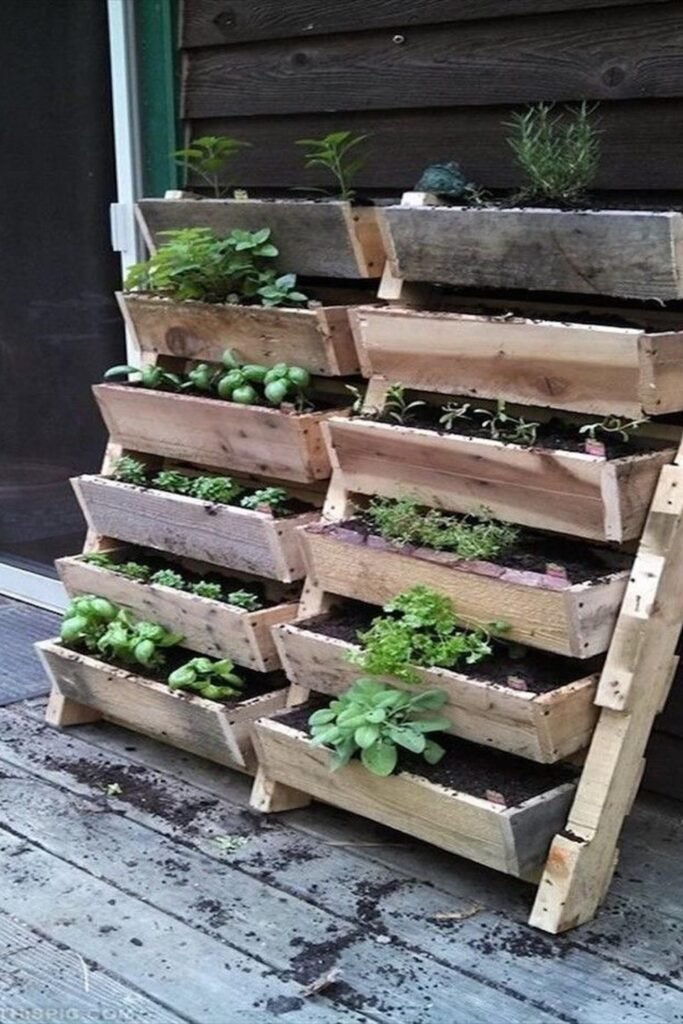
Stack Herb Rows
A tiered wooden herb planter is perfect when you want many small plants without using the full width of a deck or patio.
Angle each row forward so sunlight reaches more herbs, and keep fast-picking plants like basil, mint, and parsley on the lower levels.
Use this setup near a kitchen door or outdoor seating area where fresh herbs stay easy to reach without messy ground beds.
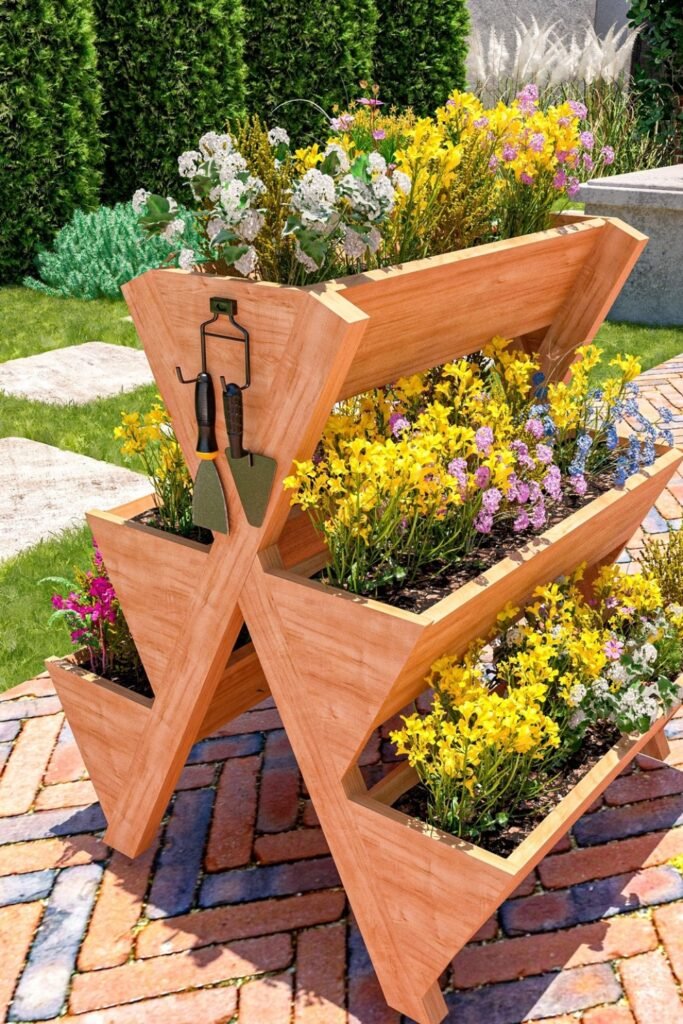
Try Angled Tiers
Angled planter tiers give flowers more display space while turning a basic wood project into a real garden feature for patios or walkways.
Use the open sides for tools, trailing flowers, or colorful seasonal plants, because the shape already creates movement from every angle.
Place it on brick, gravel, or a sunny corner where the sculptural frame can stand out without needing extra decor around it.
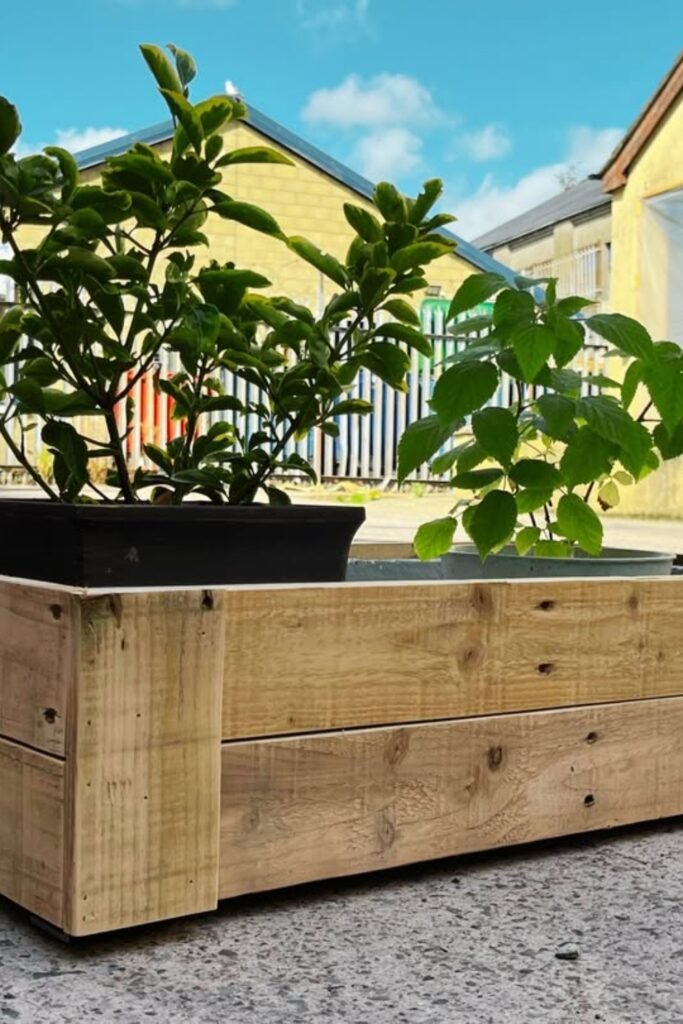
Box Potted Plants
A low wooden box works well when you already have nursery pots and want to group them without repotting everything into soil directly.
Keep the box simple and open at the top, so different plant sizes can sit together while still looking more organized outside.
Use this style for patios, driveways, or rental spaces where you want greenery but need plants that can move later.
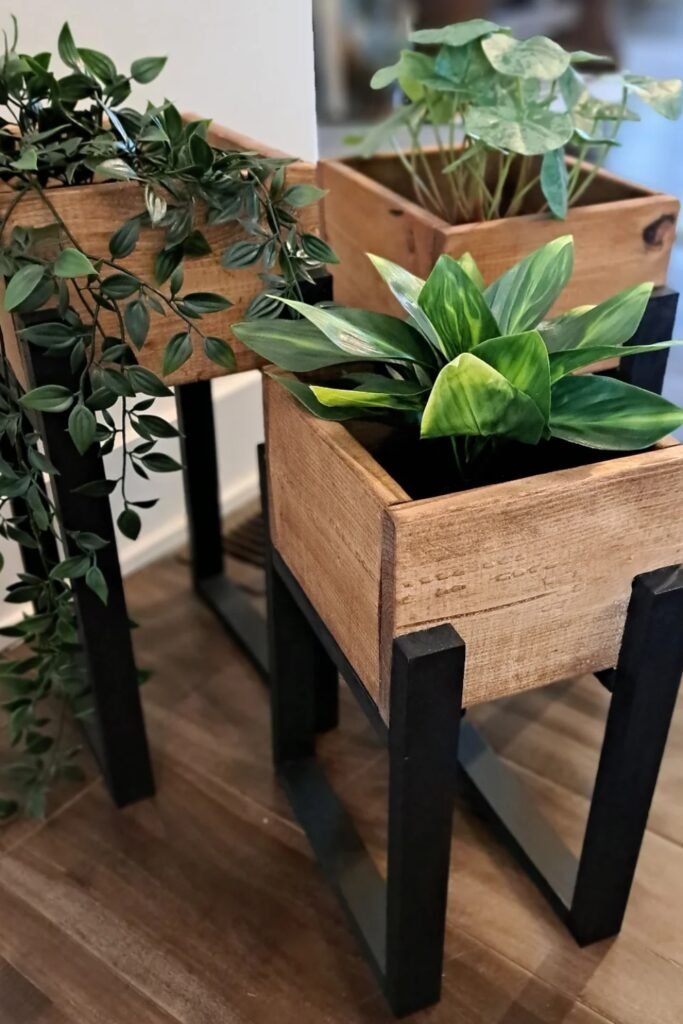
Style Indoor Stands
Indoor wood planter stands can make small houseplants feel more designed, especially when the black legs add contrast against warm natural wood.
Use different stand heights so trailing plants, leafy plants, and compact pots each get their own level instead of crowding one corner.
Keep plastic nursery pots inside the wooden boxes to protect the wood from water and make plant care much easier indoors.
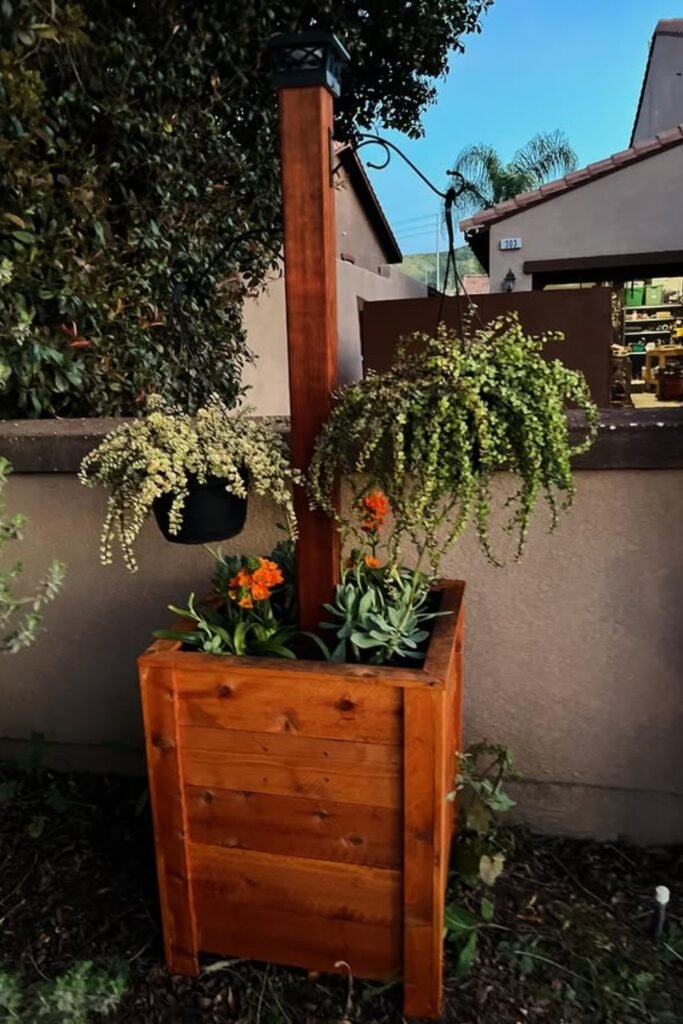
Add Hanging Hooks
A tall wooden planter with a center post gives you space for both planted flowers and hanging baskets in one small garden corner.
Stain the wood deeply if you want the planter to feel more polished, especially beside walls, fences, or evening outdoor lighting.
Use the top hooks for trailing plants and the bottom box for succulents or flowers, so the whole setup feels layered.
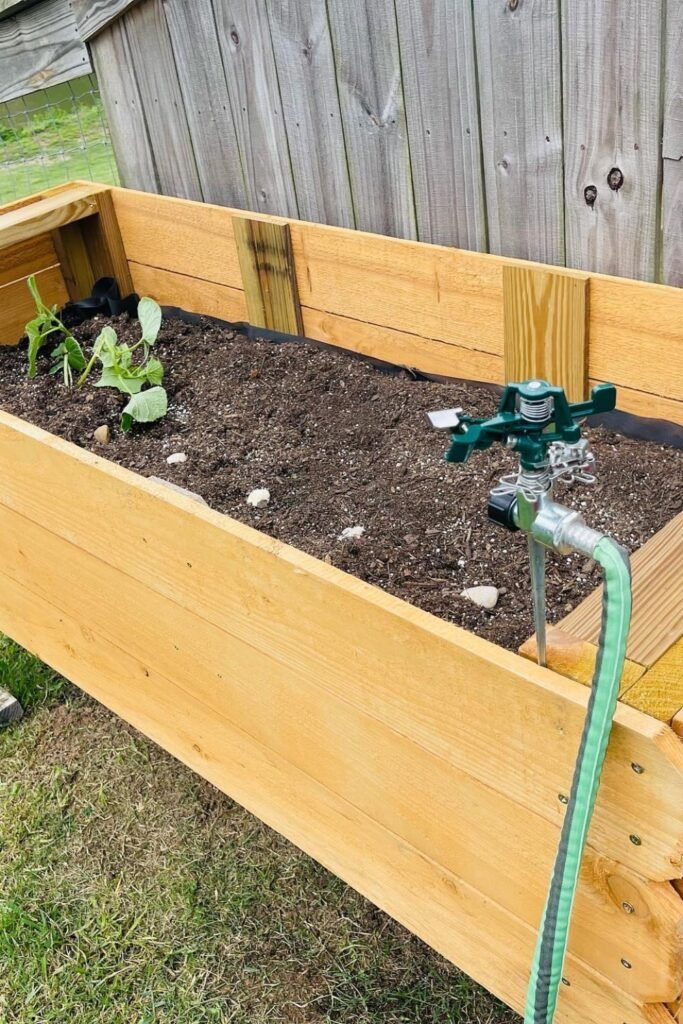
Build Waist Height
A waist-height wood planter is a smart choice when you want vegetables without bending too much or working directly on the ground.
Add strong legs, side braces, and a liner inside because raised soil beds hold weight and need support after watering.
Place it near a fence, hose, or sunny backyard spot where watering stays easy and young plants get enough daily light.
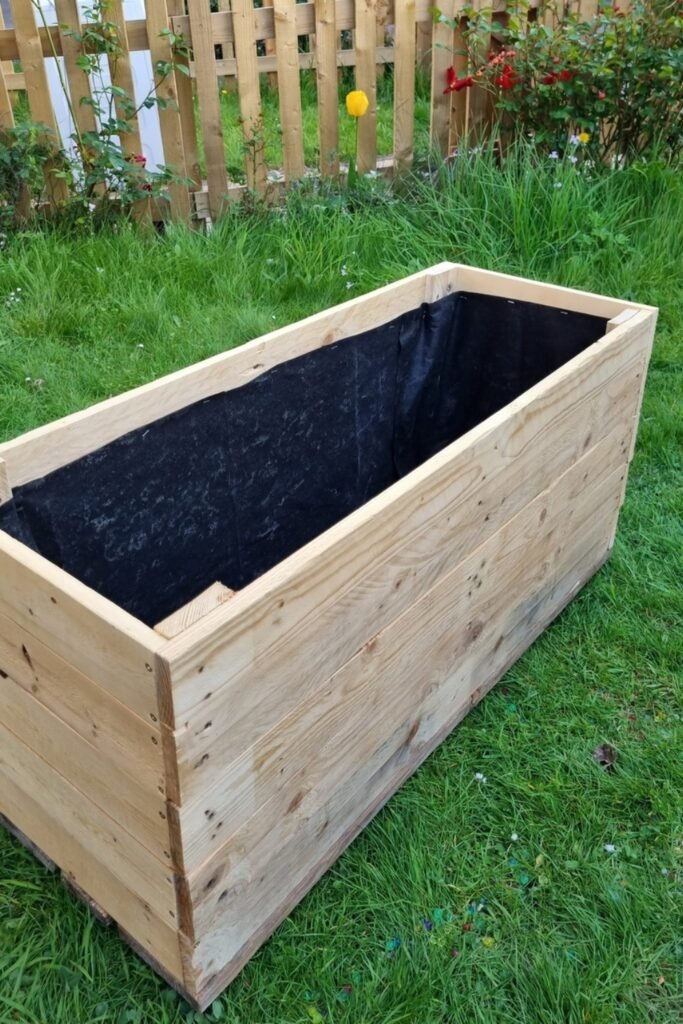
Line Long Boxes
A long wood planter box works well when you want one clean growing strip instead of several small pots scattered across the yard.
Line the inside before adding soil, because long boxes hold moisture against the wood and need extra protection to last through seasons.
Use this shape beside fences, paths, or open lawn edges where one strong planter can define the space without adding extra borders.
Rest on Railings
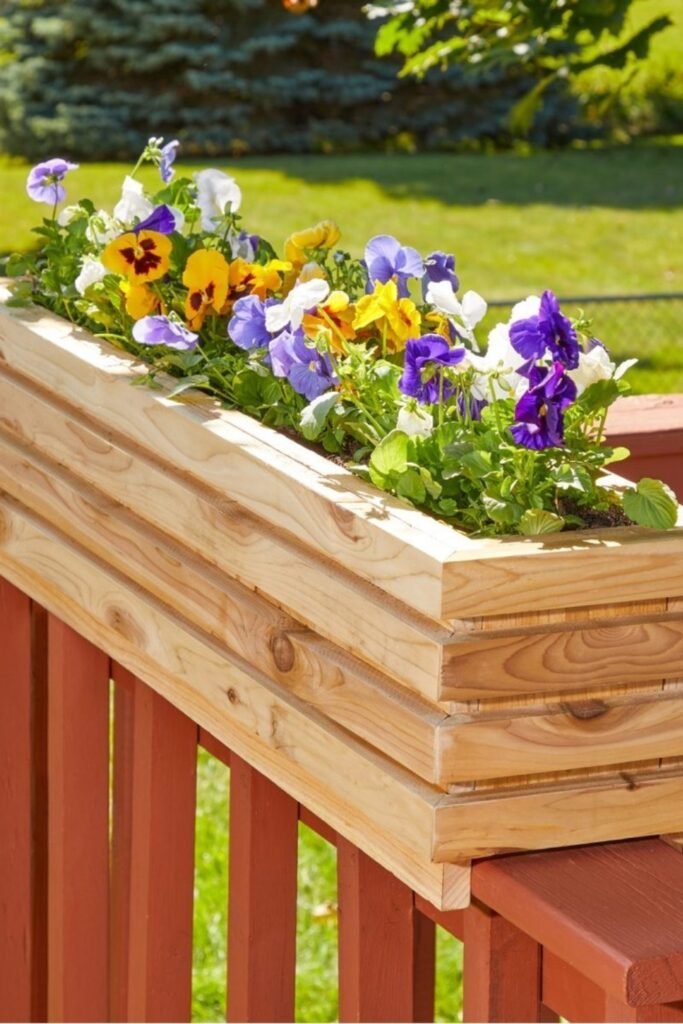
A railing planter is perfect when your deck has open space above the rail, but the floor already feels too tight for pots.
Build the box to sit securely over the rail, then keep the planting shallow with pansies, herbs, or soft trailing flowers.
The raised position brings color closer to eye level and makes a plain deck railing feel more useful during warm months.
Add Rolling Base
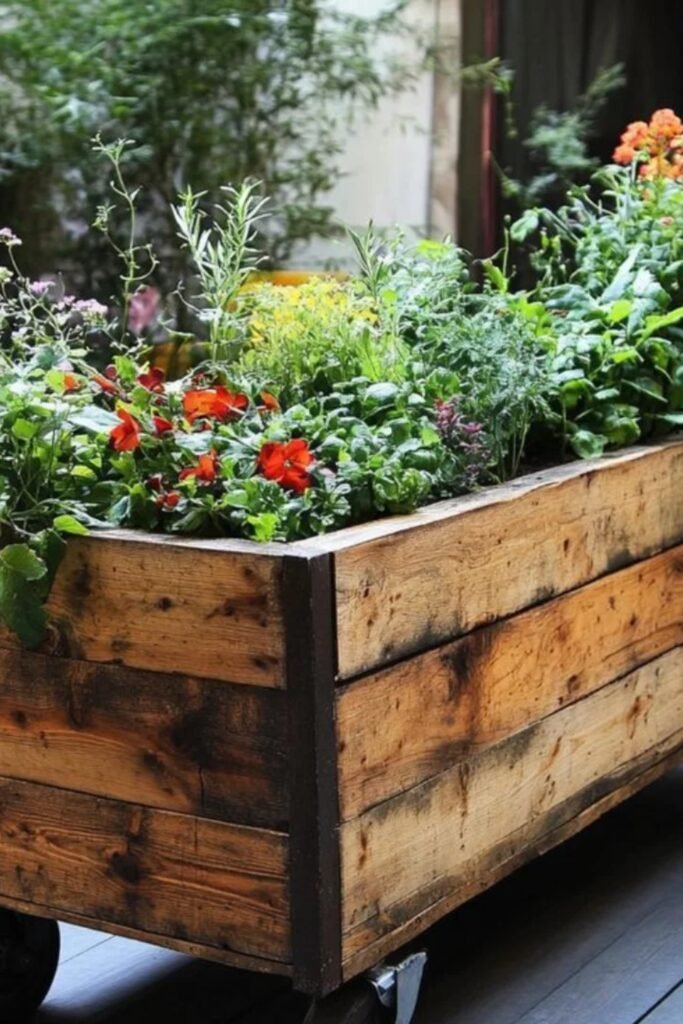
A wooden planter on wheels gives you flexibility when sunlight changes, weather shifts, or you want to rearrange your patio setup.
Use sturdy casters because wet soil adds weight fast, especially in long boxes filled with herbs, flowers, or mixed greenery.
This works well on decks and paved patios where you want a large planter but still need the option to move it.
Pair Matching Boxes
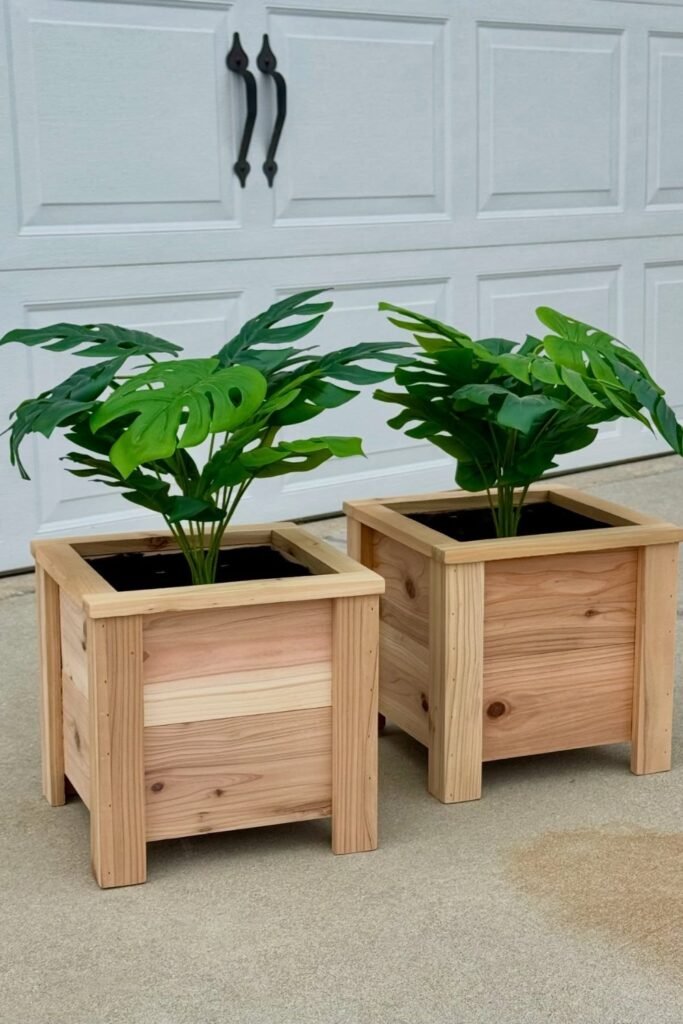
Matching square planters can make a driveway, garage wall, or front entry feel balanced without needing a complicated landscape plan.
Use the same wood, trim, and plant style on both boxes so they frame the area instead of looking random.
Keep the design raised slightly on legs, because that helps drainage and makes each planter feel more finished from the ground.
Build Twin Planters
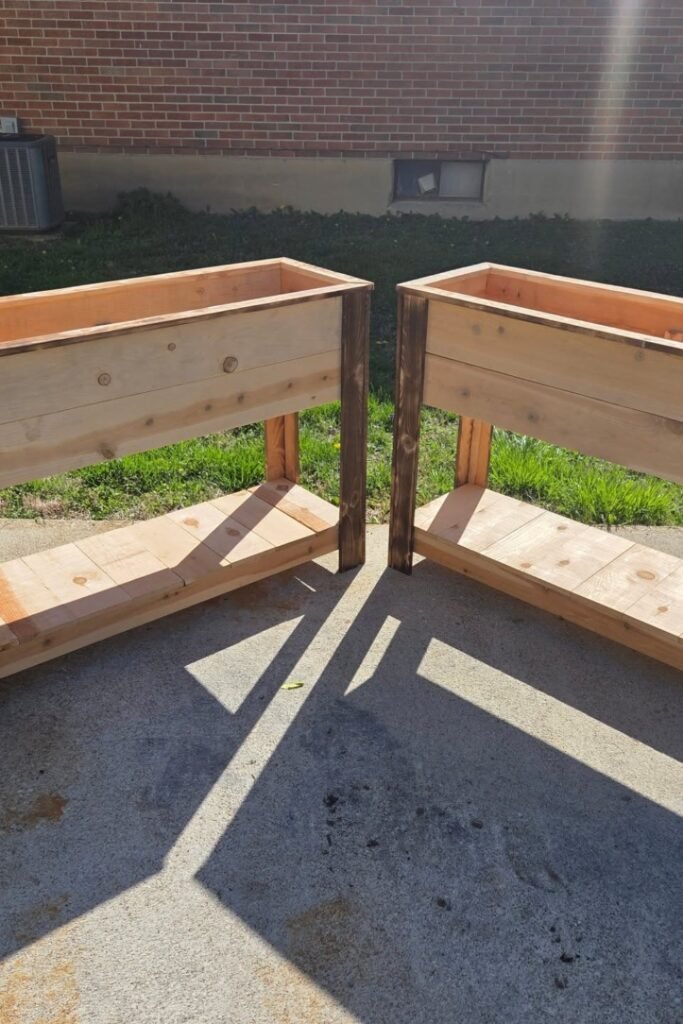
Twin raised planters work well when you want matching growing stations for herbs, flowers, or vegetables along a patio or sunny wall.
Use darker corner posts with lighter boards to give each box structure, especially when the design is simple and not heavily decorated.
Keep the lower shelf open for tools, extra pots, or watering supplies so the planter becomes useful beyond the soil area.
Mix Wood Tones
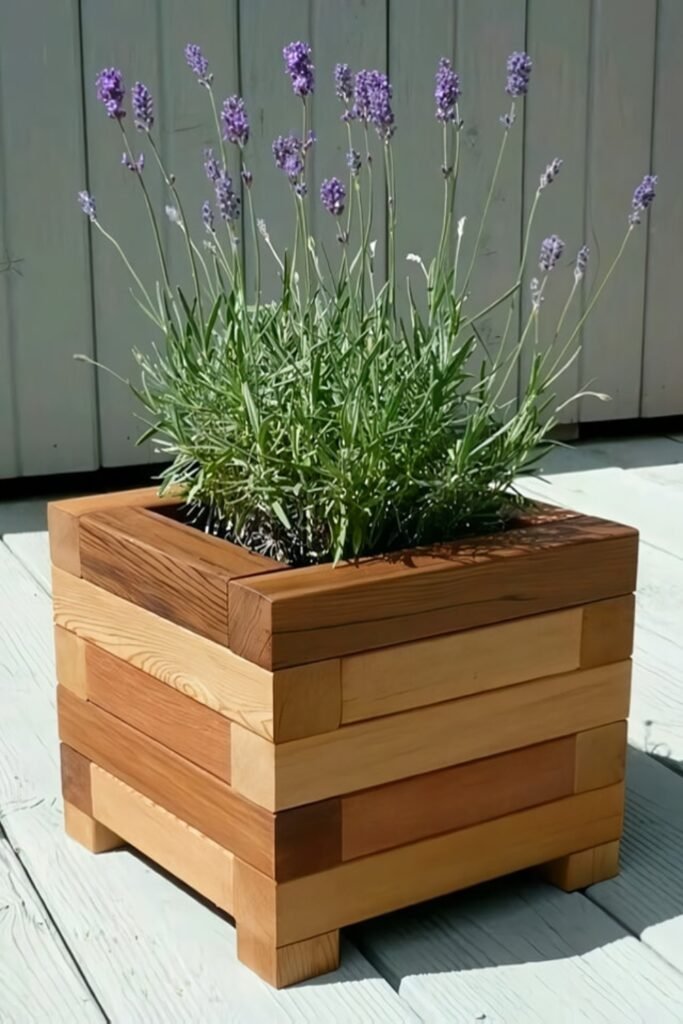
A small square planter feels more custom when you mix different wood tones instead of using one flat board color everywhere.
Use this style for lavender, herbs, or compact flowers because the box already adds enough pattern without needing busy planting.
Raise it slightly on short feet so water drains better and the planter looks finished on decks, patios, or porch corners.
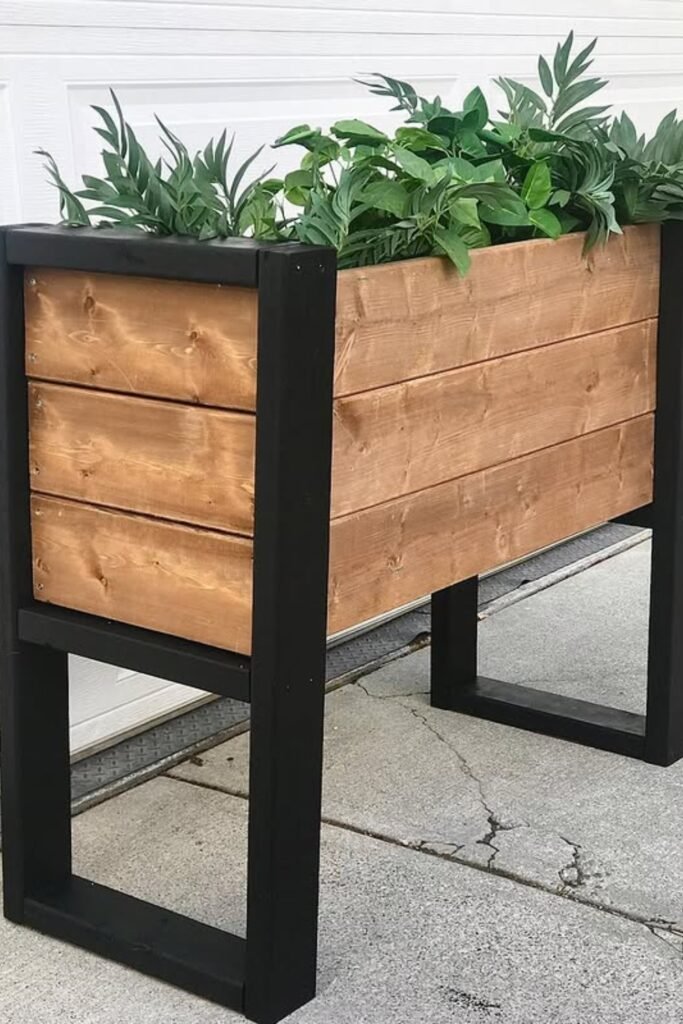
Use Bold Legs
Black legs can turn a simple wood planter into a modern outdoor piece, especially near garage doors, patios, or clean concrete spaces.
Keep the box long and narrow when you want greenery to soften a plain wall without taking over the walkway.
The contrast between warm boards and dark framing makes the planter feel styled, even before the plants grow large and full.
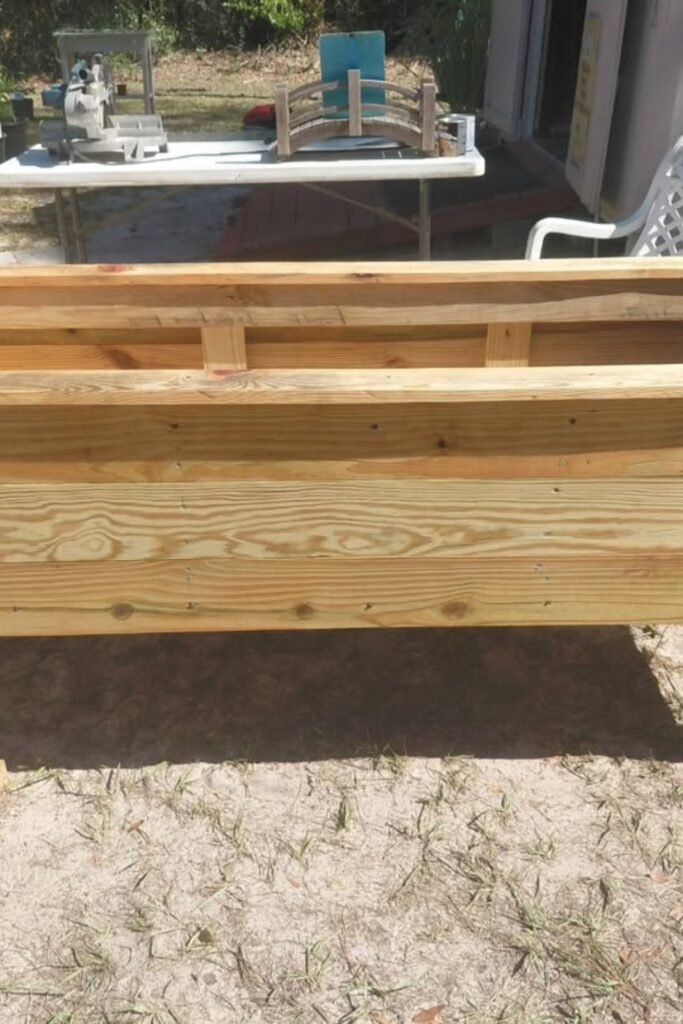
Build Deep Beds
A deep raised wood planter is helpful when you want more soil depth for vegetables, herbs, or plants with stronger roots.
Add thick legs, inner supports, and a wide top frame because wet soil can put real pressure on long wooden sides.
Place it where watering feels easy, then line the inside properly so the wood stays protected through regular garden use.
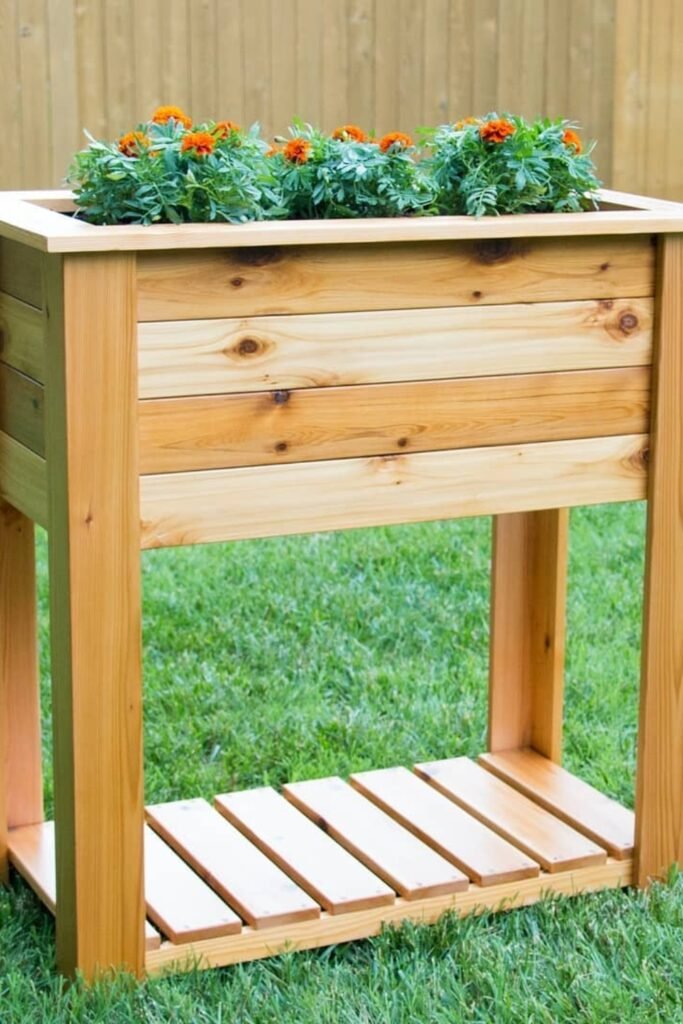
Add Storage Shelf
A raised planter with a bottom shelf works well when you want flowers on top and a clean spot for small garden supplies below.
Use the lower slats for extra pots, gloves, or watering tools, so the planter stays useful instead of only decorative in the yard.
Keep the frame at waist height if you prefer easier planting, because it saves bending and makes flower care feel simpler outside.
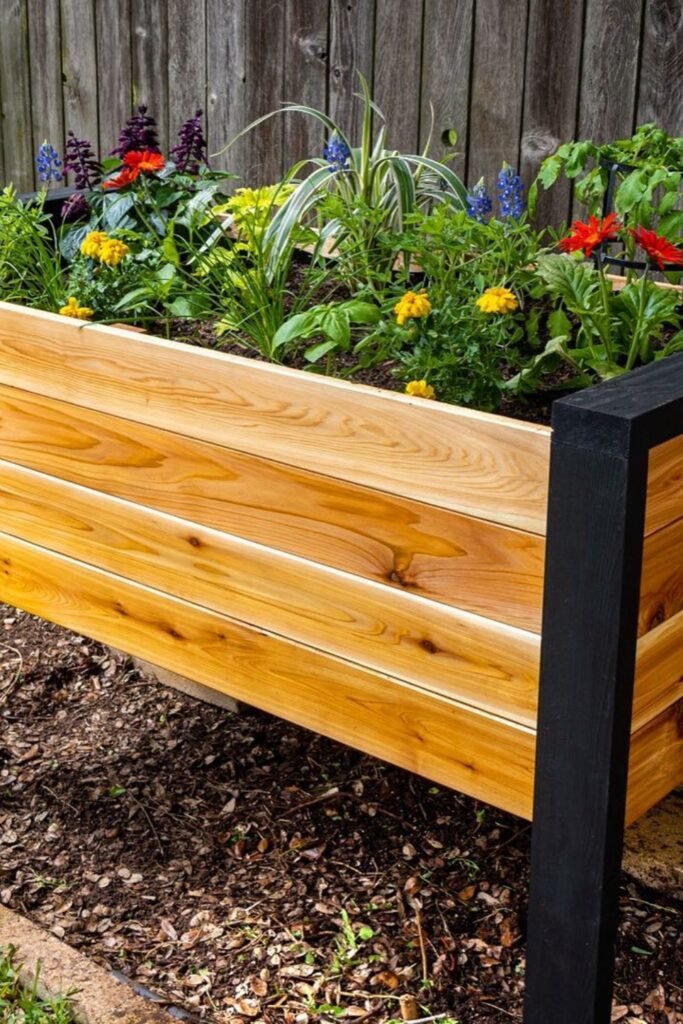
Frame Fence Flowers
A long raised planter can turn an empty fence line into a full flower border without digging directly into the ground.
Use black side posts with warm wood boards when you want the planter to feel modern but still natural beside older fencing.
Fill it with mixed flowers and herbs, then keep enough soil depth so the plants grow full instead of looking thin.
FAQs
What wood is best for a DIY planter box?
Cedar is one of the best choices for a DIY planter box because it handles outdoor weather better than many basic woods.
Pine can also work if you want a cheaper option, but you should seal or protect it before placing it outside.
For herbs or vegetables, avoid mystery reclaimed wood with old paint or unknown treatment, because safe planting matters more than a rustic look.
Do DIY wood planter boxes need drainage holes?
Yes, every DIY wood planter box needs drainage holes because extra water must escape instead of sitting around plant roots.
Without drainage, the soil can stay soggy, the plants can struggle, and the inside wood can start to break down faster.
Add holes at the bottom before filling the box, and use a liner carefully so it protects the wood without blocking water.

Hi, my name is Ali Mehmood! I’m a passionate writer and DIY enthusiast who loves turning creative ideas into practical, hands-on projects.
I created this website to share inspiring, budget-friendly ideas that you can do yourself – whether it’s organizing your home, crafting something unique, or creating fun projects for kids and pets.
I believe DIY isn’t just a hobby – it’s a smart way to save money, reduce waste, and enjoy the satisfaction of making things with your own hands.
I’m excited to have you as part of this growing community, and I’ll continue bringing you helpful, realistic, and fun DIY ideas you can actually use.