This post may contain affiliate links: read full affiliate disclosure.
Planning carnival games for kids sounds easy until you start realizing how the costs, supplies, setup, and mess can pile up.
Some ideas need too many materials, while others look exciting online but barely keep kids interested for more than a few minutes.
With the right ideas, you can create stations using affordable materials, adjust each game for different ages, and keep kids moving from one activity to the next.
In this list, you’ll find 26 DIY carnival games for kids that are easy to recreate, fun to play, and practical for birthdays, school events, backyard parties, or family gatherings.
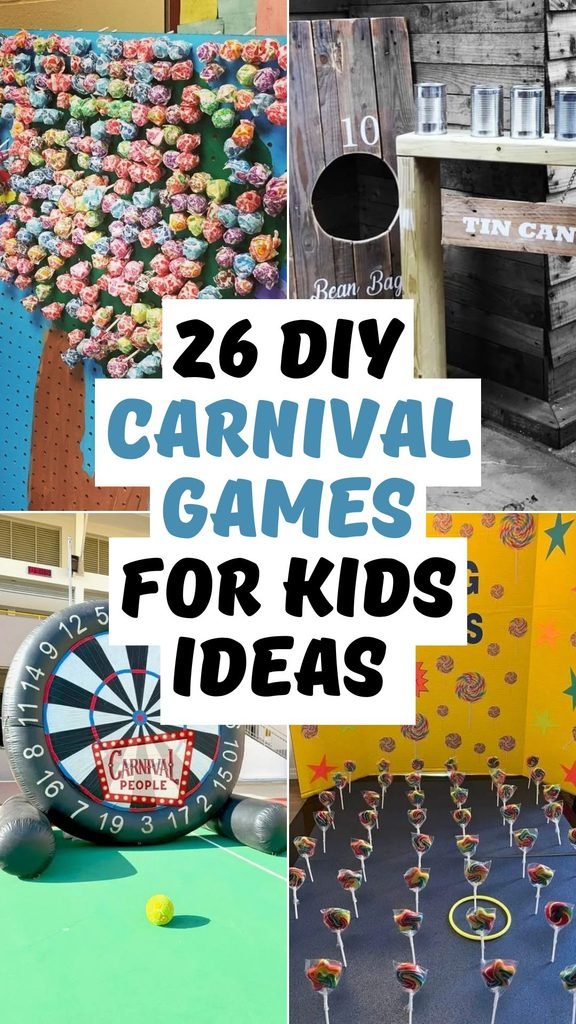
Lollipop Prize Pull
Turn a simple lollipop pull into an easy prize station by marking a few sticks before placing them across the board.
Let every child keep the candy they choose, then offer a bonus prize whenever someone pulls one of the marked sticks.
Mix prize levels rather than making every winner equal, which keeps the game exciting without requiring a large pile of expensive rewards.
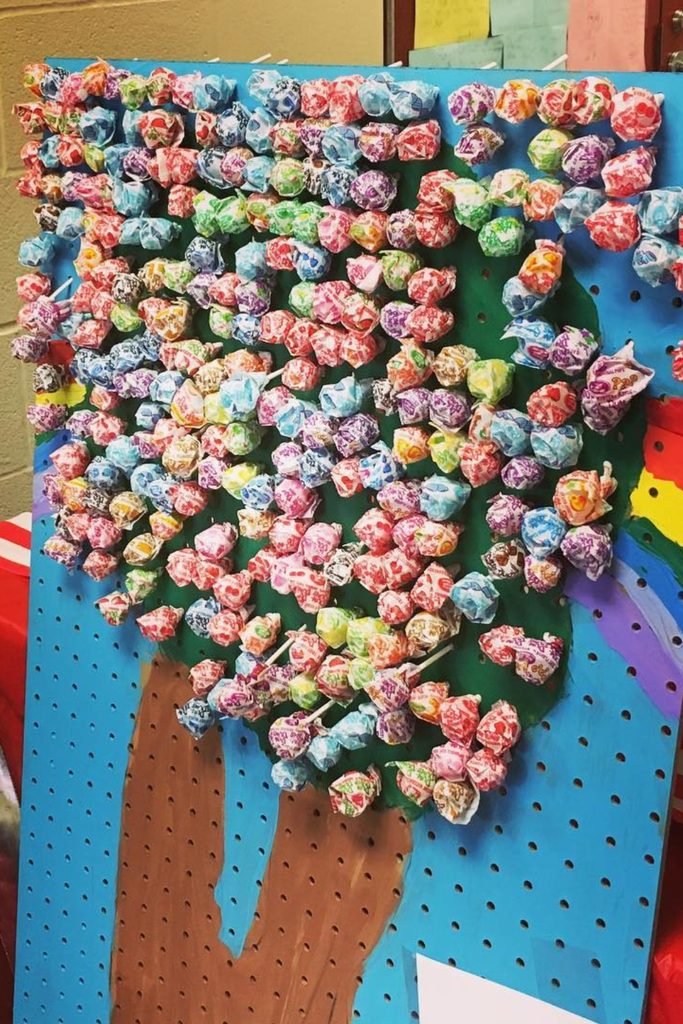
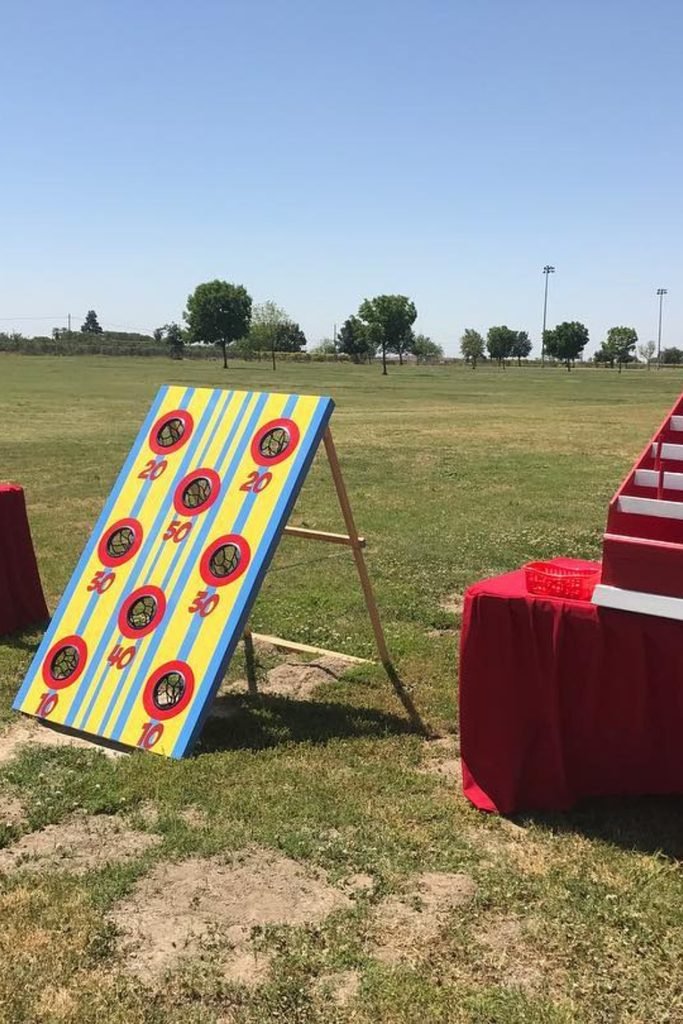
Bean Bag Toss
Give each bean bag target a different score so older kids have a reason to aim instead of simply tossing randomly.
Keep the largest opening worth fewer points and reward smaller holes more, creating challenge without making the rules difficult to understand.
For mixed ages, move the throwing line forward for younger players and back for older kids rather than rebuilding the whole game.
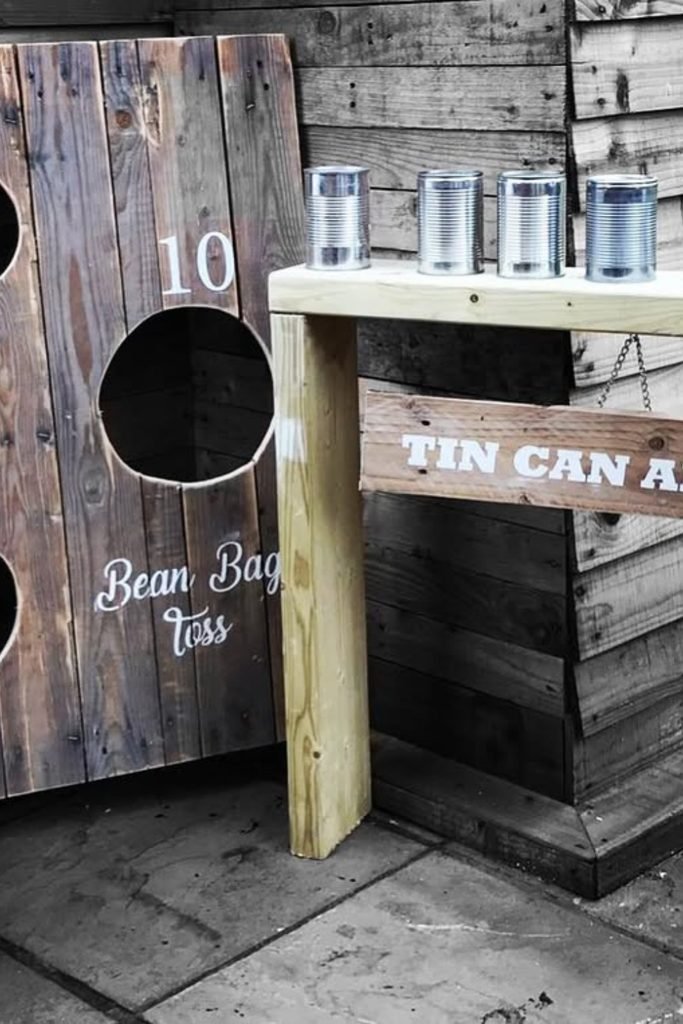
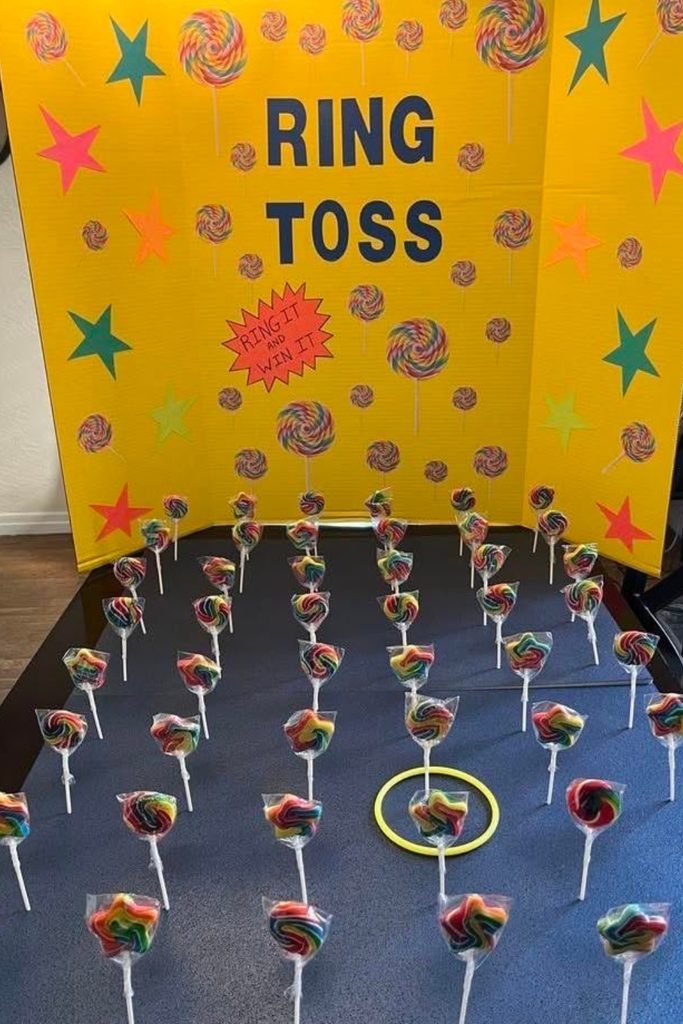
Lollipop Ring Toss
Make the prize part of the game by using wrapped lollipops as targets, so successful ring tosses feel instantly rewarding.
Space the lollipops far enough apart for rings to land cleanly, otherwise several nearby sticks can turn good throws into frustrating misses.
Choose lightweight plastic rings and set a closer throwing line for little kids, then increase the distance when older children take turns.
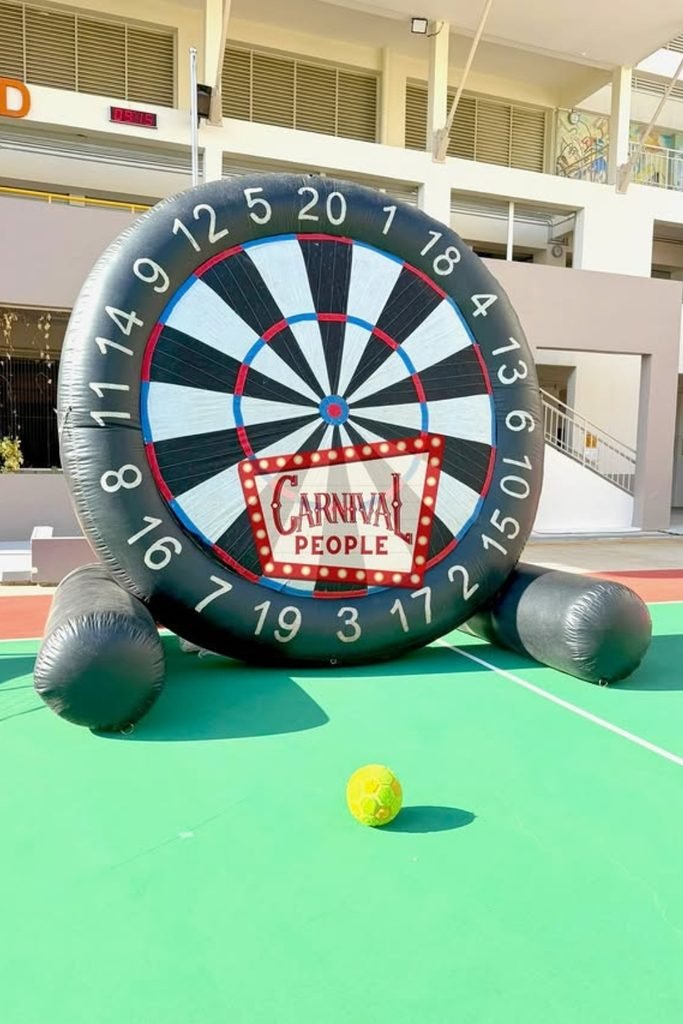
Soccer Dart Kick
An oversized soccer dartboard works best when kids can score quickly, so mark one kicking line and keep turns to three shots.
Use a soft sticky ball or compatible target ball, giving younger players a closer starting point while older kids kick from farther back.
Add the three scores after each turn instead of rewarding only bullseyes, which keeps average kicks meaningful and more children competitive.
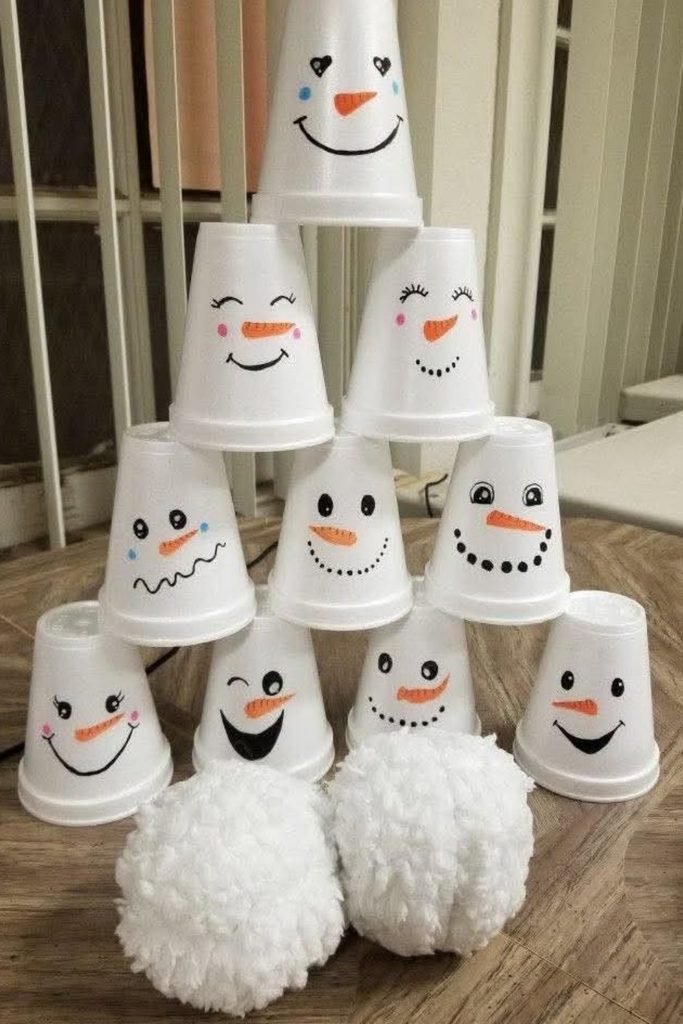
Snowman Cup Knockdown
Stack lightweight cups in a pyramid and use soft pom-pom snowballs so younger kids can knock everything down safely indoors.
Draw different faces on the cups to make rebuilding part of the fun instead of leaving the station looking repetitive.
Set the throwing line closer for little kids, then move it backward for older players who need a tougher challenge.
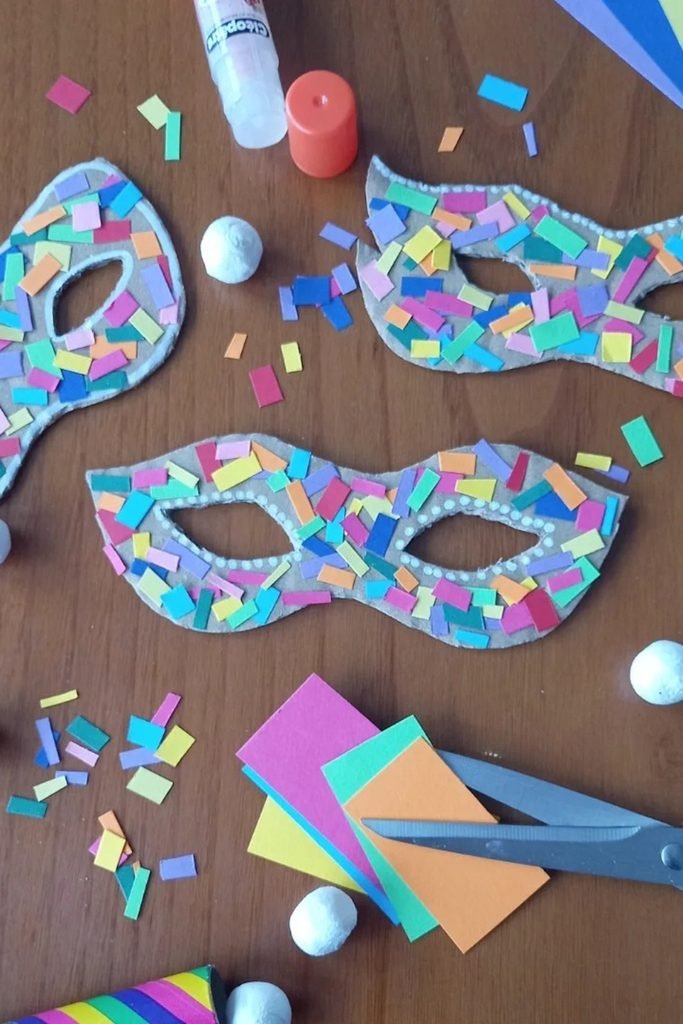
Carnival Mask Challenge
Turn mask decorating into a quick carnival challenge by giving kids a tray of colorful paper pieces and limited time.
Let each child create a pattern, then award playful categories like brightest mask, funniest design, or most creative color combination.
Keep glue, scissors, and decorations pre-portioned at every seat so the activity moves smoothly without long waits or messy sharing.
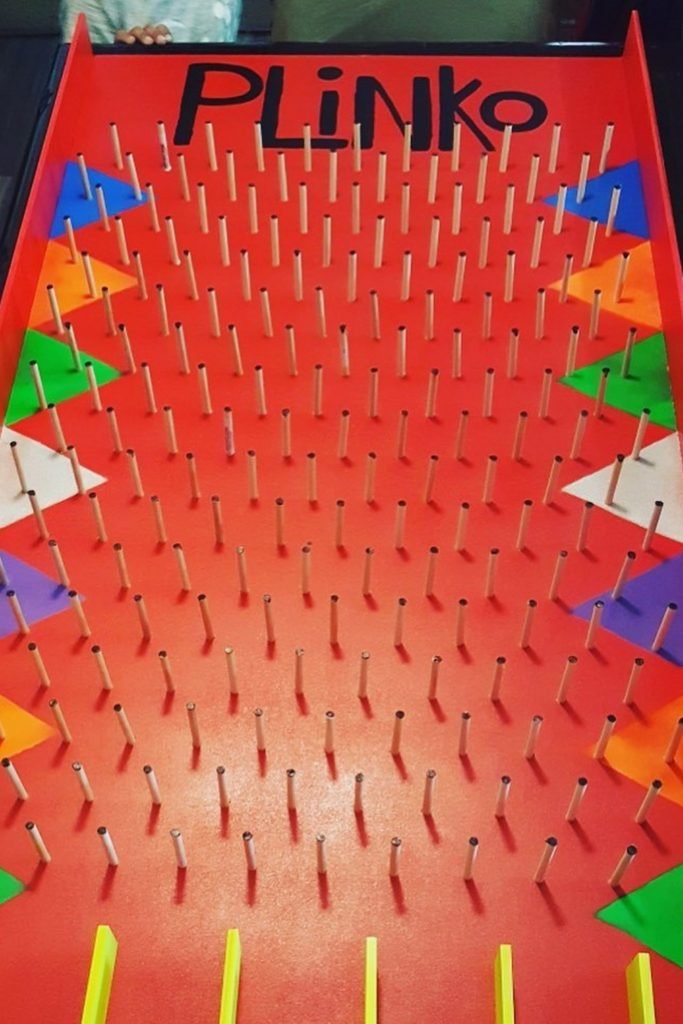
DIY Plinko Board
Build your Plinko board with evenly spaced pegs, then create several landing slots so every drop has a scoring outcome.
Use lightweight discs or balls that travel easily between pegs, because pieces that are too large can jam halfway down.
Make center slots worth more points and outer slots worth less, giving kids excitement without making successful drops feel impossible.
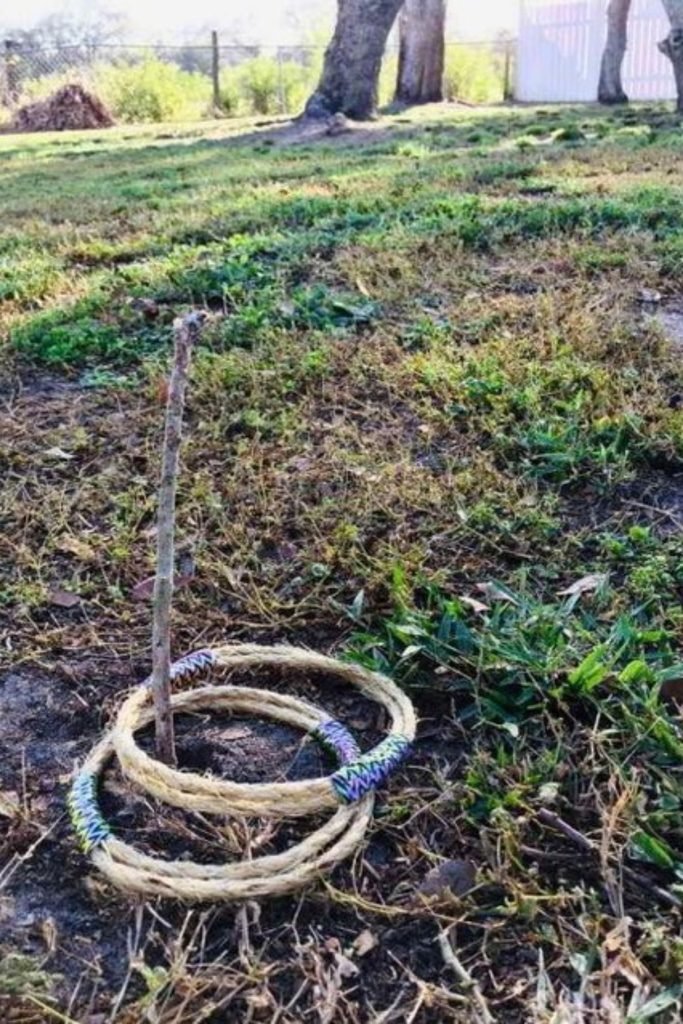
Rope Ring Toss
A rope ring toss feels carnival-ready when the target is simple, visible, and placed where kids have enough throwing room.
Use thick rope rings that hold their shape, since floppy loops are harder for younger players to control during tosses.
Mark several throwing distances in the grass so one setup stays fair for toddlers, school-age kids, and confident older players.
Carnival Game Row
Group several quick carnival games together when space allows, giving kids different challenges without sending them across the entire party area.
Place scoring games beside easier toss activities so children can switch naturally when one station gets crowded or needs resetting.
Keep baskets, balls, and replacement supplies behind each booth, making it much easier for helpers to restart games between turns quickly.
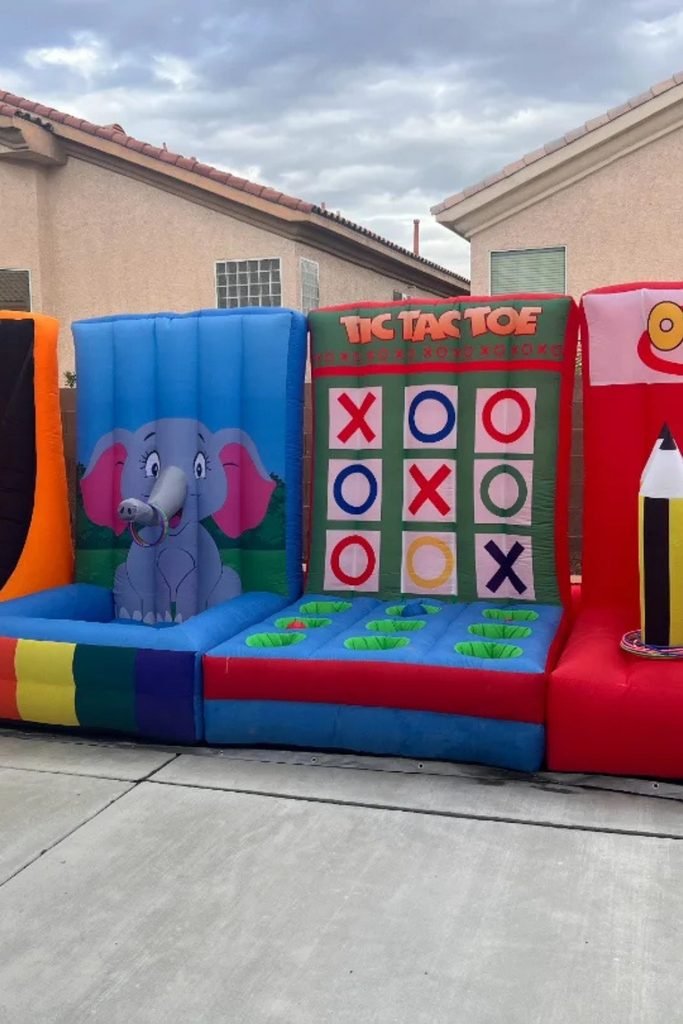
Inflatable Game Zone
Using several inflatable challenges side by side creates instant variety while keeping the whole carnival setup organized in one activity zone.
Choose games with different skills, such as shooting, tossing, and aiming, so kids are not repeating the same challenge each round.
Set one helper at each station and limit attempts per turn, which keeps children moving instead of building long waiting lines.
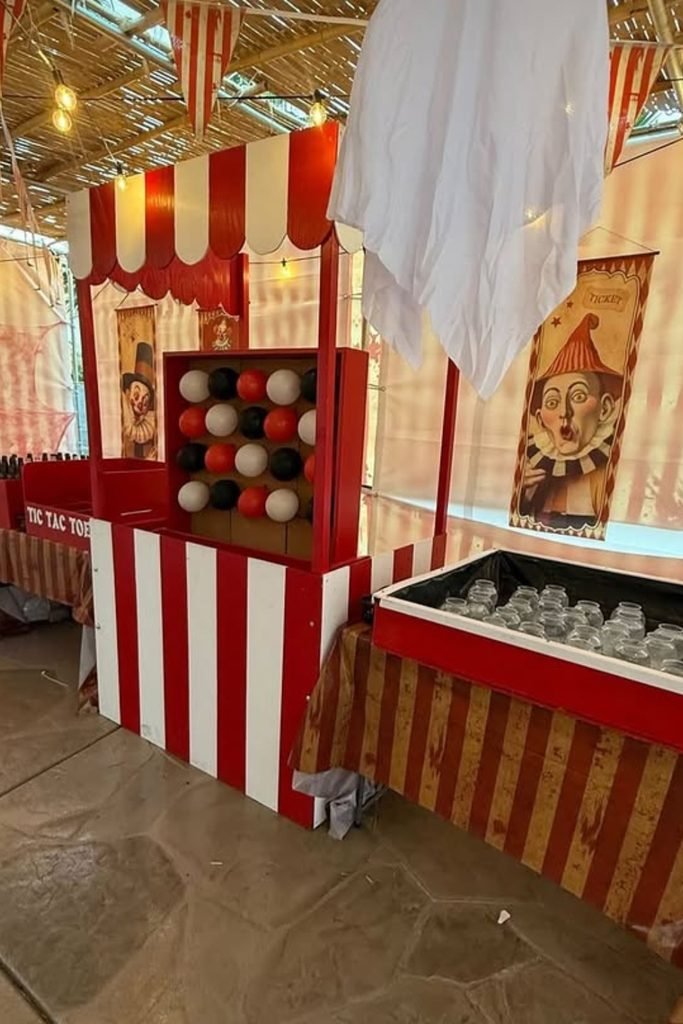
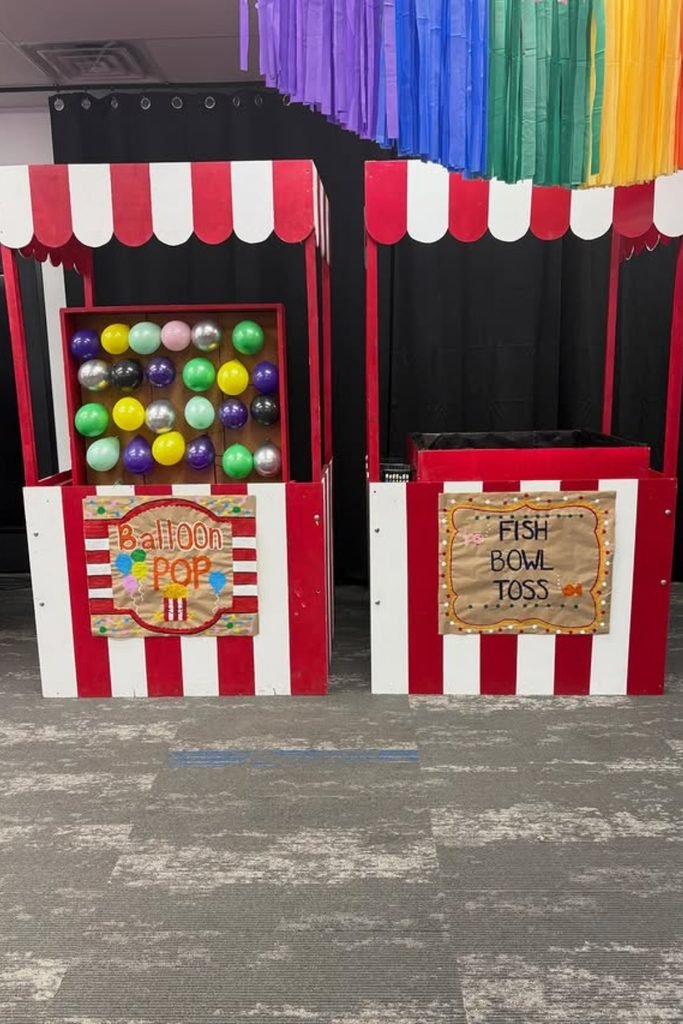
Balloon Target Booth
A balloon wall becomes more exciting when you mix easy and difficult targets rather than packing every balloon at the same height.
Mount the board securely before play begins, then keep spare balloons nearby so empty spaces can be refilled between player turns.
For younger children, use safer throwing alternatives instead of sharp darts and shorten the distance so the challenge still feels achievable.
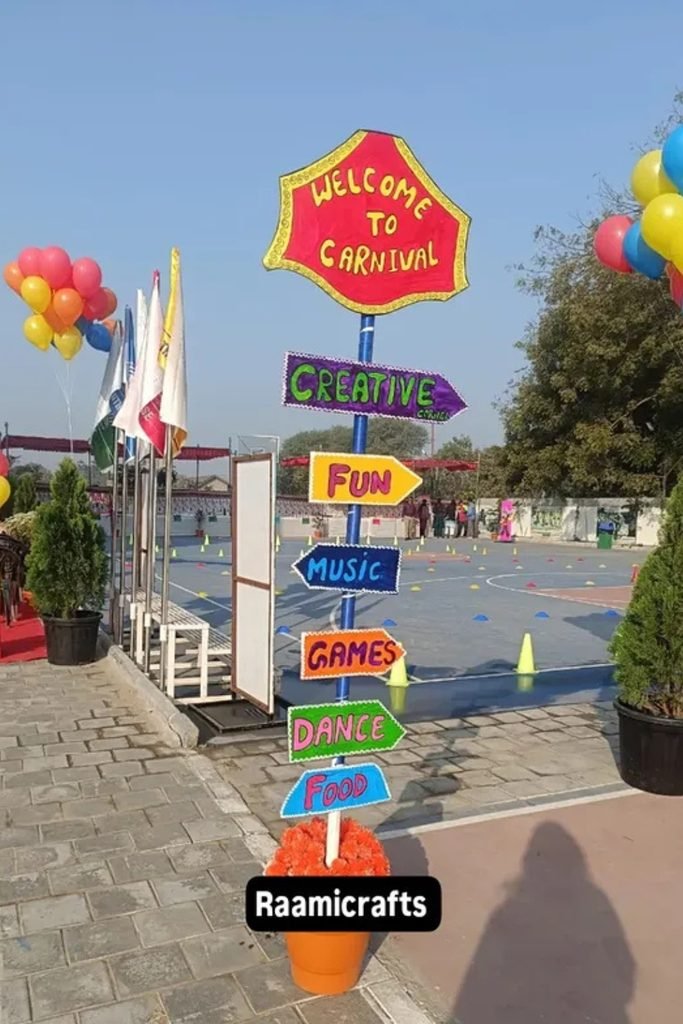
Carnival Direction Sign
A colorful direction sign does more than decorate the carnival; it helps families understand where activities are before crowds start forming.
Label major areas like games, food, music, and crafts, then point each arrow toward the actual station it represents clearly.
Place the sign near the entrance where everyone sees it first, saving volunteers from repeatedly giving directions throughout the event later.
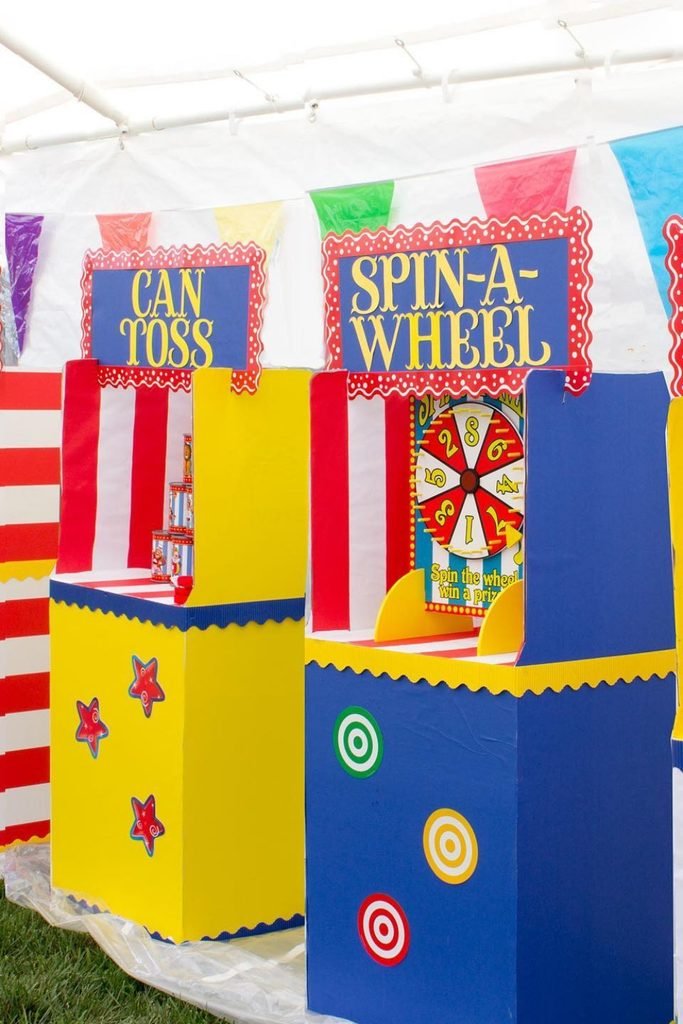
Prize Wheel
A prize wheel works best when every section offers something, because kids stay excited even when they miss the reward.
Use numbers, colors, or prize categories so younger players understand the result immediately without needing long instructions from an adult.
Keep the wheel beside other quick games, letting children rotate through stations instead of waiting too long for another turn.
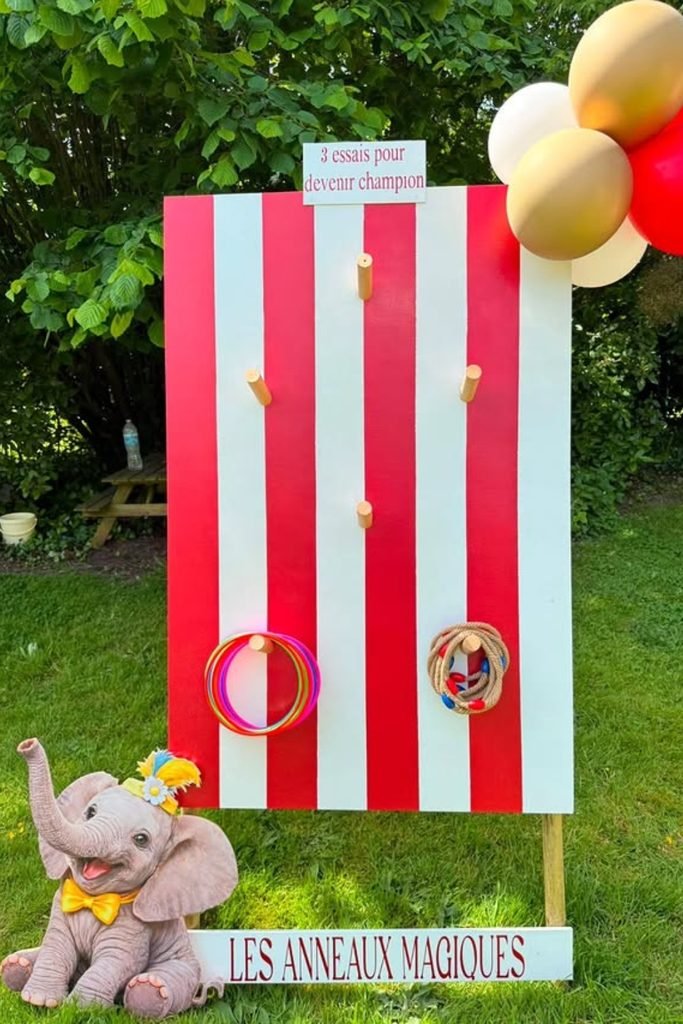
Peg Ring Toss
Mounting pegs at different heights makes a basic ring toss more interesting and lets you create easy and difficult targets.
Give each child three rings per round, which keeps turns short while still offering enough chances to land one successfully.
If younger players struggle, widen the rings or move them closer rather than lowering targets and changing the whole setup.
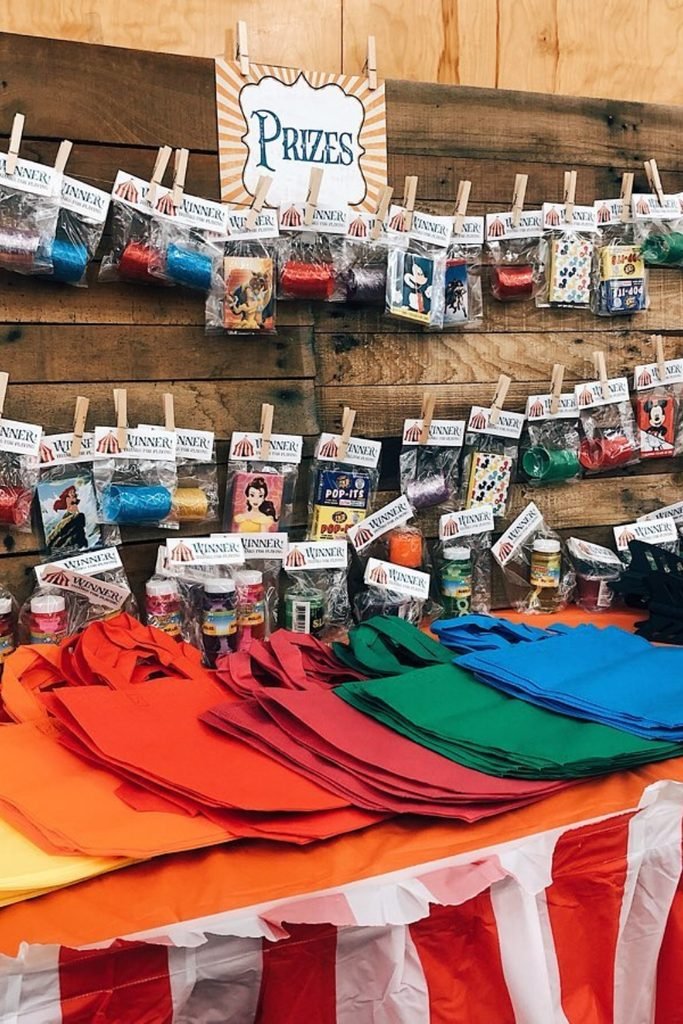
Carnival Prize Station
Set up prizes by size or value before the carnival starts, so volunteers can hand out rewards without searching around.
Small bagged prizes work well for regular wins, while a few larger choices can be saved for higher scoring games.
Displaying everything behind the booth motivates kids, since they can see what they are playing for before choosing a game.
Fish Bowl Toss
A fish bowl toss becomes easier to manage when you use plastic cups or jars instead of breakable glass containers.
Arrange the targets close together for beginners, then spread them farther apart when older kids need a challenging landing zone.
Use lightweight ping-pong balls and limit each turn to three throws, keeping the booth fast enough for busy carnival lines.
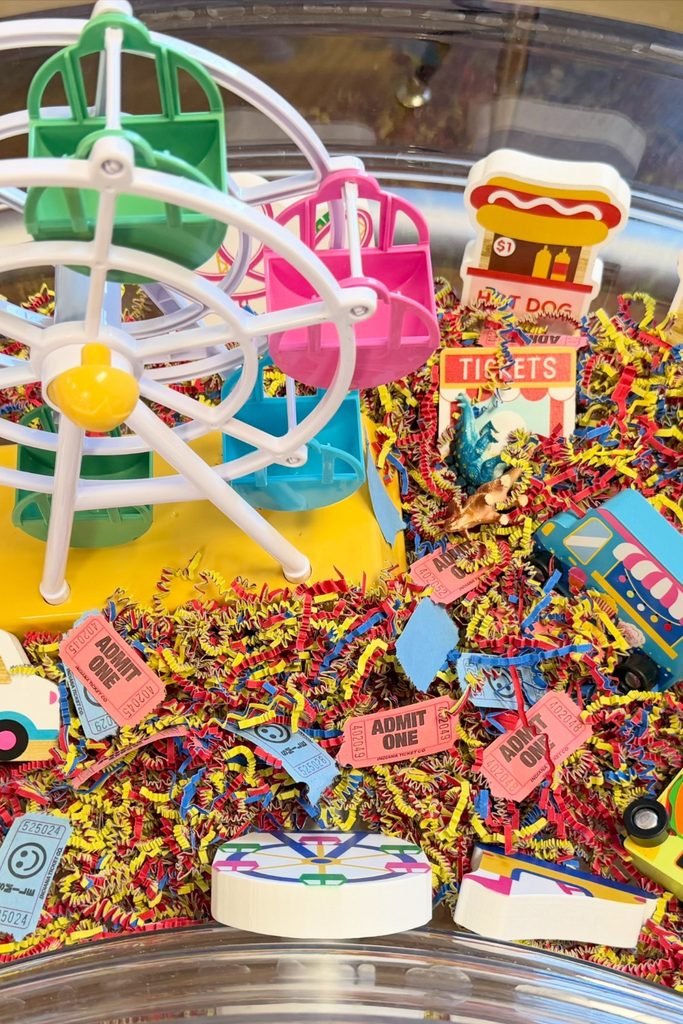
Ticket Treasure Hunt
Hide carnival tickets and prizes beneath shredded paper, then let kids dig through the bin until they uncover their reward.
Add carnival toys around the container to make the search feel like a game instead of a simple prize grab.
Give each child one ticket to find, which keeps turns short and prevents kids from collecting everything before younger players.
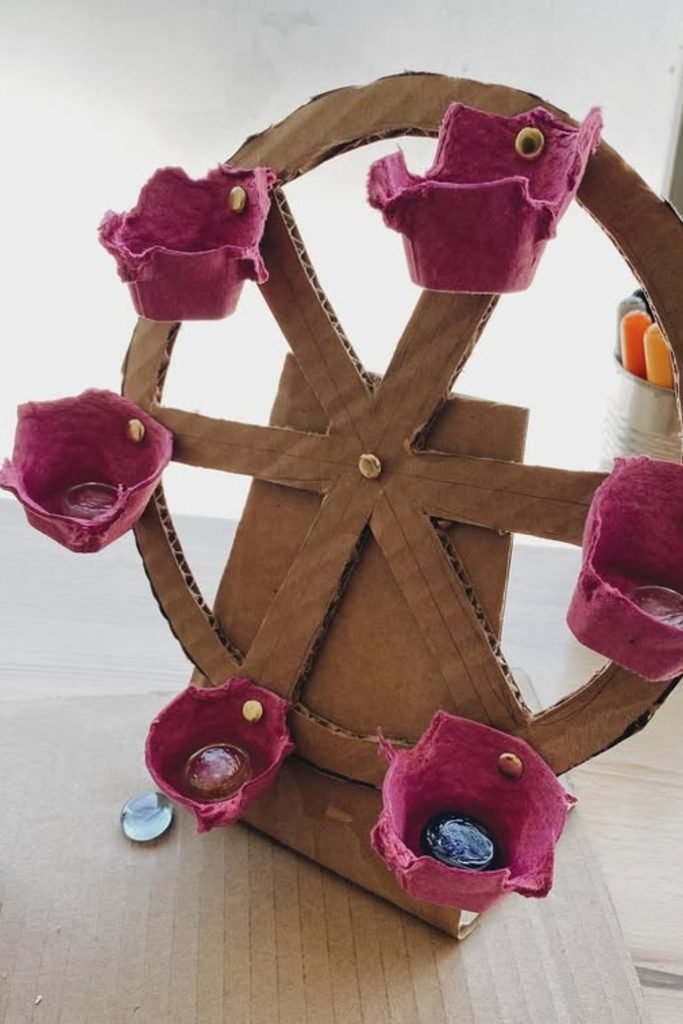
Ferris Wheel Picker
Turn a cardboard Ferris wheel into a prize picker by placing different colored tokens inside the little rotating cup slots.
Kids can spin the wheel, stop it randomly, and collect the prize linked to whichever token lands at the bottom.
Use mostly small rewards with one or two special tokens, keeping the game exciting without making every turn feel expensive.
Toy Car Race
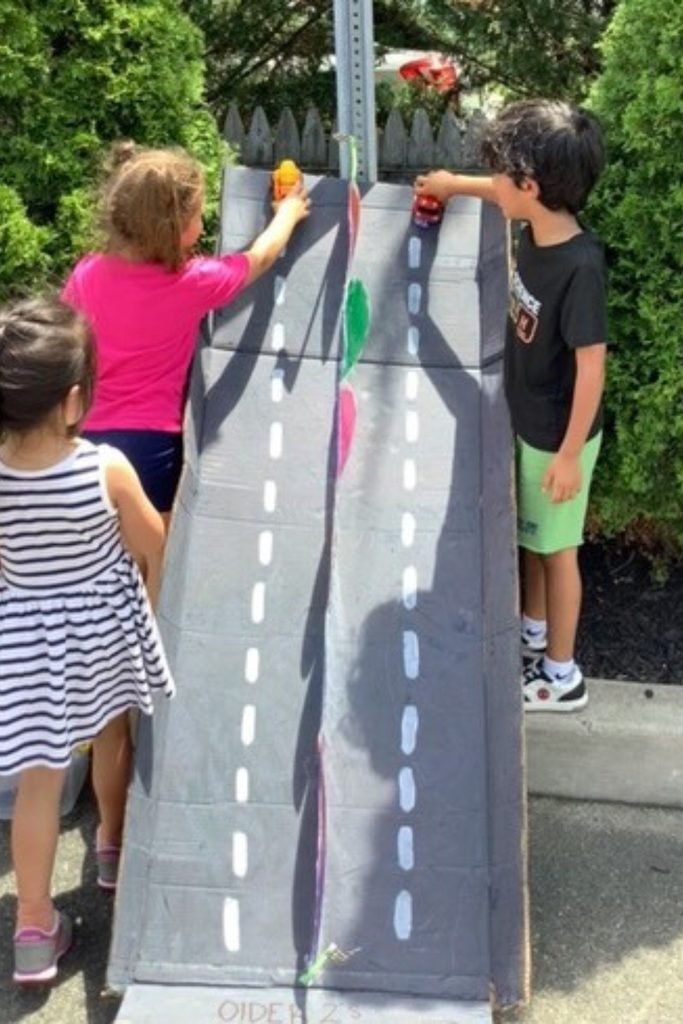
Build a downhill track and let two kids release toy cars together, turning one cardboard ramp into a fast race.
Mark a starting line at the top and finish line below, so every round has an obvious winner without arguments.
Keep several cars nearby and test them beforehand, because equal rolling speed makes the competition fairer and much more fun.
Clown Ball Roll
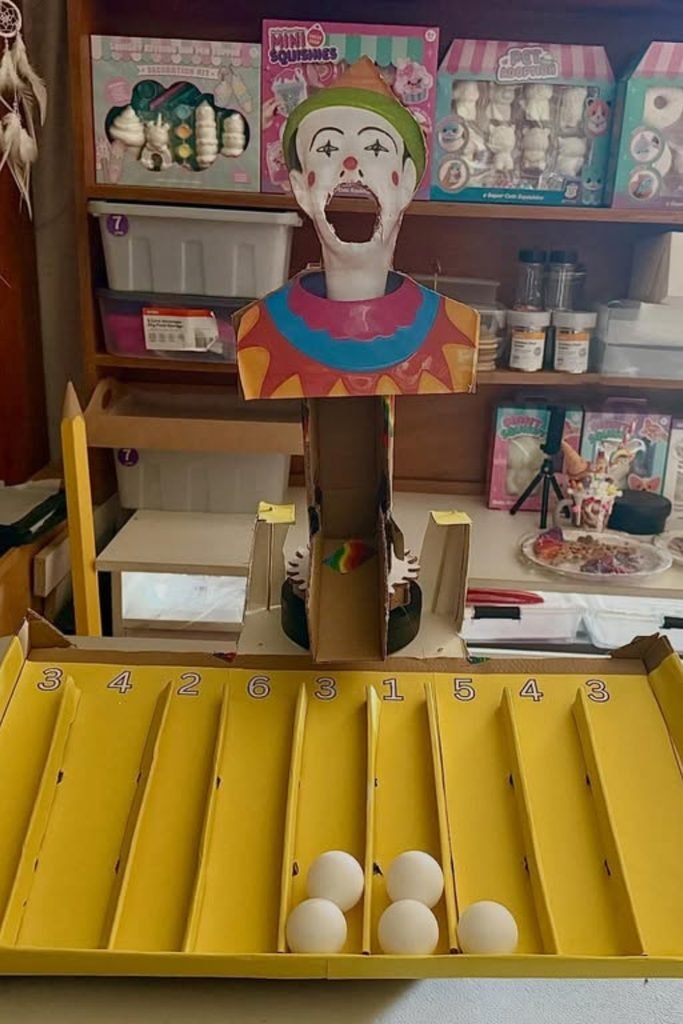
Give the clown game a scoring twist by sending balls through the mouth and letting them settle into numbered lanes below.
Make center lanes worth more points than outside lanes, so lucky rolls feel exciting without making every attempt identical overall.
Use ping-pong balls or foam balls, and keep several ready so the station can continue while others are being collected.
Cardboard Carnival Booth
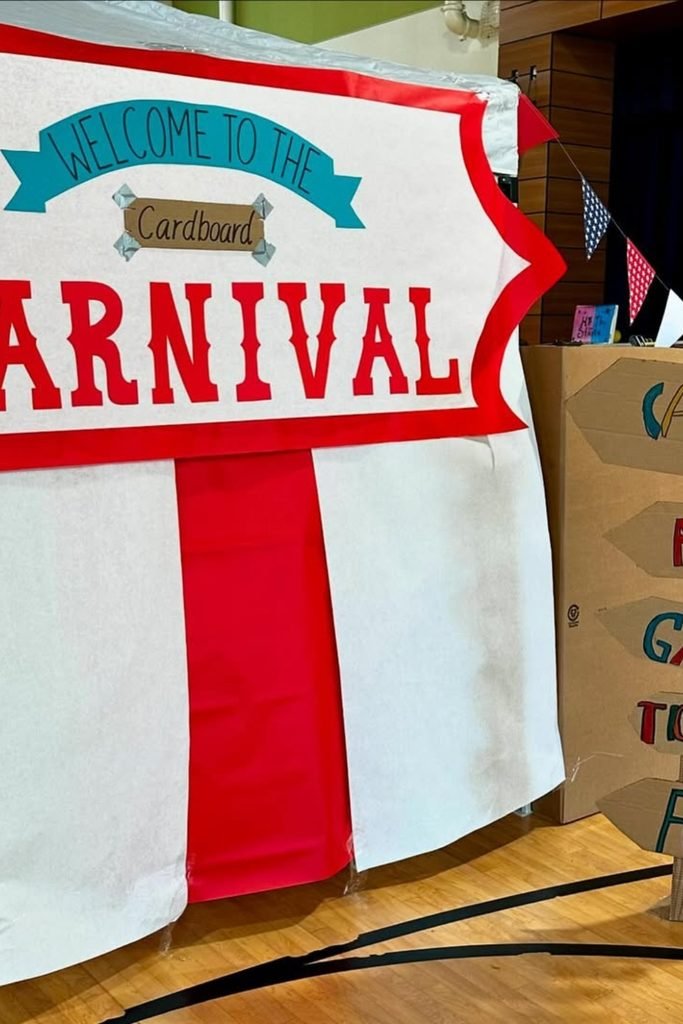
Build the booth itself from cardboard sheets, then add bold carnival lettering so the setup feels intentional without costing much.
Use separate cardboard signs for games, prizes, and tickets, helping kids know where to go before they ask volunteers anything.
If you are setting up indoors, tape floor boundaries around the booth so lines stay organized and paths remain clear.
Disk Drop Board
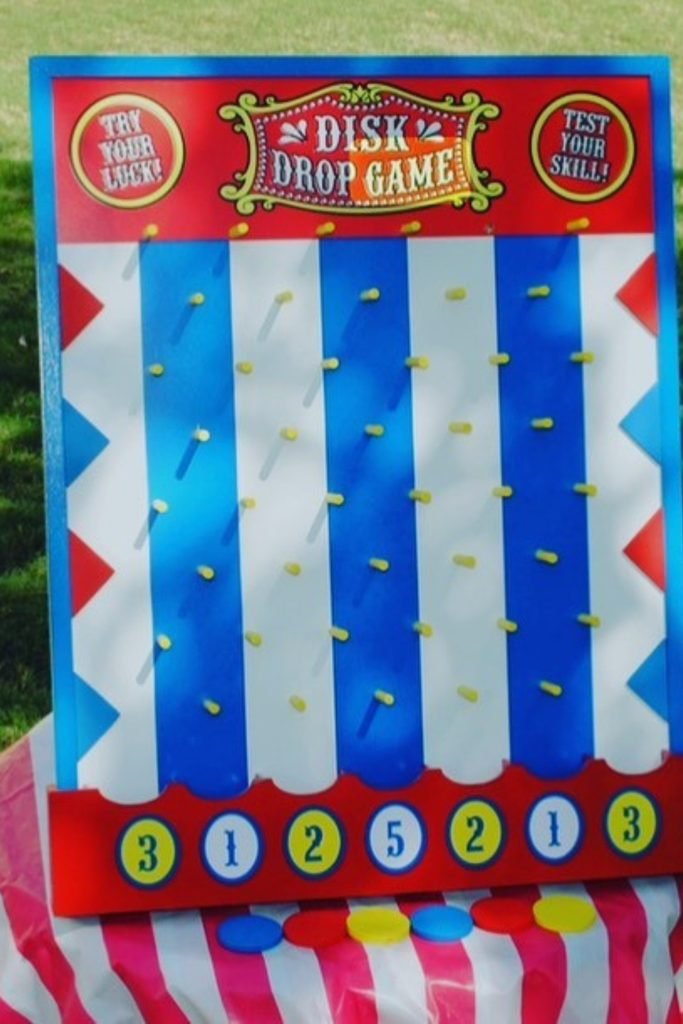
A disk drop game needs random movement, so stagger the pegs instead of lining them up in straight vertical rows.
Give each bottom slot a different point value, making every bounce matter even when the disk misses the center completely.
Keep several disks beside the board and collect them after each round, which prevents unnecessary pauses between children waiting nearby.
Ball Bucket Toss
For a bucket toss, angle the container slightly upward so kids can see the target clearly before taking their shot.
Use soft balls with enough weight to travel straight, because very light balls can bounce away before settling inside cleanly.
Let younger players stand closer and give everyone two attempts, keeping the challenge simple while still making a win satisfying.
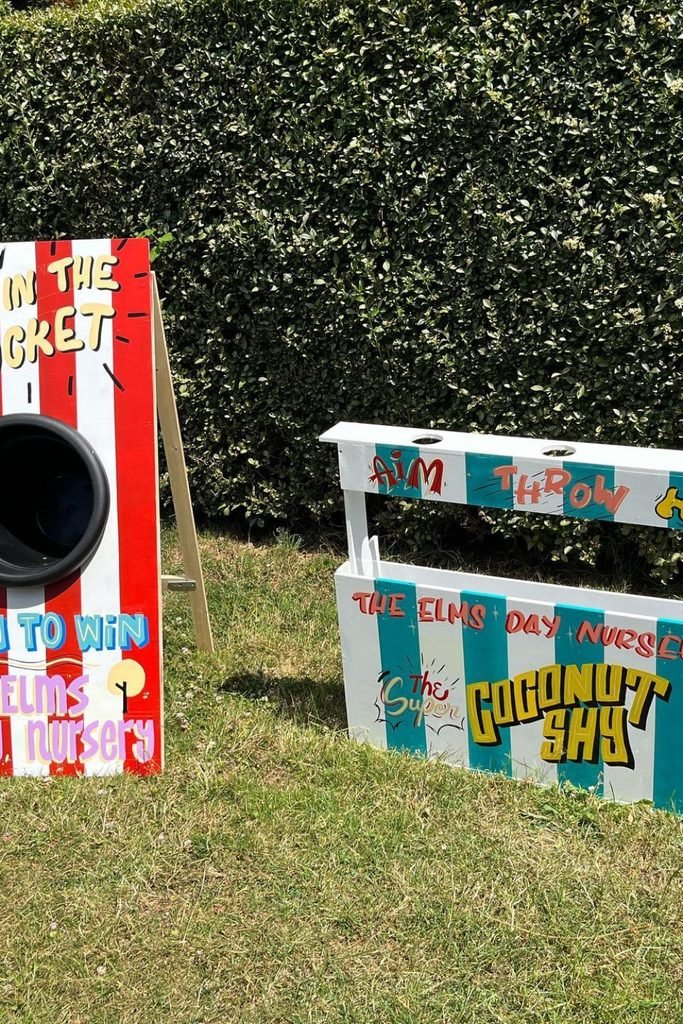
Carnival Mini Golf
Mini golf adds a slower skill game to the carnival, which balances faster throwing stations and gives kids a challenge.
Keep the hole short and fairly straight for beginners, then add small obstacles only when older children need more difficulty.
Place the putter and balls in one marked spot after every turn, so the next player can start without searching.
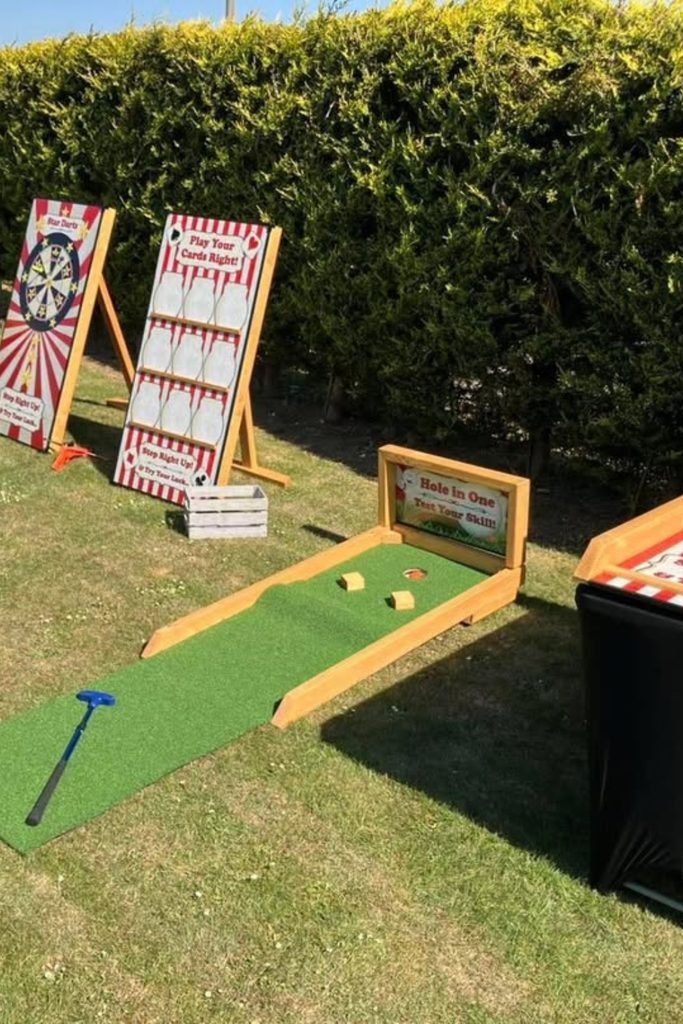
Prize Punch Board
Turn a prize punch board into a surprise station by hiding small rewards behind tissue-covered openings before the carnival begins.
Mix candy, stickers, and a few better prizes across the board so every punch feels exciting without raising costs much.
Let each child choose one circle only, which keeps the game fair and makes every remaining spot feel more mysterious.
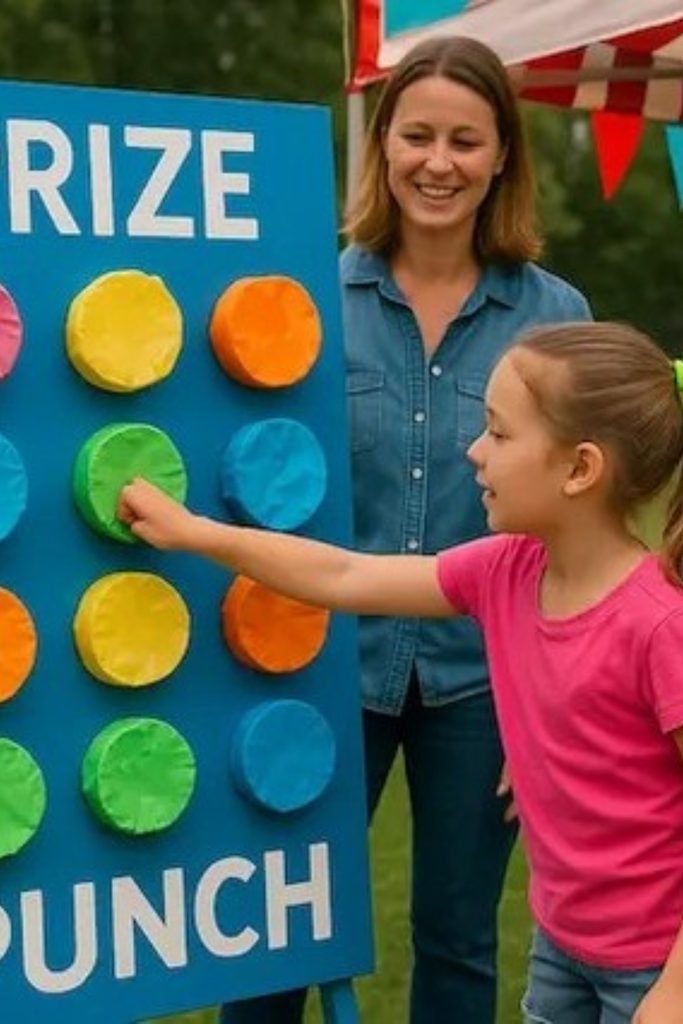
Mini Golf Challenge
Pair mini golf with a simple skee-ball lane when you want two skill games that encourage slower, more focused turns.
Keep the putting hole wide for younger kids, while numbered skee-ball cups give older players a tougher scoring challenge overall.
Place both games on level ground and keep balls nearby, so children can move between stations without slowing the line.
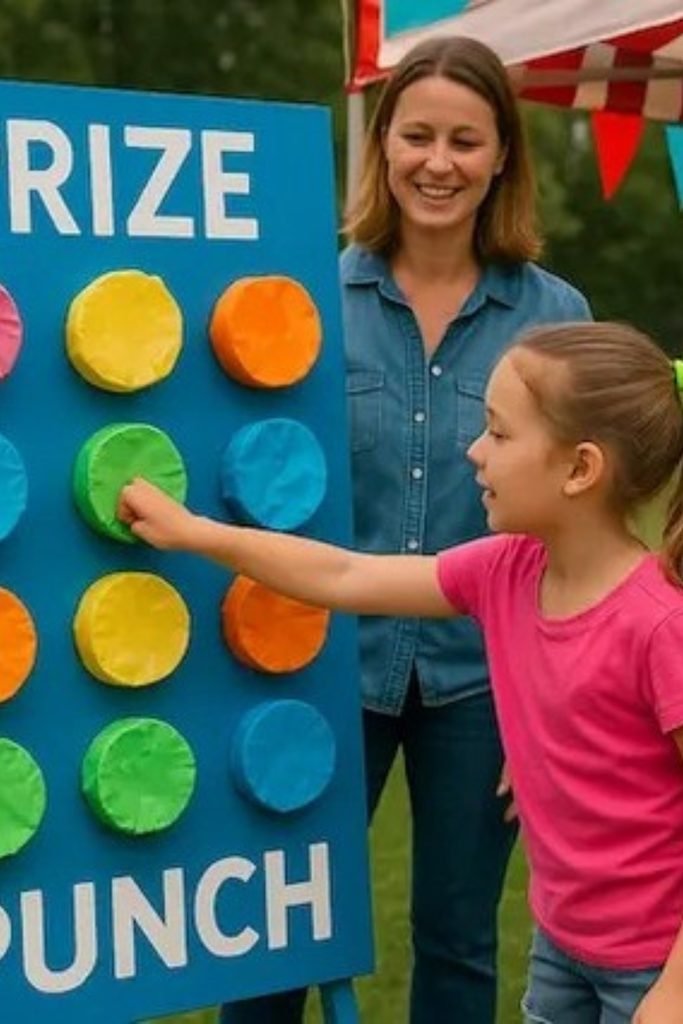
FAQs
What Are the Easiest DIY Carnival Games for Kids?
Ring toss, cup knockdown, bean bag toss, and ball-in-the-bucket games need few materials and are easy for kids to understand.
You can also move the throwing line closer or farther away to adjust the difficulty for different ages.
How Can You Make DIY Carnival Games More Fun for Kids?
Keep turns short, offer small prizes, and mix different types of challenges so kids do not feel like every station is the same.
Adding point values, surprise rewards, or multiple difficulty levels can make simple homemade games feel more exciting while still keeping the setup affordable and manageable.

Hi, my name is Ali Mehmood! I’m a passionate writer and DIY enthusiast who loves turning creative ideas into practical, hands-on projects.
I created this website to share inspiring, budget-friendly ideas that you can do yourself – whether it’s organizing your home, crafting something unique, or creating fun projects for kids and pets.
I believe DIY isn’t just a hobby – it’s a smart way to save money, reduce waste, and enjoy the satisfaction of making things with your own hands.
I’m excited to have you as part of this growing community, and I’ll continue bringing you helpful, realistic, and fun DIY ideas you can actually use.