This post may contain affiliate links: read full affiliate disclosure.
Old sewing patterns are lovely, but they can be hard to use. The sizes don’t fit with garments that are readily available today.
The names of the fabrics seem old. The directions don’t seem clear. And the paper seems too frail to touch without becoming afraid.
In this article, I will show you 20 best vintage sewing patterns that are so, unique you will want them to try in 2026.
Let’s jump in!
What to Do With Vintage Sewing Patterns?
You can also utilize them to get ideas for how to adjust the shape of the neckline, sleeves, or silhouette of modern clothes.
And for collectors, old patterns can be traded, stored, or even sold again as precious items. You can sew, learn, style, or collect old sewing patterns.
You can make everyday clothes that don’t look like they originated in a factory, like dresses that fit well, skirts that hold their shape, and tops that fit well.
These templates let you make garments that feel like they are your own, not like they came from a fast-fashion store.
People also employ vintage patterns to make photoshoots, themed events, stage costumes, or retro events look like they came from an era.
Vintage designs teach basic sewing skills like darts, facings, linings, and structured fitting that newer stretch-based patterns don’t often do.
Save this article for later!
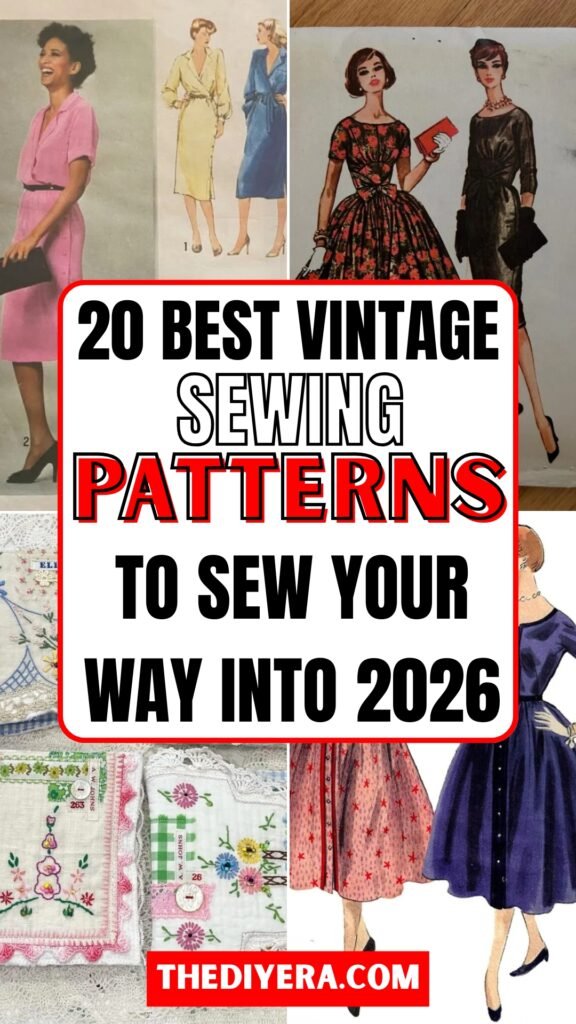
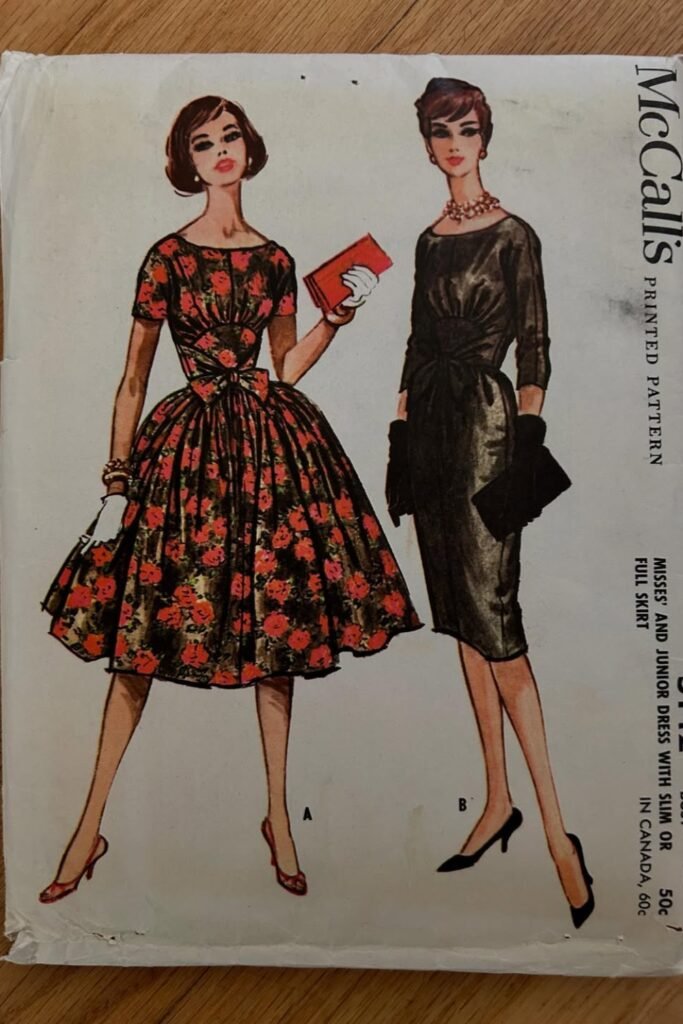
Full-Skirt Classic
You can tell right away that this pattern works well with structured cotton, taffeta, or sateen if you want volume that stays in form.
Because vintage darts sit higher and tighter than current dress blocks, you should first fit the bodice with muslin before cutting the fabric.
Works well for vintage-inspired day events, tea parties, or retro photos that need structure without a lot of heavy layers.
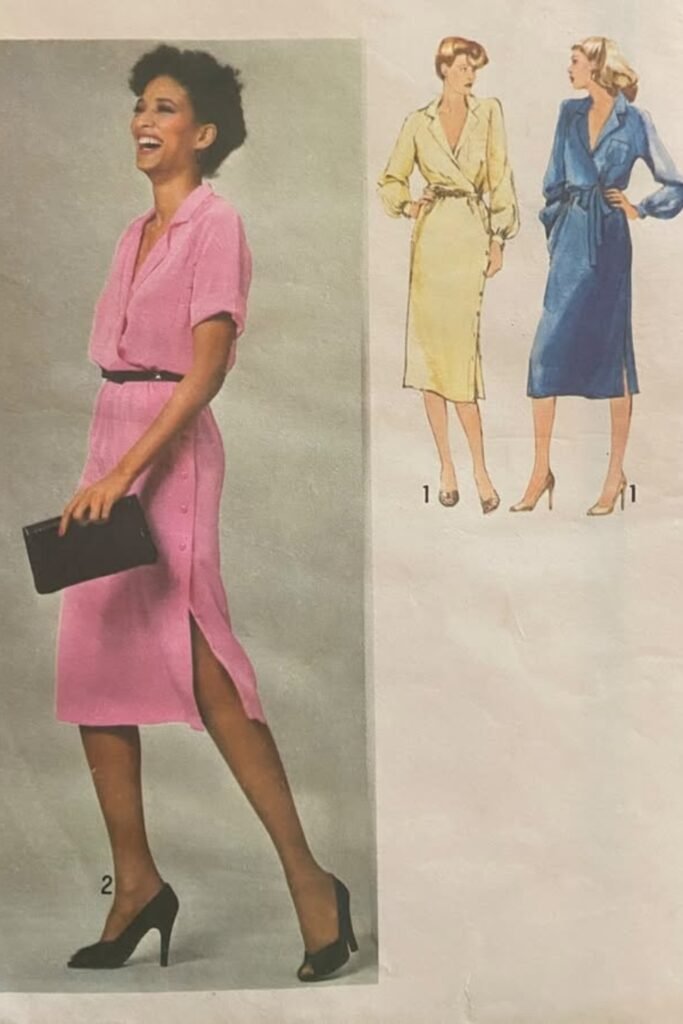
Belted Day Dress
The simple shirt-dress design makes everyday sewing seem comfortable, with just the right amount of tailoring to keep the lines tidy.
Cut this out of light linen or viscose, stabilize the placket early, and check the belt location before you finish the topstitching.
Great for sewing projects at work, travel wardrobes, or capsule closets where you need the same pattern in several materials.
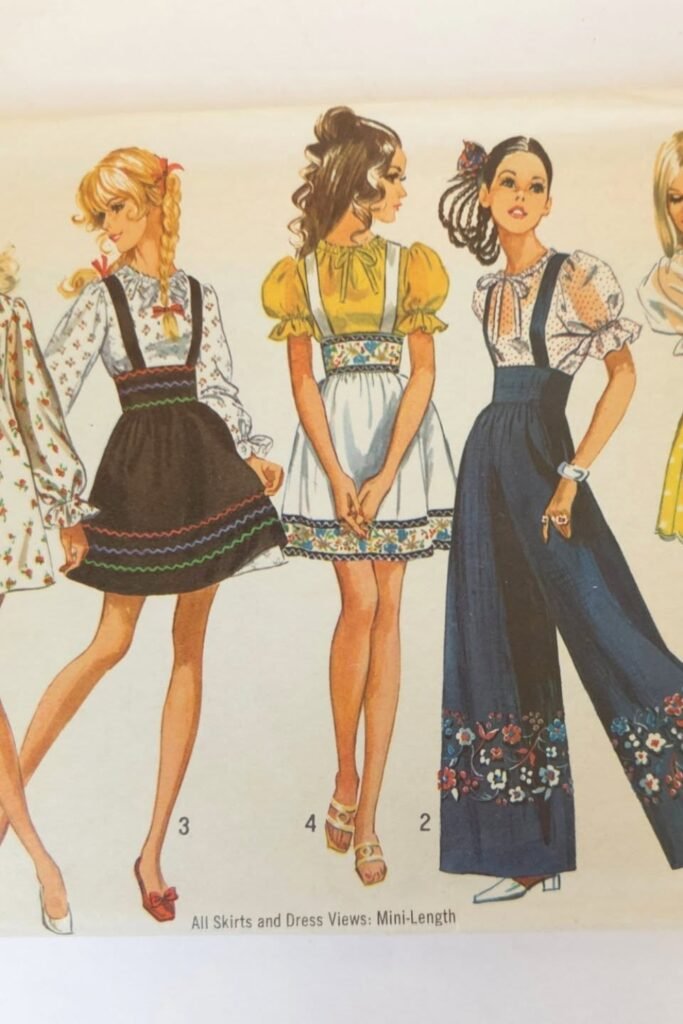
Mini Folk Set
This pattern is great for lightweight cottons that need to move without becoming too heavy because of its fun, short length.
Press gathers properly at the neckline before adding sleeves. This is because clean gathering governs the fit and the balance of the vintage shape.
Best for sewing in the summer, making clothes for kids, or making fun retro capsules that need charm without a lot of hemming.
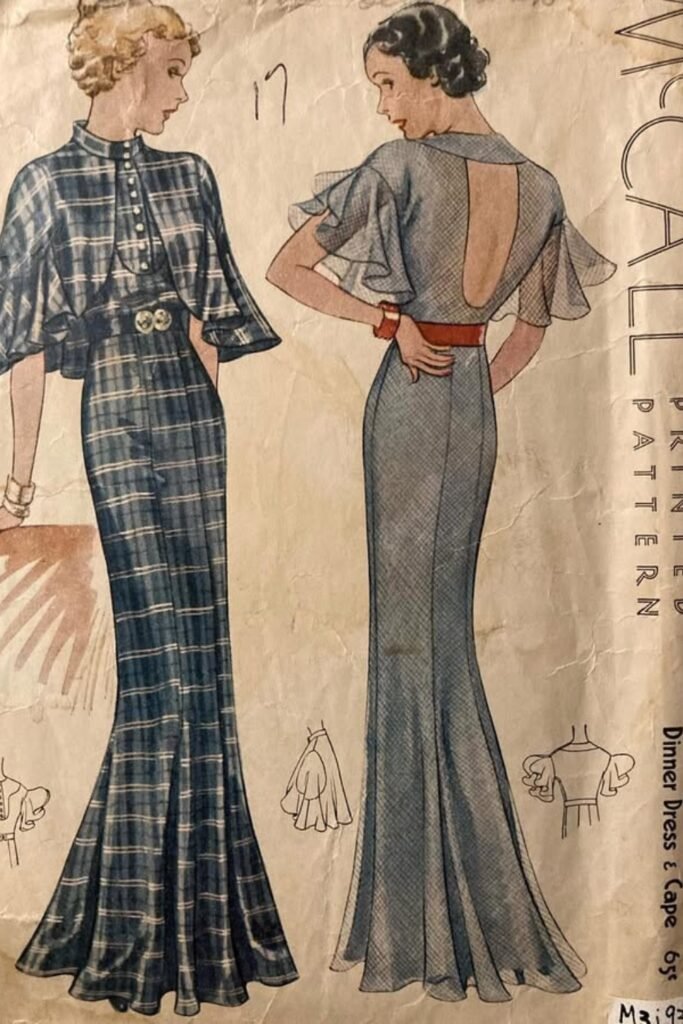
Open-Back Evening Gown
To keep the shape of the dramatic back opening, you need stable fabric. Choose crepe, satin, or lightweight suiting that doesn’t sag.
Before sewing facings, use stay tape to hold the borders of the neckline in place. Vintage curves can easily shift when handled without support.
Great for formal events, theatrical costumes, and portrait looks when structure and movement need to work together without extra lining mass.
Tie-Waist Midi
The wrap-style bodice makes the waist look more natural, so this pattern is easy to fit and keeps the vintage proportions tidy.
Use fluid wool crepe or rayon twill. First, baste the waist tie, and then check the balance before sewing the final side seam.
A great choice for dinners, art events, or elegant business clothes when movement and structure need to be equally planned.
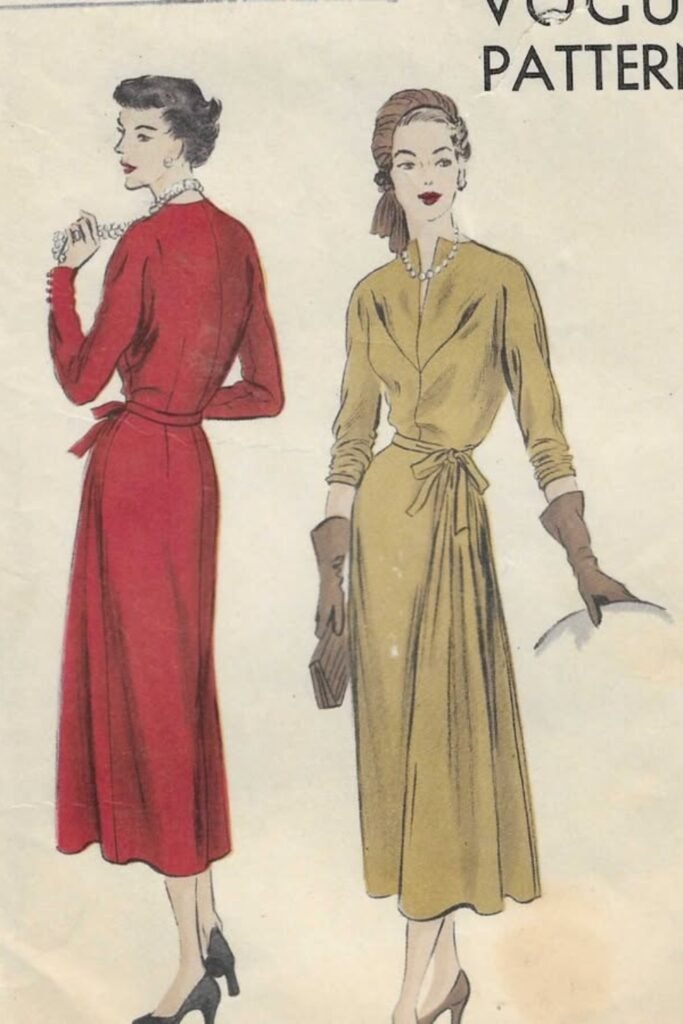
Button-Front Circle Dress
Buttons down the middle give the dress both structure and flexibility. This keeps the bodice tight while the skirts stay loose.
Lightly interface the button placket, test the button spacing on spare fabric, and level out the gathers before attaching the waist permanently.
Best for day dresses, weekend wear, or vintage wardrobes that need a reliable shape that is both polished and comfortable.
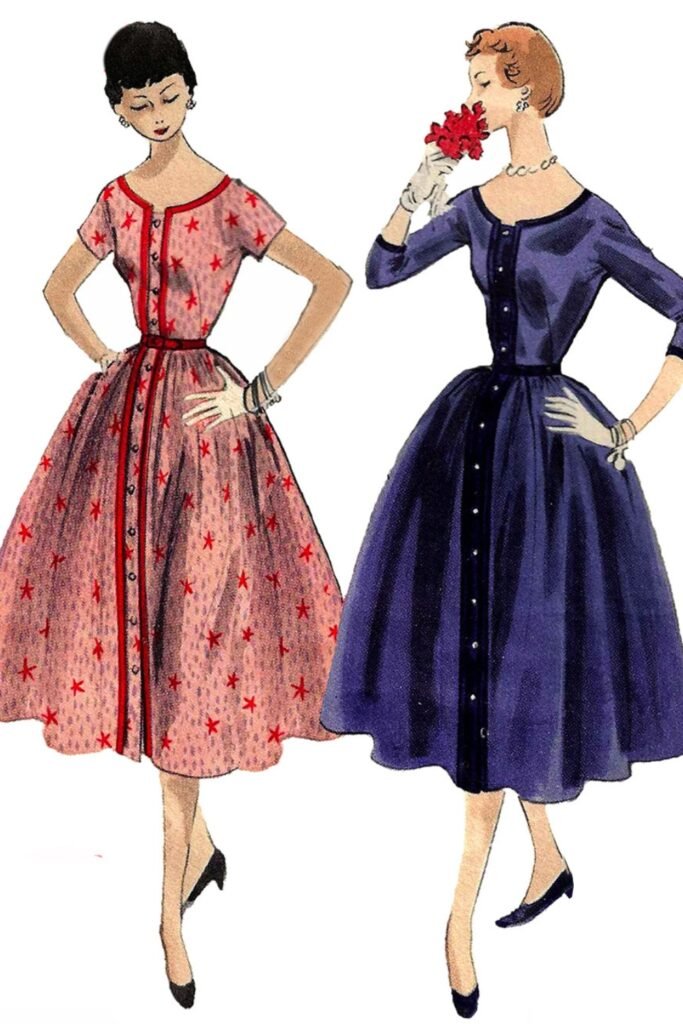
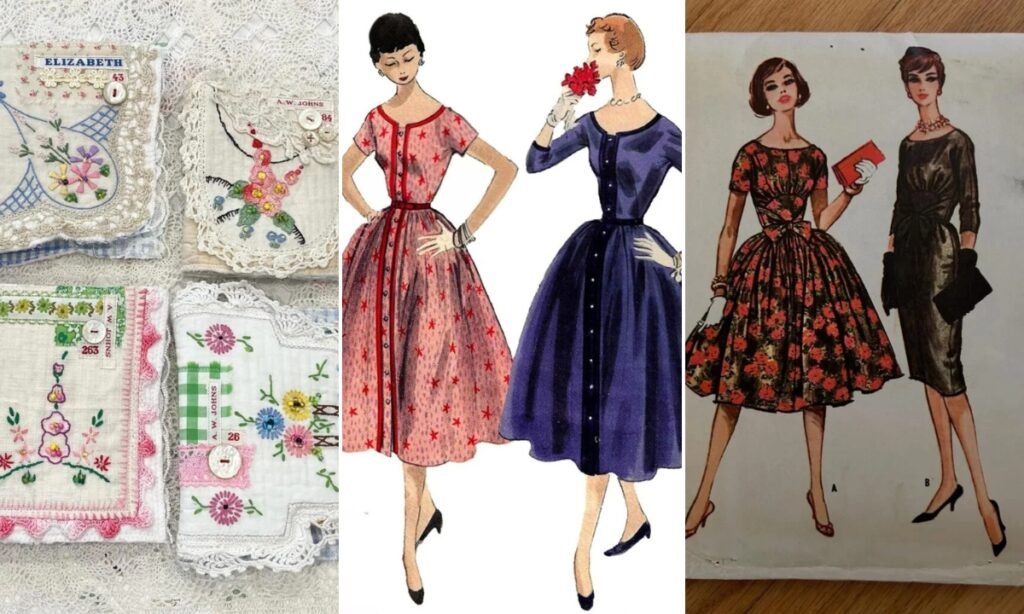
Embroidered Fabric Keepsakes
Hand-embroidered lace edges make scraps of fabric into display pieces that are great for memory sewing or creative reuse projects.
First, use lightweight interfacing to stabilize each base. Then, slowly secure the decorative stitches so that the delicate vintage cloth doesn’t pucker.
Works great for dresser decorations, sewing room decor, or little handmade gifts that show off texture instead of how the clothes are made.
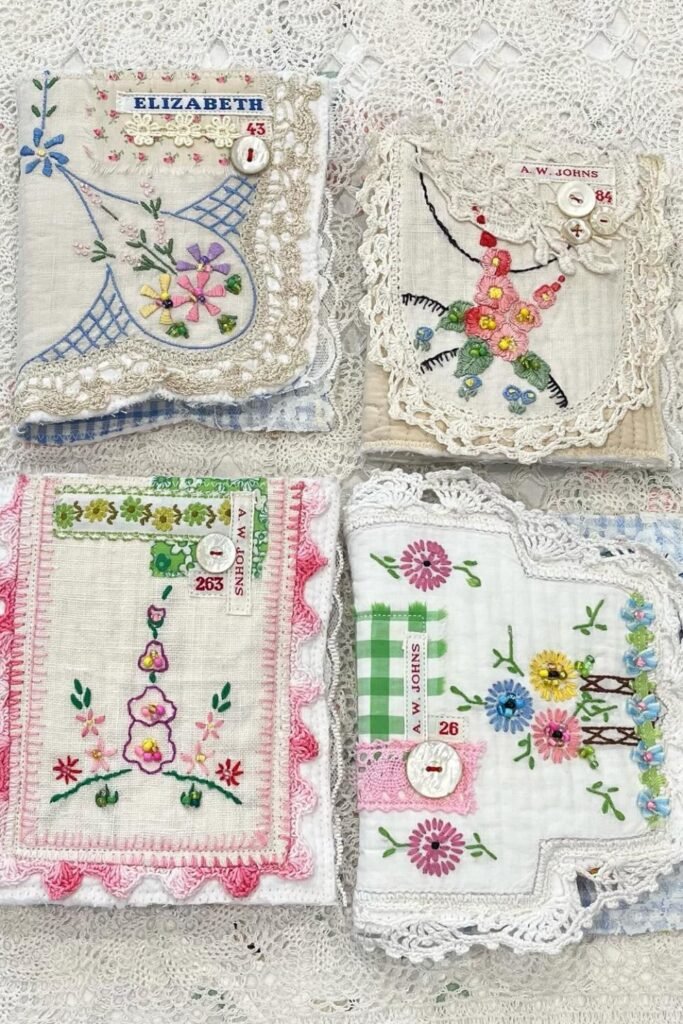
Patchwork Apron Dress
Layered quilting is an indication of slow sewing right away. It mixes lace, linen, and stitching into a wearable canvas of texture that adds layers.
Before shaping, put the panels together flat, press each seam open slowly, and attach the trim last to avoid bending them over assembly.
Best for aprons for art, fair dresses, or studio clothes where cloths that convey stories are more important than uniformity and typical sewing norms.
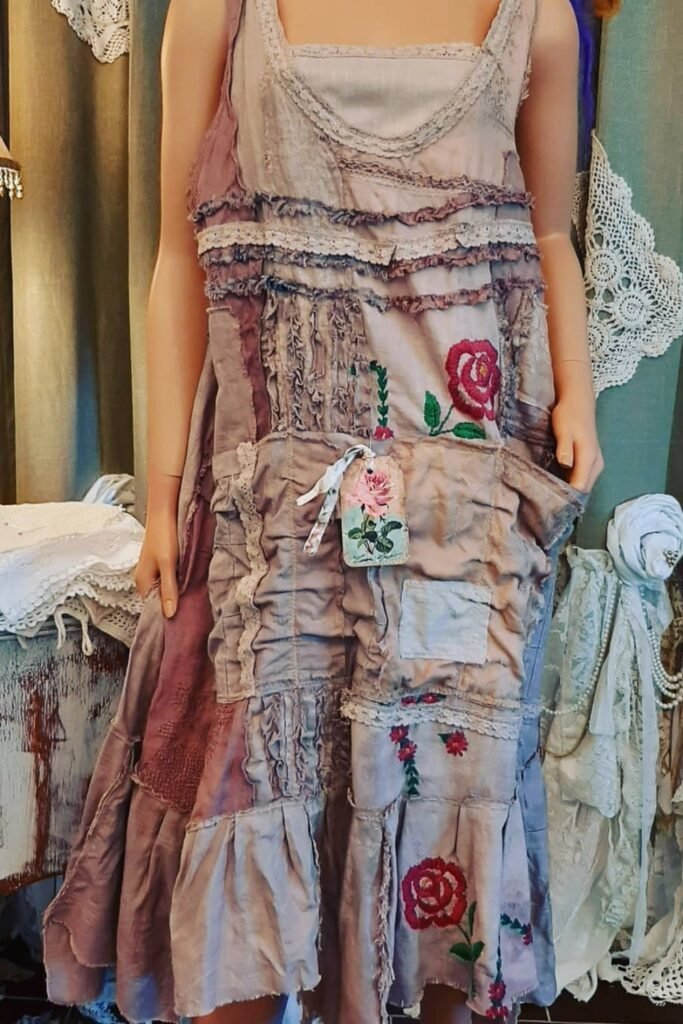
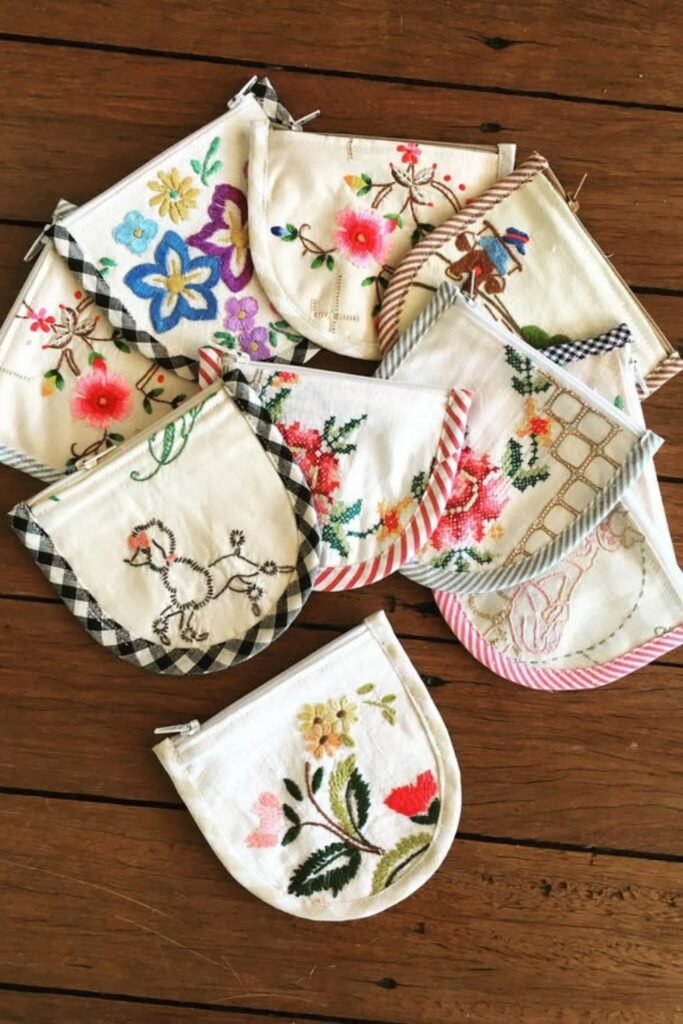
Embroidered Coin Pouches
These little, curved shapes help learn zipper control quickly, so they are great practice pieces before moving on to complicated bag patterns.
These small curves are great for practicing zip control since they train it quickly. After that, you may go on to more structured bag patterns.
Works well for scrap projects, quick craft fairs, or sets of homemade gifts where quality is more important than speed of production.
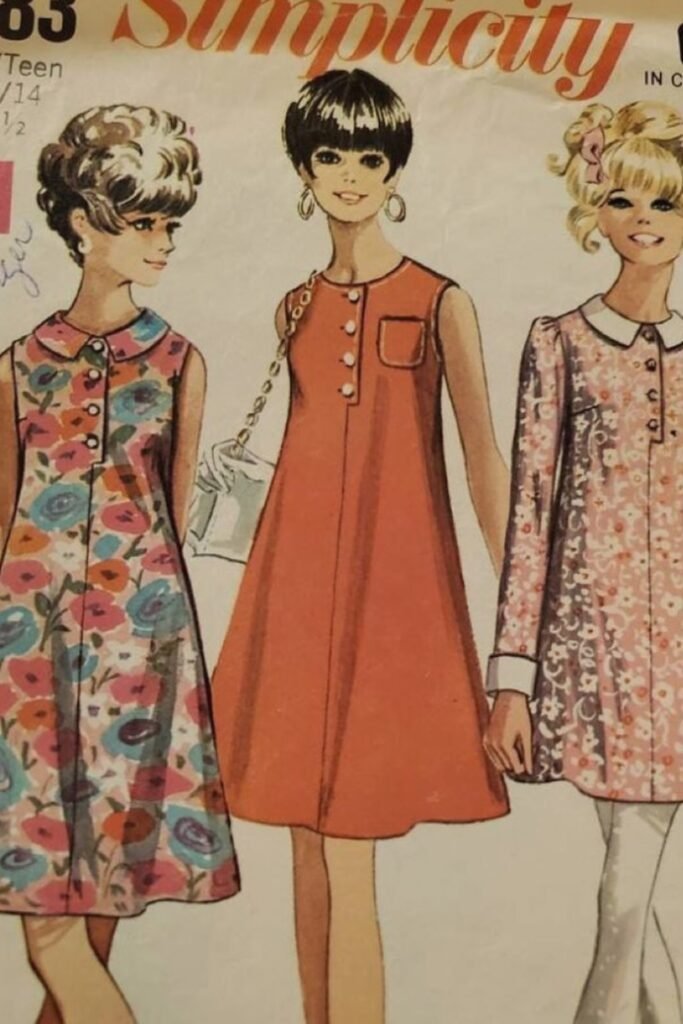
Mod Shift
The A-line shift shape makes construction easy, so vibrant designs can shine without darts, waist seams, or fitting tension.
Focus on making the neckline and armhole edges neat and precise, because these are what give the complete garment its gloss nowadays.
Great for first-time teen clothes, or quick wardrobe updates when you want to make a major impact without having to do a lot of complex shaping.
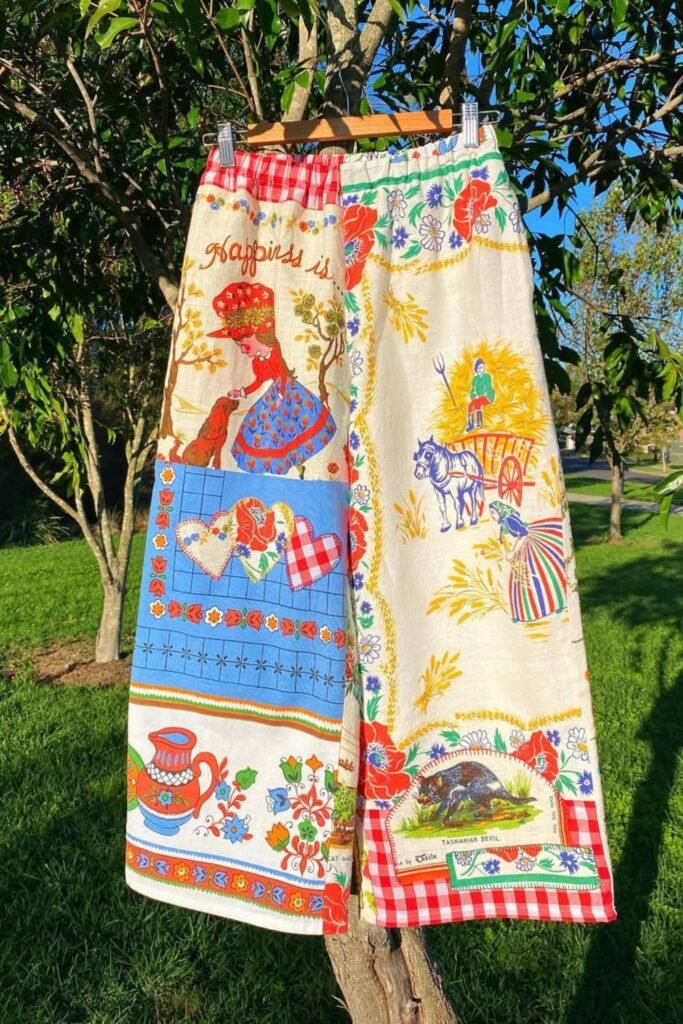
Story-Print Wrap Skirt
Narrative fabric panels turn a simple wrap skirt into a visual story, letting prints dictate the layout instead of the usual laws of symmetry.
Before cutting, make sure the motifs are lined up. Use interfacing strips to make the waist ties stronger, and check the wrap overlap to make sure it’s easy to walk in.
Great for colorful skirts, summer markets, or creative ensembles where fabric personality is more important than plain, neutral basics.
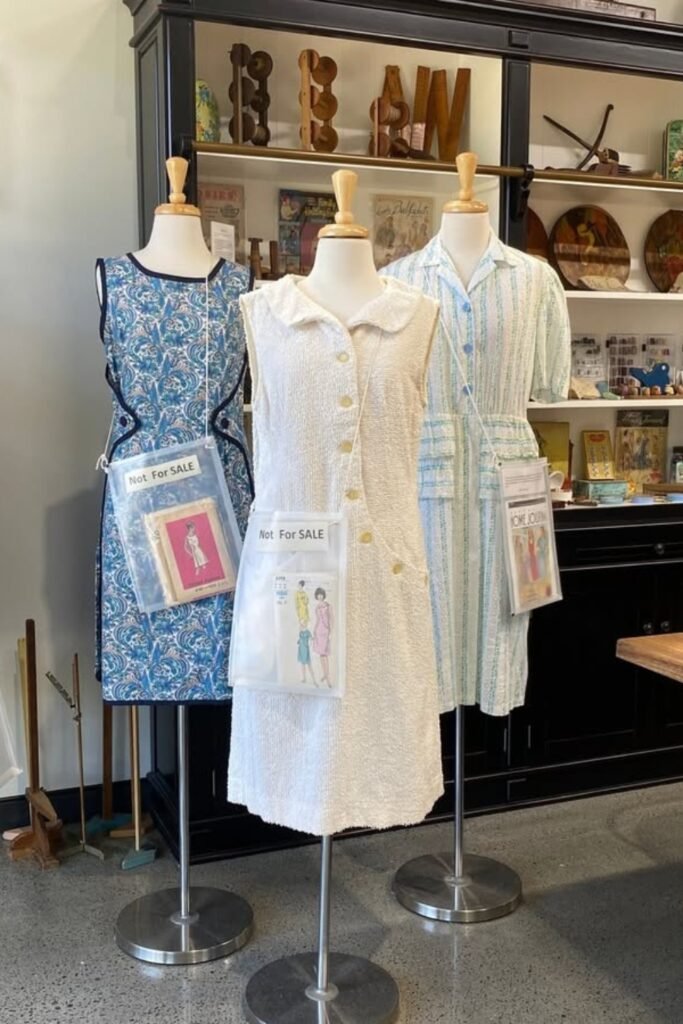
Pattern Display Dresses
Seeing done clothes next to their original envelopes might help you decide on the right fit and fabric prior to you cut into precious vintage designs.
Use muslin or cheap cotton to sew one size as a sample, then improve the shape before cutting the final textured or printed cloth.
Great for sewing rooms, craft fairs, or studio portfolios where you need to choose patterns with the help of visual references.
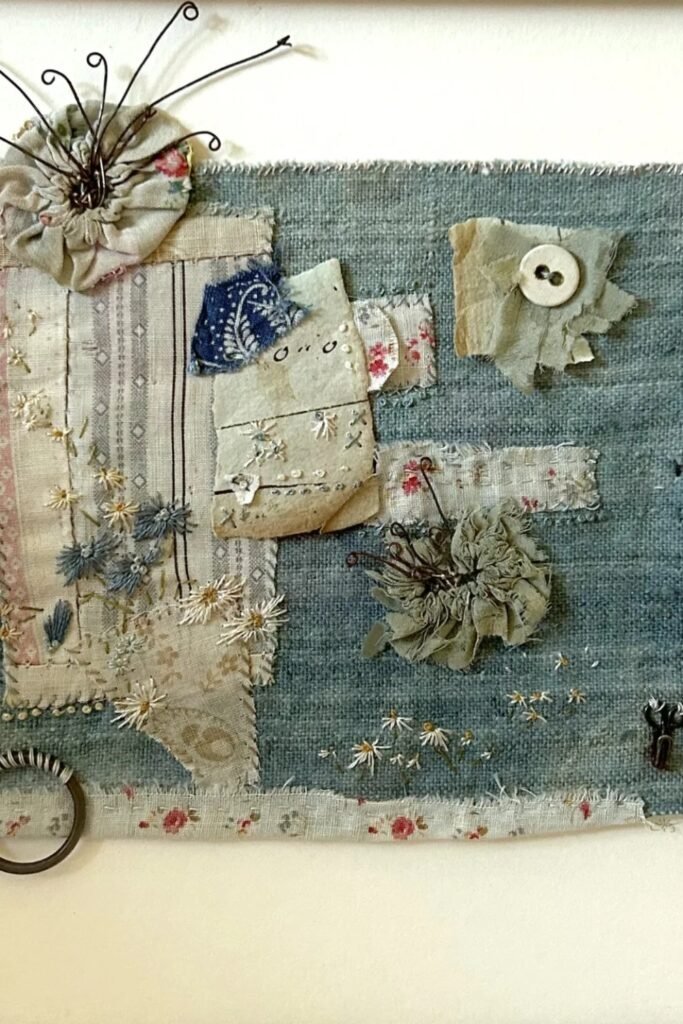
Textile Assemblage
Raw-edge fabric layers turn loose scraps into textured textile art, and stitches take the place of symmetry as the main structure.
Use thick linen to anchor the foundation, audition location dry, and then hand stitch outwards with various thread gauges to give uneven relief.
Good for display panels, mental quilts, or process boards when tactile narrative is crucial than how long they last or how easy they are to wash.
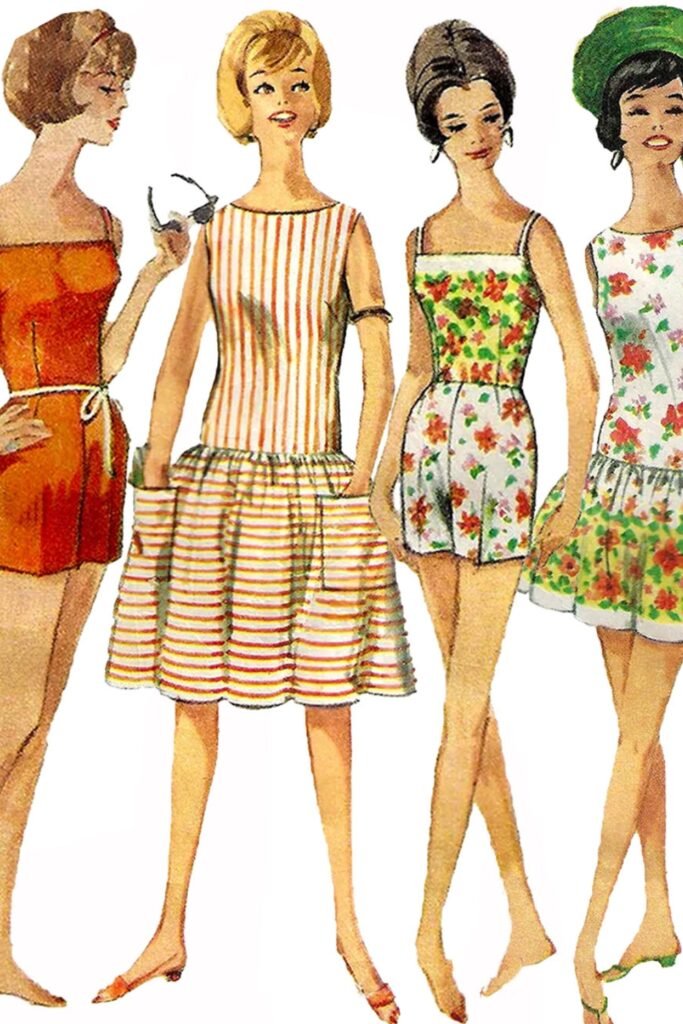
Retro Playsuit Set
Short hemlines and fitting bodices need stable woven cottons with a little body to give shape without needing stretch support.
Sew each view as a separate test first. Then, carefully balance the waist gathers and adjust the strap length for comfort in the upper body.
Great for making beachwear, summer loungewear sets, or fun retro capsules that need to be put together quickly and look great.
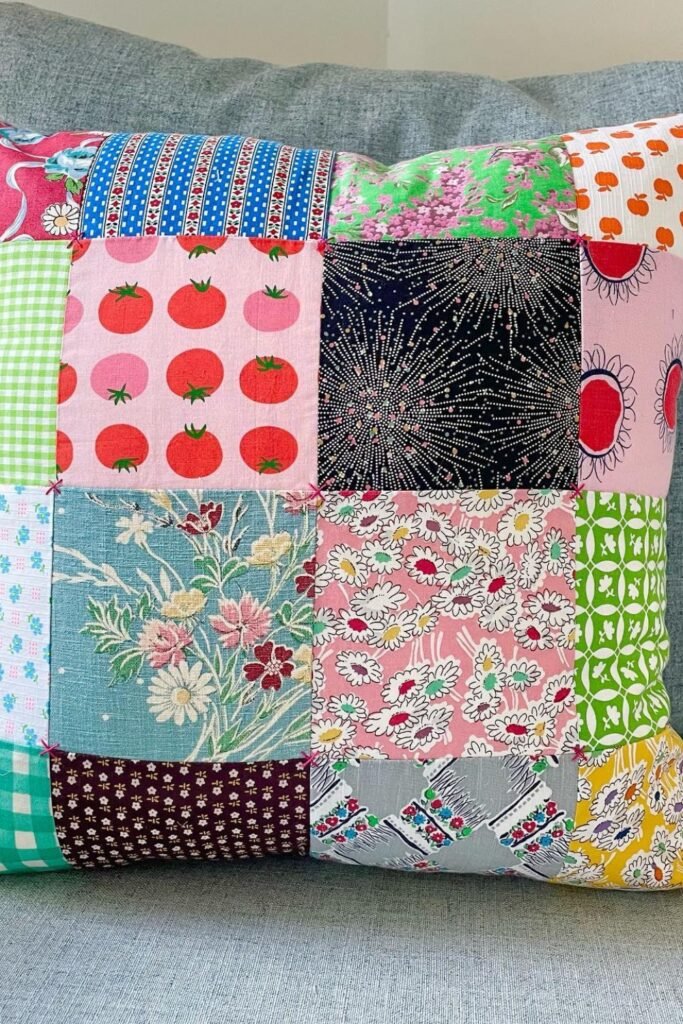
Patchwork Pillow
Color-block patchwork instantly updates scrap stitching by turning uneven designs into a balanced grid that seems both fun and planned.
Each piece should be neatly joined, and link rows should be used to speed things up. Then, push seams toward darker colors to make them invisible.
Great for throw pillows, seat cushions, or memory items where varied designs tell stories without needing to fit perfectly like clothing.
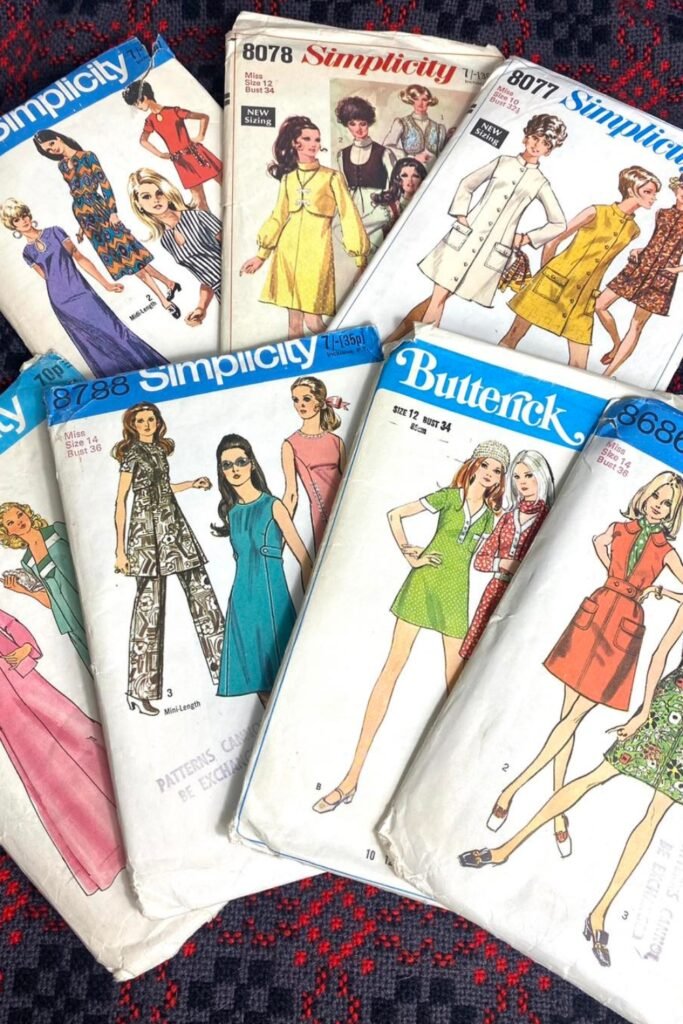
Pattern Archives
You can instantly see fashion decades with stacked envelopes like these. You can study patterns, darts, and structural logic prior to making any item.
Instead of cutting, draw the original parts on pattern paper. This manner, you can employ uncommon sizes for other projects in the future.
Best for collectors, resellers, or sewists who want to build capsule outfits from well-known old brand archives with proven fits.
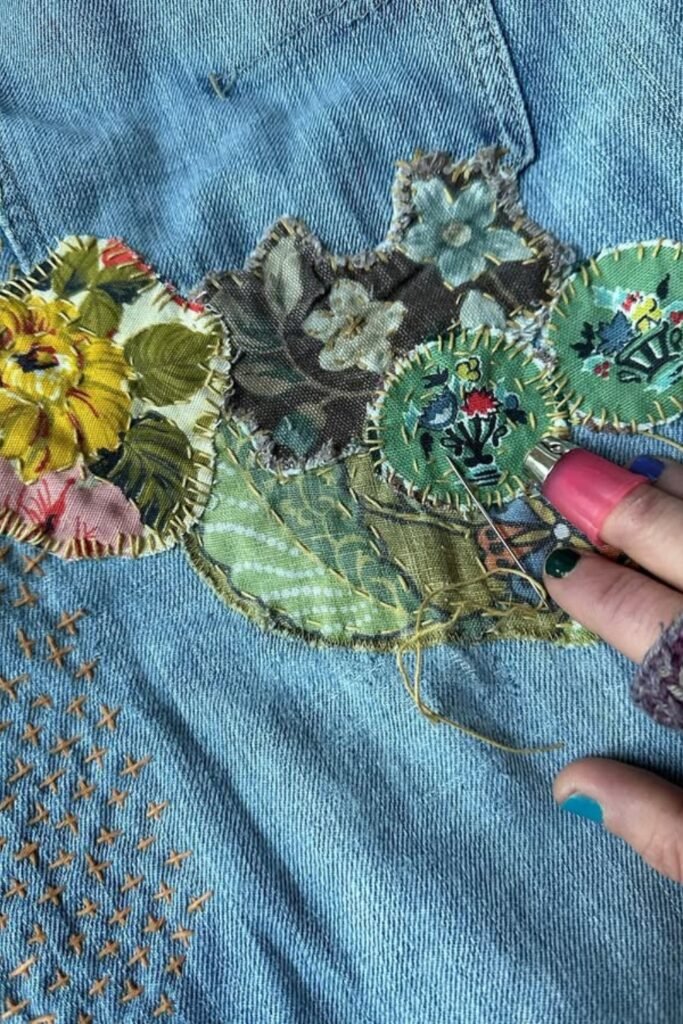
Denim Applique
When fabric forms are put over worn sections that would normally be thrown away without a second thought, old jeans receive a new life.
To keep the raw cotton safe after washing and moving around every day, use a tight blanket stitch around each edge.
Works best on jackets, tote bags, or knee panels where the texture is a good thing instead than a bad thing.
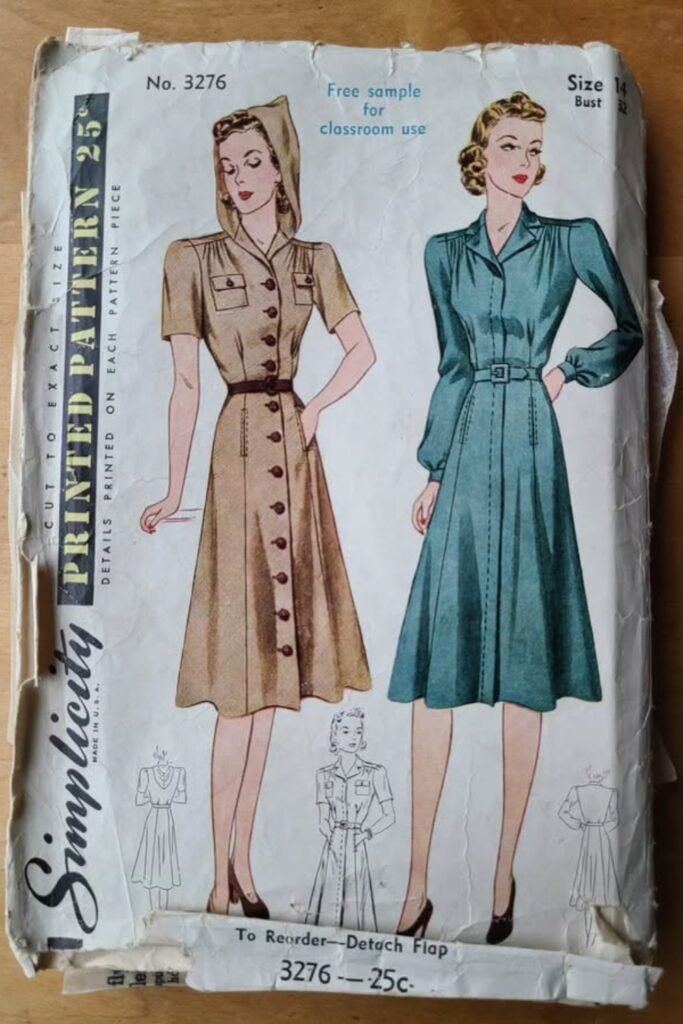
Dress Revival
A single old envelope like this one has the whole history of the garment, from the shape of the collar to the location of the waist.
To restore authenticity, make sure that the button spacing, sleeve cap height, and skirt fullness are all exactly as the original design intended.
Great for day dresses, reenactment ensembles, or slow fashion wardrobes that are based on classic shapes and well-structured tailoring features.
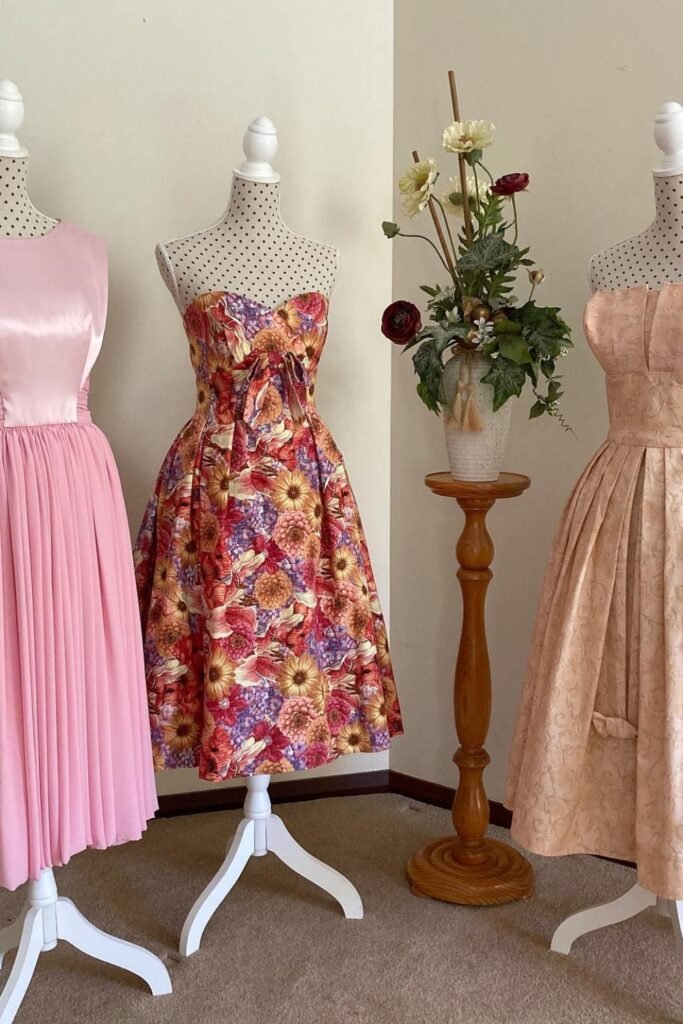
Showroom Fitting
Seeing finished vintage gowns together shows how patterns change into genuine movement, weight, and proportion on bodies today.
Before cutting the final fabric, try your muslin on a dress form and make any changes to the princess seams, bust darts, and waist shaping.
Great for wedding shops, costume studios, or home ateliers where you can see and compare different silhouettes side by side.
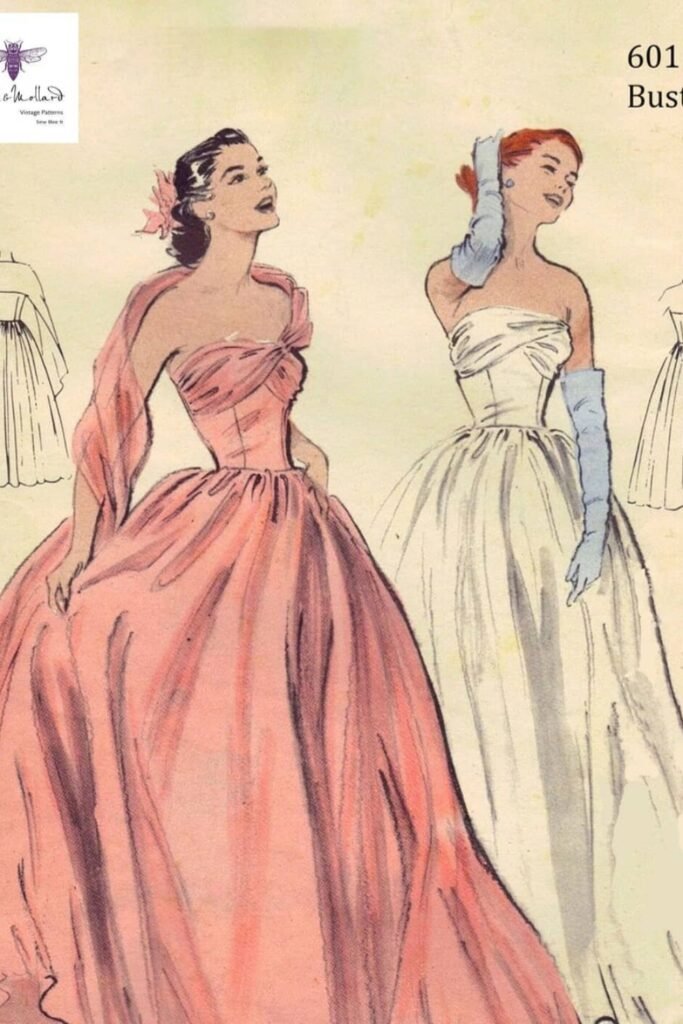
Strapless Gown
This particular type of naked neckline needs perfect support underneath, where boning and inner stays hold up the whole appearance.
Sew the bodice together with strong coutil, and then hand-baste the outside fabric so that tension lines show fitting problems early on.
Great for evening gowns, prom dresses, or bridal ensembles when drama comes from volume instead of surface embellishment.
You may like to read!

Hi, my name is Ali Mehmood! I’m a passionate writer and DIY enthusiast who loves turning creative ideas into practical, hands-on projects.
I created this website to share inspiring, budget-friendly ideas that you can do yourself – whether it’s organizing your home, crafting something unique, or creating fun projects for kids and pets.
I believe DIY isn’t just a hobby – it’s a smart way to save money, reduce waste, and enjoy the satisfaction of making things with your own hands.
I’m excited to have you as part of this growing community, and I’ll continue bringing you helpful, realistic, and fun DIY ideas you can actually use.