This post may contain affiliate links: read full affiliate disclosure.
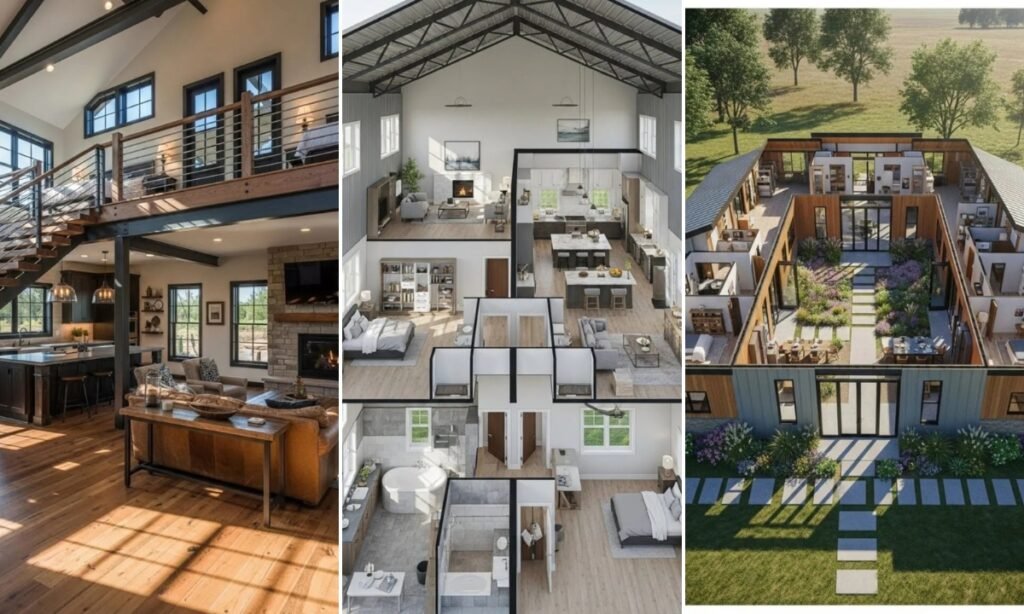
A bungalow house design is all about comfort, simplicity, and smart use of space. Because everything is on one level, the layout, airflow, and natural light matter even more.
The right design can make a bungalow feel open, private, and connected to nature at the same time.
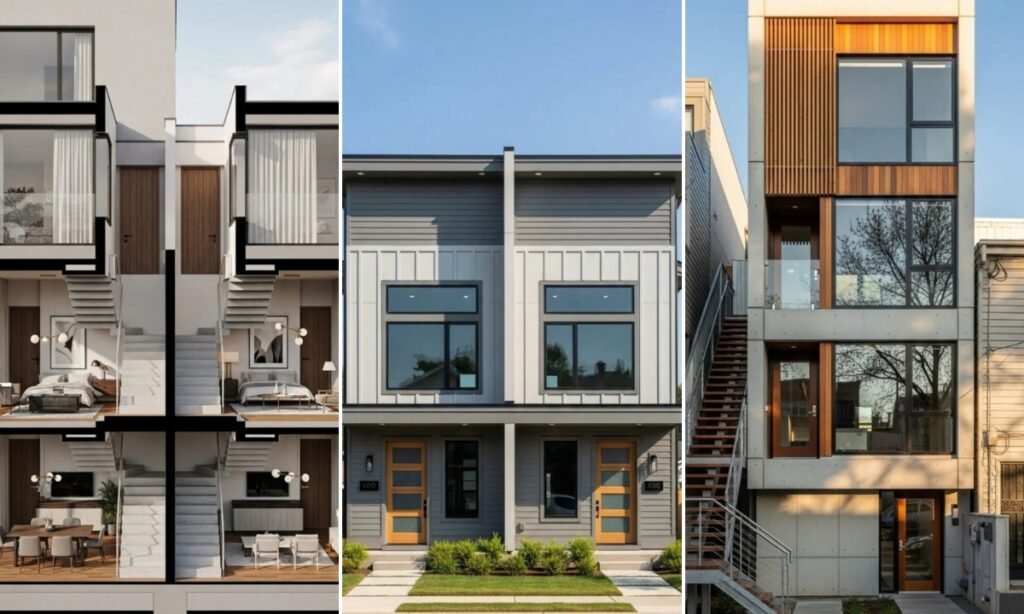
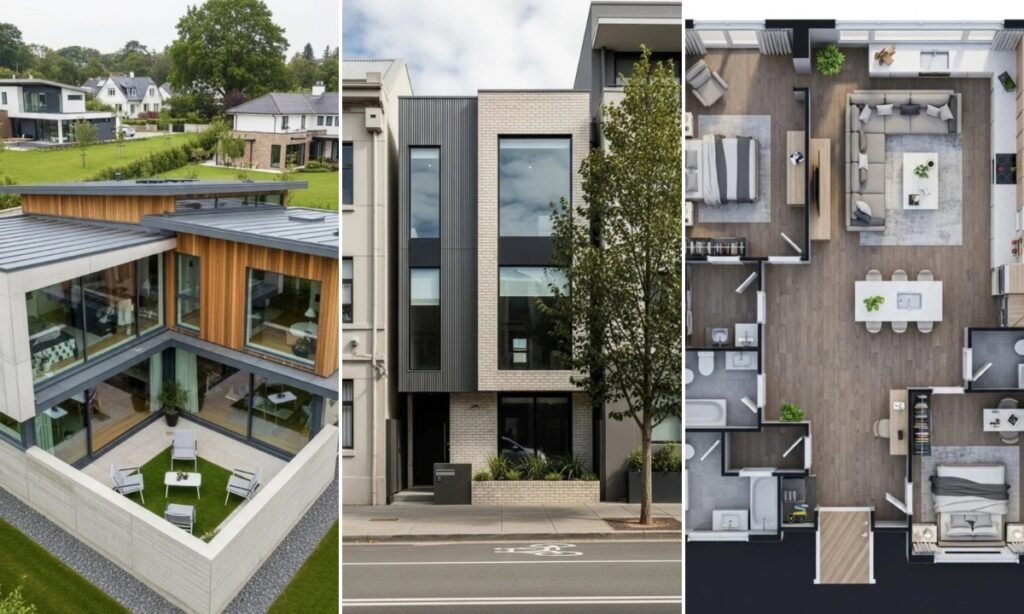
In this article, you’ll find 30 unique bungalow house design ideas that focus on real layouts, materials, and planning choices.
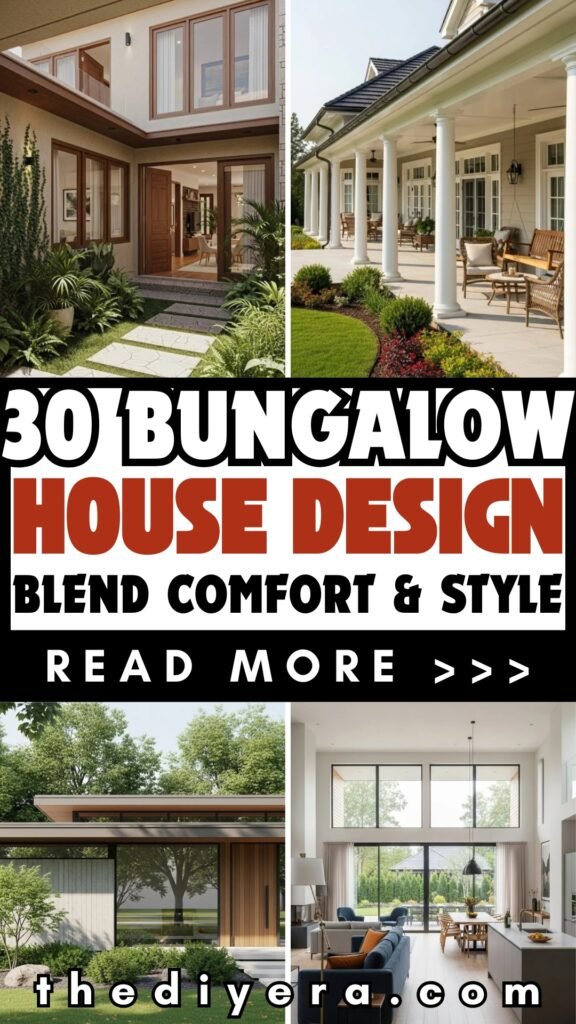
Courtyard Core
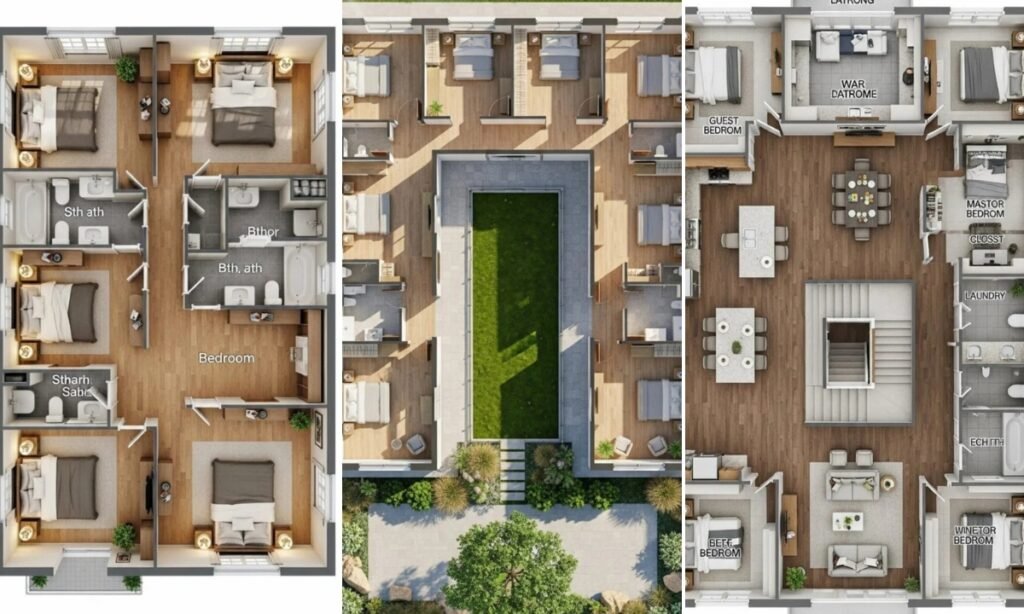
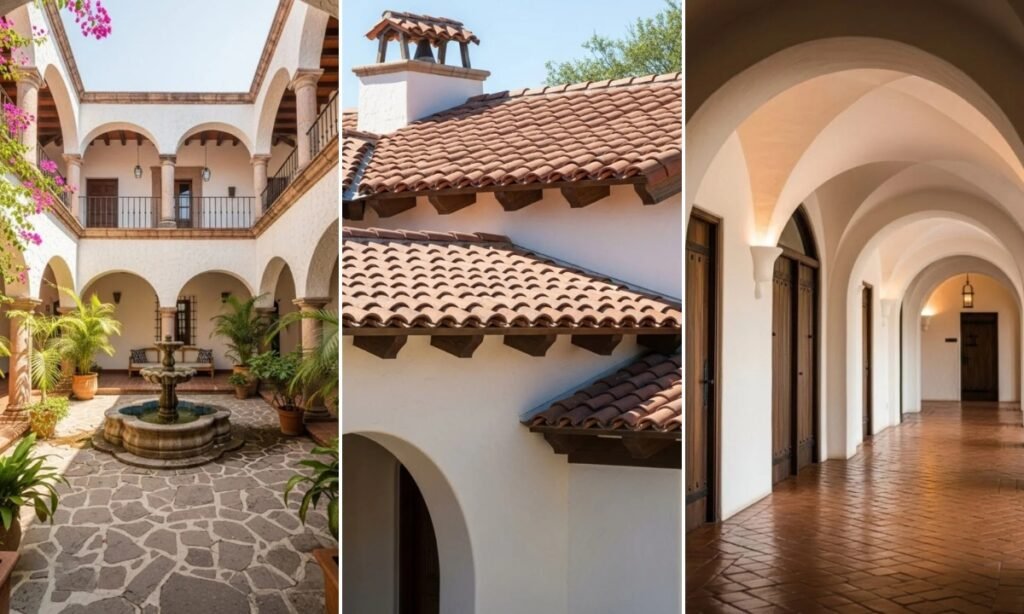
Design the bungalow around a central open courtyard that brings daylight and airflow into all surrounding rooms. This layout improves ventilation, reduces heat buildup, and creates a calm focal point.
You can add plants, seating, or a small water feature to make the courtyard usable all year while keeping the house private and naturally cool.
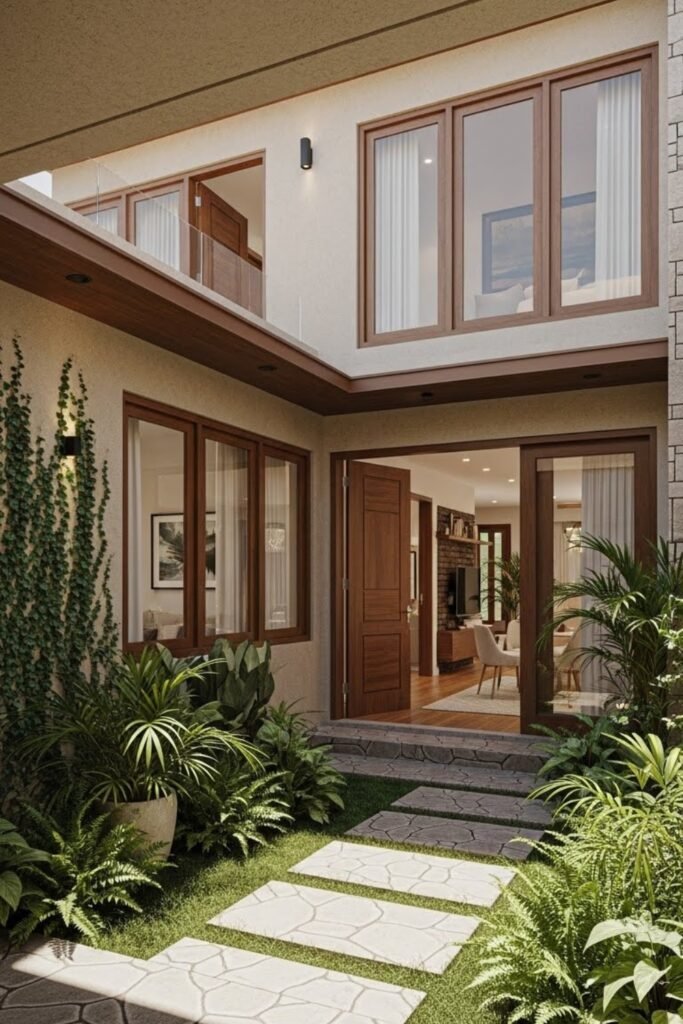
Wrap Veranda
A wraparound veranda adds shade, outdoor living space, and classic bungalow character. It protects walls from harsh sunlight and rain while giving you extra seating areas around the home.
This design works well in warm climates and makes the bungalow feel larger without increasing indoor square footage.
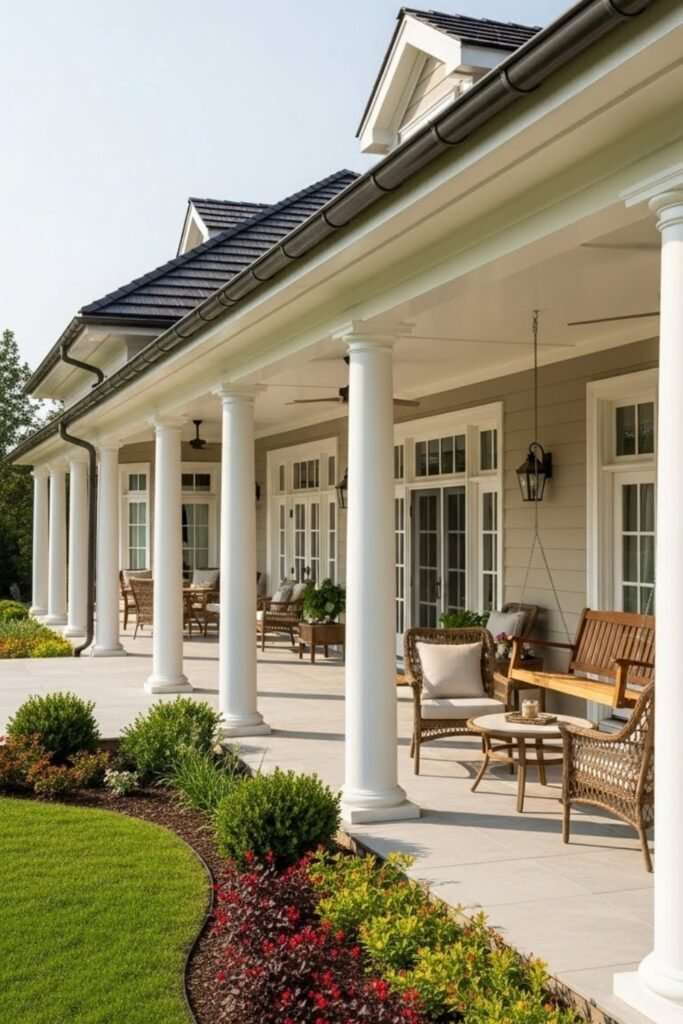
Open Spine
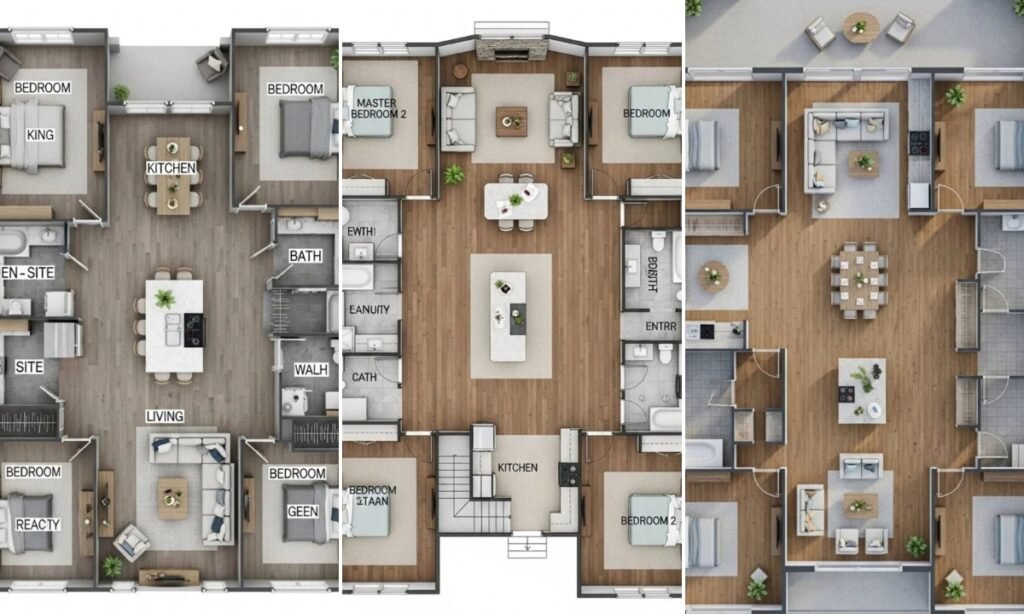
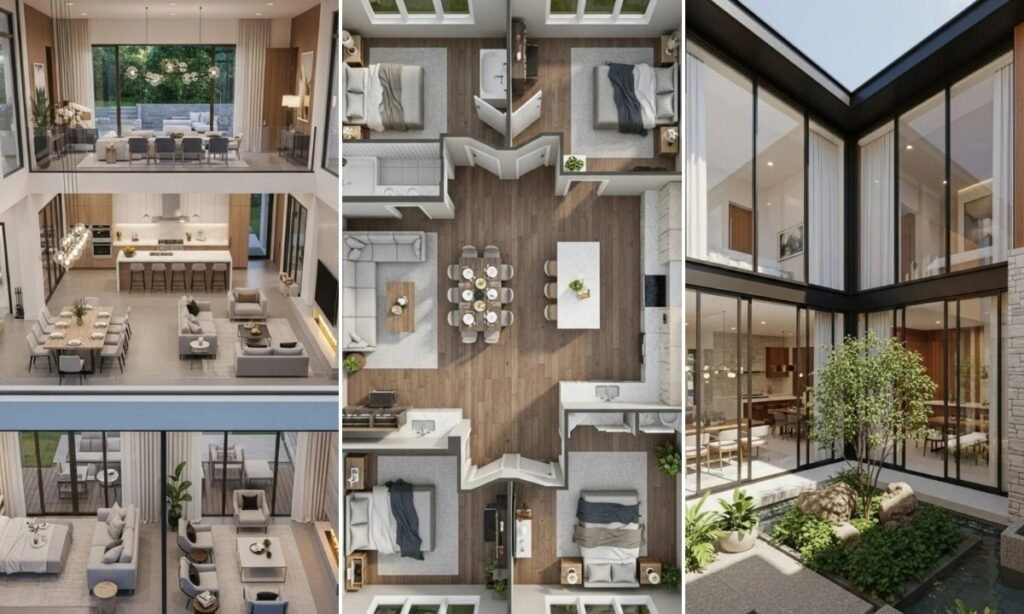
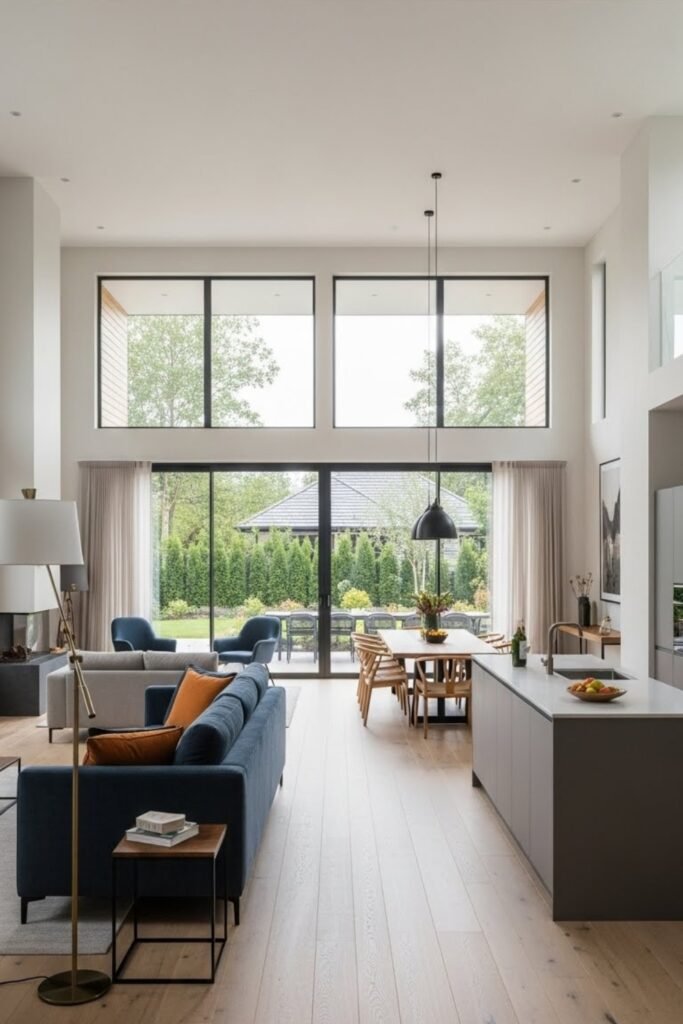
An open spine layout connects the living room, dining area, and kitchen in one long open zone. This removes unnecessary walls and helps light travel across the house.
It’s ideal for family living, easy movement, and making a single-story bungalow feel wide, modern, and socially connected
Low Roof
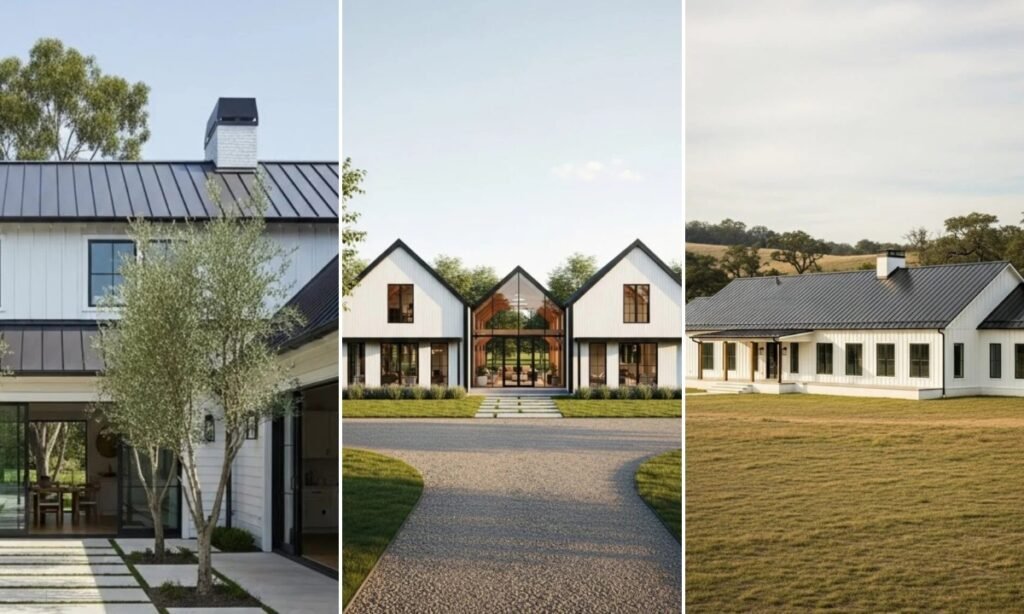
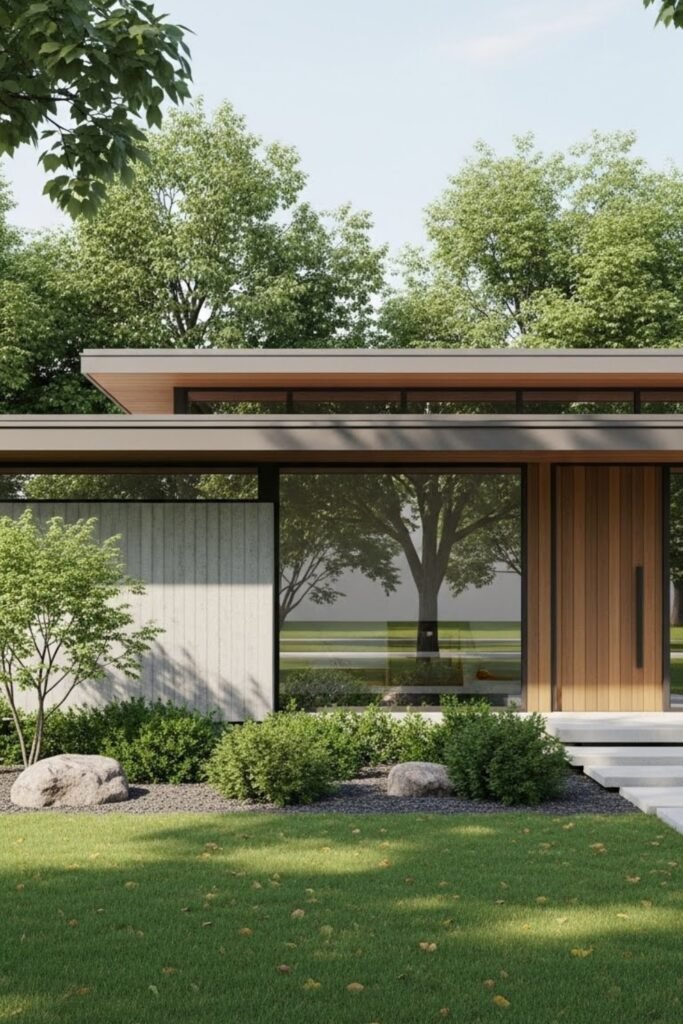
A low-profile roof keeps the bungalow visually grounded and blends smoothly with the surrounding landscape.
This design reduces construction costs and helps with temperature control. Simple rooflines also allow better rainwater drainage and make future extensions easier without disturbing the original structure.
Garden Flow
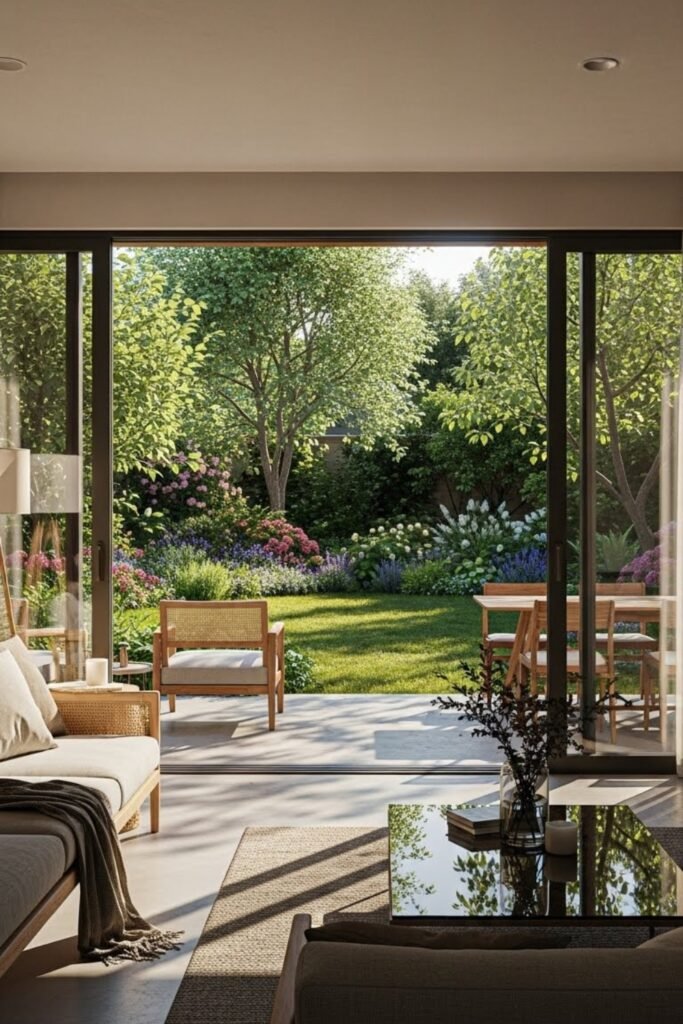
Use large sliding or folding doors to connect indoor living areas directly with the garden or patio. This design makes the bungalow feel open and airy while allowing natural light to enter deeply.
It’s ideal for homes with outdoor space and helps blur the line between inside and outside living.
Split Zones
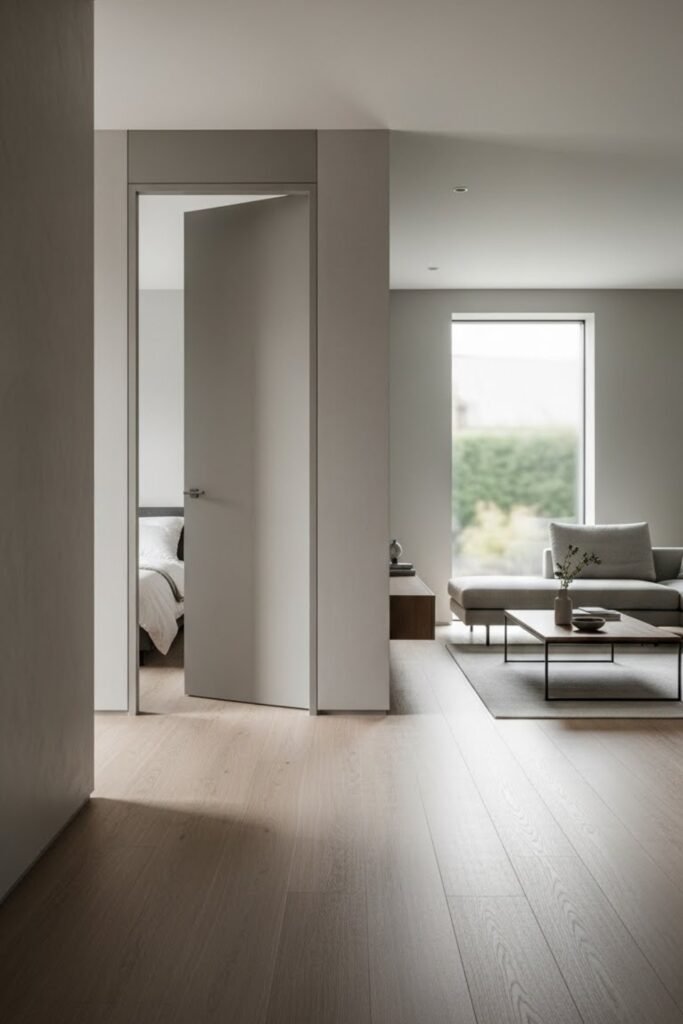
Divide the bungalow into clear zones by placing bedrooms on one side and common areas on the other. This layout improves privacy, reduces noise, and keeps daily activities organized.
It works especially well for families, allowing quiet spaces to stay separate from social or entertainment areas.
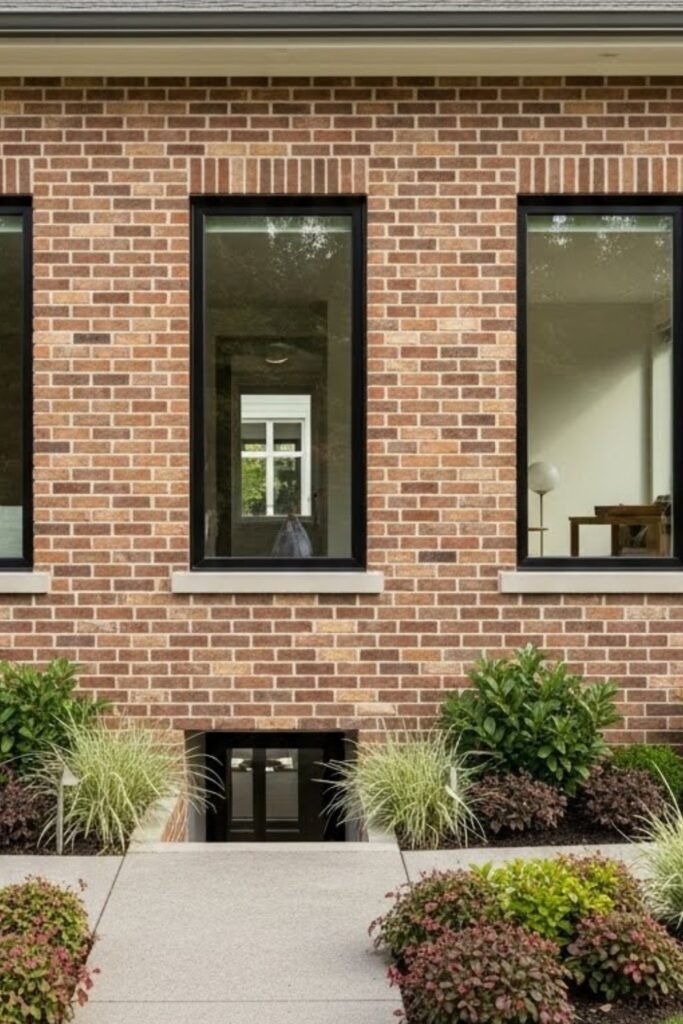
Brick Facade
An exposed brick exterior gives the bungalow a strong, timeless look while reducing maintenance. Brick also helps regulate indoor temperature by keeping interiors cooler in summer and warmer in winter.
This design pairs well with simple interiors and natural landscaping for a balanced, long-lasting home style.
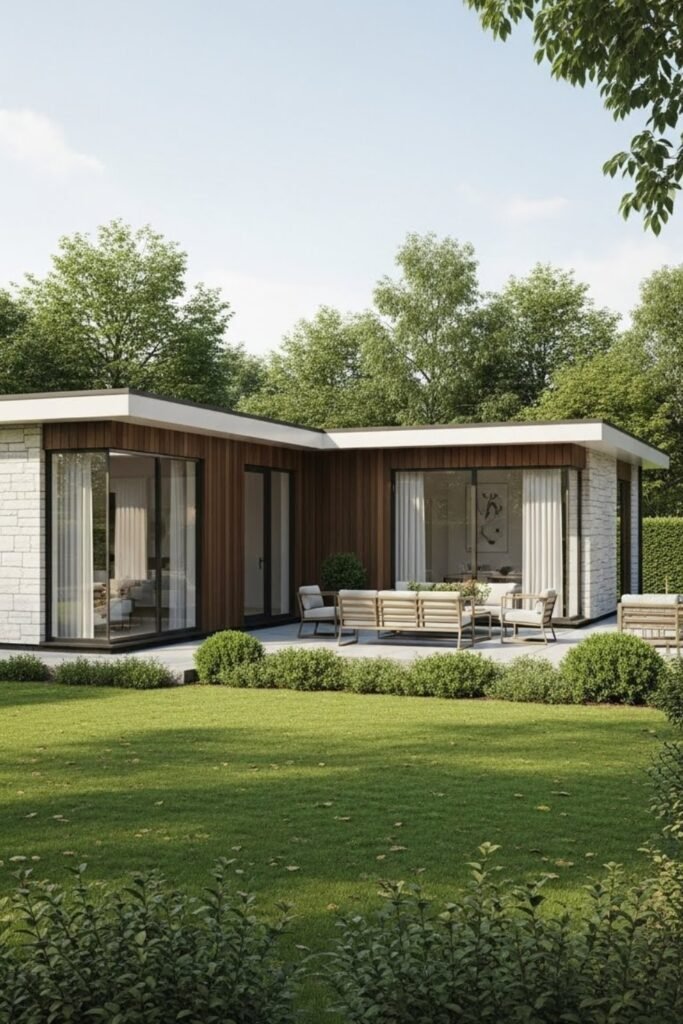
L Layout
An L-shaped bungalow wraps around a garden, lawn, or patio, creating a protected outdoor space.
This layout allows more rooms to face greenery and improves natural light and ventilation. It also offers better privacy from the street while making outdoor areas feel like part of the home.
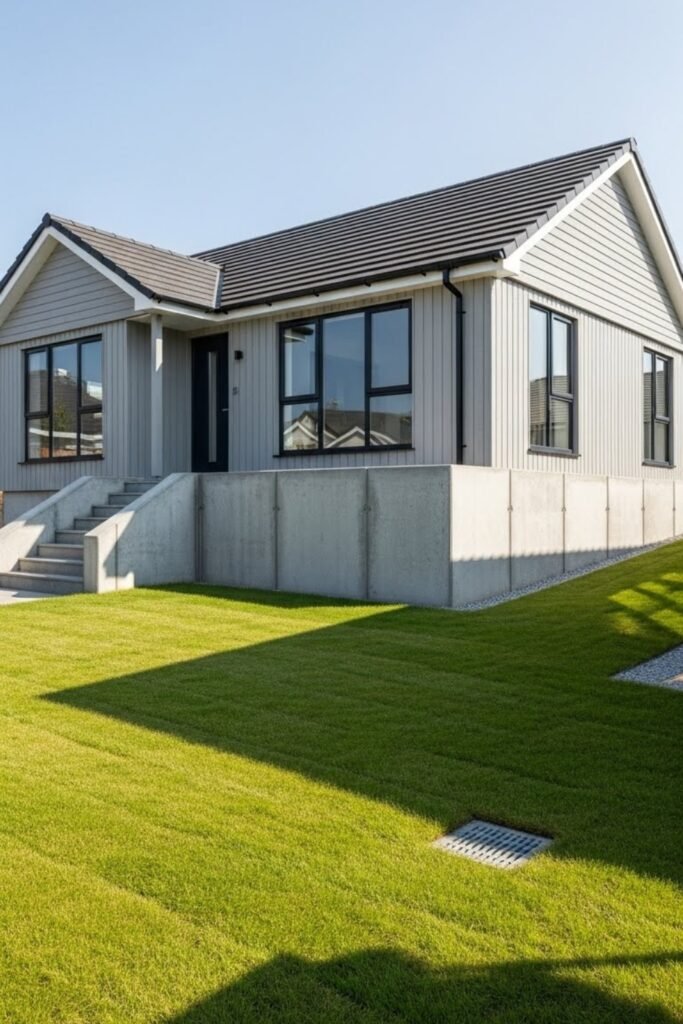
Raised Base
Build the bungalow slightly elevated above ground level to protect it from moisture and improve airflow.
A raised base also gives the home a stronger visual presence and helps with drainage during heavy rain. This design works well in humid or flood-prone areas and allows easier maintenance over time.
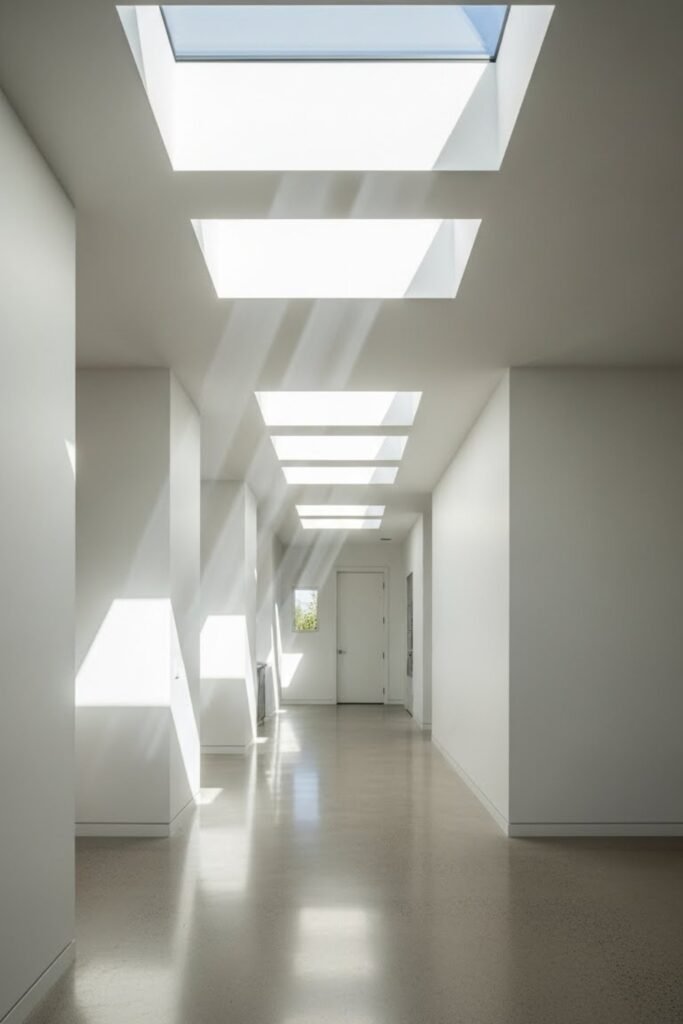
Skylight Plan
Use skylights in hallways, bathrooms, or kitchens to bring in natural light where windows are limited.
This reduces the need for artificial lighting during the day and makes small spaces feel open. Skylights are especially effective in single-story bungalows with simple roof structures
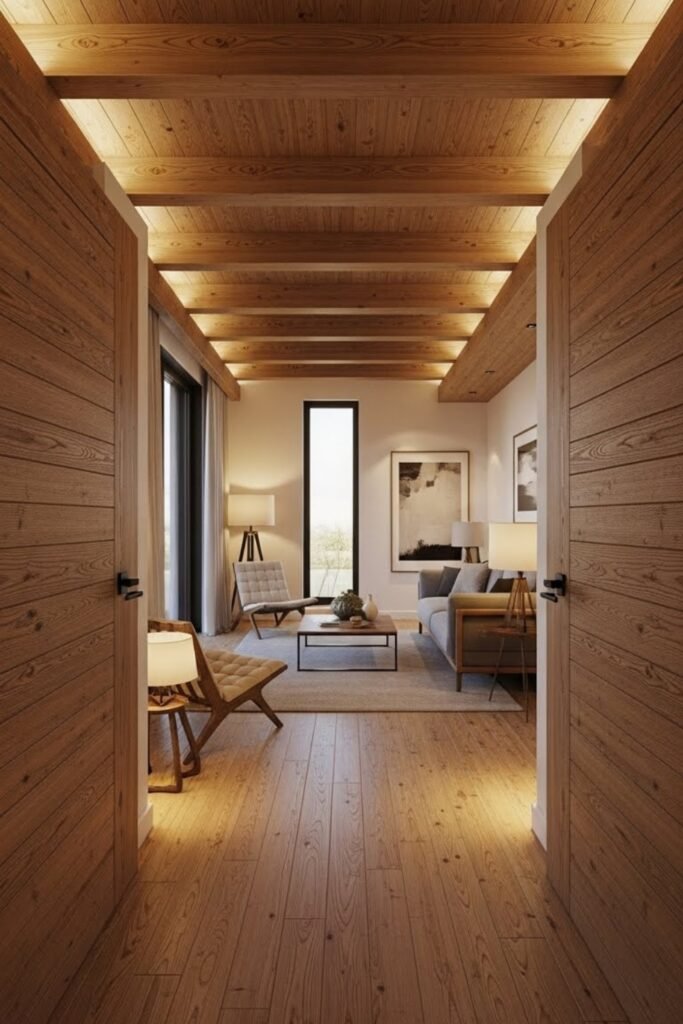
Wood Accents
Add wooden beams, ceilings, or doors to introduce warmth and texture into the bungalow. Wood accents balance modern layouts with a cozy, natural feel.
You can use treated wood for durability while keeping the design simple and visually inviting without overwhelming the interior.
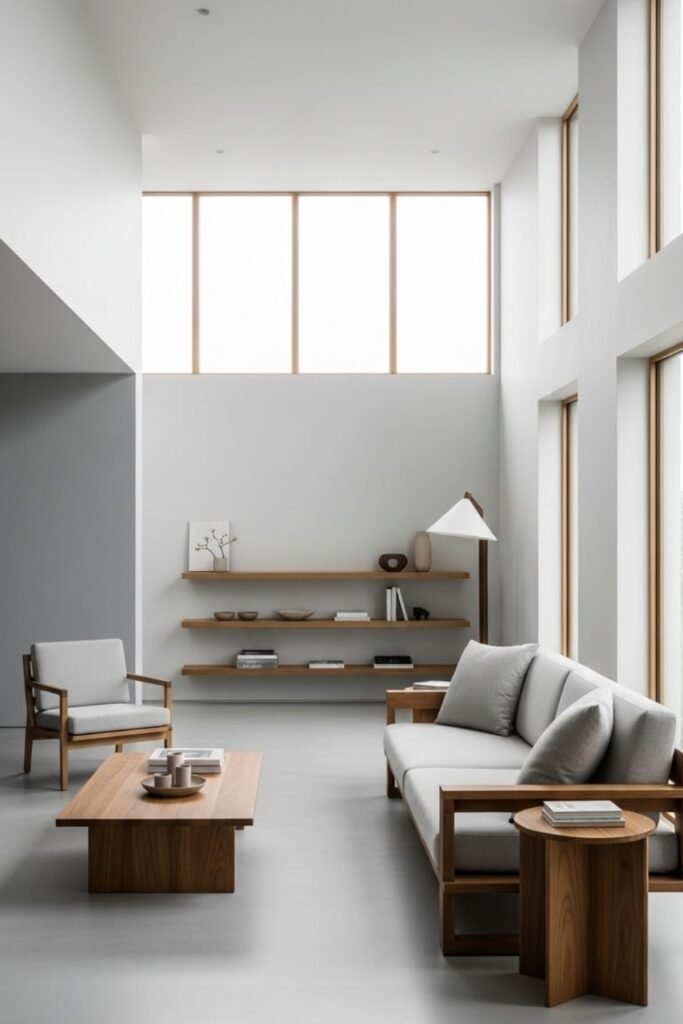
Modern Minimal
Focus on clean lines, open spaces, and neutral colors to create a modern minimalist bungalow. This design avoids heavy decoration and emphasizes functionality.
Simple finishes make the home easier to maintain and allow furniture and lighting to stand out without cluttering the space.
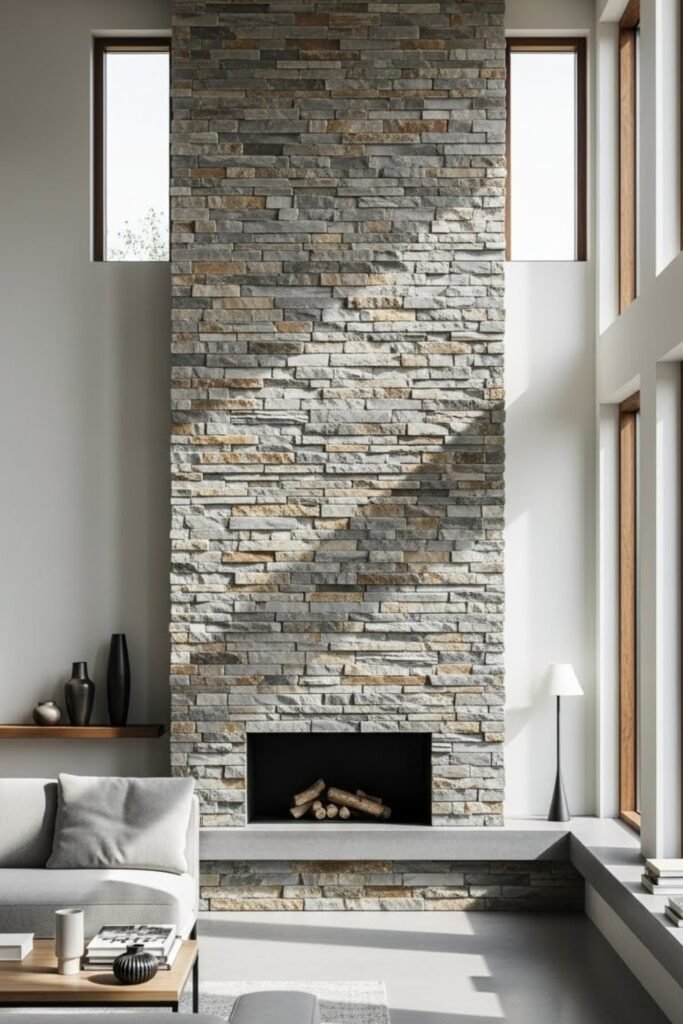
Stone Feature
Highlight one exterior or interior wall with natural stone to add texture and character. A stone feature wall creates a strong visual focal point without making the bungalow feel heavy.
It works well at the entrance, living area, or facade, and pairs nicely with neutral colors and simple finishes
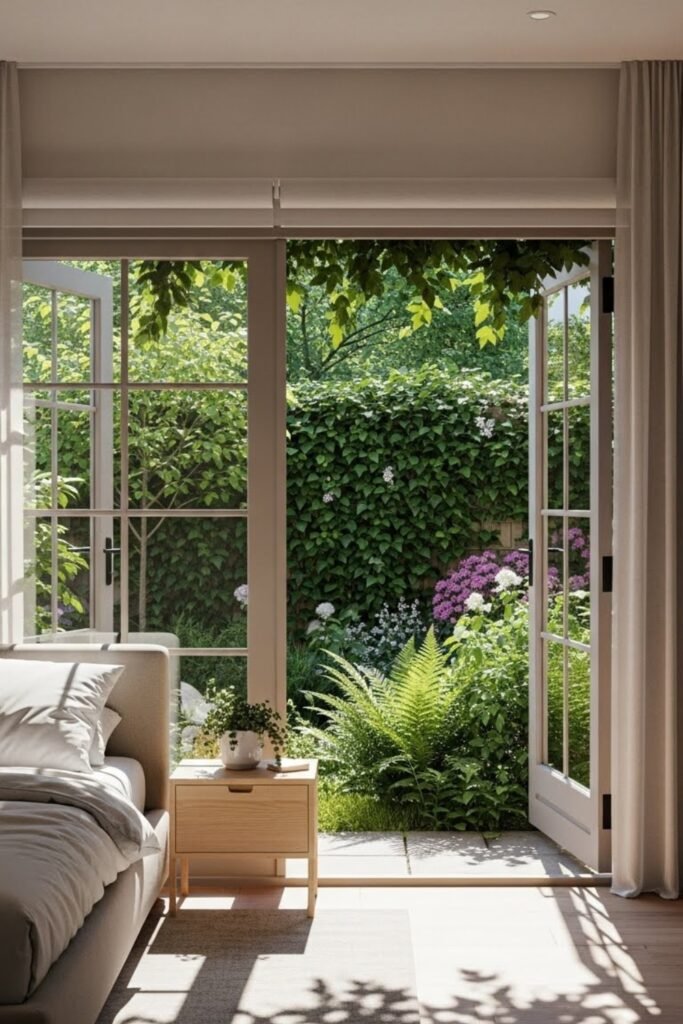
Garden Bedrooms
Position bedrooms so they face the garden instead of the street. This layout reduces noise, improves privacy, and creates a more relaxing sleeping environment.
Large windows or doors opening toward greenery also allow better airflow and natural light while keeping the rooms calm and peaceful.
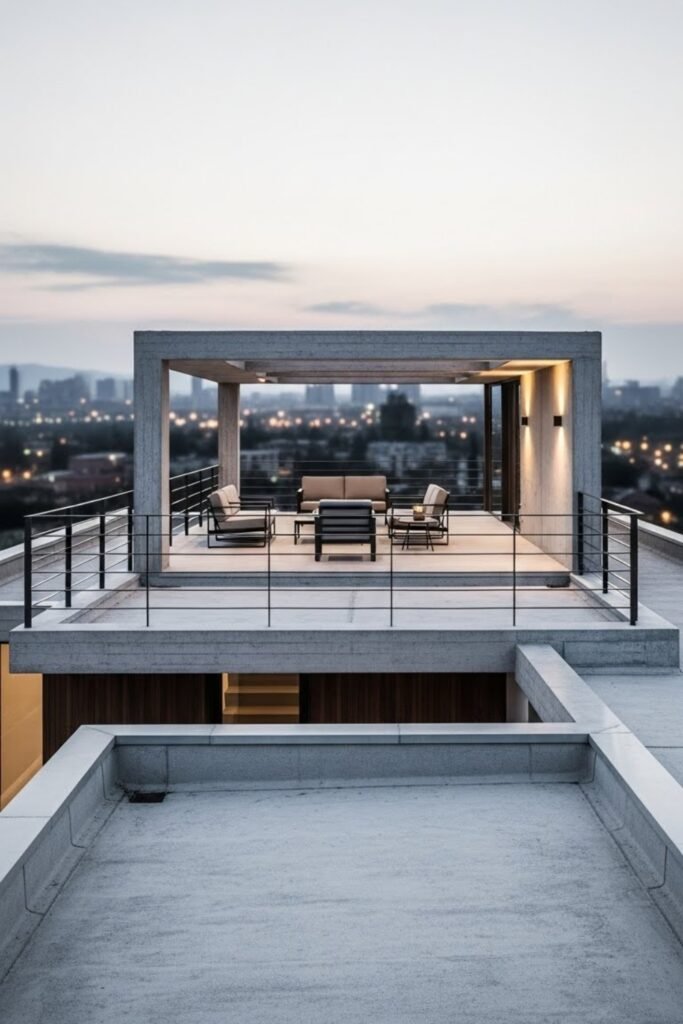
Roof Terrace
Design a flat roof that can be used as an open terrace. This extra space works well for evening seating, light gardening, or solar panels.
A roof terrace adds functionality without increasing the bungalow’s footprint and can be planned for future use if not needed immediately
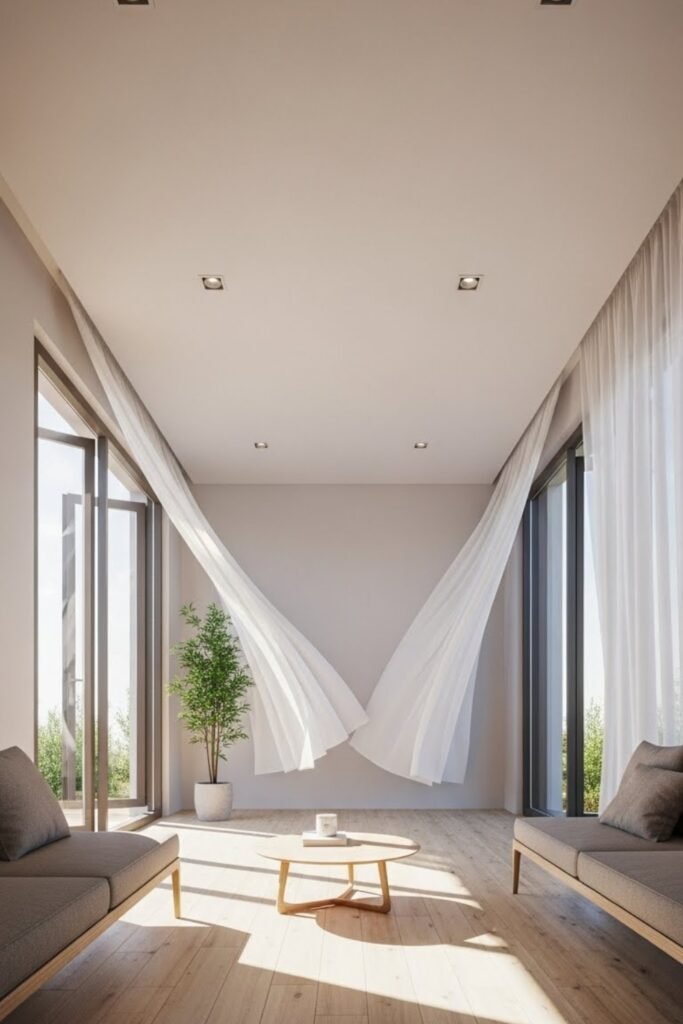
Air Cross
Plan windows and doors on opposite walls to allow fresh air to move naturally through the house.
Cross ventilation keeps interiors cooler and reduces reliance on fans or air conditioning. This design is especially useful in warm climates and improves overall indoor comfort.
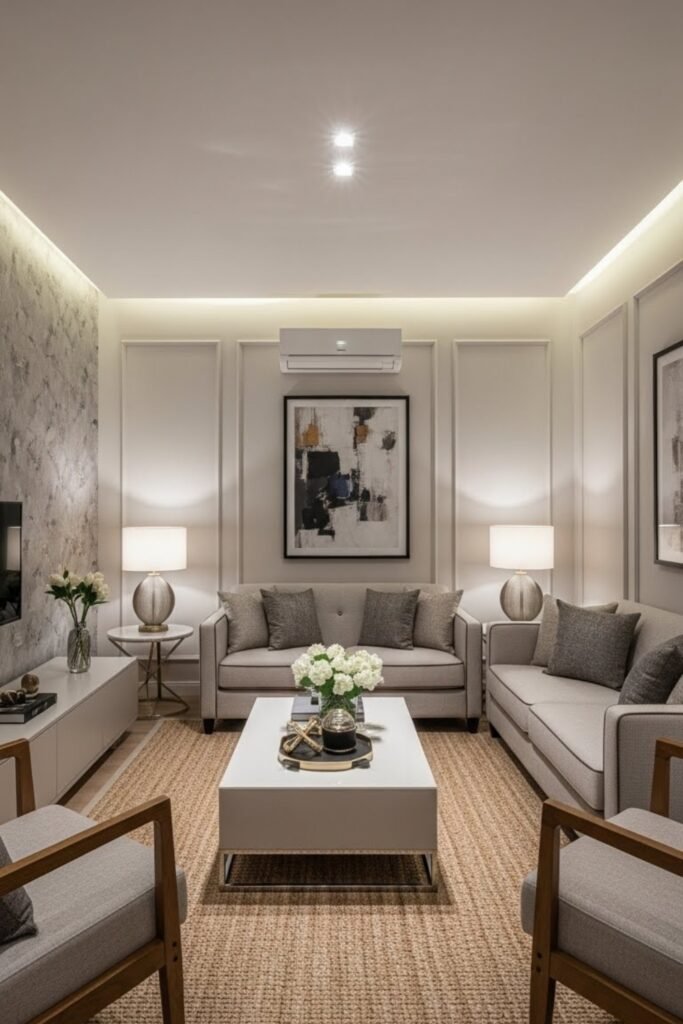
Compact Luxe
Design fewer rooms but finish them with high-quality materials and details. A compact luxury bungalow focuses on comfort, smart layouts, and refined finishes instead of size.
This approach reduces construction costs while still delivering a premium feel through lighting, textures, and thoughtful space planning
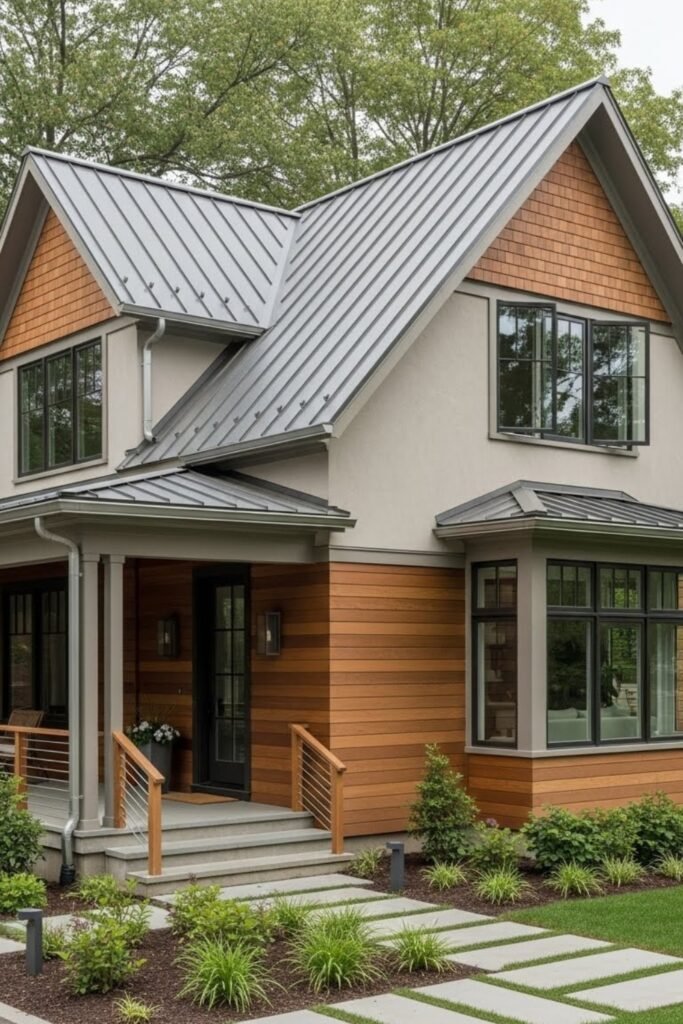
Heritage Blend
Combine traditional bungalow proportions with modern interiors for a timeless look. This design keeps classic roof shapes and layouts while updating finishes, lighting, and furniture.
It works well in established neighborhoods where a modern-only style might feel out of place.
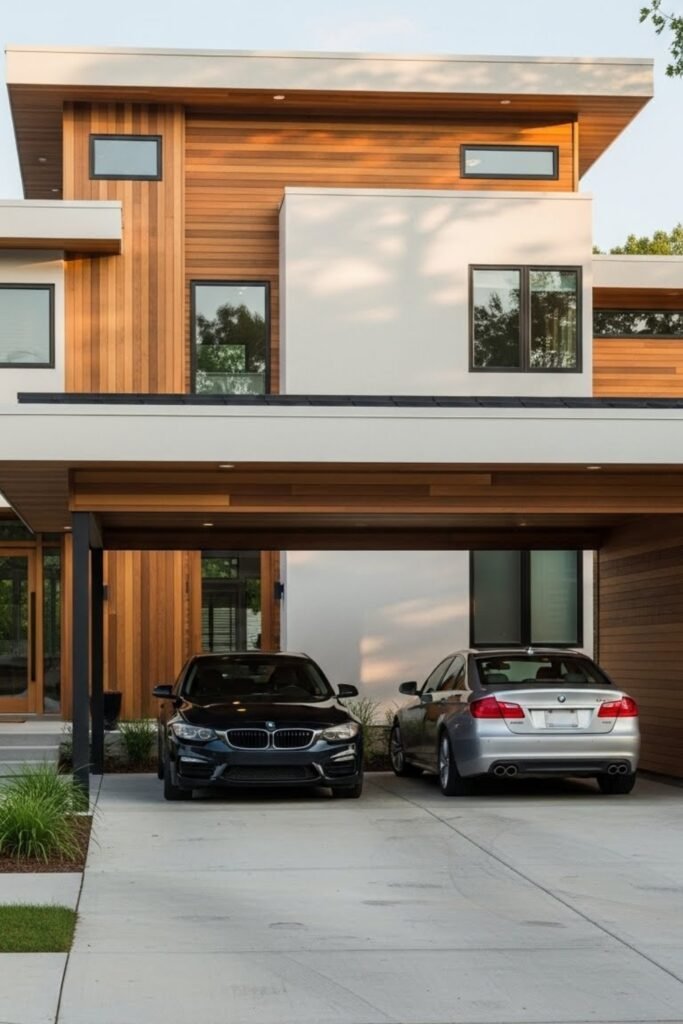
Car Porch
Integrate a covered car porch into the main bungalow structure rather than attaching it separately.
This keeps the design balanced and protects vehicles from weather. A well-planned porch can double as a shaded sitting area or transition space at the entrance
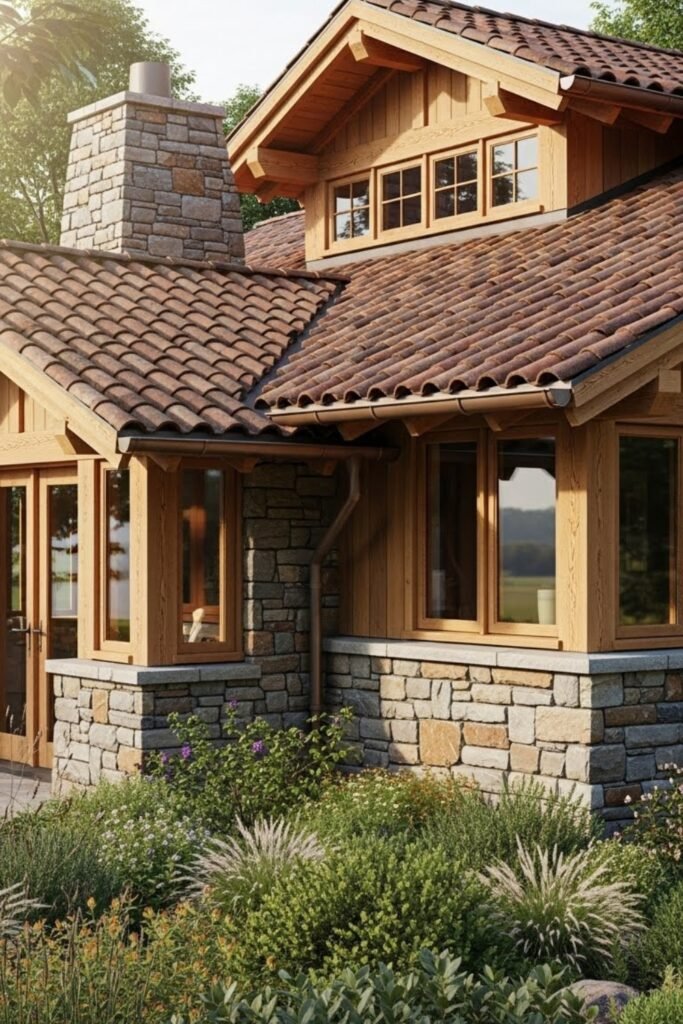
Natural Palette
Use materials like clay tiles, lime plaster, wood, and stone to create a breathable and eco-friendly bungalow.
A natural material palette helps regulate temperature and gives the home a calm, earthy feel. This design ages well and requires minimal artificial finishes.
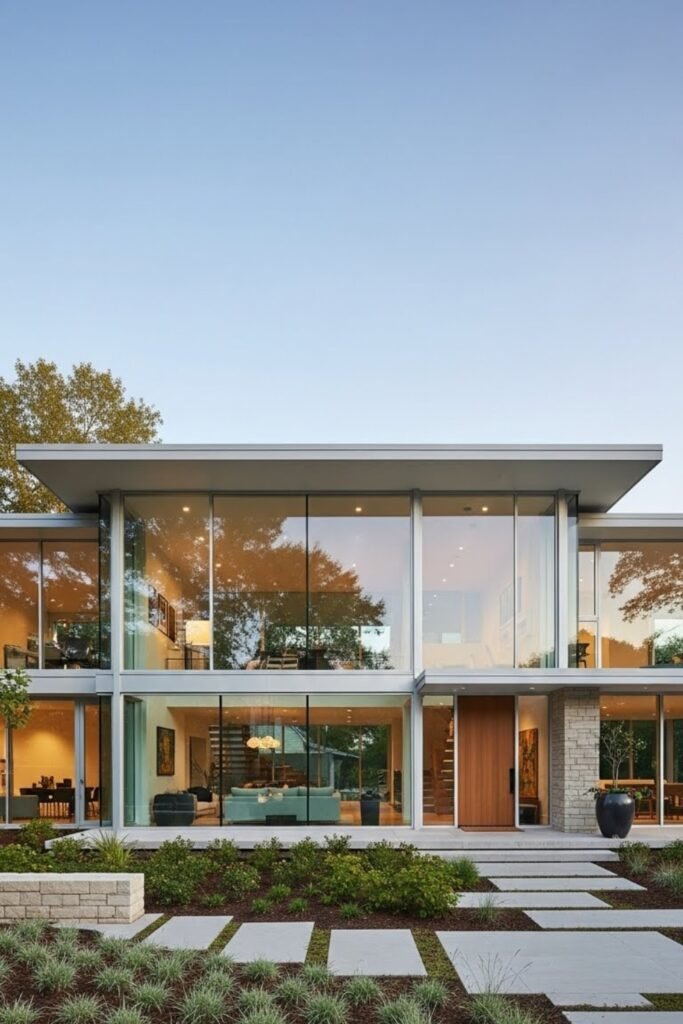
Glass Front
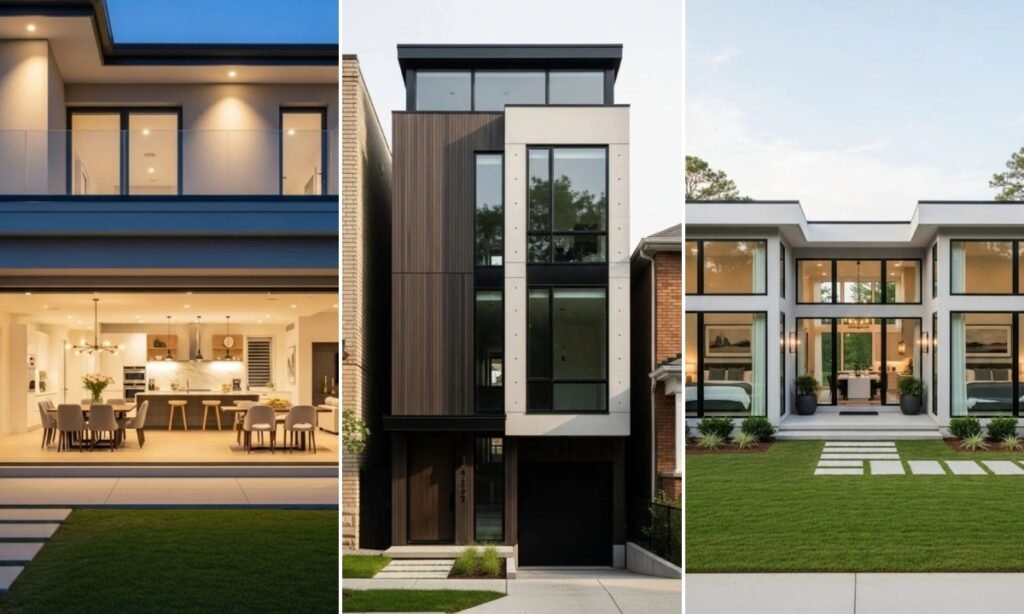
Use large glass panels or wide windows on the front elevation to visually connect the interior with the outdoors. This design increases daylight and makes the bungalow feel more open.
Pair the glass with curtains or screens for privacy while keeping the facade modern and welcoming.
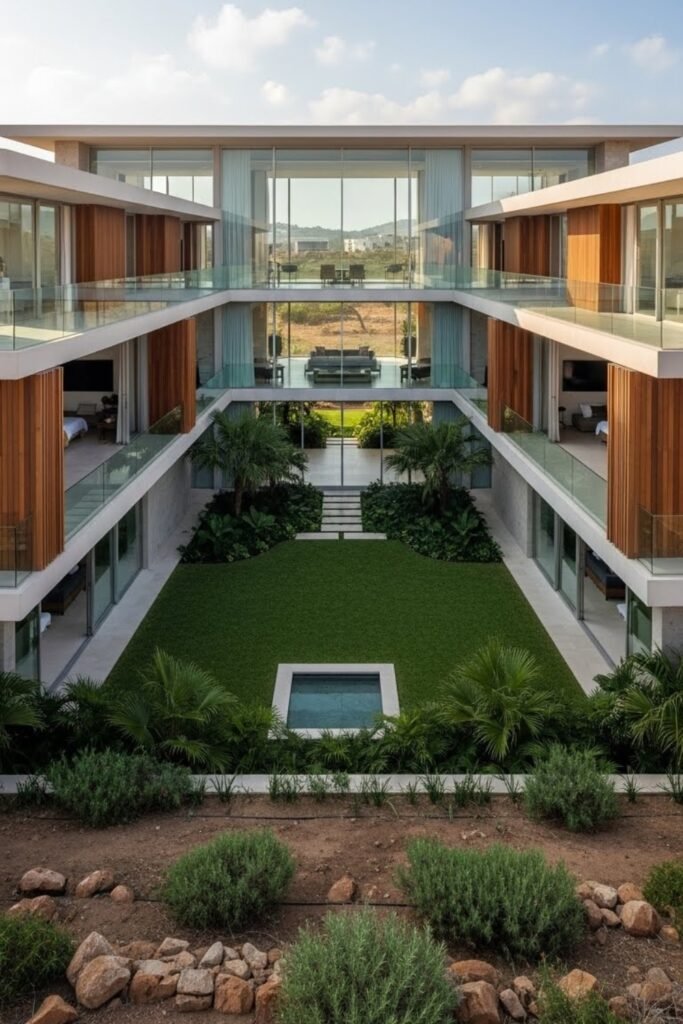
U Layout
Design the bungalow in a U shape around a private courtyard or garden. This layout allows multiple rooms to face the open space, improving light, ventilation, and privacy.
It works well for families who want outdoor space protected from street noise.
Soft Neutrals
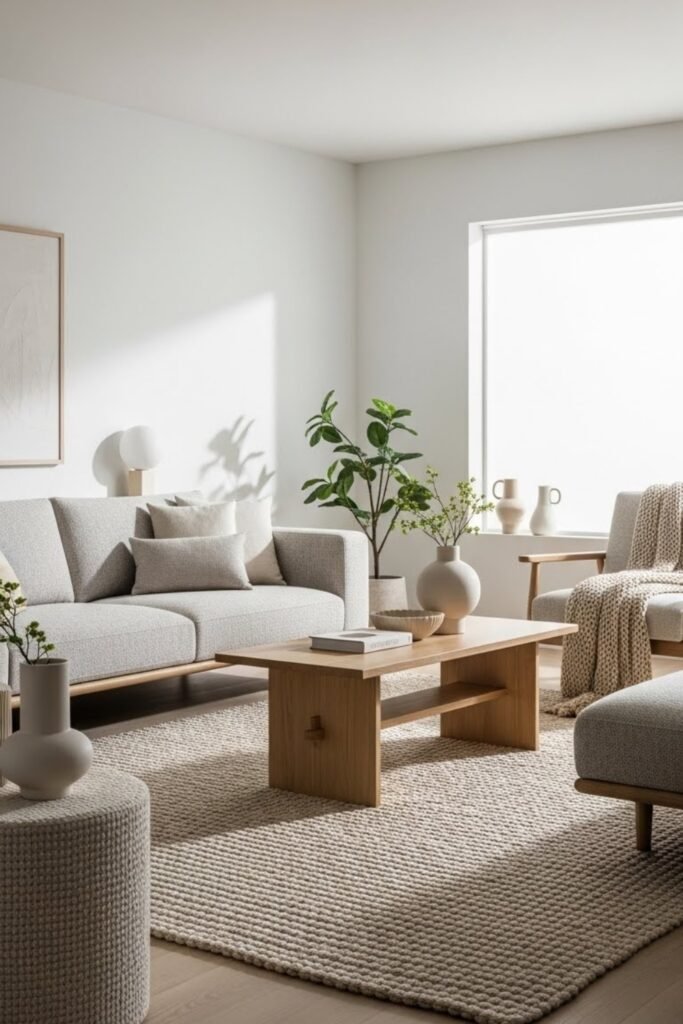
Stick to soft neutral colors like beige, sand, and light gray to create a calm and cohesive bungalow interior.
These tones reflect light well and make rooms feel larger. Neutral palettes also allow easy updates through furniture or decor changes later.
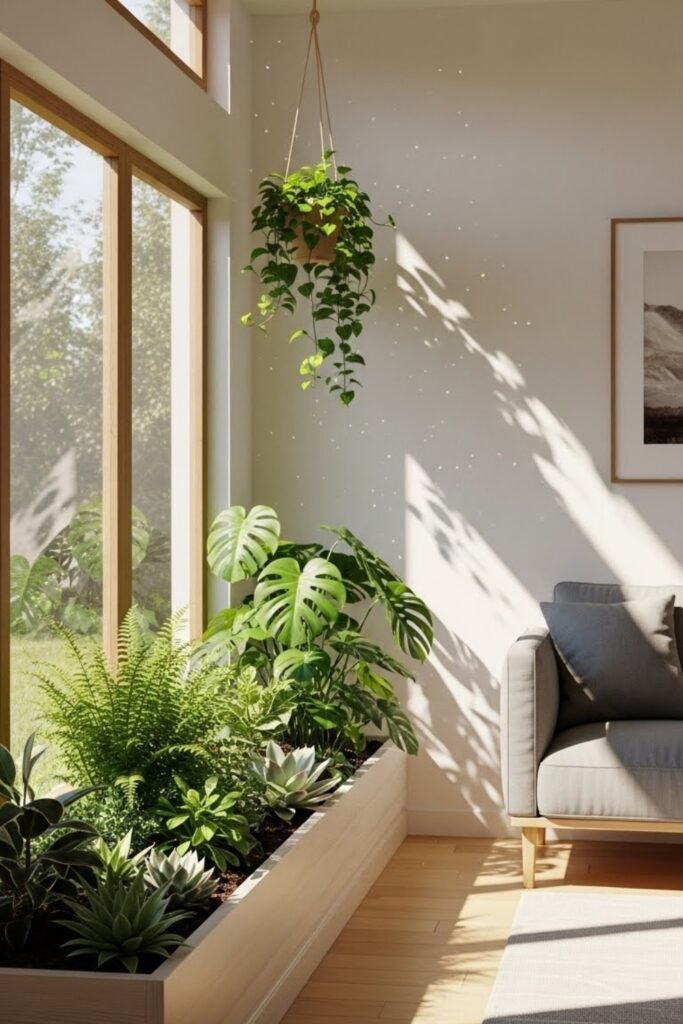
Indoor Green
Add a small indoor garden, planter, or green corner inside the bungalow. This brings nature indoors and improves air quality.
Indoor greenery works well near living spaces or corridors and becomes a natural focal point without taking up much space.
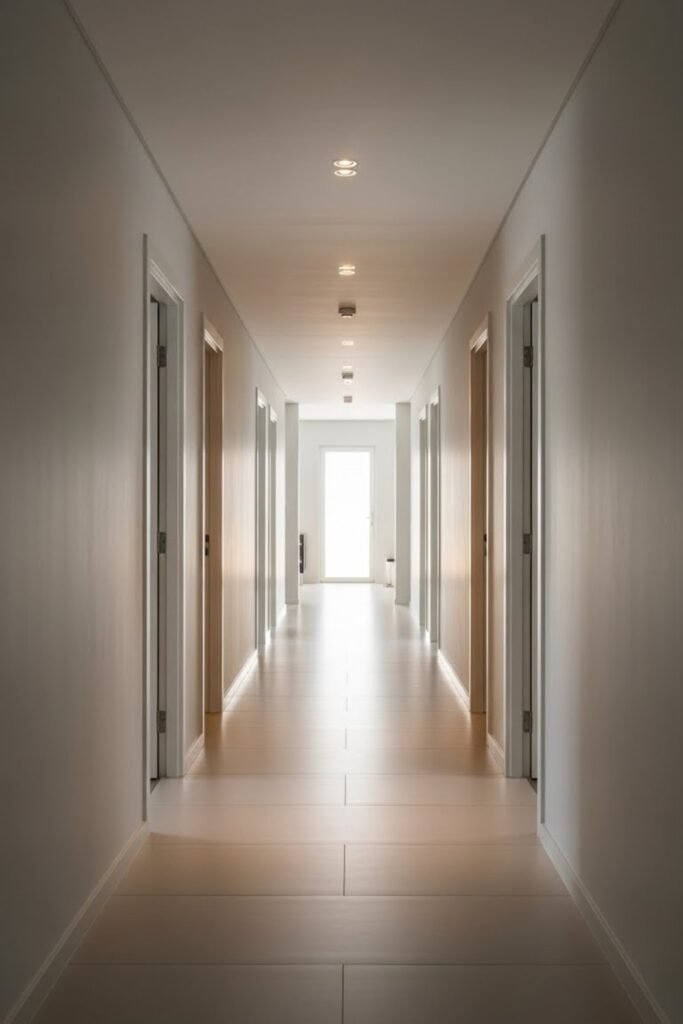
Straight Corridor
Use a single straight corridor to connect all rooms efficiently. This layout reduces wasted space and makes movement simple and clear.
It works well for narrow plots and allows rooms on both sides to receive light and ventilation, keeping the bungalow functional and easy to navigate.
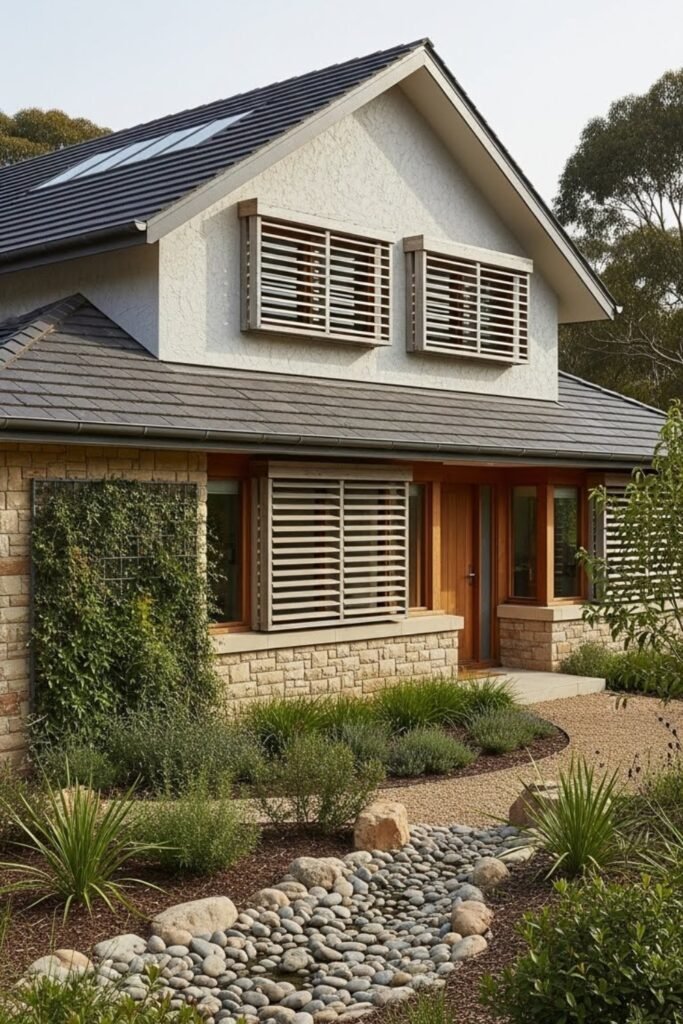
Climate Smart
Design the bungalow based on local weather conditions. Adjust roof slope, window size, and materials to handle heat, rain, or cold effectively.
A climate-responsive design improves comfort, lowers energy costs, and ensures the house performs well throughout the year.
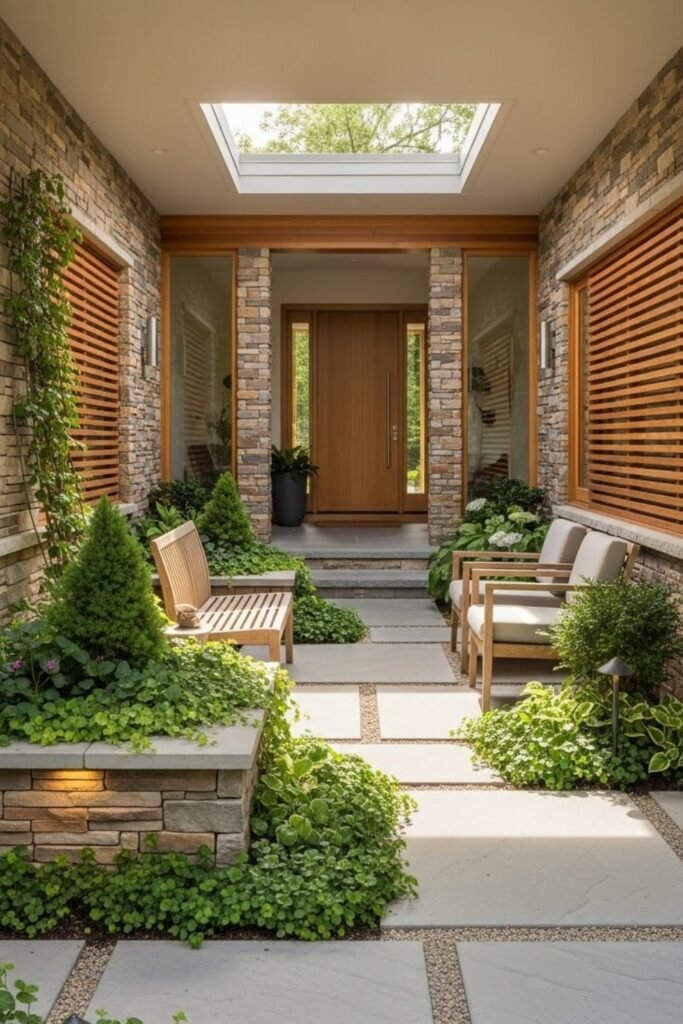
Entry Court
Create a small semi-open courtyard at the entrance for privacy and a welcoming transition. This space separates the home from the street and can include seating, plants, or decorative screens.
An entry court adds character without increasing the overall footprint.
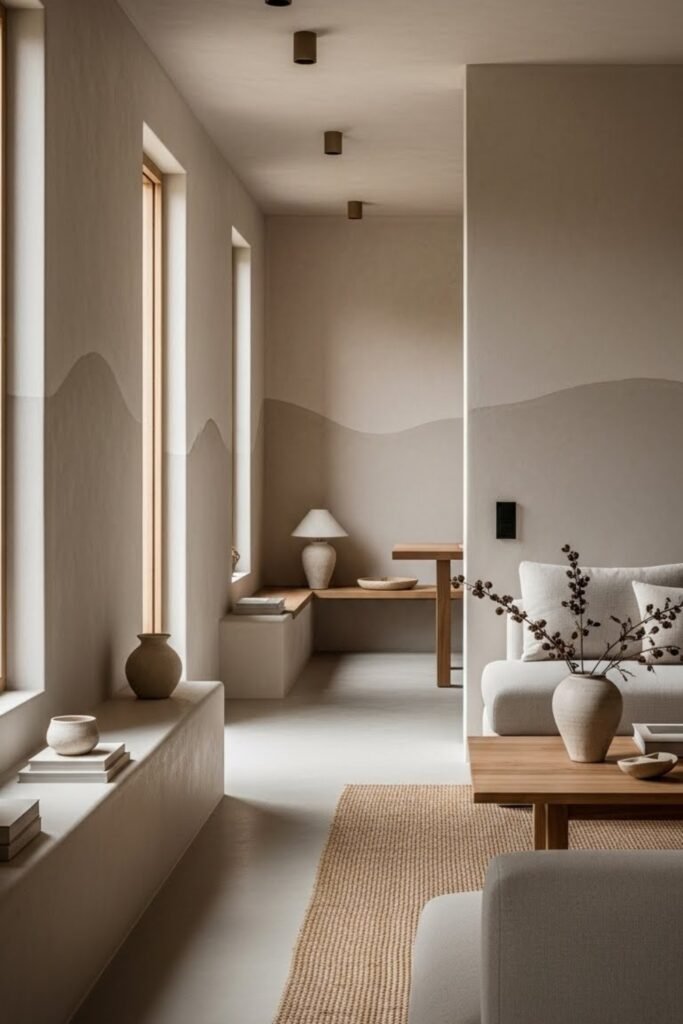
Textured Walls
Use subtle wall textures instead of bold colors to add depth and interest. Textured finishes create a refined look while keeping the design calm.
They also hide minor imperfections better than smooth walls, making maintenance easier over time.
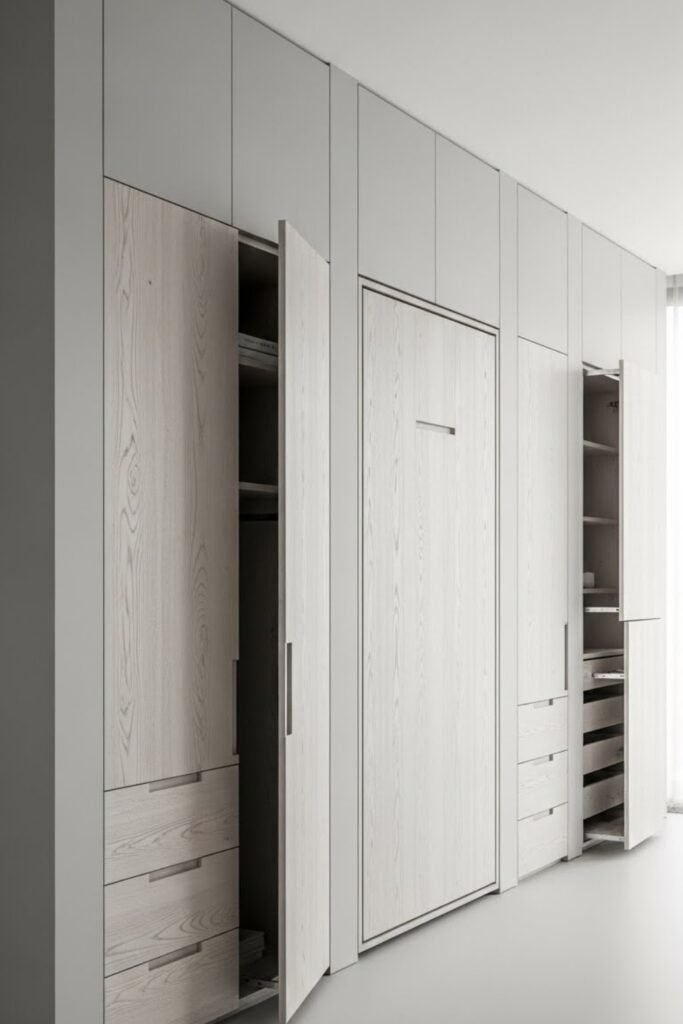
Hidden Storage
Plan built-in storage along walls, under seating, or inside corridors to keep the bungalow clutter-free.
Hidden storage helps maximize usable space without affecting the layout. This approach is ideal for compact bungalows where smart organization makes the home feel larger and more comfortable
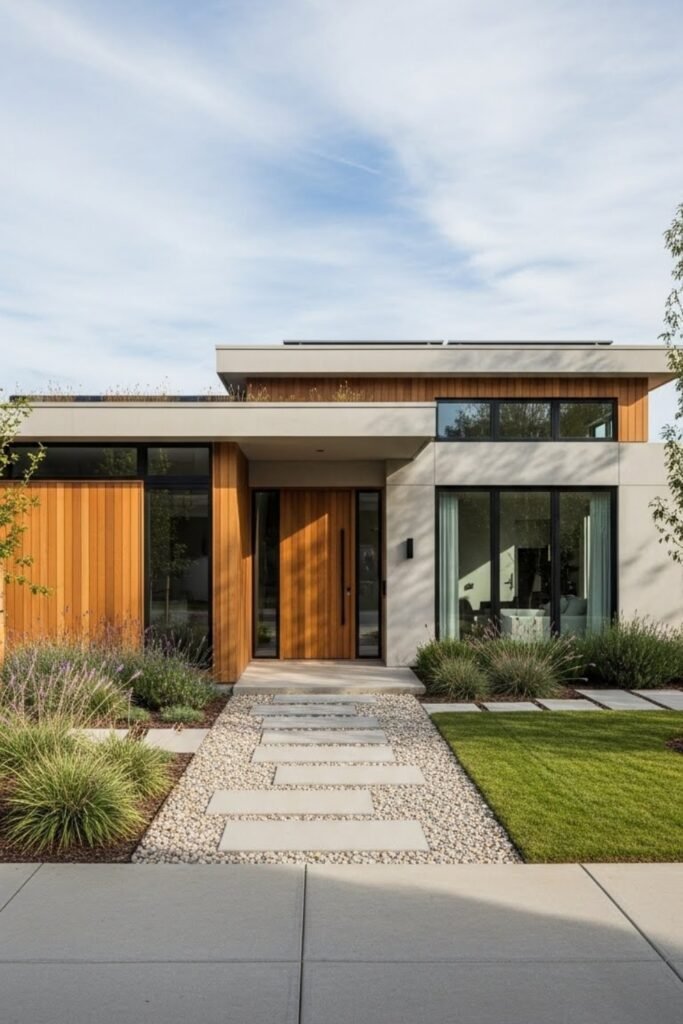
Future Ready
Design the bungalow with future expansion in mind. Structural planning should allow extra rooms, a terrace, or even an upper floor later.
This saves renovation costs and avoids major redesigns. A future-ready layout ensures the home adapts easily as family needs change.

Hi, my name is Ali Mehmood! I’m a passionate writer and DIY enthusiast who loves turning creative ideas into practical, hands-on projects.
I created this website to share inspiring, budget-friendly ideas that you can do yourself – whether it’s organizing your home, crafting something unique, or creating fun projects for kids and pets.
I believe DIY isn’t just a hobby – it’s a smart way to save money, reduce waste, and enjoy the satisfaction of making things with your own hands.
I’m excited to have you as part of this growing community, and I’ll continue bringing you helpful, realistic, and fun DIY ideas you can actually use.