This post may contain affiliate links: read full affiliate disclosure.
When I started looking for cabin exterior ideas, I realized most designs feel repetitive or overly rustic.
A cabin should blend with nature while still feeling intentional and unique. In this article, I’m sharing cabin exterior ideas.
That goes beyond the usual look ideas that focus on materials, structure, and details that actually change how a cabin feels from the outside.
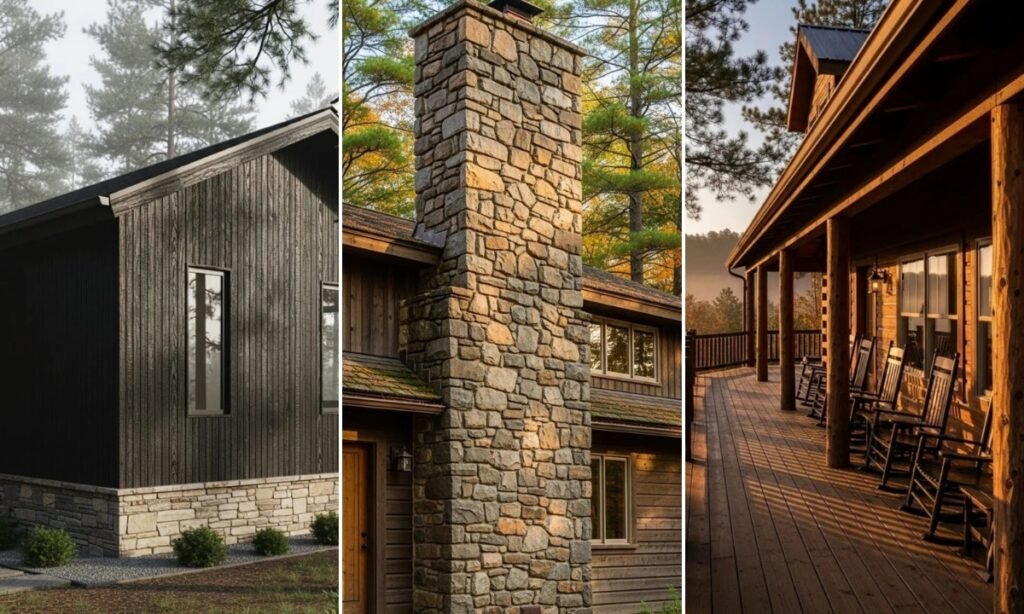
Charred Wood
This cabin exterior uses a wood-charring technique that improves durability while creating a dramatic, modern-rustic look. The blackened surface resists moisture, insects, and decay, making it ideal for remote or harsh environments.
Visually, it helps the cabin blend into forest settings while still feeling bold and intentional rather than traditional.
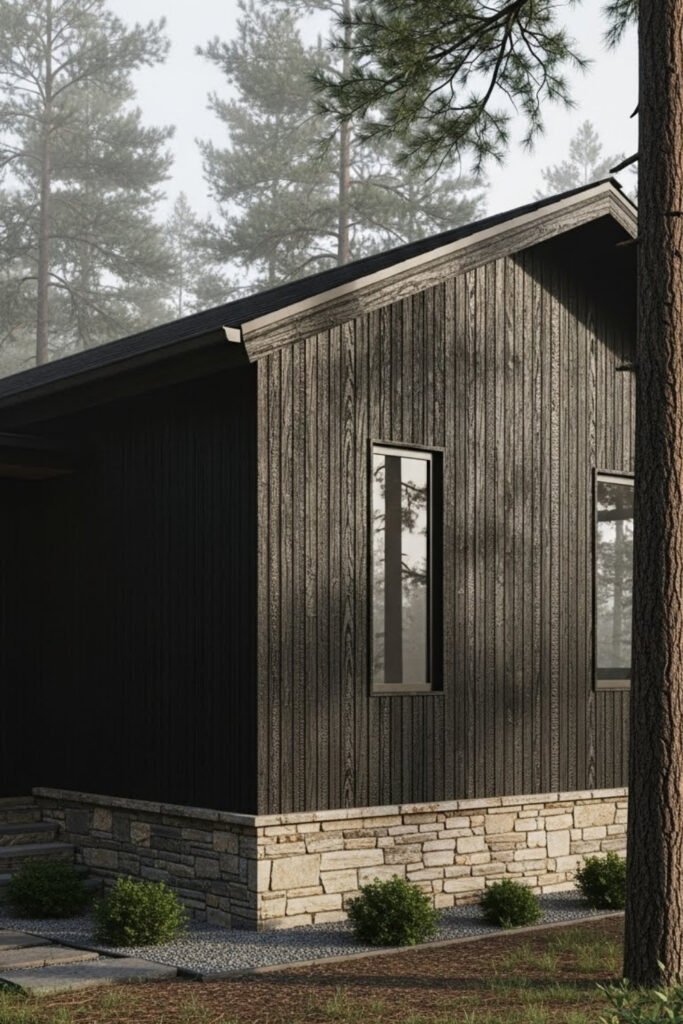
Moss Roof
A moss-covered roof gives the cabin a naturally aged appearance, as if it has always belonged to the landscape. This idea works best in shaded, damp areas where moss grows naturally.
It softens the cabin’s roofline, improves insulation, and creates a quiet, storybook-style exterior that feels peaceful and untouched.
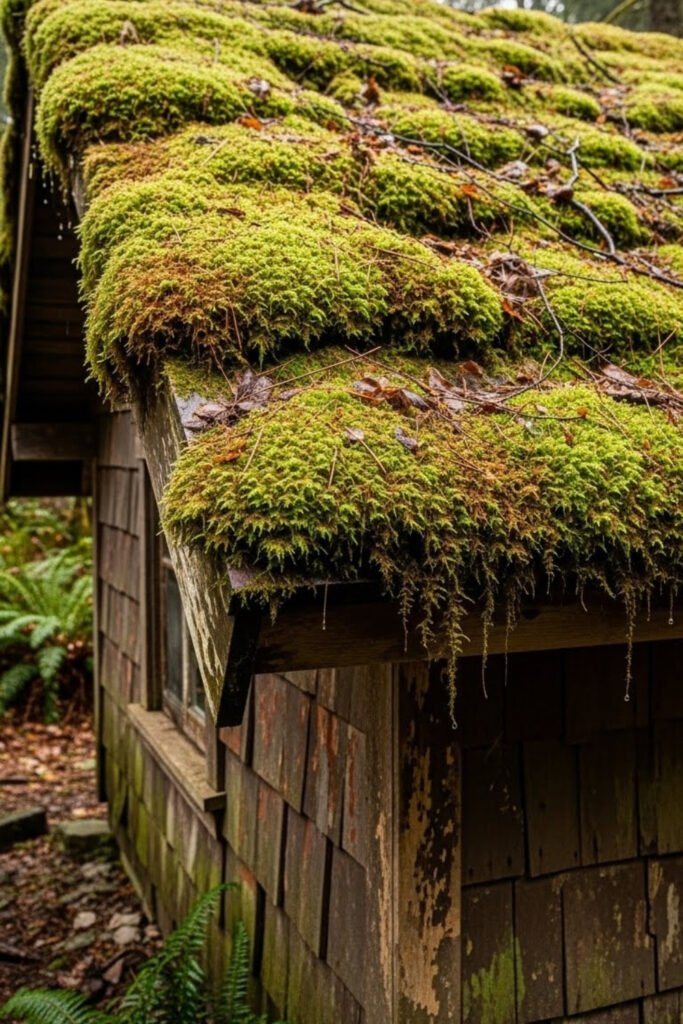
Stone Chimney
A large stone chimney adds weight and character to a cabin exterior. Built with natural or rough-cut stone, it becomes a strong focal point that contrasts with wood siding.
From the outside, it signals warmth and function while giving the cabin a timeless, grounded presence that feels solid and enduring.
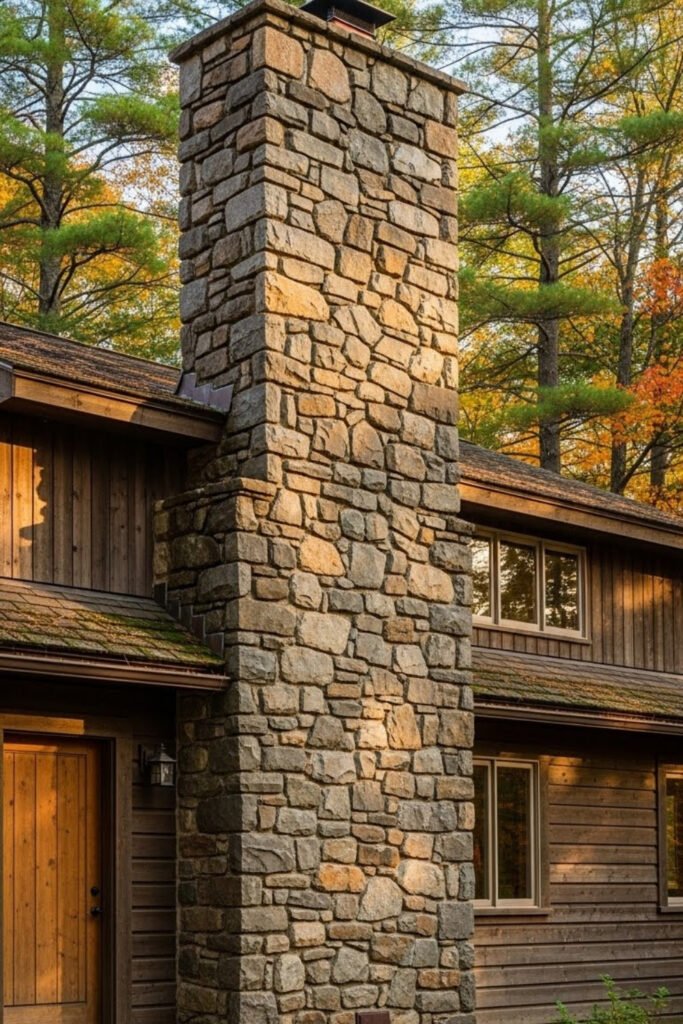
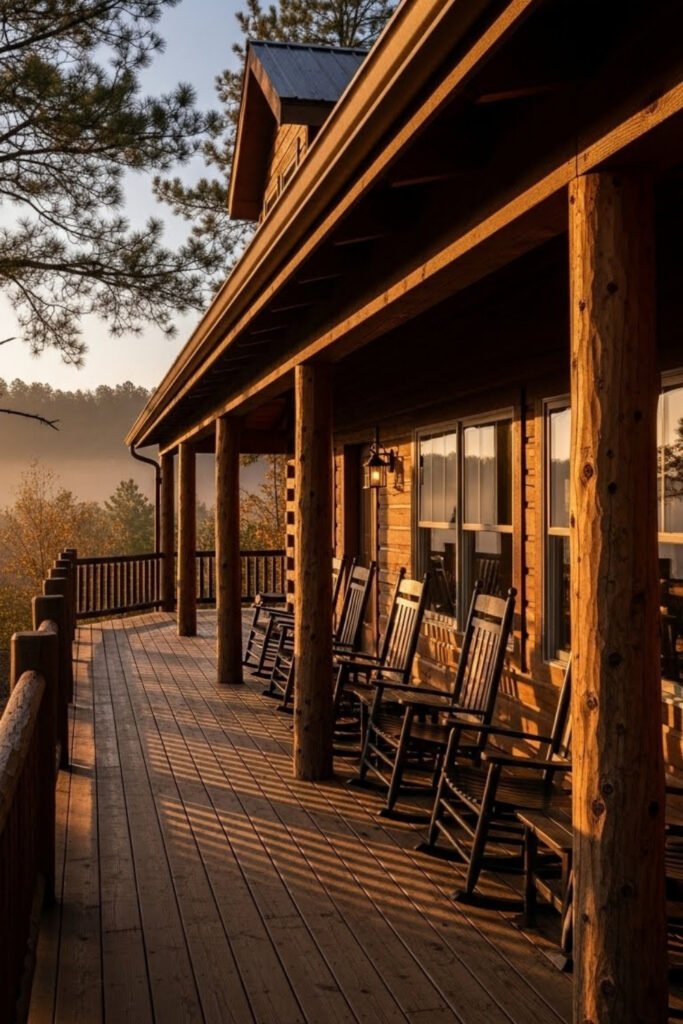
Wrap Porch
A wraparound porch extends the cabin outward and enhances its overall shape. It provides shelter, shade, and multiple outdoor sitting areas without changing the cabin’s footprint.
This exterior feature works especially well in scenic locations, helping the cabin feel welcoming while adding architectural depth from every angle.
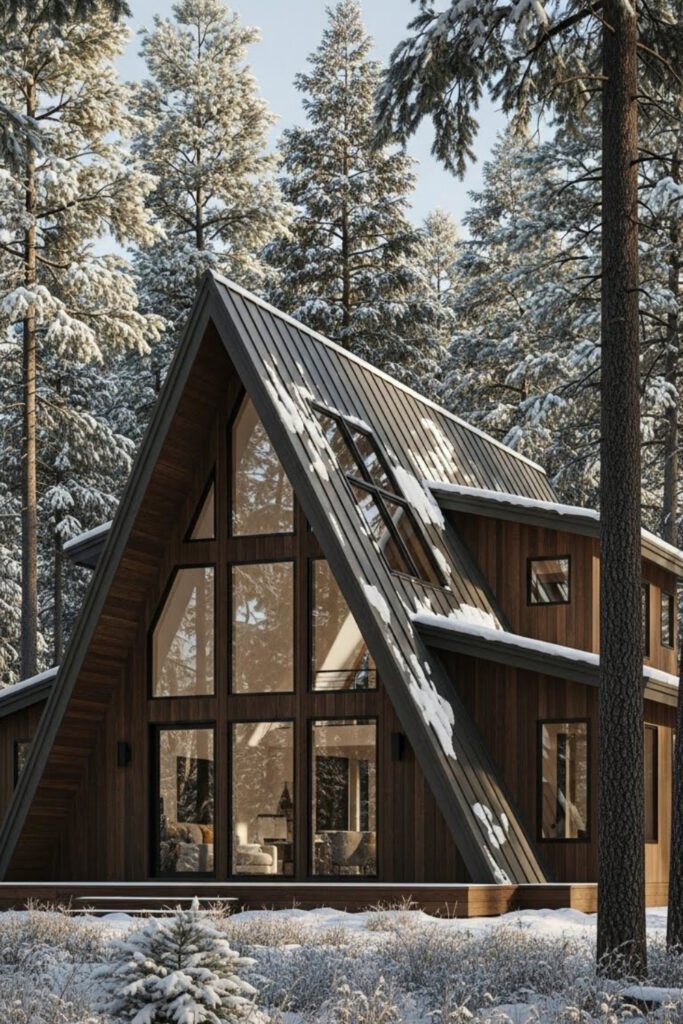
A-Frame Twist
This version of an A-frame cabin updates the classic shape with subtle exterior changes like offset windows or extended eaves.
The steep roofline still sheds snow easily, but the modern adjustments make the cabin feel fresh and intentional. It’s a great option if you want a recognizable cabin shape without looking dated.
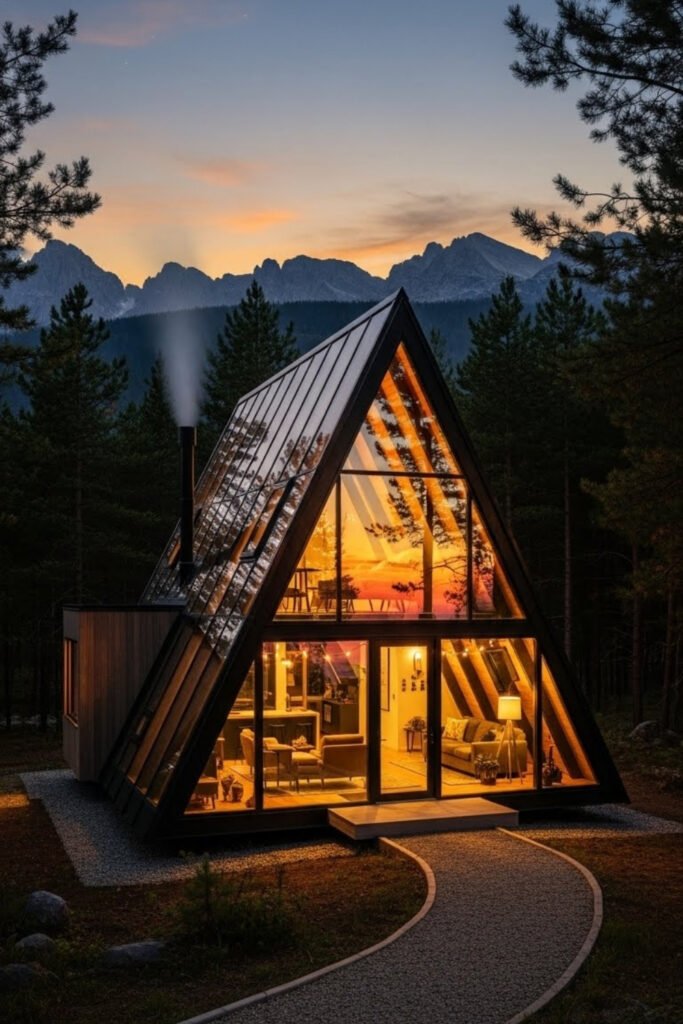
Glass Gables
Full-height glass panels placed in the gable ends bring light deep into the cabin while transforming the exterior look. From outside, the cabin feels open and dramatic without losing its rustic form.
This idea works especially well in wooded or mountain settings where views become part of the exterior design.
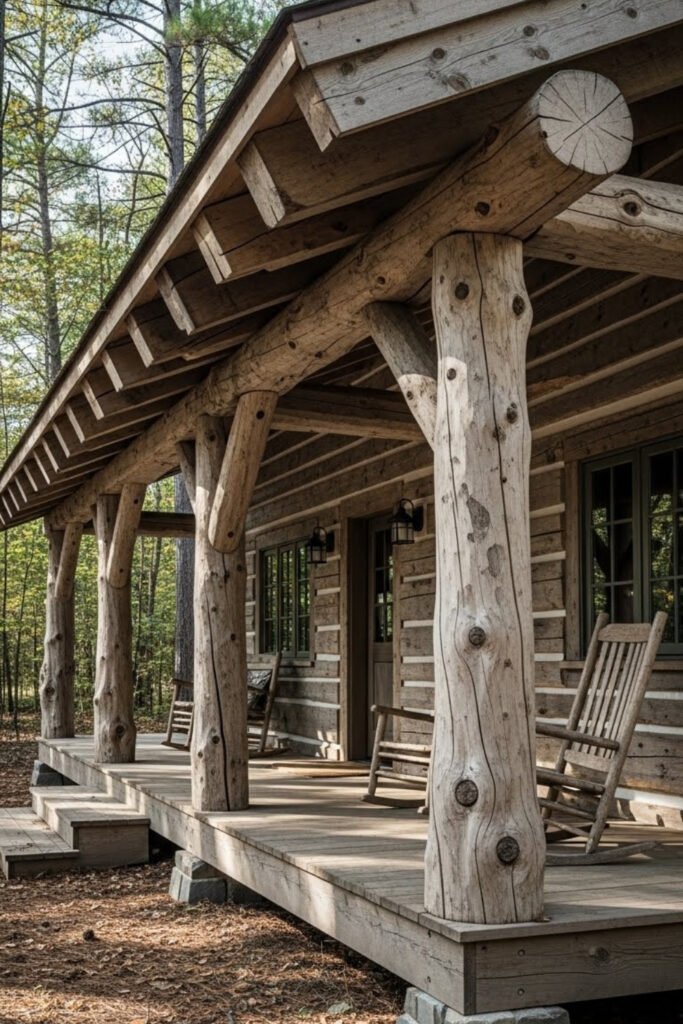
Timber Beams
Exposed timber beams on the exterior give the cabin a handcrafted, structural look. Whether used on the porch, roof overhangs, or entry frame, they add depth and texture.
This approach emphasizes craftsmanship and works well with both traditional log cabins and modern wood-sided designs.
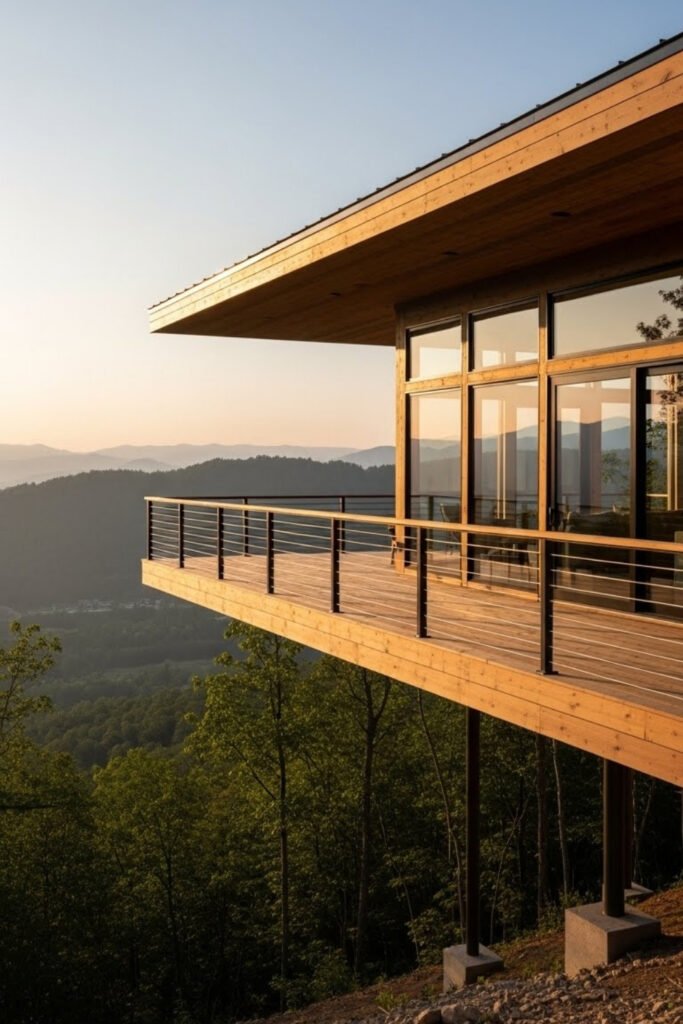
Cantilever Deck
A cantilevered deck extends outward without visible supports, creating a bold architectural moment. From the exterior, it makes the cabin feel lighter and more dynamic, especially on sloped land.
This idea is perfect for cabins with views, allowing outdoor space without disturbing the natural ground below.
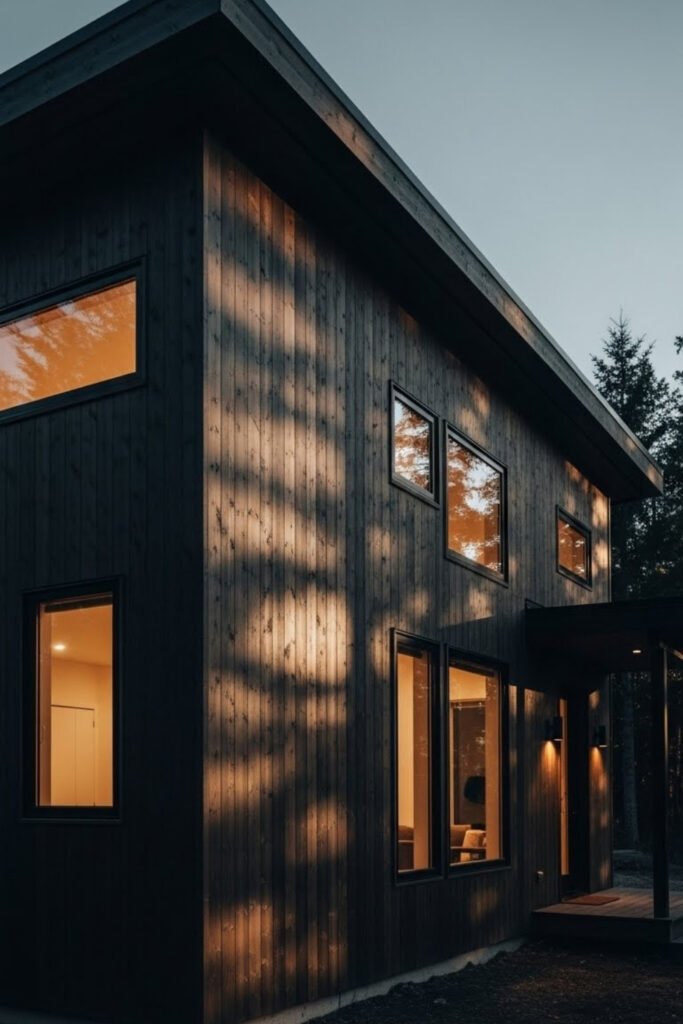
Dark Stain
A deep wood stain gives the cabin a rich, moody exterior that blends seamlessly with trees and shadows. Dark finishes reduce visual contrast in forested areas while still highlighting wood grain up close.
This idea works well for modern cabins that want a clean, minimal look without losing natural warmth.
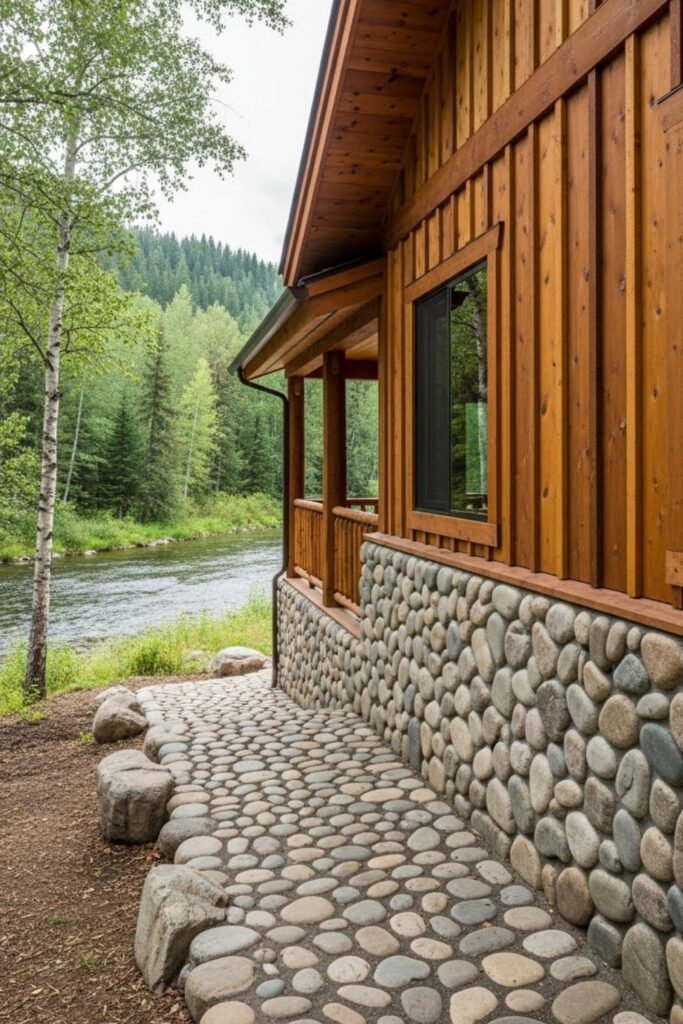
River Rock
Using river rock along the base or lower walls of a cabin adds texture and natural protection. The rounded stones soften the exterior and help the structure feel anchored to its surroundings.
This approach works especially well near water or wooded areas where natural stone already exists.
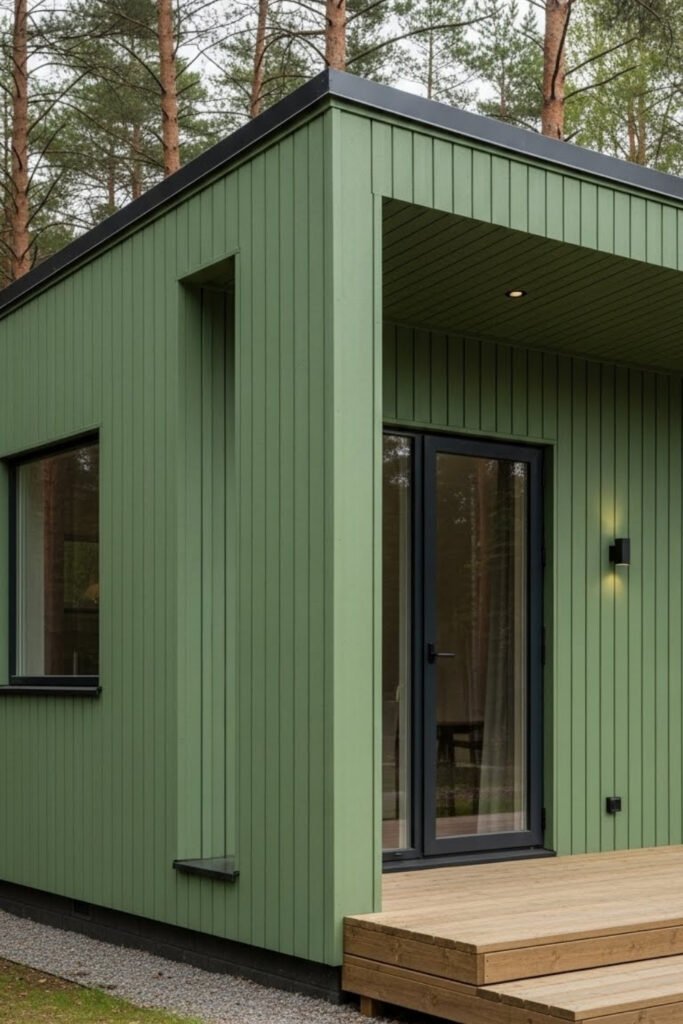
Green Facade
A green-painted or plant-integrated facade helps the cabin visually merge with its environment. Soft forest greens or muted olive tones reduce contrast against trees and hills.
This idea is ideal if you want color without overwhelming the natural setting or making the cabin feel too modern.
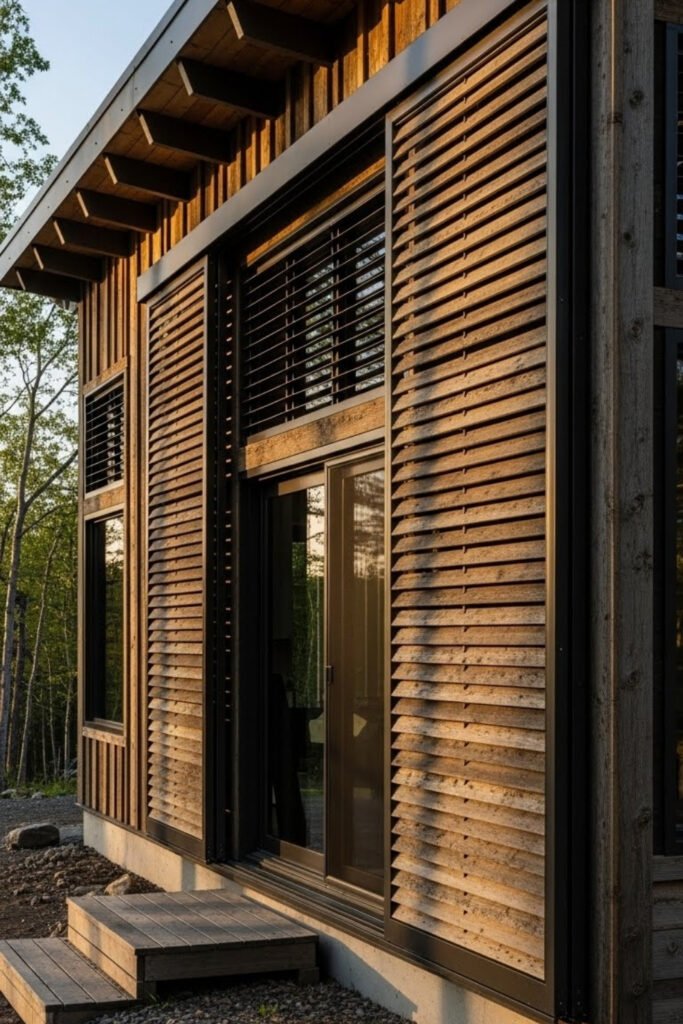
Sliding Shutters
Large sliding shutters add both function and visual interest to a cabin exterior. When closed, they protect windows from weather; when open, they frame the facade.
Made from wood or metal, they give the cabin a flexible look that changes throughout the day and across seasons.
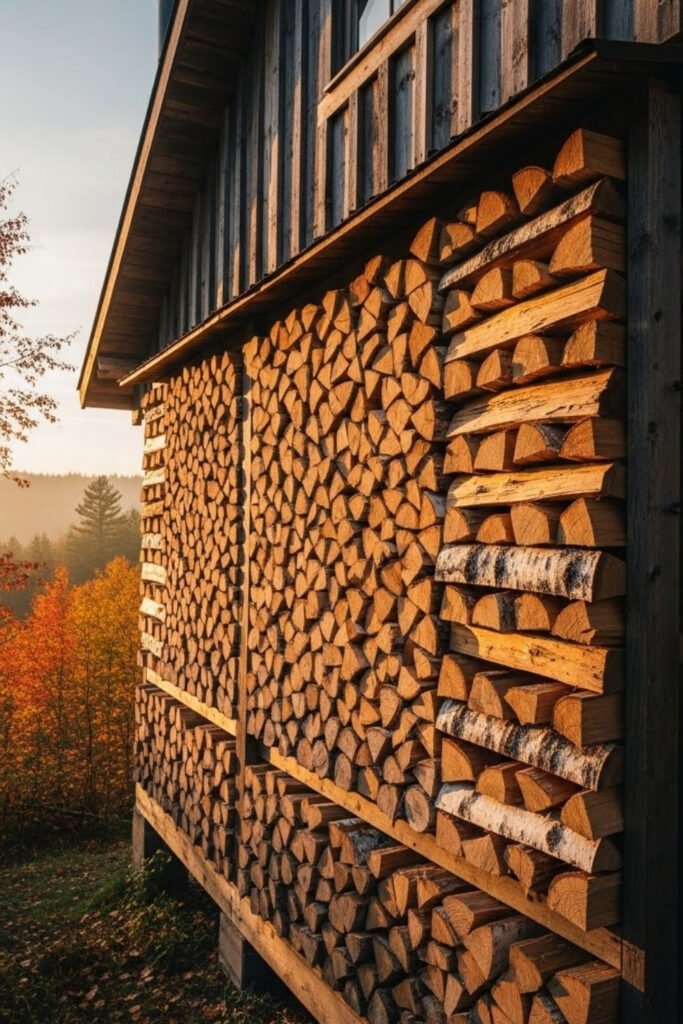
Firewood Wall
A dedicated firewood storage wall becomes a functional design feature on the cabin exterior. Stacked logs create texture, pattern, and warmth while keeping firewood dry and accessible.
This idea adds rustic character and works especially well near outdoor seating areas or beside the main entrance.
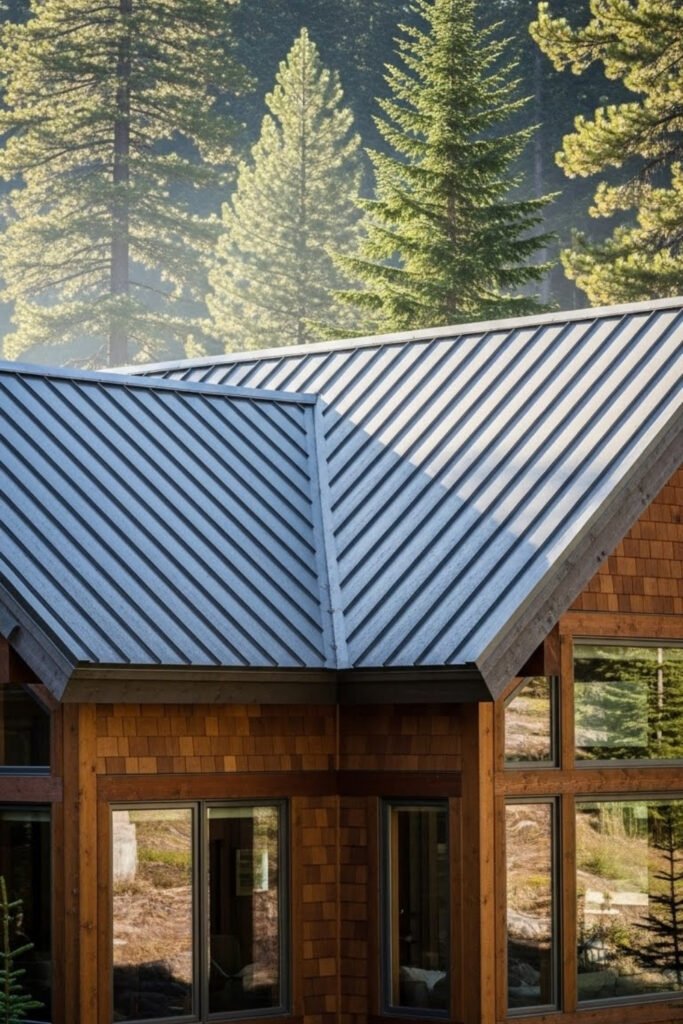
Metal Roof
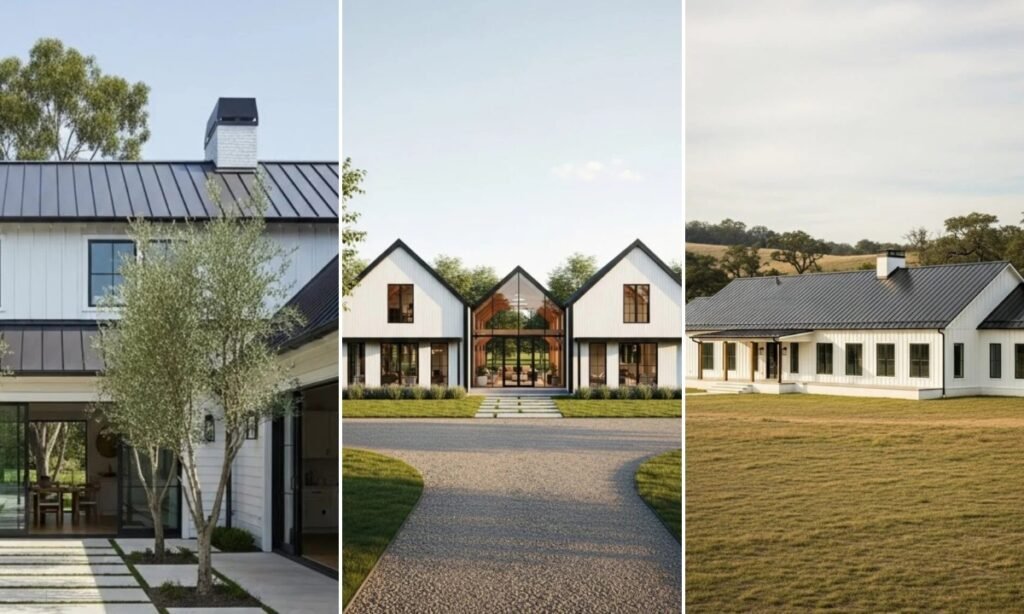
A metal roof gives the cabin a clean, durable exterior finish that performs well in snow and rain. Visually, it adds contrast against wood siding while aging gracefully over time.
This option suits both traditional and modern cabins and helps the structure feel sharp without looking out of place.
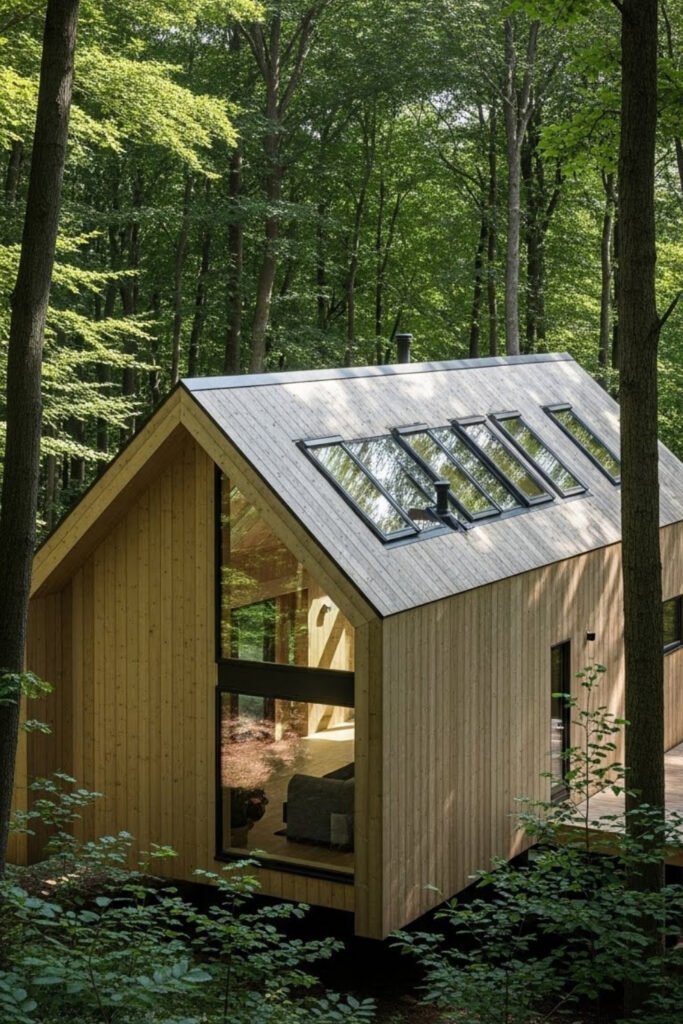
Skylight Ridge
Placing skylights along the roof ridge subtly changes the cabin’s exterior profile. From outside, it creates a modern line that hints at brightness inside.
This idea works best on simple roof shapes, adding interest without cluttering the facade or interrupting the cabin’s natural silhouette.
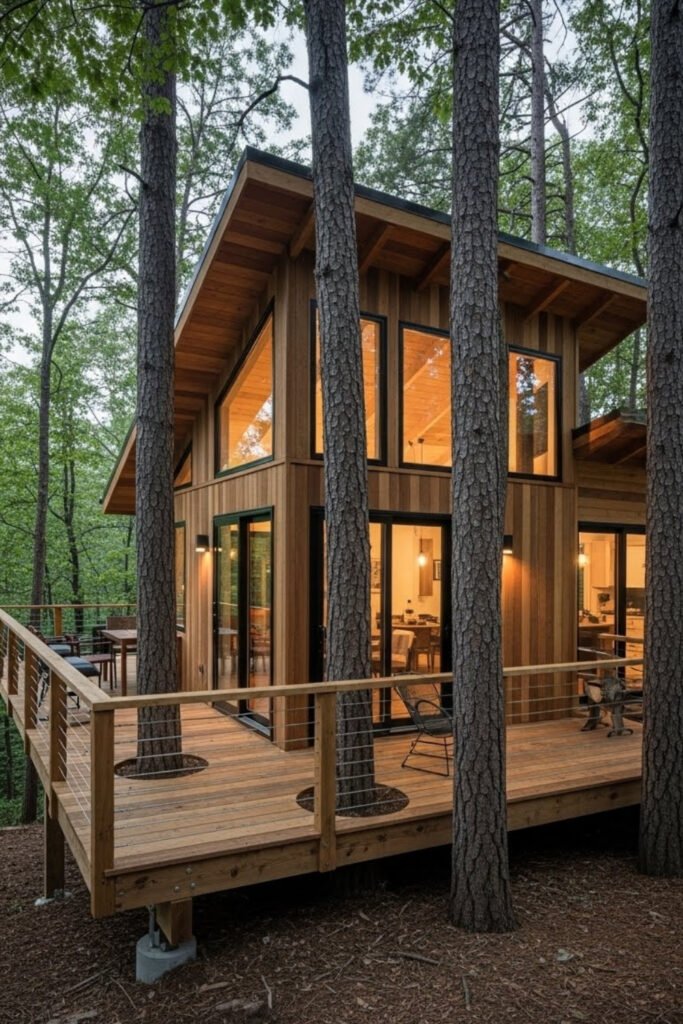
Tree Integration
Designing the cabin around existing trees allows the structure to feel embedded in nature rather than placed on it.
Trees passing through decks or sitting close to walls soften the exterior and create a unique visual story. This approach makes the cabin feel intentional and environmentally respectful.
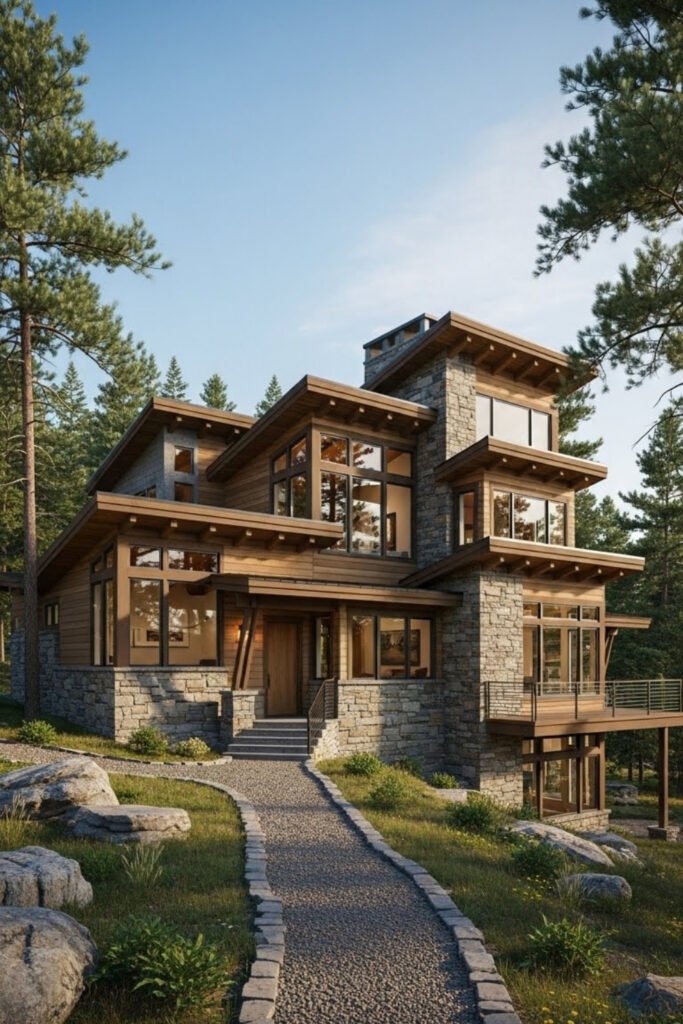
Split Levels
A split-level exterior breaks the cabin into staggered volumes instead of one solid block. From the outside, this creates depth and makes the structure follow the land’s natural slope.
It’s a smart solution for uneven terrain and helps the cabin feel visually lighter and more dynamic.
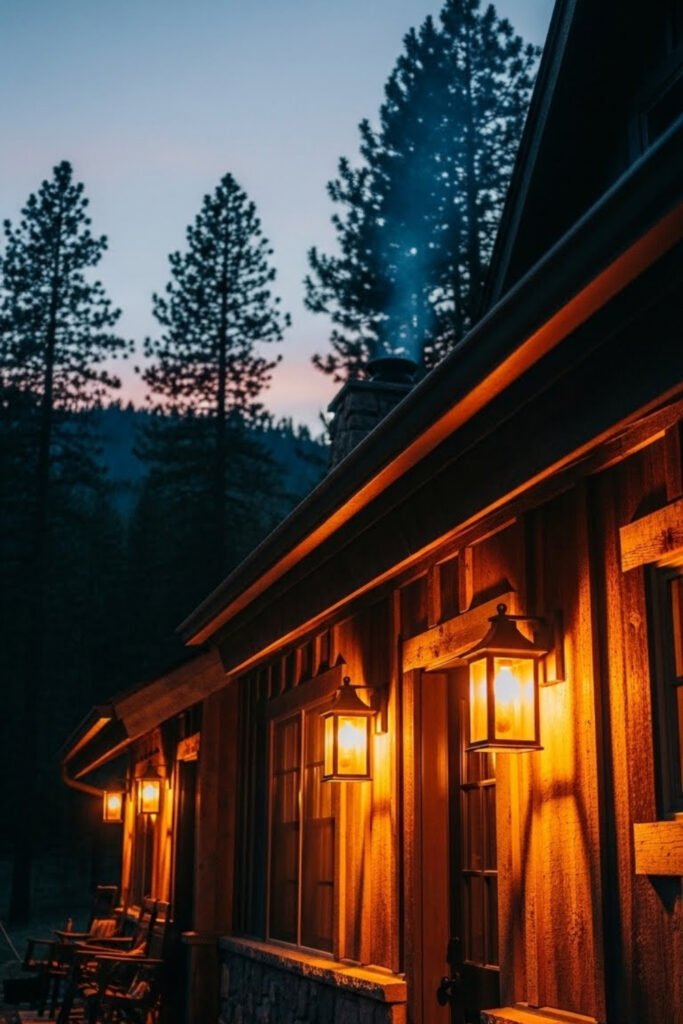
Lantern Lighting
Lantern-style exterior lights give the cabin a warm, inviting glow after sunset. Mounted near entrances or along porches, they enhance the cabin’s character without overpowering the design.
This idea works especially well for rustic or traditional cabins that rely on atmosphere rather than bold architectural details.
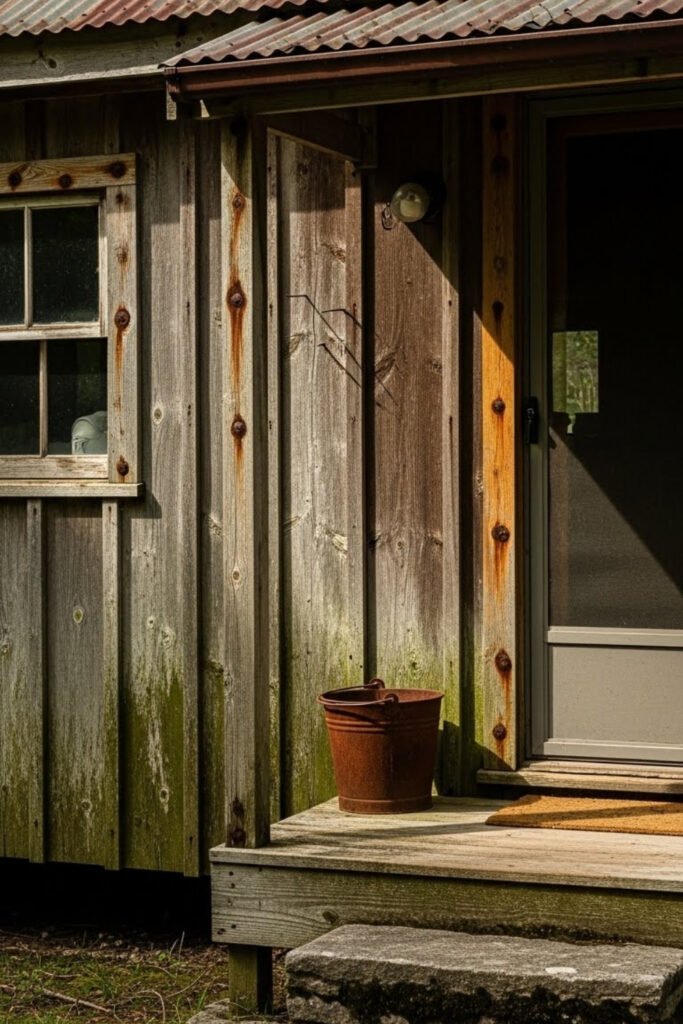
Natural Patina
Letting wood, metal, and stone age naturally creates a cabin exterior that evolves over time. Instead of sealing everything perfectly, this approach embraces weathering.
The result is a cabin that looks better each year, blending deeper into its surroundings and gaining character without extra effort.
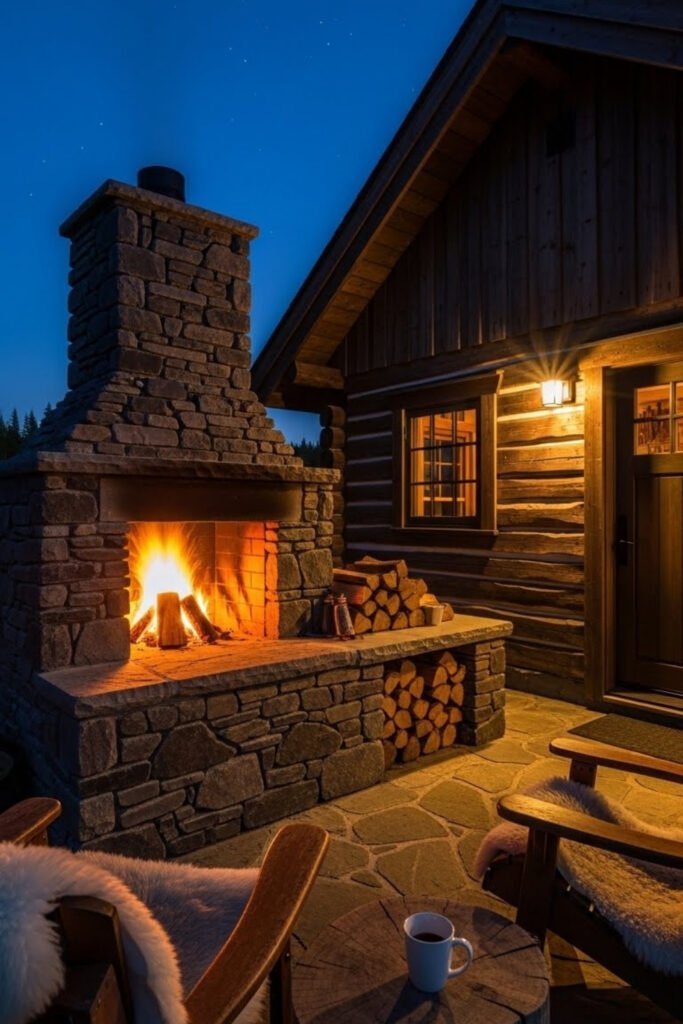
Outdoor Hearth
An exterior fireplace or hearth becomes a focal point even when viewed from afar. Built into a wall or patio area, it adds warmth and purpose to the cabin’s outside space.
This idea works best for cabins designed around outdoor living and social gatherings.
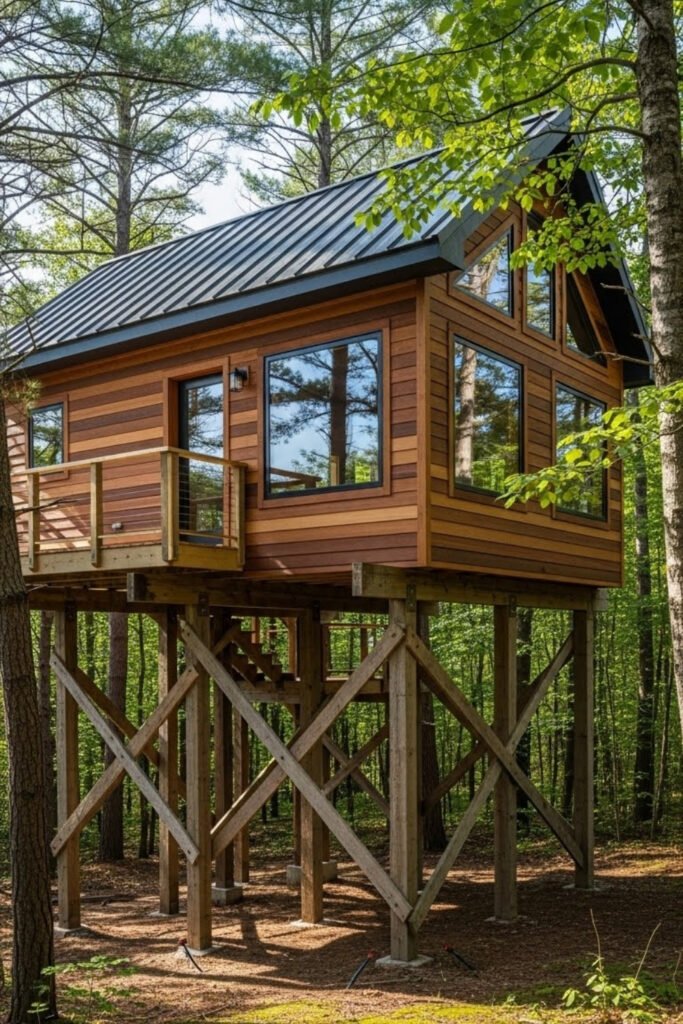
Elevated Cabin
Raising the cabin on piers or stilts changes its exterior profile while protecting it from moisture and uneven ground.
From the outside, it gives the structure a lighter appearance and improves airflow beneath. This idea works especially well in forested or flood-prone areas where ground contact needs to be minimized.
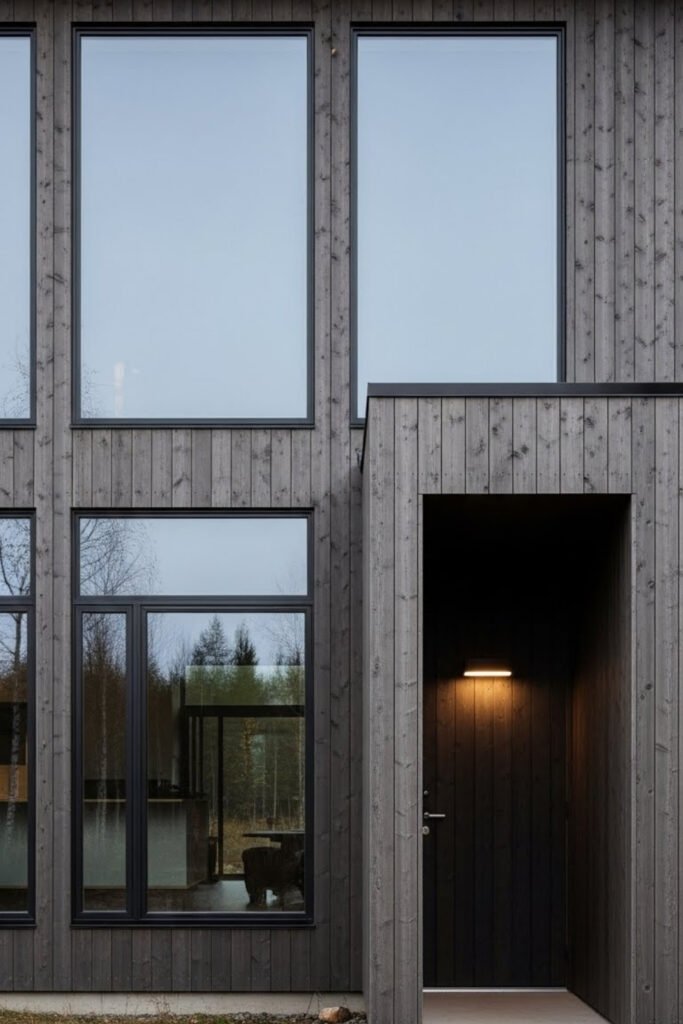
Hidden Entry
A recessed or side-positioned entry keeps the front facade clean and understated. Instead of a centered door, the entrance blends into the exterior design.
This approach creates a sense of privacy and makes the cabin feel calm and intentional rather than overtly formal.
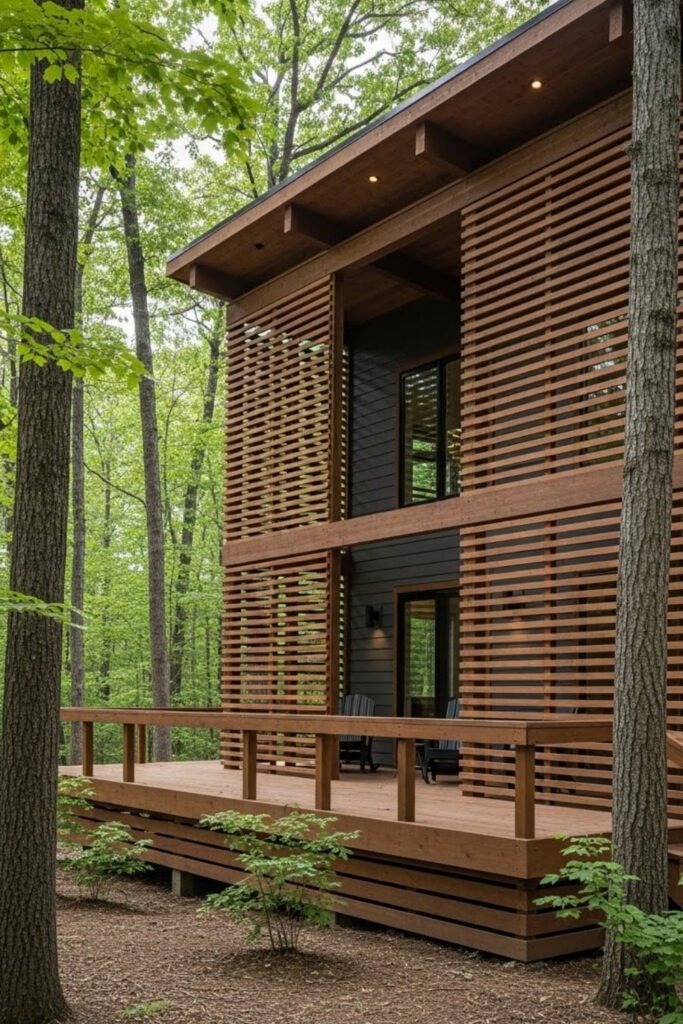
Wood Screens
Exterior wood screens add depth while filtering light and views. Used on porches or upper sections, they create privacy without fully enclosing the space.
Visually, they introduce layered textures that make the cabin exterior feel more architectural and refined.
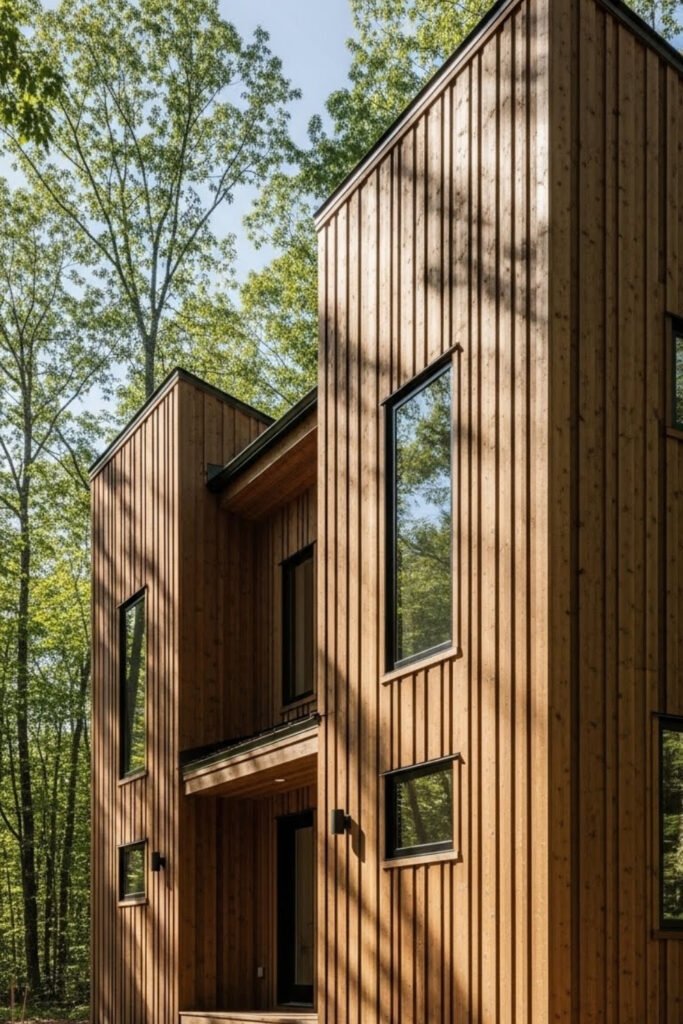
Vertical Siding
Vertical siding elongates the cabin visually, making it appear taller and more modern. It emphasizes clean lines and works especially well on compact cabins.
This exterior treatment pairs nicely with simple roof shapes and helps the structure stand out without adding decorative elements.
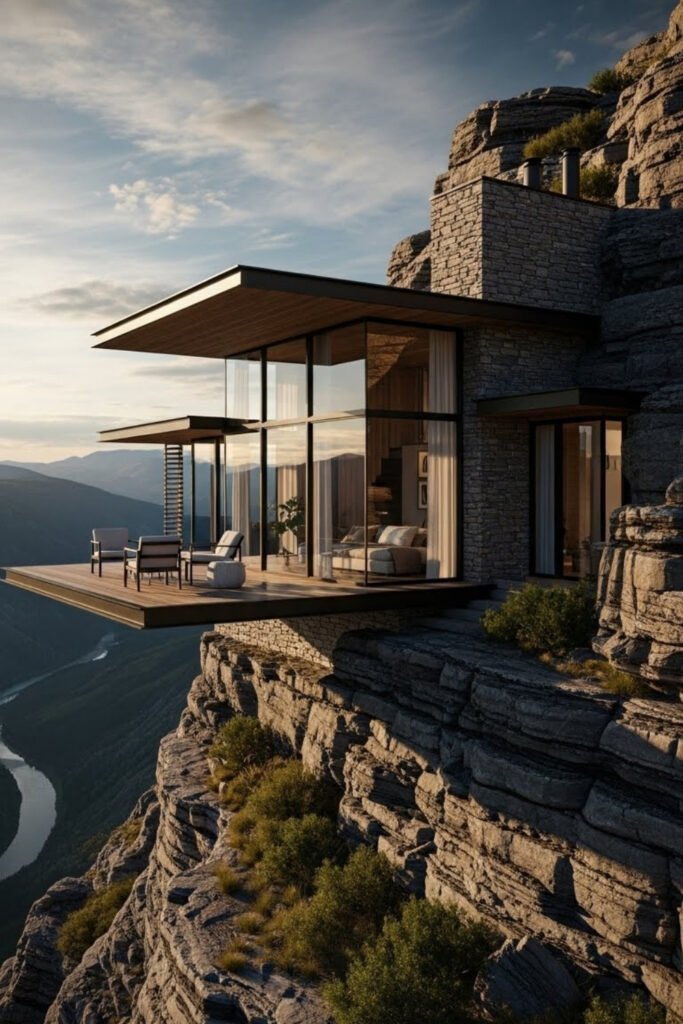
Cliffside Build
A cliffside cabin exterior is designed to hug steep terrain, creating a dramatic visual presence. From the outside, the structure feels bold yet minimal, often using strong lines and sturdy materials.
This idea works best in mountainous areas where elevation and views become part of the cabin’s identity.
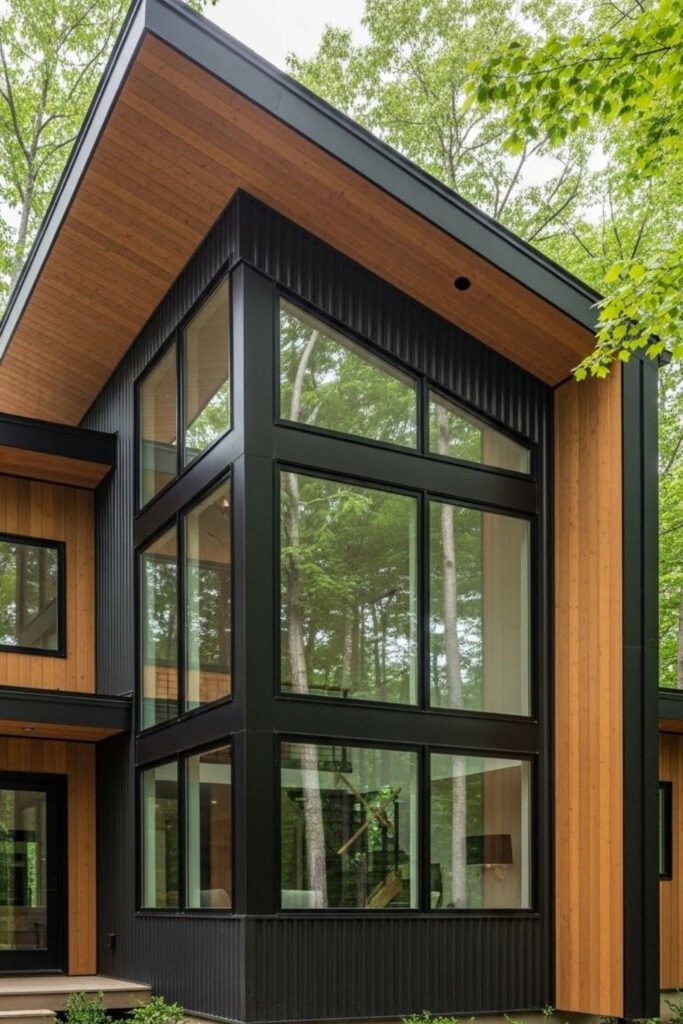
Asym Roof
An asymmetrical roof instantly gives the cabin a modern edge. Instead of a balanced pitch, the uneven roofline adds movement and visual interest to the exterior.
This approach works well for cabins that want to feel architectural while still using natural materials like wood and metal.
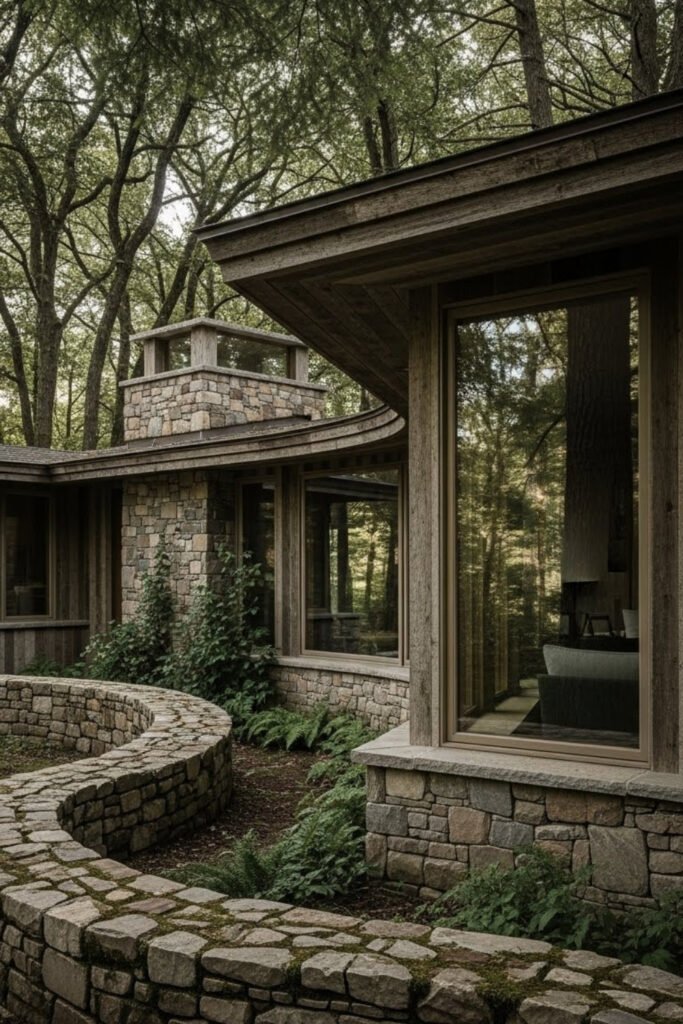
Nature Blend
This exterior focuses on color, texture, and material choices that closely match the surrounding landscape.
Earth-toned wood, stone accents, and muted finishes help the cabin disappear into nature. The result is a structure that feels calm, intentional, and deeply connected to its environment.

Hi, my name is Ali Mehmood! I’m a passionate writer and DIY enthusiast who loves turning creative ideas into practical, hands-on projects.
I created this website to share inspiring, budget-friendly ideas that you can do yourself – whether it’s organizing your home, crafting something unique, or creating fun projects for kids and pets.
I believe DIY isn’t just a hobby – it’s a smart way to save money, reduce waste, and enjoy the satisfaction of making things with your own hands.
I’m excited to have you as part of this growing community, and I’ll continue bringing you helpful, realistic, and fun DIY ideas you can actually use.