This post may contain affiliate links: read full affiliate disclosure.
Rabbits need more than just a cage-they need a safe, comfortable space where they can rest, move, and feel protected.
A well-built hutch can improve their health while making daily care easier for you. The good news is you don’t need expensive materials or professional skills to build one.
In this article, you’ll find 28 DIY rabbit hutch ideas that work for different spaces, climates, and budgets, helping you choose a design that fits both your home and your rabbit’s needs.
How to Choose the Right DIY Rabbit Hutch?
Choosing the right DIY rabbit hutch depends on where you plan to place it and how much space your rabbit needs.
Consider factors like ventilation, weather protection, ease of cleaning, and safety from predators.
Indoor hutches focus more on cleanliness and compact design, while outdoor hutches need strong materials and proper insulation.
The ideas below cover different layouts and styles, making it easier to find a hutch that suits your space and your rabbit’s comfort.
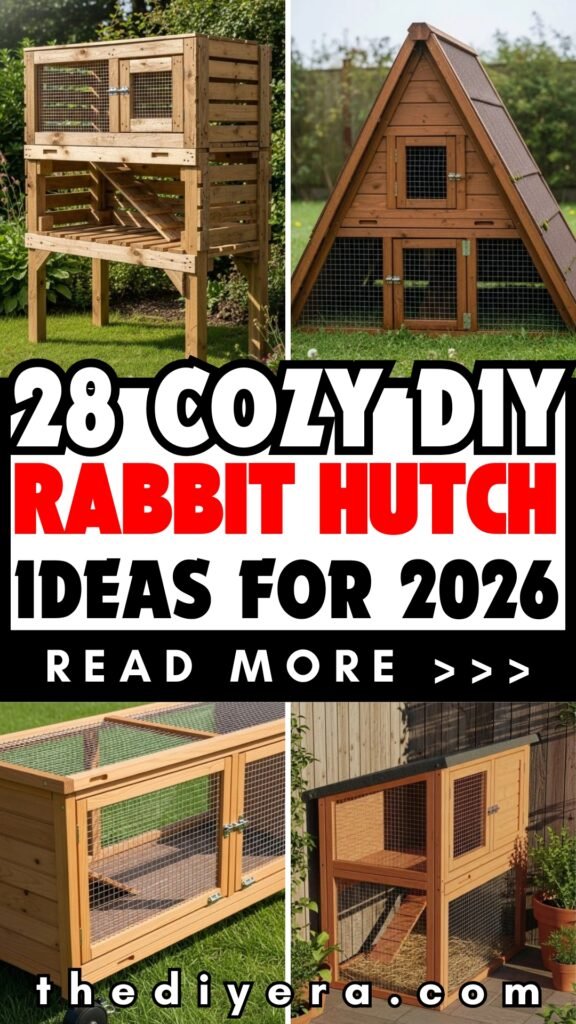
Pallet Hutch
A pallet hutch is perfect for a low-cost DIY build using reclaimed wood. The open slats allow airflow while still keeping rabbits secure.
You can customize the size easily and add a wire-lined door for safety. This style works well outdoors when raised slightly off the ground to protect from moisture and pests.
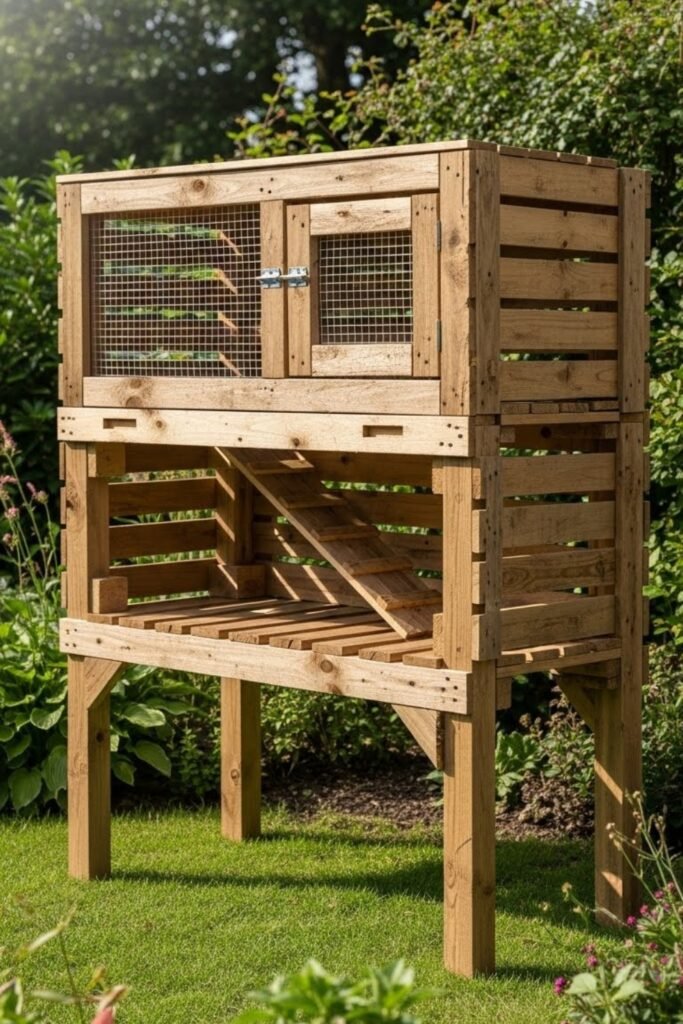
A-Frame Hutch
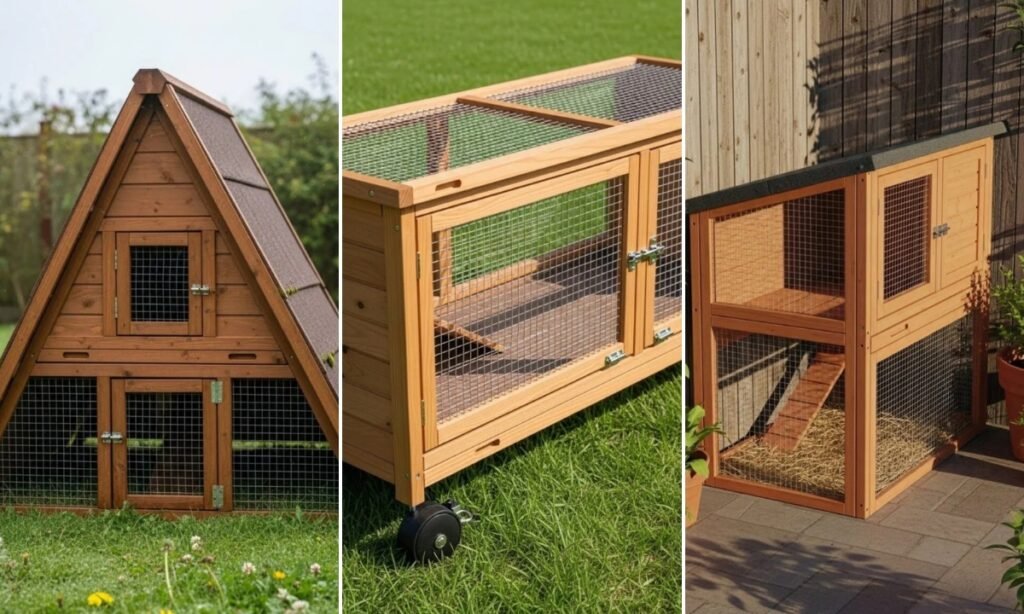
An A-frame hutch uses a triangular roof design that sheds rain and snow naturally. It’s ideal for outdoor setups where weather protection matters.
The sloped sides reduce water pooling, while the compact footprint saves yard space. Add mesh panels on one side for ventilation and sunlight without overheating the rabbits.
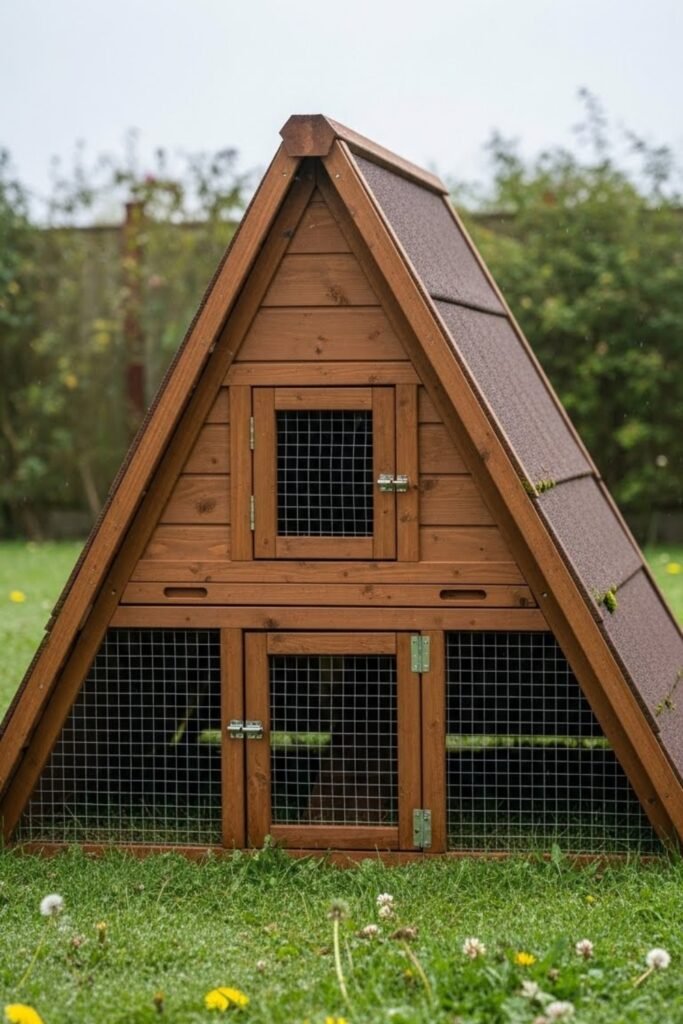
Raised Hutch
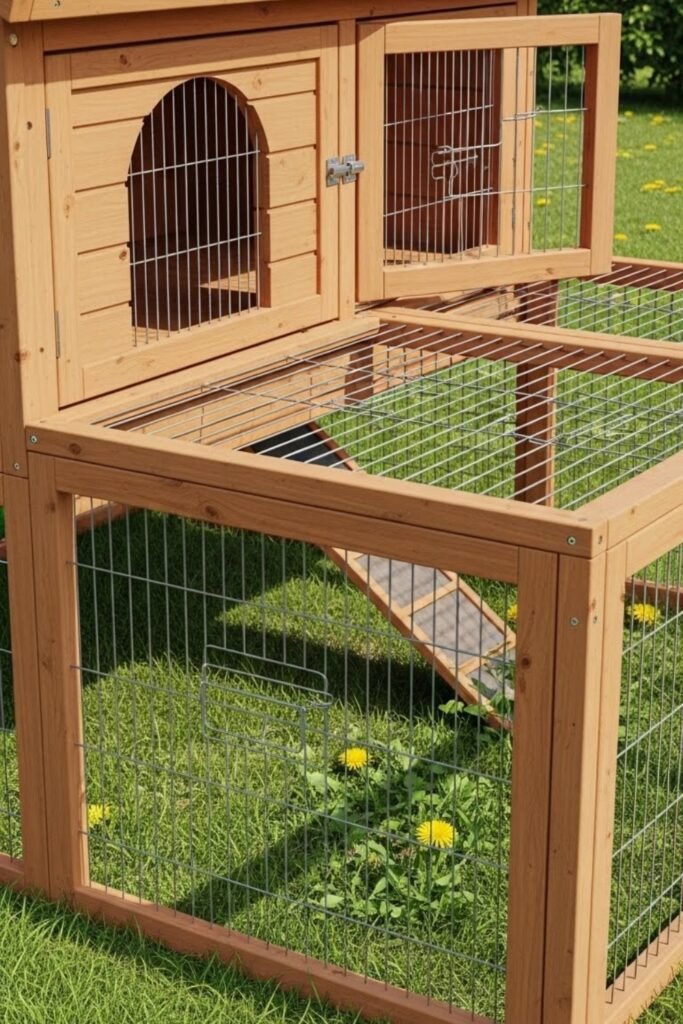
A raised hutch keeps rabbits off damp ground and away from predators. The elevated design improves airflow underneath and makes cleaning easier.
Many DIY versions include a pull-out tray for waste. This style works great in backyards and can be paired with a small ramp leading to a run.
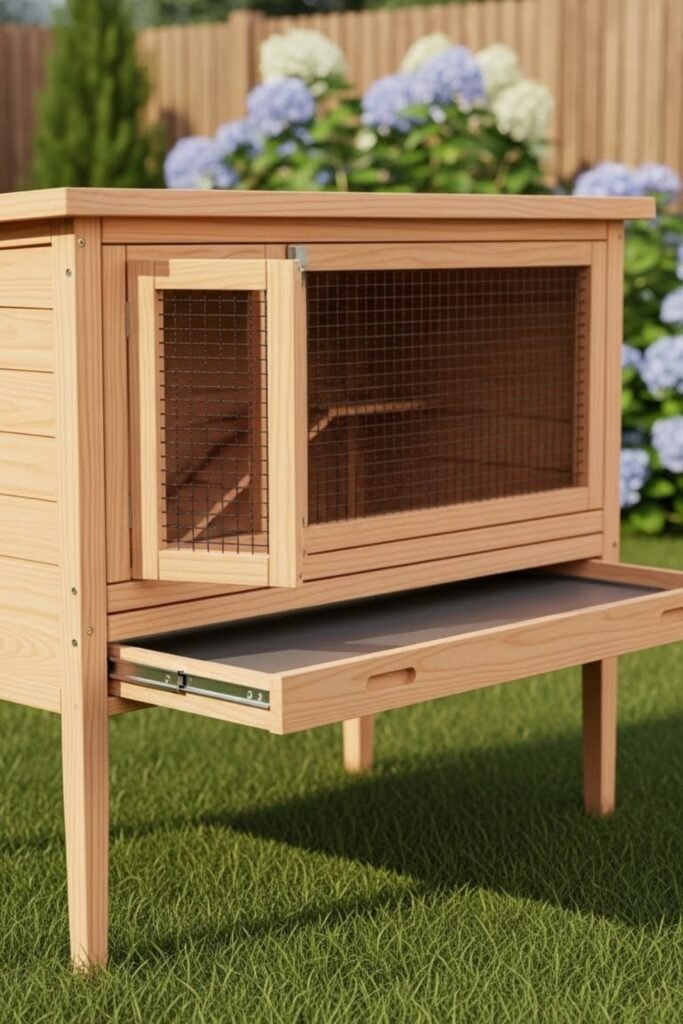
Rolling Hutch
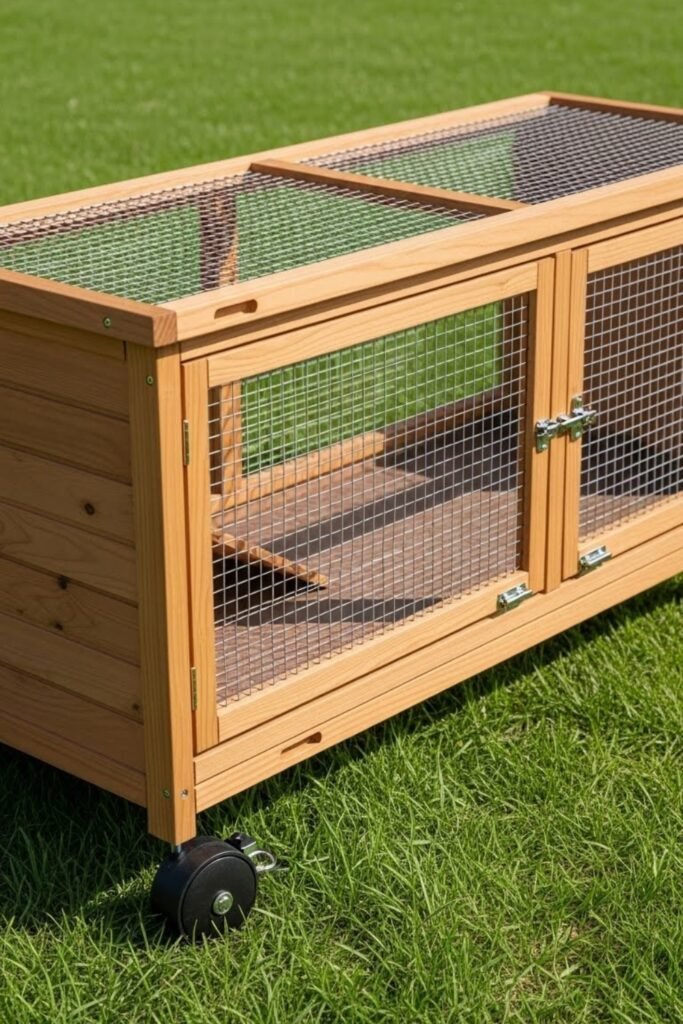
A rolling hutch includes sturdy wheels so you can move it around your yard. This allows rabbits to access fresh grass while preventing overgrazing in one spot.
Locking casters keep it stable once positioned. It’s a smart choice for small yards where flexibility and easy relocation matter.
Lean-To Hutch
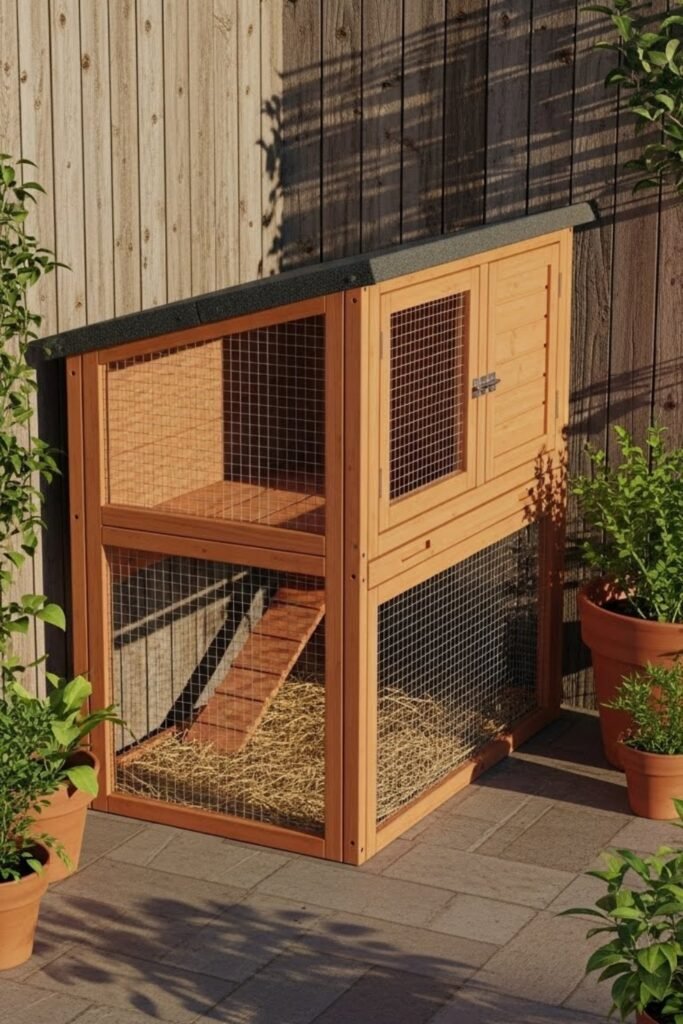
A lean-to hutch attaches against a wall, fence, or shed for added stability and weather protection. The single-slope roof directs rain away while saving materials.
This design works well in small yards and back patios where space is limited. Add wire panels on the front for airflow and visibility.
Shed Hutch
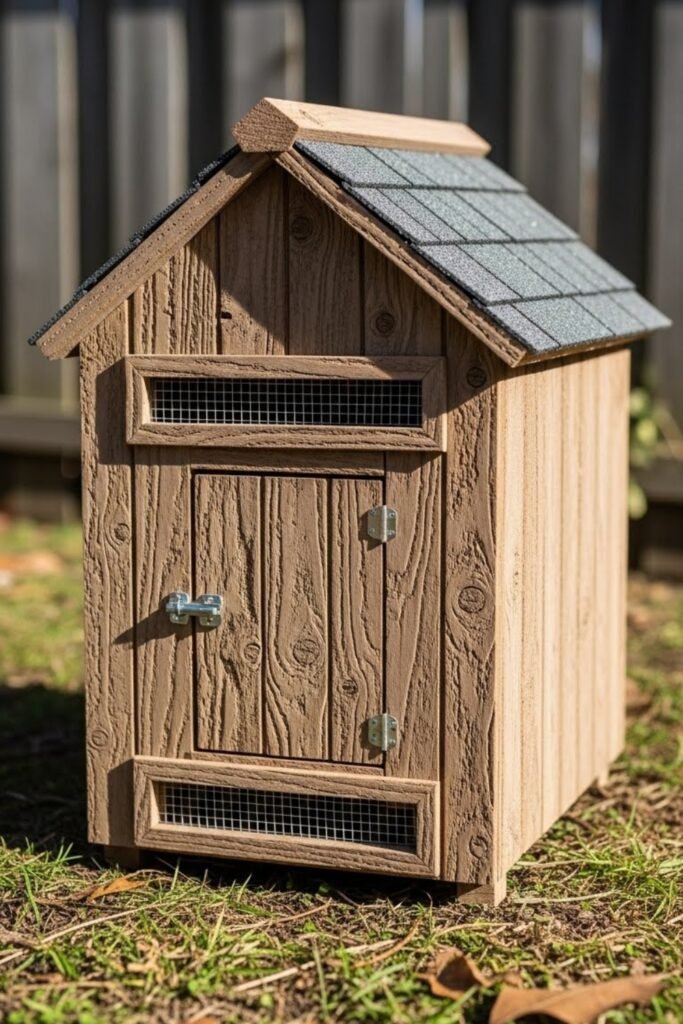
A shed-style hutch looks like a miniature shed with solid walls and a full roof. It offers excellent insulation for colder climates and strong protection from wind.
The interior can be divided into sleeping and feeding zones. This option is ideal for long-term outdoor housing where durability matters.
Wire Hutch
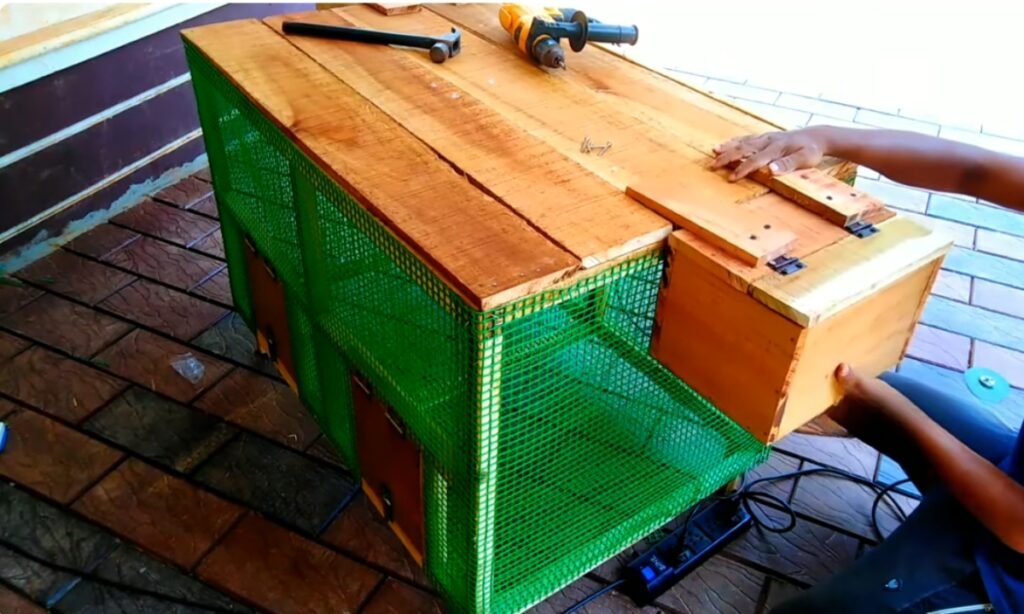
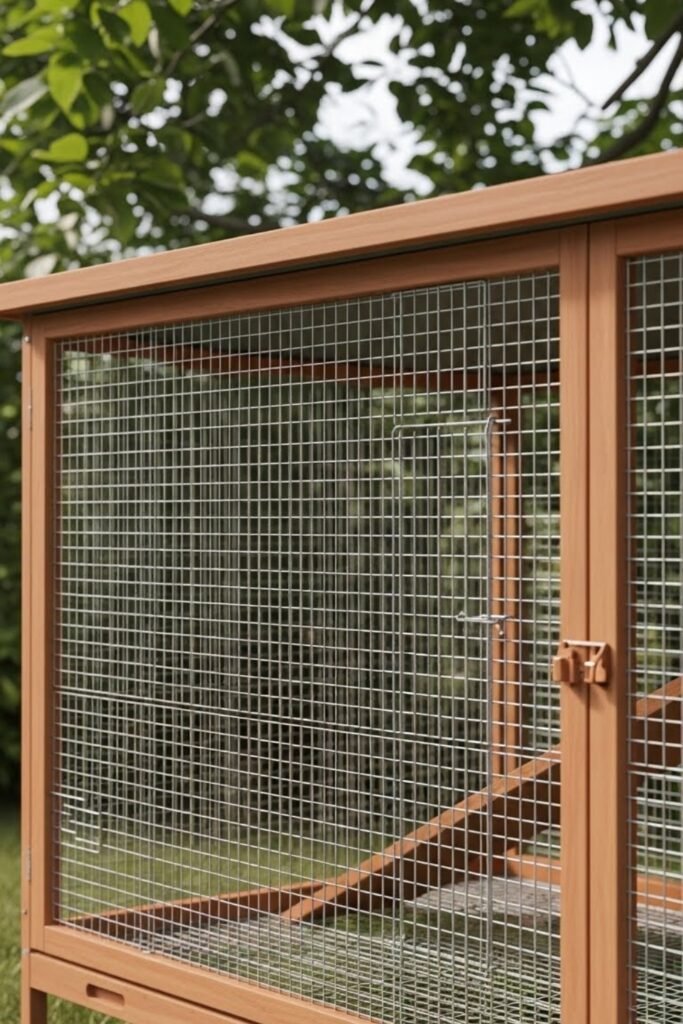
A wire hutch combines a wooden frame with wire mesh walls for maximum ventilation. It keeps rabbits cool while allowing you to monitor them easily.
The base should be solid or raised to protect feet. This design works best in shaded outdoor areas with added weather panels when needed.
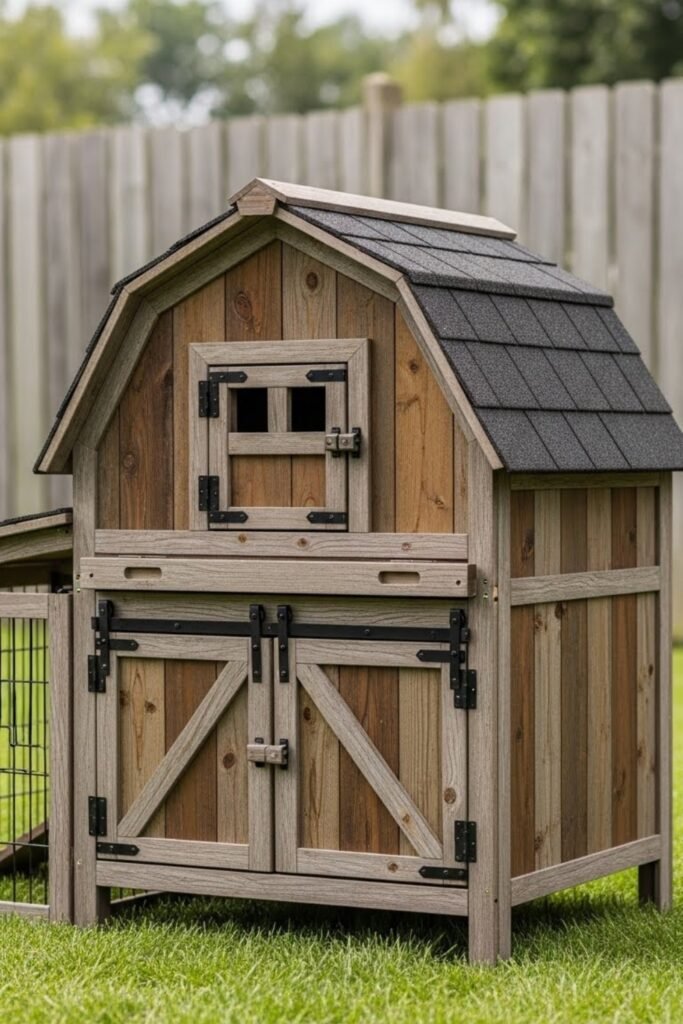
Barn Hutch
A barn hutch features sliding or hinged barn-style doors for easy access. The wider opening simplifies cleaning and feeding.
This design pairs well with rustic wood finishes and fits nicely in farm-style backyards. You can include a lofted sleeping area to give rabbits extra space.
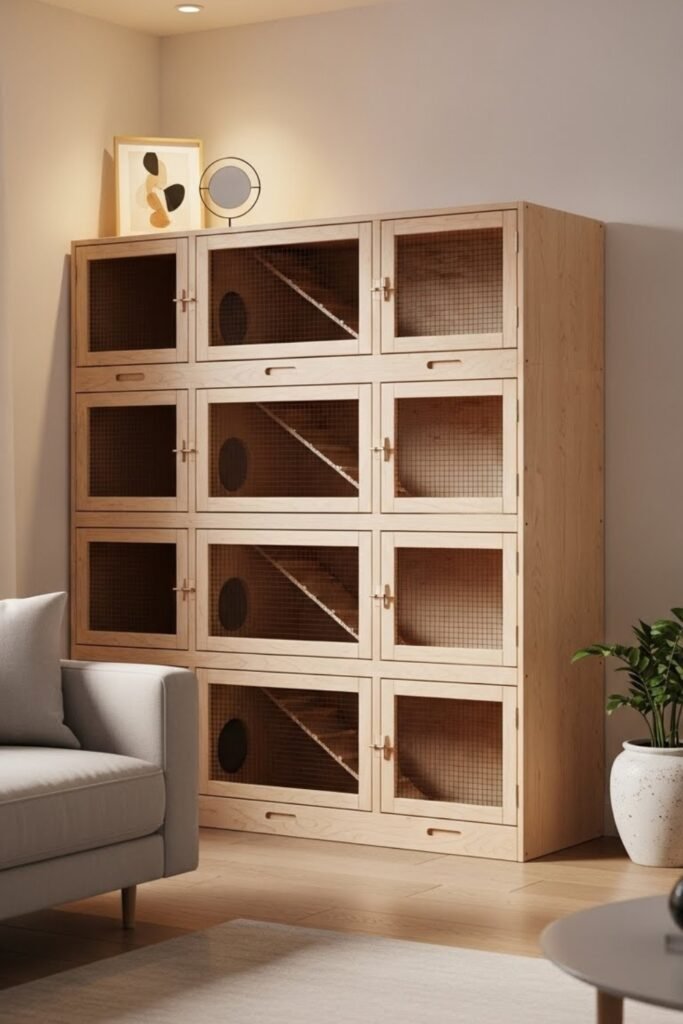
Indoor Hutch
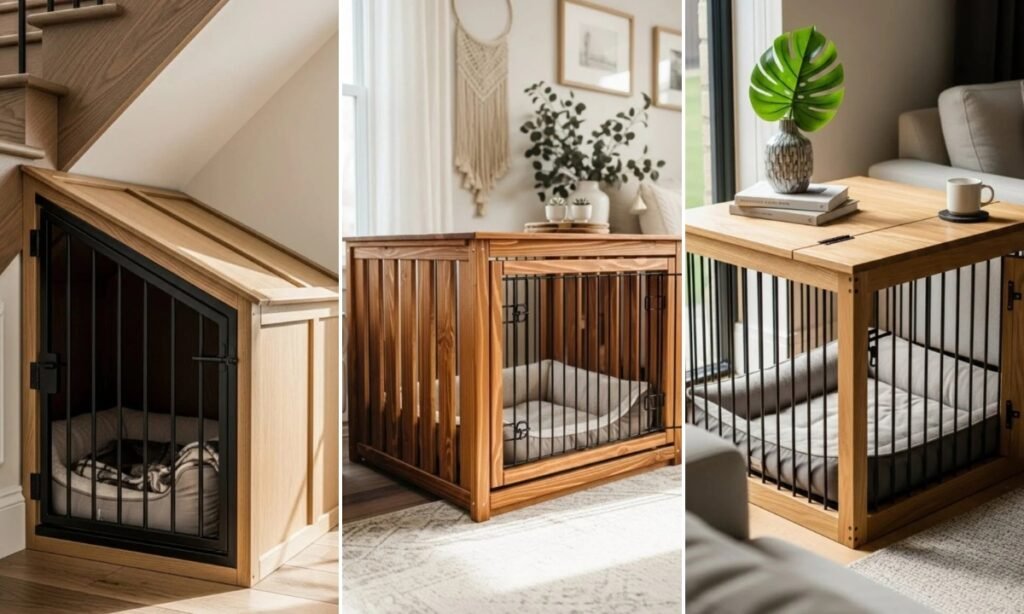
An indoor hutch works well for homes where rabbits live inside year-round. It focuses on clean lines, easy access, and odor control.
Solid flooring helps protect interiors, while wire doors allow airflow. This style often blends with furniture so it doesn’t look out of place in living areas.
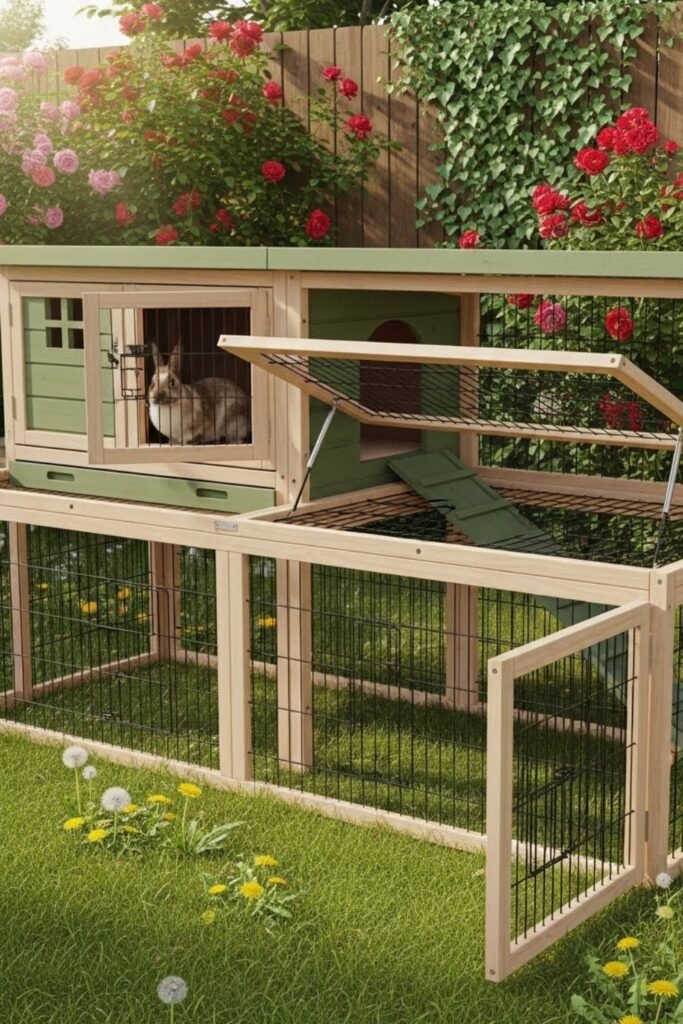
Convertible Hutch
A convertible hutch can open into a run or close into a compact enclosure. Hinged panels or removable sections allow flexible use depending on weather or space.
This design is useful for owners who want both indoor and outdoor options without building two separate structures.
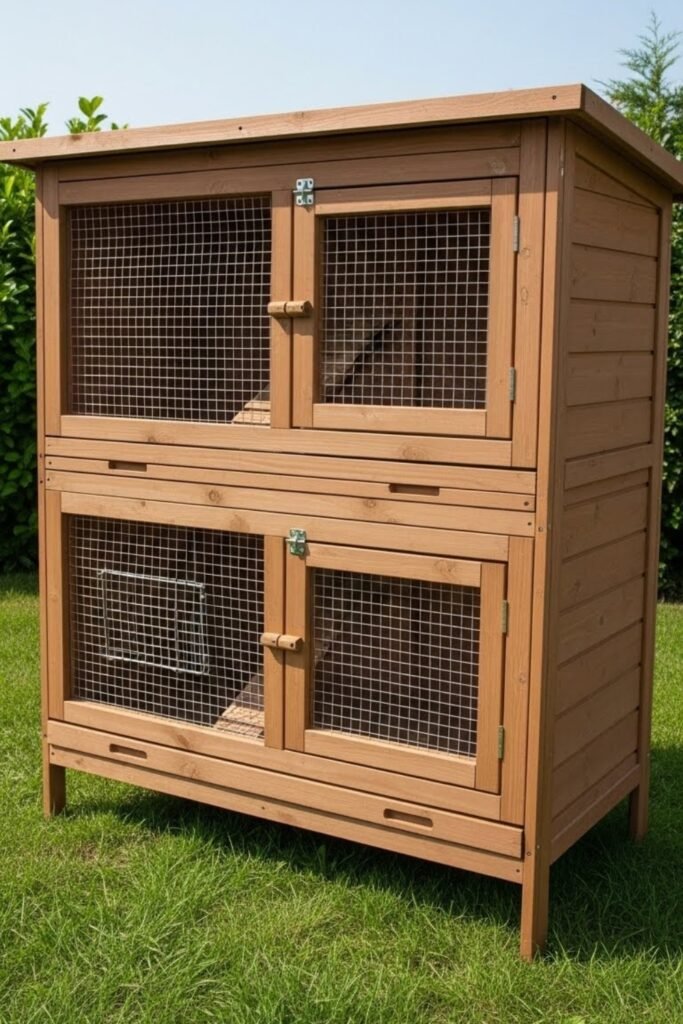
Stacked Hutch
A stacked hutch places two living spaces vertically, making it ideal for multiple rabbits. Each level remains separate to prevent crowding or territorial issues.
The vertical layout saves ground space while still offering comfort. This setup works best with strong framing and easy-access doors.
Playhouse Hutch
A playhouse hutch looks like a tiny house, adding charm to your backyard. It usually includes a pitched roof, windows, and decorative trim.
Beyond looks, it offers solid protection and a cozy interior. This option is great if you want the hutch to double as a garden feature.
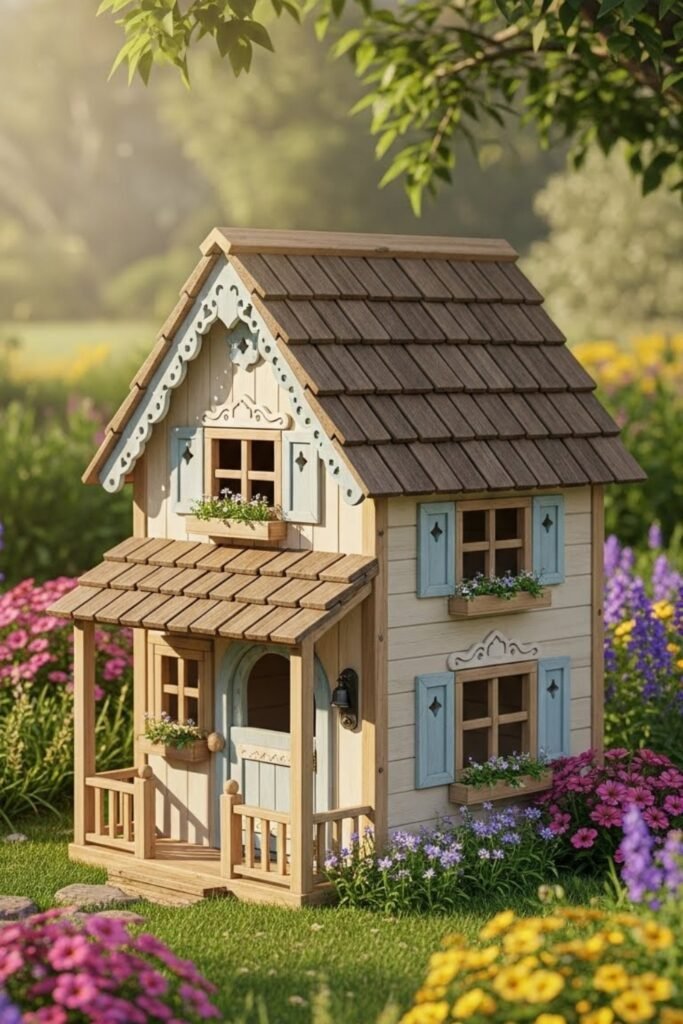
Corner Hutch
A corner hutch fits neatly into unused corners of a yard, patio, or shed. The angled layout maximizes interior space while keeping the footprint small.
This design works well for tight areas and provides a secure, enclosed feel for rabbits. Proper ventilation panels should be added to prevent stagnant air.
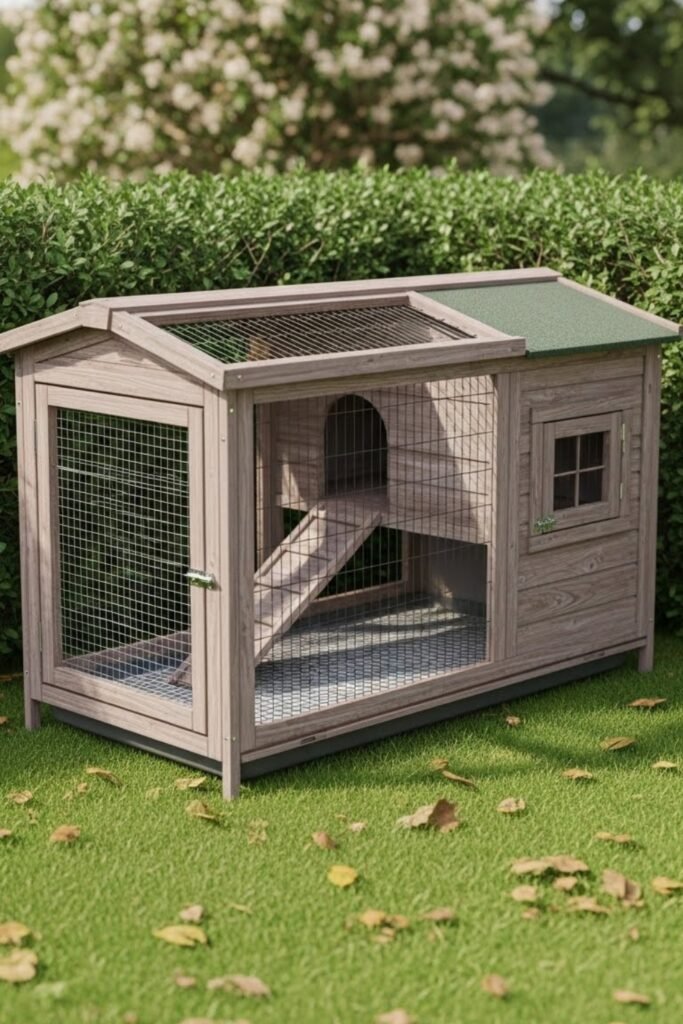
Tractor Hutch
A tractor hutch is designed to move across grass, allowing rabbits to graze safely. It usually has a lightweight frame with an open bottom and mesh sides.
This setup supports natural feeding while keeping rabbits protected from predators. It’s ideal for backyards with lawns and open space.
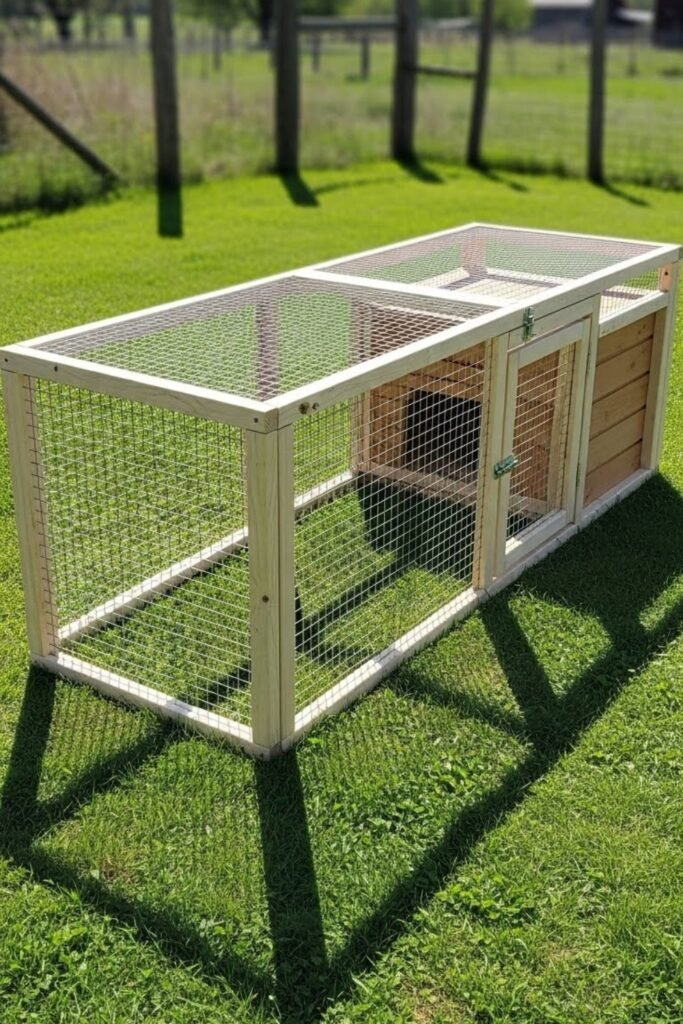
Deck Hutch
A deck hutch is built to sit securely on a wooden deck or patio surface. It uses a raised base to protect flooring and prevent moisture damage.
This design works well for apartment patios or homes without yards, offering rabbits outdoor time in a controlled area.
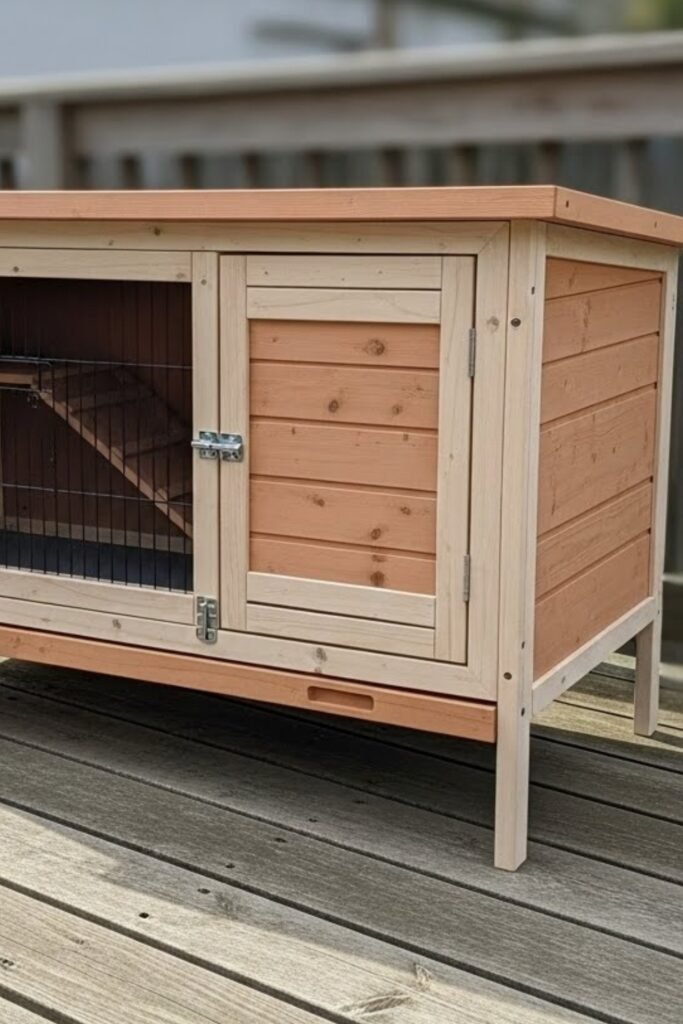
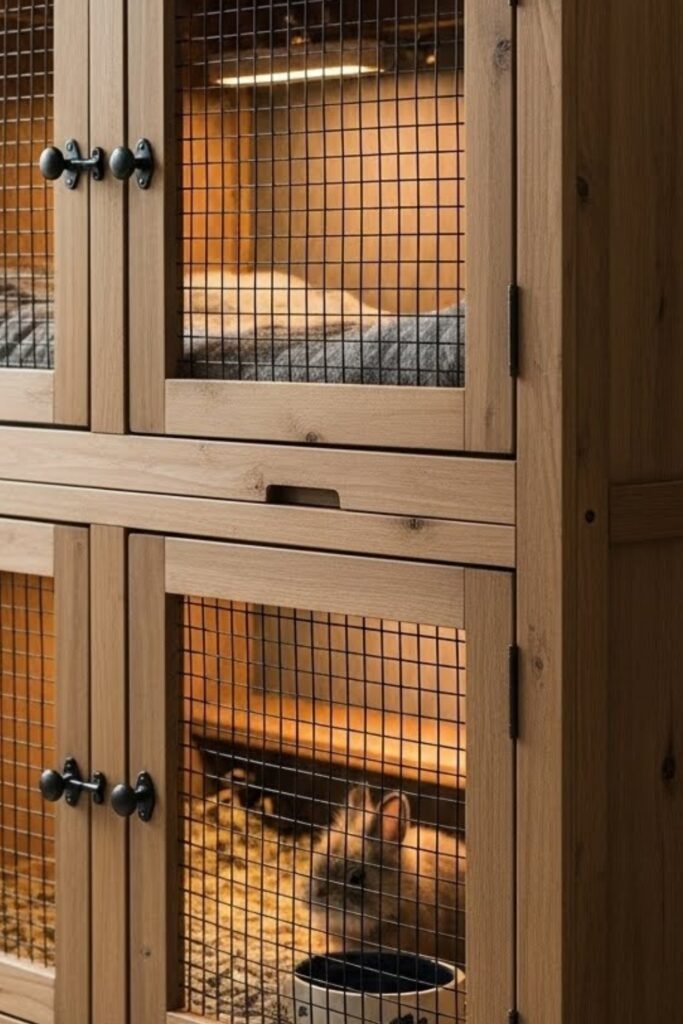
Cabinet Hutch
A cabinet hutch repurposes an old cabinet into a secure rabbit enclosure. Shelves are removed to create open space, while doors are replaced with mesh for airflow.
This is a smart upcycling project that works well indoors or in covered outdoor areas.
Greenhouse Hutch
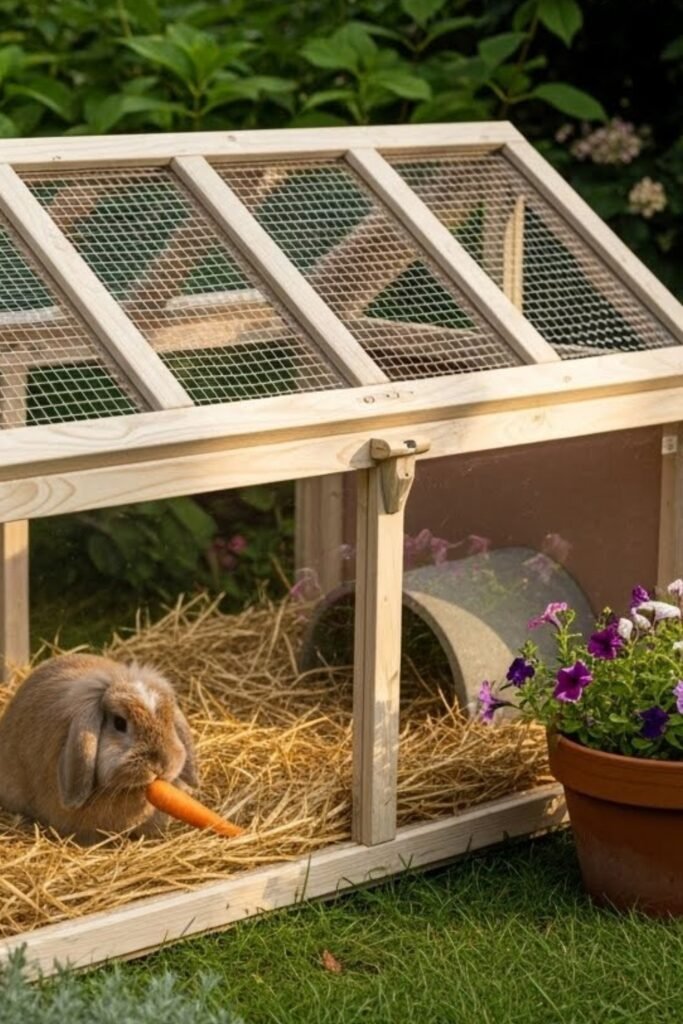
A greenhouse hutch uses clear panels to trap warmth while letting in natural light. It’s ideal for cooler climates where rabbits need extra heat without full enclosure.
Vent panels are important to avoid overheating. This design works well in winter or transitional seasons when temperatures fluctuate.
Double Hutch
A double hutch provides two connected living areas within one structure. Rabbits can move between spaces for rest and activity.
This design is helpful for separating feeding and sleeping zones. It’s also useful for bonded rabbits that still need defined personal areas.
Weatherproof Hutch
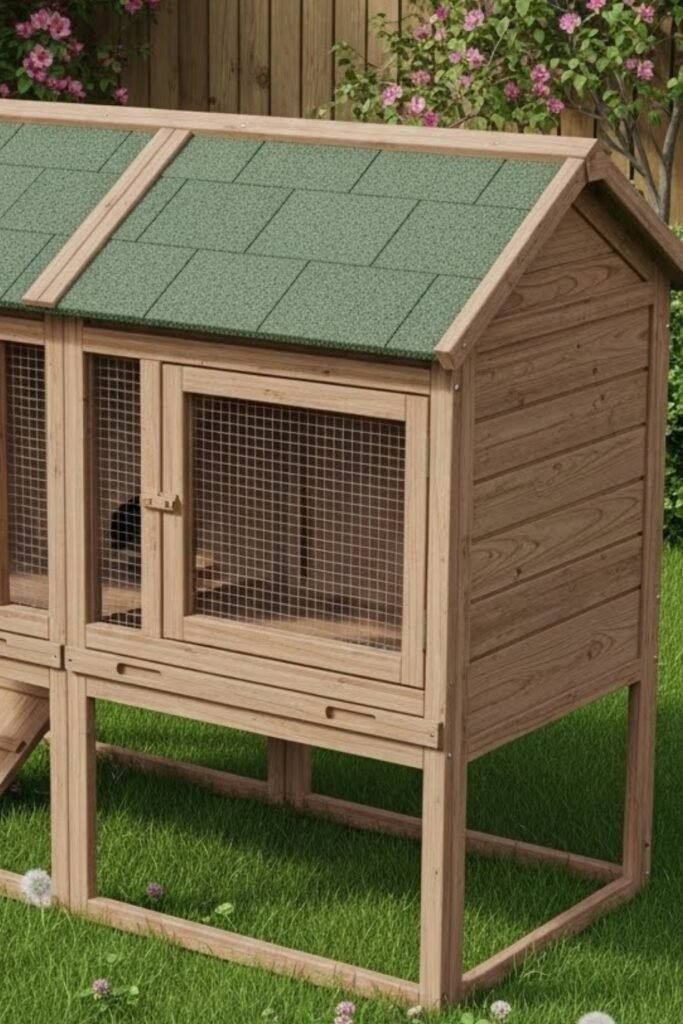
A weatherproof hutch focuses on insulation, sealed joints, and protective roofing. It’s built to handle rain, wind, and cold temperatures.
Materials like treated wood and waterproof panels improve durability. This option is best for outdoor setups in regions with unpredictable weather.
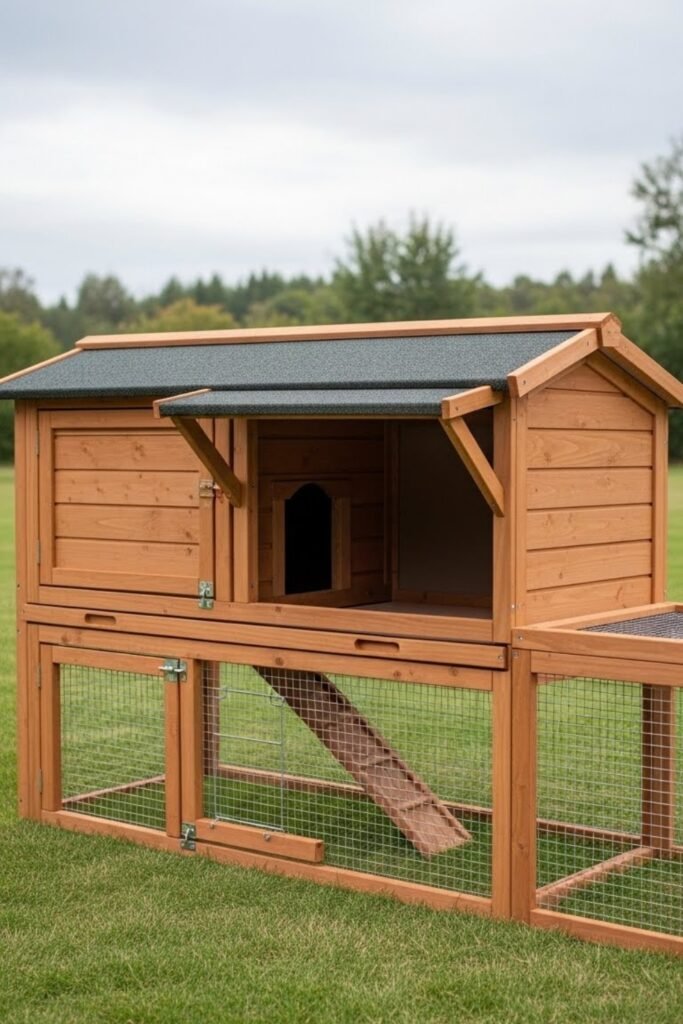
Minimal Hutch
A minimal hutch uses simple lines and basic materials without extra decoration. It focuses on functionality, easy cleaning, and efficient use of space.
This style works well for quick DIY builds and indoor setups where a clean, modern look matters.
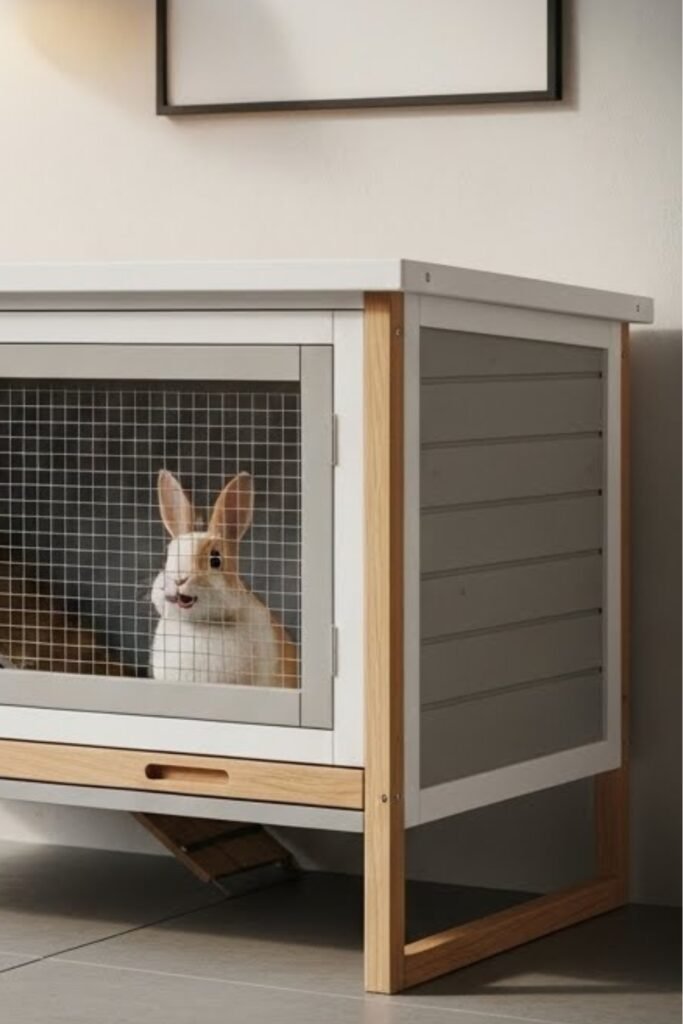
Storage Hutch
A storage hutch combines rabbit housing with built-in compartments for feed, bedding, and supplies. Cabinets or drawers are placed below or beside the living area.
This design keeps everything organized in one spot and works well for small yards or sheds where space efficiency is important.
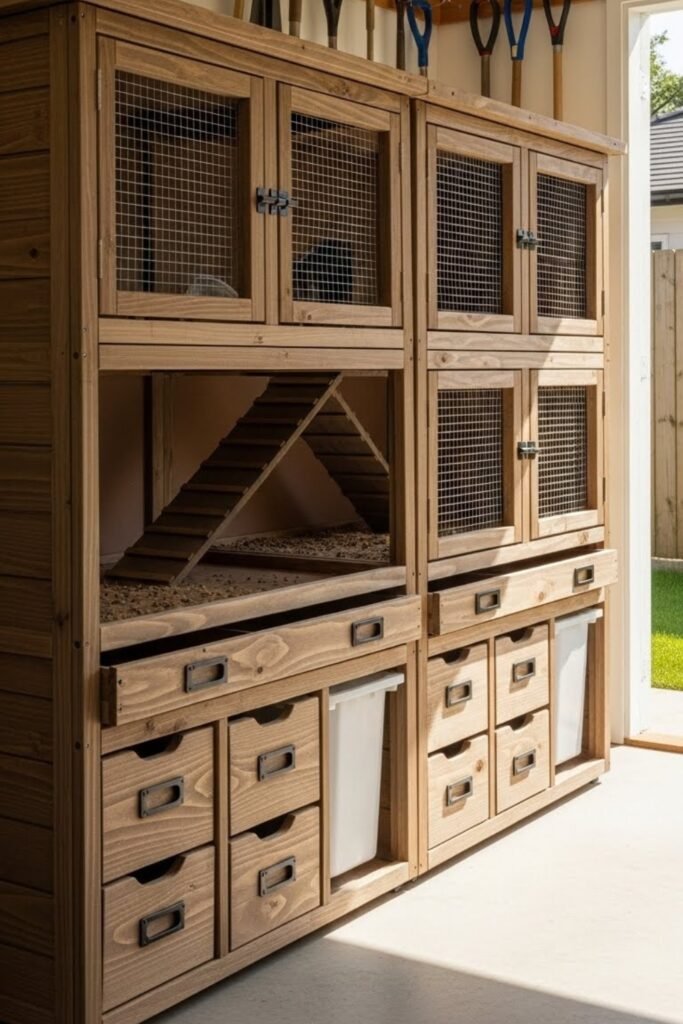
Patio Hutch
A patio hutch is designed for covered outdoor areas like patios or balconies. It uses weather-resistant materials while maintaining airflow.
This option gives rabbits fresh air without full exposure to harsh conditions. It’s ideal for homes with limited outdoor space but sheltered areas.
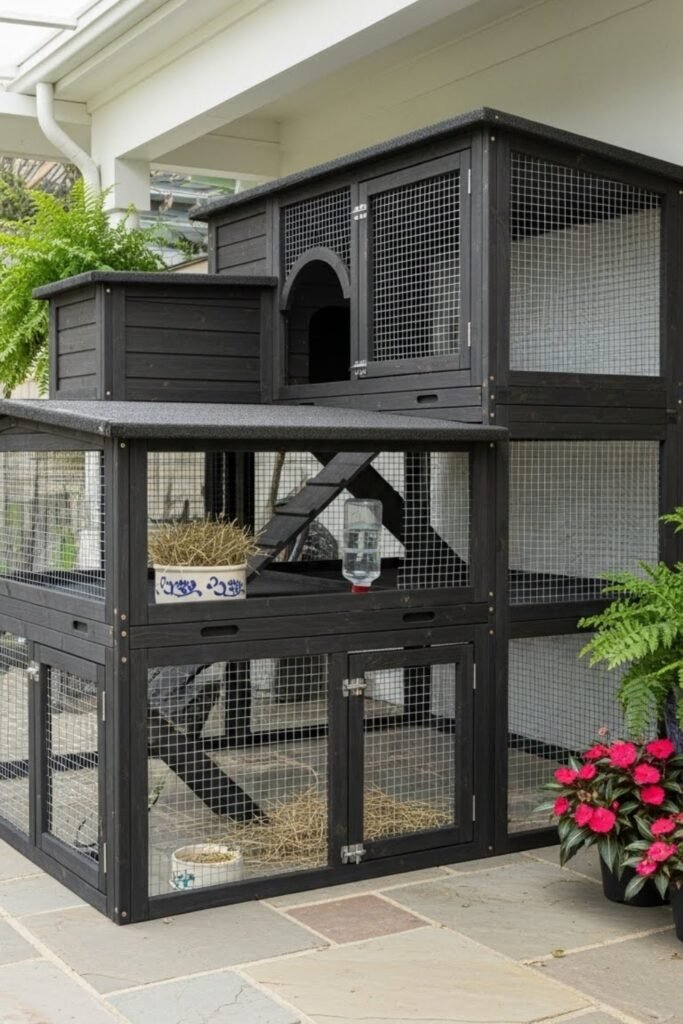
Rustic Hutch
A rustic hutch uses natural wood textures and simple construction for a farmhouse look. The focus is on sturdy materials rather than polished finishes.
This style blends well into garden settings and outdoor landscapes. It’s a good option if you want durability with a natural appearance.
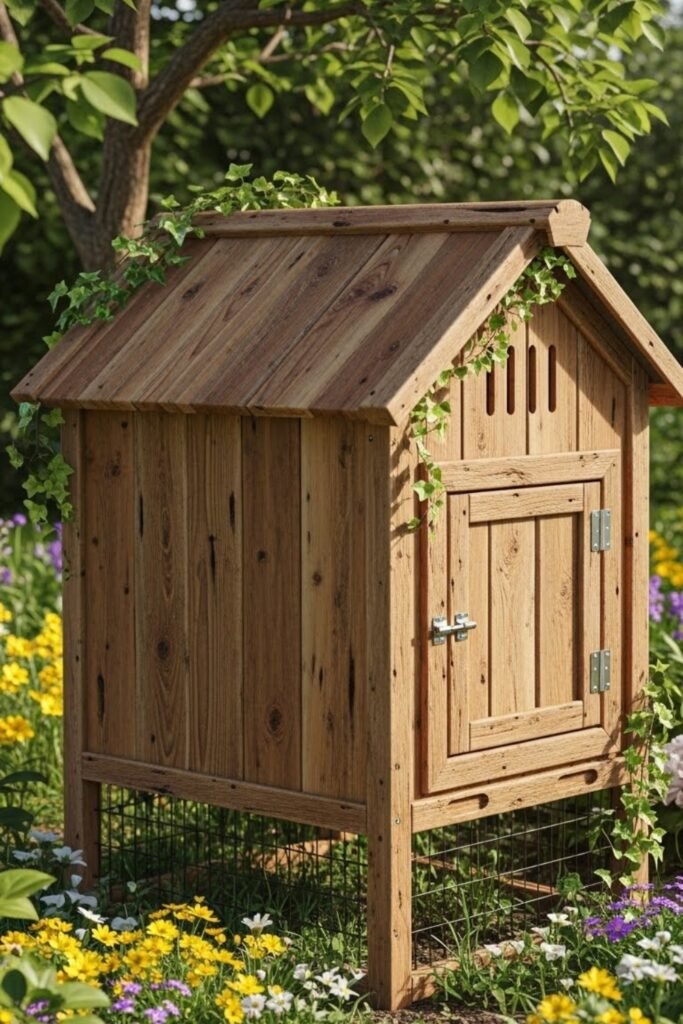
Portable Hutch
A portable hutch is lightweight and easy to move without wheels. Handles or simple frame designs allow quick relocation.
This style works well for temporary setups or seasonal use. It’s useful if you need flexibility for cleaning, shade adjustment, or space changes.
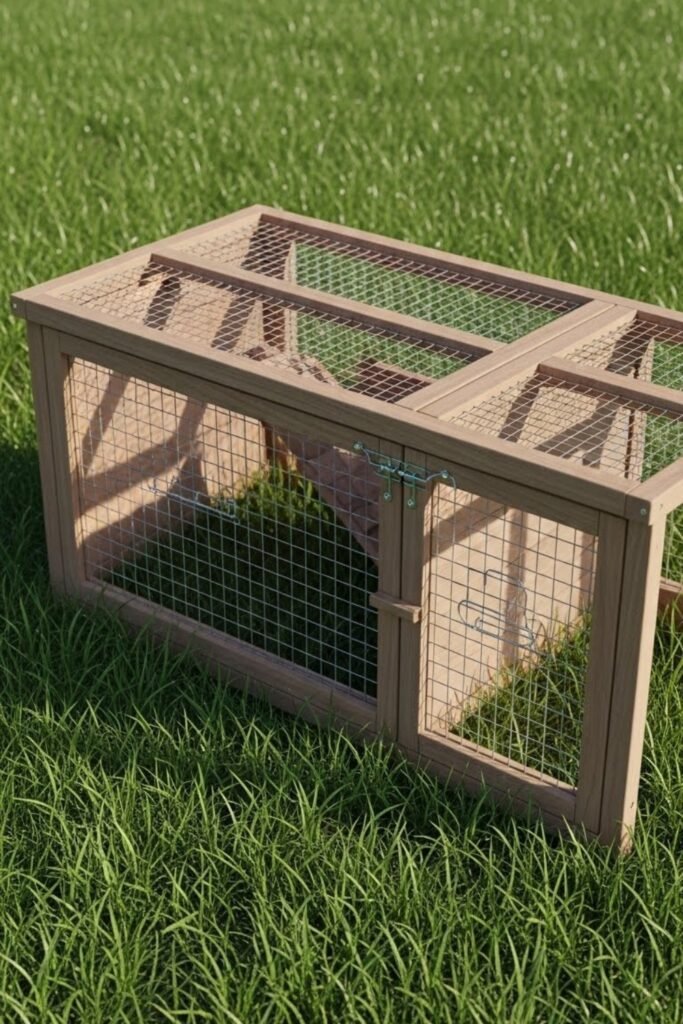
Mesh Hutch
A mesh hutch uses wire or metal mesh walls for strong airflow and visibility. It helps keep rabbits cool in warmer climates while allowing easy monitoring.
The frame must be sturdy, and shaded areas should be included to protect from direct sunlight. Best suited for covered outdoor spaces.
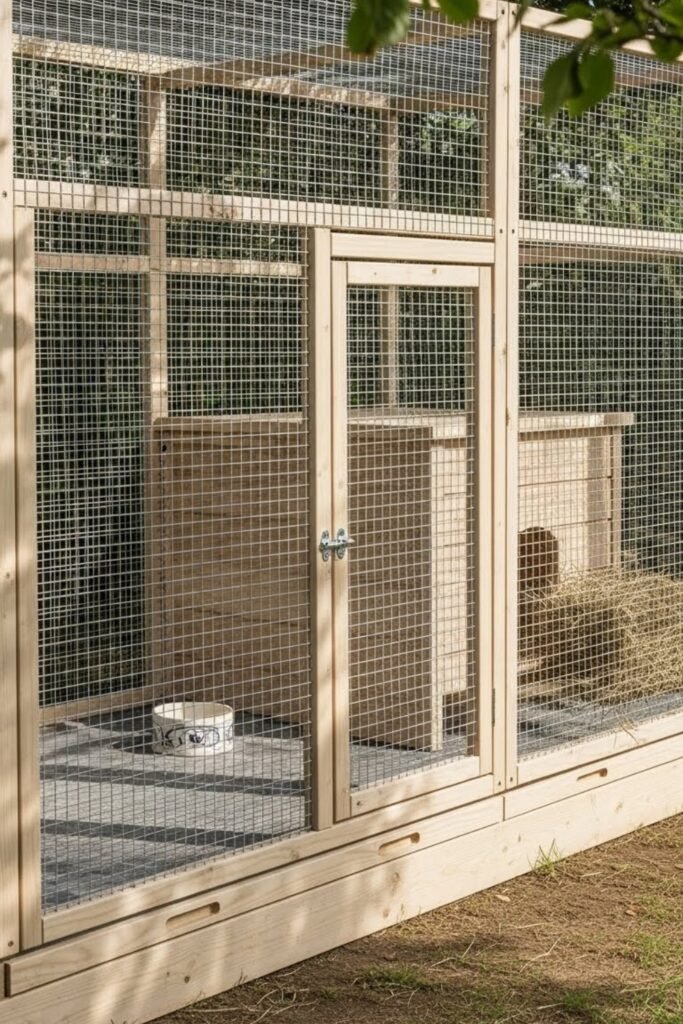
Tunnel Hutch
A tunnel hutch connects multiple sections using enclosed tunnels. Rabbits can move freely between sleeping, feeding, and play areas.
This design encourages natural movement and mental stimulation. It works well in larger yards where extra space allows creative layouts.
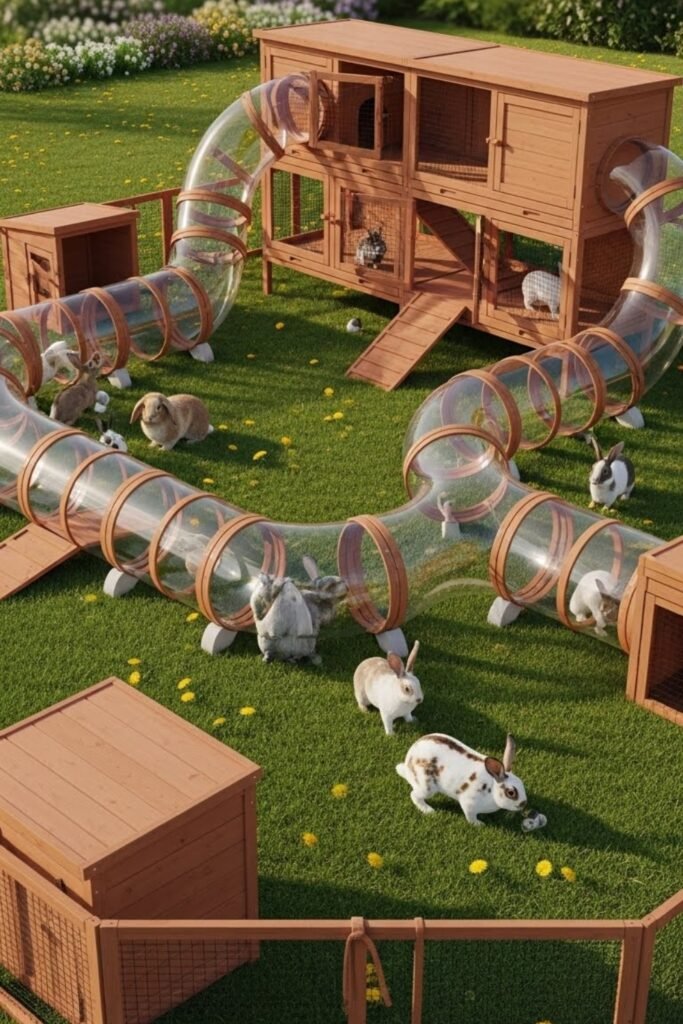
Apartment Hutch
An apartment hutch is compact and designed for small living spaces. It focuses on vertical layout, clean finishes, and easy maintenance.
This type fits well indoors and can blend with furniture. Ideal for rabbit owners living in apartments or condos.
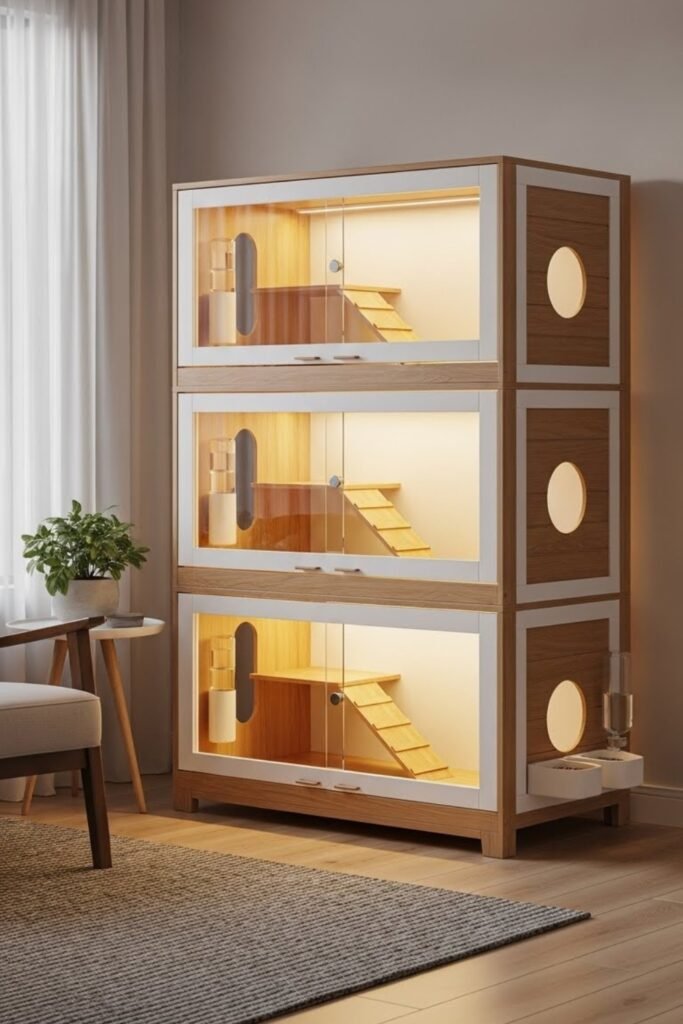
Run Hutch
A run hutch combines a secure shelter with an attached exercise run. Rabbits can rest and move freely without needing constant supervision.
This design supports daily activity and reduces boredom. It’s ideal for outdoor use where rabbits need both safety and space.

Hi, my name is Ali Mehmood! I’m a passionate writer and DIY enthusiast who loves turning creative ideas into practical, hands-on projects.
I created this website to share inspiring, budget-friendly ideas that you can do yourself – whether it’s organizing your home, crafting something unique, or creating fun projects for kids and pets.
I believe DIY isn’t just a hobby – it’s a smart way to save money, reduce waste, and enjoy the satisfaction of making things with your own hands.
I’m excited to have you as part of this growing community, and I’ll continue bringing you helpful, realistic, and fun DIY ideas you can actually use.