This post may contain affiliate links: read full affiliate disclosure.
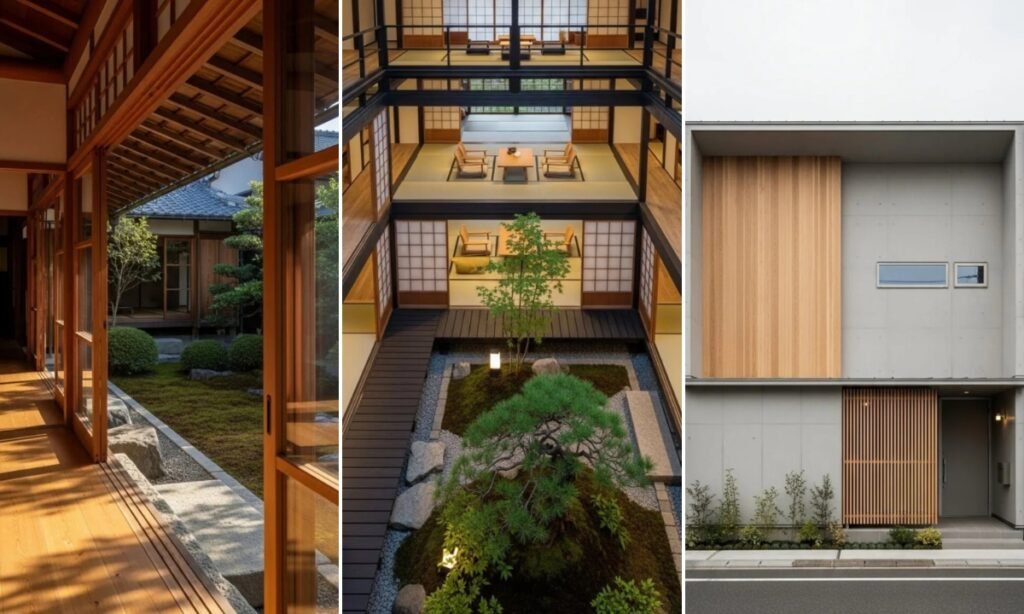
When I started exploring Japanese house design, what stood out most was how calm and intentional everything felt.
These homes aren’t about decoration – they’re about balance, light, and living simply.
In this article, I’m sharing Japanese house ideas that focus on natural materials, flexible spaces, and peaceful layouts you can actually learn from, whether your home is big or small.
Engawa Living
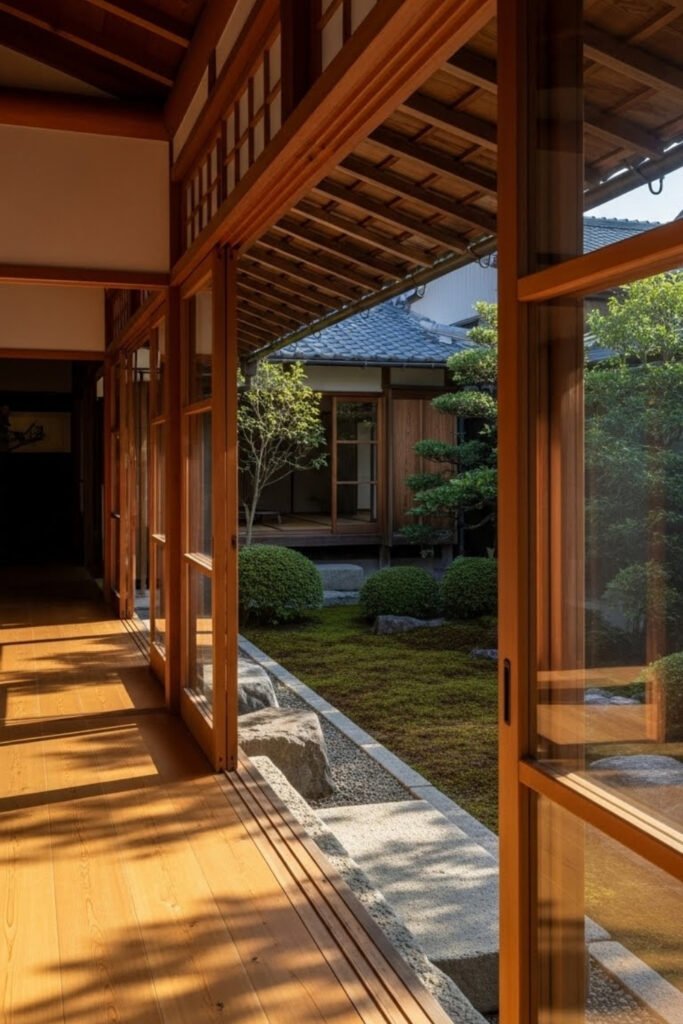
An engawa is a narrow wooden platform that runs along the house, acting as a soft transition between indoors and outdoors. It’s not a patio and not a hallway, it’s both.
This space works perfectly for sitting, reading, or enjoying the garden while staying sheltered. Engawa living makes the house feel calmer and more connected to nature.
Tatami Layout
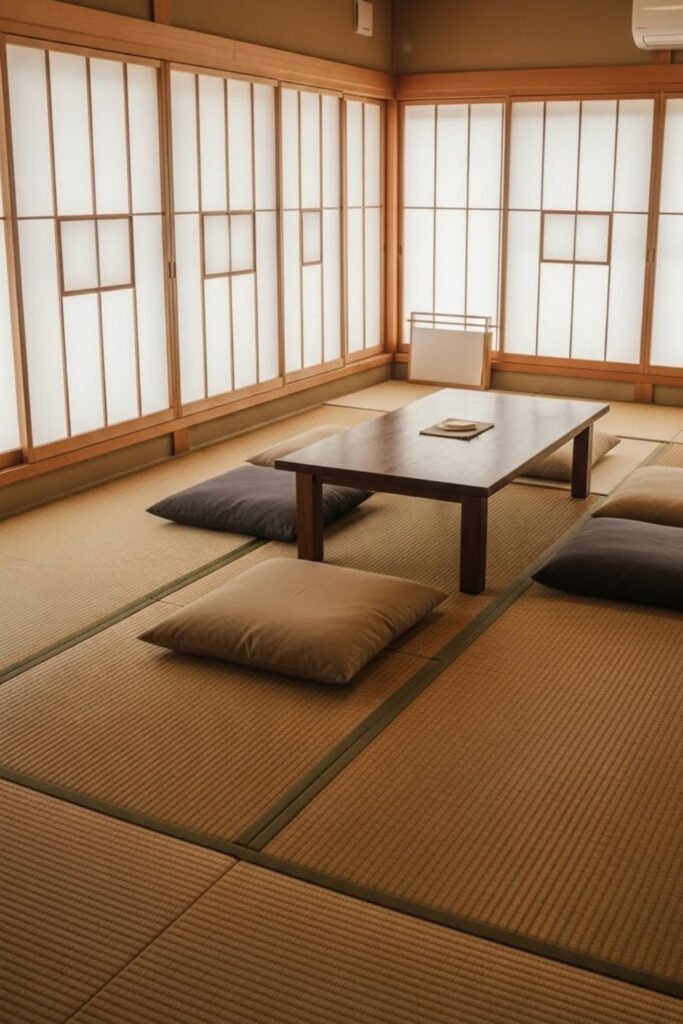
Tatami rooms are designed around woven floor mats that dictate the entire layout. Furniture stays low, movement feels intentional, and the space stays flexible.
You can use one room for sleeping, relaxing, or entertaining by simply rearranging mats and cushions. This layout promotes simplicity and keeps the house visually uncluttered.
Shoji Screens
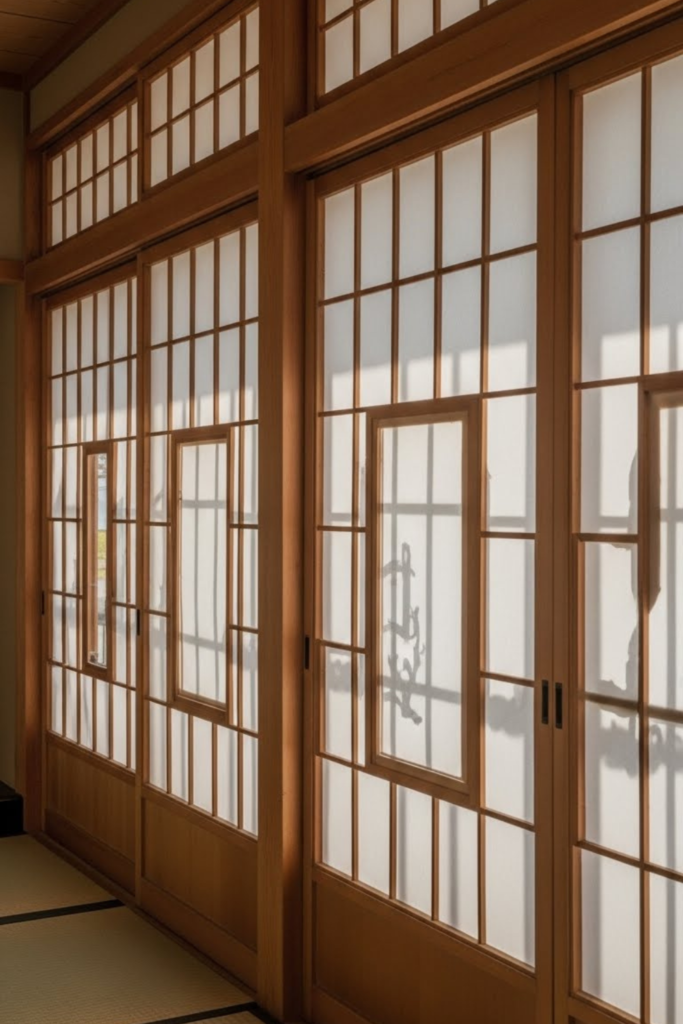
Shoji screens replace solid walls with translucent paper panels framed in wood. They allow natural light to filter through while maintaining privacy.
These screens slide instead of swinging, saving space and making rooms adaptable. Shoji screens are ideal for small homes where light, softness, and flexibility matter more than permanent walls.
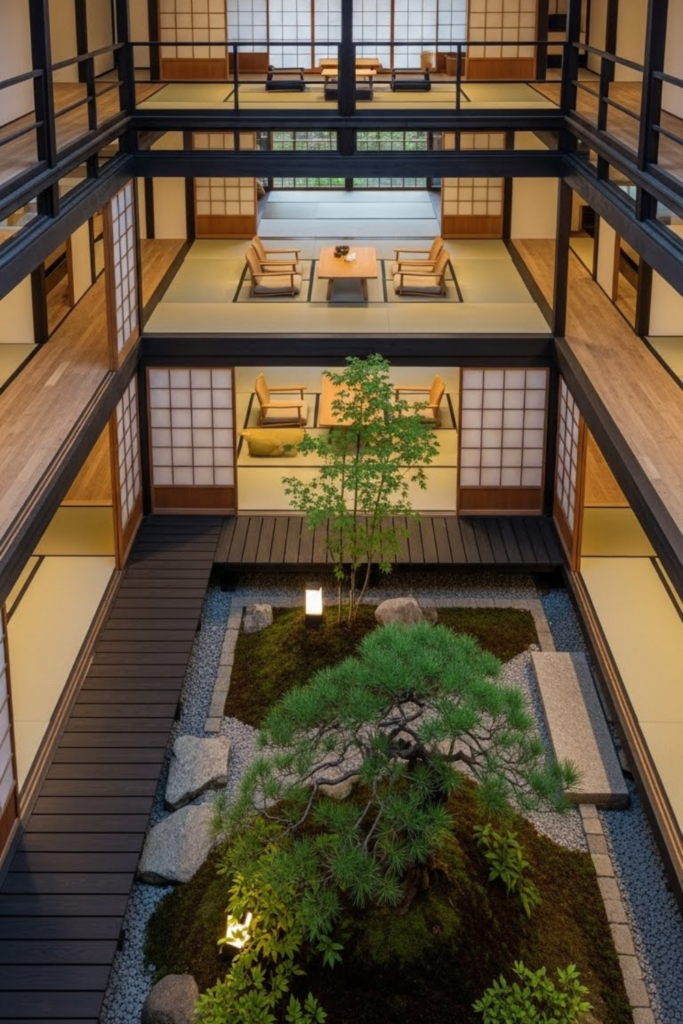
Courtyard Core
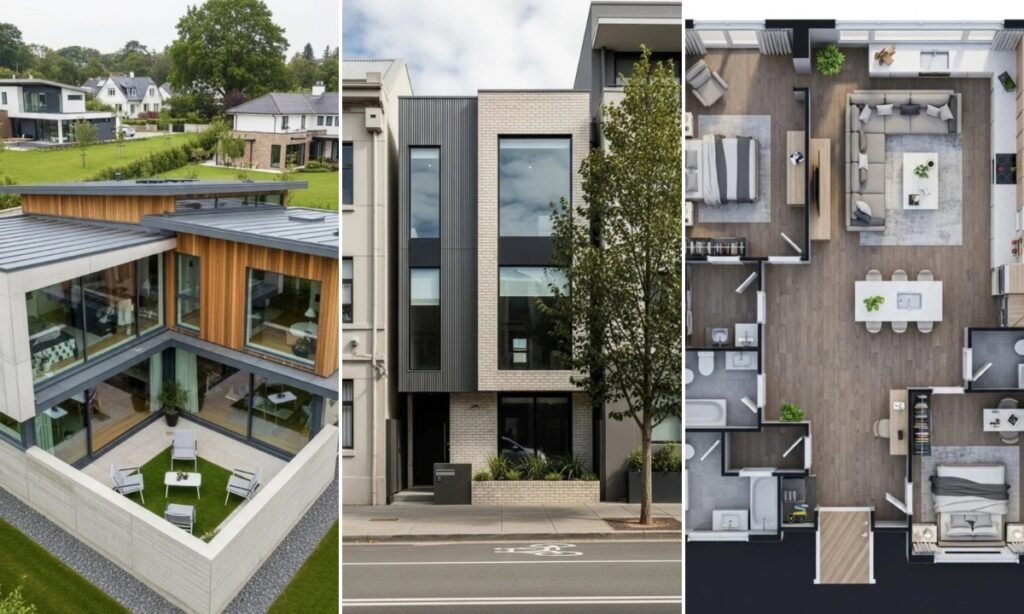
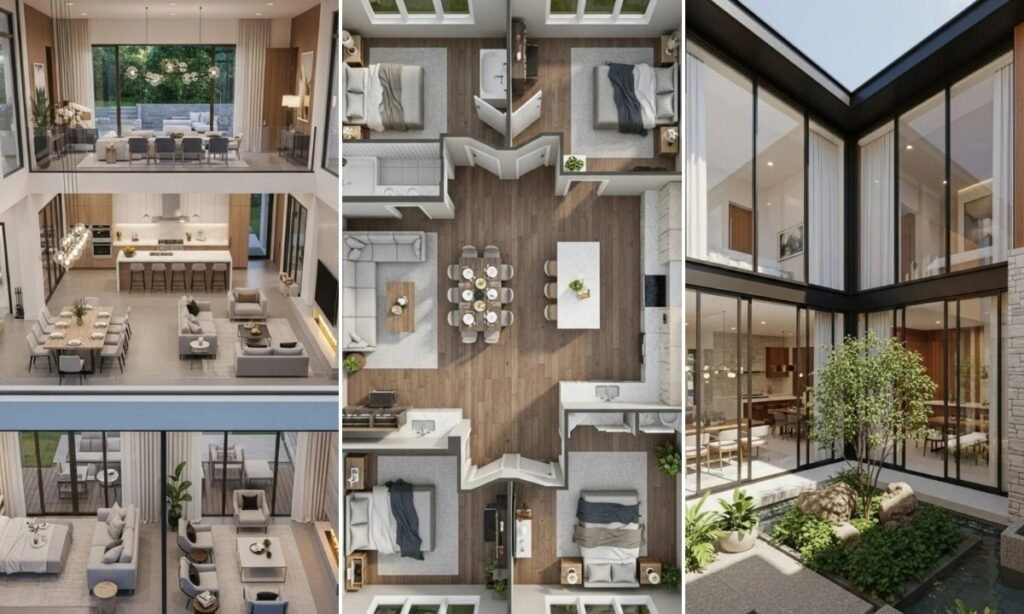
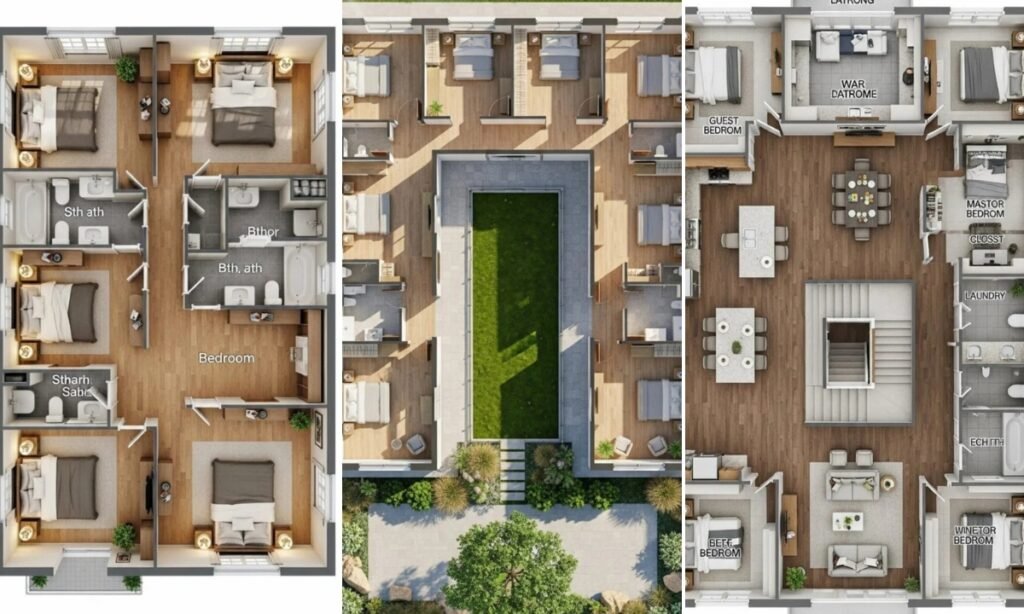
A courtyard core places an open-air garden at the center of the house. Every major room faces this inner space, bringing light and greenery inside.
This design improves ventilation, creates privacy from the street, and adds a peaceful focal point. Even compact homes feel open and balanced when organized around a central courtyard.
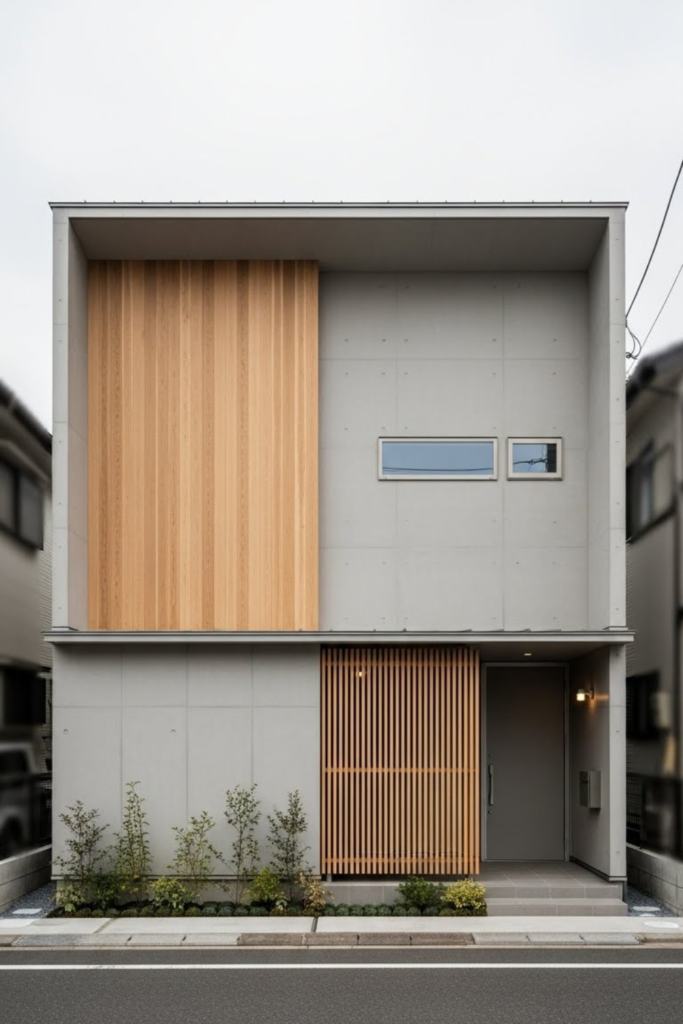
Minimal Facade
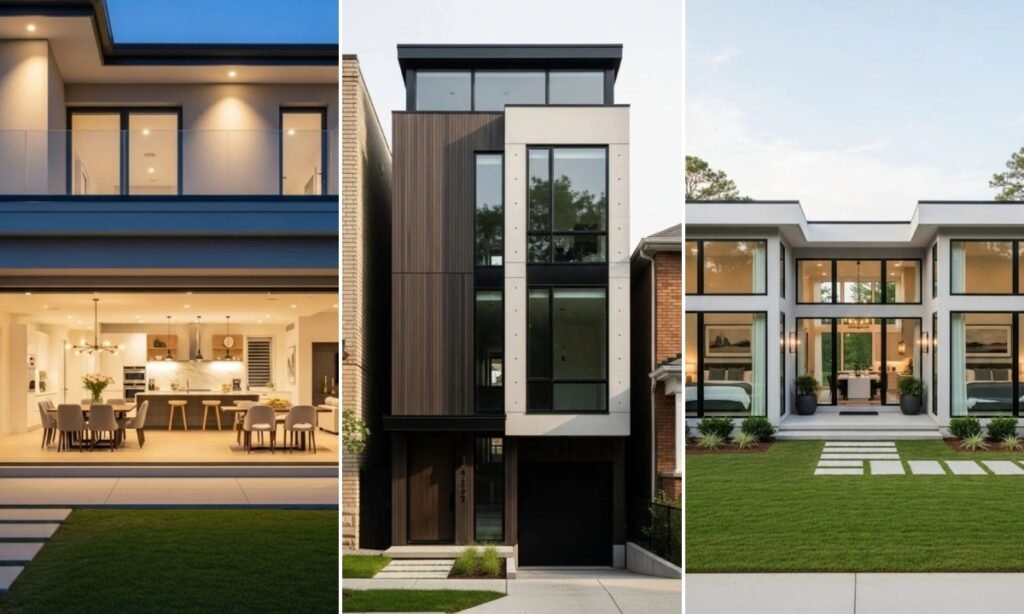
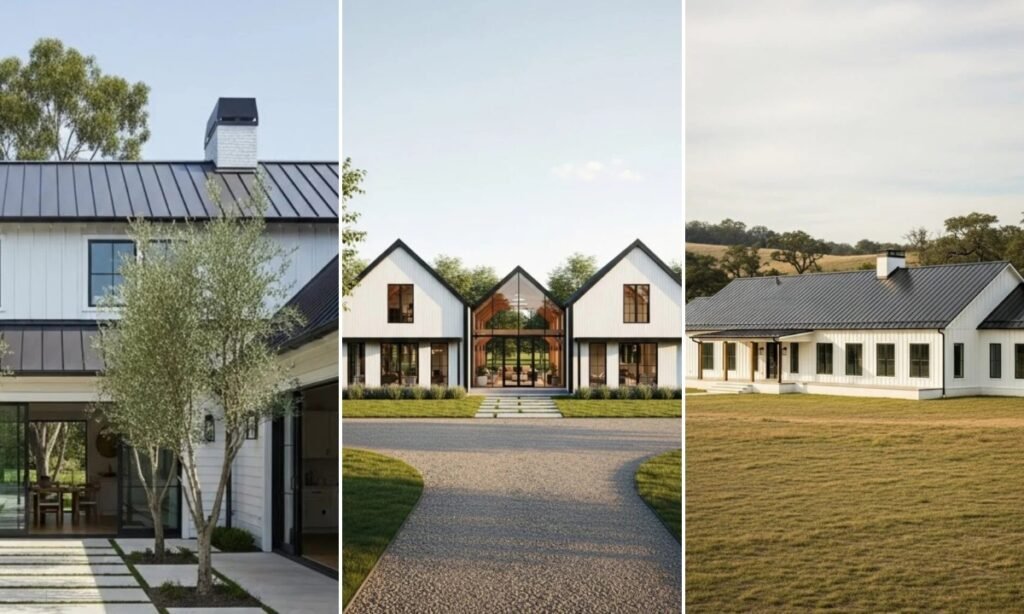
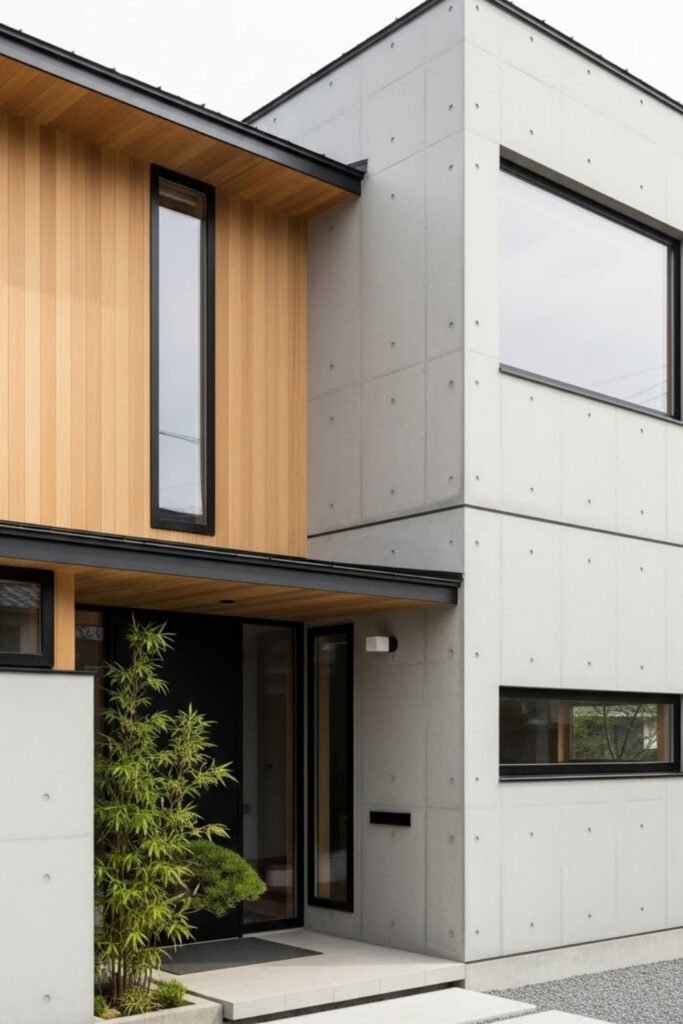
Japanese house exteriors often look simple and quiet from the street. Clean lines, muted colors, and minimal detailing help the home blend into its surroundings.
This facade style focuses on balance rather than decoration. It also creates a sense of privacy, making the interior feel more personal and peaceful once you step inside.
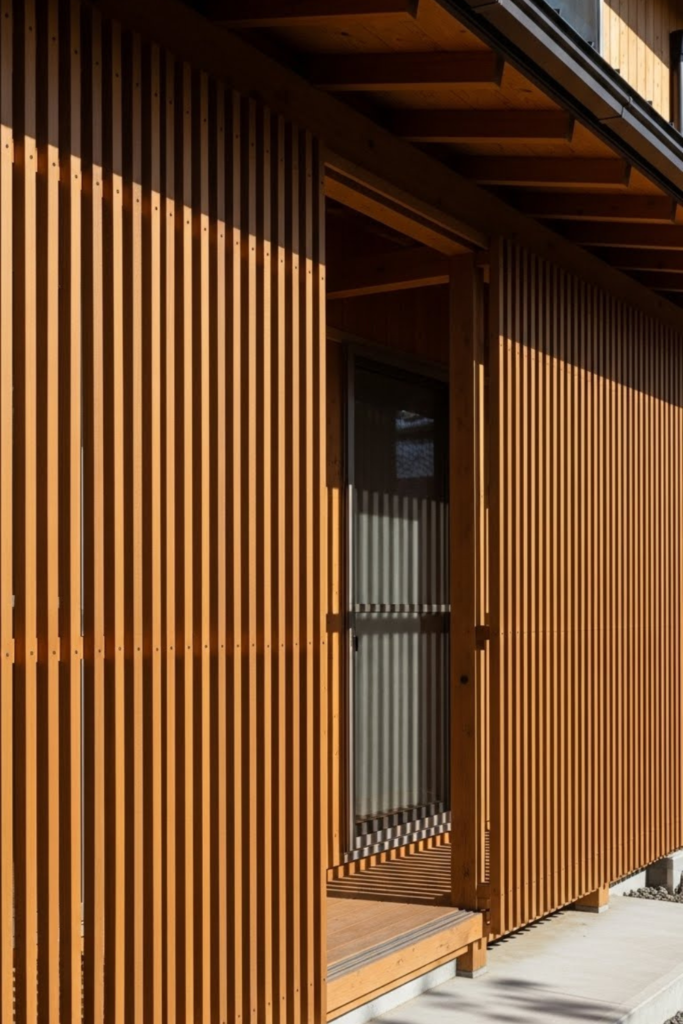
Wood Slats
Vertical or horizontal wood slats are used to filter light, air, and views. They provide privacy without fully closing off the house.
From the outside, slats add texture and rhythm to the facade. Inside, they cast soft shadows throughout the day, giving the home a calm, natural atmosphere that changes with sunlight.
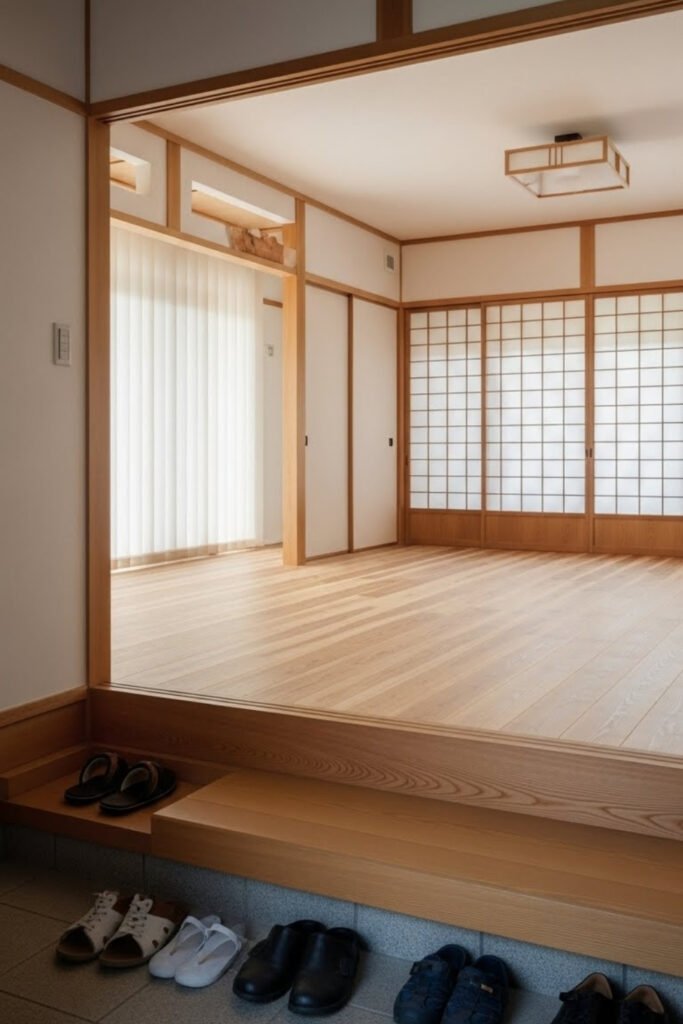
Raised Floors
Raised floors protect the house from moisture and help with airflow underneath. This design also creates a clear boundary between the outdoors and indoors.
Shoes come off before stepping up, reinforcing a clean living space. Raised floors are practical, cultural, and visually grounding, especially in traditional-inspired Japanese homes.
Sliding Walls
Sliding walls allow rooms to expand or close off when needed. Instead of fixed layouts, spaces adapt to daily life.
You can open everything for gatherings or close panels for privacy and quiet. This flexibility makes even small homes feel larger and more functional without adding extra square footage.
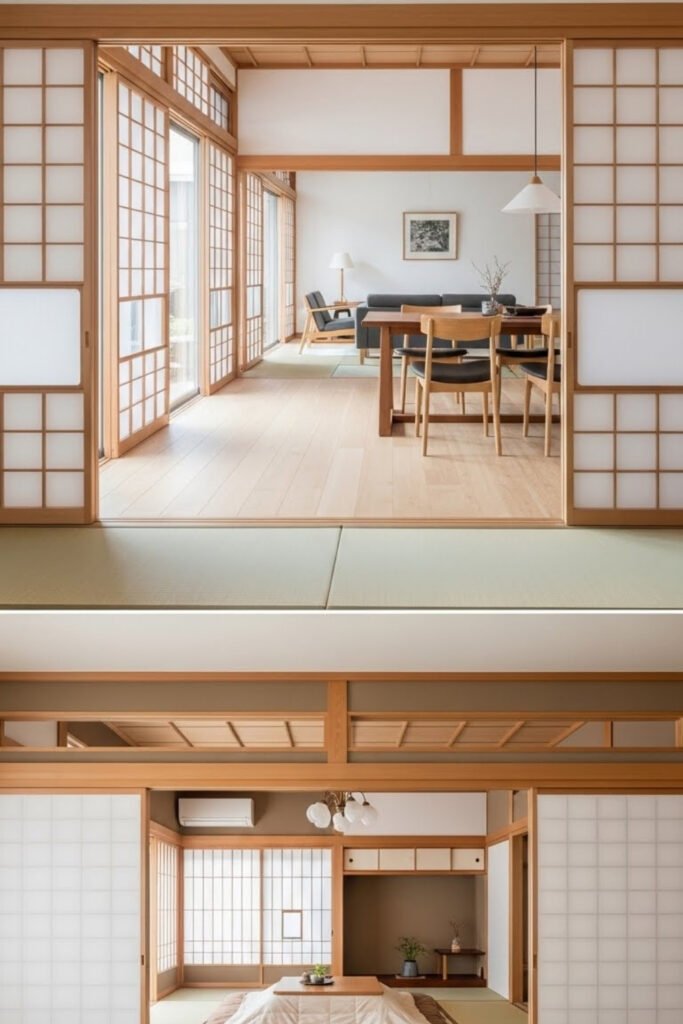
Zen Entryway
A Japanese entryway focuses on calm and order the moment you step inside. Shoes stay at the genkan, while clean lines and natural materials set the tone for the rest of the house.
This space often feels open but intentional, helping separate the busy outside world from a peaceful interior environment.
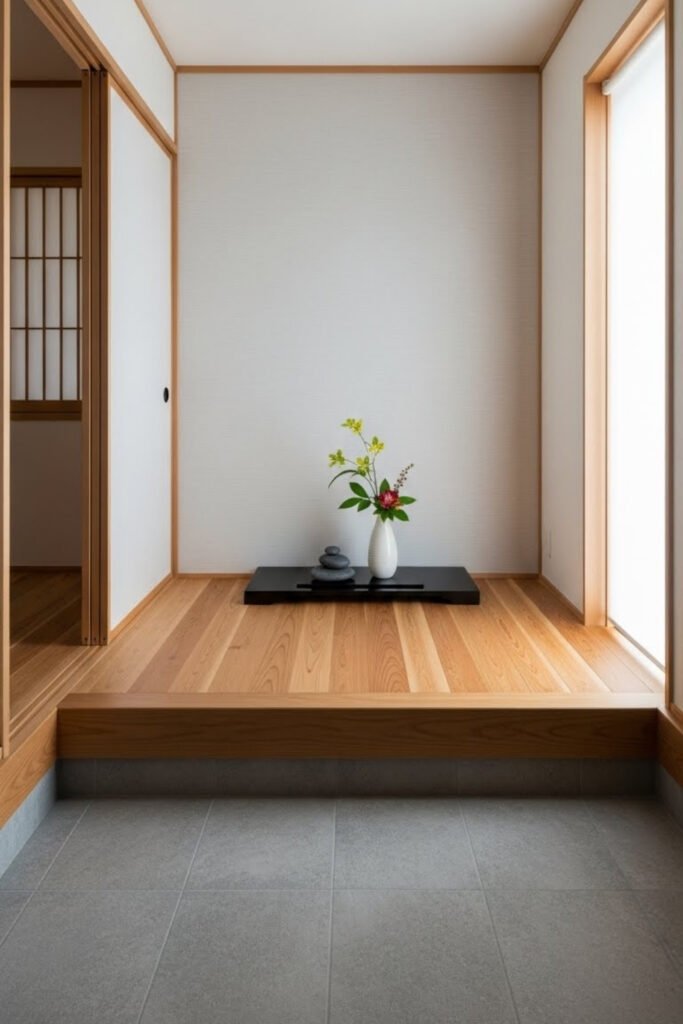
Tea Room
A dedicated tea room is small, quiet, and purpose-driven. It’s designed for stillness, not decoration. Low seating, tatami floors, and controlled lighting create an intimate atmosphere.
Even in modern homes, a tea room offers a space to slow down, reflect, and enjoy simple rituals without distraction.
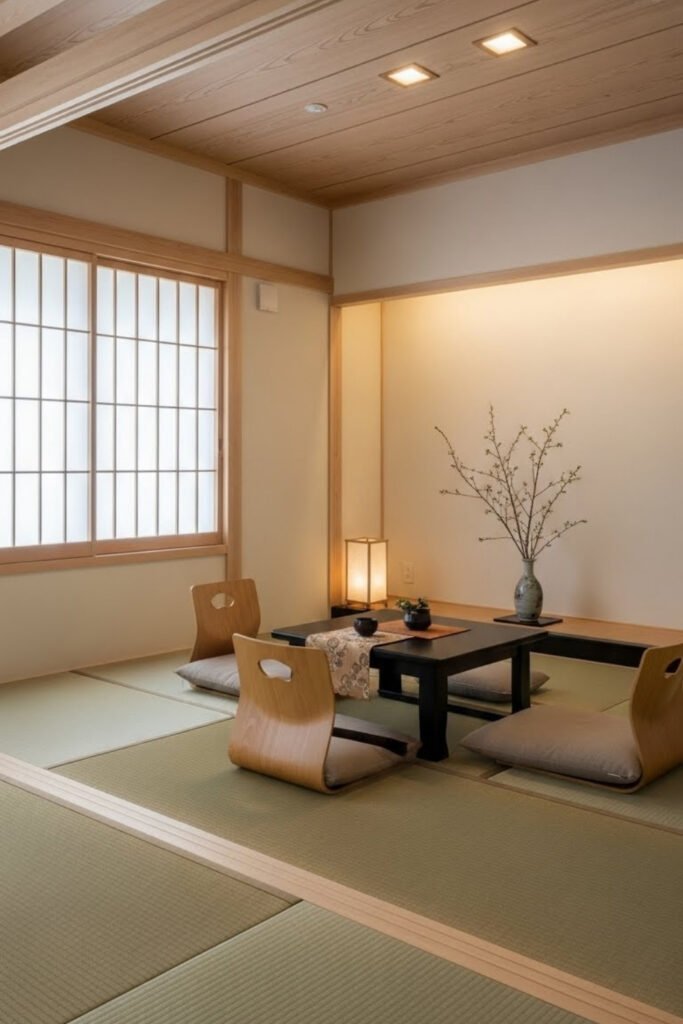
Indoor Garden
An indoor garden brings nature directly into the home. Moss, stones, and carefully placed plants create a living focal point. These gardens don’t need much space but add depth and tranquility.
Positioned near windows or courtyards, they help balance the home and reinforce a strong connection to natural elements.
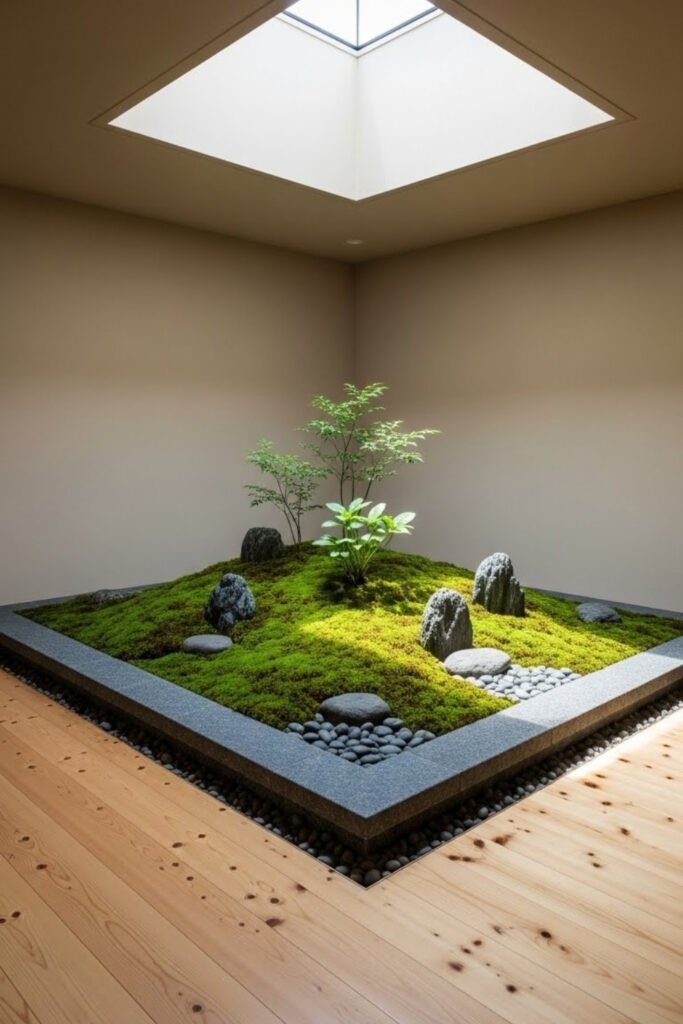
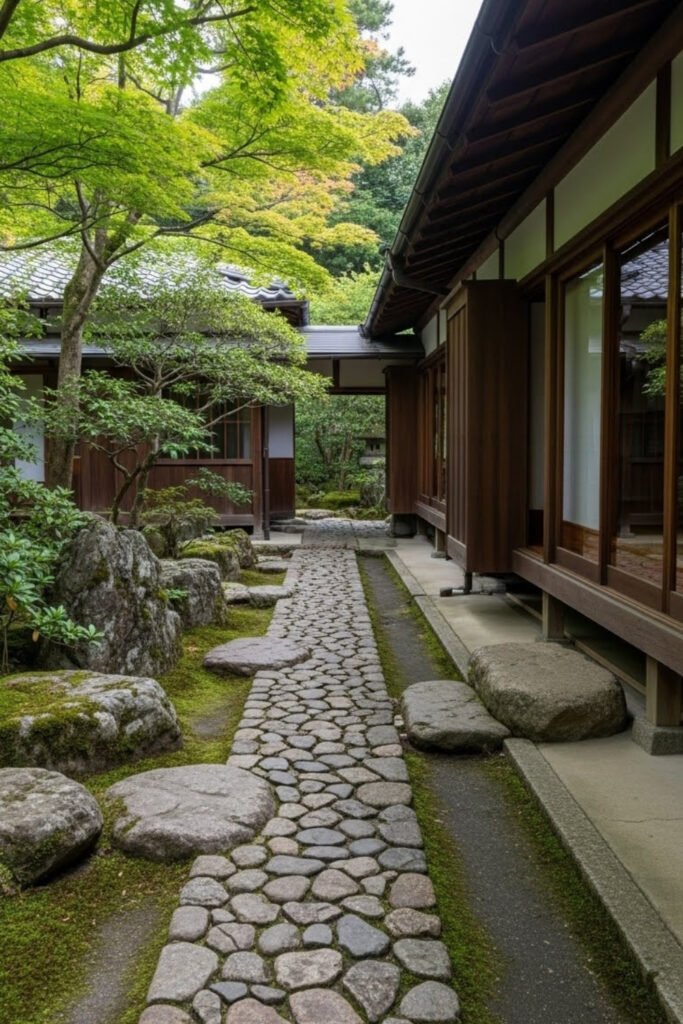
Stone Pathway
Stone pathways guide movement through the home or garden with intention. Each step feels deliberate, encouraging slower movement and awareness.
Inside or outside, these paths create visual flow and quiet structure. Natural stone textures also contrast beautifully with wood floors and soft interiors.
Open Veranda
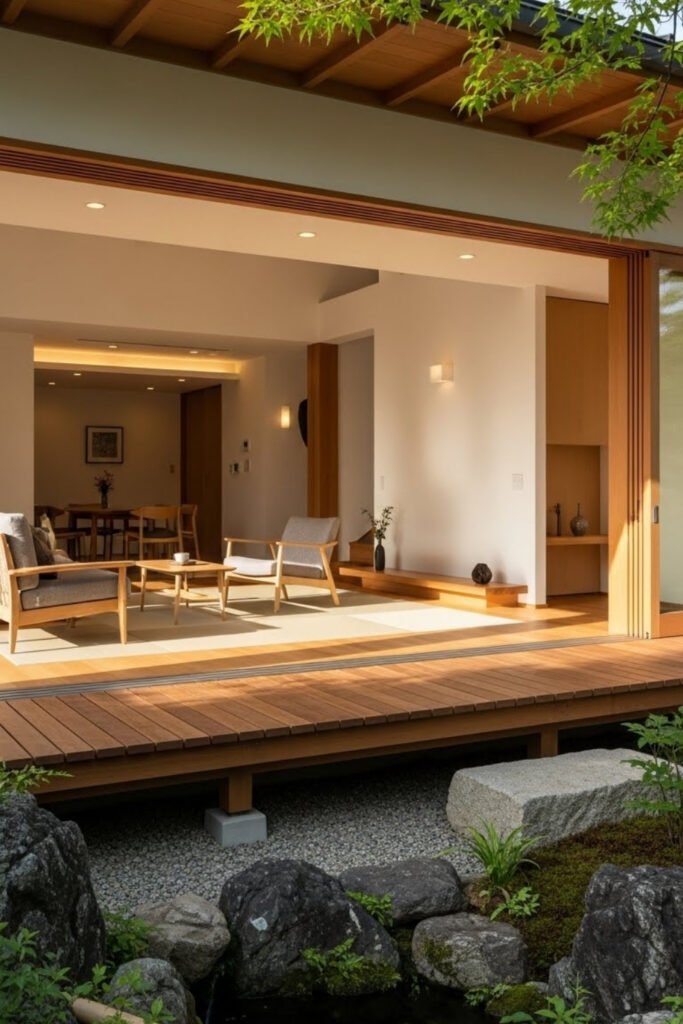
An open veranda extends living space without fully enclosing it. It works as a shaded outdoor zone where fresh air and natural light flow freely.
This area is perfect for quiet mornings or evening rest. An open veranda softens the boundary between house and garden while keeping the overall design light and breathable.
Paper Lighting
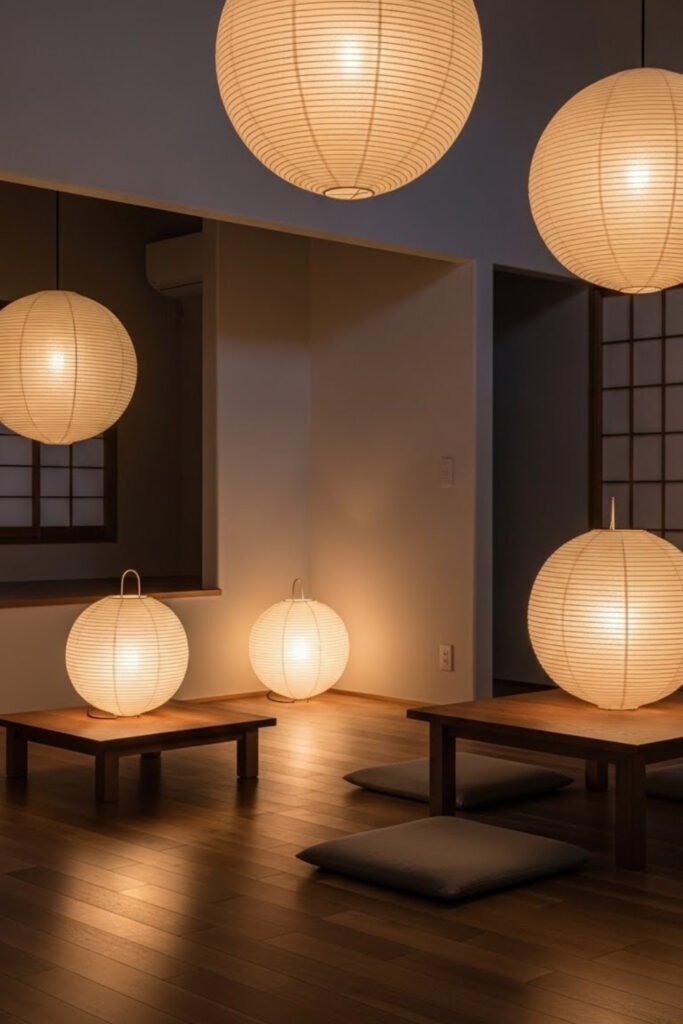
Paper lighting creates soft, diffused illumination instead of harsh brightness. These fixtures spread light evenly and reduce visual noise inside the home.
Used in living rooms or bedrooms, they enhance the calm atmosphere Japanese houses are known for. Paper lighting also complements natural materials like wood and stone beautifully.
Low Furniture
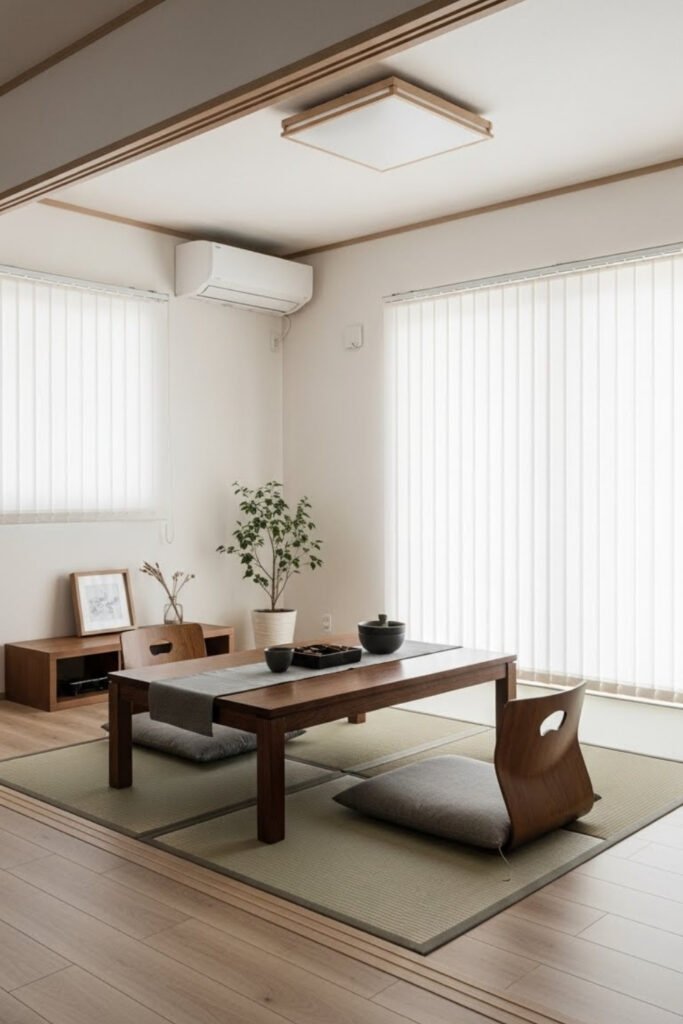
Low furniture keeps sightlines open and makes rooms feel grounded. Seating, tables, and beds stay close to the floor, reinforcing simplicity and balance.
This approach encourages relaxed posture and reduces clutter. Low furniture also pairs well with tatami rooms and helps maintain a calm, uncluttered interior aesthetic.
Neutral Palette
A neutral palette relies on soft beiges, warm wood tones, and gentle grays. These colors create harmony instead of contrast.
The goal is visual calm, not bold statements. Neutral tones also highlight natural textures, allowing materials like wood grain and stone surfaces to become the main design features.
Asym Roof
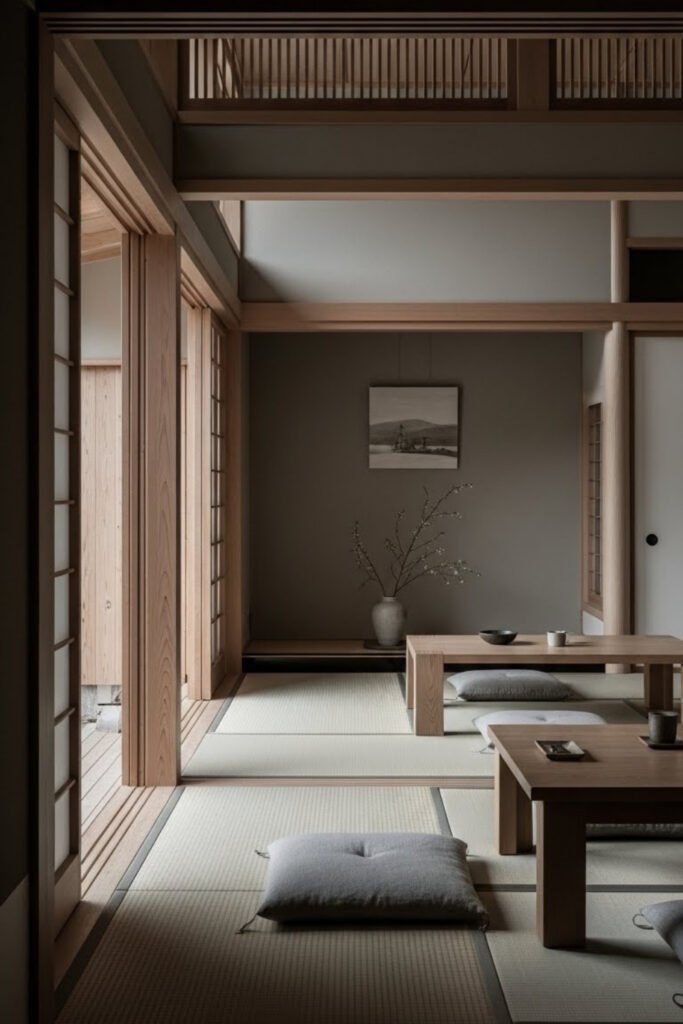
An asymmetrical roof breaks away from rigid symmetry while still feeling balanced. This design allows varied ceiling heights and better light control inside the house.
From the outside, it adds subtle character without being loud. Asymmetrical roofs are common in modern Japanese homes where form follows function, not decoration.
Compact Planning
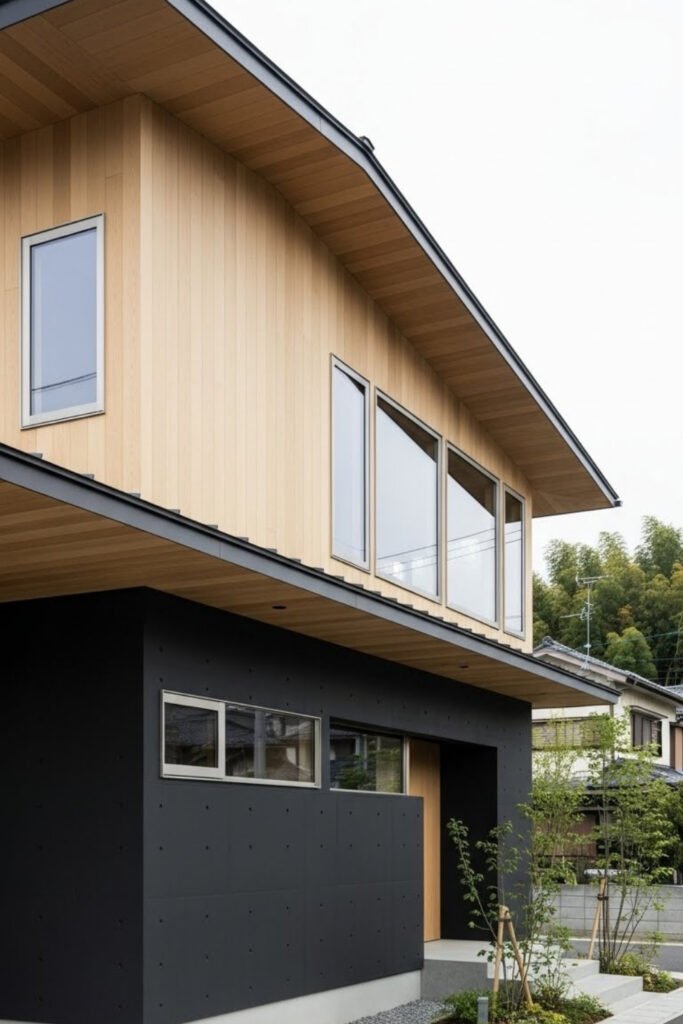
Compact planning focuses on efficient use of every square foot. Rooms are sized intentionally, circulation paths are short, and nothing feels wasted.
Instead of large open spaces, the layout prioritizes usability and flow. This approach works especially well for urban Japanese houses built on narrow or limited plots.
Hidden Storage
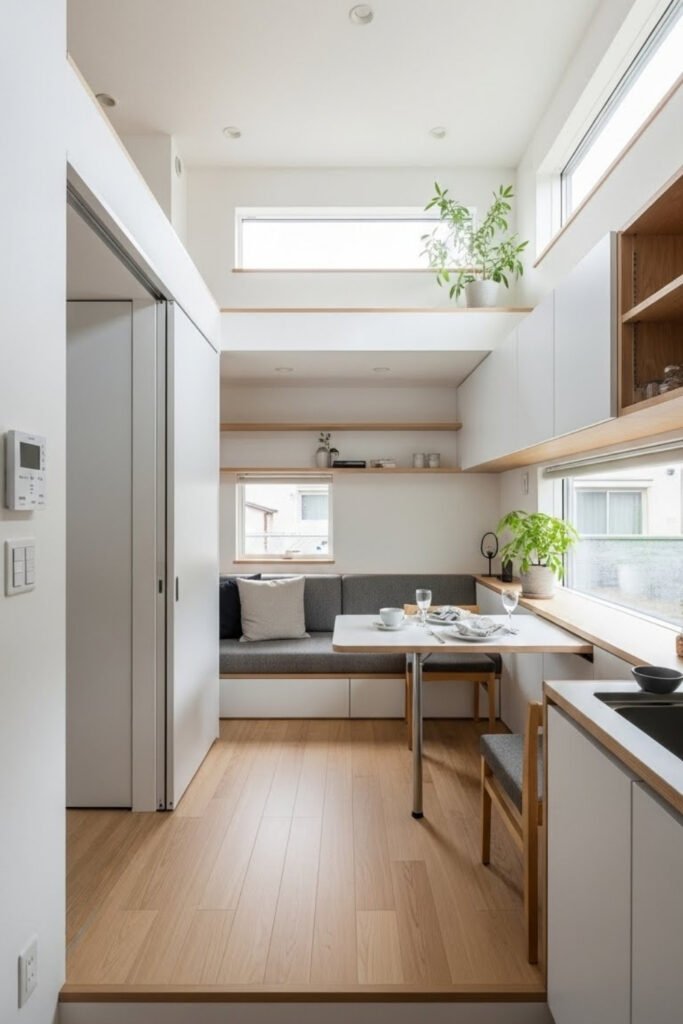
Hidden storage keeps visual clutter out of sight. Cabinets blend into walls, and storage spaces tuck under floors or behind sliding panels.
This design supports a clean, calm interior without sacrificing practicality. By hiding everyday items, the house maintains a minimalist look while still being fully functional.
Natural Materials
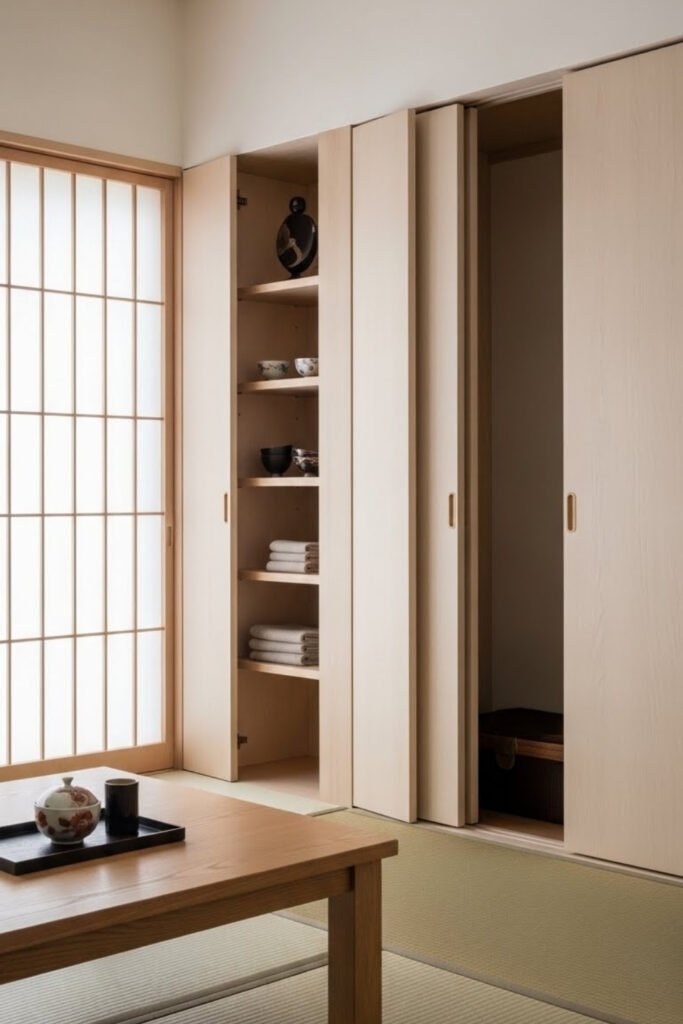
Japanese houses rely heavily on natural materials like wood, stone, and paper. These elements age beautifully and add warmth to simple designs.
Using natural materials also improves indoor comfort and creates a stronger connection to nature. The result is a home that feels calm, honest, and timeless.
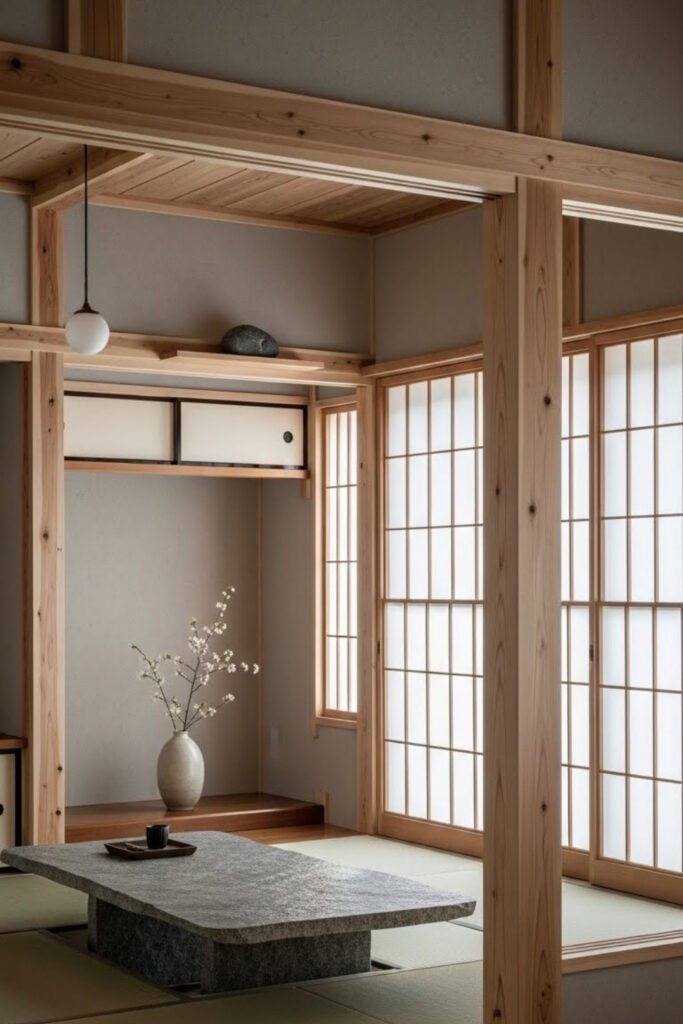
Earth Tones
Earth tones ground the home and create a natural sense of calm. Shades of brown, sand, clay, and soft green replace bright or trendy colors.
This palette works well with wood and stone, allowing the materials to stand out naturally. Earth tones also make spaces feel warm and timeless rather than decorative.
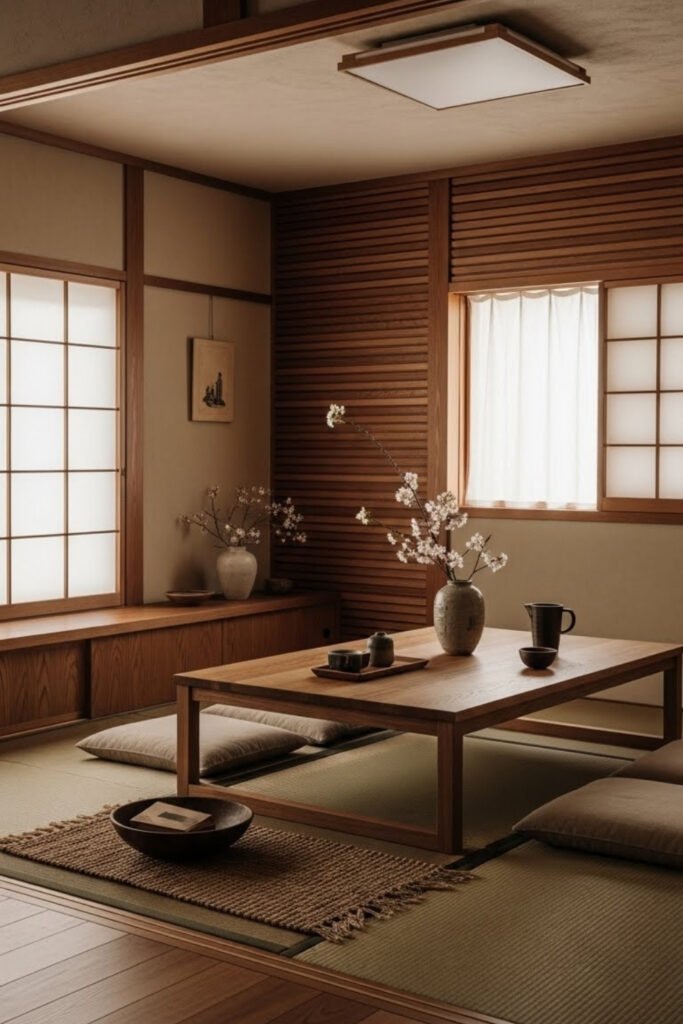
Indoor Flow
Indoor flow focuses on smooth movement between rooms without sharp visual breaks. Sliding panels, aligned flooring, and open sightlines help spaces feel connected. Instead of separate rooms, the house feels like one continuous environment.
This design encourages calm daily movement and makes smaller homes feel more open and spacious.
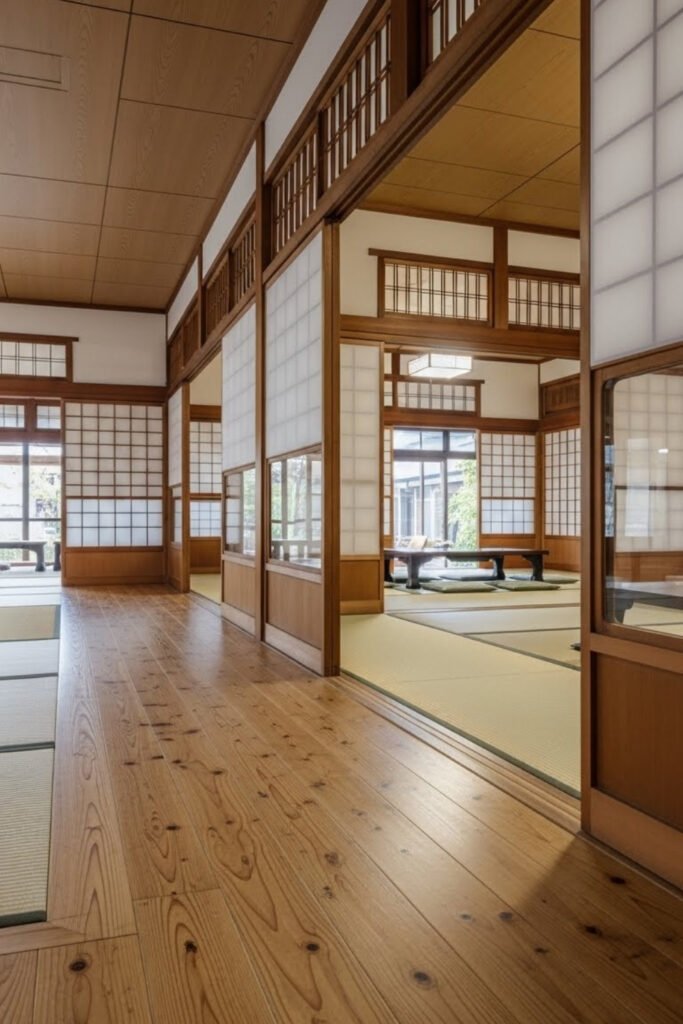
Privacy Screens
Privacy screens protect the home without fully blocking light or air. Made from wood slats or translucent panels, they shield views from the street while keeping interiors bright.
These screens are especially useful in dense neighborhoods, offering privacy without heavy walls or curtains that make spaces feel closed off.
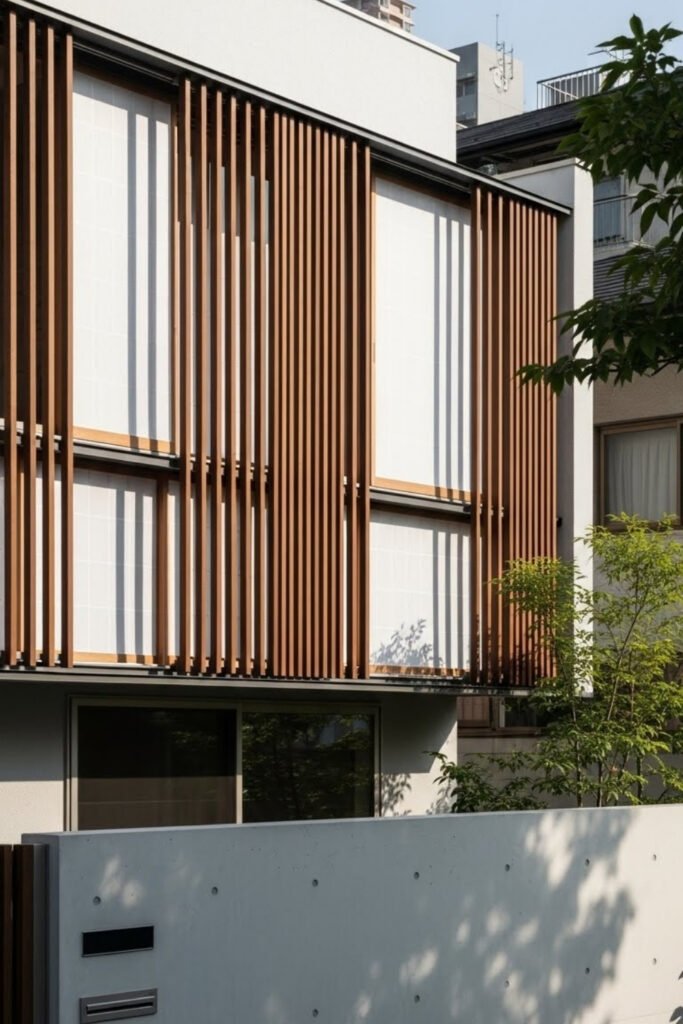
Calm Interiors
Calm interiors avoid excess furniture, bold colors, and visual noise. Each object has a purpose and enough space to breathe.
This approach helps reduce stress and keeps the home feeling organized. Calm interiors are not empty—they’re carefully balanced to support quiet living and everyday comfort.
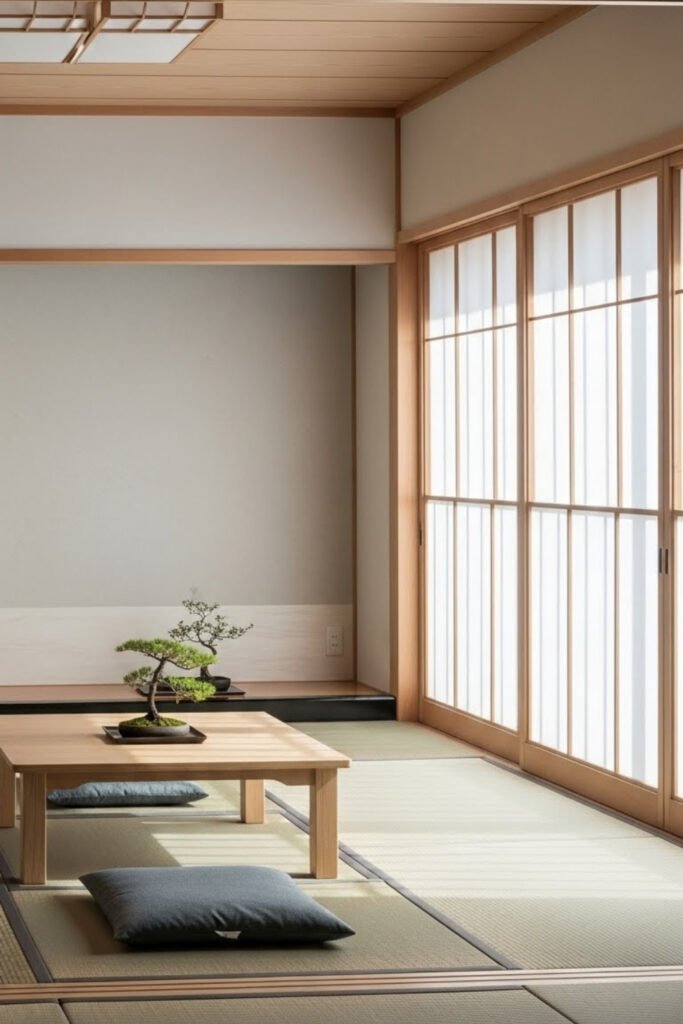
Modular Rooms
Modular rooms change function throughout the day. A space can serve as a living area in the morning and a sleeping area at night using sliding panels and movable furnishings.
This flexibility allows one room to do multiple jobs without feeling cramped. Modular rooms are ideal for Japanese homes where adaptability matters more than size.
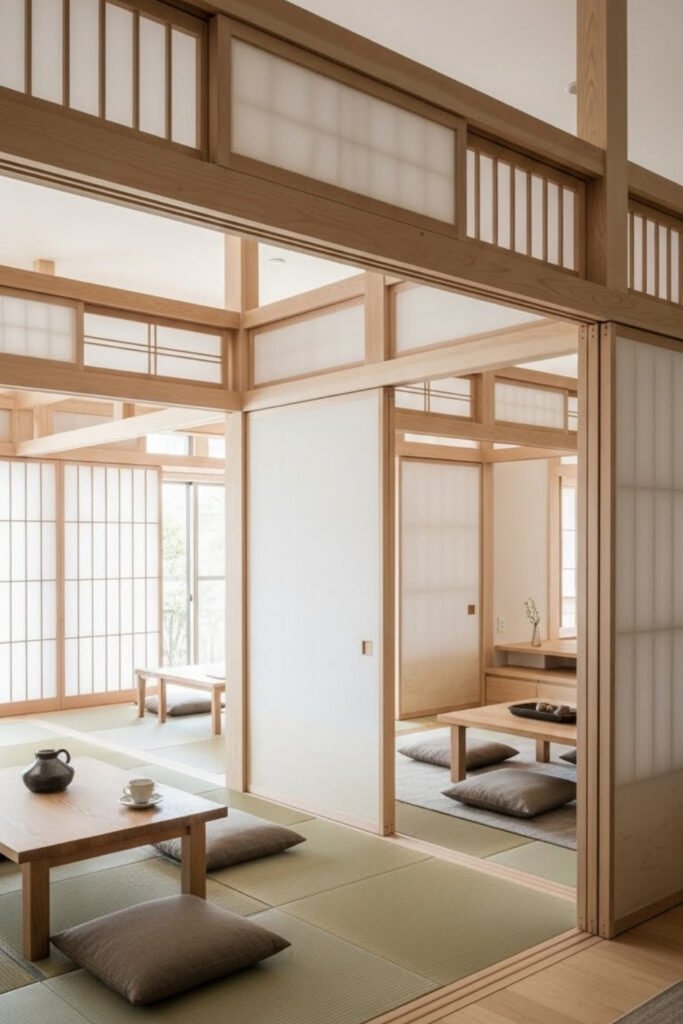
Minimal Kitchen
A minimal kitchen focuses on clean surfaces and hidden appliances. Storage is built in, counters stay clear, and every item has a dedicated place.
This layout keeps the kitchen visually quiet and easy to maintain. Natural materials and simple cabinetry help the kitchen blend seamlessly with the rest of the house.
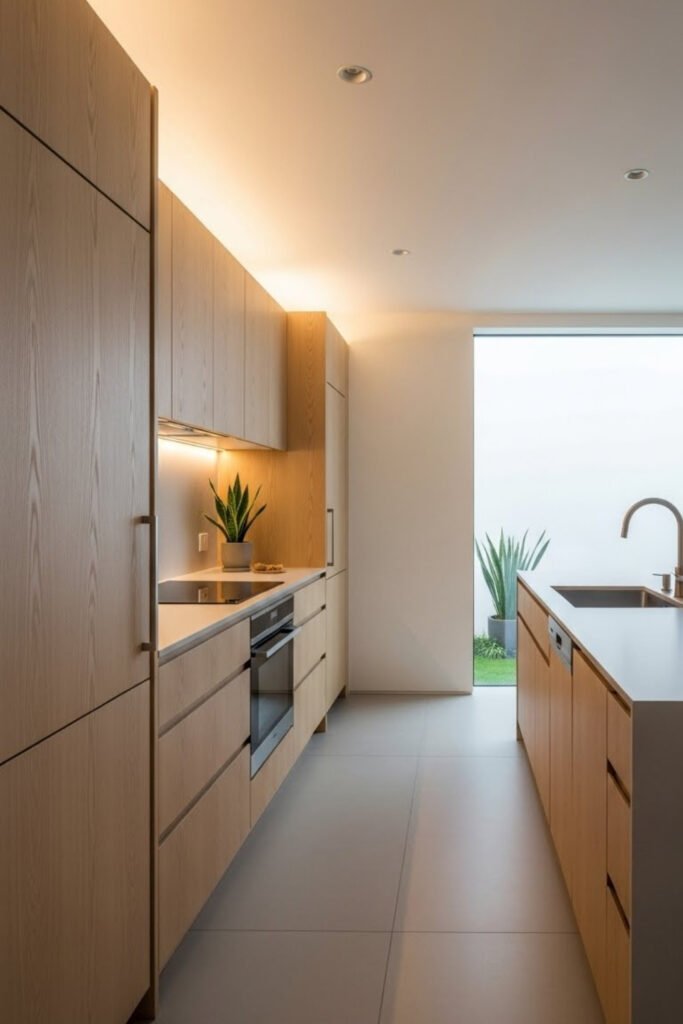
Soaking Tub
A Japanese soaking tub is deep and compact, designed for relaxation rather than quick bathing. The tub is often placed in a dedicated wash area with clean lines and minimal decor.
This setup turns bathing into a daily ritual, adding comfort and calm to even small bathroom spaces.
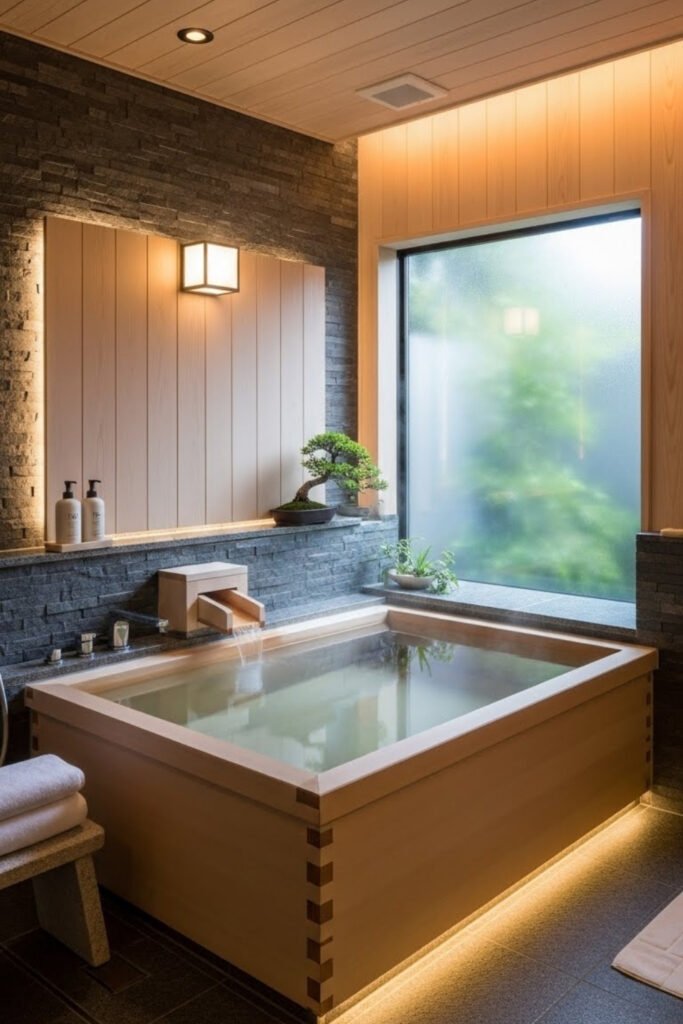
Zen Bathroom
A zen bathroom prioritizes simplicity and natural textures. Stone, wood, and soft lighting create a spa-like feel without excess decoration.
The layout stays uncluttered, encouraging slow and mindful use. A zen bathroom helps transform everyday routines into calming experiences inside the home.
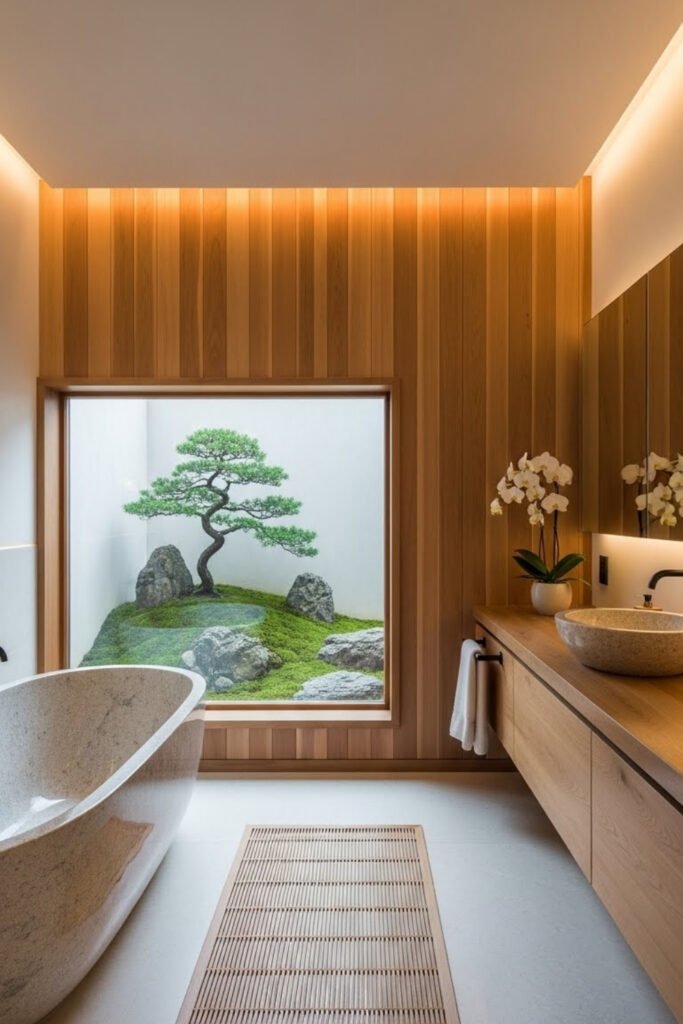
Bamboo Accents
Bamboo accents add lightness and natural texture without overwhelming the space. Used in screens, ceiling details, or small decor elements, bamboo keeps the home feeling organic.
It pairs well with wood and neutral tones, bringing subtle warmth and a quiet connection to nature throughout the house.
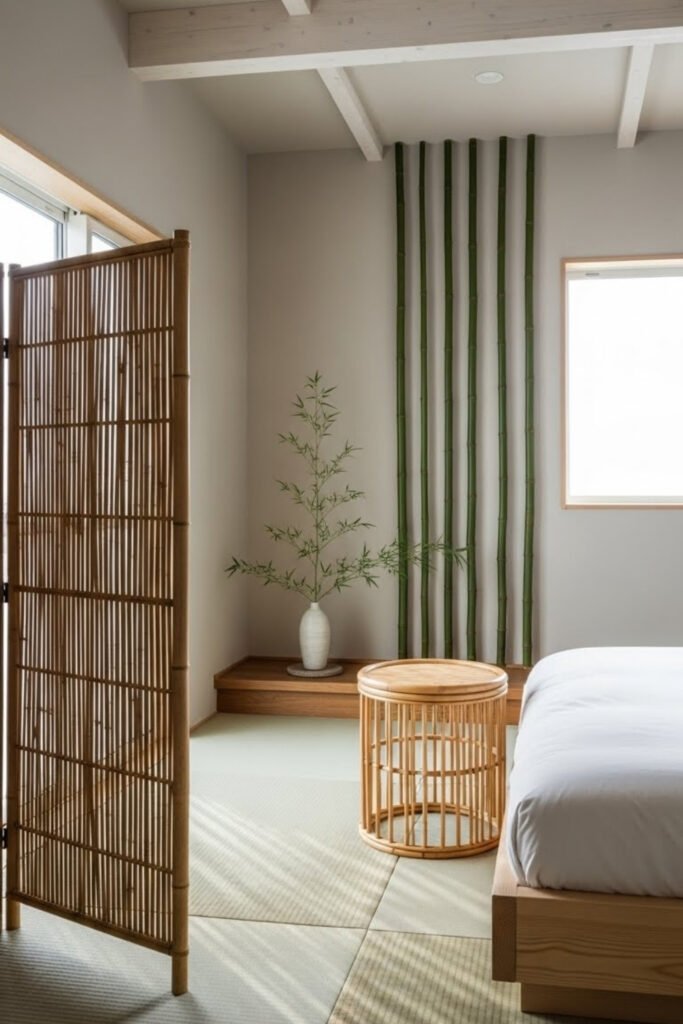
Quiet Corners
Quiet corners are small, intentional spaces meant for rest or reflection. A window seat, floor cushion area, or reading nook can become a personal retreat.
These corners don’t need much decoration—just light, calm colors, and privacy. They help balance daily life inside the home.
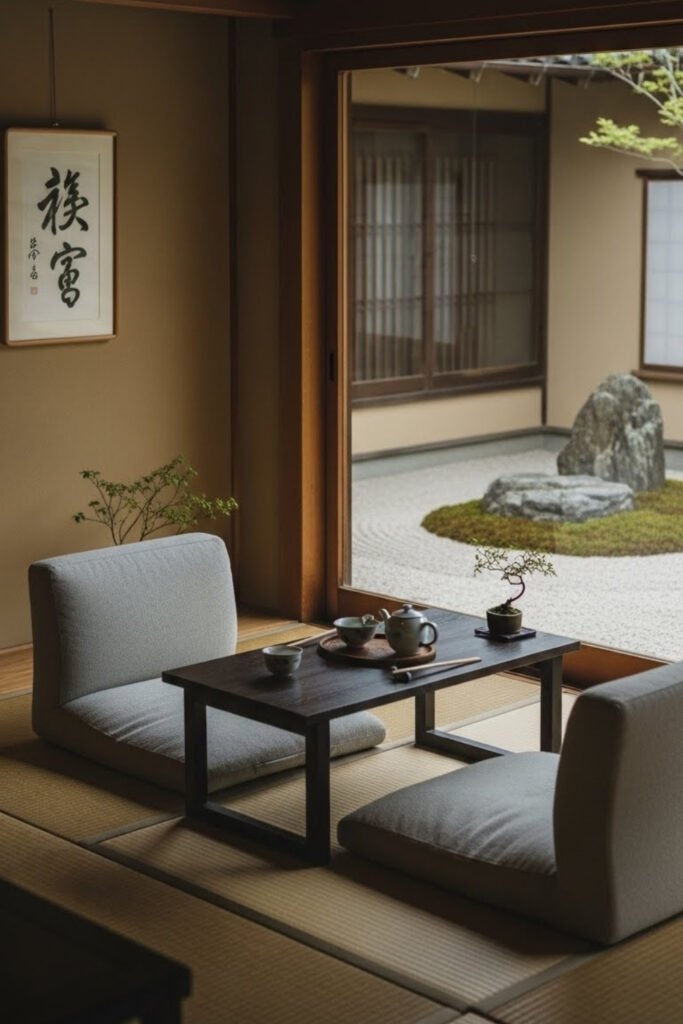
Light Control
Light control focuses on managing brightness throughout the day. Shoji panels, deep roof overhangs, and layered openings soften sunlight instead of blocking it completely.
This creates gentle lighting changes and prevents glare. Good light control keeps interiors comfortable and enhances the calm atmosphere Japanese houses are known for.
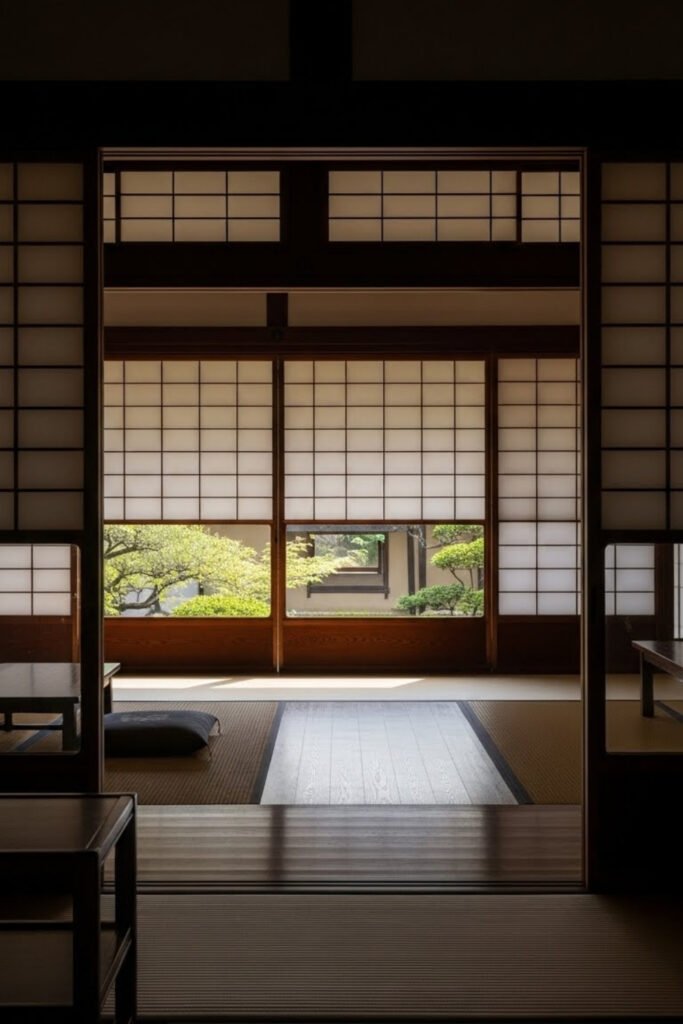
Simple Geometry
Simple geometry uses clean shapes and balanced proportions instead of complex detailing. Rectangles, squares, and straight lines dominate the layout and structure.
This approach keeps the design timeless and easy to understand. Simple geometry allows materials, light, and space to become the main visual features

Hi, my name is Ali Mehmood! I’m a passionate writer and DIY enthusiast who loves turning creative ideas into practical, hands-on projects.
I created this website to share inspiring, budget-friendly ideas that you can do yourself – whether it’s organizing your home, crafting something unique, or creating fun projects for kids and pets.
I believe DIY isn’t just a hobby – it’s a smart way to save money, reduce waste, and enjoy the satisfaction of making things with your own hands.
I’m excited to have you as part of this growing community, and I’ll continue bringing you helpful, realistic, and fun DIY ideas you can actually use.