This post may contain affiliate links: read full affiliate disclosure.
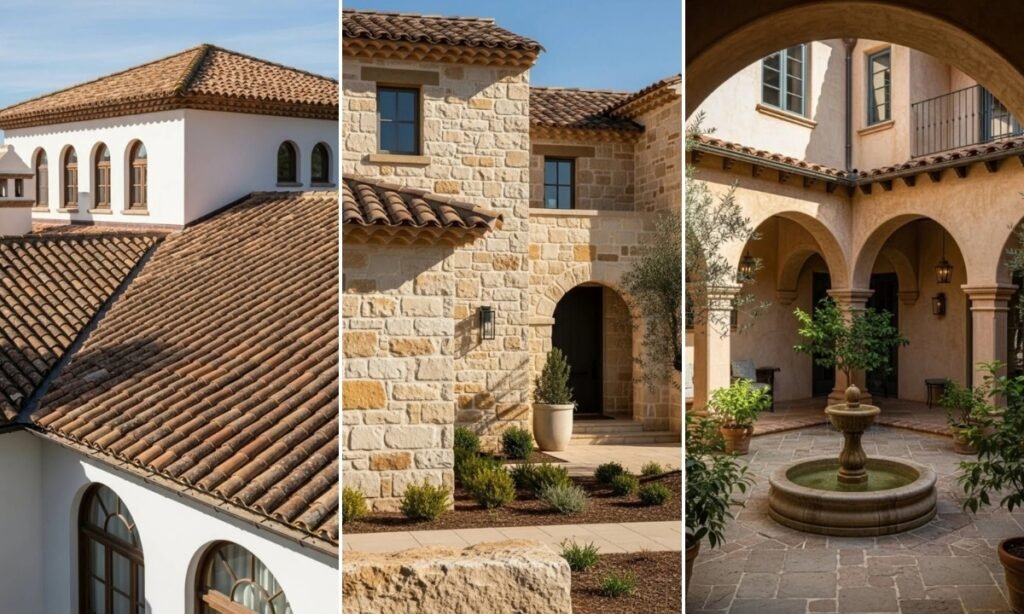
Mediterranean homes have a way of feeling warm, relaxed, and timeless all at once. I’ve always loved how these homes balance beauty with practicality, especially in hot climates.
In this article, I’m sharing Mediterranean home ideas that focus on layout, materials, and outdoor living.
Each idea is meant to help you understand what truly makes Mediterranean design work, not just how it looks.
Courtyard Living
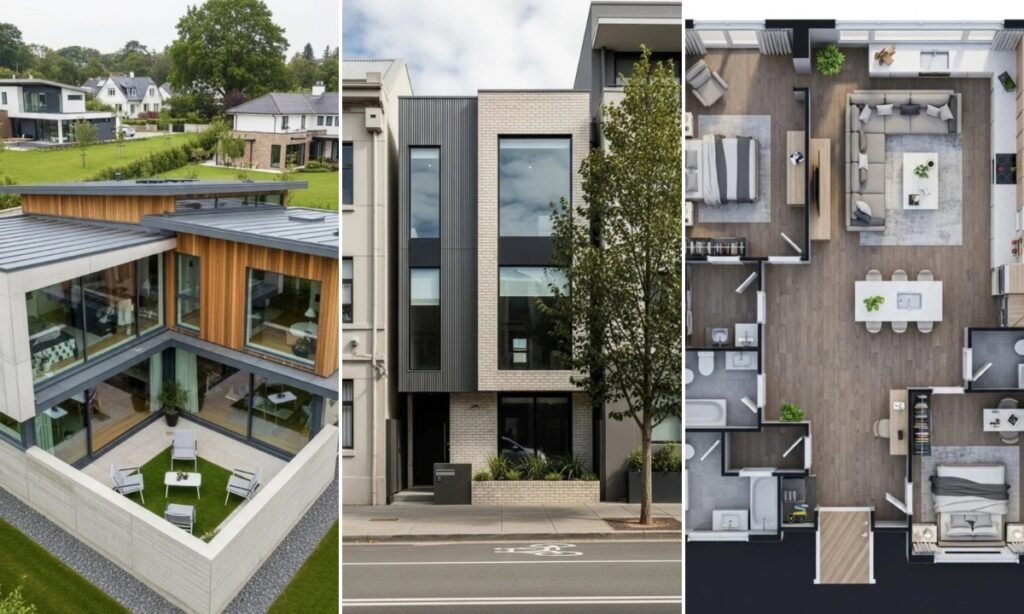
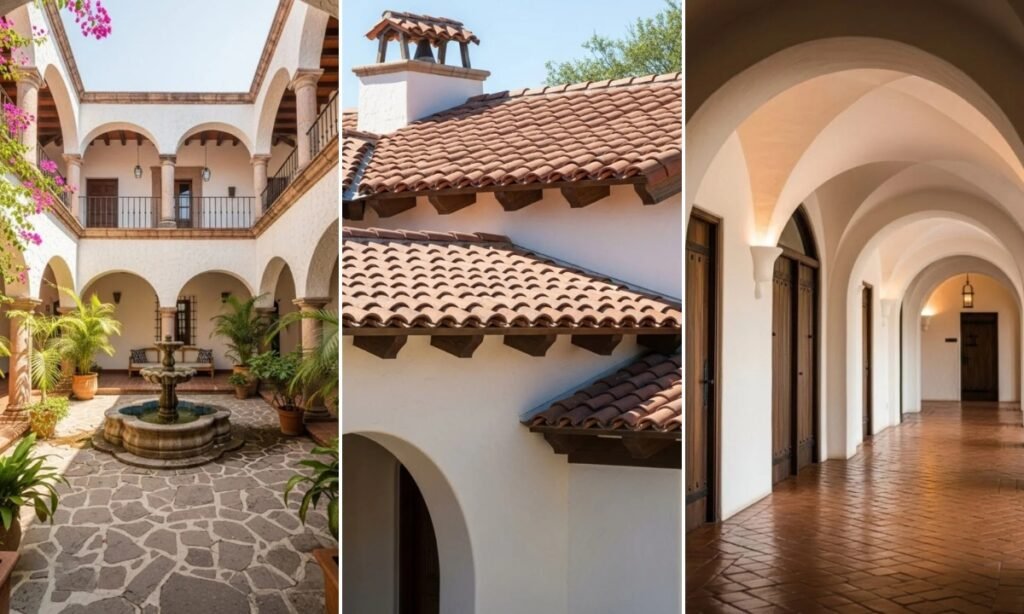
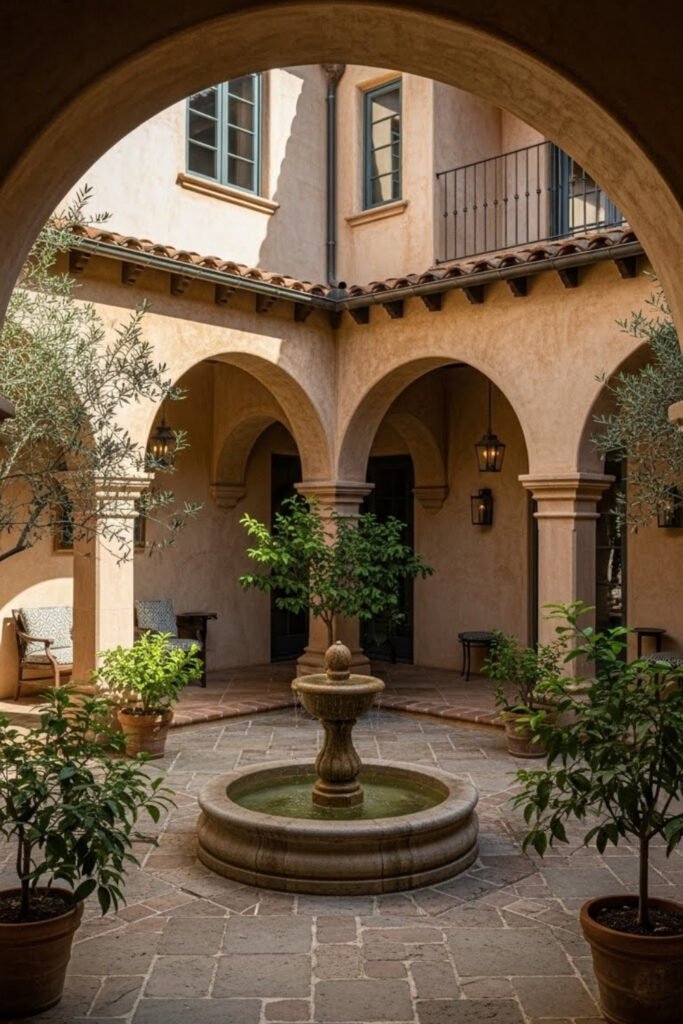
This Mediterranean home design centers around an open courtyard that connects the entire house.
It improves airflow, brings in natural light, and creates a calm private outdoor space. You can style it with stone flooring, a small fountain, or potted citrus trees.
This layout works especially well in warm climates where outdoor living feels like an extension of the interior.
Arched Entry
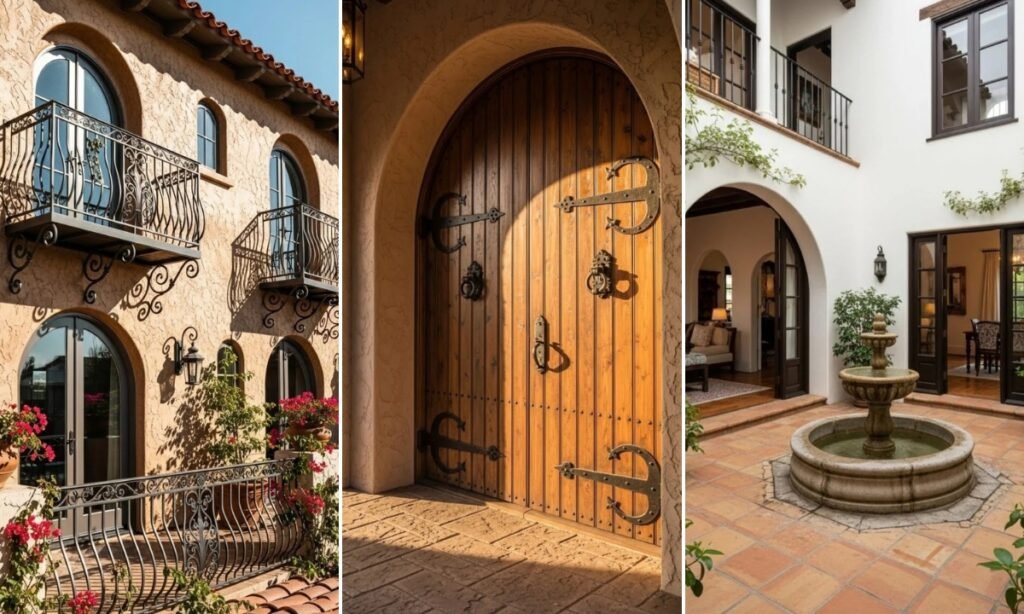
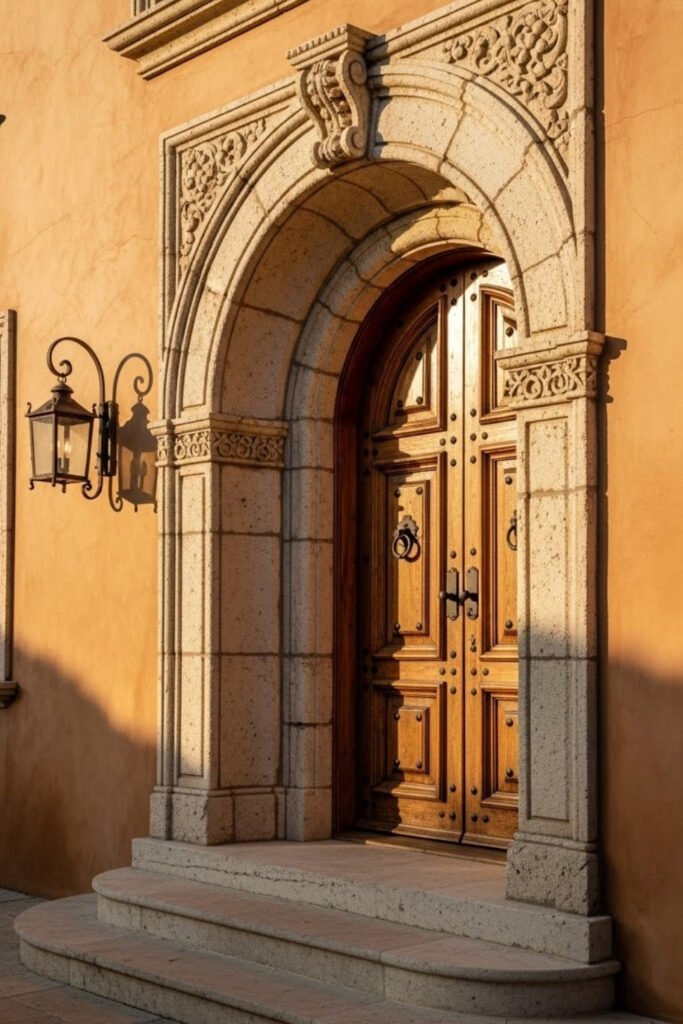
An arched entry instantly gives a home Mediterranean character without needing extra decoration. The curved shape softens the exterior and makes the entrance feel welcoming.
This idea pairs well with textured stucco walls and solid wooden doors. Even simple homes benefit from this feature because it adds elegance while staying true to traditional Mediterranean architecture.
Stone Exterior
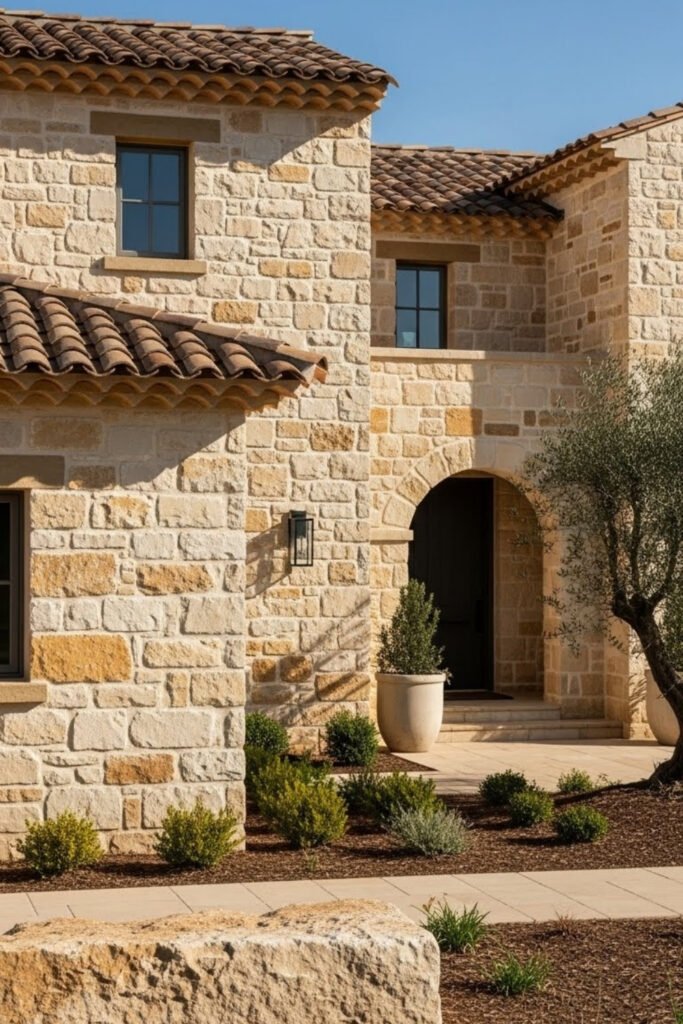
Natural stone exteriors give Mediterranean homes a solid, timeless look. This design choice helps regulate indoor temperatures and adds texture without relying on color. You can use limestone, sandstone, or mixed stone finishes depending on your location.
Stone works beautifully with simple forms, making the house feel grounded and naturally connected to its surroundings.
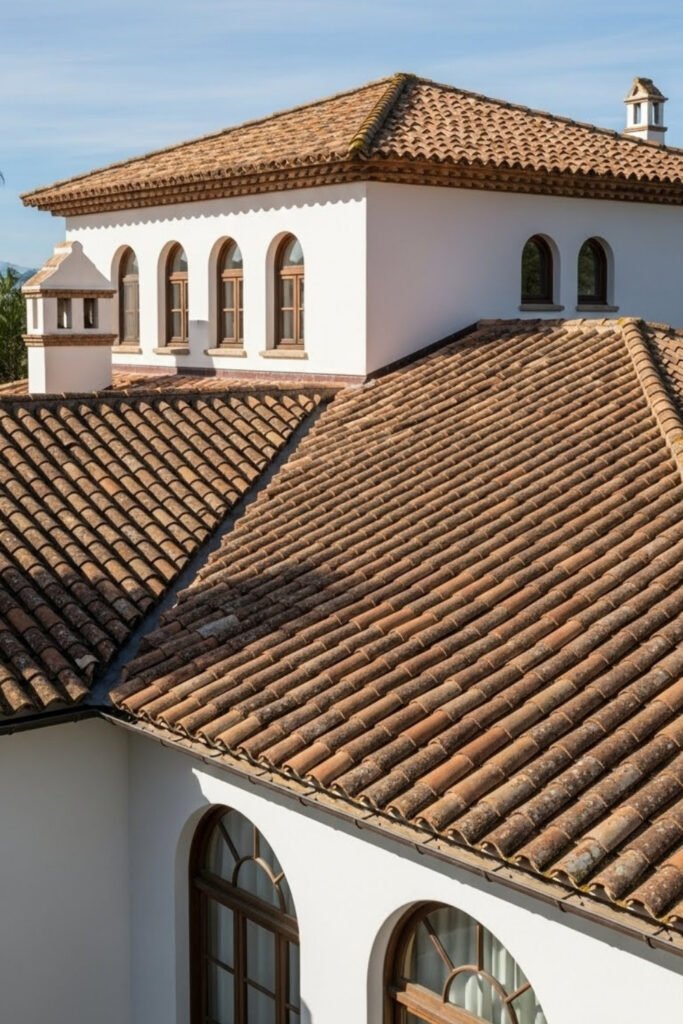
Terracotta Roof
Terracotta roof tiles are both practical and iconic in Mediterranean homes. They handle heat well and help keep interiors cooler during hot months.
Visually, they add warmth and balance to stucco or stone exteriors. Slight color variation or weathered tiles make the roof feel authentic rather than overly polished or modern.
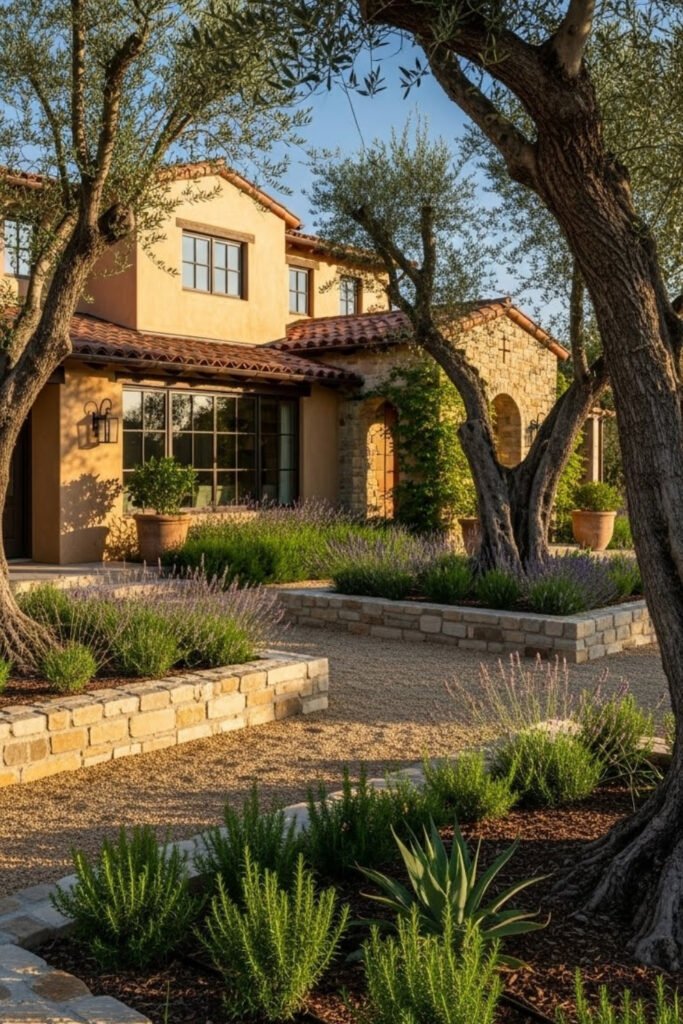
Olive Landscaping
Olive trees are a classic Mediterranean landscaping choice that instantly sets the tone. They thrive in dry climates and require minimal maintenance once established.
You can place them near entryways, courtyards, or along driveways to frame the home naturally. Their soft green leaves and twisted trunks add character without making the exterior feel busy.
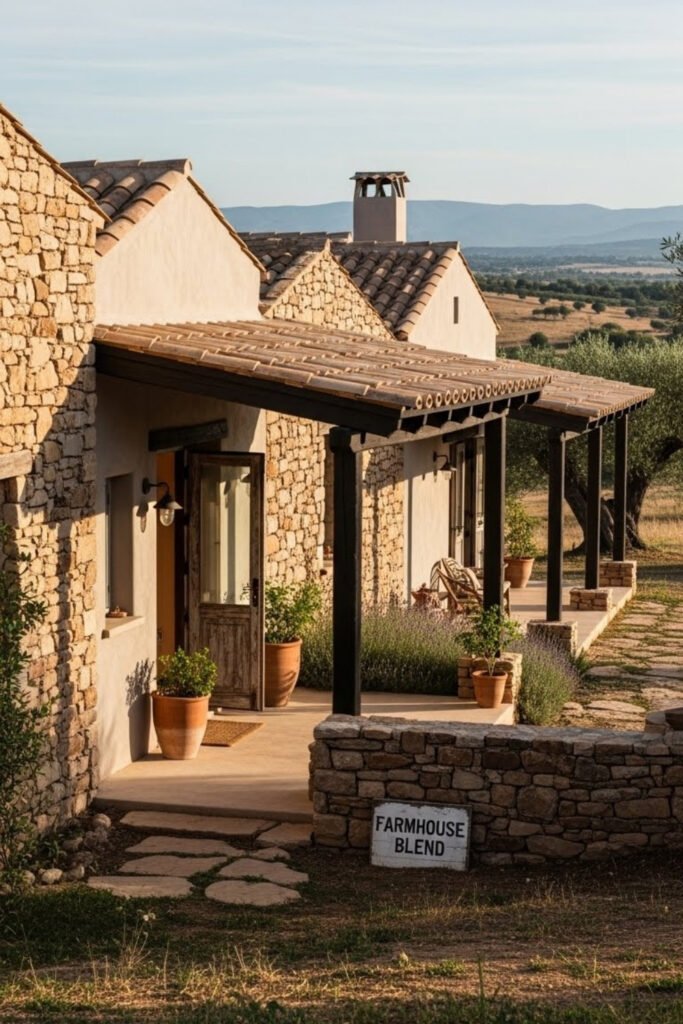
Farmhouse Blend
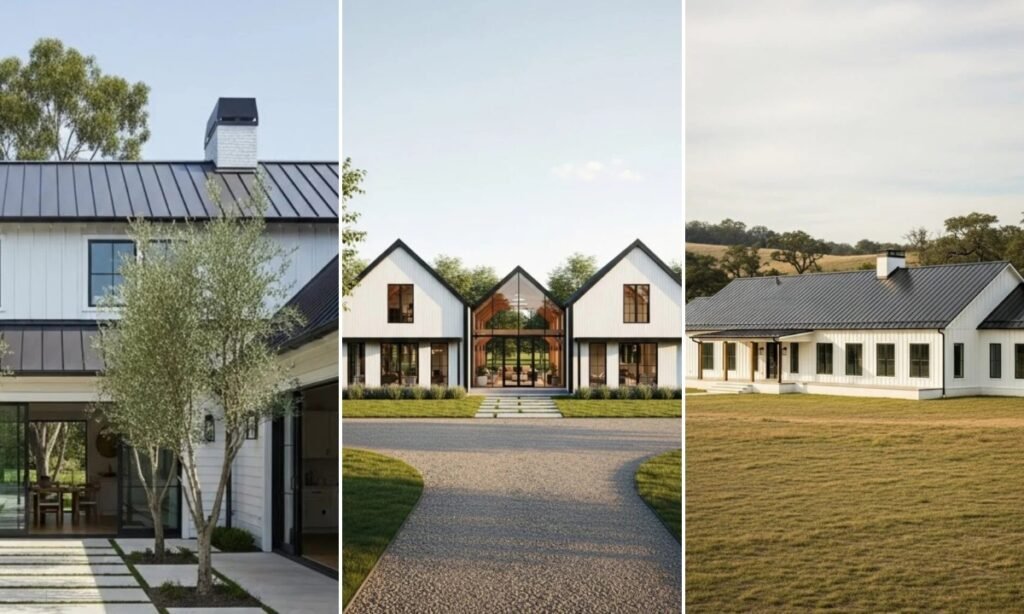
This idea mixes Mediterranean architecture with rustic farmhouse elements. Think stone walls, simple rooflines, and exposed wood details.
It works well if you want a relaxed, lived-in feel rather than a formal villa look. Neutral colors and natural textures keep the design balanced while still feeling warm and welcoming.
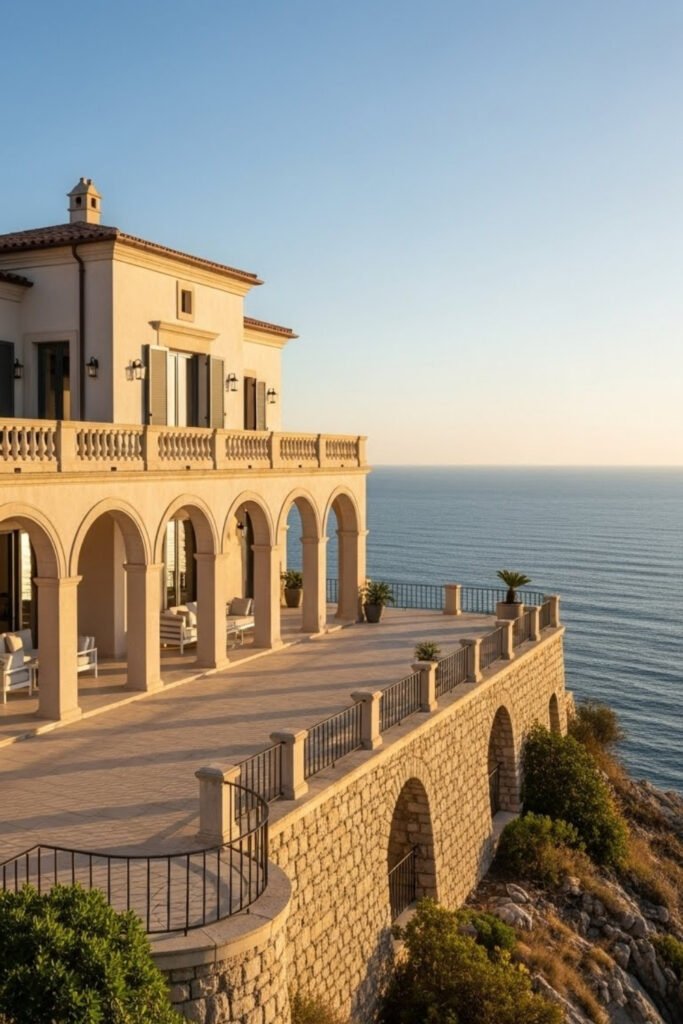
Cliffside Villa
Cliffside Mediterranean homes focus on views, light, and openness. Large windows, terraces, and balconies face outward to capture sea or hillside scenery. This layout works best with simple exteriors so the landscape becomes the main feature.
Natural stone and light stucco finishes help the home blend into its surroundings instead of standing out.
Limewashed Walls
Limewashed walls give Mediterranean homes a soft, breathable finish that ages beautifully over time. The subtle texture adds depth without heavy ornamentation.
This technique also helps reflect heat, making it practical for hot climates. Light, uneven tones create an authentic look that feels handcrafted rather than perfectly uniform.
Iron Balconies
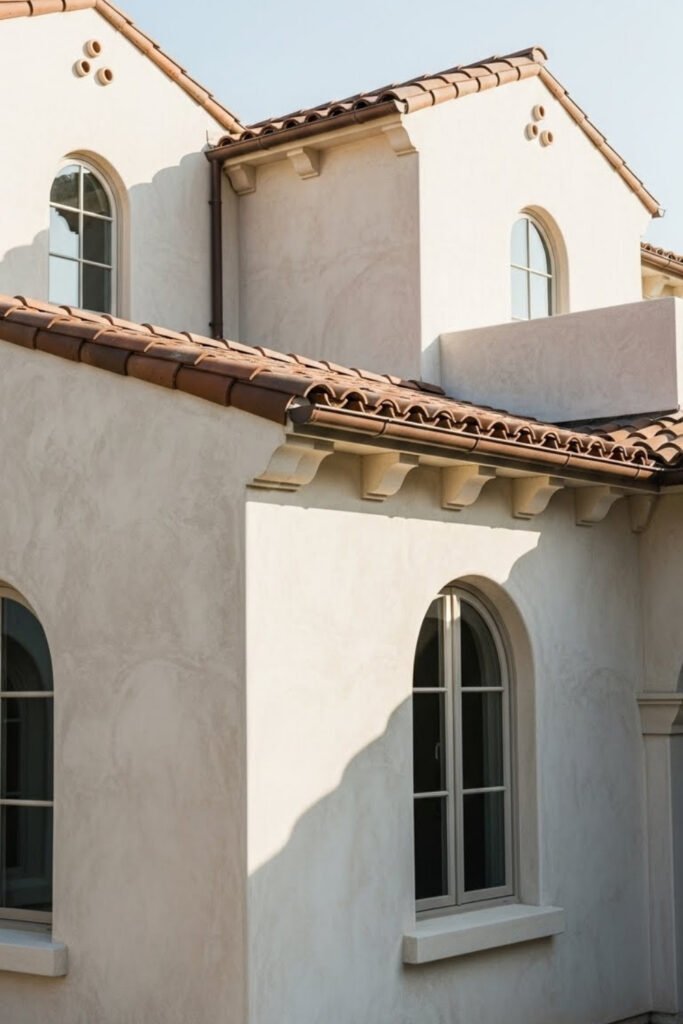
Wrought iron balconies add classic Mediterranean charm while keeping the exterior light and airy. They work well on upper floors or courtyard-facing rooms.
Simple curved or linear iron designs feel timeless and don’t overpower the facade. Paired with arched doors or tall windows, balconies create a strong indoor-outdoor connection.
Shuttered Windows
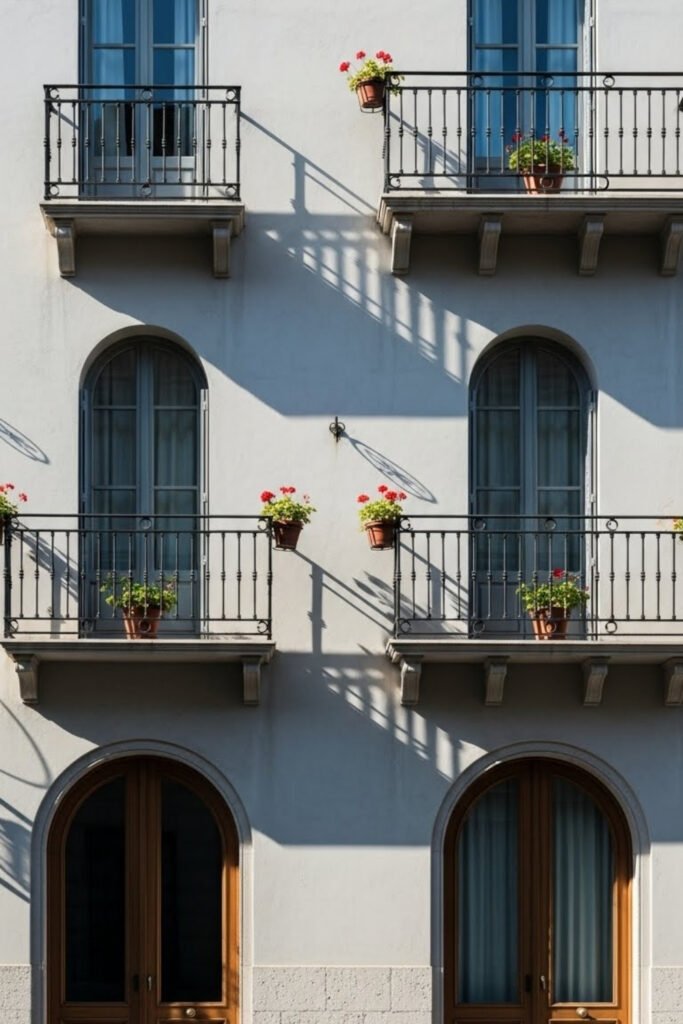
Shuttered windows are both functional and decorative in Mediterranean homes. They help control sunlight, airflow, and privacy during hot days.
Wooden shutters in neutral or muted colors keep the exterior balanced. This idea works especially well on stucco walls, where shutters add contrast without making the design feel busy.
Open Loggia
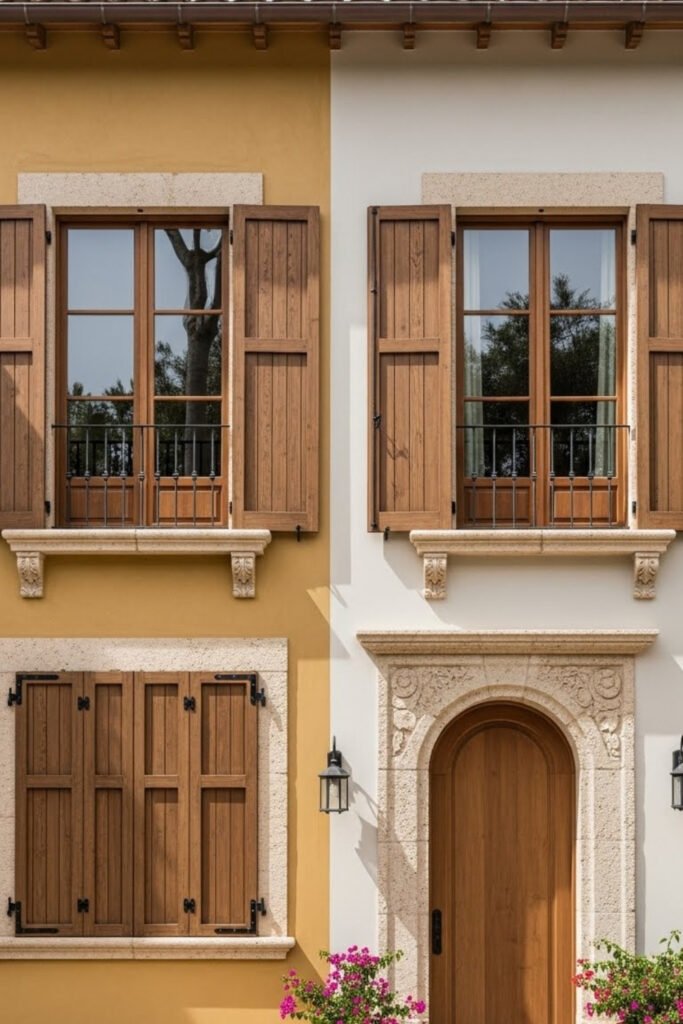
An open loggia acts as a covered outdoor living space that stays shaded yet connected to nature. It’s perfect for dining, lounging, or transitioning between indoors and outdoors.
Stone floors and simple columns keep the space authentic. This feature works best when positioned to catch breezes and filtered sunlight.
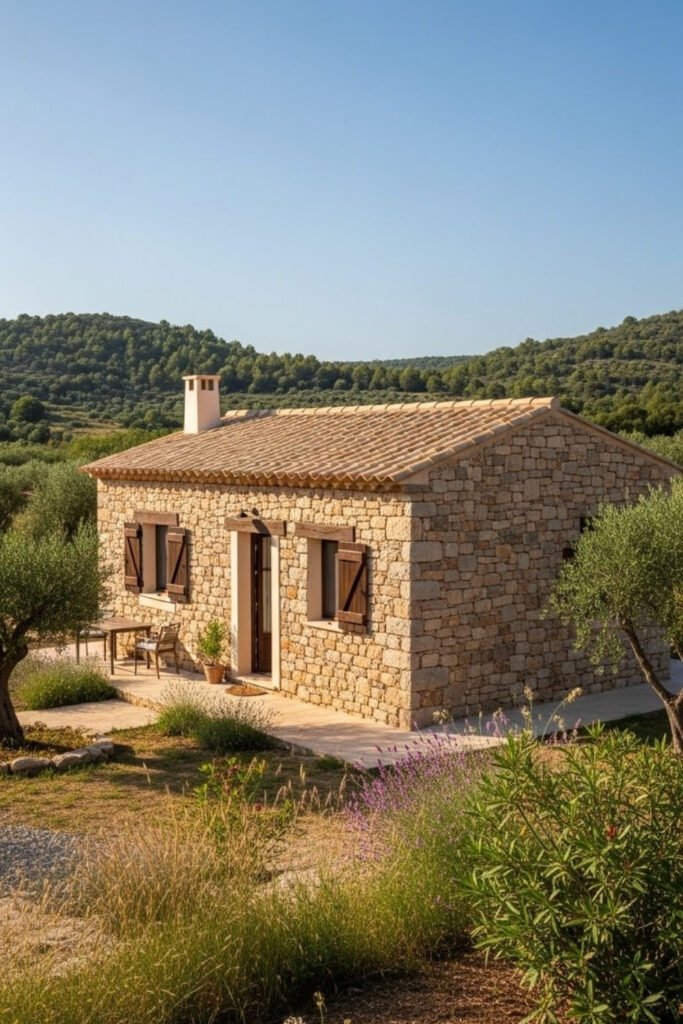
Rustic Cottage
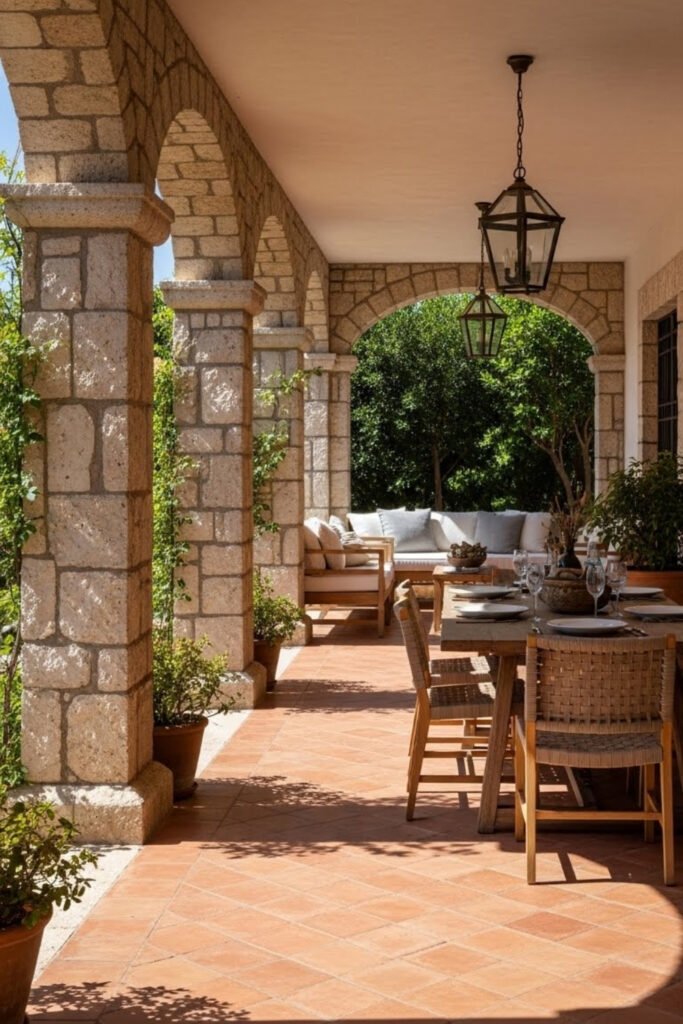
Rustic Mediterranean cottages focus on simplicity and texture rather than size. Small footprints, thick walls, and natural materials give these homes a cozy, grounded feel.
Exposed wood beams and uneven finishes make the space feel lived-in. This idea suits countryside settings or anyone who prefers warmth over luxury.
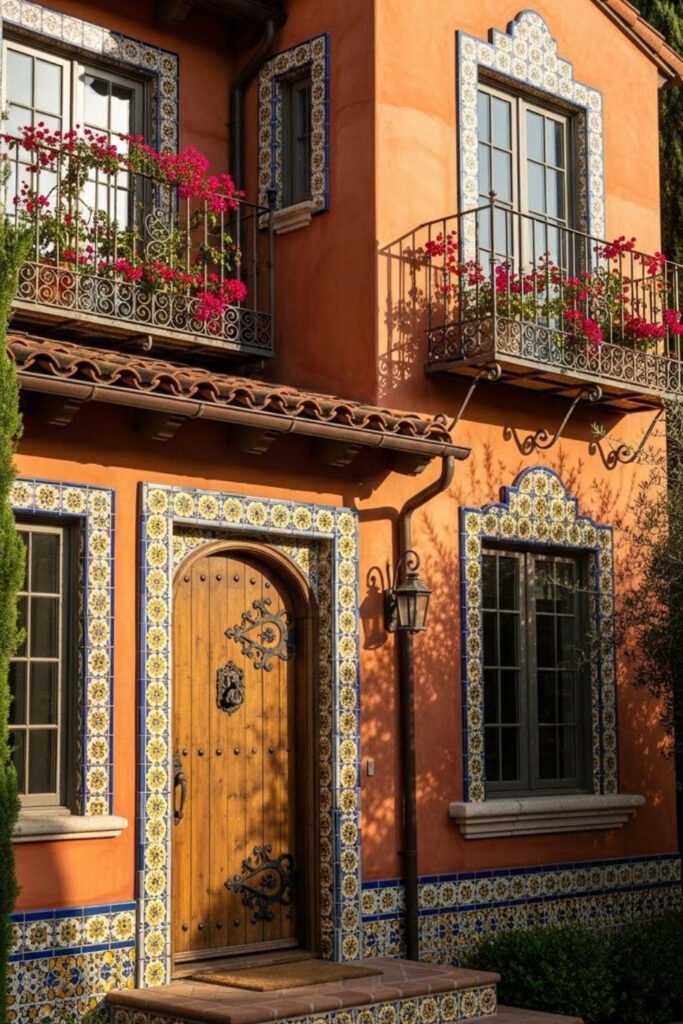
Spanish Fusion
Spanish fusion Mediterranean homes blend warm stucco walls with tiled details and bold wooden elements. This style often includes decorative tiles around doors or stair risers.
It feels expressive without being overwhelming. You can keep the look balanced by limiting color to key areas while letting natural textures do most of the work.
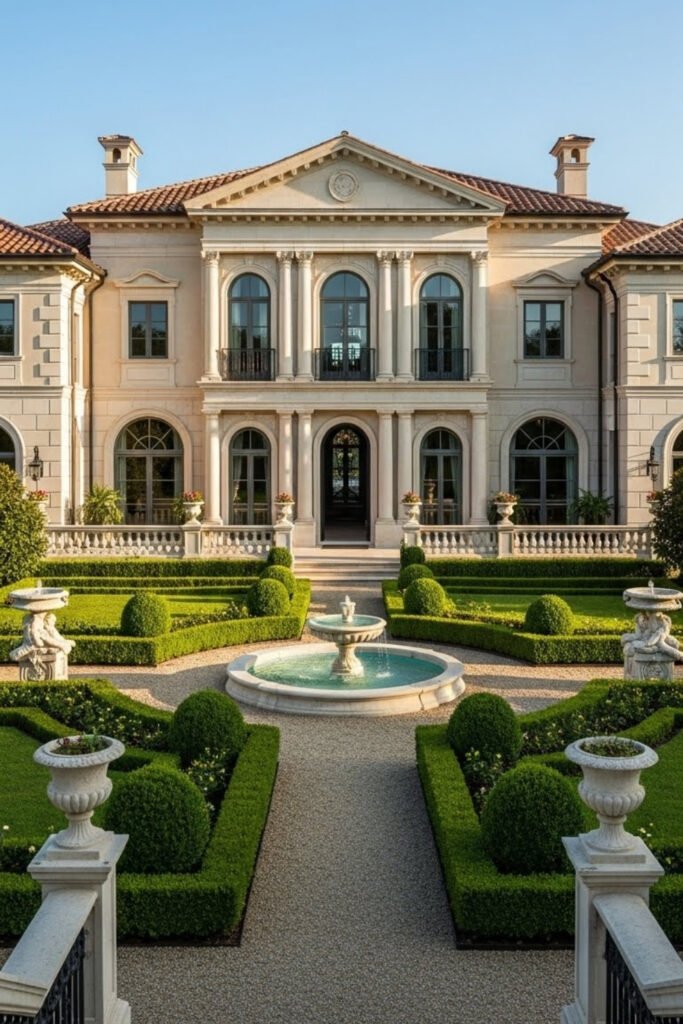
Italian Villa
Italian villa–style homes focus on symmetry, proportion, and elegance. Long facades, tall windows, and formal layouts give these homes a grand presence.
Natural stone, clay tiles, and subtle detailing keep the design refined. This idea works well for larger properties where outdoor terraces and gardens can mirror the home’s structure.
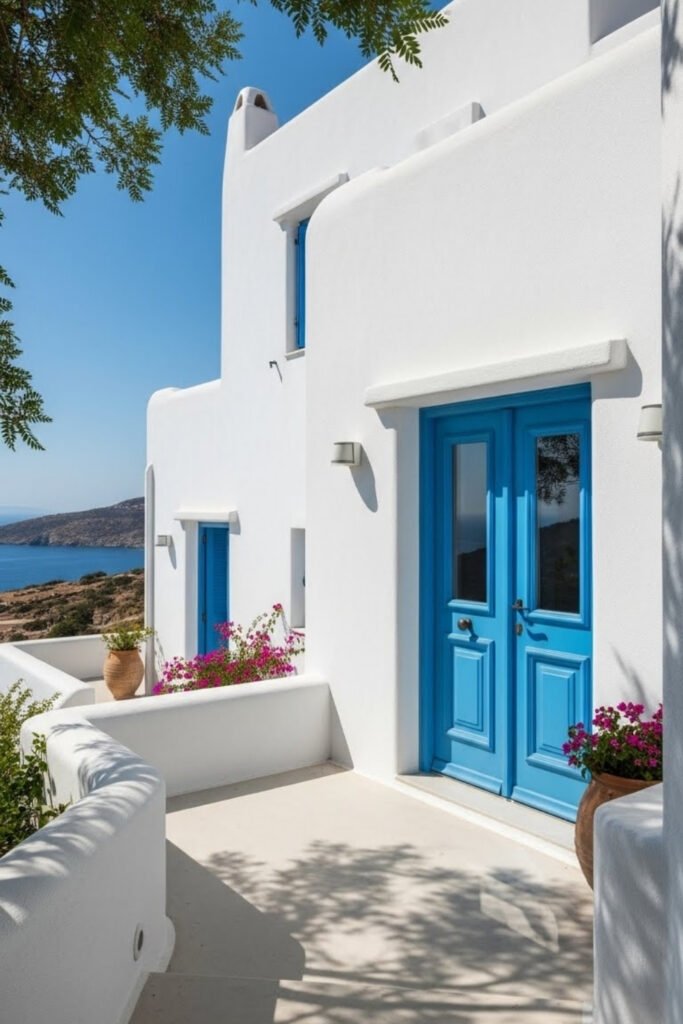
Greek Inspired
Greek-inspired Mediterranean homes use clean lines, white walls, and minimal detailing. This approach keeps the exterior bright and reflective in sunny climates.
Rounded edges and simple forms soften the look. Blue accents can be added sparingly, but the main focus stays on light, simplicity, and balance.
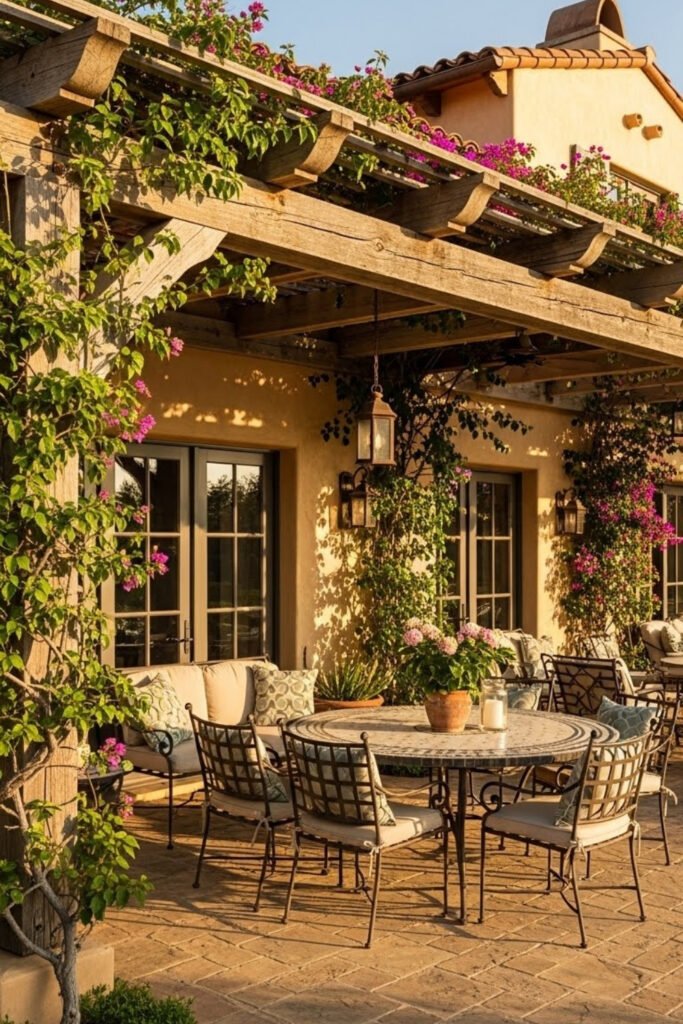
Pergola Spaces
Pergolas add shaded outdoor living areas that feel relaxed and functional. They work well over patios, walkways, or outdoor dining areas.
Wooden beams paired with climbing vines create a natural cooling effect. This idea enhances outdoor use without fully enclosing the space, keeping the home open and breathable.
Courtyard Fountain
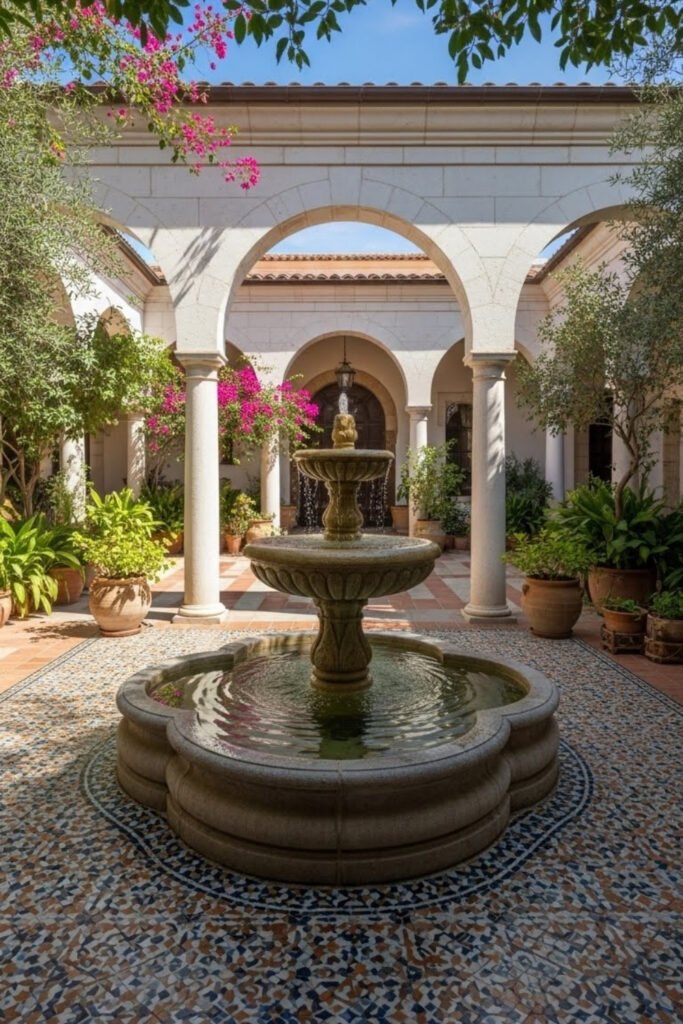
A courtyard fountain adds movement and sound that instantly makes a Mediterranean home feel calm. Even a small stone fountain works well in compact courtyards.
It helps cool the surrounding air and becomes a natural focal point. This feature pairs beautifully with tiled floors, plants, and shaded seating areas.
Earth Tones
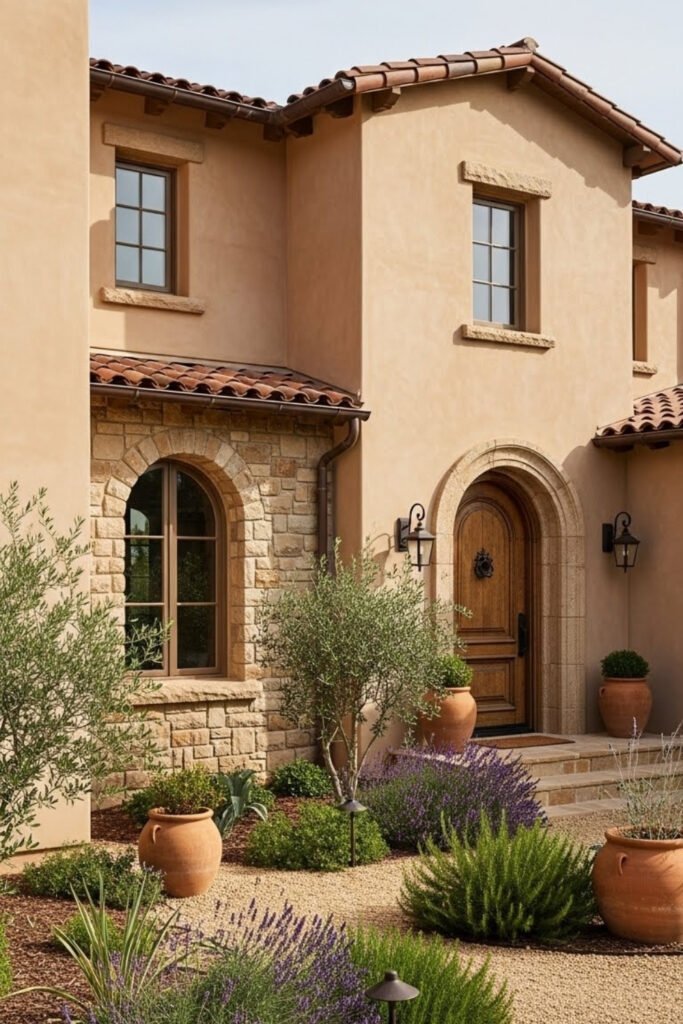
Earth-toned exteriors keep Mediterranean homes grounded and timeless. Colors like sand, clay, and soft beige blend naturally with stone and tile materials.
This approach avoids bold contrasts and lets texture stand out instead. Earth tones also age well, making the home look better over time rather than dated.
Clay Floors
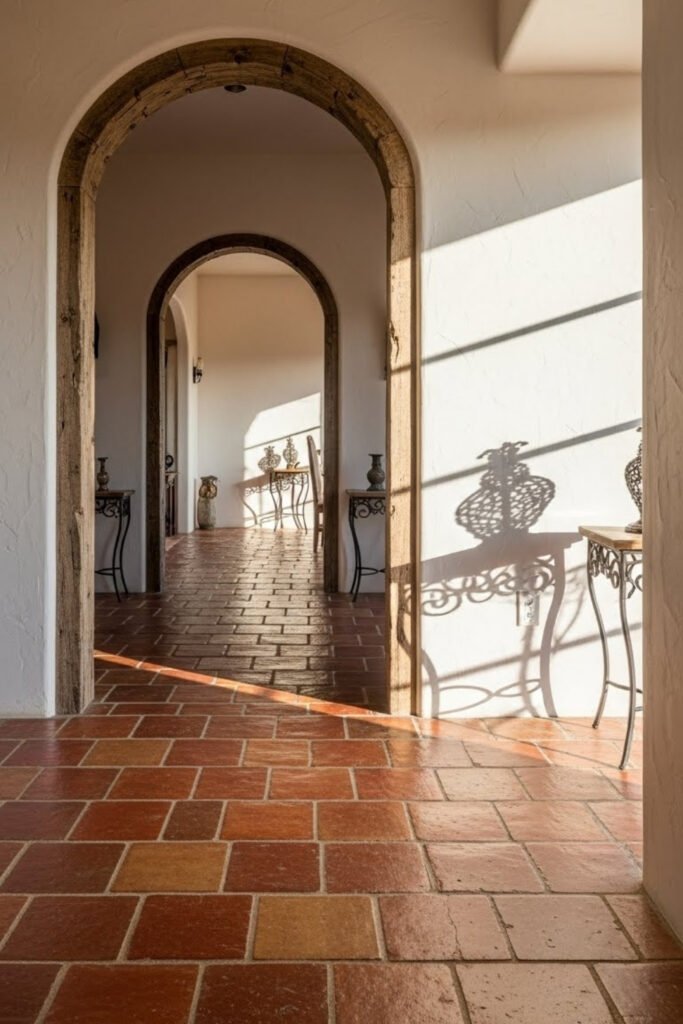
Clay tile floors are a practical and visual staple in Mediterranean homes. They stay cool underfoot and handle heavy foot traffic well.
Slight color variation adds warmth and character. This flooring works especially well in entryways, courtyards, and open living spaces where durability and comfort matter most.
Arched Windows
Arched windows soften the exterior while allowing more natural light inside. This feature adds elegance without needing extra decoration.
Tall arches work well in living areas, while smaller arches suit hallways or stairwells. Paired with thick walls, arched windows feel both sturdy and refined.
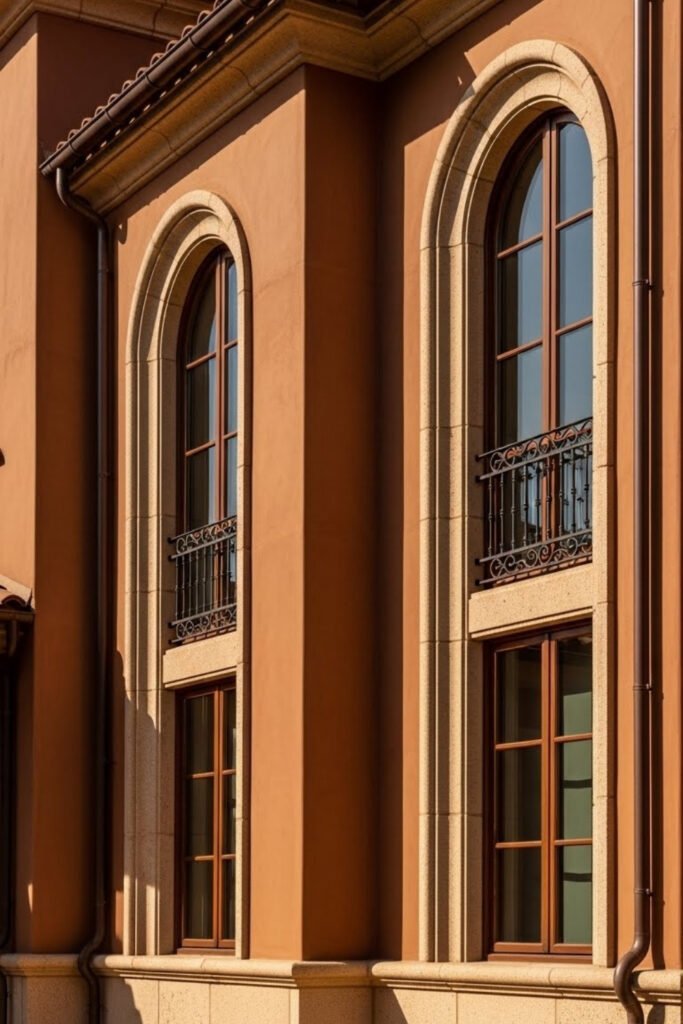
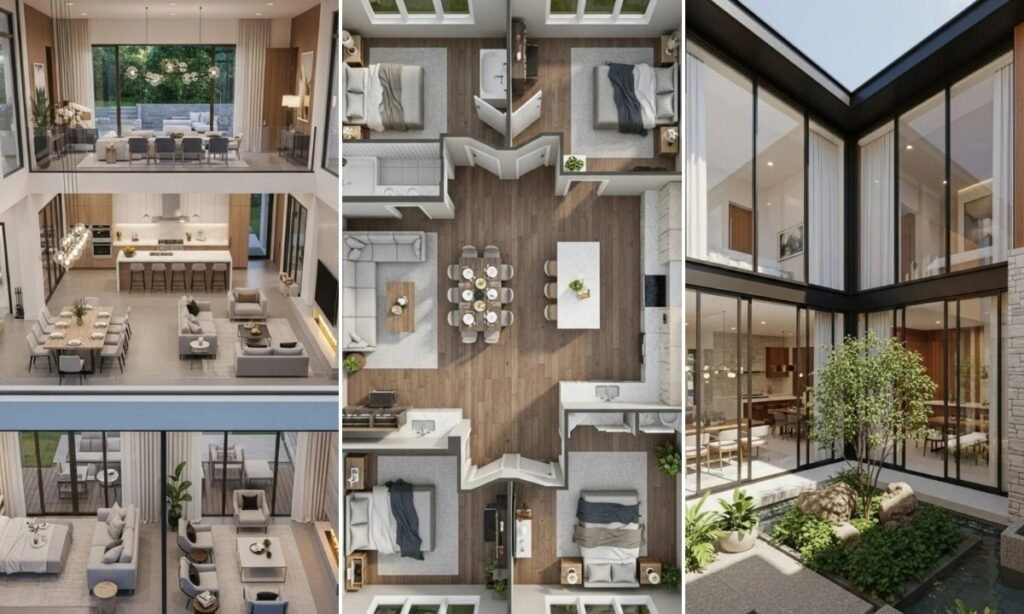
Inner Patio
An inner patio creates a private outdoor space surrounded by the home itself. This layout improves airflow and daylight while offering privacy from the street.
You can use stone flooring, plants, or seating to make it functional. Inner patios work especially well in dense neighborhoods where outdoor space needs to feel protected.
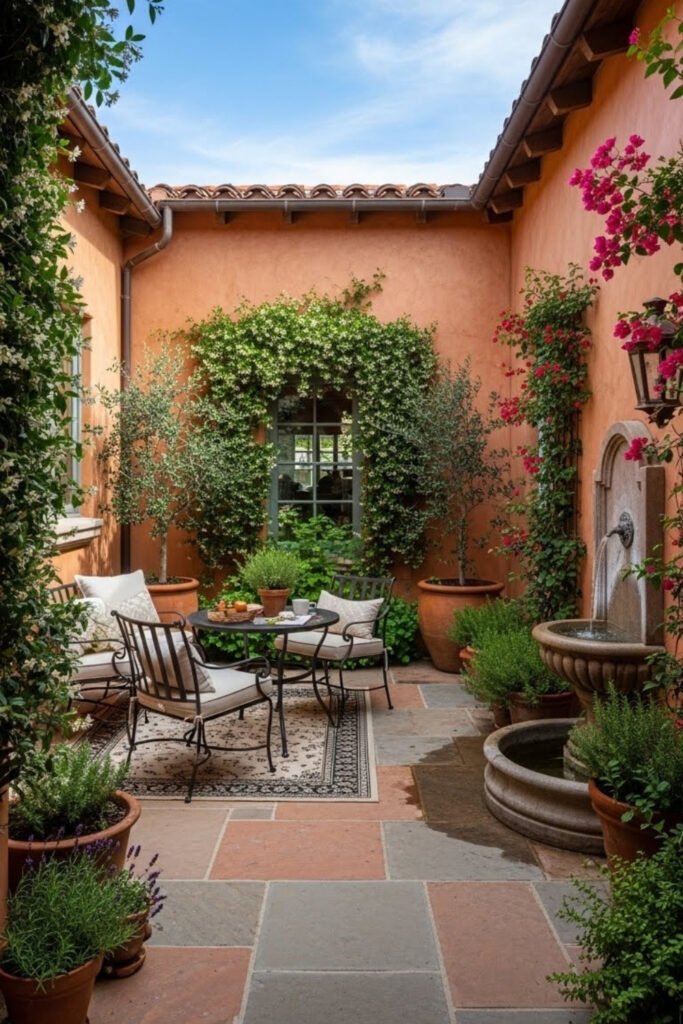
Stone Paths
Stone walkways guide movement while reinforcing the Mediterranean look. Natural, irregular stones feel more authentic than perfectly cut pavers.
These paths work well in gardens, courtyards, and entry approaches. Stone paths also age beautifully, blending into the landscape rather than standing out over time.
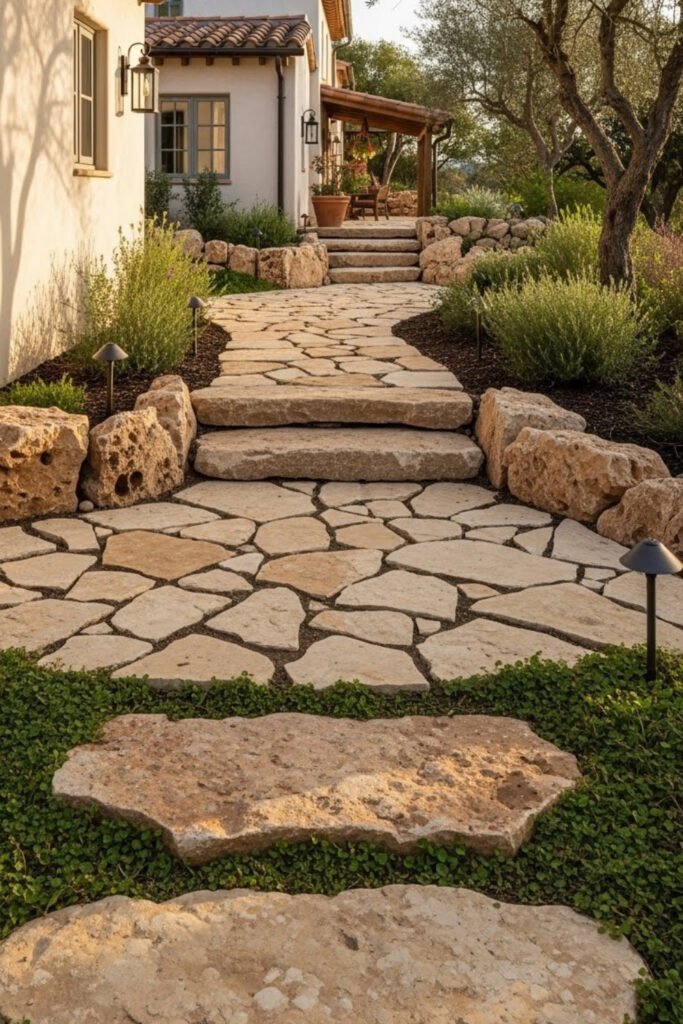
Outdoor Fireplace
An outdoor fireplace extends the usability of Mediterranean homes into cooler evenings. Built from stone or stucco, it becomes a strong focal point for patios or courtyards.
This feature encourages gathering without enclosing the space. It works best when paired with built-in seating or shaded areas nearby.
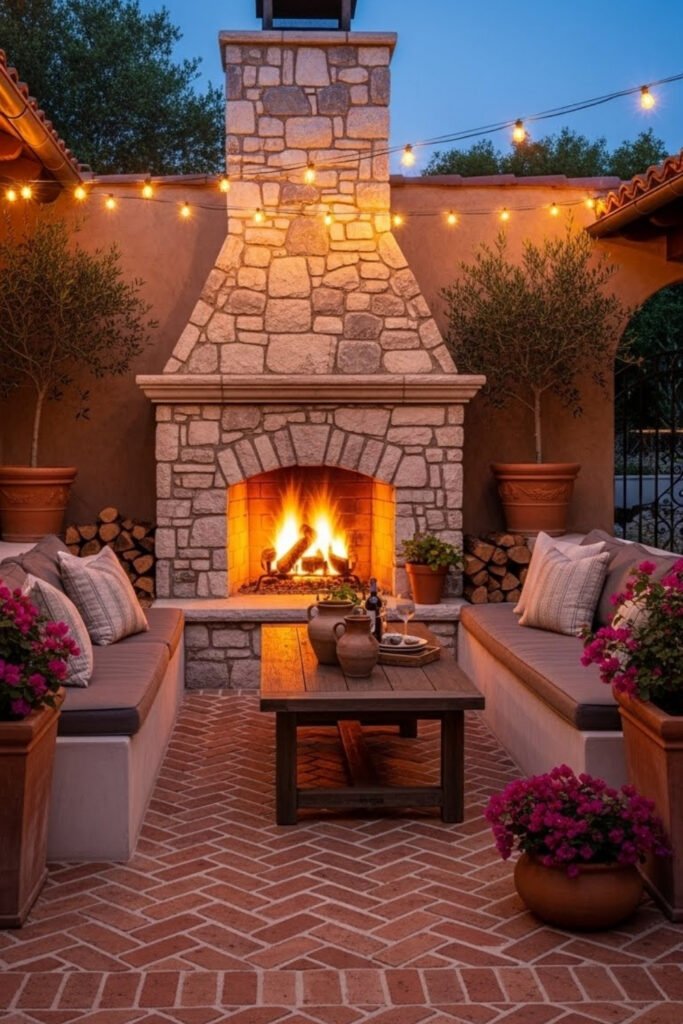
Sun Facade
A sun-facing facade maximizes natural light throughout the day. Mediterranean homes often orient key living spaces toward the sun to keep interiors bright and warm.
Overhangs, shutters, or pergolas help control heat while still allowing light. This balance keeps the home comfortable without heavy reliance on cooling systems.
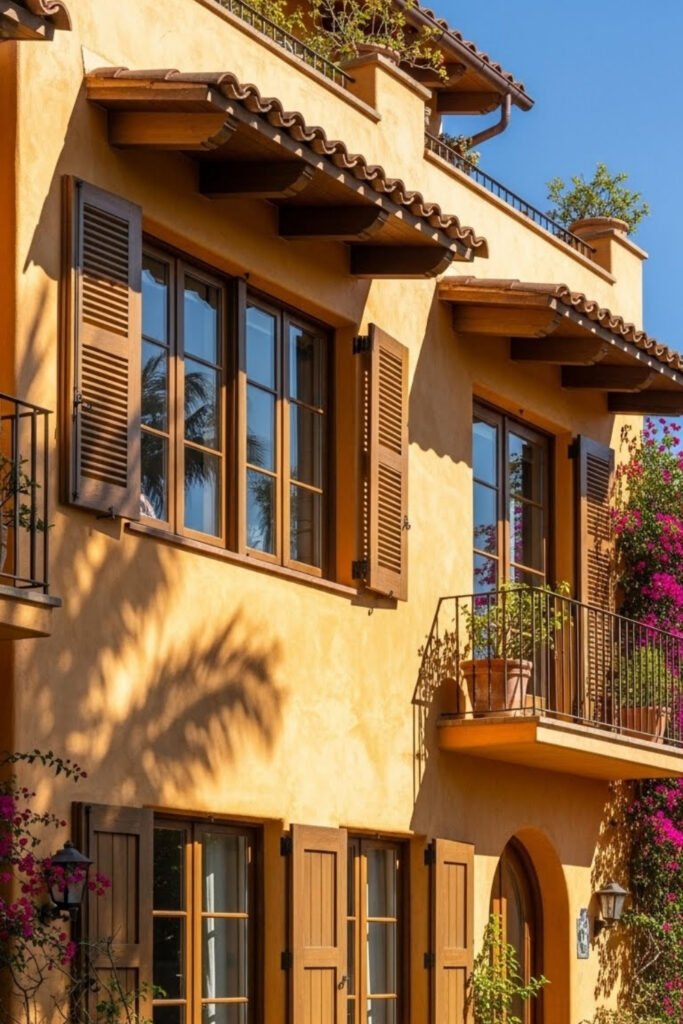
Wood Beams
Exposed wooden beams add warmth and structure to Mediterranean homes. They work well on ceilings, patios, and covered walkways.
Natural or lightly stained wood keeps the look authentic. This feature pairs nicely with stucco walls and stone floors, adding depth without overwhelming the space.
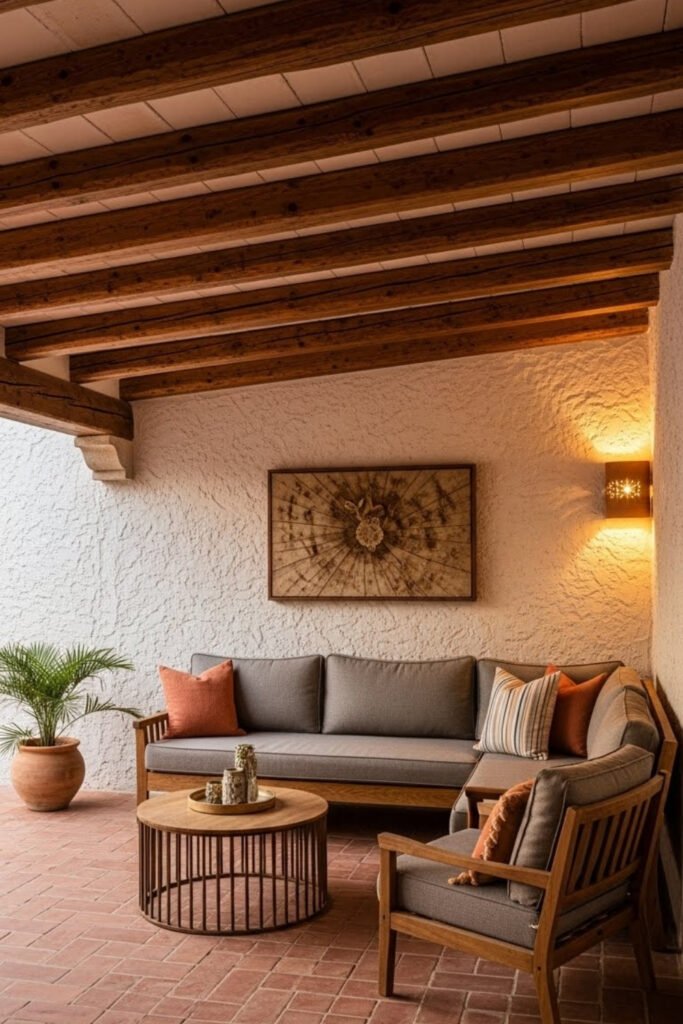
Modern Mix
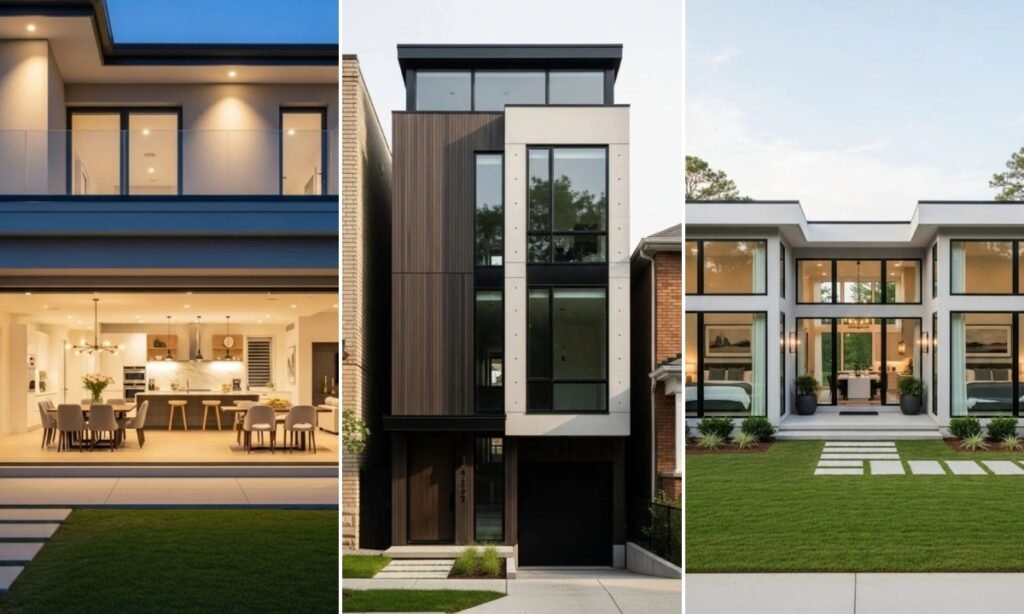
Modern Mediterranean homes blend clean lines with traditional materials. Smooth stucco, large windows, and simple shapes update the classic style without losing its warmth.
This idea suits homeowners who want a Mediterranean feel with a contemporary edge. Neutral colors help keep the balance between old and new.
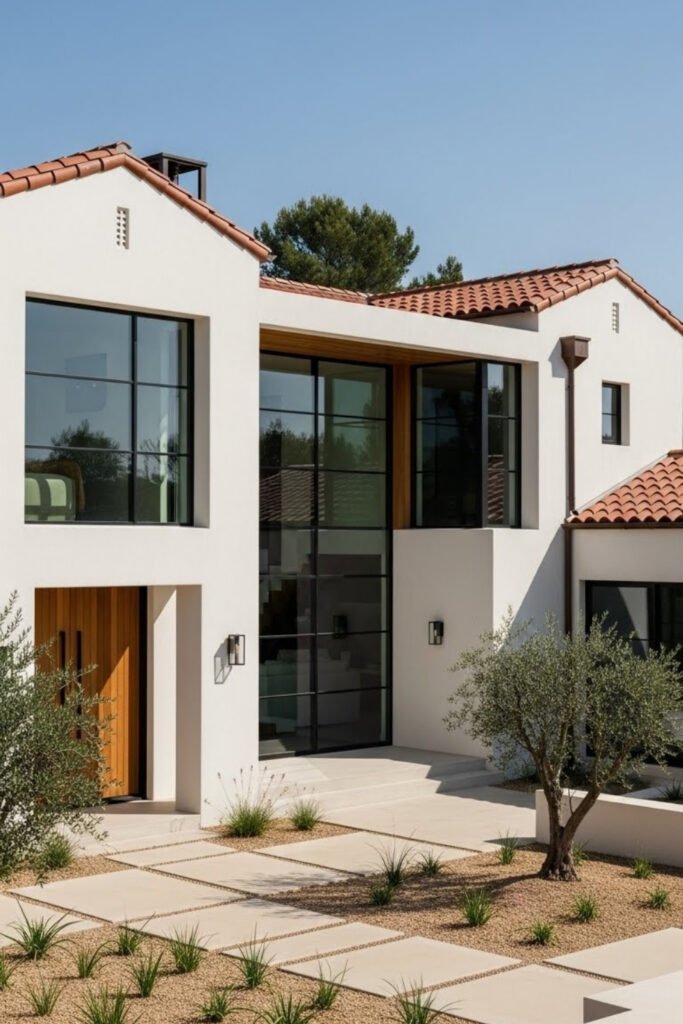
Courtyard Pool
A courtyard pool offers privacy while keeping outdoor spaces cool and inviting. Even small pools work well when surrounded by stone walls and shaded seating.
This design turns the courtyard into a central retreat. It’s ideal for hot climates where outdoor relaxation is part of daily life.
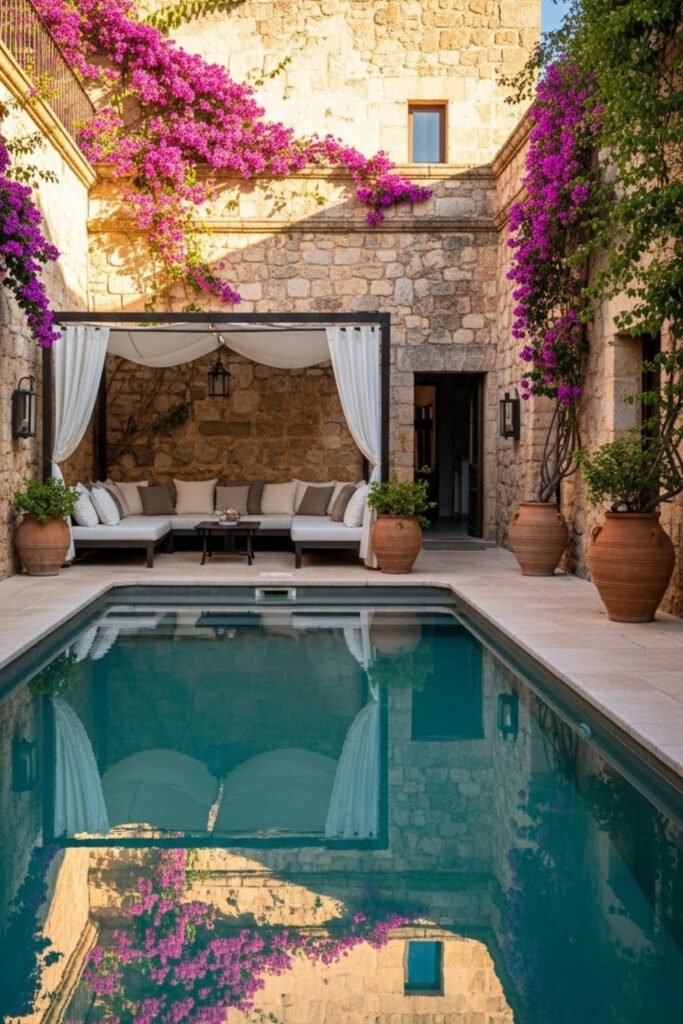
Hillside Estate
Hillside Mediterranean homes follow the natural slope of the land. Terraces, retaining walls, and stepped layouts create visual interest.
This approach helps capture views and breezes while keeping the structure grounded. Natural materials help the home blend into the landscape rather than dominate it.
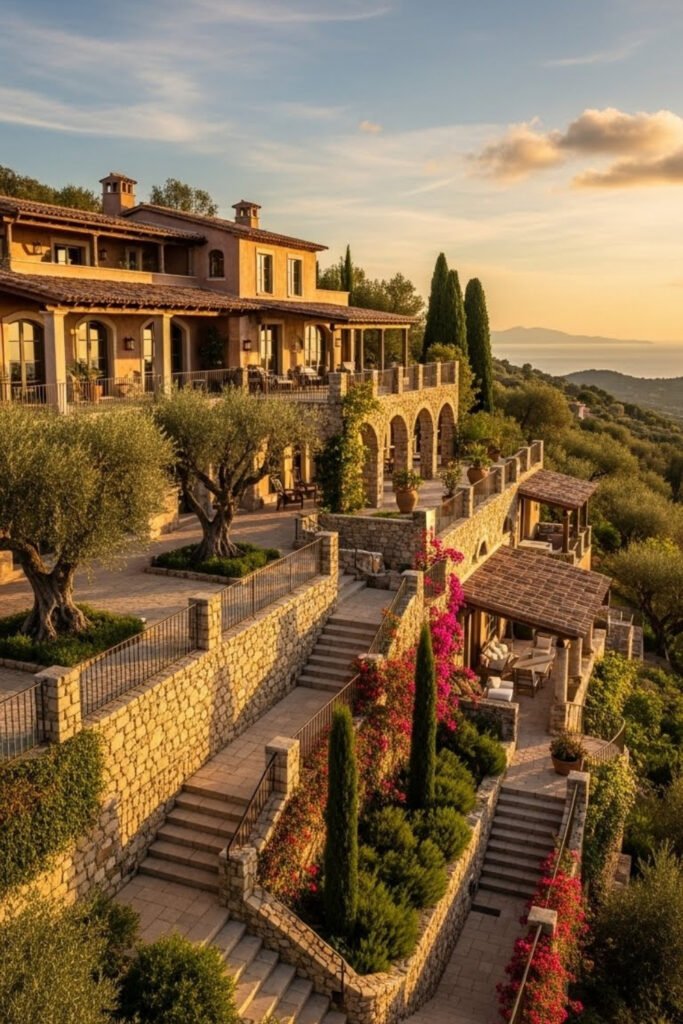
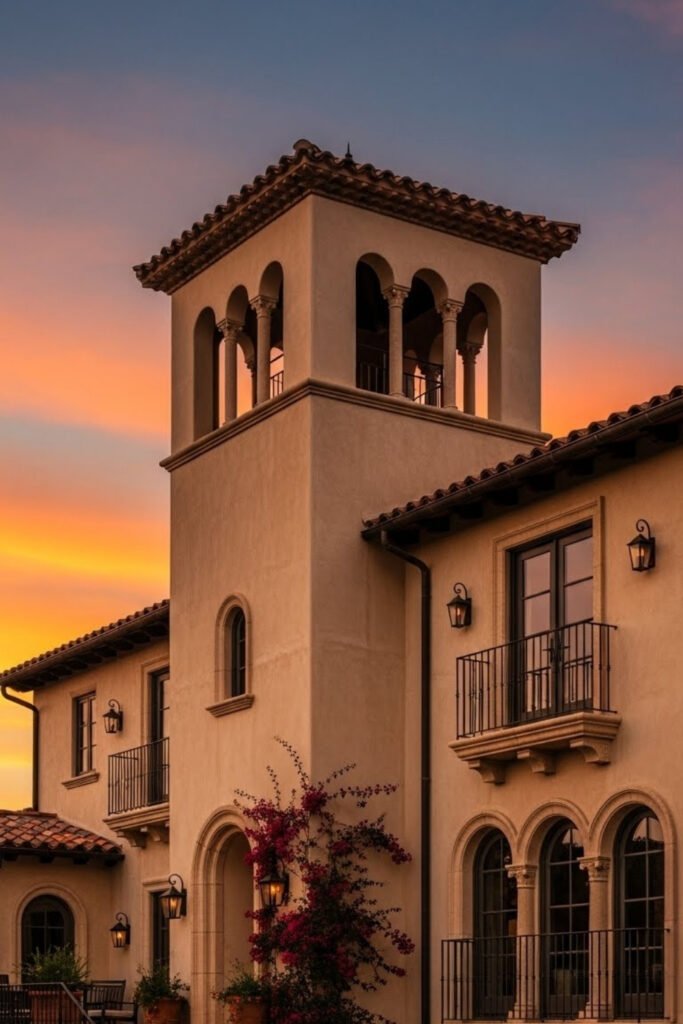
Tower Elements
Small tower-like features add vertical interest to Mediterranean homes. They don’t need to be large to make an impact.
Towers often house staircases or lookout spaces and give the exterior a villa-style silhouette. When finished in stucco or stone, they feel architectural rather than decorative.
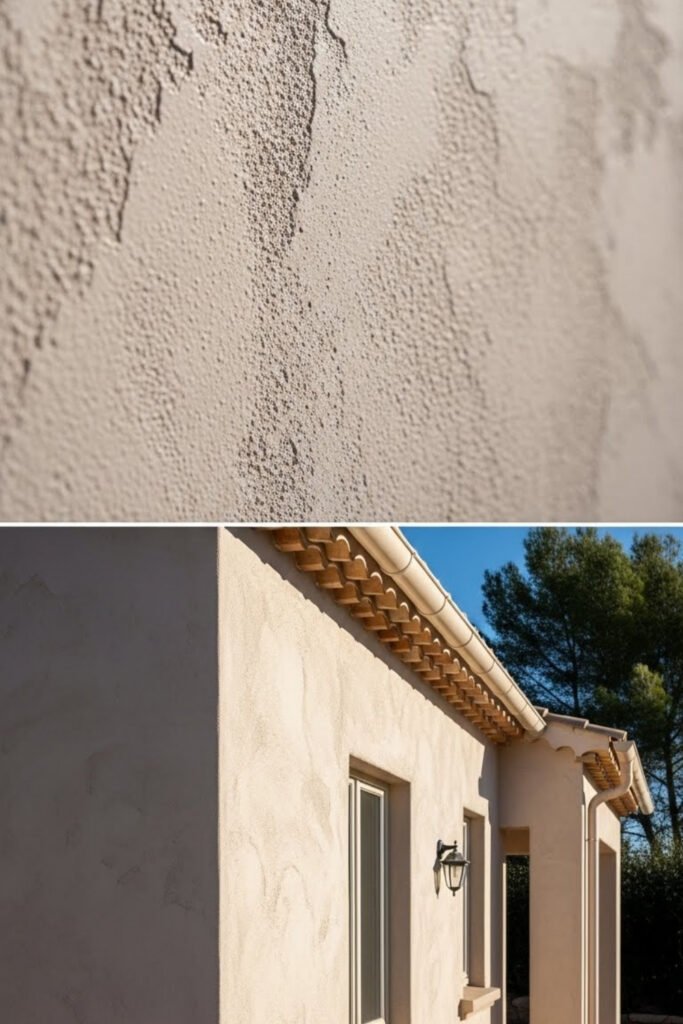
Textured Stucco
Textured stucco walls give Mediterranean homes depth and character. Slight imperfections create a handcrafted feel that looks better with age.
This finish works well in warm climates because it reflects light without feeling flat. Neutral tones allow the texture to stand out without needing bold colors.
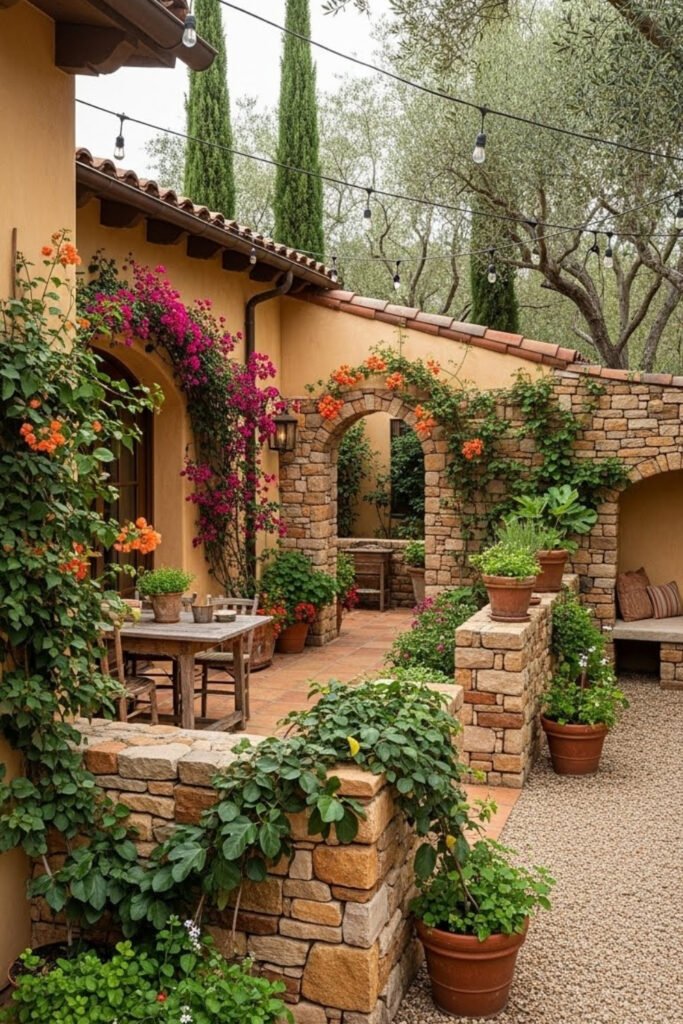
Garden Walls
Garden walls define outdoor spaces while adding privacy and structure. Low stone or stucco walls help separate courtyards, patios, and pathways.
They also create opportunities for climbing plants or built-in seating. This feature keeps outdoor areas intimate without fully closing them off.
Blue Accents
Blue accents add contrast to Mediterranean homes without overpowering the design. They work best on doors, shutters, or tile details.
Used sparingly, blue brings a coastal feel while keeping the palette grounded. This idea pairs well with white or earth-toned exteriors.
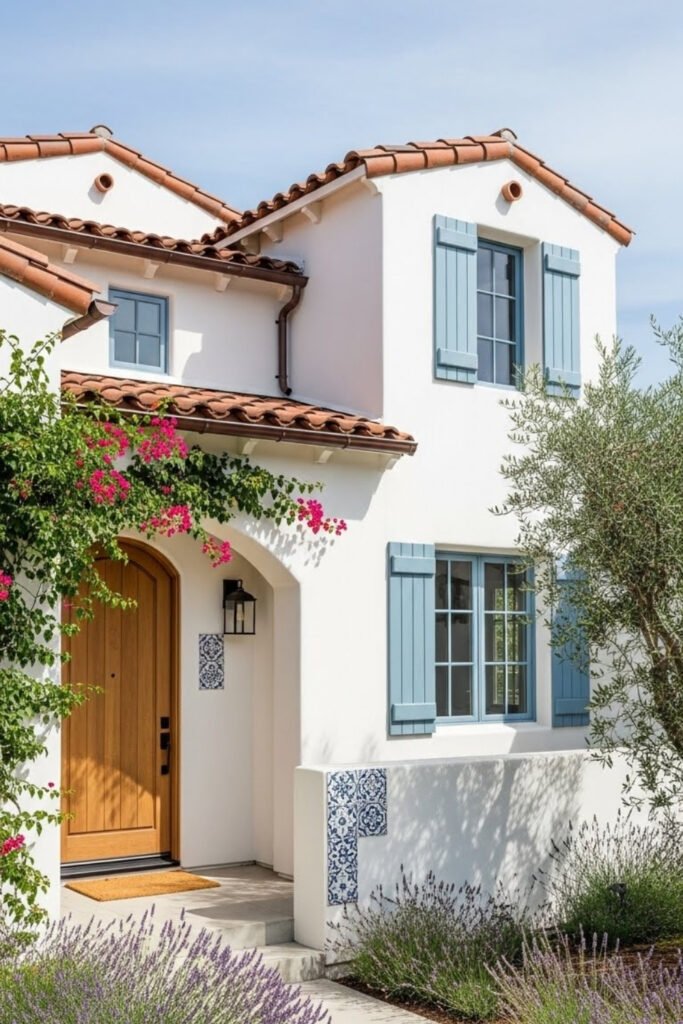
Carved Doors
Carved wooden doors create a strong first impression in Mediterranean homes. Detailed craftsmanship adds character without relying on color or extra decoration.
These doors work especially well with arched entries and stone surrounds. Natural wood tones keep the look warm and authentic rather than formal.
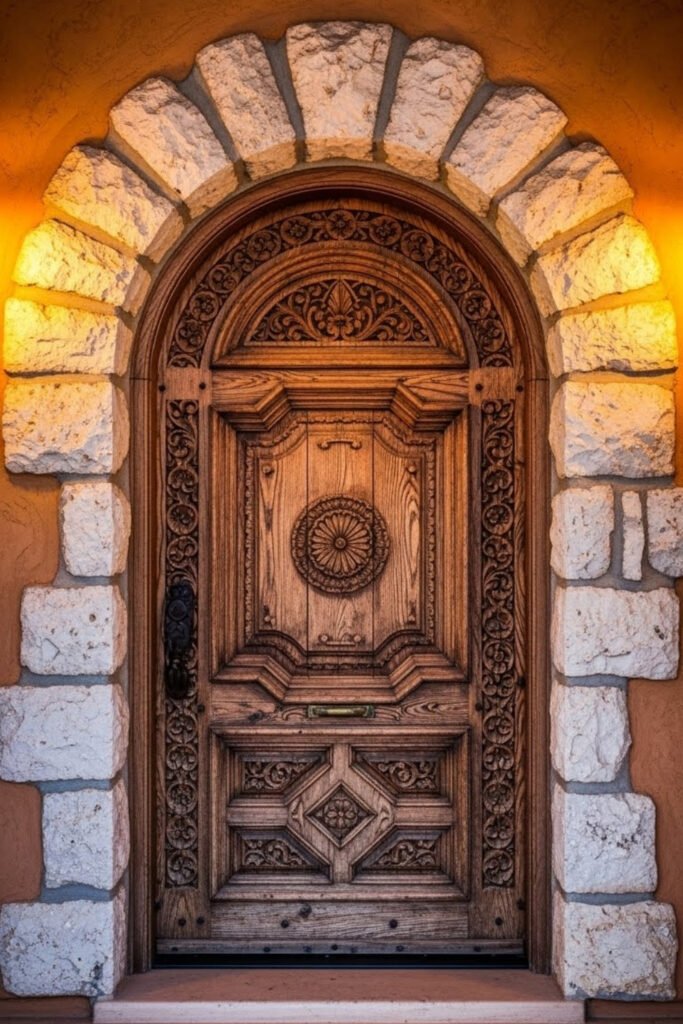
Vineyard Setting
Mediterranean homes set among vineyards feel deeply connected to the landscape. Long, low structures work best in these settings, allowing views to remain open.
Stone walls and earthy colors help the home blend into its surroundings. This idea focuses more on placement and harmony than elaborate design details.
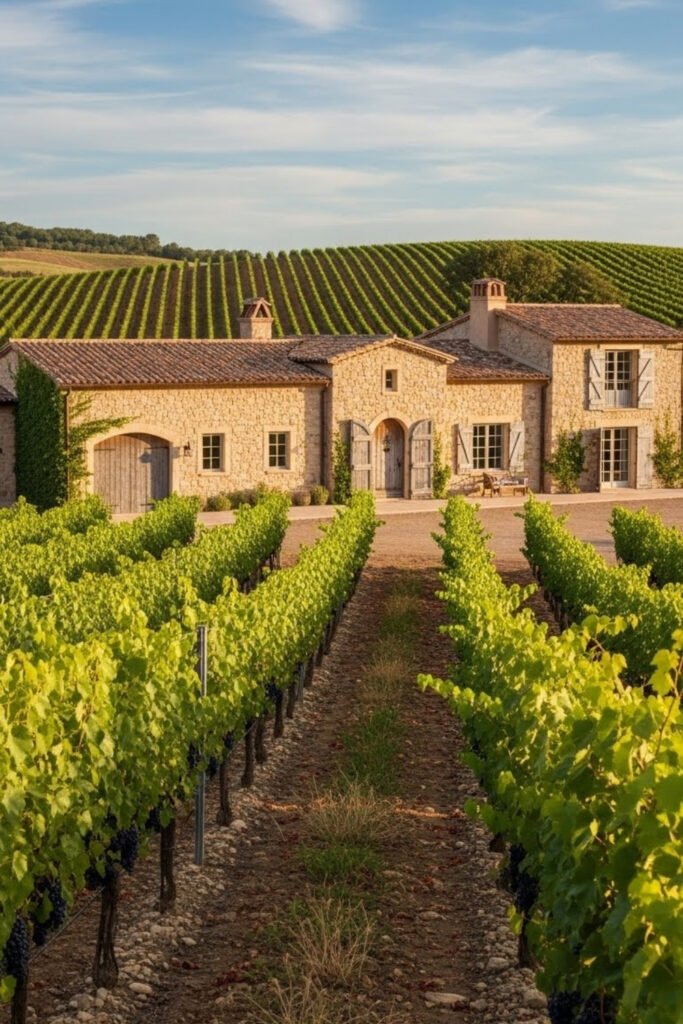
Hot Climate
Mediterranean homes designed for hot climates prioritize airflow, shade, and thick walls. Small windows, deep overhangs, and courtyards help keep interiors cool.
Light exterior colors reflect heat, while natural materials regulate temperature. This approach proves that Mediterranean design is as functional as it is beautiful.

Hi, my name is Ali Mehmood! I’m a passionate writer and DIY enthusiast who loves turning creative ideas into practical, hands-on projects.
I created this website to share inspiring, budget-friendly ideas that you can do yourself – whether it’s organizing your home, crafting something unique, or creating fun projects for kids and pets.
I believe DIY isn’t just a hobby – it’s a smart way to save money, reduce waste, and enjoy the satisfaction of making things with your own hands.
I’m excited to have you as part of this growing community, and I’ll continue bringing you helpful, realistic, and fun DIY ideas you can actually use.