This post may contain affiliate links: read full affiliate disclosure.
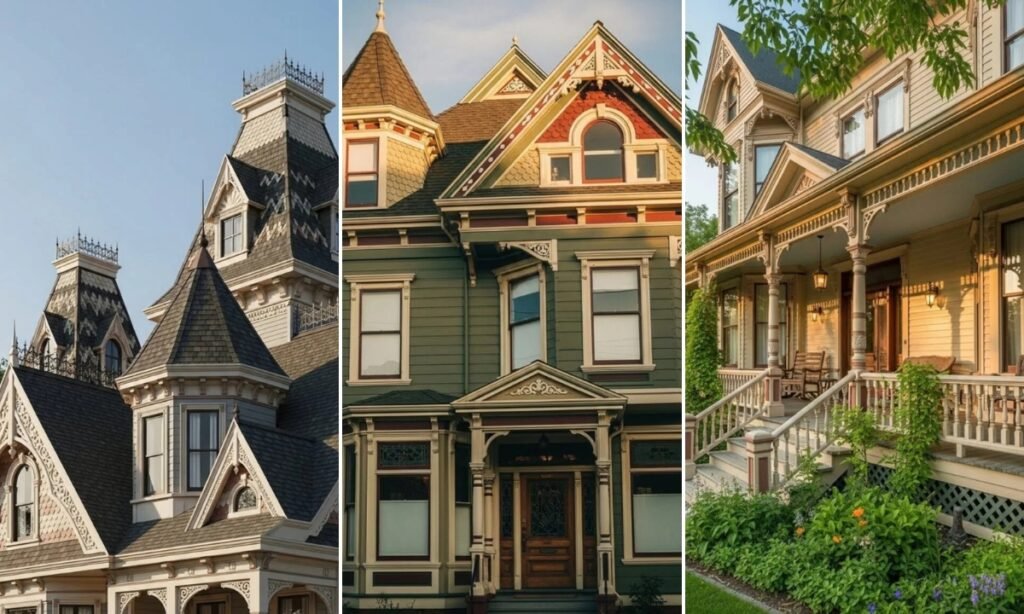
Victorian homes are known for their rich details, dramatic shapes, and timeless elegance.
From ornate trim and steep rooflines to stained glass and grand porches, this architectural style offers endless inspiration for anyone who loves character-filled design.
Whether you’re restoring a historic property or planning a new home with classic influence, Victorian design provides ideas that feel both beautiful and lasting.
In this article, you’ll explore 22 unique Victorian home ideas that highlight exterior features, layouts, and design elements to help you understand, appreciate, and apply this iconic style in a modern way.
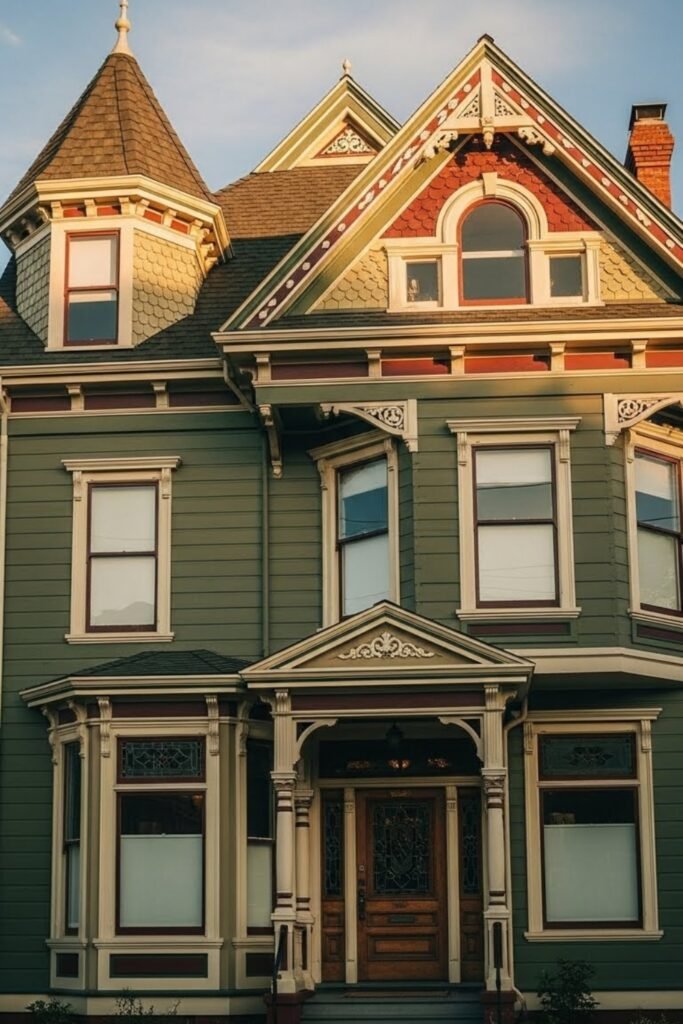
Asymmetrical Front
Victorian homes often stand out because they avoid perfect symmetry. An asymmetrical front uses uneven window placement, offset doors, and varied roof heights to create visual interest.
This approach gives the home a historic, artistic feel rather than a rigid layout. It also allows more flexibility inside, making rooms feel unique instead of uniform.
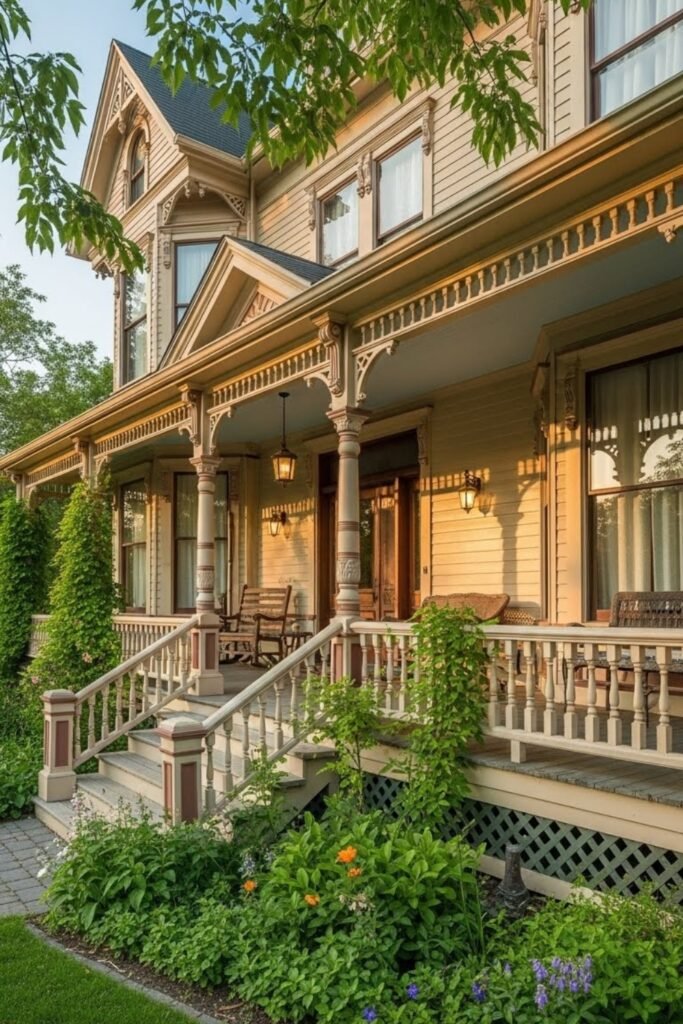
Wraparound Porch
A wraparound porch is one of the most recognizable Victorian features. It extends around the front and side of the house, offering shaded outdoor living and multiple seating areas.
This design works well for large lots and warm climates. Decorative columns, railings, and wood details help maintain an authentic Victorian appearance.
Decorative Gables
Decorative gables add depth and character to a Victorian home’s roofline. These gables often include ornate trim, patterned shingles, or small accent windows.
They help break up large roof areas and make the house look taller and more detailed. This idea is perfect for front elevations that need architectural emphasis.
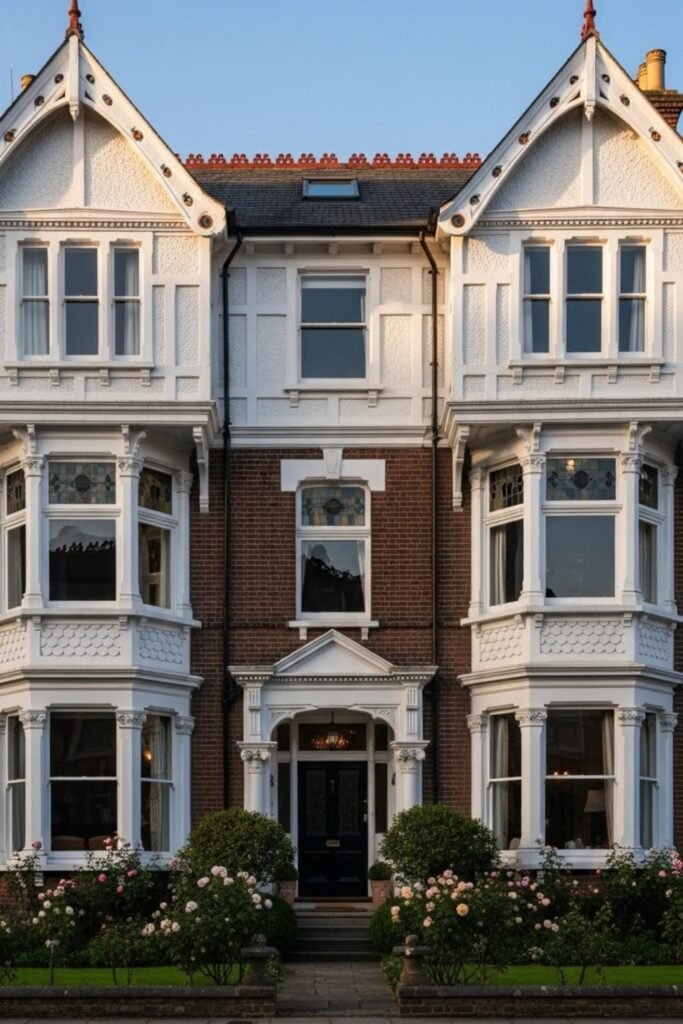
Bay Windows
Bay windows are a signature element in Victorian architecture, adding elegance and dimension to the exterior. Inside, they bring in extra natural light and create cozy seating or display areas.
From the street, bay windows soften flat walls and give the home a layered, visually rich appearance that feels classic and welcoming.
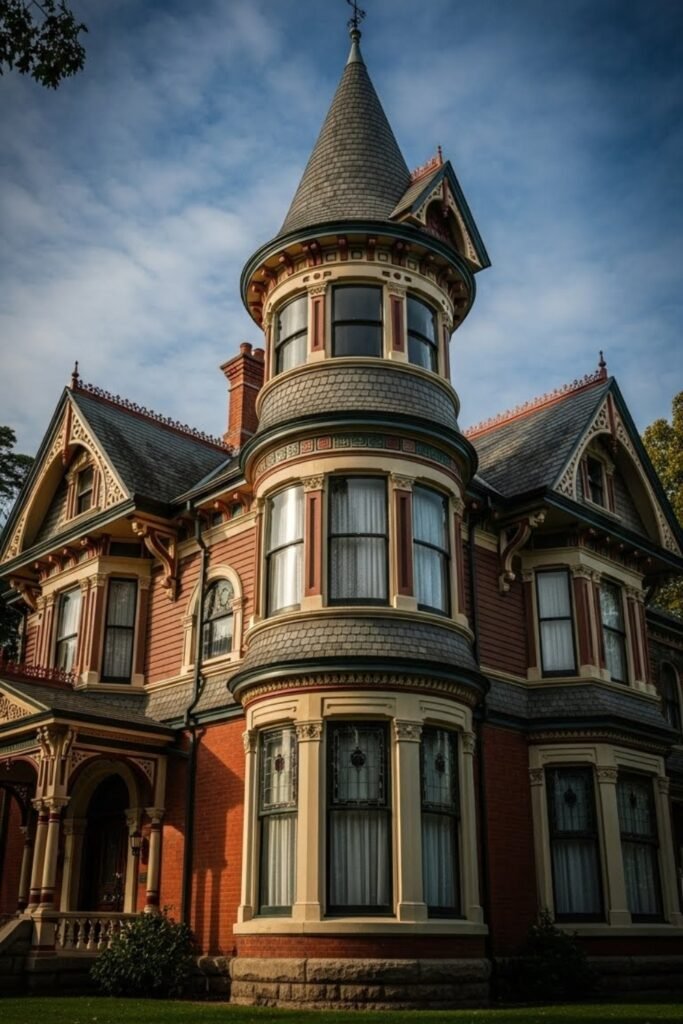
Turret Corner
A turret corner adds a dramatic focal point to a Victorian home. This small round or polygon tower often rises above the roofline, creating a fairytale-like appearance.
Inside, turrets can be used as reading nooks, stair towers, or accent rooms. This feature works best on corner lots or large facades that need a standout element.
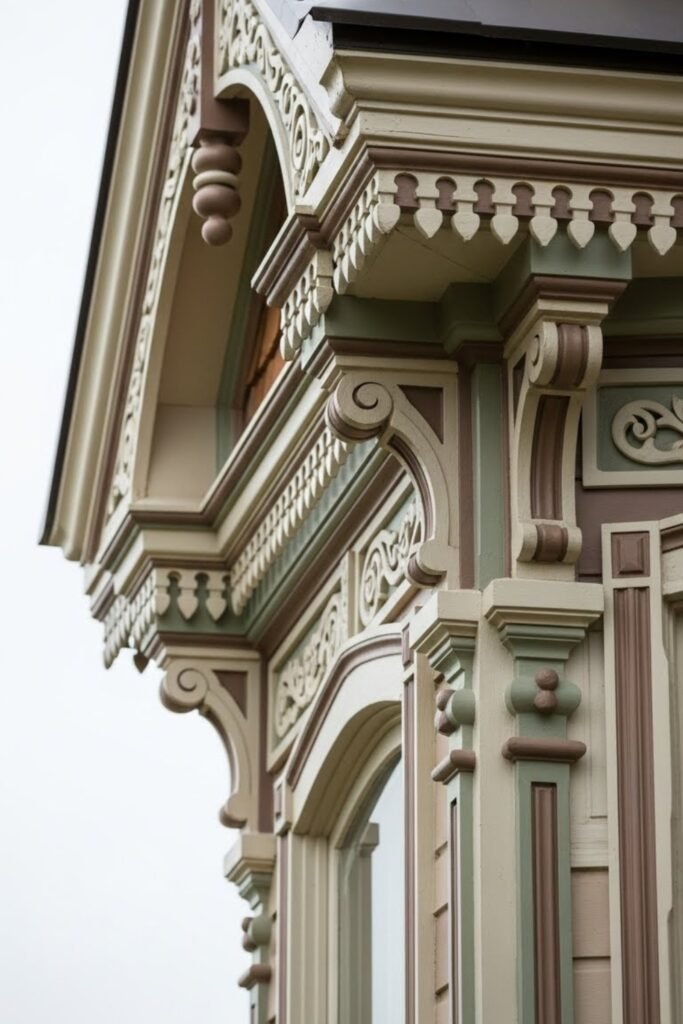
Ornate Trim
Ornate trim is a defining detail of Victorian architecture. Intricate woodwork around windows, doors, and roof edges adds richness and craftsmanship.
Often called “gingerbread,” this trim brings personality to the exterior. It’s ideal for homeowners who want a detailed, decorative look that highlights traditional artistry and historic charm.
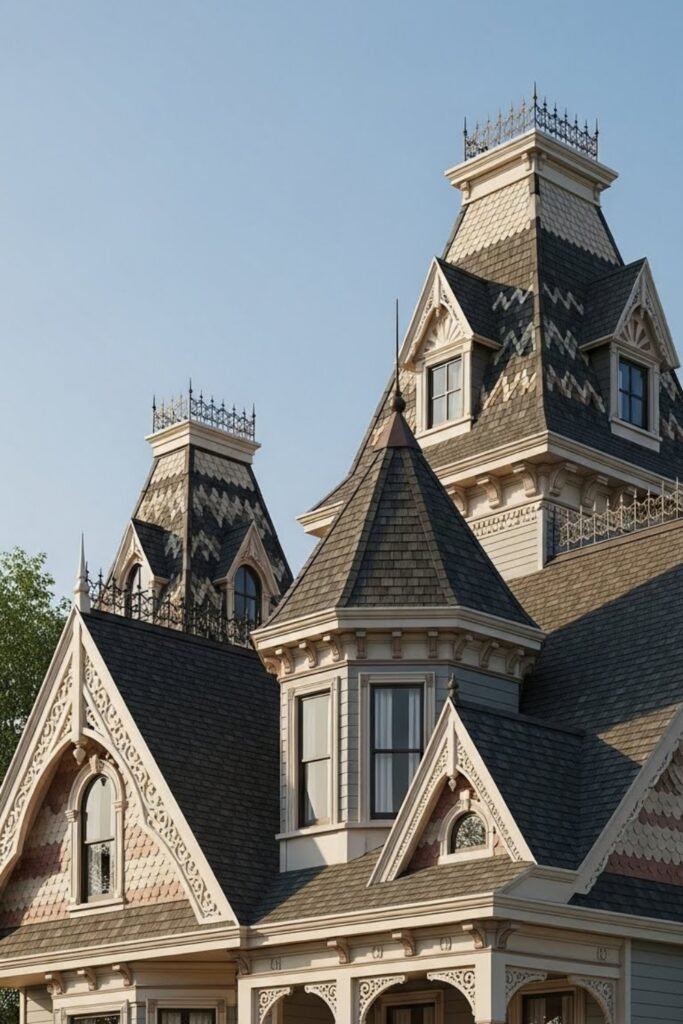
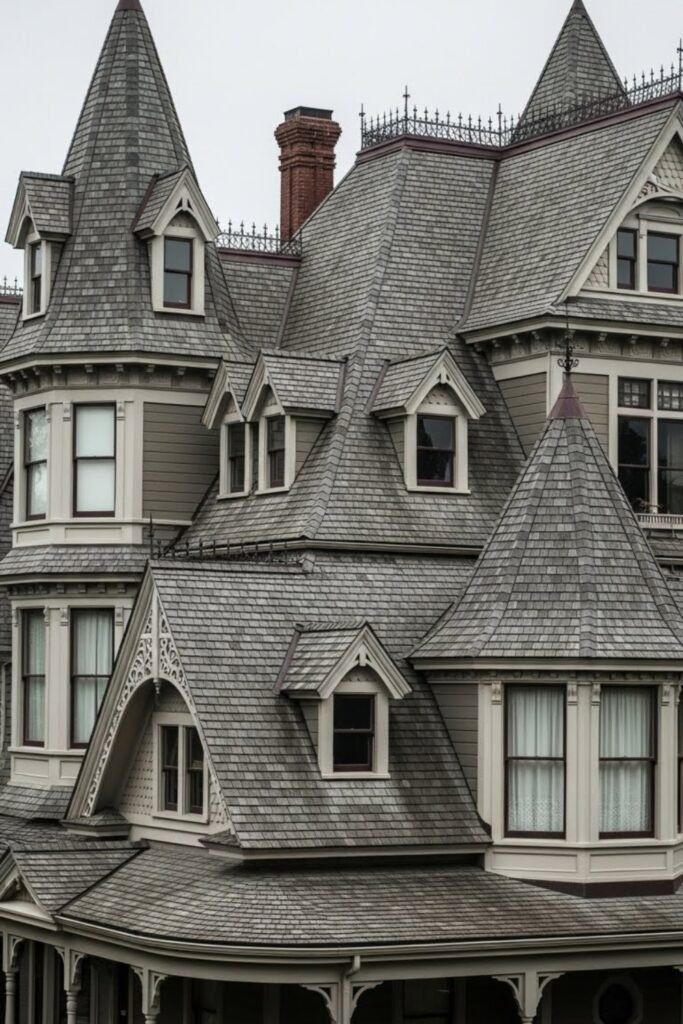
Steep Roofs
Steep roofs give Victorian homes their tall, commanding presence. These sharply pitched rooflines allow for attic space, dramatic silhouettes, and layered architectural details.
They also pair well with dormers and gables. This design suits areas with heavy rain or snow while reinforcing the vertical, elegant style typical of Victorian homes.
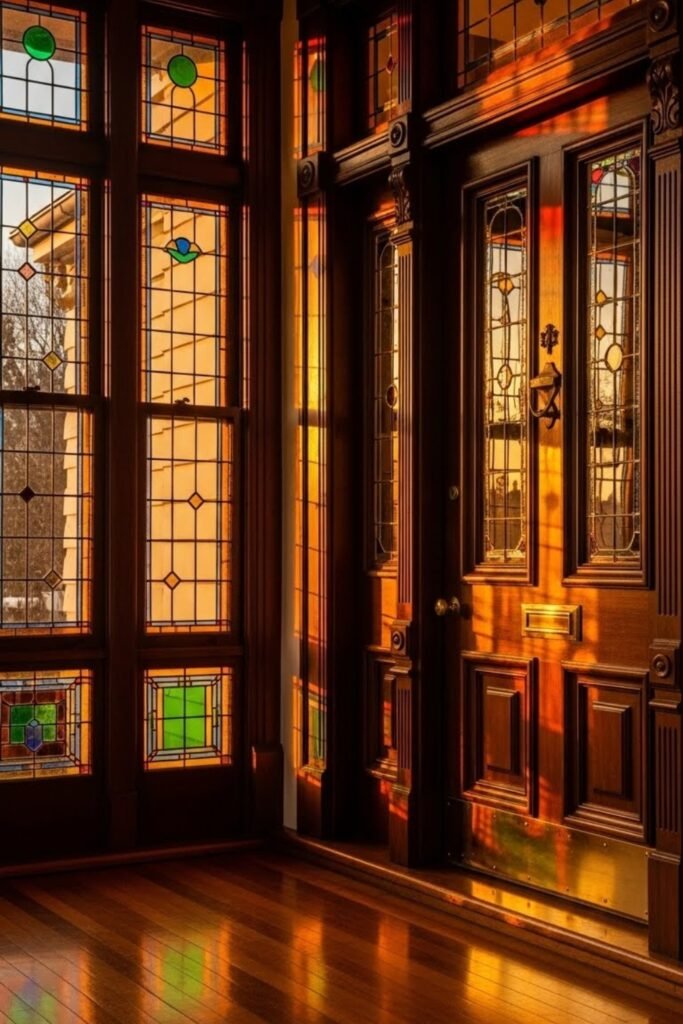
Stained Glass
Stained glass windows add color, privacy, and artistic beauty to Victorian homes. Often placed near entryways, staircases, or transoms, they create a soft glow when sunlight passes through.
This feature enhances historic authenticity while serving as a decorative focal point. It’s perfect for homeowners who value craftsmanship and timeless visual appeal.
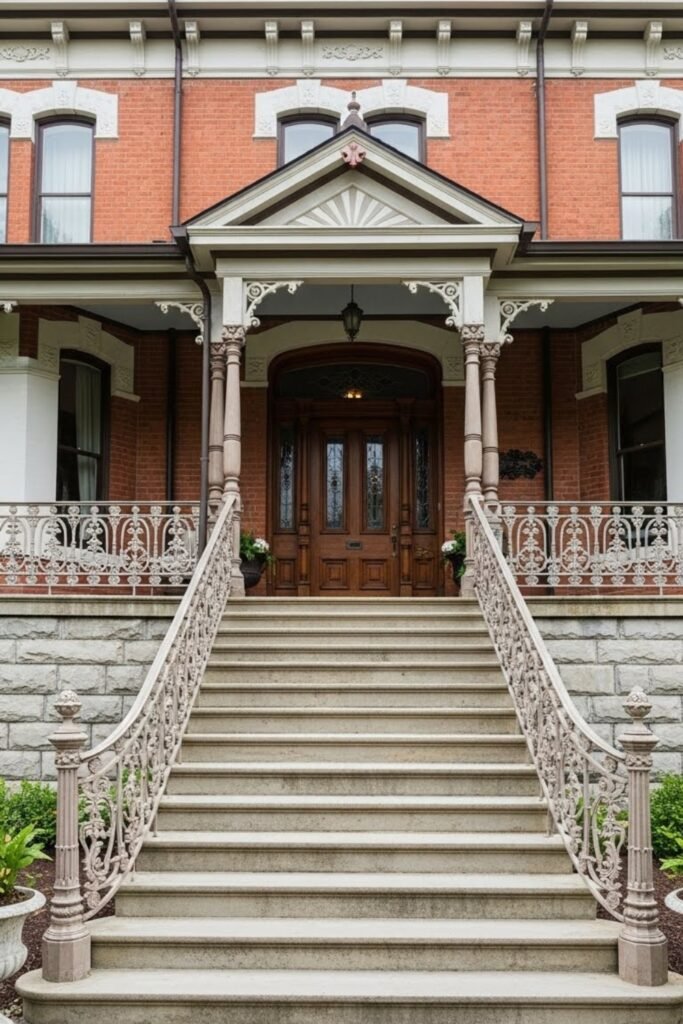
Front Steps
Grand front steps create a strong first impression for a Victorian home. Wide staircases, often made of stone or wood, elevate the entrance and emphasize formality.
Paired with railings and decorative newel posts, these steps make the entry feel welcoming and elegant. This idea works especially well for raised foundations and sloped lots.
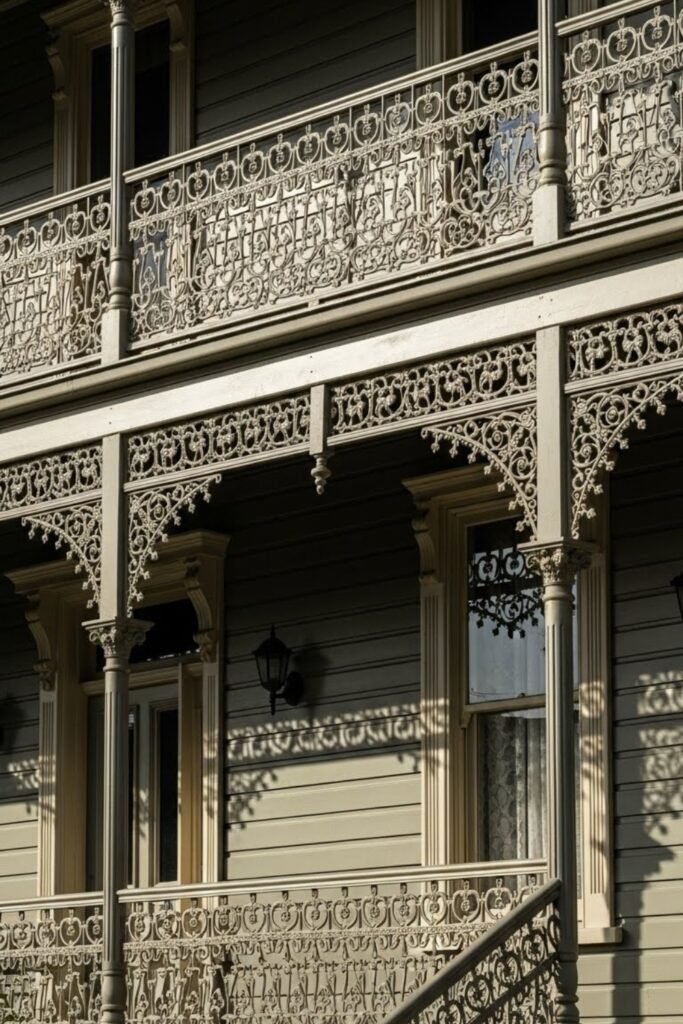
Iron Lace
Iron lace details add delicate beauty to Victorian exteriors. Found on balconies, porch railings, and roof edges, these ornate metal patterns create a light, decorative look.
Iron lace works best when balanced with wood or brick materials. It’s ideal for homeowners who want refined detailing without overwhelming the overall design.
Brick Exterior
A brick exterior gives Victorian homes a timeless and durable appearance. Brick adds texture, warmth, and historical authenticity while requiring less maintenance than wood siding.
This style pairs beautifully with arched windows, stone accents, and decorative trim. It’s a strong choice for homeowners seeking elegance with long-term durability.
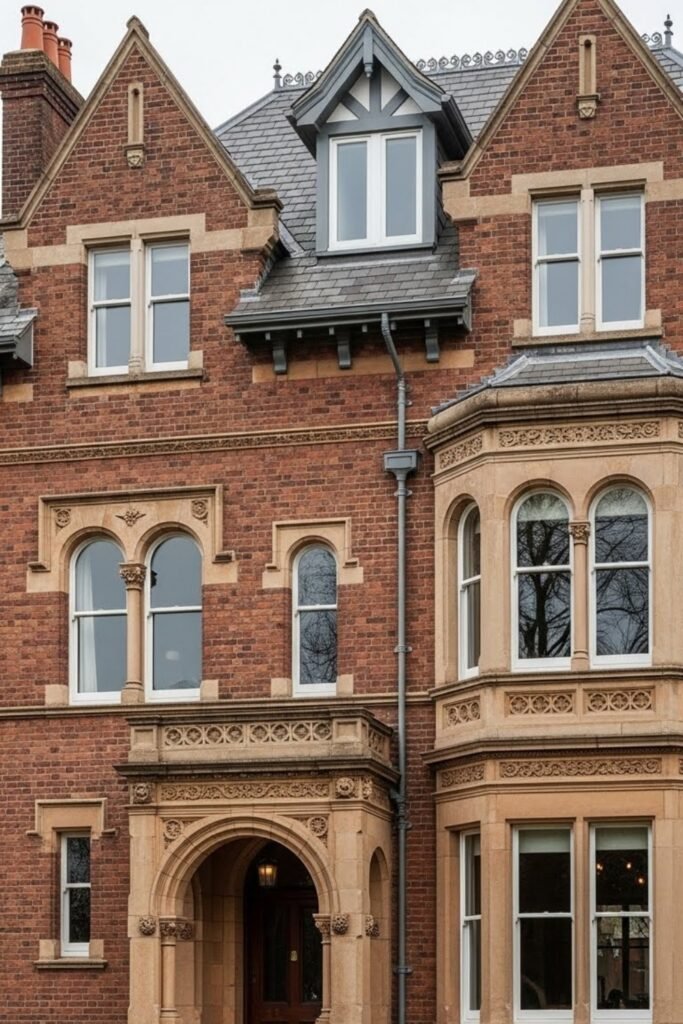
Stone Facade
A stone facade adds weight and grandeur to a Victorian home. Natural stone creates a rich, historic look that feels solid and elegant.
Often used on the lower portion of the house or as accents, stone enhances curb appeal and contrasts beautifully with wood trim. This design suits homes aiming for a stately presence.
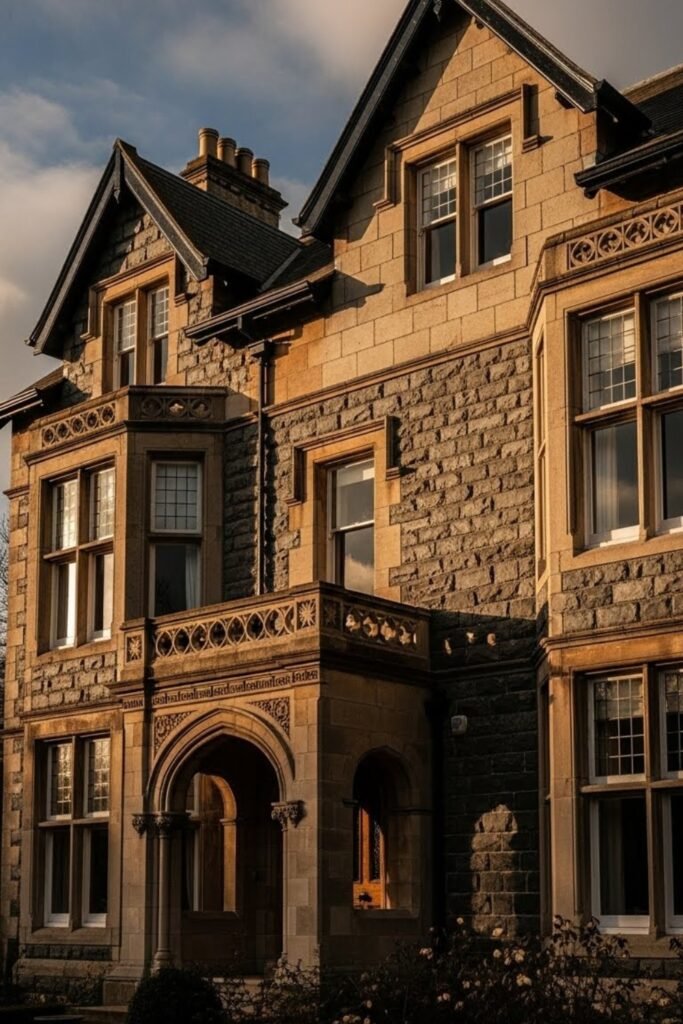
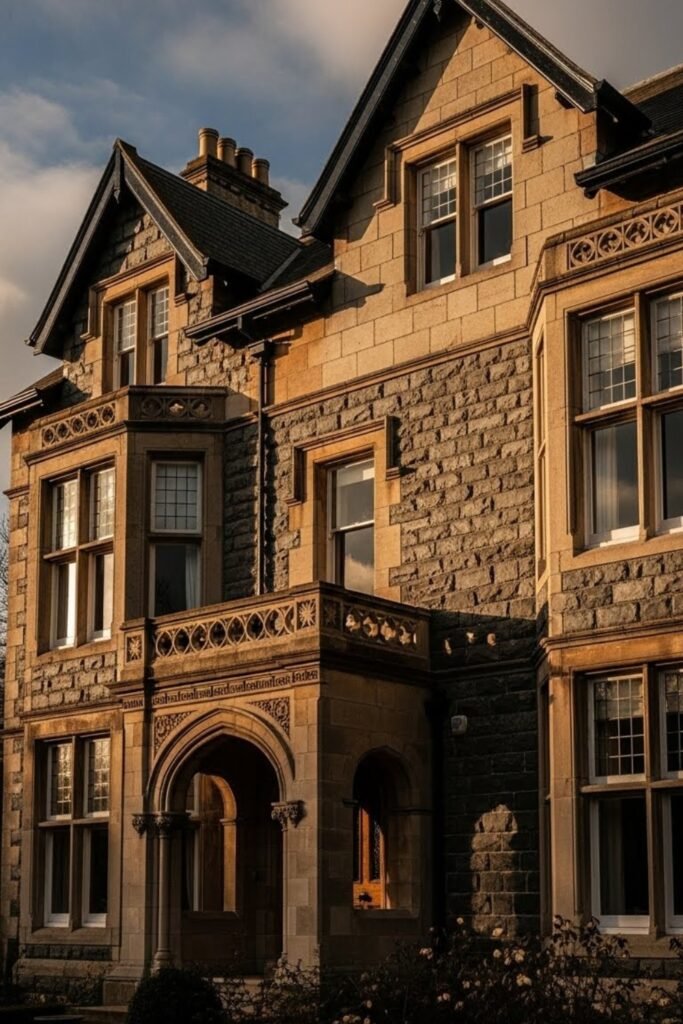
Tall Chimneys
Tall chimneys are a striking vertical feature in Victorian homes. Often finished with decorative brickwork or stone caps, they add character even when not in use.
Chimneys help balance steep roofs and gables, giving the exterior a dramatic silhouette. This feature works well for traditional designs aiming to preserve historical authenticity.
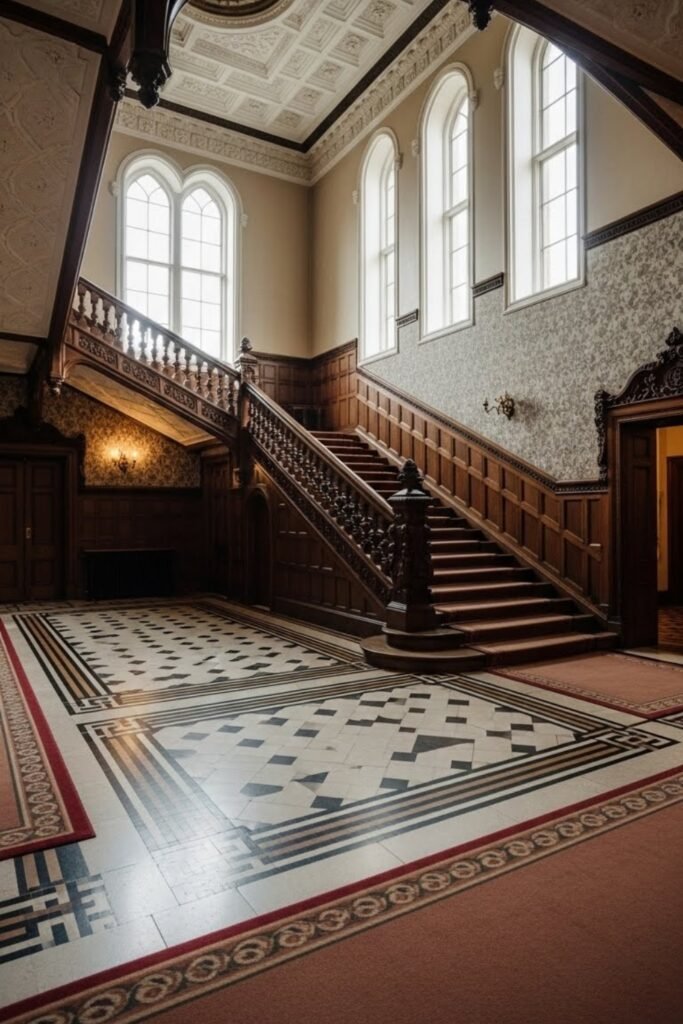
Grand Hall
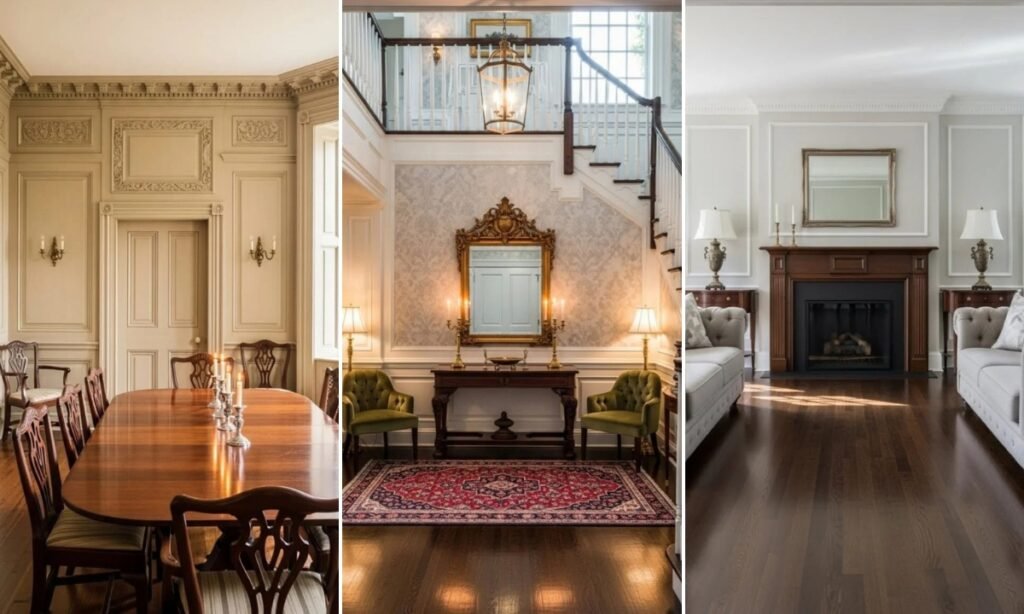
A grand hall creates a dramatic entrance inside a Victorian home. High ceilings, wide staircases, and detailed moldings set a formal tone immediately.
This layout allows natural light to flow through the space while showcasing craftsmanship. It’s ideal for homeowners who want a strong sense of arrival and timeless elegance.
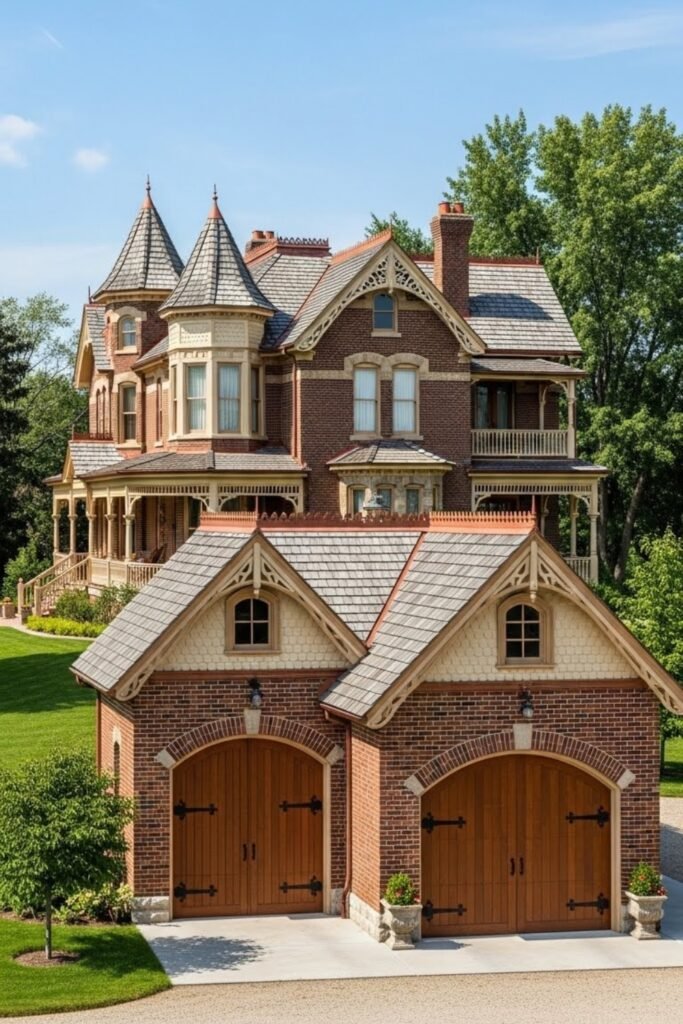
Carriage House
A carriage house addition blends historic charm with modern functionality. Traditionally used for horse-drawn carriages, it can now serve as a garage, guest suite, or studio.
This feature adds depth to the property while maintaining Victorian character. It’s especially useful for large lots or homeowners needing flexible extra space.
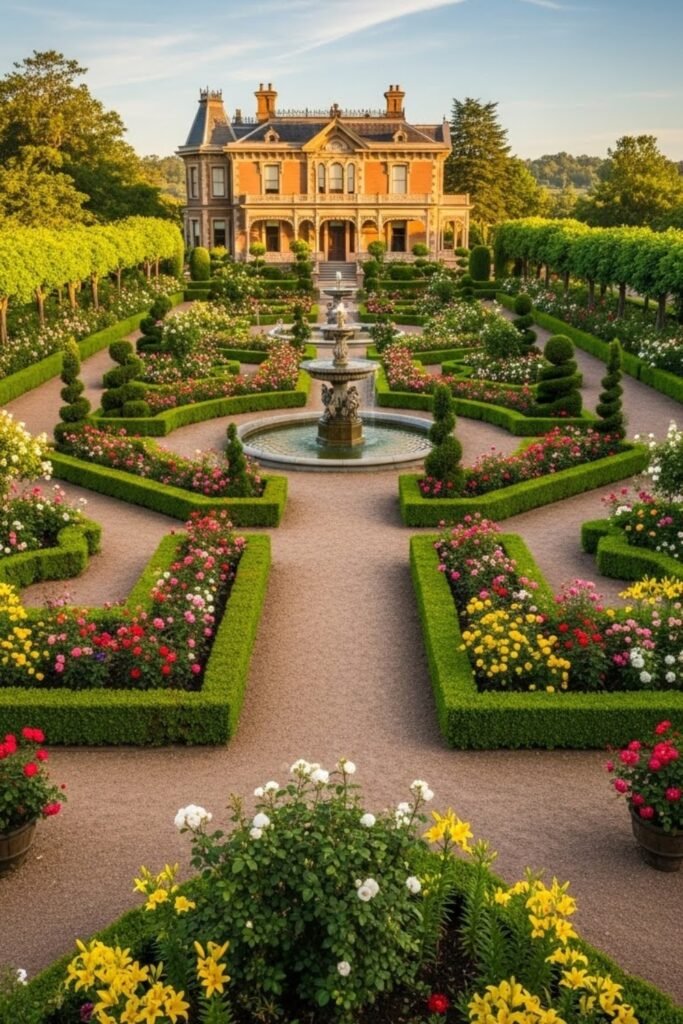
Formal Gardens
Formal gardens complement Victorian homes with structured beauty. Symmetrical pathways, trimmed hedges, and decorative flower beds create a polished outdoor setting.
These gardens enhance curb appeal and reflect the elegance of the home’s architecture. This idea works best for front yards or side lawns where design and order matter.
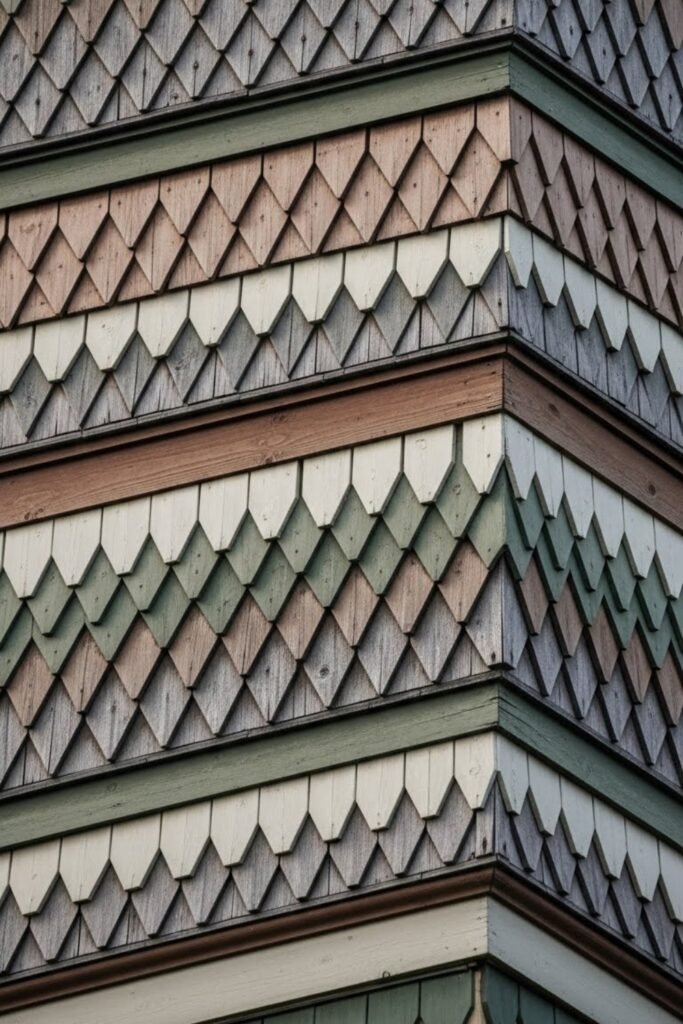
Patterned Shingles
Patterned shingles add texture and visual interest to Victorian exteriors. Often arranged in fish-scale, diamond, or staggered designs, they break up large wall areas.
These shingles work especially well on upper floors, gables, or turrets. This detail enhances craftsmanship and gives the home a layered, decorative appearance.
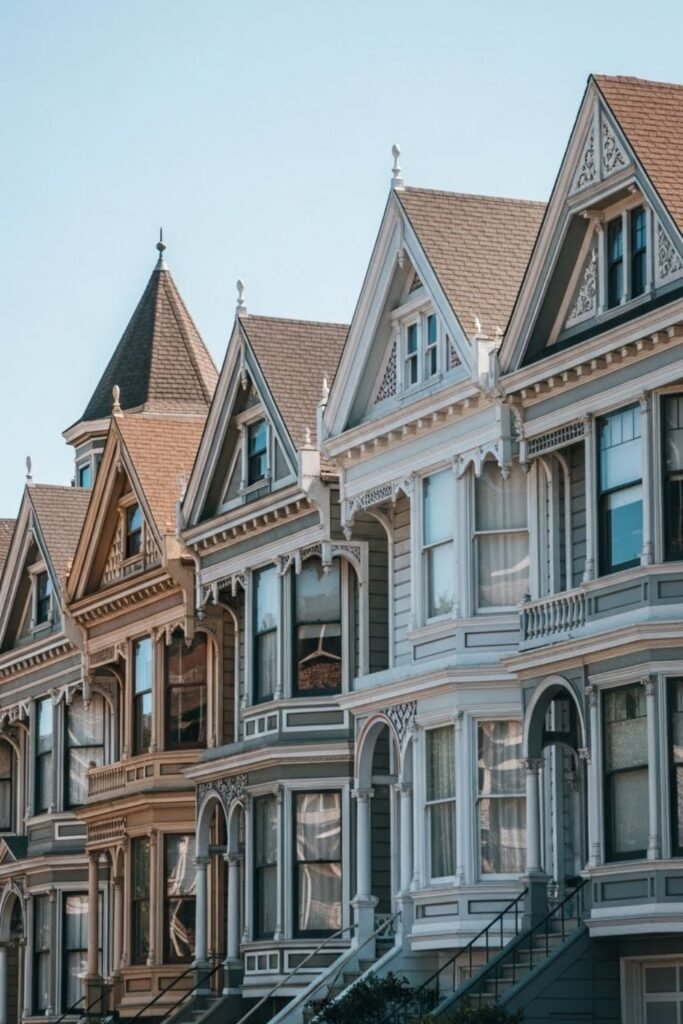
Painted Ladies
Painted Ladies style uses multiple coordinated colors to highlight architectural details. Contrasting hues emphasize trim, gables, and window frames, bringing out Victorian ornamentation. This approach adds personality without altering structure.
It’s ideal for homeowners who want bold curb appeal while staying true to historical design traditions.
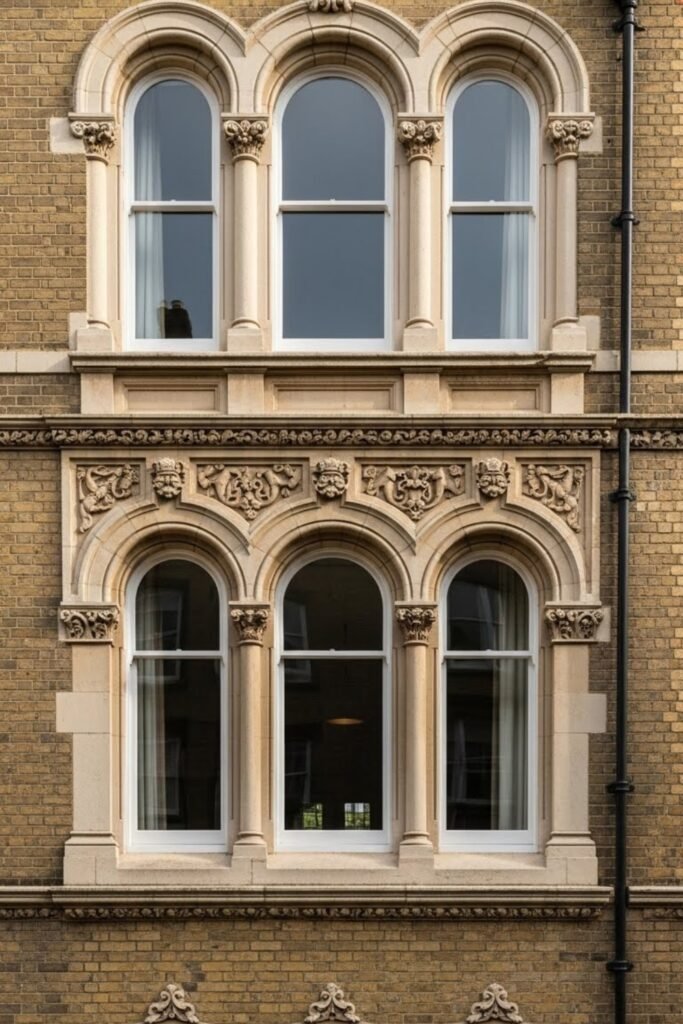
Arched Windows
Arched windows soften the strong lines of Victorian architecture. Their curved shape adds elegance and draws attention to key areas of the facade.
Often placed on upper floors or entryways, these windows create a refined look while allowing more natural light. They pair beautifully with brick or stone exteriors.
Side Porch
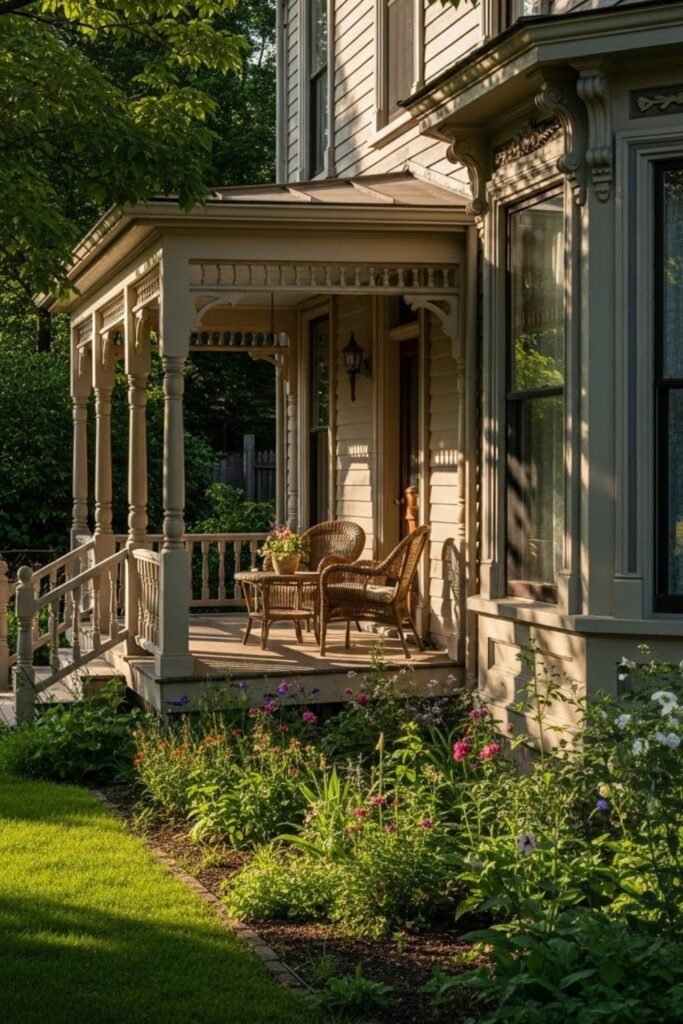
A side porch offers a quieter alternative to a front porch while maintaining Victorian charm. It creates a private outdoor retreat without losing architectural beauty.
This space works well for morning seating or garden views. Side porches are ideal for wider lots where additional outdoor living space is possible.
Corner Design
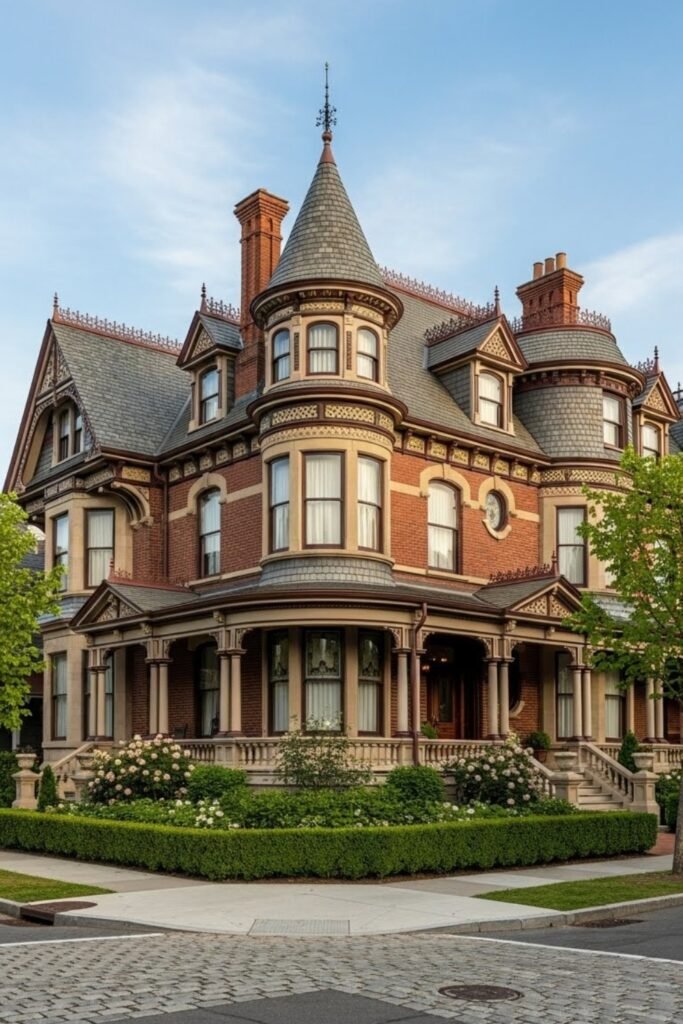
A corner design allows Victorian homes to showcase more architectural detail from multiple angles. Wraparound porches, turrets, and bay windows become more prominent on corner lots.
This layout improves curb appeal and makes the home feel larger and more dynamic. It’s ideal for highlighting decorative elements on both street-facing sides.
Historic Colors
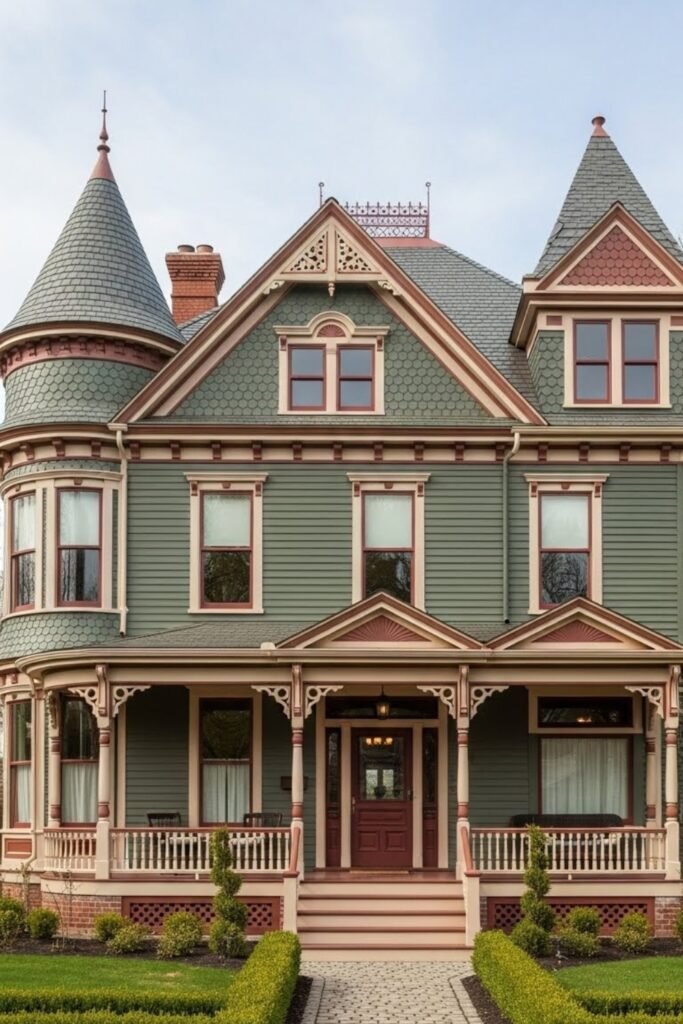
Historic color palettes define the true Victorian look. Deep greens, muted reds, soft creams, and warm browns enhance architectural details without overpowering them.
These colors highlight trim, siding, and accents beautifully. Using period-inspired shades helps maintain authenticity while still allowing the home to feel warm and inviting.

Hi, my name is Ali Mehmood! I’m a passionate writer and DIY enthusiast who loves turning creative ideas into practical, hands-on projects.
I created this website to share inspiring, budget-friendly ideas that you can do yourself – whether it’s organizing your home, crafting something unique, or creating fun projects for kids and pets.
I believe DIY isn’t just a hobby – it’s a smart way to save money, reduce waste, and enjoy the satisfaction of making things with your own hands.
I’m excited to have you as part of this growing community, and I’ll continue bringing you helpful, realistic, and fun DIY ideas you can actually use.