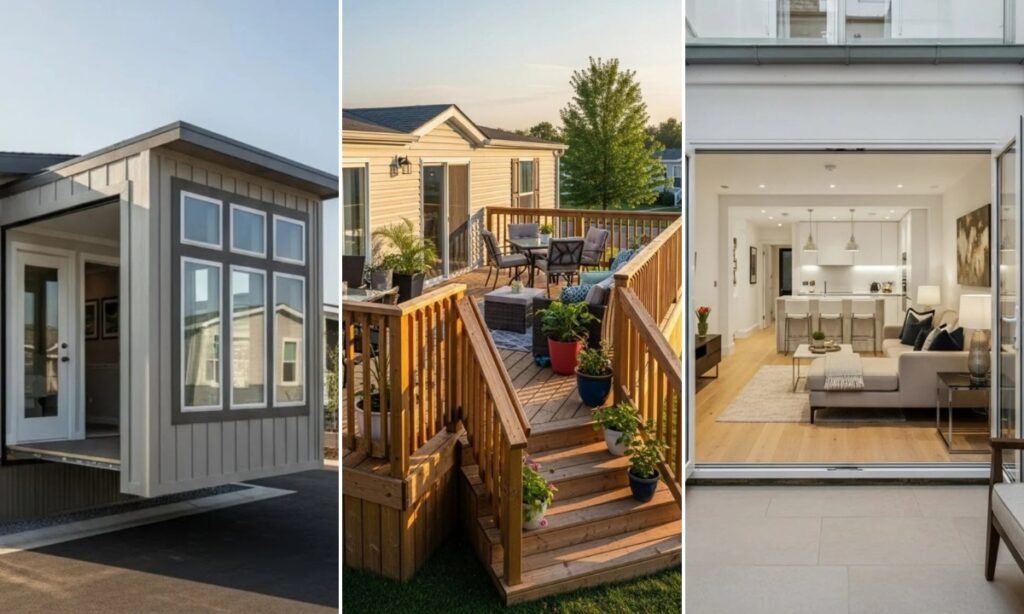
This post may contain affiliate links: read full affiliate disclosure.
Mobile homes have come a long way from simple, boxy layouts to smart, flexible living spaces that adapt to real life.
Today’s mobile home designs focus on comfort, efficiency, and creative use of space without losing the advantage of mobility.
Whether you want more room, better privacy, or outdoor connections, the right idea can completely change how a mobile home feels and functions.
In this article, you’ll find 22 practical mobile home ideas that go beyond basic layouts. Each concept is designed to improve daily living, make small spaces feel larger.
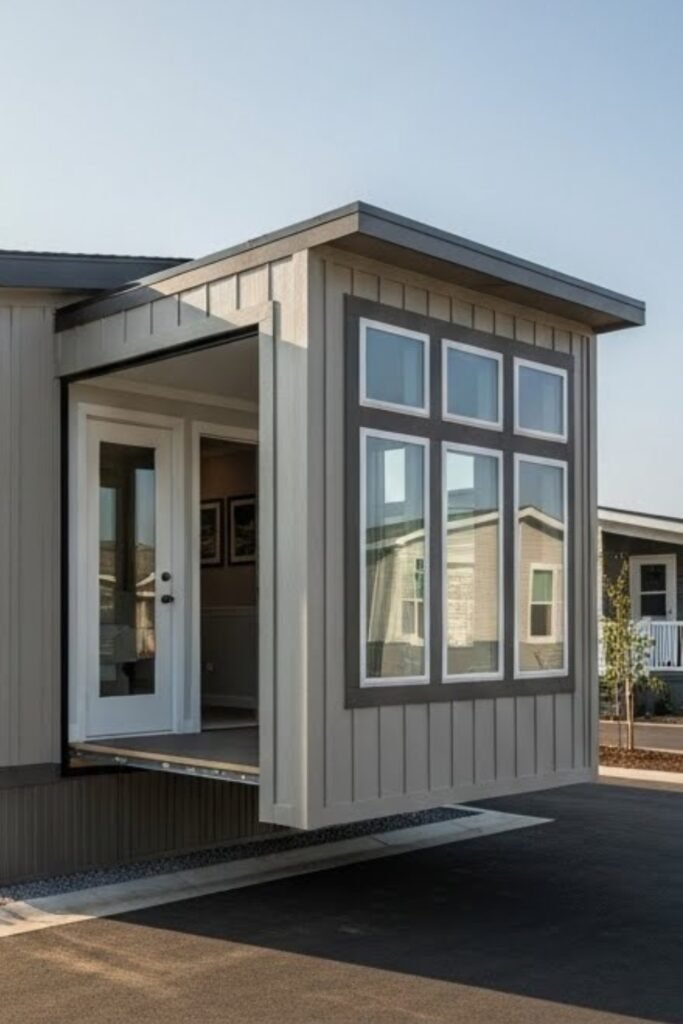
Slide-Out Living
A slide-out living section expands the main room when parked, creating extra width without changing the home’s transport size.
This idea works especially well for living rooms or dining areas where space feels tight. When closed, the home stays road-legal. When opened, it delivers a noticeably larger interior footprint.
Wrap Deck
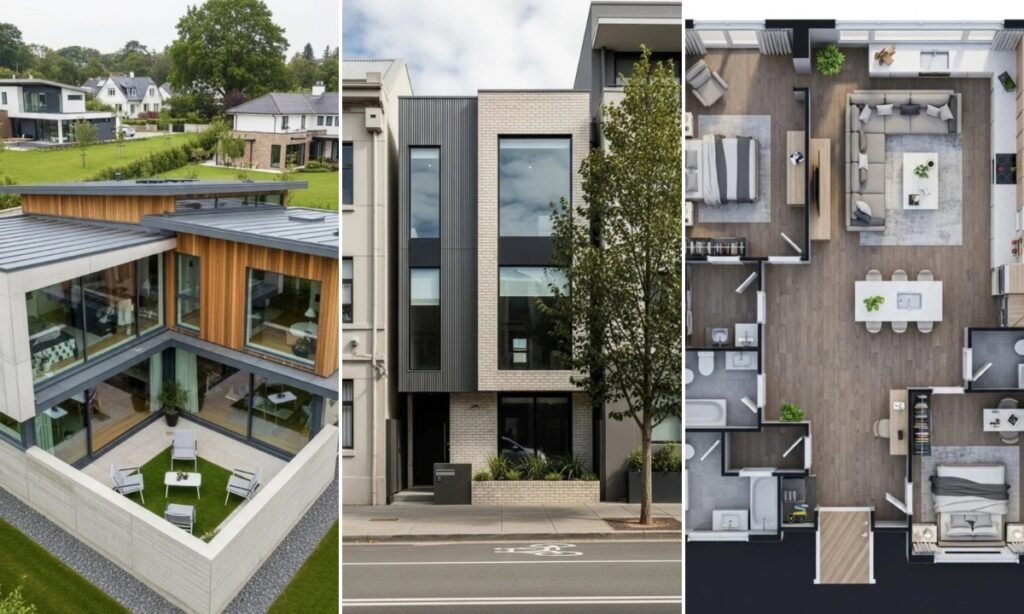
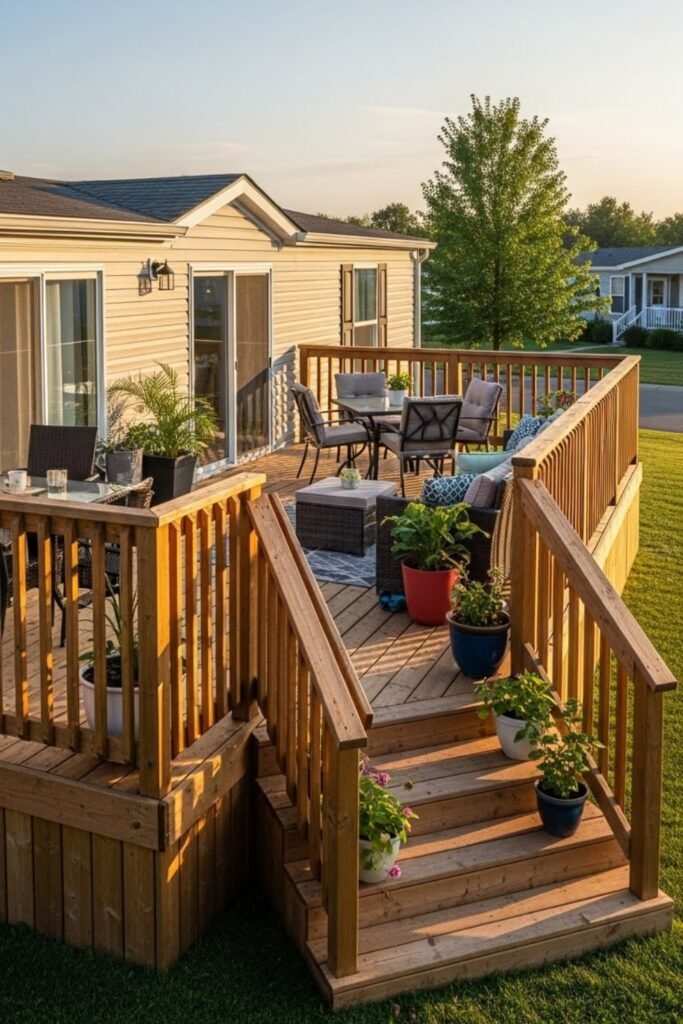
A wrap-around deck turns a mobile home into an indoor-outdoor living space. Built on lightweight framing, the deck follows two or more sides of the home, adding seating, shade, and entry flexibility.
It also helps visually ground the structure, making the mobile home feel more permanent without heavy construction.
Split Wings
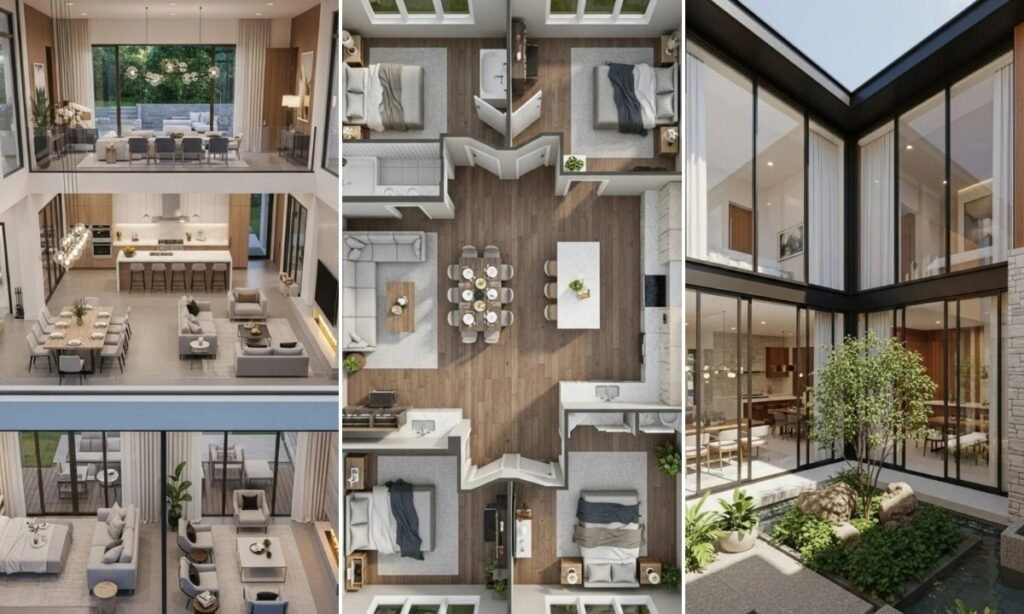
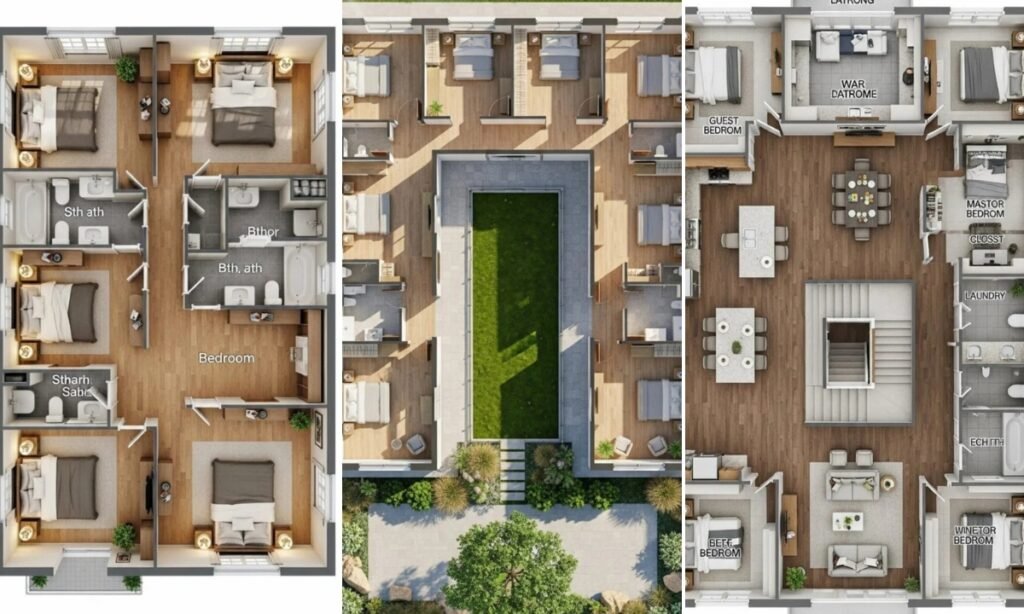
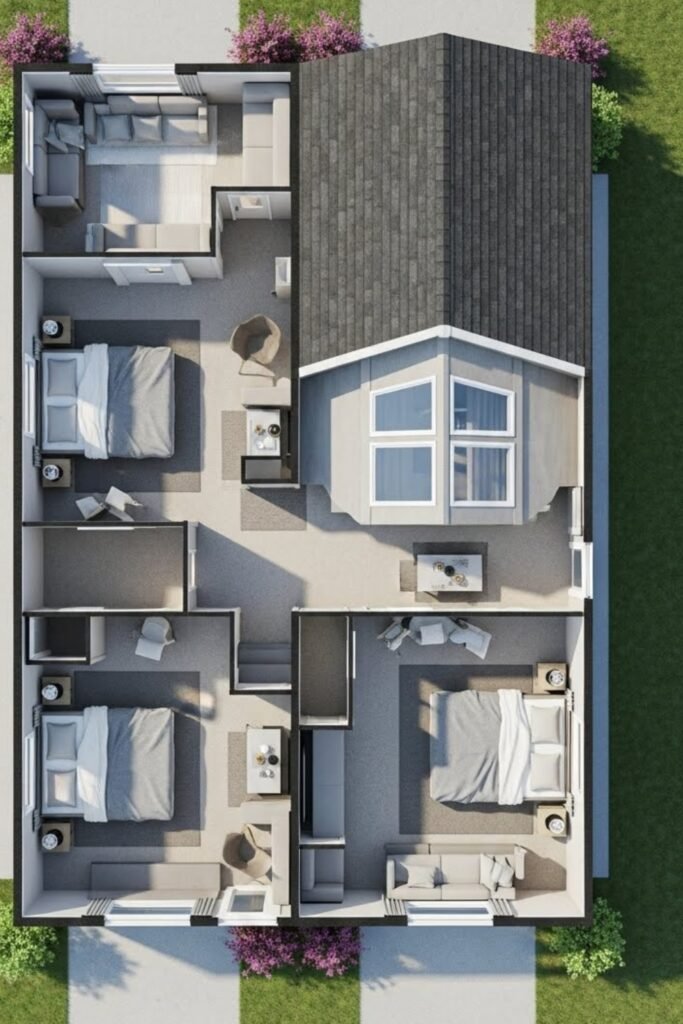
A split-wing layout places bedrooms on opposite ends of the mobile home with shared spaces in the center. This design improves privacy, reduces noise transfer, and works well for families or roommates.
It also allows different ceiling heights or window styles in each wing without affecting the main living zone.
Courtyard Core
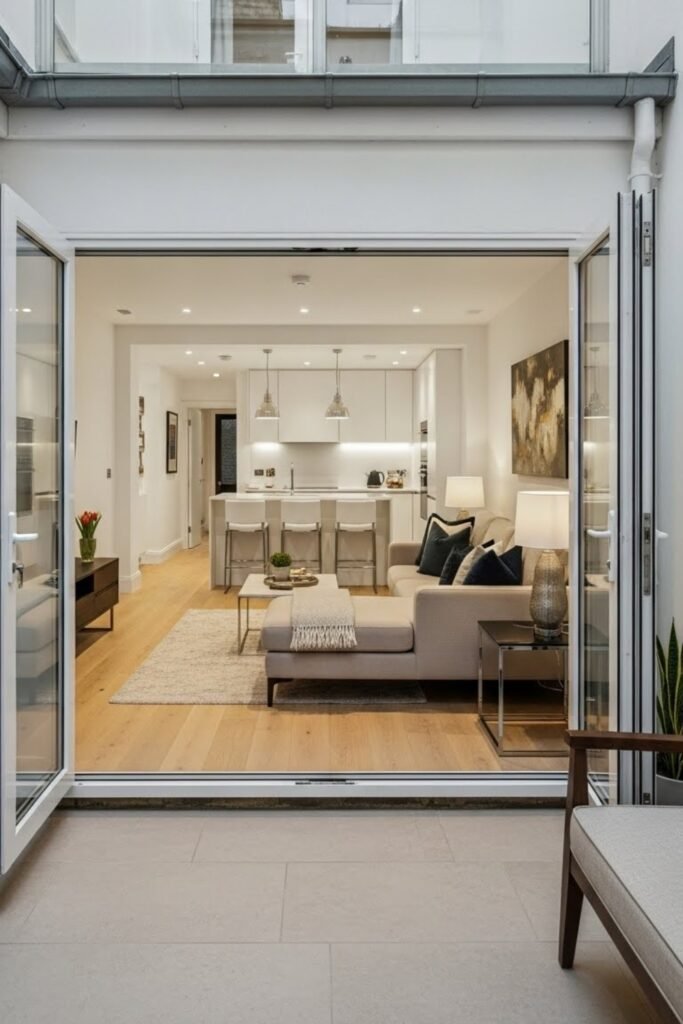
This concept introduces a small open courtyard carved into the center or side of the mobile home layout.
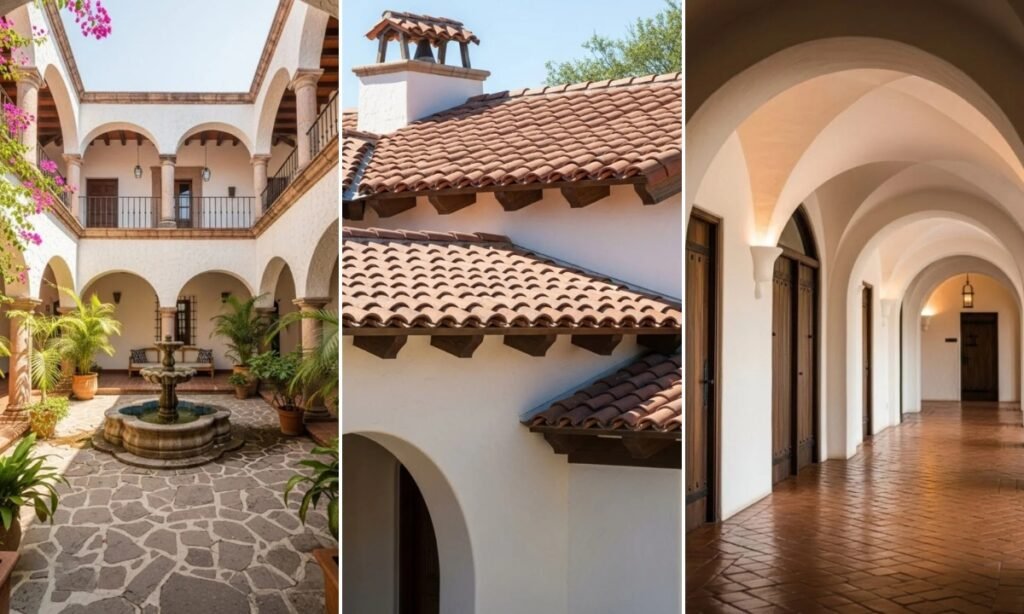
The courtyard brings in light, airflow, and a private outdoor zone without expanding the footprint. Glass doors or large windows face inward, creating a bright interior that still feels protected.
Sunroom Add-On
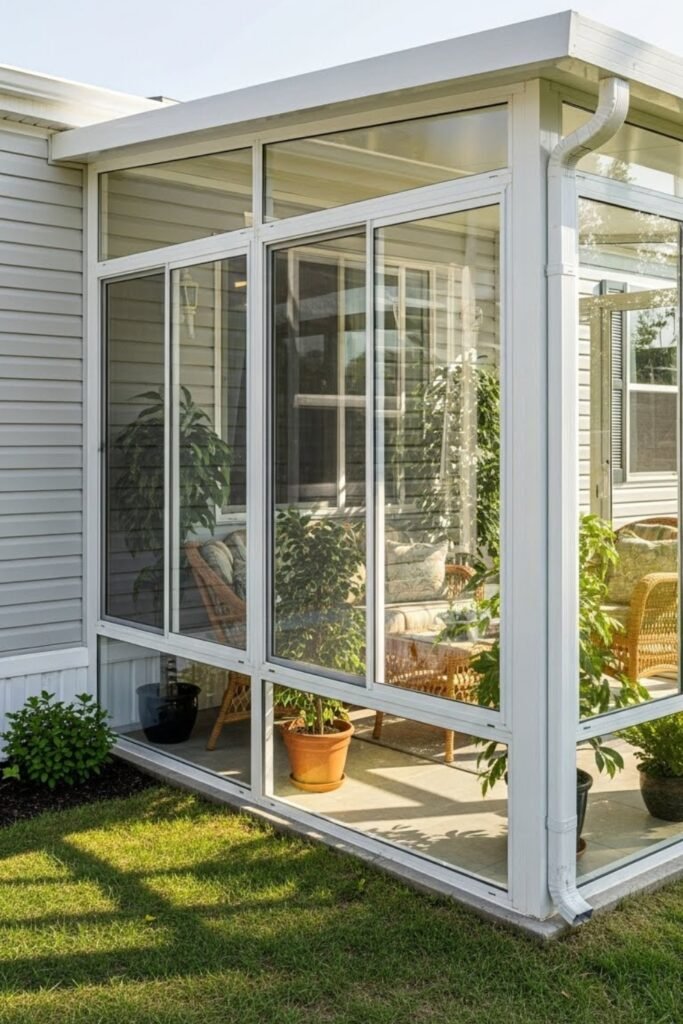
A sunroom add-on extends the mobile home with a light-filled space built using panels or framed glass. It works as a casual lounge, breakfast area, or plant room without major structural changes.
This idea adds usable square footage while keeping the original mobile home layout mostly untouched.
Elevated Skirt
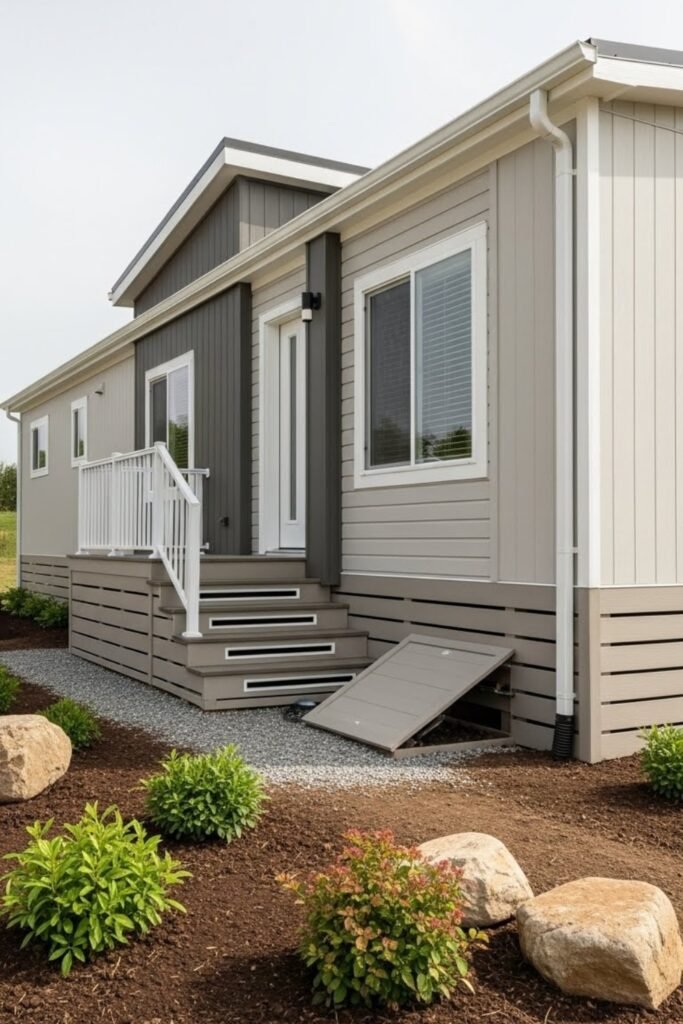
An elevated skirt design lifts the mobile home slightly higher and uses finished skirting to create hidden storage or utility access below.
This approach improves ventilation, protects plumbing, and gives the home a more permanent appearance. It’s especially useful in areas with uneven ground or heavy rainfall.
Hybrid Roof
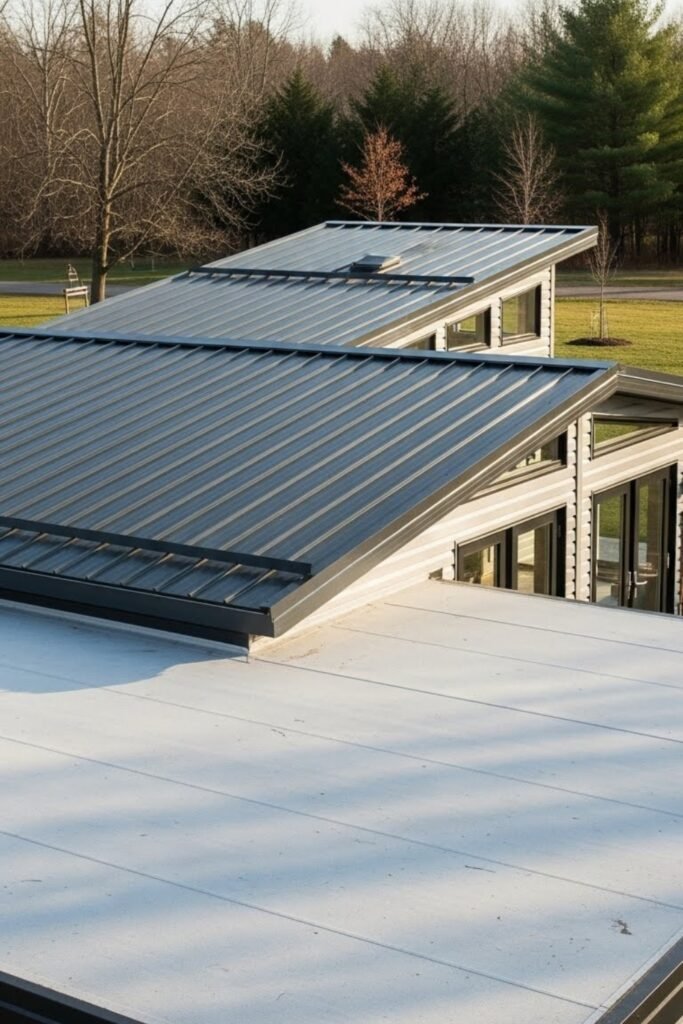
A hybrid roof combines a flat or low-slope mobile home roof with an added pitched or shed-style cover.
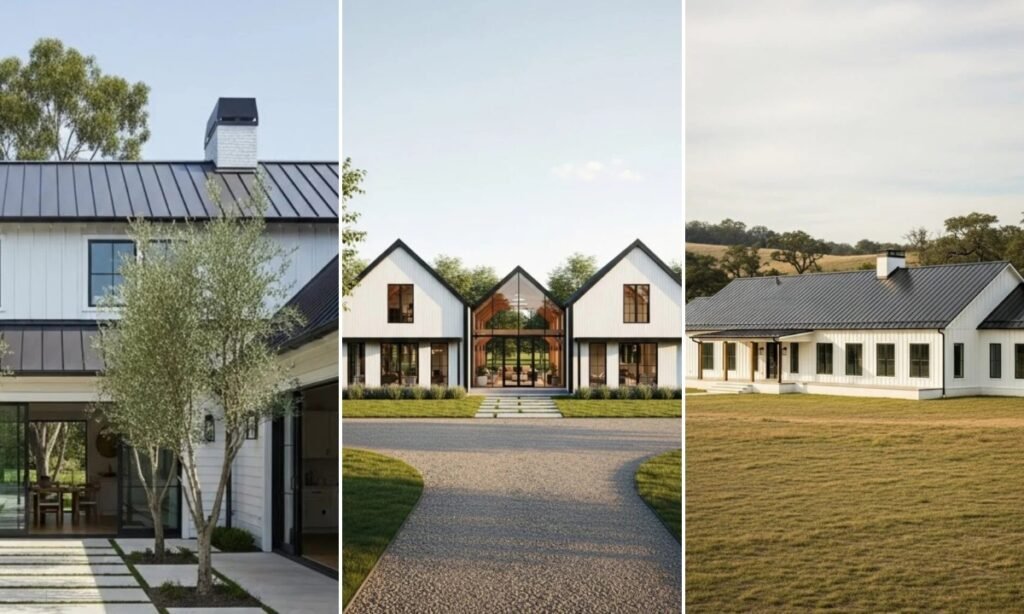
This improves drainage, allows insulation upgrades, and changes the exterior look dramatically. It’s a smart way to modernize an older mobile home without rebuilding the entire structure.
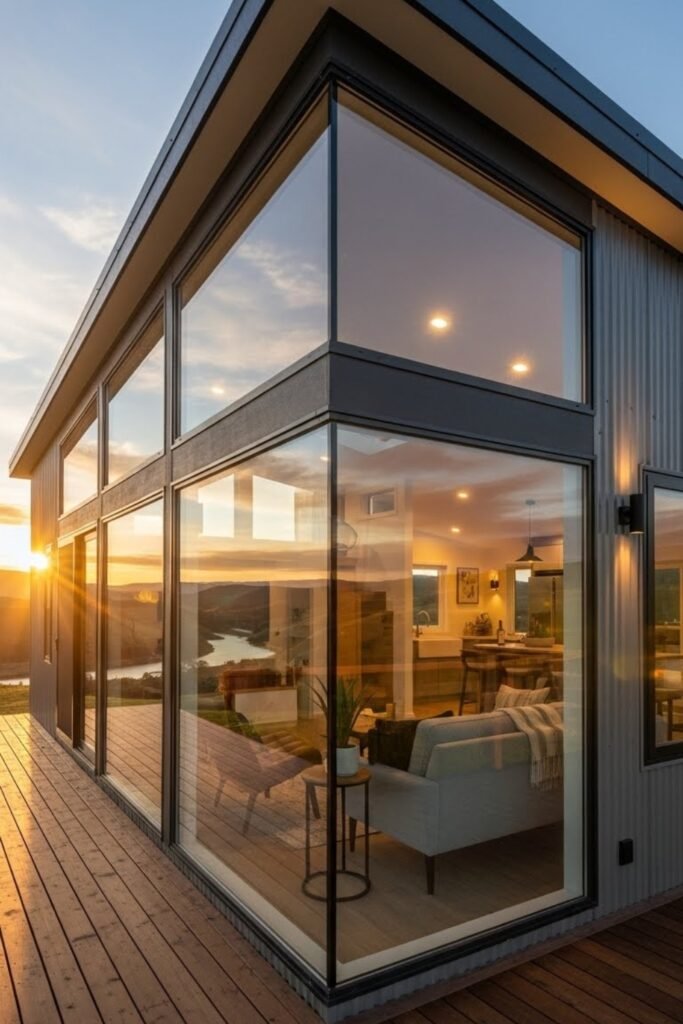
Glass Endwall
A glass endwall replaces a traditional solid wall on one end of the mobile home with large windows or sliding glass doors.
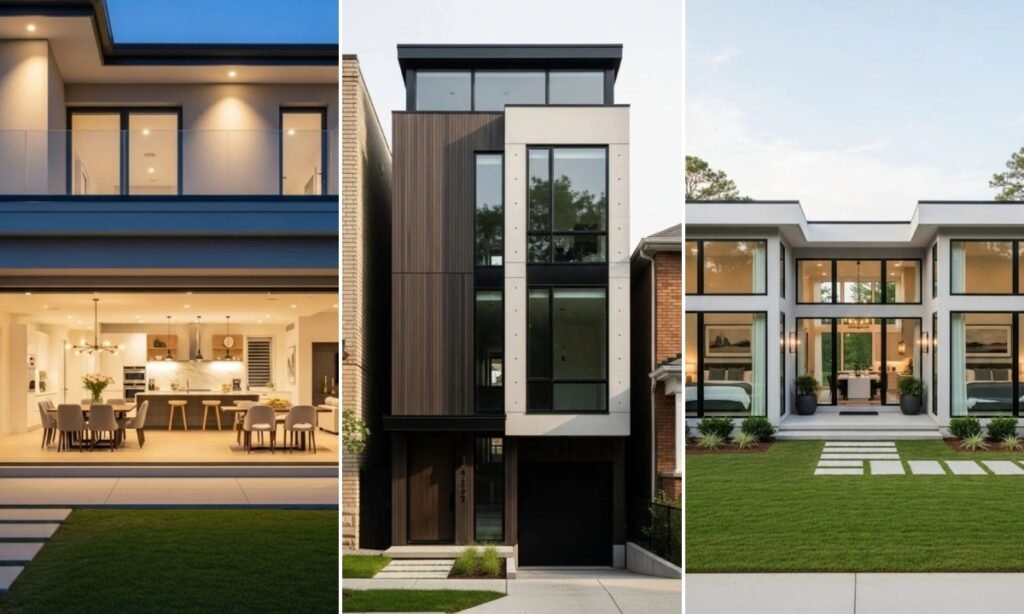
This brings in natural light, expands views, and makes narrow interiors feel wider. It works best when the home faces open land, gardens, or scenic surroundings.
Dual Entry
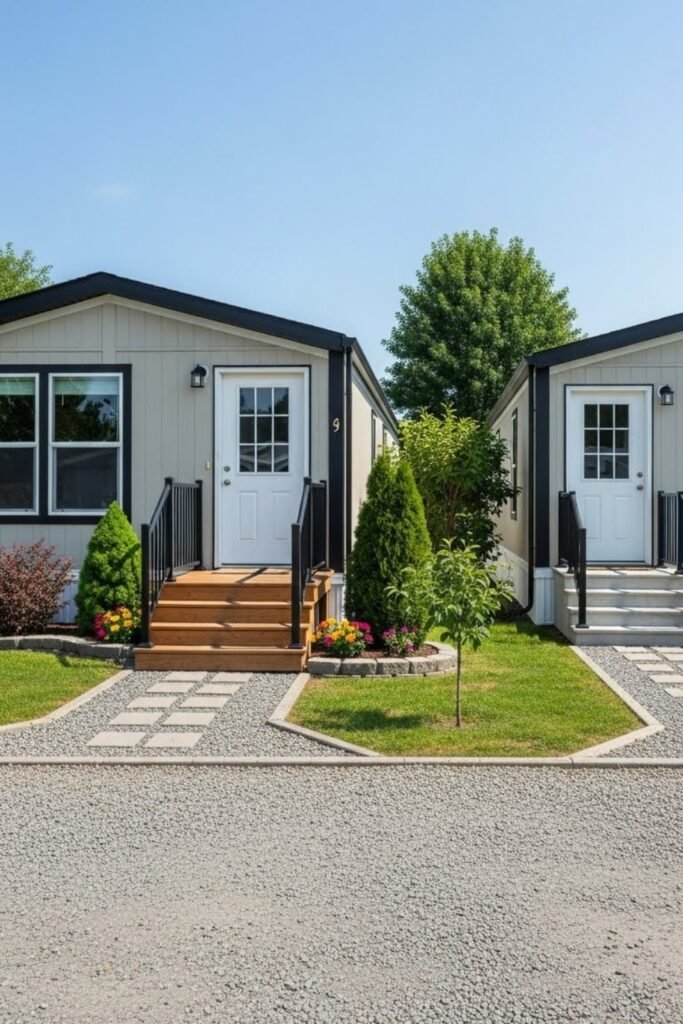
A dual-entry layout adds two separate exterior doors on different sides of the mobile home. This improves traffic flow and creates clear zones for guests, family, or work-from-home use.
One entrance can serve the main living area while the second connects directly to a bedroom, office, or utility space.
Interior Loft
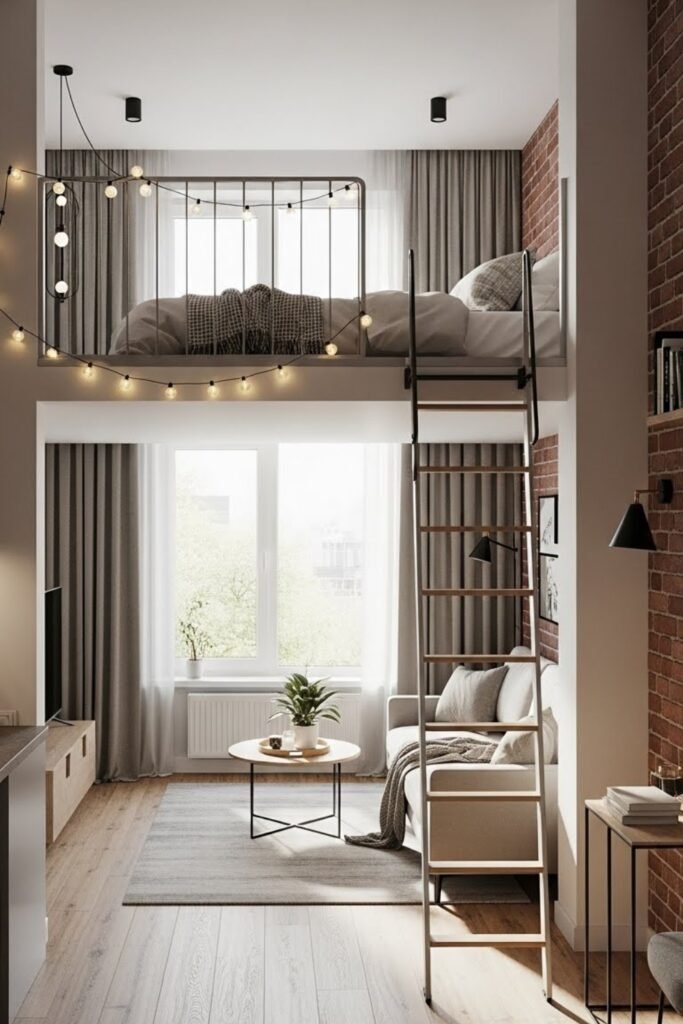
An interior loft uses vertical space by adding a raised platform above part of the living area or bedroom. This works best in mobile homes with higher ceilings or modified rooflines.
The loft can function as sleeping space, storage, or a cozy reading nook without expanding the footprint.
Seasonal Expansion
Seasonal expansion zones use removable or temporary panels to extend living space during certain times of the year.
These additions can open in warm months and close during winter. It’s a flexible way to enjoy extra space without committing to a permanent structure or layout change.
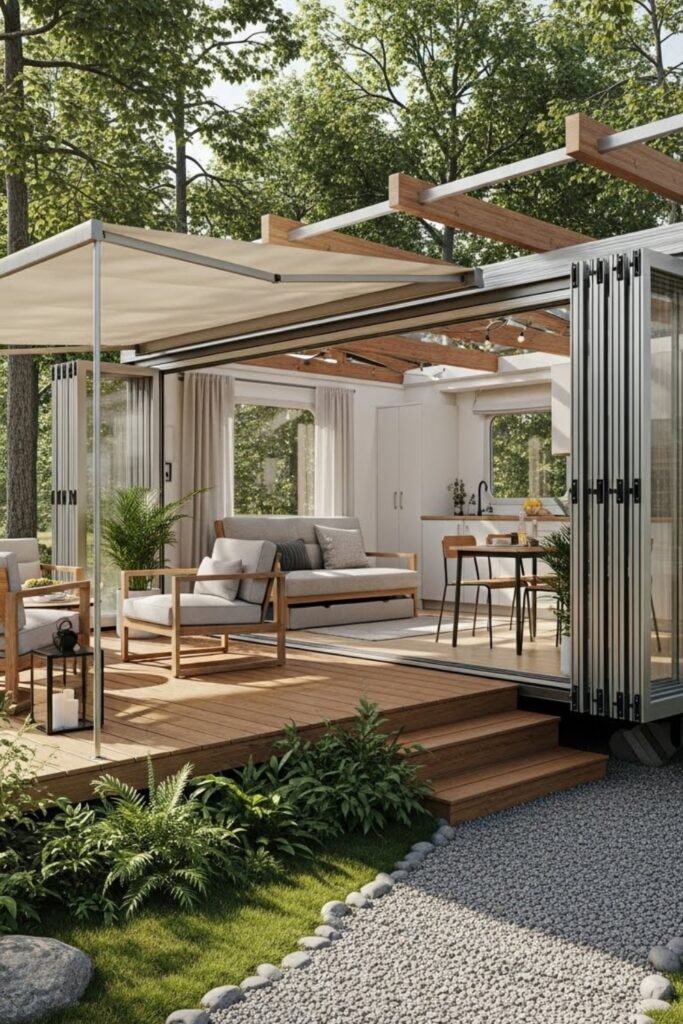
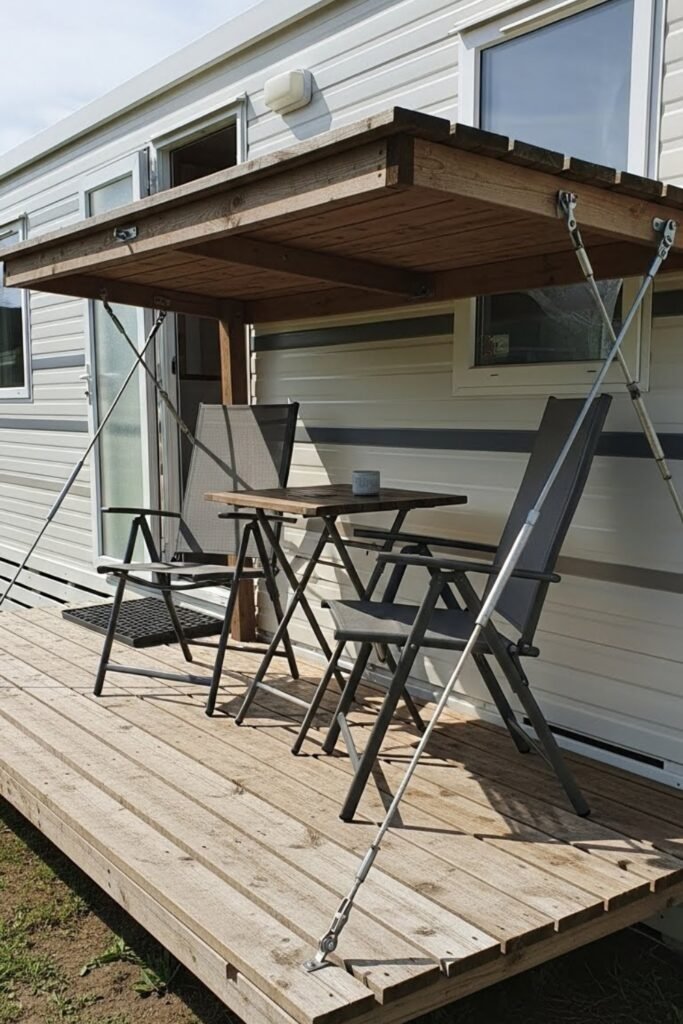
Fold-Down Porch
A fold-down porch attaches to the exterior and unfolds when the mobile home is parked. When not in use, it folds flat against the structure for transport.
This idea provides instant outdoor seating and entry space without requiring permanent decking or ground preparation.
Garage Bay
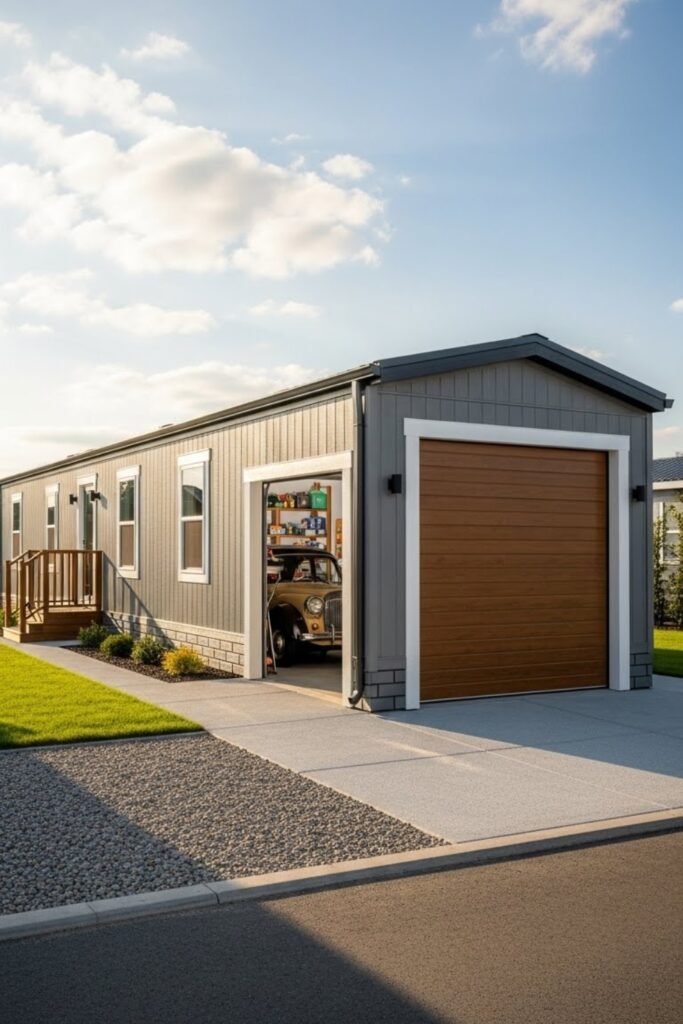
A garage bay integrates a compact vehicle or storage area directly into one end of the mobile home. This design keeps tools, bikes, or small vehicles protected without needing a separate structure.
It works well for rural setups where space allows and adds everyday functionality beyond standard mobile home layouts.
Corner Windows
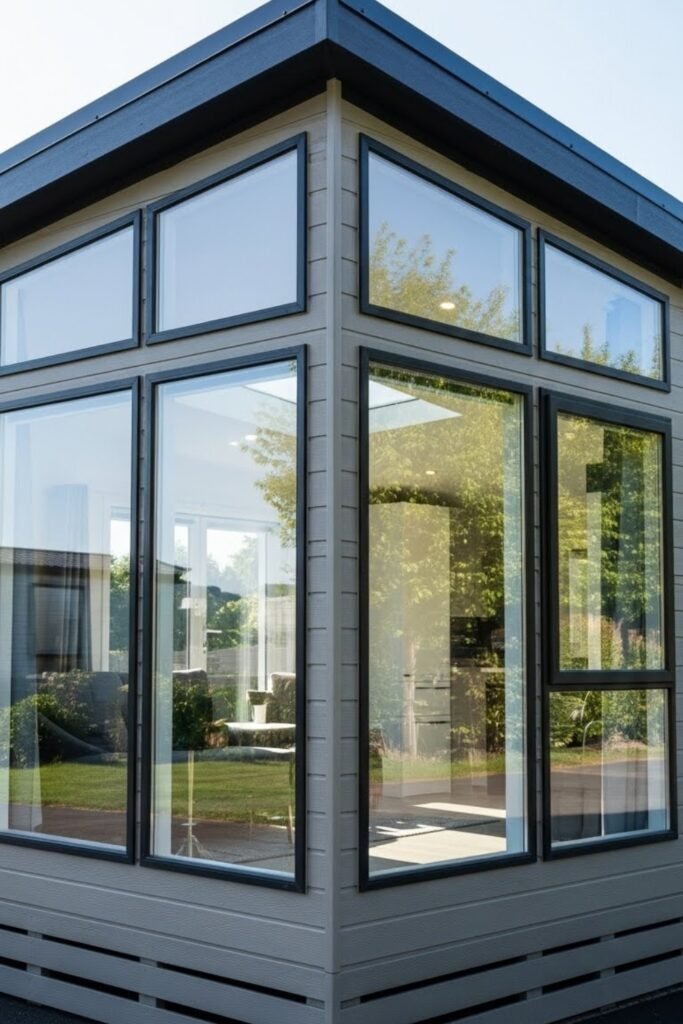
Corner windows wrap glass around the edge of the mobile home, replacing solid corners with continuous views. This technique brightens interiors and visually widens narrow rooms.
It’s especially effective in living areas or bedrooms where light and openness make the biggest impact without altering the floor plan.
Interior Courtyard
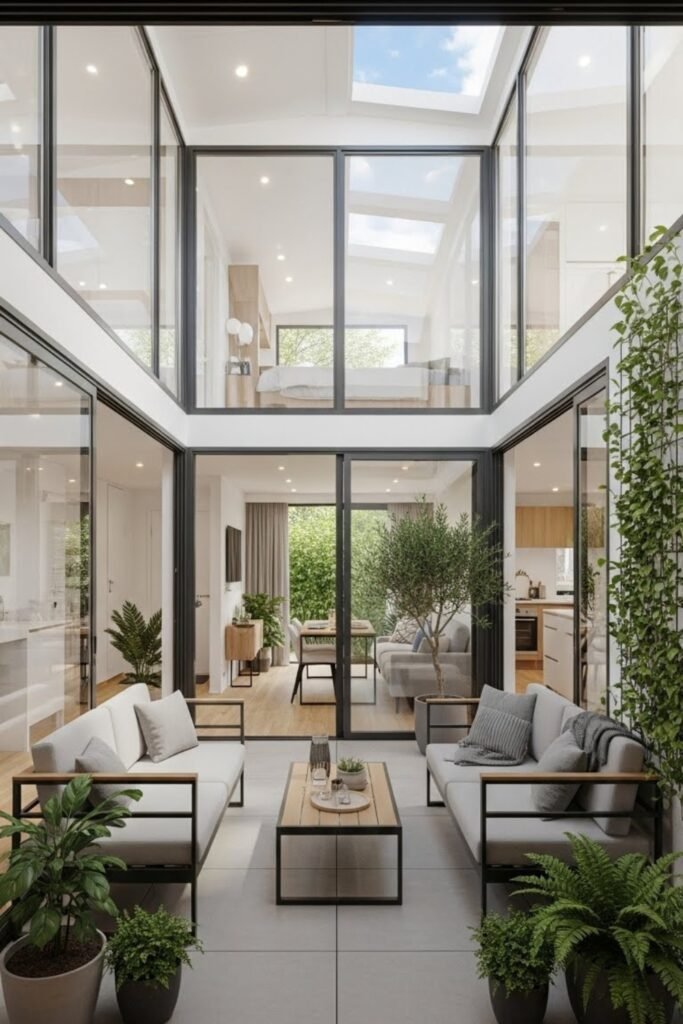
An interior courtyard creates a private open-air space fully enclosed by the mobile home’s layout. This idea brings light and airflow into the center of the home while maintaining privacy.
It works well in wider units and gives the home a unique focal point rarely seen in mobile housing.
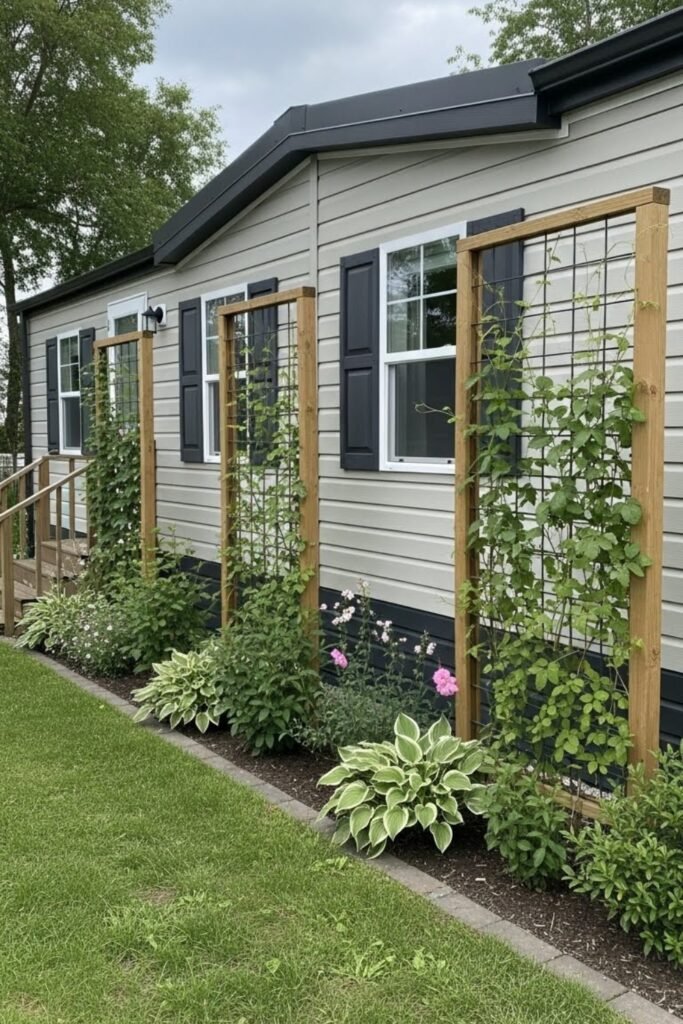
Green Buffer
A green buffer uses planted walls, trellises, or tall landscaping around the mobile home to create shade, privacy, and climate control.
This approach reduces heat gain, blocks wind, and softens the home’s exterior appearance. It’s a low-cost way to improve comfort without structural changes.
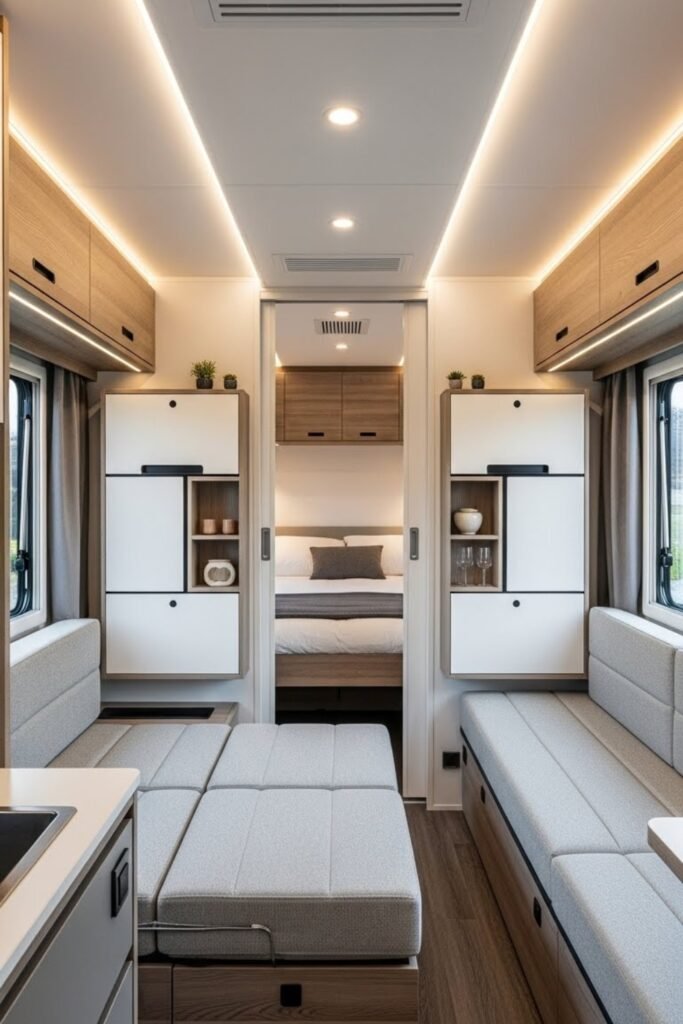
Modular Interior
A modular interior uses movable walls, panels, or built-in units that can be rearranged over time.
This allows the mobile home layout to adapt as needs change, such as adding a workspace or separating rooms. It’s ideal for long-term living where flexibility matters more than fixed walls.
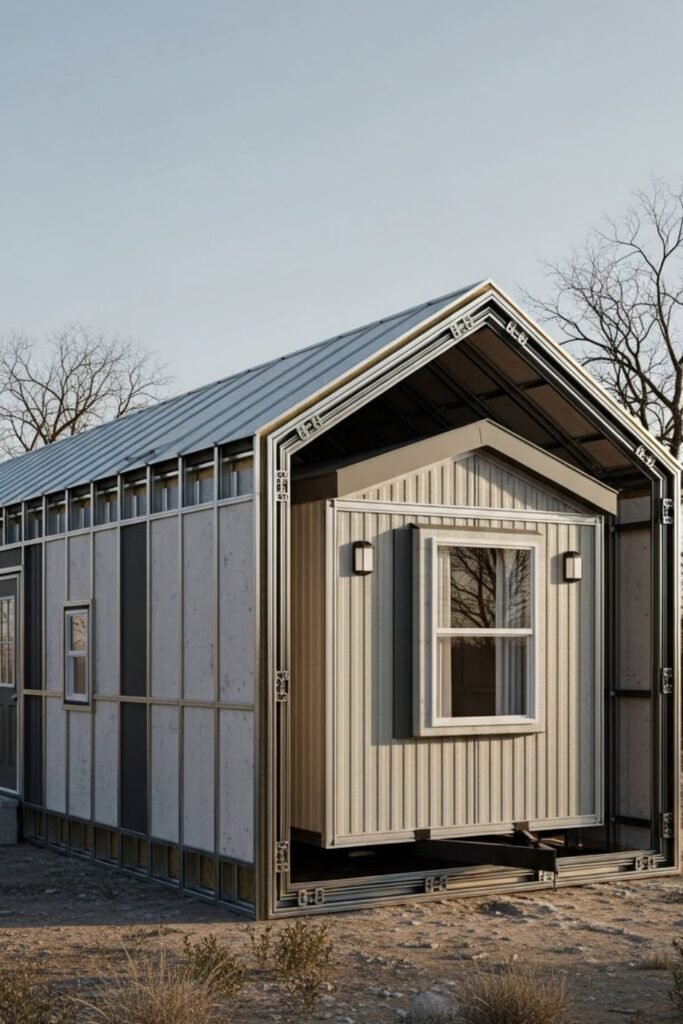
Climate Shell
A climate shell adds an outer protective layer around the mobile home using insulated panels or covered framing.
This improves temperature control, reduces energy loss, and protects the structure from harsh weather. It’s especially useful in extreme climates where standard mobile home insulation falls short.
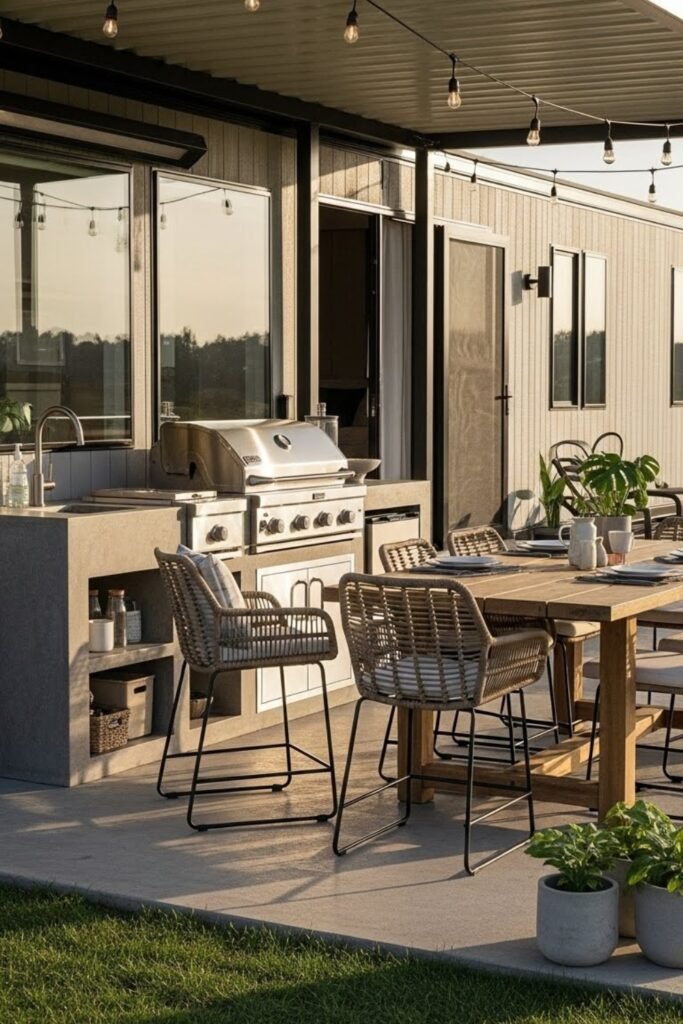
Outdoor Kitchen
An outdoor kitchen connects directly to the mobile home through sliding or folding doors. It shifts cooking heat outside, frees interior space, and encourages outdoor living.
This setup works well in warm regions and can be built with lightweight materials to stay mobile-home friendly.
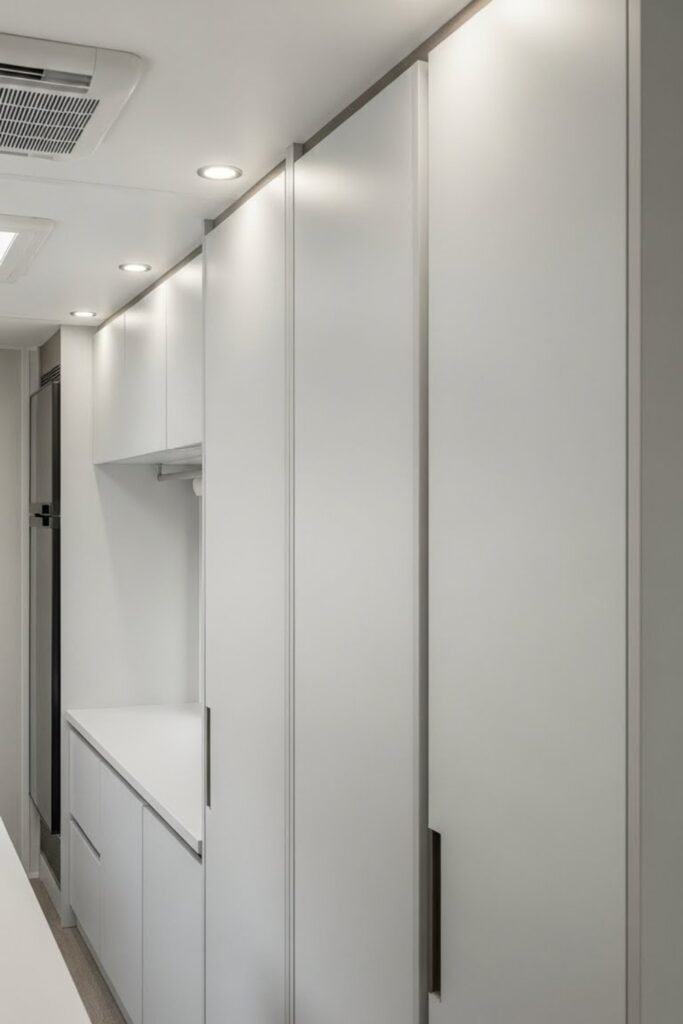
Storage Spine
A storage spine places all major storage along one continuous interior wall. Closets, cabinets, and utility access line this single zone, keeping the rest of the home visually clean.
This layout simplifies organization and makes small mobile homes feel less cluttered and more open.
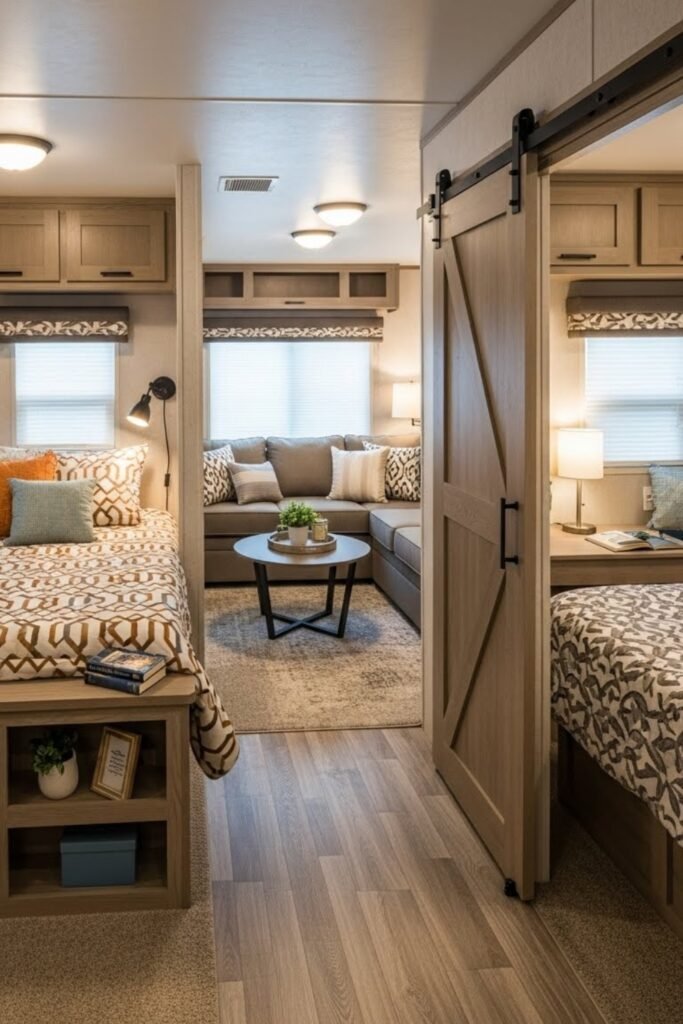
Multi-Gen Layout
A multi-gen layout divides the mobile home into semi-independent zones for different age groups. Separate sleeping areas, bathrooms, or mini living spaces allow shared living without constant overlap.
This idea works well for families housing elders or adult children while keeping privacy and daily routines intact.
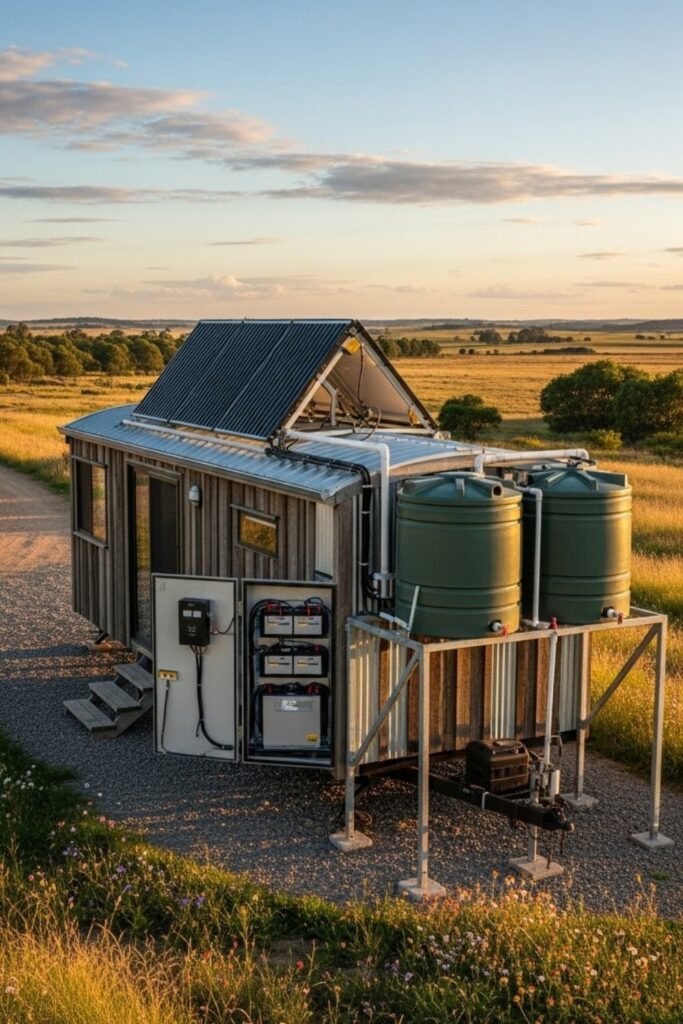
Off-Grid Ready
An off-grid-ready mobile home is designed with solar panels, water storage, and waste systems planned from the start. Space is reserved for batteries, tanks, and control systems without cluttering living areas.
This setup allows gradual upgrades toward energy independence without redesigning the home late

Hi, my name is Ali Mehmood! I’m a passionate writer and DIY enthusiast who loves turning creative ideas into practical, hands-on projects.
I created this website to share inspiring, budget-friendly ideas that you can do yourself – whether it’s organizing your home, crafting something unique, or creating fun projects for kids and pets.
I believe DIY isn’t just a hobby – it’s a smart way to save money, reduce waste, and enjoy the satisfaction of making things with your own hands.
I’m excited to have you as part of this growing community, and I’ll continue bringing you helpful, realistic, and fun DIY ideas you can actually use.