This post may contain affiliate links: read full affiliate disclosure.
Finding a cute crochet purse is easy, but choosing one that’s simple to make, holds its shape, and actually looks good can be tricky.
You might love a design, then wonder which yarn to use, how to keep the straps from stretching, or whether it’s beginner-friendly.
That’s why I’ve gathered 19 crochet purse ideas, with practical tips to help you choose a style and make something you’ll enjoy carrying.
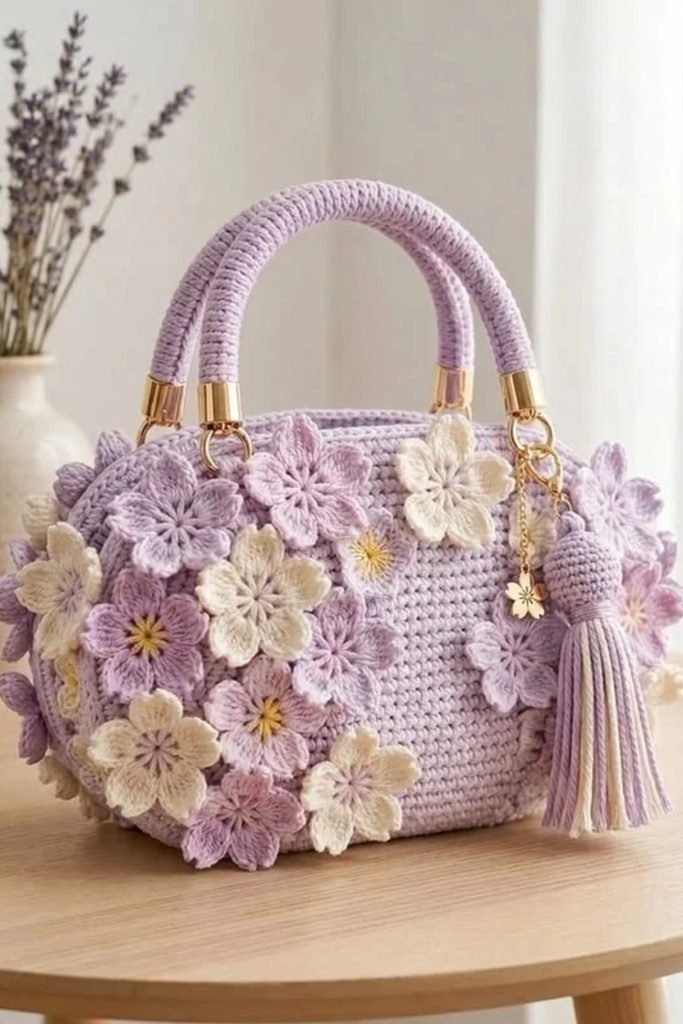
Flower Petal
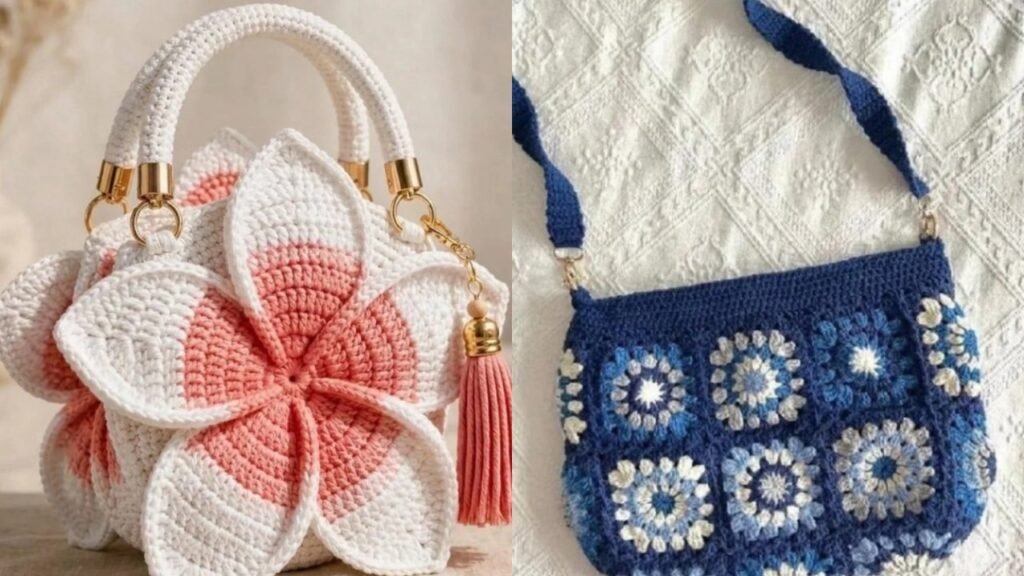
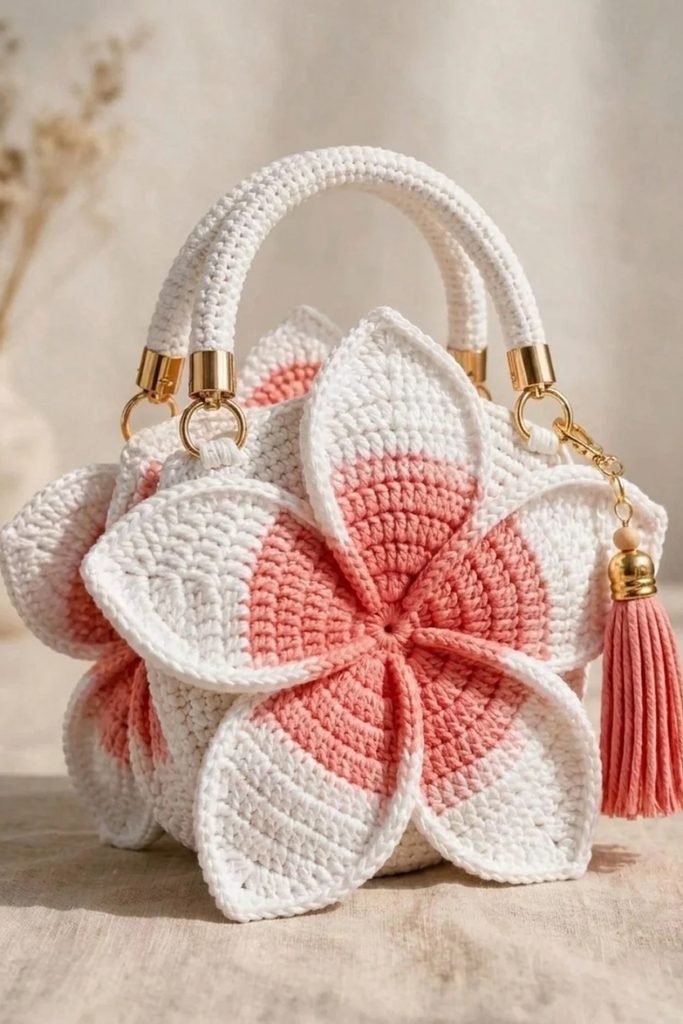
A flower-shaped purse needs more than pretty petals, so build a firm inner pouch before attaching the layered crochet pieces.
Keep your petal edges slightly raised with consistent tension, and secure each one where it meets the bag body.
Those gold handle rings deserve reinforced attachment points, especially if you plan to carry anything heavier than essentials.
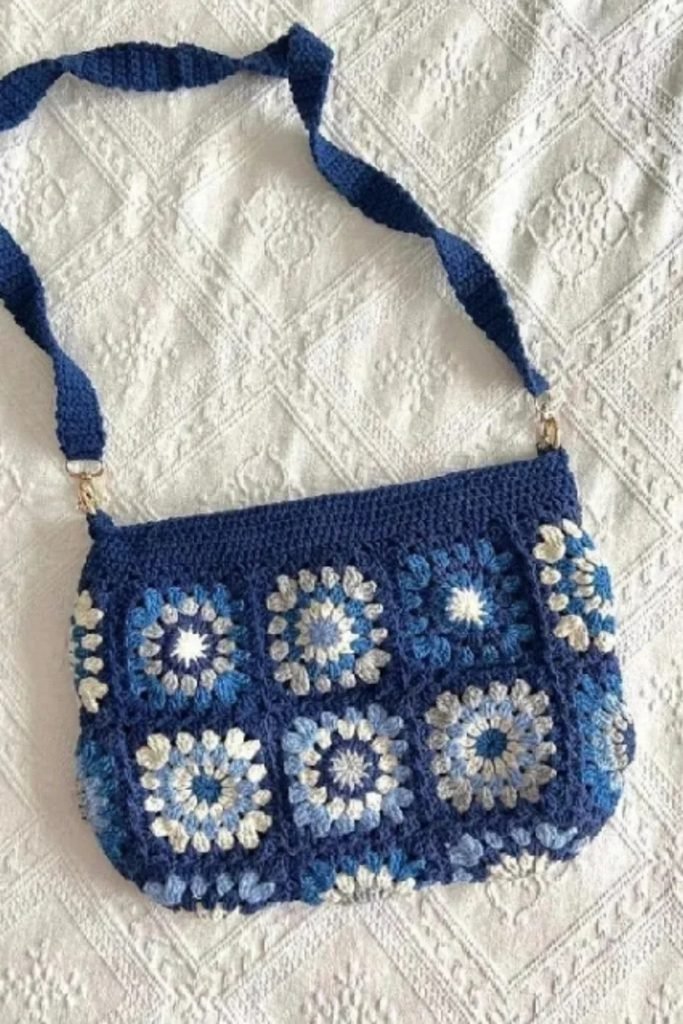
Floral Granny Square
Granny squares can make a surprisingly roomy purse, but joining them neatly matters more than choosing perfectly matching colors.
Arrange your floral squares before stitching, then use a consistent joining method to keep the rows from twisting.
For a shoulder bag like this, consider a fabric lining so keys and other little items stay safely inside.
Ruffled Bow
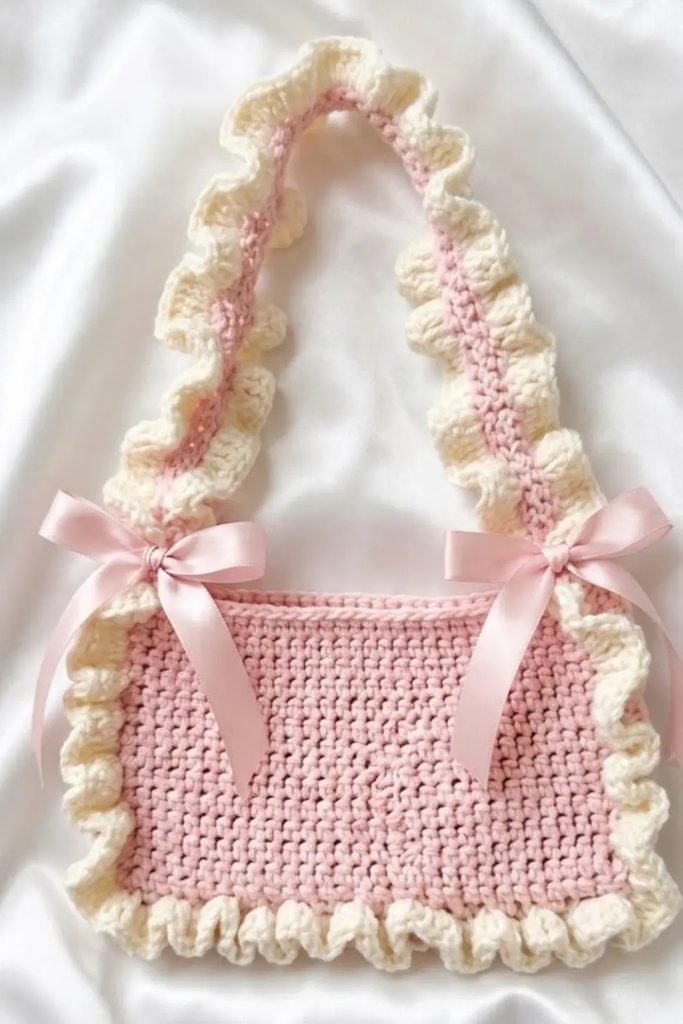
Ruffles look sweetest when they have room to move, so avoid overcrowding the edges of your crochet purse.
Work a simple rectangular body first, then add the cream frill separately to control how full it becomes.
Tie your ribbon bows onto secure strap joins rather than relying on them to support the weight of the bag.
Crochet Lamb
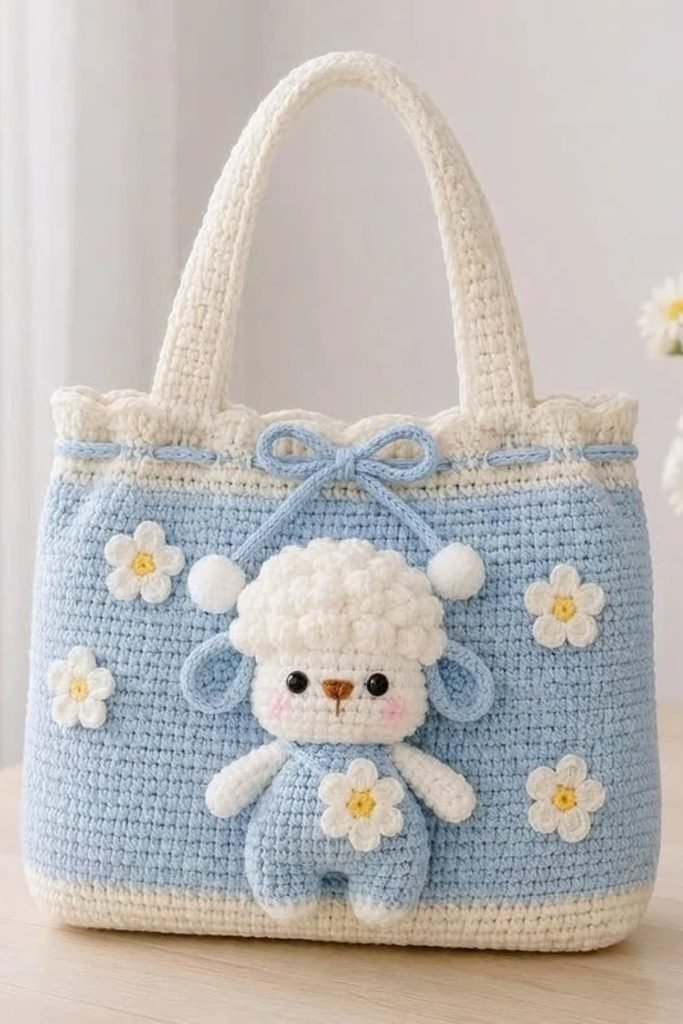
A little crocheted lamb makes a plain purse feel playful, especially when you keep the bag itself fairly simple.
Make the lamb as a separate appliqué, then stitch it securely onto the front before adding smaller flower details.
If this purse is for a child, embroider the facial features instead of using detachable beads or plastic eyes.
Lavender Flower
A flower-covered purse feels extra special when the blossoms are layered loosely instead of packed tightly across every surface.
Crochet each flower separately, then pin your arrangement in place before sewing anything onto the finished bag body.
Leave the opening free of petals, and reinforce those handle attachments so decorative details never compromise everyday use.
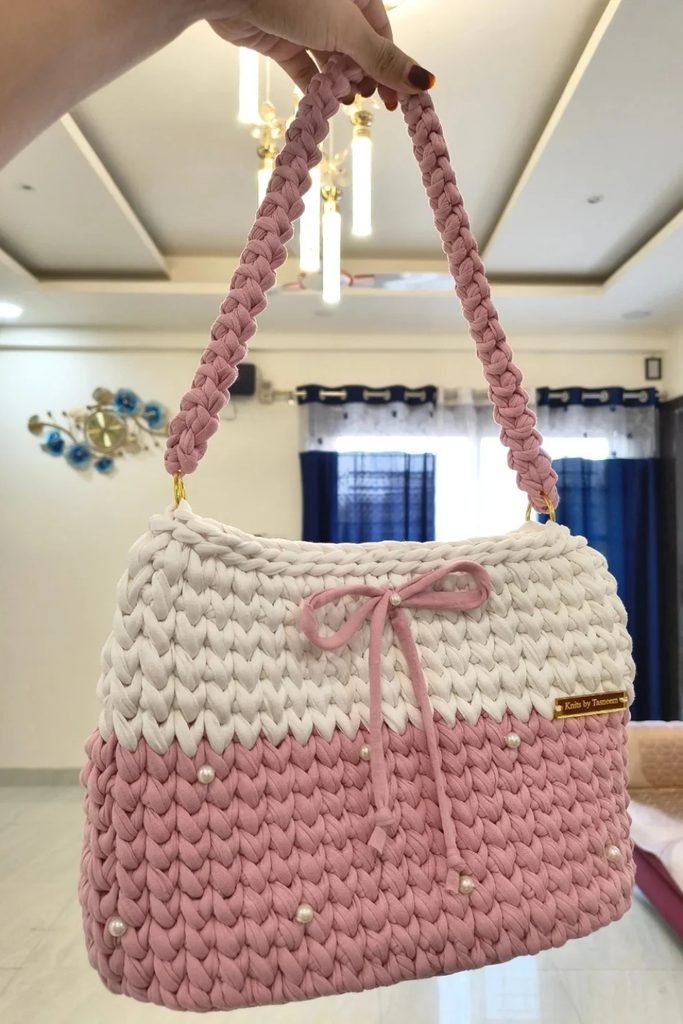
Chunky Bow
Chunky yarn builds a purse quickly, but its weight can surprise you once the bag is filled with essentials.
Try a firm stitch for the body, then make the braided strap separately so you can adjust its length.
Keep the little bow decorative rather than structural, and stitch pearl accents securely where they won’t snag clothing.
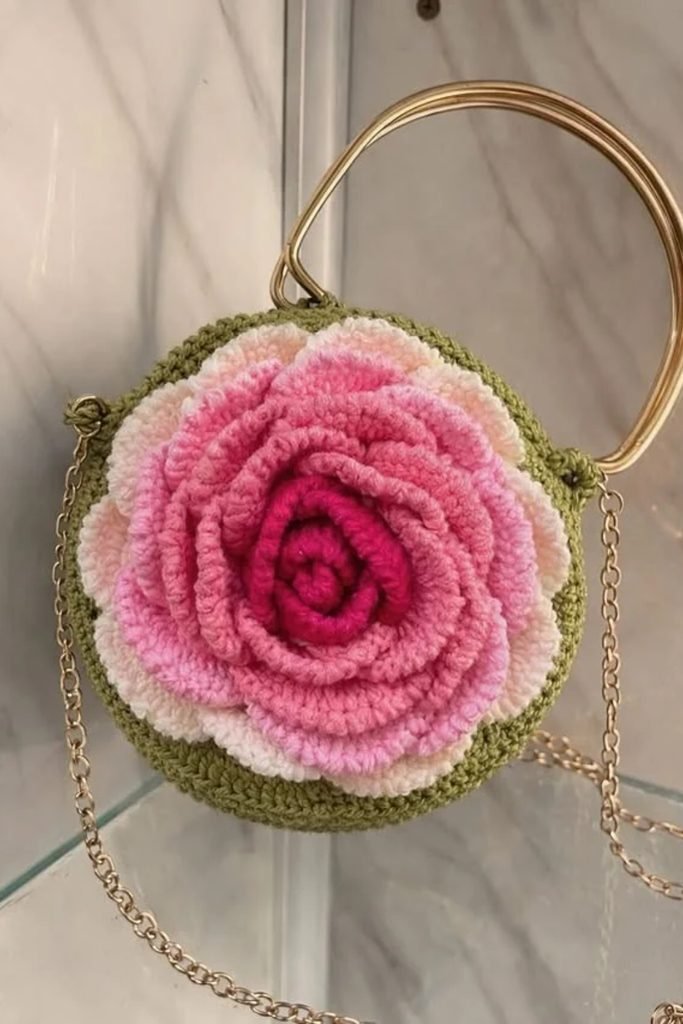
Crochet Rose
For a rose purse like this, the trick is giving the flower enough depth without hiding its round silhouette.
Build the circular base first, then arrange graduated crochet petals around a tightly rolled center for a fuller bloom.
A metal ring handle adds structure, while a detachable chain gives you another way to carry this statement piece.
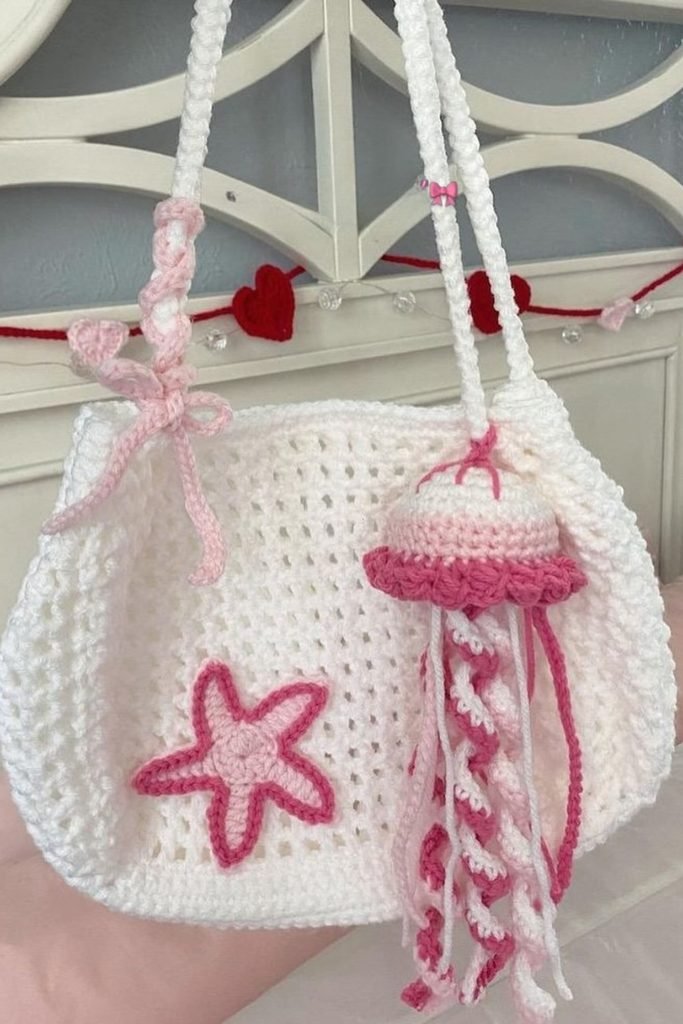
Jellyfish Crochet
A jellyfish charm can turn a simple beachy purse into something playful without changing the whole bag pattern.
Use an open stitch for the body, but add a fabric lining if you’re carrying keys or small items.
Keep the dangling tentacles away from the opening, and secure the starfish appliqué with stitches around its points.
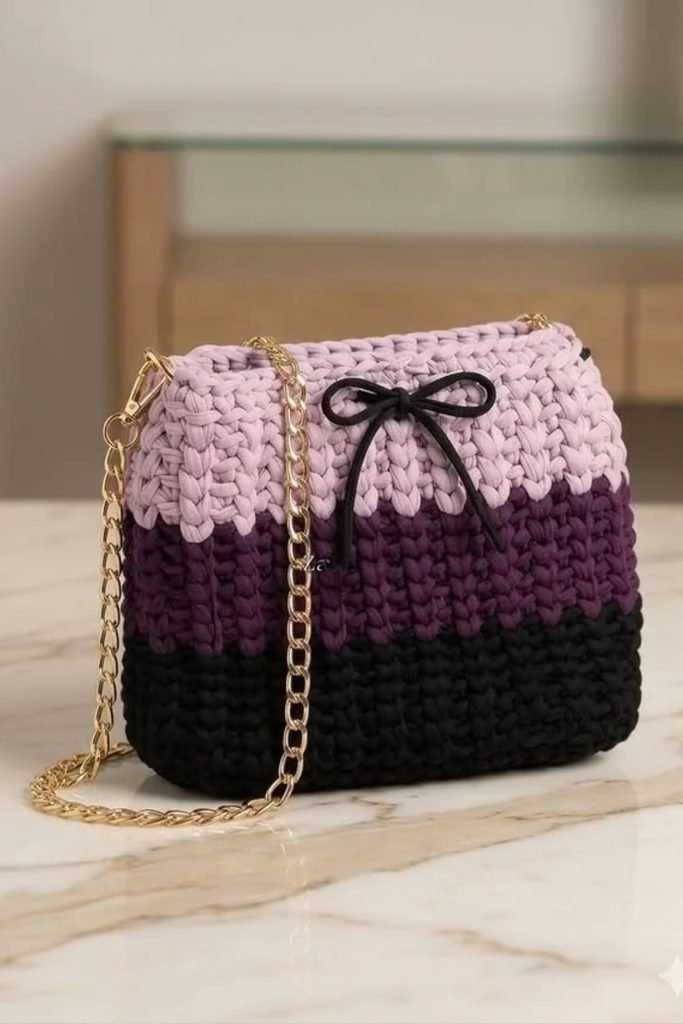
Colorblock Flap
Colorblocking works especially well on small crochet purses, where three contrasting shades can create interest without complicated stitch patterns.
Start with a sturdy rectangular base, changing yarn colors at consistent heights to keep those horizontal sections looking neat.
For the flap, maintain firm tension around the edges and attach the chain strap through reinforced loops for security.
Pink Bow
Why settle for a regular handbag when you can turn the entire front into an oversized crochet bow?
Shape the bow separately with firm stitches, then gather its center tightly so those large loops stay defined.
A longer shoulder strap balances the playful design, while a discreet closure behind the bow keeps your belongings secure.

Cream Crochet
Openwork crochet stitches are lovely for lightweight purses, but those little gaps can become troublesome when carrying smaller belongings.
Try working matching front and back panels, then join them with a narrow side strip for extra space.
Threading pink ribbon through the handle adds a delicate finish, while a simple fabric pouch inside protects your essentials.

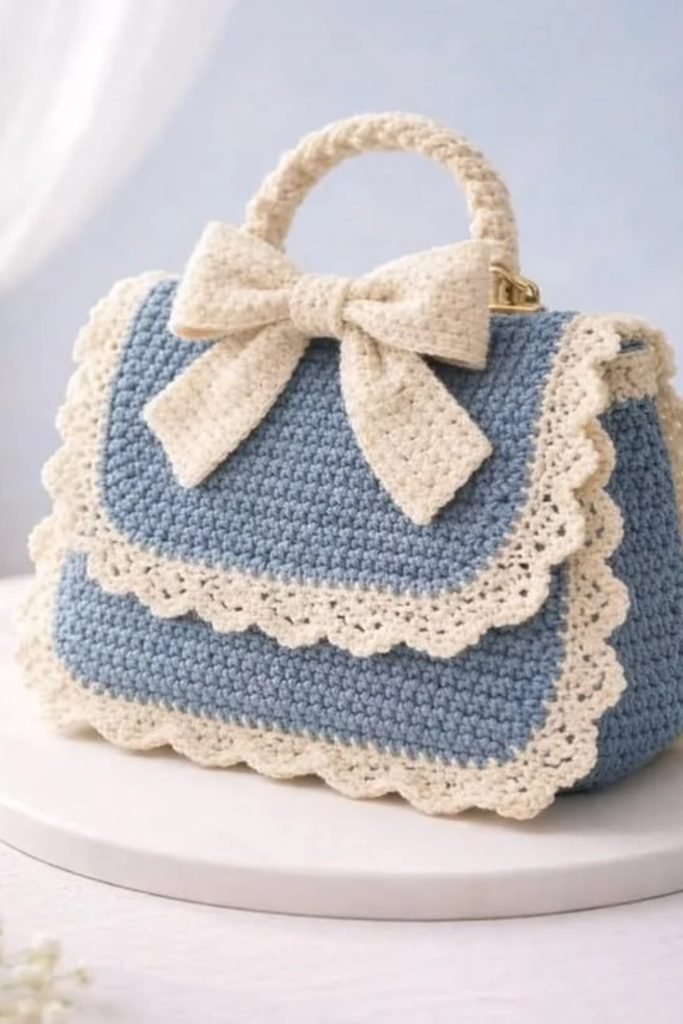
Lace Trim
There’s something charming about combining a structured crochet handbag with delicate lace edging, especially when you want a softer finish.
Work the blue body with dense stitches first, leaving the decorative cream border until the main shape is complete.
For the front flap, keep your lace increases consistent so the scalloped edges lie neatly without curling or bunching.
Daisy Bow
Want a daisy purse that feels polished rather than overly decorated? Keep the bow panels crisp with tight stitches.
Attach the flower at the center where the folded pieces meet, then sew down the edges that might curl.
Pearl handles look lovely, but thread the beads onto a strong inner cord so the weight stays supported.

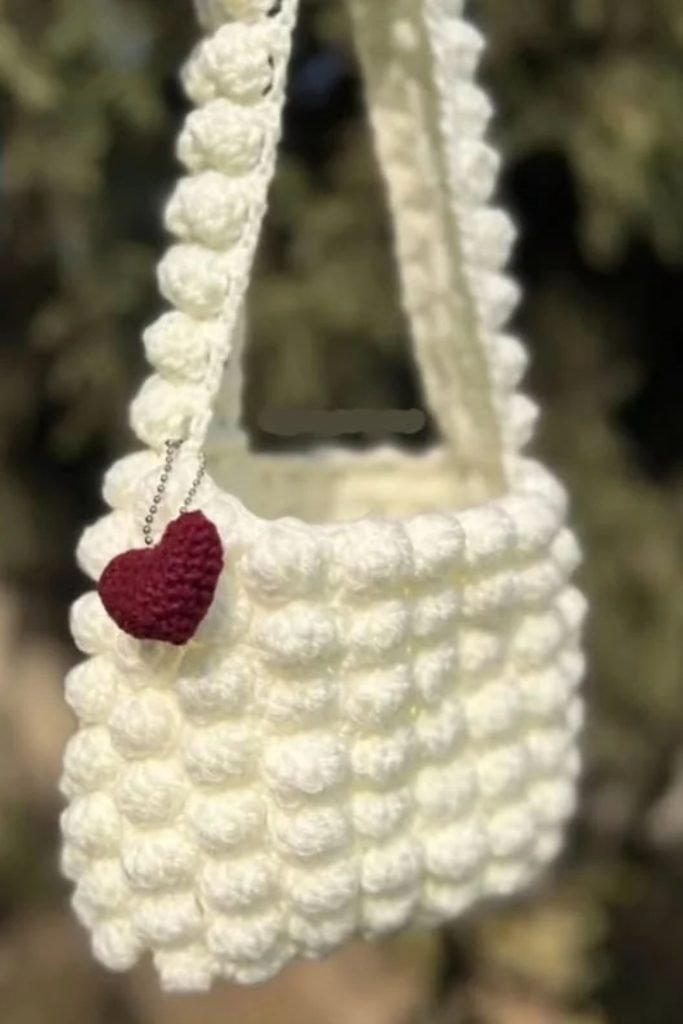
Bobble Stitch
Those puffy bobbles take patience, so check your stitch count regularly before the texture starts drifting out of alignment.
Try spacing each bobble evenly across the body, while leaving the top edge flatter for a comfortable opening.
A small heart charm adds personality without getting in the way, especially when attached beside the strap join.
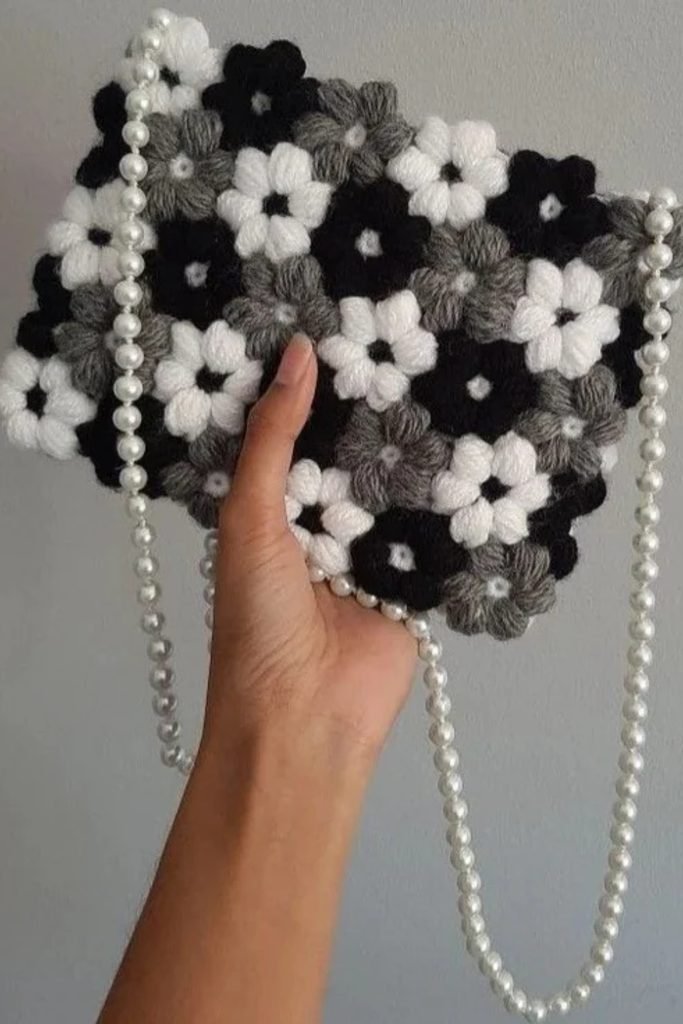
Floral Motif
Instead of sewing flowers onto a finished purse, you can join crocheted flower motifs to create the whole front.
Lay them out in alternating black, gray, and white before joining, so the pattern feels balanced from every angle.
Because motif joins can leave gaps, add a lining and anchor the pearl strap to reinforced side seams.
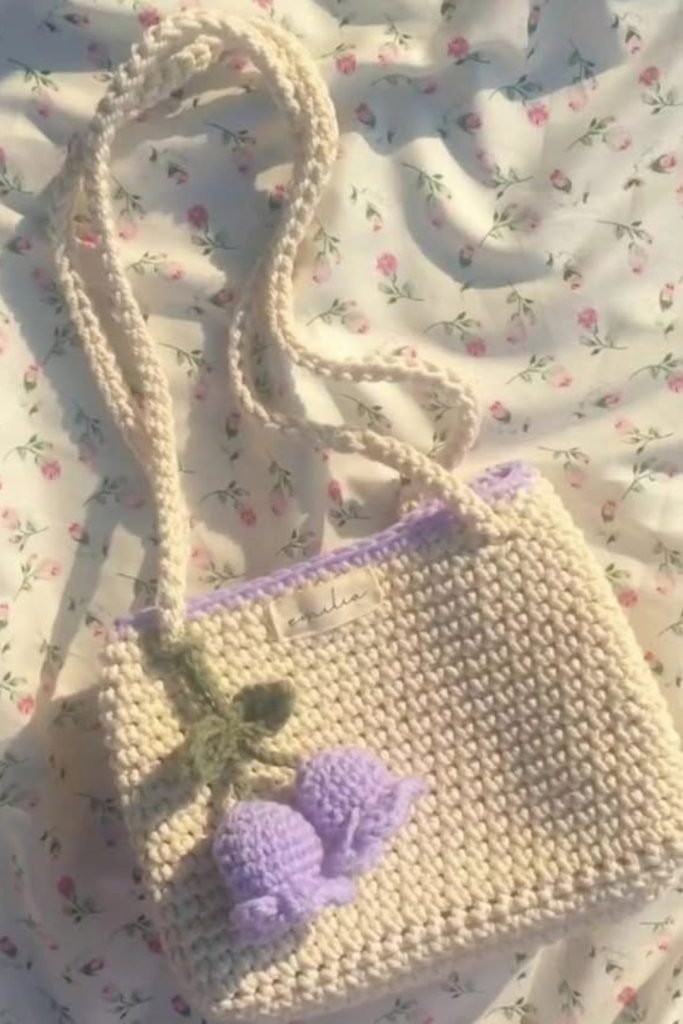
Crochet Tulip
Not every floral purse needs dozens of blooms; a single raised tulip can give a simple bag its charm.
Crochet the tulip separately and stuff it lightly if you want its petals to keep their rounded shape.
Use a narrow strap with firm stitches, and position the flower low enough that it won’t obstruct the opening.
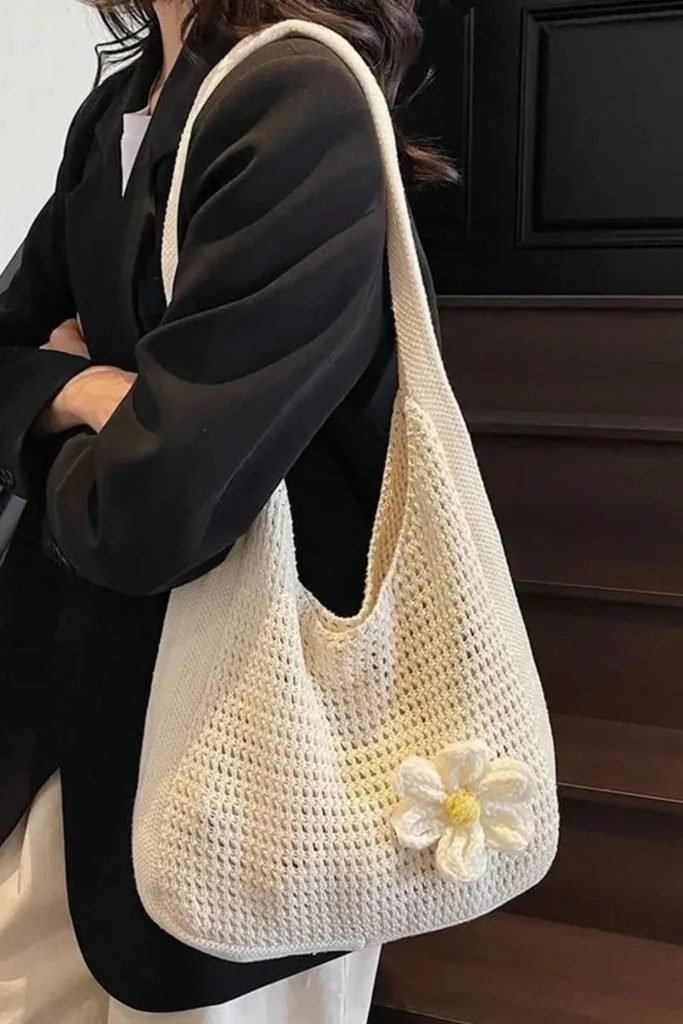
Daisy Shoulder
An everyday shoulder purse should feel comfortable when full, so keep the strap wide enough to distribute weight.
With this relaxed hobo shape, crochet the handle continuously into the body to avoid bulky or weak attachment seams.
Save the daisy for one corner, and consider a lining if your open stitches leave room for smaller items.
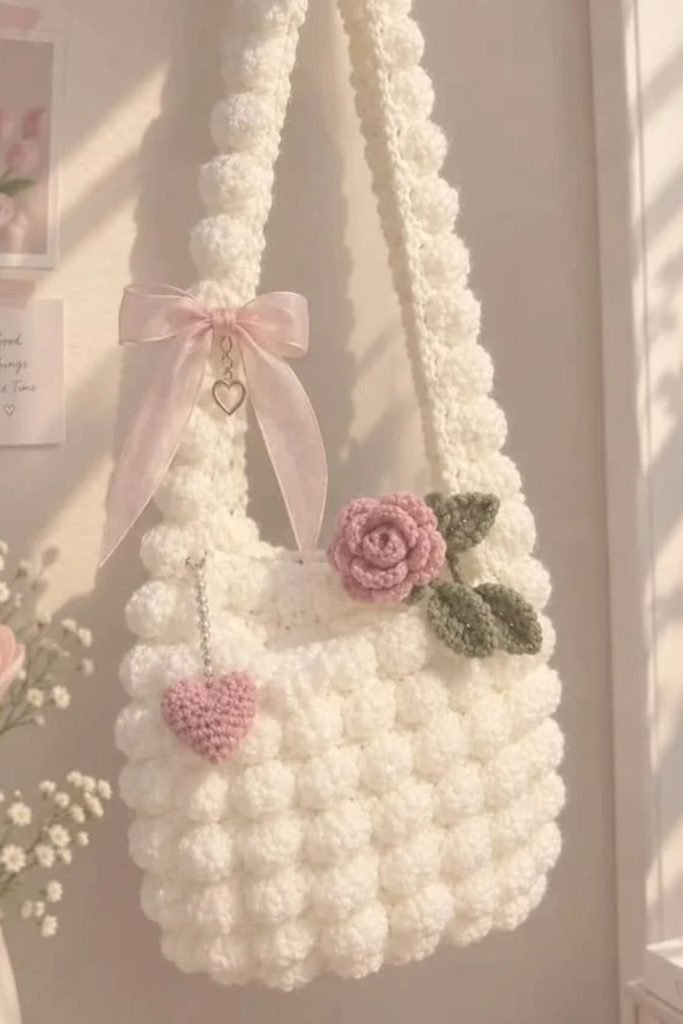
Bobble Rose
Bobble stitches already give this purse plenty of personality, so let the texture do most of the decorating.
Keep your bobbles evenly spaced along the strap too, but reinforce its underside to prevent sagging during wear.
A small crochet rose and heart charm can add sweetness without making the soft white design feel crowded.
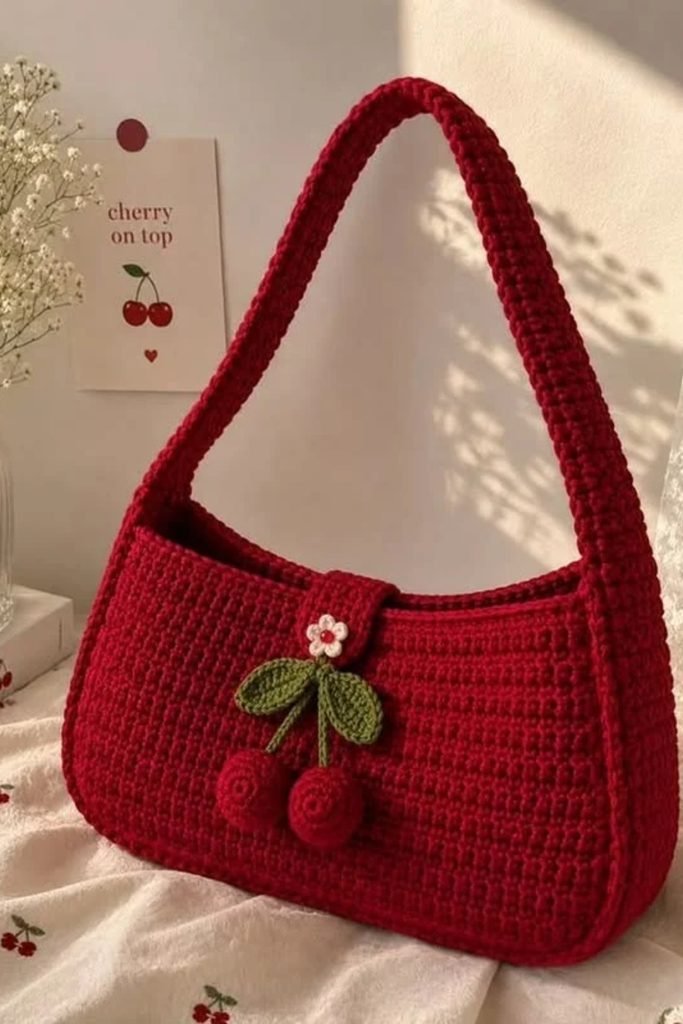
Cherry Crochet
Cherry details are much easier to position neatly when you finish the purse body before making the appliqué.
Use a compact stitch for the red baguette shape, then check that the opening stays wide enough for essentials.
Give the dangling cherries firm stems and secure joins so they won’t pull loose whenever the bag moves.
FAQs
What is the best yarn for crocheting a purse?
Cotton yarn is a great choice for crochet purses because it holds stitches well and generally stretches less than many acrylic yarns.
For chunky designs, try T-shirt yarn, while raffia works nicely for structured summer purses.
How do you make a crochet purse hold its shape?
Start with tight, even stitches and a sturdy base, especially if you’re making a structured handbag.
Don’t forget the handles, either! Reinforcing the straps and their attachment points helps prevent stretching when you carry everyday essentials.
Hi, my name is Ali Mehmood! I’m a passionate writer and DIY enthusiast who loves turning creative ideas into practical, hands-on projects.
I created this website to share inspiring, budget-friendly ideas that you can do yourself – whether it’s organizing your home, crafting something unique, or creating fun projects for kids and pets.
I believe DIY isn’t just a hobby – it’s a smart way to save money, reduce waste, and enjoy the satisfaction of making things with your own hands.
I’m excited to have you as part of this growing community, and I’ll continue bringing you helpful, realistic, and fun DIY ideas you can actually use.