This post may contain affiliate links: read full affiliate disclosure.
Finding a curtain rod that fits your window, supports your curtains, and still looks good can get frustrating fast.
Extra-wide windows often need expensive hardware, while cheaper rods may sag, feel flimsy, or simply come in the wrong size.
With materials like wood dowels, metal conduit, copper pipes, and even unexpected repurposed pieces.
In this article, you’ll discover DIY curtain rod ideas for different window sizes, decorating styles, budgets, and everyday hanging problems.
Wooden Brackets
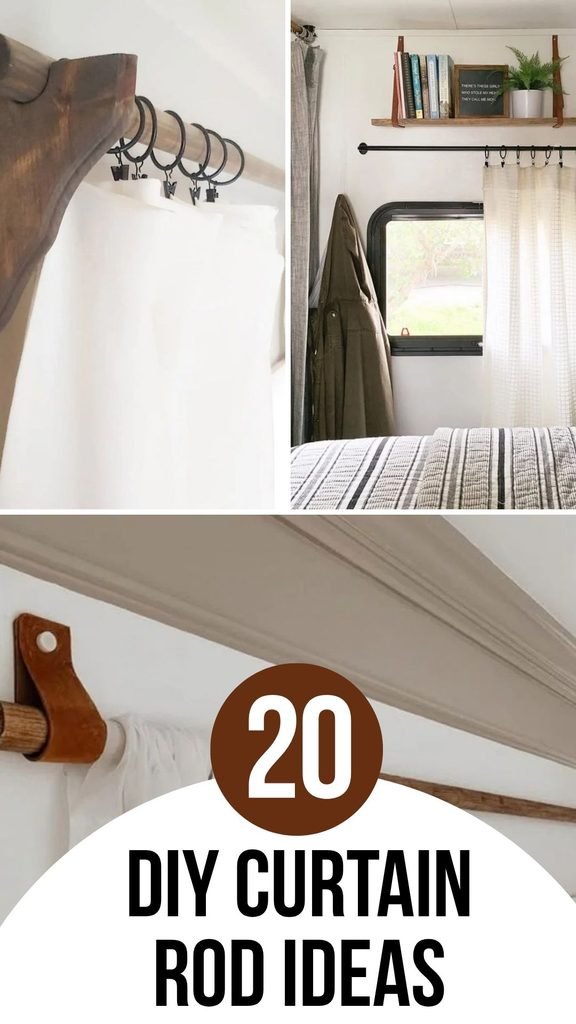
For a farmhouse finish, pair a thick wooden dowel with handmade timber brackets instead of buying decorative metal hardware.
Cut shallow curved rests into each bracket so the rod sits securely while remaining easy to remove later.
Use curtain rings with clips for smooth movement, and add center support if your window creates a longer span.
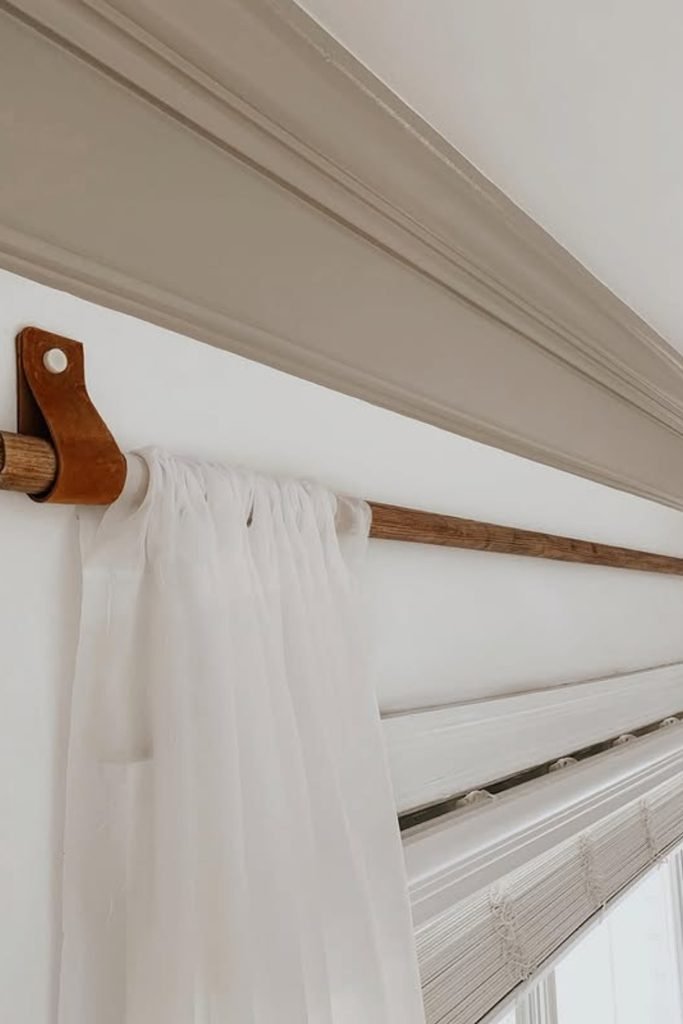
Leather Loops
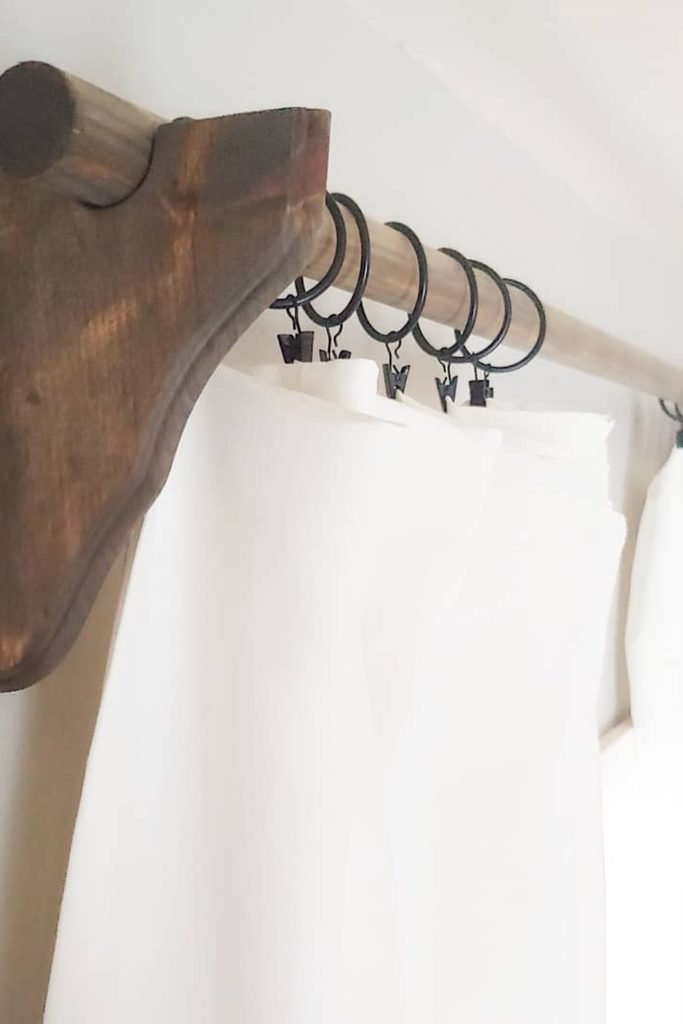
Want something softer than bulky brackets? Wrap sturdy leather straps around a wooden dowel for a clean handcrafted mount.
Secure each strap firmly above the window, leaving enough loop space for the dowel to slide in without squeezing.
Pair it with lightweight curtains when possible, since this simple setup looks best without oversized hardware competing for attention.
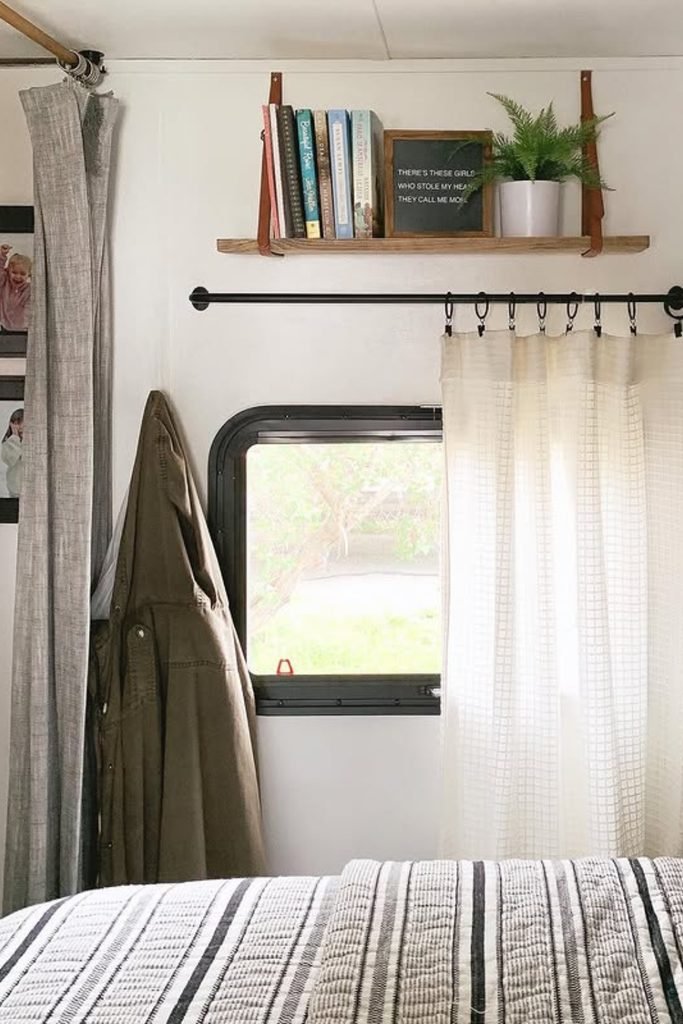
Split Curtain Rod
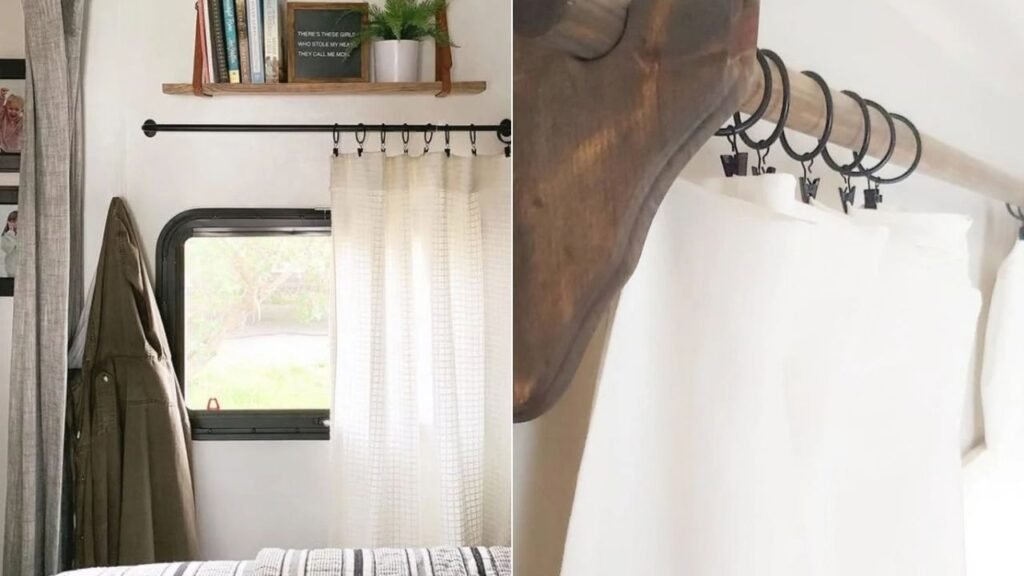
Small or unusual windows do not always need curtains traveling across the entire rod, so a fixed arrangement can work beautifully.
Mount a slim black rod slightly beyond the frame, then use clip rings to attach lightweight fabric exactly where privacy is needed.
Leaving part of the window uncovered also preserves daylight, making this approach practical for compact bedrooms, campers, or converted spaces.
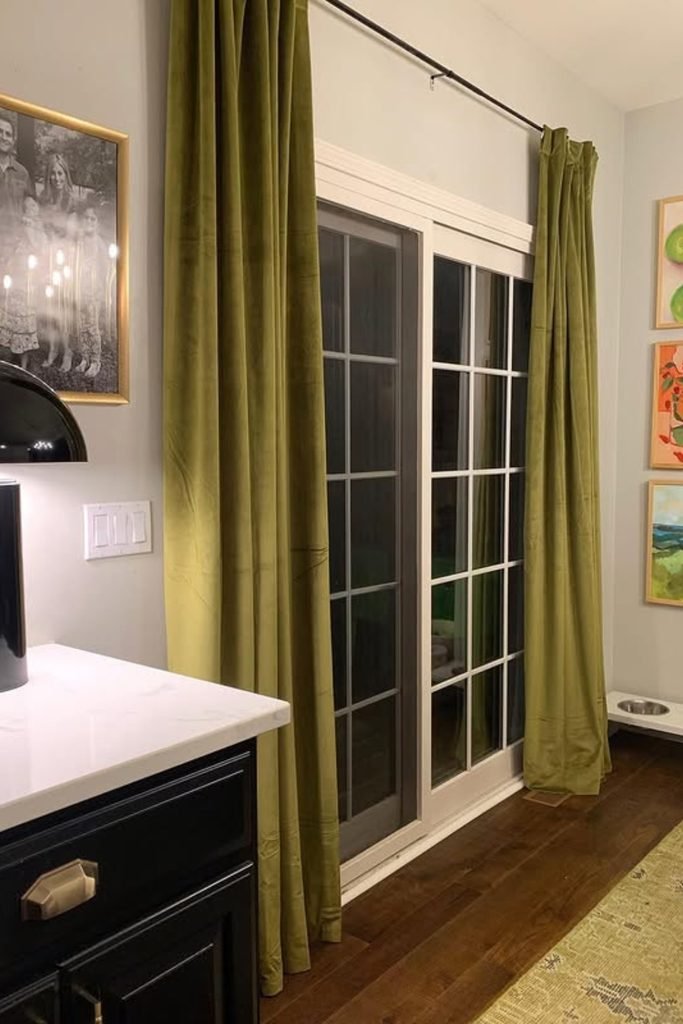
Wall Width Rod
Sliding doors benefit from a rod extending well beyond the frame because bulky curtain panels need somewhere to stack when opened.
Run a sturdy metal rod nearly wall to wall, positioning supports carefully so they do not interfere with curtain movement.
For heavier velvet panels, choose a rigid rod and secure every bracket properly rather than relying on a thin decorative pole.
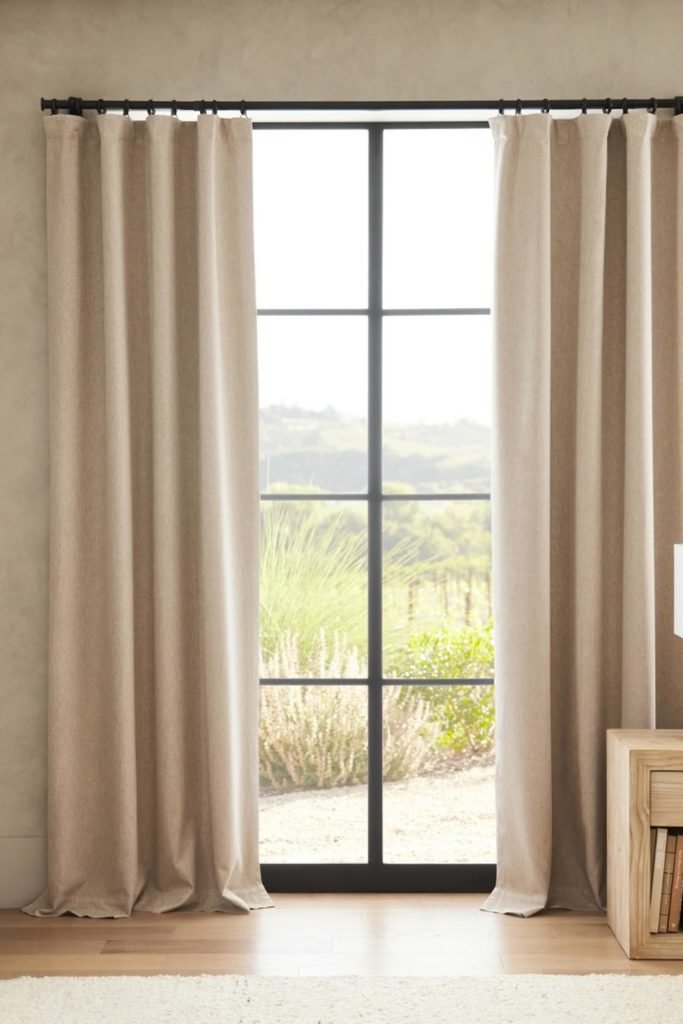
Simple Black Rod
Minimal black hardware can make homemade curtain rods feel polished when you match the rod, rings, brackets, and finials consistently.
Extend the pole beyond both sides of the opening so full curtain panels can rest beside the glass when opened.
Use extra support on wider spans or heavier fabric, since a clean appearance quickly disappears once the center begins sagging.
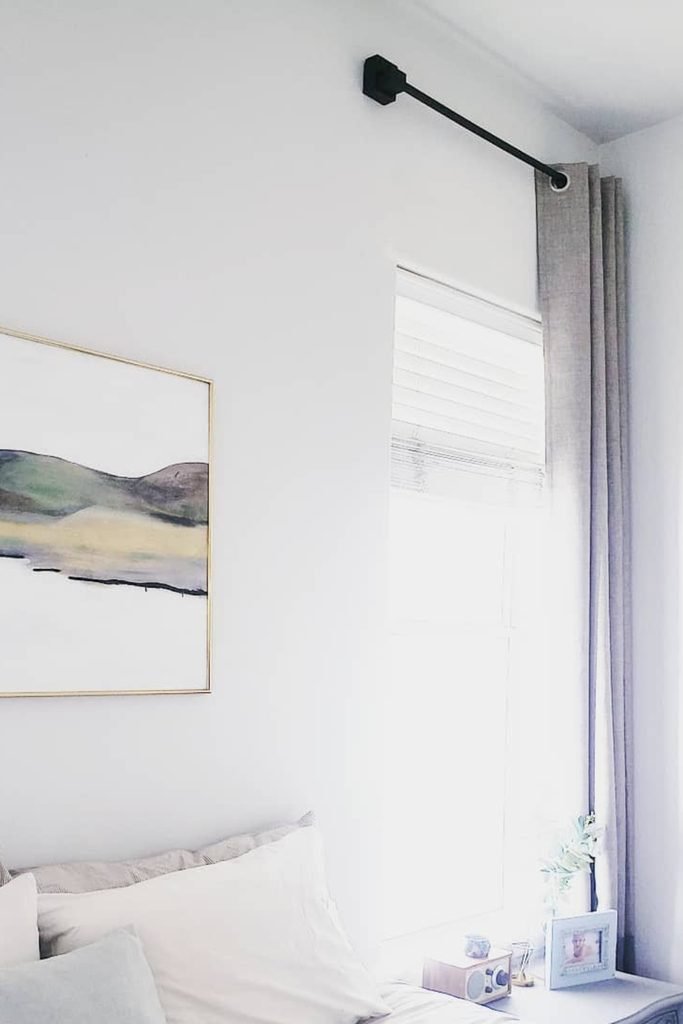
High Corner Rod
Got a window squeezed close to a corner? Mounting the rod high gives curtains room to stack without crowding the frame.
Use a rigid metal pole with securely anchored end brackets, measuring carefully so the curtain can finish neatly against the side wall.
Positioning the hardware near the ceiling also draws your eye upward, which can make a compact bedroom feel noticeably taller.
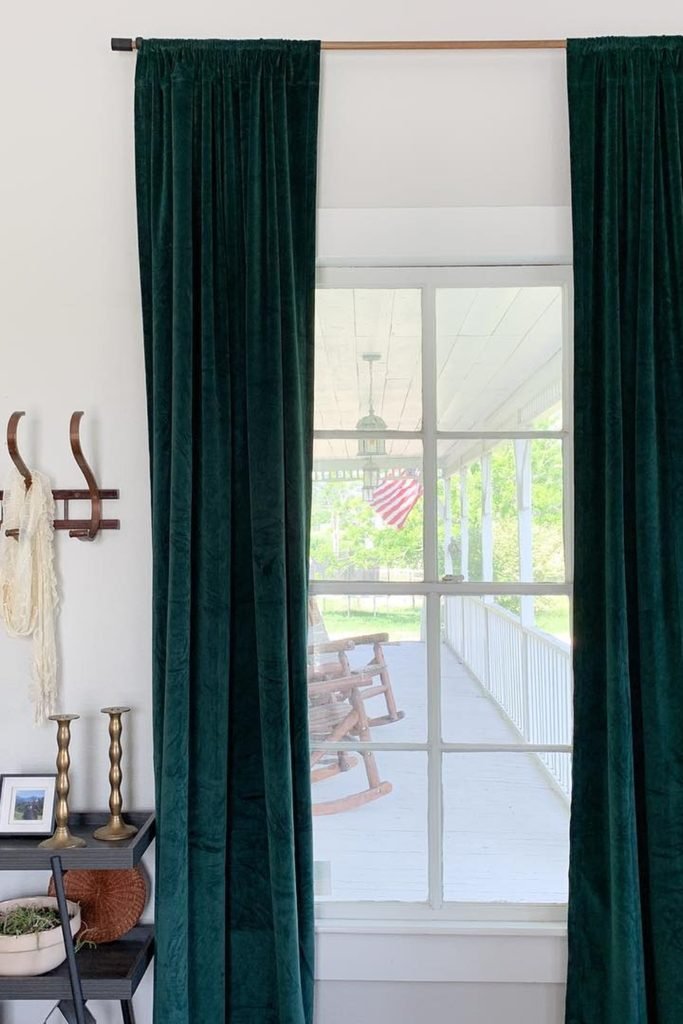
Mixed Finish Rod
You do not need matching materials everywhere; pairing a warm wooden pole with dark end caps creates an easy custom finish.
Choose a substantial dowel for heavier velvet curtains, then add simple capped ends that stop fabric from slipping beyond the rod.
Mount it wider than the window so those thick panels can stack outside the glass instead of stealing valuable daylight.
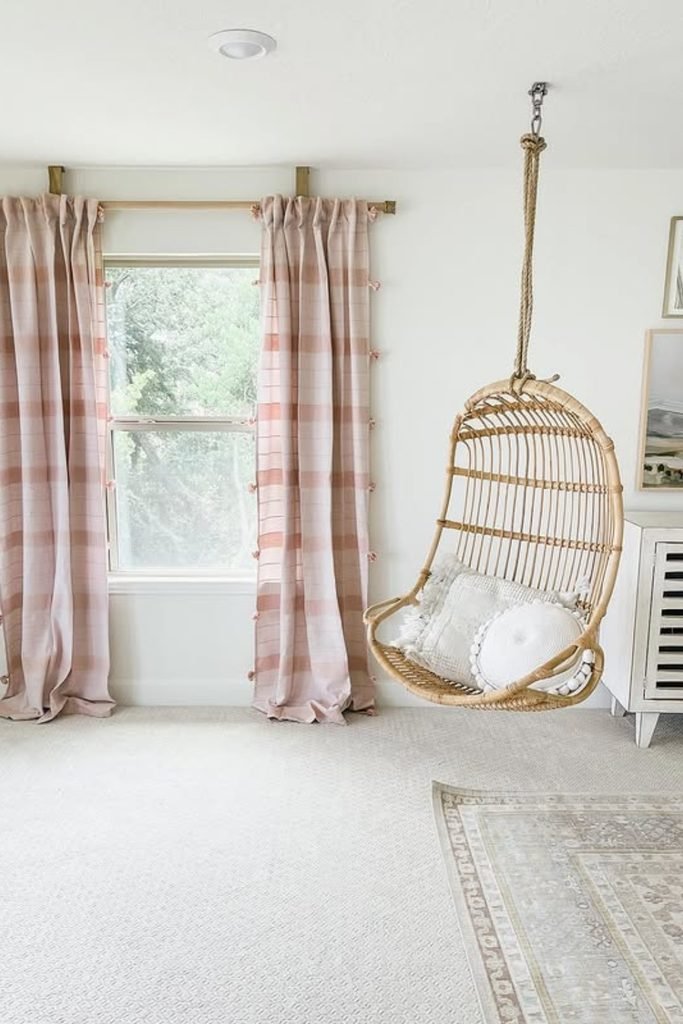
Brass Dowel Rod
Soft brass details can turn an ordinary wooden dowel into hardware that feels custom without requiring complicated woodworking or expensive fittings.
Stain or leave the dowel natural, then pair it with slim metallic brackets that complement other warm accents nearby.
For lightweight curtains, this combination gives enough visual presence without using an oversized rod that overwhelms a smaller window.
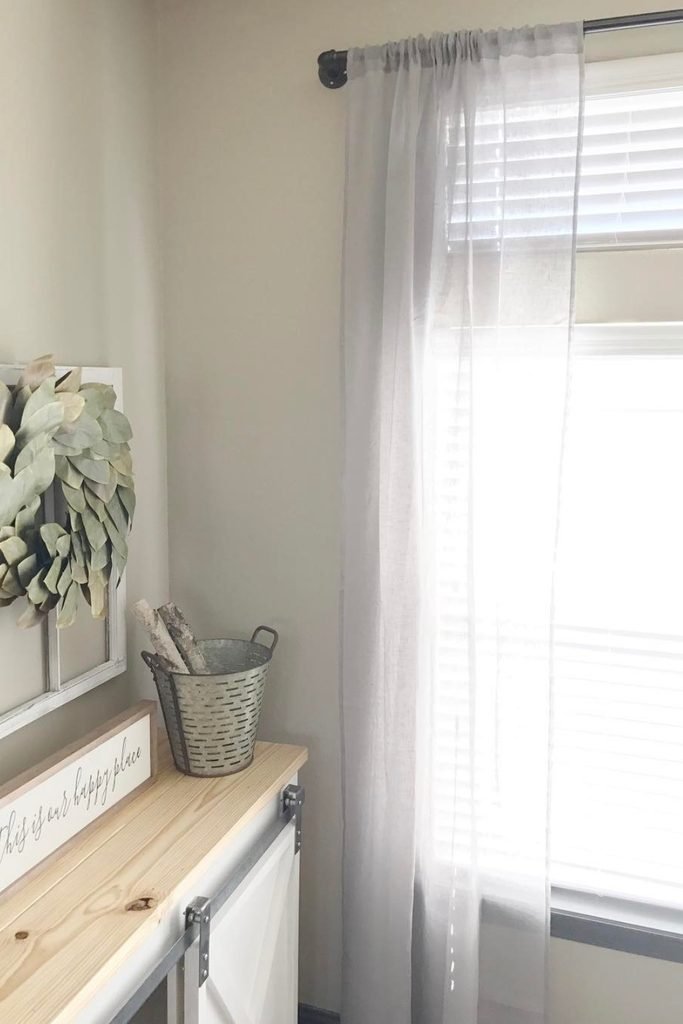
Flange Mounted Rod
Sheer curtains barely need bulky hardware, so a slim metal pipe with wall flanges gives you strength without visual heaviness.
Use elbows and short return pieces at both ends, creating a secure connection that also replaces traditional decorative finials.
Leaving the metal unfinished suits farmhouse spaces nicely, while a painted finish can make the same inexpensive assembly feel more refined.
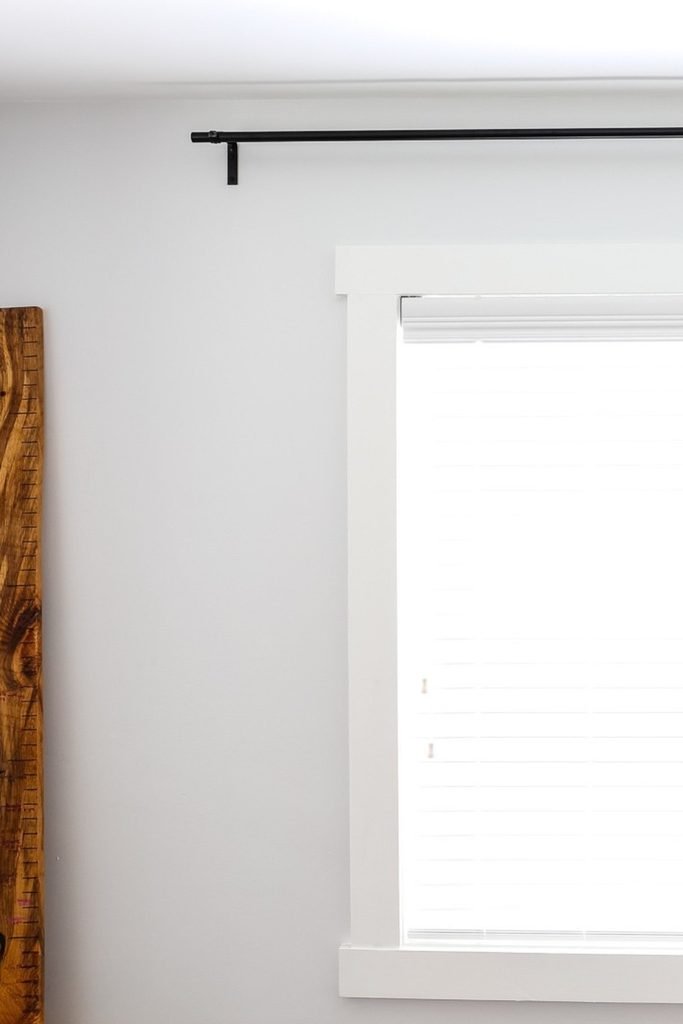
Long Black Rod
One continuous rod can visually unite a broad window wall, but its unsupported sections need planning before you start drilling.
Use sturdy metal tubing cut to your required length, then position discreet brackets where they can control flex without looking cluttered.
Black paint makes ordinary tubing feel intentional, and matching the brackets creates a streamlined finish suitable for modern rooms.
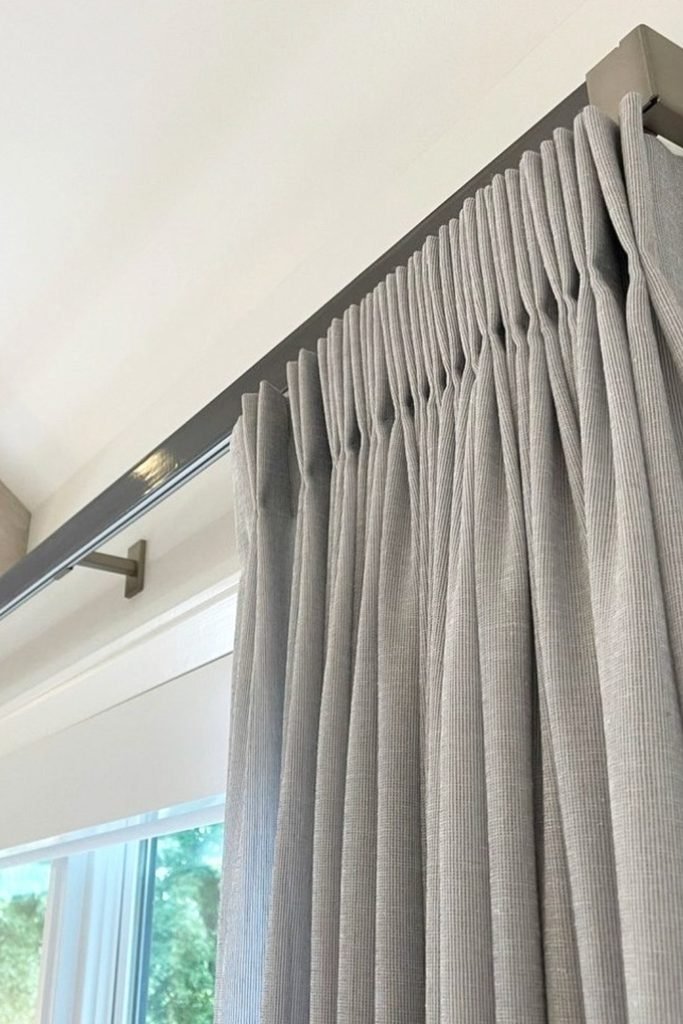
Hidden Track Rod
If visible rings and brackets feel too busy, a track-style system gives wide windows a much cleaner curtain arrangement.
Mount the track close to the ceiling, then use compatible gliders so pleated panels travel smoothly along the entire opening.
Long runs benefit from multiple mounting points because the load gets distributed without interrupting curtain movement like conventional center brackets can.
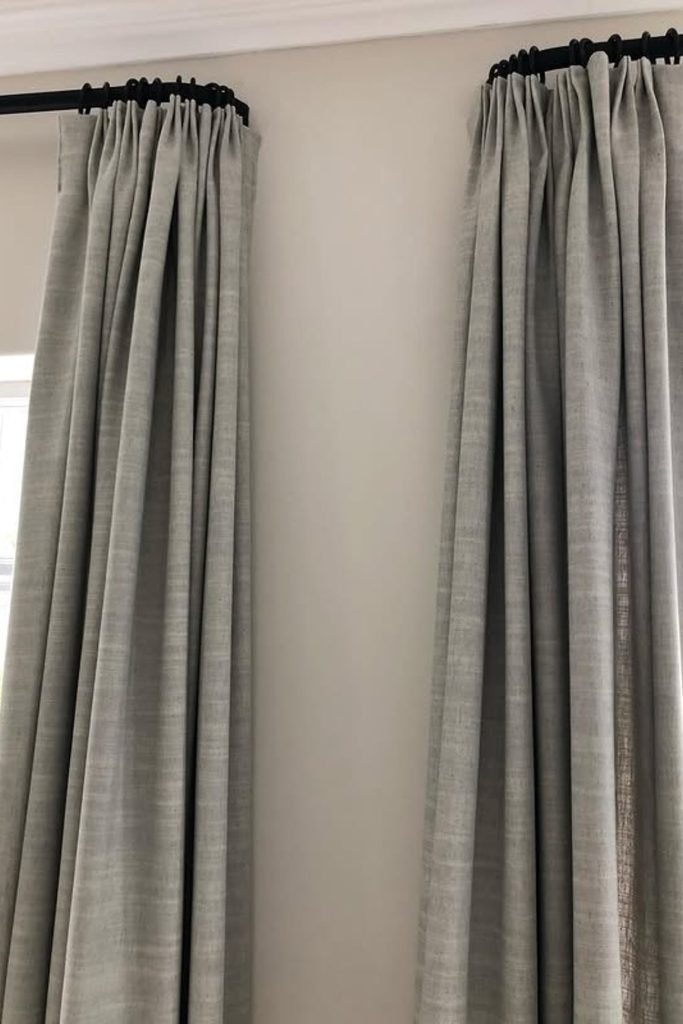
Corner Connector Rod
Windows meeting near a corner become easier to dress when separate rods connect visually instead of stopping awkwardly before each wall ends.
Use matching black rods with an angled corner connector, allowing curtain rings to follow the architecture while maintaining one continuous appearance.
Measure both walls runs independently before cutting because even a small corner error can leave your finished hardware noticeably misaligned.
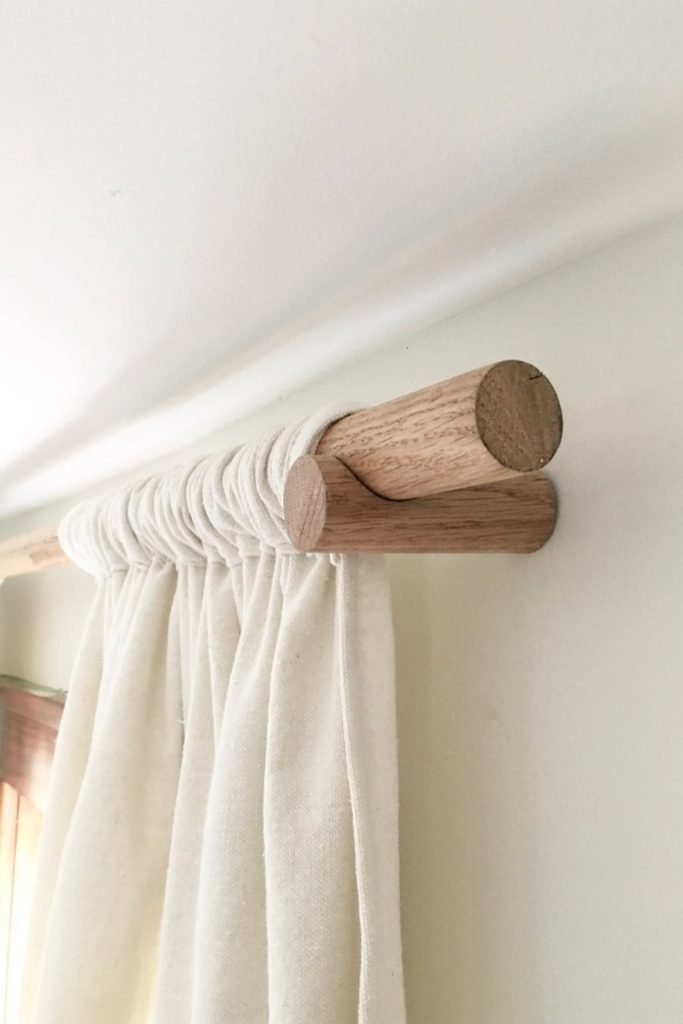
Double Dowel Rod
Here’s a clever way to skip ordinary brackets: stack two wooden dowels so the upper piece becomes the support itself.
Cut curved notches into the supporting dowel, giving the curtain rod a secure resting point without introducing visible metal hardware.
Leave both pieces natural for a Scandinavian feel, or stain them together when you want the handmade construction to stand out more.
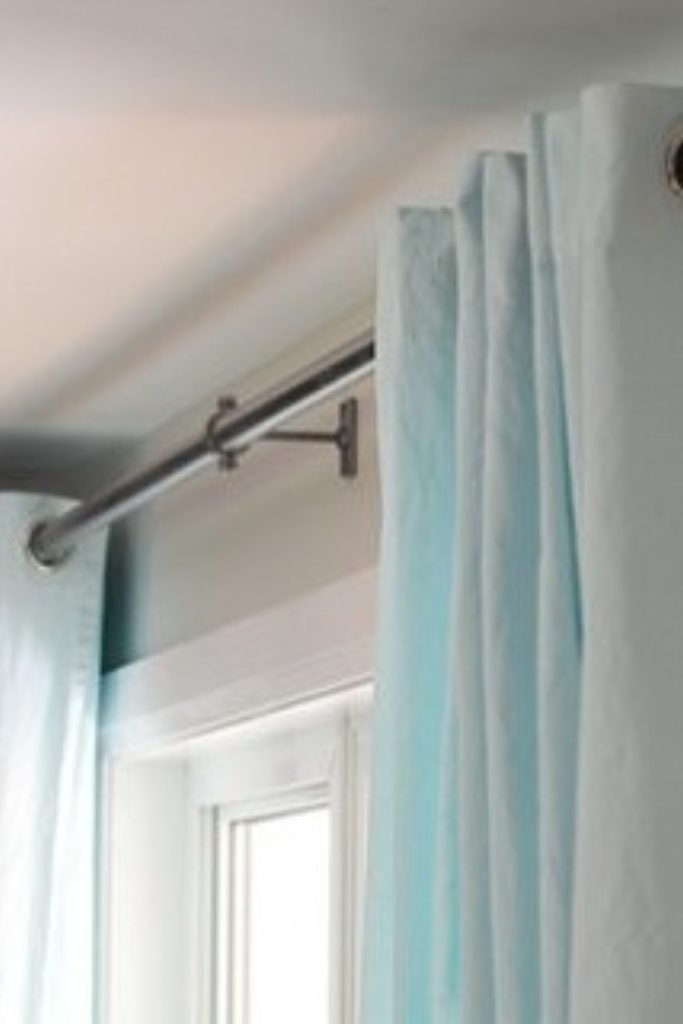
Steel Grommet Rod
Grommet curtains slide best on a smooth surface, making a slim steel rod a practical choice for frequently opened panels.
Mount simple metal brackets beyond the window edges, giving the fabric enough room to stack without blocking valuable natural light.
Match the rod diameter to your grommet openings, leaving comfortable clearance so the panels move without catching or scraping.
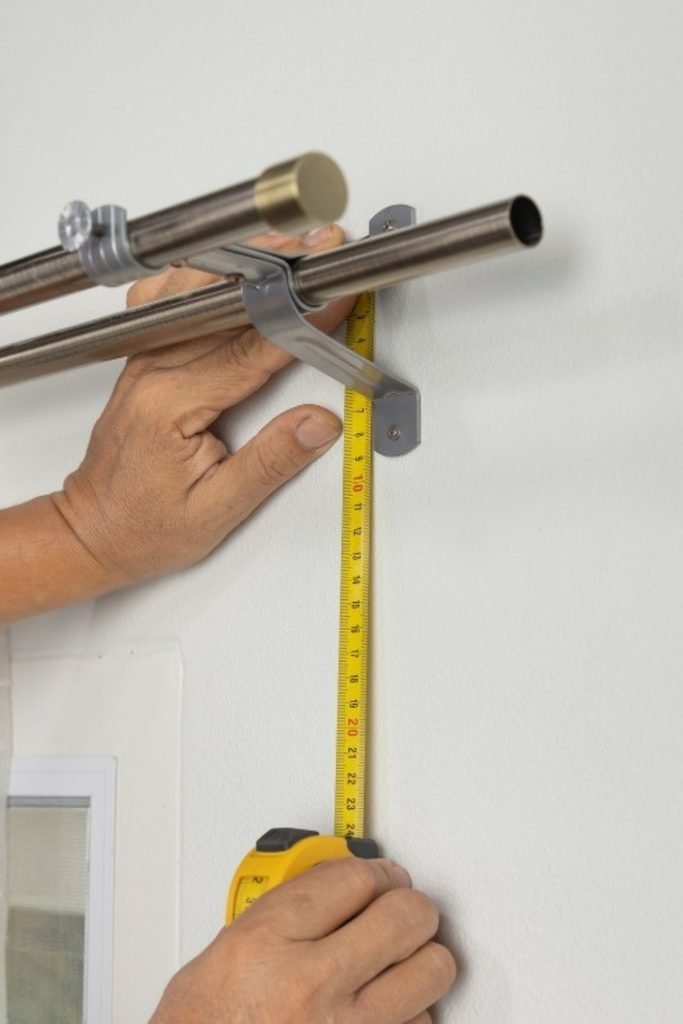
Double Metal Rod
Layering sheers with heavier curtains becomes much easier when two rods share one properly measured double-bracket mounting system.
Set the inner rod closer to the wall for sheers, then leave enough projection for thicker outer panels to move freely.
Measure both bracket heights before drilling because even slight differences become obvious once two parallel rods run across the window.
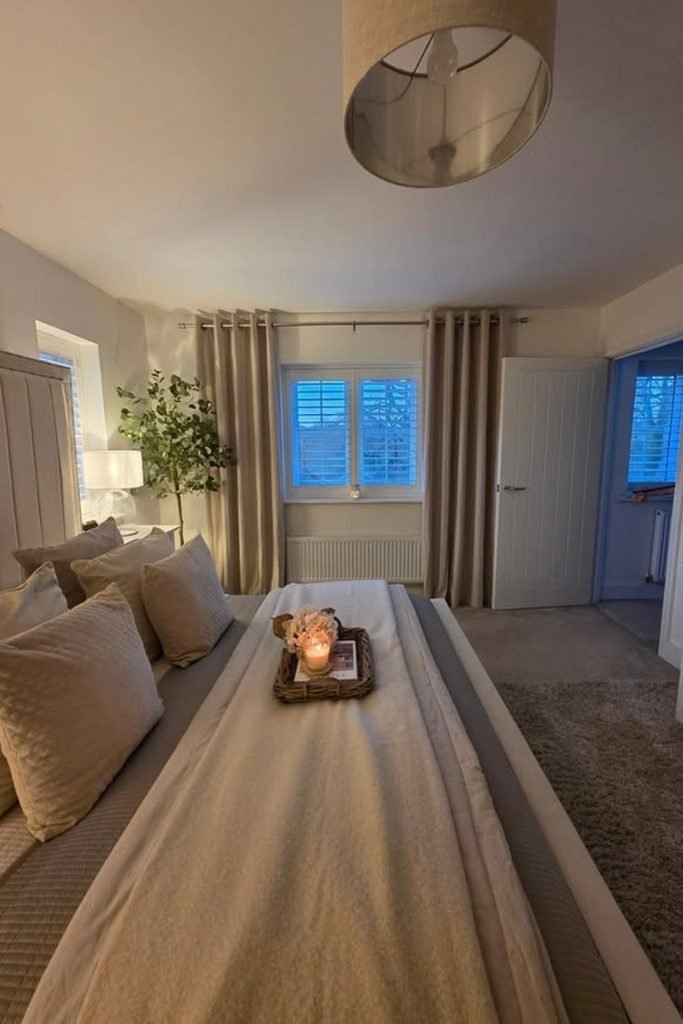
Corner Wrap Rod
Awkward corner windows become much easier to dress when your curtain rod follows both walls instead of treating them separately.
Join matching metal sections with a corner connector, then support each run so the bend does not carry unnecessary curtain weight.
Grommet panels suit this arrangement when curtains mainly stack at the sides, avoiding frequent movement through the angled connection.
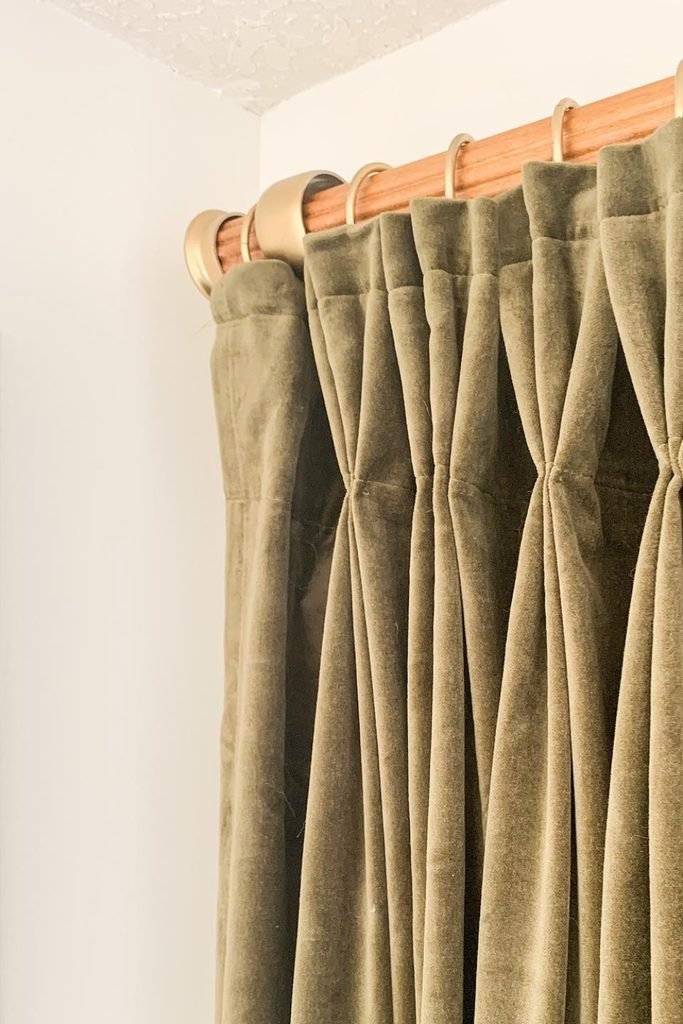
Wood Brass Rod
Heavy velvet deserves a rod with substance, and a thick wooden pole gives you strength while adding natural warmth overhead.
Pair the wood with brass rings and rounded brackets, letting the contrasting metal details make an inexpensive dowel feel more finished.
Before mounting, check the span and curtain weight so you can add support before the wooden rod begins flexing noticeably.
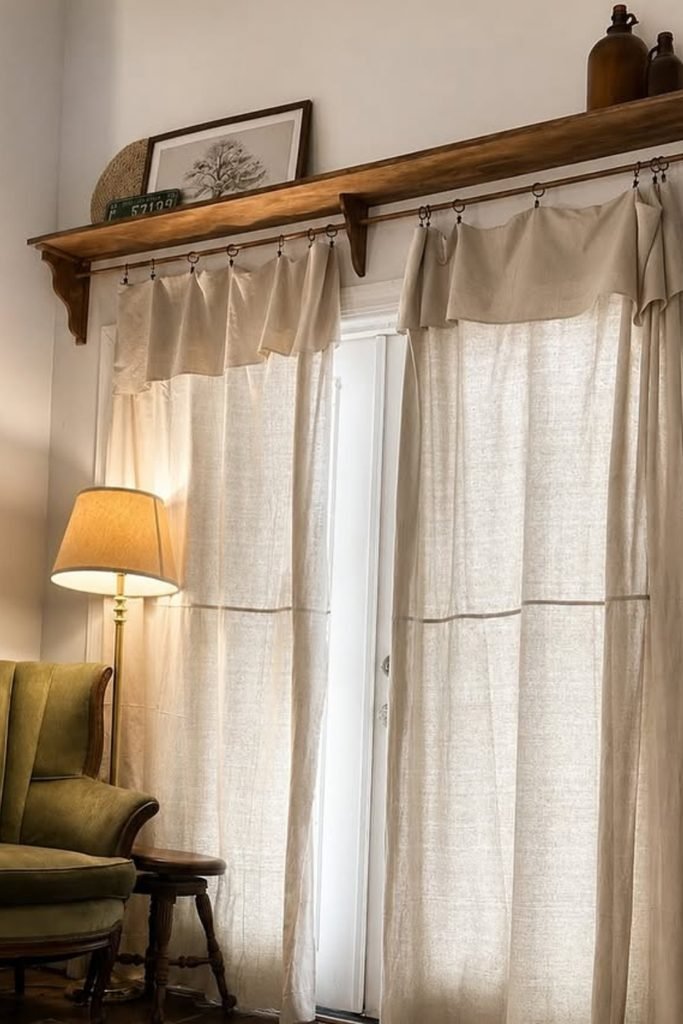
Shelf Rod Combo
When wall space is limited, combining a display shelf and curtain rod gives one installation two useful jobs above your windows.
Build a sturdy wooden shelf first, then attach a slim rod underneath using evenly spaced supports for the curtain rings.
Use this approach in cottage or vintage rooms where exposed woodwork feels intentional and extra display space is genuinely useful.
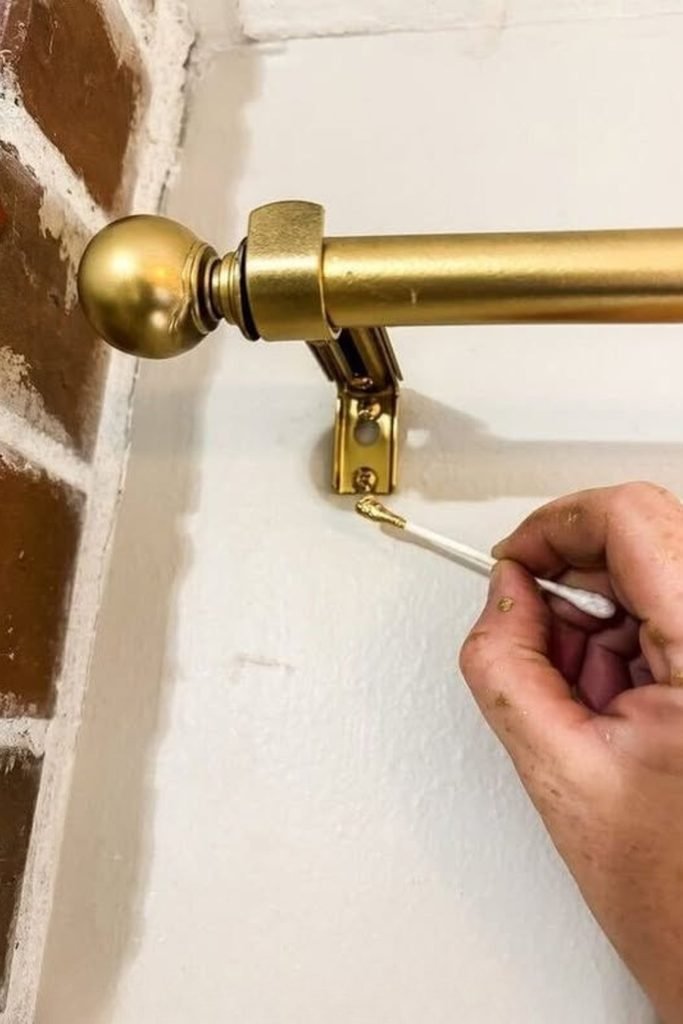
Painted Brass Rod
Already have inexpensive curtain hardware? A coordinated metallic finish can make mismatched brackets and finials.
Clean and prepare each surface first, then apply a suitable metallic paint in light coats for a smoother, more durable result.
Painting every visible component together also saves you from replacing perfectly usable hardware just because its original finish feels dated.
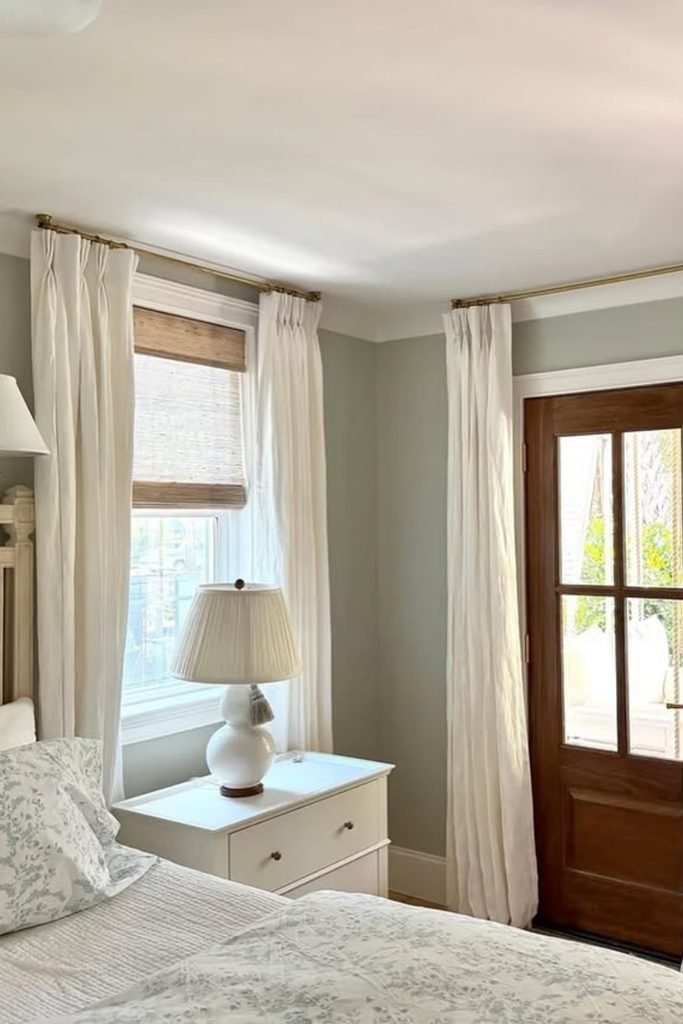
Corner Brass Rods
Separate windows around a corner can still feel connected when slim brass rods share the same height, finish, and mounting style.
Measure from the ceiling rather than each window frame, helping both rods stay visually aligned when the openings differ slightly.
Extend each pole enough for curtains to stack beside the glass, but leave sensible corner clearance so neighboring panels never bunch together.
FAQs
What Can I Use Instead of a Traditional Curtain Rod?
Wooden dowels, electrical conduit, copper pipe, plumbing pipe, and even sturdy closet rods can all become practical alternatives.
The right material depends on your window width and curtain weight, so use something rigid enough for the span and add center support when needed.
How Can I Stop a DIY Curtain Rod From Sagging?
Start with a thicker, more rigid rod instead of relying on a lightweight material across a wide window.
Add a center or intermediate bracket when the span gets longer, and always consider curtain weight because lined or velvet panels put considerably more stress on the rod.

Hi, my name is Ali Mehmood! I’m a passionate writer and DIY enthusiast who loves turning creative ideas into practical, hands-on projects.
I created this website to share inspiring, budget-friendly ideas that you can do yourself – whether it’s organizing your home, crafting something unique, or creating fun projects for kids and pets.
I believe DIY isn’t just a hobby – it’s a smart way to save money, reduce waste, and enjoy the satisfaction of making things with your own hands.
I’m excited to have you as part of this growing community, and I’ll continue bringing you helpful, realistic, and fun DIY ideas you can actually use.