This post may contain affiliate links: read full affiliate disclosure.
A plain fireplace or empty wall can make your whole room feel unfinished, but a custom mantel can quickly become an expensive project.
You may also worry that a DIY version will look bulky, poorly fitted, or obviously homemade once it is finished.
In this article, you’ll discover DIY mantel fireplace ideas that can help you create a more finished, built-in look at home.
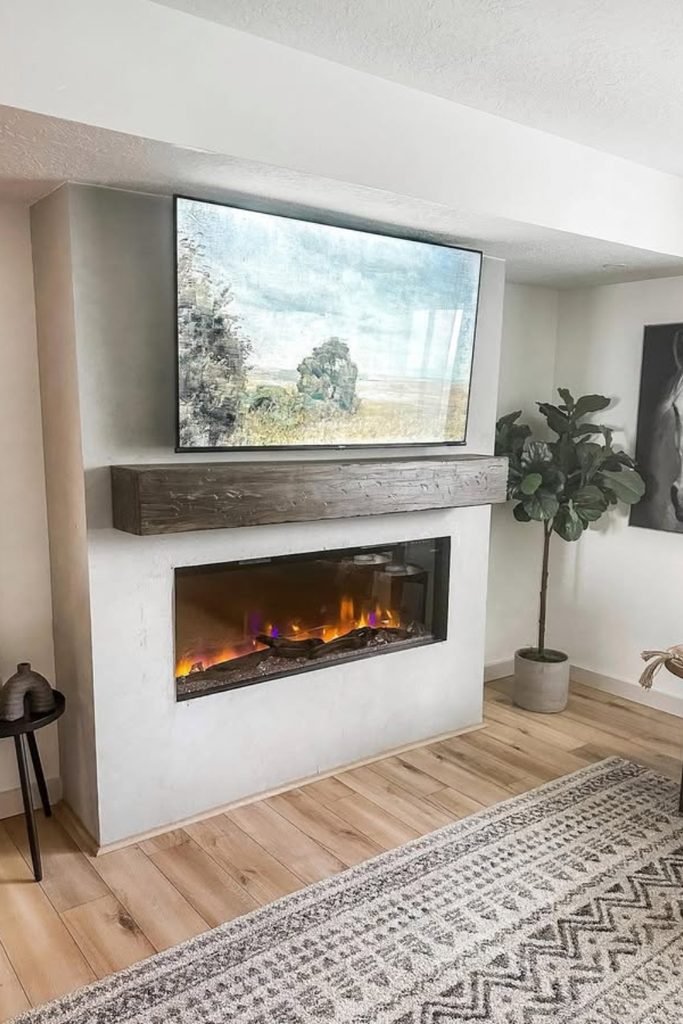
Chunky Beam
Skip complicated trim when your room already leans modern; a chunky timber beam adds enough warmth without crowding the fireplace.
Build a hollow box from boards if solid timber feels too heavy, then stain it to echo nearby flooring or furniture.
Mount it securely above the electric insert, using the appliance instructions to determine safe spacing before fixing anything permanently.
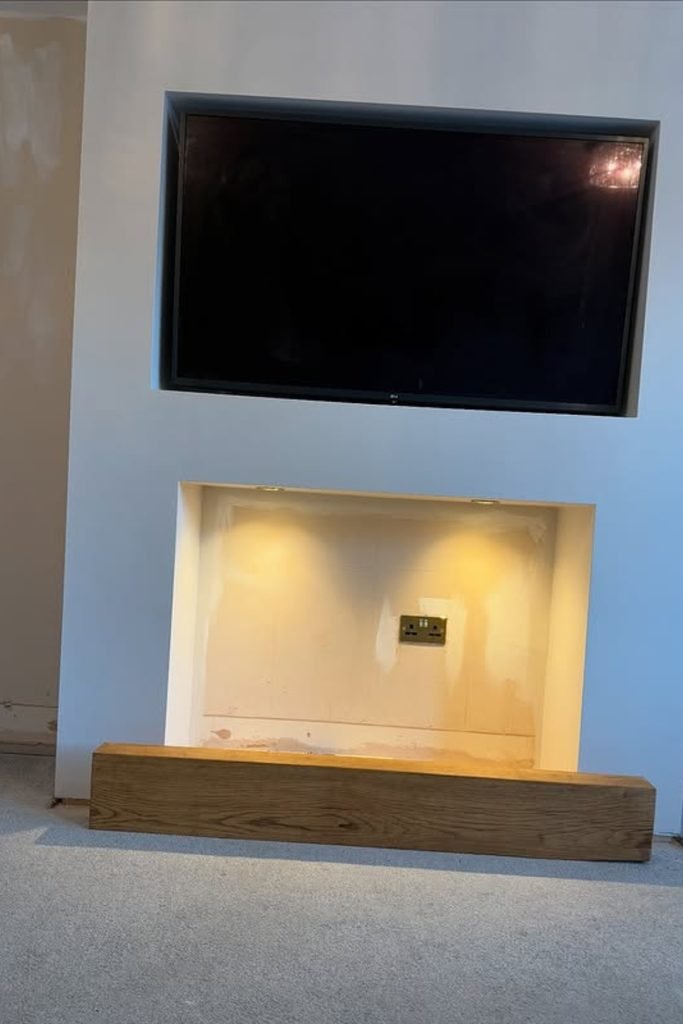
Low Wood Ledge
When a tall media wall feels top-heavy, bringing natural wood down near floor level gives the whole feature stronger visual balance.
Use a thick timber ledge beneath a future insert or decorative opening, sizing it slightly wider than the recessed section above.
Plan outlets and insert dimensions before closing the cavity, because moving electrical points after finishing creates avoidable patching and repainting.
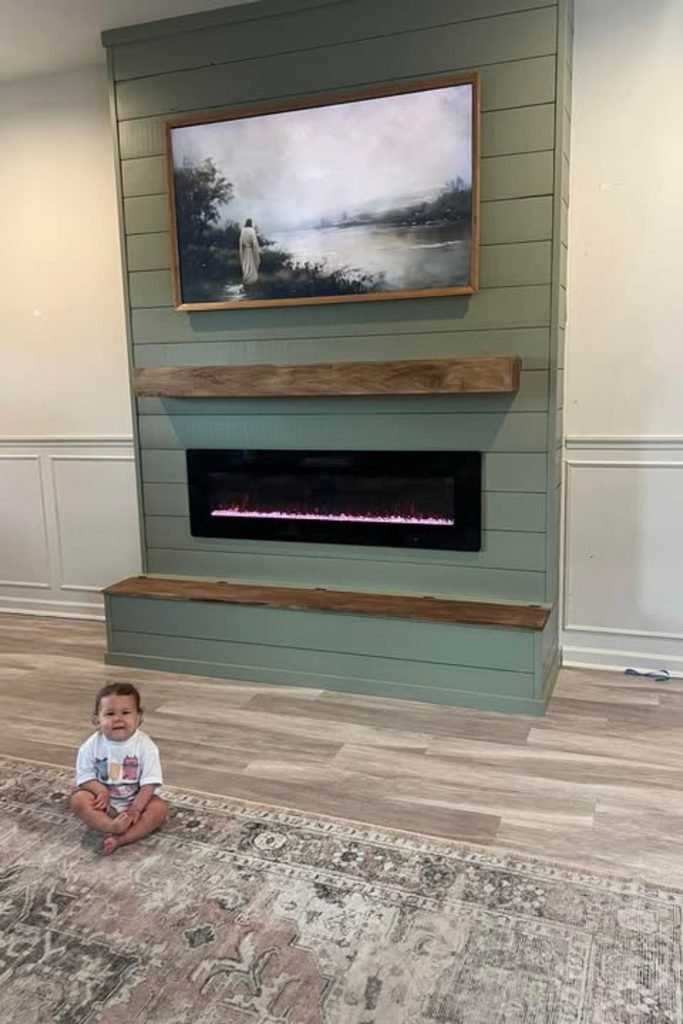
Shiplap Surround
If plain drywall feels too flat, horizontal shiplap gives the fireplace wall texture while still leaving the mantel visually simple.
Paint the boards and surround one muted shade, then let a natural wood shelf provide the contrast instead of extra ornament.
Carry a matching wood ledge across the hearth base so the upper mantle feels connected rather than randomly attached.
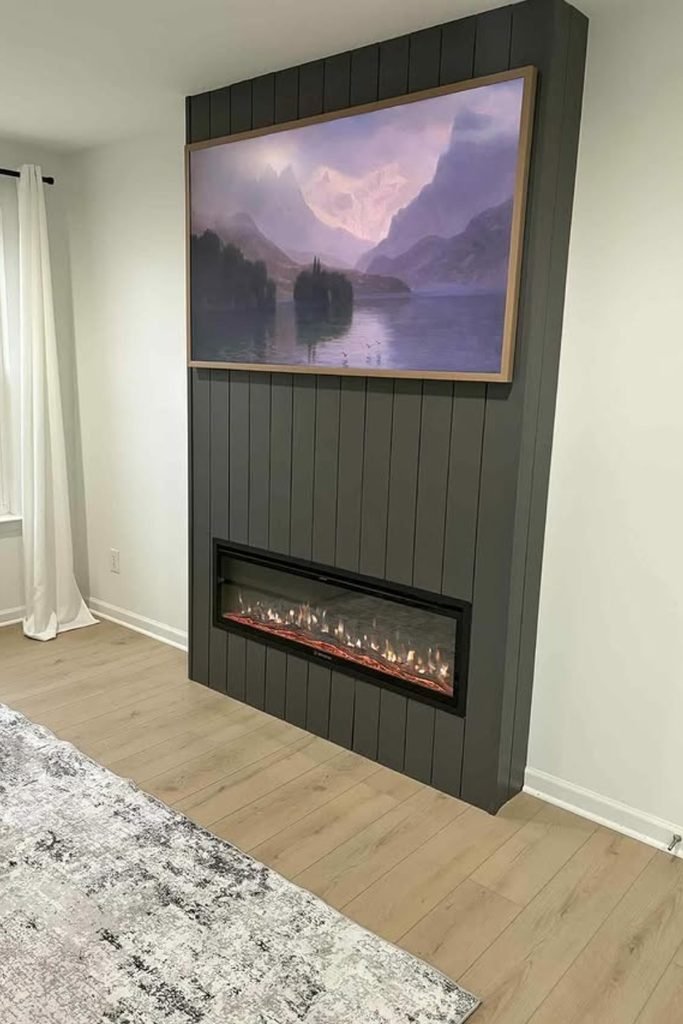
Vertical Paneling
When your fireplace shares a wall with a large television, skipping a bulky mantel can prevent the arrangement from feeling squeezed.
Run narrow vertical boards from floor to ceiling and paint them dark to turn simple framing into intentional architecture.
Before attaching panels, mark the television and insert positions first so both openings stay centered within the finished feature wall.
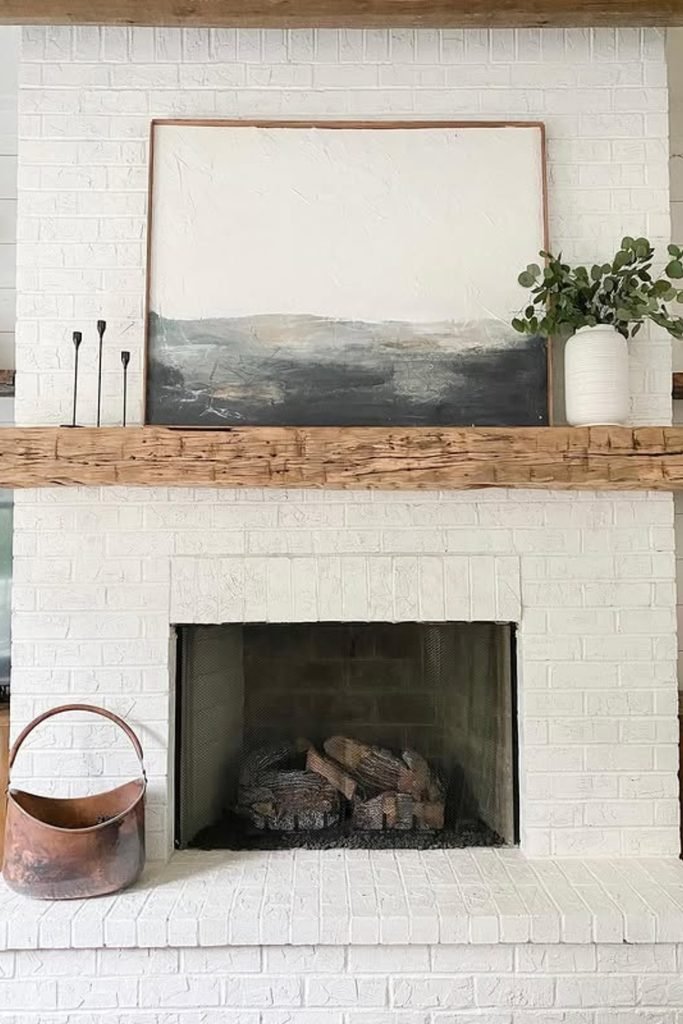
Reclaimed Mantel
Old brick gains character fast when you pair its painted finish with a rough reclaimed beam instead of adding elaborate molding.
Choose timber with visible knots and imperfections, then sand only rough contact points so the naturally aged surface remains noticeable.
Let the beam extend beyond the firebox on both sides, giving artwork and simple mantel decor enough room without feeling crowded.
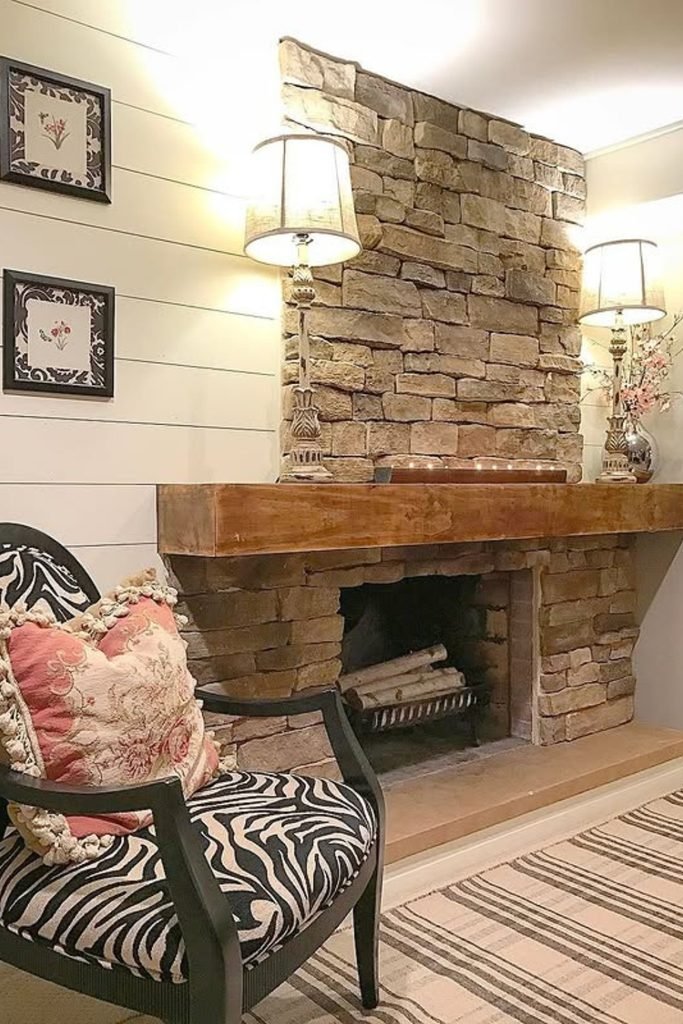
Stone Feature
If your fireplace already has a strong stone texture, a straightforward timber mantel prevents another decorative layer from competing for attention.
Use a deep stained beam across the stone face, choosing a wood tone that complements the earthy variation within the masonry.
For working fireplaces, confirm required clearances and mounting methods first, since stone installation and heat exposure need more planning than decorative builds.
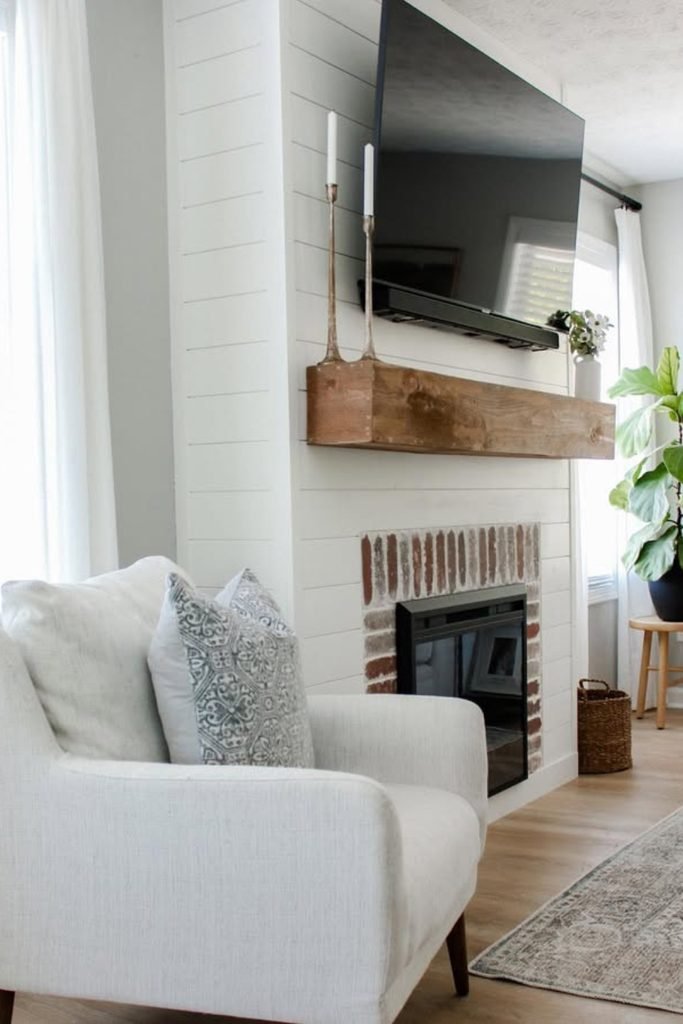
Brick Accent
You don’t need to expose an entire brick fireplace to bring some original-looking character back into a simple painted surround.
Leave a narrow brick border around the firebox, then use white horizontal boards above it to brighten the overall feature.
Finish with a medium-toned wood mantel between television and firebox, checking appliance clearances before deciding its final height and depth.
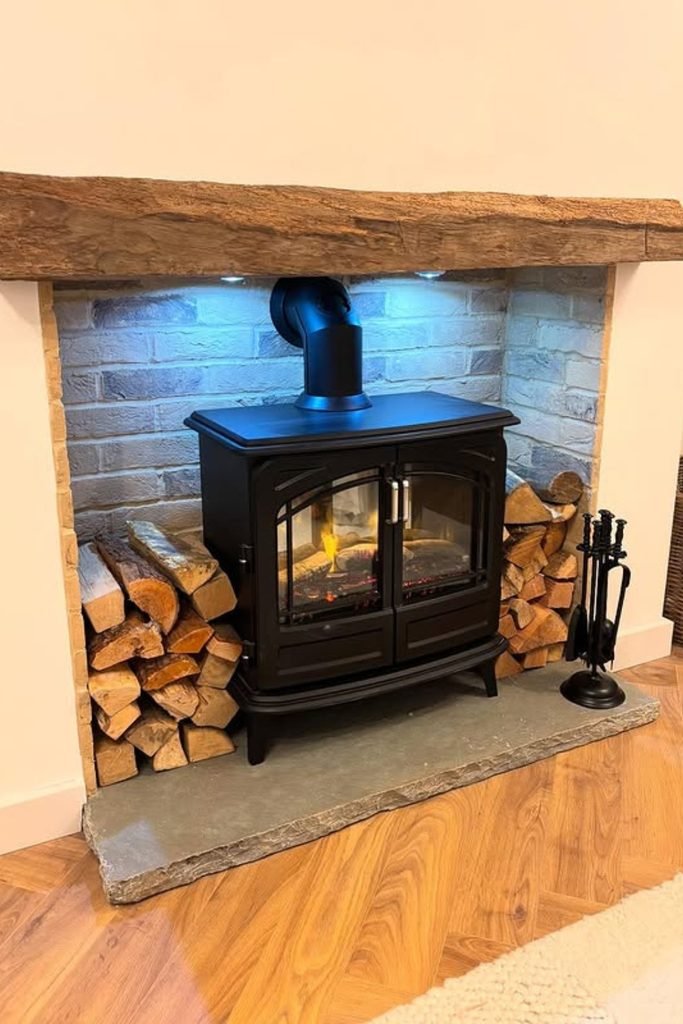
Rustic Alcove
Building the mantel across a recessed fireplace opening gives chunky reclaimed timber a structural purpose instead of making it purely decorative.
Pair the beam with pale brick and a stone hearth, letting those rough textures frame a freestanding stove without extra trim.
Small recessed lights beneath the mantel can brighten the brickwork, but plan wiring and required heat clearances before installing the timber.
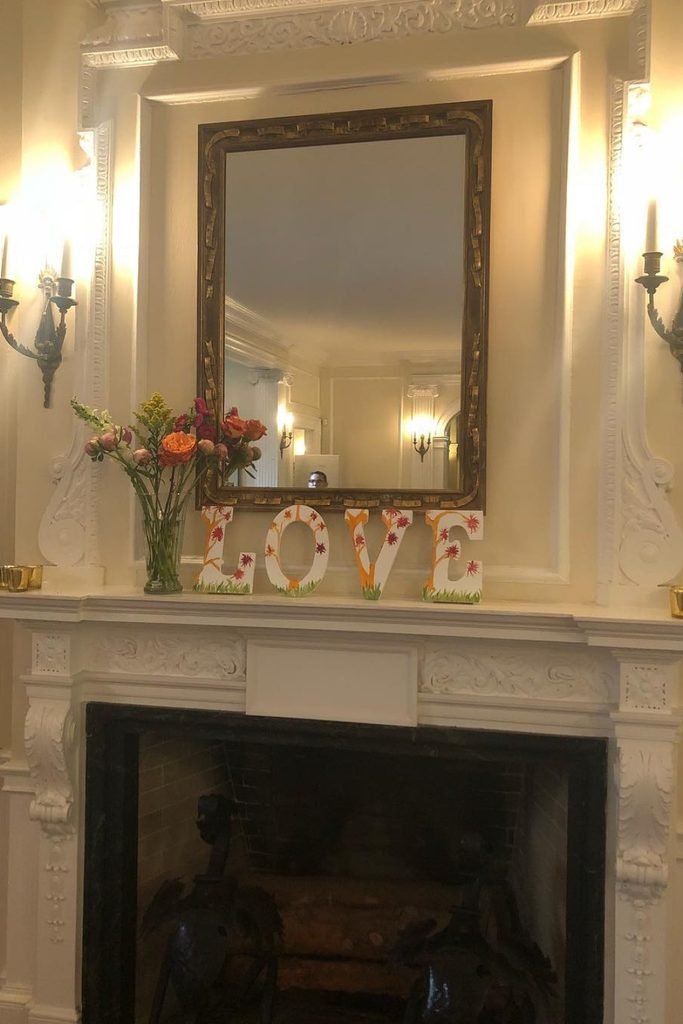
Ornate Surround
If you love traditional detail, layered molding can turn a basic fireplace into something that feels original to an older home.
Build the surround from stacked trim profiles and decorative appliqués, painting everything one shade so the intricate pieces read as cohesive.
Extend detailing above the mantel only when ceiling height allows, because generous vertical space prevents elaborate millwork from feeling visually cramped.
Simple Oak Beam
Sometimes one clean timber shelf is enough to give a plain fireplace wall warmth without committing to complicated surround construction.
Choose a straight oak board with visible grain, then use concealed mounting hardware so nothing interrupts the simple floating appearance.
Center artwork above and leave breathing room around the mantel, letting its natural finish become the main contrast against white walls.
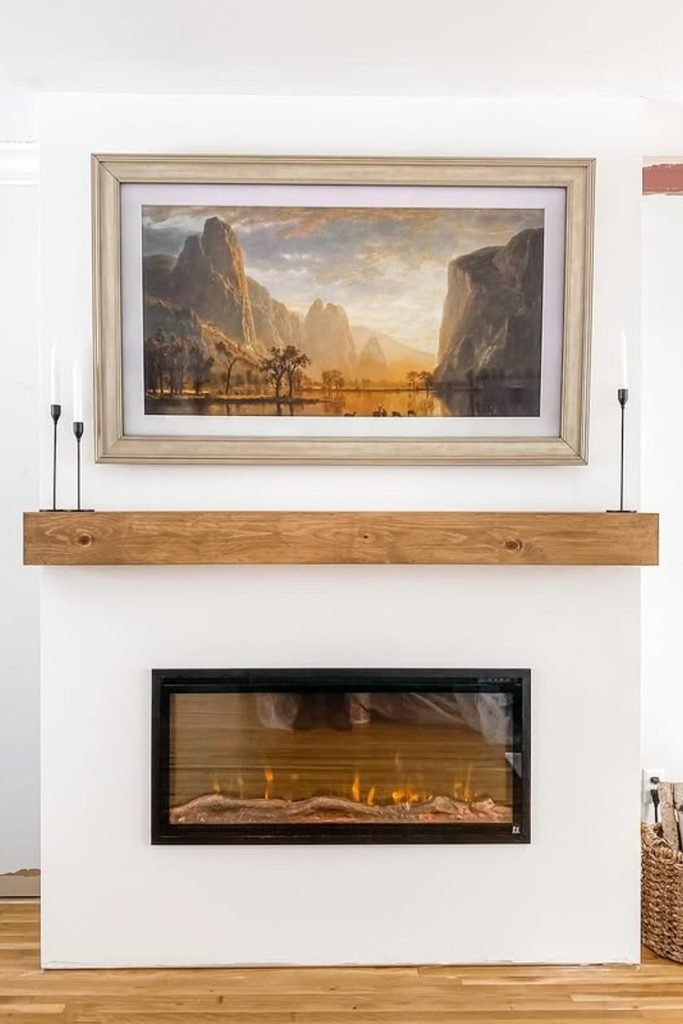
Wide Floating Mantel
A wider mantel can visually connect the television and fireplace when both elements otherwise seem like separate rectangles stacked on one wall.
Build a hollow wood box for substantial depth without excessive weight, then secure its internal cleat directly into reliable wall framing.
Leave enough shelf space beside the television for restrained decor, while checking fireplace and television requirements before settling on placement.
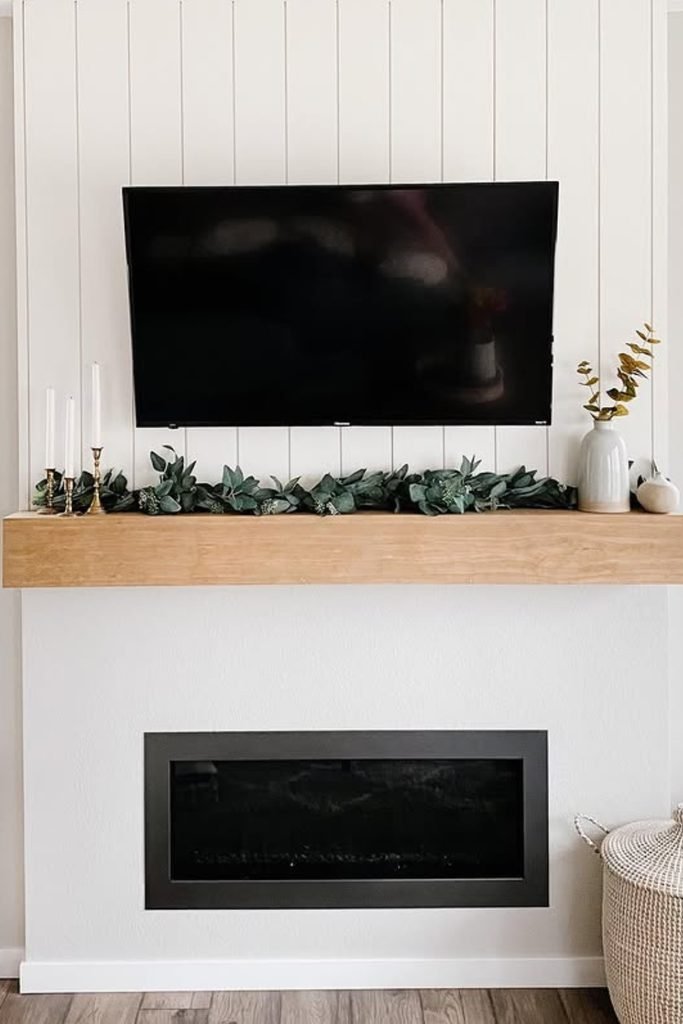
Black Beam
Natural brick already brings plenty of variation, so a dark floating mantel can sharpen the fireplace without introducing another busy material.
Use a simple box beam or solid timber shelf finished in matte black, allowing the brick texture to remain the dominant feature.
Before drilling into masonry, map your fixing points carefully and choose suitable hardware so the long shelf stays level under decorative weight.
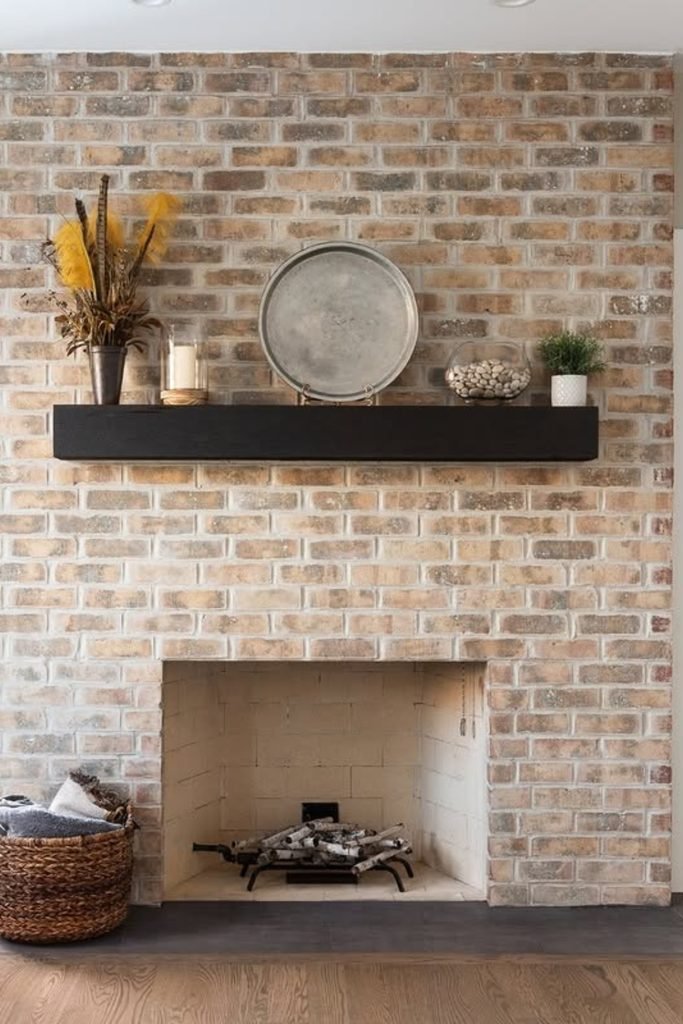
Extended Timber
Give a simple fireplace more presence by extending the mantel across the surround instead of limiting it to the firebox width.
Pair a warm wood beam with pale stone or marble, letting the natural grain soften an otherwise crisp neutral finish.
Add subtle wall molding above the shelf to frame artwork and decor without turning the fireplace into a complicated carpentry project.
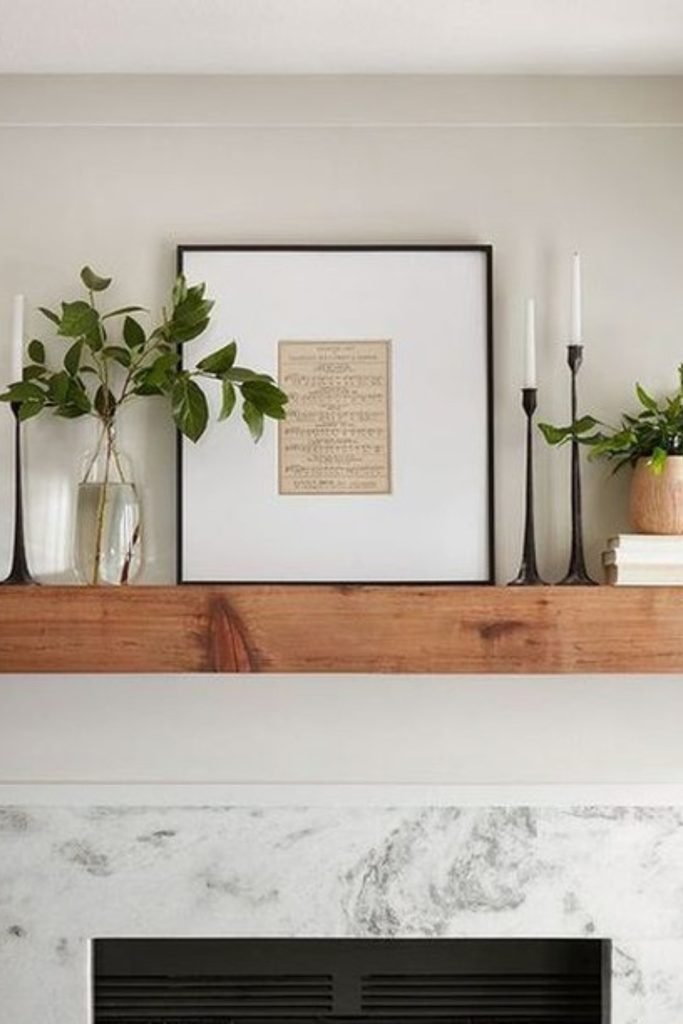
Classic Surround
If your existing fireplace feels dated, a traditional surround can become the feature rather than something you immediately tear out.
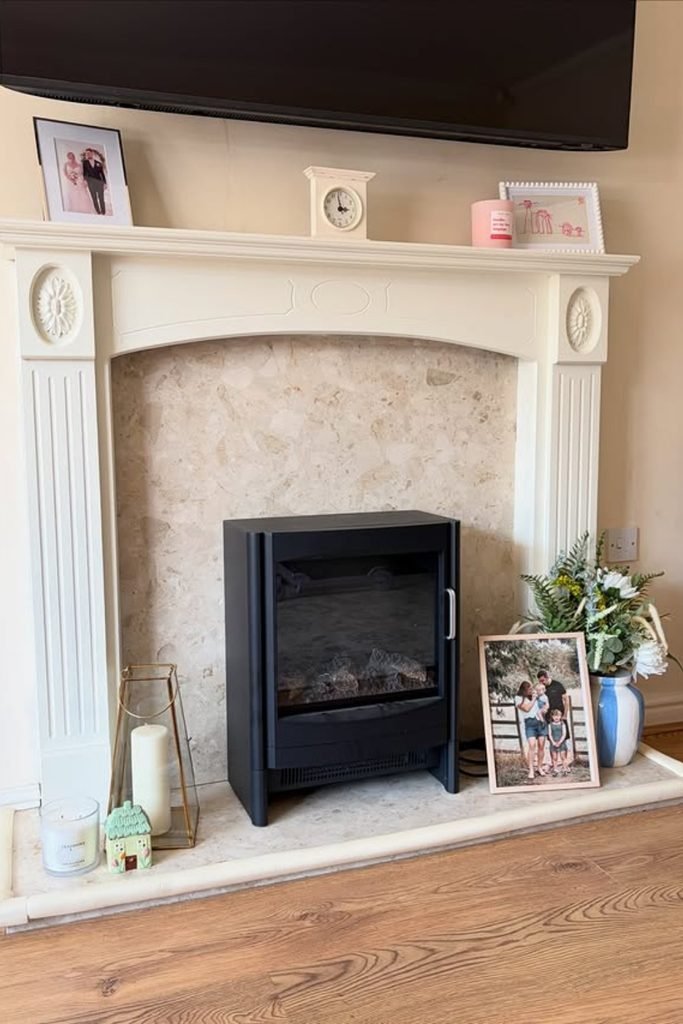
Refresh carved columns and fluted trim with one consistent paint color, then let the stone interior provide gentle visual contrast.
Before mounting a television above an older fireplace, check heat, clearance, viewing height, and fixing requirements instead of guessing placement.
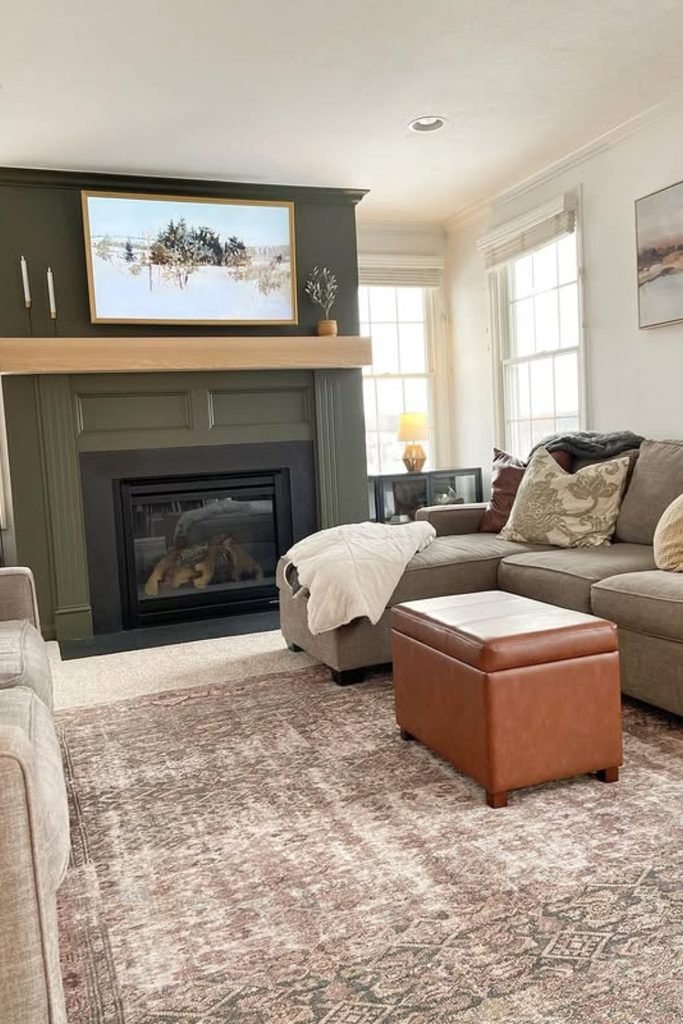
Moody Millwork
Dark paint is useful when you want traditional fireplace molding to feel sharper, moodier, and more current without rebuilding everything.
Add simple rectangular trim below the mantel, then use a natural wood shelf to break up the deep painted finish.
Carrying the dark color above the mantel creates one tall focal point, which works well when the fireplace anchors a spacious room.
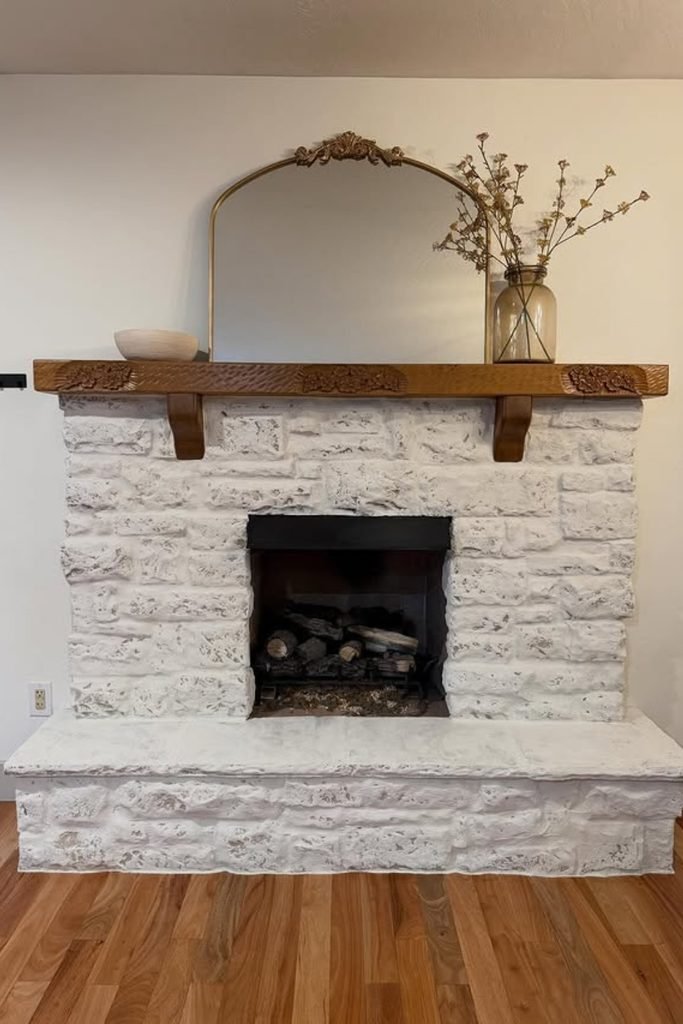
Bracketed Beam
Support brackets can become part of the design when your timber mantle needs more character than a completely hidden floating mount.
Choose brackets that suit the beam thickness, then align them evenly with the firebox so the whole arrangement feels deliberately balanced.
Against pale painted stone, a medium wood finish adds warmth while still allowing the masonry texture to remain easy to notice.
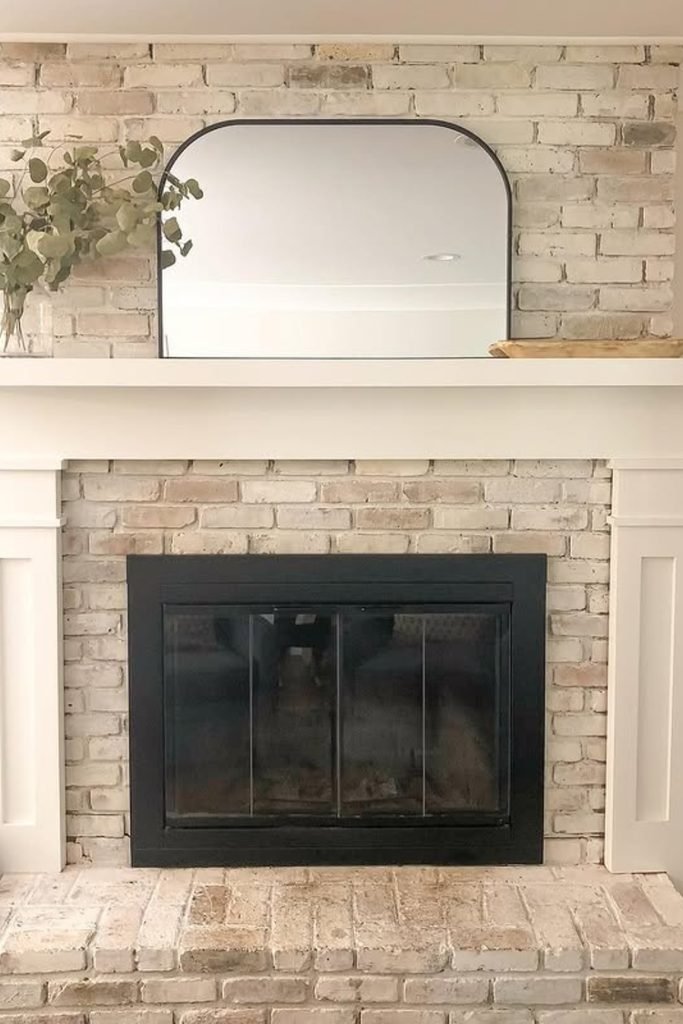
Framed Brick
When old brick has plenty of charm but feels unfinished, simple painted trim can give it structure without hiding its texture.
Build square side columns and a clean shelf around the opening, letting exposed brick remain visible above, inside, and below.
Painting the new woodwork to match nearby walls helps the added surround feel architectural rather than like a separate decorative frame.
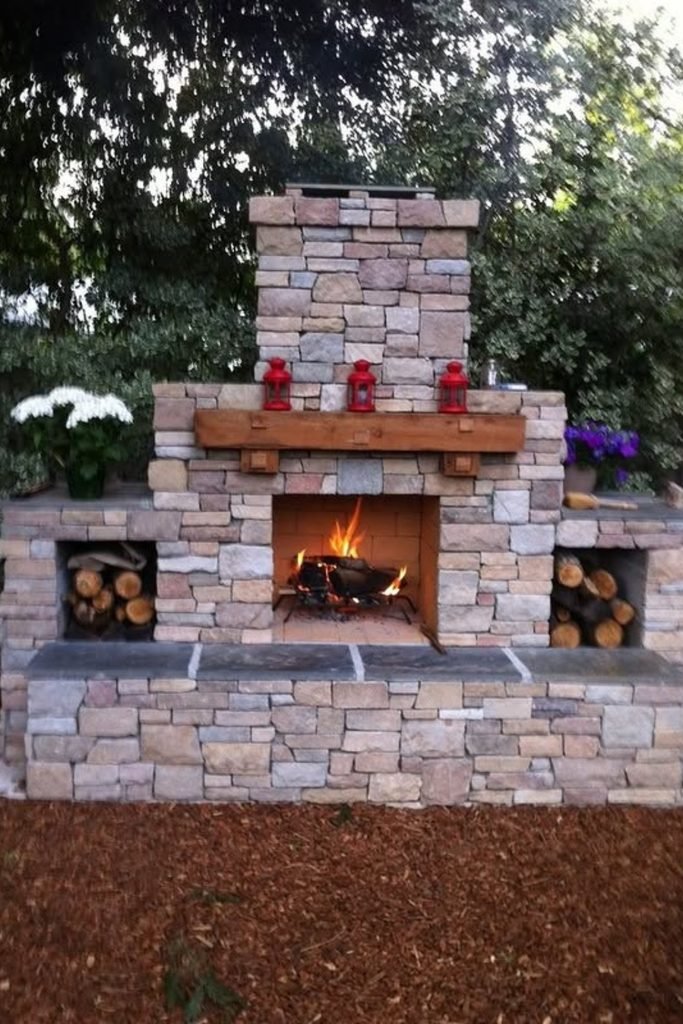
Outdoor Mantel
An outdoor fireplace can handle a heavier mantle visually, so use a substantial timber beam that stands up against rugged stonework.
Add chunky supports beneath the beam to reinforce its scale, while leaving surrounding ledges useful for plants, lanterns, or firewood.
Because weather and open flame change material requirements, choose exterior-suitable finishes and verify proper clearances before installing any wood components.
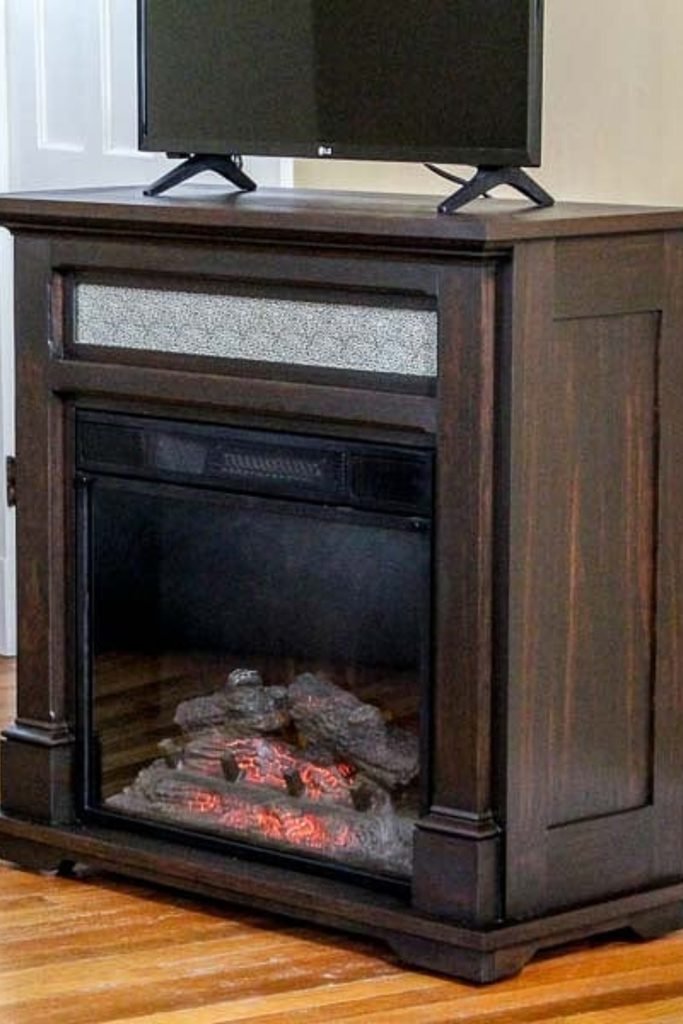
Compact Fireplace
Short on wall space? A compact electric fireplace cabinet can give you a mantel and flame effect without building floor-to-ceiling framing.
Use a furniture-style surround with paneled sides and a substantial top, choosing a finish that coordinates with nearby wood flooring.
Plan television placement separately rather than automatically stacking it overhead, since a movable fireplace gives you more flexibility with viewing height.
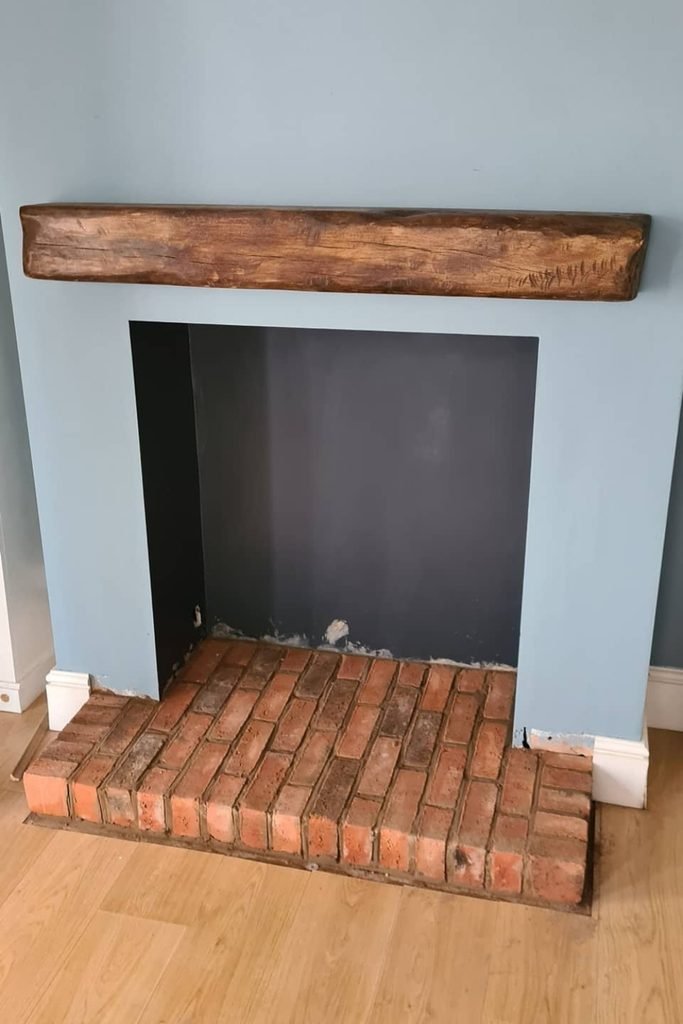
Live Edge Beam
For a plain fireplace wall, one irregular timber beam can add enough character that elaborate molding or a full surround becomes unnecessary.
Preserve the beam’s natural edge and tool marks, then stain it warmly so those imperfections become part of the finished design.
Pair it with a simple painted opening and brick hearth, allowing the contrast between smooth walls and aged wood to stand out.
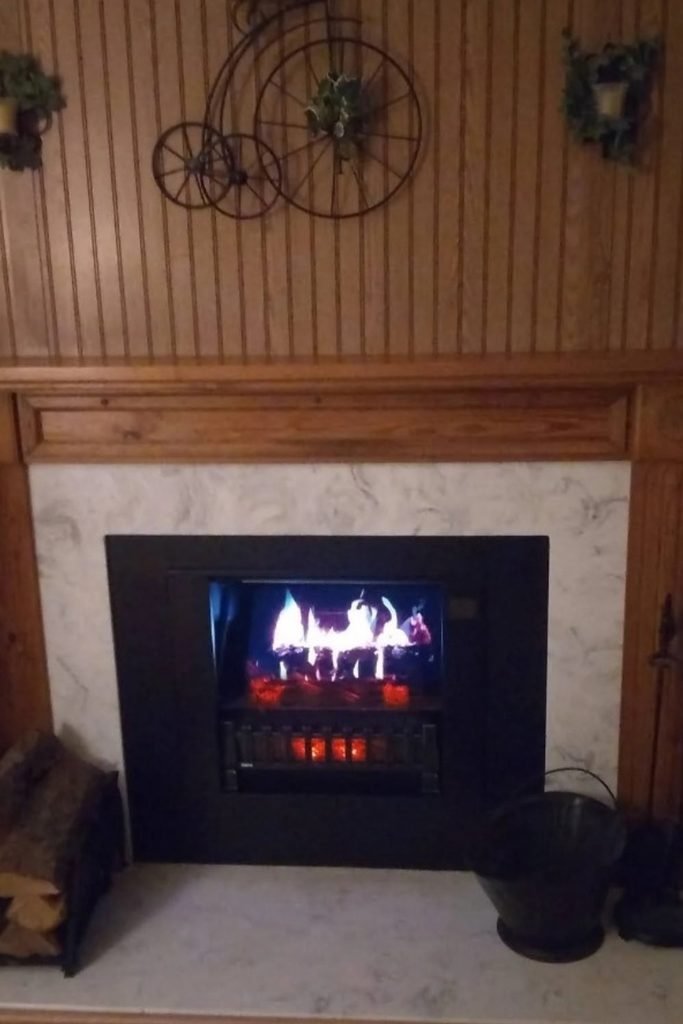
Paneled Surround
Wood paneling can make a traditional fireplace feel fully integrated when you carry the same material beyond the mantel onto surrounding walls.
Use simple pilasters and a broad header around the opening, letting carved corner details provide interest without requiring complicated layered trim.
Break up all that wood with a pale stone surround, which creates enough contrast to stop the fireplace wall feeling overly heavy.
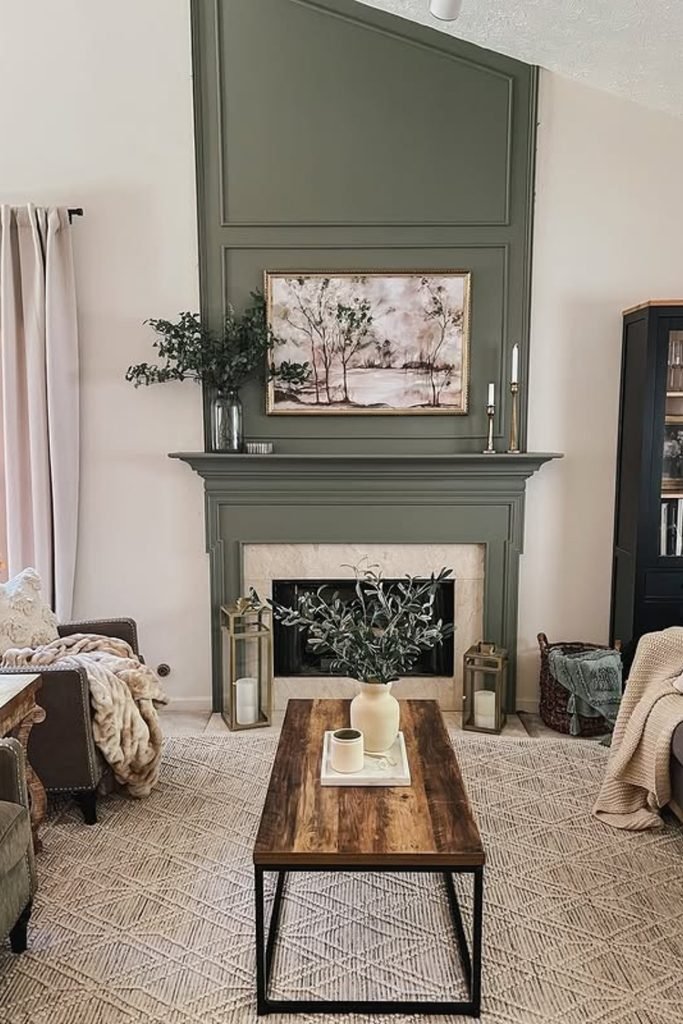
Tall Mantel
A high ceiling gives you room to carry fireplace detailing upward, making the whole wall feel intentional rather than bottom-heavy.
Extend painted panel molding above a traditional surround, using one continuous color to visually connect the mantel with the upper section.
Finish with simple artwork instead of filling every panel, because the architectural trim already provides plenty of interest on its own.
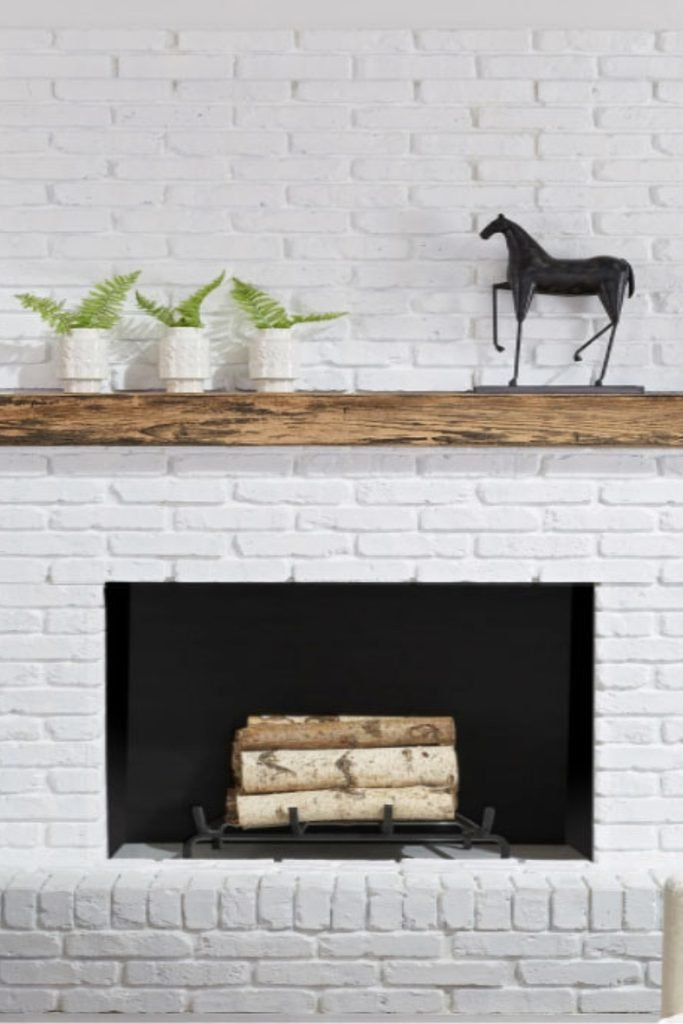
Shelf Connection
Built-in shelves feel more connected to a fireplace when their wood tones relate directly to the mantel running across the center.
Pair pale floating shelves with a rougher reclaimed beam, giving the fireplace stronger texture while surrounding storage stays visually lighter.
Painting older brick white can unify the background, allowing books, pottery, and natural wood to add warmth without overwhelming the wall.
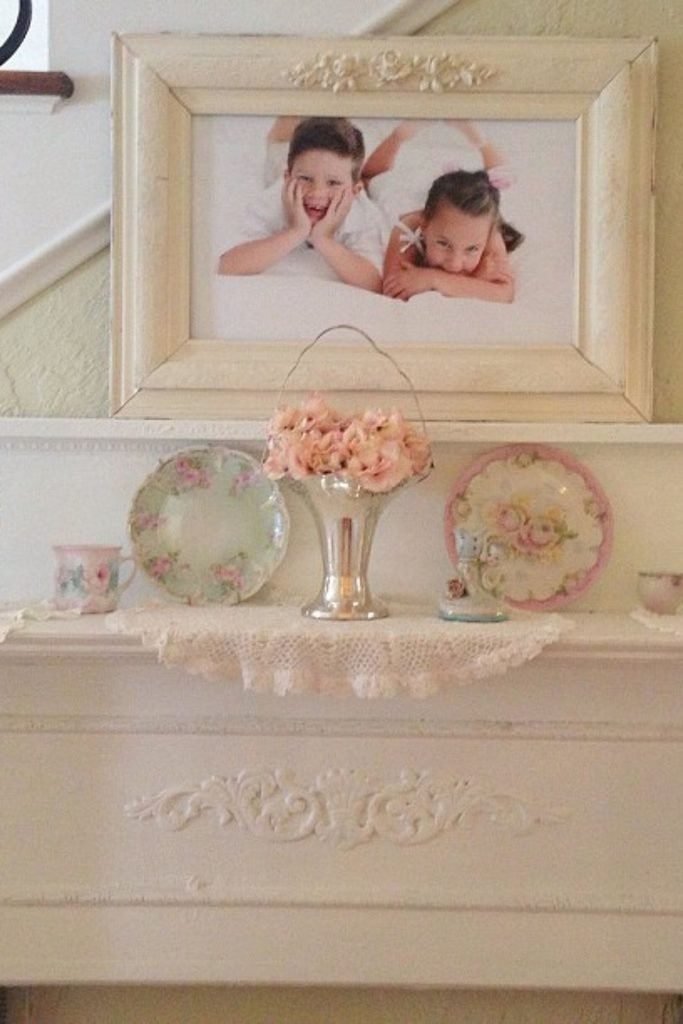
Vintage Mantel
If you find an old mantel with decorative details, restoring it can bring character that new flat boards simply cannot replicate.
Repair loose molding and damaged edges first, then use one soft paint finish to bring mismatched or patched sections together.
Small carved appliqués across the header add personality, making this approach useful for a faux fireplace needing more traditional architectural presence.
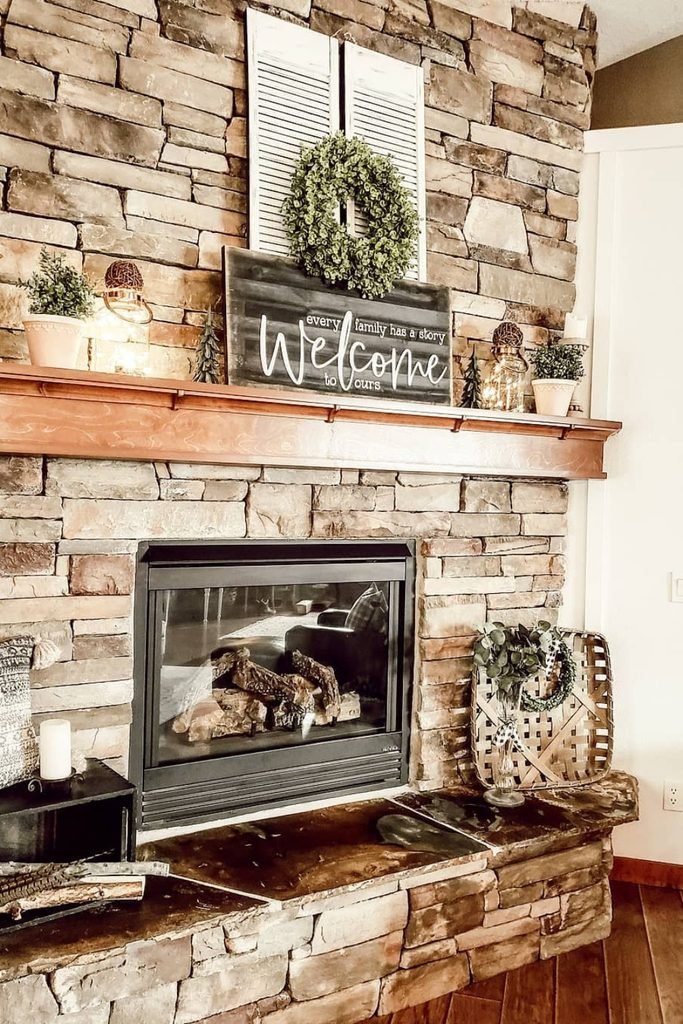
Stone Mantel
Heavy stone walls need a mantle with enough visual weight, so a thin floating shelf can easily disappear against the texture.
Choose a substantial wood shelf with a deeper profile, letting its smoother surface create a clean break across irregular stacked stone.
For a working fireplace, determine clearance and secure masonry mounting before decorating, since weight and heat matter more than styling here.
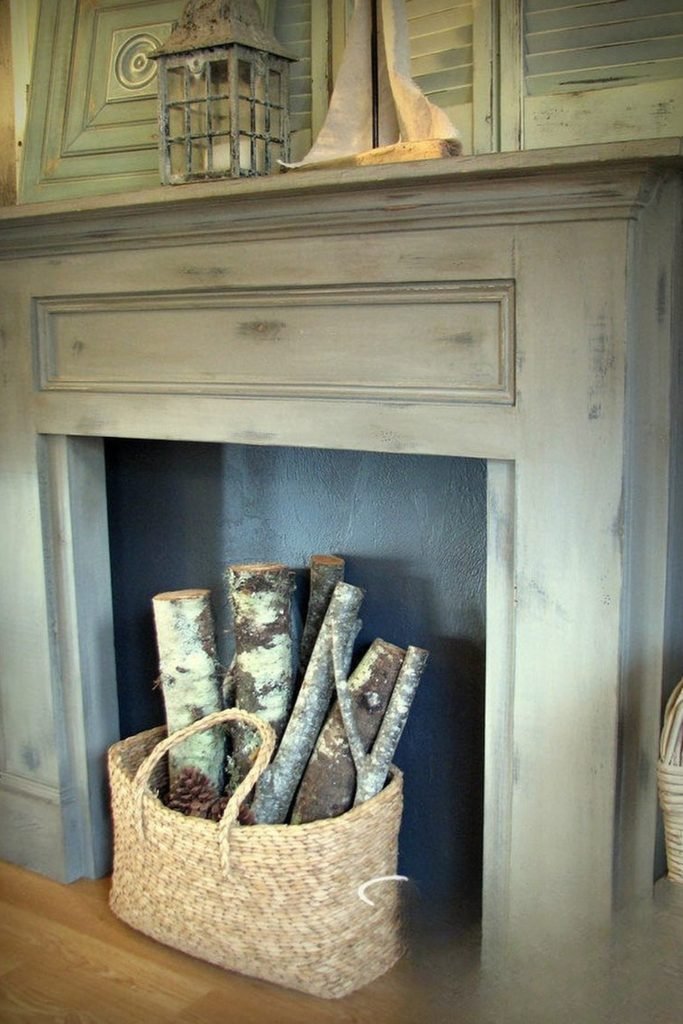
Distressed Mantel
A decorative faux fireplace becomes far more convincing when the mantel finish has age and depth instead of looking freshly assembled.
Layer muted paint over wood, then lightly distress selected edges so molding details appear naturally worn rather than heavily sanded everywhere.
Darken the empty firebox and add stacked logs or a woven basket, giving the opening purpose without installing a working insert.
FAQs
Can I Build a DIY Fireplace Mantel Without Advanced Woodworking Skills?
Yes. You can start with a simple box beam or basic surround that relies mostly on straight cuts and easy-to-assemble boards.
Careful measuring, dry-fitting, sanding, and finishing usually matter more than complicated woodworking when you want the finished mantel to look polished.
How Do I Make a DIY Fireplace Mantel Look More Expensive?
Fill nail holes, caulk small gaps, sand rough joints, and choose a paint or stain that complements the room.
Most importantly, make sure the mantel fits the fireplace properly, because awkward proportions can make even expensive materials look unfinished.

Hi, my name is Ali Mehmood! I’m a passionate writer and DIY enthusiast who loves turning creative ideas into practical, hands-on projects.
I created this website to share inspiring, budget-friendly ideas that you can do yourself – whether it’s organizing your home, crafting something unique, or creating fun projects for kids and pets.
I believe DIY isn’t just a hobby – it’s a smart way to save money, reduce waste, and enjoy the satisfaction of making things with your own hands.
I’m excited to have you as part of this growing community, and I’ll continue bringing you helpful, realistic, and fun DIY ideas you can actually use.