This post may contain affiliate links: read full affiliate disclosure.
Building a DIY garden bed sounds easy until you start thinking about the size, soil, wood, drainage, and total cost.
You may have a sunny corner in your yard, but that does not mean every garden bed idea will work there.
Some beds become too wide to reach, some cost too much to fill, and some start falling apart after one season because the wrong material was used.
The good thing is, you do not need a perfect backyard or expensive supplies to start. You only need a garden bed idea that fits your space, budget, and the plants you want to grow.
In this article, I am going to share DIY garden bed ideas that are practical, beginner-friendly, and easy to understand, so you can build a bed that looks good, works well.
Create A Garden Arch
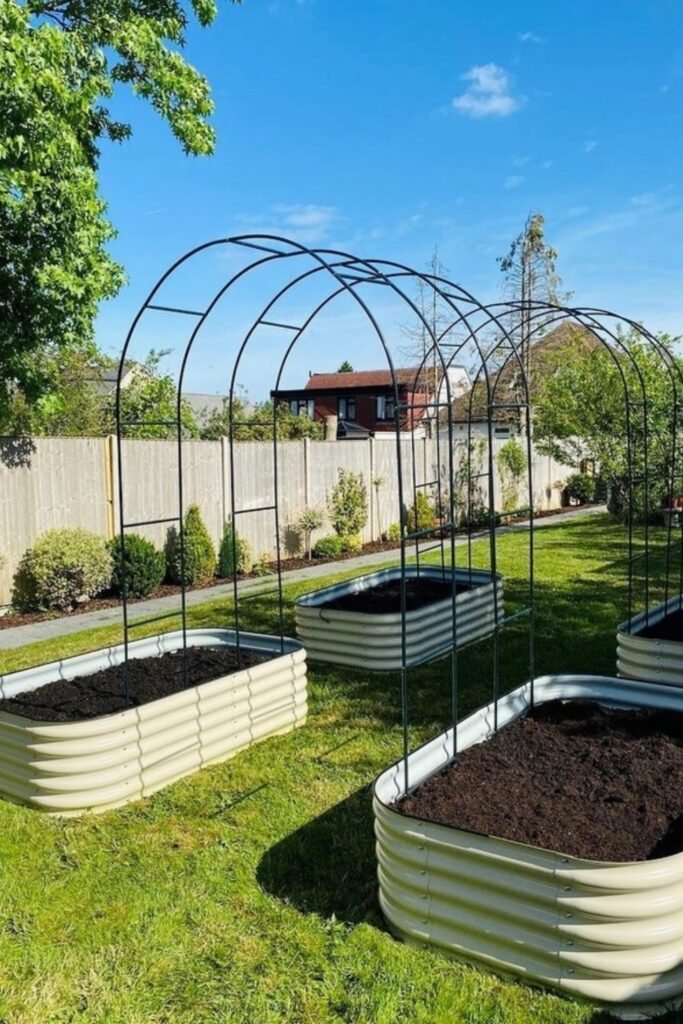
One smart way to get more from a raised bed is to add a metal arch that supports climbing vegetables while creating extra growing space overhead.
As vines begin to cover the structure, the garden instantly feels larger and more impressive without requiring additional beds or sacrificing valuable yard space.
This setup works especially well when you want a productive vegetable garden that also adds height, definition, and visual interest throughout the growing season.
Frame The Walkway
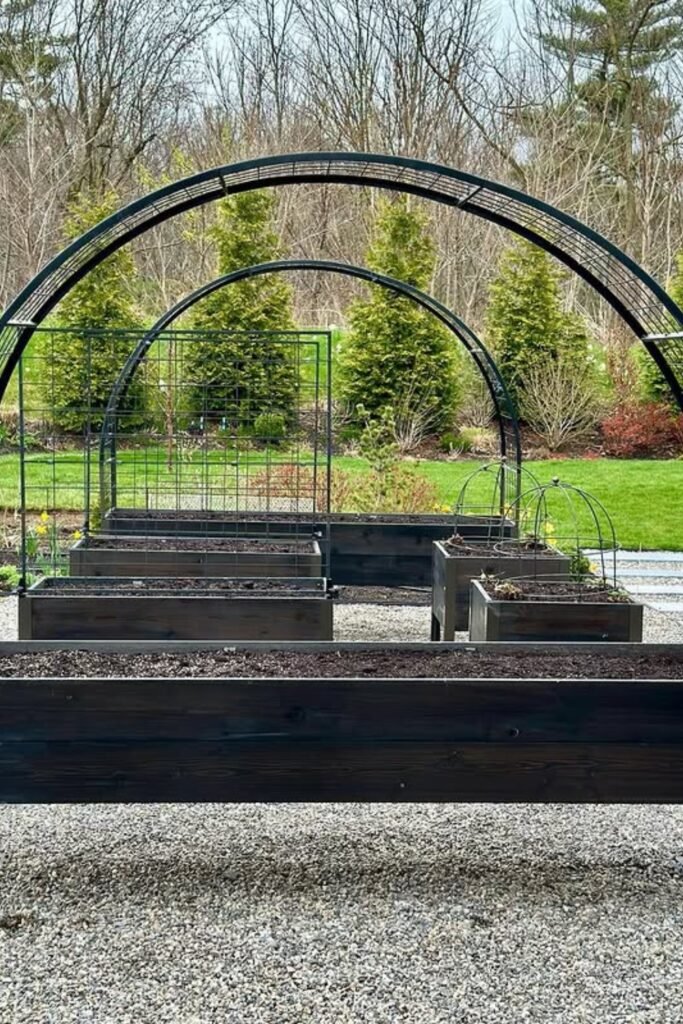
Instead of placing beds randomly around the yard, arrange them around an arched pathway to create a garden layout that feels organized and easy to navigate.
The matching arches naturally draw your eye through the space while providing sturdy support for crops like beans, peas, cucumbers, and flowering vines.
If your backyard feels open or unfinished, a walkway design like this helps establish structure while making everyday harvesting and maintenance much more comfortable.
Mix Edibles Together
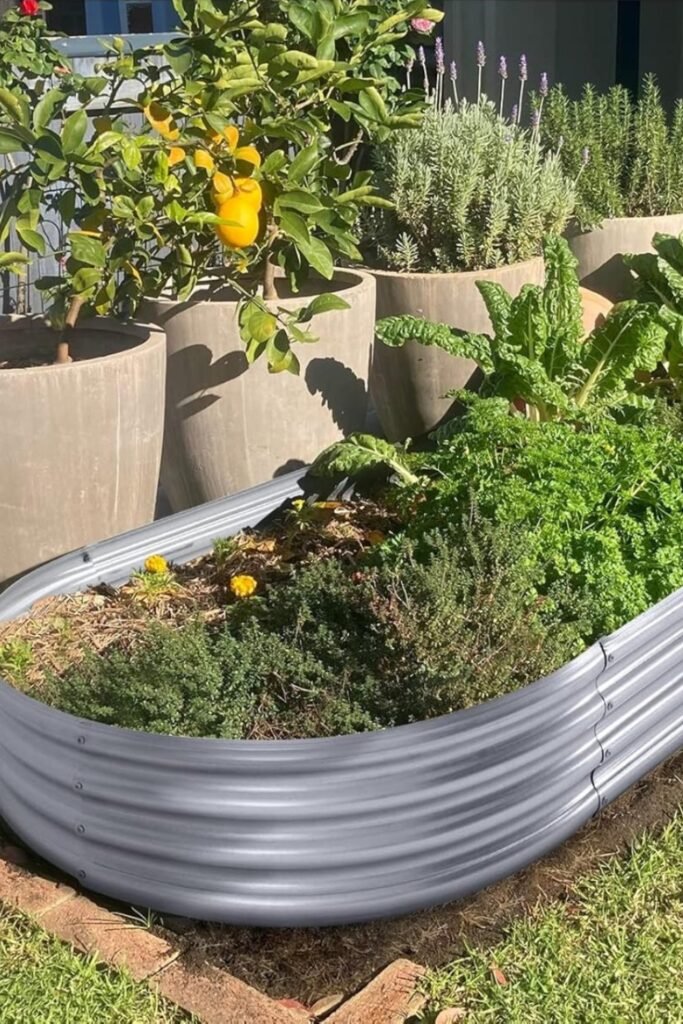
A raised metal bed becomes far more useful when you combine herbs, leafy greens, and nearby fruit plants instead of dedicating the entire space to one crop.
Growing several kitchen favorites together makes harvesting easier because everything you use regularly stays within reach during the busiest gardening months.
The varied textures and plant heights also create a fuller appearance, helping the bed feel intentional while maximizing every inch of available growing space.
Build A Garden Tunnel
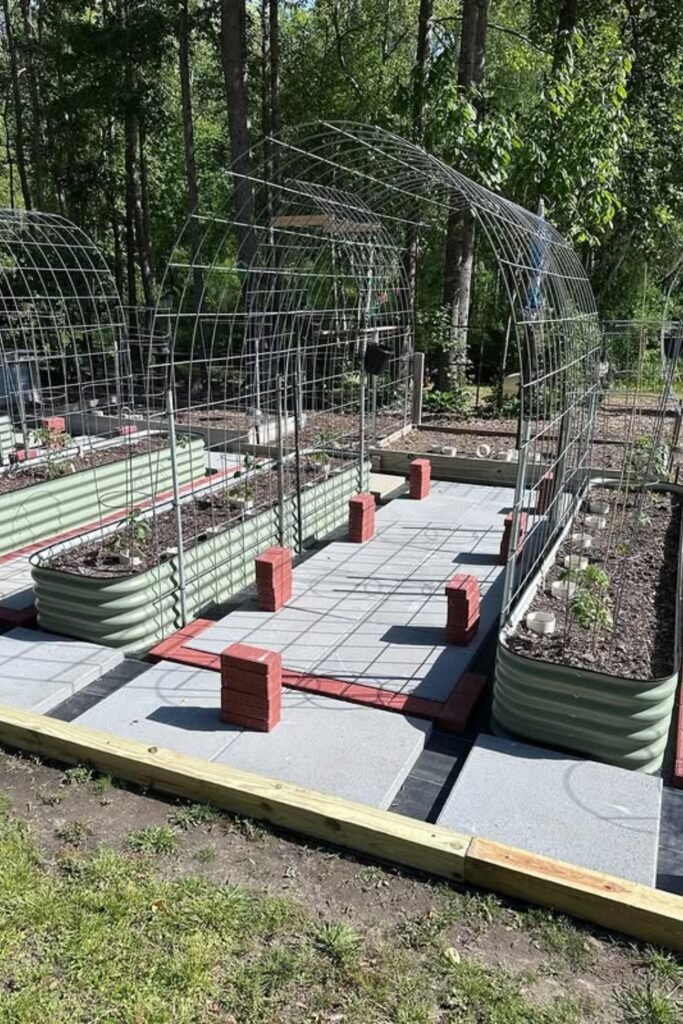
Few garden bed ideas make a stronger statement than a tunnel structure that connects multiple beds and transforms the growing area into a destination.
The paved pathway keeps mud away from your shoes after watering, while the overhead framework provides endless opportunities for training climbing vegetables and flowers.
If you enjoy spending time outdoors, this design creates a dedicated garden room that feels functional, organized, and enjoyable throughout the entire season.
Use Natural Stone Borders
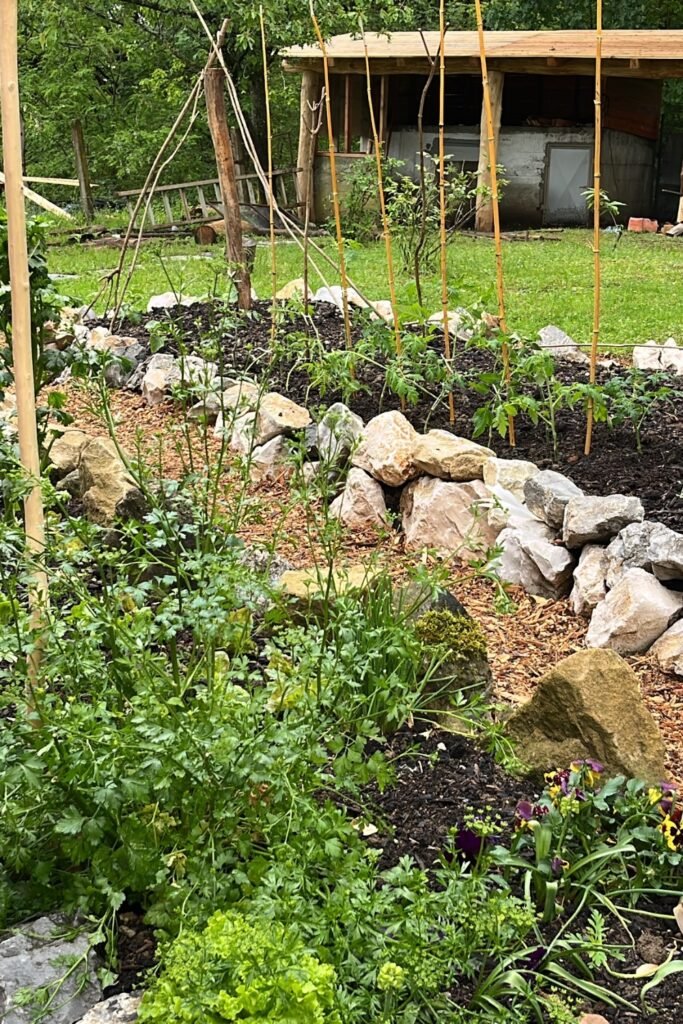
Sometimes the best garden bed does not look built at all. Large stones create gentle borders that blend into the landscape while helping separate planting areas naturally.
The curved shape softens the garden and makes the space feel established rather than newly constructed, which works beautifully in cottage or rustic-style backyards.
If your property already has rocks available, this approach can reduce material costs while creating raised planting zones with plenty of visual character.
Run Beds Along Fences
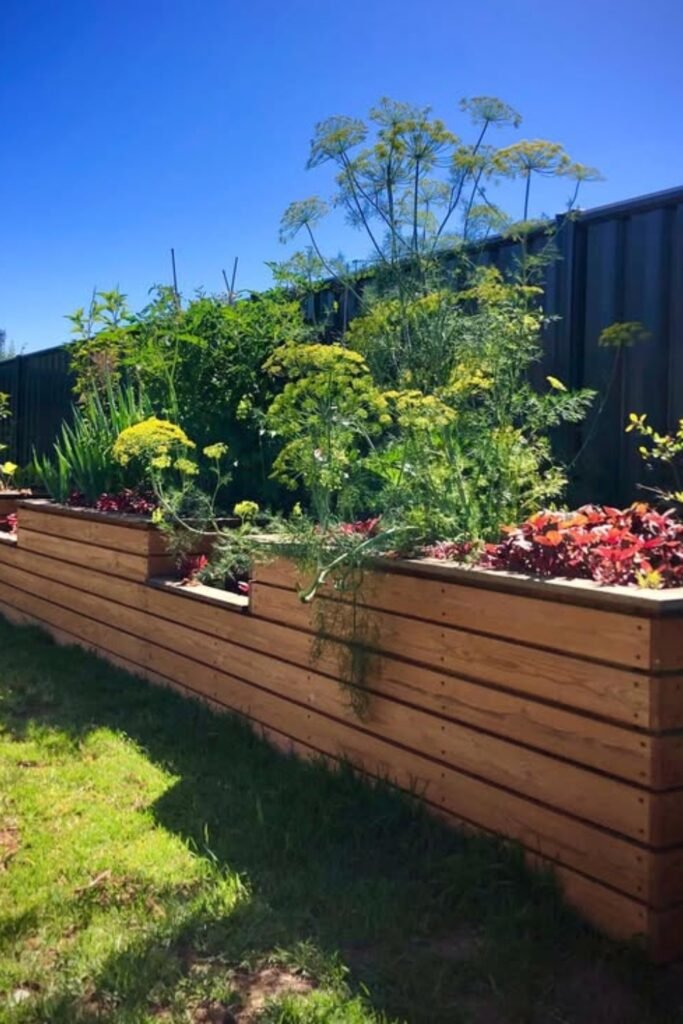
A long raised bed can turn an empty fence line into one of the most productive parts of your yard. The narrow shape keeps everything accessible.
This layout works especially well for homeowners who want maximum growing space without sacrificing the center of the lawn or entertaining areas.
Mix vegetables, herbs, and flowers throughout the bed to create a layered look that feels decorative while still delivering plenty of harvests.
Create Organized Sections
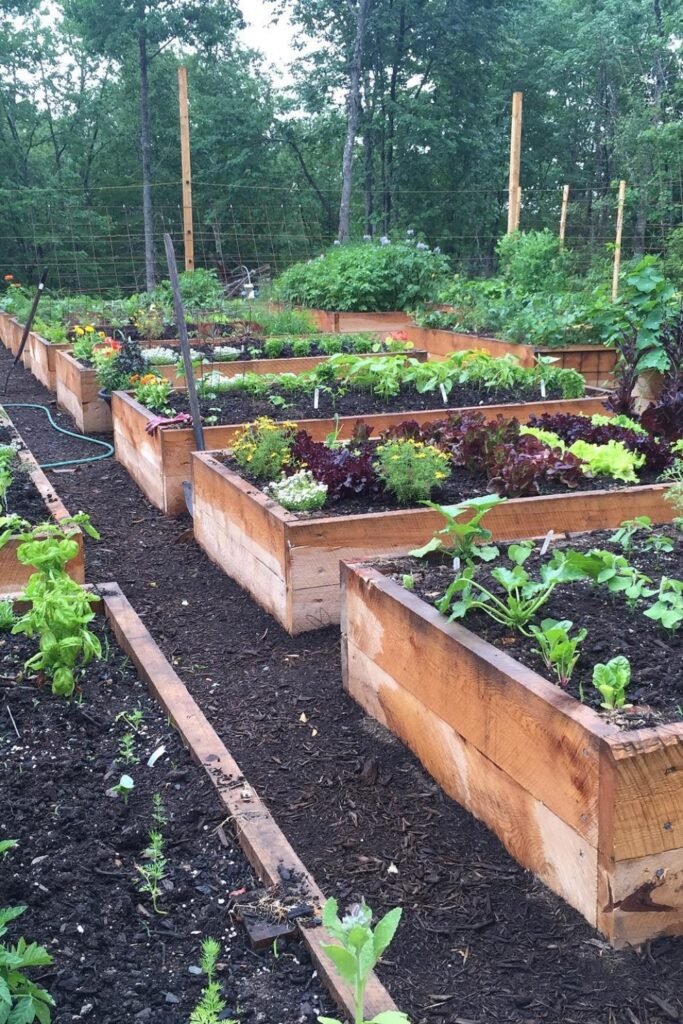
One thing that makes a garden easier to manage is dividing it into several smaller raised beds instead of one oversized growing area.
Separate sections allow you to rotate crops, improve access, and keep maintenance simple because each bed can serve a different purpose.
The clear pathways between beds also prevent soil compaction, making it easier to reach plants without stepping directly into growing spaces.
Add Irrigation Early
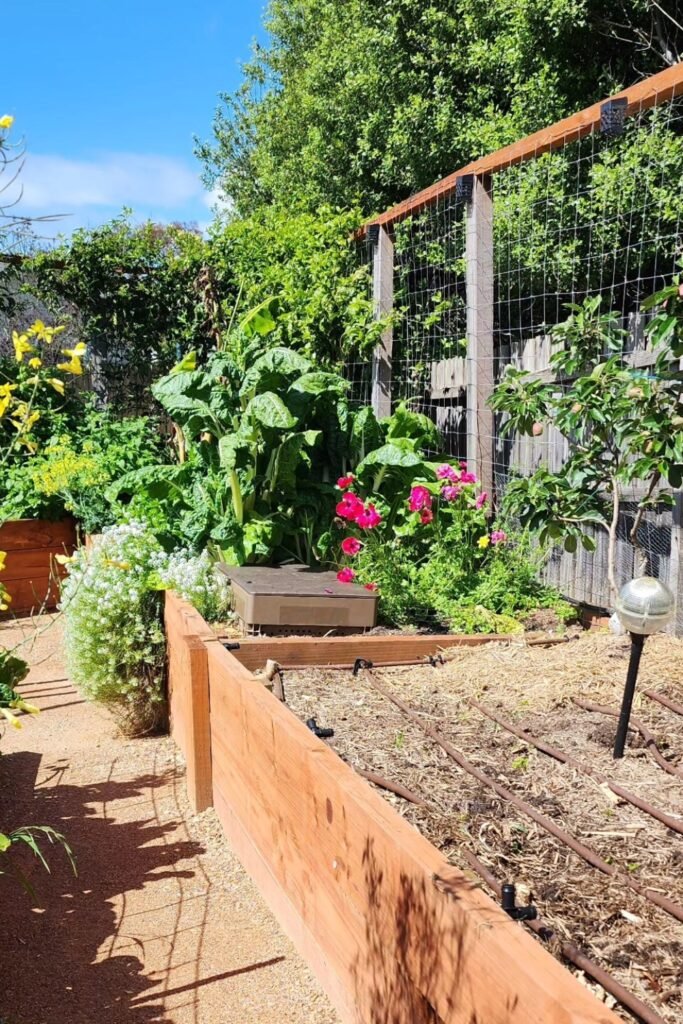
Most gardeners think about watering after the bed is finished, but planning irrigation from the beginning saves time throughout the season.
The drip lines shown here deliver water directly to plant roots, helping reduce waste while keeping foliage drier and healthier.
Pairing irrigation with raised beds creates a low-maintenance setup that works particularly well for busy gardeners who cannot water daily.
Fill One Large Bed
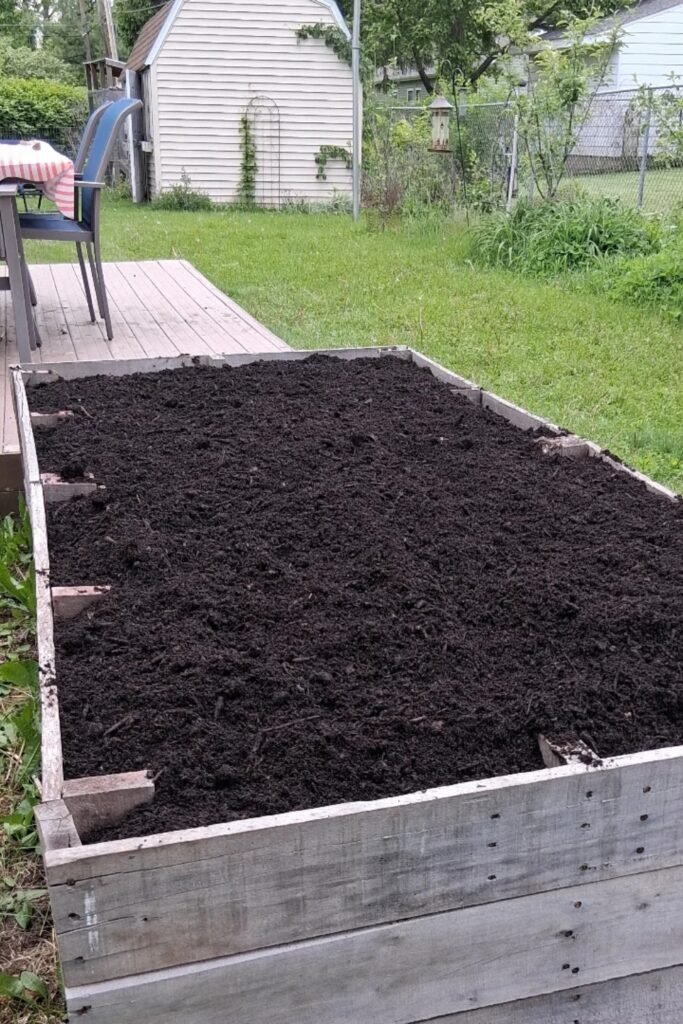
Before building several raised beds, consider whether one oversized bed can meet your needs. A large planting area creates flexibility for vegetables, herbs, and flowers.
The generous growing space makes crop rotation easier because different sections can serve different purposes without constantly redesigning the garden layout.
Positioning a bed beside a deck also keeps harvesting close to the house, making everyday gardening tasks much more convenient throughout the season.
Add Evening Lighting
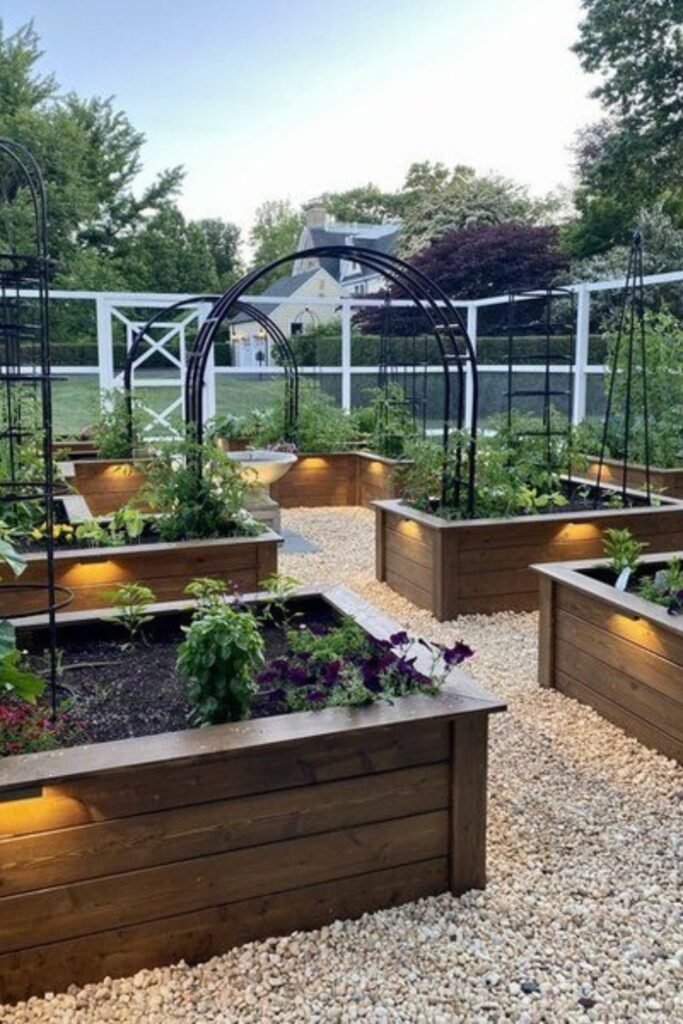
A garden should not disappear when the sun goes down. Built-in lighting around raised beds highlights pathways and creates a welcoming atmosphere after dark.
The warm glow draws attention to the planting areas while improving visibility, making evening watering, harvesting, or outdoor gatherings more enjoyable and practical.
If you already plan to build wooden beds, adding lighting during construction is usually easier than trying to retrofit the feature later.
Use Every Narrow Space
That forgotten side yard might be the perfect place for raised garden beds. Long pathways create easy access while maximizing growing space in tight areas.
Smaller beds keep plants within reach from every side, which helps reduce maintenance and makes harvesting quicker throughout the busiest growing months.
Mixing vegetables with flowers brings extra color into the garden while attracting beneficial pollinators that support healthier growth and better harvests.
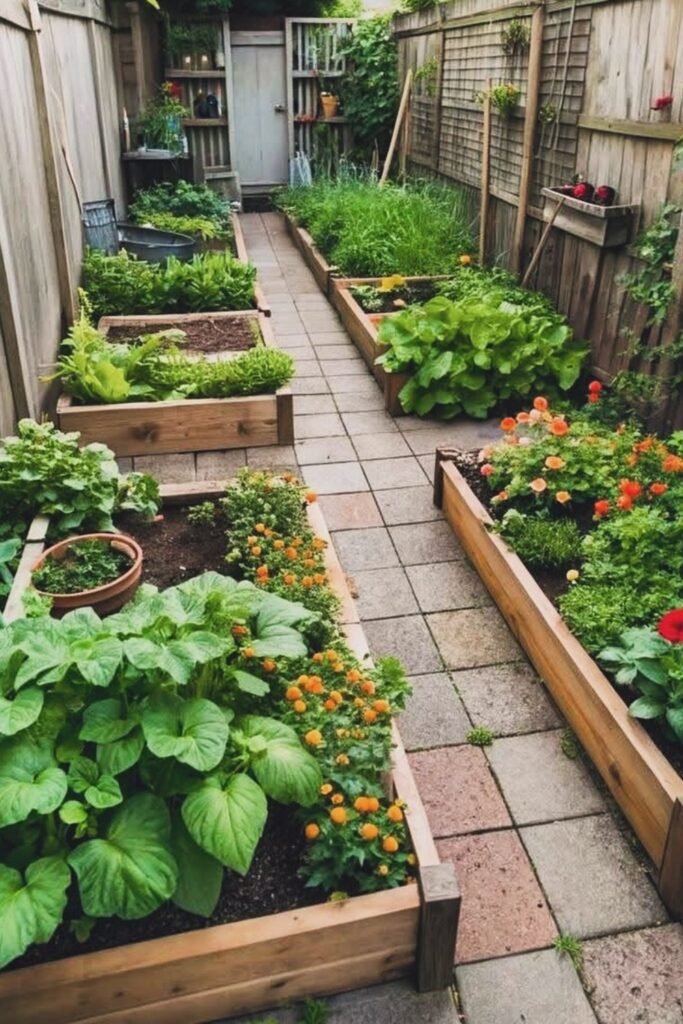
Install Trellis Panels
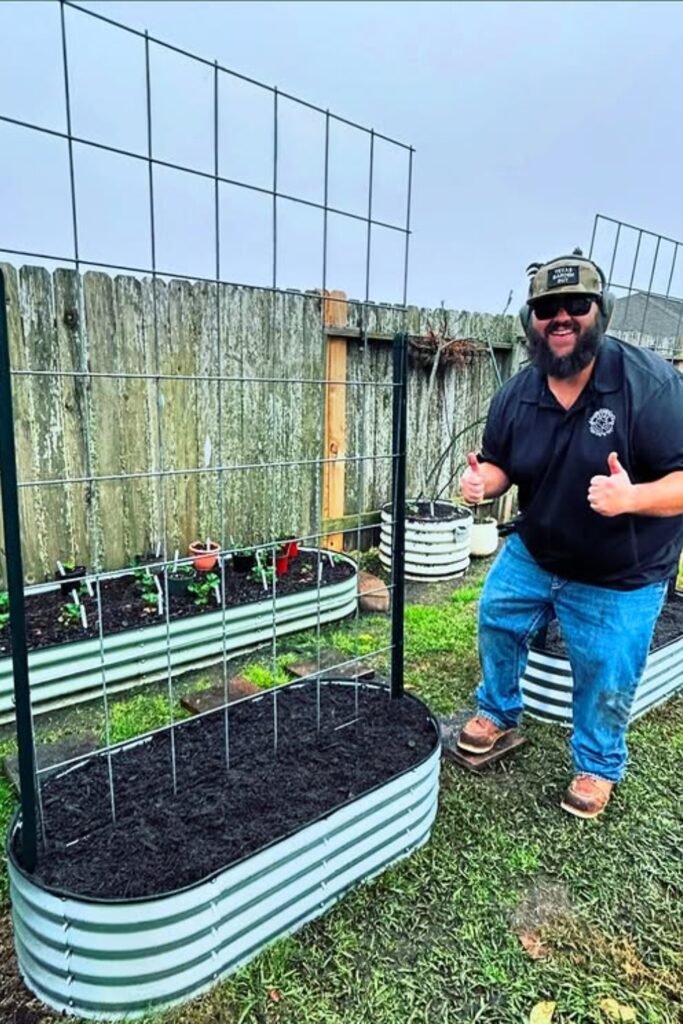
A simple trellis can double the growing capacity of a raised bed without taking up additional ground space. Vertical gardening is often the smartest solution.
Cucumbers, beans, peas, and many flowering vines thrive when trained upward, keeping plants healthier and making harvests easier to manage.
The metal panels also create a cleaner appearance by preventing sprawling growth and helping each bed stay organized throughout the season.
Build With Cinder Blocks
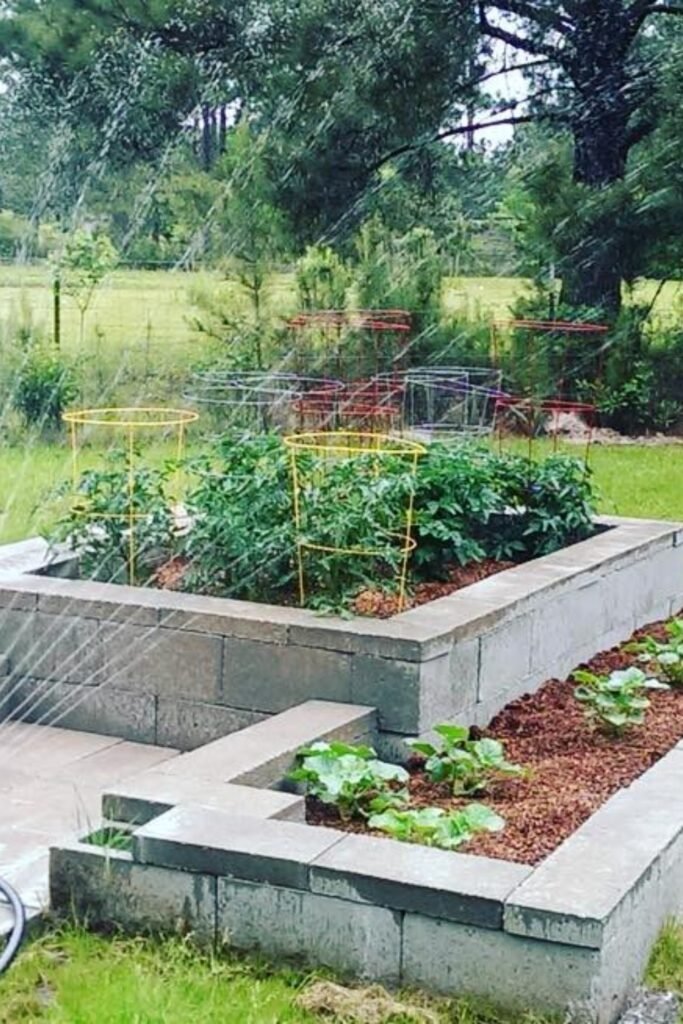
If durability matters more than appearance, cinder blocks are hard to beat. They create strong raised beds that can handle years of weather without rotting.
The wide borders also provide convenient spots for sitting, setting tools down, or placing small containers while working around the garden.
Adding irrigation nearby makes the setup even more practical, especially for larger vegetable beds that need consistent watering throughout the growing season.
Use Block Edging
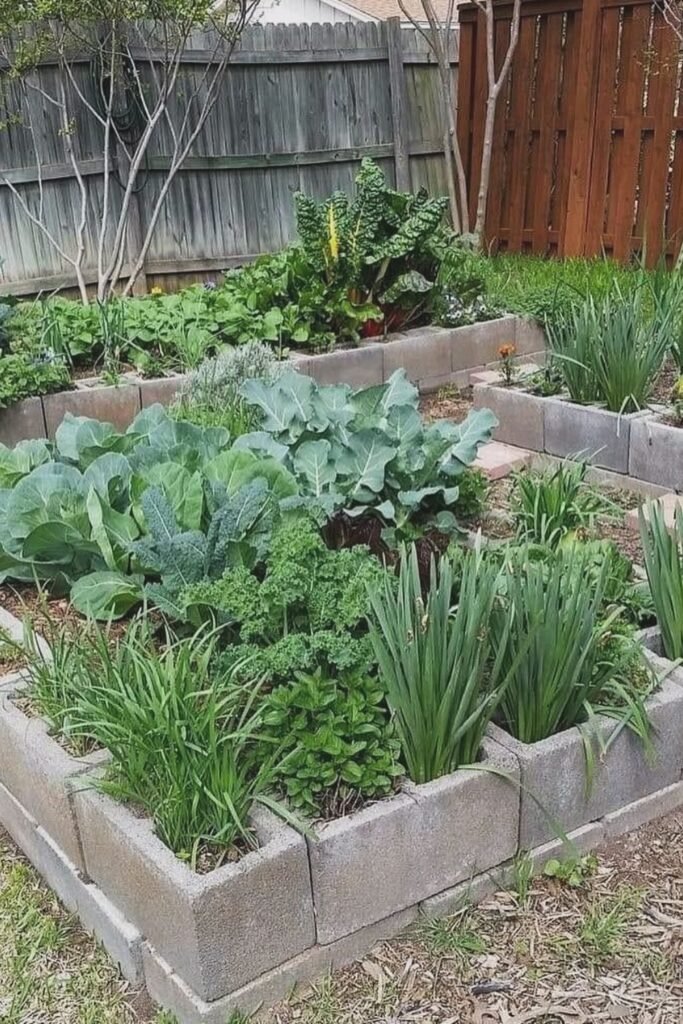
A simple stack of concrete blocks can create an affordable raised bed without requiring advanced woodworking skills or expensive building materials.
The clean rectangular layout helps organize vegetables into dedicated growing sections, making planting, watering, and harvesting much easier to manage.
For beginner gardeners, this approach offers a straightforward way to create permanent beds that remain stable and productive year after year.
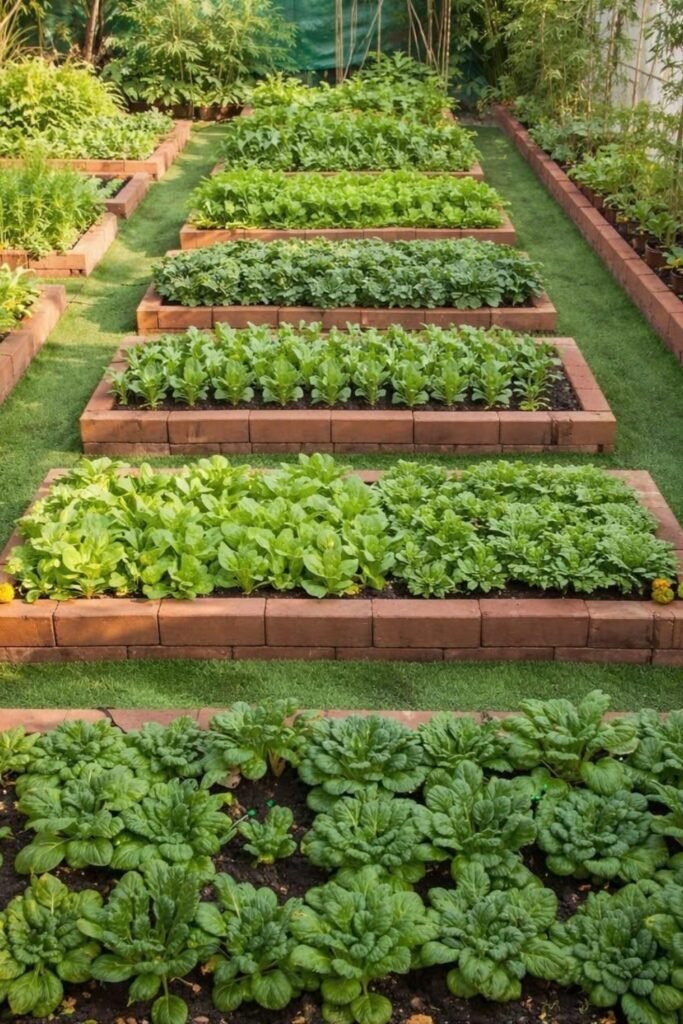
Keep Beds Uniform
One overlooked trick is keeping every garden bed the same size. Consistent dimensions create a cleaner appearance and simplify planting throughout the garden.
Equal-sized beds also make crop planning easier because each section can hold a specific vegetable group without creating awkward unused spaces.
The symmetrical layout gives even a small backyard garden a professional look while keeping maintenance routines simple and predictable.
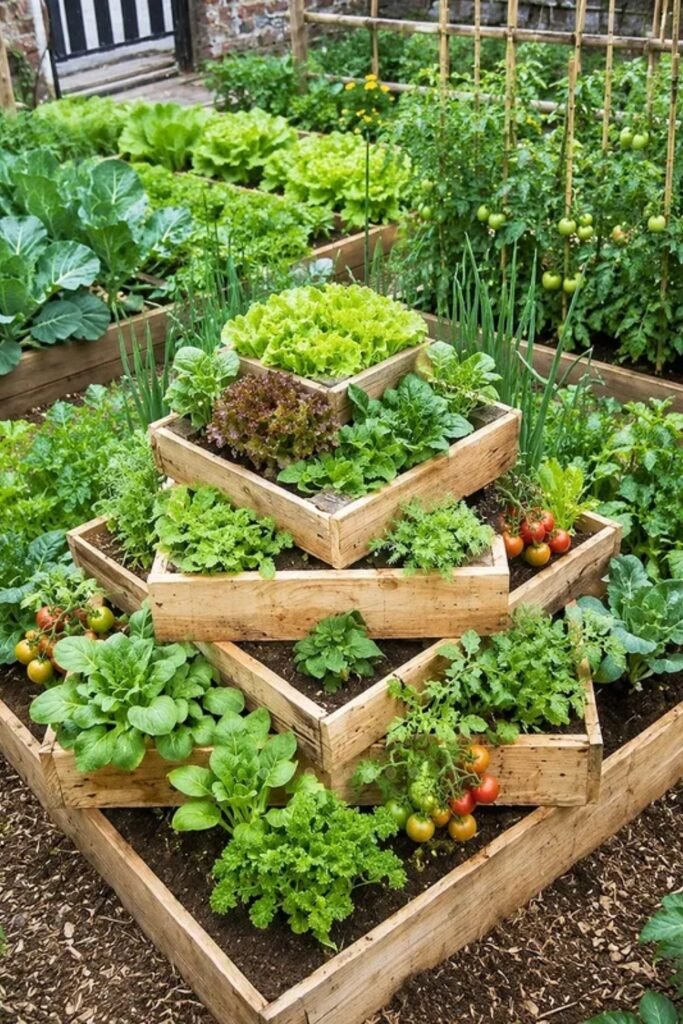
Stack Beds Upward
When space is limited, think vertically instead of expanding outward. A tiered raised bed creates multiple growing levels within a surprisingly small footprint.
The upper sections naturally draw attention to herbs, lettuce, and smaller crops while leaving the lower levels available for larger vegetables.
Beyond saving space, the layered design becomes a focal point that adds structure and visual interest to the center of the garden.
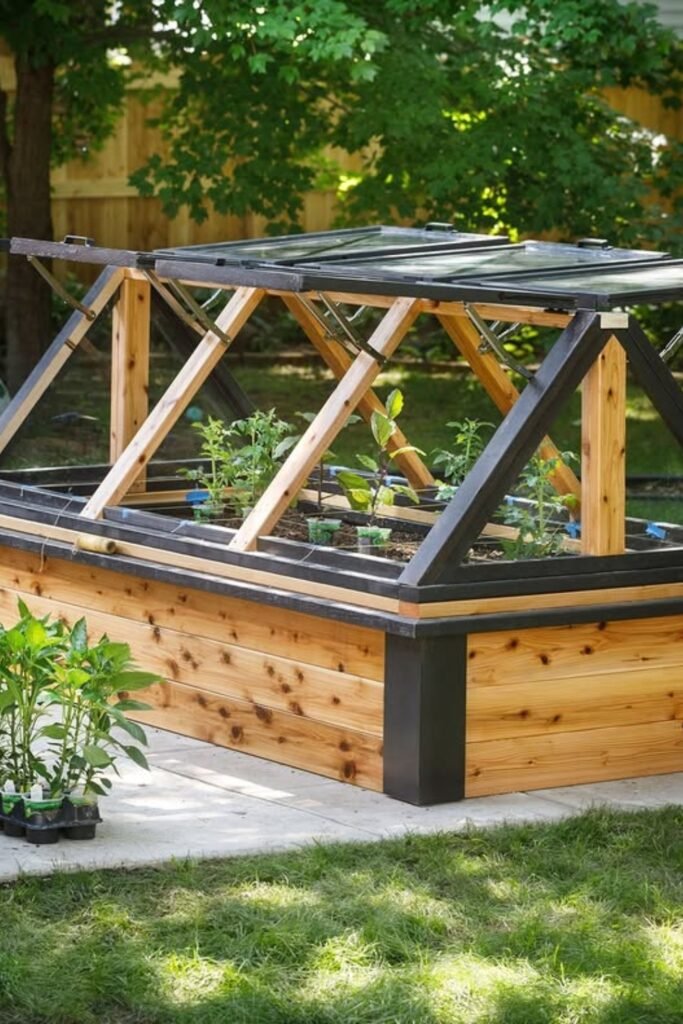
Add A Cold Frame Lid
A raised bed becomes far more versatile when you add a hinged cold frame on top. The transparent panels help trap warmth during cooler months.
This extra protection allows you to start seedlings earlier, extend harvests later, and shield tender plants from unexpected temperature drops.
If you want more growing time without building a full greenhouse, a cold frame bed offers one of the most practical solutions.
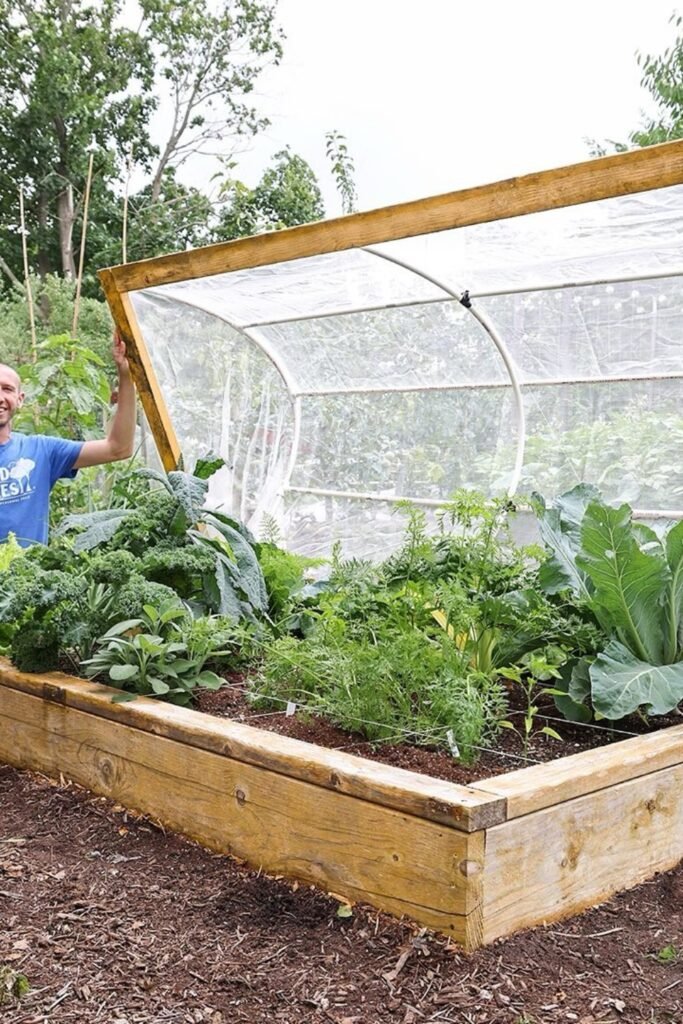
Protect Crops With Covers
Some vegetables need protection long before pests become a problem. A lightweight covered bed helps create a controlled environment for delicate crops.
The simple frame supports protective fabric while still allowing sunlight, airflow, and easy access whenever watering or harvesting becomes necessary.
This idea works especially well for gardeners who want healthier greens while reducing damage from insects, wind, and unpredictable weather.
Keep Pests Out
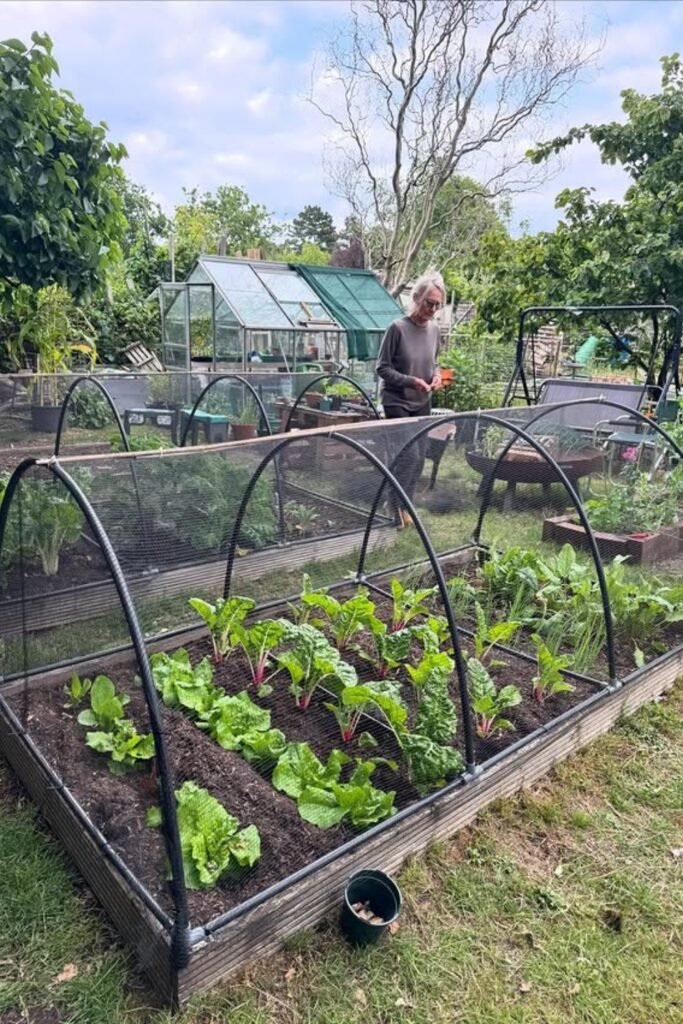
Nothing is more frustrating than watching healthy vegetables disappear overnight. Adding a mesh tunnel over a raised bed creates an effective physical barrier.
The arched frame keeps the cover elevated above plants while allowing plenty of room for growth throughout the season.
Instead of relying entirely on sprays, this setup helps protect crops naturally while keeping maintenance simple and harvests more reliable.
Create An Arched Entrance
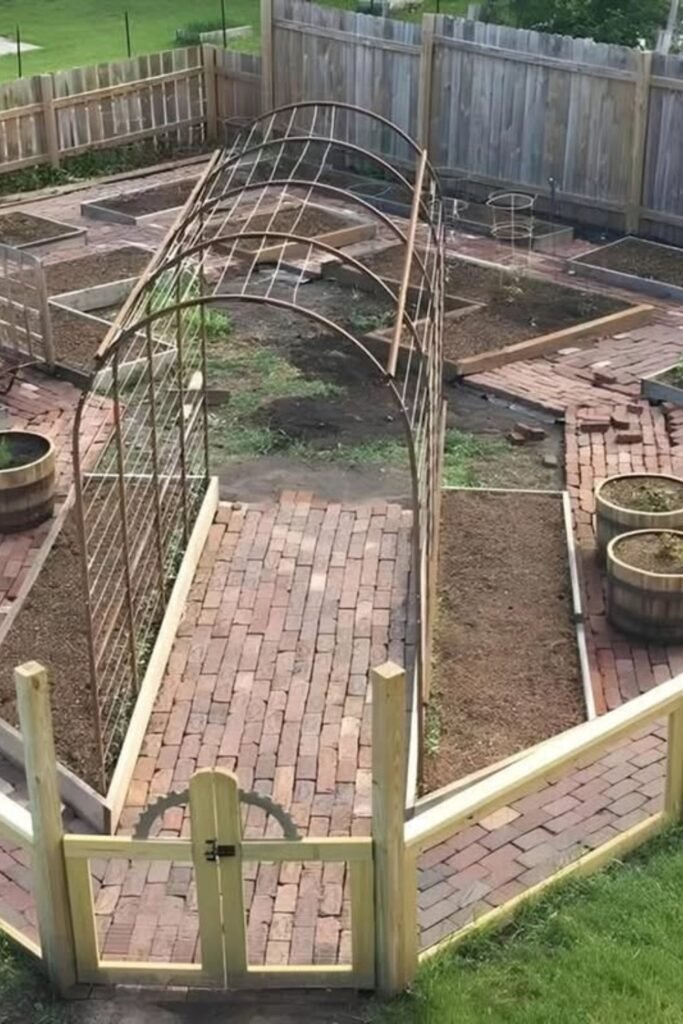
A garden instantly feels more inviting when the entrance becomes part of the design. An overhead arch creates a focal point that guides visitors inside.
The surrounding raised beds remain easy to access while the brick pathways help define separate growing zones throughout the space.
As climbing plants mature, the structure becomes even more impressive and adds vertical interest without taking valuable planting space away.
Bring The Garden Up
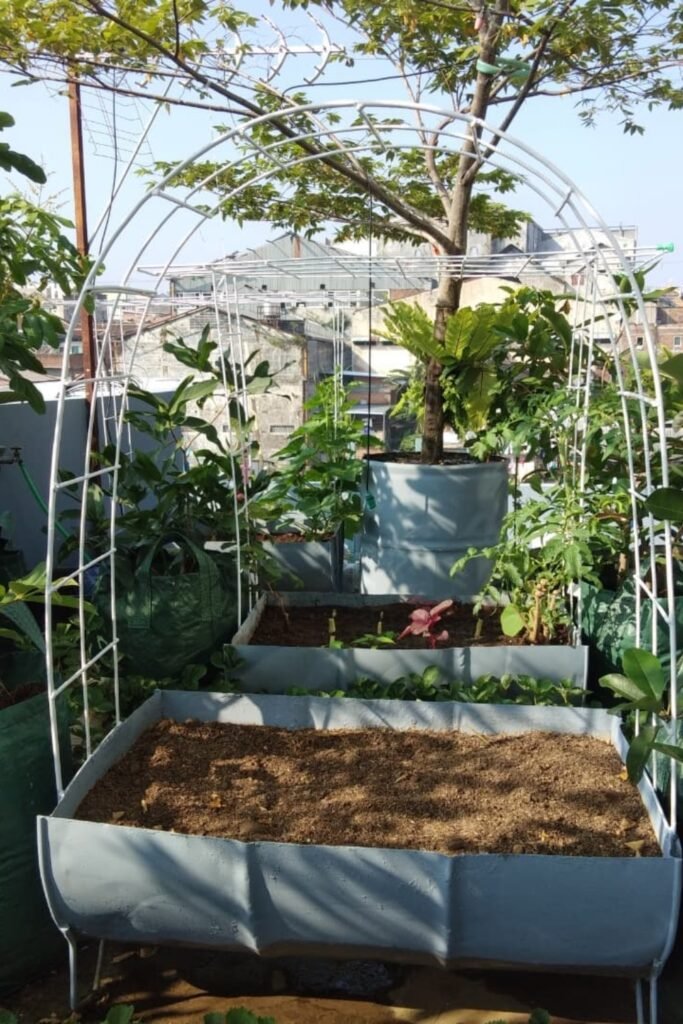
Limited space should never stop you from growing food. Raised beds paired with arches can transform a compact patio or rooftop into a productive garden.
The elevated design improves accessibility while creating clear pathways that make watering, harvesting, and maintenance easier every day.
Adding an arch also introduces vertical growing opportunities, helping small spaces produce more without feeling crowded or difficult to manage.
FAQs
What Is The Cheapest Material For A DIY Garden Bed?
If you are trying to build a garden bed on a budget, some of the cheapest options include cinder blocks, reclaimed wood, untreated lumber, and even natural stone.
The best choice depends on your budget, available materials, and how long you want the bed to last.
For many beginners, simple wooden frames offer the best balance between affordability, ease of construction, and appearance.
If you want something more permanent, cinder blocks can last for years with very little maintenance.
What Should You Put At The Bottom Of A Raised Garden Bed?
Many gardeners start with cardboard to help suppress weeds, then add layers of compost, organic matter, and quality soil on top.
If the bed is deeper, branches, leaves, and other natural materials can help fill space while reducing soil costs.
The goal is to create good drainage, healthy soil structure, and plenty of room for roots to grow without spending more money than necessary.

Hi, my name is Ali Mehmood! I’m a passionate writer and DIY enthusiast who loves turning creative ideas into practical, hands-on projects.
I created this website to share inspiring, budget-friendly ideas that you can do yourself – whether it’s organizing your home, crafting something unique, or creating fun projects for kids and pets.
I believe DIY isn’t just a hobby – it’s a smart way to save money, reduce waste, and enjoy the satisfaction of making things with your own hands.
I’m excited to have you as part of this growing community, and I’ll continue bringing you helpful, realistic, and fun DIY ideas you can actually use.