This post may contain affiliate links: read full affiliate disclosure.
A backyard sandbox sounds like a simple DIY project until you start thinking about the real problems that come with it.
Sand can get tracked inside the house, rain can turn the box into a soggy mess, animals can get into the open sand, and kids can sit under harsh sun for too long.
That is why a good sandbox should not only look cute in the yard, it should also work well for everyday family life.
The best DIY sandbox ideas solve these small but annoying problems before they happen.
A smart design can add shade, protect the sand with a cover, give kids a comfortable place to sit, and make cleanup much easier for parents.
In this article, I am going to share DIY sandbox ideas that help you create a cleaner, safer, and more useful backyard play space.
Let’s jump in!
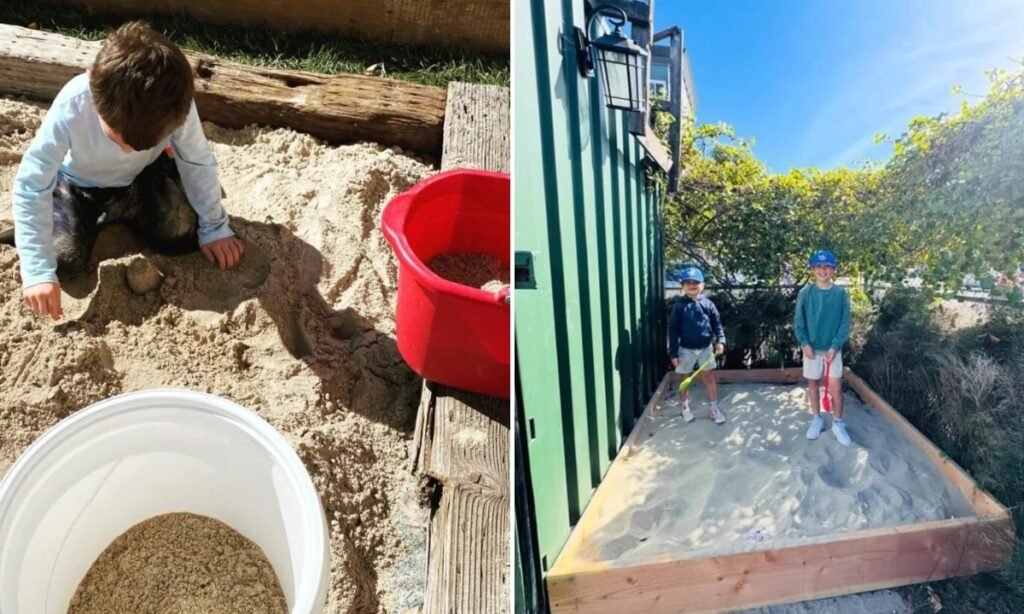
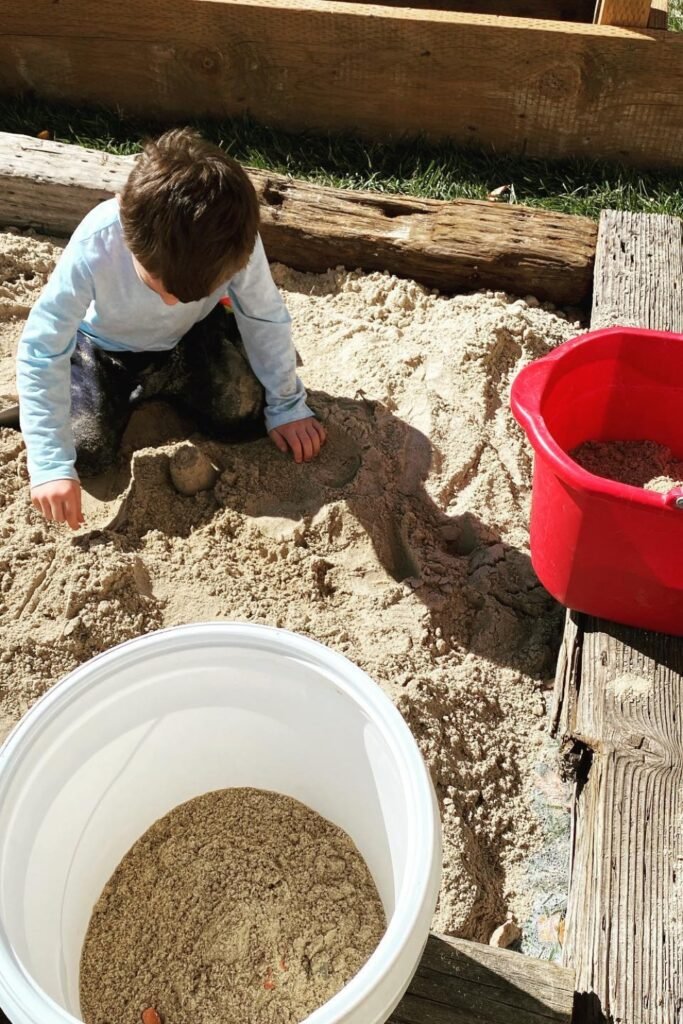
Rustic Border
Natural timber edges help the sandbox blend into the backyard, making the play area feel more permanent and attractive than plastic alternatives often do.
Those thick wooden borders also create sturdy seating where kids can rest, organize toys, or comfortably work on larger sand projects.
Choose this approach when you want a sandbox that feels durable, ages naturally outdoors, and fits beautifully alongside gardens, lawns, and pathways.
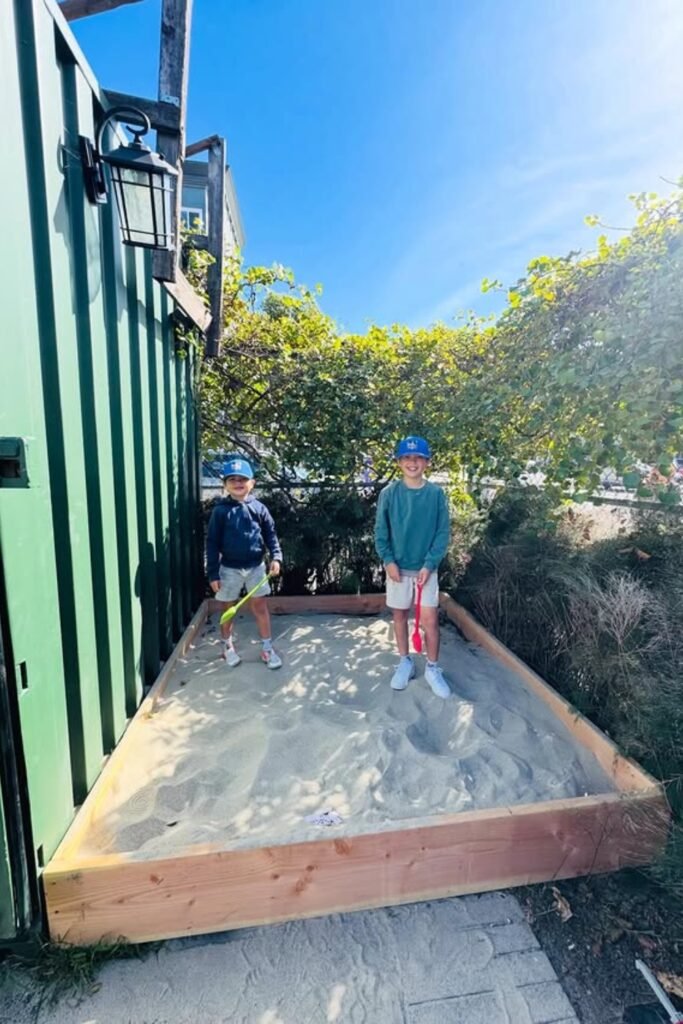
Side Yard
That narrow strip beside a shed or fence can become valuable play space without sacrificing the larger lawn areas your family uses daily.
The long rectangular layout keeps construction simple while giving children plenty of room for digging, building roads, and creating imaginative games.
This solution works especially well for smaller backyards where every square foot matters and dedicated play zones need smart placement.
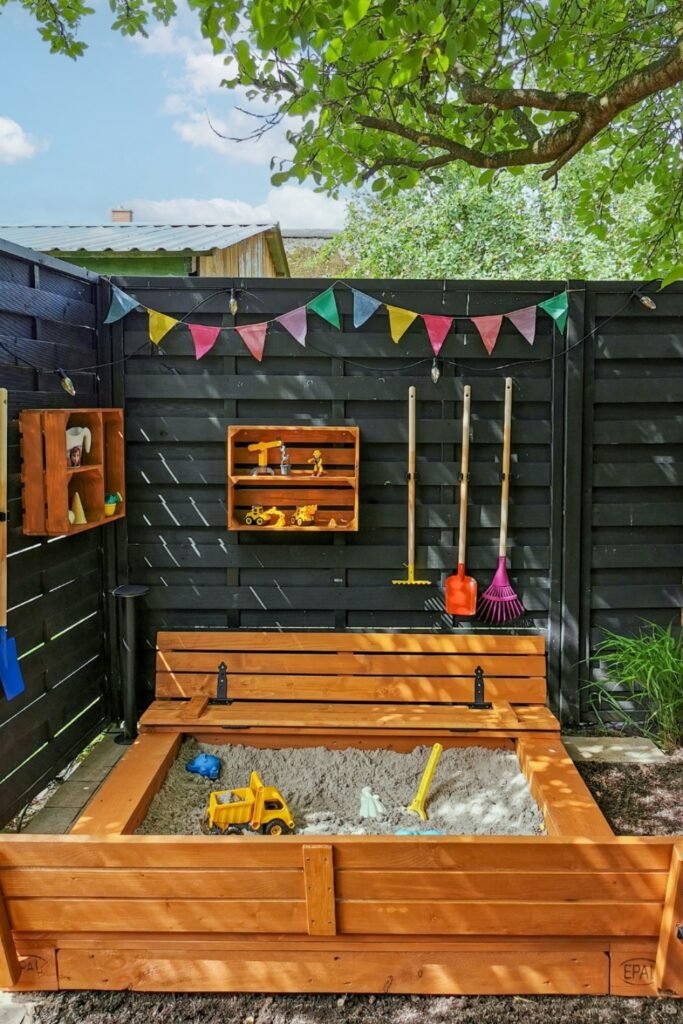
Bench Cover
A built-in bench instantly makes the sandbox more useful because kids have somewhere comfortable to sit between digging, scooping, and building activities.
Wall-mounted shelves and hanging tools keep everything organized, reducing clutter and making cleanup easier after busy afternoons spent outside.
If maintenance concerns worry you, combining seating and storage into one design helps create a sandbox that stays functional longer.
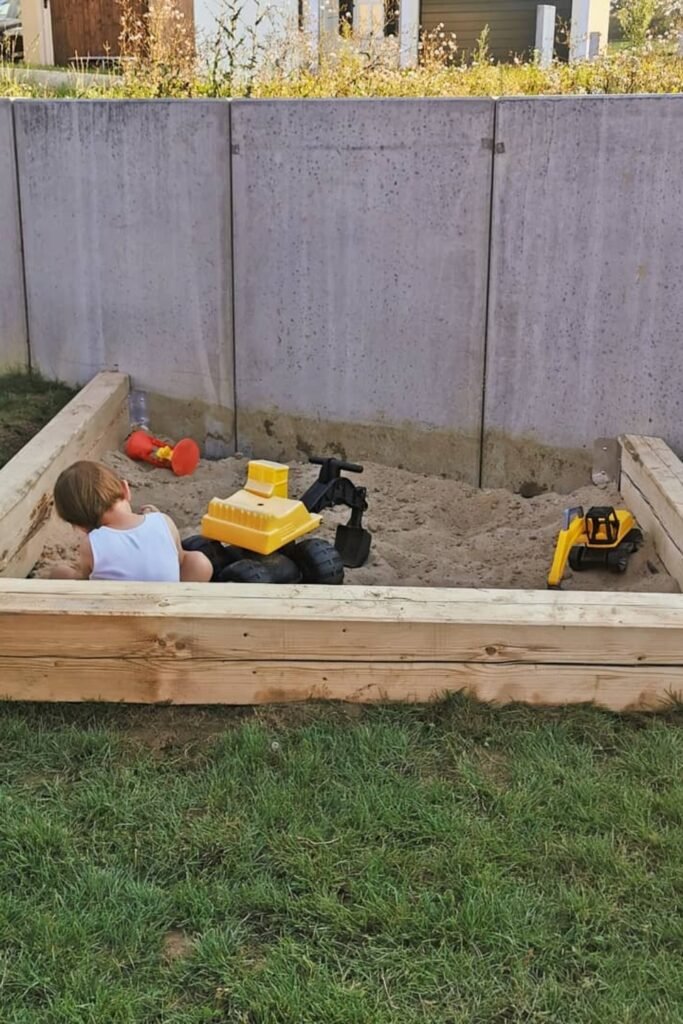
Big Build
Sometimes bigger really is better, especially when children love construction toys, large sand creations, and activities that need extra room.
The deep wooden frame helps contain loose sand while giving kids enough space to spread out without constantly bumping into edges.
Consider this design when you have available yard space and want a sandbox capable of supporting years of active outdoor play.
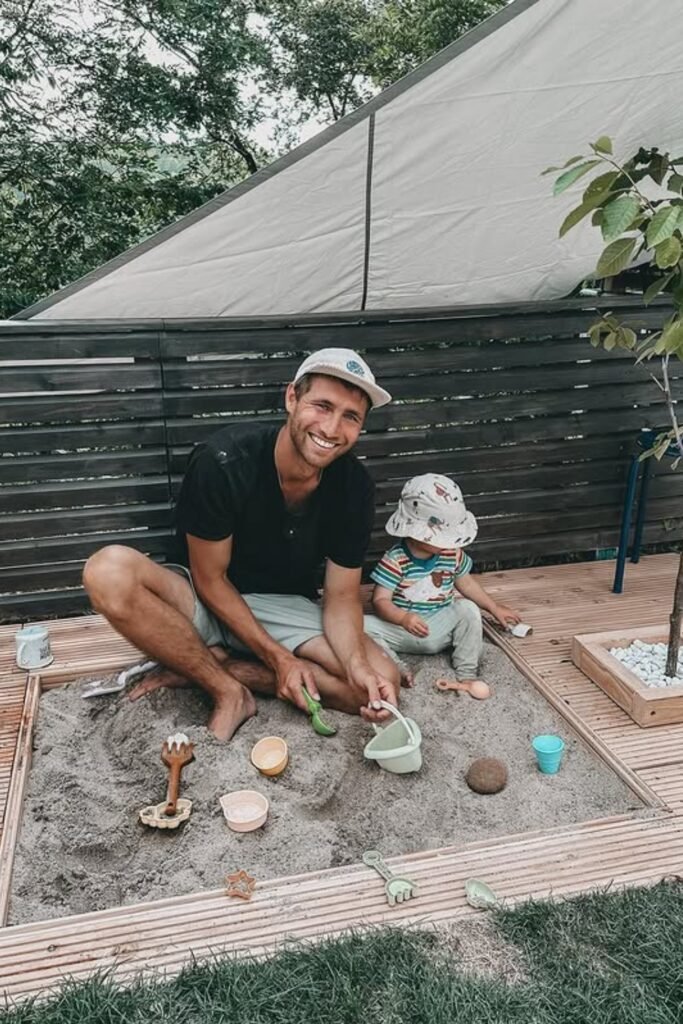
Deck Level
A sandbox does not always need raised walls because a flush design can feel cleaner, safer, and easier for younger children to enter.
The surrounding deck boards create a finished appearance while giving parents comfortable space to sit nearby and join playtime activities.
This approach works beautifully in modern backyards where you want the sandbox to blend naturally into existing outdoor living areas.
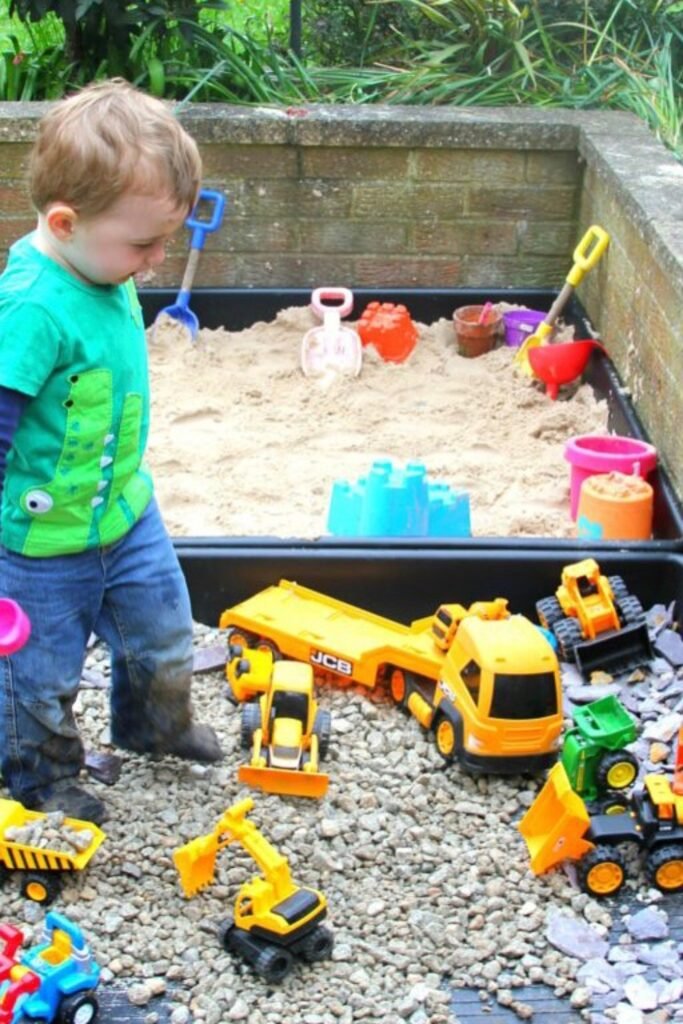
Construction Zone
Kids who love trucks and excavators usually stay engaged longer when different materials create separate digging, hauling, and building zones inside one space.
The gravel section adds variety beyond traditional sand and gives toy construction vehicles a more realistic environment for imaginative play.
Consider this setup when your child constantly reaches for construction toys and enjoys creating roads, work sites, and excavation projects.
Foldable Seats
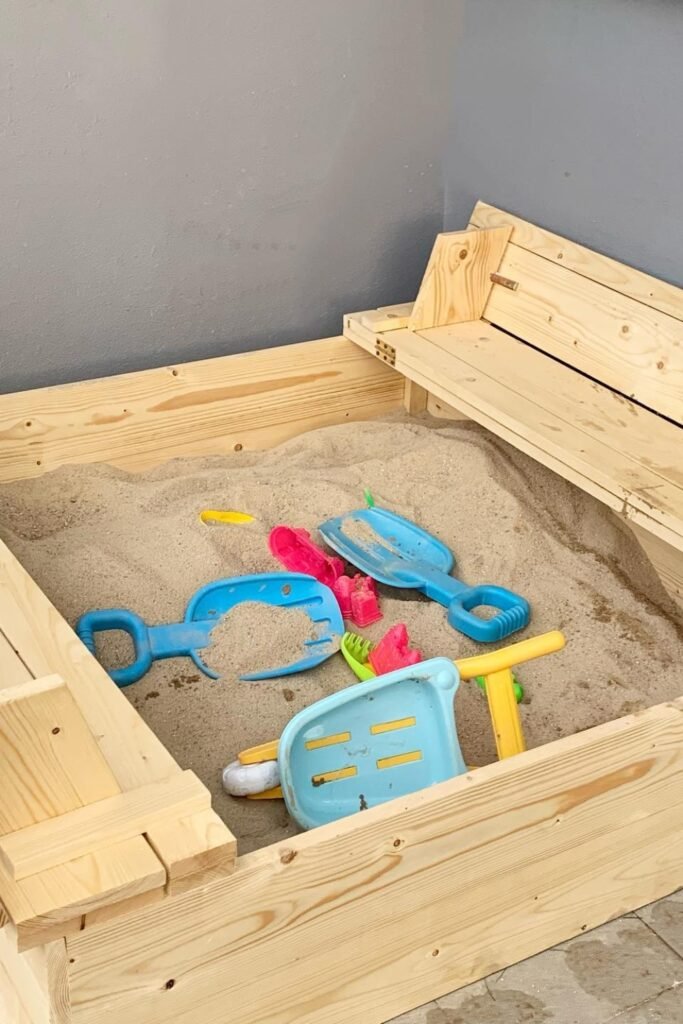
One clever detail can completely change a sandbox, and foldable bench seats provide both comfortable seating and practical protection afterward.
When the benches close, they help keep leaves, debris, and unwanted visitors out while reducing the need for separate storage solutions.
This design is ideal for parents who want a cleaner sandbox without sacrificing valuable backyard space for additional furniture.
Play Area Combo
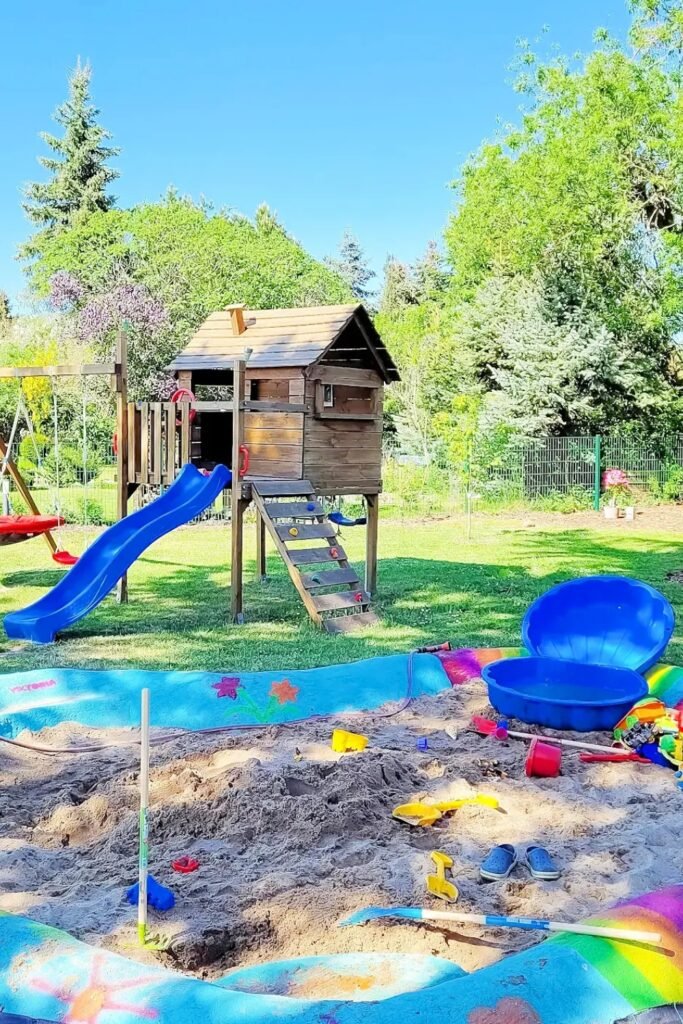
Why stop at a sandbox when you can create an entire play destination that keeps children entertained with different activities throughout the day?
Combining sand play with swings, slides, and climbing features encourages longer outdoor sessions while giving kids multiple ways to stay active.
This idea works especially well in larger yards where a dedicated backyard play zone can become the favorite family gathering spot.
Clean Corner
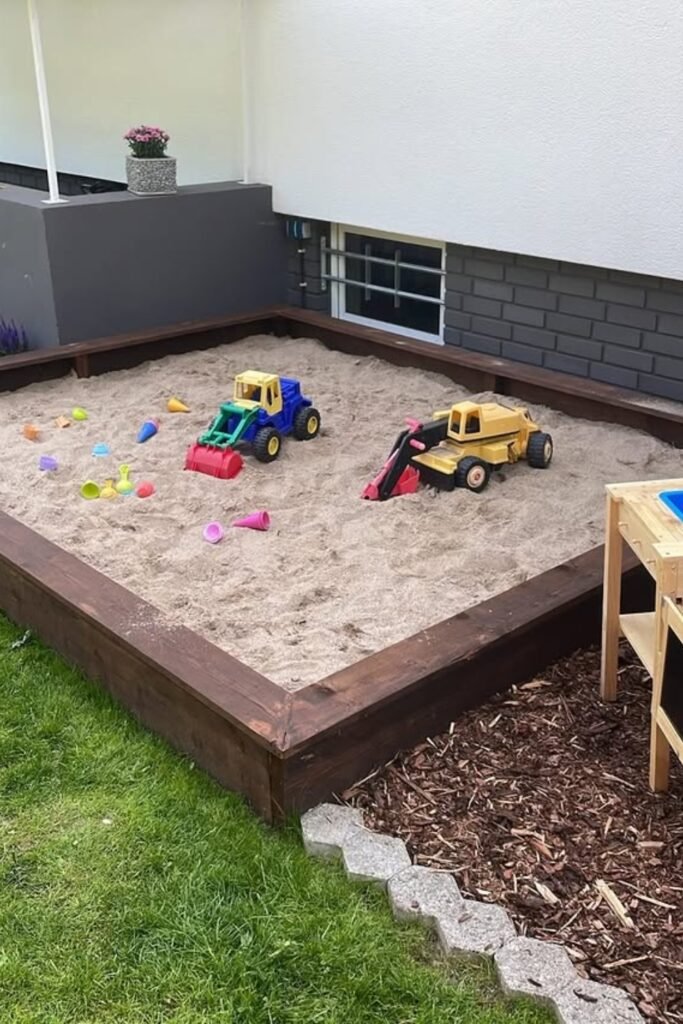
A neatly framed sandbox instantly looks more intentional, especially when it sits beside patios, walls, or outdoor play stations already in use.
The dark wood border creates clear boundaries that help contain loose sand while making cleanup around nearby grass and mulch easier.
This style works well for families who want a sandbox that feels organized, polished, and connected to the rest of the backyard.
Dual Benches
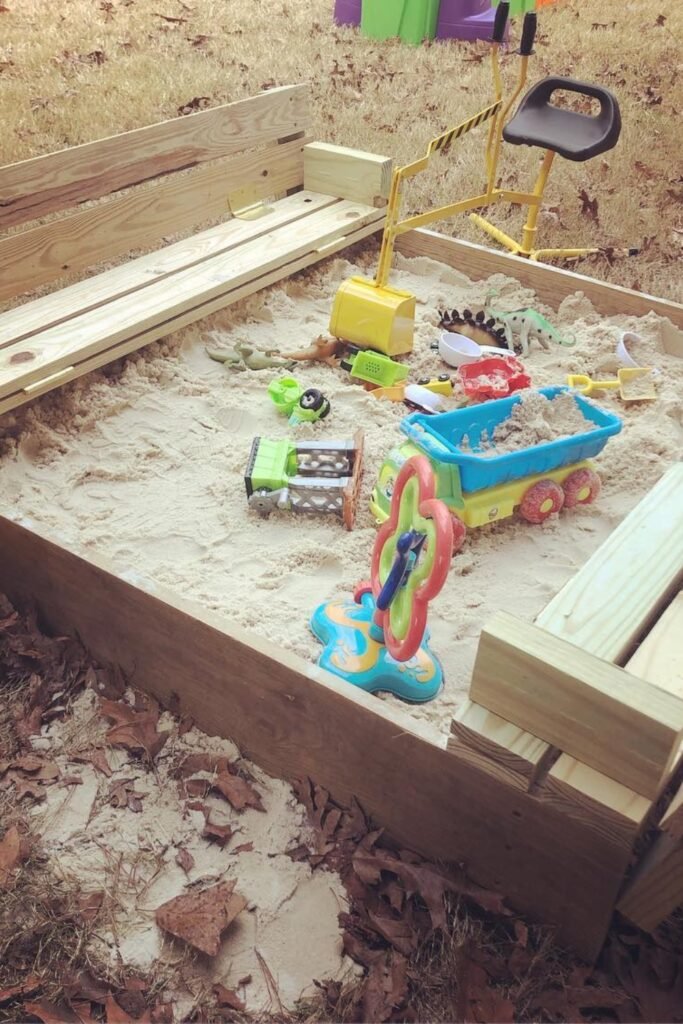
Sometimes the simplest upgrade makes the biggest difference, and built-in benches give kids comfortable seating without taking extra room around them.
Those folding seats can also help cover portions of the sandbox, reducing leaves, debris, and other messes that collect between play sessions.
Choose this design if you want practical seating, easier maintenance, and a sandbox that feels useful even when children are not playing.
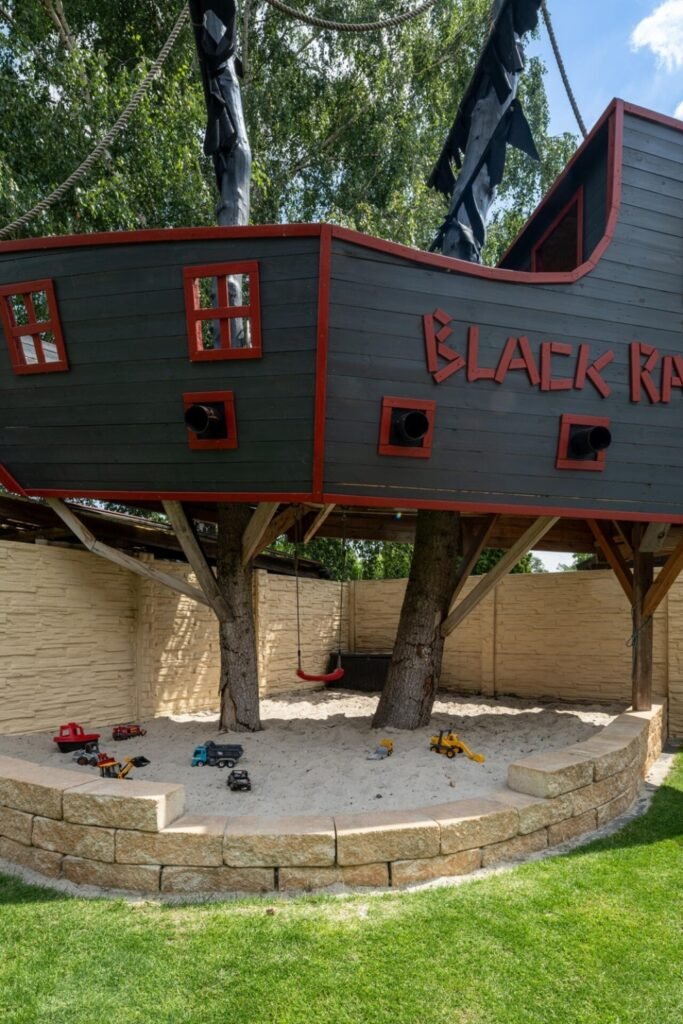
Pirate Ship
Nothing sparks imagination faster than a themed sandbox that turns ordinary digging time into pirate adventures, treasure hunts, and make-believe journeys.
The raised ship structure provides shade underneath while creating an exciting play feature that keeps children engaged far longer outdoors.
This idea is perfect when you want the sandbox to become the centerpiece of the backyard instead of just another play area.
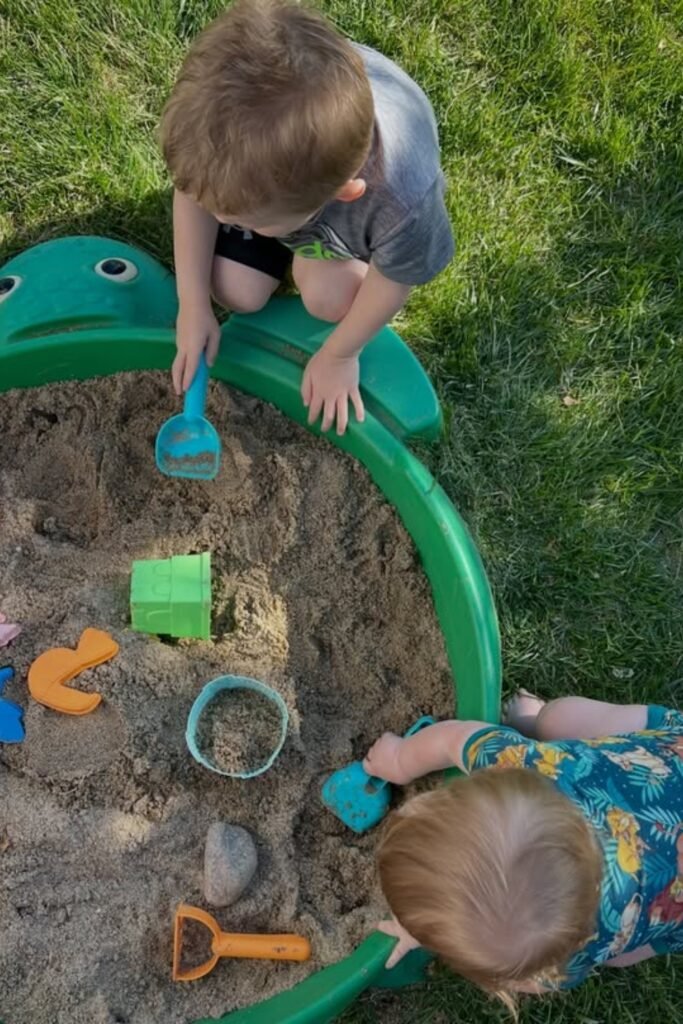
Turtle Sandbox
Not every family needs a large permanent build because a simple turtle sandbox can provide plenty of fun for younger children.
The compact size keeps sand contained while making it easy to move, clean, cover, and fit into smaller backyard spaces.
This option works especially well for toddlers who enjoy digging and scooping but do not yet need a large sandbox setup.
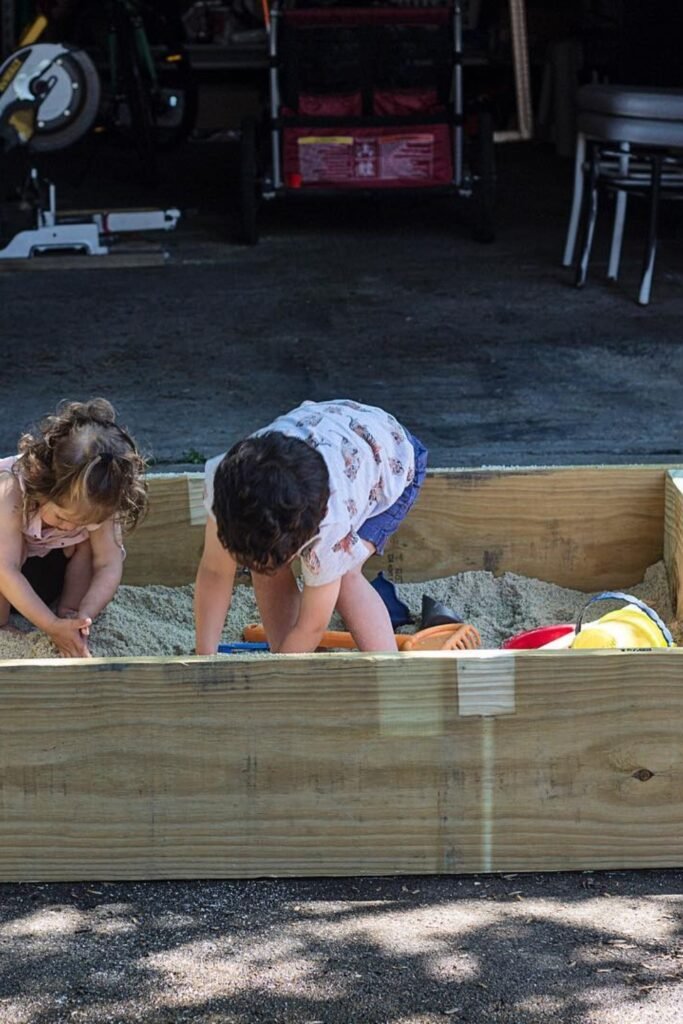
Simple Square
You do not need complicated features to create a fun sandbox because a basic wooden frame gives children everything required for creative play.
The deeper walls help keep sand contained during digging sessions while providing enough space for multiple children to play together comfortably.
This design is perfect for beginners who want an affordable weekend project that delivers plenty of value without complex construction steps.
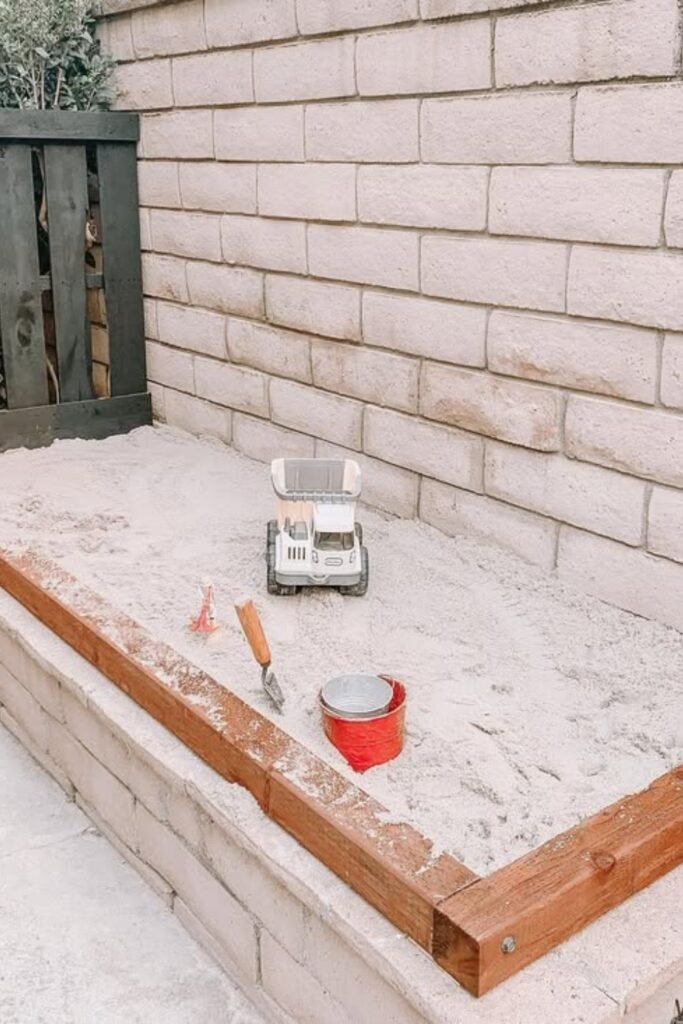
Wall Corner
An overlooked corner beside a wall can become a practical sandbox area that keeps play contained without taking over the backyard.
The raised edge helps define the space clearly while making it easier to separate sand from nearby walkways, gravel, and landscaping.
Try this layout when you want to maximize unused areas and create a dedicated play spot within a smaller outdoor footprint.
Block Border
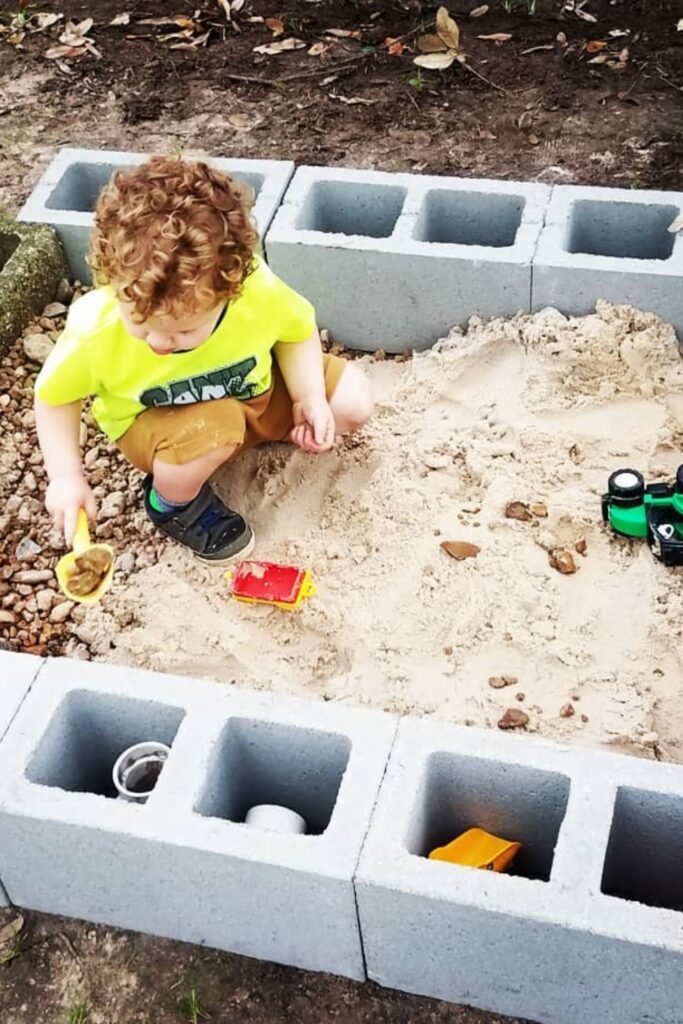
Cinder blocks can do more than frame the sandbox because the open spaces double as convenient storage for toys and tools.
The sturdy structure handles weather well and creates clear boundaries that help keep sand where it belongs during active play.
This idea works especially well when you want a budget-friendly sandbox that adds both function and durability to the backyard.
Bench Surround
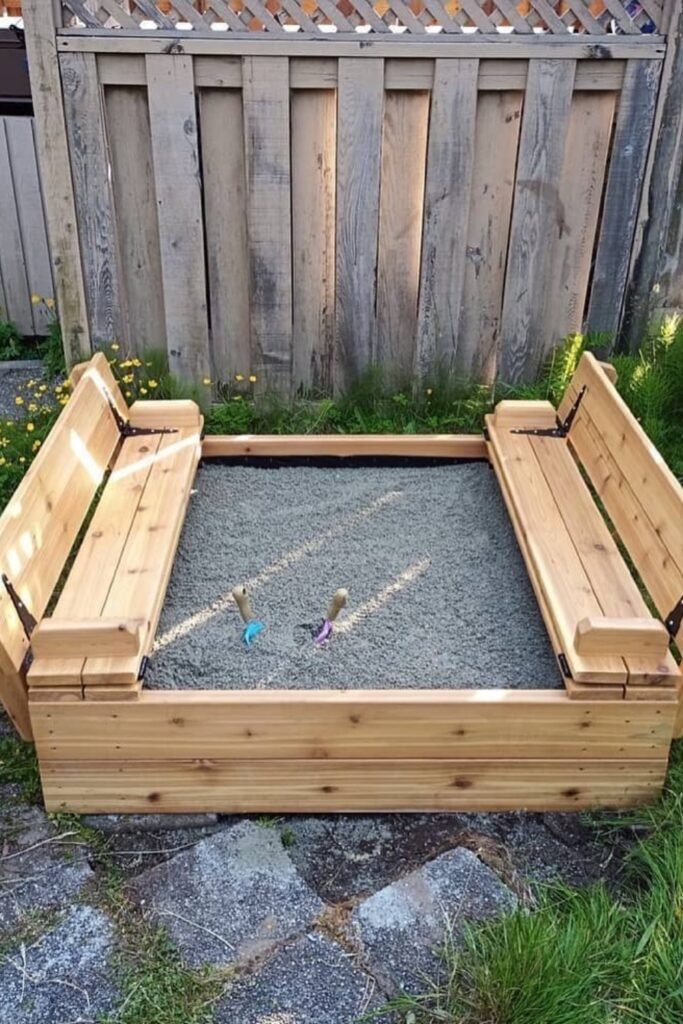
Built-in benches around the perimeter give children comfortable seating while making the sandbox feel more like a complete outdoor feature.
The elevated seating keeps toys off the ground and provides parents with a convenient place to supervise younger children nearby.
Choose this design when you want a sandbox that balances play, comfort, and organization without adding separate furniture around it.
Multi-Zone Sandbox
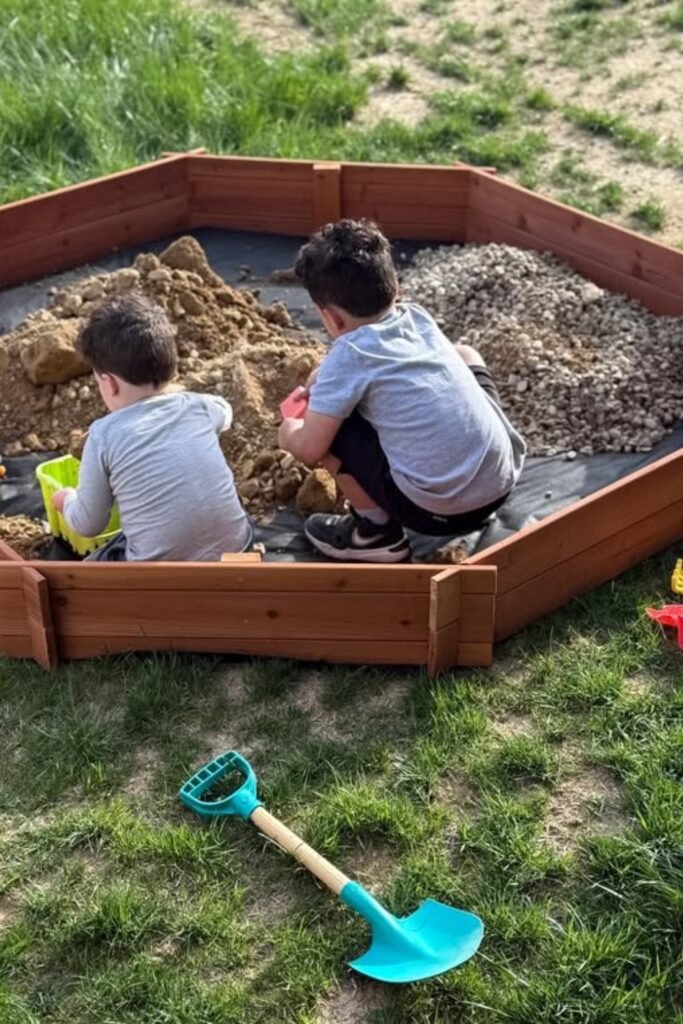
Why limit kids to one material when separate sections for sand and gravel create more opportunities for digging, sorting, hauling, and imaginative play.
The octagon shape feels more interactive than a standard rectangle while giving multiple children their own space to work comfortably.
This idea works especially well for siblings because different play zones help reduce conflicts and encourage longer, more creative outdoor sessions.
Nature Play Corner
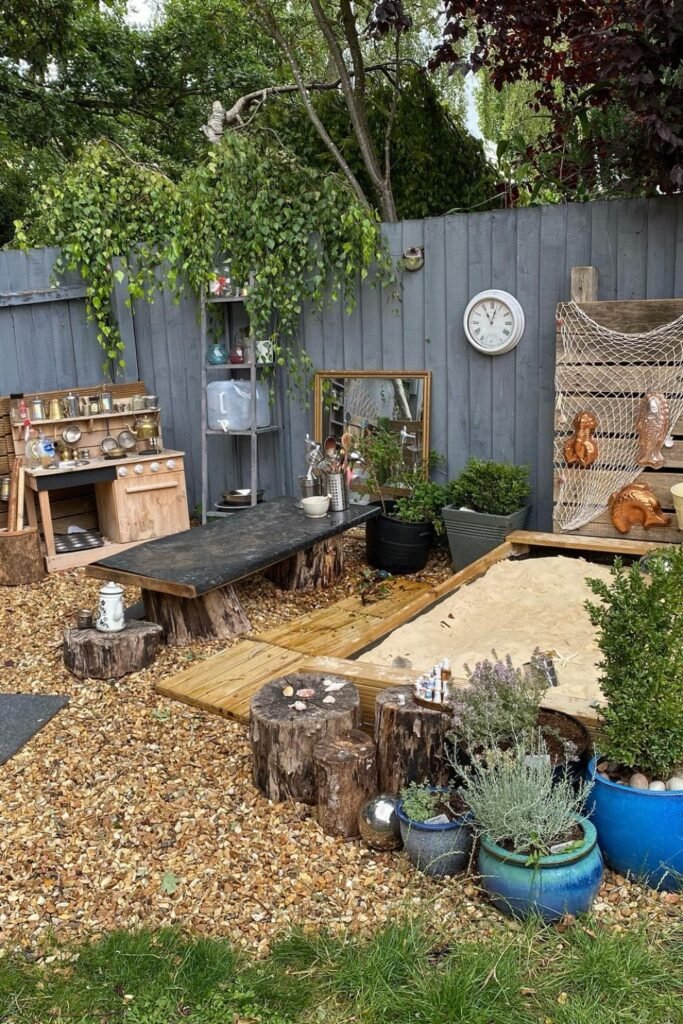
A sandbox becomes far more engaging when it connects with mud kitchens, natural materials, water play stations, and imaginative backyard activities.
Tree stumps, gravel paths, and rustic details help the area feel like a miniature outdoor world instead of a standalone sandbox.
Choose this setup if you want children to explore, create, and move between different activities without losing interest quickly.
Chalkboard Backdrop
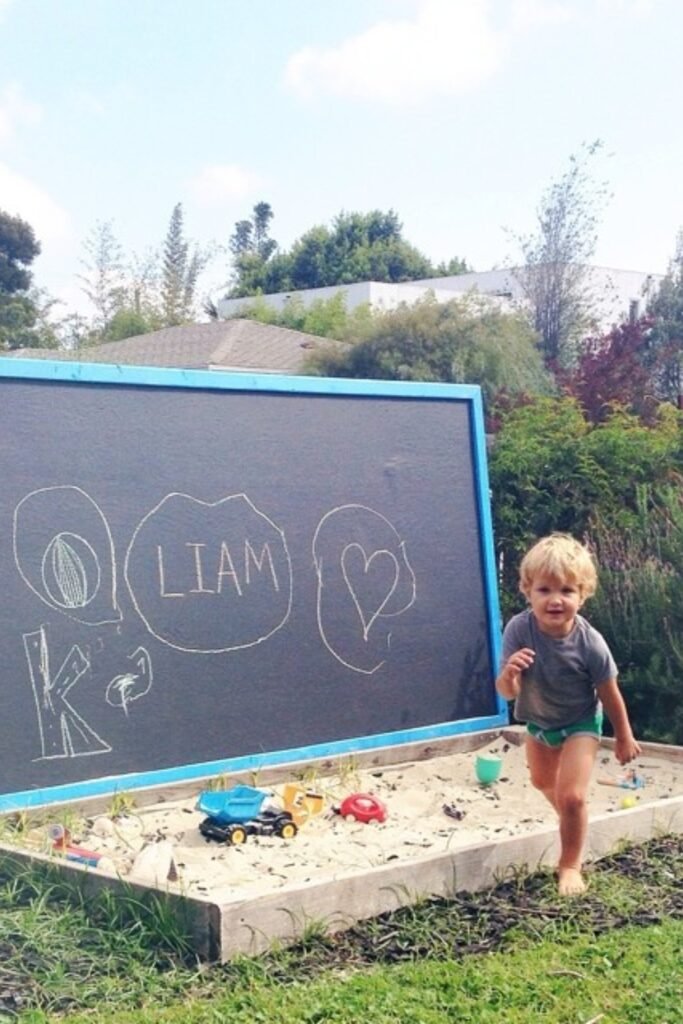
One simple chalkboard can expand a sandbox beyond digging by giving children space to draw maps, write signs, and invent stories.
The vertical play surface adds another creative outlet while keeping kids engaged even when they want a break from sand activities.
This design is perfect for encouraging imagination because it combines art, pretend play, and outdoor exploration in one compact area.
Built-In Storage
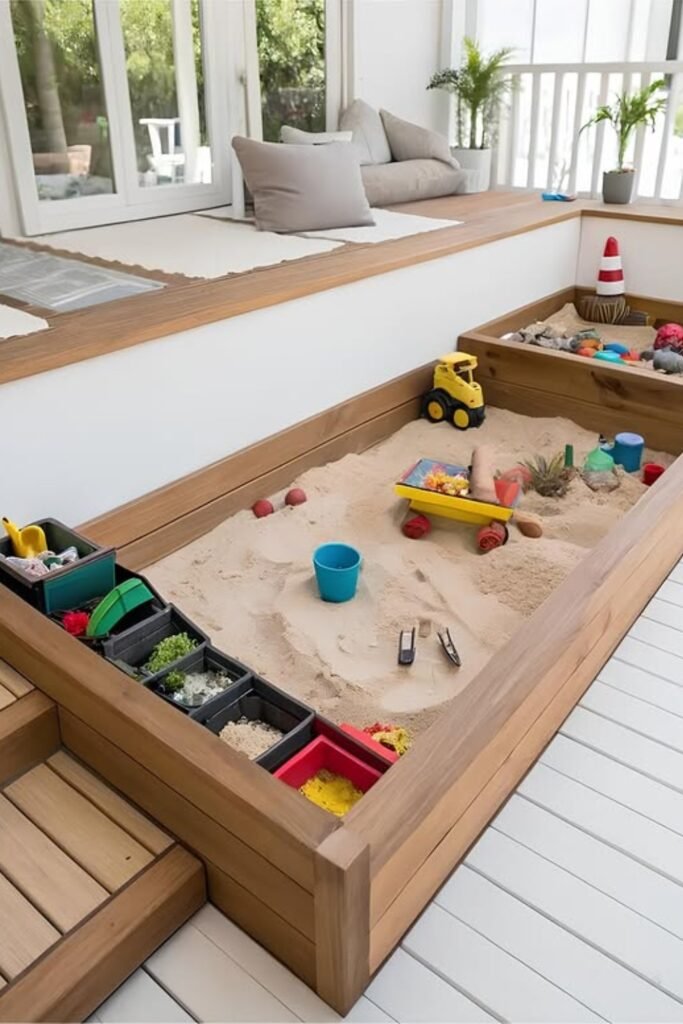
A raised deck sandbox can solve two common problems at once by creating a designated play area and convenient storage nearby.
The integrated compartments keep toys organized, making cleanup faster while preventing buckets, trucks, and tools from scattering around the yard.
This approach works beautifully for modern homes where keeping outdoor spaces tidy matters just as much as creating fun play zones.
Tool Wall
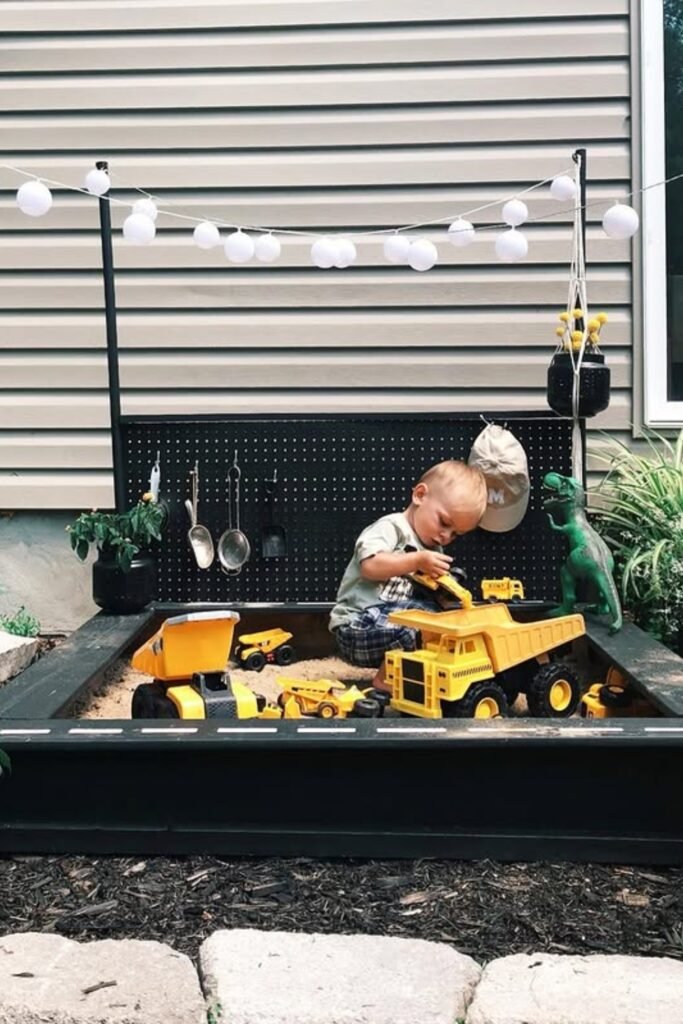
A sandbox becomes much more useful when the surrounding walls help organize toys, tools, and accessories instead of leaving everything scattered afterward.
The pegboard storage keeps frequently used items within reach while decorative lighting helps transform a simple sandbox into a special play area.
This setup works wonderfully for smaller backyards because every feature serves multiple purposes without requiring extra space around the sandbox.
Under-Stairs Spot
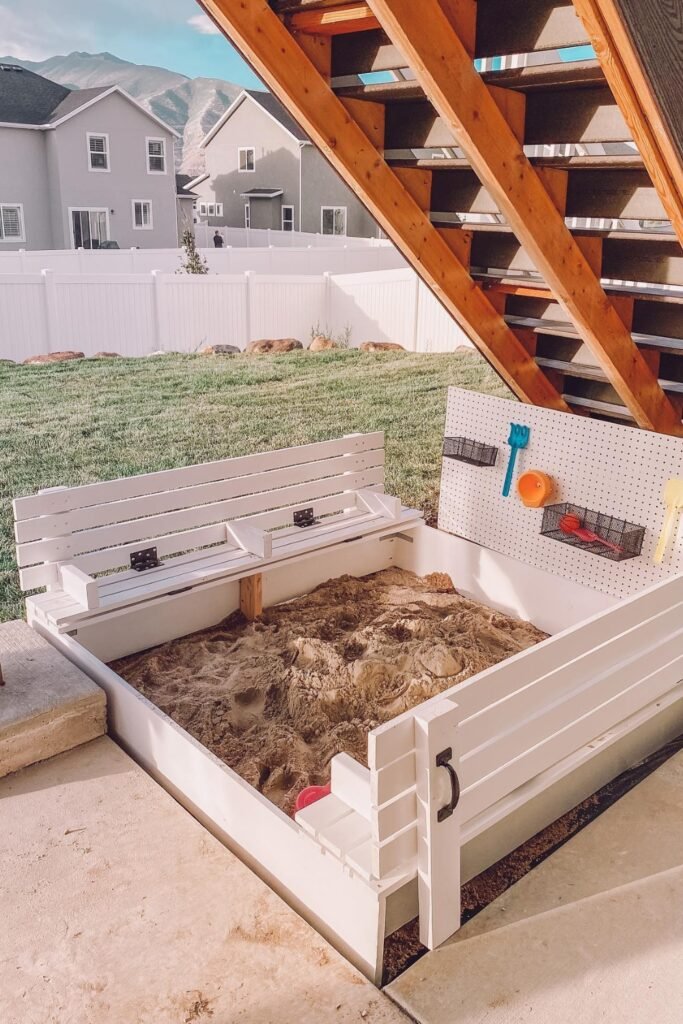
That empty space beneath outdoor stairs often goes unused, but it can become a naturally shaded sandbox that stays cooler throughout hot afternoons.
The built-in bench provides comfortable seating while wall-mounted storage keeps buckets, shovels, and toys organized instead of spread across the yard.
Choose this idea when you want to maximize overlooked backyard space and create a play area protected from direct sunlight.
FAQs
What Should You Put Under a DIY Sandbox?
One of the biggest mistakes people make is placing a sandbox directly on grass or bare soil.
Over time, weeds can grow through the sand, and rainwater may create muddy spots underneath.
A better option is to lay landscape fabric before adding the sand. This helps with drainage while reducing weed growth.
Taking a little extra time during the setup stage can make the sandbox cleaner, easier to maintain, and more enjoyable for kids throughout the year.
How Do You Keep a Sandbox Clean and Safe?
A cover is one of the most important features because it helps keep out leaves, insects, neighborhood cats, and other unwanted debris.
It is also a good idea to regularly check toys, remove any trash, and rake the sand occasionally to keep it fresh.
If the sandbox is placed in a shaded area with proper drainage, the sand will stay drier and more comfortable for play.
Simple maintenance habits can help your DIY sandbox stay safe, clean, and ready for everyday use.

Hi, my name is Ali Mehmood! I’m a passionate writer and DIY enthusiast who loves turning creative ideas into practical, hands-on projects.
I created this website to share inspiring, budget-friendly ideas that you can do yourself – whether it’s organizing your home, crafting something unique, or creating fun projects for kids and pets.
I believe DIY isn’t just a hobby – it’s a smart way to save money, reduce waste, and enjoy the satisfaction of making things with your own hands.
I’m excited to have you as part of this growing community, and I’ll continue bringing you helpful, realistic, and fun DIY ideas you can actually use.