This post may contain affiliate links: read full affiliate disclosure.
Watching rabbits reach your vegetables, finding pets wandering through flower beds, or dealing with an open garden that has no clear boundary.
Installing a professional fence may solve the problem, but the cost can quickly stretch beyond a simple garden project.
In this article, you’ll find practical DIY garden fence ideas and building advice to help you create a secure, useful boundary that fits your space and budget.
Picket Barrier
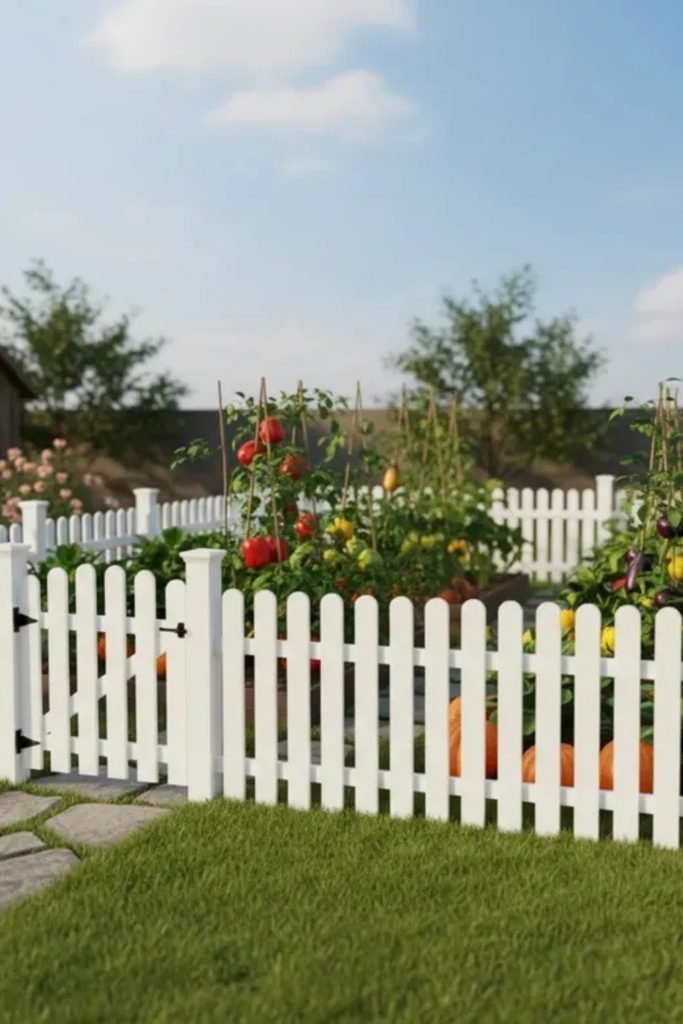
Turn a productive vegetable patch into a defined garden room by surrounding the beds with evenly spaced wooden pickets and sturdy posts.
Painted timber works especially well near lawns and cottage gardens, while generous gaps allow sunlight and airflow to reach growing vegetables.
Include a matching hinged gate beside the main path, so wheelbarrows, watering cans, and harvesting baskets can move through without squeezing.
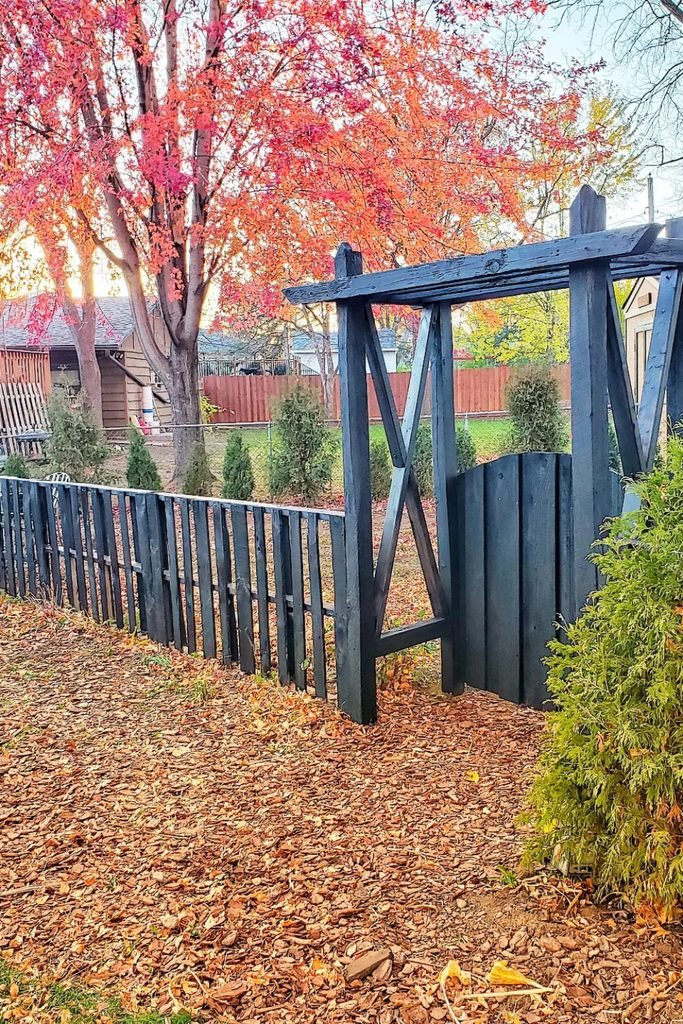
Framed Entrance
Make the entrance feel intentional by extending two sturdy gateposts upward and joining them with timber beams before attaching the surrounding fence.
Dark exterior stain brings inexpensive lumber together visually, while diagonal braces strengthen the tall frame against movement from wind and repeated use.
Use this approach around larger vegetable plots where a noticeable gateway helps separate growing space without requiring a tall privacy fence.
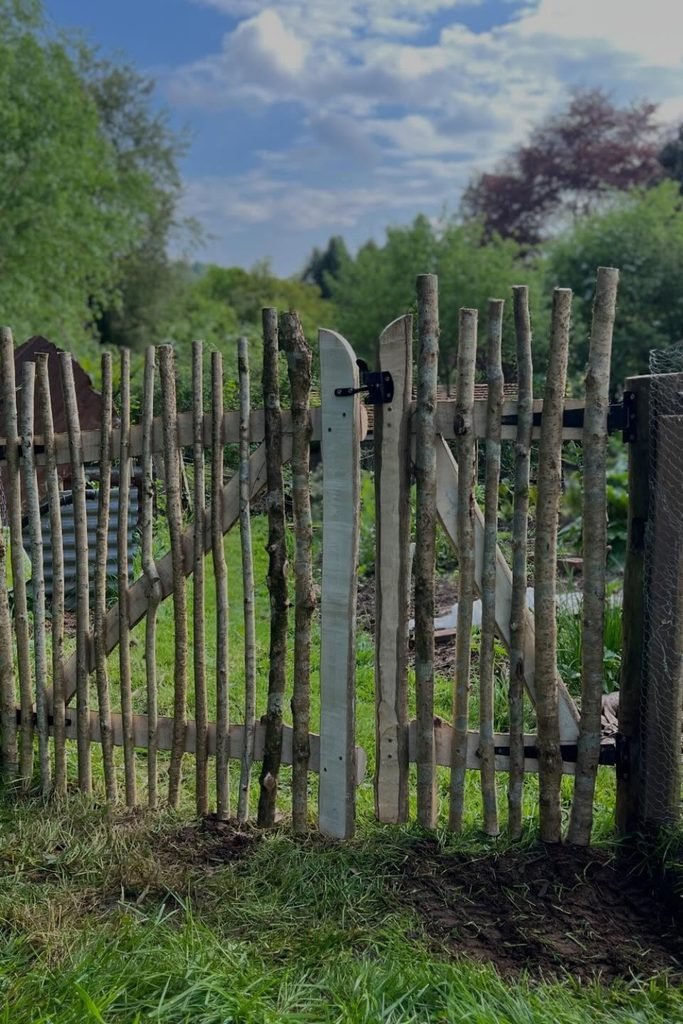
Branch Pickets
Put pruned branches to work by fastening similar-thickness pieces vertically across simple horizontal rails instead of buying rows of finished pickets.
Slight variations in height and texture create a relaxed cottage character, making this especially useful around allotments and informal vegetable gardens.
Add wire mesh behind wider gaps when small animals are a concern, then brace the handmade gate diagonally to prevent future sagging.
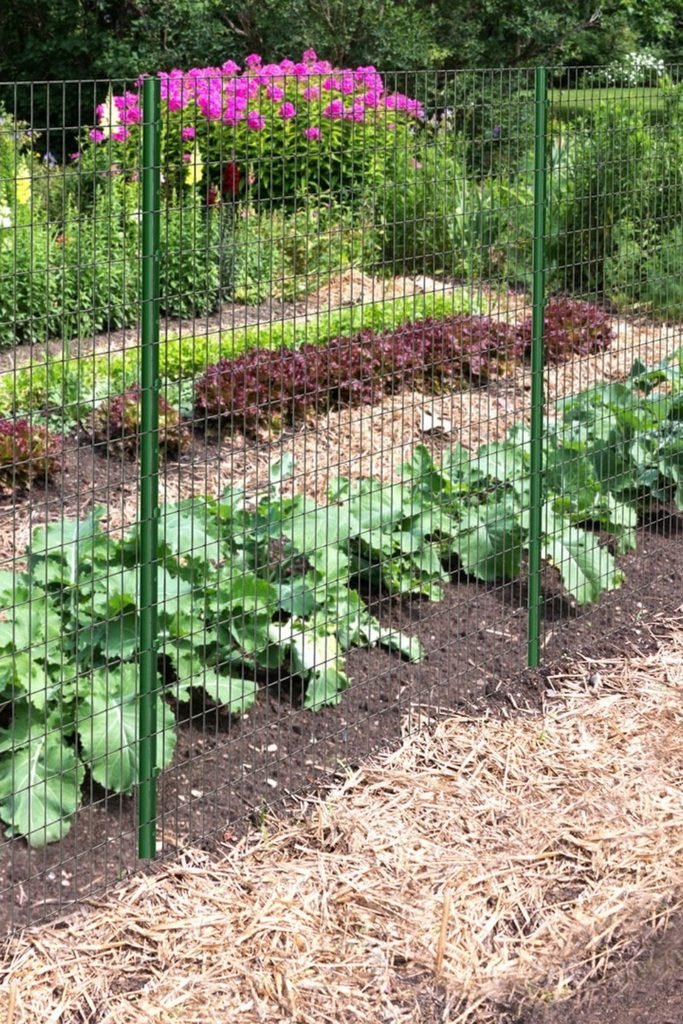
Wire Panels
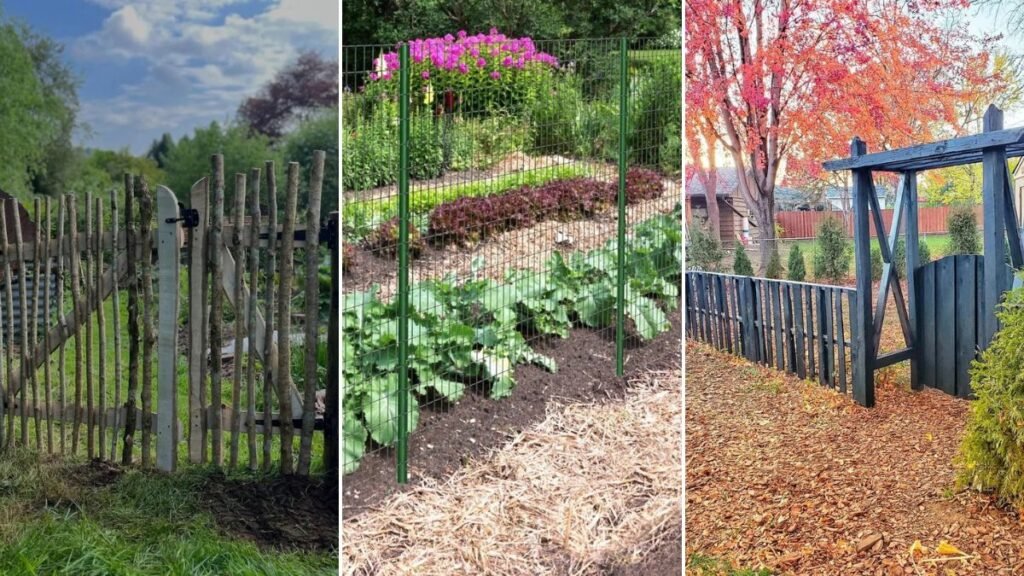
Protect vegetables without visually closing off the beds by fixing rigid welded-wire panels between slim metal posts around the growing area.
Small openings create a useful barrier against larger garden visitors while still allowing plenty of sunshine, airflow, and visibility through the fence.
Run the bottom edge close to the soil and secure each panel firmly, especially where loose gaps could become easy entry points.
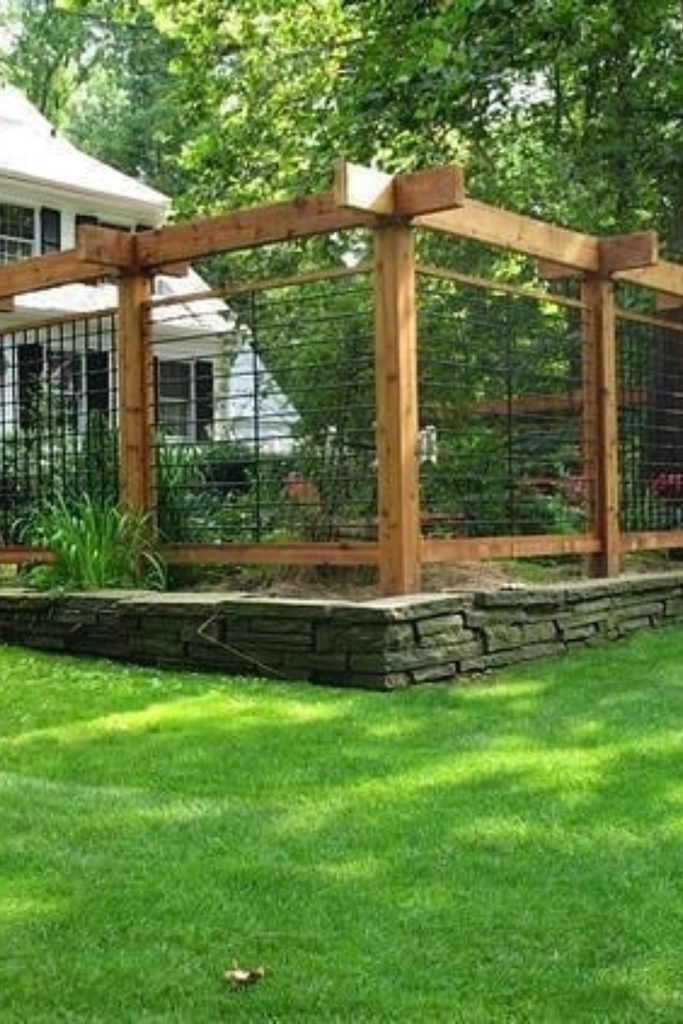
Timber Enclosure
For a garden that needs stronger protection, combine heavy timber posts with welded wire panels rather than building a completely solid barrier.
Extend the posts above the mesh and connect them with horizontal beams, creating extra rigidity while adding an attractive architectural finish.
Set the enclosure around vegetable beds or vulnerable planting areas where visibility matters, but roaming animals still need a dependable boundary.
Privacy Boards
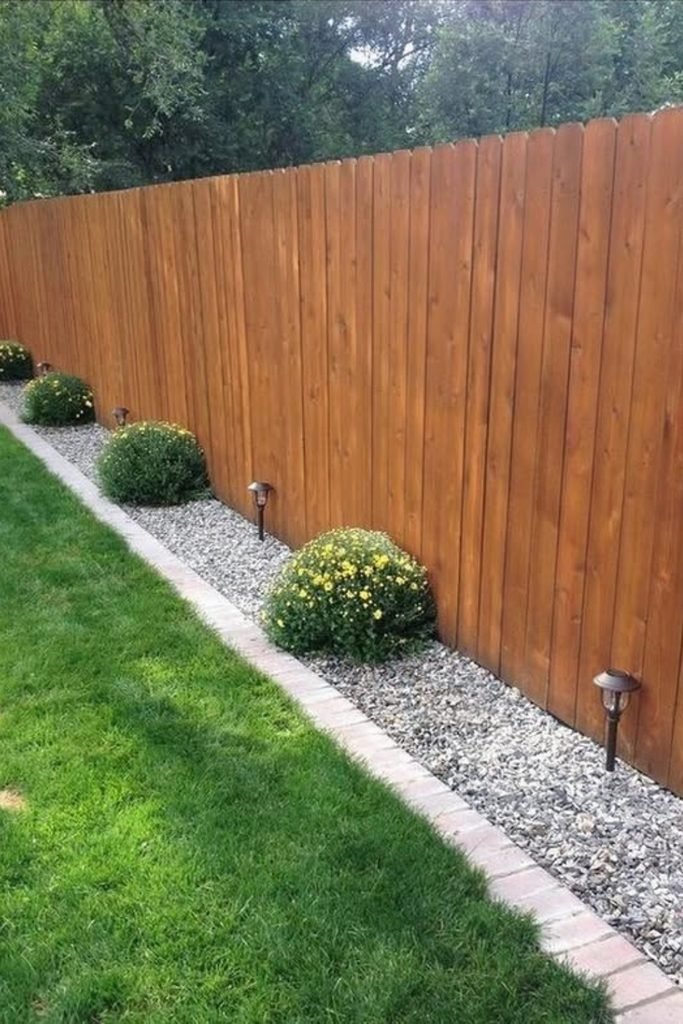
Solve an exposed backyard quickly with closely fitted vertical boards, especially along property lines where neighboring views make the garden feel less private.
Use exterior-grade timber and consistent spacing during installation, then seal or stain every board to slow moisture damage and uneven weathering.
Finish the base with gravel and simple planting, which prevents the tall wooden surface from feeling too heavy beside a lawn.
Pallet Fence
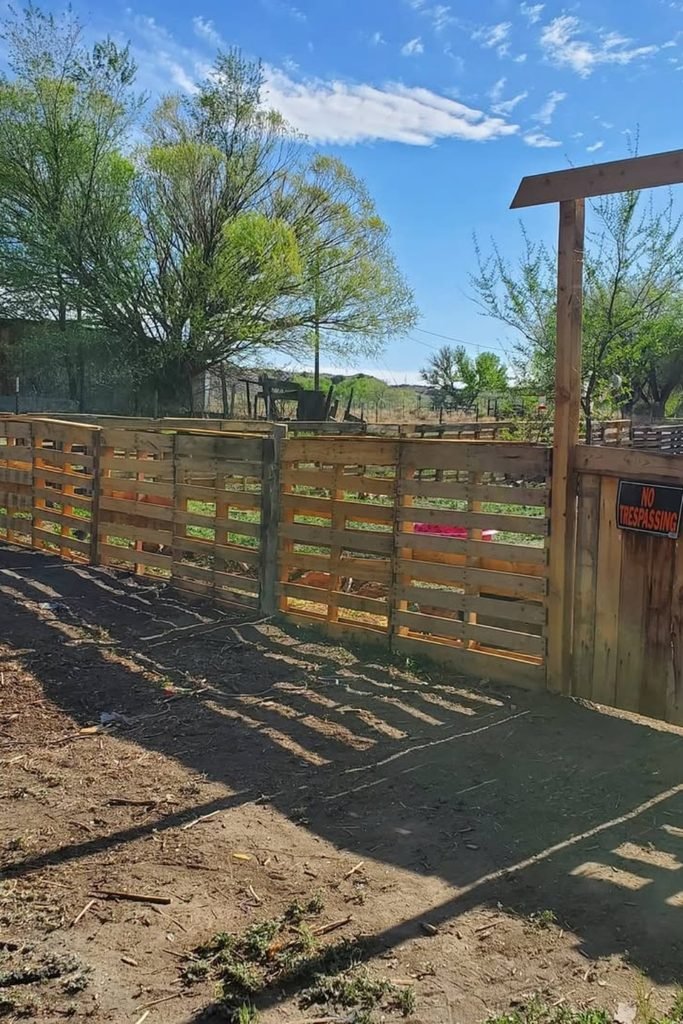
Stretch a limited fencing budget by turning reclaimed pallets into connected panels, checking every piece for damage before using it outdoors.
Secure each pallet between solid posts rather than relying on pallets alone, since strong supports help the long fence remain upright.
Leave the natural openings exposed for airflow, or attach discreet mesh behind them when vegetables need extra protection from wandering animals.
Mesh Frames
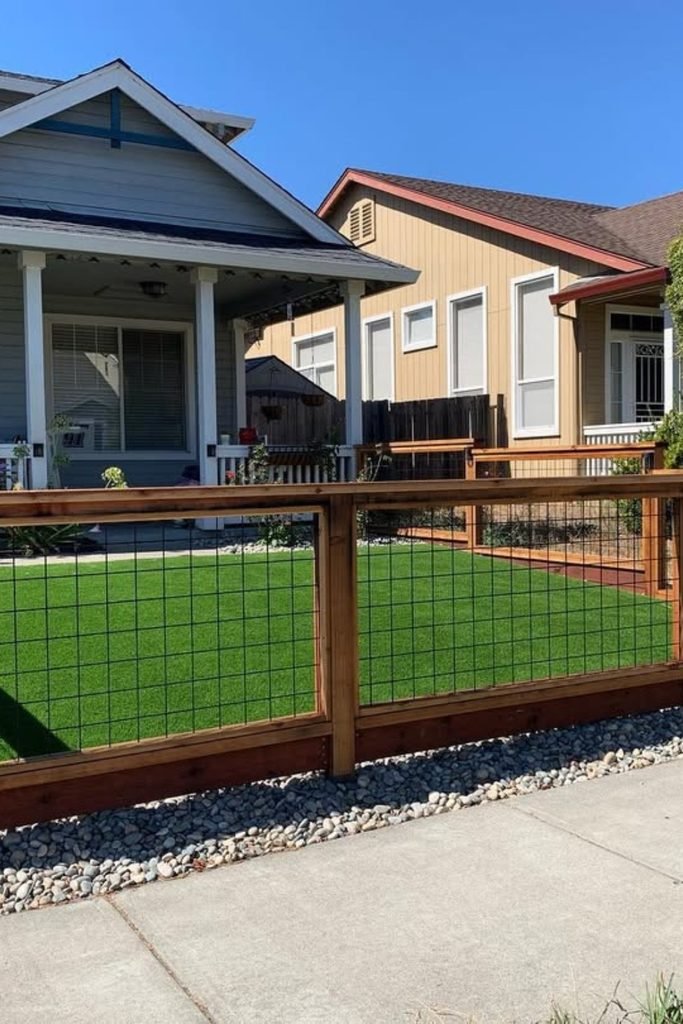
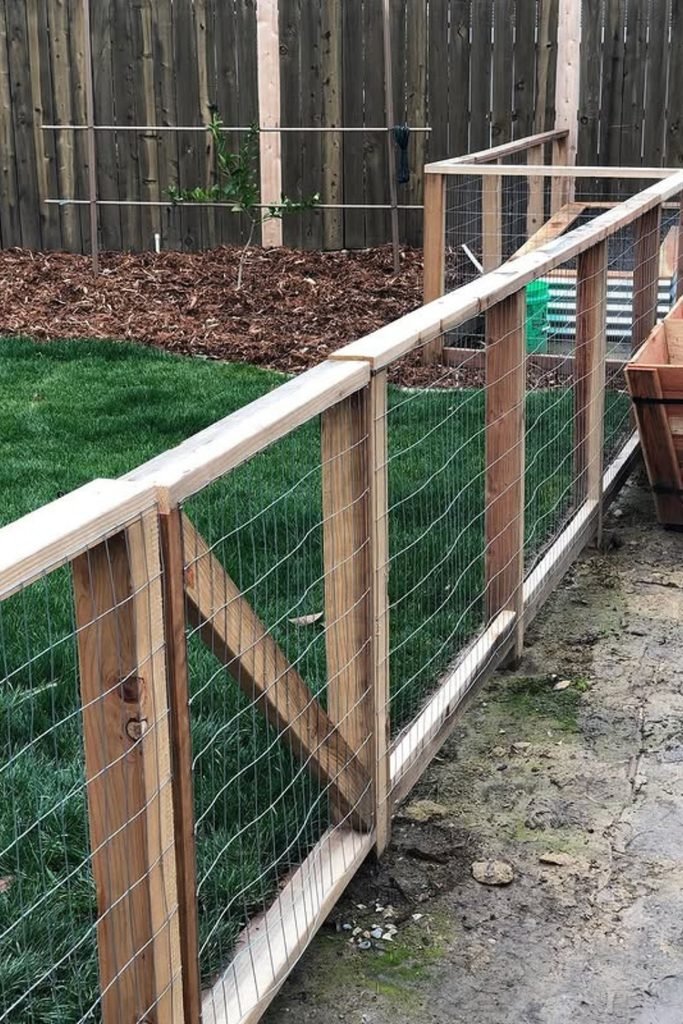
When you want protection without hiding the yard, frame welded wire inside chunky timber rails instead of filling each section with boards.
Build each rectangular section separately for cleaner alignment, then fasten it securely between posts so damaged mesh can be replaced later.
Low panels suit front gardens and open boundaries particularly well, allowing plants and lawn to remain visible while discouraging unwanted access.
Timber Mesh
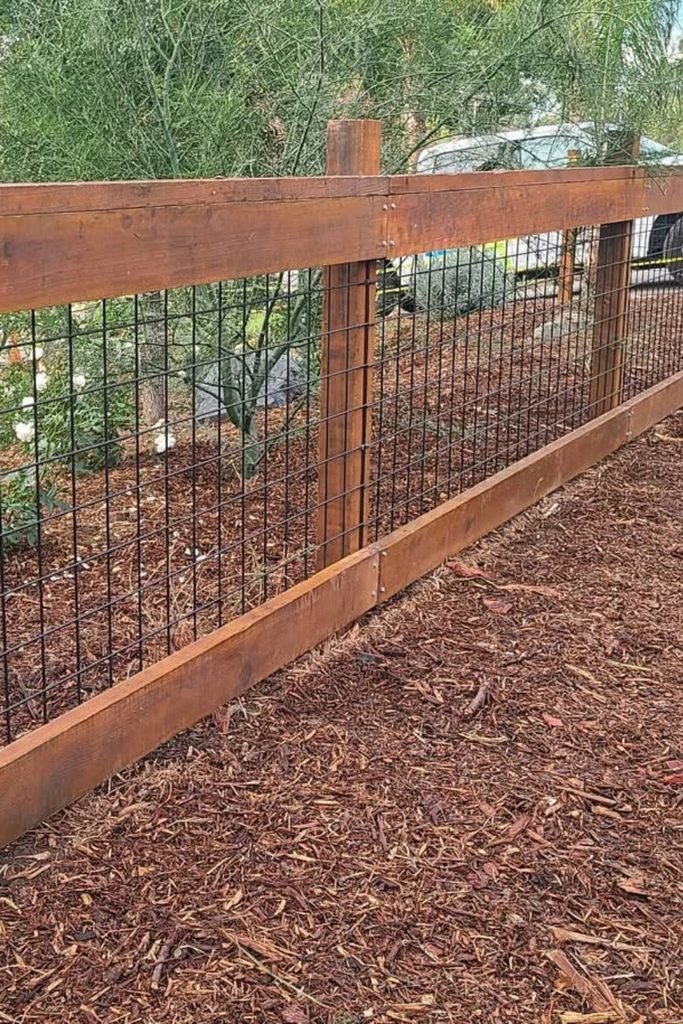
Bring warmth to a practical wire fence by sandwiching dark welded mesh between stained timber rails and evenly spaced wooden posts.
Run the lower rail close to ground level so pets and larger garden visitors have fewer opportunities to squeeze underneath.
Choose this combination alongside gardens or planting zones where you need dependable separation without sacrificing views across established greenery.
Narrow Enclosure
Work with a tight side yard by building slim timber-and-wire panels that follow the garden edge without stealing valuable growing space.
Attach wire securely inside the wooden framework, then add diagonal bracing near corners or gates where repeated movement creates extra strain.
Narrow boundaries work especially well beside raised beds, letting sunlight pass freely while stopping pets from trampling newly planted areas.
Raised Border
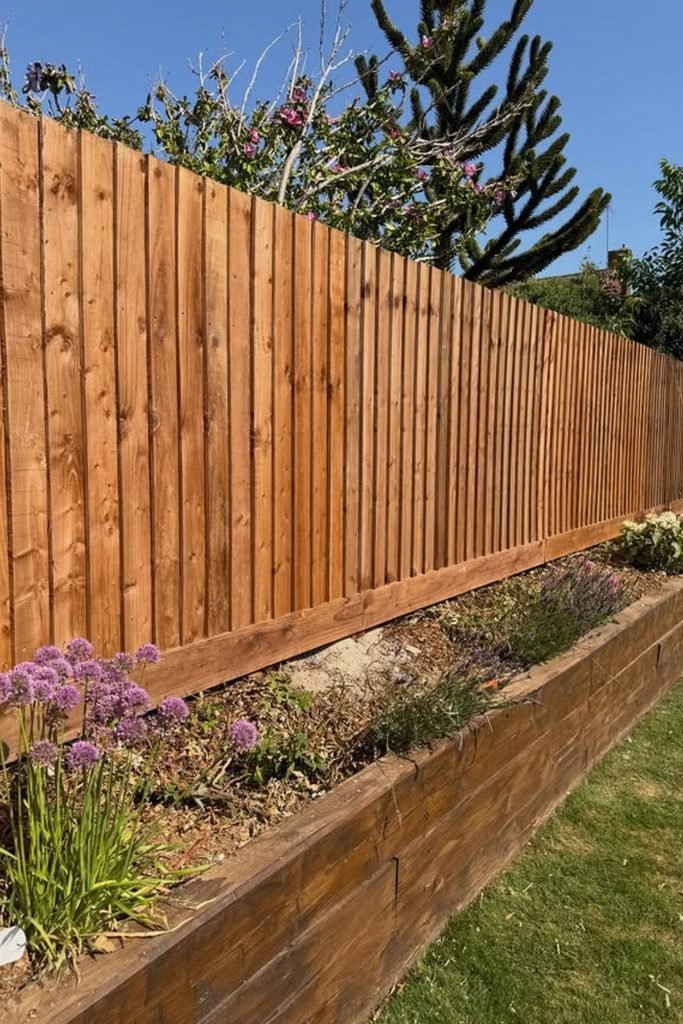
Turn a plain privacy fence into a more useful planting zone by building a long raised bed directly along its base.
Match the planter timber with the fence finish for a connected look, then fill the narrow bed with sun-loving perennials or herbs.
Leave enough clearance between soil and fence boards to reduce constant moisture contact, especially where irrigation regularly wets the planting area.
Chicken Wire
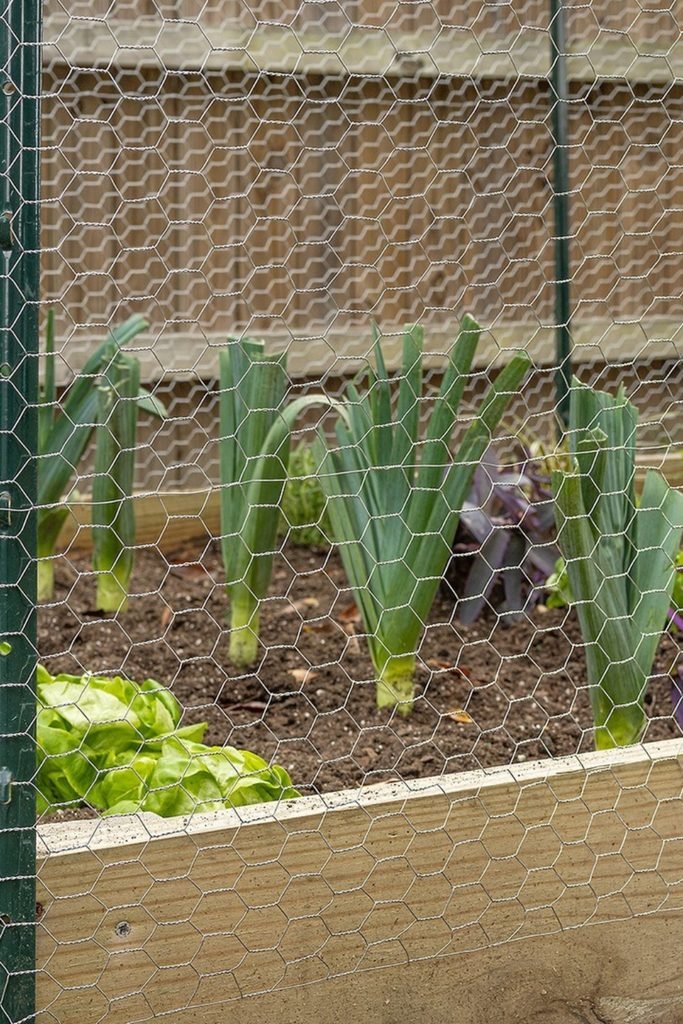
Stretch chicken wire around vegetable beds when your main goal is inexpensive protection against chickens, rabbits, and other smaller garden visitors.
Fasten the mesh tightly to sturdy posts and avoid loose sections near ground level, since animals quickly exploit easy openings.
For raised beds, run the wire directly beside the wooden edging so tender lettuce and young vegetables remain accessible for maintenance.
Living Pickets
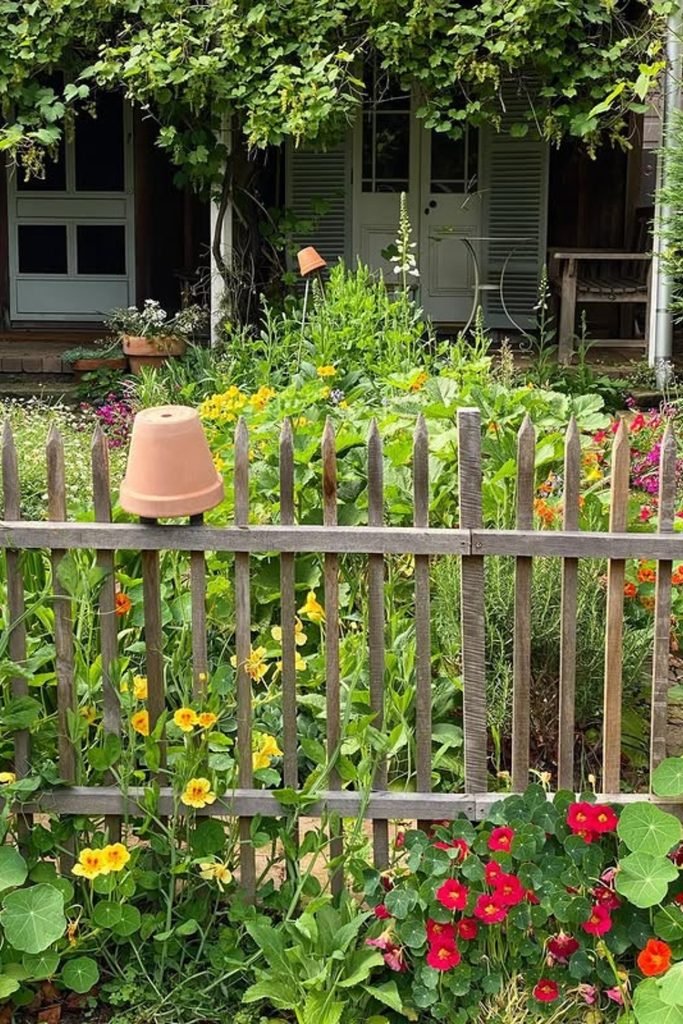
Let flowers mingle through an open picket fence when you want a boundary that becomes softer and more colorful as summer progresses.
Use narrow timber stakes with generous spacing, then guide nasturtiums or other easy climbers through gaps instead of covering the entire structure.
Low fencing works beautifully around cottage beds where defining the planting area matters more than creating complete privacy or heavy protection.
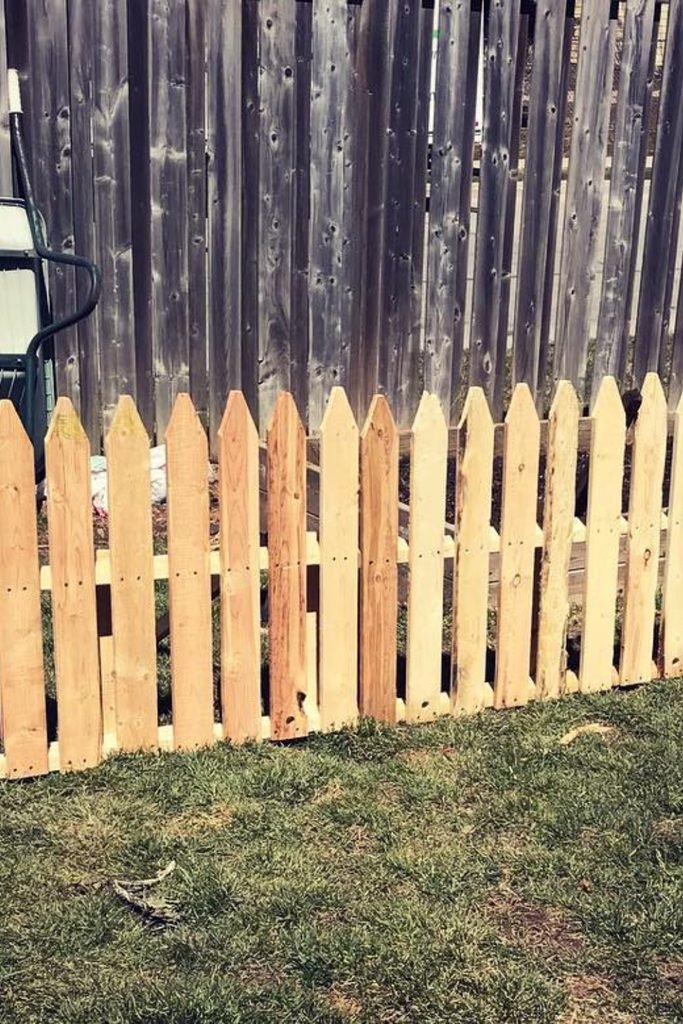
Simple Pickets
Start with basic construction lumber when your garden only needs an affordable boundary, then cut matching pointed tops for a finished appearance.
Fasten each picket across two horizontal rails with consistent gaps, using sturdy corner posts to prevent longer sections from leaning over time.
Leave the timber natural initially or apply an outdoor stain later, making this an approachable weekend project for smaller backyard plots.
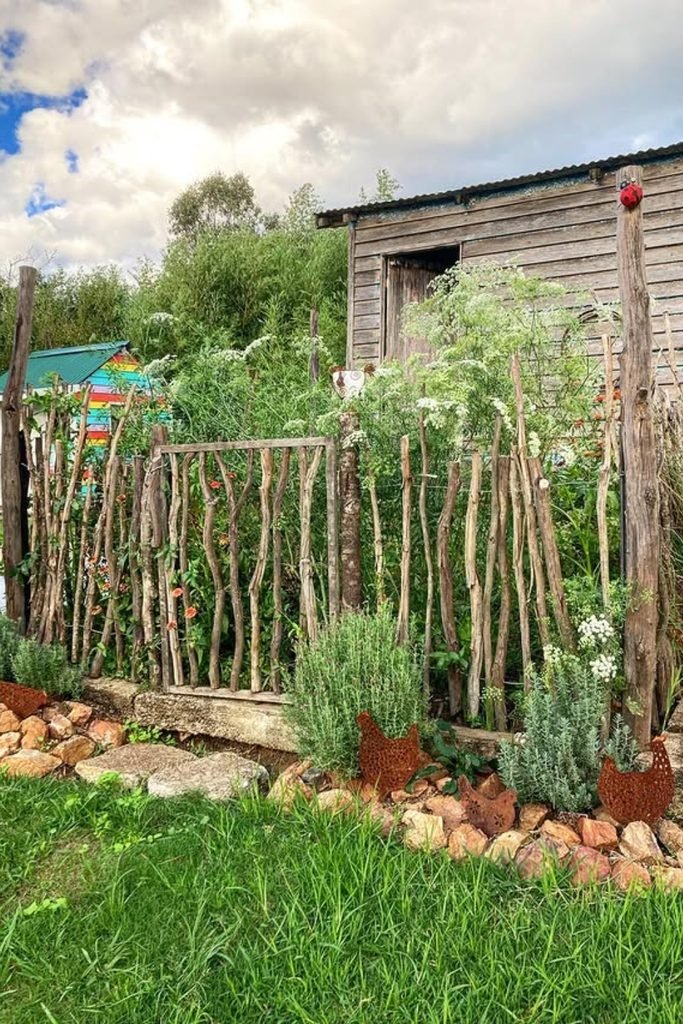
Rustic Branches
Save straight branches from pruning and turn them into an irregular fence that naturally belongs beside herbs, flowers, and informal planting.
Mix thicker pieces for support with slimmer vertical branches, securing them firmly to horizontal rails rather than chasing perfectly matching dimensions.
Allow climbing plants to weave between the gaps over time, helping the handmade structure blend even further into an established cottage garden.
FAQs
How Deep Should Garden Fence Posts Go?
For a small garden fence, I usually plan the post depth around the fence height, soil condition, and expected wind exposure.
Soft or loose ground may need extra depth or concrete, especially around gates where repeated movement puts more pressure on the posts.
How Can I Stop Animals Getting Under My Garden Fence?
Small gaps along the bottom can undo all the work you put into the fence. Run wire mesh close to the soil and secure loose edges firmly.
For rabbits and animals that dig, extending suitable mesh below ground or outward along the soil creates another barrier without making the visible fence much taller.

Hi, my name is Ali Mehmood! I’m a passionate writer and DIY enthusiast who loves turning creative ideas into practical, hands-on projects.
I created this website to share inspiring, budget-friendly ideas that you can do yourself – whether it’s organizing your home, crafting something unique, or creating fun projects for kids and pets.
I believe DIY isn’t just a hobby – it’s a smart way to save money, reduce waste, and enjoy the satisfaction of making things with your own hands.
I’m excited to have you as part of this growing community, and I’ll continue bringing you helpful, realistic, and fun DIY ideas you can actually use.