This post may contain affiliate links: read full affiliate disclosure.
A DIY brooder box can look easy at first, but it quickly becomes confusing when you start thinking about real baby chick needs.
You may wonder if a plastic tote is big enough, if a cardboard box is safe, or if a heat lamp could cause overheating or even a fire risk.
Then come the smaller problems many beginners do not expect: chicks spill water, scratch bedding everywhere, grow faster than planned, and start jumping before you feel ready.
That is why a brooder box is not just a container. It needs to give chicks warmth, airflow, clean bedding, safe footing, enough space, and a secure top.
You just need to understand what works, what causes problems, and how to choose a design that fits your space.
In this article, I am going to share DIY brooder box ideas that are practical, safe, easy to clean, and beginner-friendly.
Let’s dive into it!
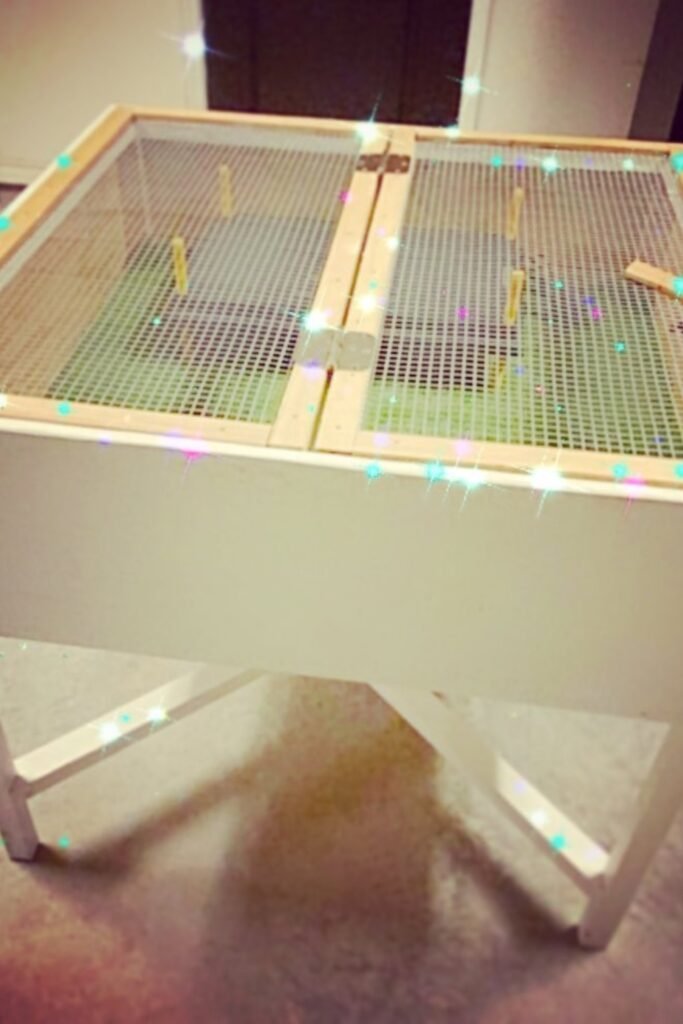
Mesh-Lid Brooder
This raised wooden brooder gives you a sturdier option when a plastic tote feels too small, flimsy, or temporary for chicks.
The double mesh lid keeps airflow moving through the box while still stopping curious chicks from jumping out too early inside.
Use this brooder in a garage, laundry room, or indoor corner when you want something reusable and easier to clean daily.
Divided Brooder
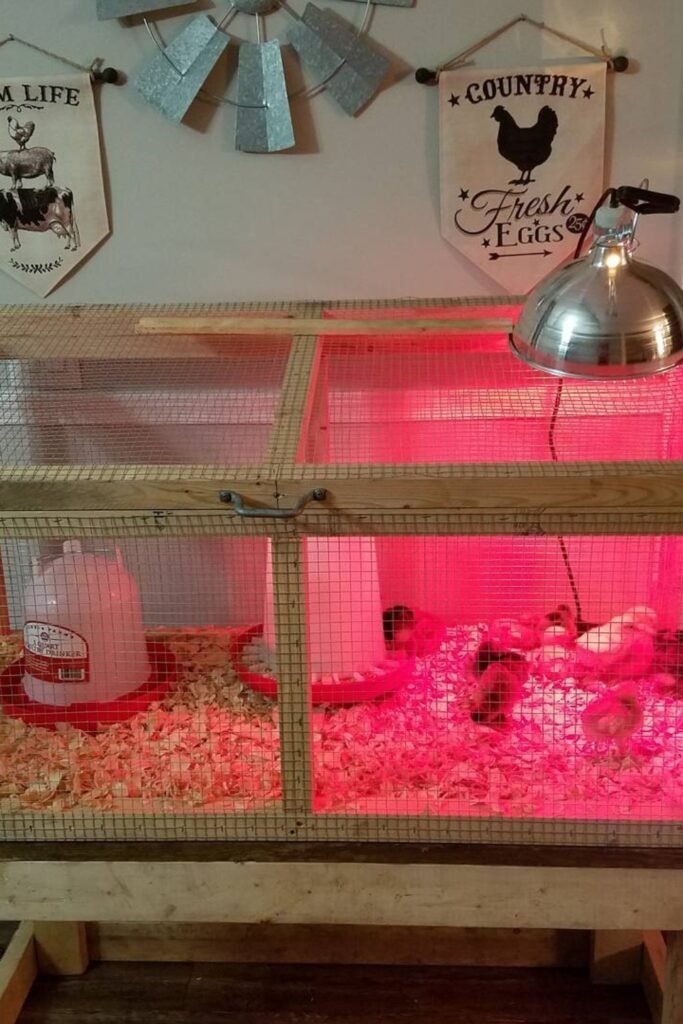
A longer brooder box helps you create separate areas for heat, water, food, and open space without crowding chicks too much.
The wire sides keep the setup breathable, while the heat lamp stays focused on one end instead of warming everything inside.
Choose this style when you want chicks to walk away from heat whenever they feel too warm or restless at night.
Furniture Brooder
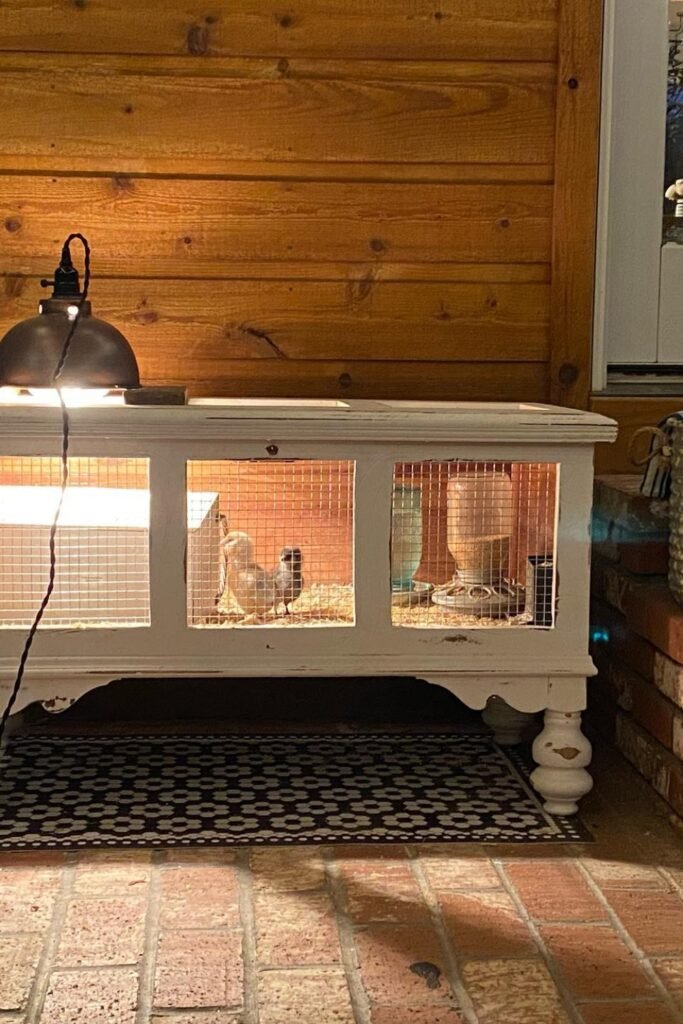
An old cabinet or bench can become a practical brooder when you add mesh fronts, bedding, and safe heat placement.
This style feels more finished indoors because it hides the messy setup while still letting you see the chicks clearly.
Keep the heat source on one side so chicks always have a cooler area when they need comfort.
Outdoor Brooder
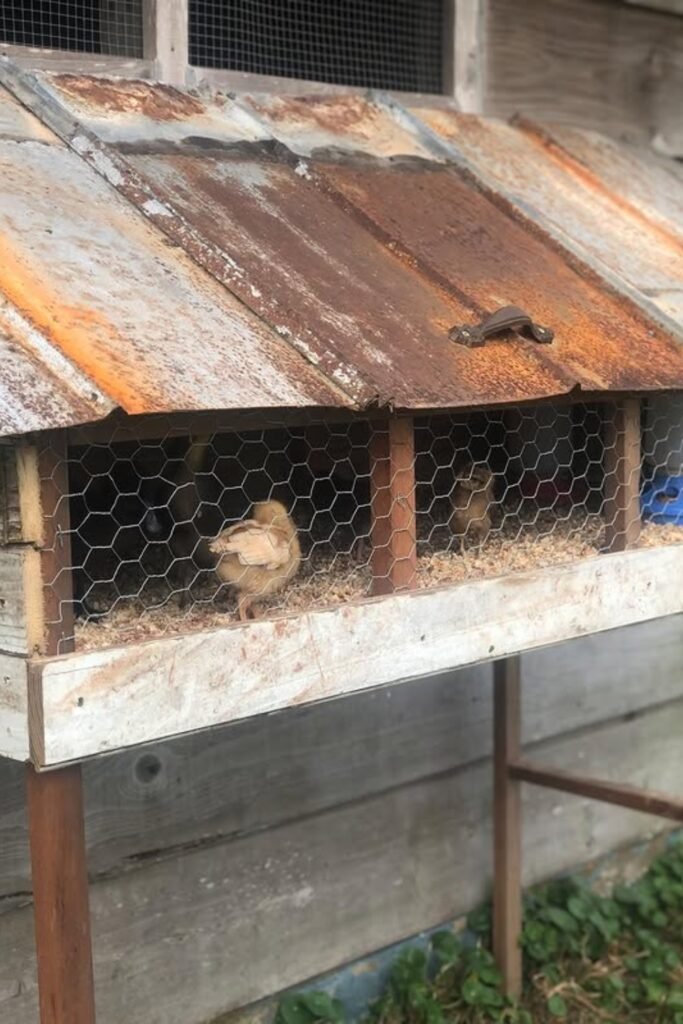
This outdoor brooder works well when chicks need extra room but still need shelter from wind, rain, and curious predators.
The metal roof adds shade and weather protection, while the chicken wire front keeps fresh air moving through the space.
Use this idea only in safe temperatures, and check every gap carefully before leaving chicks outside for longer periods.
Covered Run
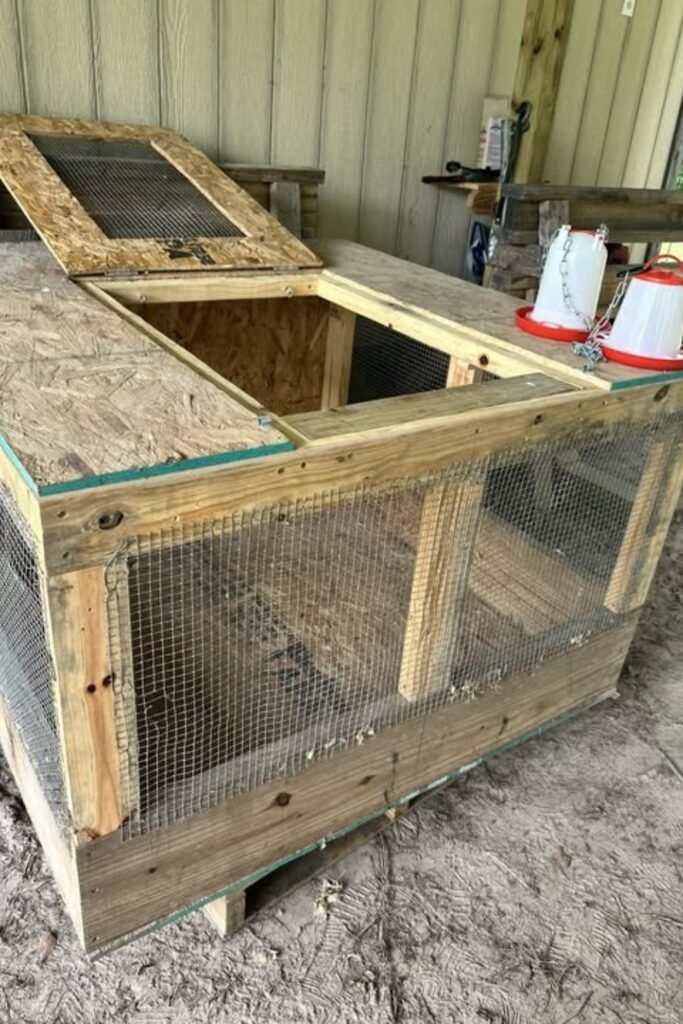
This large wooden brooder works well when you need protected sides, strong airflow, easy top access, and enough room for growing chicks.
The raised lids make food and water refills easier because you can reach inside without disturbing the whole brooder setup.
Use this style in a shed, porch, or covered area where chicks need space but still need secure protection.
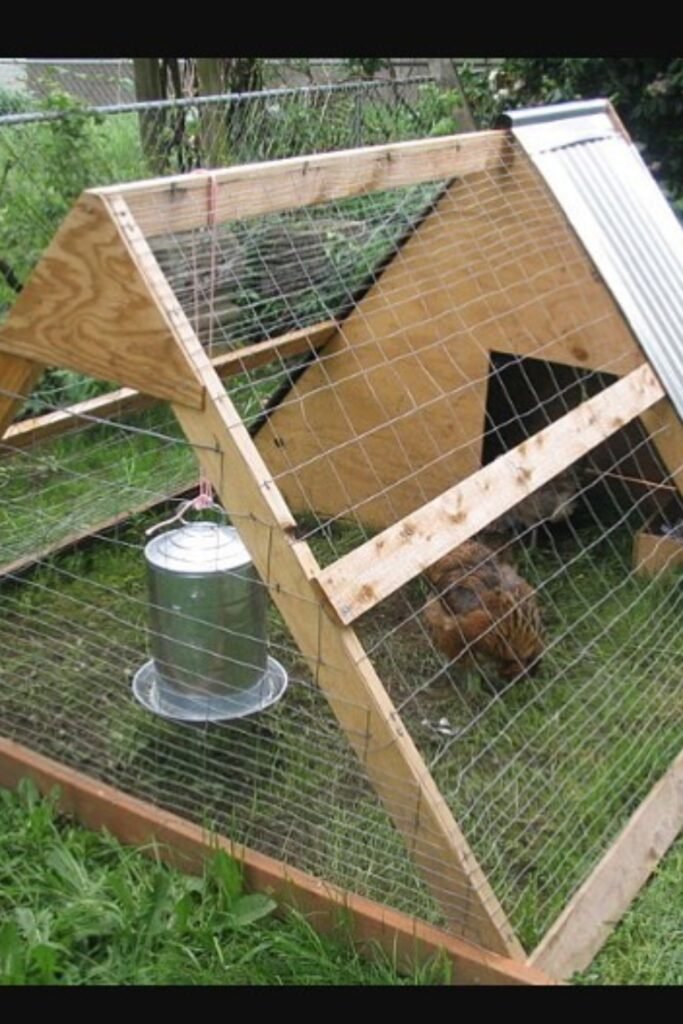
A-Frame Brooder
An A-frame brooder gives chicks a simple outdoor transition space once they are ready for fresh grass, daylight, and gentle movement.
The covered house section adds shade and shelter, while the wire run lets them scratch safely in open air.
Move this setup around the yard when you want cleaner ground, fresh forage, and less bedding mess inside your home.
Pasture Brooder
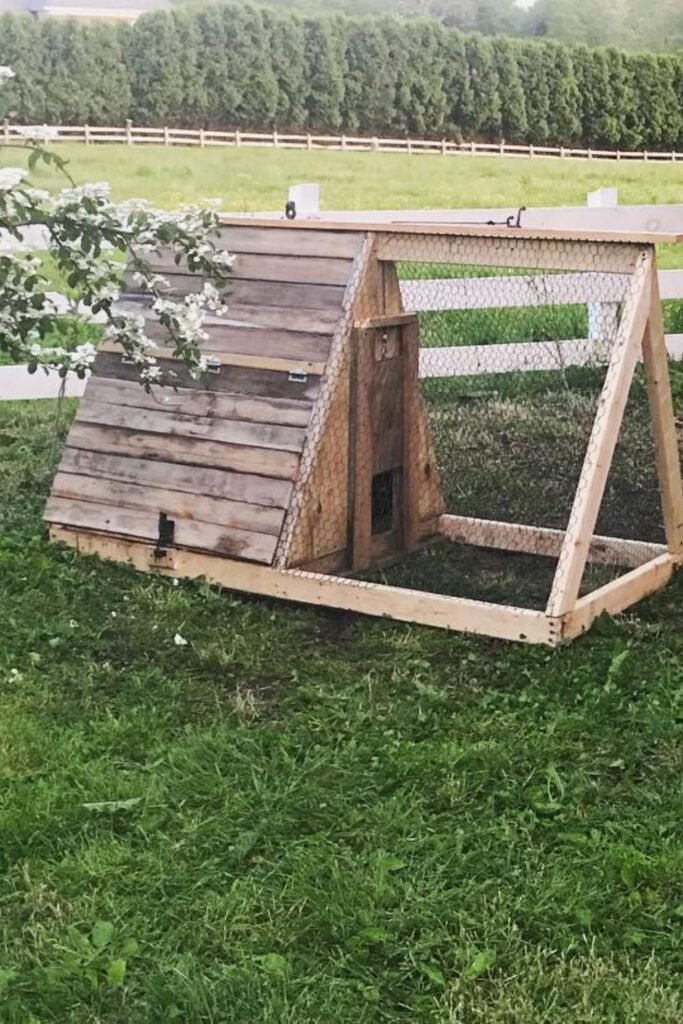
This triangle brooder works nicely when chicks need grass access but still need a protected corner for resting and feeling secure.
The slanted roof helps block sun and light rain, while the wire sides keep the brooder bright and breathable.
Try this idea once chicks are stronger, feathered enough, and ready for short outdoor time with close supervision.
Open-Top Brooder
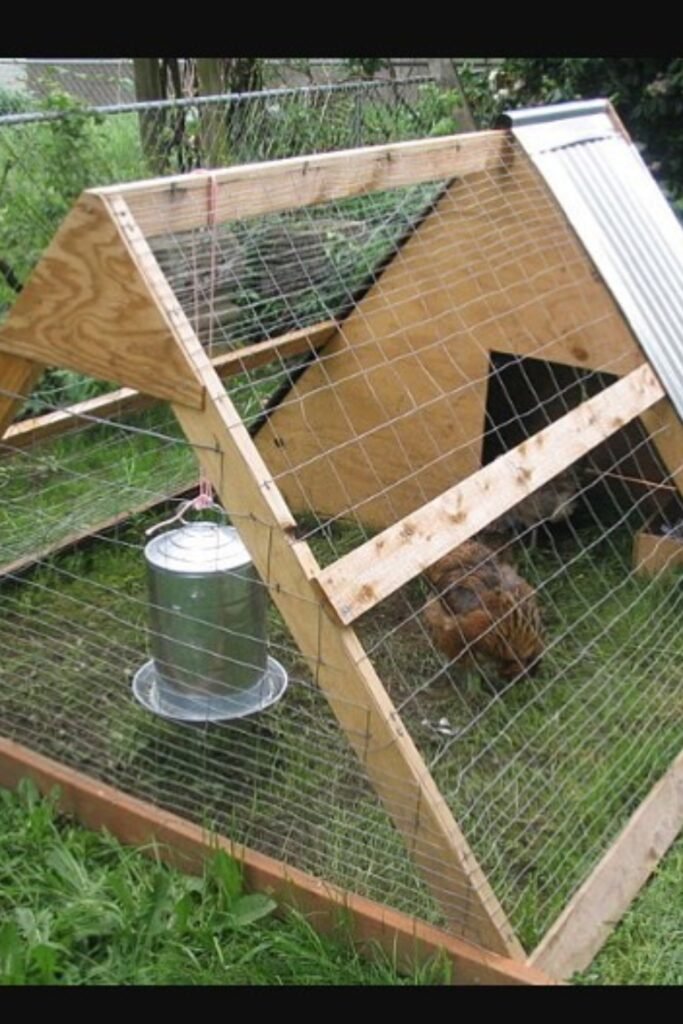
This plywood brooder is useful when you want a simple indoor setup with clear zones for food, water, heat, and movement.
The wire top keeps chicks contained but still lets you adjust feeders, check bedding, and monitor warmth from above.
Keep heat plates or lamps on one side so chicks can choose comfort instead of staying stuck in constant heat.
Screened Porch
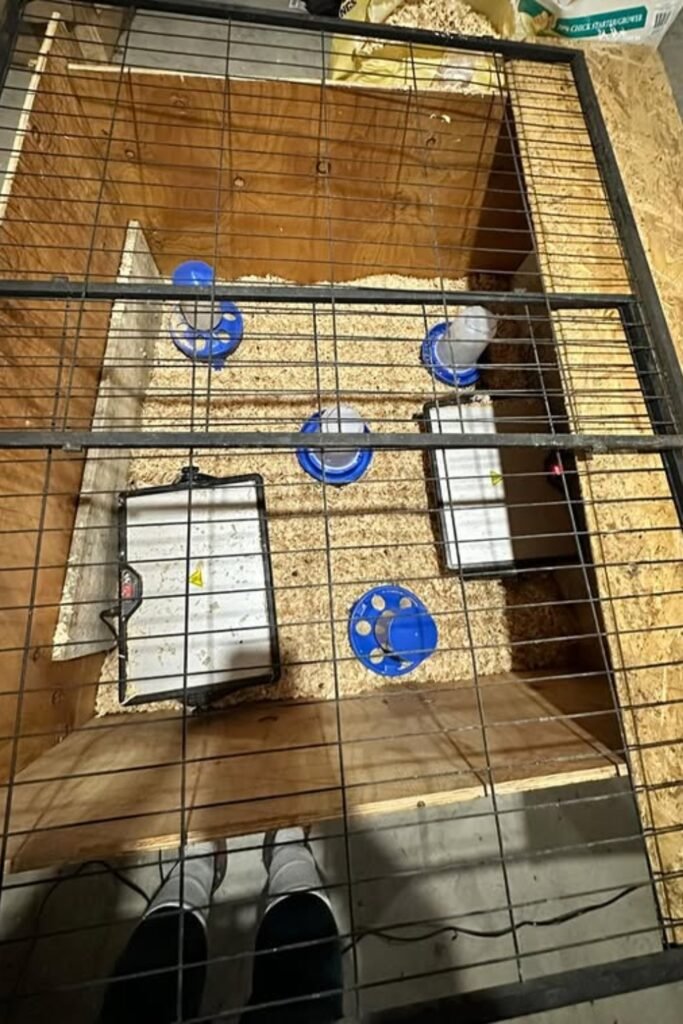
A screened porch brooder gives chicks fresh light, steady airflow, and a safer place you can monitor from inside the home.
The long mesh sides help reduce trapped heat, while deep bedding gives chicks a softer surface for walking and resting.
Use this idea when you have a protected porch and need more space than a small indoor brooder can offer.
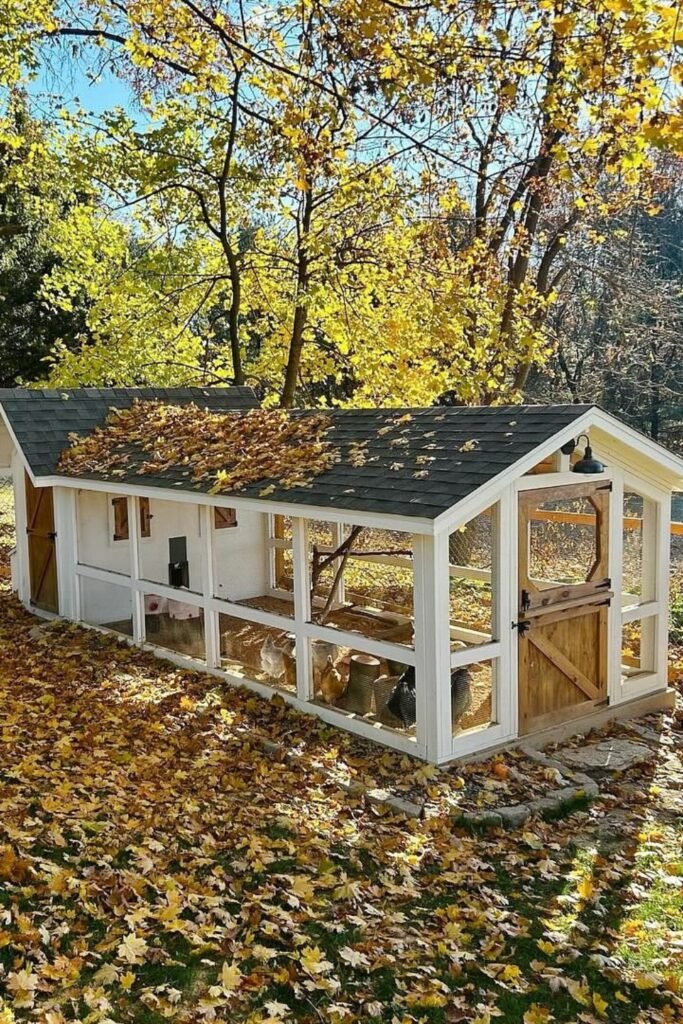
Walk-In Brooder
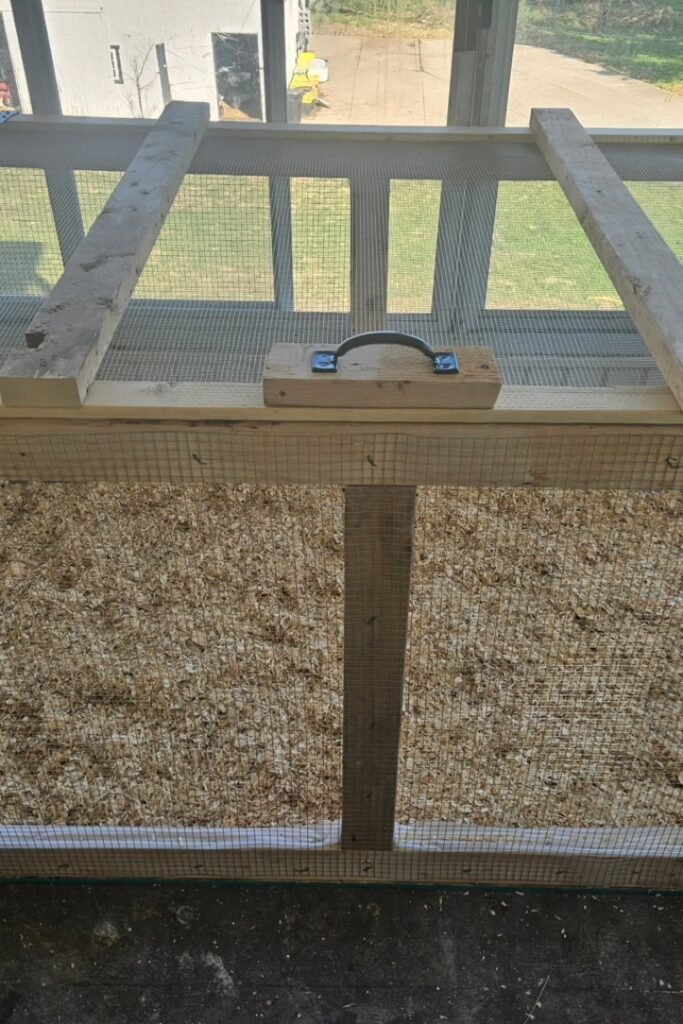
A walk-in brooder works beautifully when you want chicks to grow with more space instead of moving them between setups too often.
The house-style frame adds shelter and structure, while the screened walls let you watch them without opening everything.
Build this type when you want a long-term setup that can later work as a small chicken run.
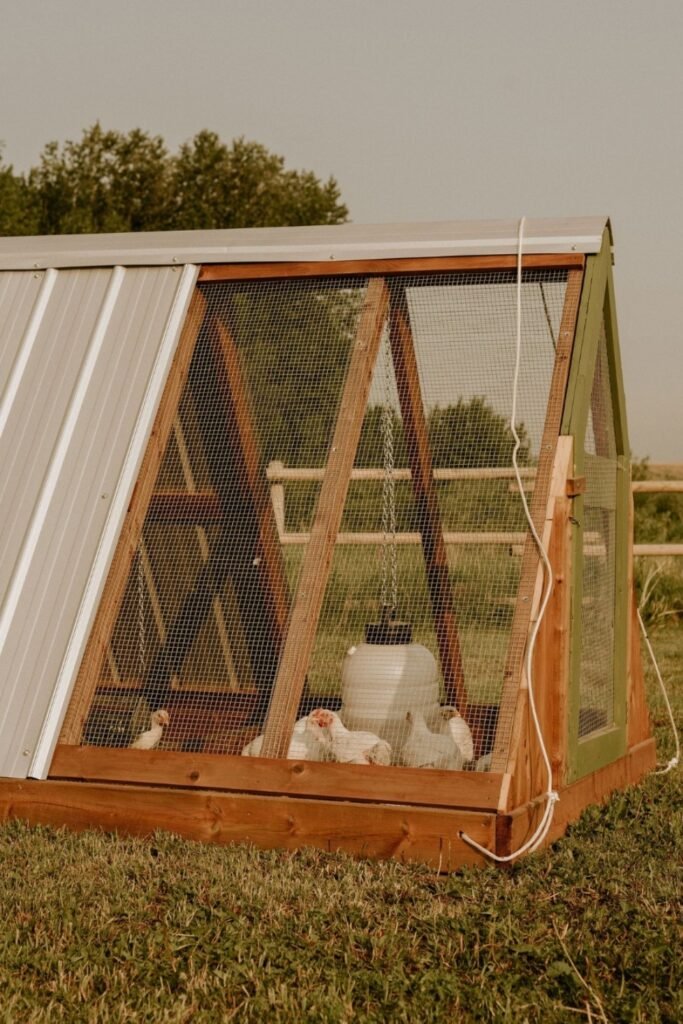
Metal-Roof Brooder
A metal-roof brooder is a smart choice when chicks need outdoor space with stronger shade and better weather coverage.
The angled frame keeps the build simple, while mesh panels allow plenty of fresh air, light, and visibility.
Use this setup on grass once chicks are ready for supervised outdoor time and safer temperature changes.
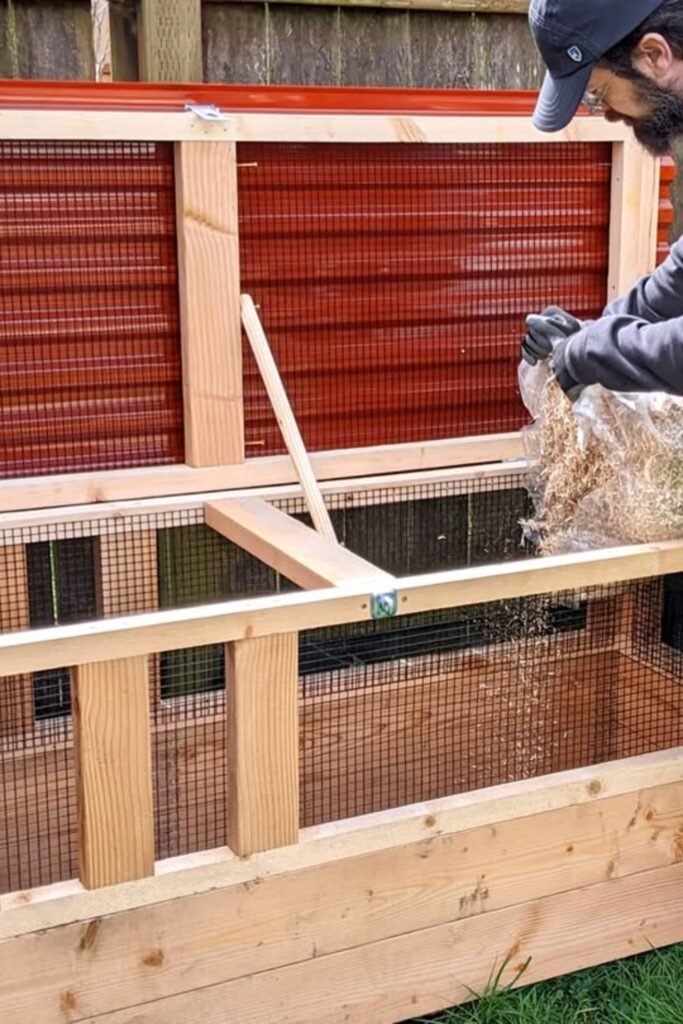
Hinged Access
A hinged brooder makes daily care easier because you can add bedding, refill supplies, and check chicks without awkward reaching.
The tall wooden sides help hold bedding inside, while the mesh panels keep airflow moving through the whole structure.
Try this design when you want a practical outdoor brooder that opens wide enough for quick cleaning.
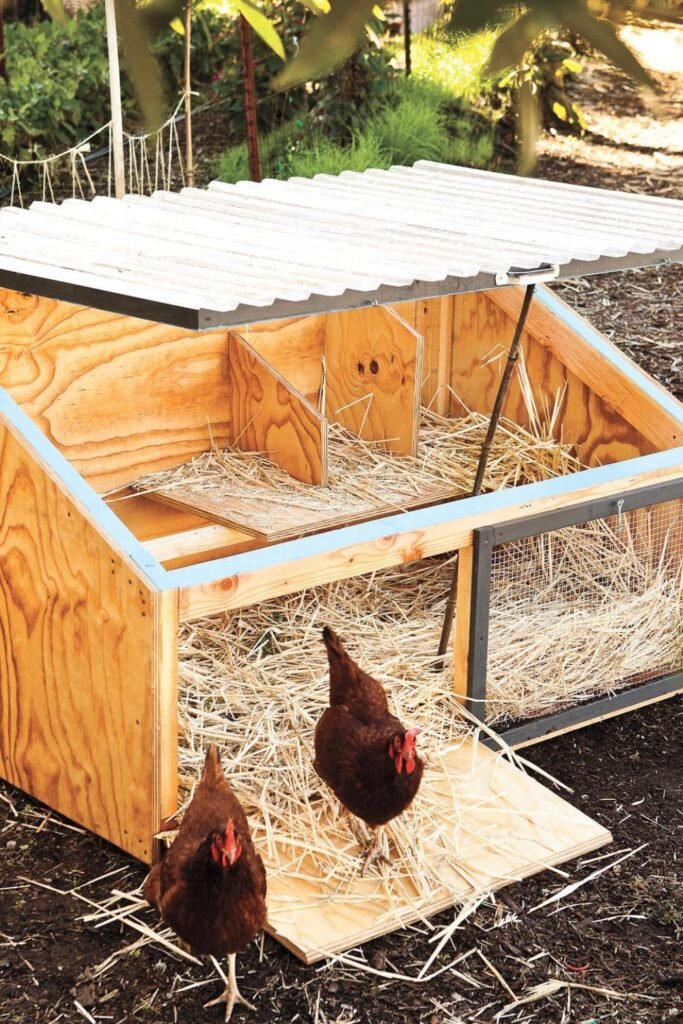
Straw-Bed Brooder
A straw-bed brooder works well when you want a simple wooden shelter with warmth, privacy, and an easy front entry for young birds before they move out.
The lift-up roof makes bedding changes easier, while the wire front adds airflow without leaving the whole box too open during daily checks or cleaning.
Use this idea when chicks need a cozy transition space with enough bedding, shelter, and room before moving into a larger coop outside full time.
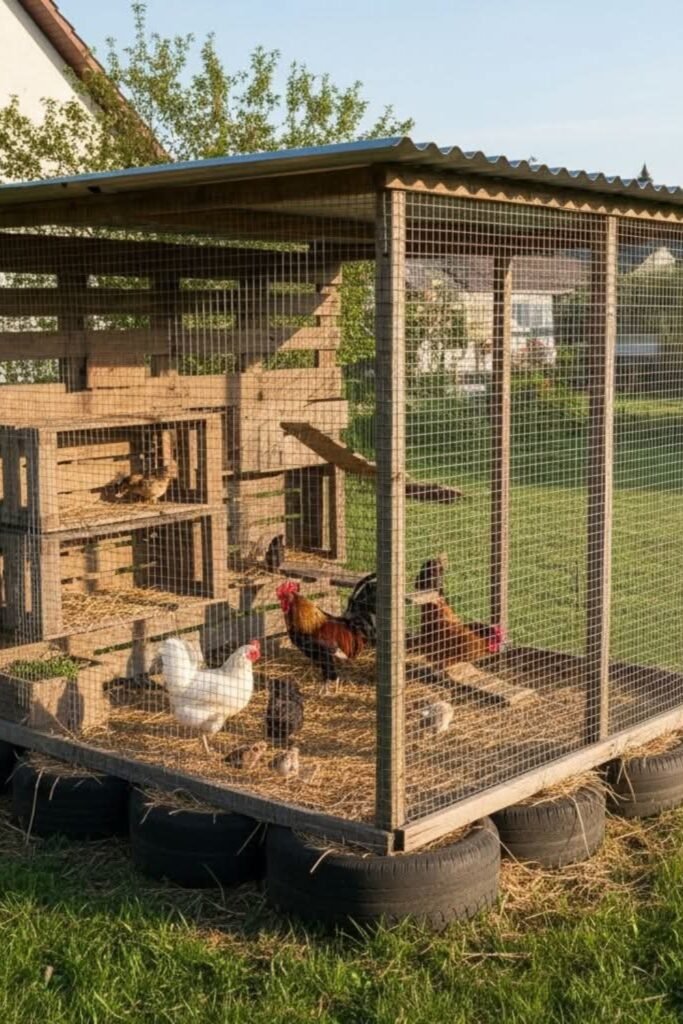
Pallet Brooder
A pallet brooder is a smart choice when you want to reuse scrap wood and still create a strong outdoor structure for chicks growing fast.
The raised base helps keep the floor drier, while wire sides give chicks airflow, light, and protected movement without crowding their space too much inside.
Try this setup when you need an affordable brooder that can later work as a small grow-out pen for young birds once they outgrow indoors.
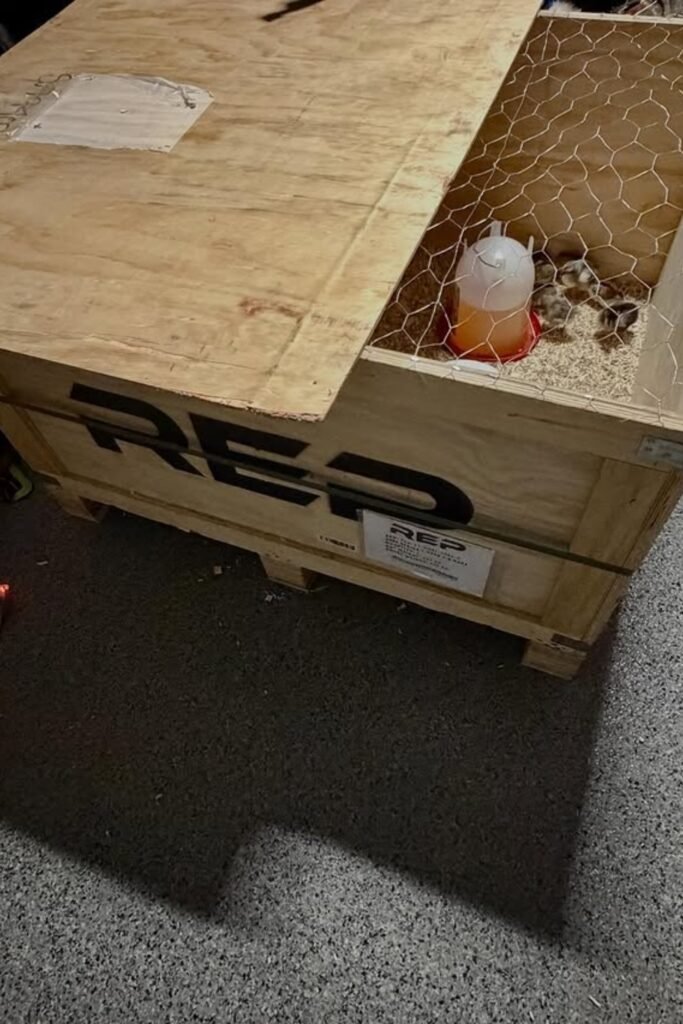
Crate Brooder
A shipping crate can become a quick brooder when you need strong walls, deep bedding space, and a covered warm zone for small chicks fast.
The open mesh section keeps airflow moving, while the solid plywood side gives chicks a calmer place to hide when they feel nervous or cold.
Use this idea for a budget setup, but sand rough edges and secure the wire before adding chicks inside to avoid injuries and escapes later.
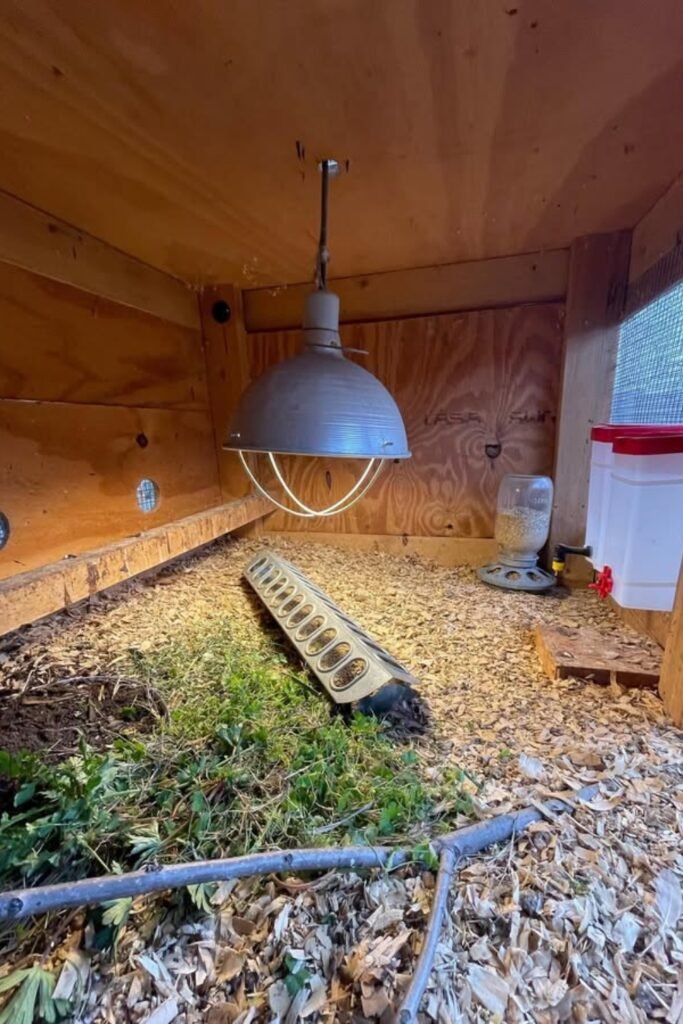
Enclosed Brooder
An enclosed wooden brooder helps chicks stay warm when you need more protection than a fully open wire setup in cooler indoor areas or sheds.
The hanging heat lamp, side vents, and bedding create a contained space where chicks can eat, rest, and move without feeling too exposed at night.
Keep one side cooler inside this layout so chicks can leave the heated area whenever they feel too warm or restless during the day.
Raised Duck Brooder
A raised duck brooder works well when young birds need outdoor space, dry footing, and a small water area without roaming freely outside too early.
The wire walls keep the setup open and visible, while the wooden frame creates a safer boundary around food, shelter, and water for daily care.
Use this design when ducklings or chicks are stronger but still need protection before full backyard freedom becomes safe during the day with supervision outside.
Room-Style Brooder
A room-style brooder is helpful when you need a larger indoor setup for many chicks, especially before they are ready for outdoor temperatures full time.
The low wooden frame and chicken wire top keep chicks contained, while plastic wall protection helps control dust and bedding mess near windows inside daily.
Use this layout when you want open floor space for feeders, waterers, movement, and easy monitoring without crowding them into bins too soon at home.
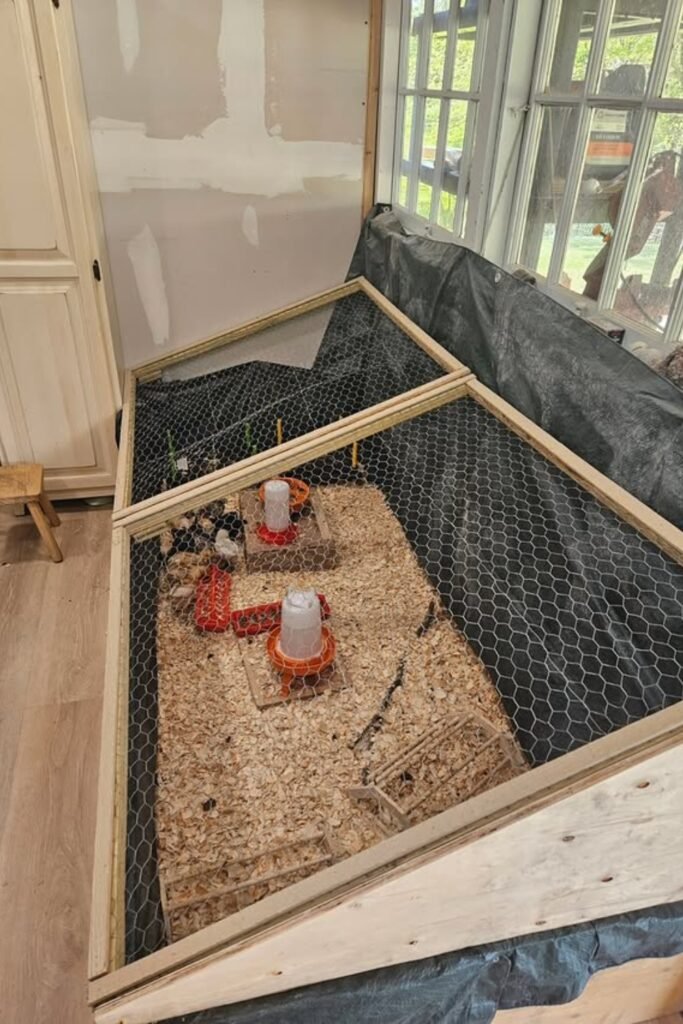
Converted Cabinet
A converted cabinet brooder gives you a polished reusable setup when you want something more attractive than a basic plywood box in the yard later.
The mesh windows and top panels bring airflow from several sides, while the raised legs keep the structure off damp grass during outdoor use safely.
Try this idea when you can repurpose old furniture and want a brooder that still looks neat around the backyard without feeling too temporary or messy.
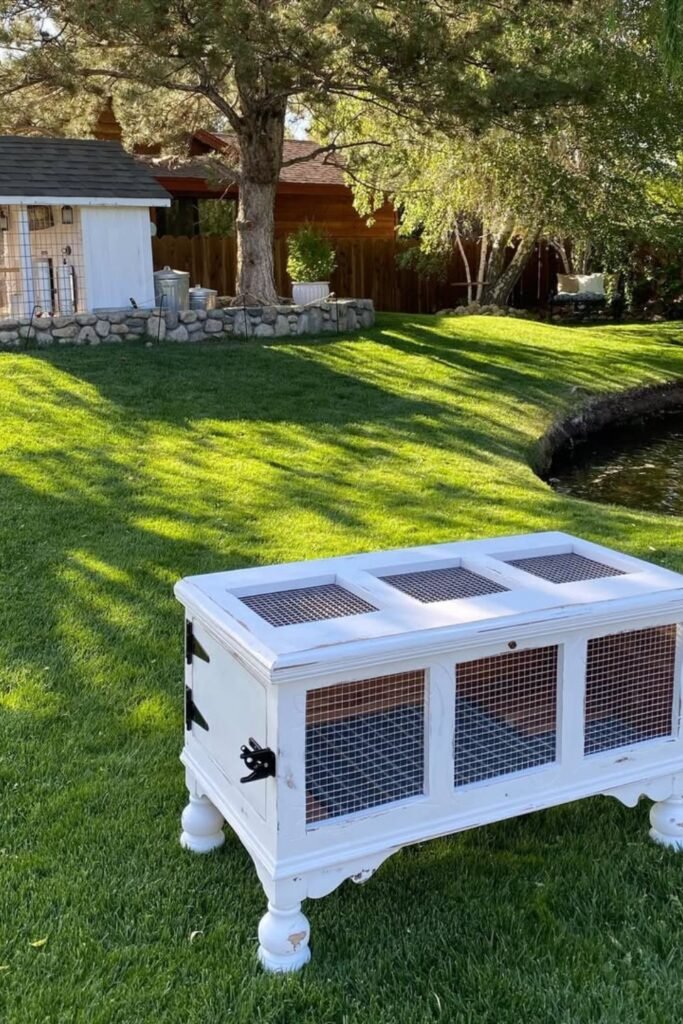
Garage Brooder
A garage brooder works well when you want chicks close enough to monitor but away from the main living space during their messier first weeks.
The raised wooden frame makes cleaning easier on your back, while the clear front helps you watch behavior and warmth without opening the brooder often.
Keep food and water away from the heated corner so chicks have separate areas for eating, resting, and moving inside the setup throughout the day.
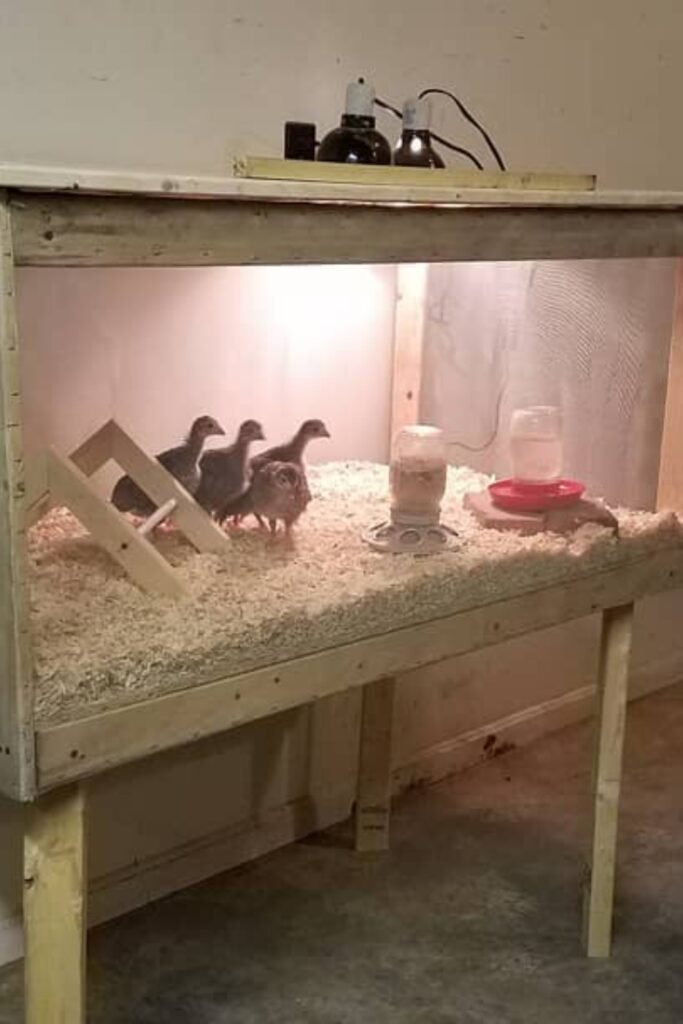
Coop Brooder
A coop brooder works well when you already have a chicken house and want chicks separated from older birds while staying close nearby.
The lower enclosed section keeps chicks warm and protected, while the upper coop area lets them hear and adjust to the flock.
Use this idea when you want a smoother transition from brooder life to coop life without moving chicks through too many separate setups.
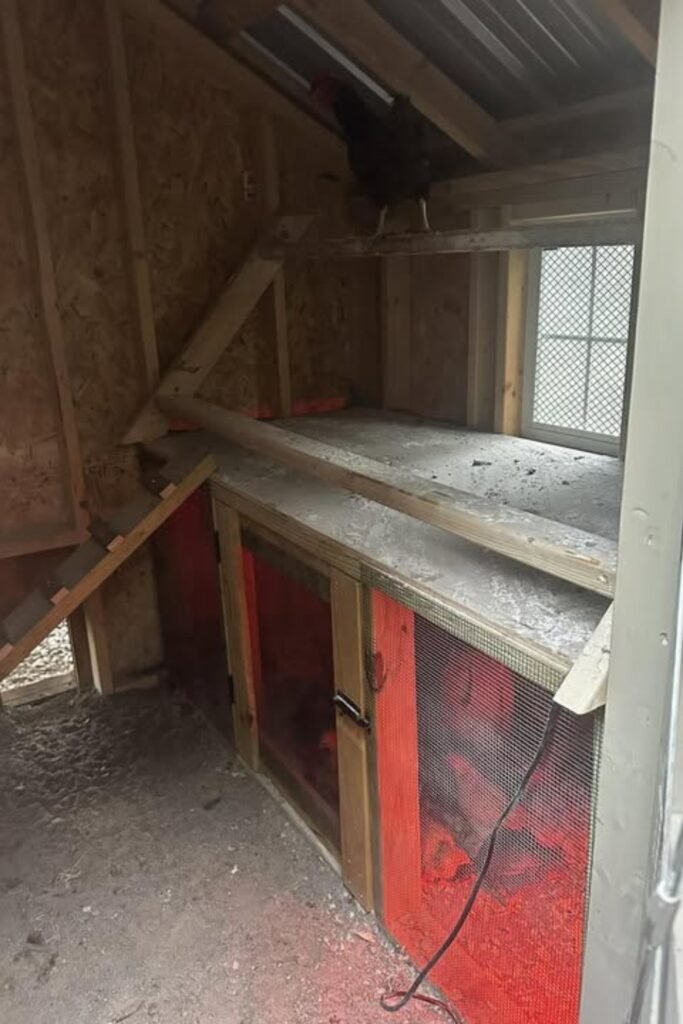
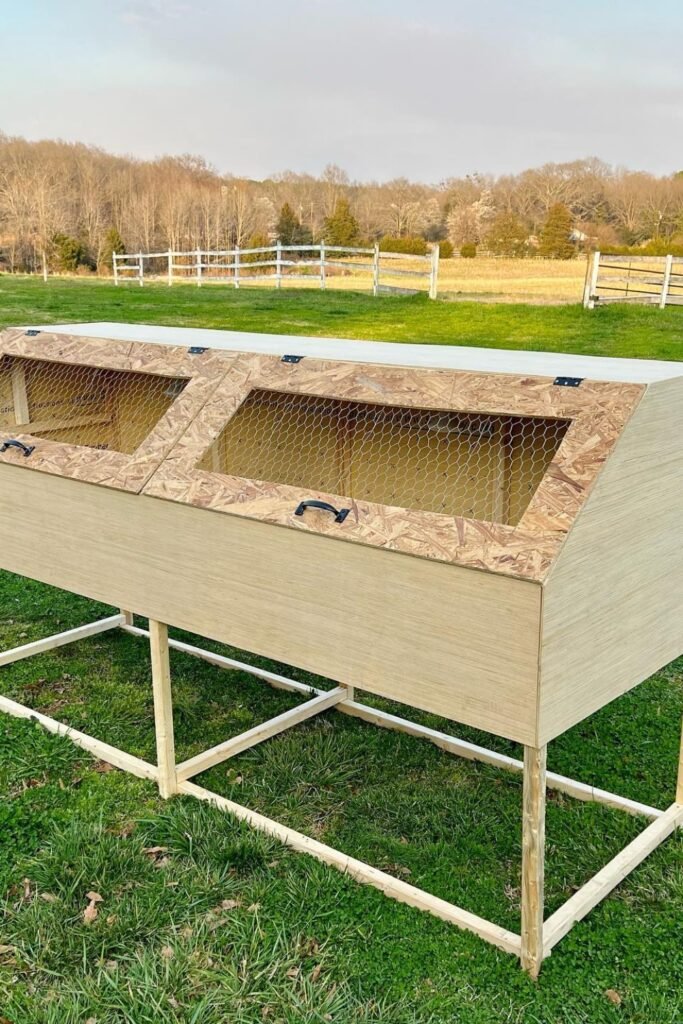
Raised Box
A raised box brooder is helpful when you want less bending, cleaner access, and a sturdy build that sits off wet ground.
The angled mesh lids make daily check-ins easier, while the long shape gives chicks room to spread out as they grow.
Build this style when you need a reusable outdoor brooder with simple access points for food, water, bedding, and heat checks.
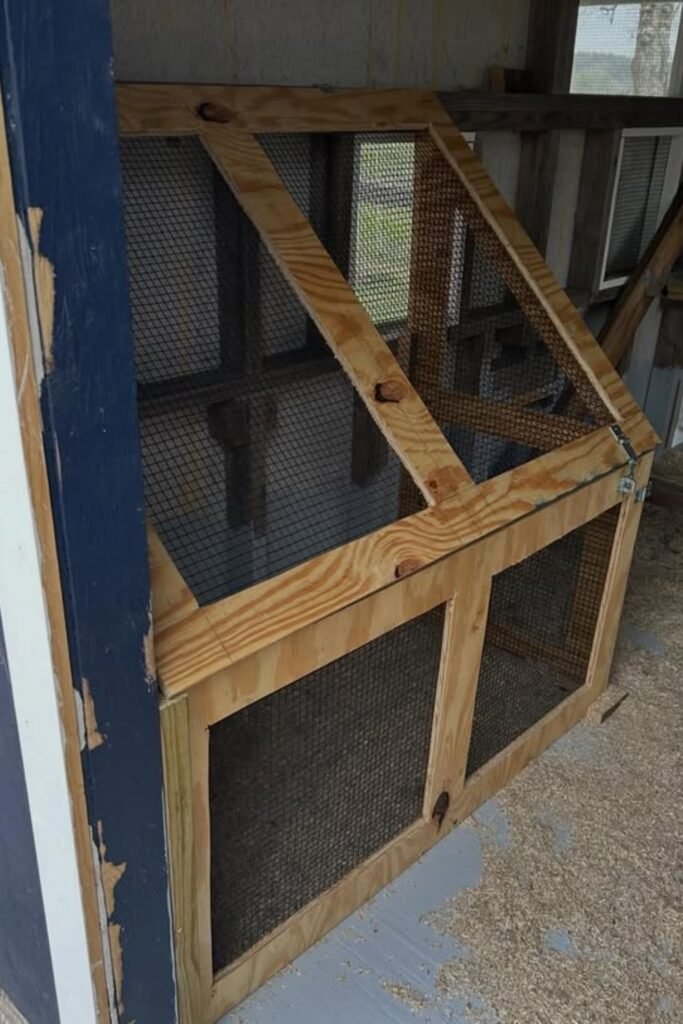
Lean-To Brooder
A lean-to brooder fits well against a shed or coop wall when you want to save space without losing airflow.
The slanted mesh front gives good visibility, while the wooden frame creates a protected corner that feels less exposed for chicks.
Try this setup when you need a compact brooder that still opens wide enough for cleaning, feeding, and quick safety checks.
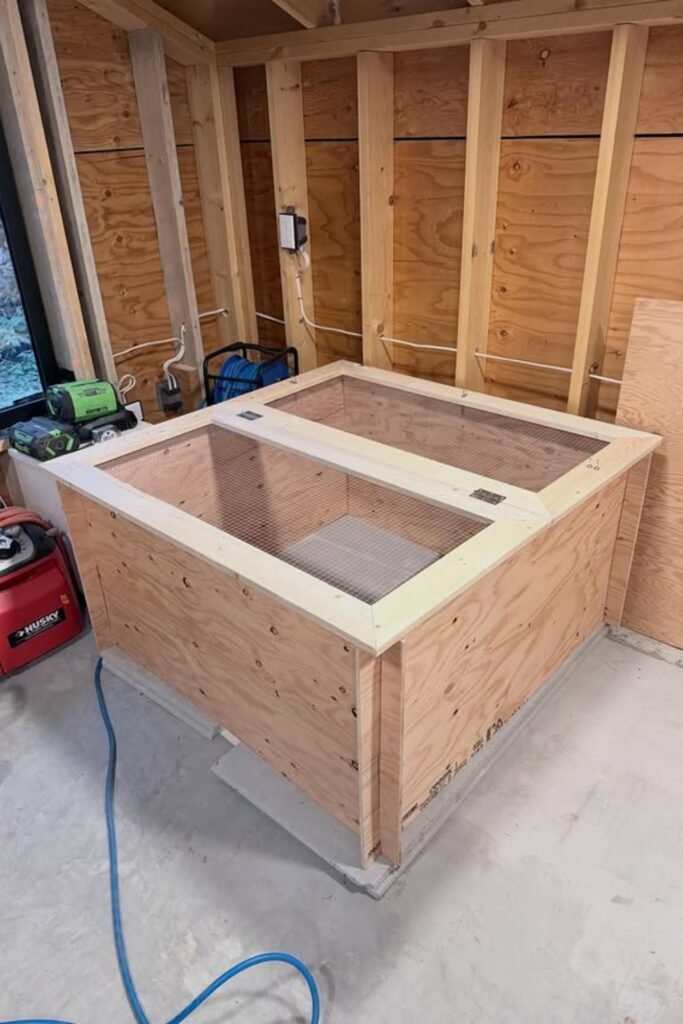
Workshop Brooder
A workshop brooder is a strong choice when you want a simple plywood setup protected from rain, wind, and outdoor temperature swings.
The flat mesh lid keeps chicks contained while giving you easy top access for checking bedding, food, water, and warmth.
Use this design in a shed or garage when you need a sturdy temporary brooder that feels safer than open bins.
FAQs
What can I use for a DIY brooder box?
You can use a plastic storage tote, plywood box, stock tank, dog crate, cardboard box, old cabinet, or a simple wooden frame with mesh sides.
The best option depends on how many chicks you have, where you plan to keep them, and how easy it is to clean.
Whatever you choose, make sure it has enough space, safe bedding, good airflow, a secure lid, and a warm area where chicks can rest without overheating.
How do I know if my brooder box is safe for chicks?
A safe brooder gives chicks warmth, ventilation, dry bedding, and enough room to move away from the heat source.
Watch their behavior closely. If they crowd under the heat, they may be cold. If they stay far away, pant, or act restless, the brooder may be too hot.
Also check that the lid is secure, the floor is not slippery, the heat lamp is firmly placed, and food or water cannot spill easily.

Hi, my name is Ali Mehmood! I’m a passionate writer and DIY enthusiast who loves turning creative ideas into practical, hands-on projects.
I created this website to share inspiring, budget-friendly ideas that you can do yourself – whether it’s organizing your home, crafting something unique, or creating fun projects for kids and pets.
I believe DIY isn’t just a hobby – it’s a smart way to save money, reduce waste, and enjoy the satisfaction of making things with your own hands.
I’m excited to have you as part of this growing community, and I’ll continue bringing you helpful, realistic, and fun DIY ideas you can actually use.