This post may contain affiliate links: read full affiliate disclosure.
A DIY flower bed sounds easy until you stand in front of grass, weeds, hard soil, and an empty yard space that makes the whole area look unfinished.
You may know you want more flowers, more color, and better curb appeal, but the real confusion starts when you think about where to dig.
What soil to use, how to stop weeds, and which plants will actually survive after the first few weeks.
That is where the right plan makes a big difference. A good flower bed is not only about placing pretty flowers in the ground.
It needs a clean shape, healthy soil, proper edging, smart plant choices, and a layout that fits your yard.
In this article, I am going to share DIY flower bed ideas that help you turn plain outdoor spaces into beautiful, practical, and manageable garden areas.
Let’s dive into it for knowing more:
Narrow Fence Bed
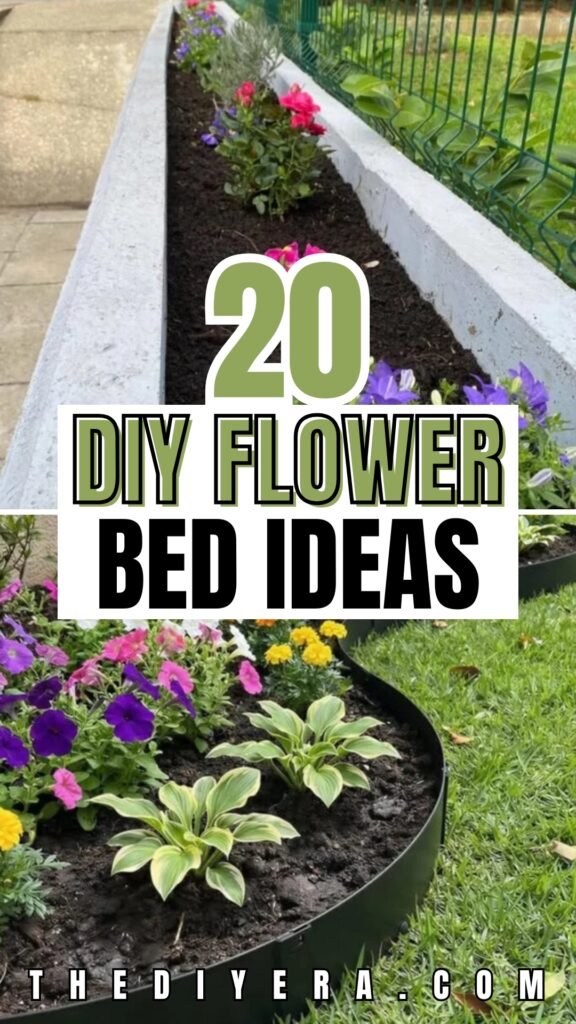
A slim flower bed works beautifully beside a fence when you treat the narrow space like a neat color strip, not wasted ground outside home.
Plant small blooms with clear gaps between them, then keep the dark soil visible so each flower has room to stand out on its own.
This idea helps balconies, patios, and fence edges feel softer without blocking the walkway or making the bed hard to maintain later in the season.
Curve Lawn Edges
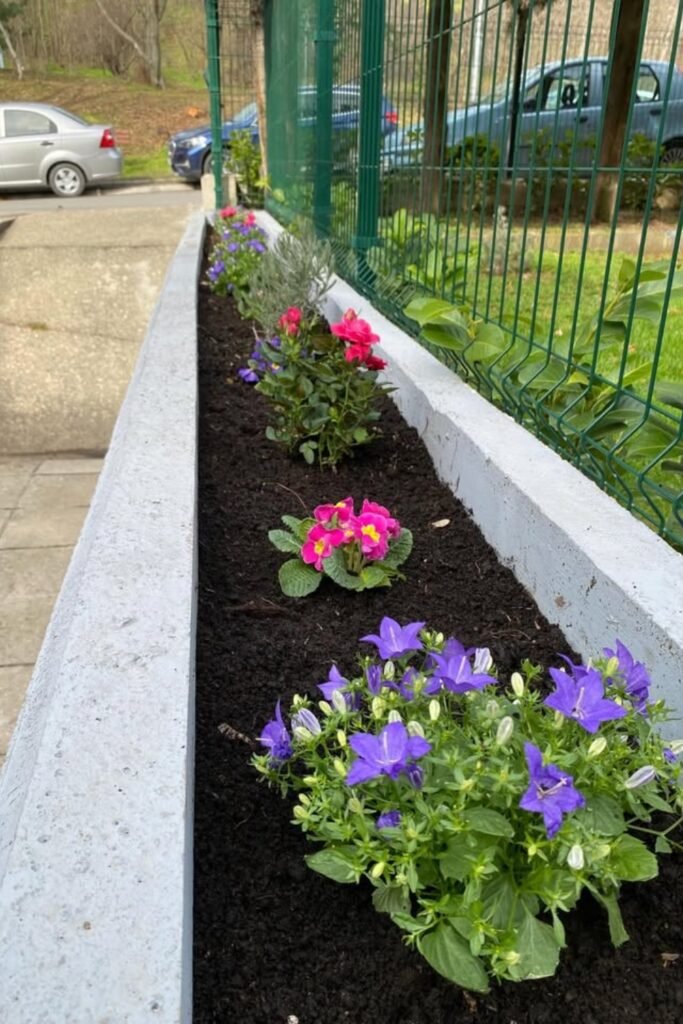
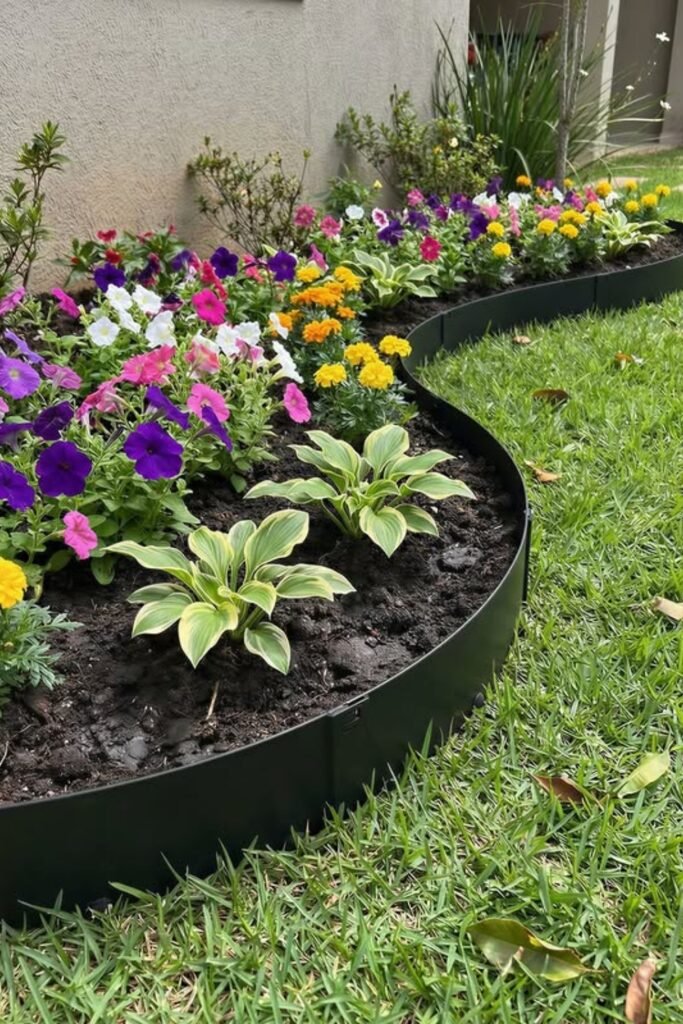
A curved metal border makes the flower bed feel intentional because it guides the lawn line instead of leaving flowers scattered randomly across the yard.
Mix colorful annuals with leafy hostas near the front, so the bed has both bright blooms and calm green texture throughout the small border area.
This works well when your yard needs a soft edge that looks designed but still feels relaxed, cheerful, and easy to update each new season.
Build Block Borders
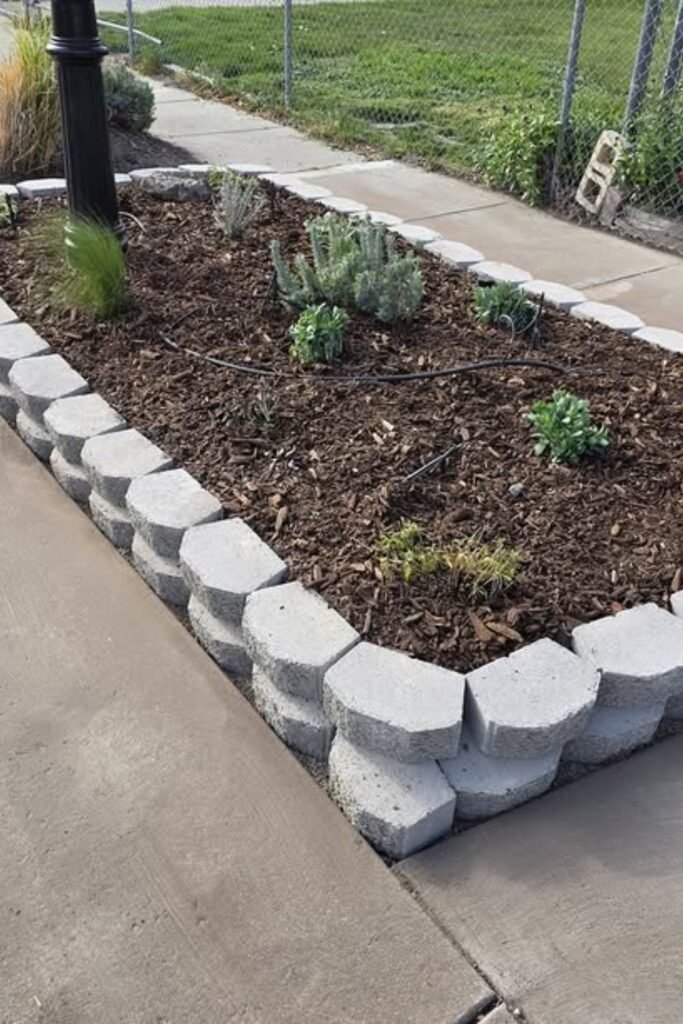
Concrete blocks are useful when you want a flower bed that holds mulch, frames the sidewalk, and feels sturdy from day one in place outside.
Keep the planting simple inside the border, especially if the bed sits near a driveway, street, or busy walking path where space feels limited already.
Mulch fills the empty spaces neatly, while the block edge stops soil from spilling out and makes future maintenance much easier for a beginner gardener.
Layer Front Beds
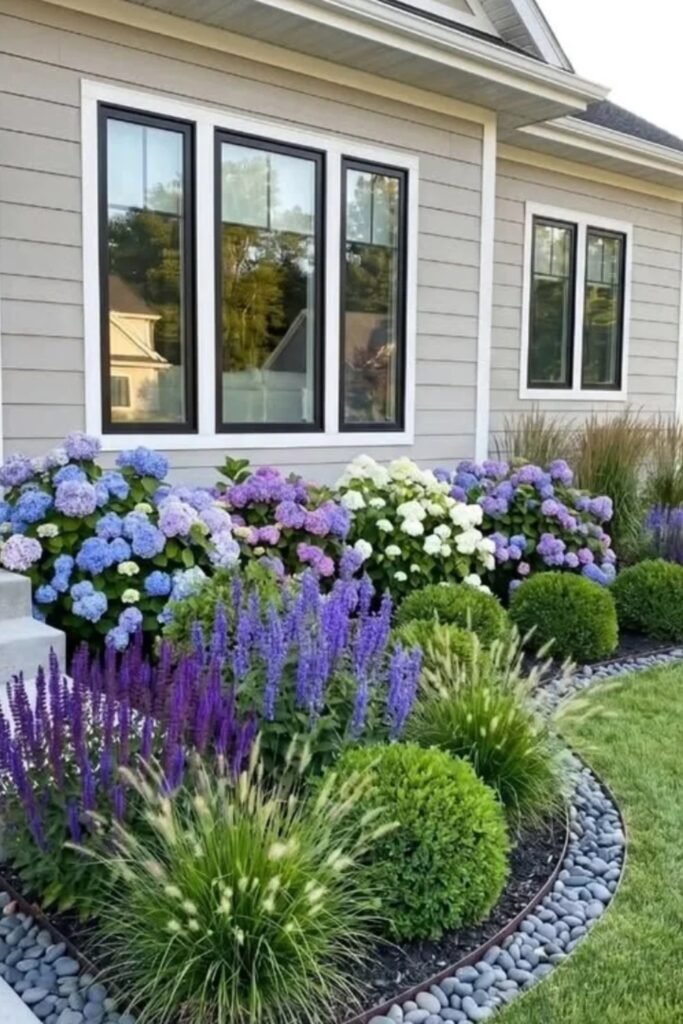
Front beds look more expensive when you layer hydrangeas, lavender-style blooms, grasses, and rounded shrubs instead of relying on one flower near the house wall.
Place taller plants close to the windows, then use lower greenery near the lawn so the view feels balanced from the curb and front steps.
A stone border finishes the whole bed nicely, especially when you want a polished front yard without making the planting feel too formal or stiff.
Shape Fence Beds
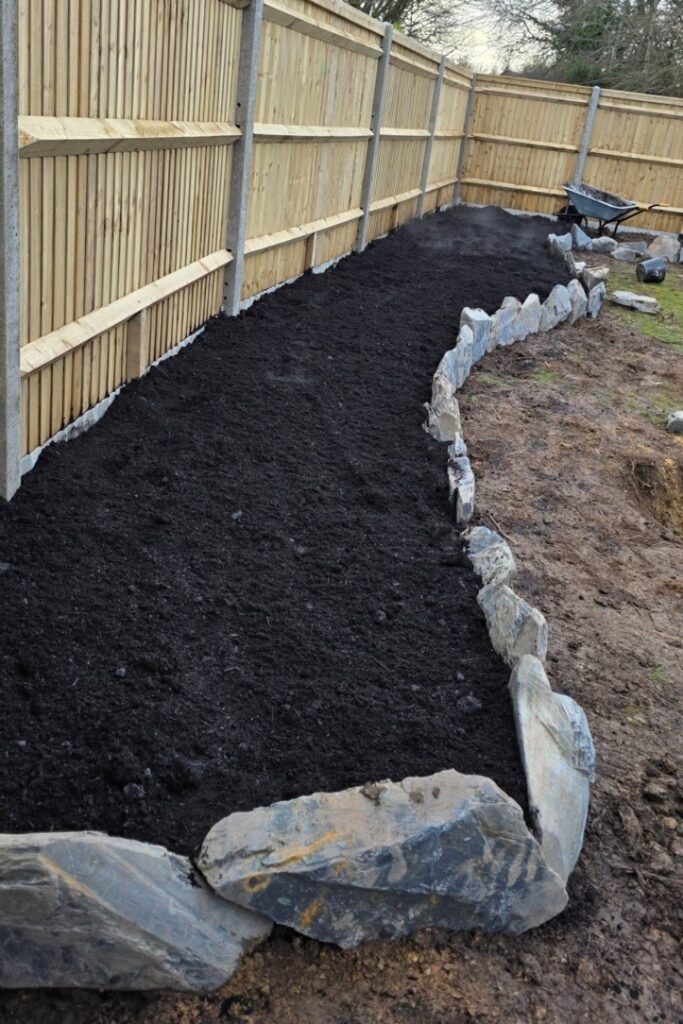
Long fence lines feel easier to handle when you build the bed first, then use rough stones to create a natural boundary before planting flowers.
The dark soil gives you a clean blank base, so you can later add shrubs, perennials, or climbing plants along the fence without visual clutter.
This works well for large backyard edges because the stones stop soil from spilling while making the empty fence area look more finished from day one.
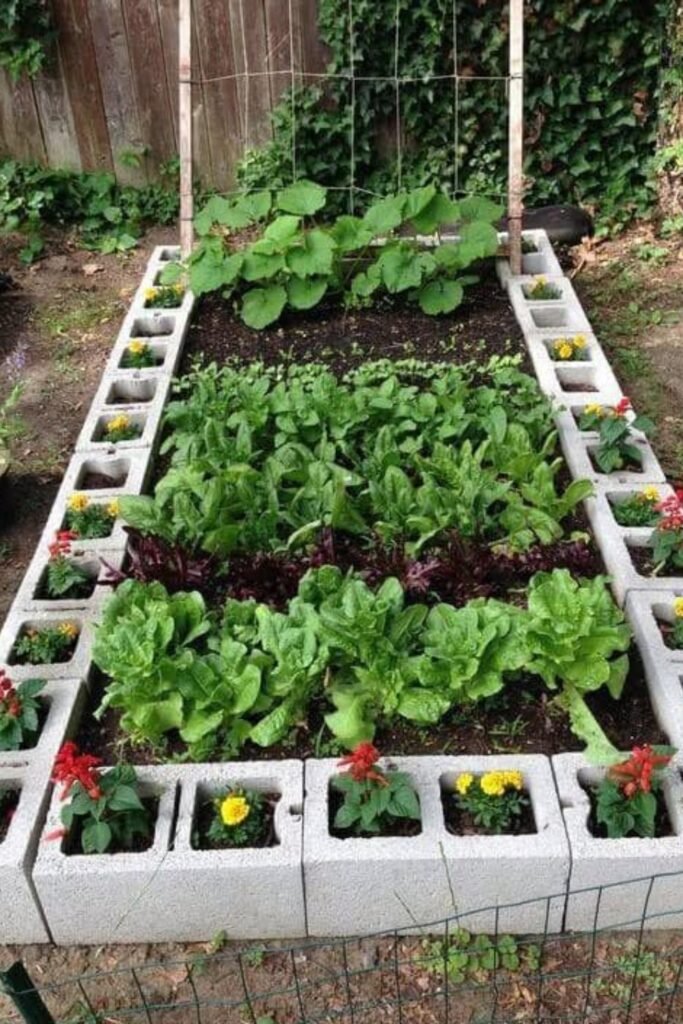
Fill Block Holes
Cinder blocks are perfect when you want a practical garden bed that can hold vegetables inside and small flowers around the border for extra color.
Use the hollow spaces like mini planters, because they brighten the edge while keeping the main soil area open for larger crops inside easily.
This is a smart beginner project when you want structure, planting space, and a cheap raised border without cutting wood or mixing concrete at all.
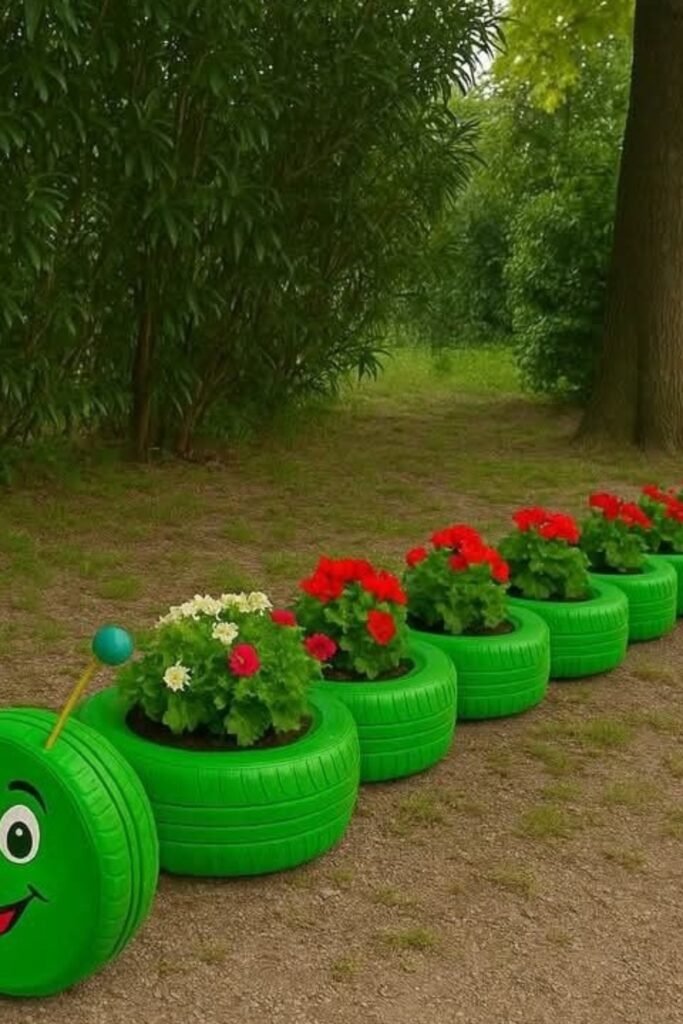
Reuse Old Tires
Old tires can become a playful flower bed when you paint them one color and line them up like a garden caterpillar for kids outside.
Fill each tire with soil and bright blooms, then repeat the same flower color so the design feels fun instead of messy in the yard.
This idea fits play areas, school gardens, or backyard corners where you want a DIY flower bed with personality without expensive materials or hard building.
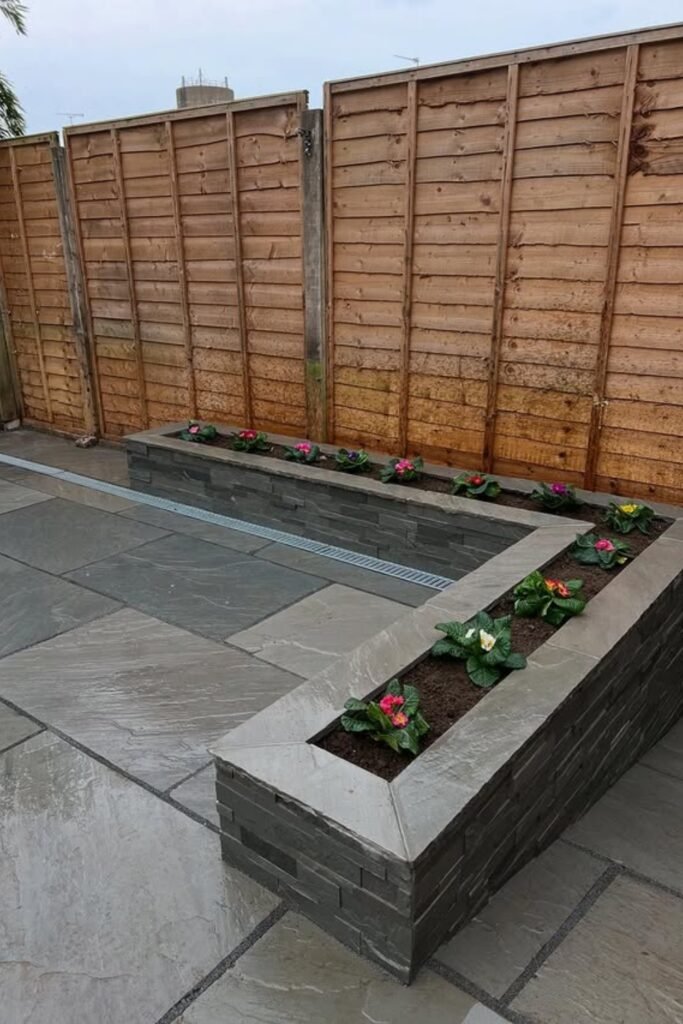
Raise Patio Beds
A raised patio bed is useful when your yard has hard paving, because it gives flowers their own clean planting space without breaking the floor.
Keep the plants simple and evenly spaced along the narrow soil channel, so the wall looks softened without crowding the seating area or walking space.
This works especially well beside fences, patios, and small courtyards where ground-level beds would feel awkward or take too much room from the layout overall.
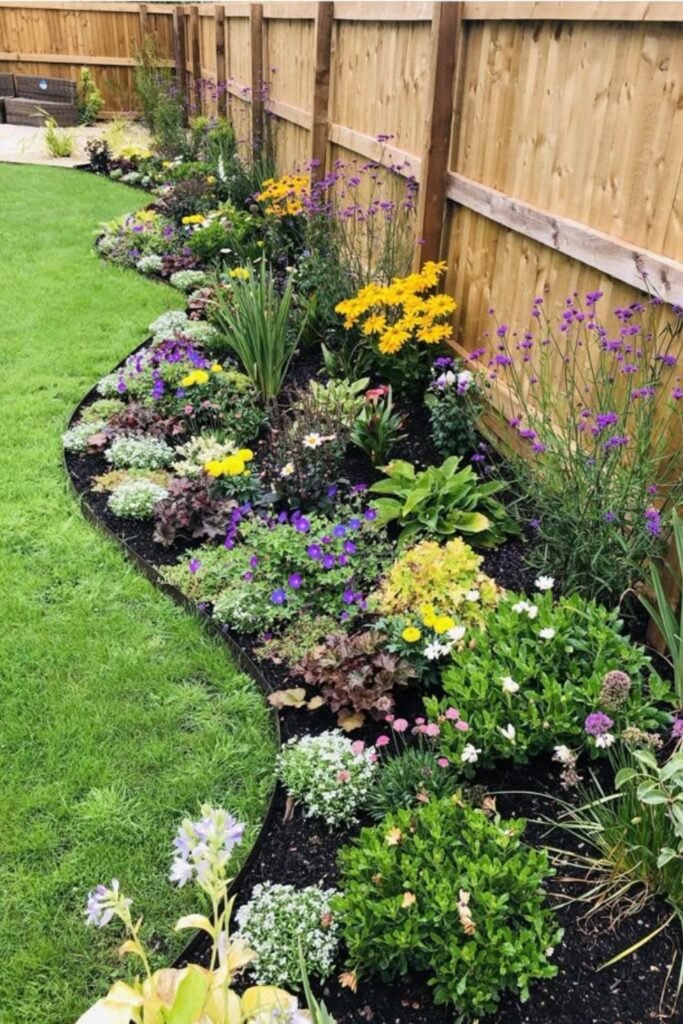
Soften Fence Lines
A long fence bed works best when the planting feels layered, because the fence already gives you a strong straight background behind it outside visually.
Use curved edging and mixed perennials to break that straight line, so the yard feels softer without losing a clean organized shape near the grass.
This is perfect for backyards where the fence feels bare, but you still want color, height, and movement along the lawn without crowding the space.
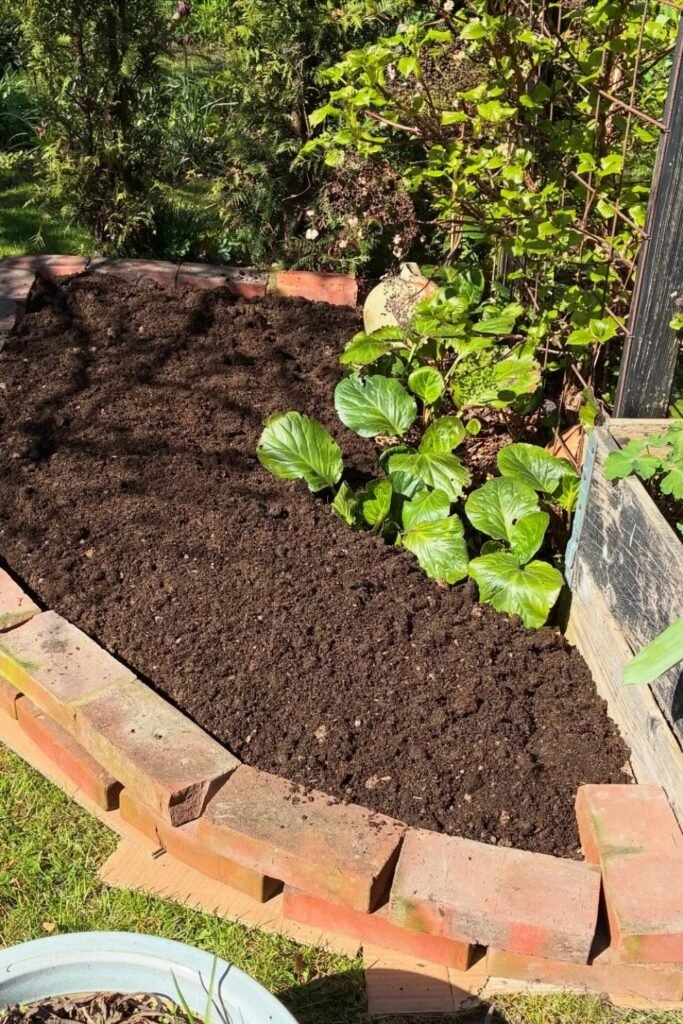
Bend Brick Edges
Old bricks can create a curved flower bed that feels handmade, warm, and much softer than a straight square border in the garden corner area.
Build the edge first, then fill the inside with rich soil so you can plant flowers, herbs, or leafy perennials later without reshaping the bed.
This idea works when you want a raised look but still prefer a simple DIY project using materials you may already have at home nearby.
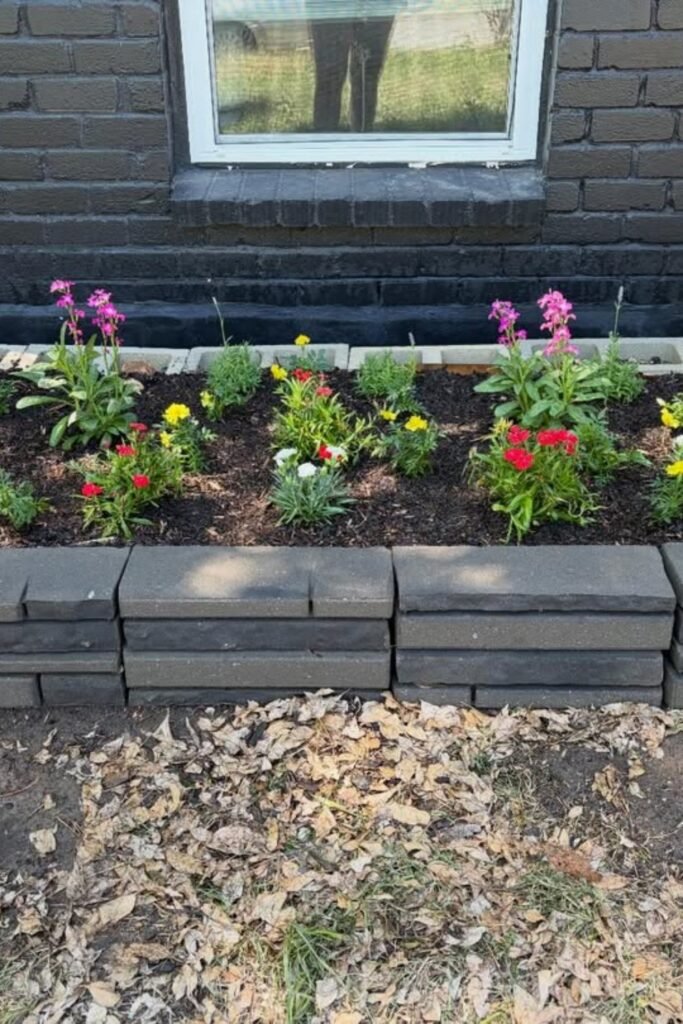
Frame Small Windows
A low raised bed can make a plain wall feel more finished, especially when it sits directly under a small basement window or side window.
Keep flowers spaced with dark mulch around them, because young plants need room before the bed starts to fill out naturally through the season ahead.
The block border adds structure, so the flower bed looks intentional even before every plant grows bigger and covers the empty soil between each bloom.
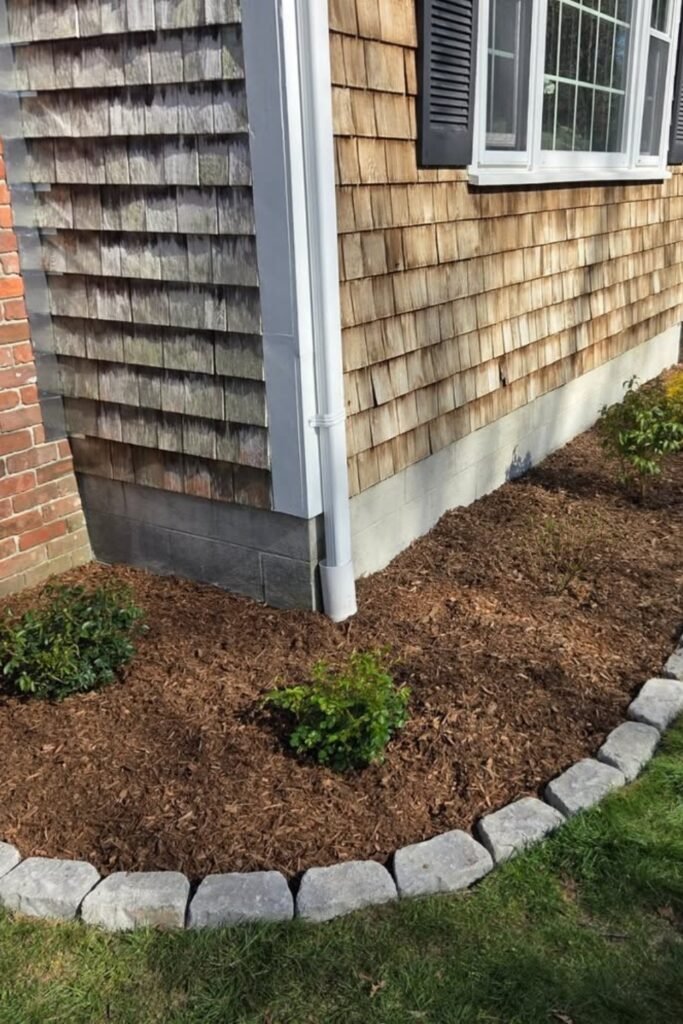
Mulch House Beds
House-side beds do not need heavy planting right away, because fresh mulch and a stone border can clean up the foundation quickly without much cost.
Start with a few shrubs first, then leave open mulch around them so the bed feels neat while plants slowly mature over the next seasons.
This is a smart choice for front or side yards where you want curb appeal before adding more flowers later near the house wall edge.
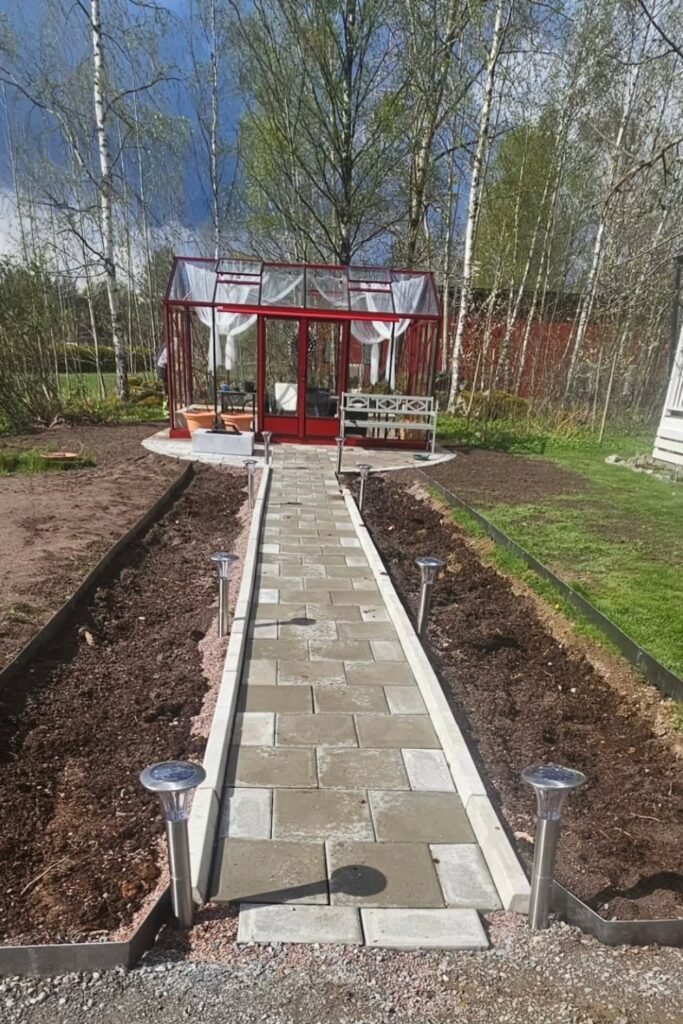
Frame Walkways
Walkway flower beds feel more intentional when both sides stay open and prepared, because the path naturally becomes the guide through the garden space outside.
Add low edging, fresh soil, and simple path lights first, then plant flowers later so both beds do not feel rushed, patchy, or uneven outside.
This setup works well when you want a clean entrance route that can slowly fill with color as your planting budget grows over time easily.
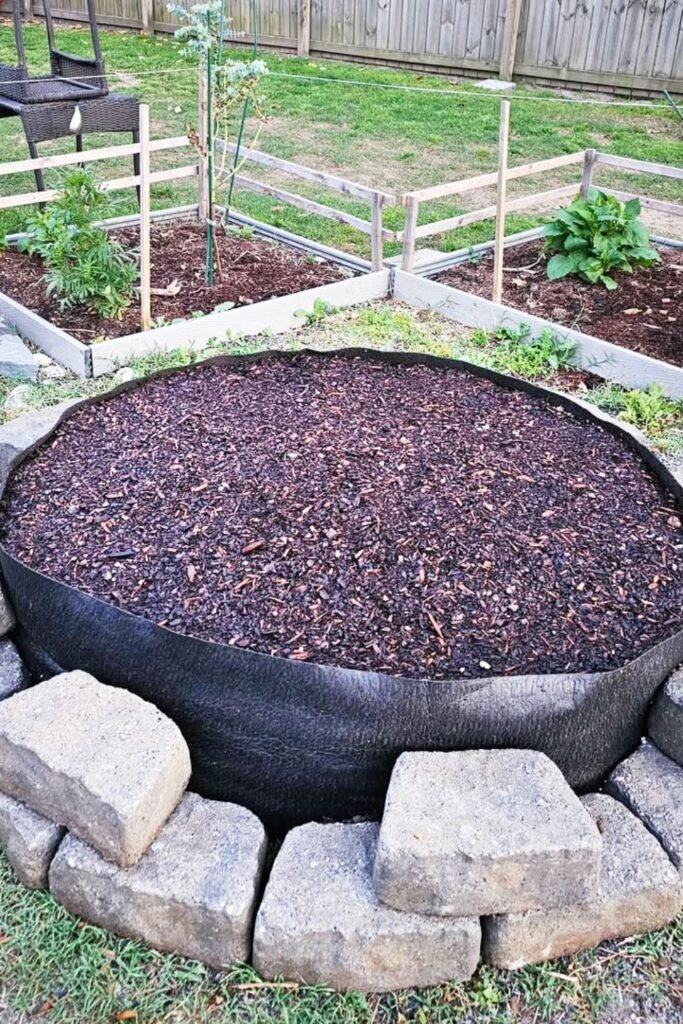
Make Round Beds
Round beds are great when a square layout feels too stiff, because the shape softens the yard and creates a clear planting moment right away.
The fabric liner and stone edge help hold mulch in place, while giving the bed enough height for stronger visual impact in a small yard.
Use this idea for a central flower bed, small pollinator patch, or simple focal point before adding colorful plants later in the growing season outside.
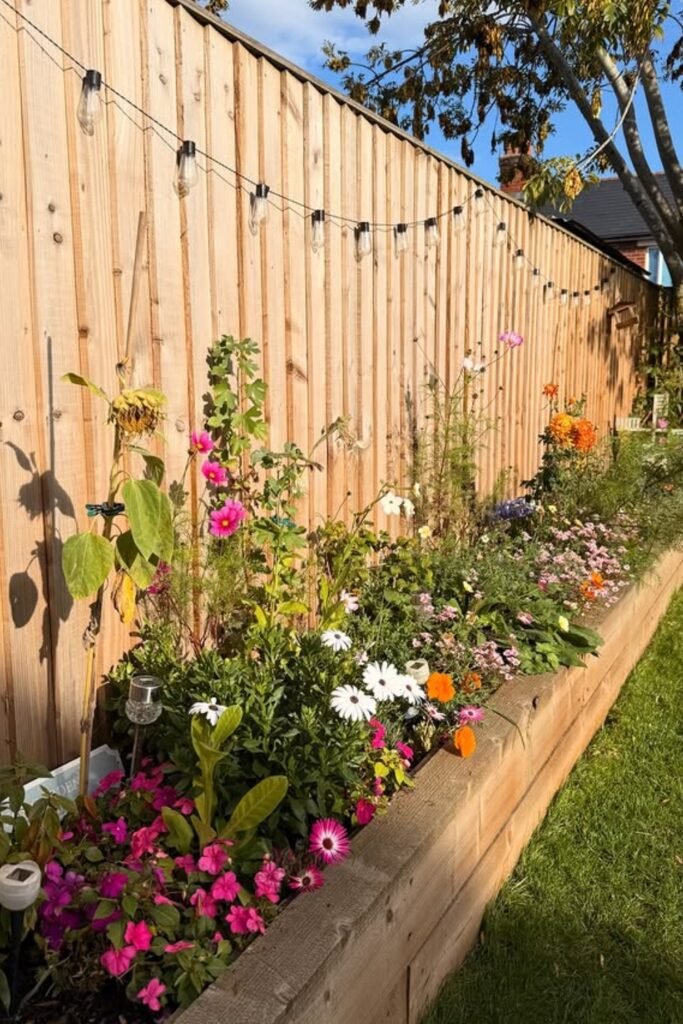
Raise Fence Color
A wooden raised bed is perfect beside a fence because it gives flowers depth, warmth, and a clean boundary above the lawn line outside easily.
Mix tall stems, trailing blooms, and small fillers together, so the bed looks relaxed but still full from the front view near the fence line.
String lights above the planting area add evening charm, which makes this flower bed feel useful for both daytime color and night atmosphere outside too.
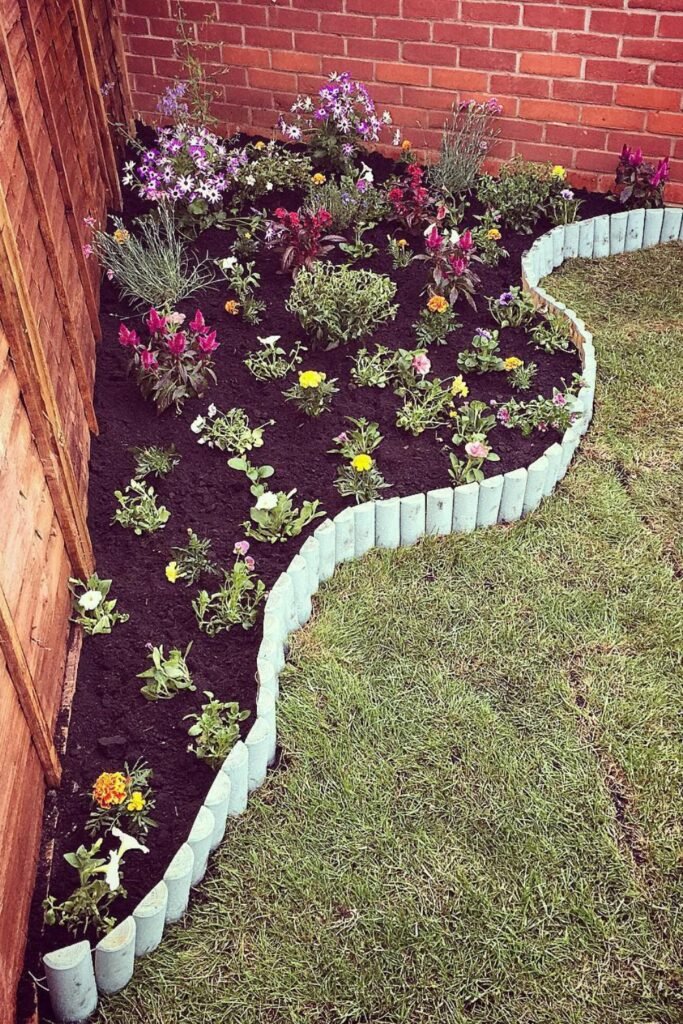
Curve Corner Edges
Awkward corners become easier to use when you curve the flower bed instead of forcing a straight border against two hard walls in the yard.
The pale edging separates grass from soil clearly, so new plants can grow without the whole corner looking unfinished or messy during early growth stages.
Keep taller flowers near the back and smaller blooms near the curve, because that layout makes the bed easier to read from the lawn side.
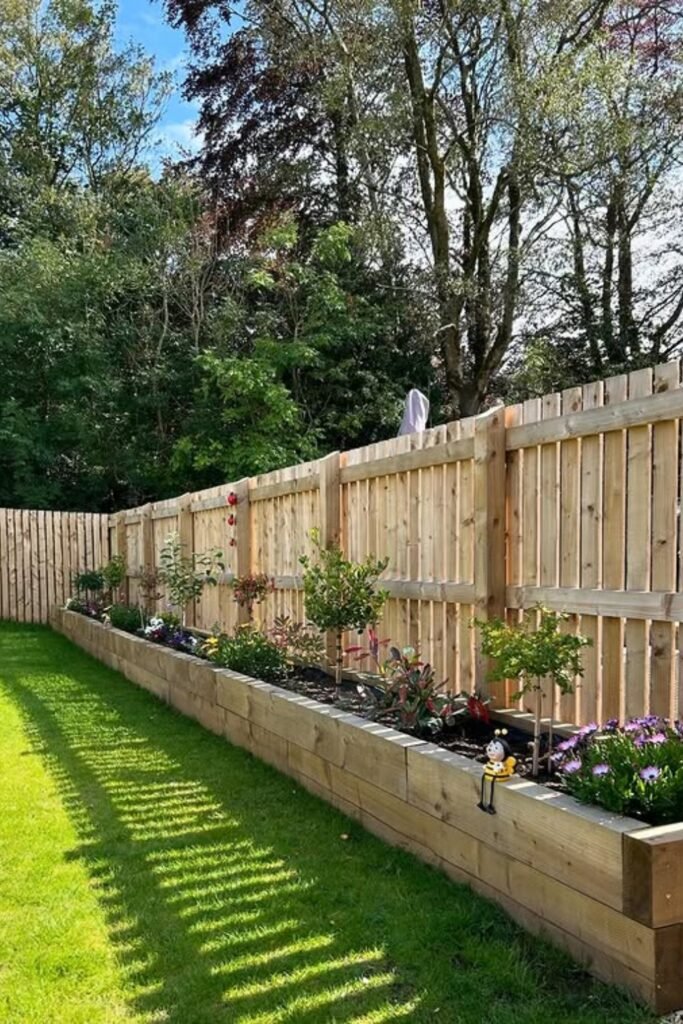
Raise Fence Beds
Long raised beds work well beside privacy fences because they turn a plain boundary into a clean planting strip with real purpose and color outside.
Use the fence as the backdrop, then repeat small shrubs and flowers through the bed so the length feels balanced rather than empty or random.
This idea suits narrow yards where you want greenery along the edge without losing much lawn or creating a bed that feels too wide outside.
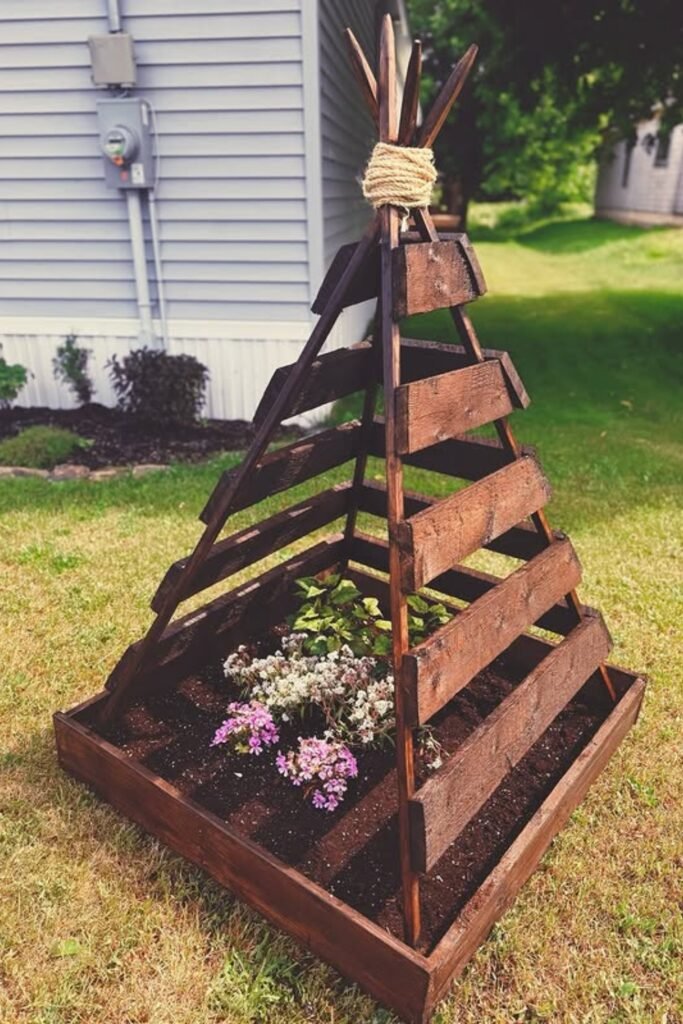
Build Teepee Beds
A small teepee bed gives the garden a playful focal point, especially when a flat flower bed feels too simple for the open lawn space.
Plant low flowers inside the base and let the wooden frame add height, so the whole piece feels decorative before plants grow fully in summer.
This works nicely for kids’ gardens, cottage corners, or backyard spots where you want a DIY flower bed with handmade character and charm outside too.
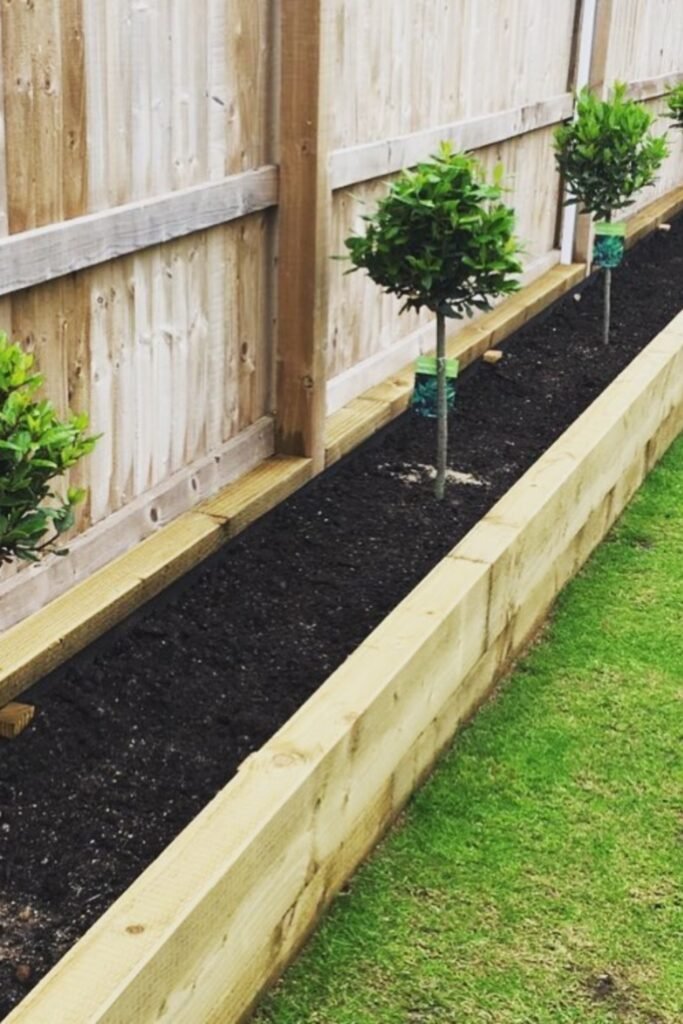
Line Small Trees
Small trees can turn a simple raised bed into a clean privacy border, especially when you want structure more than seasonal flowers along fence lines.
Leave dark soil open between each tree, because that spacing makes the bed look tidy now and gives roots room to settle in place properly.
Use this idea along fences where you need height, greenery, and a polished border without filling the whole strip with flowers from end to end.
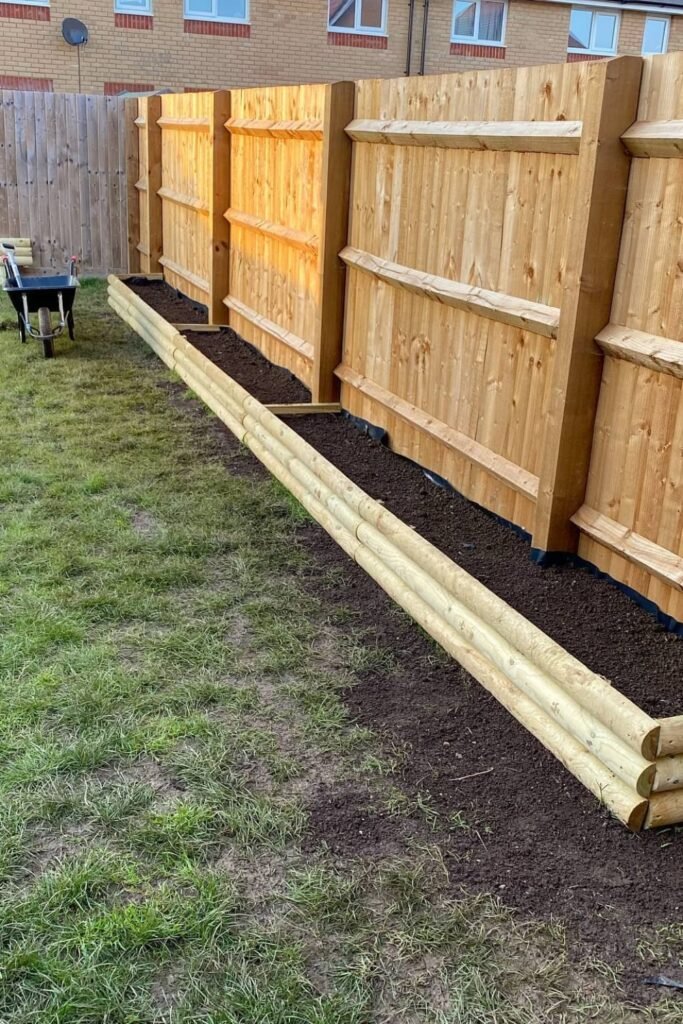
Stack Log Edges
Log edging gives a fence-side bed a warm rustic look, while still keeping the soil line straight, raised, and easy to follow along lawn edges.
This is a good base project before planting, because the border already separates grass from soil and stops the bed from feeling unfinished or messy.
Add flowers later in repeated groups, so the long narrow space looks planned instead of becoming a random row of different plants along the fence line.
FAQs
What is the easiest DIY flower bed for beginners?
The easiest DIY flower bed for beginners is a small raised or edged bed near a fence, walkway, or front yard corner.
Start with a simple shape, remove grass, add compost-rich soil, and finish with mulch. You do not need a large layout at first.
A small bed helps you control weeds, test plant choices, and learn basic care without turning the whole yard into a big project.
How do I keep a DIY flower bed from looking messy?
A DIY flower bed looks cleaner when you give it a clear border, repeat a few plants, and leave enough space between each flower.
Avoid adding too many colors or random plant types at once. Use mulch to cover bare soil, place taller plants toward the back, and keep shorter blooms near the edge. This simple structure helps the bed look planned instead of crowded.

Hi, my name is Ali Mehmood! I’m a passionate writer and DIY enthusiast who loves turning creative ideas into practical, hands-on projects.
I created this website to share inspiring, budget-friendly ideas that you can do yourself – whether it’s organizing your home, crafting something unique, or creating fun projects for kids and pets.
I believe DIY isn’t just a hobby – it’s a smart way to save money, reduce waste, and enjoy the satisfaction of making things with your own hands.
I’m excited to have you as part of this growing community, and I’ll continue bringing you helpful, realistic, and fun DIY ideas you can actually use.